Art Supplies
Best Colorless Blenders and Burnishers for Colored Pencil Artists: Hands-On Comparison
Ten pencil blenders and burnishers tested side by side on the same swatches, comparing blending smoothness, crumbling, vibrancy, and how each suits different ways of working.
Introduction
If you color with pencils and you want that rich, smooth, fully saturated finish, you have two main routes: odorless mineral spirits or a colorless pencil blender. Mineral spirits liquefy the pigment so it seeps into the paper tooth, which preserves the tooth and makes it easy to keep layering afterwards. Pencil blenders do the job mechanically: you apply pressure, push the pigment down into the tooth, and smooth away the white speckles. That pressure does flatten the tooth, which limits how many layers you can add afterwards, so blenders reward planning ahead.
One important note before choosing: if you have arthritis or any hand pain, mineral spirits is generally the kinder route. Every one of these blenders requires firm pressure, and that pressure can aggravate sore hands over long blending sessions. For artists without those concerns, pencil blenders remain a clean, solvent-free way to get a polished finish.
How Blenders Work and Why the Test Matters
Most papers, even Bristol smooth, have tooth: tiny hills and valleys on the surface. When you apply light layers, the pencil skims along the tops of those hills and the valleys stay white. A blender is meant to press that pigment down, fill the valleys, and merge all your colors into one smooth transition.
The rules of thumb worth knowing: apply roughly five or six layers of color before blending, because one layer gives the blender almost nothing to merge. And once you have burnished the tooth away, expect to be fairly limited in adding more layers afterwards. Mineral spirits artists build depth in cycles of layers, solvent, more layers; blender artists plan everything up front.
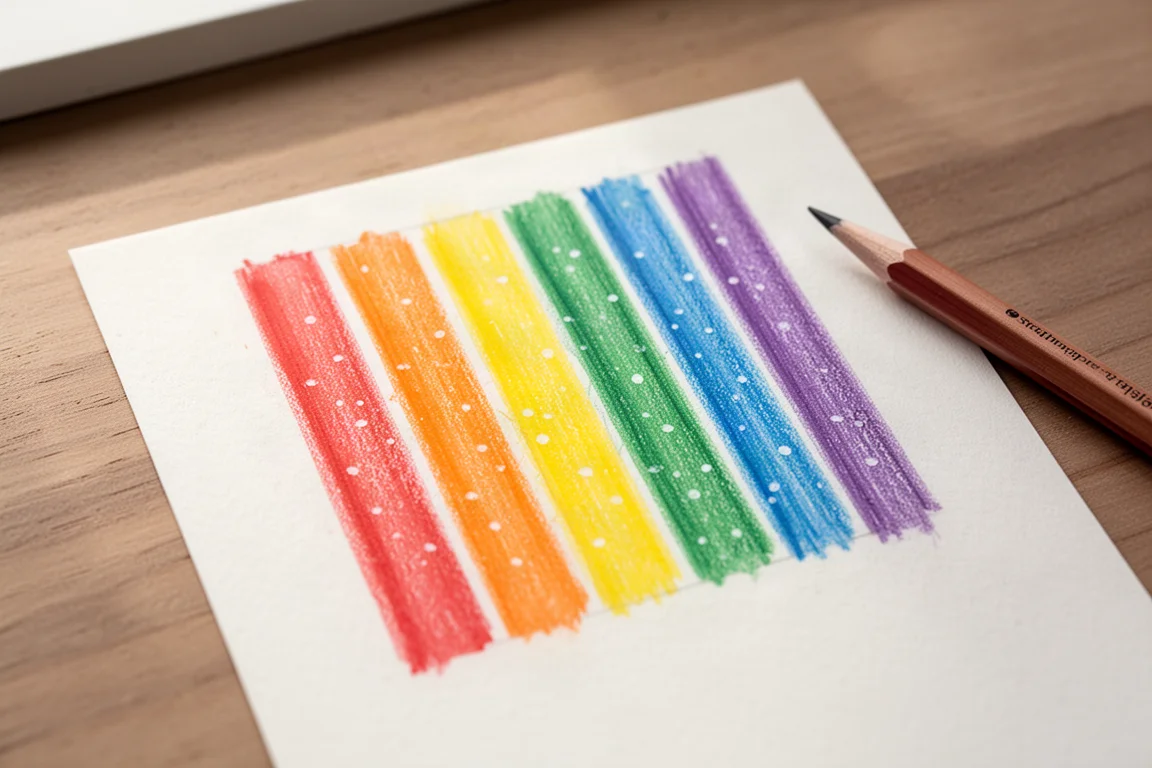
To keep the comparison fair, every swatch was drawn with the same Prismacolor Premier pencils on the same Strathmore Bristol vellum paper, using the same number of layers for each brand.
The Results at a Glance
All ten pencils were taken out of their packaging unsharpened and sharpened normally, working from red through orange, yellow, green and blue. Even with identical conditions, clear differences emerged between brands, which was genuinely surprising. Some cores are noticeably harder, some crumble far more, and some hold color vibrancy better than others.
A practical sharpening tip that applies to all of them: avoid needle-sharp points. Everything you sharpen off a blender is blender core, not wood, so a very fine point wastes a lot of usable material. A slightly blunt, rounded tip also covers larger areas faster.
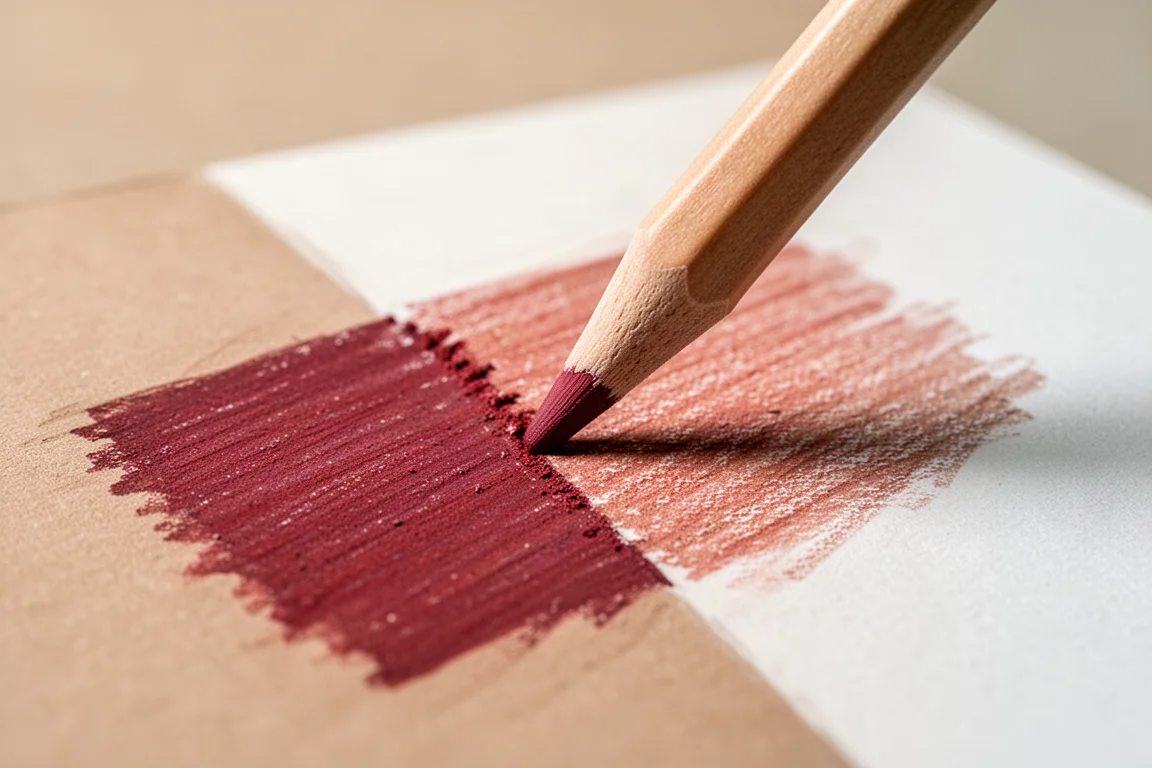
On crumbling, the Prismacolor was the crumbliest of the group, with Cretacolor next, then Derwent. The Lyra core felt the hardest with very little crumbling at all, and the Koh-I-Noor was close behind with slightly more. The Staedtler and both Caran d’Ache blenders performed well overall.
Blender vs Burnisher: What Each One Is For
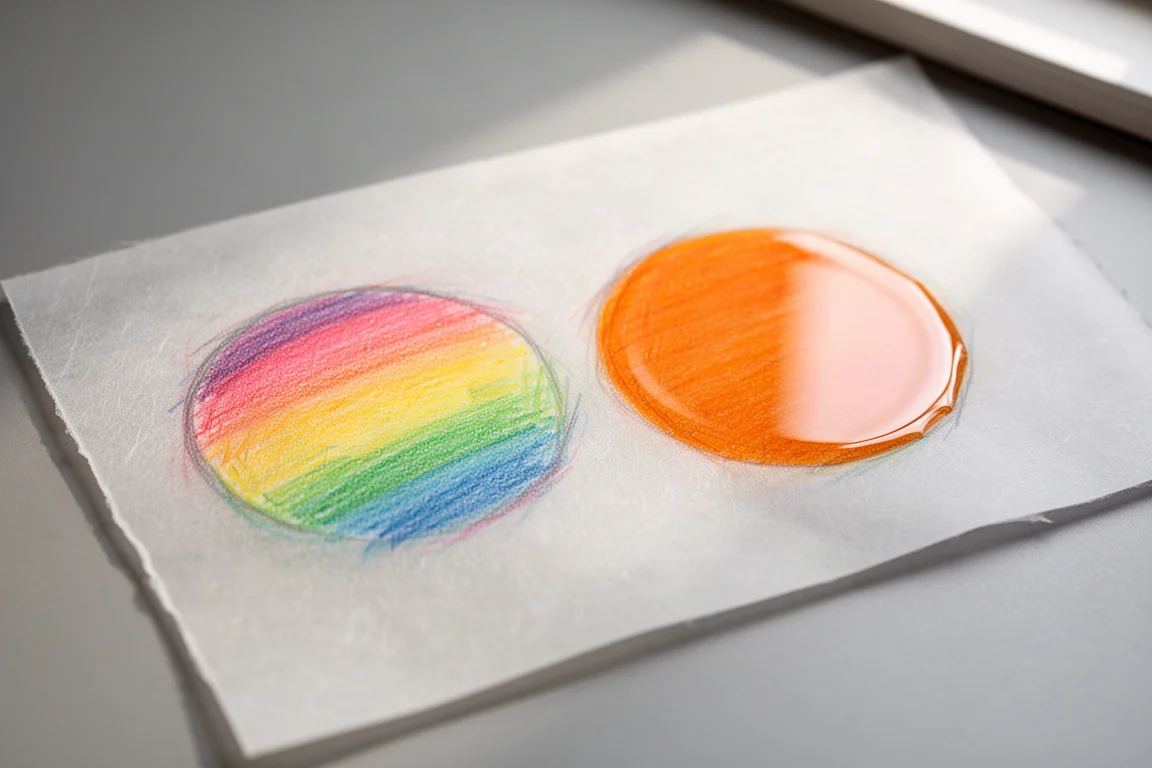
The standard definition is simple: blenders merge colors together, while burnishers are for final layers, adding a glossy, polished appearance once you are done. That definition held up in testing. The burnisher produced a uniform glossy sheen, a bit like the bloom you get from wax-based pencils but far more even, which is ideal for shiny subjects such as cherries, grapes, or the label of a wine bottle.
The trade-off is vibrancy. Both the Cretacolor and Derwent burnishers noticeably muted the color compared with their matching blenders, which either preserved or even heightened vibrancy. A sensible workflow: blend your colors, add any remaining layers, then finish with a burnisher only where you want that glossy highlight.
Cretacolor Blender and Burnisher
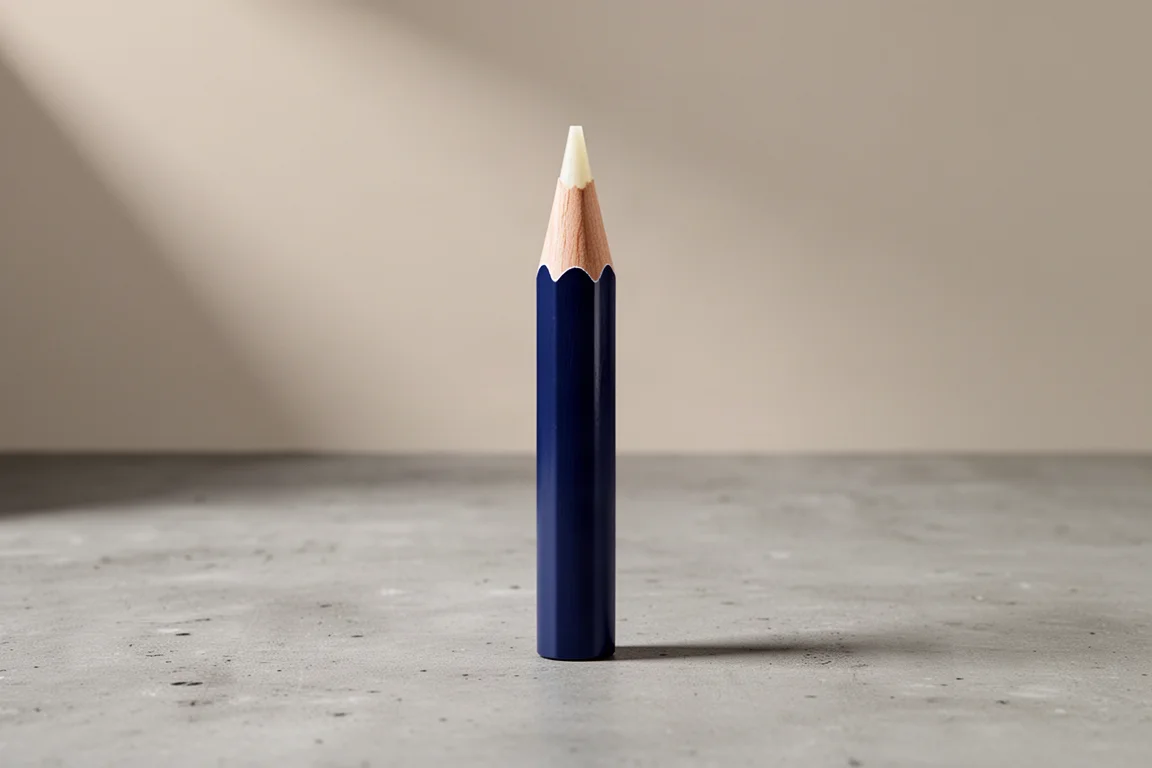
The Cretacolor colorless blender delivered one of the strongest surprises of the test. It was not expected to perform this well, but it produced a smooth, even finish while keeping the colors lively, slightly coarser in feel than the smoothest cores but very effective. Both it and the burnisher come unsharpened.
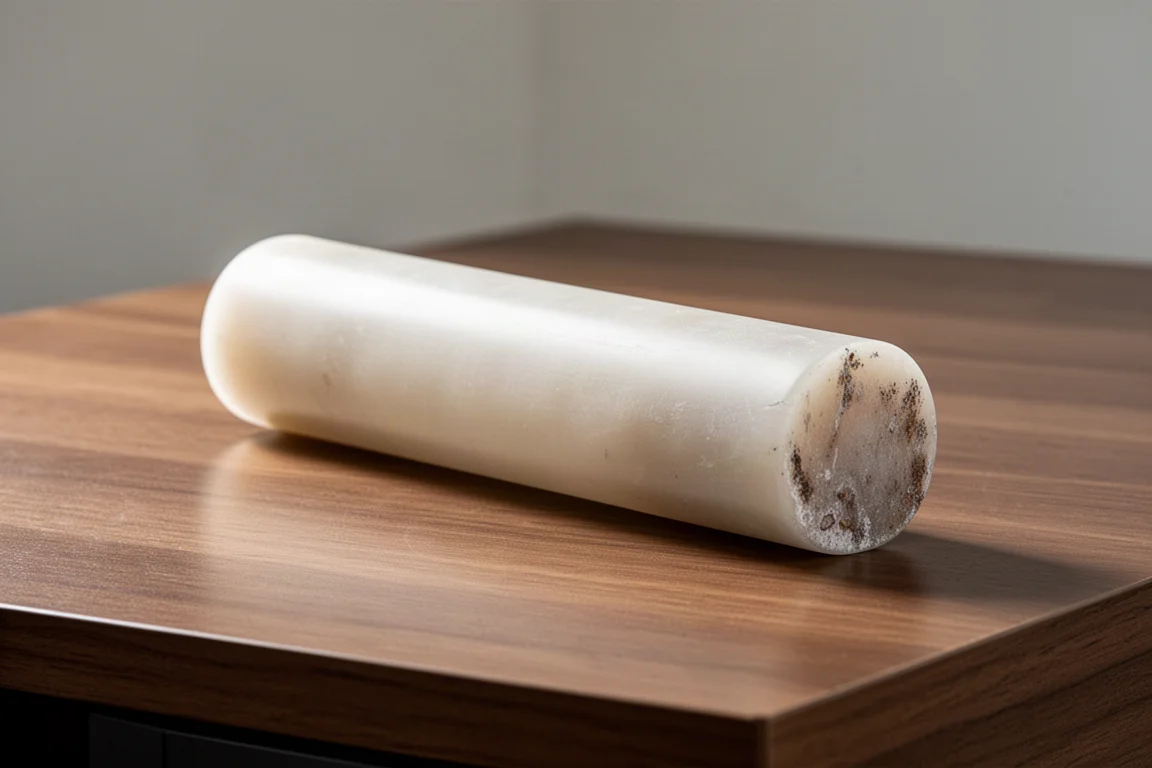
The Cretacolor burnisher, in its white barrel, gave the characteristic glossy finish at the cost of some vibrancy. The set packaging is worth noting: Cretacolor sells a pack of five colorless blenders plus one burnisher, which is good value if you blend large areas regularly.
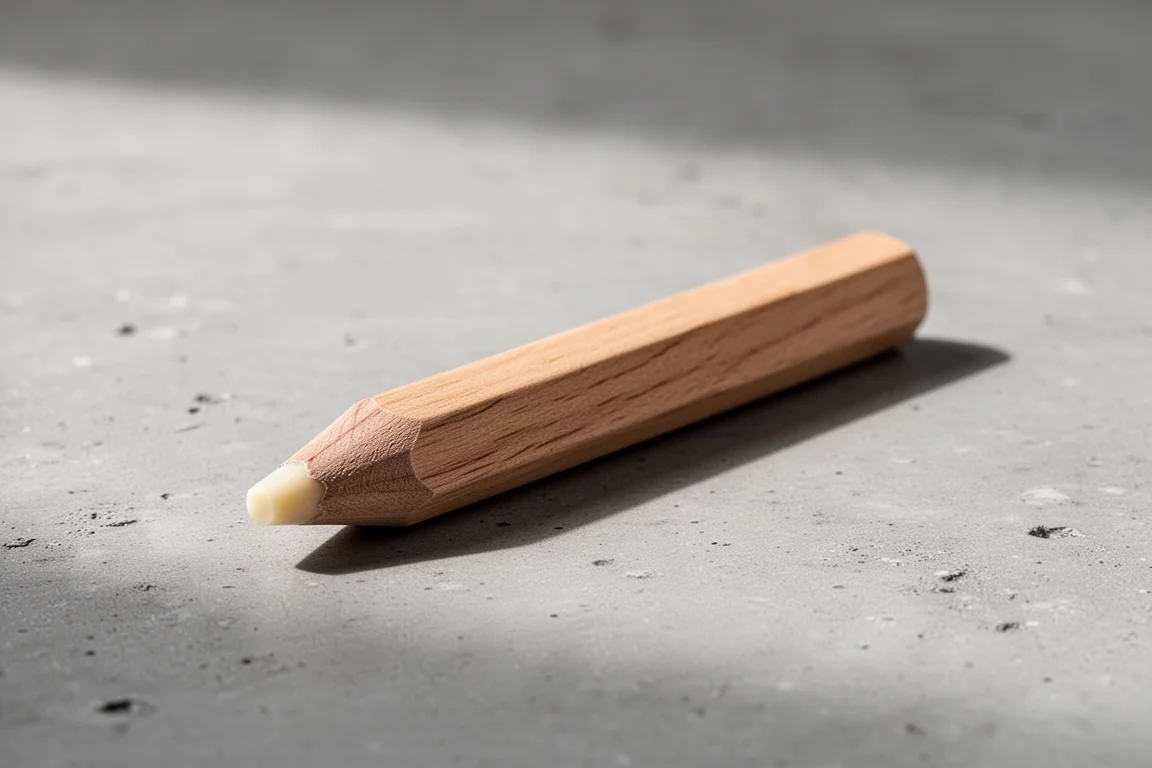
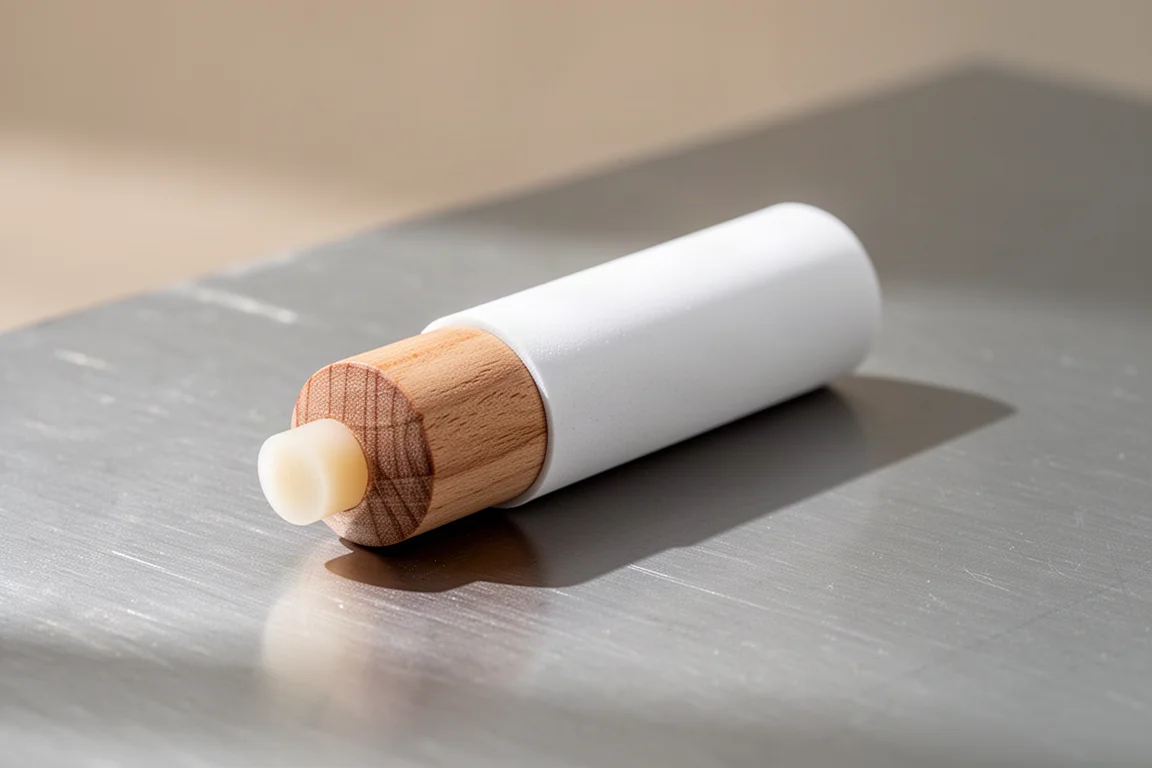
Derwent Blender and Burnisher
The Derwent colorless blender came in a pleasant wood barrel and produced a clean, workable finish, though its core was among the more crumbly of the group tested. The Derwent burnisher shares the same story as the Cretacolor version: it delivers the glossy final look but does not maintain color vibrancy, so reserve it for the very end of a piece.
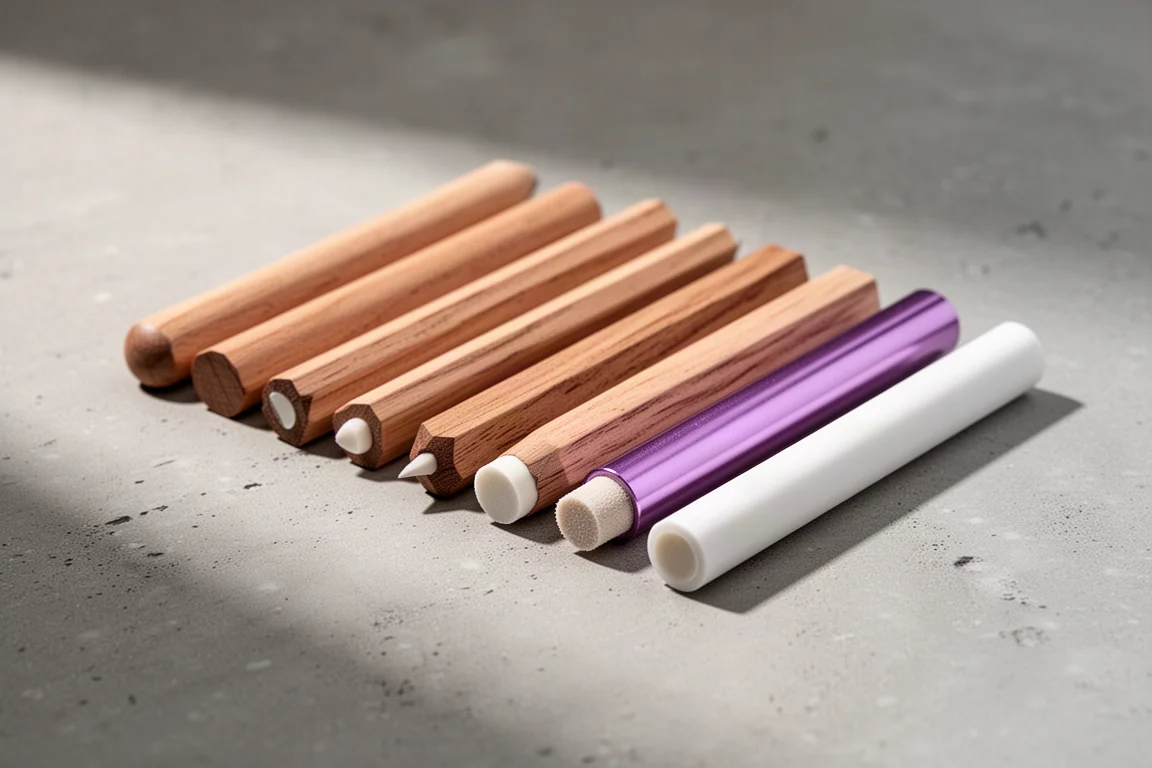
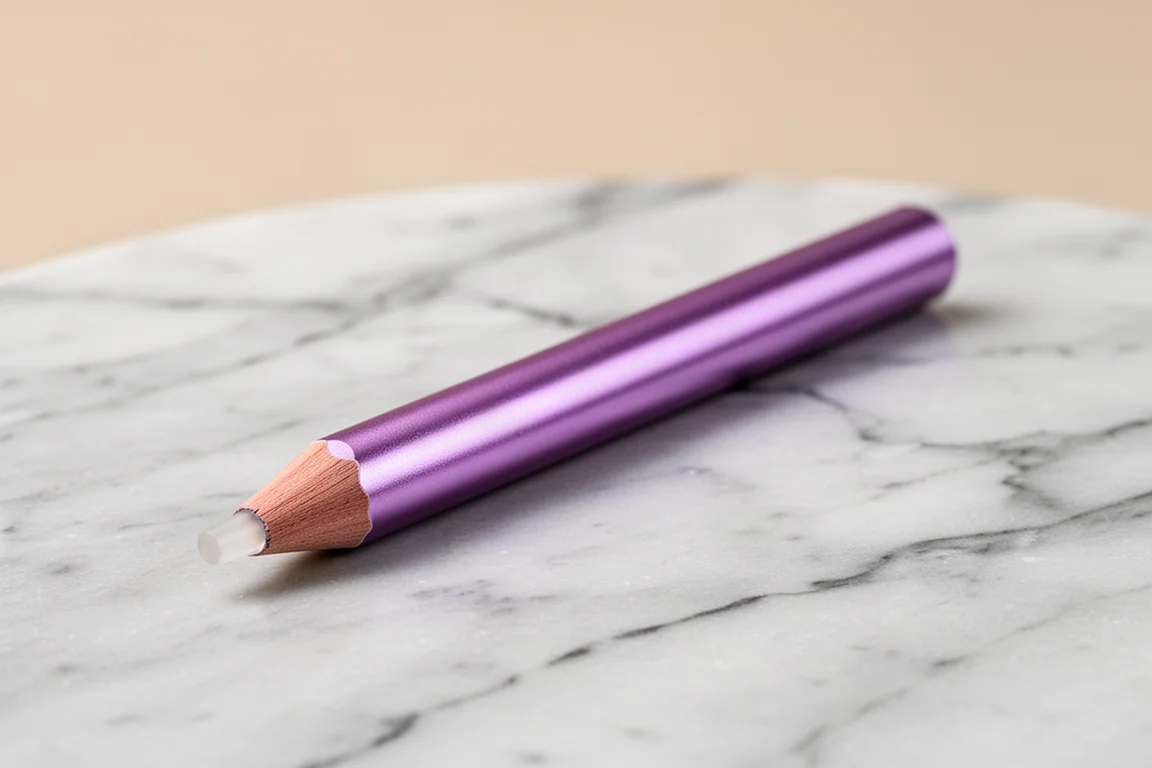
The Derwent set is a complete package: two blender pencils, two burnishers, an eraser, and a sharpener. The burnisher barrel has a distinctive metallic lilac finish, which makes it easy to tell apart from the blender at a glance.
Prismacolor Colorless Blender
The Prismacolor blender produced a smooth result, a touch smoother than the Cretacolor and Derwent cores, but it was the most crumbly of the entire test. Expect to brush little flecks off your paper as you work. It comes in a pack of two, which helps offset the waste from crumbling and sharpening.
Because the test swatches themselves were drawn with Prismacolor Premier pencils, this is also the pairing most likely to be formulated to work together. Many artists believe each manufacturer blends their core to match their own pencil line, and there is reasonable logic to that, since a colorless blender is essentially the pencil core minus the pigment.
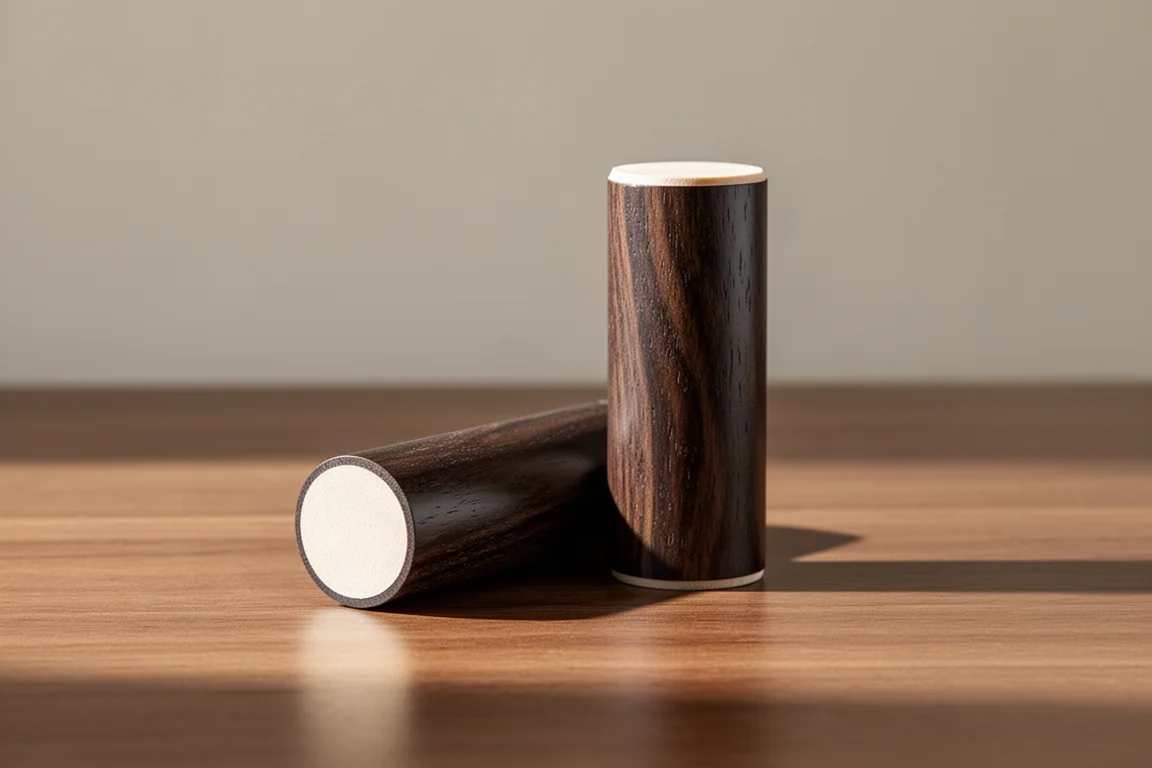
Lyra Rembrandt Splender
The Lyra Rembrandt Splender stood out for its hard core. Of all the blenders tested, it crumbled the least, which makes it pleasant to work with and easy to keep your paper clean. The finish it produced was solid and consistent.
It has a plain wood barrel and is sold individually rather than in a blister pack. If you are tired of crumbly cores dropping debris across your work, this is the one most likely to solve that problem.
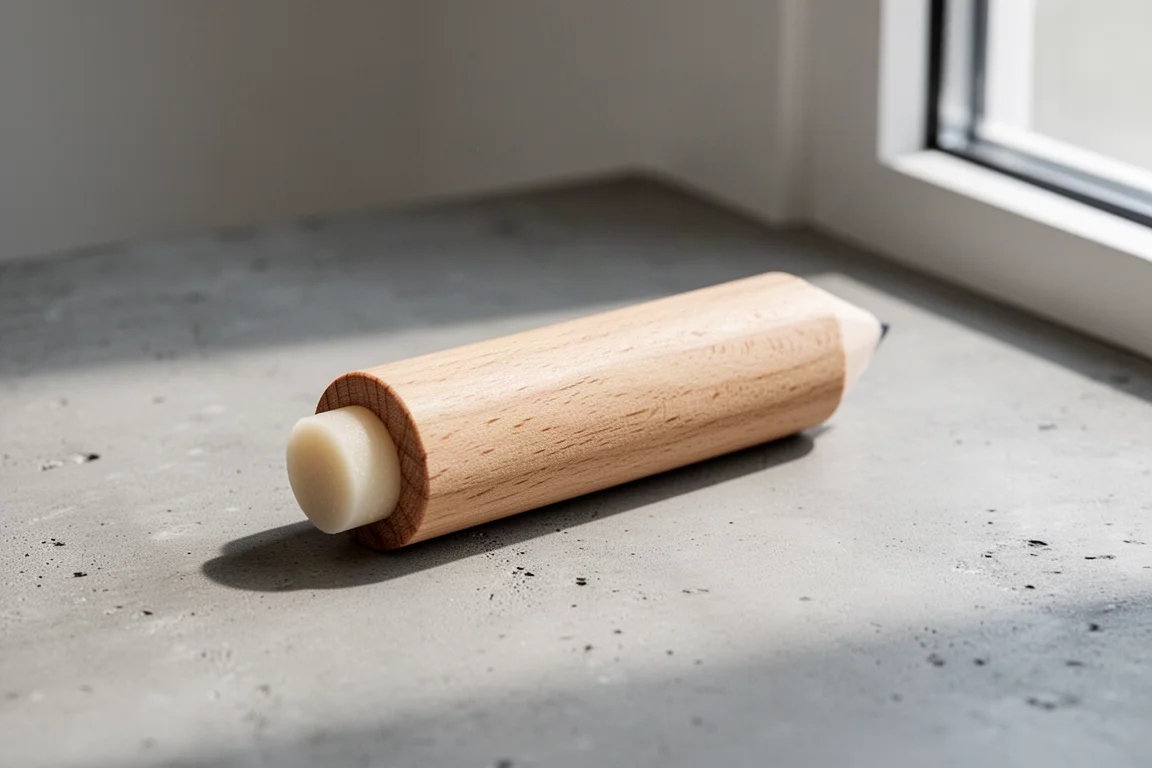
Koh-I-Noor Colorless Blender
The Koh-I-Noor was the first hexagonal barrel in the lineup, with the rest of the group being round. Its core is also hard, with only slightly more crumbling than the Lyra, and it delivered a respectable blended finish in the swatch test.
Like the Lyra, it is purchased individually. Both are sensible picks if you want to try a blender without committing to a multi-pack set.
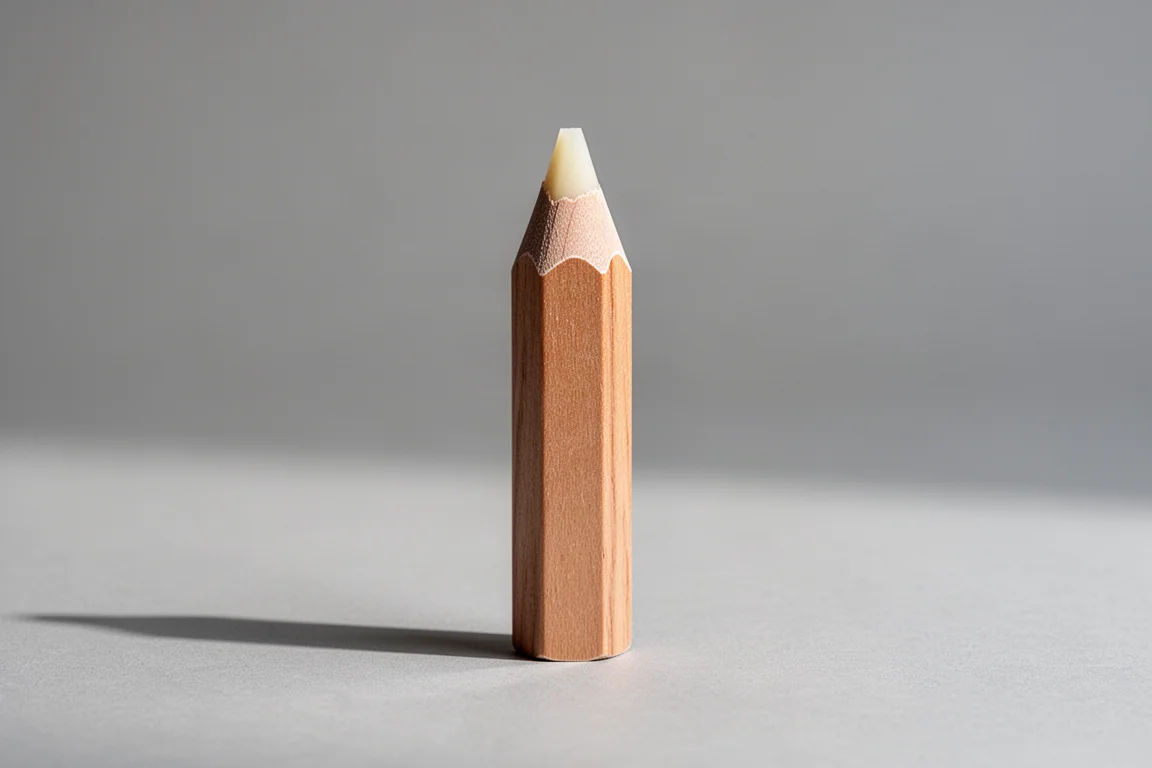
Staedtler Design Journey Blender
The Staedtler Design Journey blender comes in a white hexagonal barrel, and it was another pleasant surprise. Staedtler’s Design Journey range has consistently impressed, and this blender followed that pattern with a nice result, though it was a little crumbly in use.
Some core breakage is inevitable with any of these tools, since the whole method relies on pressing hard to drive pigment into the paper. Just keep the point slightly rounded rather than razor sharp and you will get the most out of each pencil.
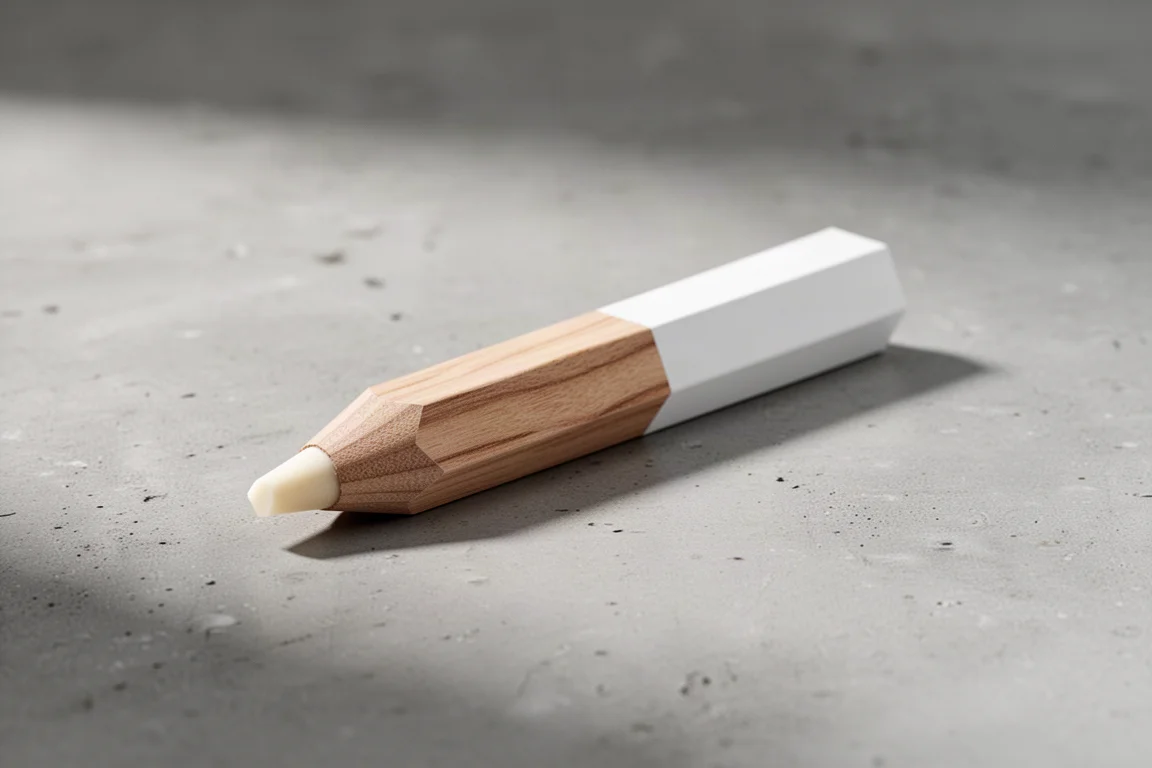
Caran d’Ache Full Blender and Pencil Blender
Both Caran d’Ache blenders earned really nice results, and they were the long-time favorite going into this test. The two are identical in ingredient: the Full Blender is a bare, full-bodied stick you can grip directly, while the Pencil Blender is the same core inside a wooden barrel.
The full-bodied format has a clear advantage for large areas. If you are blending a big black background on a substantial piece, a wide stick covers far more ground than a pencil point and saves your hands in the process, even for artists without any grip issues. The trade-off is sharpening: sharpening the Full Blender wastes a lot of core, since there is no wood casing, so many artists simply let it wear down and round off at the edges. If you mostly blend detail areas, the Pencil Blender version is arguably the smarter buy.
An interesting observation: although these should theoretically share the core of the Caran d’Ache Luminance pencils, the blender core is noticeably harder than Luminance, so it does not behave like a pigment-free Luminance.
Buying Advice
A few things to weigh before choosing. First, packaging differs a lot: Cretacolor sells five blenders plus a burnisher, Derwent bundles two blenders, two burnishers, an eraser and a sharpener, and brands like Lyra, Koh-I-Noor and both Caran d’Ache versions are sold individually. A higher single-pencil price may still be better value if the core performs better or crumbles less.
Second, think about brand matching. There is a reasonable argument, though untested here, that each blender works best with its own brand’s pencils, since the core mirrors that brand’s pencil formulation minus the pigment. If you already own Prismacolor, Derwent, or Luminance pencils, starting with that brand’s blender is a logical first step.
Third, decide on finish. If your goal is smooth, vibrant merging of colors, choose a blender. If you want glossy highlights on cherries, grapes, or glass, add a burnisher and use it only at the very end.
Conclusion
There are real, visible differences between these ten pencils, in smoothness, crumbling, vibrancy and core hardness. The Cretacolor colorless blender was the standout surprise, the Lyra Splender and Koh-I-Noor impressed with their hard, low-crumble cores, the Prismacolor blended smoothly despite being the crumbliest, and the Caran d’Ache pair remain excellent choices, especially the Full Blender for large background work. Match the tool to your pencils, your paper, and whether you want smoothness or gloss, and any of these can get you to that polished, professional finish.
Further reading
Related Reviews
Art Supplies
Art Pop Watercolor Pencils 48-Color Set: A Thoughtfully Designed Student-Grade Option
The Art Pop 48-color watercolor pencil set blends well, dissolves smoothly, and includes artist-friendly details like barrel-printed color names, all at an affordable price.
Art Supplies
Artics Acrylic Markers 3mm Review: Versatile Paint Markers With a Few Caveats
A 48-color set of water-based acrylic paint markers that blend while wet, dry permanent, and keep the price low, though safety transparency remains a question.
Art Supplies
Best Art Supplies Worth Your Money: Pencils, Pens, Paints, and Paper That Earned Their Spot
After years of daily use and testing, these are the pencils, pens, watercolors, gouache, brushes, sketchbooks, and erasers that stand above the rest.