Art Supplies
Best Colored Pencils: A Massive Test Across Dozens of Brands
Dozens of pencil sets, thousands of pencils, and months of blending, layering, and durability testing narrowed down to a handful of sets actually worth your money.
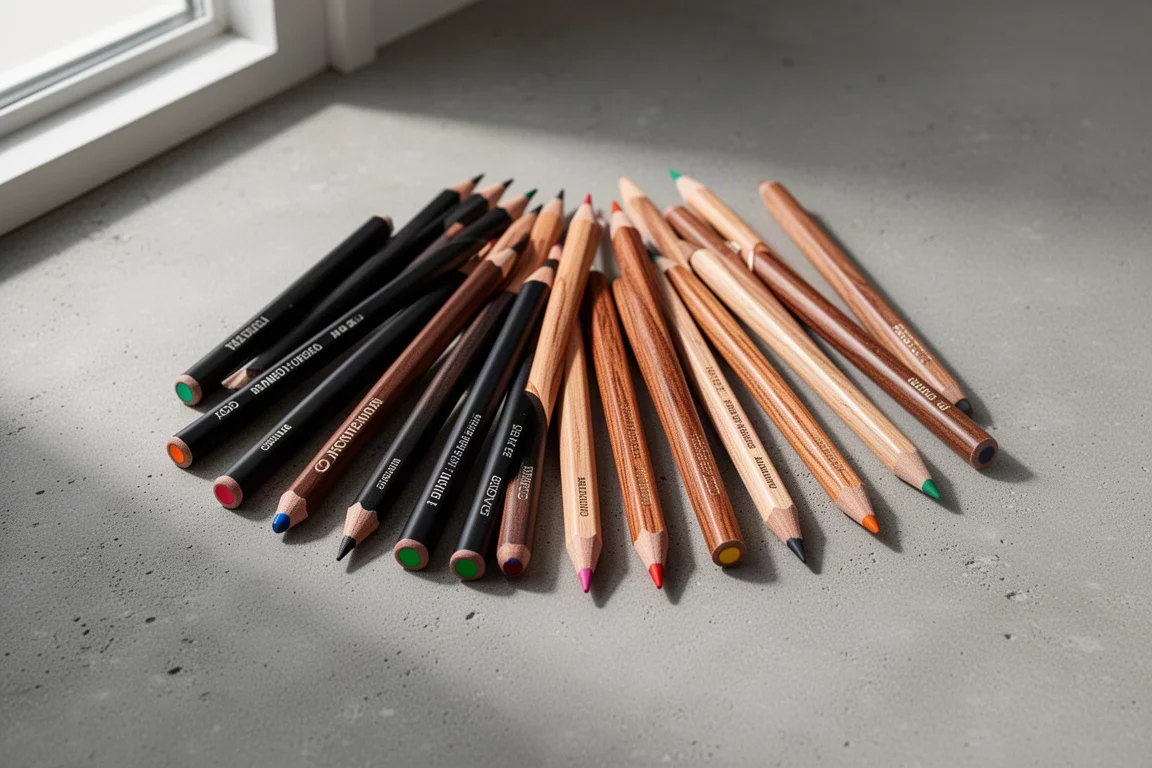
Introduction
Not all colored pencils are made the same. Beginners and experienced artists alike keep running into the same frustrations: pencils that blend easily but cannot hold a point, pencils that layer beautifully but break every time you sharpen them, and sets with all the colors but no confidence that those colors will last.
To cut through the guessing, a large-scale test was put together covering more than 40 pencil sets and thousands of individual pencils, spanning budget buys to premium imports. Every set went through the same core evaluations: blending, layering, durability, point retention, water resistance, and erasability. This article breaks down the standout sets from that testing and who each one is really for.
What Actually Matters in a Colored Pencil
Blending is the feature most people care about first. A soft, waxy core blends more easily than a firm, oil-based core, which is why buttery pencils are so heavily advertised. The trade-off is real, though: softer cores break more easily and wear down faster. With the right paper and technique you can blend almost any brand, but the softest cores simply make it easier and produce better results, especially for beginners.
Layering is the other big one. Building up layers lets you mix colors, smooth out blends, and gain real control over realistic textures and photorealistic work. Paper matters enormously here, so tests were run across multiple surfaces, including Bristol Vellum, a favorite for colored pencil work.
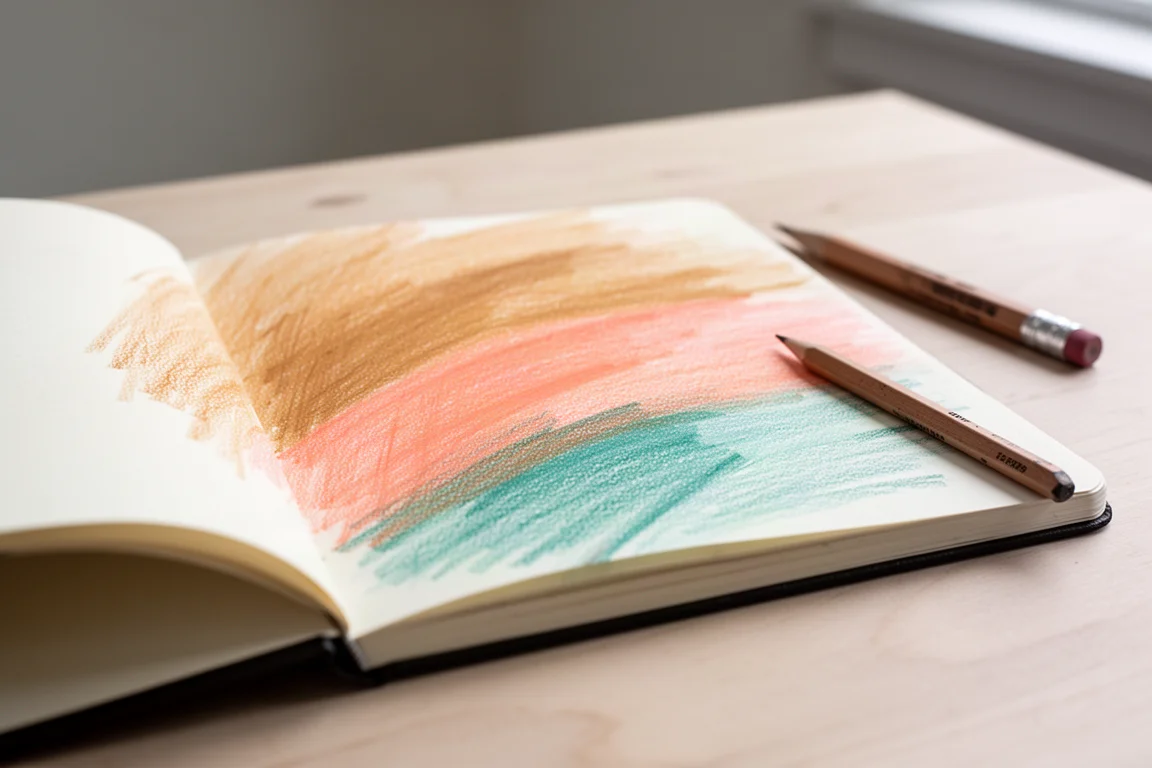
Water resistance turned out to be a surprisingly useful differentiator. If you plan to use mixed media, sealing sprays, or fixatives, you need colors that will not move when they get wet. Several mid-tier and budget sets bled noticeably, while most of the expensive sets resisted water so well that it beaded on the surface. A few brands now openly market their pencils as water soluble, which is worth knowing before you buy.
Erasing, meanwhile, taught a humbling lesson: all colored pencils can be erased, but none of them erase well. Even dedicated erasable pencils left a slight color stain. If erasing is a priority for you, manage expectations or plan your highlights differently.
Durability and Point Retention
Durability testing is where soft cores show their weakness. Sharpening every pencil to the same size and drawing a single continuous line under hard pressure quickly separated the tough cores from the crumbly ones. A few soft-core pencils did not even make it to the end of the page.
The same test revealed which pencils hold a sharp point the longest, which matters enormously for fine detail work like eyelashes, hair, and fur. Unsurprisingly, firmer cores dominated here, while the creamiest soft cores fell behind.
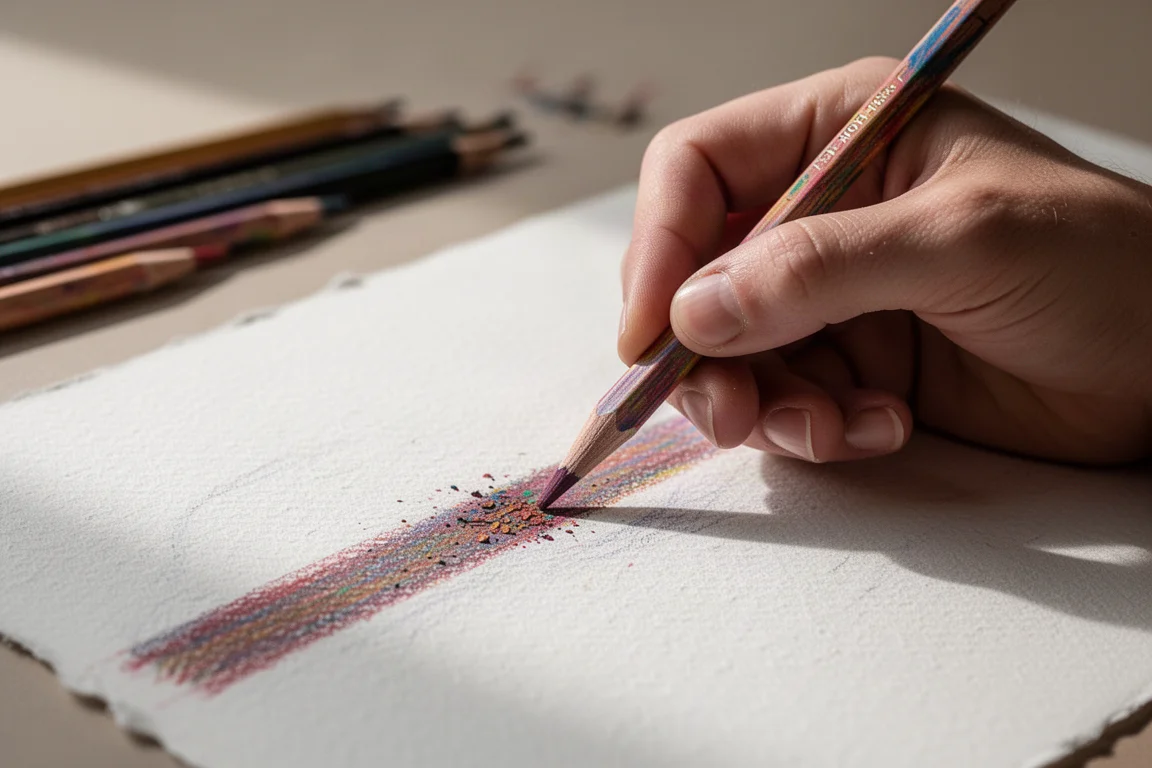
One practical warning from the process: pencils can be damaged in delivery, and a dropped box can crack a core along its entire length, making it crumble at every sharpening. If a set arrives crumbly, it may be transit damage rather than a quality issue.
Best Overall: Caran d’Ache Luminance and Derwent Lightfast
When every result was combined, only two brands scored a five in both blending and layering: the Caran d’Ache Luminance and the Derwent Lightfast. These pencils performed at the top of every test, carry the highest lightfastness ratings of any set tested, and are among the nicest pencils in regular use.
The Luminance is the safer, better-known pick with an enormous color range. The Lightfast earns equal billing and is absolutely worth building out a larger set of. Call it an equal win between the two; either will serve professional artists beautifully.
Best Soft Blending Pencil: Prismacolor and Its Rivals
For that famous creamy, blendable feel, the best replica of a Prismacolor is, naturally, a Prismacolor. Vintage Prismacolor pencils in particular are beautiful, though hard to find, so they stay off the main recommendations.
Several brands came in under the price of Prismacolor with very similar soft-core performance. The Arrtx and Arteza pencils edged out the pack by a slight margin. Above Prismacolor’s price, a long list of premium sets, including the Luminance, Chromaflow, Lightfast, Holbein, Pablo, Goldfaber, Winsor and Newton, and Derwent ColourSoft, blended beautifully with Prismacolor-level vibrancy and even stood out on black paper. Which one you prefer comes down to personal feel.
Best Firm Detail Pencil: Faber-Castell Polychromos Territory
For a pencil that lays down color cleanly, keeps a strong point, and still blends with the right technique, the Polychromos remains the benchmark. The Lyra Polycolor performs just like it in almost every test and is a genuinely good alternative, with the caveats of a smaller color range and less accurate barrel color matching.
If budget is not a constraint, three more pencils matched the Polychromos in color intensity and layering: the Caran d’Ache Luminance, the Mitsubishi line, and the Derwent Lightfast. For budget hunters, though, the Starjoy Gold edition is the pick. These pencils performed well in every test, especially layering and point retention, making them an exciting budget Polychromos alternative.
Best for Beginners: Arteza Expert
For beginners and hobby artists, the shortlist favored low to medium price points, good color ranges, clean presentation, easy blending, and decent point retention. The Arteza Expert pencils fit that brief particularly well, sitting alongside other strong beginner options like the Black Widow range and Castle Art Gold.
The Arteza Expert set does not score perfect marks on every single test, but it is good quality, easy to live with, and a set a new artist can happily grow with.
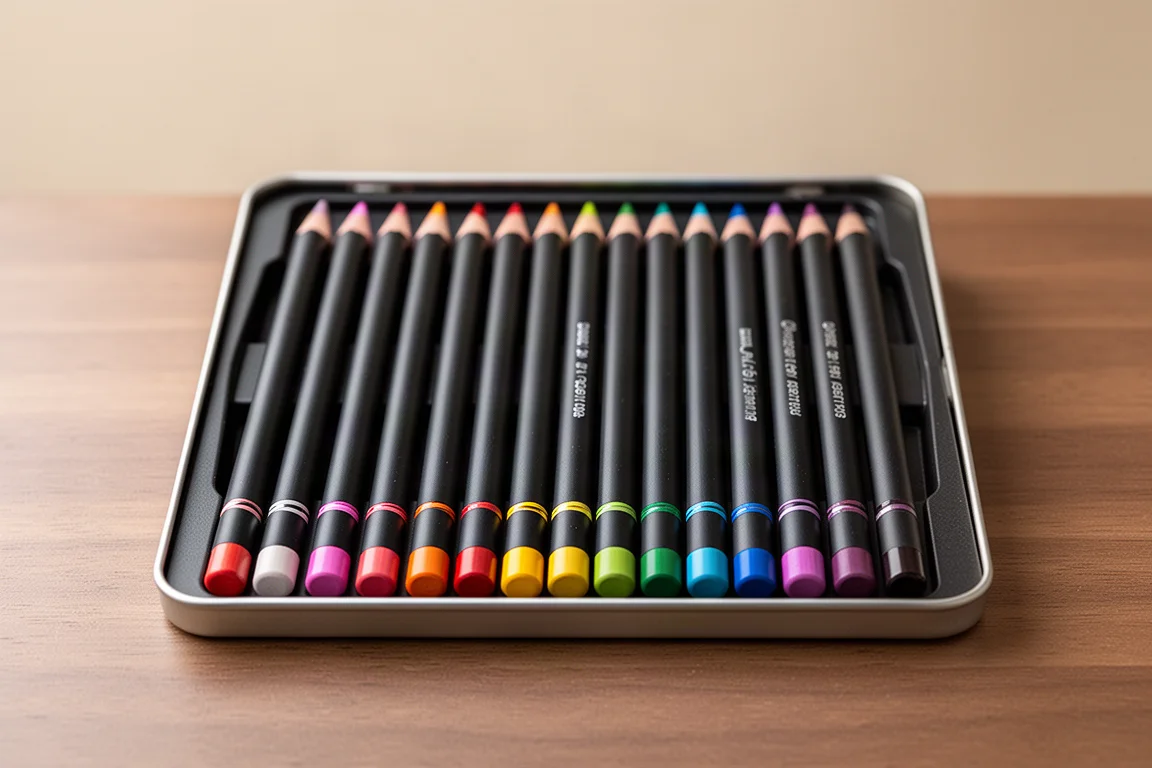
Best Budget Set: Kalour
If budget is the number one concern, the temptation is to grab a pack of Crayola from the local shop shelf. But testing found several brands at a very similar price point, roughly 20 to 30 cents per pencil, with better overall results than Crayola, though Crayola does win on pure durability.
The Brutfuner and Kalour pencils performed brightest on black paper among the budget finalists, and Kalour was very slightly cheaper at the time of testing, putting it on top. Both are worth a look if you want maximum color for minimum spend.
Best Pastel Set
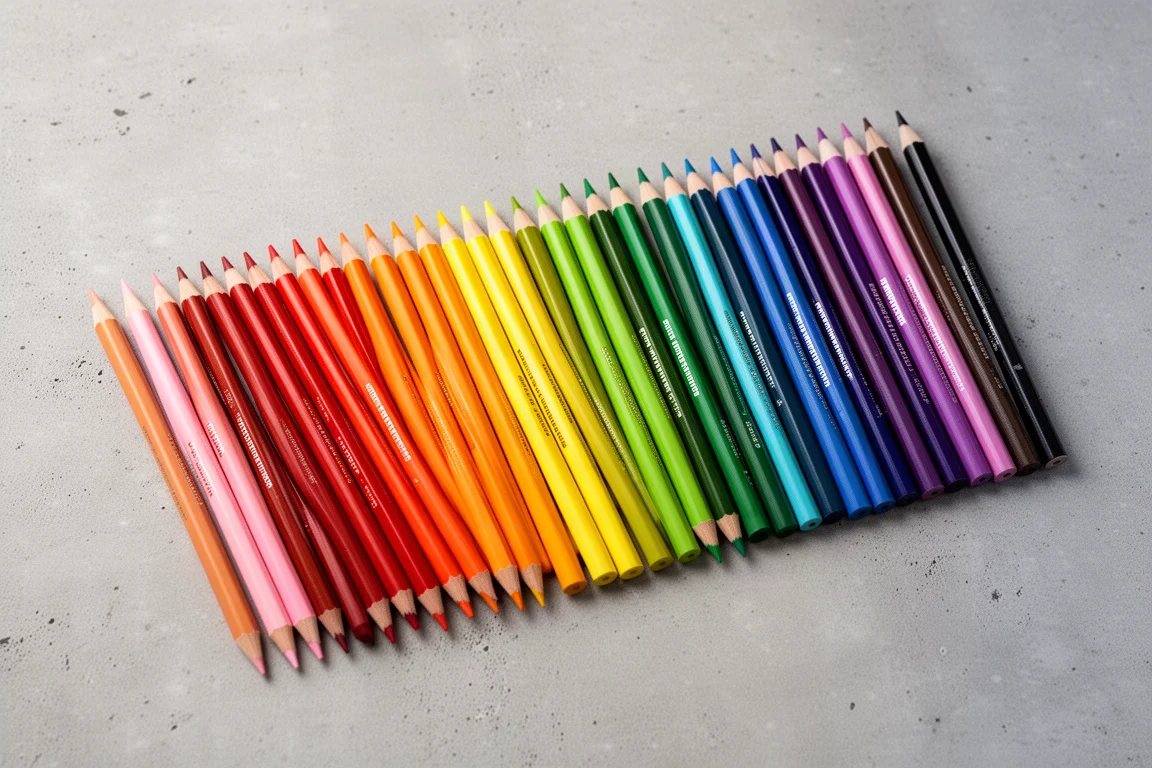
Pastel-only sets have multiplied recently, and interestingly, most of the newer brands use the same color selection as the Holbein pastel range, making them direct alternatives or, less charitably, copycats. When it comes to the best pastel range, Holbein cannot be beaten.
The catch is price: the Holbein set costs around four times as much as the other pastel sets. A hands-on comparison of the mid-range options was genuinely inconclusive, so if the Holbein price is too steep, pick any of the well-reviewed mid-tier pastel sets and expect a capable, slightly less refined experience.
Overall Buying Advice
A reliable strategy is to combine brands: one soft pencil for blending and one firm pencil for details. This pairing gives you the best of both worlds and lets a modest budget cover two complementary sets.
Eliminations at the top level were revealing. Winsor and Newton, Mitsubishi, and Sanford CharismaColor lost points because they are not available as open stock, meaning a single worn or broken pencil cannot be easily replaced. The Derwent ColourSoft, Goldfaber, and Holbein were slightly weaker at layering, while the Polychromos and Lyra were slightly weaker at blending. Open stock availability is worth checking before committing to any premium set.
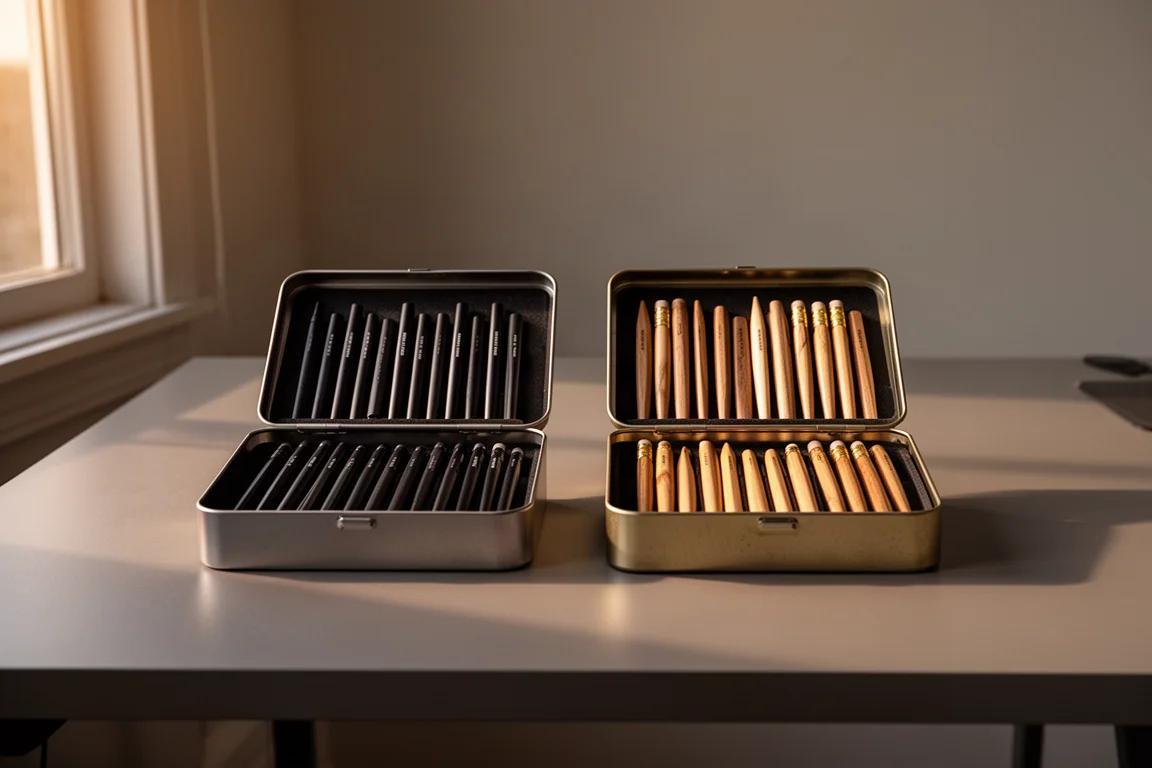
Finally, a note on lightfastness. Some brands pay for independent testing, while others simply print “highly lightfast” on the packaging with no evidence behind it. If fade resistance matters to your work, favor sets with genuine lightfastness ratings such as the Luminance and Lightfast, and treat unsupported marketing claims with skepticism.
Conclusion
The perfect colored pencil probably does not exist, but the answers are much clearer than they were. For overall excellence, the Caran d’Ache Luminance and Derwent Lightfast stand alone. For creamy soft blending, Prismacolor still sets the standard, with Arrtx and Arteza as strong value rivals. For firm detail work, the Faber-Castell Polychromos leads, with Starjoy Gold as a remarkable budget alternative. Beginners should feel confident with the Arteza Expert, and budget buyers get genuine quality from Kalour. Match the set to how you actually draw, and you will not waste money guessing.
Further reading
Related Reviews
Art Supplies
Art Pop Watercolor Pencils 48-Color Set: A Thoughtfully Designed Student-Grade Option
The Art Pop 48-color watercolor pencil set blends well, dissolves smoothly, and includes artist-friendly details like barrel-printed color names, all at an affordable price.
Art Supplies
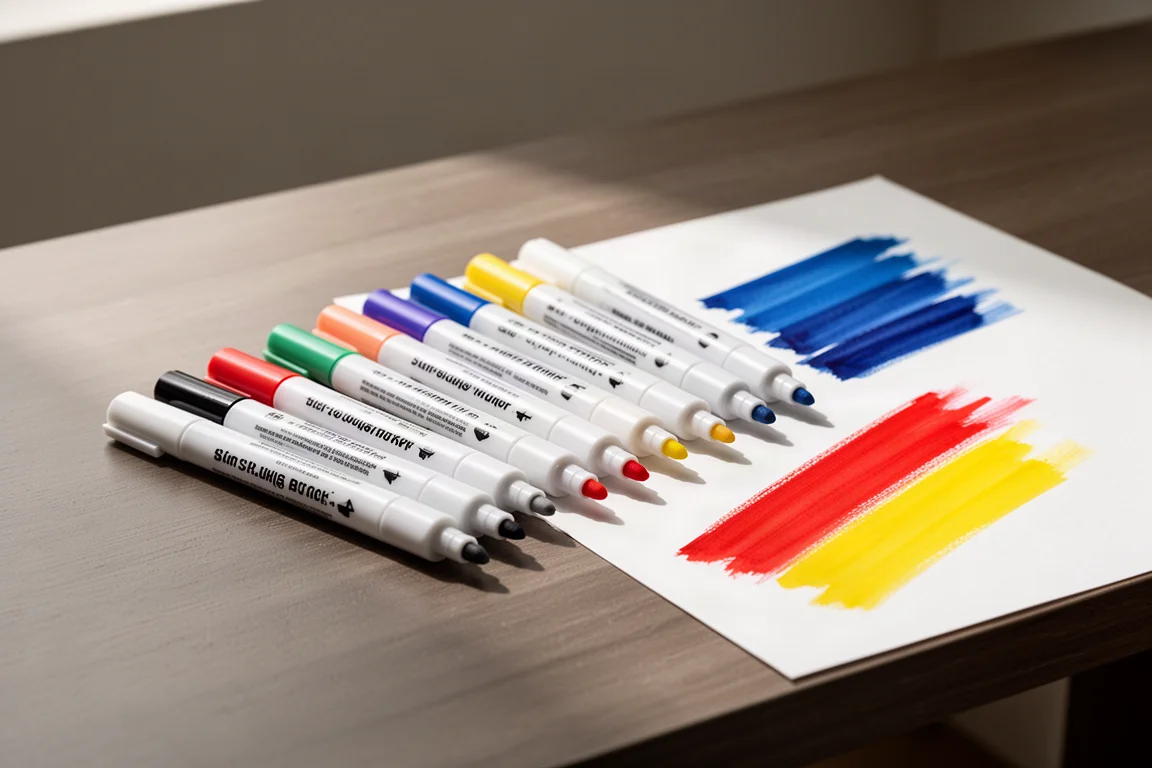
Artics Acrylic Markers 3mm Review: Versatile Paint Markers With a Few Caveats
A 48-color set of water-based acrylic paint markers that blend while wet, dry permanent, and keep the price low, though safety transparency remains a question.
Art Supplies
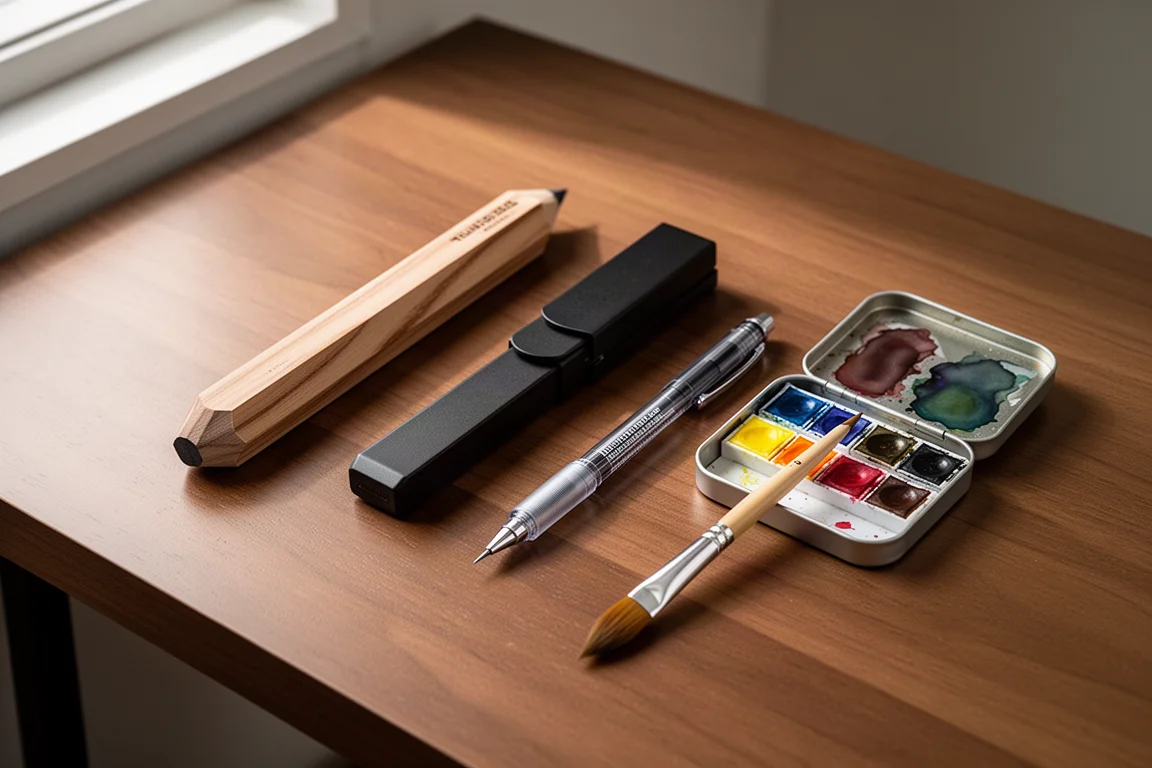
Best Art Supplies Worth Your Money: Pencils, Pens, Paints, and Paper That Earned Their Spot
After years of daily use and testing, these are the pencils, pens, watercolors, gouache, brushes, sketchbooks, and erasers that stand above the rest.