Coffee Equipment
Best Coffee Scales for Home Brewing: Essential Features and Budget-Friendly Options
A guide to choosing the right coffee scale for pour-overs and espresso, with recommendations across different budgets and brew methods.
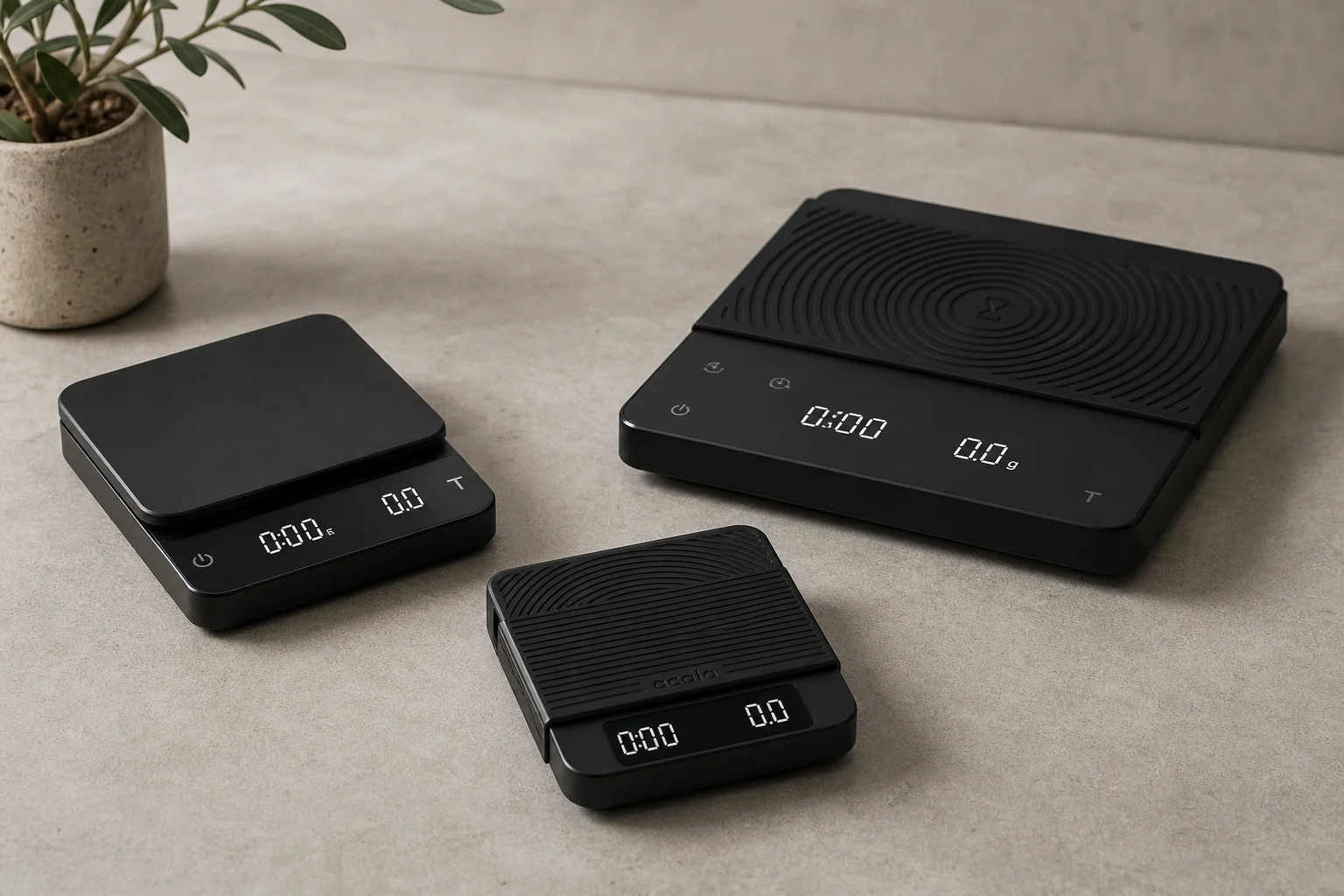
Introduction
Getting serious about coffee brewing means investing in the right tools. A quality scale is one of the most important pieces of equipment you can own, whether you’re dialing in pour-overs or pulling espresso shots. The good news is that you don’t need to spend over a hundred dollars to get a scale that delivers consistent results and helps you improve your brews. Understanding what features matter and which ones are just nice-to-haves will help you find the right scale for your needs and budget.
Essential Features for Coffee Scales
Before looking at specific models, it’s worth understanding what features are non-negotiable for home coffee brewing.
First, your scale must weigh in grams, the standard unit for coffee brewing, and measure down to 1/10 of a gram. Anything less precise will make it difficult to recreate your favorite recipes consistently.
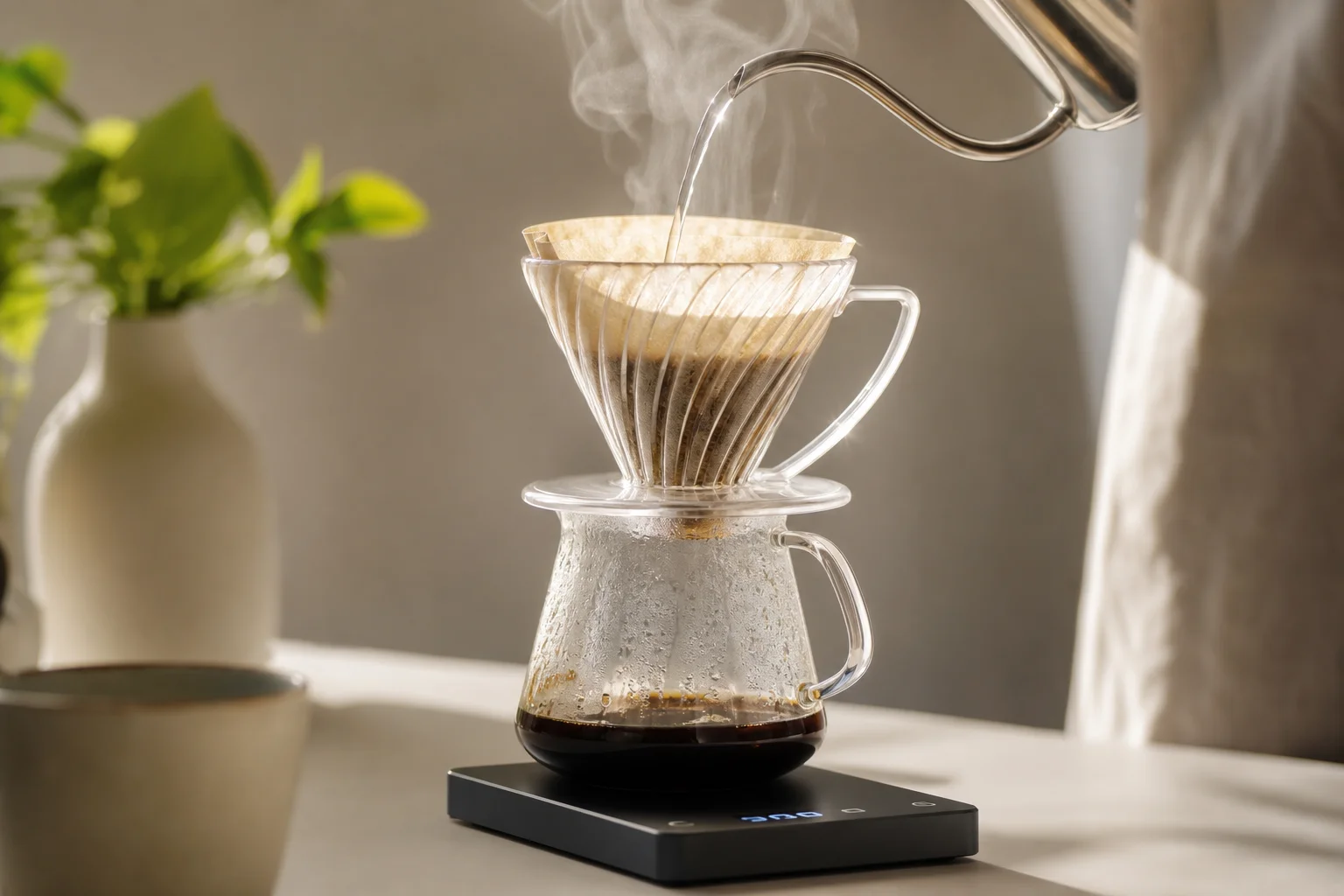
Second, a built-in timer is essential. Understanding how long your coffee or espresso took to brew is critical for dialing in and reproducing the perfect cup. Third, look for a maximum weight capacity of around 2,000 grams, which covers most home brewing scenarios.
If your budget allows, prioritize an OLED display for easy visibility, USB-C charging with long battery life, and durable materials like aluminum that can withstand spills or drops. Finally, consider the size relative to your preferred brew method. Pour-over scales tend to be larger, while espresso scales are more compact, though some models work well for both.
Non-Essential Features to Skip
Several features sound appealing but add cost without delivering real value for home brewers.
Auto-taring features are convenient but unnecessary since pressing the tare button is simple and quick. The same applies to auto-start and auto-stop functions. App connectivity is another feature that sounds impressive but rarely gets used after the first week of ownership. Even serious home coffee enthusiasts find that the flow-rate data and other app-based statistics don’t translate into meaningfully better brews.
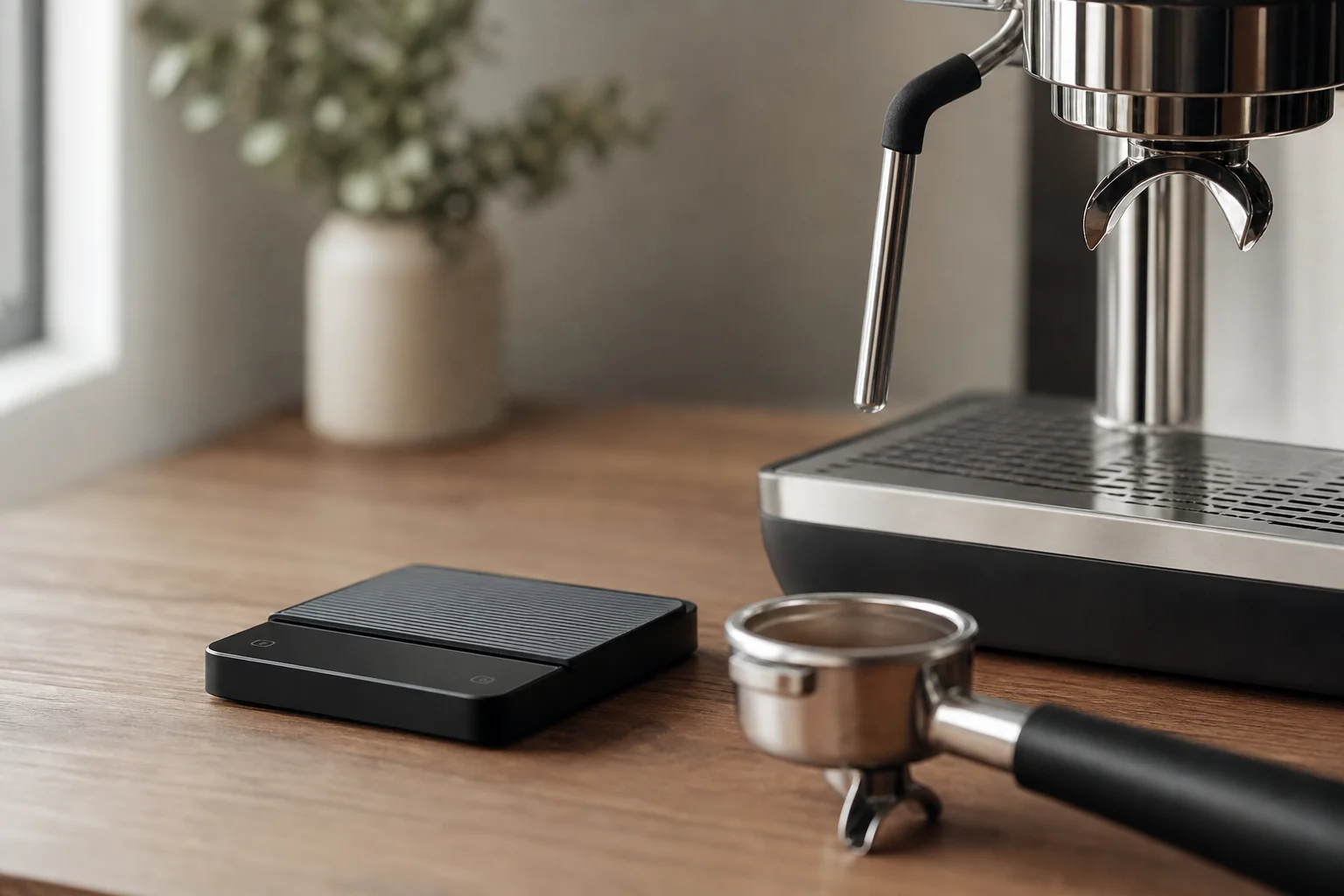
These features are better suited to commercial settings where they can justify their added expense and complexity.
Budget-Friendly Options Under 60 Dollars
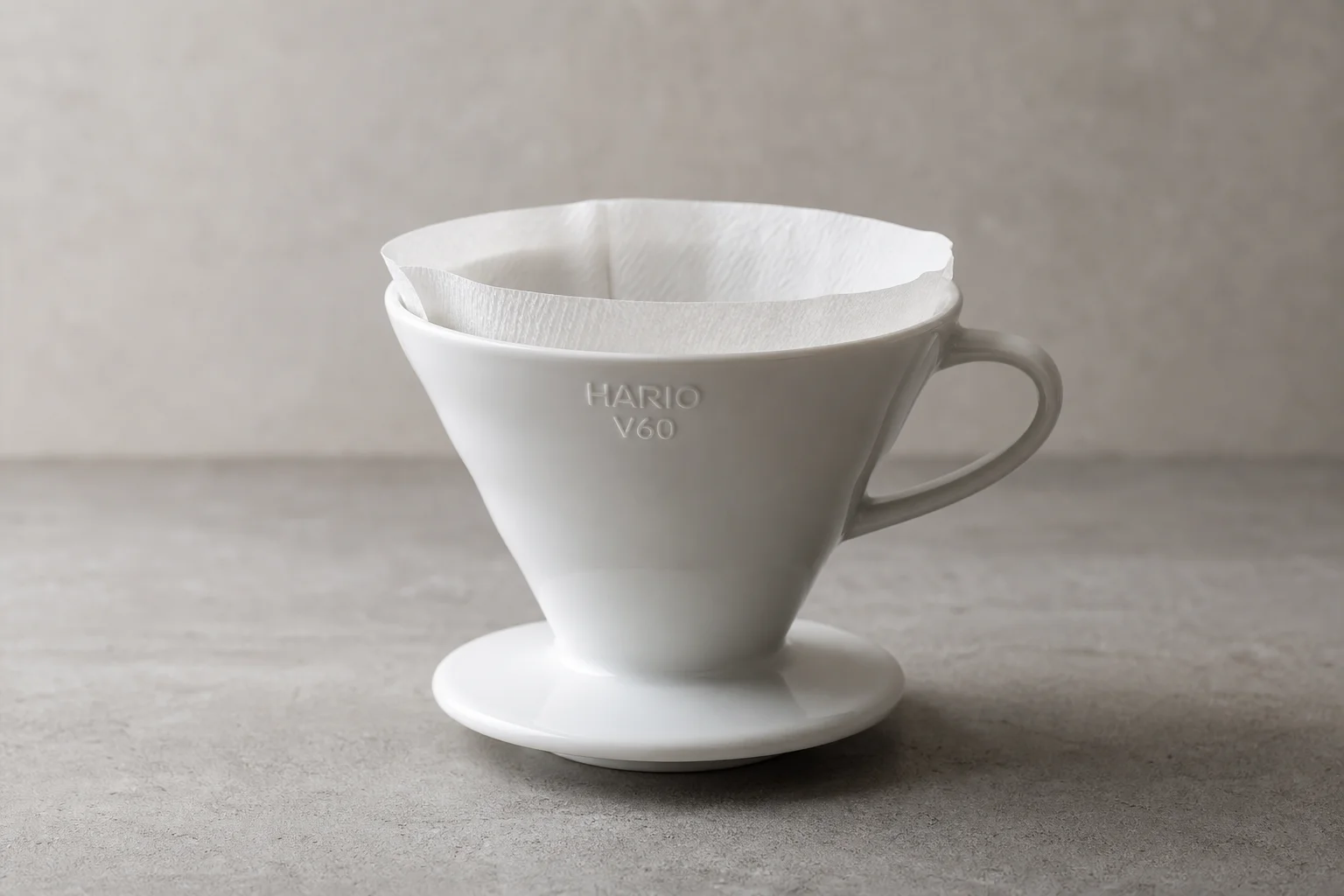
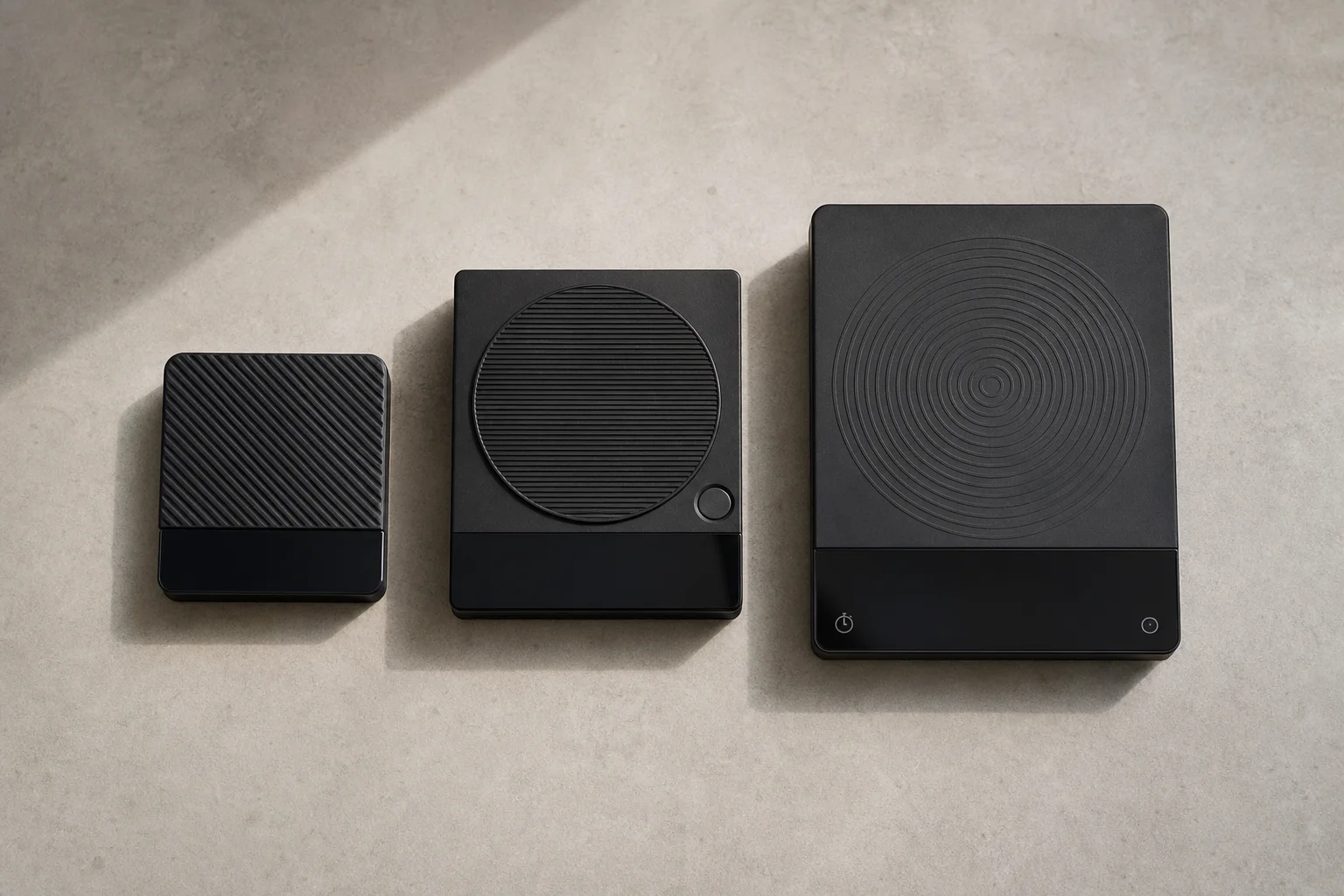
The Hario V60 is the classic entry-level choice. It’s bare-bones, battery-powered, and includes a timer with a timeless design. At around 40 dollars, it’s a solid budget option, though it doesn’t meet all the essential requirements discussed above and isn’t suitable for espresso brewing.
For around 60 dollars, three excellent scales hit all the right marks for most home brewers.
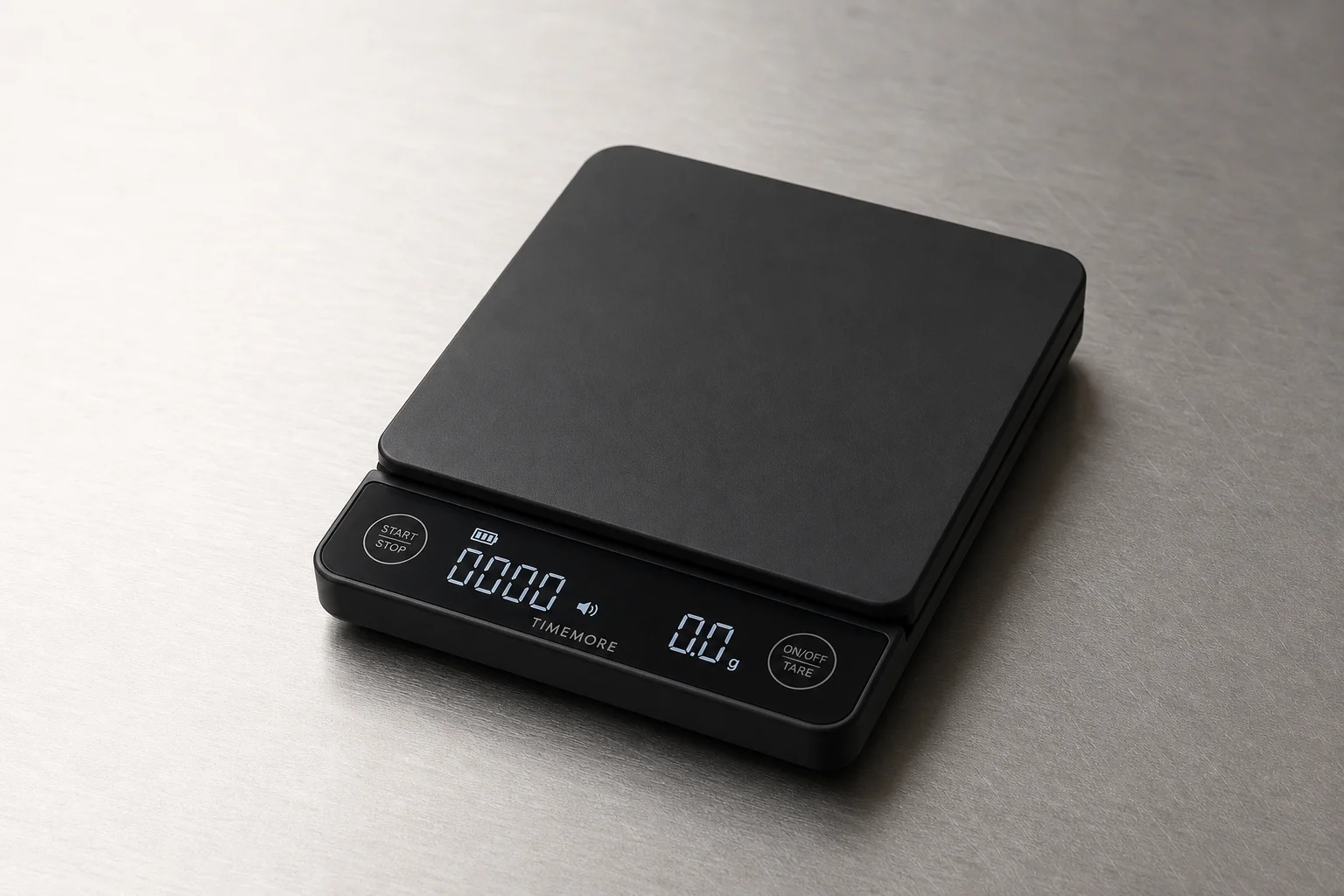
The Timemore Basic Mini is a compact, reliable option that works well across different brew methods.
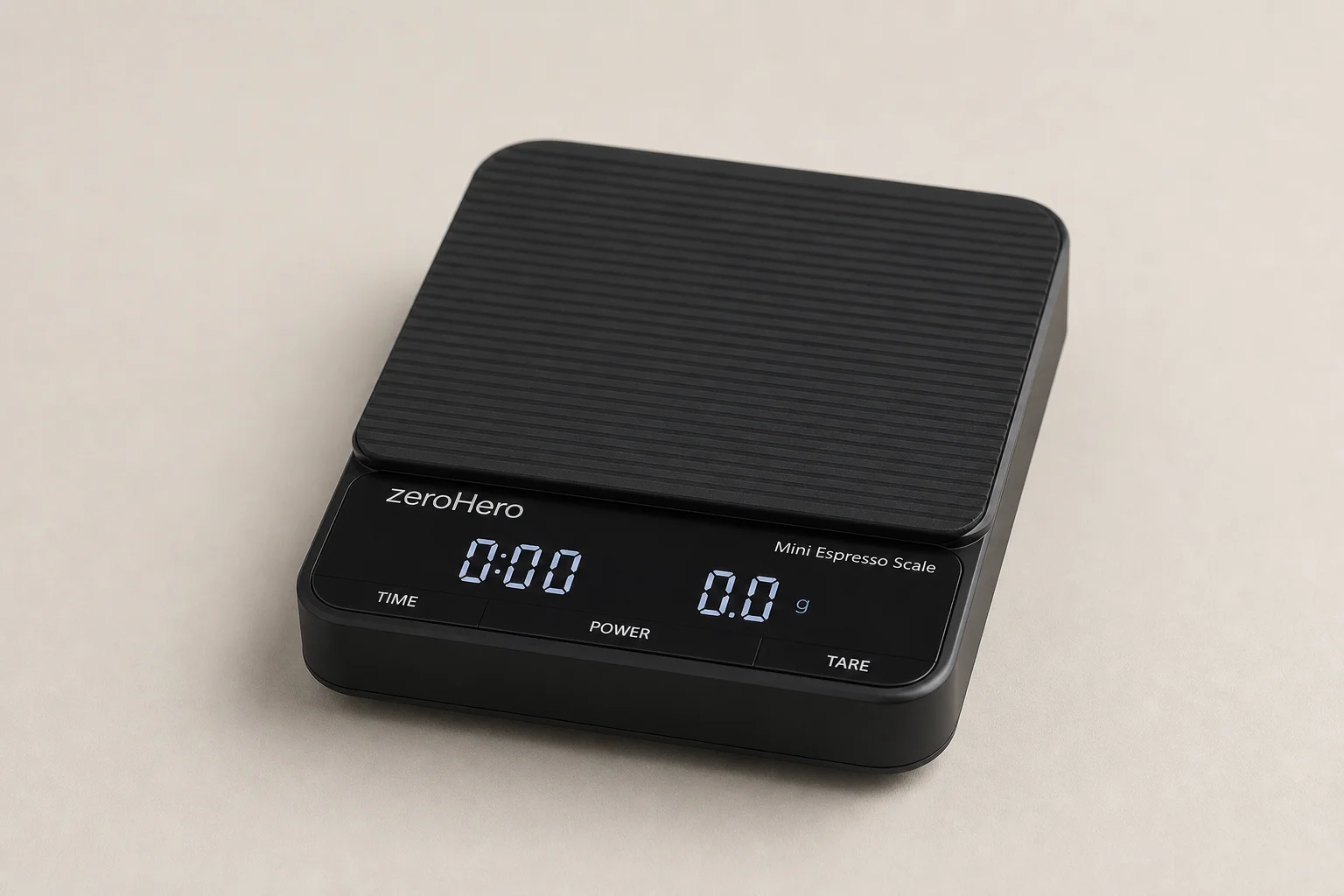
The zeroHero Mini Espresso Scale is particularly strong for espresso and most pour-over drippers, offering excellent versatility in a small footprint.
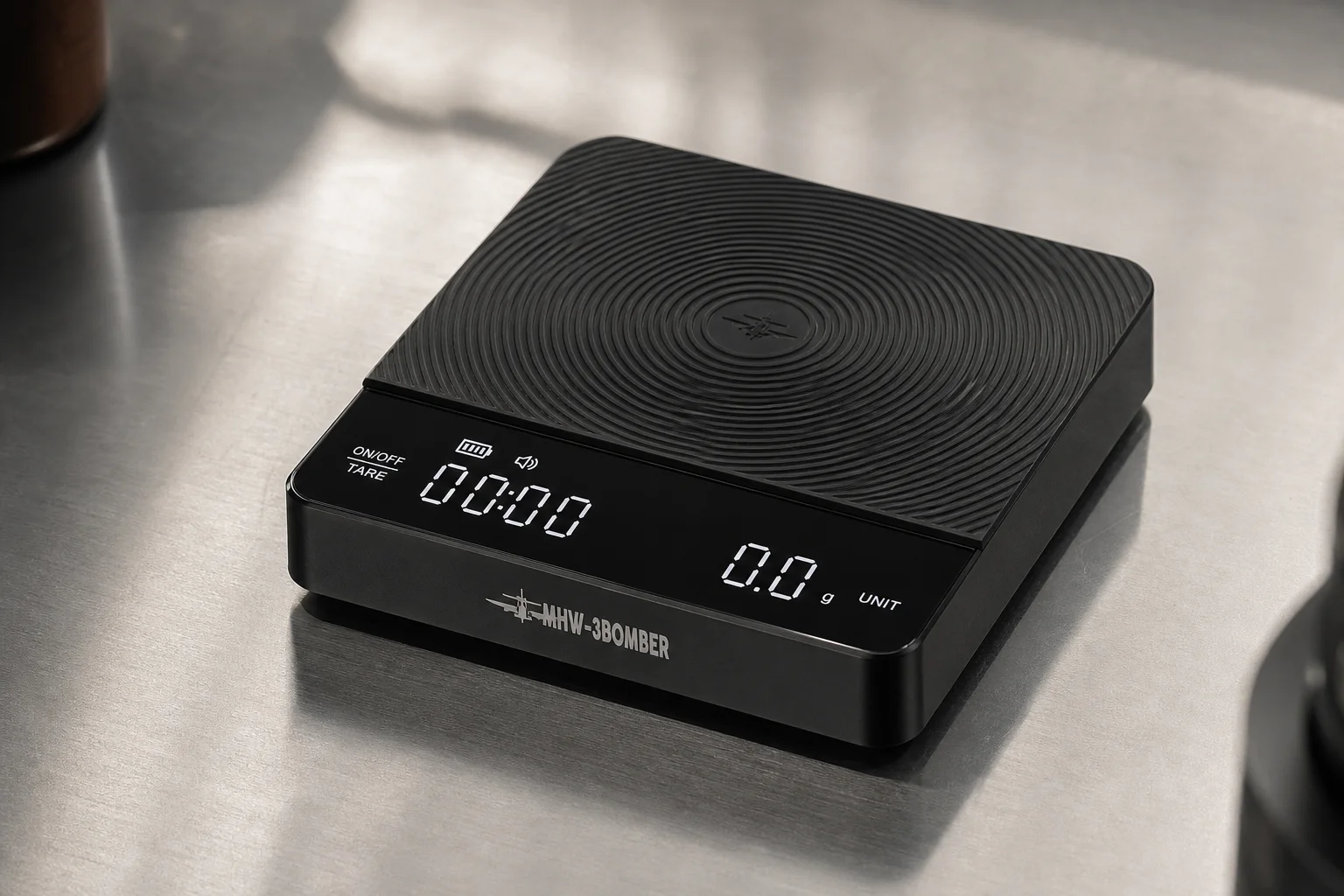
The MHW-3Bomber Espresso Scale is another solid choice in this price range, delivering the essential features without unnecessary extras.
Premium Options for Serious Home Baristas
If you’re willing to invest more, Acaia scales represent the premium end of the market. These scales are often described as the Rolls Royce of coffee scales, offering exceptional build quality and advanced features.
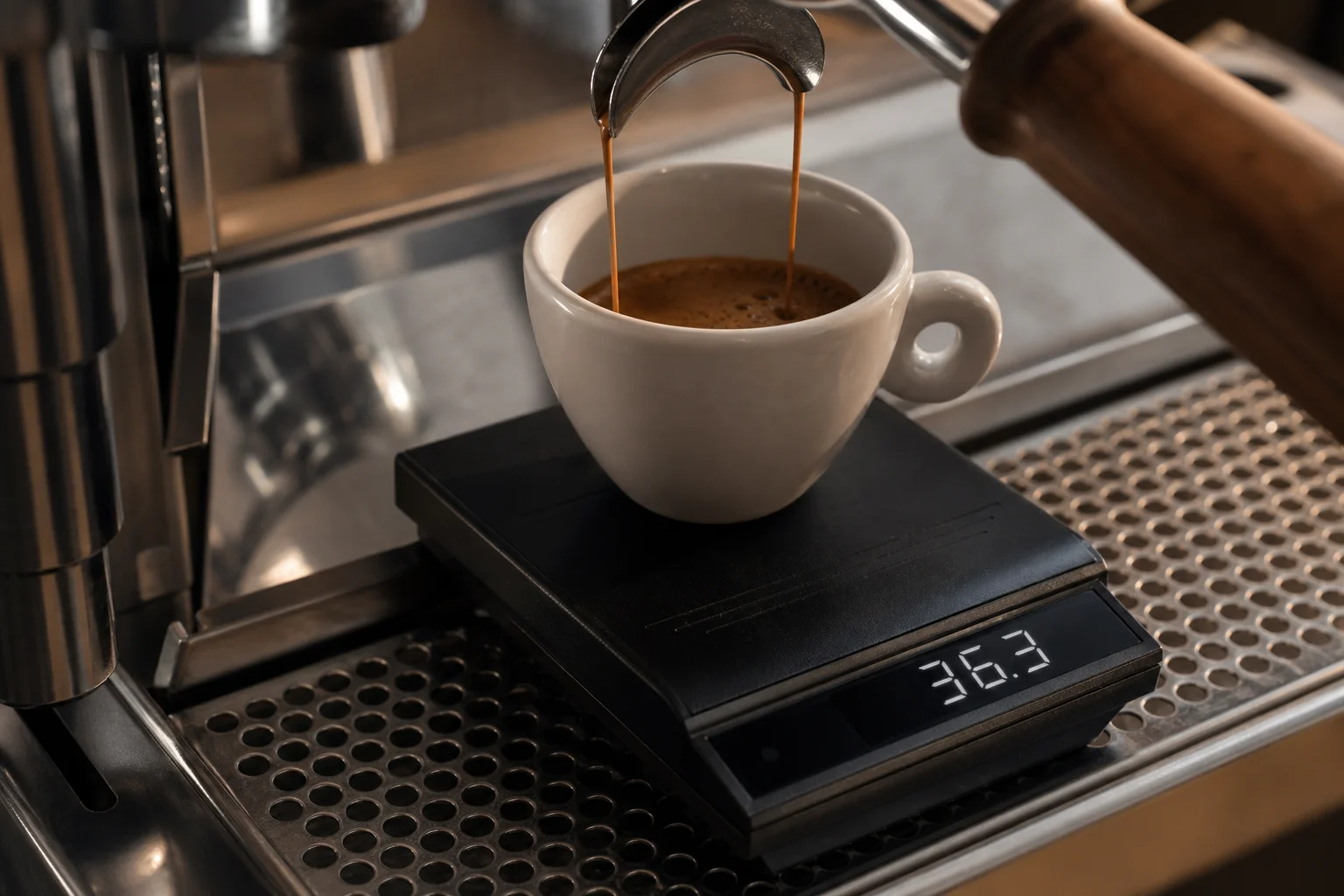
However, it’s important to note that premium scales like Acaia are not necessary for most home brewers. They’re better suited to those running espresso carts or operating commercial coffee operations. For home use, the mid-range options deliver nearly all the practical benefits at a fraction of the cost.
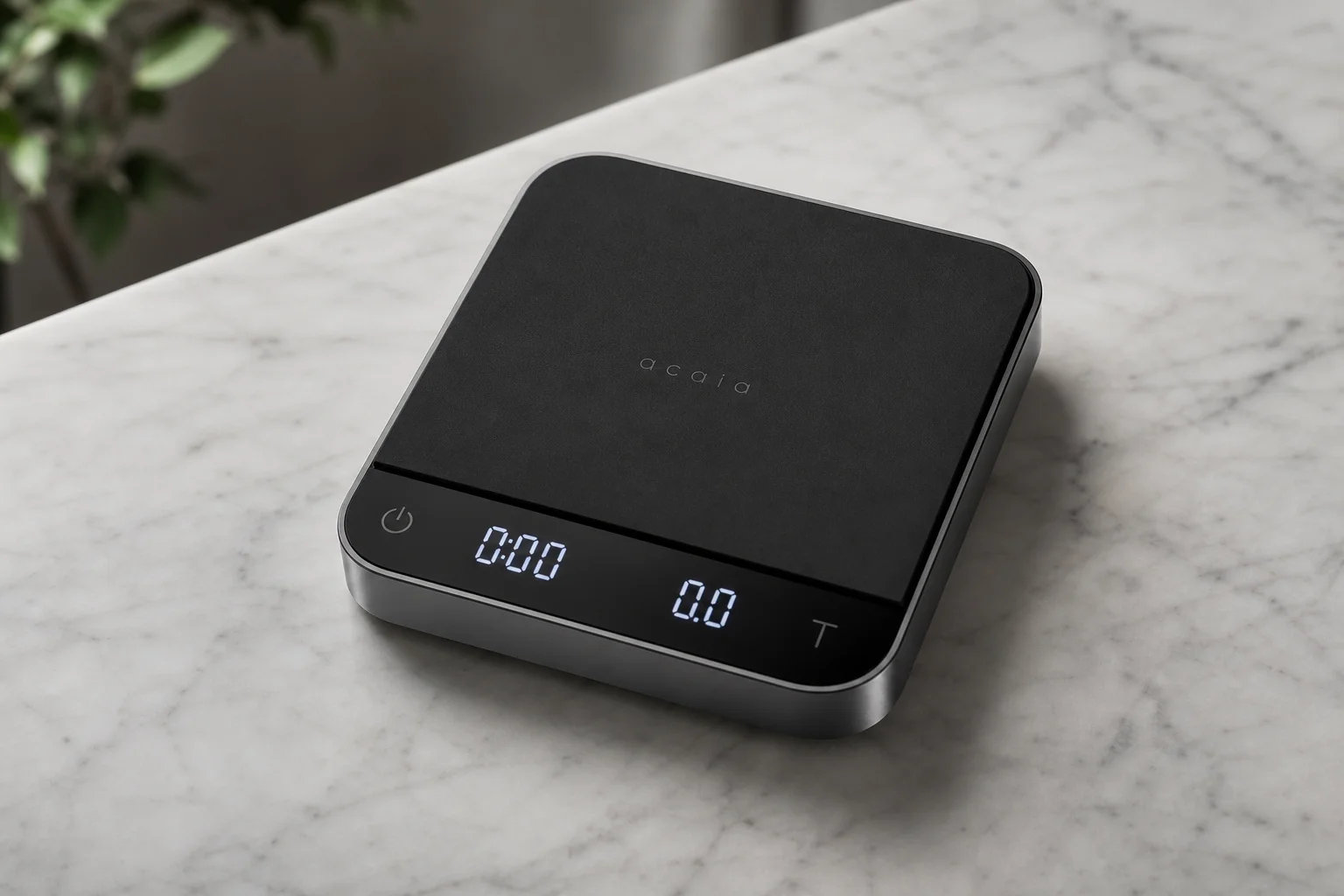
Conclusion
Choosing the right coffee scale comes down to matching features to your brewing style and budget. The essential requirements are straightforward: gram-based measurement to 1/10 gram precision, a timer, adequate weight capacity, and a size that fits your setup. Skip the premium features that sound impressive but rarely get used. Whether you start with a budget option like the Hario V60 or jump to one of the excellent 60-dollar scales, you’ll have the foundation for consistent, repeatable brews that help you improve over time.
Further reading
Related Reviews
Coffee Equipment
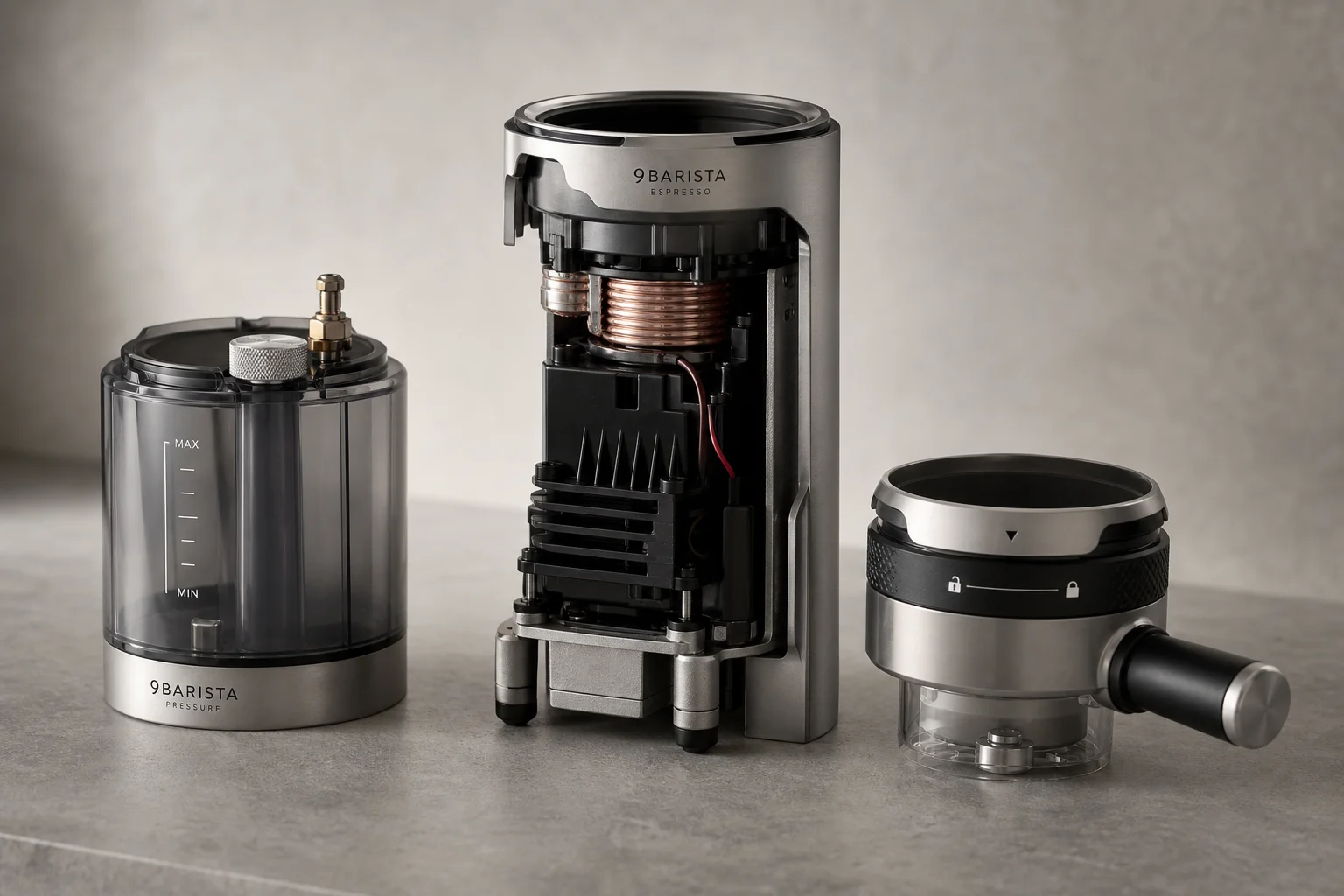
9Barista Espresso Machine Review: Stovetop Espresso for Single-Cup Enthusiasts
A cleverly engineered stovetop espresso maker that generates nine bars of pressure without electricity. Excellent coffee quality, but requires patience and suits solo drinkers only.
Coffee Equipment
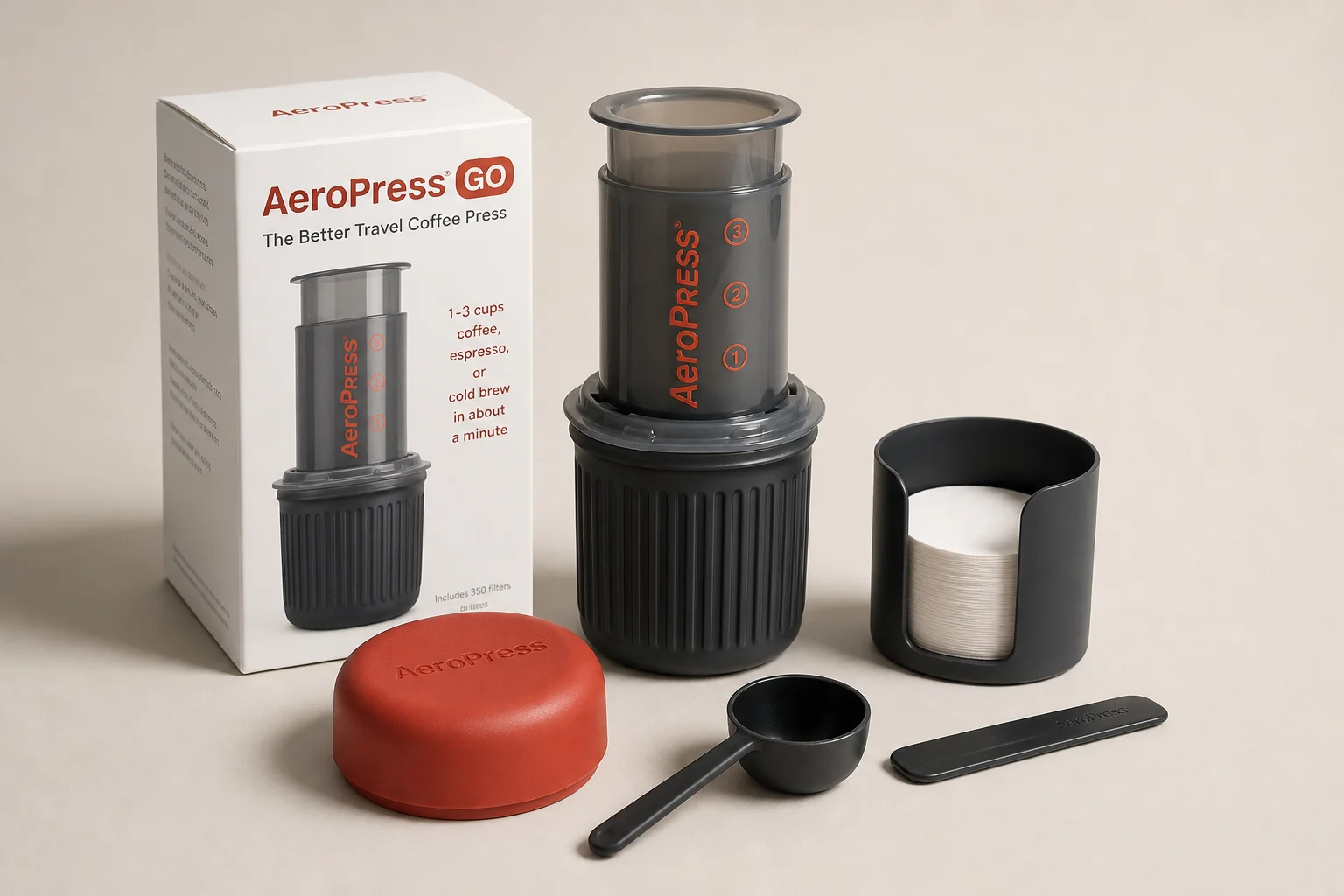
Aeropress Go Review: A Compact Travel Brewer That Solves One Specific Problem
The Aeropress Go shrinks the original design and adds an integrated cup, but it may not address the travel challenges most coffee enthusiasts actually face.
Coffee Equipment
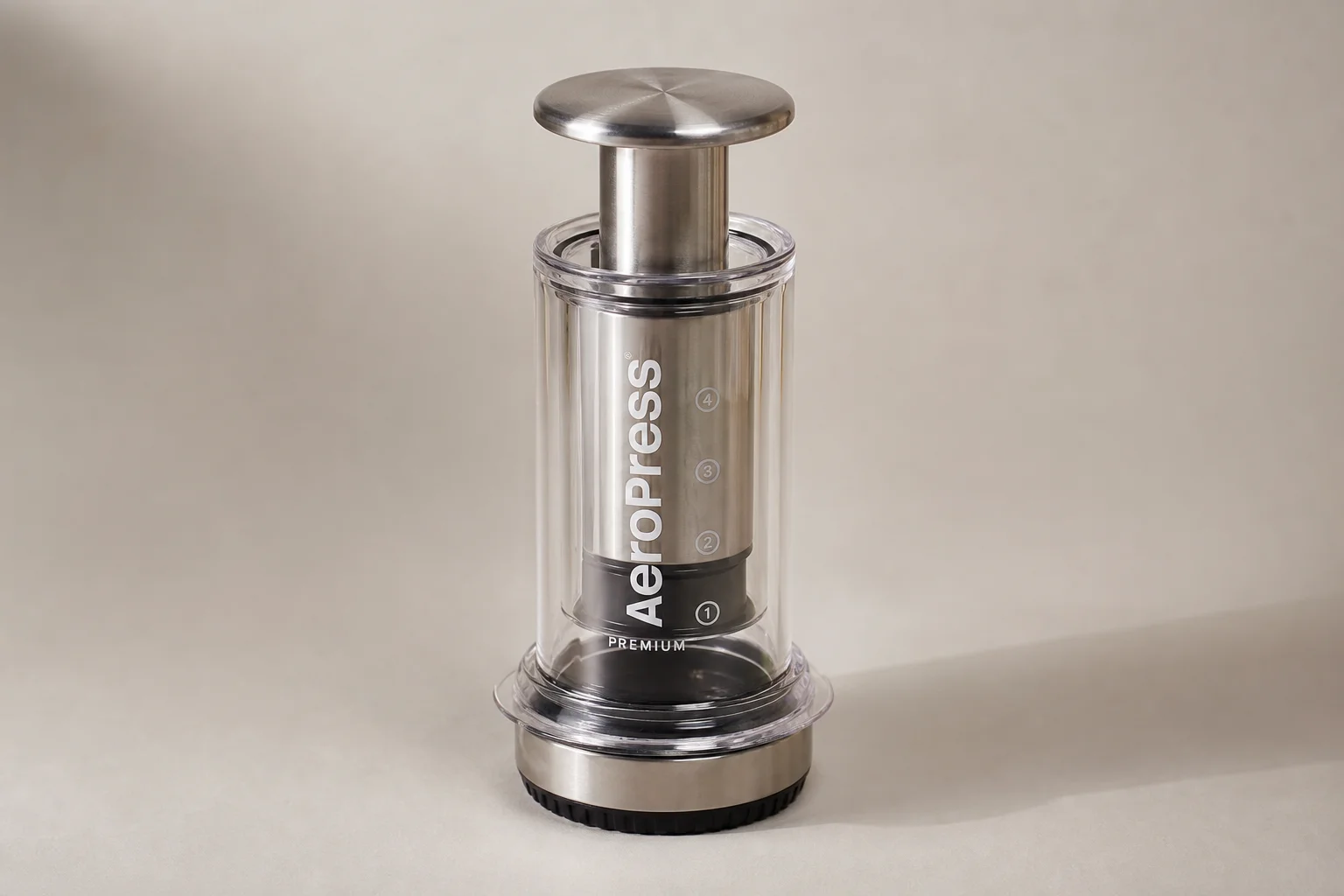
AeroPress Premium Review: Premium Materials, Practical Trade-offs
The AeroPress Premium brings glass and metal construction to a beloved brewer, but trades portability and durability for a more refined feel. Here's what changes in the cup and what matters before you buy.