Coffee Equipment
Best Coffee Scales 2026: A Comprehensive Guide to 15 Models
We tested 15 coffee scales from budget to premium, examining build quality, accuracy, responsiveness, and real-world usability to help you find the right scale for your brewing style.
Introduction
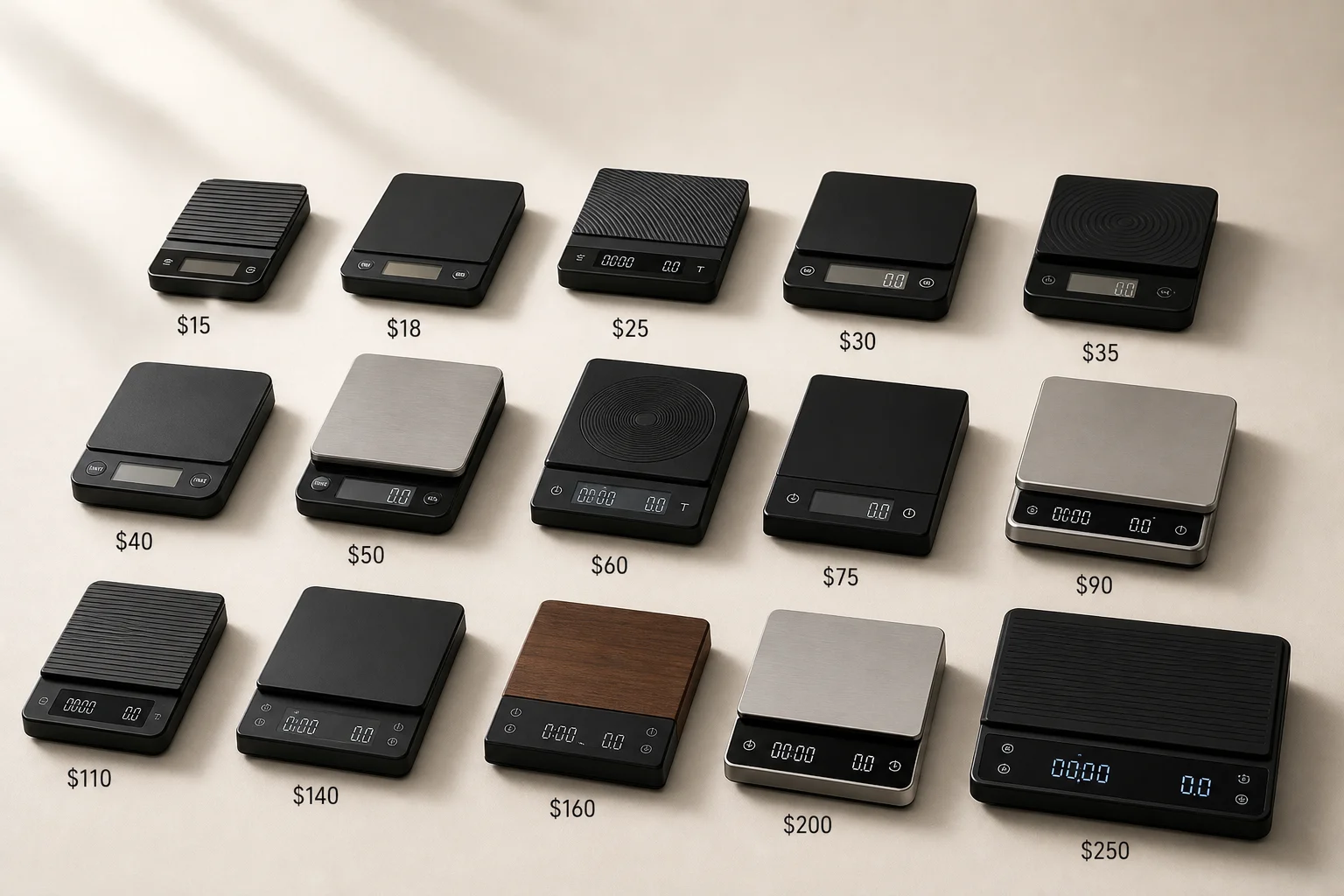
Coffee scales have evolved from a niche specialty item into a crowded category with 15 or more serious contenders. The price range is striking: the most expensive scale costs roughly 12 times more than the cheapest. Understanding what drives that price difference, and whether it matters for your brewing, requires looking at build quality, accuracy, responsiveness, and real-world usability across the full spectrum.
We tested 15 different coffee scales to examine these factors and help you navigate the options. The goal is not to convince you to spend more money, but to show you what is actually happening in this category and whether the premium options deliver meaningful value.
How Coffee Scales Work
Every coffee scale, regardless of price, uses the same fundamental technology: a load cell. This is a small metal component with wires attached that measures weight by detecting changes in electrical resistance as the metal deforms under load.
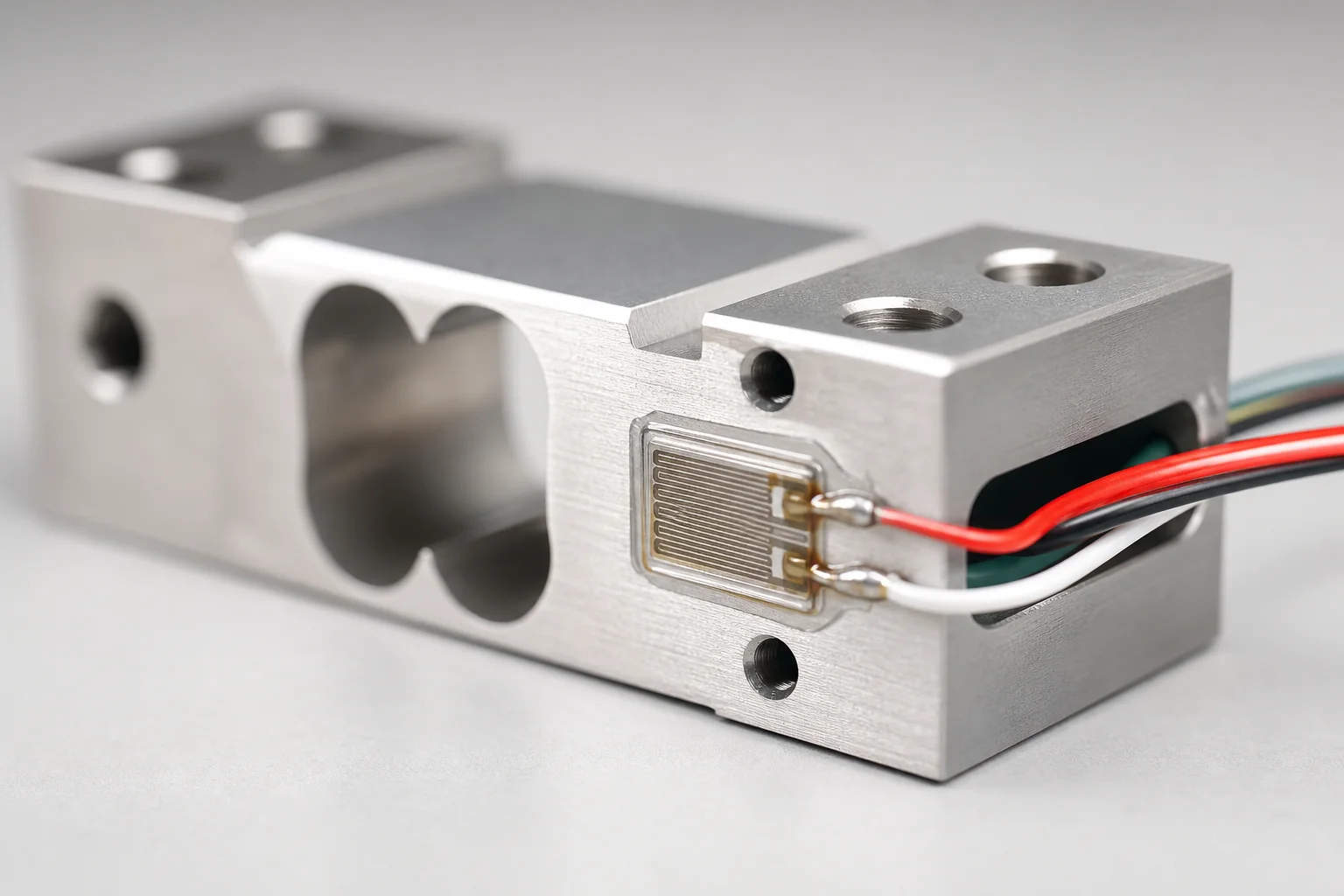
A voltage passes across the load cell, and as weight is applied, the metal distorts slightly. This change in resistance is converted to a digital reading. The technology itself is identical between a £15 scale and a £250 scale. The differences lie in how well the load cell is mounted, isolated from environmental variables, and protected from temperature fluctuations.
Temperature is particularly important for coffee scales. Heat from hot water or espresso machines can affect the load cell’s readings, which is why many scales include rubber mats to provide thermal insulation. Without proper isolation, the same weight can produce different readings depending on temperature.
Accuracy Testing
We tested all 15 scales using a 100-gram precision calibration weight, taking 40 readings per scale to establish baseline accuracy.
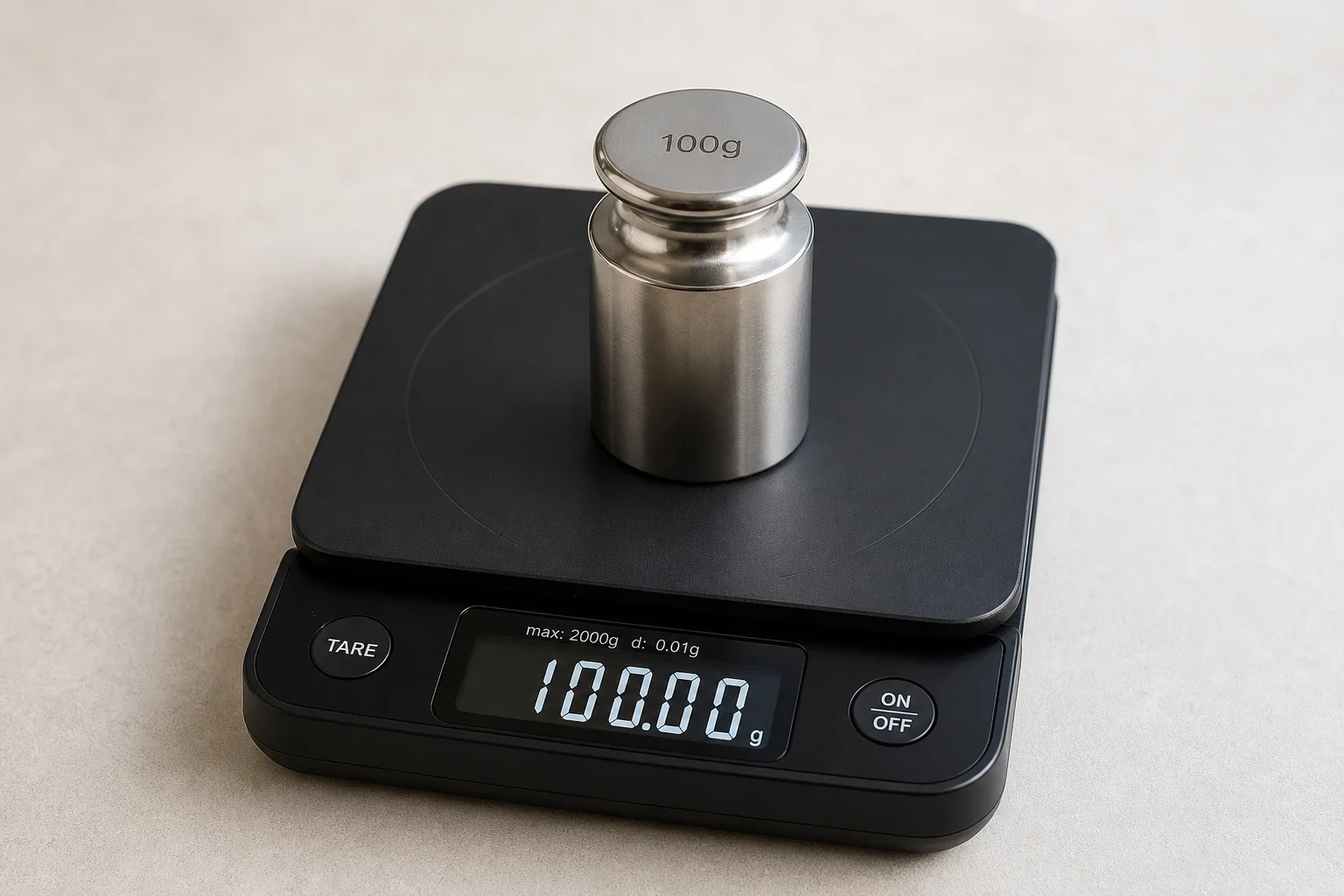
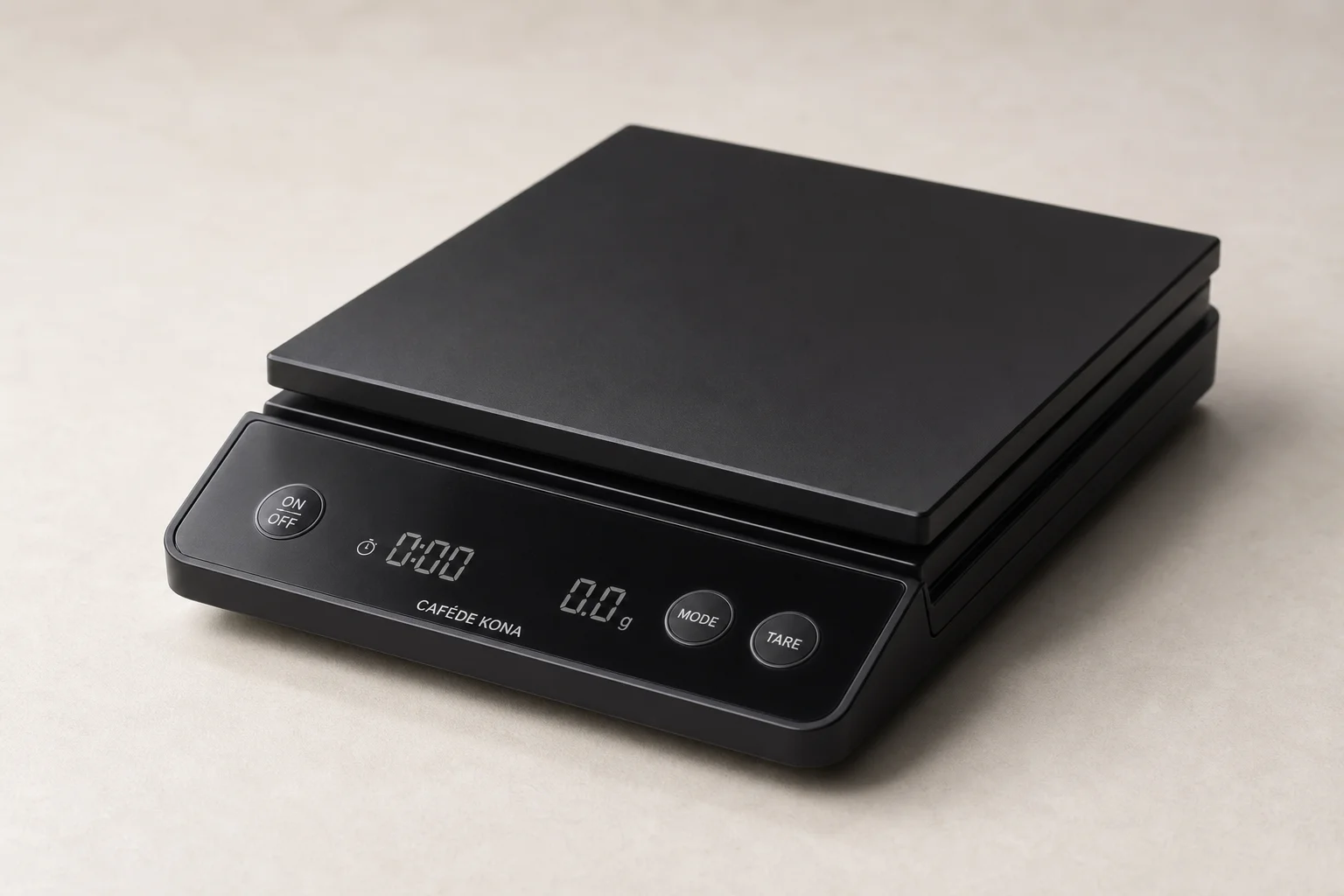
About half of the scales read exactly 100.0 grams every single time. The others occasionally varied by 0.1 grams, which is within the manufacturer’s stated tolerance. Only one scale stood out as problematic: the Sage Breville scale lacks a calibration function, so you cannot adjust it if it drifts.
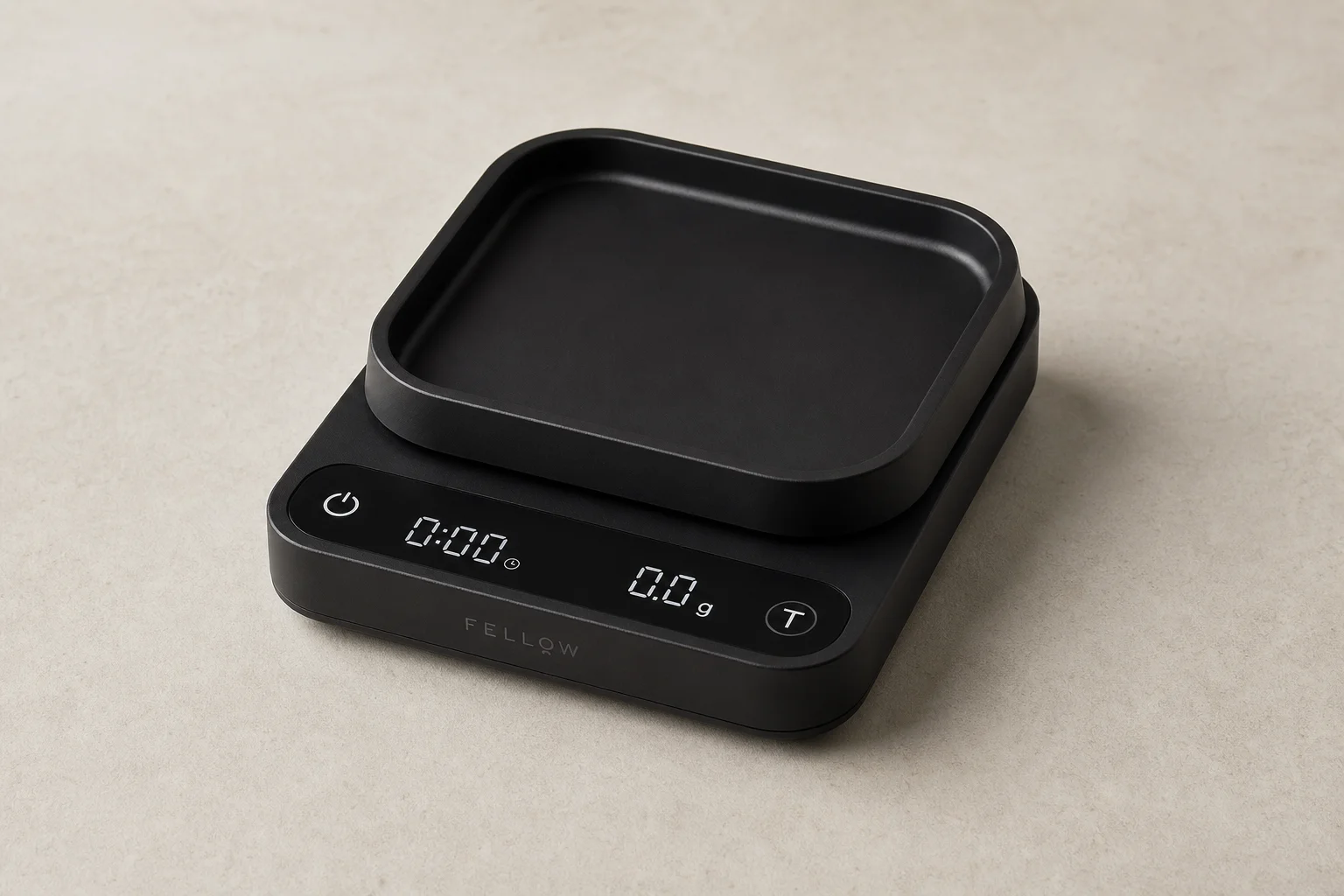
The Fellow Tally Pro presented an unusual case. It consistently read 100.2 or 100.3 grams, even after we tested a replacement unit sent by the manufacturer. This is a small deviation, but it was consistent and unexplained. In practical brewing, this 0.2-gram offset is unlikely to affect your coffee, but it is worth noting.
Build Quality Across Price Points
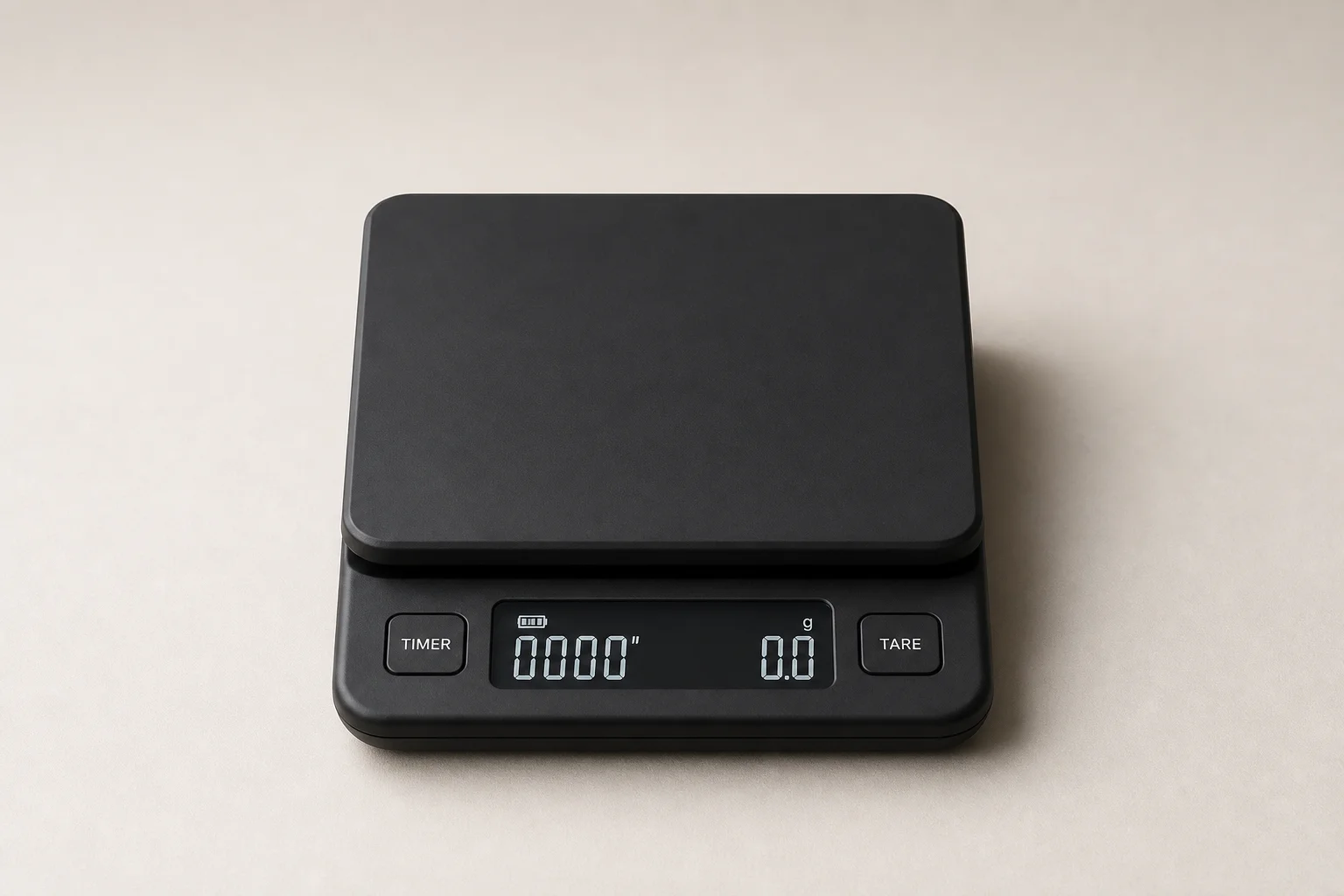
Build quality is surprisingly consistent across the price range, but there are notable outliers.
The Sage Breville scale at £15 feels cheap. The buttons lack tactile feedback, and the overall construction feels insubstantial. However, at this price point, that is not unexpected.
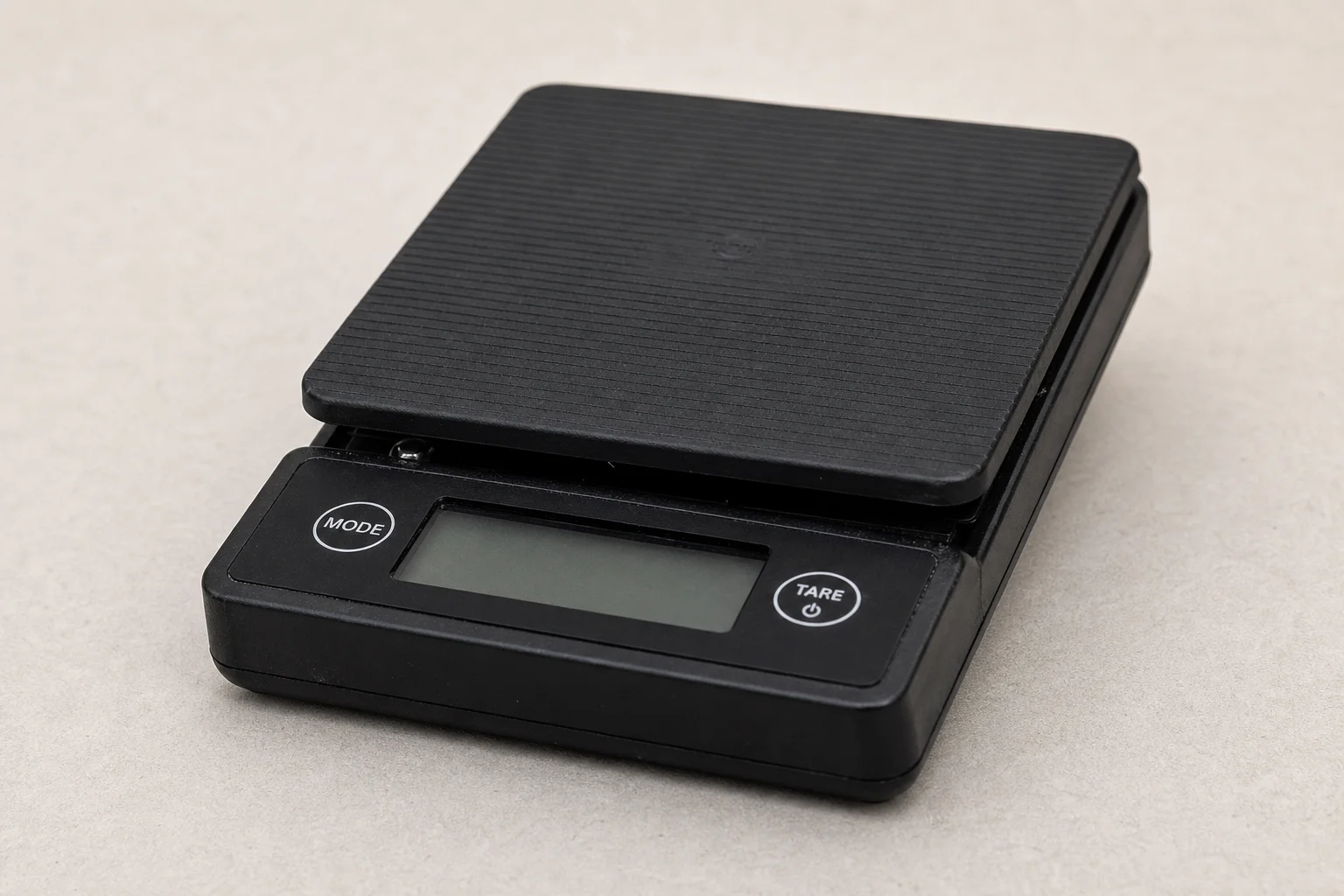
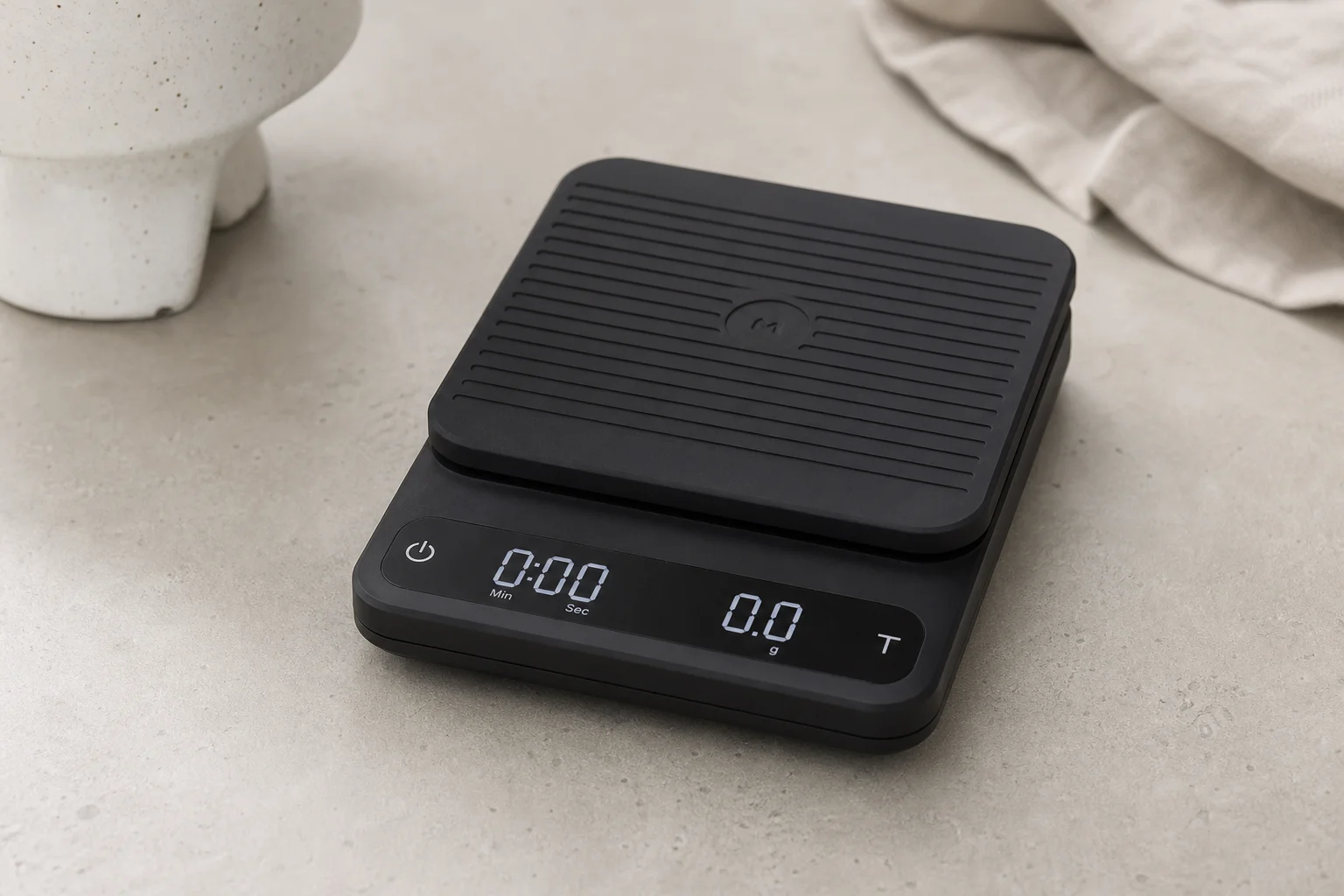
The Maestri House scale at £40 punches well above its price. The fit and finish are refined, the weight feels substantial, and the overall experience is premium. For comparison, the Brewista Espresso Scale 2 costs only £5 more but feels considerably cheaper. The weigh plate is misaligned, the buttons feel flimsy, and the assembly quality is visibly poor.
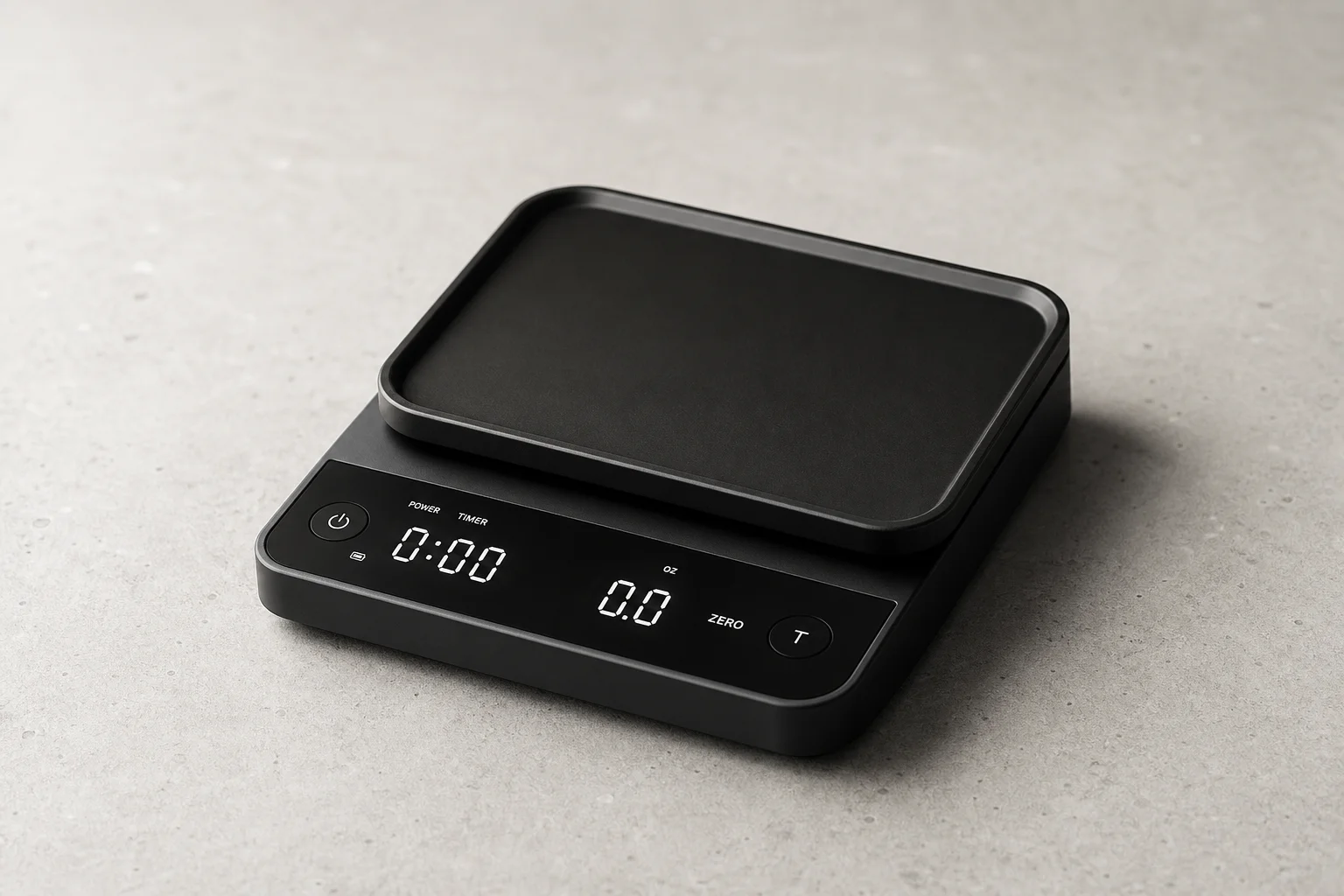
The Bookoo Themis Ultra is notably heavy at approximately 430 grams, compared to 280-290 grams for most other scales. This weight is satisfying to hold but serves no functional purpose and may indicate unnecessary material use.
Real-World Responsiveness
Responsiveness has two components: how quickly the display refreshes and how quickly it shows an accurate weight reading.
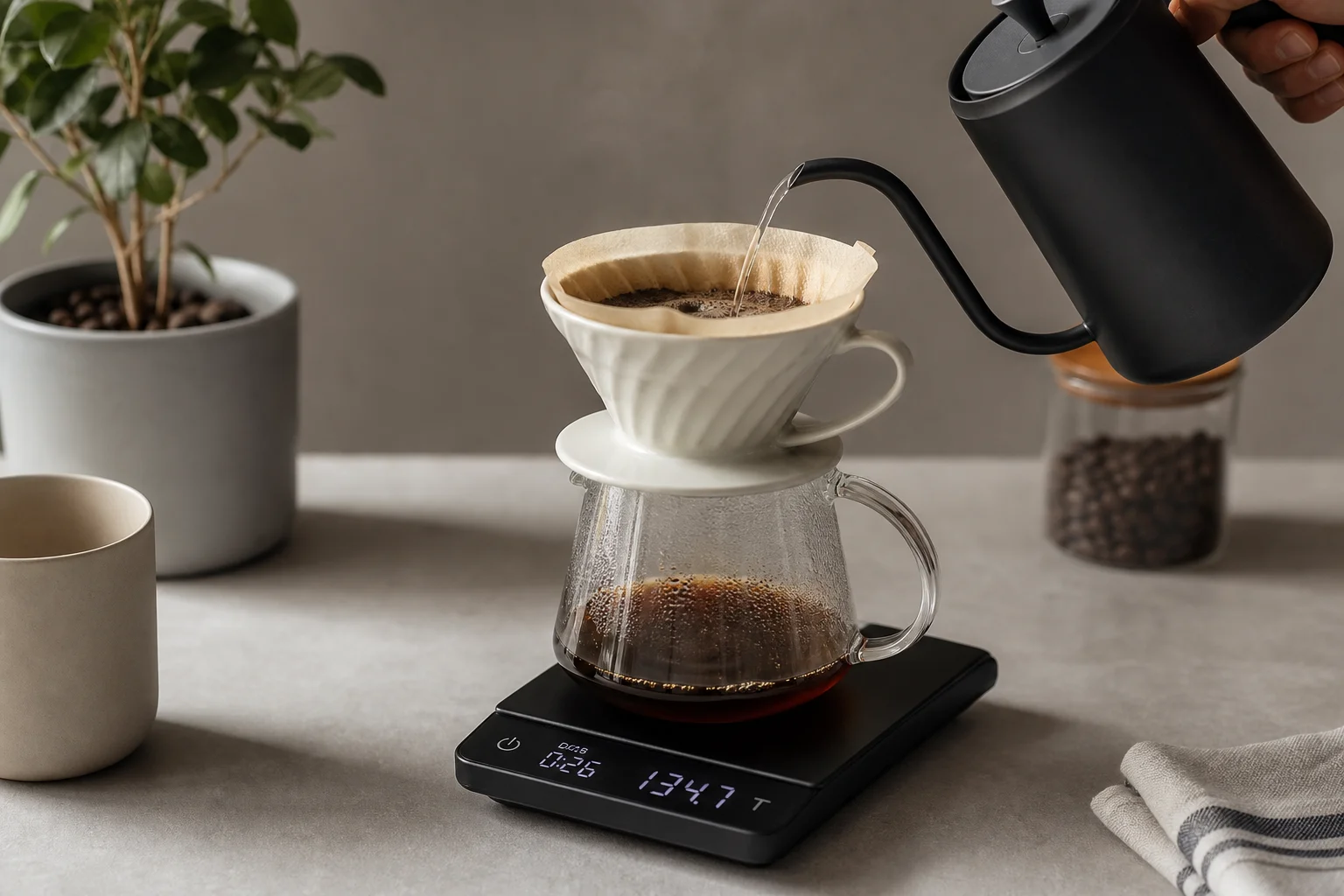
Using high-speed camera testing, we measured the time from the last coffee bean landing on the scale until the display showed the final weight. Most scales performed well, settling on an accurate reading within 1-2 seconds. The Sage Breville was notably slow, taking significantly longer to calculate and display results.
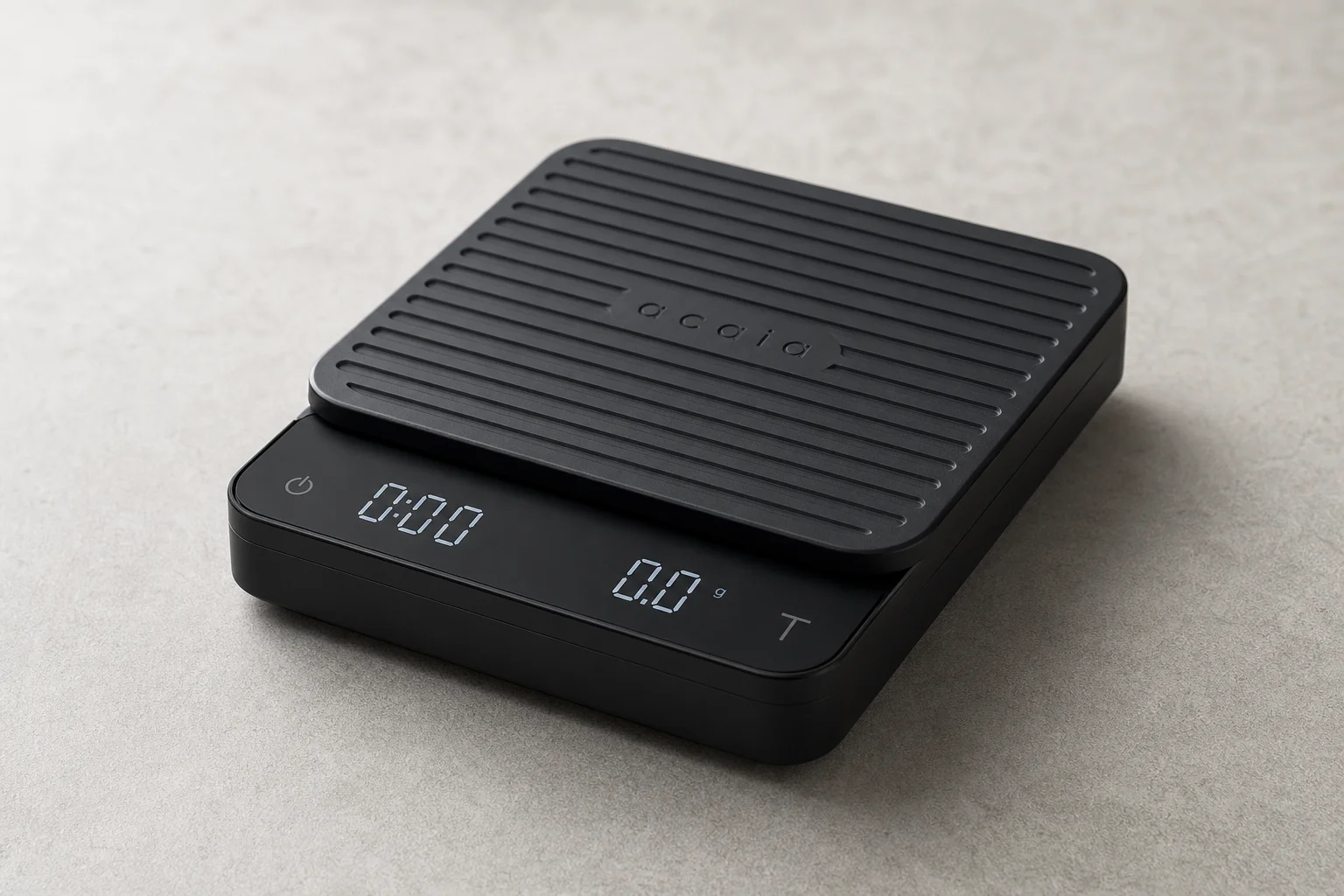
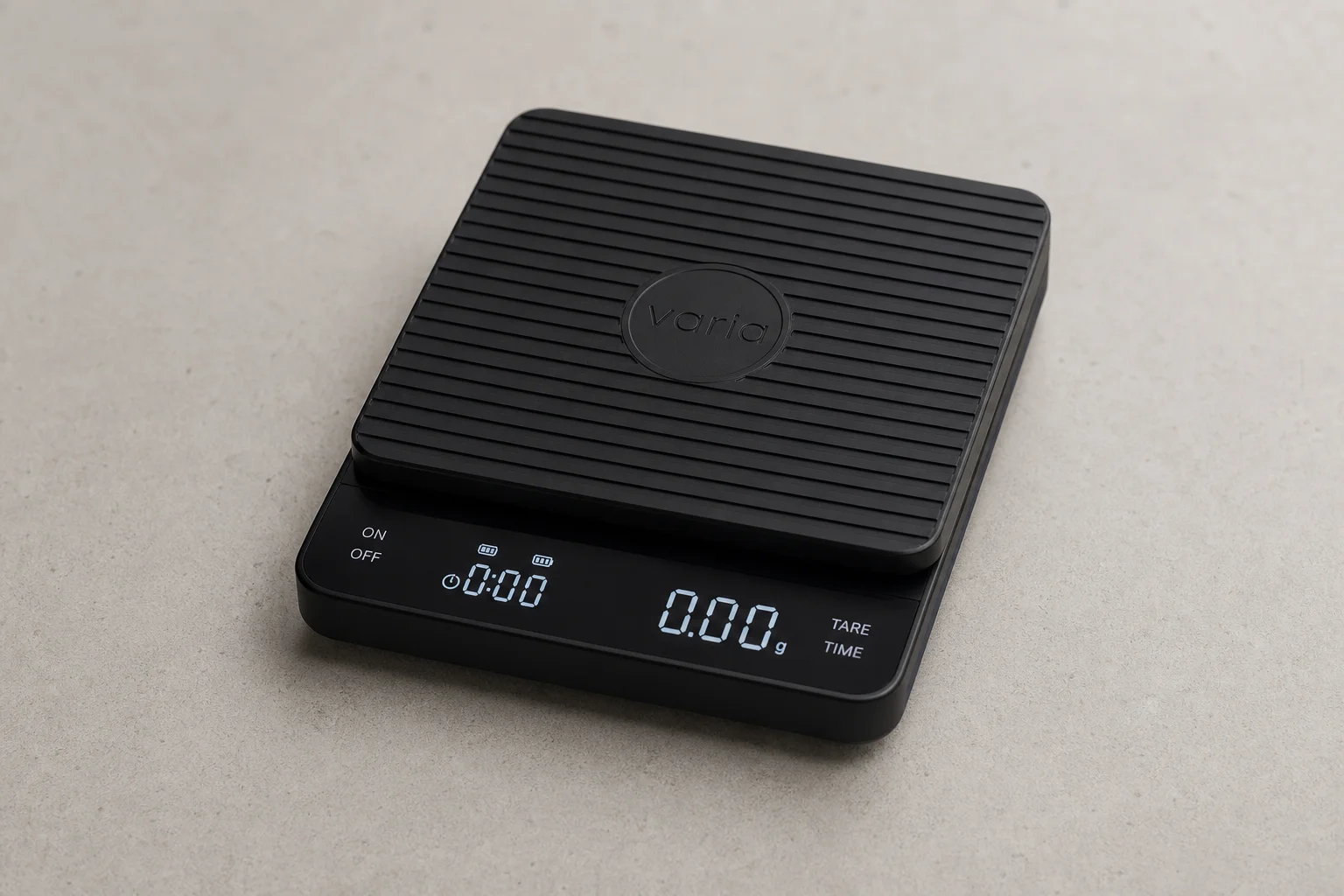
The Acaia Lunar and Varia AKU Mini both display to 0.01 grams, which requires more noise filtering and therefore takes longer to settle. This is expected behavior: higher accuracy requires more processing time.
In a practical pouring test, we attempted to pour 100 grams of water onto each scale as accurately as possible. Our average across all scales was 101.47 grams, showing that with practice, accurate pouring is achievable on most scales. The Sage Breville made this task difficult, as its slow refresh rate provided insufficient feedback to adjust pouring speed accurately.
The Fellow Tally Pro and Varia AKU Mini both had very high refresh rates that created visual noise, making it harder to pour accurately. The Varia’s display changed so frequently that it became distracting to use.
User Interface and Physical Design
Coffee scale manufacturers have not standardized basic functions, which creates frustration when switching between models.
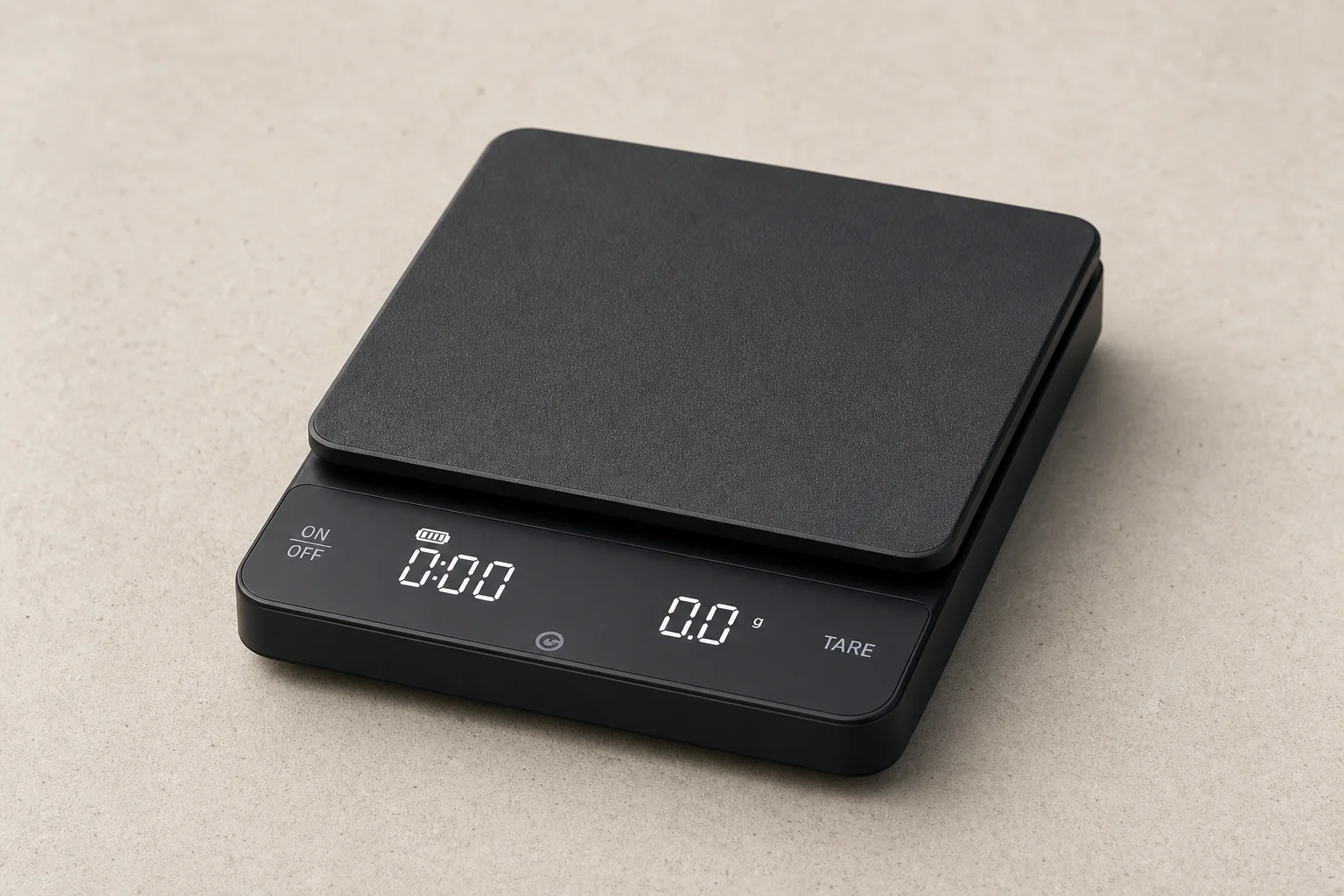
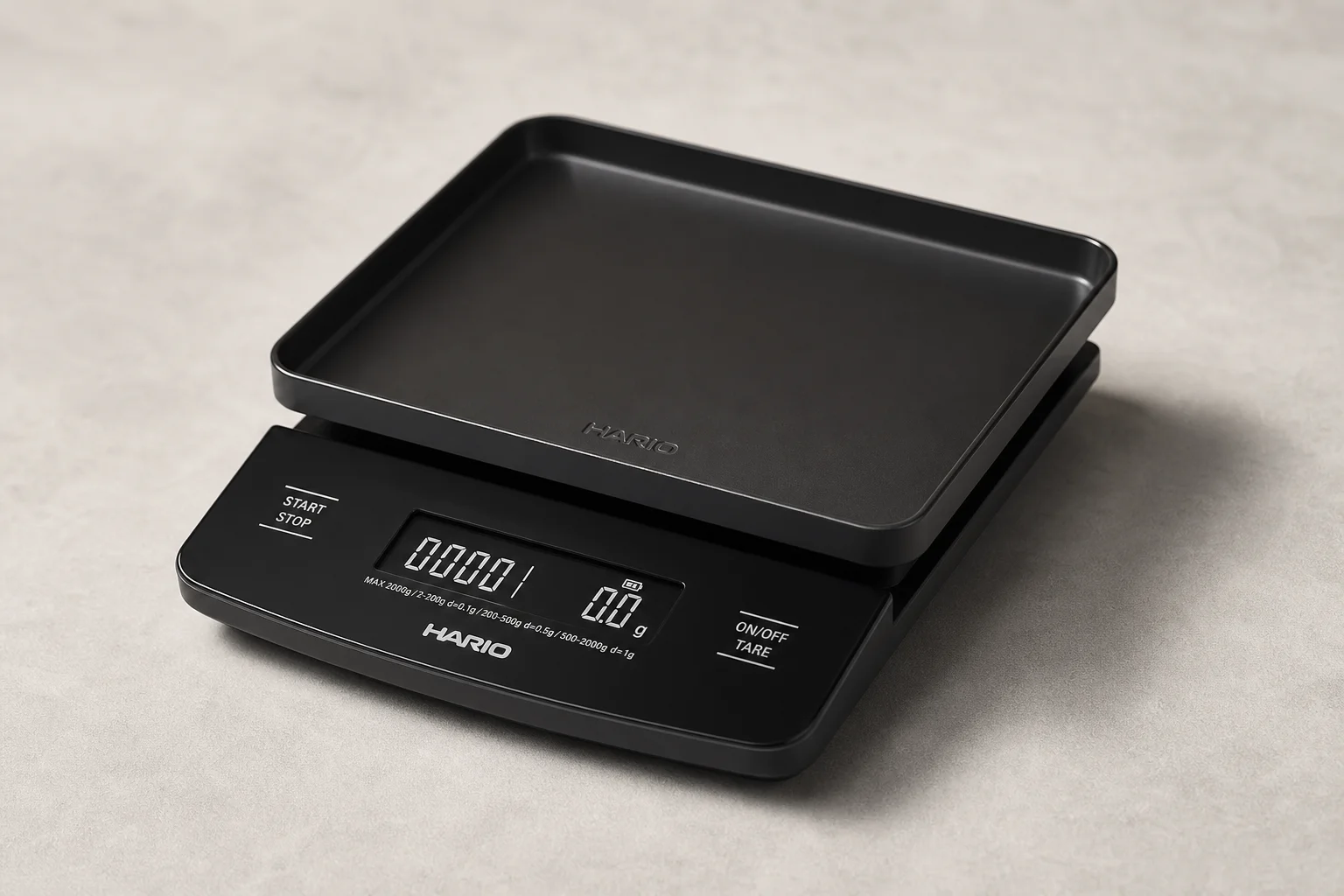
Most scales use the power button to also tare the scale, but Bookoo uses separate buttons for each function. Some scales use “T” for tare, while the Acaia uses “T” for time. Turning off the scale is not always intuitive: some require a long press, others require a double tap, and the method varies by manufacturer.
Seven scales in this test have both a physical on-off switch and a touch button for power. This dual-switch design prevents accidental activation in a bag during travel, but it creates confusion in shared spaces. If you press the touch button and the scale does not turn on, you must then remember to flip the physical switch. This is surprisingly frustrating in practice.
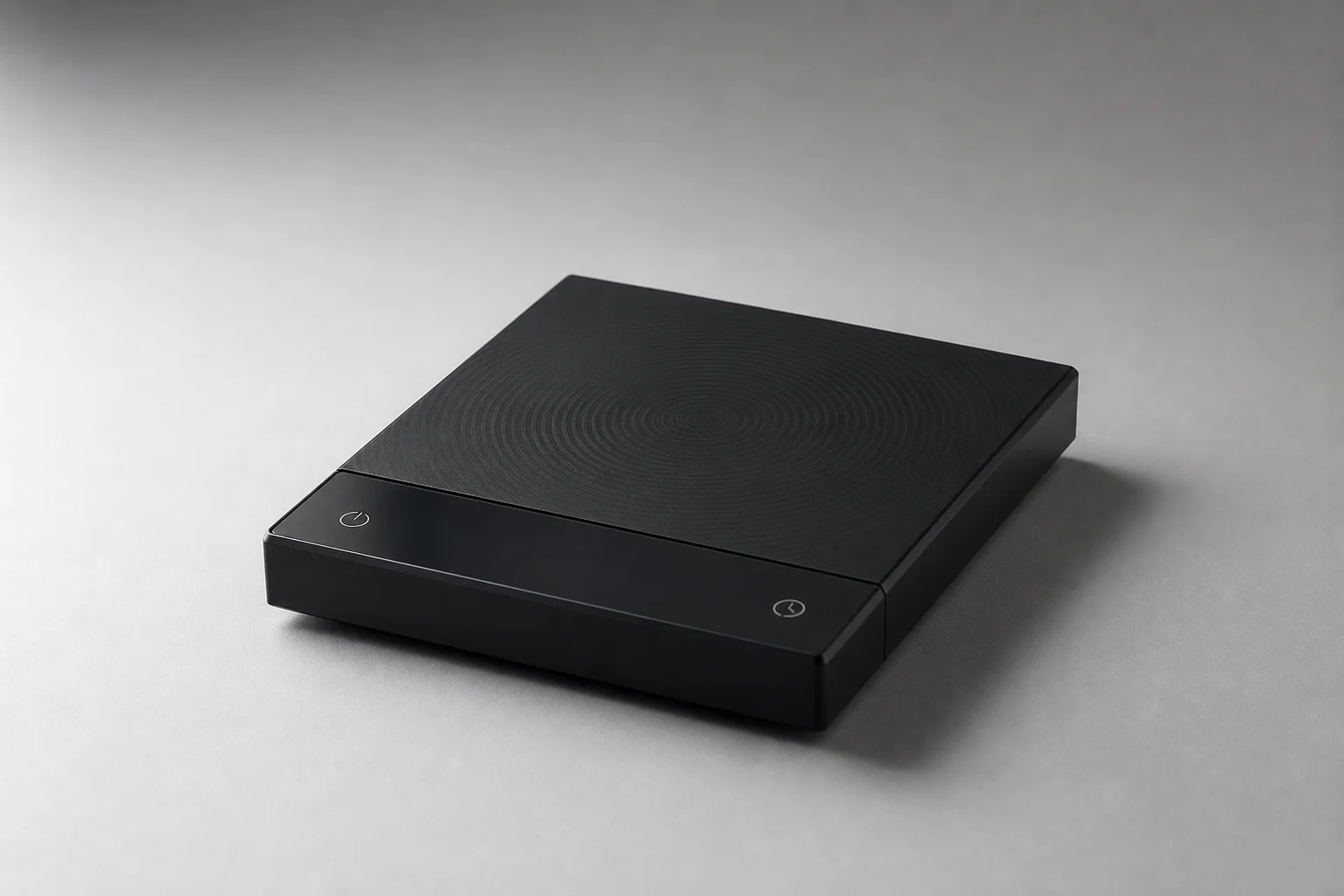
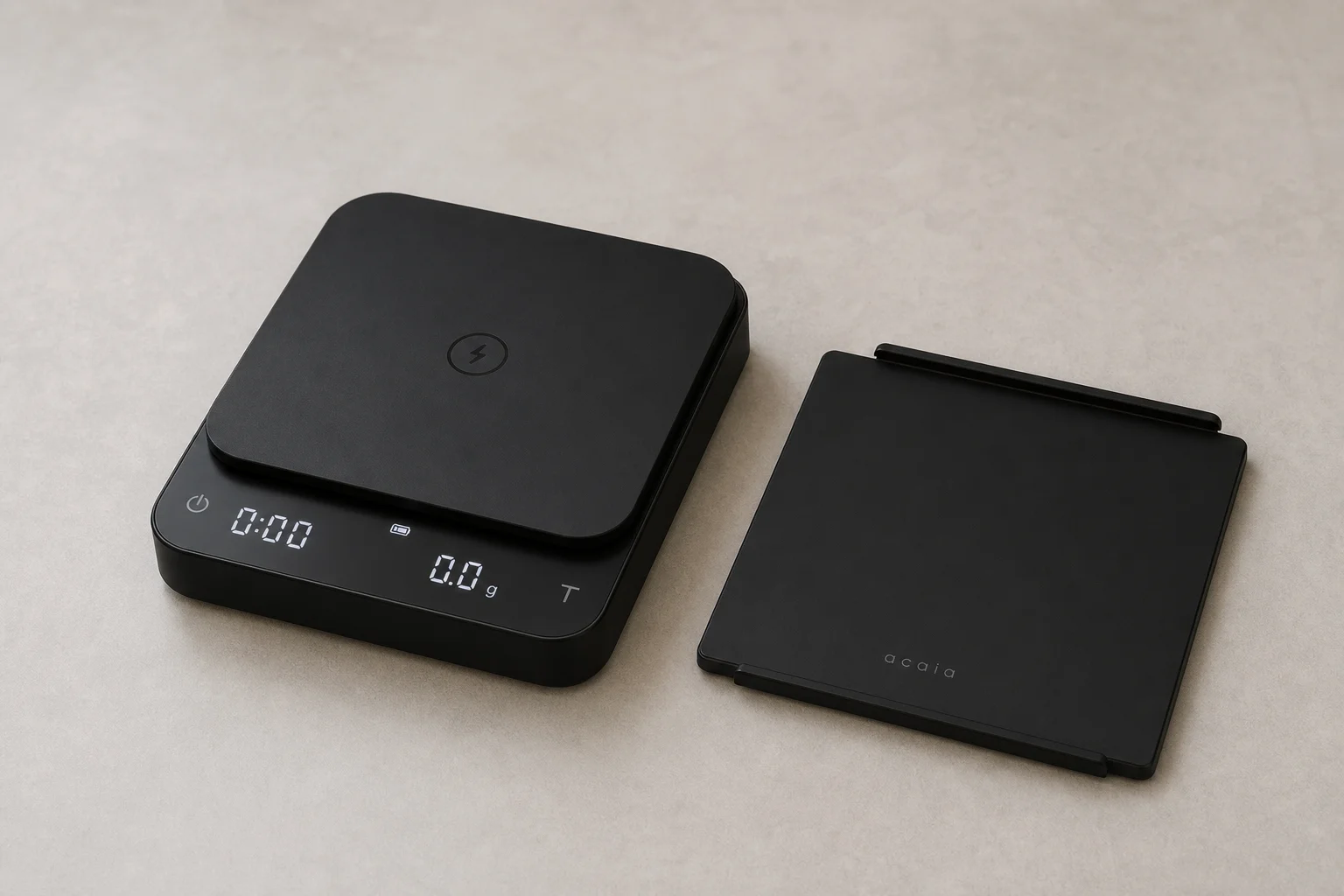
The LayBird MagAttach offers a modular design: remove the weigh pan for espresso use, or attach an extension plate for pour-over brewing. However, the extension plate detaches too easily, and it does not always align perfectly. A twist-lock mechanism would improve this design significantly.
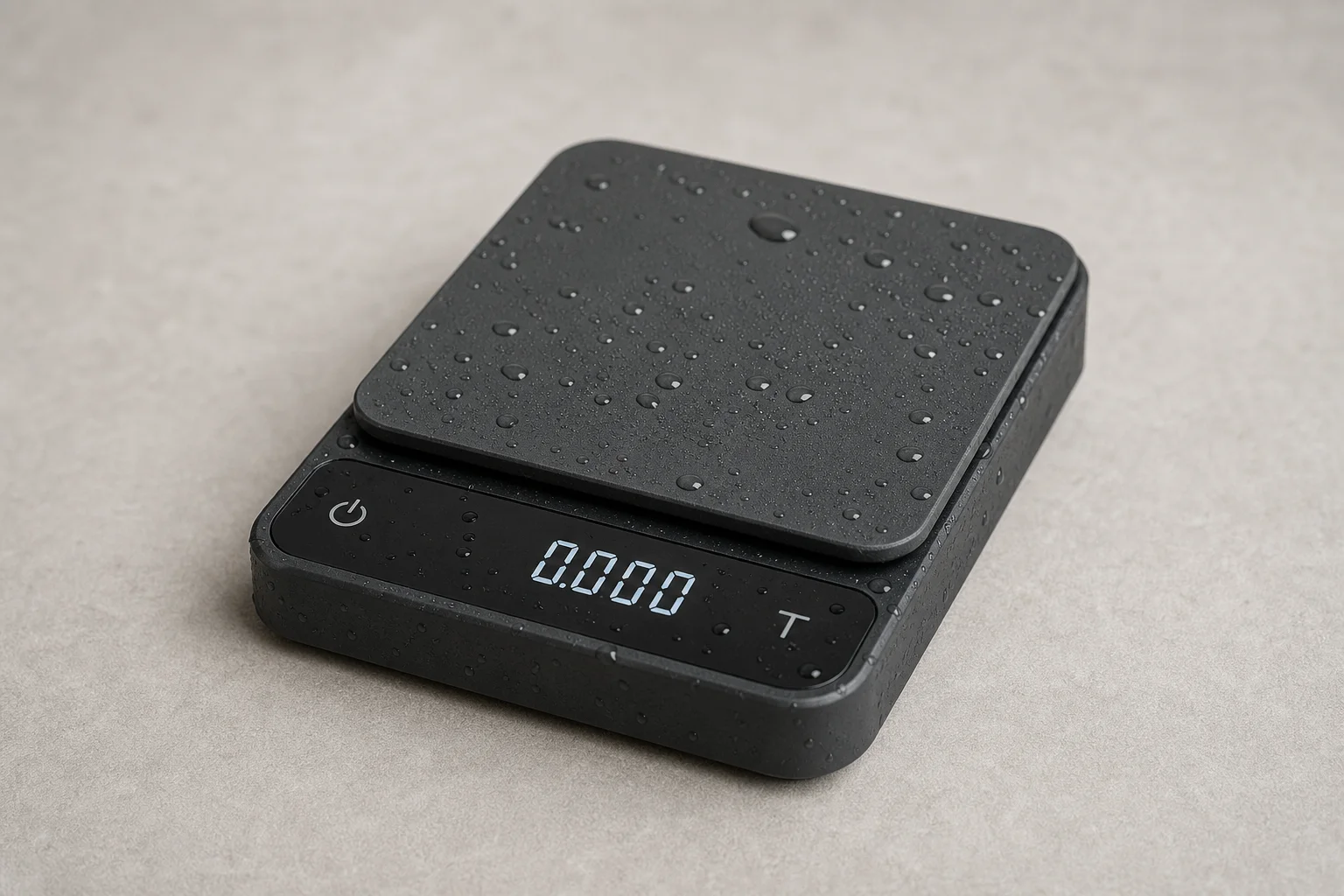
Most scales use capacitive touch buttons, which can be accidentally triggered by water spray from a naked portafilter. The Bookoo scales include a function to ignore accidental touches, but this requires using an app, which is a significant drawback.
Only three scales in this test have physical buttons: the Sage Breville, Brewista, and Fellow Tally Pro. The Sage and Brewista buttons feel cheap, but the Fellow’s buttons are well-executed and provide satisfying tactile feedback. It is unfortunate that the Fellow is a single-use scale, as its button design would be valuable on an espresso-focused model.
Beep Assessment
Ten of the 15 scales produce beeps when you press buttons. The beep serves as confirmation that you have activated a control, since capacitive touch buttons provide no tactile feedback.
The Timemore Black Mirror Nano has an unpleasant beep that is too loud and sharp. The Bookoo Themis Ultra uses a double beep for tare confirmation, which is excessive. The Maestri House has a muted beep that sounds trapped, lacking presence. The Fellow Tally Pro has a more musical beep with better character, though it could be more luxurious for the price.
Smart Features and Connectivity
Several scales offer Bluetooth connectivity and automated brewing modes. Bluetooth is genuinely useful if you own a compatible espresso machine that can stop the shot automatically based on scale weight. This feature is increasingly common on higher-end machines.
However, most “smart” features on coffee scales add little value. Espresso modes that auto-start the timer when weight is detected, or modes that calculate water ratios, are not necessary for most users. These features add complexity, increase the risk of accidentally entering unwanted menus, and justify higher prices without delivering proportional benefit.
For most brewing scenarios, you need only weight and time. Automated features can be frustrating when they make decisions you did not intend, and they require reading the manual to understand how to disable them.
Choosing the Right Scale for Your Brewing Style
In the £35 to £100 range, the decision should be based on your specific use case.
For espresso-only brewing, choose a compact scale that fits your machine’s drip tray, offers reliable build quality, and has good manufacturer support. Accuracy and advanced features are not differentiating factors at this price point.
For pour-over brewing, a larger platform is helpful, but you do not need premium features. The Maestri House and MHW-3Bomber Cube Mini 2 are both excellent choices in this range.
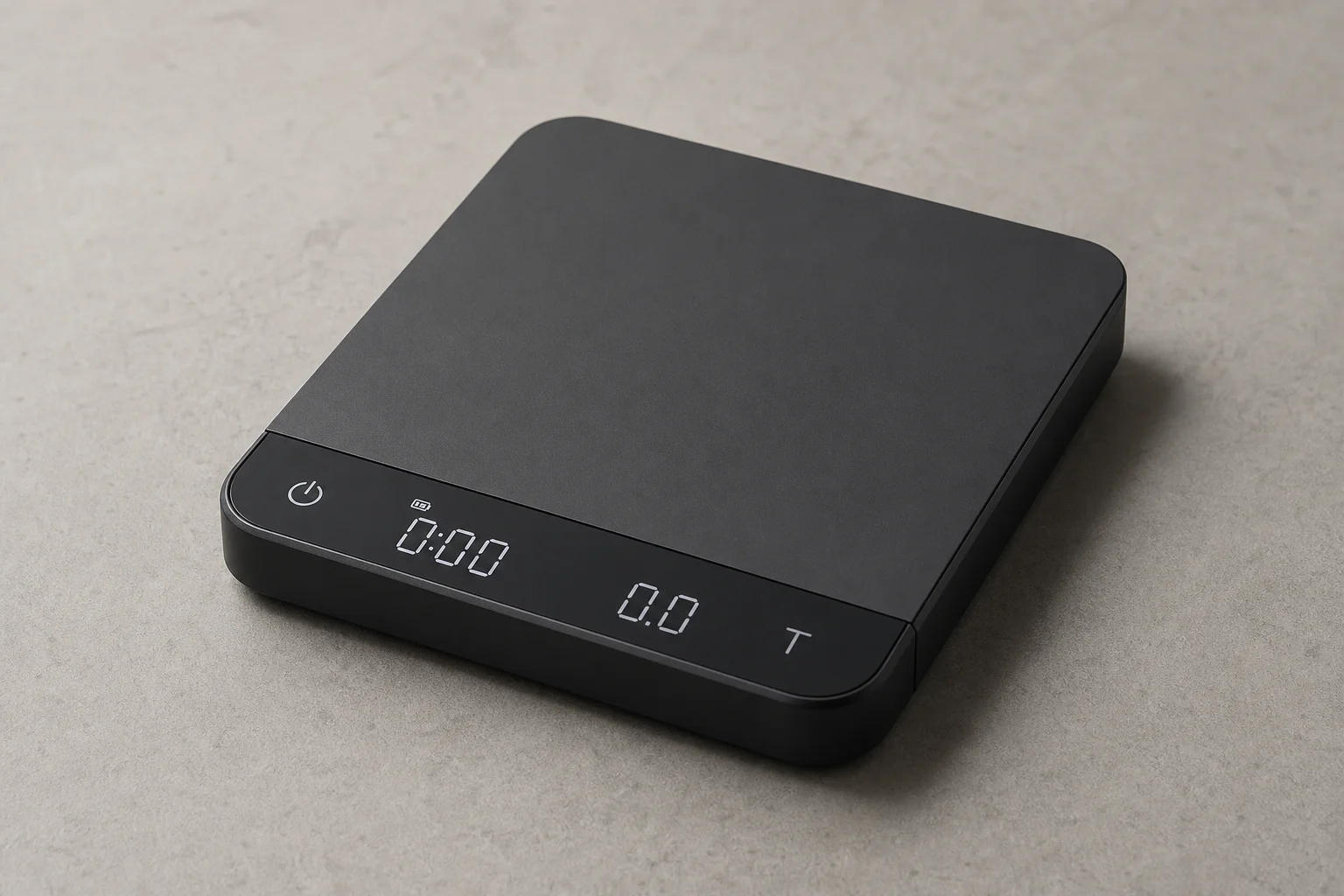
The Timemore Black Mirror Nano is a strong all-around option that works well for both espresso and pour-over, though its beep is unpleasant.
At the premium end, the Acaia Lunar at $250 is difficult to justify. That price equals a quality espresso grinder or a functional entry-level espresso machine. Unless $250 is not a meaningful amount of money to you, the value proposition is weak. The Acaia performs well, but not so much better than scales costing one-third the price that the difference justifies the expense.
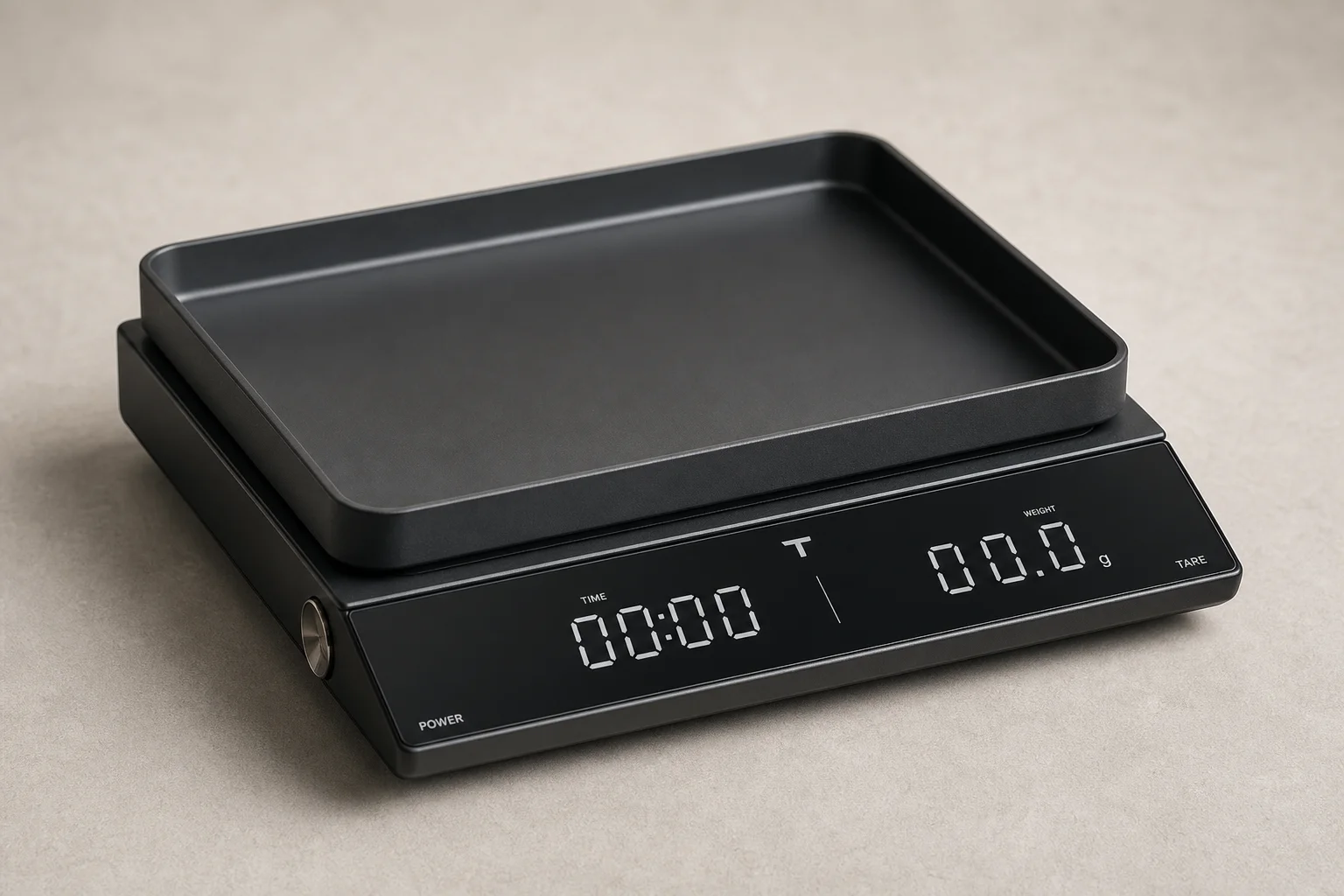
The Fellow Tally Pro at $200 is also expensive for a single-use scale. It functions more like a premium kitchen scale with coffee features added, rather than a purpose-built coffee scale. If you bake or cook frequently and want precision to 0.1 grams, it could serve double duty, but the buttons alone do not justify the premium price.
Conclusion
The coffee scale market is crowded with innovation, but most of that innovation does not translate to meaningful improvements in your brewing. You can buy a very good scale for £40 to £50 and achieve excellent results. The reassurance here is simple: you are not missing out if you do not spend premium prices on scales.
The best value scales offer reliable accuracy, solid build quality, and intuitive controls. Advanced features like Bluetooth connectivity and automated brewing modes are nice to have but not essential. Unless you are in a specific use case—such as using a connected espresso machine or conducting detailed brewing experiments—the mid-range options deliver everything you need.
If you own a coffee scale already, there is no compelling reason to upgrade. If you are buying your first scale, choose one in the £40 to £60 range that fits your brewing style, and invest the money you save in better coffee beans or a quality grinder instead.
Further reading
Related Reviews
Coffee Equipment
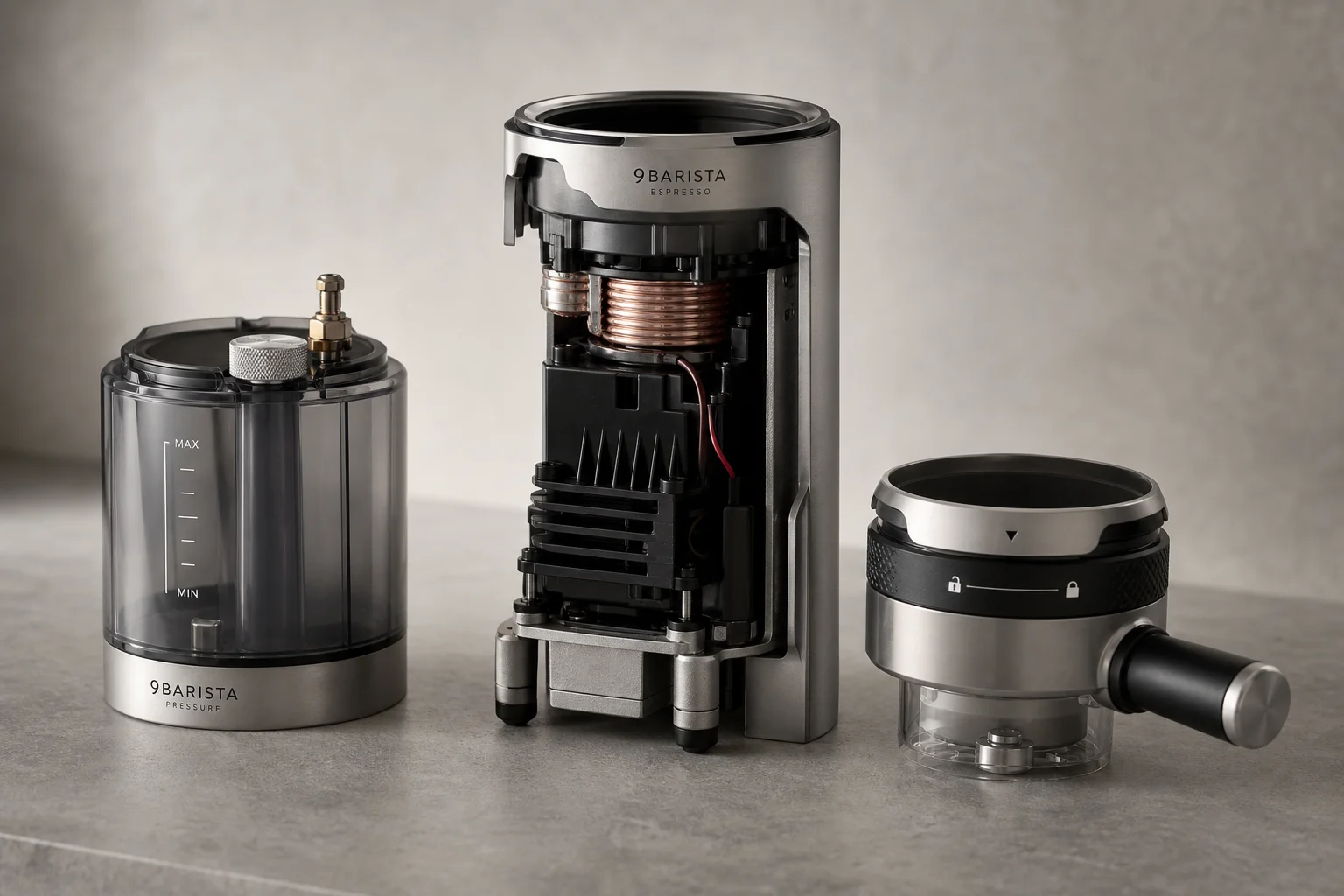
9Barista Espresso Machine Review: Stovetop Espresso for Single-Cup Enthusiasts
A cleverly engineered stovetop espresso maker that generates nine bars of pressure without electricity. Excellent coffee quality, but requires patience and suits solo drinkers only.
Coffee Equipment
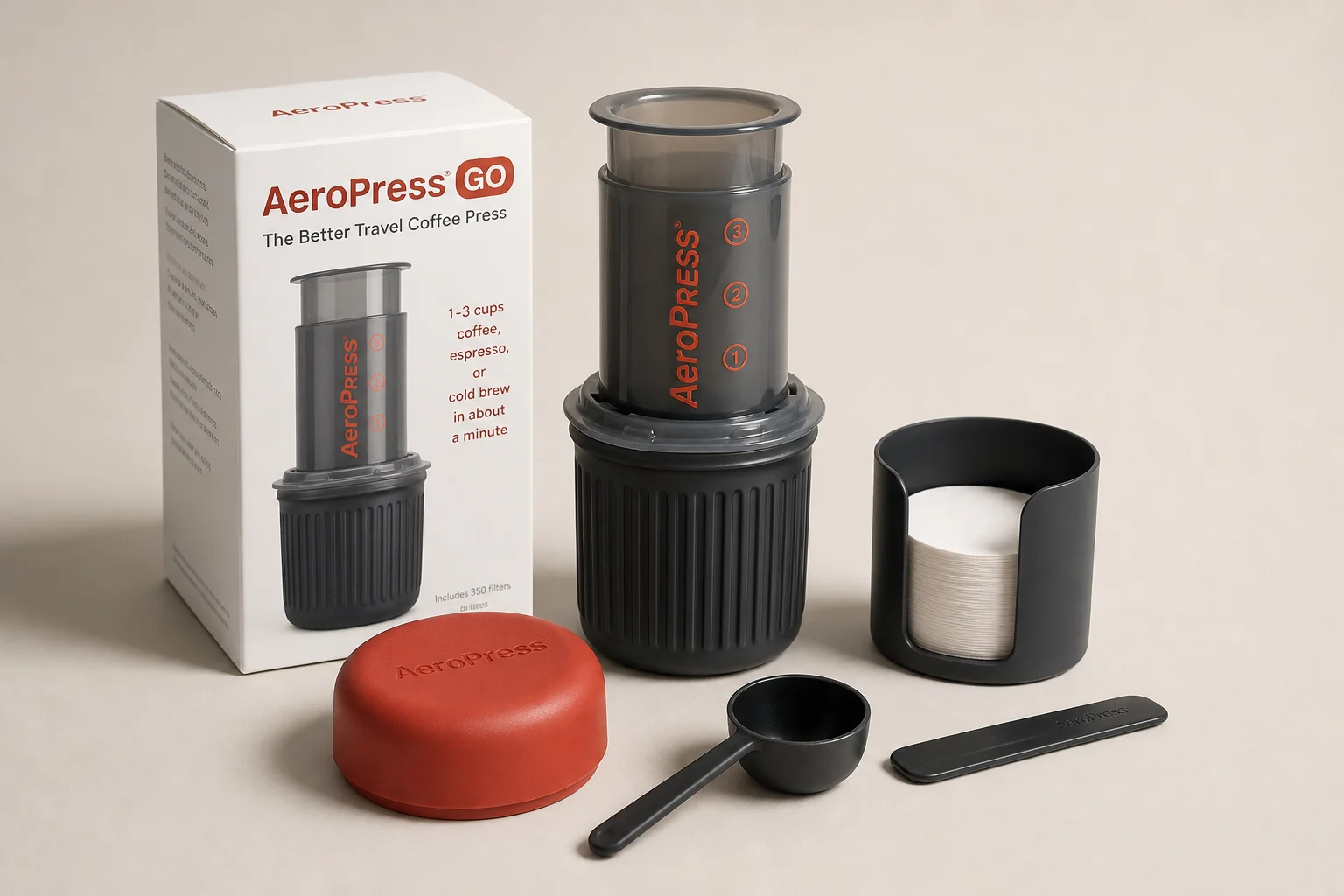
Aeropress Go Review: A Compact Travel Brewer That Solves One Specific Problem
The Aeropress Go shrinks the original design and adds an integrated cup, but it may not address the travel challenges most coffee enthusiasts actually face.
Coffee Equipment
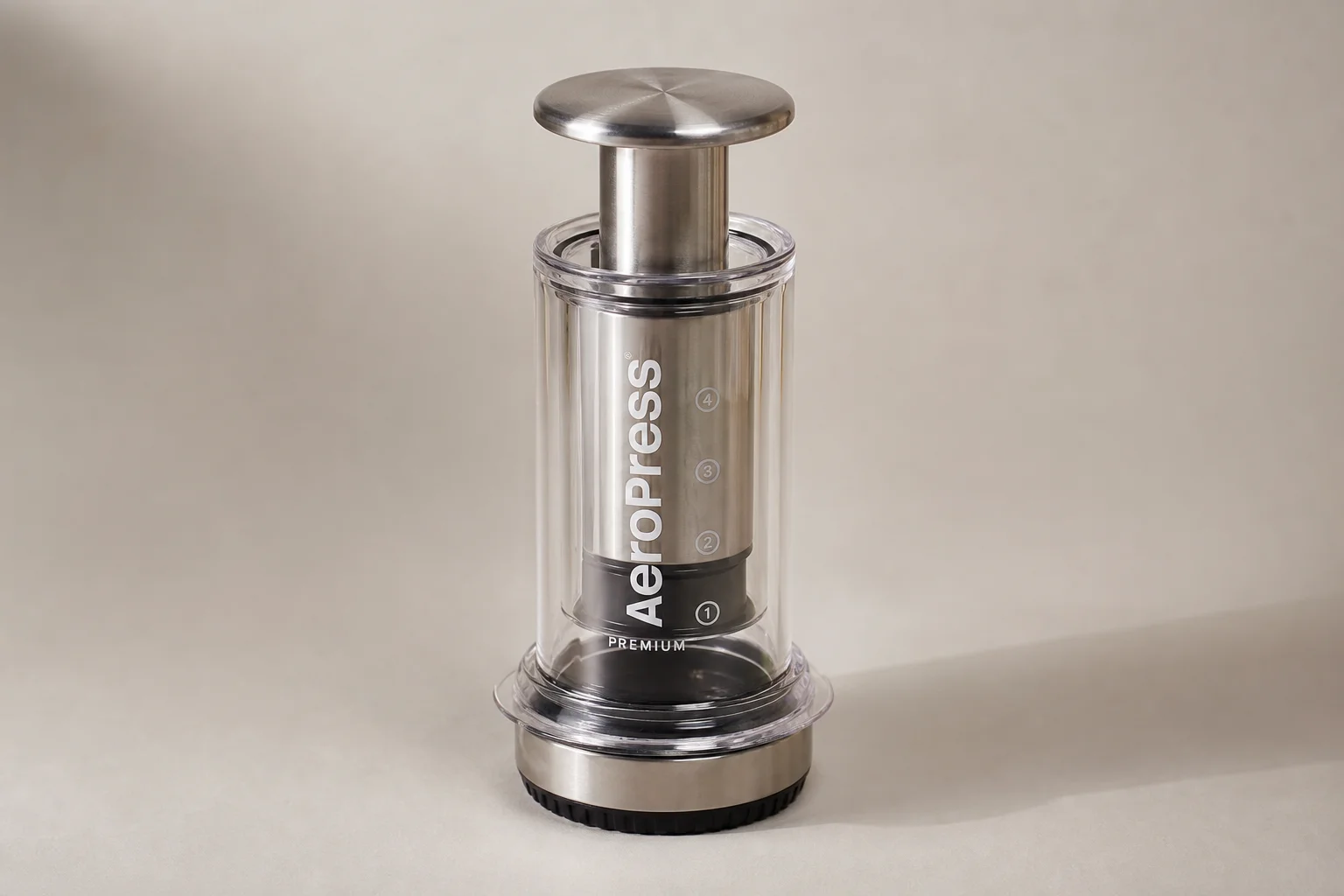
AeroPress Premium Review: Premium Materials, Practical Trade-offs
The AeroPress Premium brings glass and metal construction to a beloved brewer, but trades portability and durability for a more refined feel. Here's what changes in the cup and what matters before you buy.