Tools
Clamp Meters and Wire Strippers for Solar Work: Three Tools Worth a Look
Three electrical hand tools for solar and off-grid projects, including clamp meters that read both AC and DC current and a stripper-crimper built for 10 gauge wire.
Introduction
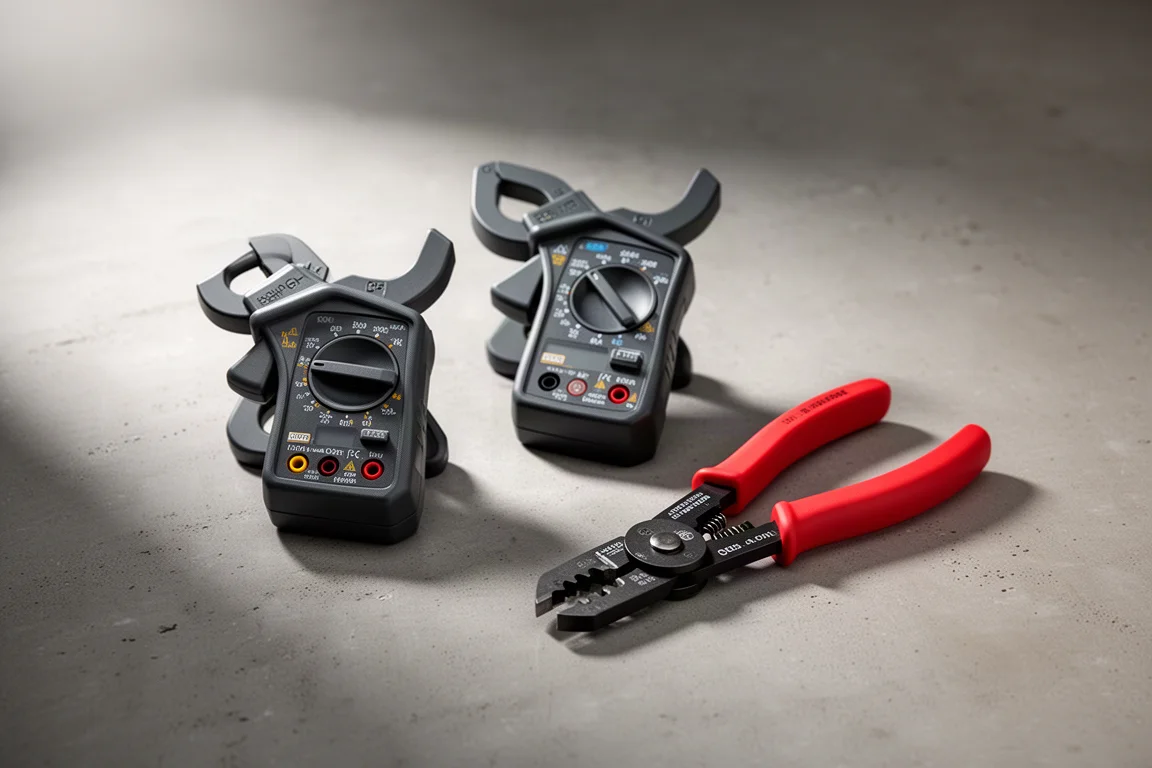
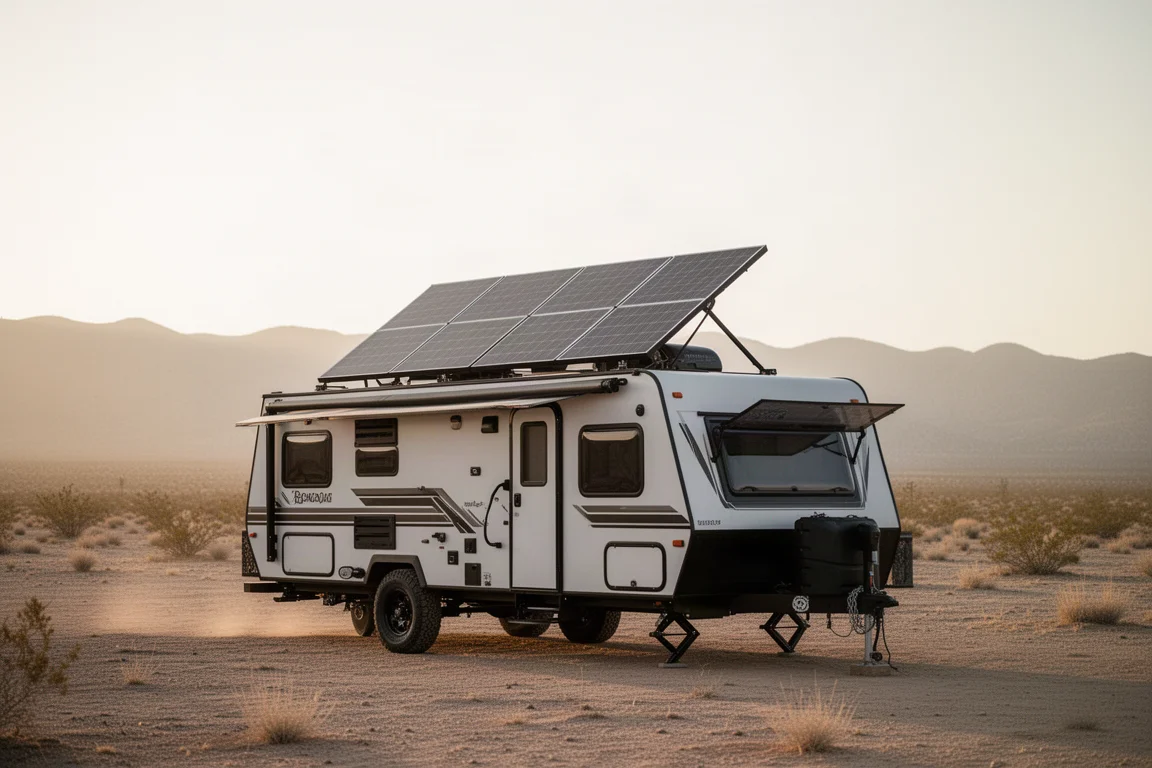
If you are building or refining a solar power system, especially while boondocking or working away from a proper workshop, two categories of tools matter more than most: a clamp meter that can read the current you actually care about, and a wire stripper that can handle the wire you are actually using. Here are three tools that came out of exactly that kind of project, along with the practical reasons each one earned its place.
The core problem many clamp meters share is simple: plenty of models read AC current only. For solar work, where battery-side circuits are DC, that limitation quickly becomes a dealbreaker. Similarly, many strippers top out at 12 gauge, which is a problem when your solar wiring is 10 gauge.
Fluke 323
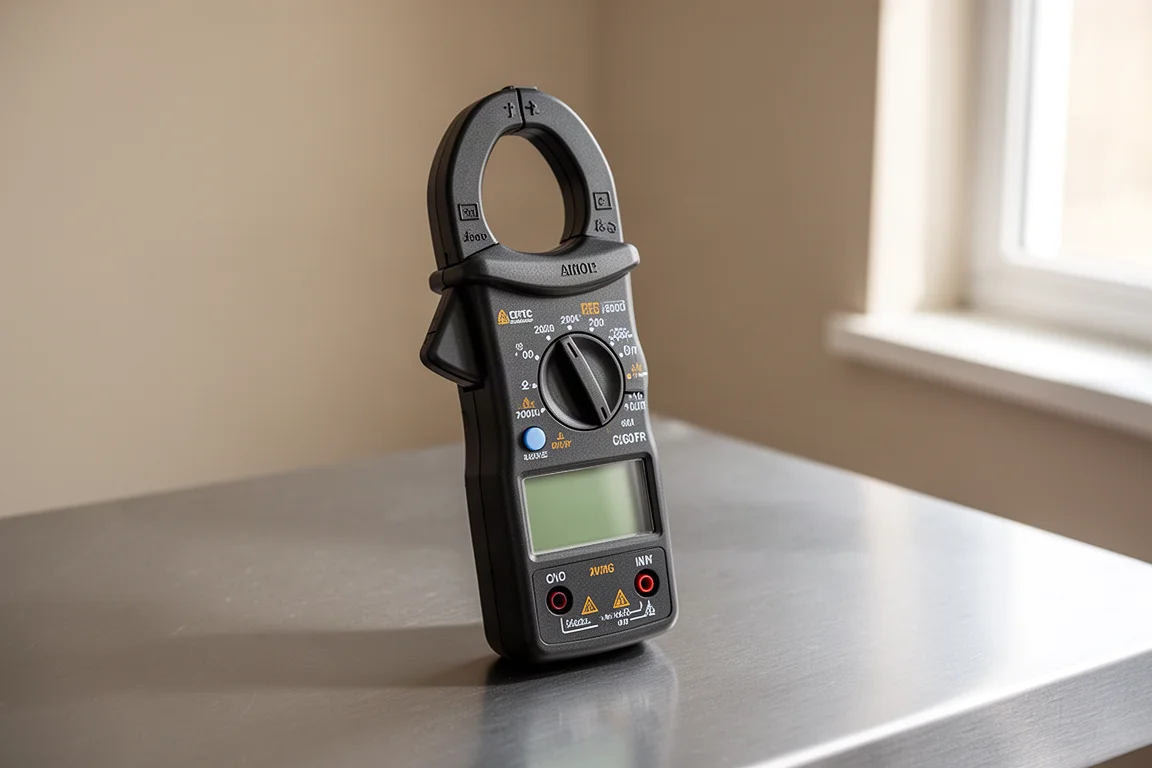
The Fluke 323 is a compact clamp meter with a solid reputation. In direct comparisons, however, its clamp reads AC current only, which limits its usefulness for DC solar battery circuits. It remains a well-regarded meter for general electrical work and voltage measurements.
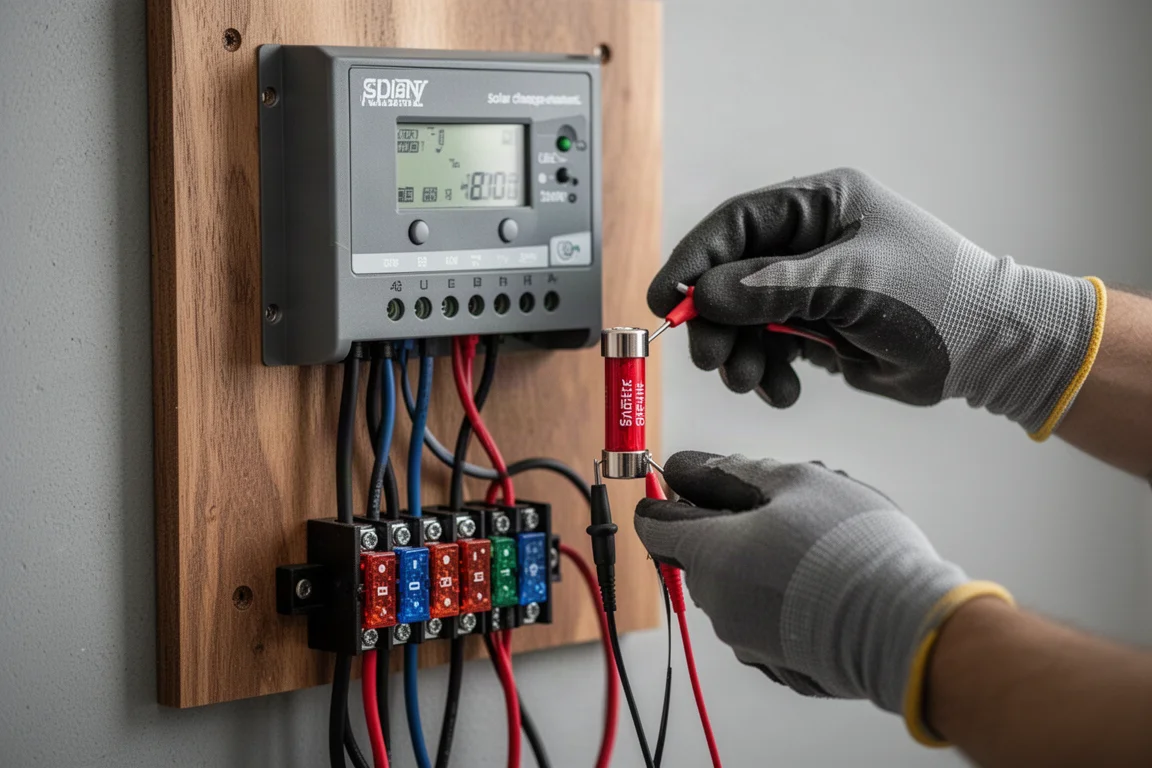
During a solar system build, the 323 was used for tasks like checking installed fuses, where two 30 amp fuses turned out to be blown. For that kind of verification work it performs well, but the missing DC amperage measurement is the key reason it was not the final pick for this project.
Klein CL110
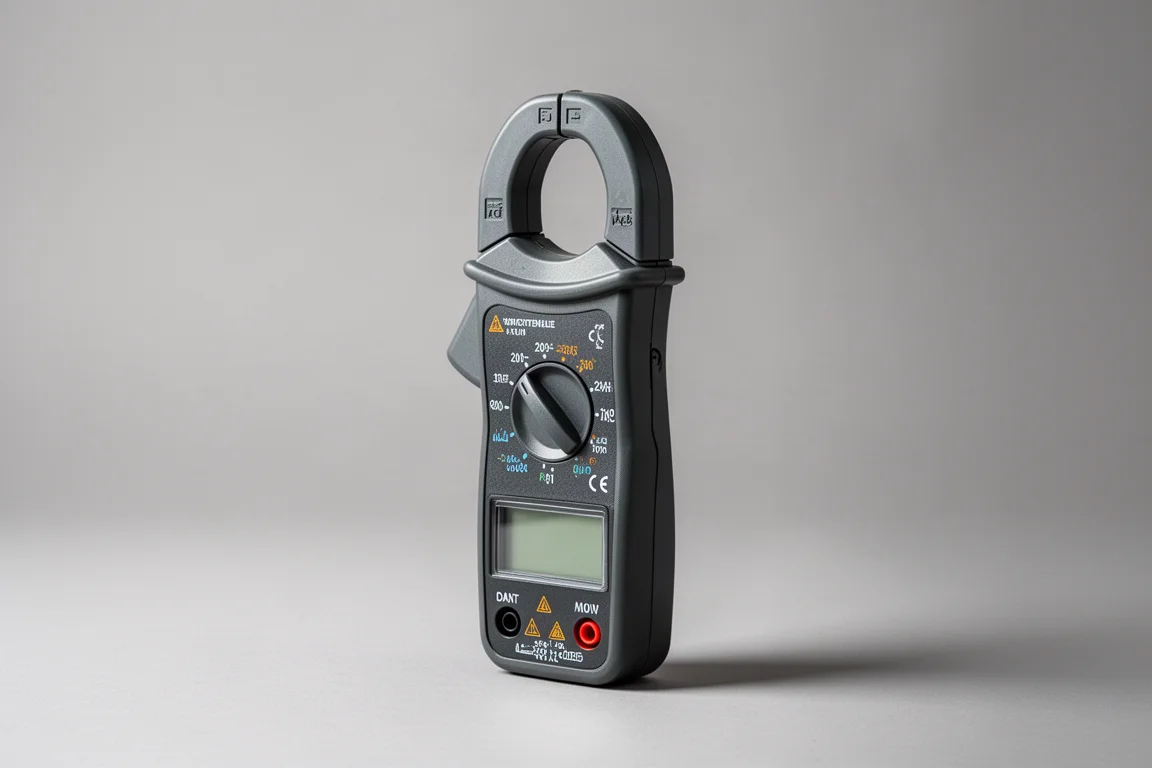
The Klein CL110 is a long-serving clamp meter and a popular choice among electricians. Like the Fluke 323, it reads AC amperage only, which again rules out measuring DC current from solar panels or batteries. It does not offer temperature measurement either, which is useful for checking panel surface temperatures on a solar install.
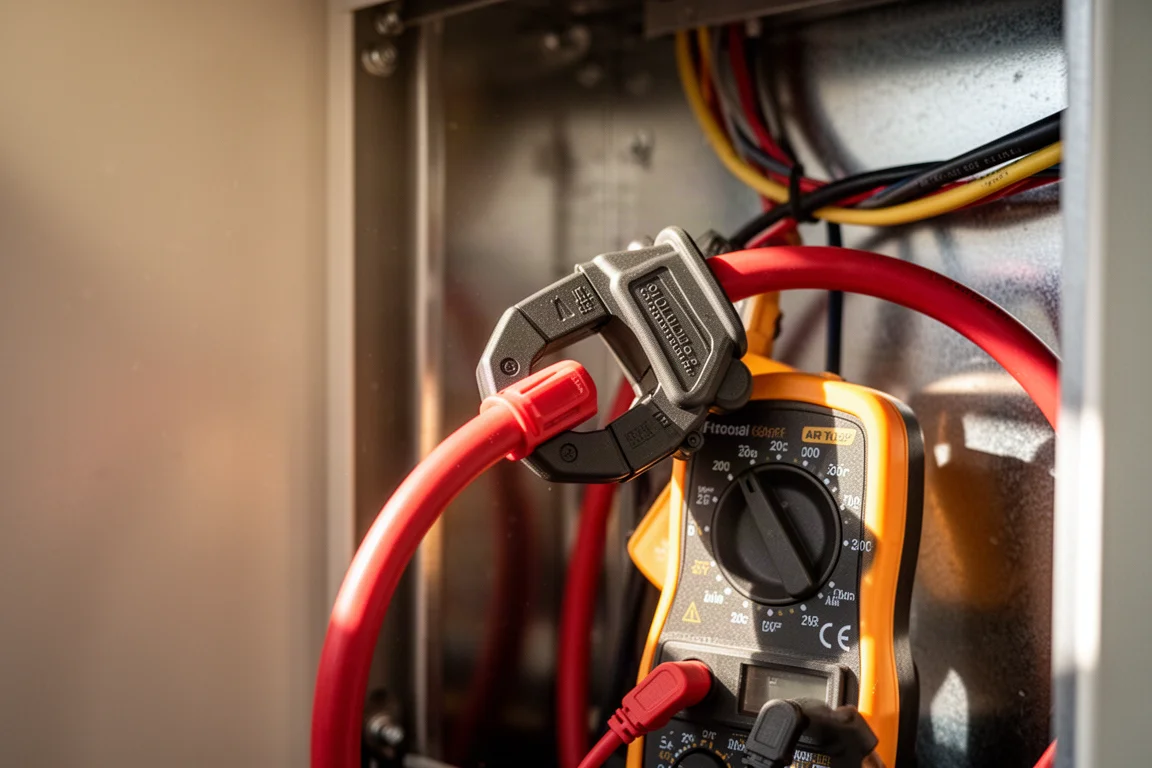
Klein makes many different clamp meters, so it is worth checking the specific model’s capabilities before buying. The CL110 itself is a capable AC-side meter, but for mixed AC/DC solar work it falls short of what was needed here.
Snap-on PWC S9 ACF
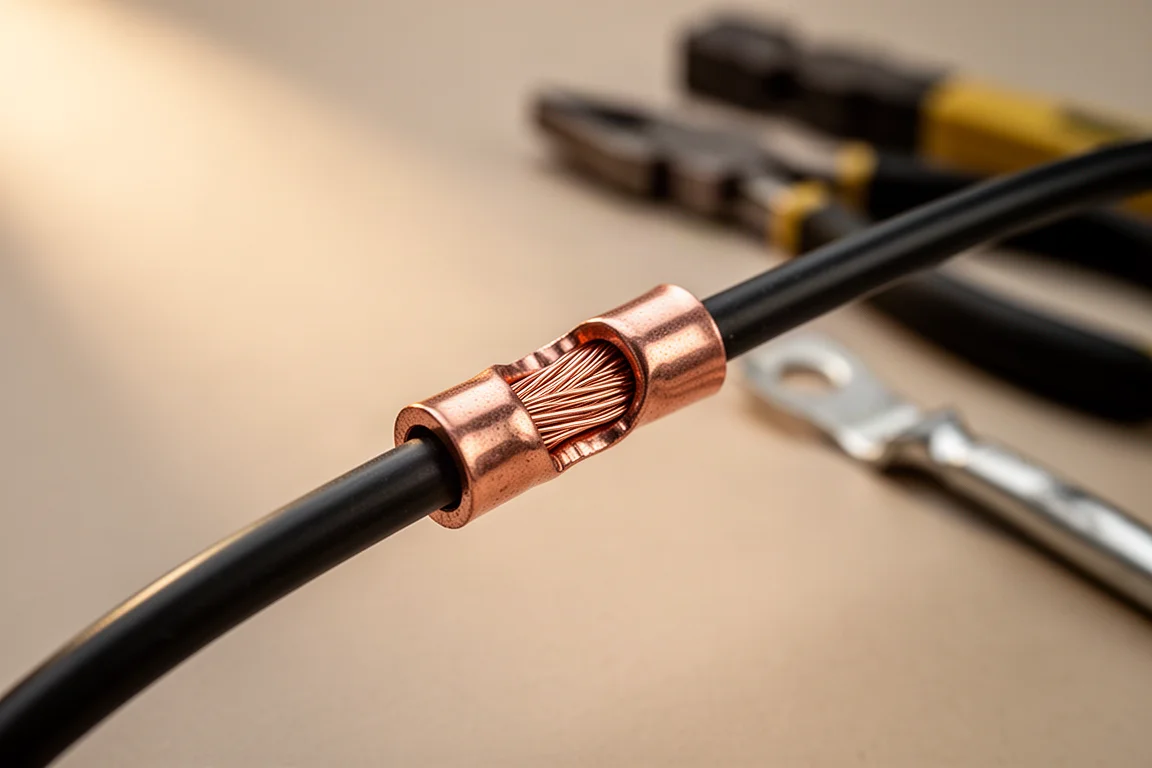
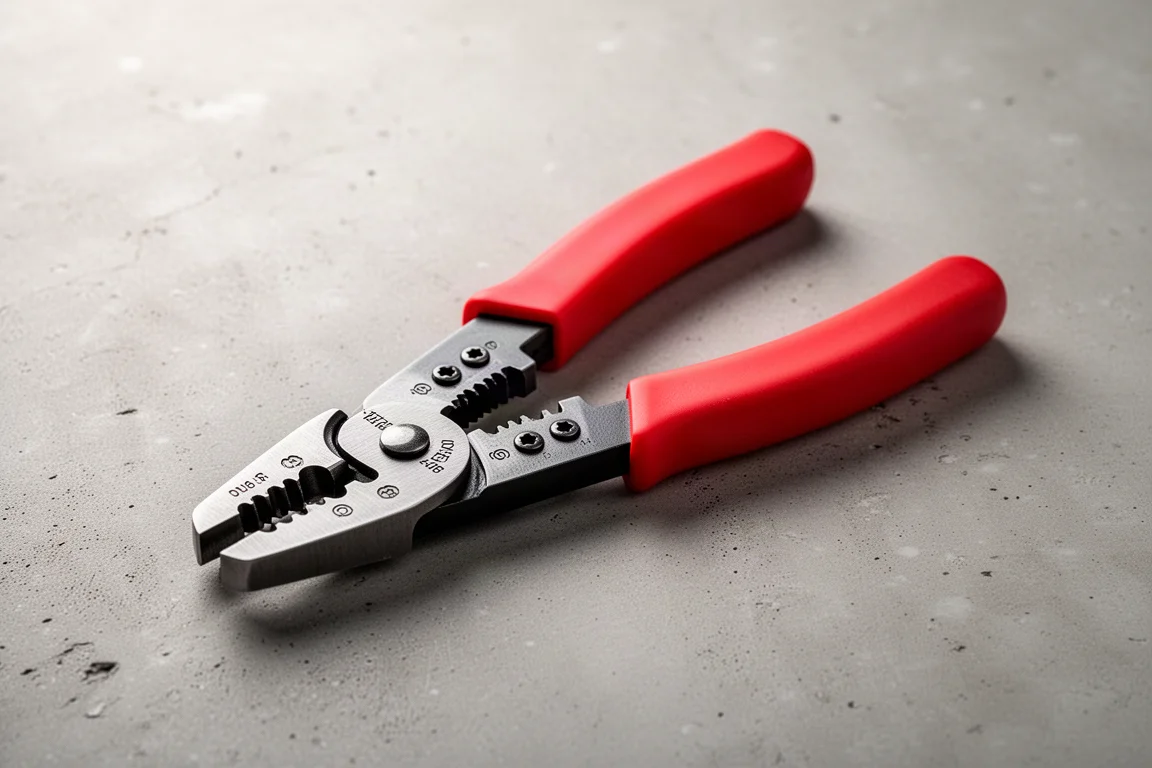
The Snap-on PWC S9 ACF is a larger stripper-crimper-plier combination tool, and it was the pick because it ticks three specific boxes: a grabbing plier at the front end for manipulating wire, a crimping function, and the ability to strip 10 gauge wire, which is common in solar installations.
Alternatives were considered before settling on it. The Milwaukee version strips up to 10 gauge and has pliers but no crimper. A Klein option goes to 10 gauge with generous pliers but again lacks a crimper. The Knipex is excellent if you want to preset it for a specific wire gauge, but it only handles up to 12 gauge. An Ideal tool is very light with cutters and strips 10 gauge solid but only 12 gauge stranded, which was close but not quite enough. The PWC S9 ACF combines all three wanted features in one tool.
The main criticism: the locking mechanism feels over-engineered but underperforming, and a more forceful design would have been welcome. Snap-on tools are not cheap, though this one is not ridiculously expensive either. The verdict after hands-on use: satisfying to work with overall.
Buying Advice
For solar and off-grid electrical work, the buying decision comes down to what you need to measure and what wire you need to strip. If you need DC amperage measurement for battery and panel circuits, be careful: many popular clamp meters, including the Fluke 323 and Klein CL110, are AC-only on their clamp. Look specifically for a meter that handles both AC and DC current, and consider temperature measurement if you want to check panel surface and shade temperatures. Note that the meter ultimately chosen for this project was also less expensive than the Klein CL110 while covering more functions.
For wire prep, decide whether you need all three functions in one tool. If grabbing wire, crimping, and stripping 10 gauge all matter to you, a combination tool like the Snap-on PWC S9 ACF saves you from juggling multiple pliers. If you mostly strip a single known wire gauge, a preset-style stripper like the Knipex may be simpler and cheaper.
Conclusion
Two of these tools are excellent clamp meters that share one significant limitation for solar work, while the third is a well-chosen combination stripper that covers 10 gauge wire, crimping, and wire grabbing in a single tool. Match the meter to your measurement needs, especially the AC versus DC question, and match the stripper to your wire gauge before you commit.
Further reading
Related Reviews

Tools
Best Contractor Grade Tape Measures 2026: Eight Models Tested Head to Head
We tested eight contractor grade tape measures from Milwaukee, DeWalt, Crescent Lufkin, Tajima, Stanley, Irwin, Gelan, and Craftsman to find the best value and performance.

Tools
Best Precision Screwdriver Sets 2026: Manual and Electric Options Compared
We compare 19 precision screwdriver sets, from budget manual kits to electric drivers, to find the strongest bits and best value.

Tools
Best Stud Finders 2026: Five Popular Models Put to the Test
We tested five popular stud finders on drywall, firewall, and lath and plaster surfaces to see which ones really find studs and avoid false readings.