Kitchen
Best Citrus Juicers: Our Top Manual and Electric Picks
We juiced hundreds of lemons, limes, oranges, and grapefruits to find the citrus juicers actually worth your counter space.

Introduction
Fresh citrus juice is one of those small kitchen luxuries that instantly elevates everything from a vinaigrette to a batch of margaritas. But for a tool with such a single focus, the citrus juicer market is surprisingly uneven: some models are excellent, and some are genuinely bad. We tested a large group of manual and electric citrus juicers to find the ones worth buying, and the results included a few surprises. Notably, power was not everything.
Manual juicers are ideal for small jobs, like a couple of tablespoons of juice for a sauce or dressing. Compared with electric models, they take up less space and never need to be plugged in. Electric juicers are usually bigger and come with more parts to clean, but the machine does the squeezing work for you, which can be a real benefit for anyone with diminished hand strength or for anyone juicing large batches of fruit.
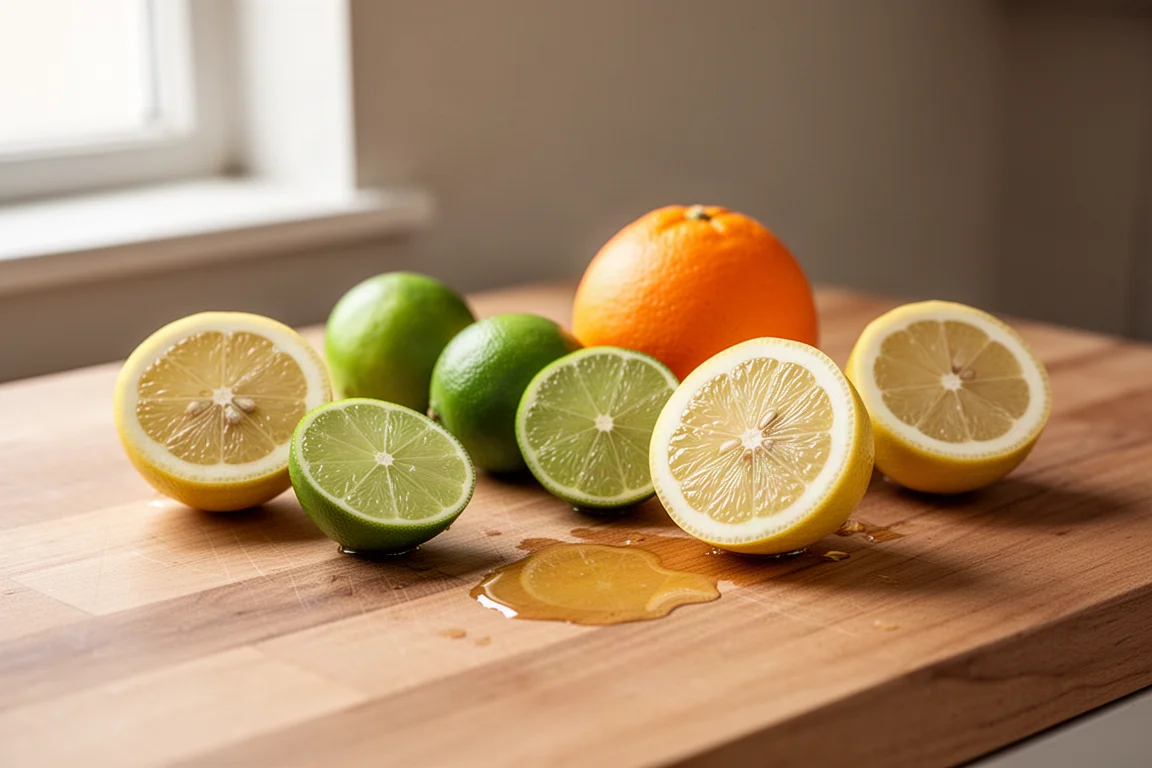
What Makes a Great Citrus Juicer
Our testing was thorough. We juiced 10 each of limes, lemons, and oranges per model, plus five grapefruits where the juicer was big enough. We timed each session, measured the juice yield, judged ease of use, and checked how well seeds were held back. Both right- and left-handed testers tried every model to account for different dominant hands, hand sizes, heights, and strength levels. Every juicer was hand washed after each use, and we tasted the juice from each model to see whether any method squeezed in bitter pith or peel oils. Finally, we juiced 20 extra lemons in a row on each unit to check durability.
A few clear patterns emerged. Presses compress both sides of the fruit, including the rind, which releases the peel’s aromatic oils and adds a subtle bitterness that gives the juice more complexity. Reamers only contact the pulp, so those oils never get released, and the difference was noticeable in side-by-side tastings. Press juice was more nuanced and fragrant, though these differences are most evident when the juice is used immediately.
Yield varied enormously. The best manual juicers produced almost twice as much juice as the worst ones, and presses generally outperformed reamers. Heavy, sturdy construction was a consistent marker of success: a juicer that feels solid in the hand not only lasts longer, it actually helps you squeeze more efficiently. Wide contact areas mattered too. The best presses had bowls at least three inches across, and bigger reamers were far more effective than smaller ones. Deep bowls kept the fruit fully enclosed and cut down on messy spray, generous drainage holes let juice flow quickly while holding back seeds, and long handles added leverage.
Our Manual Pick: Chef’n FreshForce Citrus Juicer
The Chef’n FreshForce Citrus Juicer earns our overall manual pick because it works quickly, takes minimal effort, and is genuinely easy to clean and store. Its clever gearing presses fruit more effortlessly and smoothly than competitors, extracting more juice with less force. That leverage helped our weaker testers, though some hand strength is still required.
For years, a wooden reamer was the go-to for quick juicing, but picking seeds out of the juice afterward was a constant annoyance. The FreshForce holds back the seeds reliably while remaining thorough, which makes it the kind of tool you actually reach for on a busy evening.

Best Countertop Manual Press: Zulay Kitchen Heavy-Duty Manual Juice Press
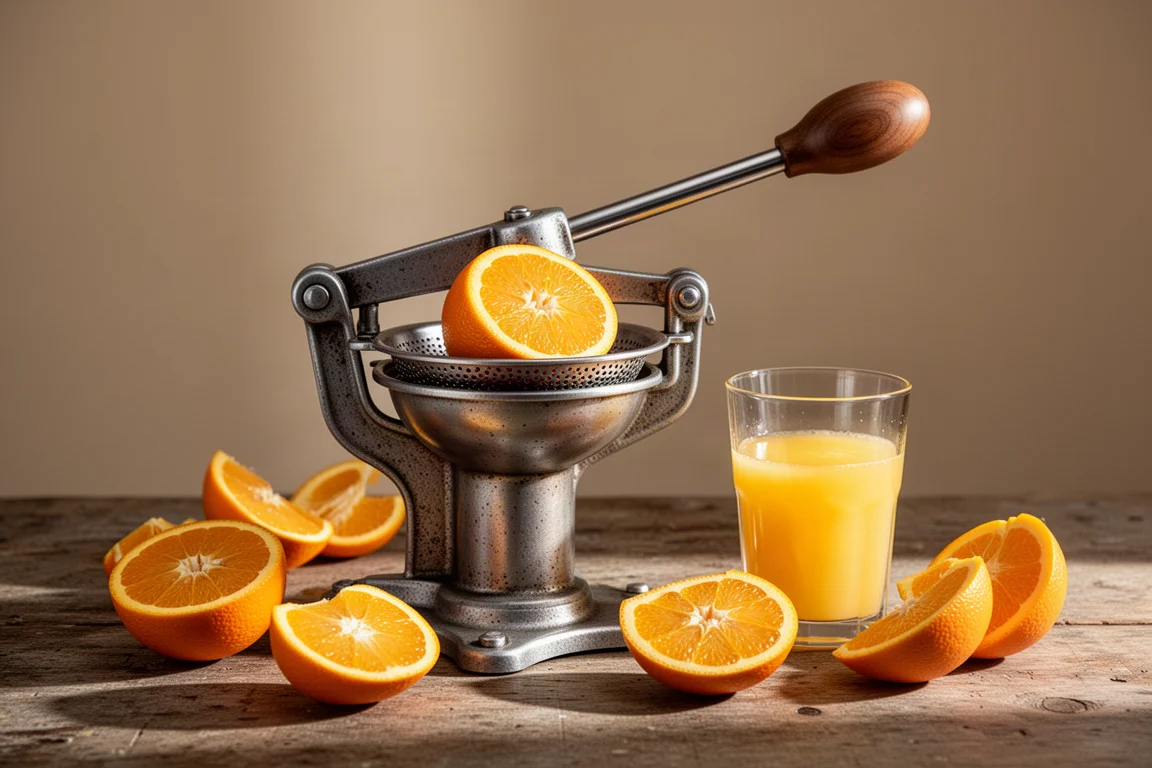
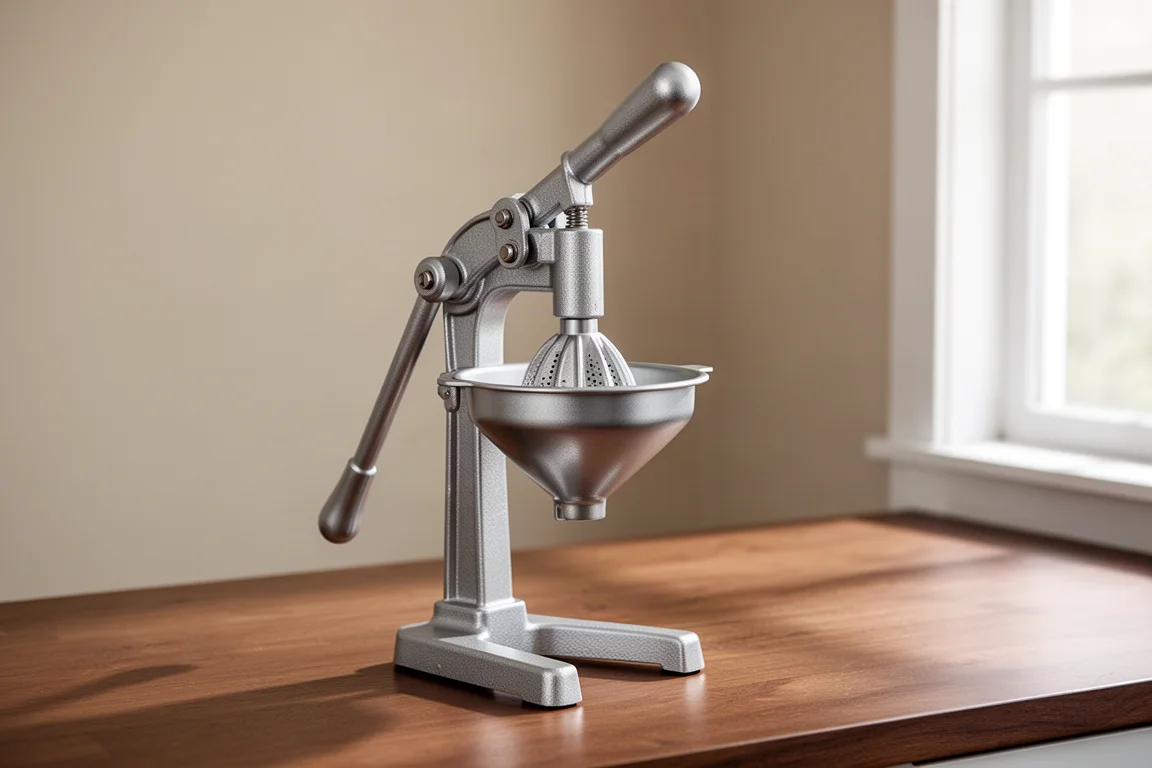
The Zulay Kitchen Heavy-Duty Manual Juice Press is our favorite countertop model. It is bigger and pricier than the handheld winner above, but it is quick, powerful, and ideal for juicing large quantities of fruit or larger citrus like big oranges and grapefruit.
That last point matters more than it sounds. Handheld juicers can technically handle fruit of any size, but with larger fruits they get messy fast: the fruit hangs over the sides and juice ends up everywhere. Countertop presses with heavy bases stay stable, which makes juicing faster and cleaner, and they look handsome enough to leave out when you are making juice for guests.
Our Electric Pick: Breville Citrus Press
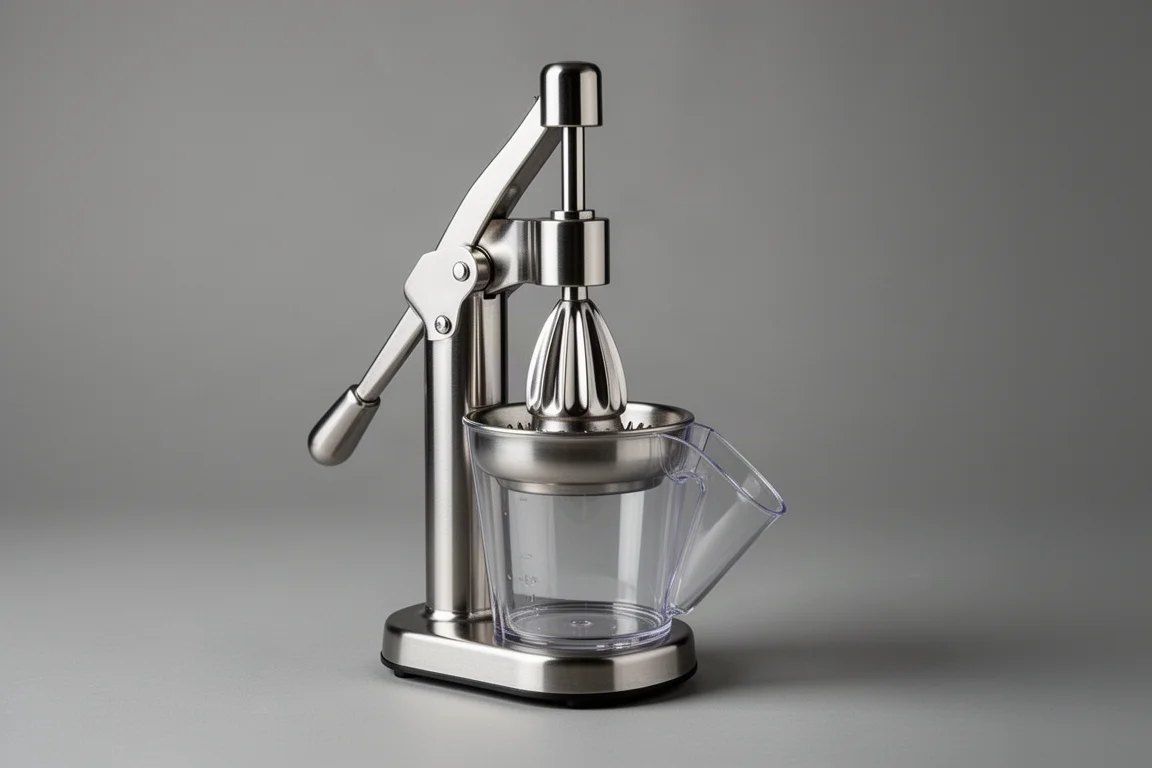
The Breville Citrus Press is our electric winner. It juiced citrus of every size with ease and at impressive speed, and it consistently extracted almost all of the available juice from every type of fruit we threw at it. The pointy reamer bites into the fruit effectively, and it only starts spinning after you lower the lever and apply pressure, so you decide when the machine starts.
The reamer features both large and small ridges, plus a pair of tabs at the bottom that push pulp to the side while spinning, letting juice flow directly through the stainless steel strainer into the catcher. The catcher angles slightly toward the spout so juice flows smoothly into whatever container you choose. All of the parts come off in one motion for cleaning. The downside is the price: at about $200, it is an investment that makes sense mainly if you juice a lot.
Best Budget Electric: Dash Citrus Juicer
The Dash Citrus Juicer is our best buy. It took a couple of minutes longer to juice than the Breville, but it was easy to use and delivered an excellent yield. It is made of plastic and lacks the finish of the Breville, but at about $25 it is a genuine bargain for anyone who wants electric convenience without the premium price.
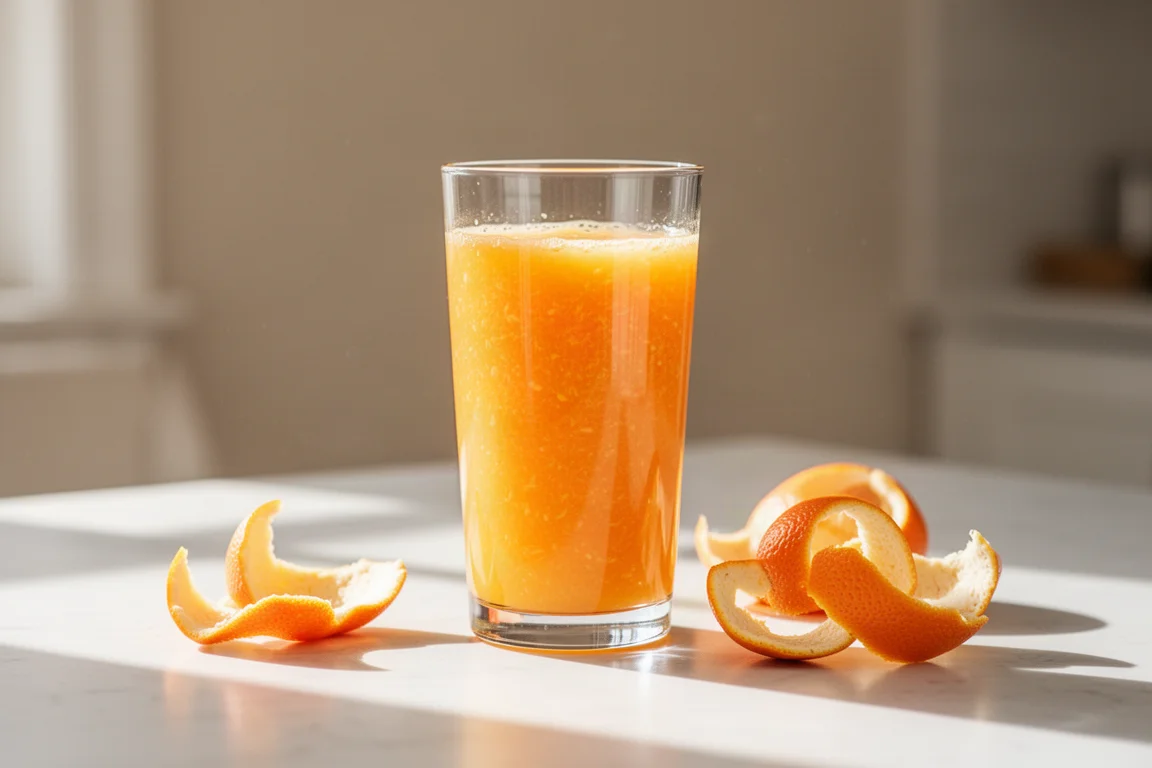
If your electric juicing needs are occasional rather than constant, this is the model that gets you most of the benefit for a fraction of the cost.
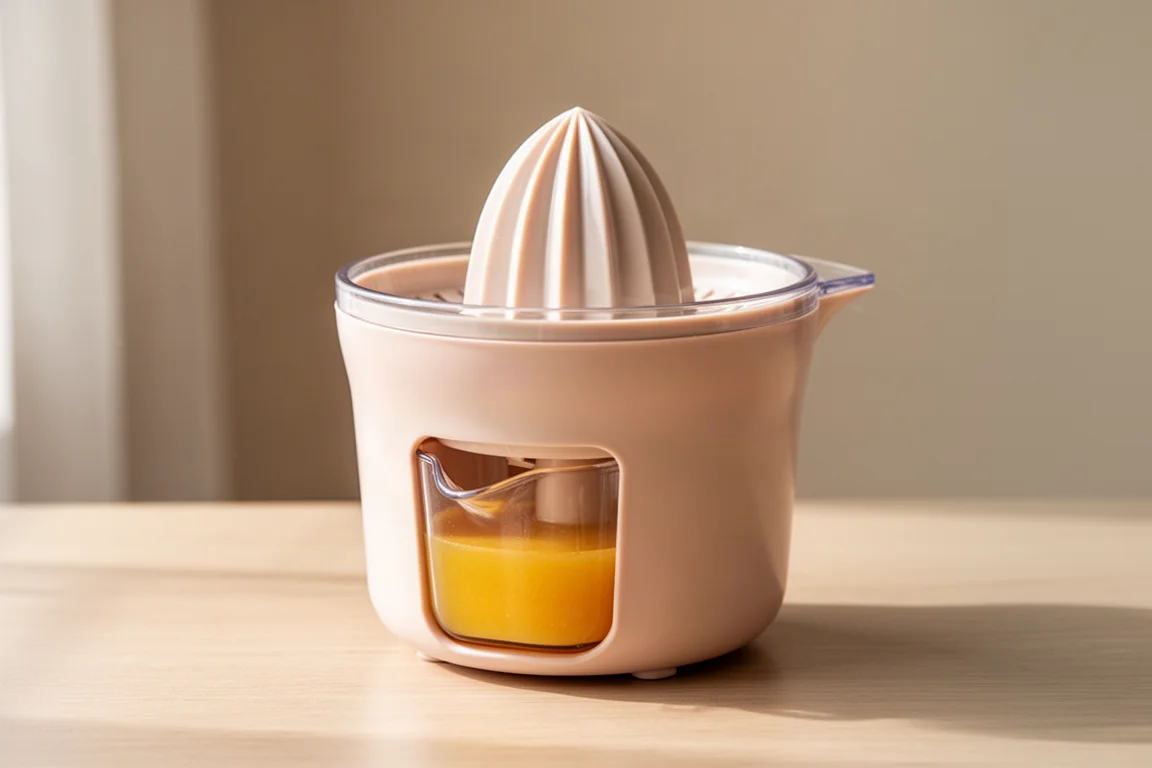
The Hands-Free Option That Fell Short: Vinci Citrus Juicer
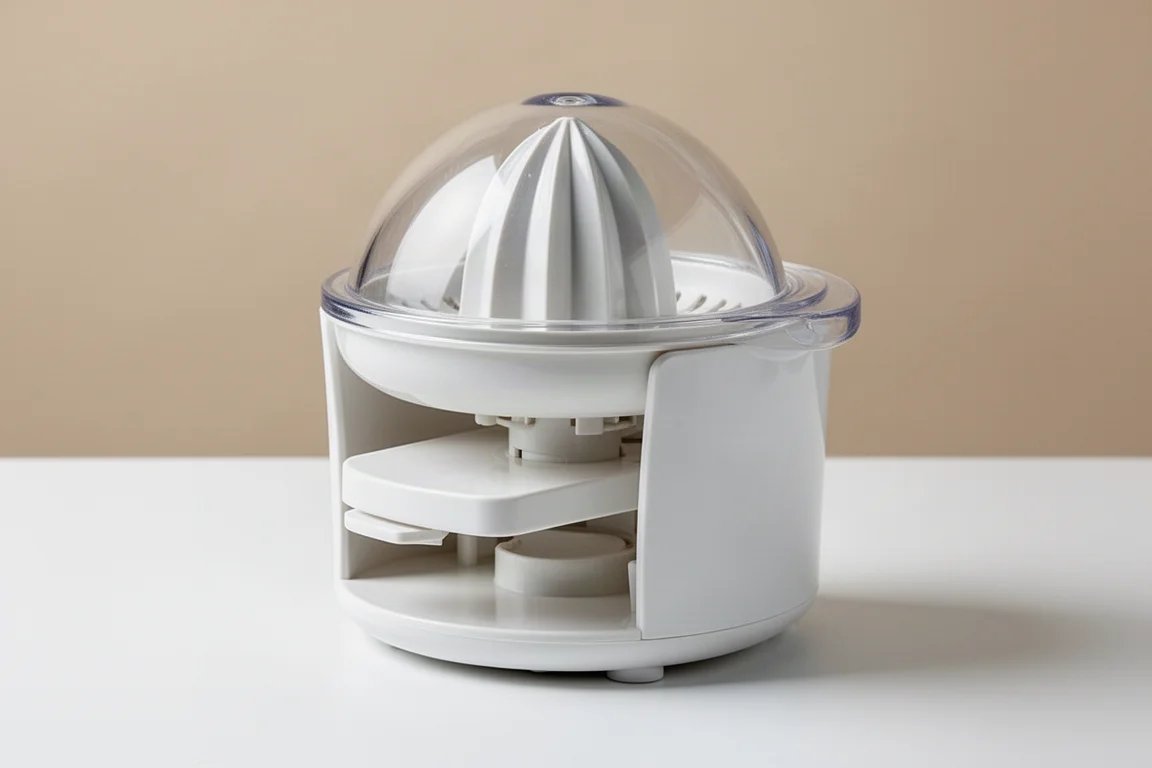
The Vinci markets itself as hands free: you place the fruit on top of the reamer, snap the lid in place, and a platform lifts up to press the fruit against the reamer and lid. In practice, it was a bust in our testing. It juiced slowly and barely got any juice out of the fruit.
It was also marketed as compatible with all types of citrus, but we struggled to fit anything bigger than a lemon. That combination of slow extraction, poor yield, and limited fruit capacity makes it hard to recommend.
Manual vs Electric: Which Should You Buy?
When we juiced 10 lemons with the winner from each category, the manual Chef’n nearly matched the Breville in speed, trailing by only around 42 seconds. But that is where the victory ended. The Breville extracted about 90 percent of the available juice on average, while the Chef’n managed about 50 percent. Manual juicers are simply not as effective as electrics.
That gap defines the buying decision. If you want to juice a lot of fruit, whether that is a pitcher of lemonade, a round of margaritas, or a citrus cake, an electric juicer is the better choice, and it is also helpful for people with diminished hand strength. If you mostly need a splash of juice for a salad dressing or a marinade, a manual juicer is perfect. Best case, you own one of each and use whichever the moment calls for.
Conclusion
The Chef’n FreshForce is the manual juicer we recommend for quick, low-effort small batches, and the Zulay Kitchen press is the countertop upgrade for serious volume. On the electric side, the Breville Citrus Press is the performance pick, the Dash is the budget bargain, and the Vinci is best skipped. Match the tool to how much juice you actually make, and the juice will absolutely be worth the squeeze.
Further reading
Related Reviews
Kitchen
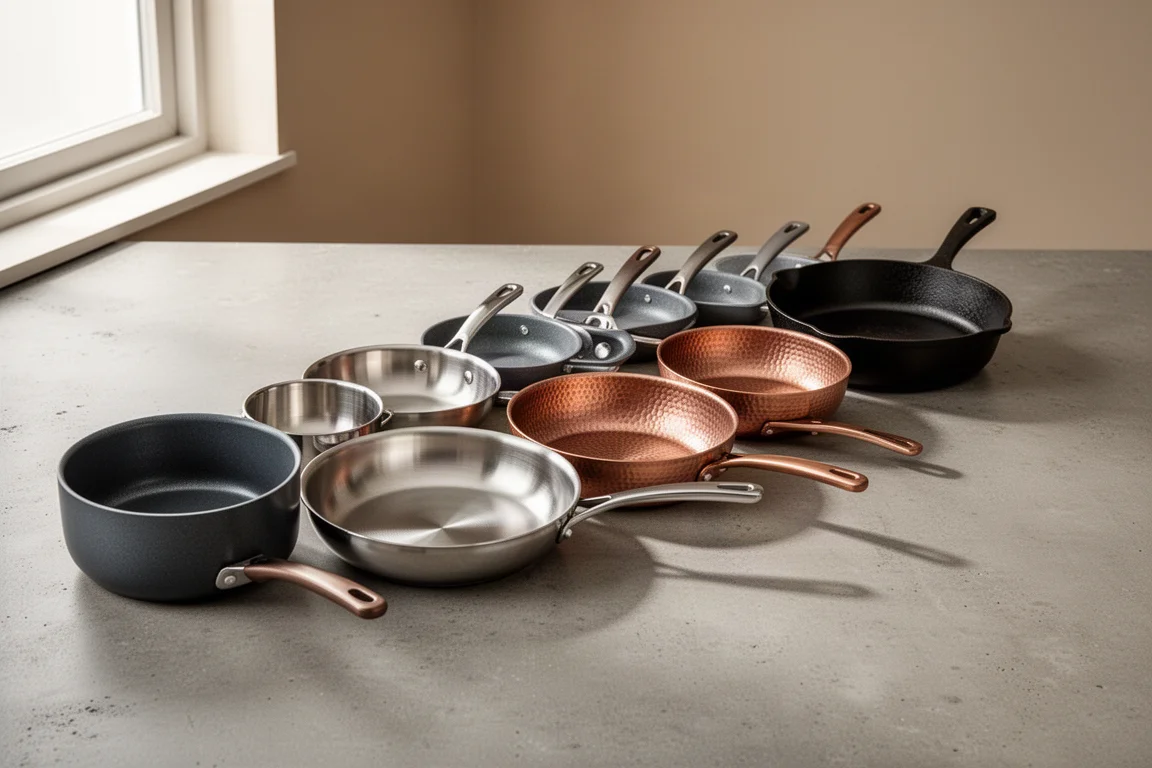
Best Nonstick Frying Pans Compared: 11 Skillets From $16 to $185, Tested
Eleven nonstick frying pans go head to head in pancakes, eggs, heat distribution, thermal efficiency, and scratch resistance to find out whether a cheap pan can really compete with a premium one.
Kitchen
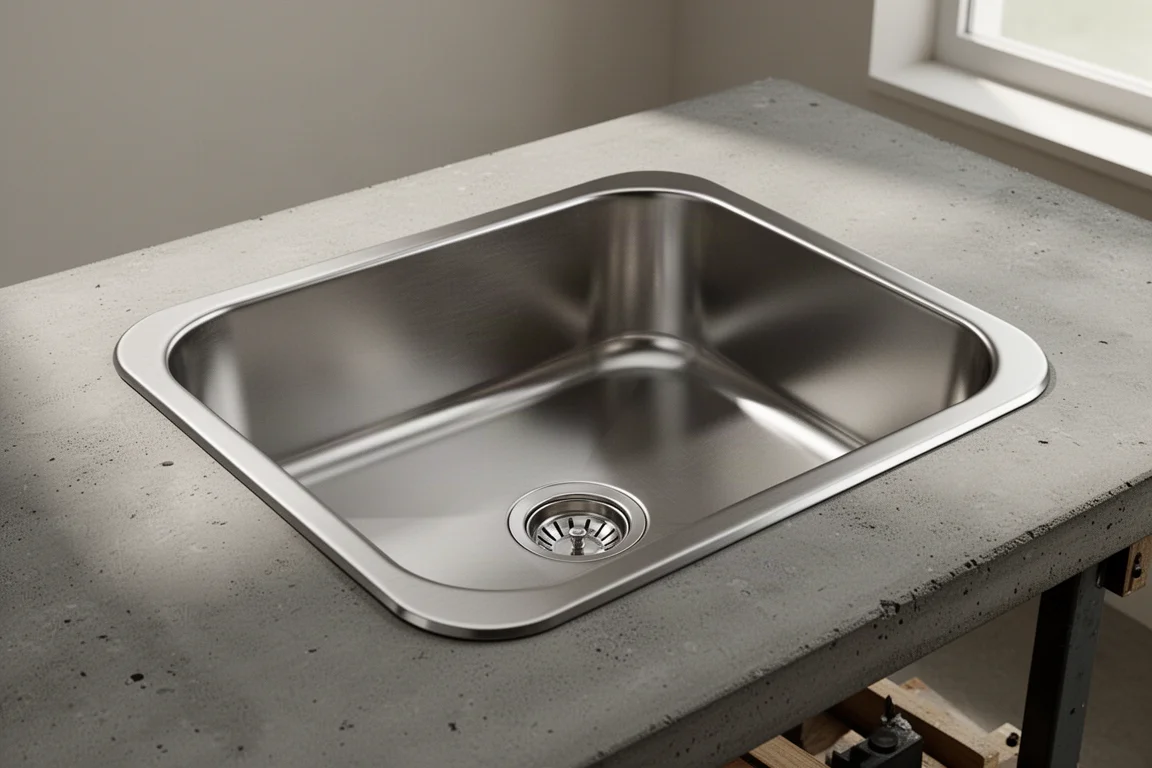
Vivor Stainless Steel Kitchen Sink Review: A Solid Drop-In Upgrade With One Weak Spot
An all-stainless single-basin drop-in sink with easy-clean rounded corners and a drain-sloped base, at a roughly $200 price point.
Kitchen
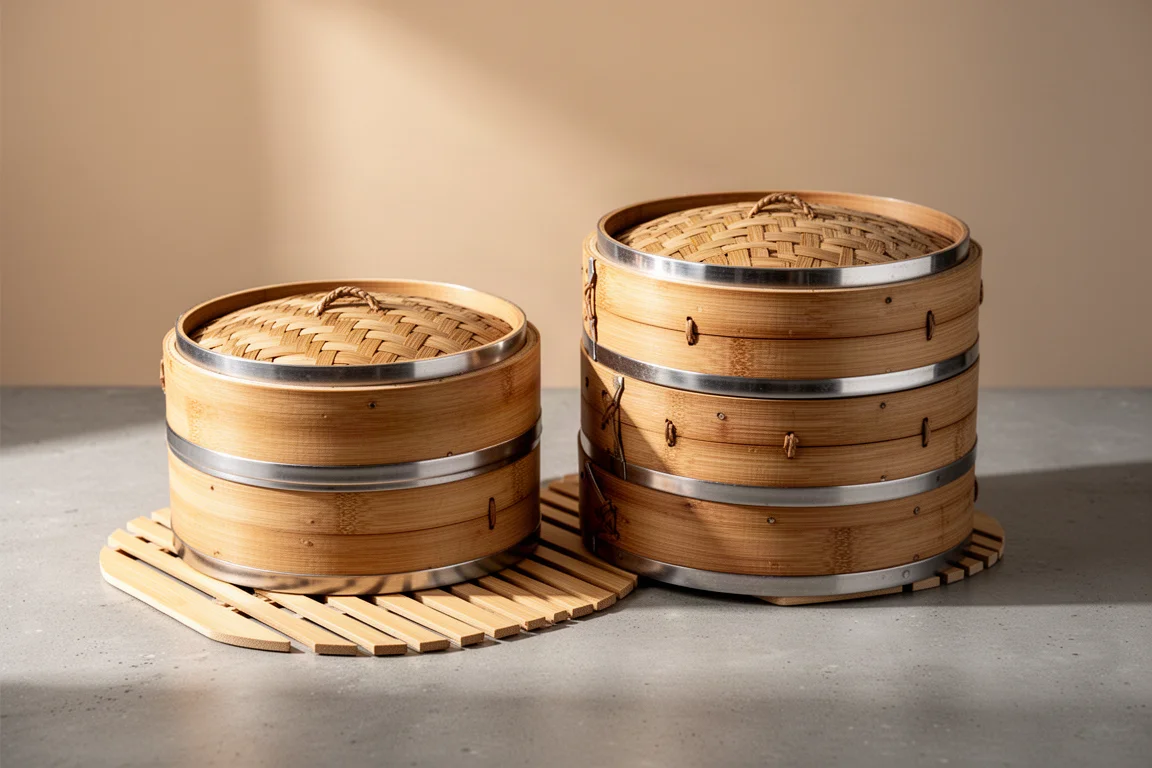
Best Bamboo Steamers: Two Tested Picks for Dumplings, Bao, and More
After hands-on steaming tests with dumplings and bao, two bamboo steamers stood out for build quality and staying in alignment.