Ski Gifts
Christmas Gifts Skiers Actually Want: 11 Ideas Worth Buying
From boot upgrades and liners to car protection and base layers, these are the gift ideas that skiers will genuinely use all season.
Introduction
Skiing gear is a tricky gift category because skiers are particular. The wrong goggles, the wrong boot size, or a liner they didn’t ask for turns a present into a return. The ideas below focus on upgrades that improve comfort, performance, and quality of life, roughly organized from easy layups to bigger commitments. If you are unsure, always ask, because a thoughtful question beats a random purchase.
Best Bang for Your Buck: Booster Straps
Most stock OEM boot straps are fine, but nothing comes close to the Booster Strap. Installing one on the back of a boot shell gives the boot more spring and more power, and it improves comfort at the same time. It can also help riders who suffer from shin bang. Different stiffness levels exist for intermediate and expert skiers, so match the strap to the person’s ability.
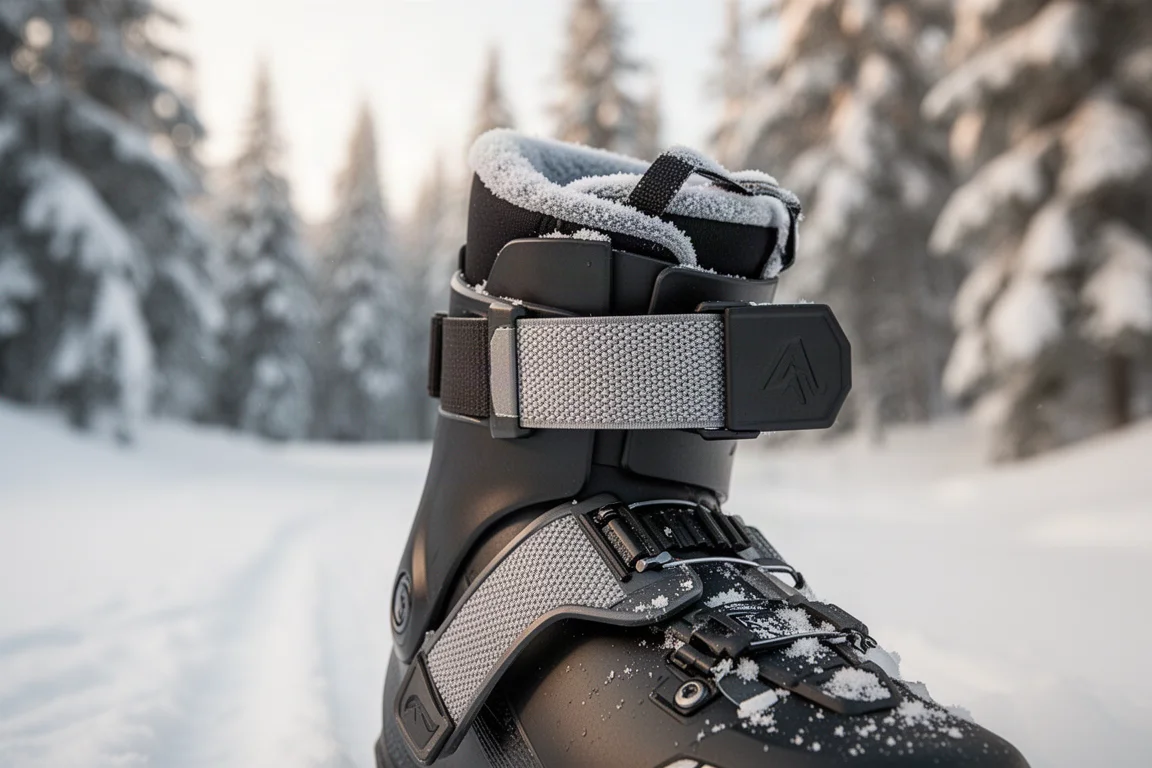
At a typical price of around $40 to $60, this is arguably the single best item you can buy a skier if they do not already have one. It is a small purchase that visibly changes how a boot performs.
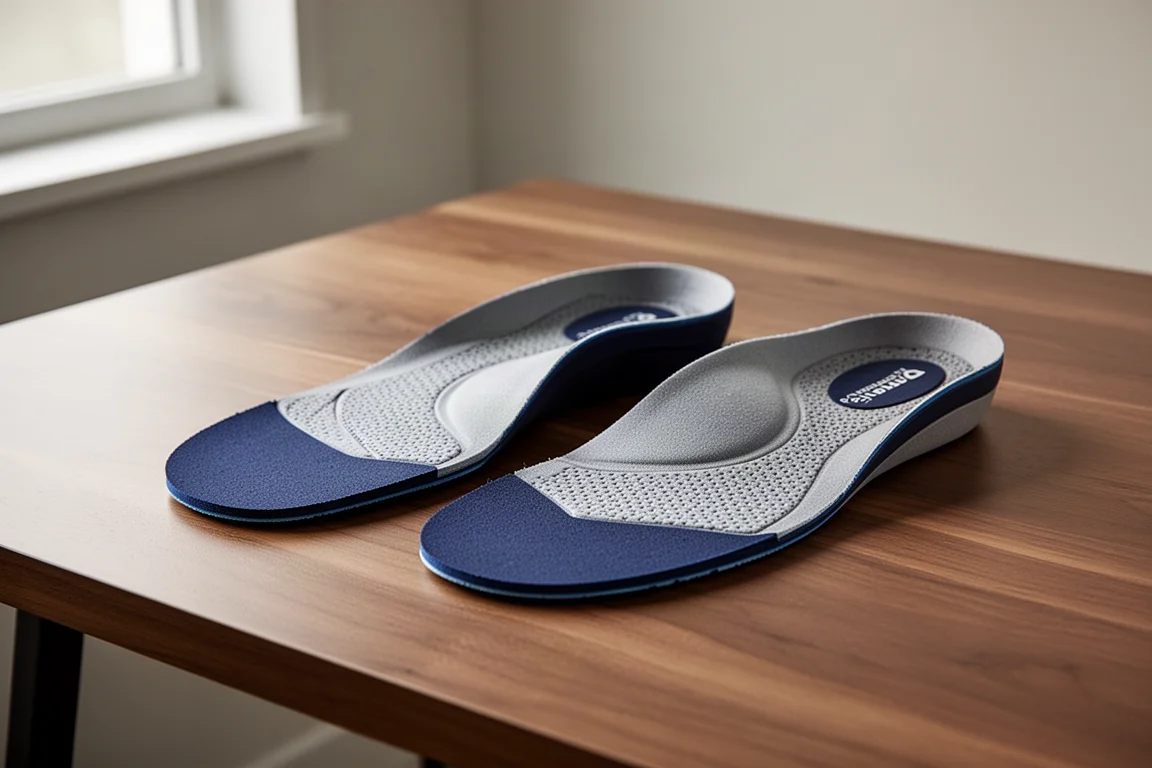
Best Foot Upgrade: Remind Insoles Chris Benchetler Edition
In the same bang-for-your-buck category, Remind insoles add real foot support, especially over a stock OEM footbed. The Chris Benchetler Edition is a current top pick, and a cork version is also available for people who prefer that feel. One tip: match the insole to boot size, not shoe size. A 10.5 shoe can easily be a 27.5 or 9.5 ski boot.
Pair these with a Booster Strap and, for under $100 total, you have drastically improved someone’s ski boot. One caveat: a lower-profile, less dense footbed usually works better inside aftermarket liners like ZipFits, while the fuller version works great in OEM liners.
The Big Commitment: ZipFit Liners
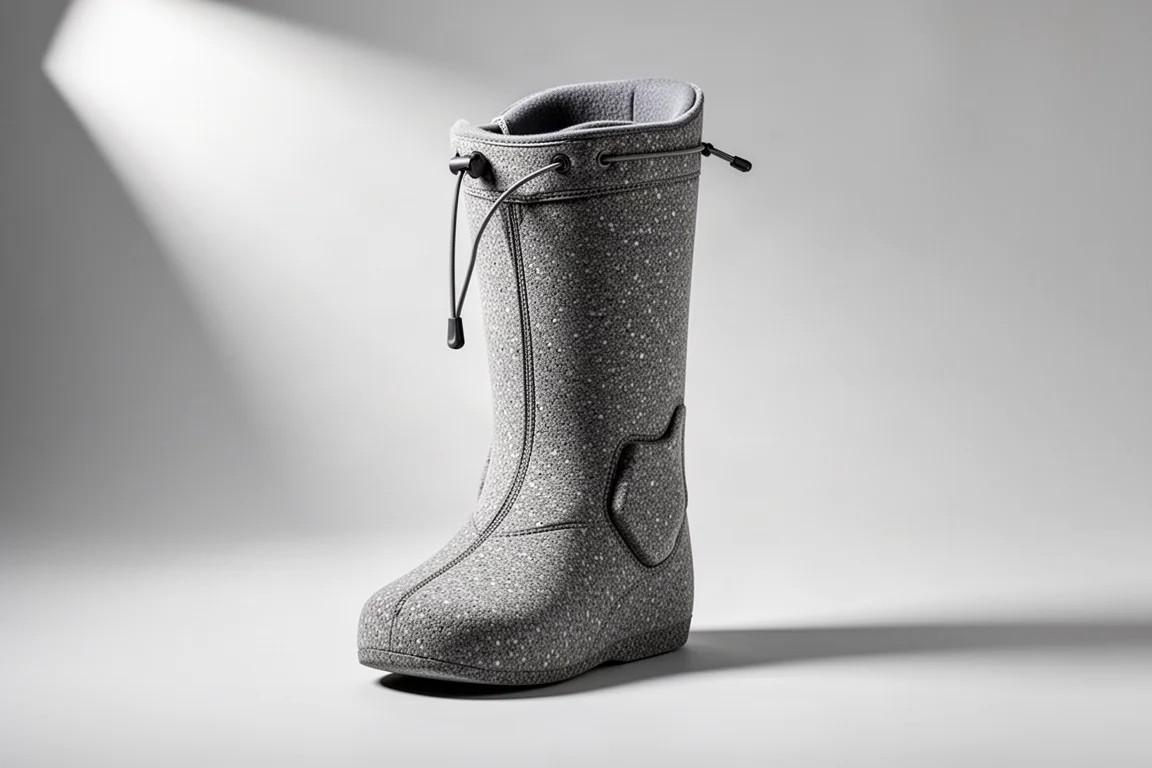
ZipFit liners are expensive, retailing roughly from $450 to $550, and they are a gift that requires real caution. They must match the specific boot shell, the person needs to genuinely want them, and frequent skiers who ride at least 15 days a year are the ones who get the value. Breaking them in takes roughly five days to a week, which can be done at home. They are also frequently sold out, so plan ahead.
A Cautionary Alternative: Intuition Liners
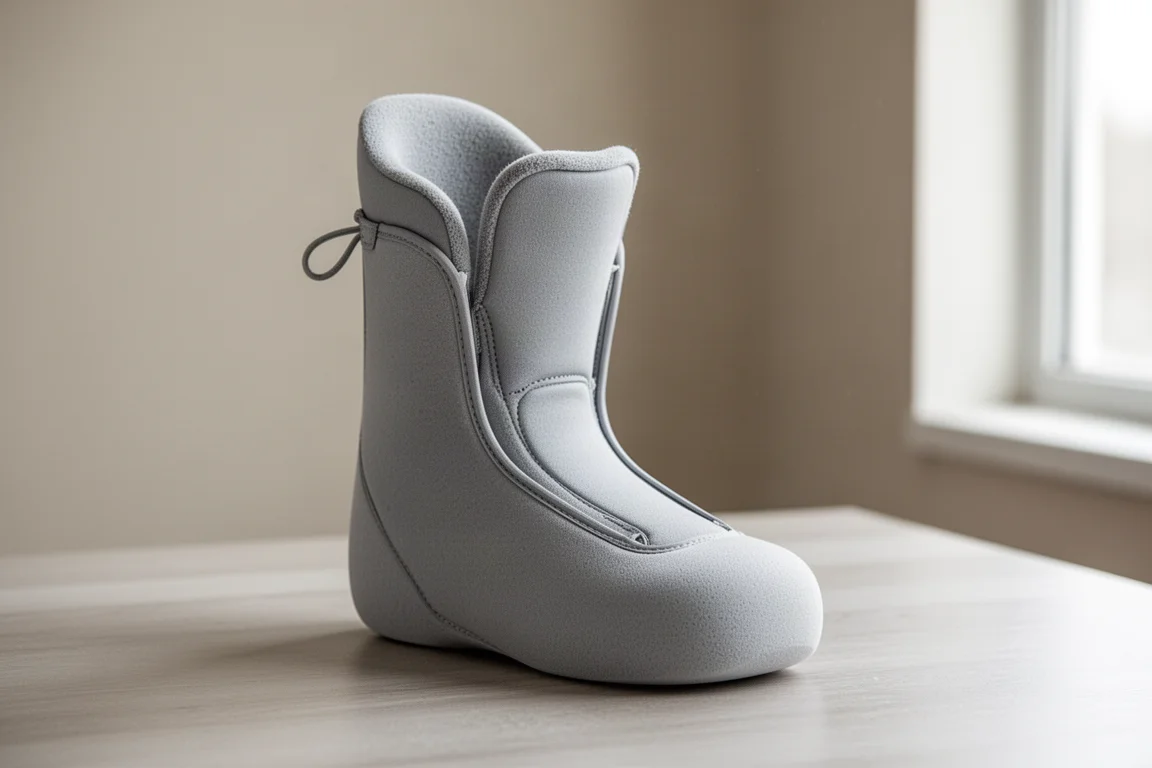
If the ZipFit route feels too big, Intuition liners run around $200 to $250 depending on the model and offer a similar quality-of-life upgrade with more caution required than anything else on this list. The same warnings apply: confirm the boot shell is staying, work with a boot fitter if possible, and make sure the person actually wants the change. If someone has been eyeing a liner upgrade or struggling with discomfort, a carefully chosen liner can genuinely transform their day-to-day skiing.
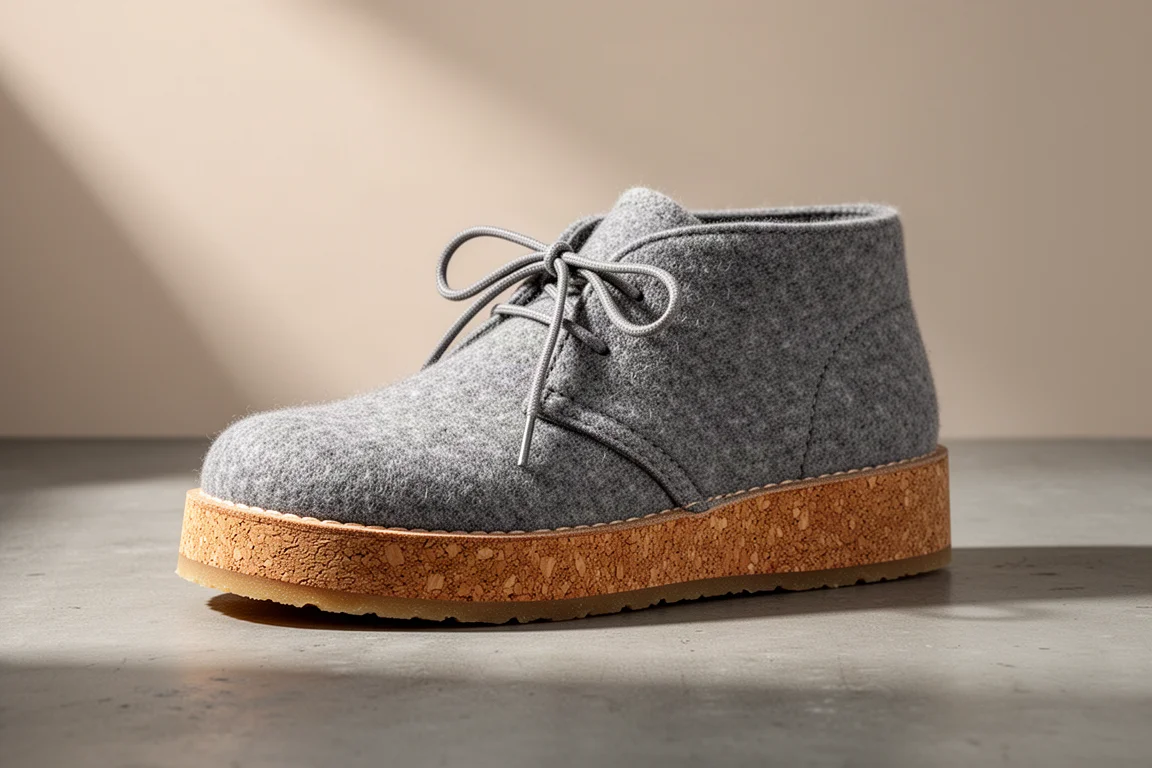
Best Après-Ski Comfort: Soul Jasper Chukka
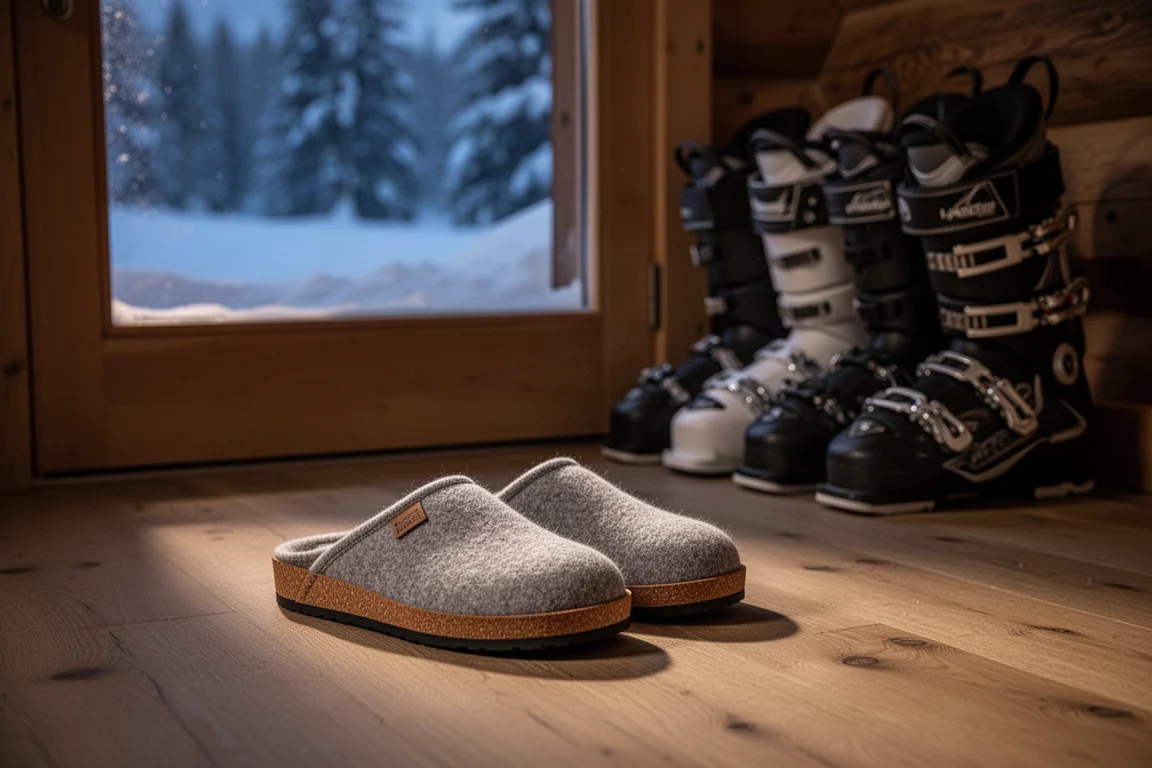
The Soul Jasper Chukka is an après-ski shoe made from lofty merino wool with cork soles. It sounds odd at first, but the appeal is real: warm, dry feet on the drive home, with the wool providing light natural waterproofing for light snow. The elastic laces make them easy to slide on over sore feet after a long day on the hill.
These are not grippy traction shoes for ice, and they will not survive a puddle the way a proper winter boot does. But for anyone who drives home in wet ski gear, switching into these with fresh wool socks is a genuine quality-of-life upgrade. Pair them with a new pair of wool socks for extra impact.
Protect the Car: WeatherTech Floor Mats
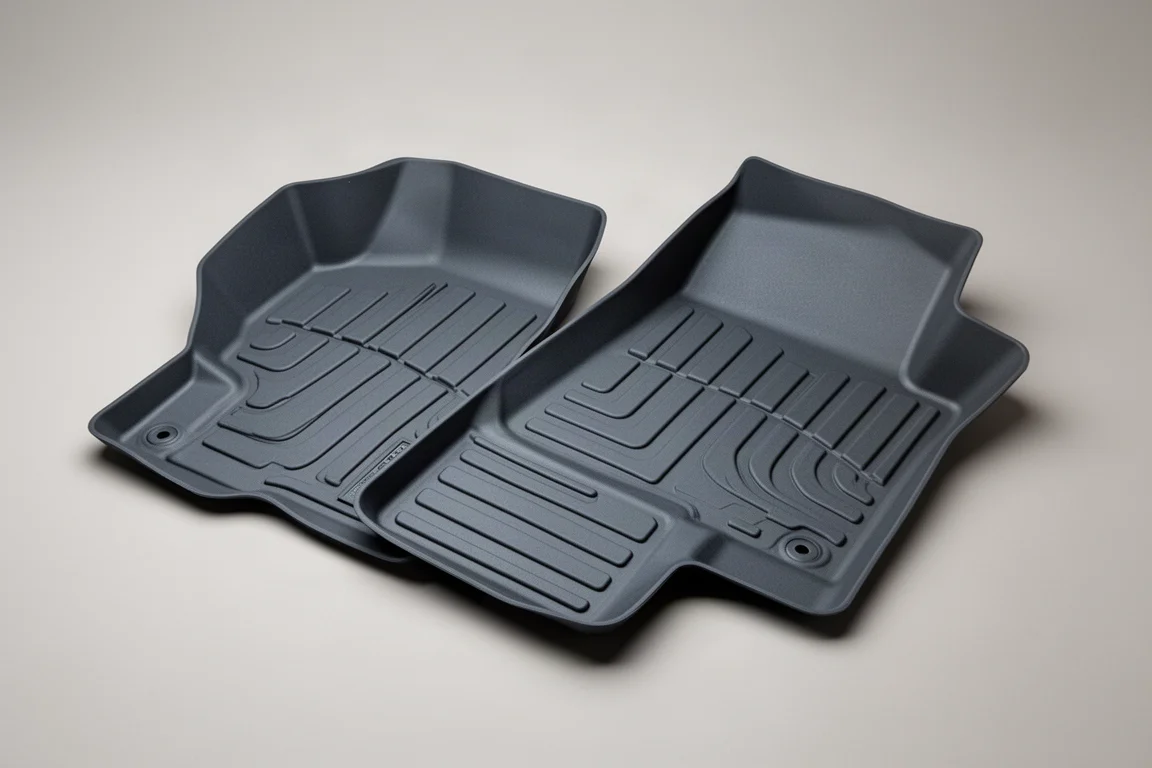
For anyone heading to the hill frequently, laser-measured WeatherTech floor mats are a quiet game changer. Water, salt, and slush stay contained instead of soaking into carpet, which prevents the funky wet-car smell and protects the interior. In areas where roads are salted, this protection matters even more because salt will destroy carpet and metal over time. Many car washes now include mat washers, which makes cleaning them easy.
Keep Seats Clean: WeatherTech Seat Covers
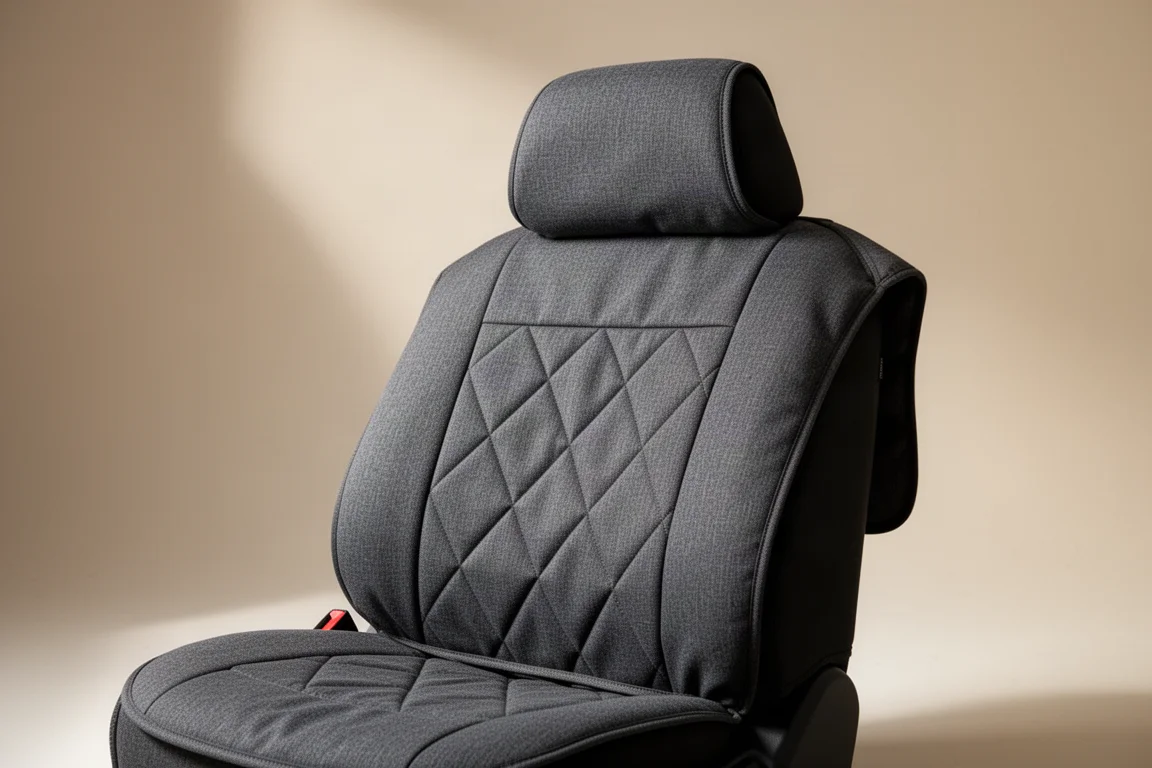
WeatherTech also makes seat covers that protect upholstery from snowy boots, salty straps, zippers, and anything poking out of snow pockets. Anyone with leather seats knows how easily a stray zipper or screwdriver can permanently scratch them. The covers go in the washing machine when needed, and versions exist for kids in car seats and for the trunk, depending on the vehicle. They are spendy, but for regular skiers they are worth every penny.
Best Stocking Stuffer Upgrade: Fast Strap Ski Straps
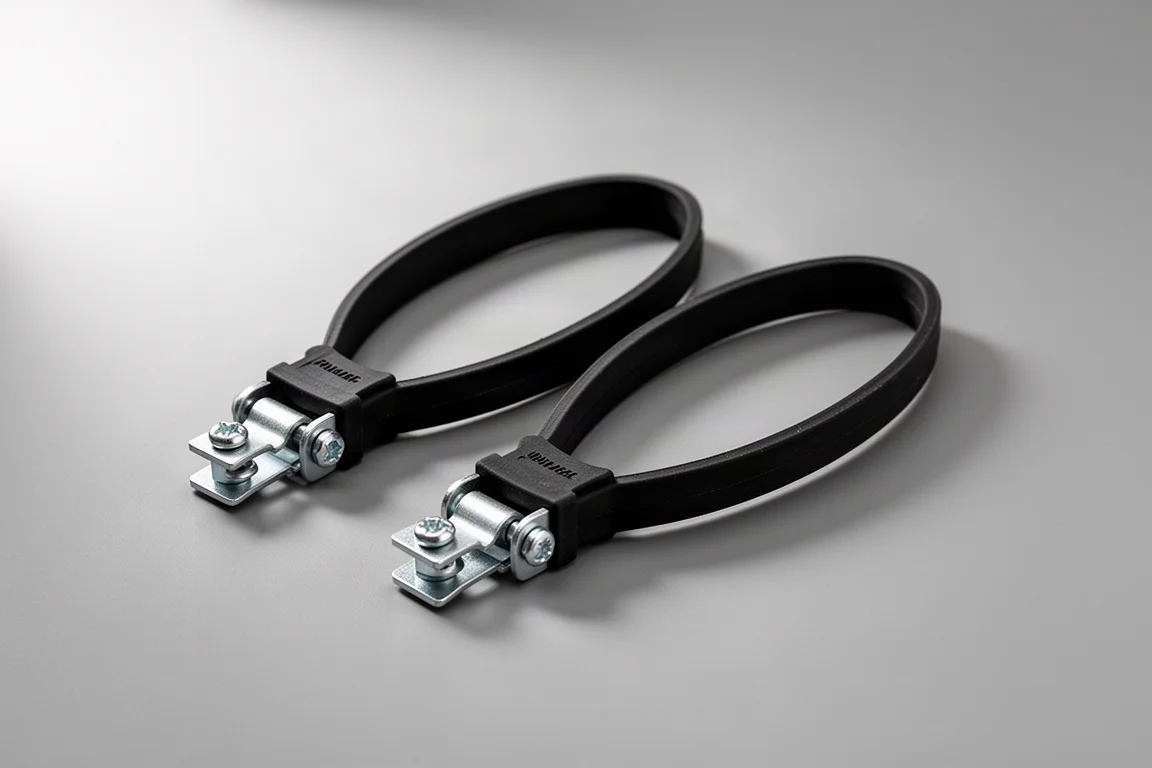
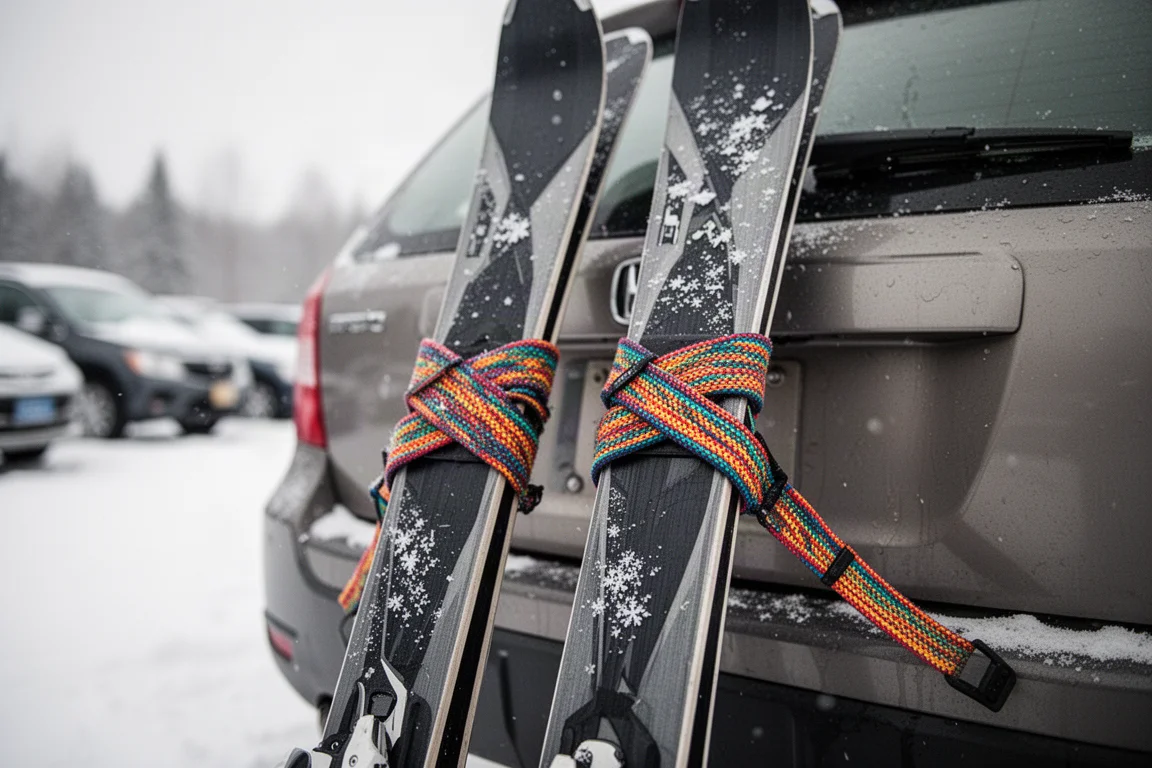
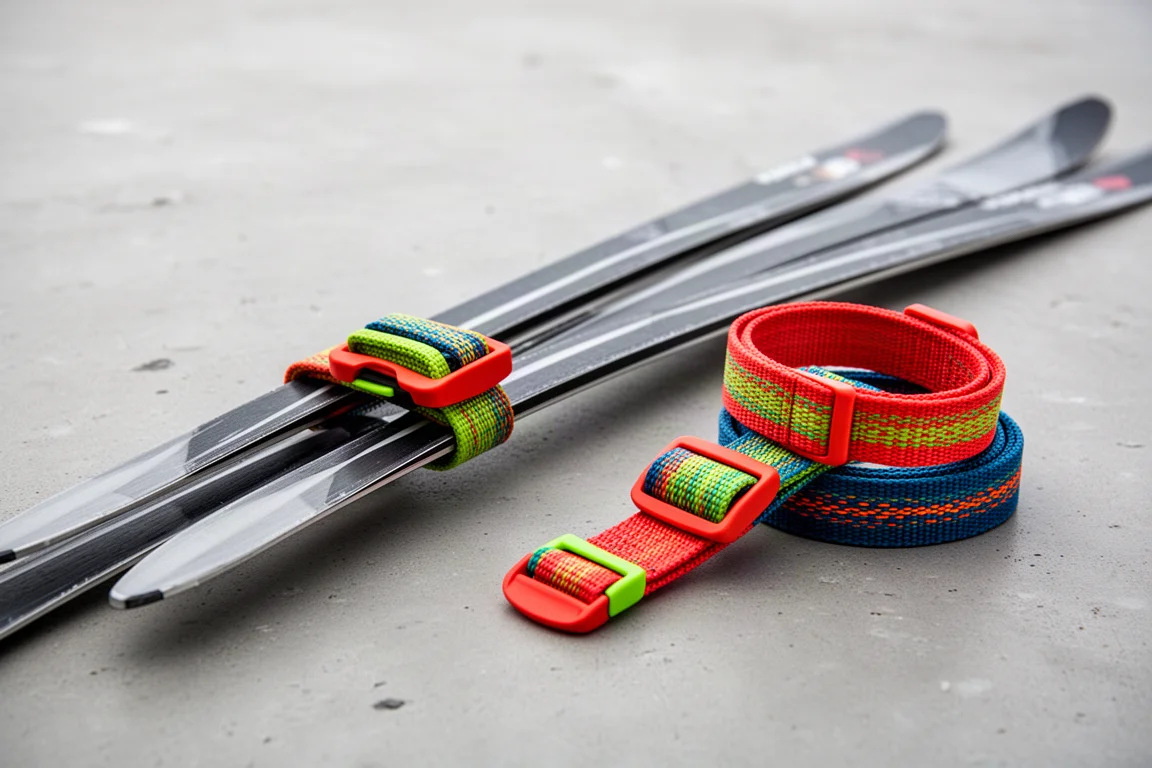
A strange but excellent gift: Fast Straps are widely considered the best ski straps ever made. A three-pack costs about $20, and the woven texture stretches to fit wider skis, holds up over years of use, and the distinctive colors make them easy to spot in a crowded lot. It is a niche item most skiers would never buy for themselves, which makes it a great gift.
Refresh the Layers: Ibex Woolies Base Layers
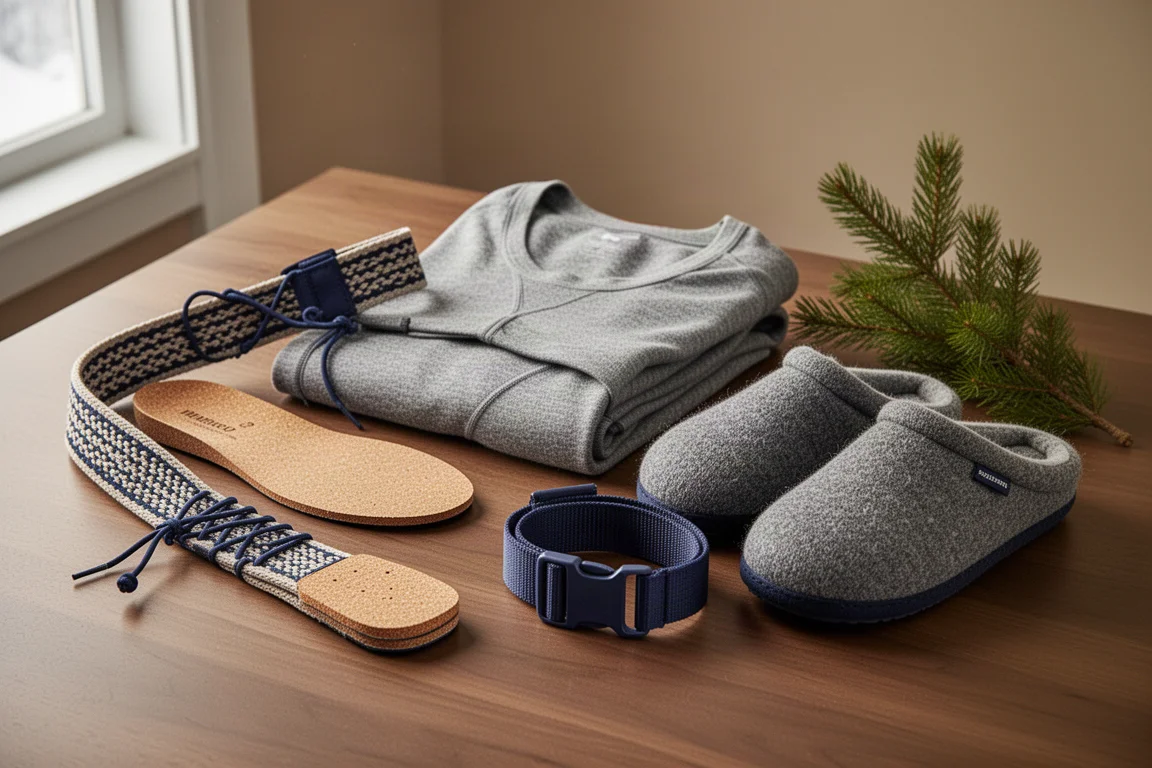
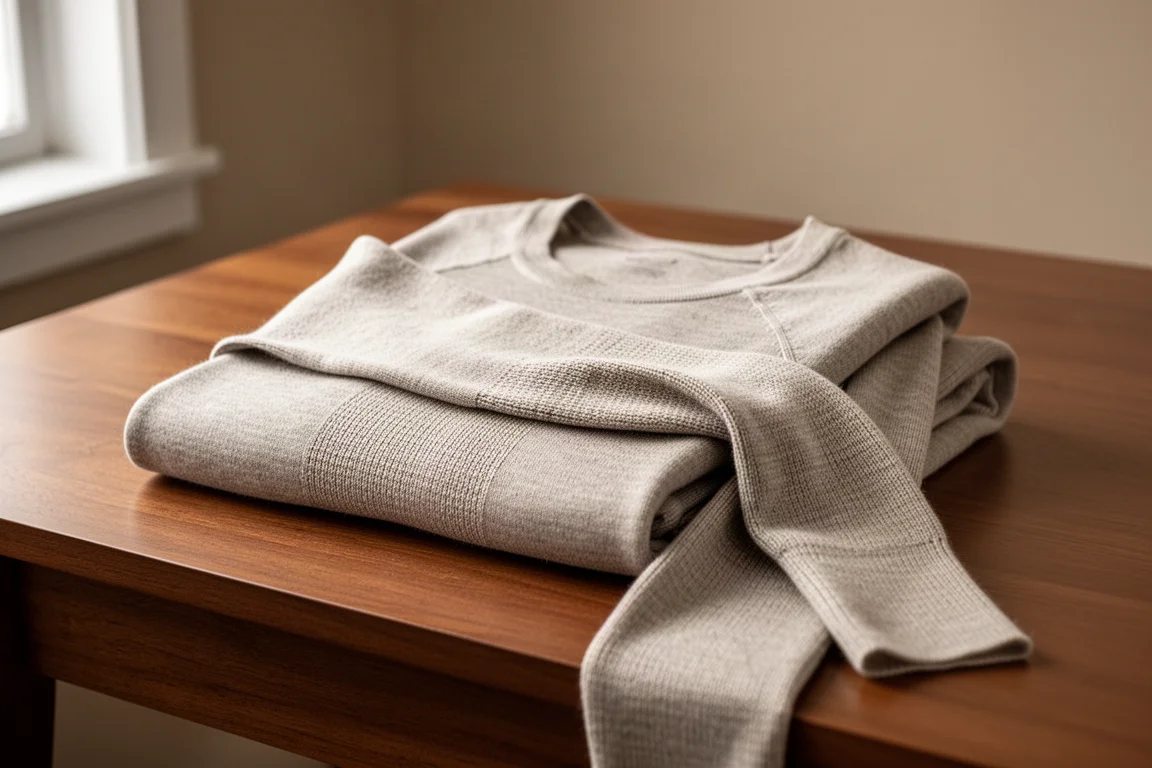
Base layers get old, beat up, and threadbare, especially bottoms that interact with ski boots, yet people rarely refresh them. Merino wool base layers are warm, soft, comfortable enough to wear around the house, and genuinely useful on the hill. The Ibex Woolies is a strong top pick, and brands like Icebreaker and Smartwool also make quality options, though those tend to be more spendy. Figure out whether the person prefers wool or synthetics before buying.
The Everyday Favorite: Arcade Belt
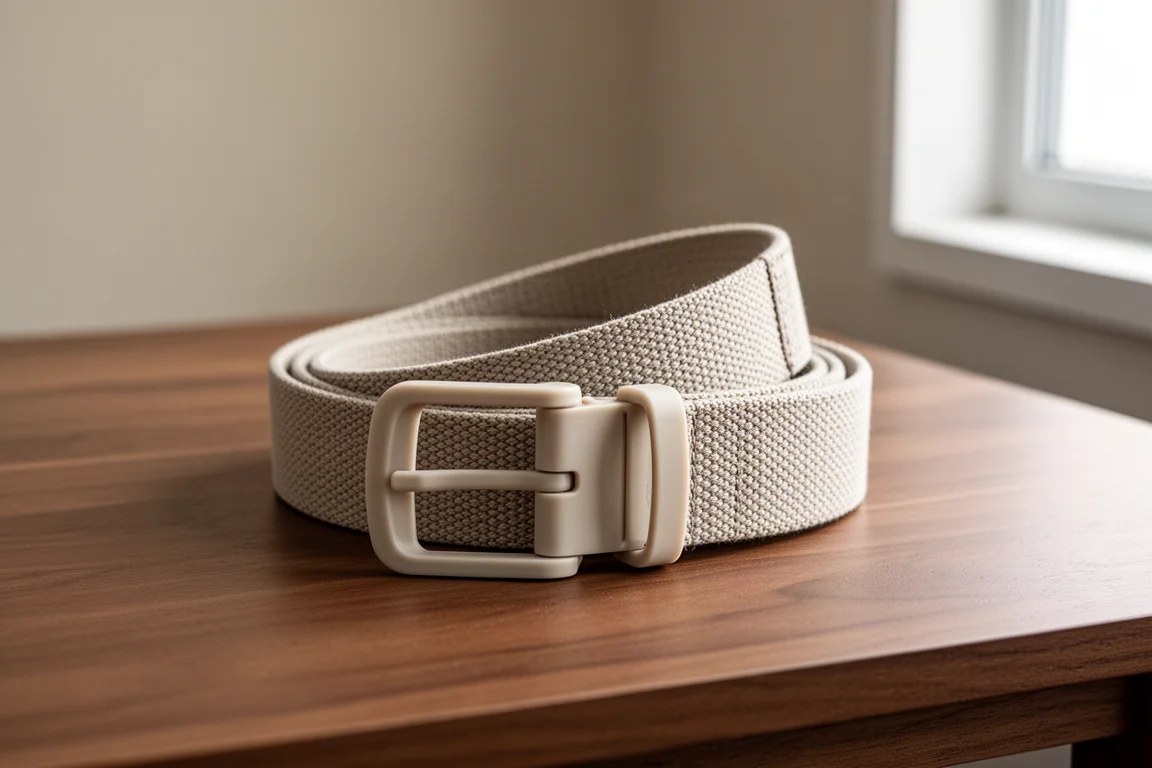
The Arcade Belt is an elastic belt with a plastic buckle that works for snow pants and everyday wear. It has enough give that it never digs in during active movement the way a leather belt does, and it is TSA-friendly, so no removing it at airport security. It is a safe, versatile gift that gets used daily, on and off the slopes.
Small But Useful Extras
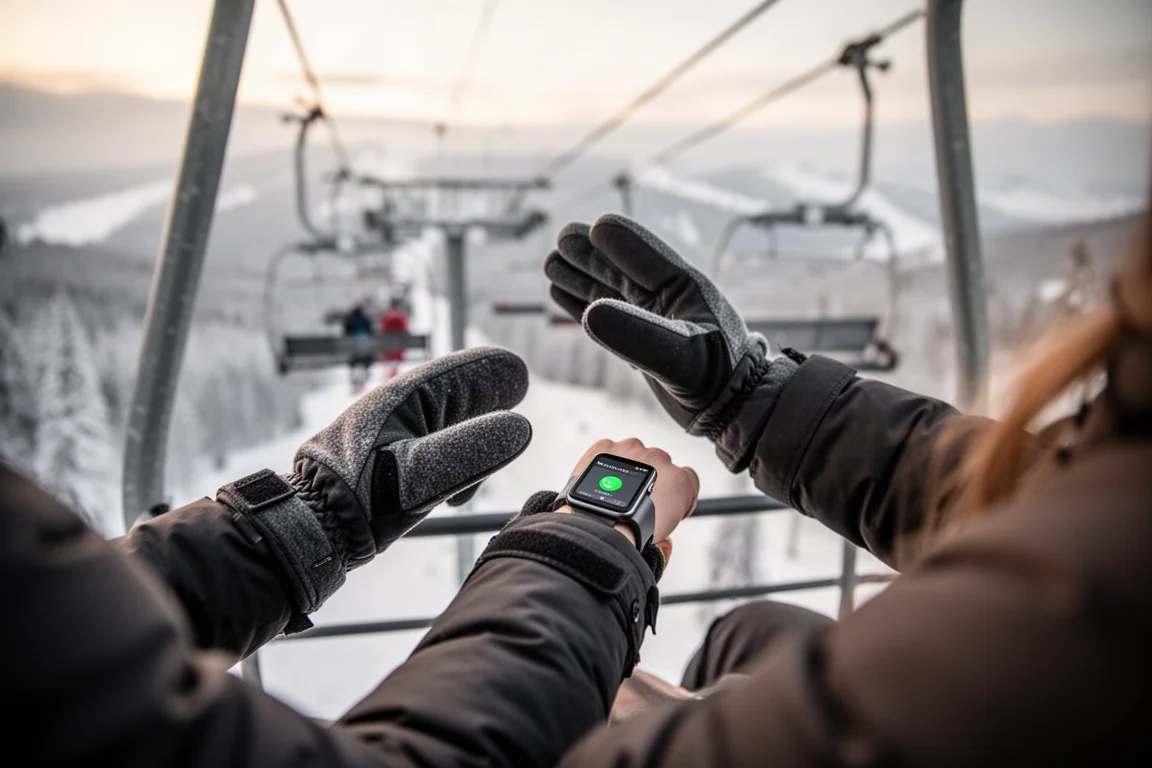
A few more ideas round out the list. A smartwatch makes a surprisingly good ski gift: it tracks ski days for the season tally, shows messages and calls without pulling hands out of mittens, and can change music playing through helmet speakers. A Smith prescription goggle insert is promising for anyone who skis with glasses or contacts, though it is worth testing the fit first.
Car safety gear is less flashy but matters in winter: jumper cables, a tire inflator that plugs into the cigarette lighter, and a first aid kit keep people from being stranded at the hill, since this is exactly the season when batteries and tires start failing. Beyond gear, consider experiences: a bulk supply of a favorite chairlift snack, a mitten refresh for high-loft mittens that have packed out, a spare goggle lens like a flat-light lens, ski travel bags, buying a day lift ticket, or paying for a ski tune and wax at a local shop. A tune can noticeably revive skis that are a few years old, though skis a decade old are better left alone.
Conclusion
The best ski gifts fix real problems the person has stopped noticing: cold feet, packed-out mittens, tired base layers, a soggy car interior, or a boot that never had a proper strap. Ask first, match sizes carefully, and this list should help you land something that actually gets used all season.
Further reading
Related Reviews
Hi-Fi Accessories
Affordable Hi-Fi Accessories Under $100: A Practical Gift Guide
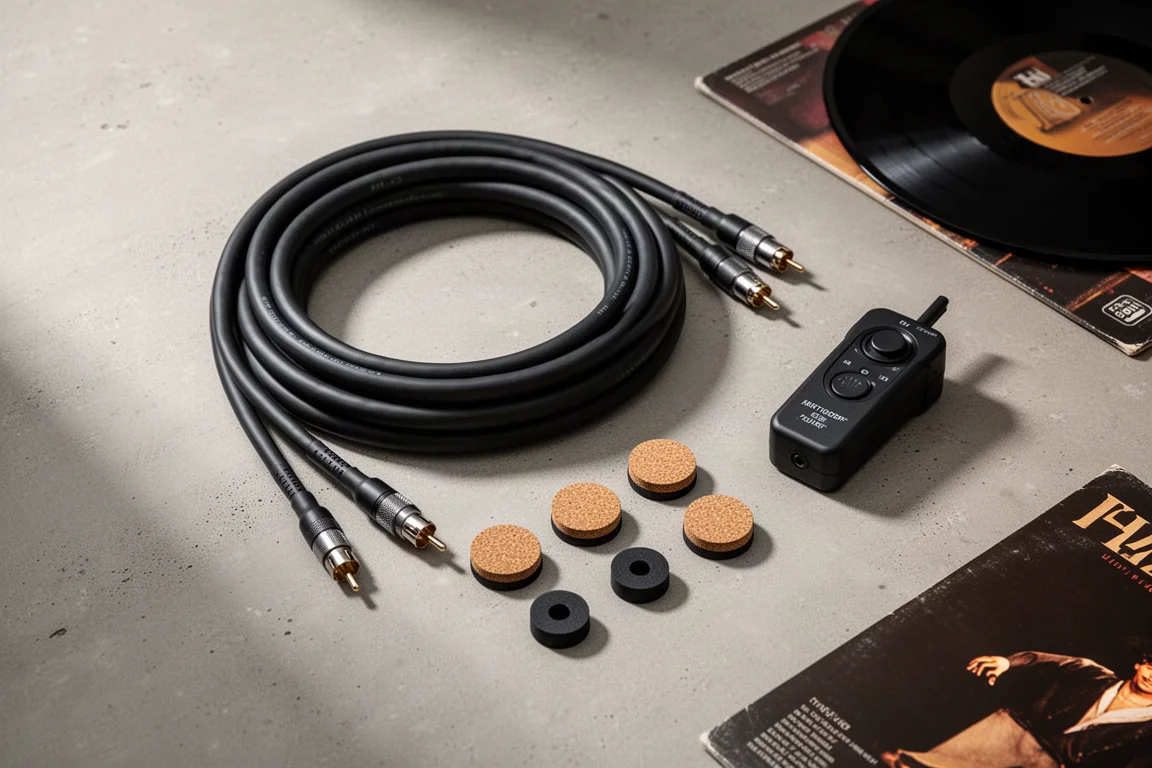
A practical guide to budget Hi-Fi upgrades, from 12-gauge speaker cable and isolation pads to affordable bookshelf speakers, a warm stereo receiver, and a vinyl anti-static device.
Home Theater
Audio and Home Theater Gift Ideas: 13 Value Picks for Music and Movies
A practical gift guide for people who care about sound, covering budget three-way towers, powered desktop speakers, subwoofers, a receiver, headphones, and a streamer for spatial audio.
Gift Guides
Audio Gift Guide 2026: Standout Home Entertainment Picks
A gift guide spanning home theater, personal audio, desktop speakers, and gaming, with the strengths and trade-offs worth weighing before you buy.