Car Care
Best Ceramic Coating Showdown: 8 Products Tested From $15 to $150
Eight ceramic coatings faced strip wash, iron remover, bug and tar remover, wheel cleaner, and degreaser. Here is how each one held up.
Introduction
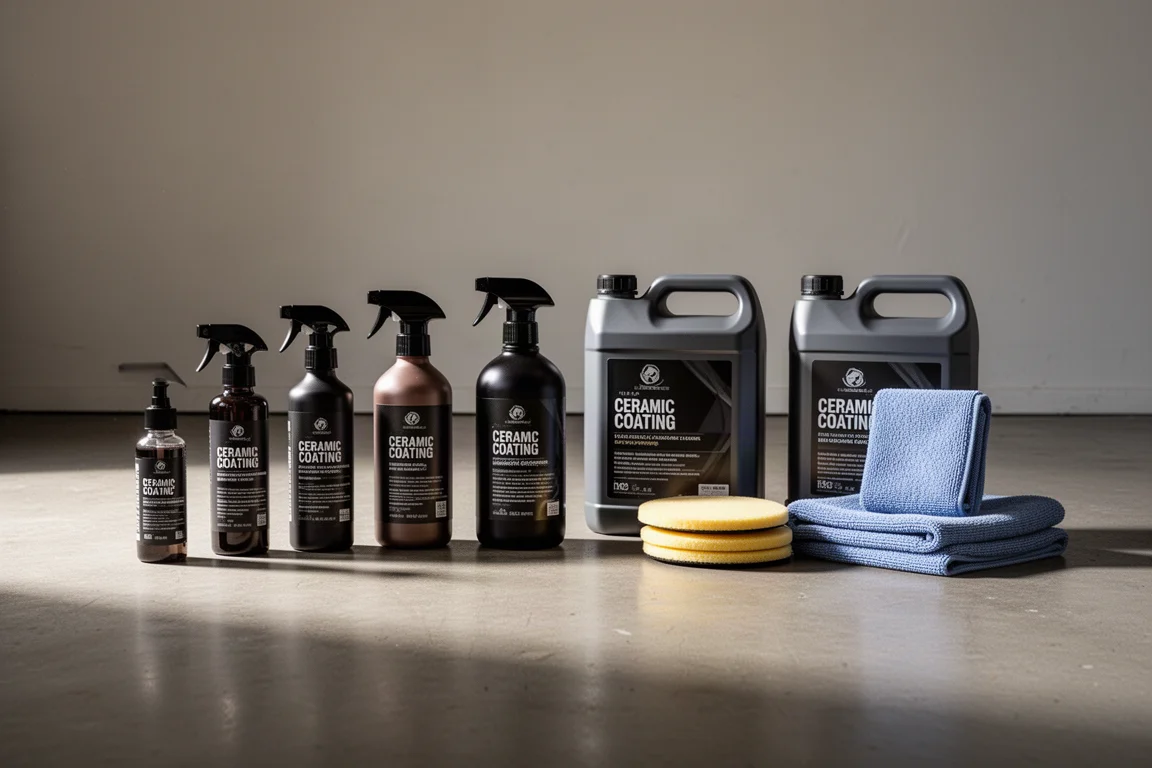
If you want your car’s paint to last, a ceramic coating can make a huge difference. The question is whether a $15 spray-on coating really performs worse than one that costs $150. To find out, eight ceramic coatings were put through the same battery of tests on a single vehicle, covering everything from slickness and water beading to repeated exposure to harsh detailing chemicals.
The contenders, from least to most expensive: Hybrid Solutions Ceramic Spray Coating ($15), Shine Armor Fortify Quick Coat ($20), CeraKote Rapid Ceramic Paint Sealant ($20), Griot’s Ceramic 3-in-1 Wax ($22), Meguiar’s Hybrid Ceramic Kit ($23), Gtechniq Crystal Serum Light ($80), a 20H Ceramic Graphene Coating ($90), and Adam’s Graphene Ceramic Coating Advanced ($150).
How the Coatings Were Tested
Preparation mattered. The test hood was first washed with strip wash, then clayed to remove contamination such as brake dust lodged in the clear coat, then washed again so every test area started perfectly clean. Eight test zones were outlined on the flattest part of the front hood.
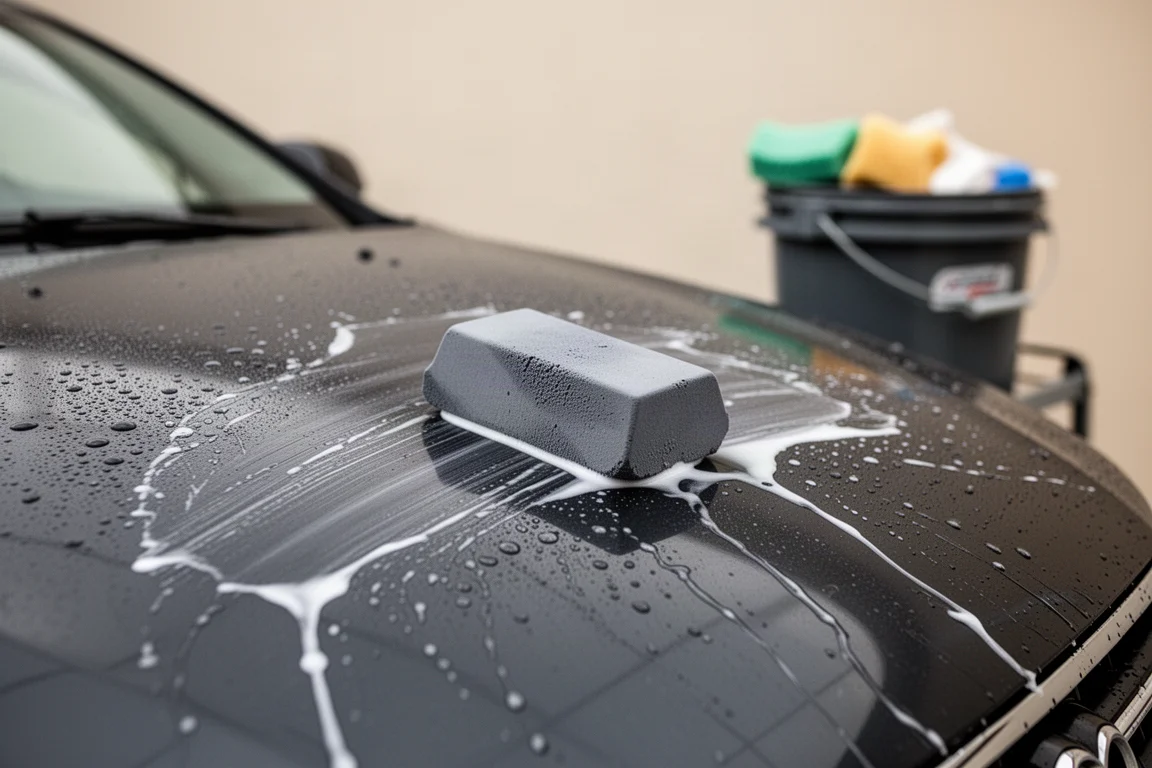
A slickness baseline was measured before any coating went on: with a level hood, a weighted sponge took right at 4 lb of force to slide. Polycarbonate sheets, similar to headlight covers, were also coated, since ceramic coatings are often used to protect polycarbonate headlights from oxidation.
Initial Slickness and Water Beading
Once cured for 24 hours at around 78°F, slickness was re-measured with the same weighted sponge setup. The results were surprising. The $15 Hybrid Solutions came out on top at 1.1 lb of force, dramatically slicker than the 4 lb bare-paint baseline. Gtechniq finished second at 1.4 lb. Griot’s and Meguiar’s tied for third at 1.5 lb, Adam’s measured 1.6 lb, and the 20H Ceramic Graphene struggled at 2.4 lb. Shine Armor was barely better than bare paint at 2.3 lb.
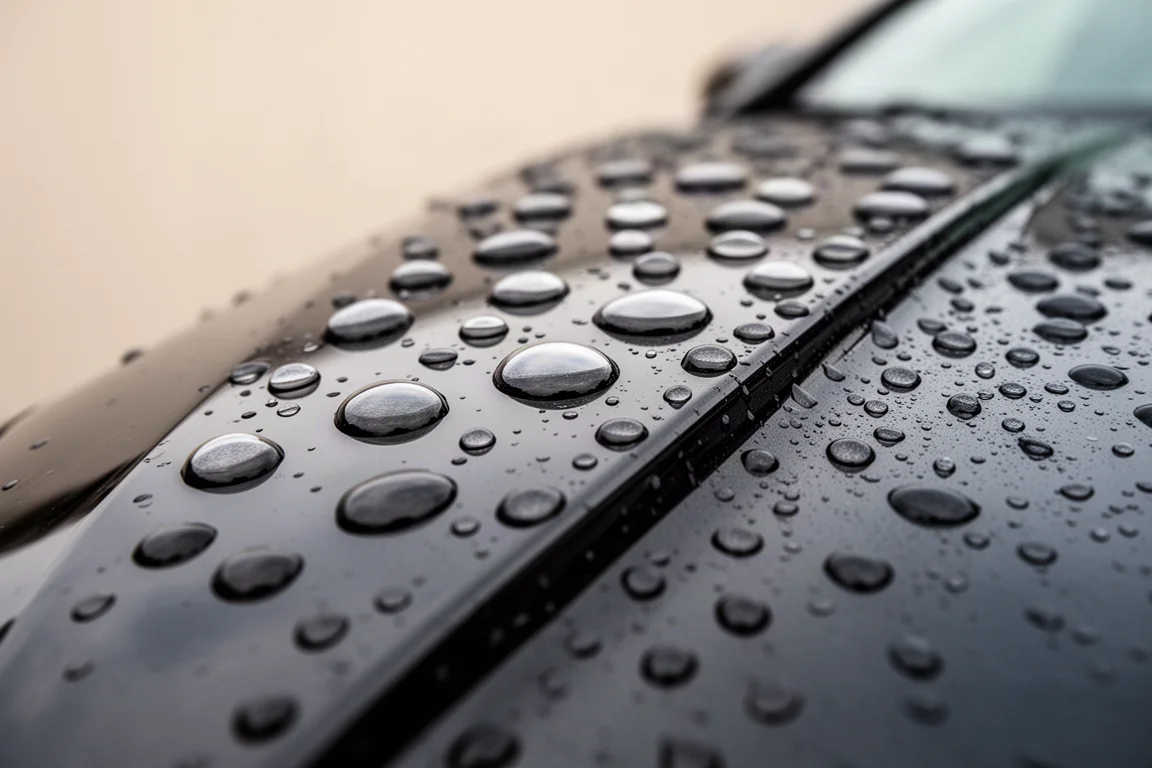
Water beading told a similar story with some shuffling. Hybrid Solutions produced genuinely tight, impressive beads. Gtechniq was even better and rated the best of the group at this stage. Griot’s, Meguiar’s, CeraKote, and Adam’s all performed well, while Shine Armor and the 20H struggled, with water sheeting across parts of the 20H test area.
Chemical Durability Tests
This is where the field separated fast. Each coating endured three back-to-back strip wash passes, a three-minute iron remover soak, a five-minute bug and tar remover treatment, a wheel and tire cleaner exposure, and finally a degreaser test, with rinse and re-wash between each.
After the strip wash, Hybrid Solutions looked unfazed, Gtechniq and Adam’s looked as good as new, but Shine Armor lost most of its beading and Meguiar’s began sheeting. Iron remover, which contains compounds that can damage ceramic coatings, completely used up Shine Armor, dented Hybrid Solutions and CeraKote, and wiped out Meguiar’s. Gtechniq and Adam’s seemed untouched.
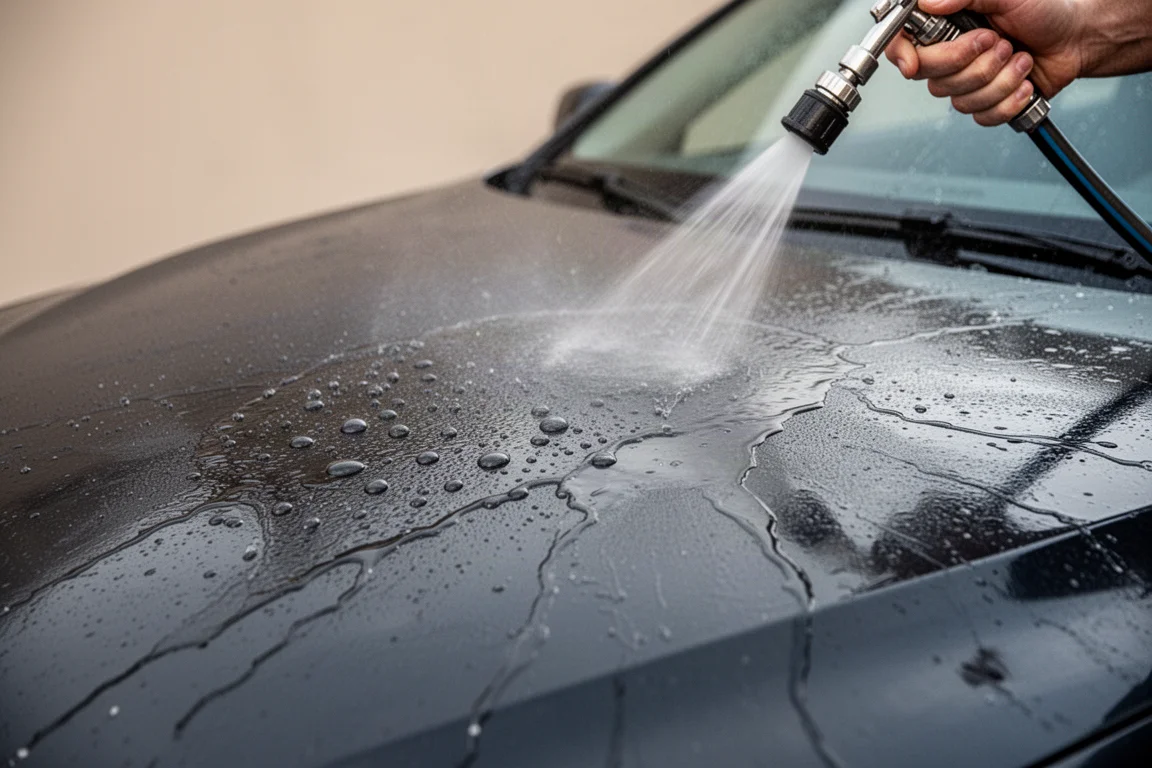
Bug and tar remover proved brutal: it finished off Shine Armor and Meguiar’s outright, heavily damaged Hybrid Solutions and CeraKote, and still failed to budge Gtechniq or Adam’s. Wheel and tire cleaner, which often contains acids and strong solvents, then destroyed the Hybrid Solutions, CeraKote, and 20H test zones. By the final degreaser test, only Gtechniq and Adam’s remained fully functional, with Gtechniq still forming tight beads and Adam’s forming slightly looser ones.
A final slickness re-check confirmed the trend: Gtechniq led at 2.8 lb, well ahead of the 4 lb baseline, with Hybrid Solutions at 3.8 lb and several others around 3.9 lb.
Headlight Protection Test
Separate polycarbonate panels, similar to headlight covers but not identical to paint, spent six hours in a dishwasher with no detergent to simulate long warm-water exposure. Adam’s showed by far the best remaining water beading and took the top rating. Gtechniq finished second with mostly beads still forming, Meguiar’s third, while Hybrid Solutions, Shine Armor, and the 20H were largely used up.
Which Ceramic Coating Should You Buy?
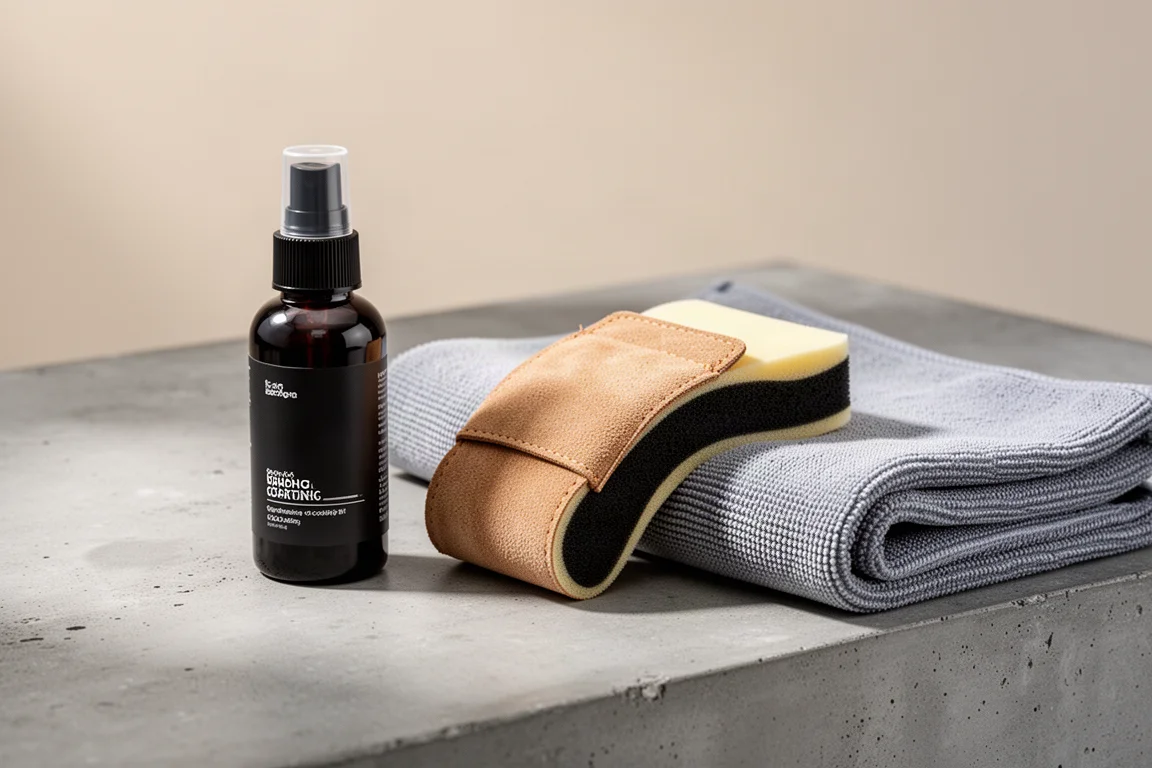
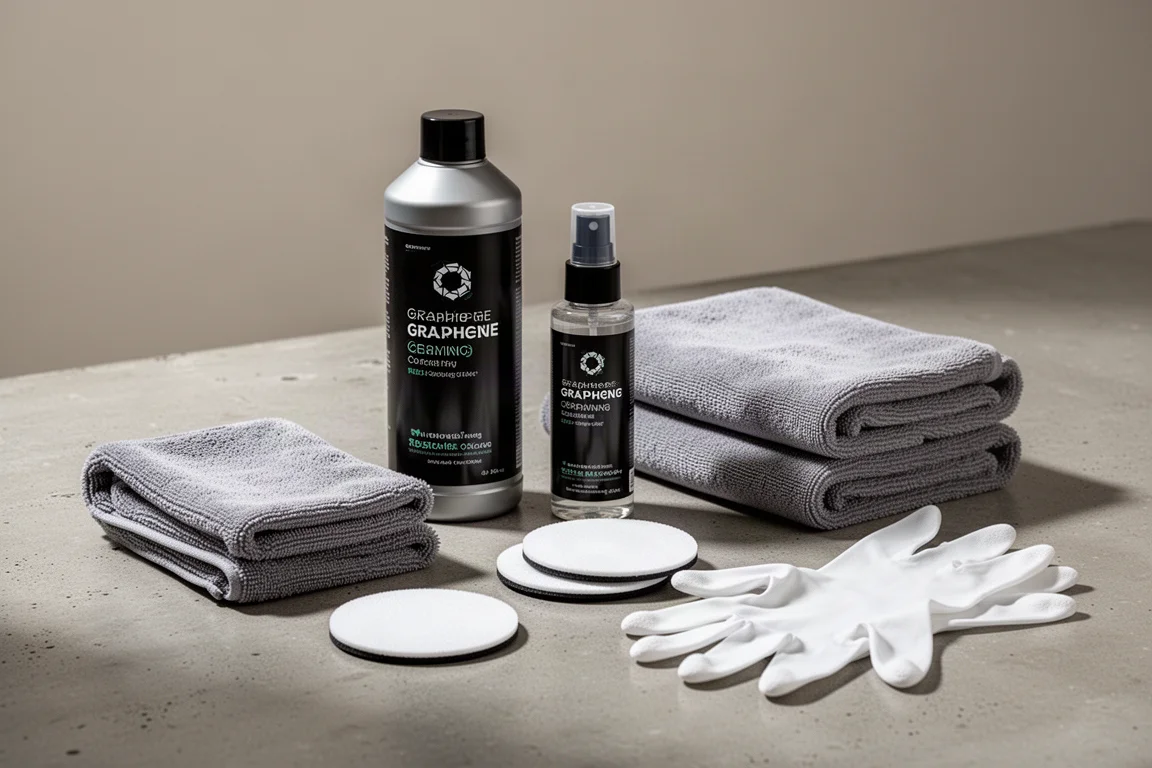
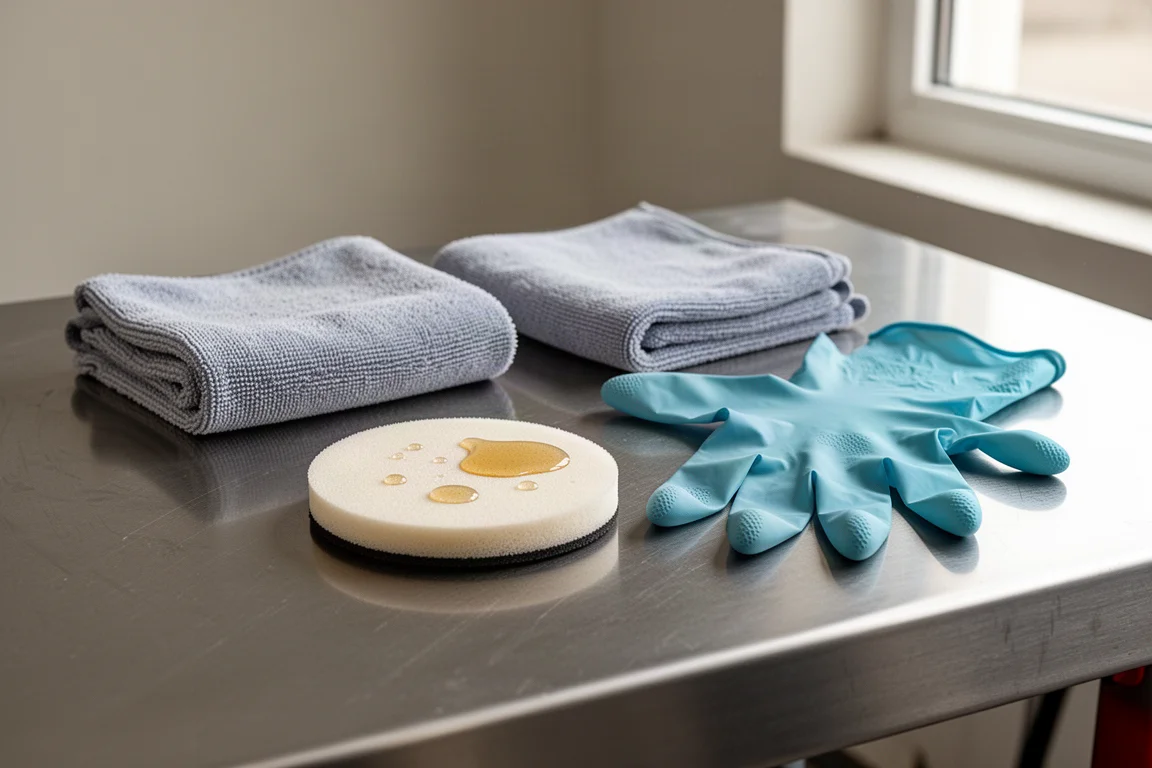
Ease of application is a real factor. All five spray-and-wipe products were very quick and easy to apply and earned the best possible rating. The Gtechniq, 20H, and Adam’s require an applicator pad and more effort, with Adam’s being the most involved: it needs surface prep, a suede applicator, careful leveling as a rainbow-like oil-slick appearance dissipates, and a full 24-hour cure before water exposure. Gtechniq needs a saturated applicator, 2 ft by 2 ft overlapping strokes, and residue removal with a microfiber cloth.
If you want something easy to apply and very affordable, the Hybrid Solutions Ceramic Spray Coating is the standout among the sprays. It topped the initial slickness test, beaded impressively, and outlasted every other budget option through the chemical gauntlet before finally giving way to wheel and tire cleaner.
If you are willing to spend more money and more time, Gtechniq Crystal Serum Light is the clear performance pick. It was the most durable coating overall, still protecting the paint after strip wash, iron remover, bug and tar remover, wheel cleaner, and degreaser, and it claimed chemical resistance from pH 2 to pH 12 and a temperature range from -40°C to over 250°C. Adam’s is a close second and led the polycarbonate test, with a very complete kit, but Gtechniq ultimately held up best.
Conclusion
The price gap does not fully match the performance gap. A $15 spray gave remarkable initial slickness and is a great value for easy, occasional top-ups. But for genuine long-term paint protection against harsh detailing chemicals, the applicator-based Gtechniq Crystal Serum Light was the clear winner, with Adam’s Graphene Ceramic Coating Advanced right behind. Choose based on how much effort you want to invest: convenience favors the sprays, durability favors Gtechniq.
Further reading
Related Reviews
Car Care
Best Ceramic Coatings 2026: Seven Options Tested for Durability and Shine
We tested seven ceramic coatings from budget sprays to premium hand-applied formulas to see which ones truly protect your paint.
Car Care
Best Windshield Water Repellents 2026: Top Picks for Rainy Driving
We tested ten windshield water repellents for water beading, bug removal, and chemical resistance to find the best options for clear visibility in the rain.
Car Care
Car Wax Comparison 2026: Seven Waxes Tested From Budget to Ultra Premium
A blind test of seven car waxes from $26 to nearly $2,000 reveals which ones deliver the best gloss, filling, slickness, and hydrophobics.