Cookware
Best Carbon Steel and Cast Iron Skillets 2026: Nine Iron Pans Tested
We spent months cooking with nine of the most interesting carbon steel and cast iron skillets available today. Here is what held up, what to skip, and how to season any of them properly.
Introduction
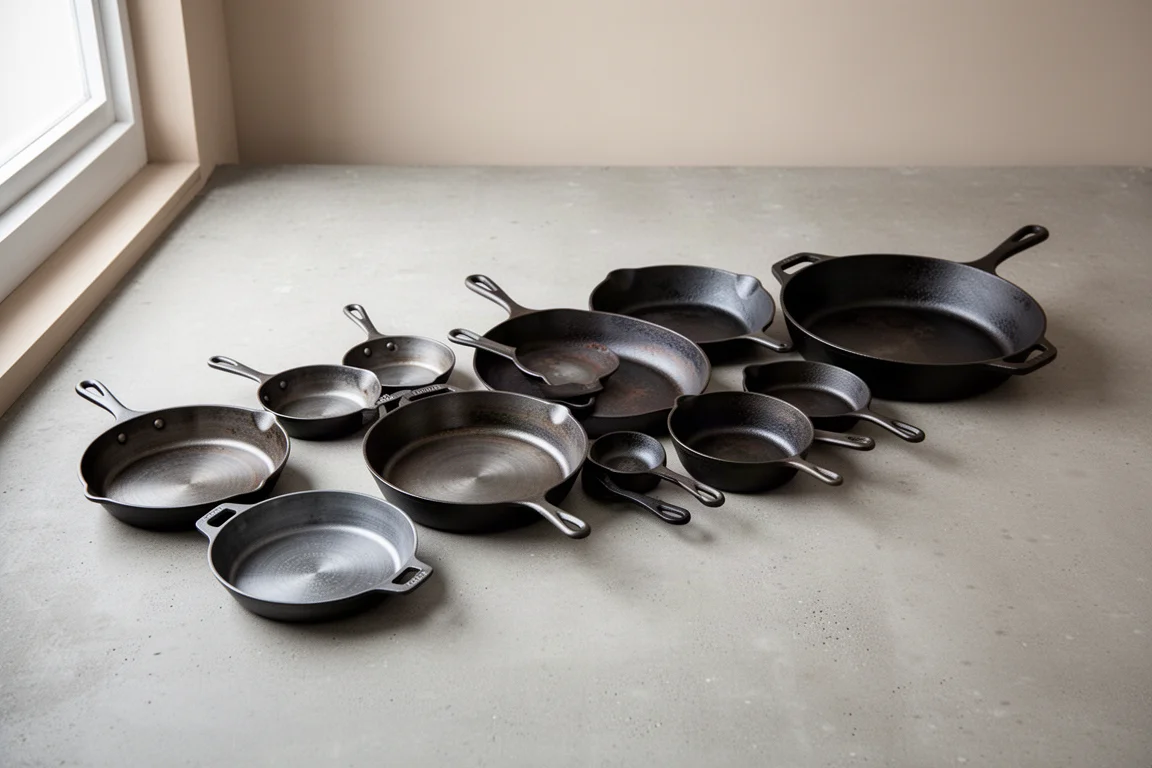
Over the past couple of decades, cast iron and carbon steel pans have gone from dusty heirlooms to the hottest trend in cookware. That popularity has brought two things: brands experimenting with genuinely interesting manufacturing methods, and prices that now average around $120 for the good stuff.
We spent several months testing nine of the most interesting carbon steel and cast iron skillets available today in a home kitchen. And no, we are not going to split cast iron and carbon steel into separate lists. For all practical purposes, they behave the same, so we are calling them all iron skillets.
First, the Short Version on Seasoning
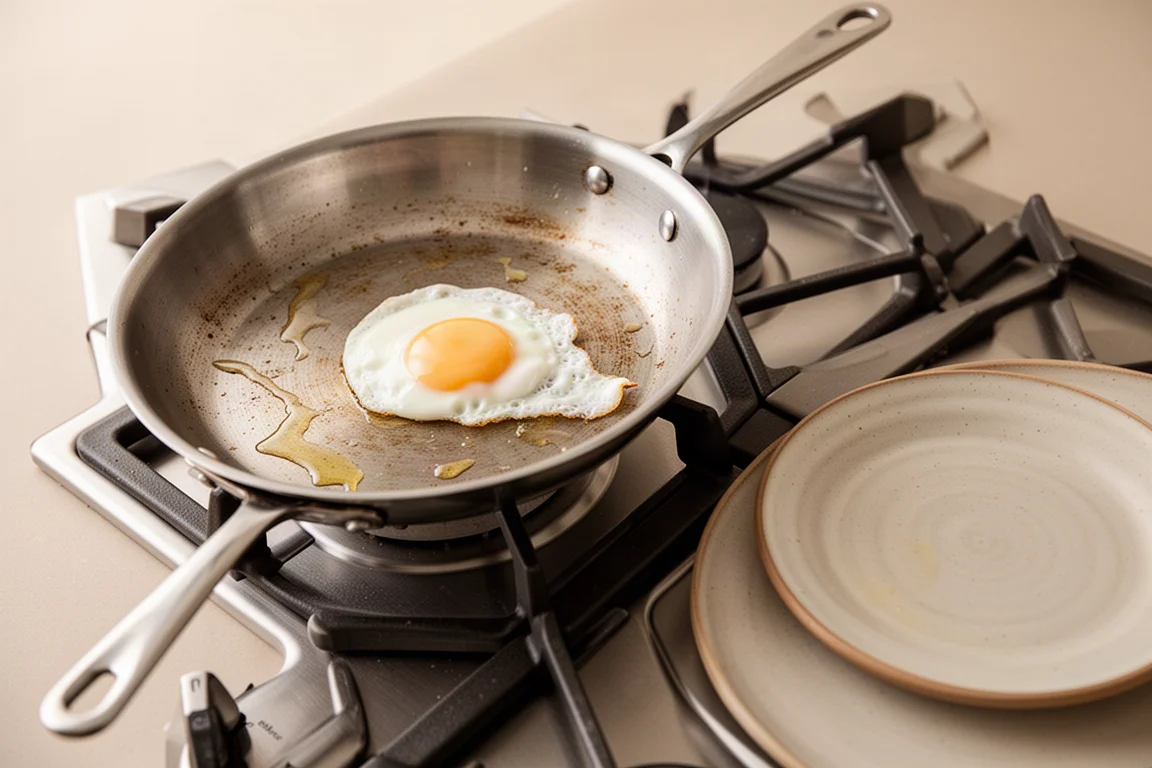
These pans require seasoning to prevent rusting and sticking, which makes them the only nonstick-ish pans where most of the performance is your job to manufacture. That is annoying to many people, and it is honestly the biggest blocker to adoption, but it is also a great deal for anyone who enjoys a hands-on project.
A few things we learned along the way. Seasoning will never be as nonstick as PTFE, so you need more fat and a bit of patience. Applying several rounds of seasoning effectively forms one layer, not a stack, so more seasoning means more consistent coverage rather than thicker build-up. Old seasonings and factory seasonings fared no better than brand new ones in our tests. And polymerization only happens near the smoke point of the oil, which means the common advice that simply cooking with your pan seasons it does not hold up unless you only sear food.
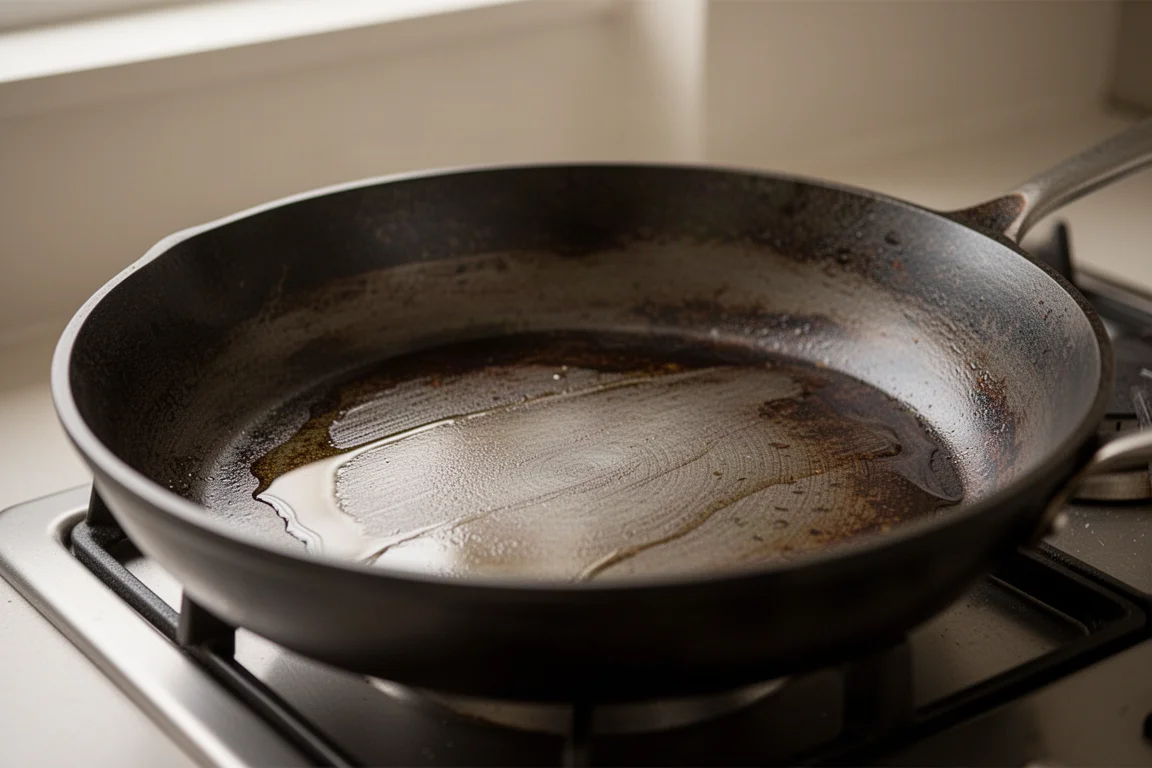
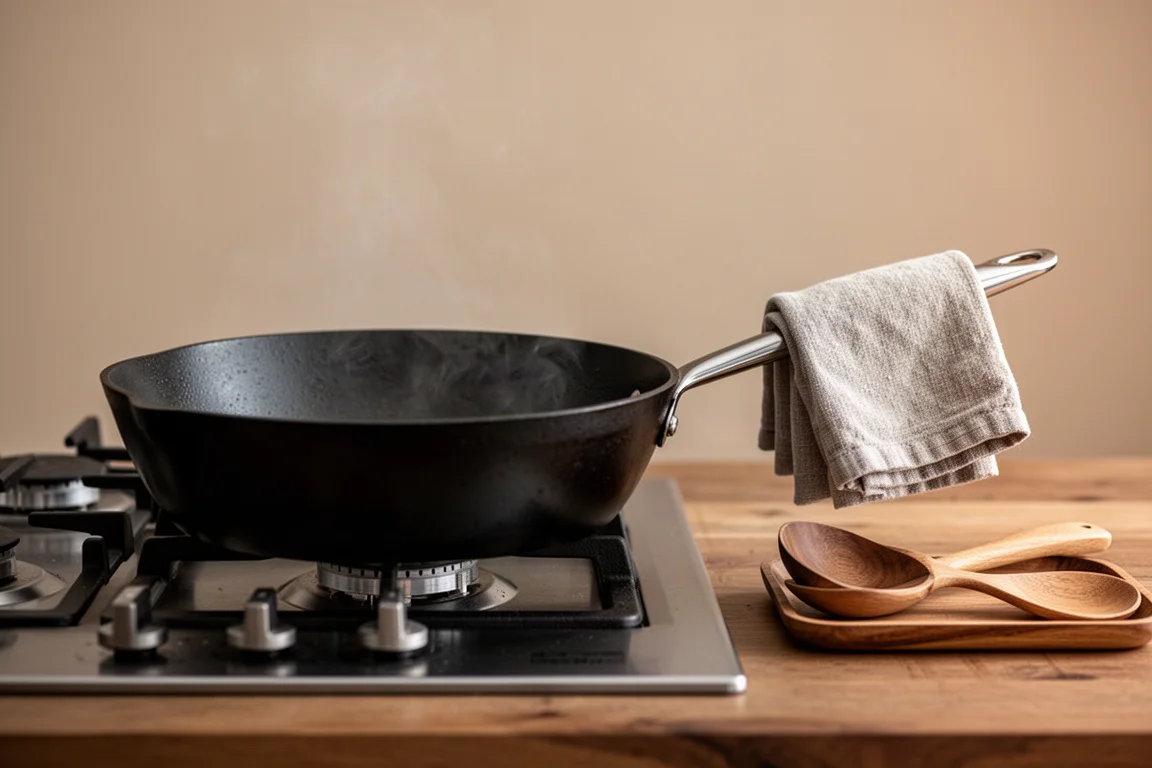
The fastest, most reliable method we found is easy: heat the pan until the metal turns bronze and then blue, coat the inner surface with a little neutral oil, wipe away as much as you can with another paper towel, and repeat four more times. Wash the pan before the last layer for the best immediate results. One caveat: on an electric or induction stove, you will probably need an oven-based method instead, and those take most of the day.
So if you are doing so much of the work, how much does the pan itself matter? Not that much. Most of our complaints came down to ergonomics and ease of maintenance.
Finex Carbon Steel Skillet: Quirky Shape, Real Problems
Finex was part of the cast iron renaissance of the early 2010s, and its pans are instantly recognizable by their octagonal shape. In 2019, the brand was purchased by Lodge, and last year it launched a line of pre-seasoned carbon steel skillets.
The octagonal shape and proudest-in-class rivets are a problem when you need to hand clean and season cookware, because creases and corners are your enemies. It comes pre-seasoned, but we recommend thinking of pre-seasoning as shipping protection rather than something useful for cooking. In a perfect example of that, one roast chicken stripped the seasoning from the bottom of the pan completely. At $200, this is the hardest of passes on our list.
Made In Carbon Steel Skillet: Great Handle, Downgraded Body
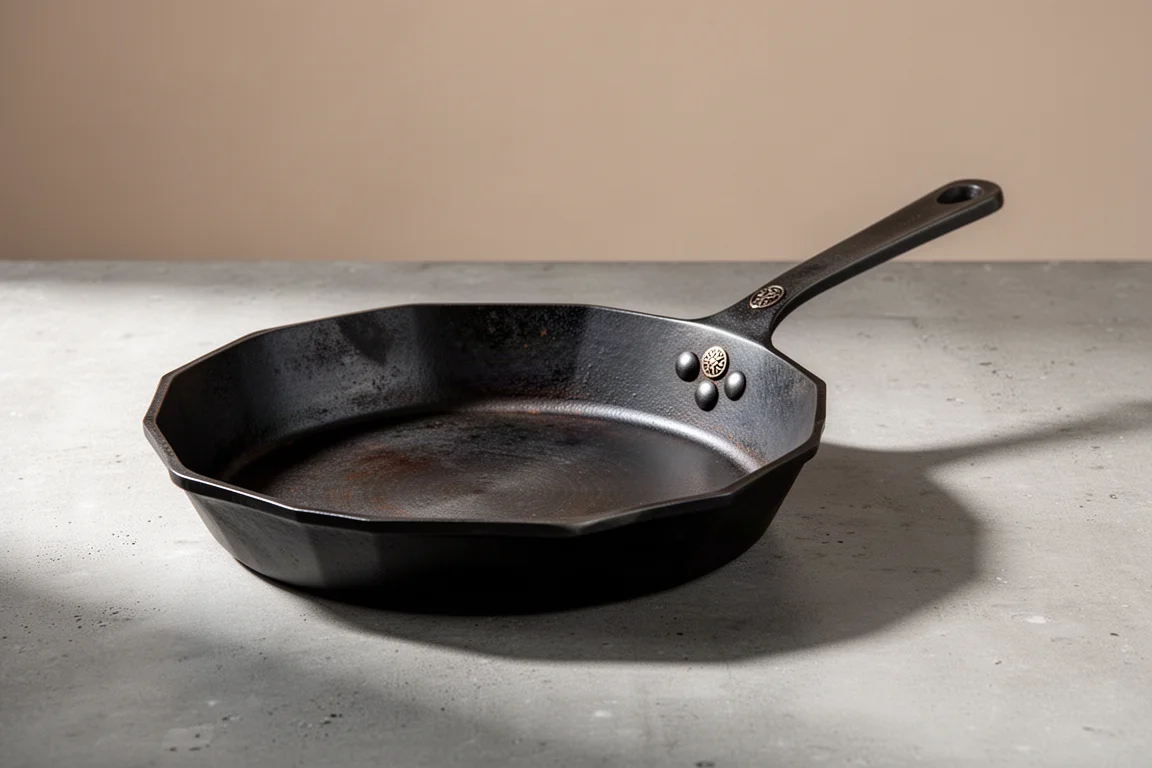
This is the latest carbon steel offering from Made In, makers of our previous favorite carbon steel skillet, which was discontinued. The improved handle design is genuinely good: it stays cool even near the pan, balances comfort with control better than many competitors, and looks and feels the most refined of the bunch.
But the body of the pan is worse across the board. There is a rough applied texture, a pointless lip, and notably thin metal. That rough texture also caused a real-world problem: the first time we cleaned it, we accidentally left a thin layer of burnt-on food that we could neither feel nor see against the dark textured surface. At $120, it is a pass.
Darto No. 27: Heavy Style, Heavy Penalties
Darto, out of Argentina, makes a rivetless unibody carbon steel pan that has earned a devoted following for its lack of advertising and no-frills packaging. The problem is that none of those things are the cooking experience.
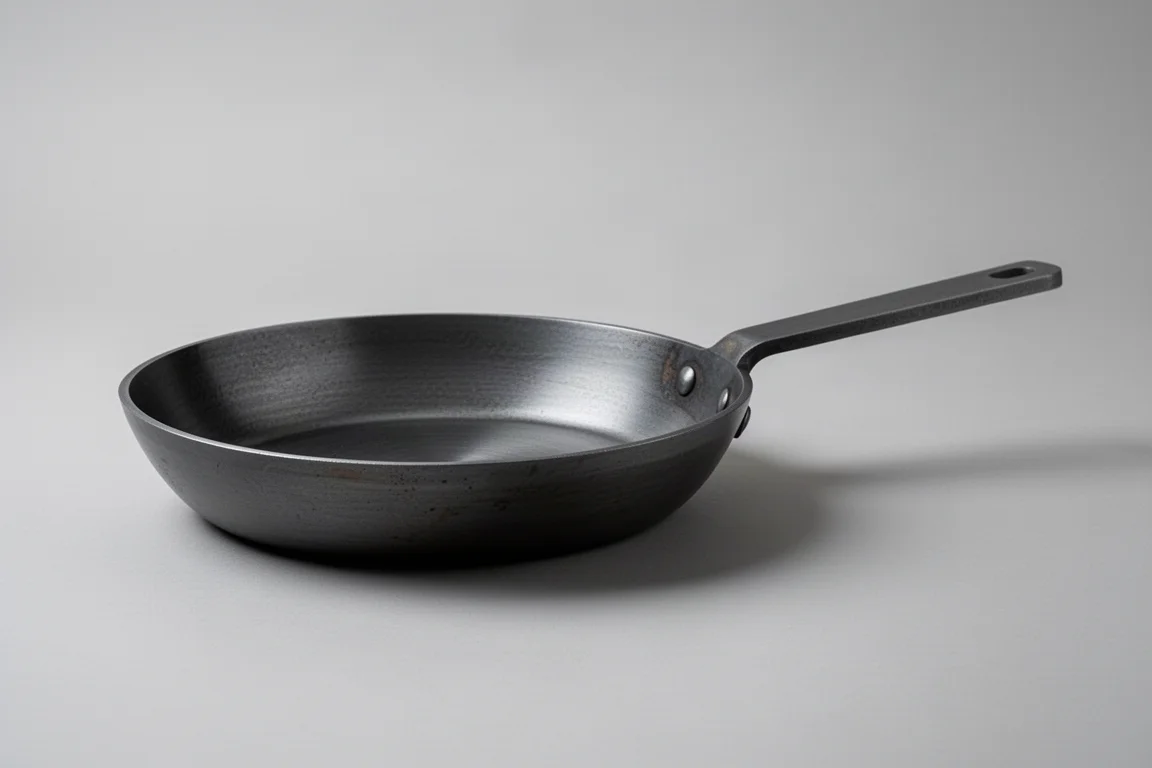
When you actually use the pan, the biggest issue is weight. Only the two thickest cast iron pans we tested outweighed it, and the long, uncomfortable unibody handle gets hot quickly and stays hot because the steel is so thick. It is also surprisingly noisy on induction stovetops, a problem we had previously only seen with tri-ply cookware. If you want a heavy unibody pan, we would argue you should just buy cast iron, where casting allows comfortable ergonomic shapes. The MSRP is $90, but shipping plus tariffs add $20 or more in the US, and for that price you could buy a nicer riveted carbon steel pan or a nicer unibody cast iron pan. Pass.
Misen Carbon Nonstick Skillet: Nitriding, Overpromised
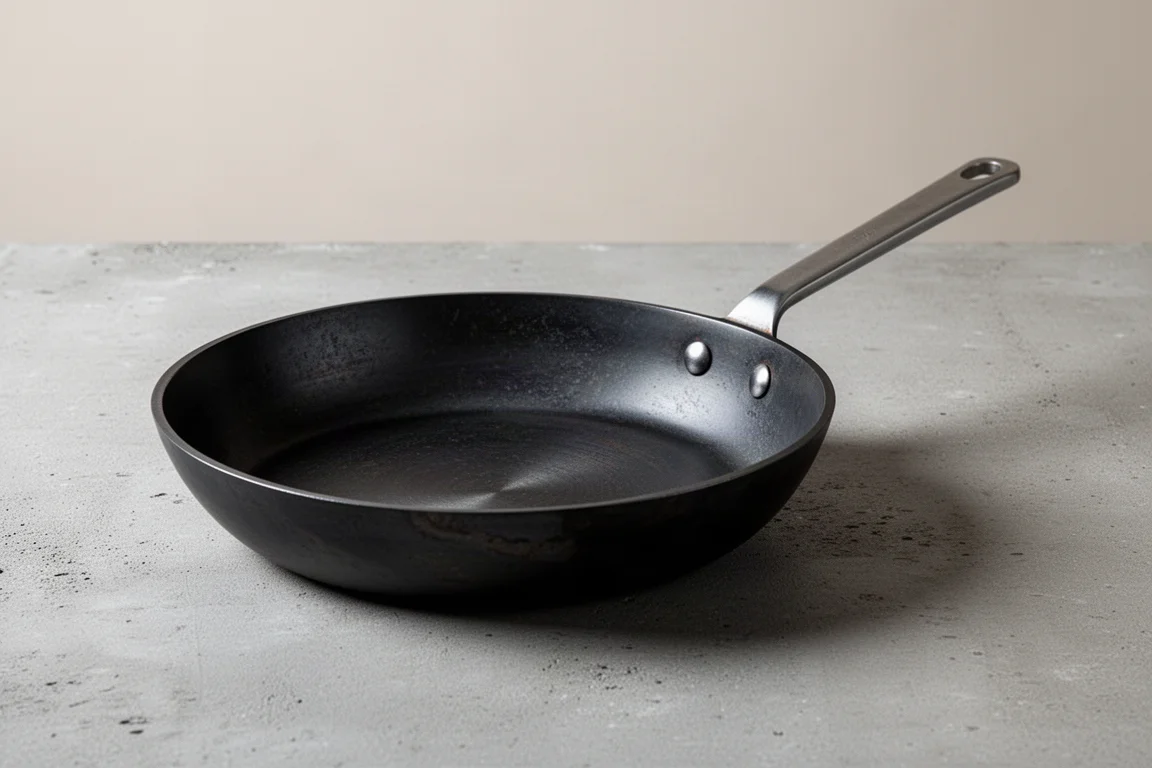
In August 2025, Made In Cookware started shipping its carbon nonstick skillet, the launch that kicked off the latest culinary trend: nitriding. The marketing has been overzealous, to put it politely.
Here is what nitriding actually does. It hardens the metal, which is meaningless here because the seasoning is softer than regular carbon steel. It makes the pan less sticky, but mostly just for the first few uses, which is where the inflated expectations come from. And it makes the pan effectively rust-free, which is genuinely good and should be the whole value proposition. The downsides: the darker surface makes seasoning harder to manage, and the claim that it will eventually outperform PTFE is not something we could see any support for. Taken as a regular iron skillet that trades easier rust prevention for harder seasoning management, it is fine. At $120, for us it is a pass.
Anolon N2 Everlast: The Same Nitriding Story
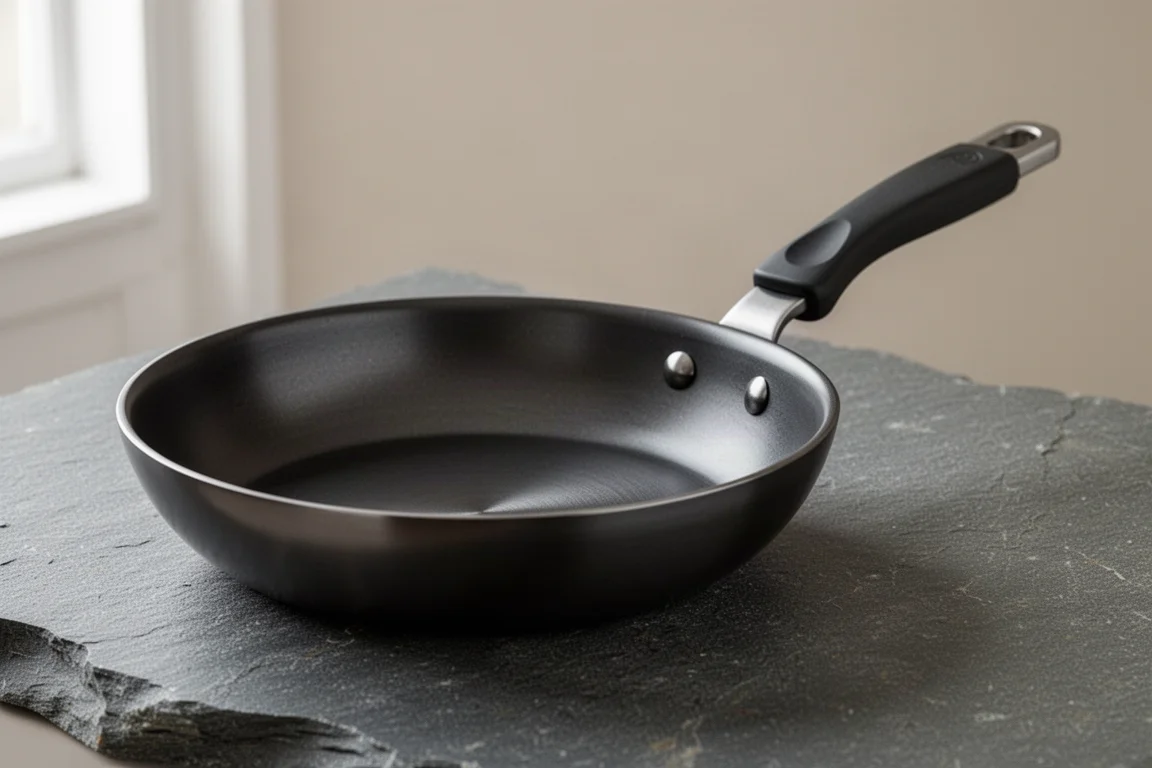
Anolon, a sister brand of Hestan, introduced its own nitrided carbon steel line called the N2 Everlast, and it is playing the same marketing game with the same issues. Across our tests, nitrided pans added essentially no practical nonstick benefit.
The differences versus the Misen are modest: Anolon’s handle is easier to grip and the finish is smoother, which made seasoning slightly easier to manage. Unless you are really concerned about rust, we would skip it. Another pass at $120.
Field No. 8 Cast Iron Skillet: The Proven Workhorse
Field essentially resurrected the old-school smooth cast iron made famous by Griswold and Wagner a century ago, launching in the mid-2010s as a high-quality alternative to Lodge. We bought this pan in 2018 and have put it through years of hard use, including as our designated grilling skillet, regularly cooking at over 1,000 degrees F. That is what cast iron is great at: high-heat cooking.
The walls are nice and high and flared, which makes it easy to pour out of. It is honestly a great pan, and its problems are all relative to newer competitors. Stargazer beats it on ergonomic details, and Smithey offers something very similar but prettier with a nicer helper handle. At $165, it is still a smash even if it is no longer the top of the pile.
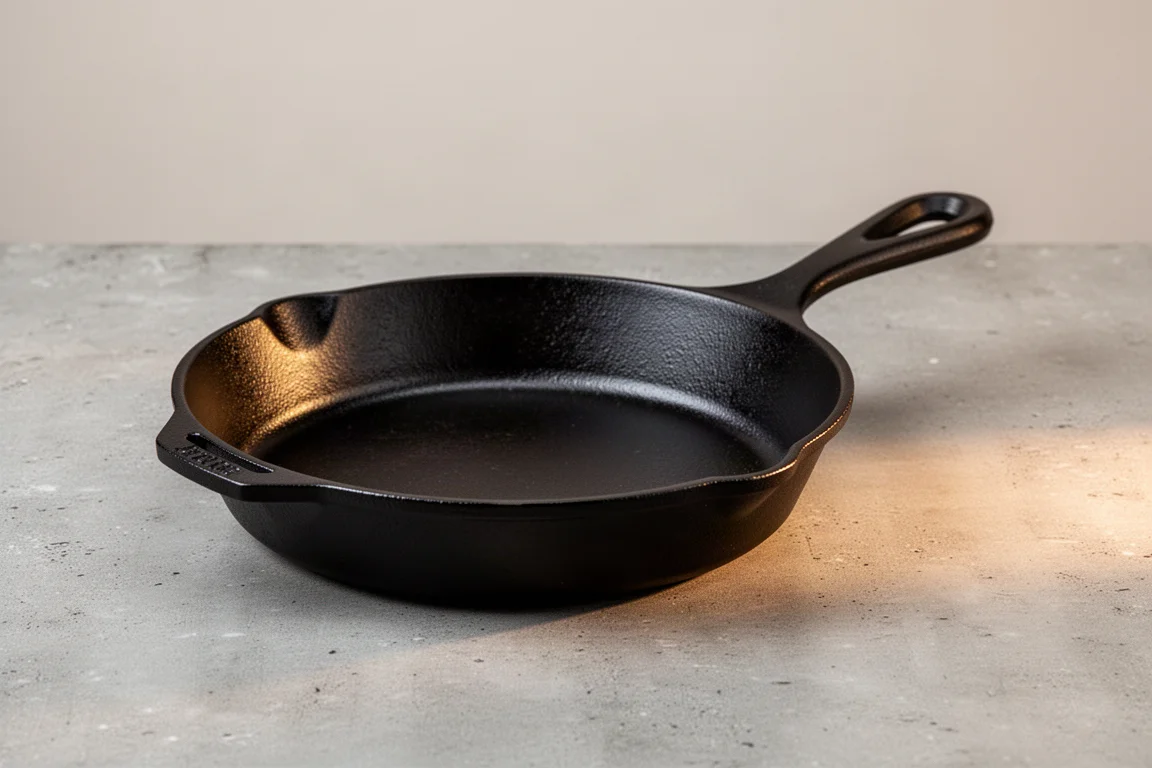
Smithey No. 10 Chef Skillet: A Cast Iron Saute Pan
Smithey’s standard No. 10 skillet is boring and simple, as it should be. The No. 10 chef skillet is the weird one: essentially a cast iron saute pan with a smooth transition from bottom to edge.
That design is better for eggs, the thing many people buy these pans for, but it had the lowest capacity by volume of any pan we tested because there is no resistance keeping food in the pan. It has a decent old-school three-finger helper handle that makes it easy to hang from either end for wall storage, and it is a genuinely beautiful object. If you want a traditional skillet, this frankly is not it. At $160, it is still a smash at the task it is designed for.
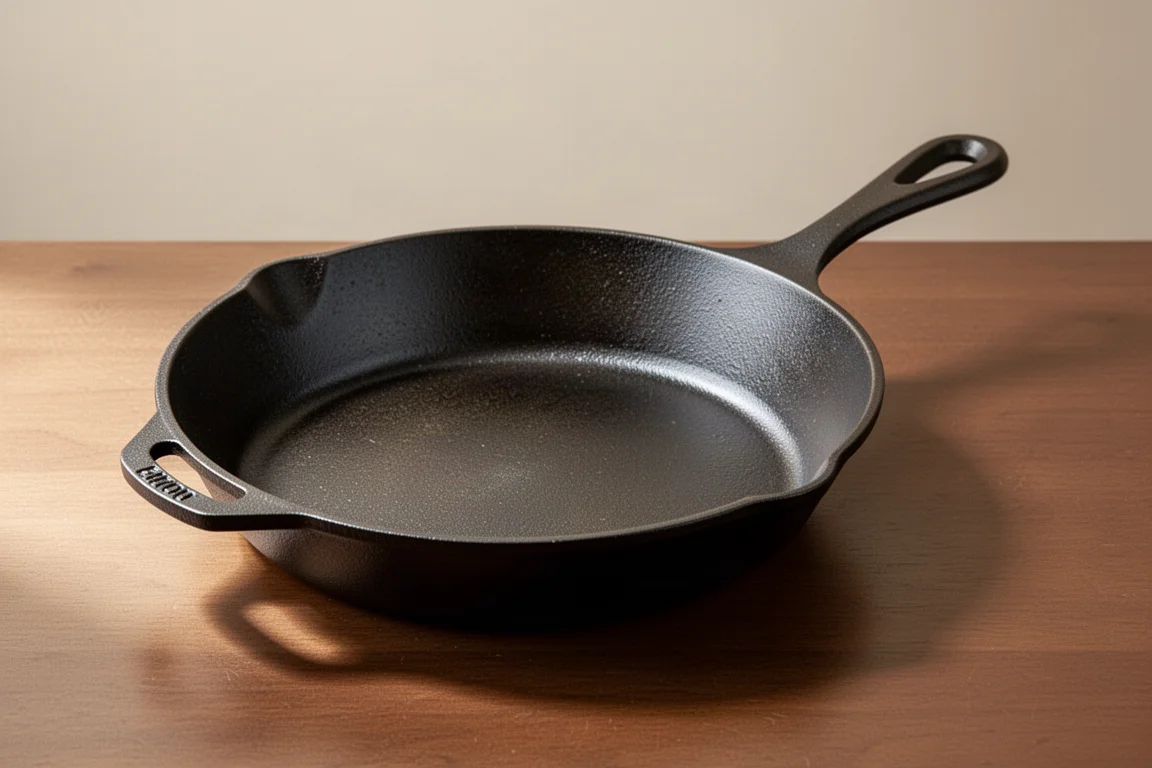
Stargazer 10.5-Inch Cast Iron Skillet: The New Benchmark
Stargazer is a relative newcomer to the cast iron market, and its 10.5-inch skillet is easily the nicest cast iron skillet on the market today. The price is now $155, but that still makes it the cheapest cast iron we tested in this batch.
There are thoughtful details throughout: a slightly raised smooth milled lip, a heat spreader in the main handle, and a full-size helper handle, which is unique among the cast iron we tested here. That helper handle matters because the pan is heavy and the main handle has a ridge that digs into your palm, especially if you have smaller hands. The main handle is also quite wide with thin edges, so the helper handle is effectively non-negotiable for some grips. The higher walls make sauces easier, and it has the highest capacity of any cast iron we tested. This is the best cast iron skillet we have ever tested. Smash.
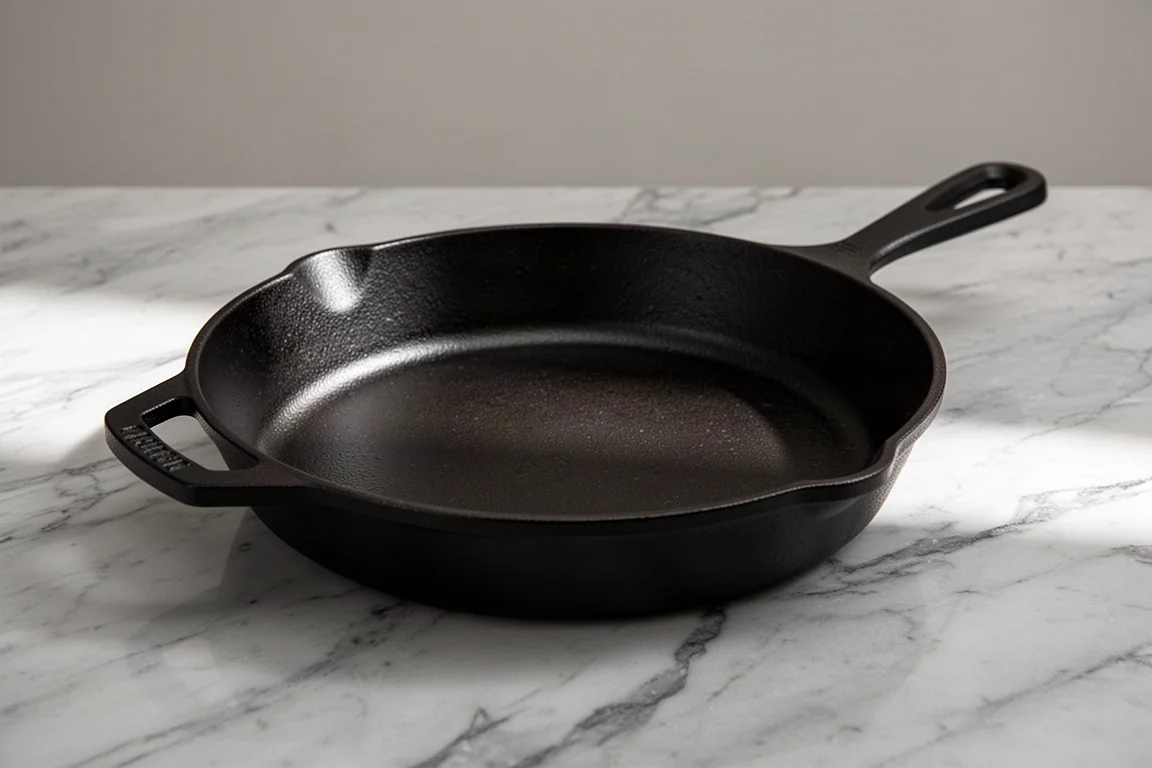
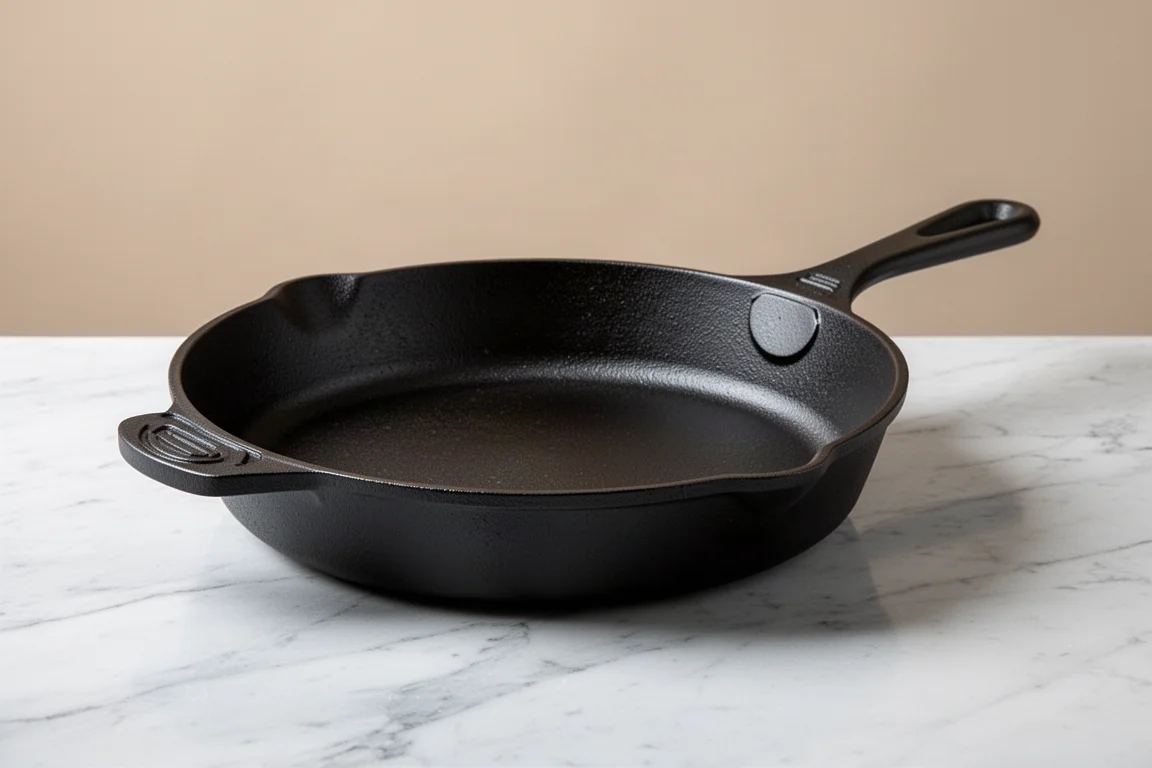
Strata Tri-Ply Carbon Steel Pan: Our Favorite Iron Skillet
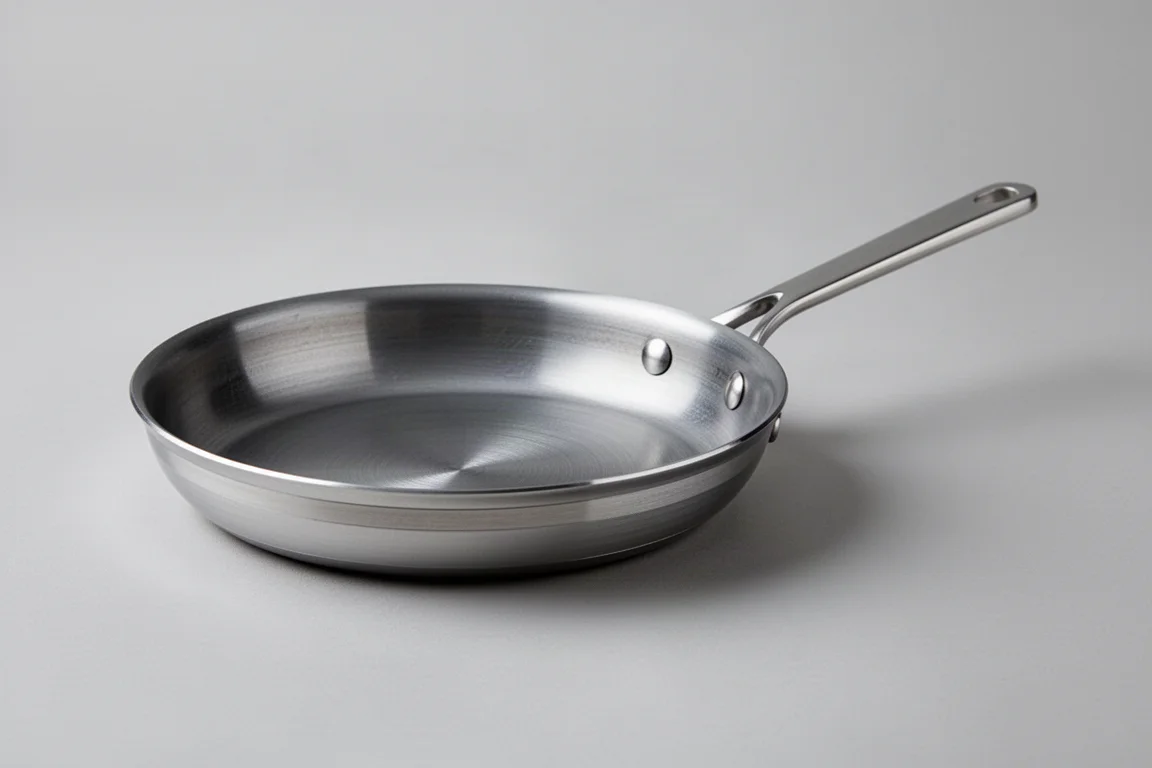
Strata appears to be the very first company to make a tri-ply carbon steel pan, launching about a year before Misen’s Kickstarter for its version. Our initial reaction was skepticism: iron pans are great for searing, and searing wants thermal mass, so why remove it?
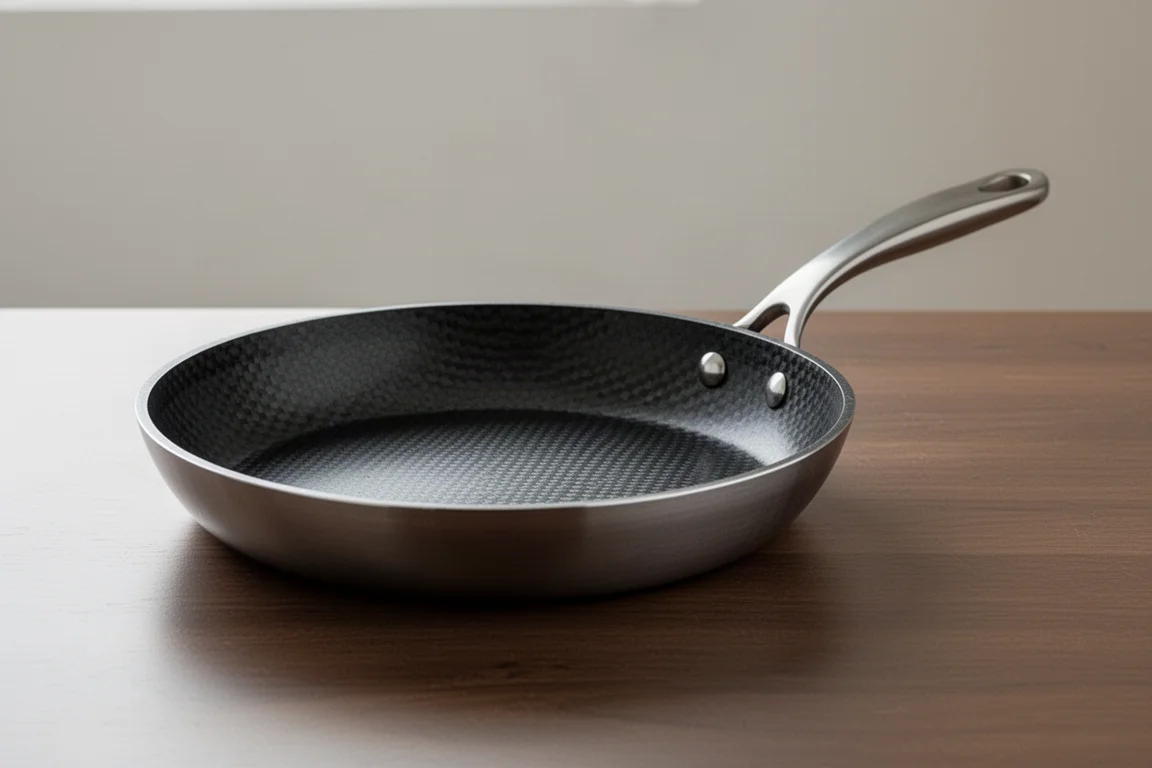
After spending real time with the pan, the answer became clear. It does not take much thermal mass to get a great sear, and diminishing returns arrive quickly. Meanwhile, everything else gets easier: eggs, roast chicken, cornbread. Where putting a 4.5-pound bird into the Darto made for a miserable, nearly 10-pound pan, the same bird in this 984-gram pan comes in under 7 pounds, which your wrist will notice. It performs like the tri-ply stainless steel most of us use daily, just better with sticky foods, and we did not miss the extra searing power even for grilling steaks.
The nitpicks: it is noisy on induction like most tri-ply cookware, though it did not have the temperature-holding issues we saw elsewhere, and it reacts slowly to induction temperature changes. The handle also feels like an afterthought, staying cool and comfortable but looking like it came out of a parts bin. Since this review began, Strata was awarded the patent for tri-ply carbon steel cookware, and its marketing remains refreshingly honest. At $120, this is our favorite iron skillet of the batch. Smash.
Overall Buying Advice
If you want the best traditional cast iron, the Stargazer 10.5-inch is the easy pick. If you want an iron pan that feels as light and responsive as your everyday stainless steel, the Strata tri-ply is our overall favorite. Field and Smithey remain excellent choices in their niches, and the nitrided options from Misen and Anolon only make sense if rust resistance is your top priority.
Whichever you buy, plan to season it yourself with the high-heat method described above, and remember that no iron pan will ever match PTFE nonstick performance. You are buying thermal mass, durability, and versatility, not a miracle coating.
Conclusion
The iron skillet market in 2026 is full of interesting engineering and inflated marketing. The winners keep things simple: smooth surfaces, sensible handles, honest claims. The Stargazer and Strata stood out as the best of the batch, while the gimmicks and overpromises from the rest of the field show exactly what you are paying a premium to avoid.
Further reading
Related Reviews
Cookware
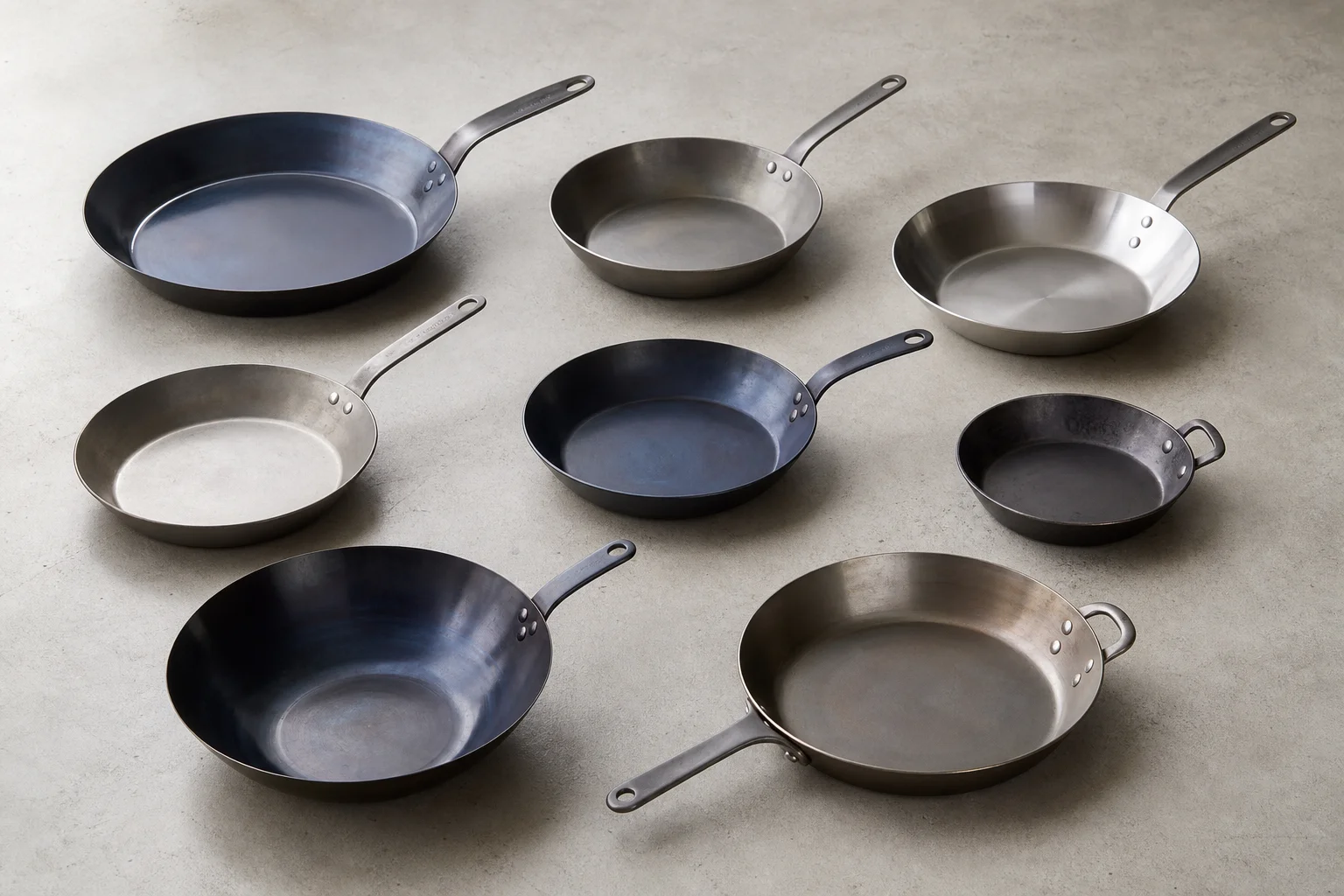
Best Carbon Steel Pans Tested: Which Brands Deliver Real Value
We tested eight popular carbon steel pans with controlled durability, heat, and cooking tests. Here's which ones perform best and which to avoid.
Cookware
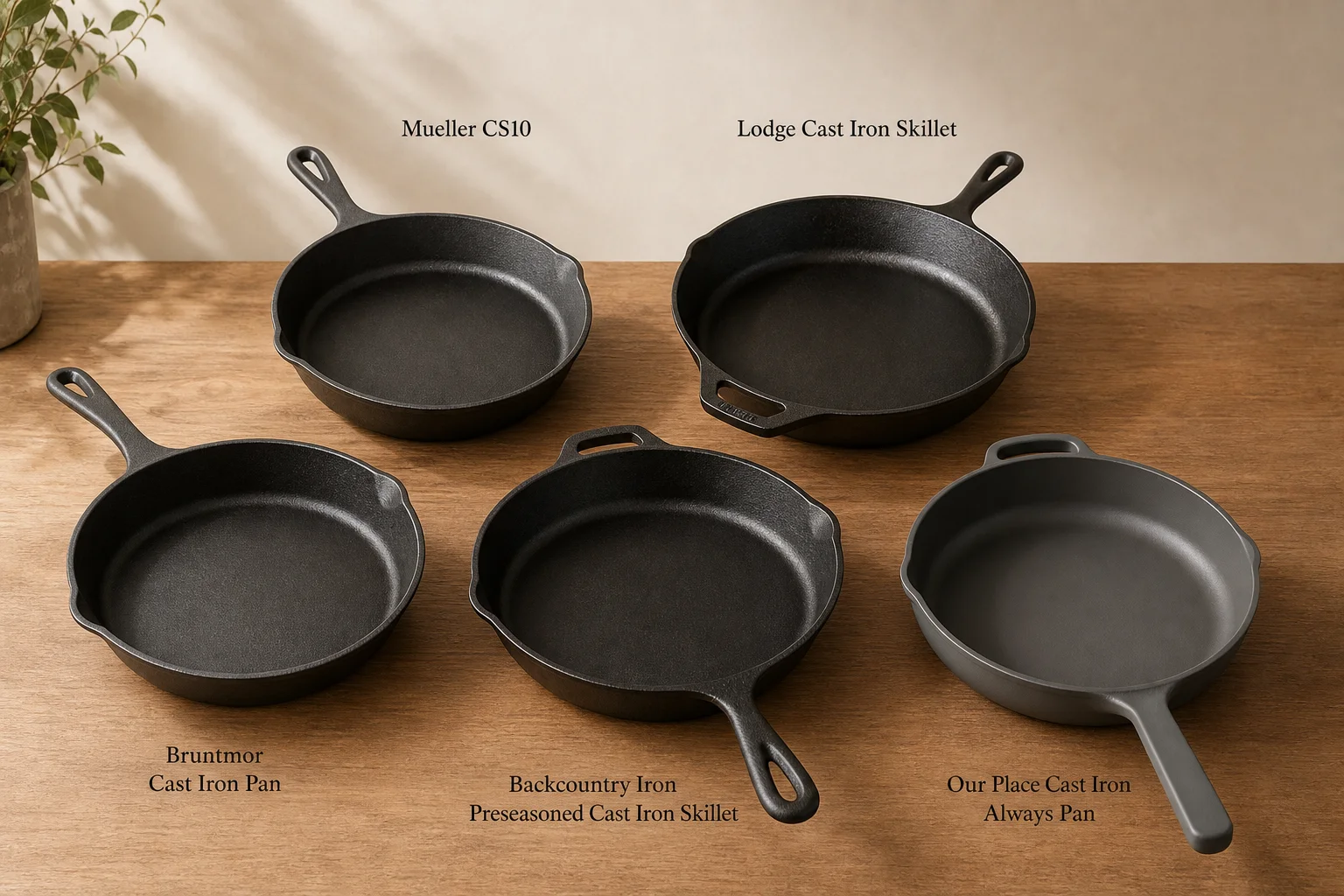
Best Cast Iron Pans 2026: Five Options from Budget to Premium
A practical breakdown of five cast iron skillets, from affordable Mueller to premium Our Place, with clear strengths and trade-offs for different cooking needs.
Cookware
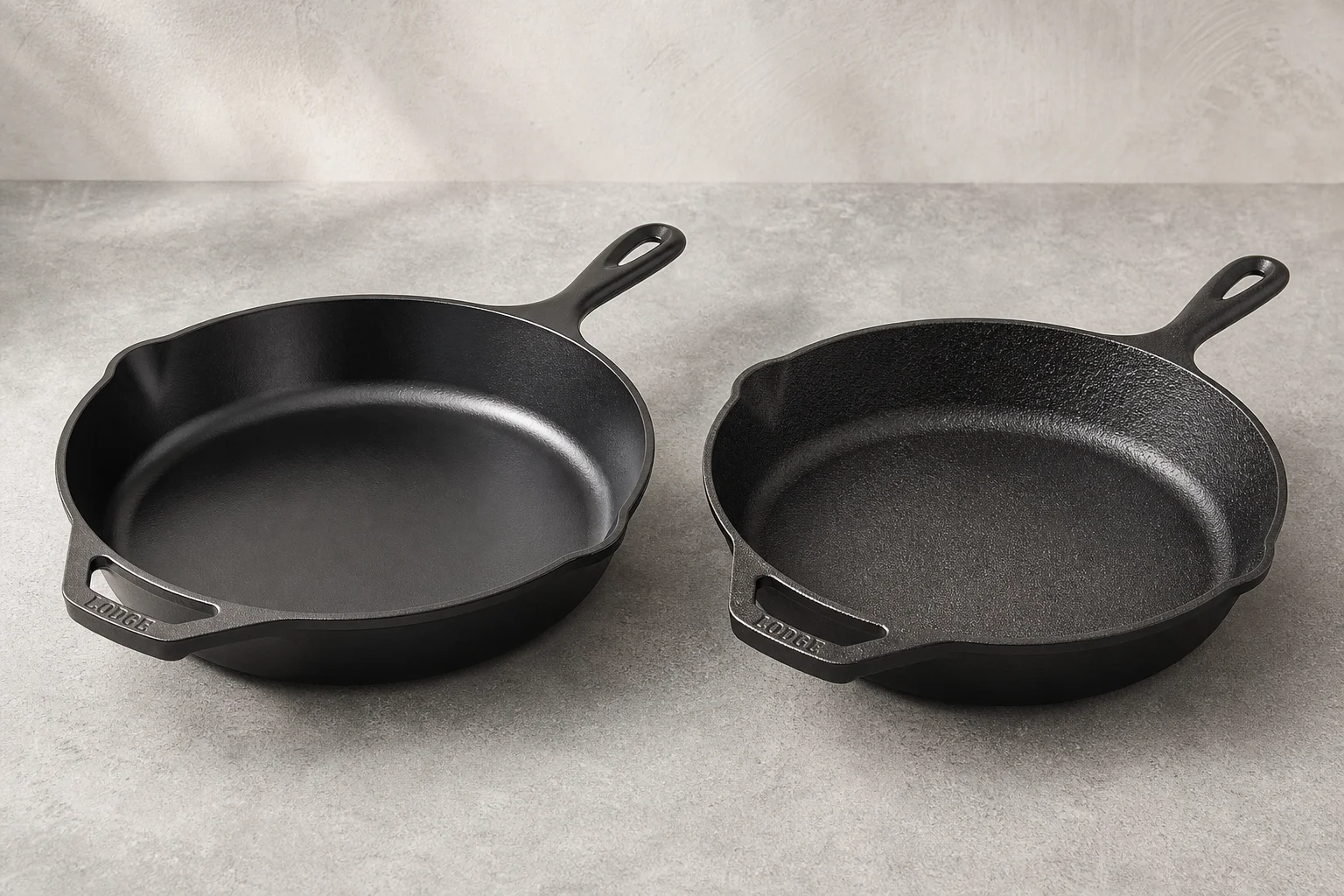
Best 12-Inch Cast Iron Skillets: Premium Craftsmanship vs. Reliable Budget Option
Two standout 12-inch cast iron skillets tested for heat retention, surface finish, and durability. One premium choice and one budget-friendly alternative that both deliver.