Running Shoes
Best Carbon Racing Shoes 2026: What Lab Testing Says About Where Your Money Goes
Independent running economy testing of seven carbon plated racers shows a clear top tier, a mid tier, and several shoes that failed to beat a standard flat.
Introduction
Carbon plated racing shoes can now cost well over 200 pounds, and practically every running brand has one. With that much money on the table, the obvious question is whether all of these super shoes deliver the same performance benefit, or whether some are dramatically better than others.
That question is exactly what a peer-reviewed study out of Stephen F. Austin State University set out to answer. The researchers bought seven carbon plated shoes plus a standard flat, put twelve runners through a controlled running economy protocol, and ranked the shoes statistically. The results make for interesting reading if you are about to spend big on your next race shoe.
How Running Economy Was Measured
Running economy is essentially the oxygen and energy cost of running at a fixed speed. Lower is better: you use less energy at a given pace, and at the same effort you can go faster. In the lab, this is measured with a runner on a treadmill wearing a metabolic mask, with respiratory gas exchange quantifying oxygen consumption and energy expenditure at steady state.
The study used a strict protocol. Each of the twelve subjects ran one five-minute trial per shoe, with a five-minute break between shoes, and every shoe was tested twice across two visits with the order randomized and mirrored, averaging out any sequence effects. Testing was done at 16 km/h, roughly six-minute mile pace, comfortably below each runner’s lactate threshold, so aerobic metabolism dominated and gas exchange stayed reliable.
{{image:1}}
The subjects were fit age-group and collegiate runners, with criteria set around a 17:30 5K, and a body weight range of roughly 135 to 160 pounds. That matters for generalizability, but earlier studies show similar improvement ranges for both men and women at 14 to 18 km/h.
The Top Tier: Nike Alphafly
The Nike Alphafly came out at the top of the study alongside the Vaporfly 2, with improvements in the two and a half to three percent range. Statistically, these two sat clearly ahead of everything else in the lineup. The researcher behind the study is also a strong personal responder to the Alphafly, reporting roughly an extra percentage point of economy benefit compared with the other top shoes, and plans to race in it.
{{image:2}}
The shoe pairs ZoomX foam with other unique components including the air pods, and it had not previously been examined in any published running economy research. If you are chasing the largest measured gains, this is the tier to shop in.
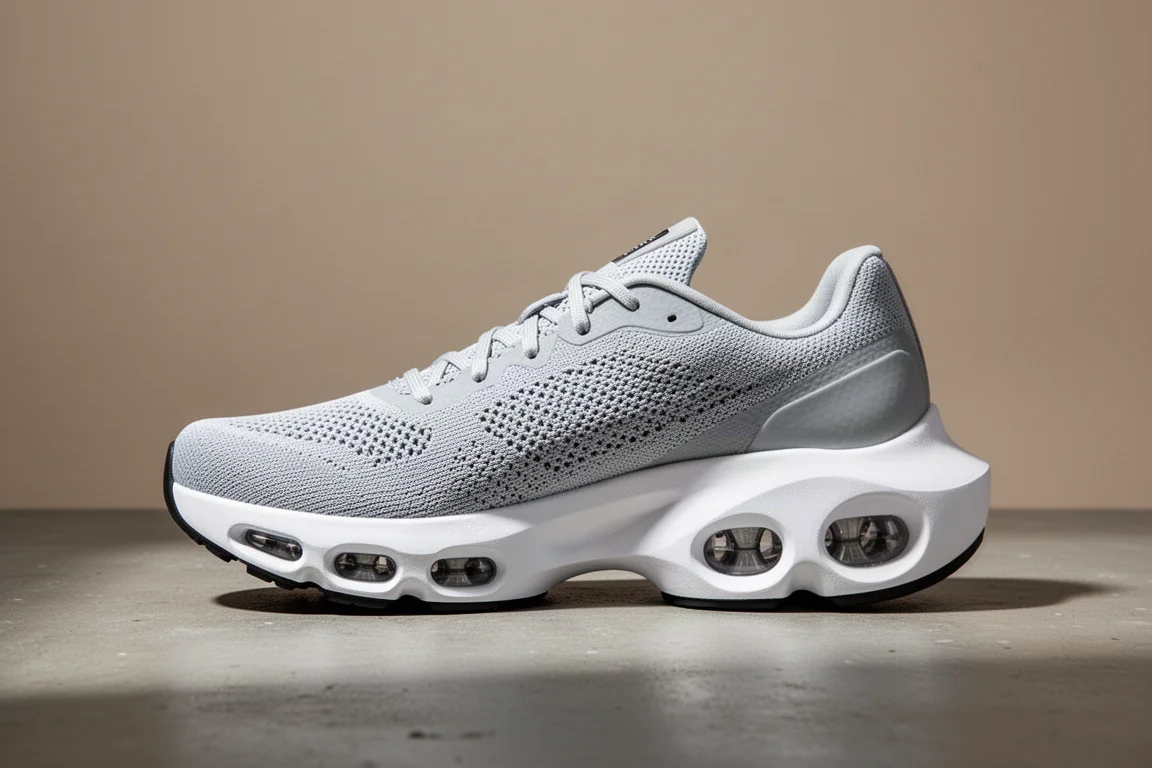
Nike Vaporfly 2
The Vaporfly 2 confirmed what earlier published research on the original Vaporfly line had already suggested: it remains a top-tier performer. Combined with the Alphafly, it was one of only three shoes in the study that delivered a statistically significant, meaningful improvement over a standard racing flat.
View more details for Nike Vaporfly 2
Asics Metaspeed Sky
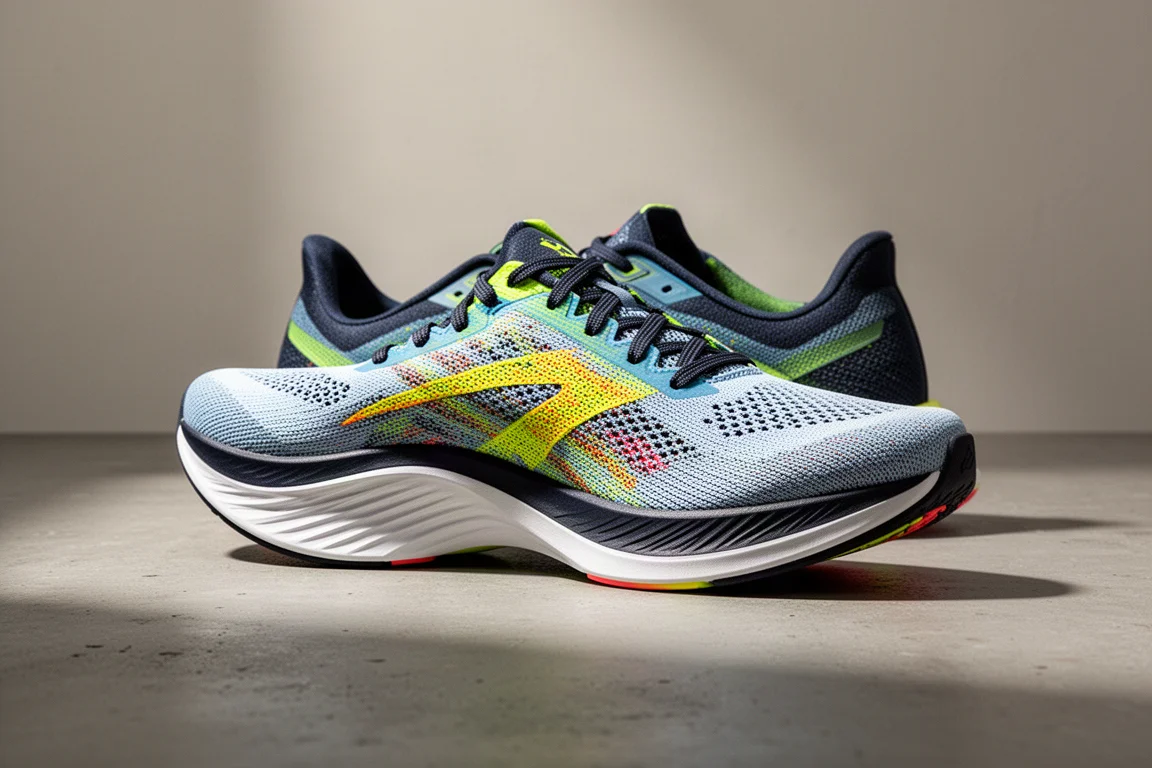
The only non-Nike shoe to match the two Nike models was the Asics Metaspeed Sky. It landed in the same statistical top tier with the same two and a half to three percent economy improvement range, making it the strongest pick in this lineup if you prefer something outside the Nike stable.
The Mid Tier and the Disappointments
The Saucony Endorphin Pro and the New Balance RC Elite formed a second tier, delivering around a one and a half percent improvement in economy. That is a real benefit, but statistically they were significantly worse than the top three shoes, which is worth knowing before paying the same kind of money.
{{image:3}}
Two shoes showed no improvement at all over the standard control flat: the Brooks Hyperion Elite 2 and the Hoka Rocket X. The researcher deliberately declined to tell people what to buy, noting that comfort, preference, and brand loyalty all matter alongside a single lab measurement. Still, the finding that some carbon plated shoes fail to beat a plain racing flat is hard to ignore. The Adidas Adios Pro 2 also appears in broader self-testing by the same researcher, who reported not being a strong responder to it personally, though that does not rule it out for other runners.
Why the Foam Matters More Than the Plate
One of the most interesting takeaways is that the carbon plate may be less important than the marketing suggests. The study’s lead points to recent work in which researchers sliced up a shoe’s carbon plate and found the shoe performed similarly with and without a continuous plate. In shoes with tall, squishy foam, the plate may mainly hold the shoe together, while the foam does the real work.
The properties of that foam, its compressibility and its energy return, are the key performance drivers. The original Vaporfly research reported roughly 87 percent energy return along with greater compressibility, meaning it stores more energy and gives more of it back. Unfortunately, that information is largely hidden behind proprietary marketing names, and the raw foam chemistry tells you nothing about how well the final manufacturing process works.
What About Slower Runners?
The study tested at 16 km/h, and most published super shoe research sits at 14 km/h or faster, essentially sub-three marathon territory. But the majority of runners buying these shoes race much slower. At an event like Boston, well over 60 percent of the field is not running a sub-three marathon.
{{image:4}}
A follow-up study is underway at 10 and 12 km/h, roughly 3:30 to 4:15 marathon pace, with the working hypothesis that the benefit is smaller but likely still present. The working theory is that slower runners with a high-stack shoe may not compress the foam enough to extract its full energy return, so the faster you run, the more of the shoe’s cushioning benefit you unlock.
Buying Advice: Matching the Shoe to Your Pace
The study’s simplest takeaway is that if a shoe improves your economy at primarily aerobic paces, from about 10K up through the half marathon and marathon, the shoe with the best economy result for you is probably the right performance pick, regardless of distance. The counterintuitive part is dropping to a lighter, less cushioned shoe for shorter races: if the heavier shoe helps your economy more, switching to something lighter for a 5K may cost you performance rather than save it.
Individual response also varies. In the study, the biggest responders to the top shoes were runners who started out less economical, often with lower cadence, longer stride length, and more vertical bounce, while naturally economical runners with higher cadence gained less. If you already run efficiently, your potential margin from a super shoe is smaller. Comfort still matters, and placebo and race-day psychology can be worth a percentage point or two on their own, but when all else is equal, the measured economy numbers are the most reliable guide available.
Conclusion
If you want the best measured value for your money in a carbon racing shoe, the evidence points to the Nike Alphafly, Nike Vaporfly 2, and Asics Metaspeed Sky as the clear top tier. The Saucony Endorphin Pro and New Balance RC Elite offer a smaller but real benefit, while shoes like the Brooks Hyperion Elite 2 and Hoka Rocket X failed to beat a standard flat in this testing. Check fit, comfort, and availability, but let the economy data, not the price tag, drive your decision.
Further reading
Related Reviews
Running Shoes
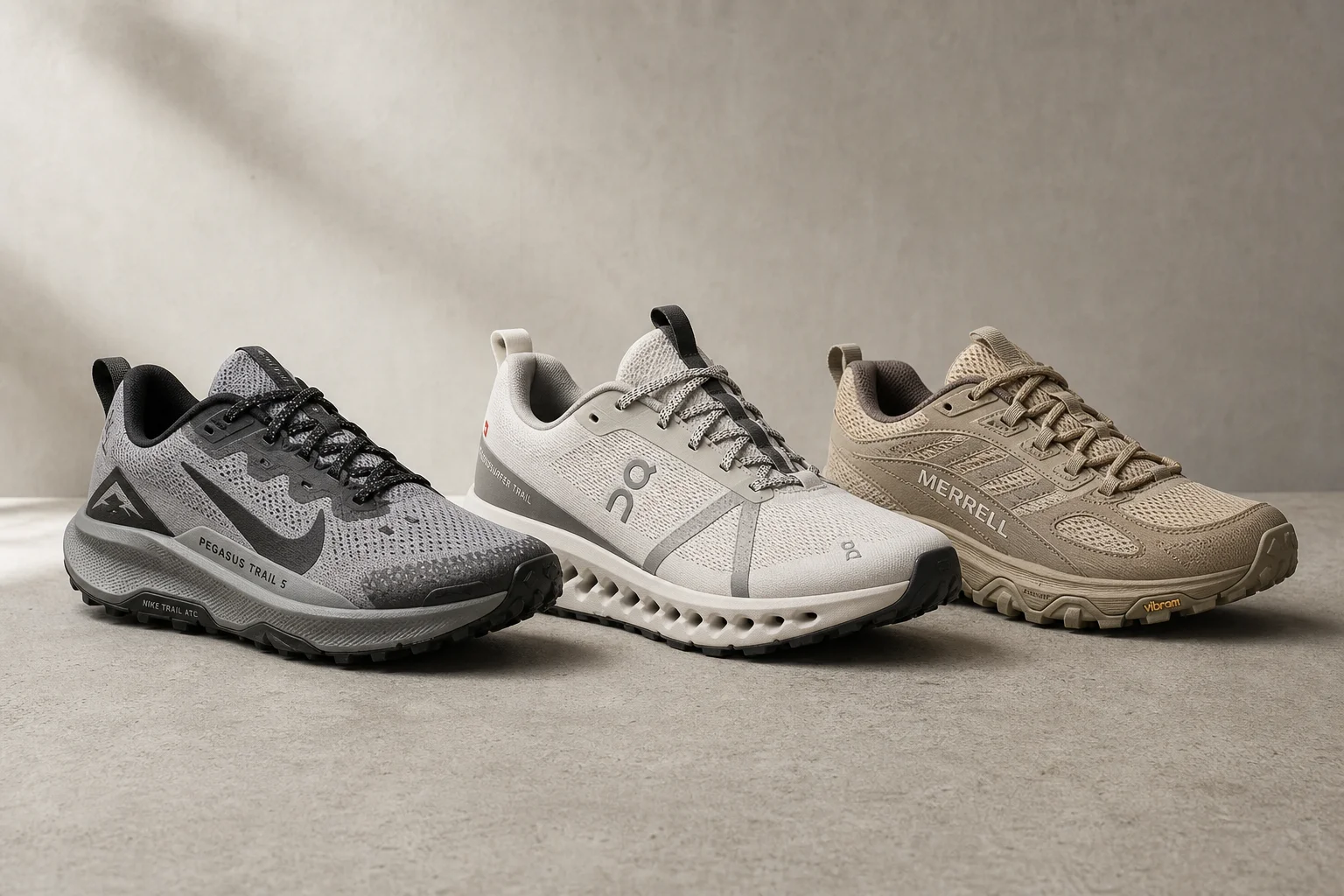
Best Road-to-Trail Running Shoes: Three Versatile Options for Mixed Terrain
A practical guide to three road-to-trail running shoes that handle both pavement and mild trails, with clear strengths and trade-offs for different runner types.
Running Shoes
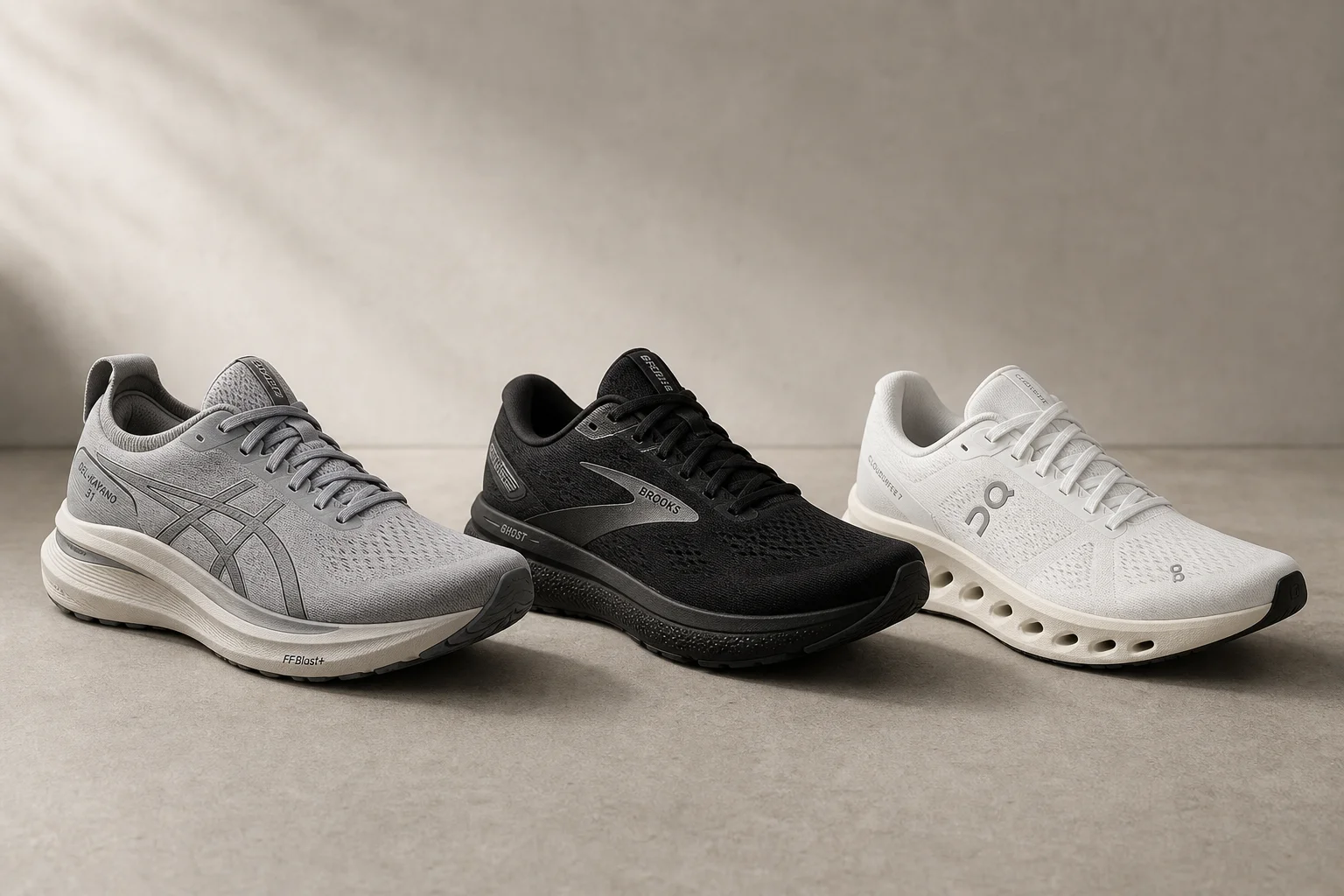
Best Running Shoes for Achilles Tendonitis: Three Options Explained
Three running shoes with different heel drops and support features designed to help reduce Achilles tendon pain during walking and running.
Running Shoes
Best Running Shoes for Women: Five Top Choices Ranked
A ranked guide to five women's running shoes, from versatile daily trainers to high-performance racing options, with real strengths and trade-offs for each.