Running Shoes
Best Carbon Racing Shoes 2024: Saucony Endorphin Pro 4 vs the Competition
Five super shoes compared on weight, midsole response, upper fit, and outsole grip, with the Saucony Endorphin Pro 4 as the reference point.
Introduction
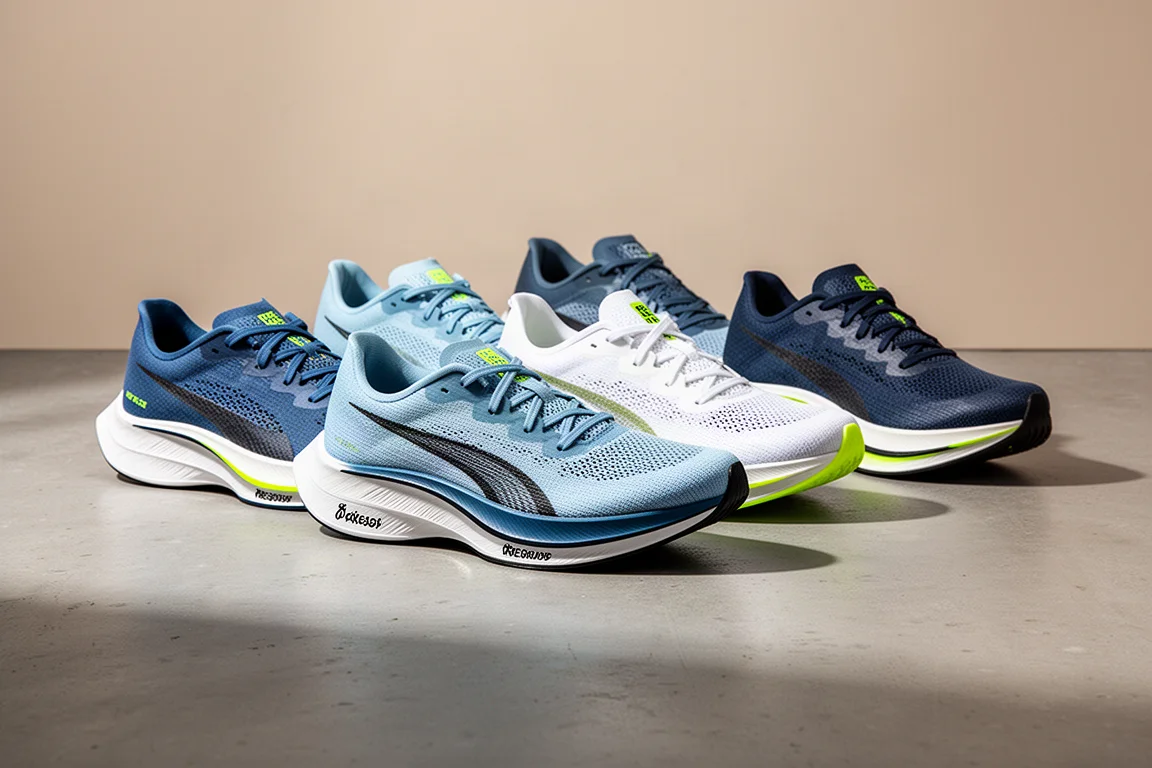
Carbon racing shoes have converged on a very similar template. Across the current crop of super shoes, heel stack sits around 42 to 43 mm in a typical road-racing size, with drops ranging between 8 and 5 mm. The midsoles have moved away from the ultra-soft feel of a few seasons ago toward more responsive foams that snap back quickly at speed, which is exactly what most racers want on race day.
This roundup puts the newly released Saucony Endorphin Pro 4 up against four stiff carbon competition: the Nike Vaporfly 3, the Adidas Adios Pro 3, the On Cloudboom Echo 3, and the Hoka Rocket X 2. Aside from upper fit and outsole traction, there is genuinely not a lot separating them these days, so the details matter. Here is how each one stacks up.
Saucony Endorphin Pro 4
The Endorphin Pro 4 comes in at about 249 g in a UK size 11 / US 12, right in the middle of the pack by weight. A layer of PWRRUN HG foam underfoot makes this version noticeably more responsive than its predecessors, and the midsole feels lively and quick to return to form across all effort levels.
The upper is one of the strongest parts of this shoe. Compared to the baggy fit of the Vaporfly 3, the volume here is spread more evenly through the toe box, so runners with higher-volume feet will likely get a better fit. Lockdown is consistent and easy to achieve, though the stock laces are thin and wiry enough that swapping them out is a reasonable tweak.
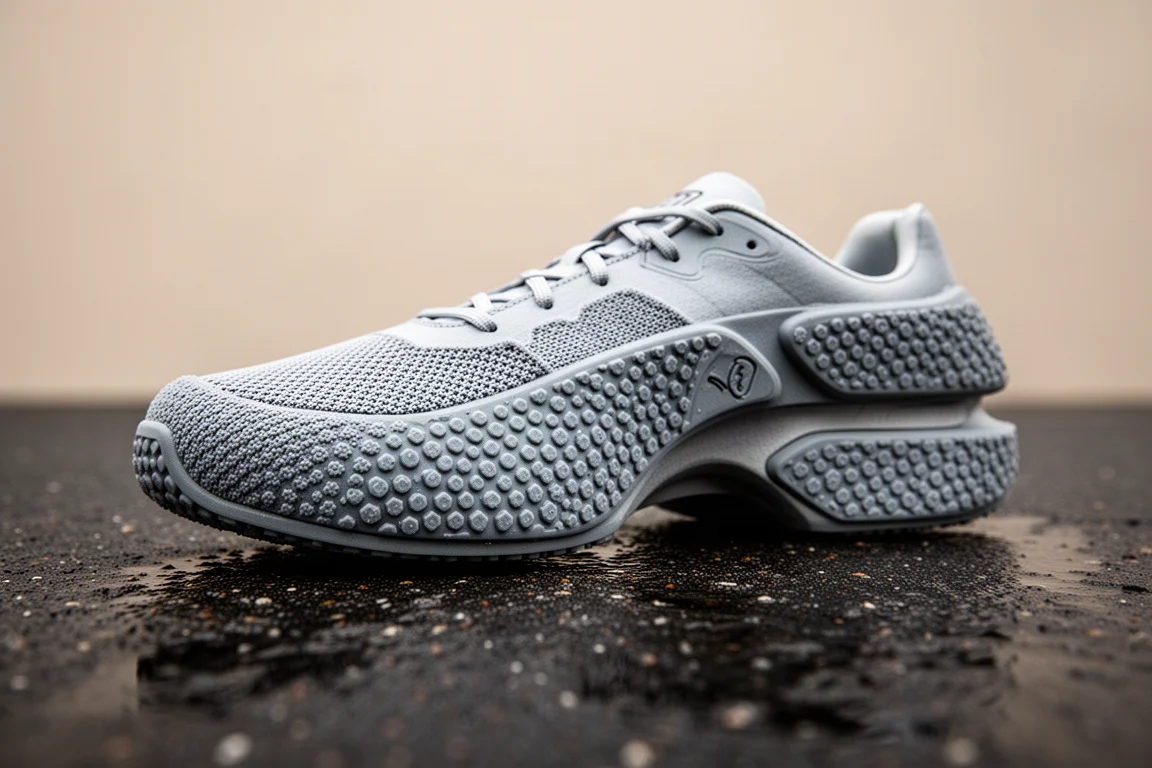
Outsole grip has taken a big step forward. The rubber traction works across different weather conditions, and an enhanced heel section stretches further back for more coverage. One quirk to note: the stitched-in tongue folds over slightly as you cinch the laces, which can bunch a little if you have a narrower foot.
Performance-wise, this is the most versatile shoe of the group. It feels exciting across everything from 5K reps to marathon effort, and testing analysis consistently edged toward it. That combination of fit, response, and grip makes it easy to recommend for just about any distance.
Nike Vaporfly 3
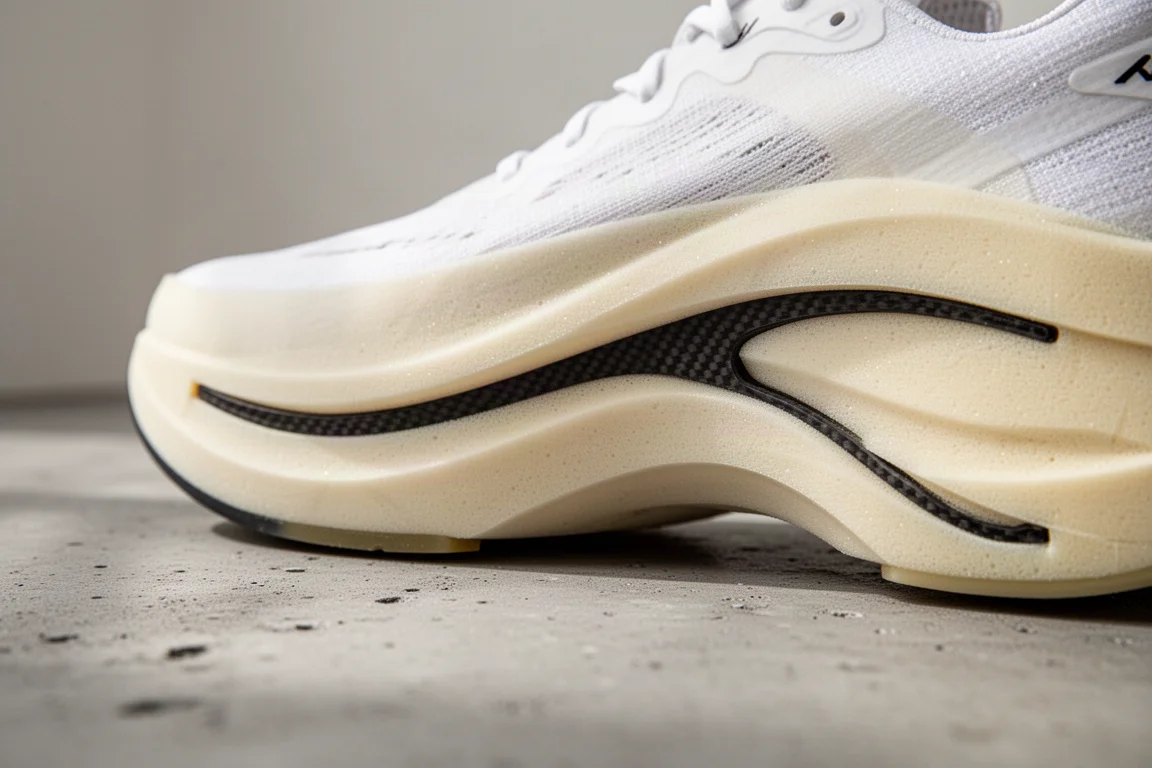
The Vaporfly 3 is the lightest shoe here by a clear margin, roughly 16 g lighter than the Endorphin Pro 4. That saving likely comes from the very open, holey upper and the relatively thin rubber on the outsole.
The midsoles across this group are on par with each other, and the Vaporfly 3 is no exception at race pace. Where it falls short is fit and character at lower intensities. The upper runs baggy with a lot of material and volume concentrated in the toe box, and at slightly slower paces such as marathon effort, it never felt especially engaging.
Grip and durability have improved over the last two iterations, though there are reports of rubber pieces coming off on first runs. For higher-volume feet in particular, the Endorphin Pro 4 is the better-suited option; runners with narrow, low-volume feet may prefer the roomier Vaporfly.
Adidas Adios Pro 3
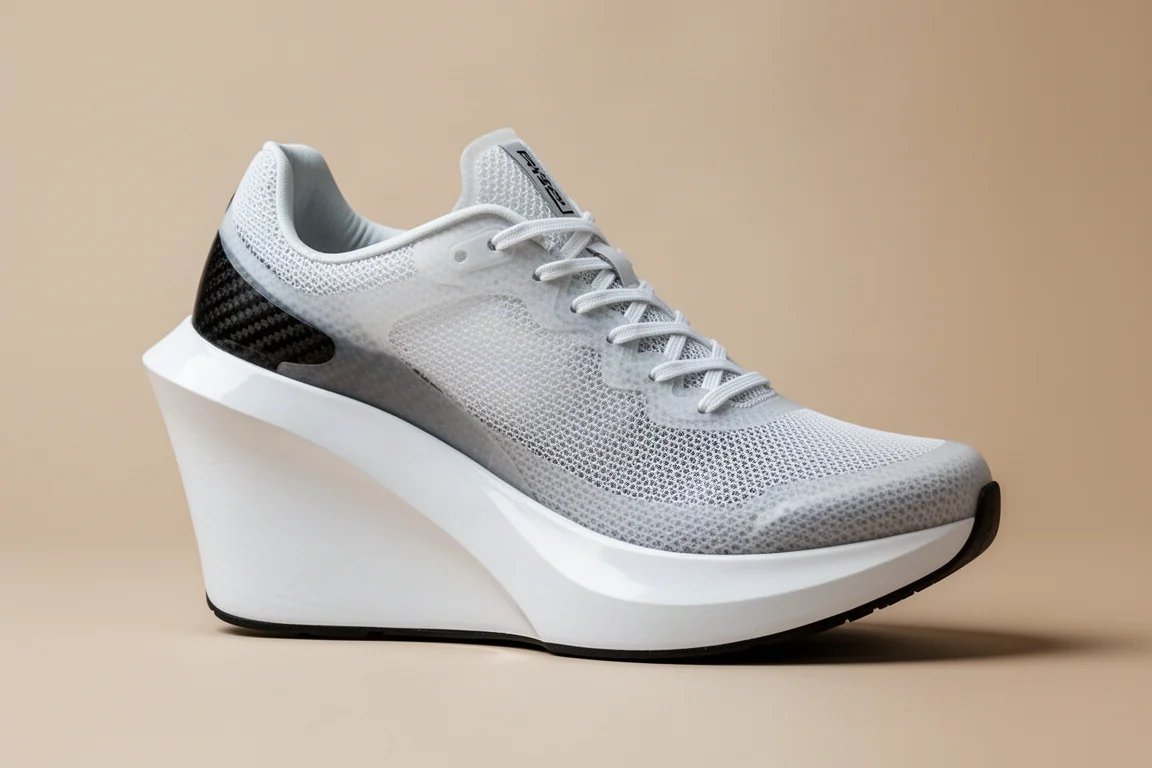
The Adios Pro 3 comes in around 260 g, and its foam is a little denser and firmer than the others, though it frees up as the miles accumulate. Durability is a genuine strength here: some PEBA-based midsoles break down faster, but this one holds up very well over time.
On-foot profile is good, but lockdown was fiddly to achieve. The lace loops made it hard to feel fully locked in, and getting the tongue to lie completely flat took effort. The Continental rubber outsole is a plus on dry roads, but it turned slippery in wet conditions and on muddy patches.
This shoe is tuned for longer efforts. It performs well across a range of paces, but for 5K and 10K racing it is not the sharpest pick. It is better viewed as a half marathon and marathon specialist. Notably, it is currently available at a discount of around £150 in the UK, which makes it one of the best-value top-tier racers right now if you are chasing that kind of deal.
On Cloudboom Echo 3
The Cloudboom Echo 3 sits at around 260 g and has the lowest-profile stance of the group. It is the narrowest in the heel and the forefoot, and the denser, firmer PEBA-based foam partly exists to compensate for that narrow base and keep stability in check. A softer foam on this platform would suffer.
Two standout details: the silicone-infused laces hold their tension beautifully and stay exactly where you set them, and the very low profile around the ankle and heel keeps material to a minimum, improving flexibility and range of motion. A traditional but low-profile heel counter rounds out a clean fit.
The main concern is outsole durability. The foam itself holds up well, but the paint on the heel wore and flaked quickly, particularly on the lateral side, and the rubber coverage is thinner than the Endorphin Pro 4’s, especially at the rear. PEBA racers of this type generally last a couple of hundred miles before retiring to tempo duty.
Hoka Rocket X 2
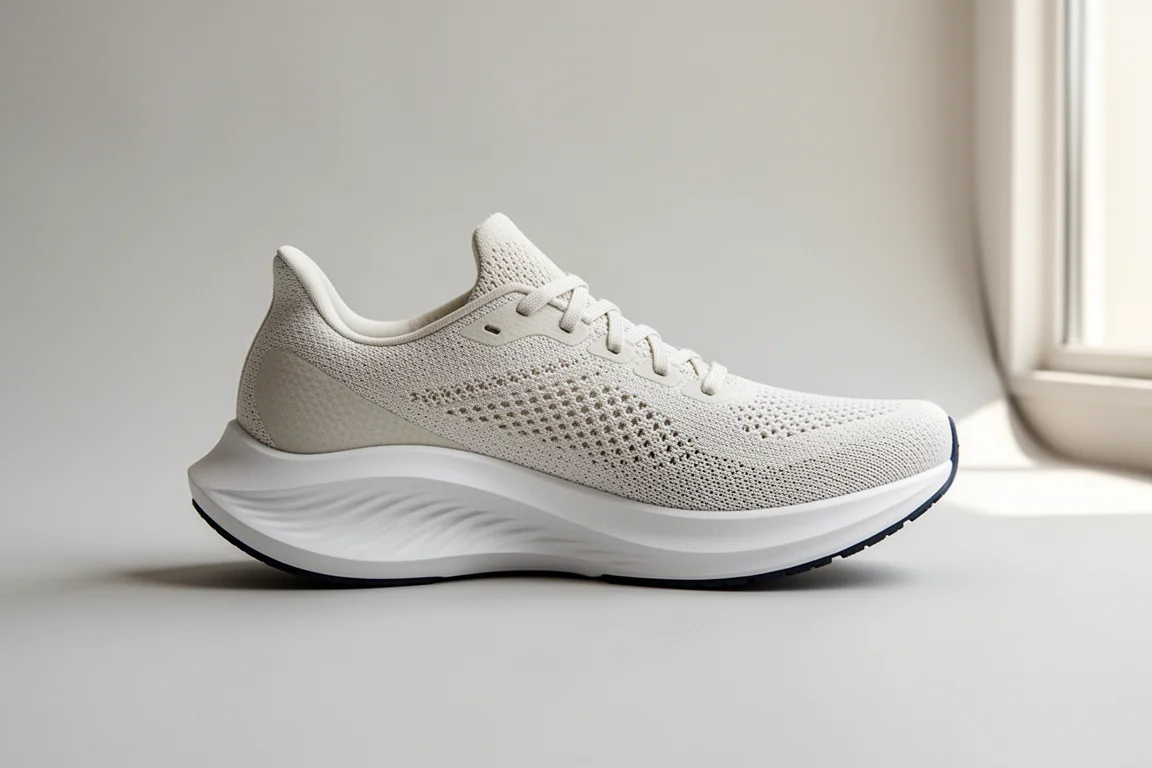
The Rocket X 2 is nearly identical in weight to the Endorphin Pro 4, within a gram or so, at about 253 g. The heel stack sits around 42 mm with a slightly lower 5 mm drop. It is one of Hoka’s best shoes to date and ticks most boxes for a fast carbon-plated shoe from 10K upward.
The foam is a softer, more standard slab than the Endorphin Pro 4’s pallet-style construction. One underappreciated design decision elevates it: there is no strobel board under the insole, so your foot sits directly on top of the foam, which noticeably improves the underfoot feel.
Lockdown is on par with the Saucony and perhaps slightly more traditional, with a partial gusset that keeps the tongue from sliding and breathes well. Grip is decent on road but lacks the depth of the Endorphin Pro 4 outsole, and this shoe is strictly a road option: debris, branches, and mud are out of the question. The Saucony keeps a slight edge in versatility, and this one is tuned for longer efforts; the added softness makes very fast 5K efforts less ideal.
Overall Buying Advice
If you want one shoe for everything from 5K to the marathon, the Saucony Endorphin Pro 4 is the most versatile of the group, with the strongest balance of lockdown, responsiveness, and outsole grip. The Vaporfly 3 wins on pure weight and suits low-volume feet at race pace. The Adios Pro 3 is the durable marathon specialist and a strong buy when discounted. The Cloudboom Echo 3 offers a low, narrow, locked-in ride with excellent laces, but check heel wear expectations. The Rocket X 2 is a brilliant long-effort racer with a superb underfoot feel, as long as you stay on clean roads.

Conclusion
The playing field among carbon racing shoes is closer than ever. Differences now come down to fit, outsole traction, and which effort levels each shoe feels most alive at. Match the shoe to your foot shape and your target race distance, and any of these five will deliver a genuinely fast ride.
Further reading
Related Reviews

Running Shoes
Best Road-to-Trail Running Shoes: Three Versatile Options for Mixed Terrain
A practical guide to three road-to-trail running shoes that handle both pavement and mild trails, with clear strengths and trade-offs for different runner types.

Running Shoes
Best Running Shoes for Achilles Tendonitis: Three Options Explained
Three running shoes with different heel drops and support features designed to help reduce Achilles tendon pain during walking and running.

Running Shoes
Best Running Shoes for Women: Five Top Choices Ranked
A ranked guide to five women's running shoes, from versatile daily trainers to high-performance racing options, with real strengths and trade-offs for each.