Running Shoes
Best Carbon Race Shoes Right Now: Hoka Rocket X2, Nike Vaporfly 4, and More
Four carbon-plated running shoes compared: why the older Hoka Rocket X2 still outruns newer rivals, and where the Vaporfly 4, Cielo X1 2.0, and Sky Flow fit in.
Introduction
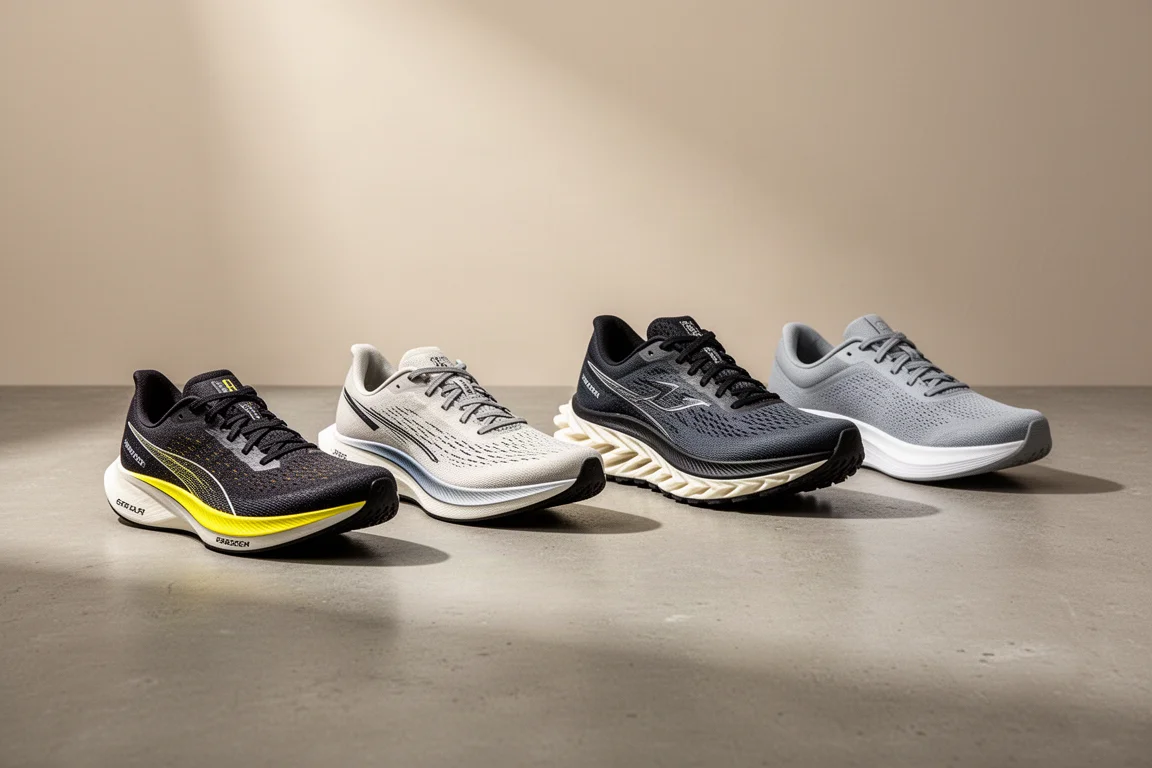
Race shoe shelves move fast, and it is easy to assume the newest release is automatically the best one. A closer look at four current options tells a more interesting story. The Hoka Rocket X2, a race shoe that launched a couple of years ago, still delivers performance that stands up against anything newer. The Nike Vaporfly 4 is competent and lightweight but stops short of feeling special. The Hoka Cielo X1 2.0 piles comfort into an aggressive shoe and loses something important along the way. And the Hoka Sky Flow is a solid daily trainer that only works well for one specific kind of running. Here is how they stack up.
Hoka Rocket X2: The Older Race Shoe That Still Wins
The Rocket X2 was Hoka’s top-tier race shoe when it launched, and it remains their first serious race foam and carbon fiber plate package. Its key trait is a firmer, denser foam than most modern super shoes, paired with a well-tuned rocker and a lower stack in the mid-30s millimeter range rather than the taller 40mm-plus platforms some rivals use. That combination gives it a direct, responsive ride that rewards power.
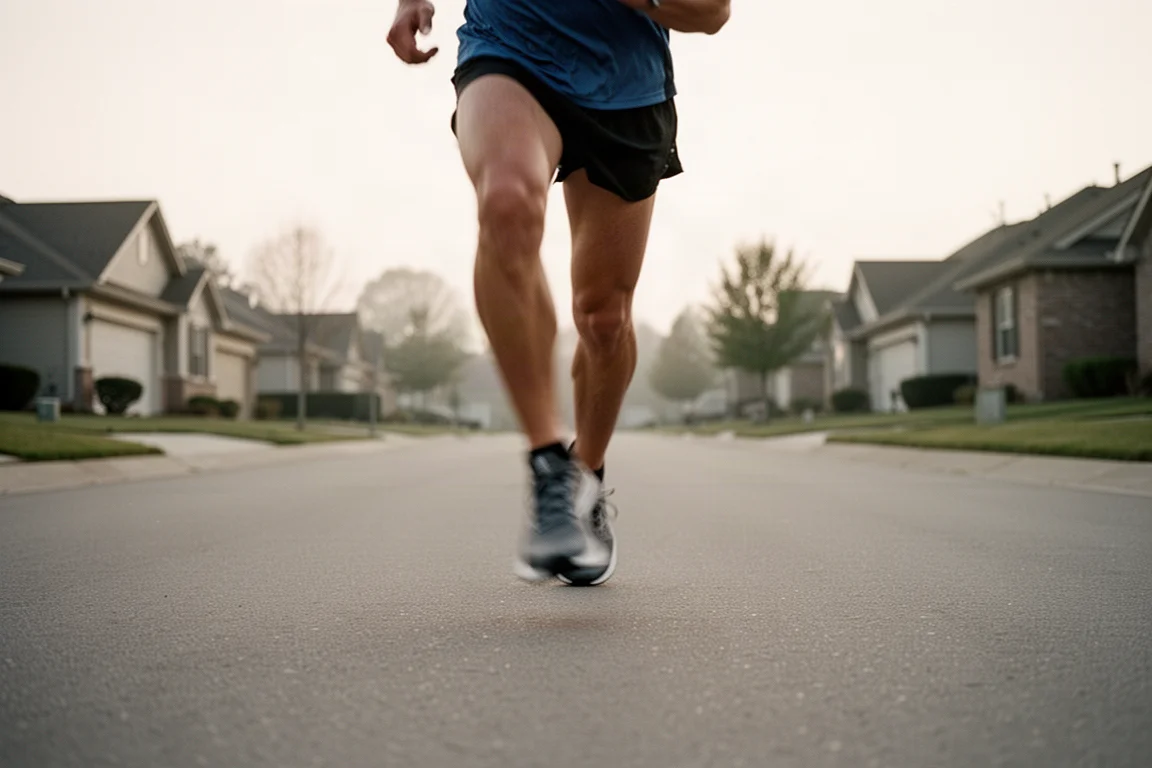
What stands out most is how it behaves at speed. At relaxed paces it feels like a no-frills, firmer-tuned shoe. But once the pace drops toward marathon pace or faster, the rocker, plate position, and foam tune work together to drive through the midfoot and pop off the forefoot. It responds well to heel strikes, midfoot strikes, and forefoot strikes alike, and the wider base plus a carbon plate that peeks out at the front make it notably stable for the category.
At around 100 total miles of use, the bounce is still intact, which is a durability point worth noting. Its only real drawback is availability: as an older model, it is hard to find discounted at mainstream retailers, and it still sells near its $250 MSRP. At that price with performance this strong, it remains worth considering, and it is a more confident pick than most of the current crop for 10K, half marathon, and even full marathon racing.
Nike Vaporfly 4: A Solid Workhorse, Not a Game Changer
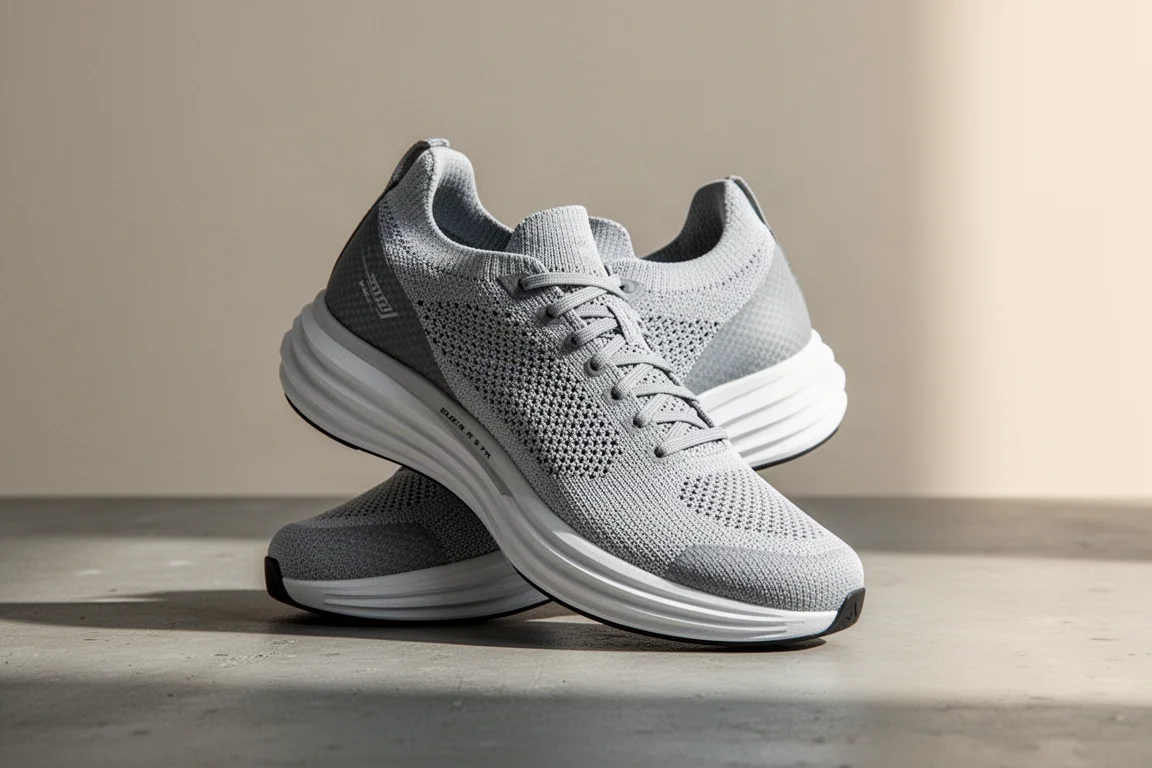
The Vaporfly 4 sits at the opposite end of the spectrum. It is very lightweight, so running fast in it is never difficult, but it is a workhorse-style speed shoe: you have to put effort in to get speed out. It does not deliver the split-dropping, watch-checking feeling of shoes that actively push you along, and the platform feels narrow, which limits stability confidence for bigger or more powerful runners.

For lighter, higher-cadence runners who prefer softer foams, the Vaporfly 4 is a genuinely good match and will feel more cushioned and comfortable than the Rocket X2. It earns a thumbs-up for what it is designed to do. It simply is not a shoe that changes your race-day math, and for powerful runners at faster paces it can feel like standing on top of a soft platform rather than getting energy back.
Hoka Cielo X1 2.0: Too Much Foam in the Wrong Place
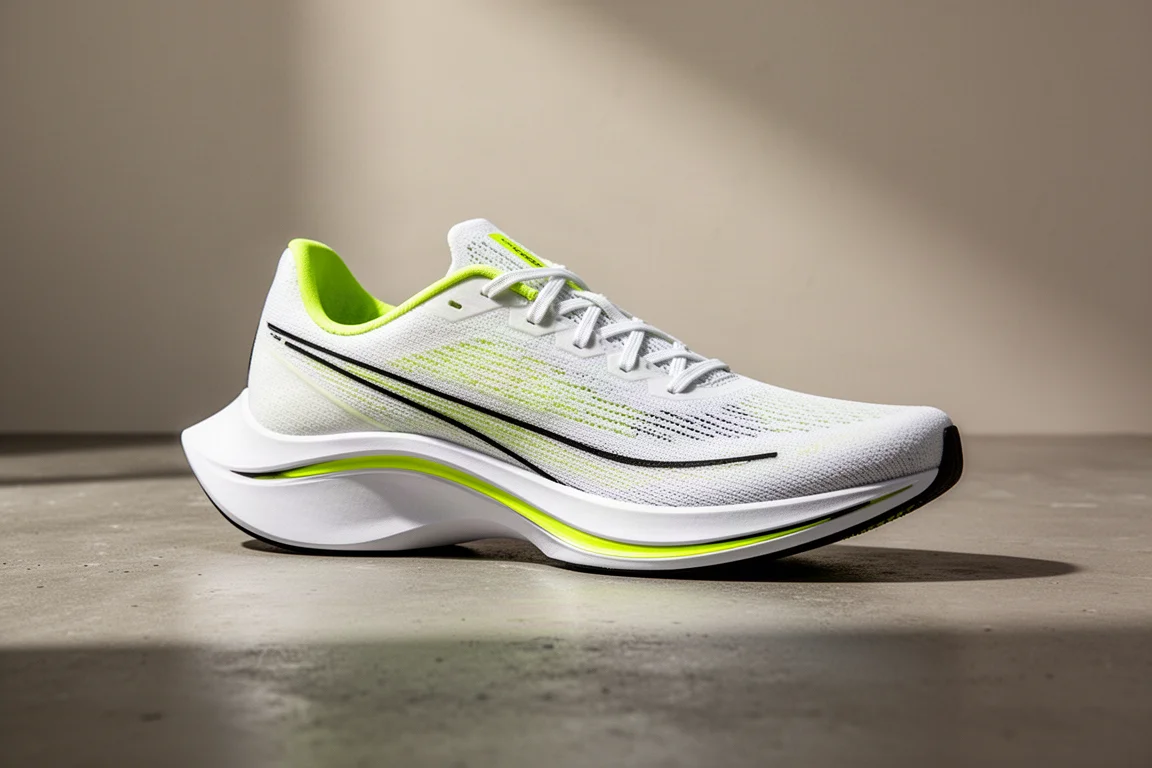
The Cielo X1 2.0 is the puzzling one. Hoka stuffed extra foam into the midfoot to make an aggressive race shoe more comfortable, and the result is a midfoot that turns to mush under hard running. The original Cielo X1 worked because it balanced stability and comfort. The 2.0 adds comfort but removes the stability, which undermines its purpose as a fast, top-tier racing option.
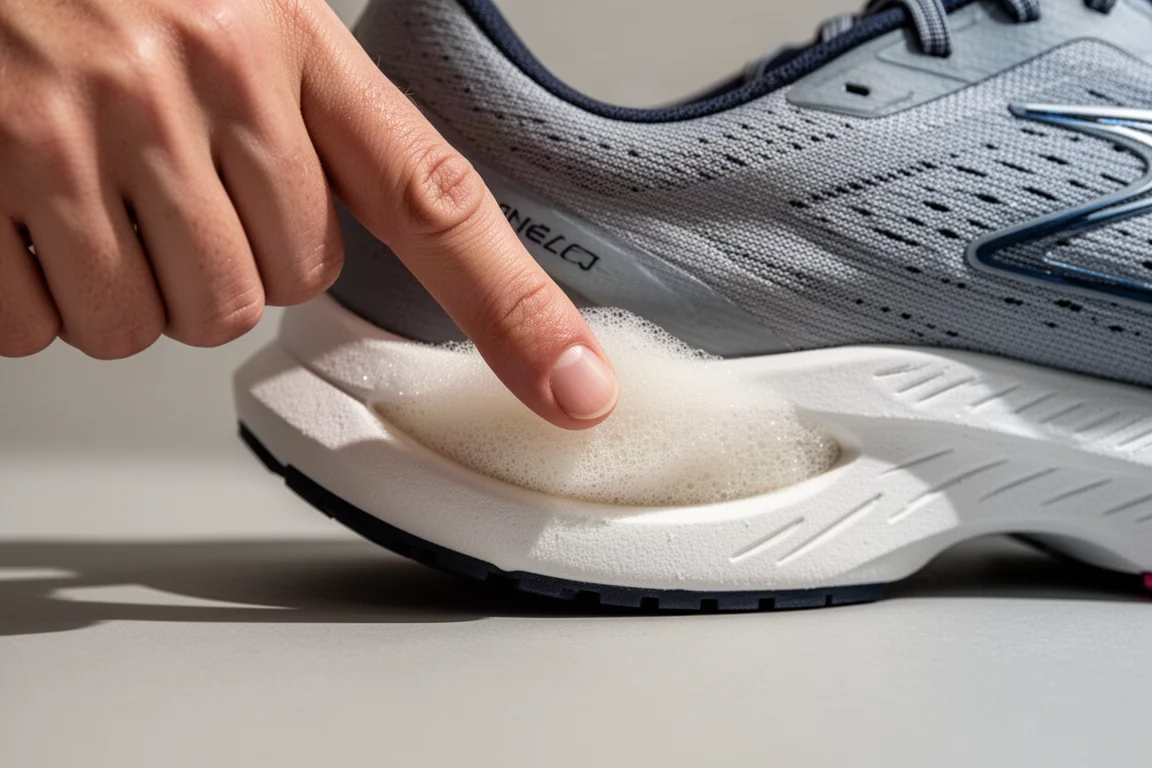
If you want an aggressive race shoe, an aggressively tuned package is usually the better buy. The Cielo X1 2.0 tries to do too much at once, and runners who put a lot of force through the middle of the shoe will feel the midsole collapse exactly when it matters most.
Hoka Sky Flow: A Firm Daily Trainer With Clear Limits
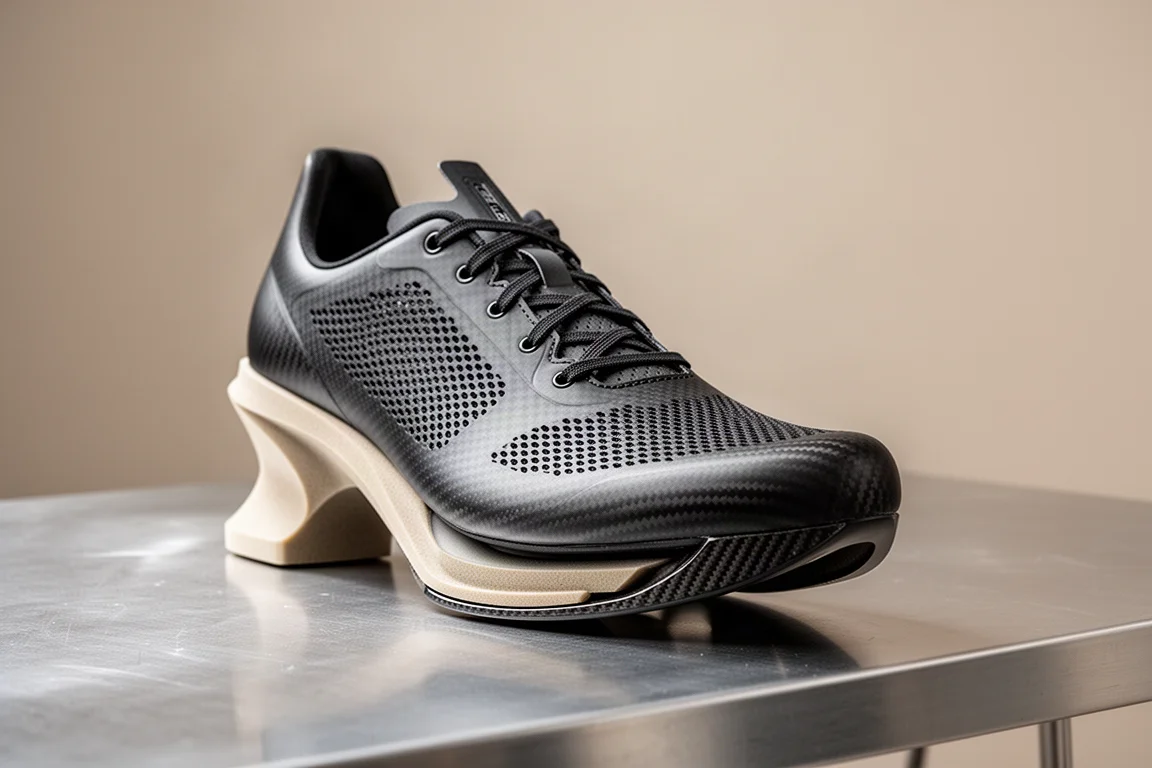
The Sky Flow, priced at $150, is Hoka’s standard daily trainer built on super critical EVA foam that is firmer than the Bondi, with good bounce and a genuinely nice rocker. It is not exceptional at any single thing, but as a workhorse for logging daily miles it made several shortlists in its first year.
Its limitation shows up at relaxed paces. For bigger or more powerful runners, the firm foam is hard to compress at easy paces around 7:15 or slower, and the ride can feel harsh and unforgiving on tired legs. Where it shines is faster running: at tempo efforts down toward marathon pace, the firmness becomes support, and it is also a strong treadmill option. It is a morning-run shoe, not a recovery-day shoe, and runners who want a softer feel for easy miles may prefer the Clifton instead.

One open question after time on the shelf: like a few firm daily trainers, it needed a couple of runs to break in and soften up when new, and after months of storage it felt fresh out of the box again. If you buy one, give it a few runs before judging it.
View more details for Hoka Sky Flow
Buying Advice
Match the shoe to your stride and your paces. If you are a bigger or more powerful runner who wants a stable, responsive race shoe for everything from 10K to the marathon, the Rocket X2 is the standout here, even at full price. Lighter runners who like softer foams will be happier in the Vaporfly 4. The Cielo X1 2.0 is best skipped unless you have already run it and liked it. And the Sky Flow works as a daily trainer only if you consistently run your easy days fast enough to load the foam.
Conclusion
Newer does not always mean better. The Rocket X2 proves that a well-executed traditional formula can beat fresh releases, the Vaporfly 4 shows how competent-but-unremarkable looks in practice, the Cielo X1 2.0 demonstrates what happens when comfort is forced into the wrong shoe, and the Sky Flow is a reminder that even good trainers have a pace window. Choose based on how you actually run, and each of these can earn its place in a rotation.
Further reading
Related Reviews

Running Shoes
Best Road-to-Trail Running Shoes: Three Versatile Options for Mixed Terrain
A practical guide to three road-to-trail running shoes that handle both pavement and mild trails, with clear strengths and trade-offs for different runner types.

Running Shoes
Best Running Shoes for Achilles Tendonitis: Three Options Explained
Three running shoes with different heel drops and support features designed to help reduce Achilles tendon pain during walking and running.

Running Shoes
Best Running Shoes for Women: Five Top Choices Ranked
A ranked guide to five women's running shoes, from versatile daily trainers to high-performance racing options, with real strengths and trade-offs for each.