Running Shoes
Which Carbon Plate Racing Shoes Actually Improve Running Economy? A Practical Roundup
Lab-tested running economy data separates the top-tier carbon racers from the rest. Here is what stands out across nine popular super shoes.
Introduction
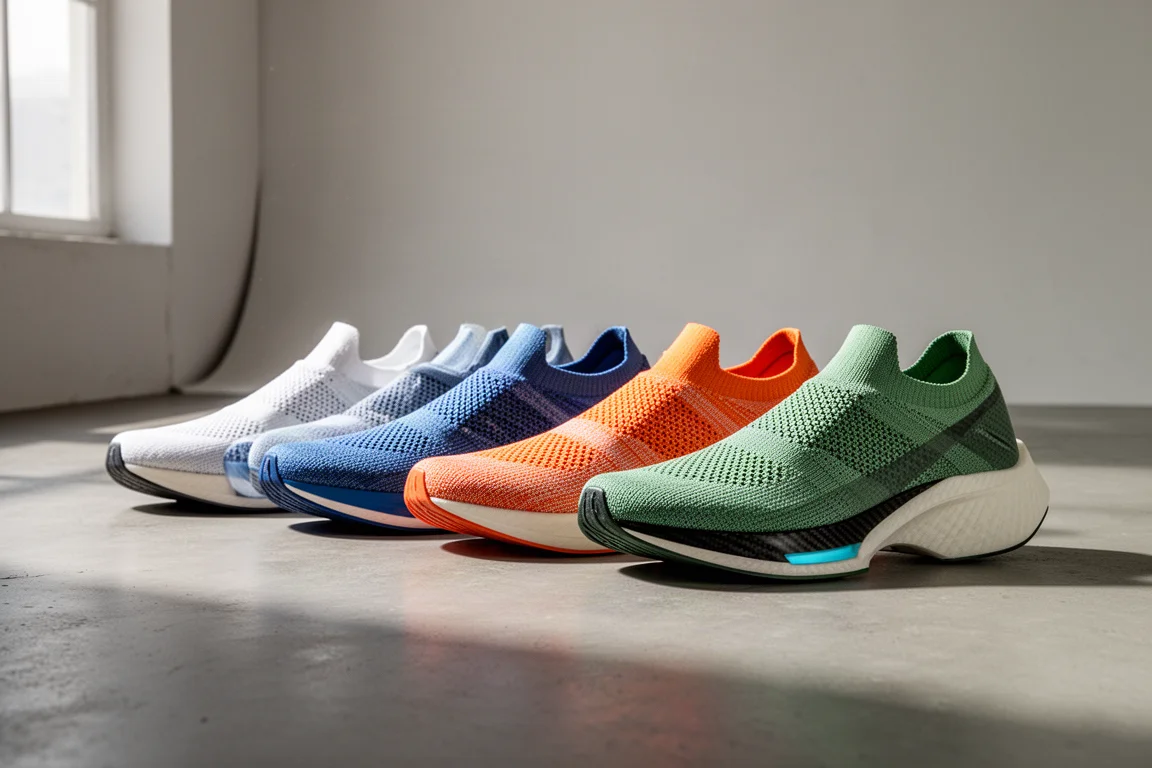
Carbon-plated racing shoes are no longer a single brand’s story. Every major manufacturer now sells a super shoe, and most cost well over two hundred dollars. But not all of them deliver the same return on that investment. Independent running economy testing comparing seven carbon racers against a regular non-plated training flat found that only a small group of shoes produced meaningful, statistically reliable improvements in running economy. The rest fell into a middle tier of modest gains, and at least one tested shoe offered essentially nothing for the researcher who ran in it.
This roundup walks through the nine shoes discussed in that work and in follow-up self-testing, explaining where each sits, who it suits, and what to weigh before spending serious money on a race-day pair.
How the Testing Was Done
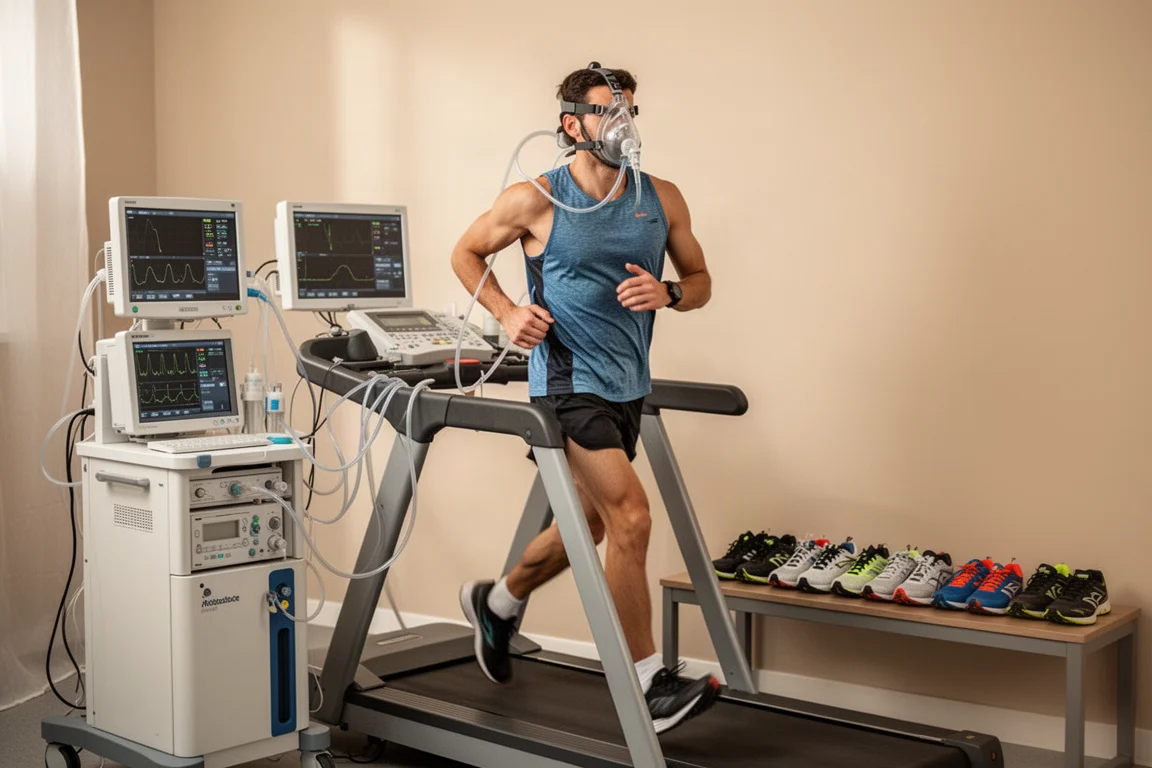
The comparison study tested runners at 16 kilometers per hour, roughly six-minute-mile pace, the most commonly used speed in running economy research. That pace requires athletes who can run a 5K in about 17:30 or faster, so the subjects were competitive male runners, mostly in the 135 to 165 pound range, who traveled an average of around 180 miles round trip for each lab visit. Oxygen consumption was measured to determine the energy cost of running in each shoe, and subjects also ranked their preferences and rated softness, stiffness, and energy return afterward.

An important caveat: the group was small, male-only, and fast. Previous research on the Nike Vaporfly line suggests similar economy benefits for men and women from about 14 km/h up to 18 km/h, but results at slower paces remain untested. One interesting side finding: runners made better shoe choices when thinking about marathon racing than 5K racing, and most people were poor at picking their own most economical shoe by feel alone.
The Top Tier: Nike Vaporfly
The Nike Vaporfly is the consistent benchmark. It is the shoe that has been studied the most, and it remains the most reliably responsive model across people in the published work. In the comparison study it stood at the top statistically alongside a small group of peers, and it produced running economy improvements of roughly four percent or more for some testers.
If you want the safest bet backed by the most independent data, this is the shoe the evidence points to first.
The Top Tier: Nike Alphafly
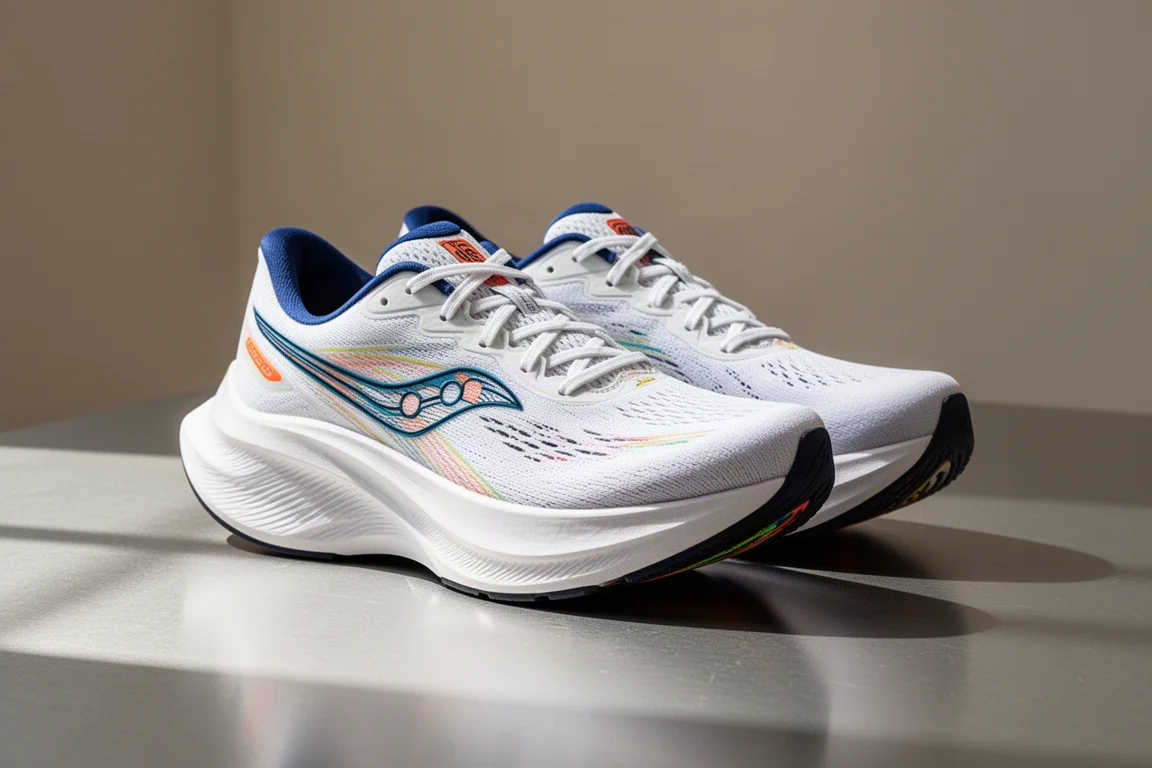
The Nike Alphafly performed similarly to the Vaporfly on running economy, which makes sense given the shared ZoomX foam technology. It had never been formally studied before, and the testing confirmed it belongs in the same top tier. In self-testing, one responder saw about four to four and a half percent improvement, close to five percent in some cases.
The trade-off is feel. The Alphafly carries noticeably more foam underfoot than the Vaporfly, and it feels bulky and big to some runners, even though it may be their most economical option. Notably, the extra weight did not come at a cost: many testers were more economical in the heavier Alphafly than in the lighter Vaporfly.
The Top Tier: Asics Metaspeed Sky
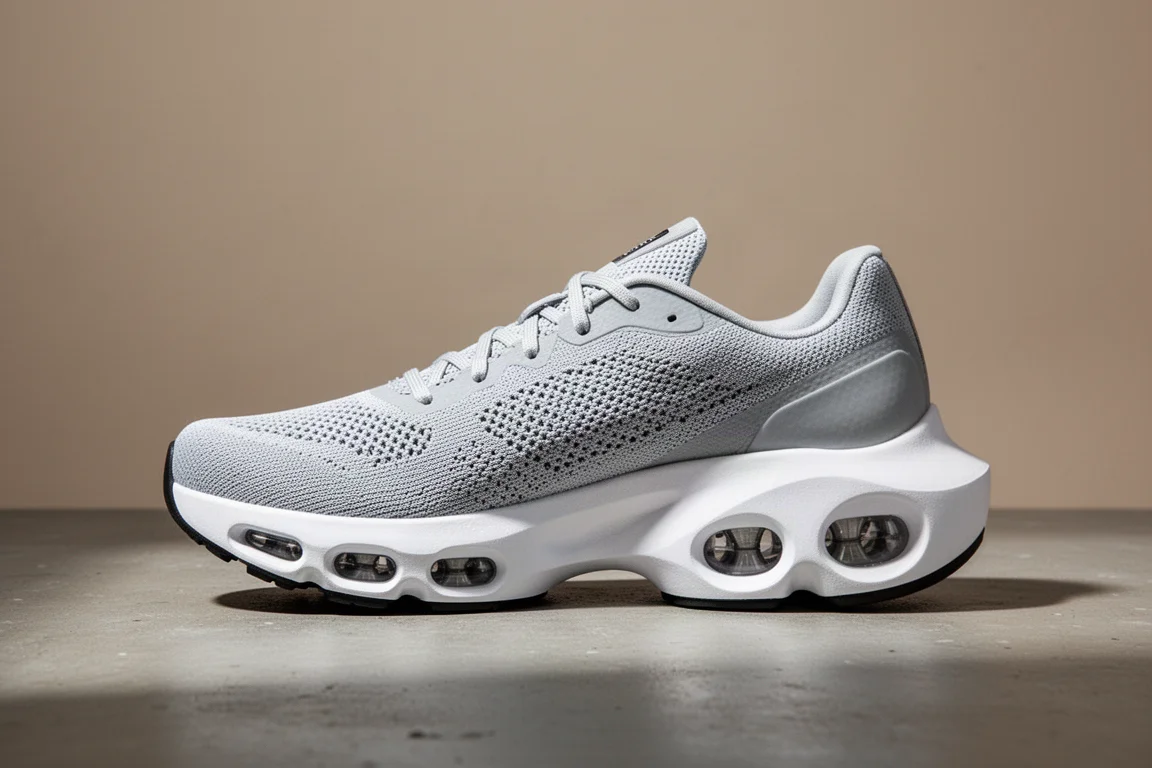
The Asics Metaspeed Sky was the surprise of the study. It performed similarly to the Nike pair from a statistical standpoint, making it the first clear non-Nike shoe to reach the top tier in an independent comparison. In personal self-testing it ranked second or third among all the shoes tried.
For runners who do not respond as strongly to the Nike lineup, or who prefer a different fit and ride character, the Metaspeed Sky is the most credible alternative the data currently supports.
What Actually Drives the Economy Gains
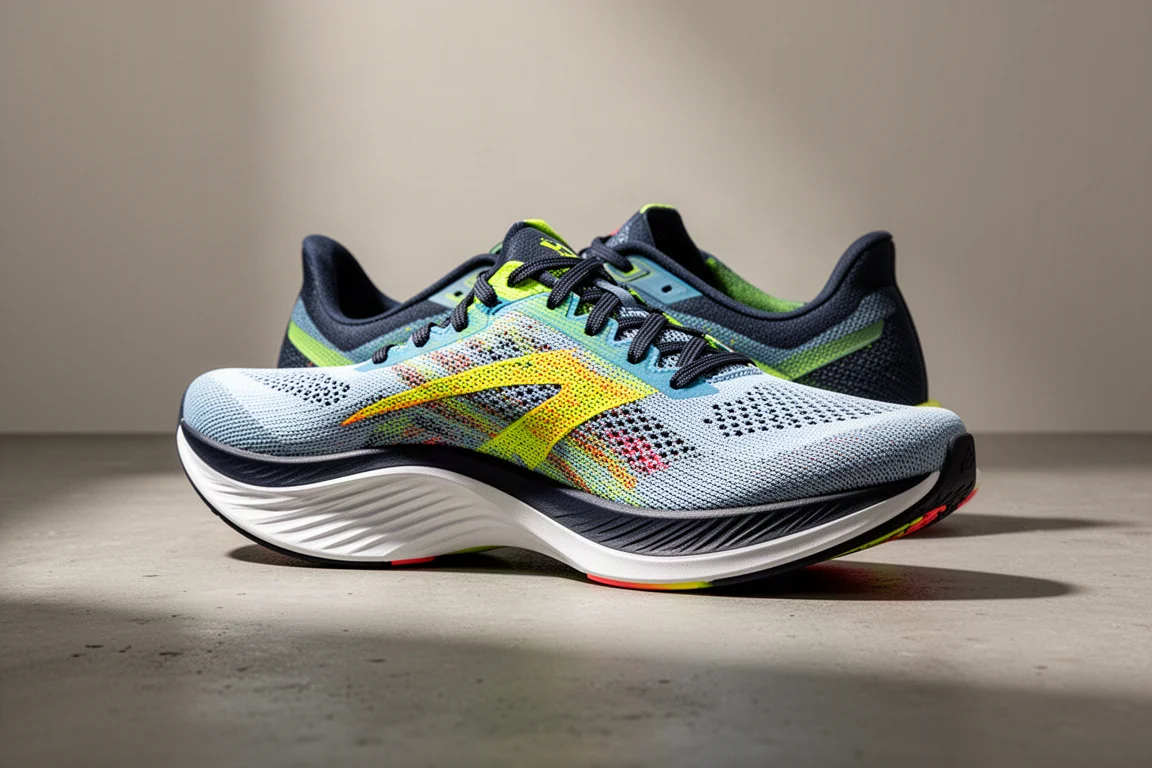
Across the lineup, the midsole foam appears to matter most. All tested racers had a carbon plate and most had increased stack height, but the biggest differences among them were the foams: EVA, TPU, and PEBA base materials, and what happens to those polymers during manufacturing. ZoomX foam, for example, is PEBA-based but feels very different from the PEBA-based foam in the Saucony Endorphin Pro. The original CU Boulder research partnered with Nike measured two key foam properties: compliance, which governs energy storage, and resilience, which governs energy return.
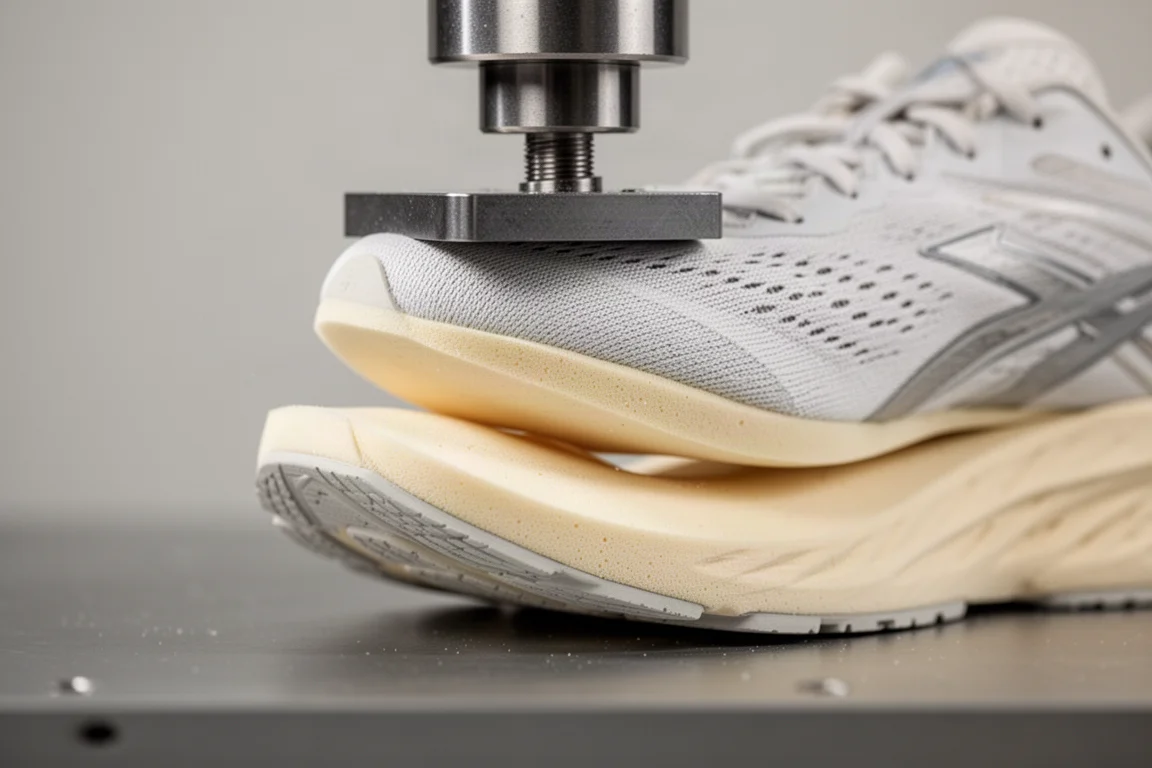
A useful working principle: if a shoe has good foam, adding more of it may cost little or even add benefit, which is why the heavier Alphafly can outperform the lighter Vaporfly. If the foam is not great, adding more of it likely adds cost without benefit. Manufacturers keep much of the processing proprietary, so buyers are left judging by feel, which the data suggests is unreliable.
The Middle Tier: Saucony Endorphin Pro
The Saucony Endorphin Pro delivered some improvement but did not reach the level of the top three in the group tested. It still counts as a shoe that helps, just less dramatically.
For runners who like its PEBA-based foam character, fit, or price point, it remains a reasonable choice, but the evidence currently places it a tier below the Vaporfly, Alphafly, and Metaspeed Sky.
The Middle Tier: New Balance RC Elite
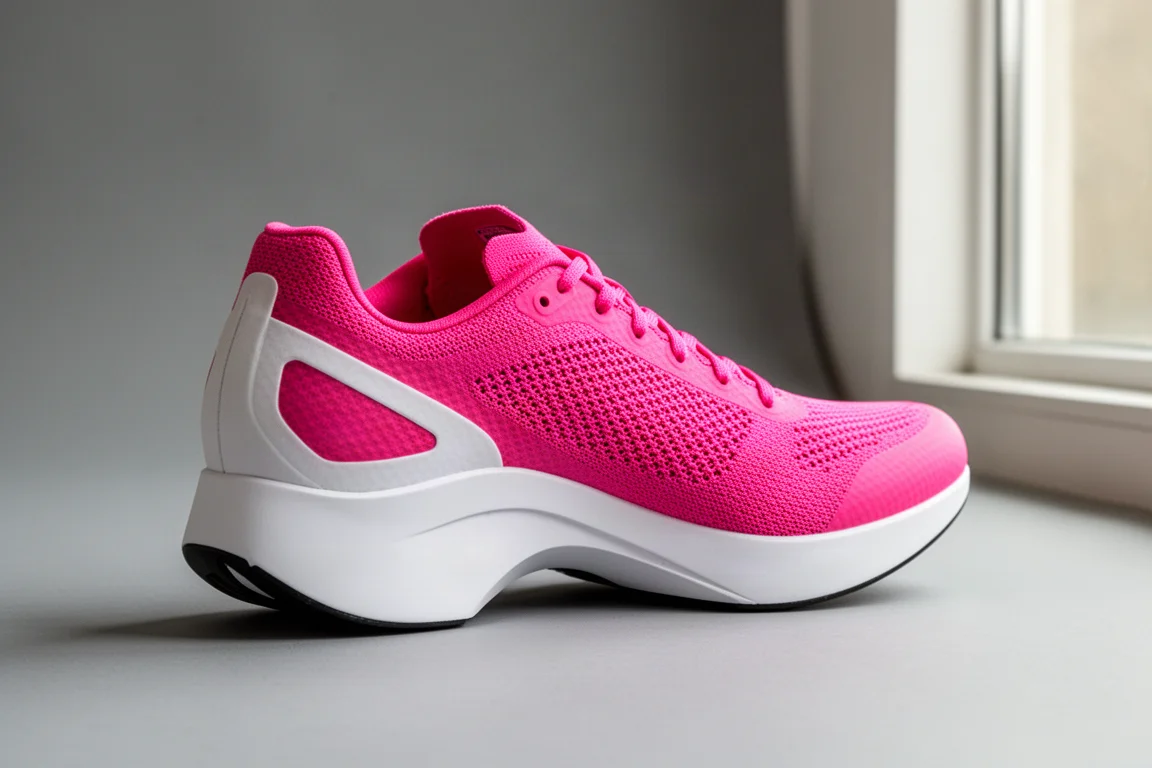
The first-generation New Balance RC Elite also fell into the middle tier: real, measurable benefit, but not statistically on par with the Nike pair or the Asics. Like the Endorphin Pro, it is a shoe that helps some, rather than one that transforms economy.
Runners who already train comfortably in New Balance’s fit may still find it a sensible race-day option within its tier.
The Middle Tier: Hoka Carbon X
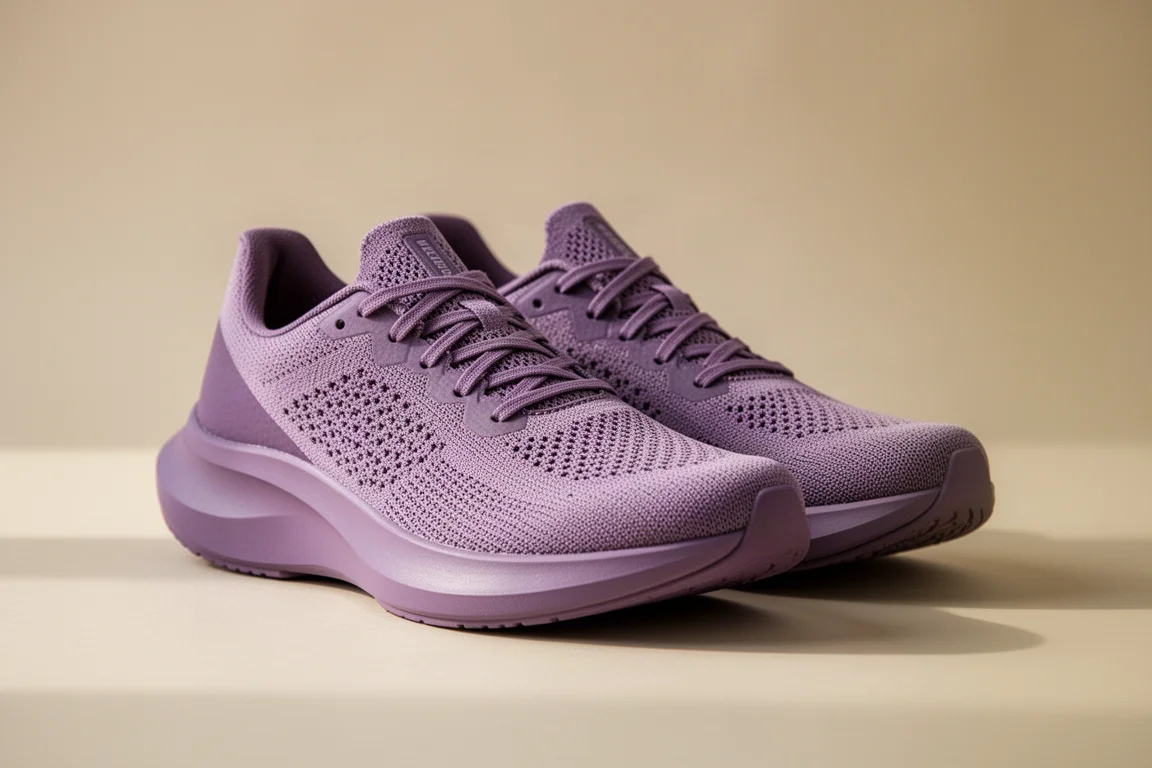
The Hoka Carbon X was the entry point for the researcher behind the comparison, chosen because it was more affordable. In his own lab testing before the full study, the shoe gave him essentially no benefit at several speeds, and that self-test is part of what motivated the broader comparison. In the group data it sits in the lower range of response.
The Carbon X still makes sense as a more affordable way to try a carbon-plated shoe, but buyers expecting Vaporfly-class gains should temper expectations.
A Closer Look: Saucony Deviate Nitro Elite
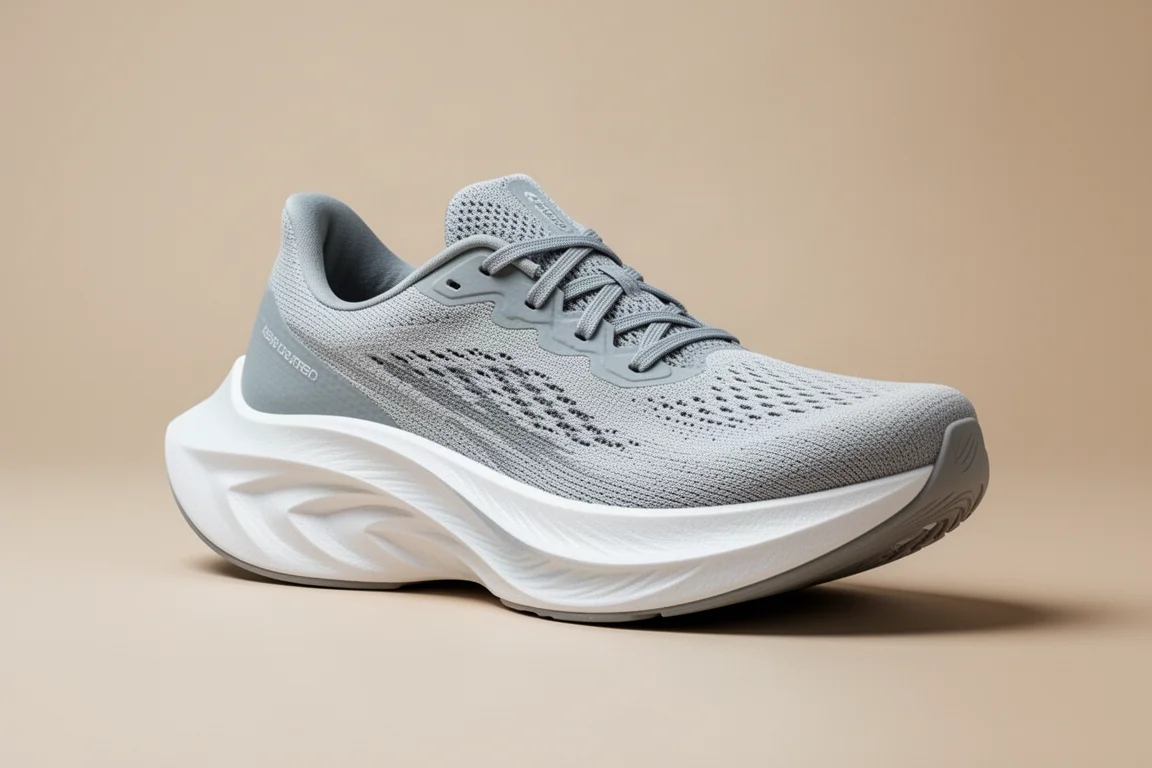
The Saucony Deviate Nitro Elite arrived with high interest after Molly Seidel’s Olympic marathon medal. In self-testing it produced around two and a half percent running economy improvement, a meaningful gain even though it trails the Alphafly’s roughly four percent for the same tester.
The shoe stands out for comfort. Its foam feels good underfoot, and it may be one of the more comfortable options in the category, though its stack is petite compared with the Alphafly, with less foam underfoot. Lighter or smaller runners with different mechanics may find it suits them better than the numbers above suggest.
A Closer Look: Adidas Adios Pro 2
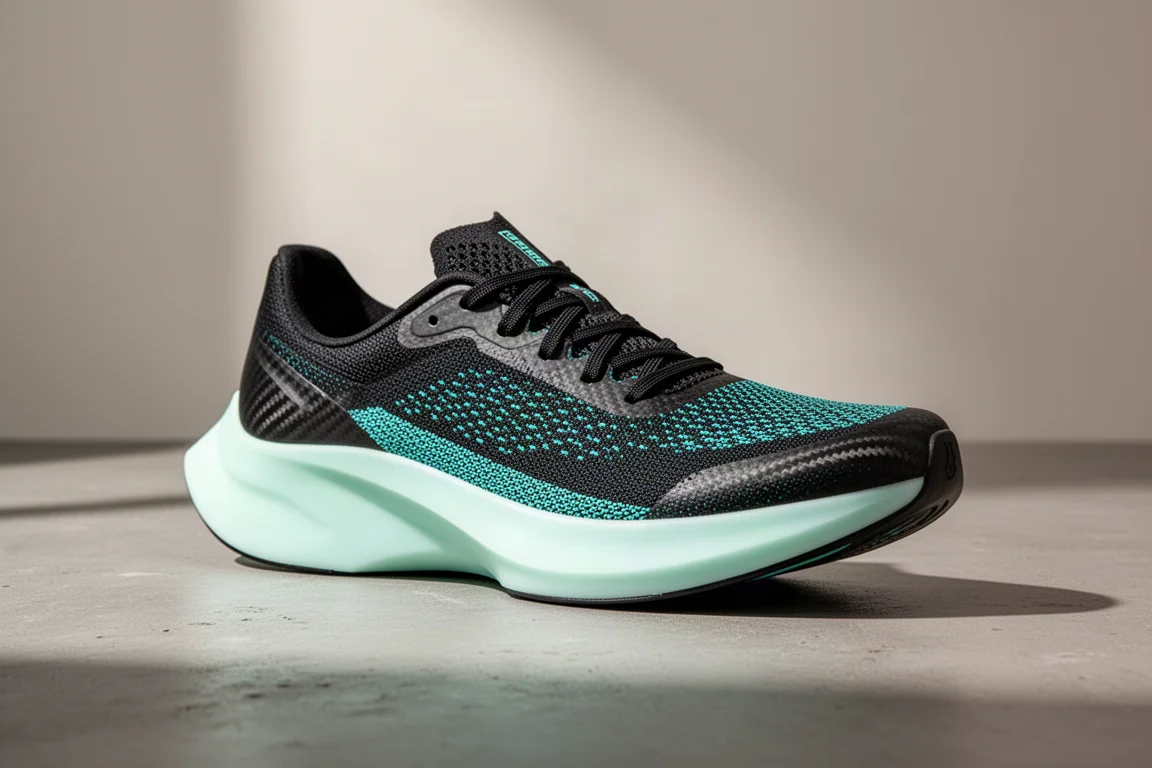
The Adidas Adios Pro 2 was the notable omission from the formal comparison; it simply could not be sourced in time, not an oversight. In later self-testing the shoe did not perform well for that individual tester, whose case-study data historically tracks closely with group averages. Its Lightstrike Pro foam feels very different from ZoomX, and early production samples may even differ from later ones.
The honest read: elites run extremely fast in this shoe under contract, so the anecdote suggests it works for many athletes, but independent economy validation is still missing. If you respond well to it, great; if you can test it against a benchmark, even better.
A Closer Look: Adidas Adizero Prime X
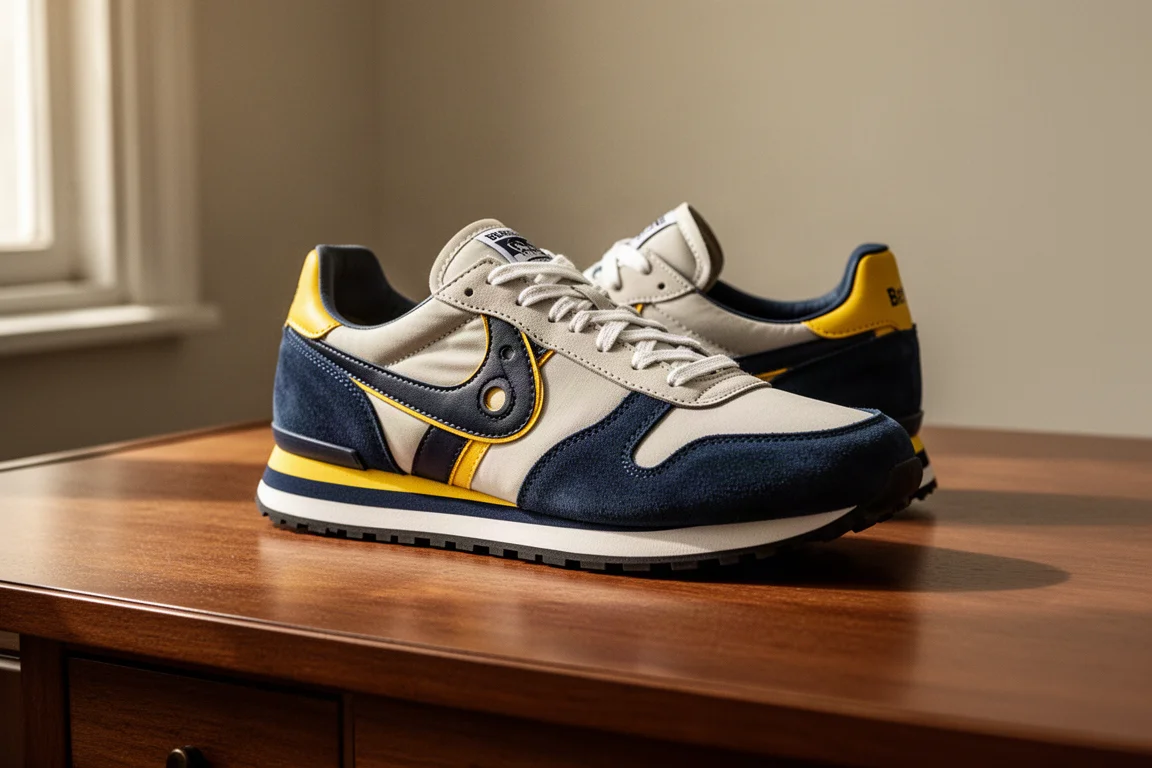
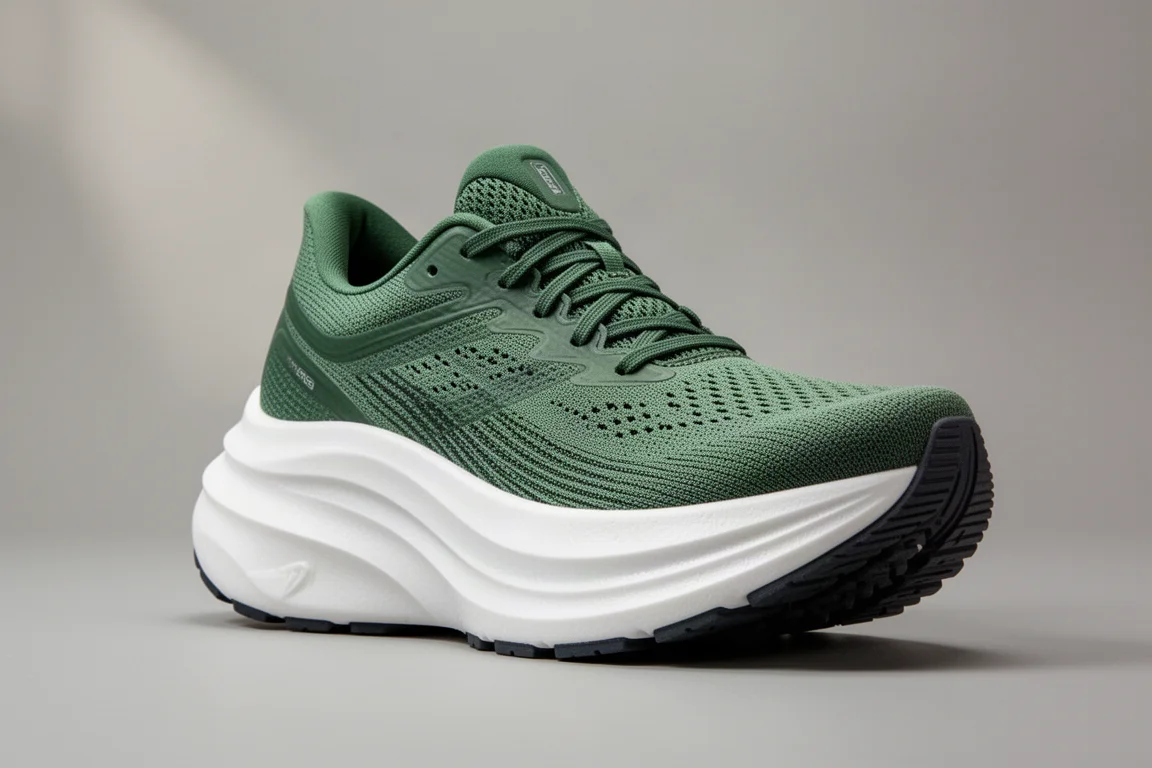
The Adidas Adizero Prime X takes the “more of the same foam” idea to its extreme, with a towering stack that terrified even a seasoned shoe tester. There is a critical catch: its stack height exceeds the legal competition limit under World Athletics rules, so you cannot race in it. One marathon winner was even disqualified for racing in the pair.
As a trainer or marketing exercise, it is an interesting experiment. As a race-day investment, it fails the basic purpose of a racing shoe, so buyers should think carefully about what they are actually paying for.
Individual Response Matters
One of the most useful insights from the work is that “responsiveness” varies. Even within the top shoes, testers ranged from barely two percent to nearly five percent improvement. People with poorer baseline running economy may have more room to benefit, and mechanical differences likely play a role, but no study has yet compared low responders against high responders directly.
The practical lesson: a shoe that transformed someone else’s marathon may not transform yours. Where possible, individual testing beats anecdote.
Buying Advice for Marathon and Half Marathon Runners
For competitive athletes, the strongest recommendation is individualized running economy testing. University exercise physiology labs have metabolic carts, and comparing three or four shoes can often be done in a single day for a modest fee, comparable to a VO2 max test. One professional triathlete tested her Saucony contract shoe against the Vaporfly before committing, and found she lost nothing, which is exactly the right way to make the decision.
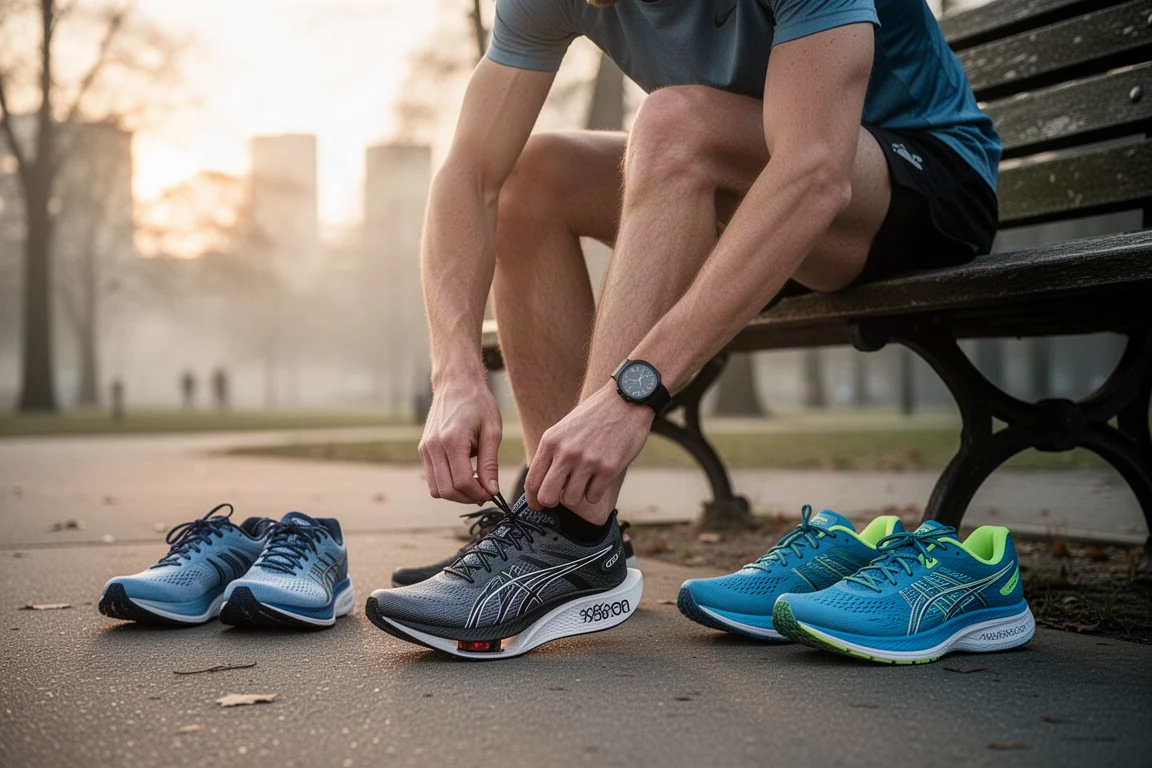
For the average runner, the practical filter is: pick shoes that have been validated in independent research. Right now that short list is led by the Vaporfly, Alphafly, and Metaspeed Sky, with the Endorphin Pro and RC Elite as second-tier alternatives. Anything else is closer to an educated guess. Research into slower paces, covering roughly three-and-a-half-hour to 4:15 marathon runners, is ongoing, so guidance for recreational paces may improve soon.
Conclusion
The carbon shoe market has leveled up in performance on the world stage, but the lab data has not leveled up evenly. The Nike Vaporfly, Nike Alphafly, and Asics Metaspeed Sky form the current evidence-backed top tier, the Endorphin Pro and RC Elite sit a rung below, and the Carbon X, Adios Pro 2, and Prime X each carry significant caveats. Match the shoe to your pace, your race distance, and, wherever possible, your own measured response, and you will get far more from your two hundred plus dollars than marketing alone can promise.
Further reading
Related Reviews

Running Shoes
Best Road-to-Trail Running Shoes: Three Versatile Options for Mixed Terrain
A practical guide to three road-to-trail running shoes that handle both pavement and mild trails, with clear strengths and trade-offs for different runner types.

Running Shoes
Best Running Shoes for Achilles Tendonitis: Three Options Explained
Three running shoes with different heel drops and support features designed to help reduce Achilles tendon pain during walking and running.

Running Shoes
Best Running Shoes for Women: Five Top Choices Ranked
A ranked guide to five women's running shoes, from versatile daily trainers to high-performance racing options, with real strengths and trade-offs for each.