Running Shoes
Best Carbon Plate Running Shoes: The Complete Buyer's Guide
From the Nike Vaporfly Next% 2 to trail-ready carbon shoes like the Hoka Tecton X, a practical rundown of the carbon plate racing shoes actually worth your money.
Introduction
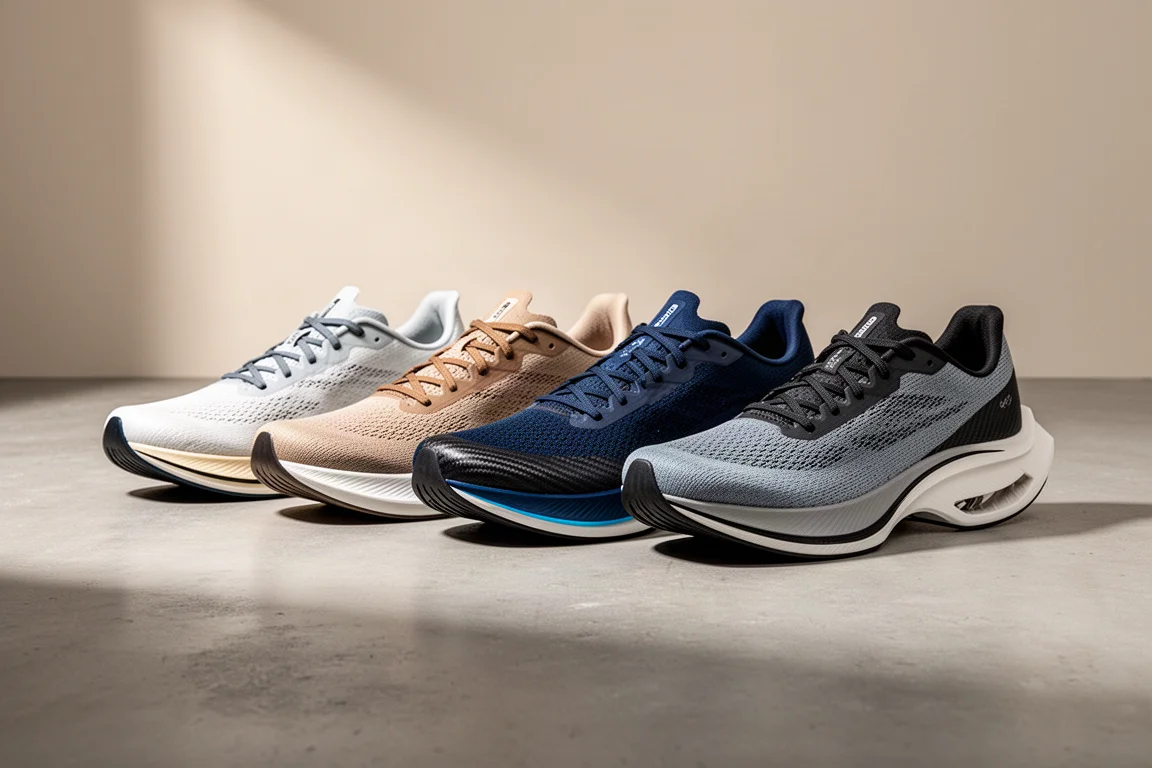
Carbon plate running shoes have gone from a niche of around ten models to a crowded market where every major brand has multiple offerings. This guide focuses on the shoes that are currently available and genuinely worth considering, from the quintessential Nike Vaporfly through marathon cruisers like the Alphafly and Adios Pro 3, to value picks, plated trainers and a dedicated section on trail carbon shoes.
The Nike Vaporfly Next% 2
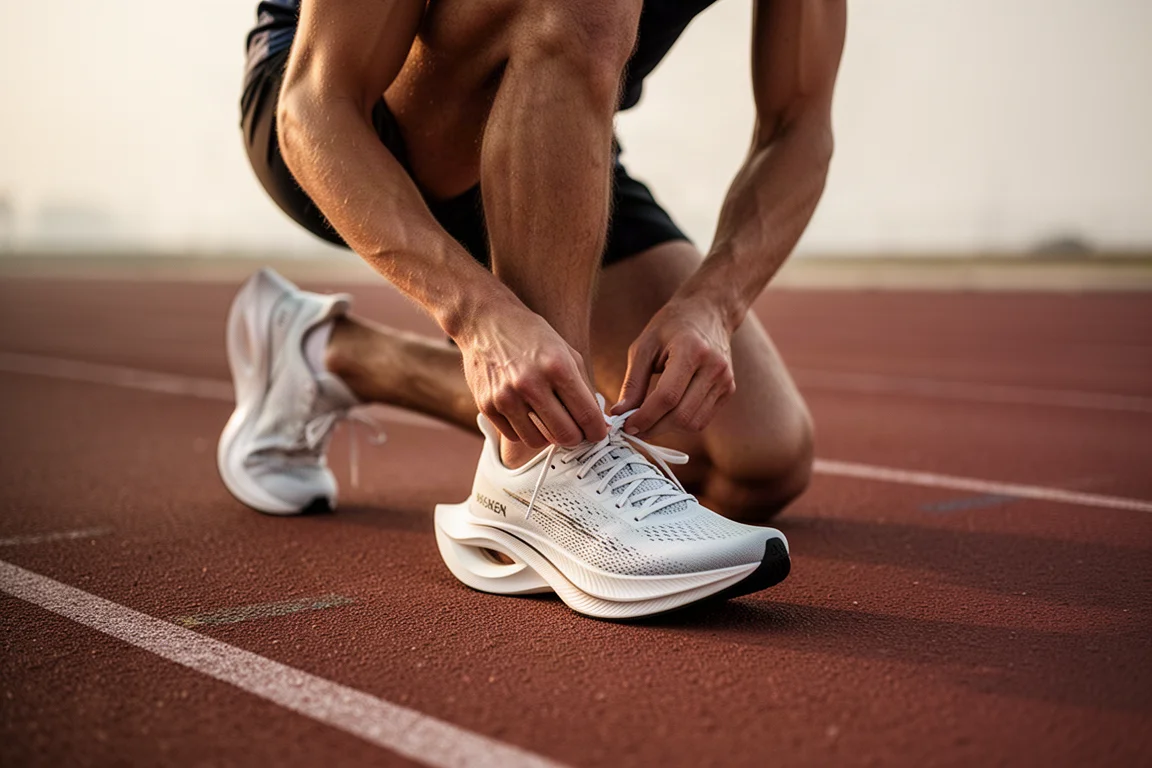
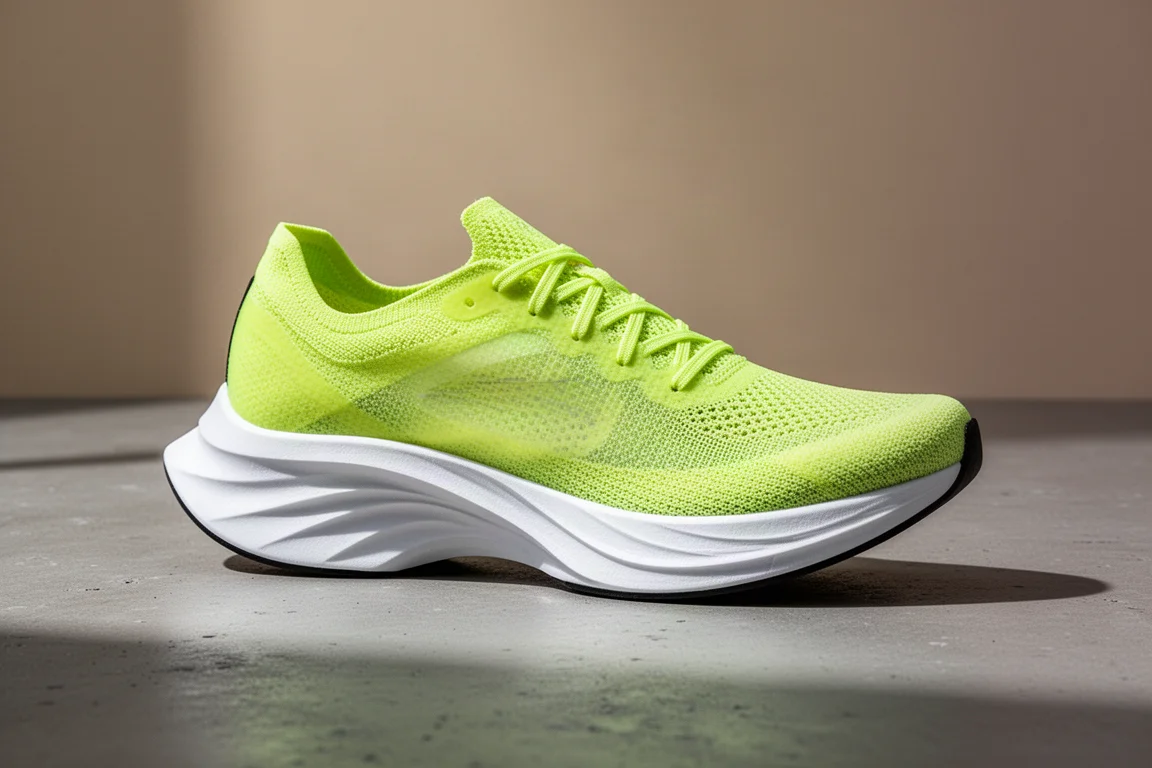
If you want to save yourself a lot of research time, buy the Vaporfly. It is the quintessential carbon plate shoe, the one everyone associates with the category, and it is popular for a reason: it is lightweight, propulsive, and works for everything from 5K to the marathon. Its build also set the template for the entire category, pairing a big stack of soft, springy PEBA foam (Nike ZoomX) with a full-length carbon plate shaped with a scoop to roll you forward.
At a list price of around £210 to £225 it is already one of the cheaper carbon shoes, but it is frequently discounted to £130 to £140, making it a near-guaranteed good first carbon shoe. Even the original Vaporfly remains very similar, so you are getting a great shoe whatever version you find.
Nike Alphafly 2
One of the biggest launches of the year, and one of the most divisive. The Alphafly 2 is bigger, more stable and more accommodating than the original, with added foam under the midfoot that helps with comfort and stability, and it removes the arch pain some runners experienced in version one. The performance is remarkable: testers reported running their fastest ever mile in it and holding form deep into marathon training long runs of up to 24 miles.
The catch is the price. At £275 it is very hard to recommend outright when almost equivalently brilliant shoes cost half as much. It feels odd out of the box, almost like a moon boot, and it is heavier than the Alphafly 1. But on tired legs it is more forgiving than the Vaporfly when form starts to waver, and it has converted plenty of runners who would previously have raced in the Vaporfly 2.
Nike Alphafly 1
The Alphafly 2 may be newer, but the original is still easy to find, often far cheaper, and remains one of the top two or three marathon racing shoes on the market. Both featured testers set marathon PBs in it, including a 2:29, and one of them went back to the Alphafly 1 over the 2 for Chicago simply because he trusts it more.
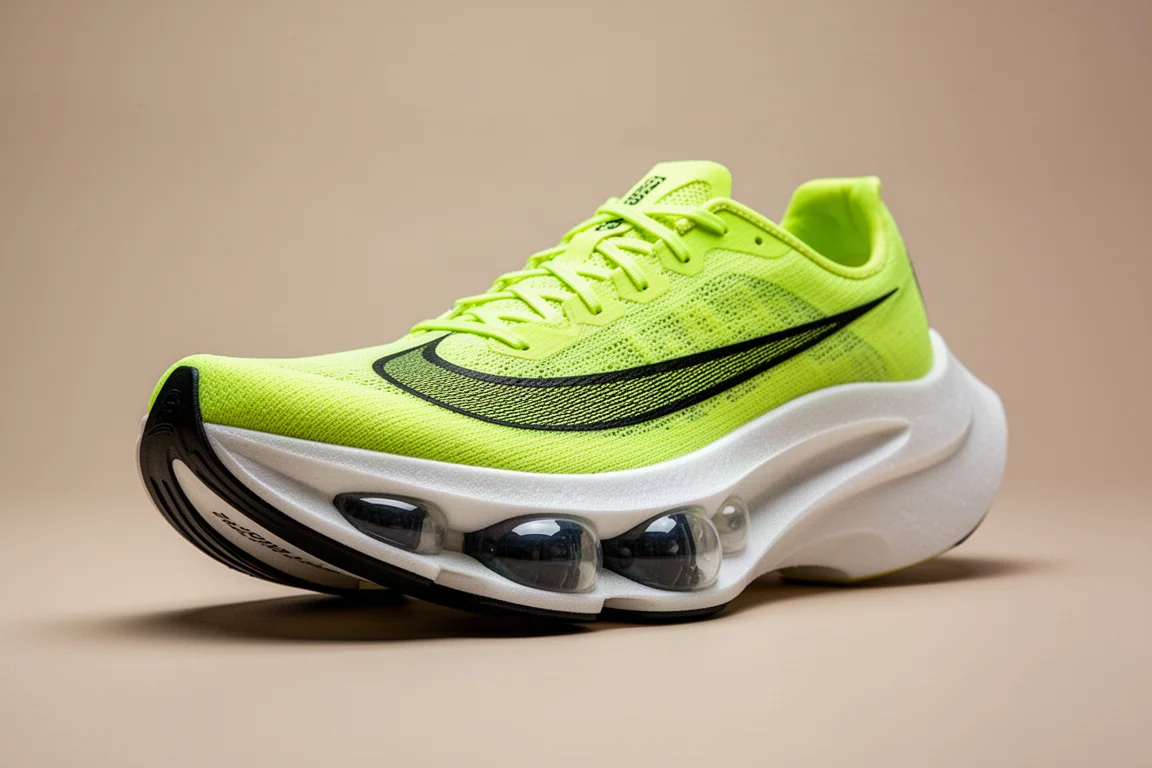
It is a more niche shoe than the Vaporfly: the narrow pinch point around the midfoot and arch causes discomfort for some runners, especially in the first kilometres of a run. Its 4mm drop can place more strain on the calves, and the Air Zoom pods make it a weightier, slightly less nimble shoe that pitches it firmly as a marathon option. One tester found his pair for around £100 second hand, and good deals are out there. You do not have to upgrade.
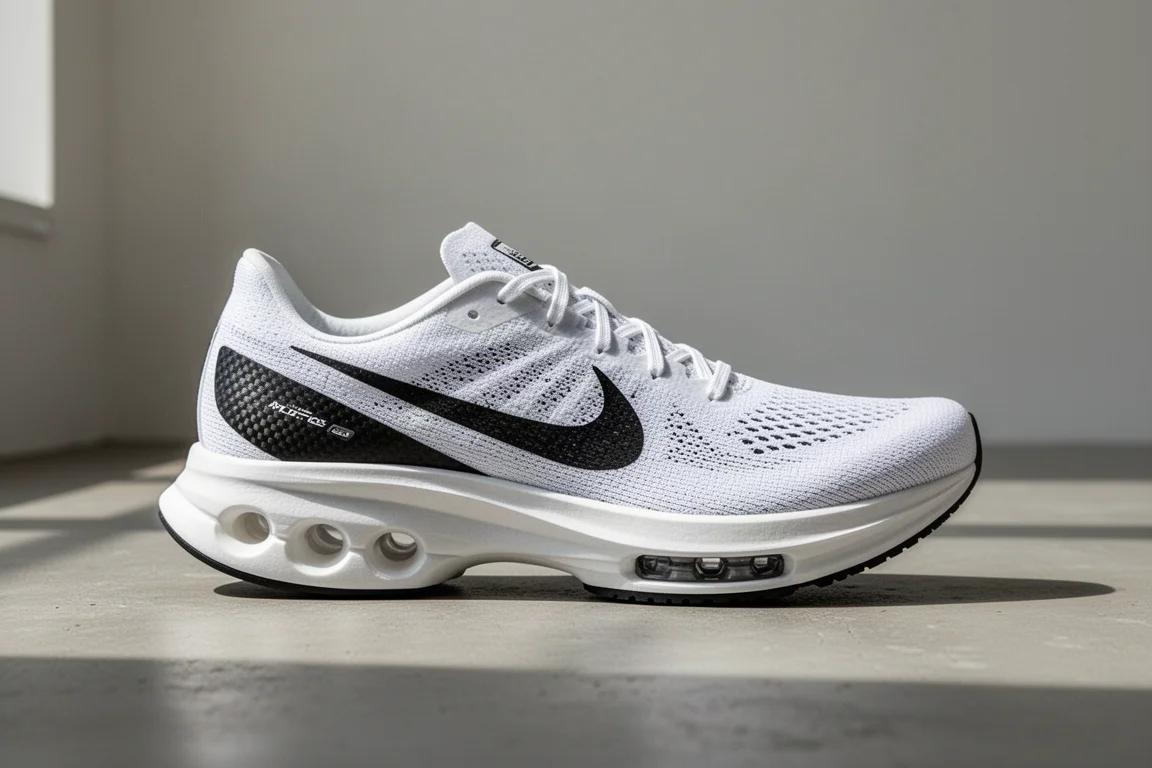
Adidas Adizero Adios Pro 3
Adidas’s flagship racer is trickier than its predecessor. It is more expensive, bulkier and less attractive than the Adios Pro 2, and it did not feel good at 5K pace in early testing. The energy rods in the forefoot connected to the rear plate create a very stiff initial feel that softens up with use, after which it becomes a genuinely cushioned, effective marathon cruiser, with testers enjoying hard 50-mile efforts in it.
Two caveats stand out. The Adidas foam is not quite at the level of Nike’s or Saucony’s best, and the fit is odd: one tester needed a half size up and suffered significant rubbing on the top of the foot for his first 50K. This is a shoe built for longer events, with the Takumi Sen 8 covering the short stuff.
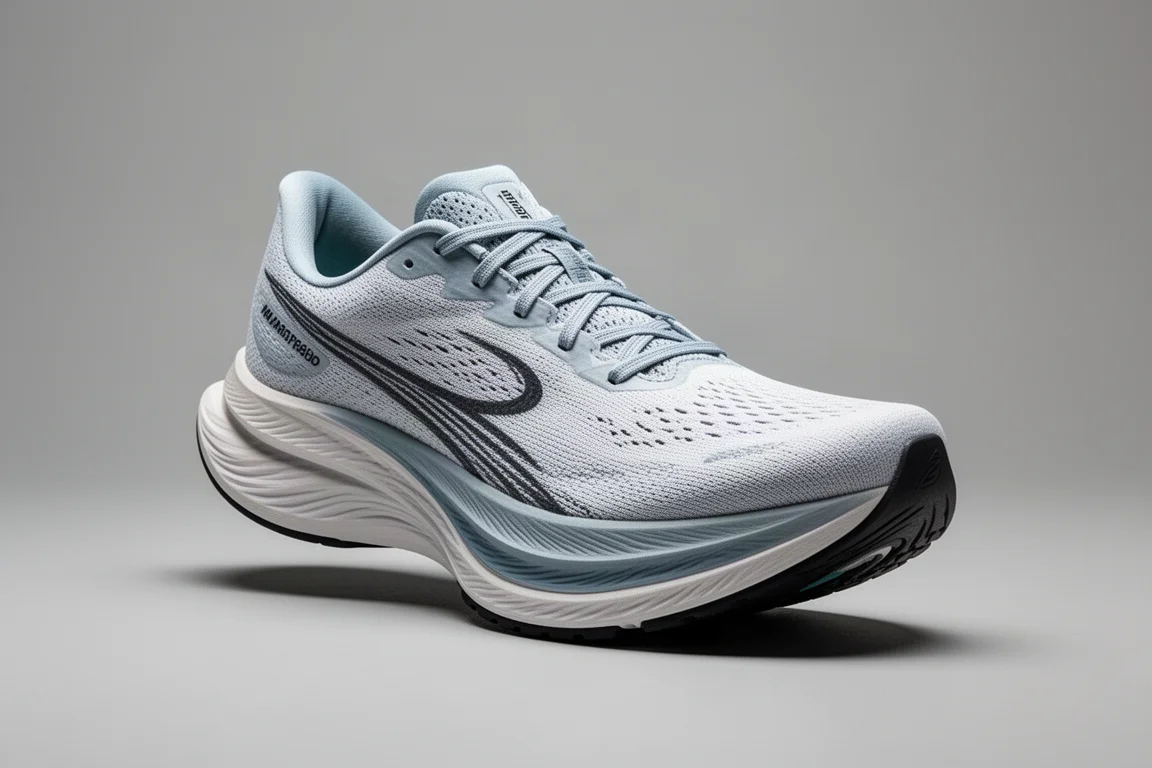
Adidas Adizero Pro 2
The lighter, nimbler alternative in Adidas’s range. It has an aggressive rocker that pushes you forward from the moment you put it on, and even though it sits on the heavier end of the carbon shoe spectrum, the aggressive racing feel means you never notice the weight. Around £120 at the moment, it is strong value.
The limitation is distance. The carbon rods under the metatarsals rather than a full plate caused foot discomfort for testers beyond half marathon distance, so most would not risk a full marathon in it. It is more stable than the Pro 3, with a slightly lower drop and more cushion, and the Continental rubber has proven grippy enough for confident cornering despite its lightweight look.
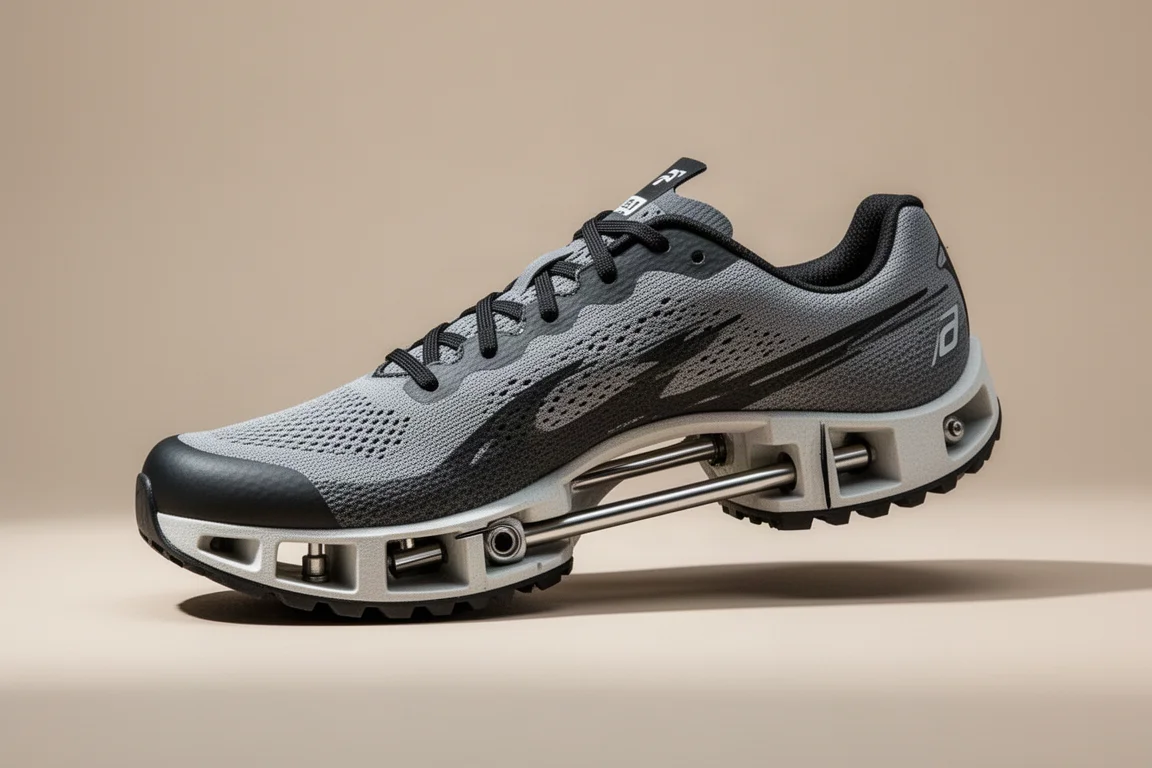
Adidas Takumi Sen 8
Not quite a full carbon plate shoe, but close enough to matter. The Takumi Sen 8 is built specifically as a short-distance racer, with a fairly high stack, and it is an excellent 5K and 10K racing shoe. Adidas has effectively split its range so you use this for 5K and 10K and the Adios Pro 3 for longer events. It is also simply better than the low-stack New Balance SuperComp Pacer if that is the kind of shoe you are shopping for.
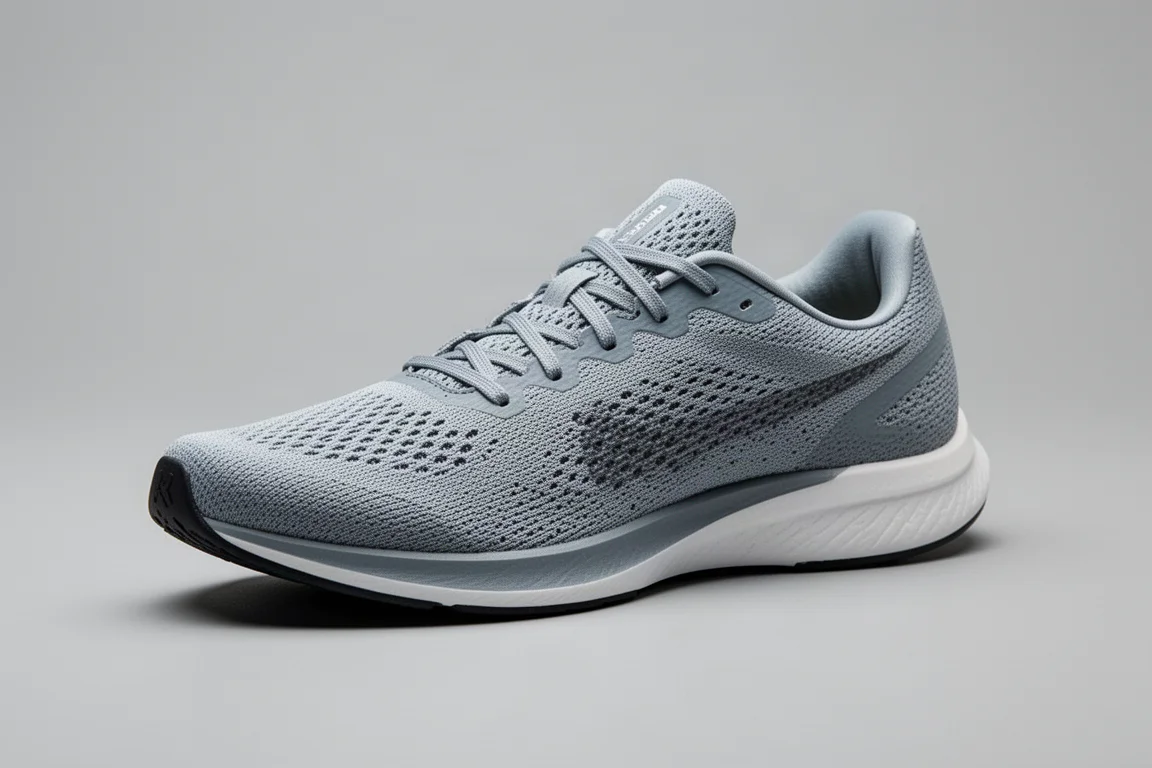
Saucony Endorphin Pro 3
Our favourite new carbon shoe of the year, and a genuine revolution over its predecessor. Saucony increased the stack height by 4mm for a much softer, bouncier feel, changed the outsole for better grip, and fitted a thin, light upper, so the whole shoe is lighter than the Pro 2 despite being softer and taller. The Pro 2 was too firm for many testers; this is a different shoe entirely, not a minor revision, and it is not worth buying the older version to save money.
It is a jack of all trades in the Vaporfly mould, delivering at 5K, 10K, 10-mile, half marathon and marathon, with testers setting PBs across distances and planning to race a full marathon in it. The Speedroll rocker is one of the best around, the upper holds the foot beautifully while staying feather-light, and it even doubles as an outstanding daily training shoe. The main negative: white socks will come out stained pink from the upper.
View more details for Saucony Endorphin Pro 3
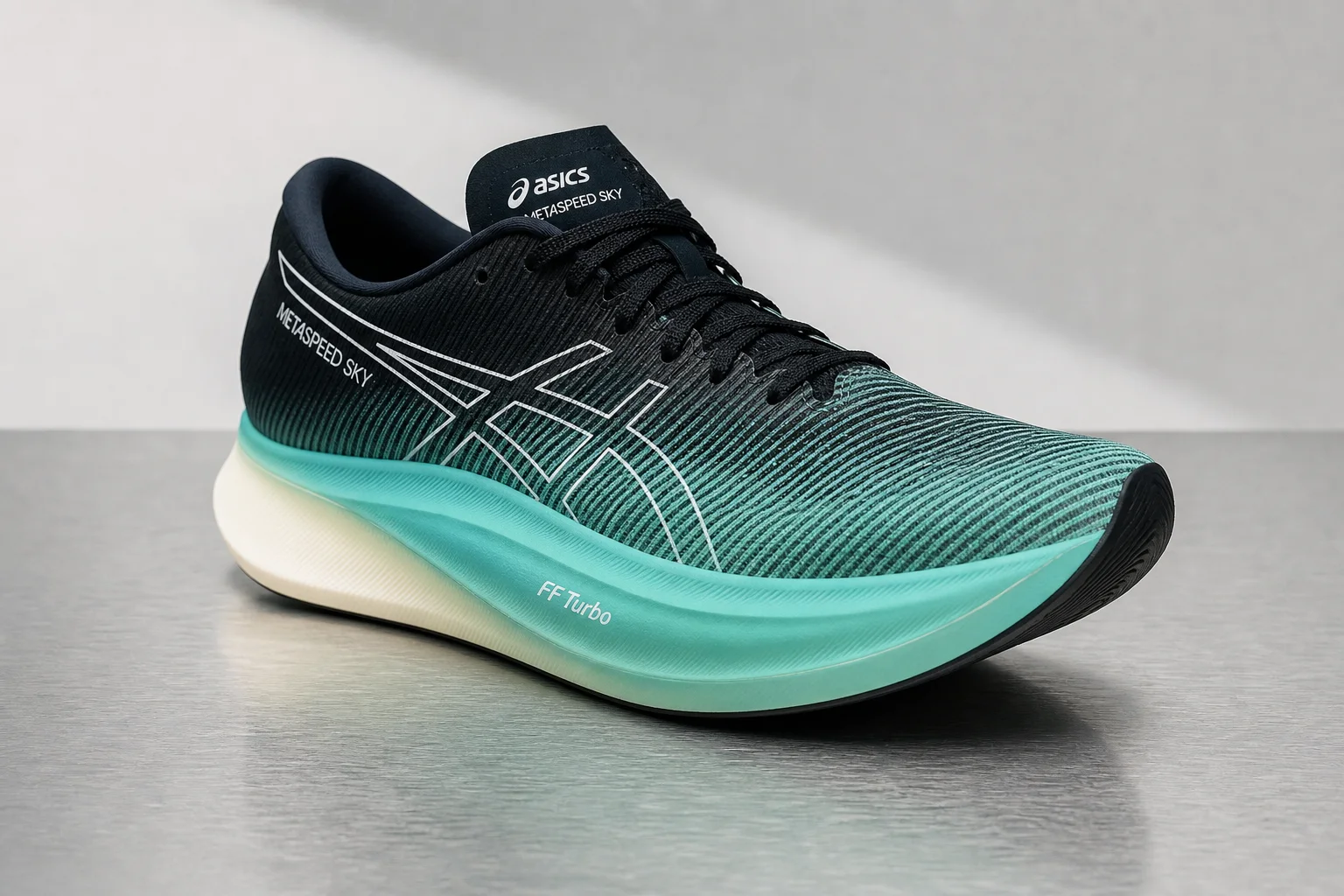
Asics Metaspeed Sky Plus
Designed for runners who extend their stride, the Sky Plus is a really nice light shoe with a thin, airy upper and more midsole foam than the original, giving a bouncy, protective ride over longer distances. One tester PB’d at 10K in the original Sky and at half marathon in the Sky Plus.
It offers something a little different from the Alphafly or Adios Pro 3: a big, bouncy, protective ride in a notably lighter package, which makes it genuinely usable from 5K all the way to the marathon. The main criticism is outsole durability, particularly for heel strikers, so save it for key sessions and race day.
Asics Metaspeed Edge Plus
The Edge Plus is built for high-cadence, shuffly runners, with a more scooped plate that dives deeper into the foam and a higher 8mm drop, in a design quite similar to the Vaporfly. It received a much higher stack this generation after being overlooked behind the Sky first time around.
It feels natural for shuffly runners and shines at shorter, quicker efforts, with testers enjoying track and interval sessions in it. The problem is positioning: the Sky Plus is more versatile and more individual, while the Edge Plus is similar to the Vaporfly but not quite as good, since Nike’s ZoomX foam outperforms the Asics foam. A solid shoe, but a hard one to pick over either alternative.
Puma Fast-R
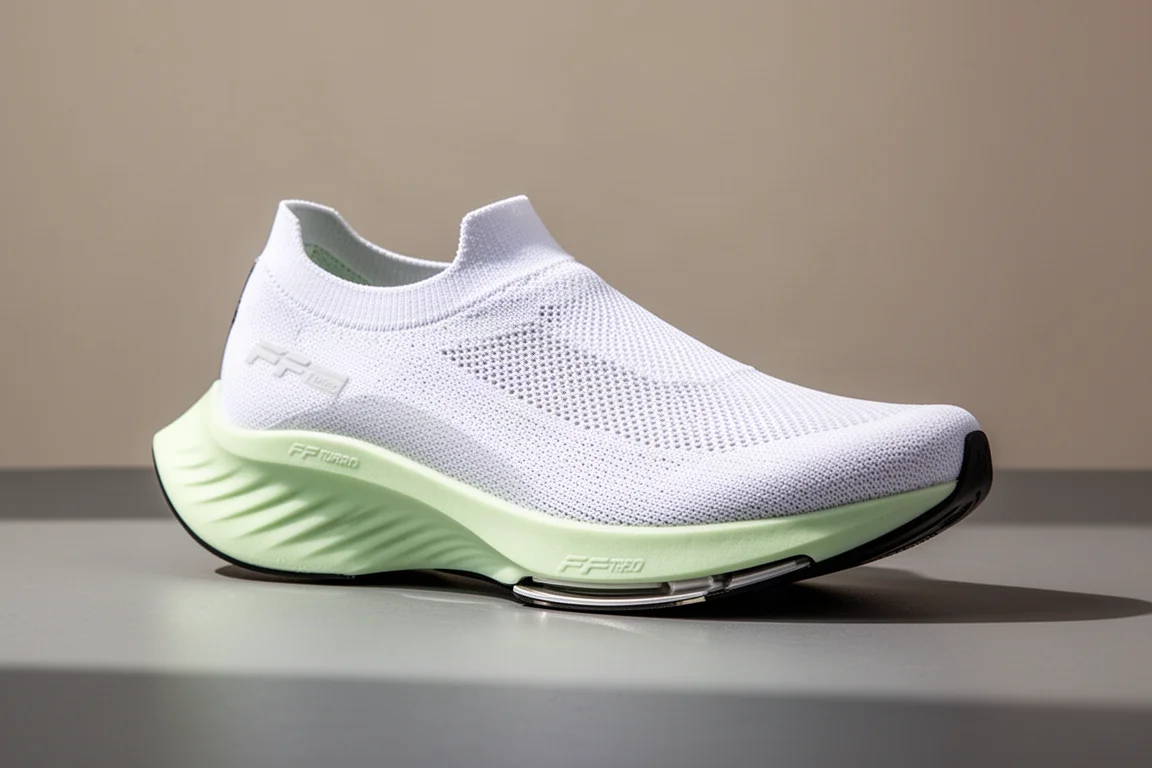
A very specific shoe rather than a versatile one. The Fast-R pairs a firmer chunk of EVA at the heel, which accelerates your transition onto the forefoot, with a softer squishy forefoot and a decoupled plate. At fast tempos around 4:05 per kilometre it felt great, turning over nicely and rewarding forefoot landings, and it carried a tester comfortably through a half marathon run at marathon-ish effort.
Slowed to marathon pace, though, it felt firm and offered little, and it is not the most comfortable option for a full marathon. The bigger issue is that Puma already had the Deviate Nitro Elite, which is possibly just as good, lighter and cheaper. If you are shopping Puma carbon shoes, start there.
Puma Deviate Nitro Elite
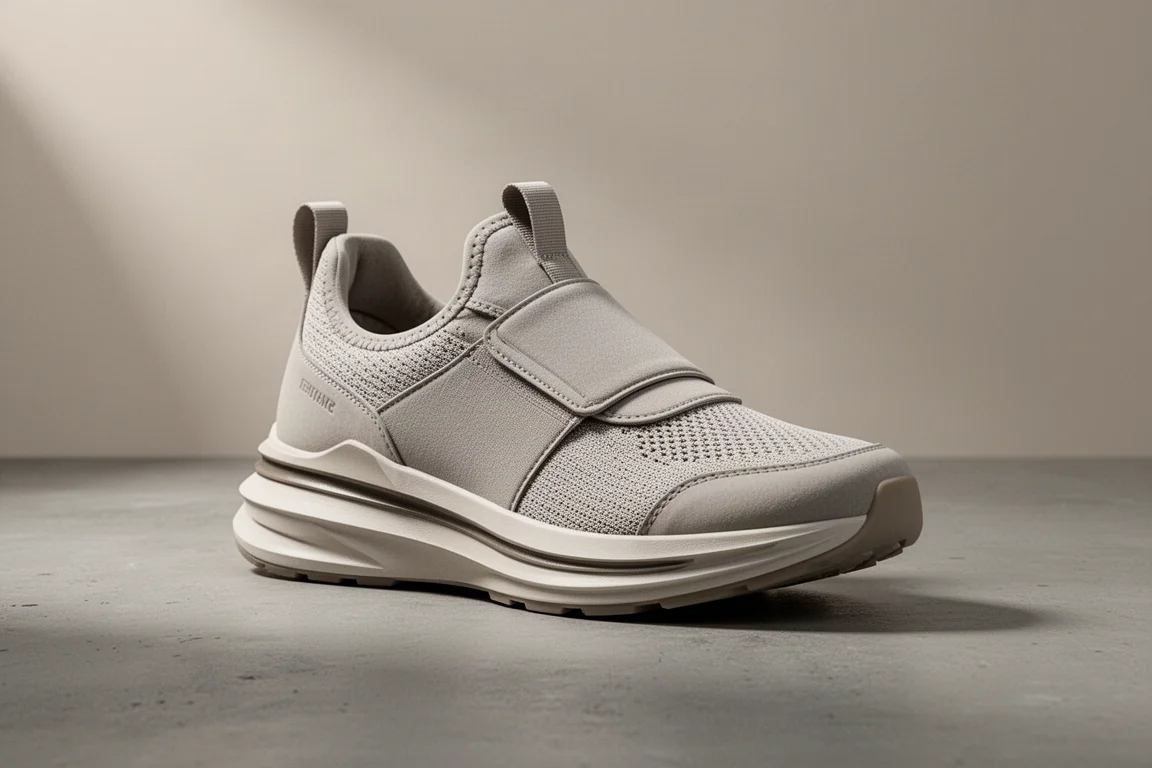
A brilliant carbon shoe that almost nobody got to run in, thanks to massive stock issues at launch. At £170 it is fairly cheap for the category, and despite a listed 36mm stack that measures a bit lower, it is the lightest carbon plate shoe on the market, coming in under 200g, just a few grams under the Vaporfly 2.
It is a very nippy shoe with a grounded feel and a PEBA-based Nitro Elite foam. One tester went sub-16 in a 5K and ran 10 x 1K reps at the track across a heavy four-day block, and his legs felt fine, so it is more protective than it appears. It lacks the cushioning for a full marathon for most runners, but as a 5K to half marathon racer it is fantastic, and Puma’s generous discount codes often apply to it, unlike some rivals.
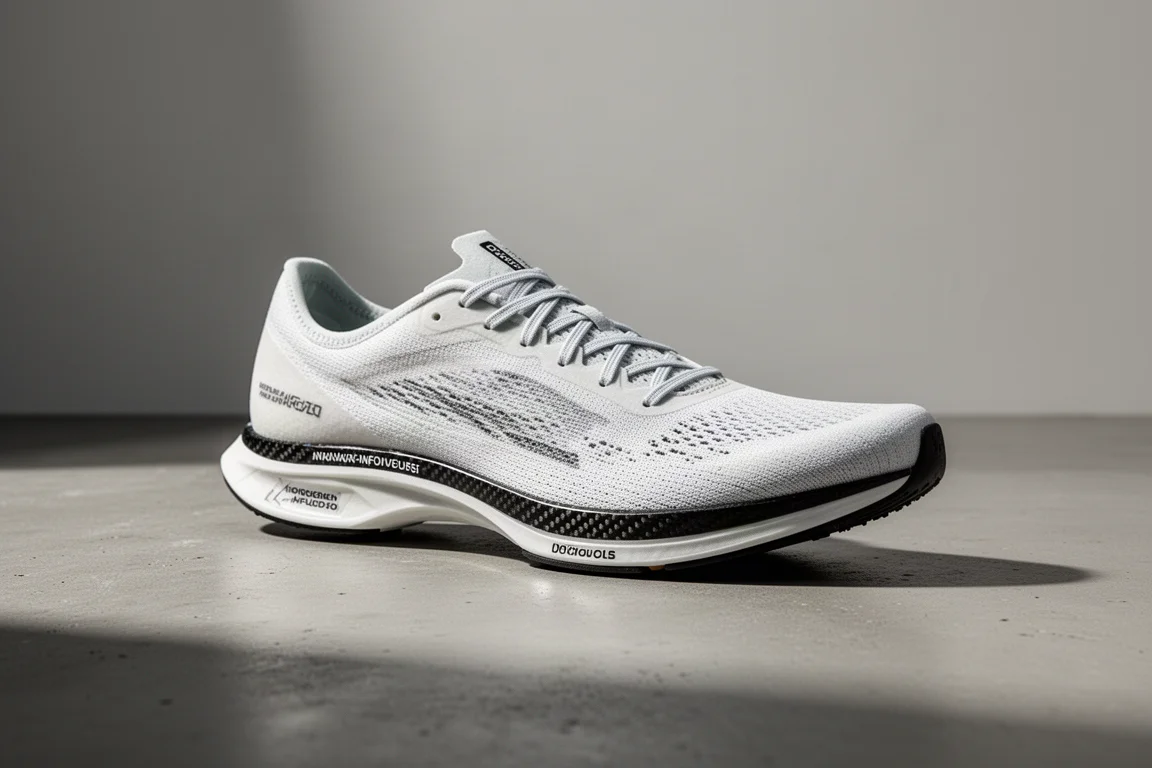
New Balance FuelCell RC Elite 2
The most comfortable carbon shoe we have come across, and one of the older super shoes still standing now that the third version is landing. At around £145, and sometimes less against a £210 RRP, it is a bargain. You could step into it as your first carbon shoe and be perfectly happy: it is super stable, very comfortable, with a great wide toe box and simple, friendly lacing.
The FuelCell midsole is almost too cushy for some, but the return is good, and it is light for such a big stack. It does not give much ground feel, so it can trick you into thinking it is not fast, yet testers have run strong half marathons, 24-mile training runs and quick track sessions in it. It doubles beautifully as a daily trainer, making it one of the most versatile and approachable carbon shoes around, and a smart pick if you have had any injury niggles.
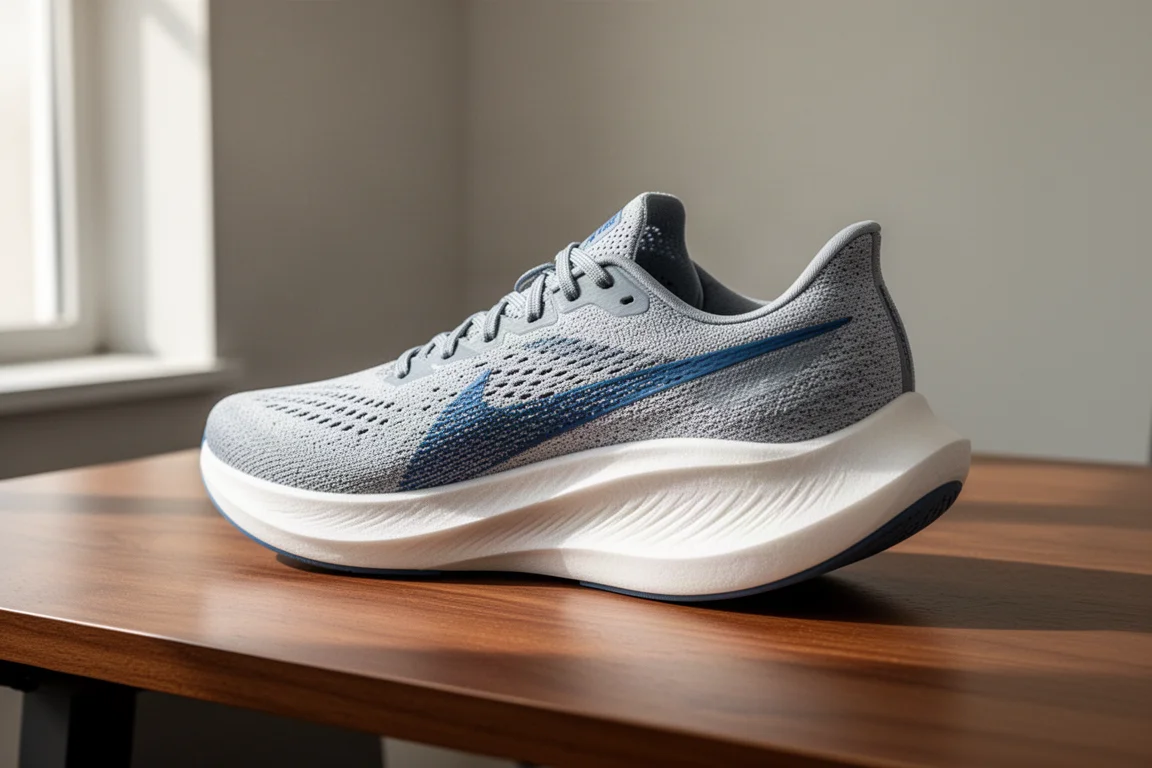
New Balance SuperComp Pacer
A short-distance, relatively low-stack racing shoe that is fine rather than exciting. It works reasonably for mixed-terrain races, where the plate gives you punch on the runnable bits without feeling unstable on gravelly sections, but the plate never feels like it adds much, and low-stack alternatives like the Takumi Sen 8 are simply better.
It is also a niche buy: you would need this plus a long-distance race shoe to cover your season, which makes it a costly investment for a narrow use case. If you want a firmer, more grounded plated shoe, the Puma Deviate Nitro Elite or the Takumi Sen make more sense.
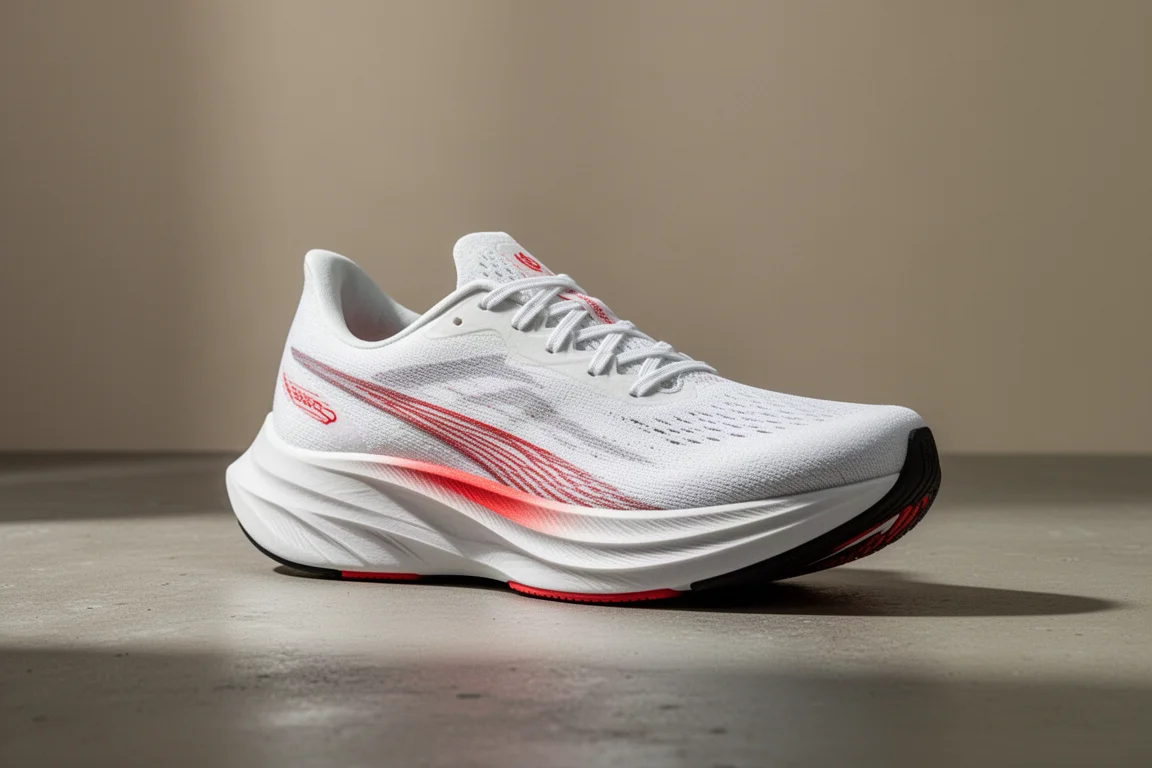
New Balance SuperComp Trainer
An illegally-high-stacked training shoe in the vein of the Adidas Prime X, built for absurd bounce in training rather than racing. It pairs a massive stack of very soft FuelCell foam with a full-length carbon plate and a big midfoot cutout for stability.
It is fun: the first 10K or so on it felt soft, bouncy and joyful. But it is heavy and clunky, and the enjoyment fades over longer distances. It is stable for its size, yet you are constantly aware of where your foot is landing, and a 22-mile run became too much shoe. At over £200 for something that suits only easy base runs, the Saucony Endorphin Speed with its nylon plate is simply a better training partner shoe.
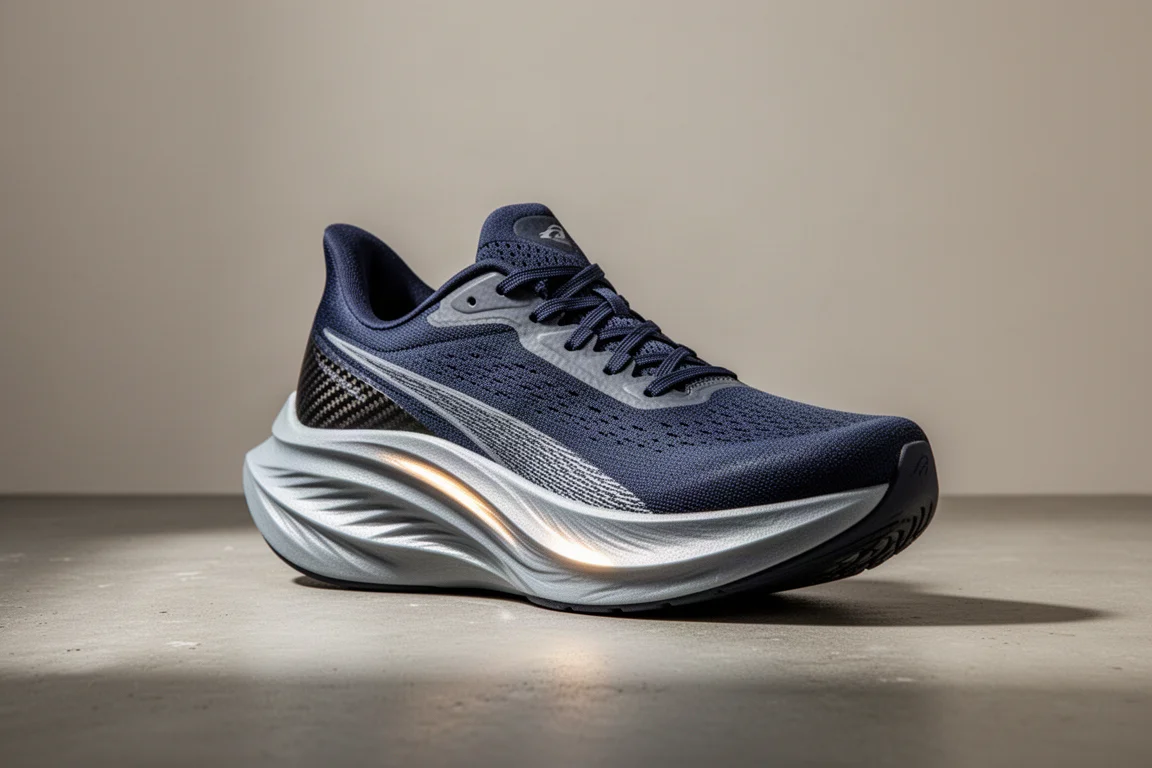
Decathlon Kiprun KD900X
A brand-new release with only a couple of runs on the clock, but the pitch is clear: value and durability. At £130 or €150, Decathlon claims 1,000km of life, and the ingredients are strong: a PEBAX midsole, full-length carbon plate, decent outsole and lightweight upper, at around 250g.
The ride is firmer than most carbon shoes, which is partly deliberate design for durability. It is not harsh, and in testing it felt fast and comfortable over a 10-mile run and the opening reps of a 10 x 1 mile session. Best framed as a plated trainer rather than a first carbon racing shoe: think of a slightly cheaper, firmer, more stable Endorphin Speed that should last longer. Tired marathon-training legs appreciated the stability and ground awareness.
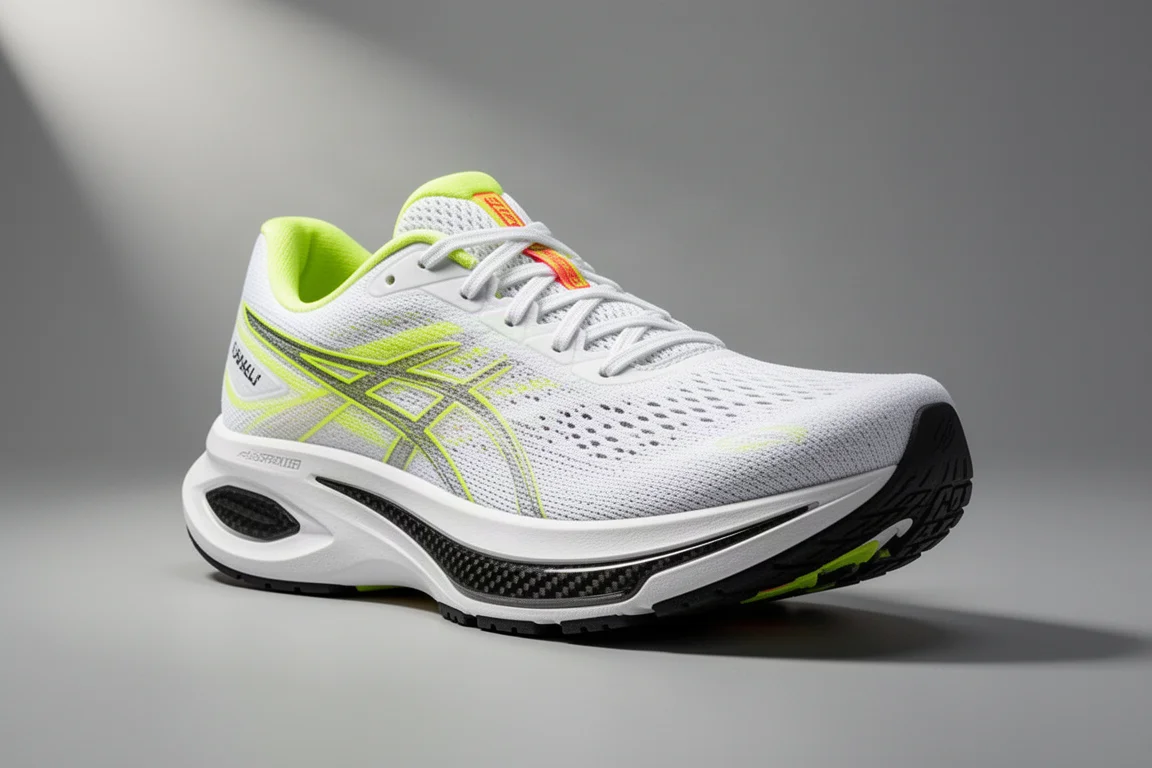
Salomon Phantasm Sierra
An underrated shoe that few people have tested. Salomon’s first properly plated road shoe pairs a carbon fibre plate with a big stack of firmer olefin foam and a really pronounced rocker. One tester ran a full marathon in it after only a few days of ownership and loved it, plus track sessions, calling it a fantastic training shoe you can also race in.
It sits in the Endorphin Speed realm: comfortable, durable, good rocker, easy to use for lots of running including easy days. It does not have top-level performance, and Salomon’s pricing is high for a brand without the road racing credentials to charge it, which is exactly why it has flown under the radar. A good one if you like red.
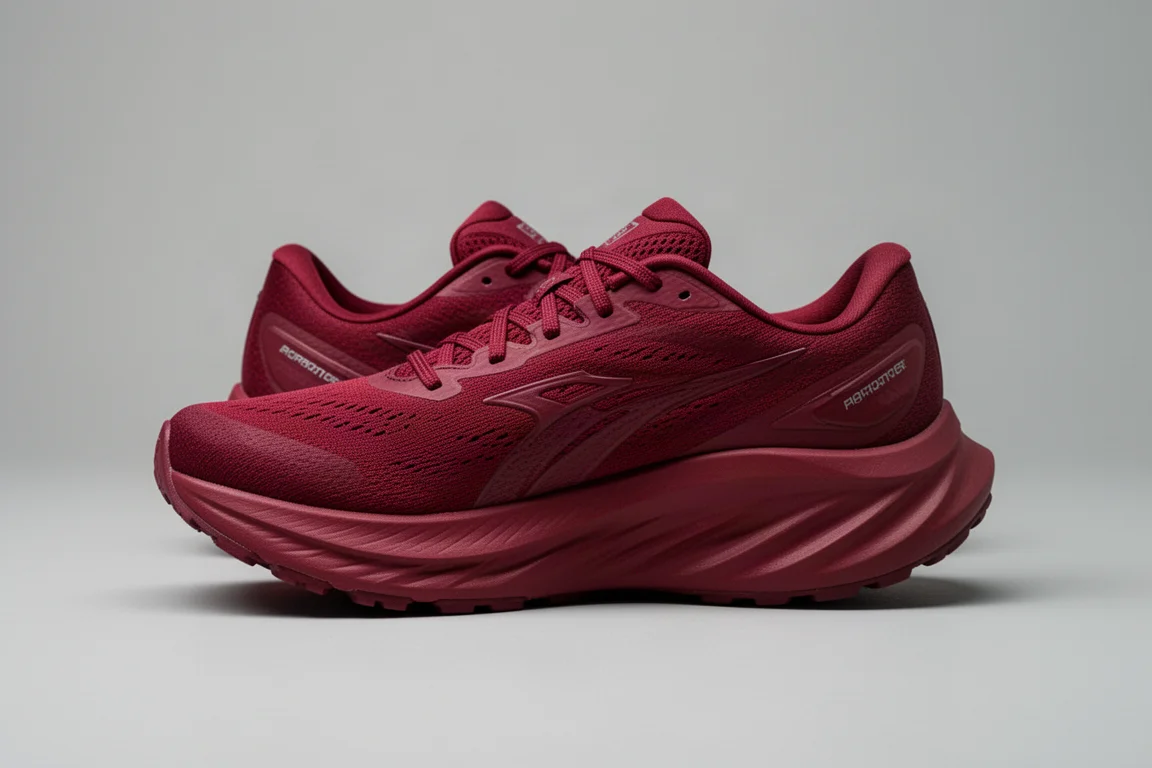
Hoka Carbon X 3
The fruit-salad-coloured Hoka flagship, and a shoe we are just not convinced by. It does a reasonable job with a nice smooth ride, but it feels more like a carbon training shoe than a racer. It lacks the response of the Alphafly or Vaporfly, does not feel light or nimble, and is a bit too much shoe.
Hoka’s foams are simply not as soft and responsive as the best in class, and in our view the Carbon X 3 has not improved on the original Carbon X, which was lighter and more agile. As a long, steady run shoe it is pleasant, but many cheaper shoes do that job, and it is very similar to the cheaper Reebok Floatride Energy X.
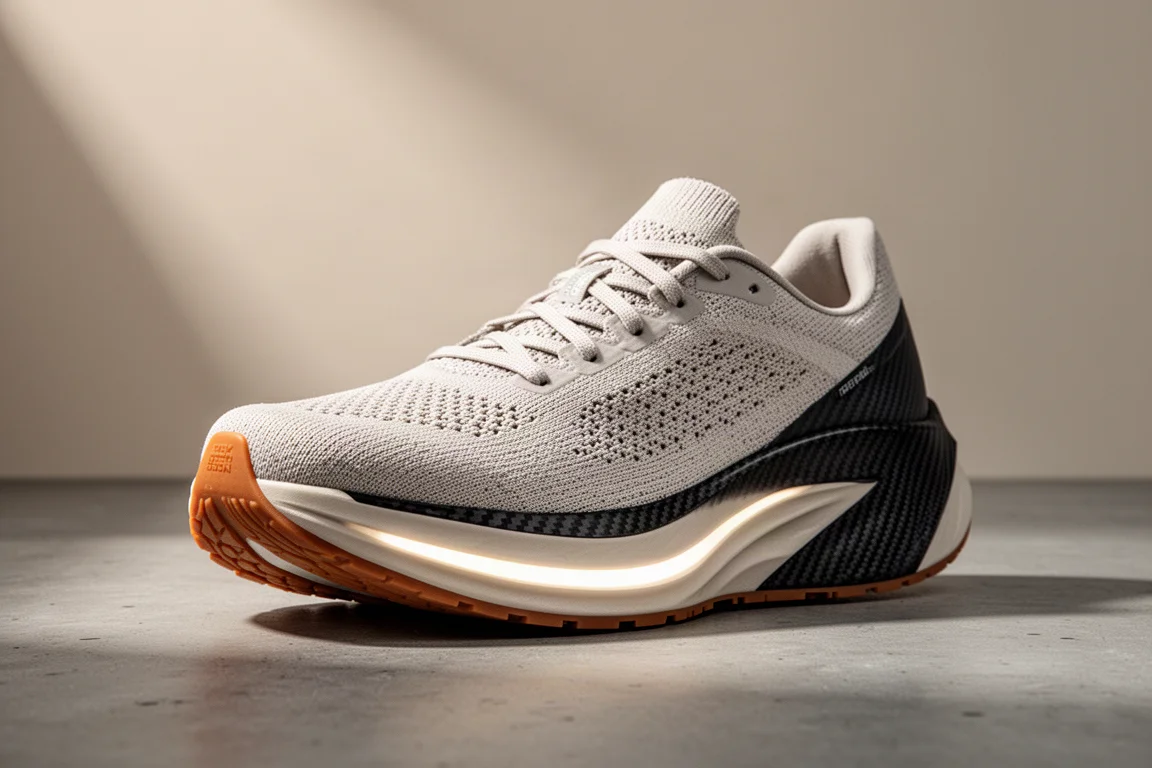
Hoka Rocket X
The much better shoe in Hoka’s carbon range, and the cheaper one. One tester has run two pairs into the ground, logging well over 500 miles in a pair before noticing any issues, and did all her marathon long runs in it in her last cycle. At around £80 in the right places, it is remarkable value.
It is so approachable that anyone can run in it, comparable to the New Balance RC Elite 2 in that respect, though it lacks that final sparkle of race-day magic and has slightly less return than the New Balance. It has a natural feel compared with the stranger super shoes, a really nice rocker and enough comfort for long runs, making it a very good plated training option you can also race well in, in the Endorphin Speed mould.
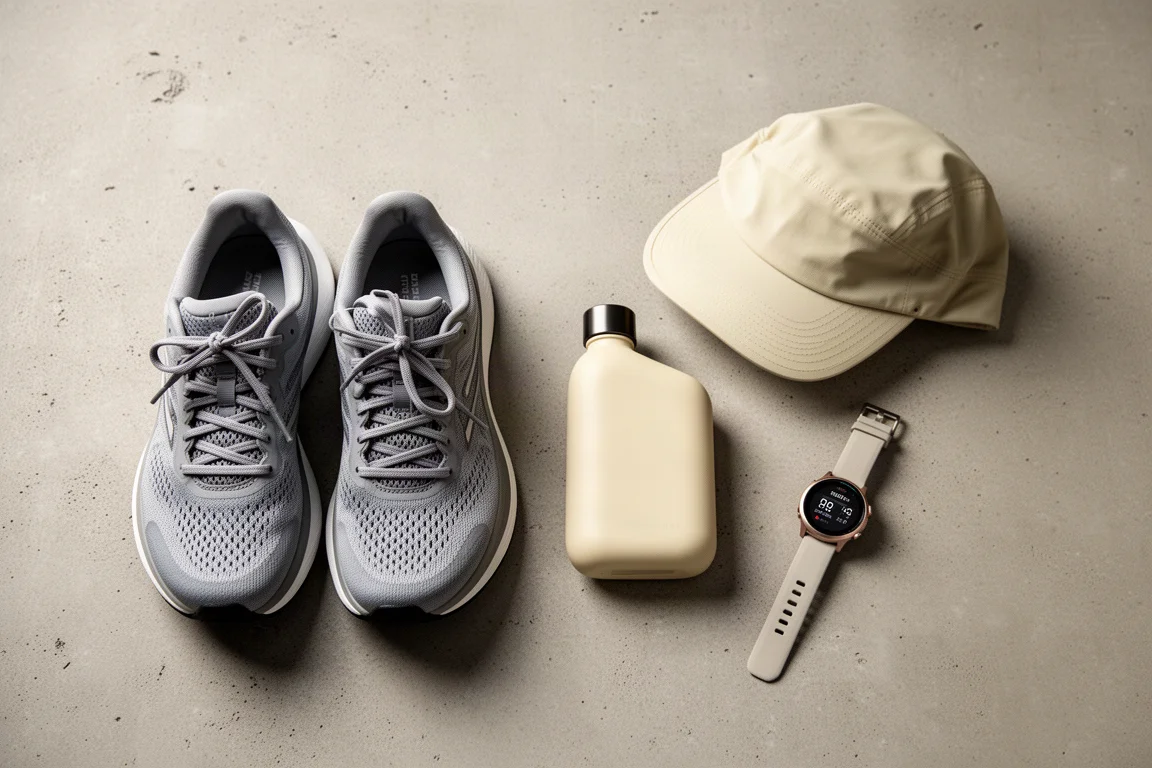
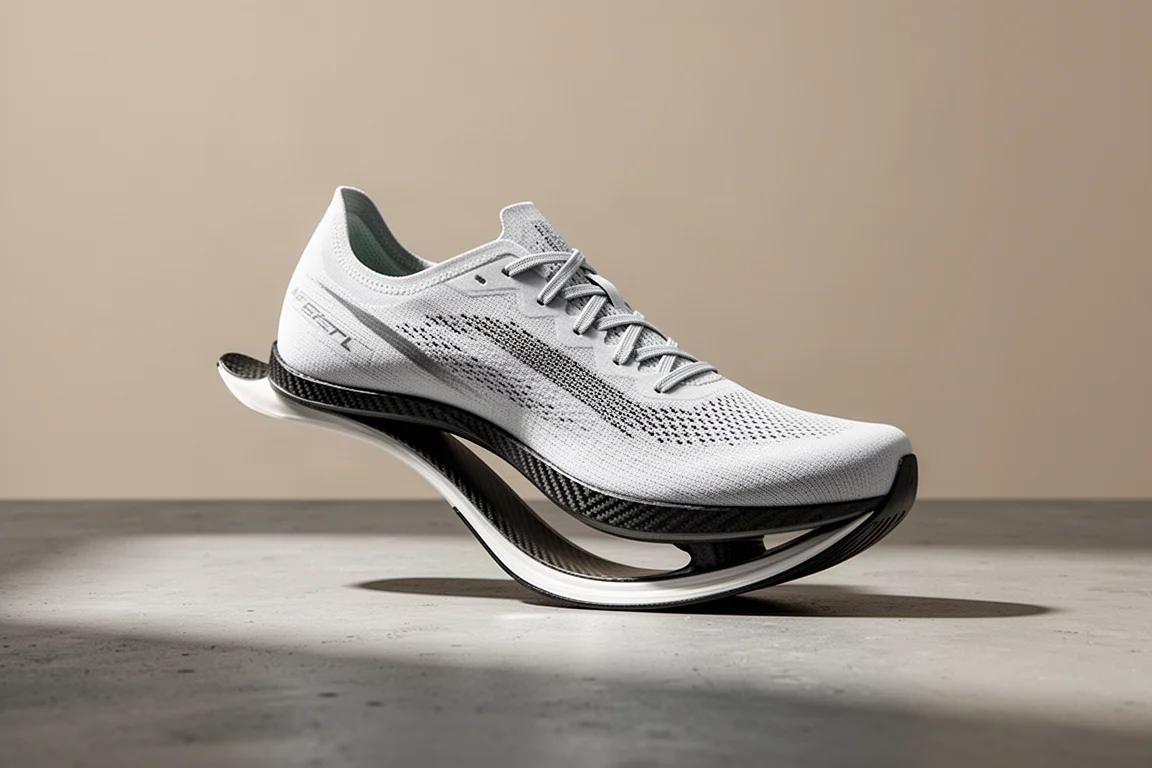
Skechers Go Run Speed Elite Hyper
A different beast from everything else here: a low-stack shoe with a carbon winglet plate, under 25mm of stack, making it legal for track races over 800m. That alone earns its place, as it is the shoe to pick for track 3000m or 5000m races where you want more protection than a flat or spike.
It is an excitable, fun ride that comes alive over 5K and 10K, very light with a minimal upper and strong outsole grip on roads. It will not save your legs the way high-stack shoes do, and you would not want to go further than 10K, but as an old-school racing flat-style experience with a carbon assist, it is a standout, especially if you find it discounted.
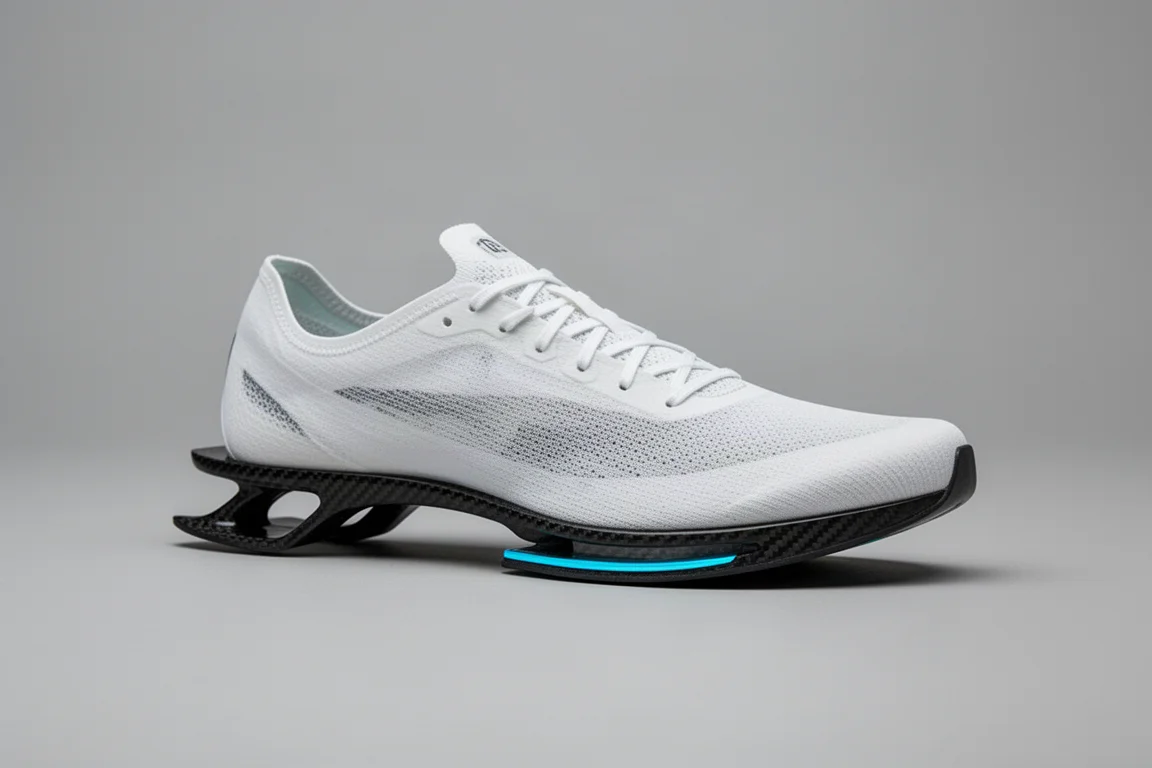
Reebok Floatride Energy X
A shoe we were excited about at launch and are far less excited about now. It has a forefoot-only carbon plate in Floatride foam, pitched as a more accessible, long-distance-friendly option at £130. The reality is that it is an okay training shoe that is too heavy, not propulsive, and the foam that works well in a cheap daily trainer does not translate to a super shoe.
The carbon plate adds very little here. If the appeal is accessibility, you get a similar level of performance from normal plated shoes anyway. It is a big boat, much like the Hoka Carbon X 3 but cheaper, so if you were considering either, take this over the Hoka, but take the Floatride Energy 4 over both.
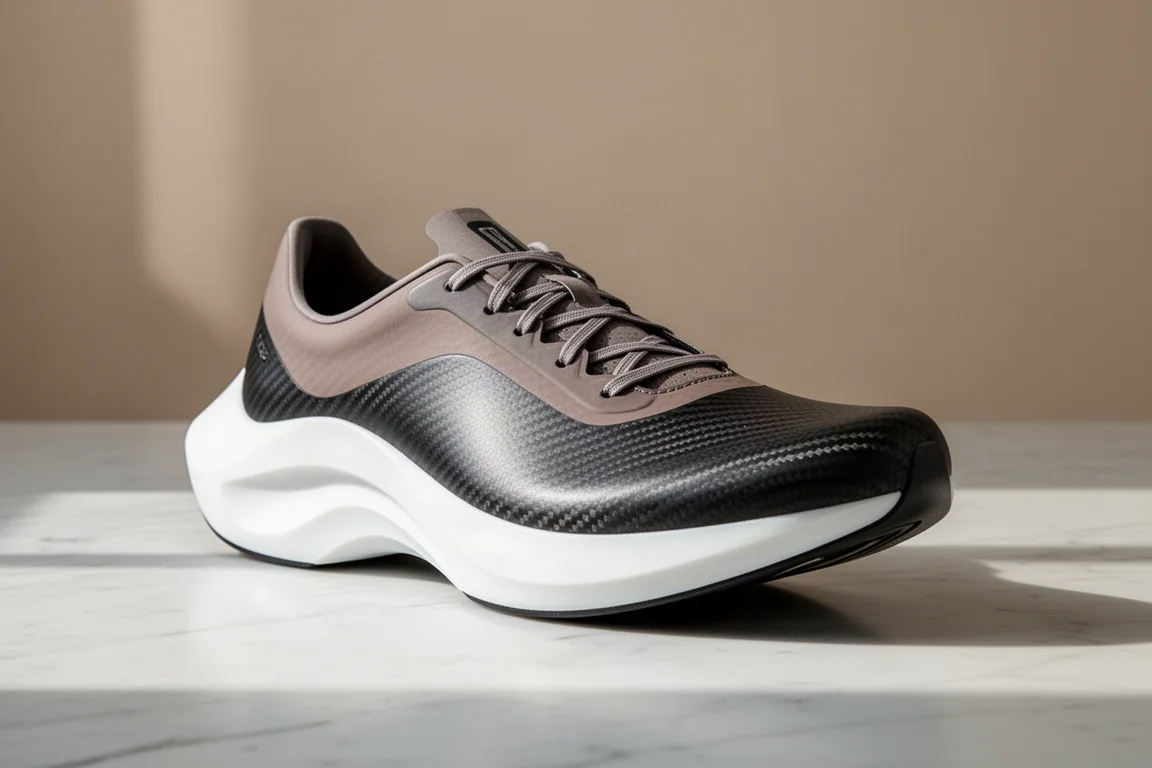
Reebok Floatride Energy 4
Not a carbon shoe, but the best budget training shoe on the market at £75, nearly always reduced. It is lightweight, feels nice and comfortable, and handles a good range of training. If you were tempted by the Floatride Energy X, this delivers more satisfaction for half the money.
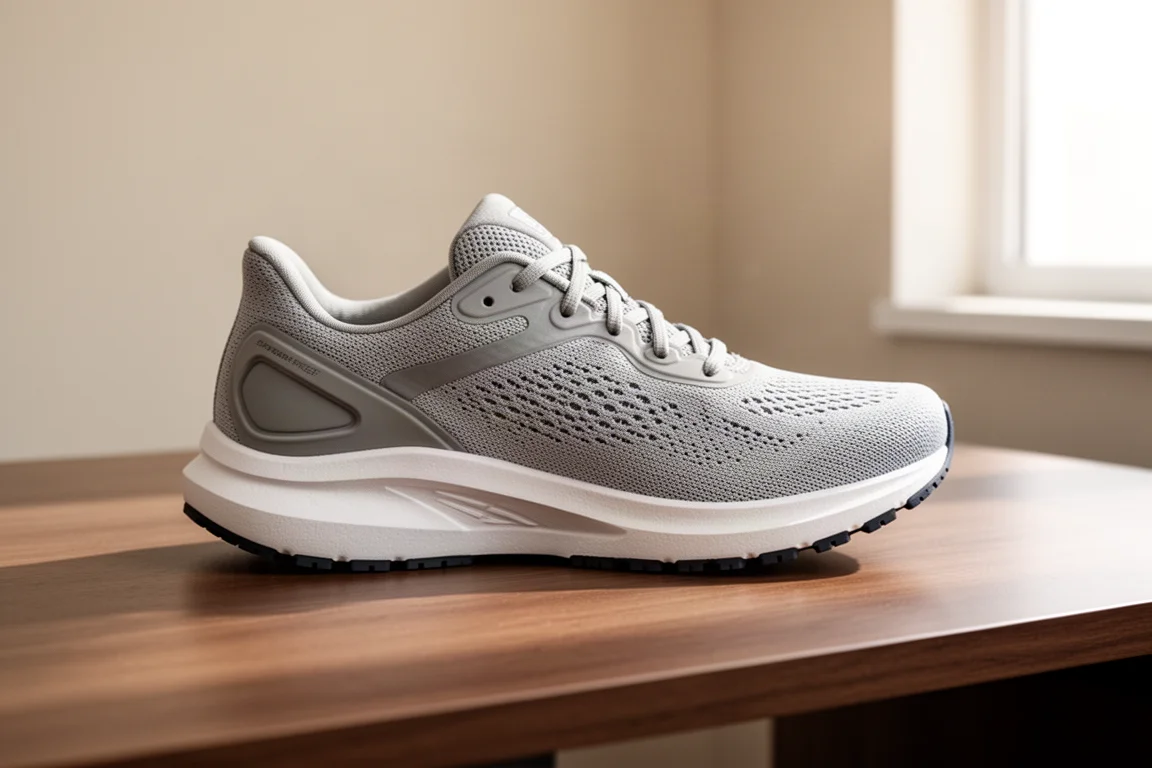
Hoka Tecton X
Now into trail carbon shoes, of which there are only a handful worth discussing. The Tecton X is one of the best we have tested, using twin carbon plates running in parallel down the shoe to avoid the stiffness problem that makes full plates feel uneven and yanky on rutted ground.
It is light and nimble, delivers a noticeable punch from the plates on groomed, rolling or flat trails, and testers found themselves running uphill faster in it. On steeper or looser forest terrain the plate benefit disappears but the shoe stays light and fine, and it performs well on paved sections too, making canal towpaths almost perfect territory. The concerns are the outsole, which is best suited to tame trails, and the lacing eyelets, which feel flimsy enough to raise a real durability worry. It is a lively, fun partner to a Speedgoat 5 for racier days.
Saucony Endorphin Edge
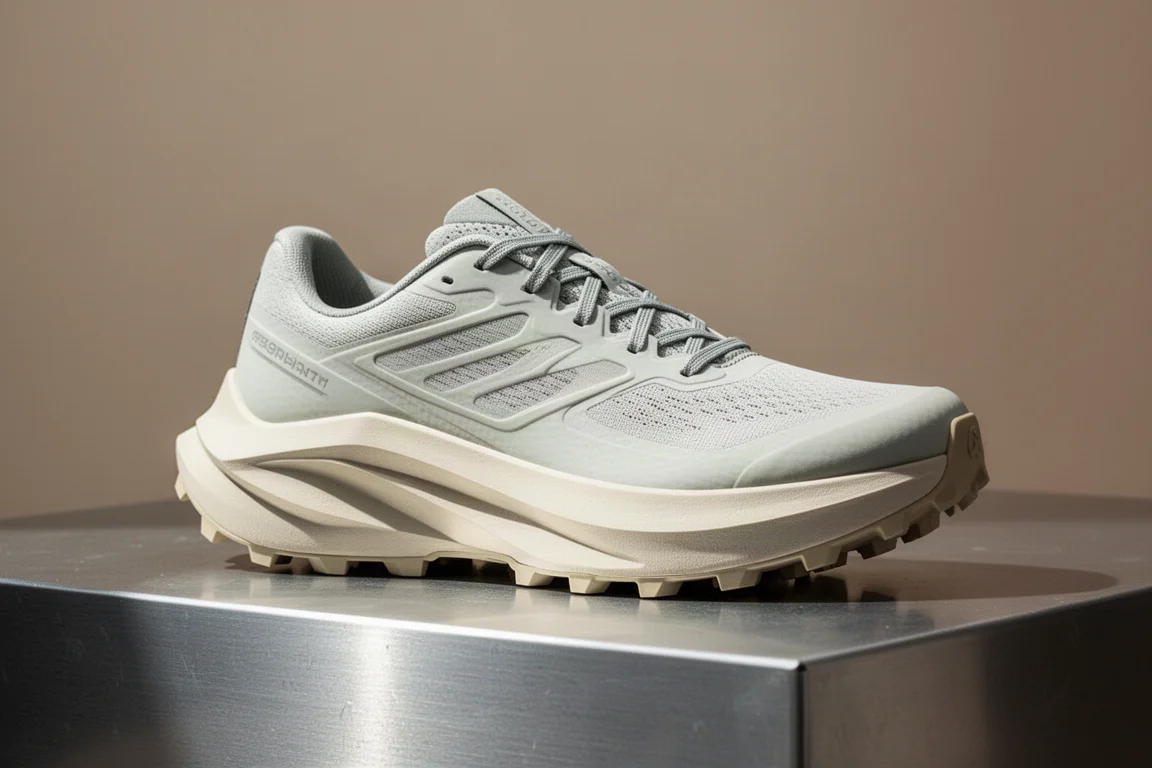
Saucony’s trail take on its road super shoes, pairing a PWRRUN PB midsole with a flexible Carbitex carbon-fibre plate and Speedroll geometry. It delivers more like the Endorphin Speed than the Pro: you can feel the plate, and it brings genuine efficiency gains over harder, road-like trails.
Its outsole handles sloppy ground better than the Tecton X, which really excels only on hard ground, though the fuller plate makes the Endorphin Edge slightly less nimble, and on rutted ground you can feel it dragging your foot out of position. It is probably our favourite carbon plate trail shoe, but the honest caveat applies to all of them: on soft, muddy, wet ground, which is most UK trails, a carbon plate trail shoe loses much of its value. These make sense for runners with long, hard-packed trail routes.
View more details for Saucony Endorphin Edge
The North Face Flight Vectiv
The first carbon trail shoe any of us tested, and one that suits mixed, groomed, fairly flat ultras with rolling sections and bits of tarmac. One tester ran a 60K ultra in it and enjoyed the stability, the softness that soaked up lumps and bumps without compromising stability, and a snug upper with a longer toe box that reduced the risk of black toenails on downhills.
It feels punchy, light and nimble with a lovely rocker and shallow lugs, almost road-to-trail in character. The problems: the upper dug uncomfortably into the top of one tester’s foot, the bootie fit is tight enough that a runner with wider feet needed help removing them after 60K, and they are not good in mud, getting slick on wet sections. Worth considering for dry, hard trails only.
How to Choose the Right Carbon Shoe
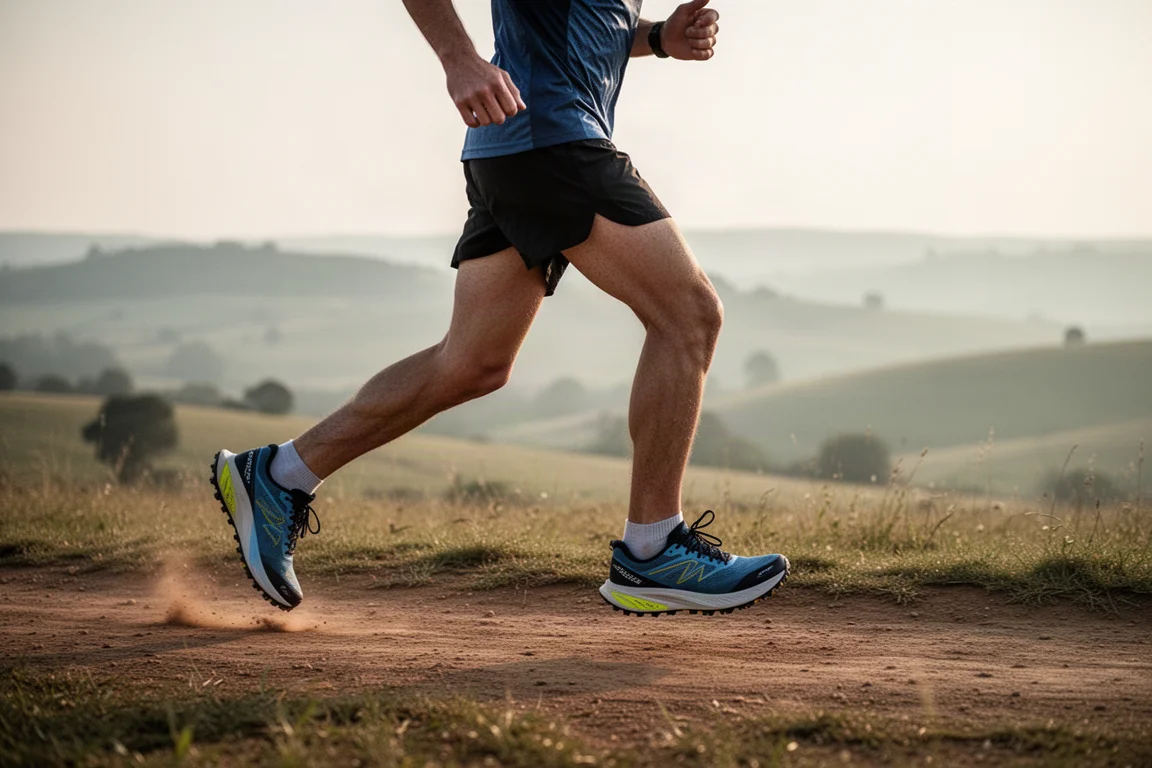
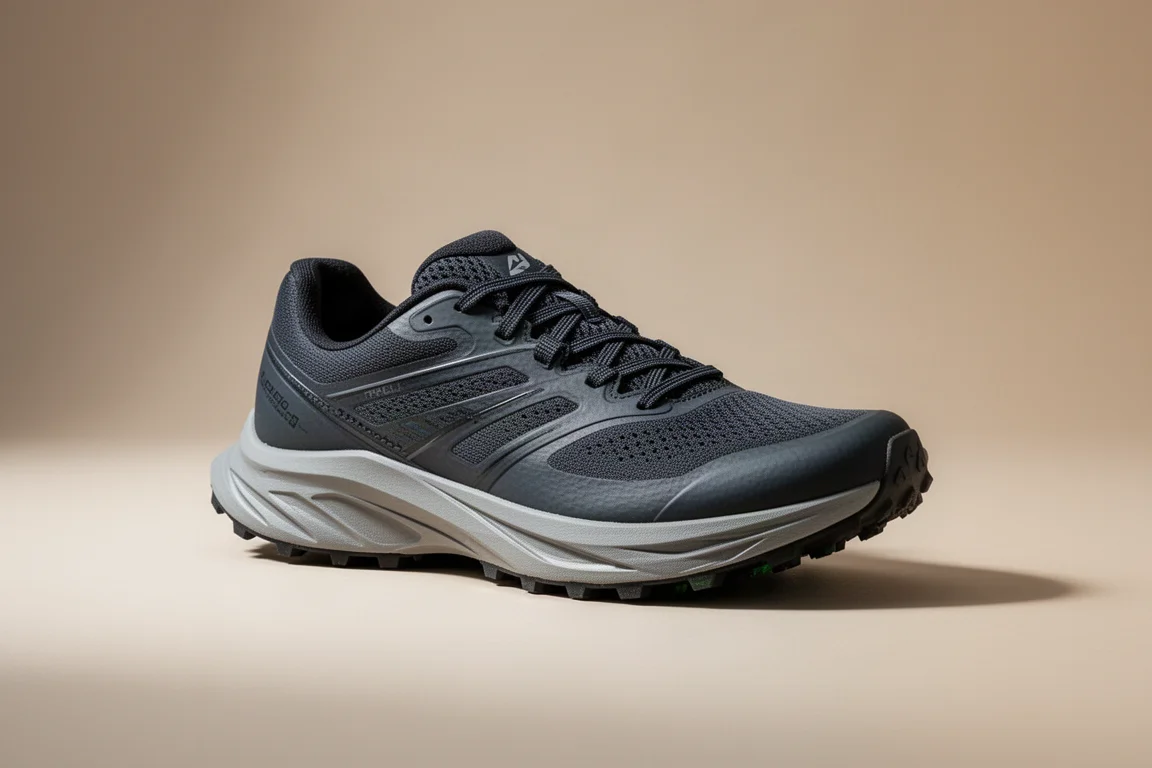
If you want one safe answer, the Nike Vaporfly Next% 2 remains the default recommendation, especially discounted. Marathon specialists should look at the Alphafly models or the Adios Pro 3, with the older Alphafly a legitimate bargain. The Saucony Endorphin Pro 3 is the best all-rounder of the year if it fits your budget, and the Puma Deviate Nitro Elite and Hoka Rocket X offer outstanding value at lower prices. For pure value and durability in a plated trainer, the Decathlon Kiprun KD900X is the intriguing newcomer. On trails, be honest about your terrain: carbon plate trail shoes only earn their keep on hard-packed, dry routes.
Conclusion
The carbon shoe market has matured into something for every runner and every budget, from £80 plated trainers to £275 marathon weapons. Match the shoe to your race distance, your gait and your terrain, take advantage of the frequent sales in this category, and remember that the most expensive option is rarely the necessary one.
Further reading
Related Reviews

Running Shoes
Best Road-to-Trail Running Shoes: Three Versatile Options for Mixed Terrain
A practical guide to three road-to-trail running shoes that handle both pavement and mild trails, with clear strengths and trade-offs for different runner types.

Running Shoes
Best Running Shoes for Achilles Tendonitis: Three Options Explained
Three running shoes with different heel drops and support features designed to help reduce Achilles tendon pain during walking and running.

Running Shoes
Best Running Shoes for Women: Five Top Choices Ranked
A ranked guide to five women's running shoes, from versatile daily trainers to high-performance racing options, with real strengths and trade-offs for each.