Running Shoes
Best Carbon Plate Racing Shoes of 2024: 20 Racers Tested and Ranked
Twenty carbon plate racing shoes from Nike, Asics, Hoka, Puma, Adidas, New Balance, On, Saucony, Brooks and more, with honest notes on where each one fits.
Introduction
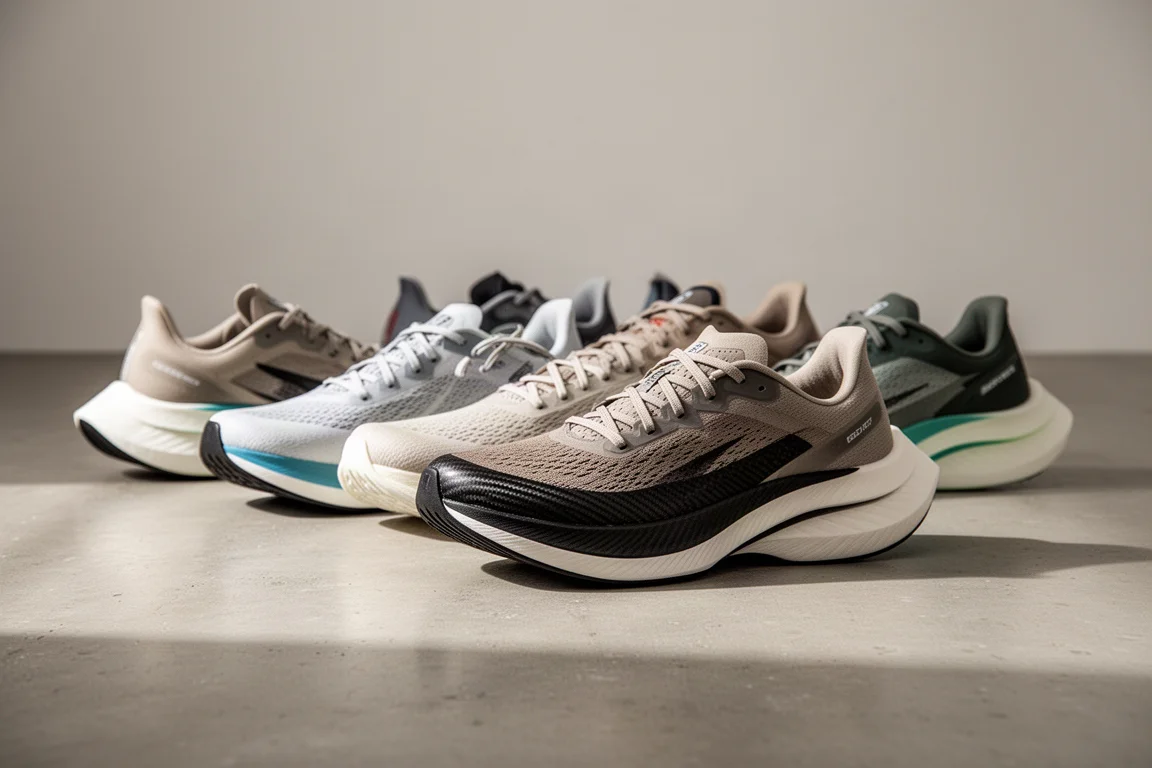
Carbon plate racing shoes have settled into a genuinely competitive market. There is now a proven template, several proven foams, and a long list of shoes that can plausibly help you run a personal best. The hard part is no longer finding a fast carbon shoe; it is finding the fast carbon shoe that suits your stride, your race distance and your budget.
This roundup covers twenty of the top carbon plate racing shoes available, from headline names like the Nike Alphafly 3 and Asics Metaspeed Sky Paris to strong debuts from Diadora and Decathlon. For each shoe we look at the design, how it rides, and who it is most likely to suit. A few notable shoes are absent, including the Adidas Pro Evo 1, which is expensive, hard to get hold of and not very consumer-focused, and the On Cloudboom Echo 3, which has been superseded by the Cloudboom Strike.
How We Picked
Every shoe here has been run in extensively across training, hard sessions and races from 5K up to the marathon. We looked for three things: a clearly fast ride, a sense of who the shoe is actually for, and honest notes on durability, fit quirks and price. Not every shoe tested made the cut; a few felt like second options from their brand rather than the top pick.
One trend stands out across the whole field. The best carbon shoes of this generation are lighter, better cushioned and more consistent than their predecessors, and some, notably from Asics and Puma, have made genuine leaps forward. Others, like the Brooks Hyperion Elite 4 and Under Armour Velociti Elite 2, remain solid but a step behind the very best.
Nike
Nike Alphafly 3
The Alphafly 3 is the shoe used to set the marathon world record, and it is a genuinely impressive racer. Nike removed the decoupled midsole for a continuous design that flows more naturally from heel to forefoot, and the forefoot pods still deliver a firmer, propulsive feel under the toe compared with the Vaporfly’s all-ZoomX midsole.
It is a big shoe, but not that much heavier than before, and it works across all distances while leaning slightly toward the marathon. One tester ran a lot of miles in it without the outsole ripping apart, which is a big positive for durability. It is also exceedingly expensive even for a carbon racer, so check the price carefully before committing.
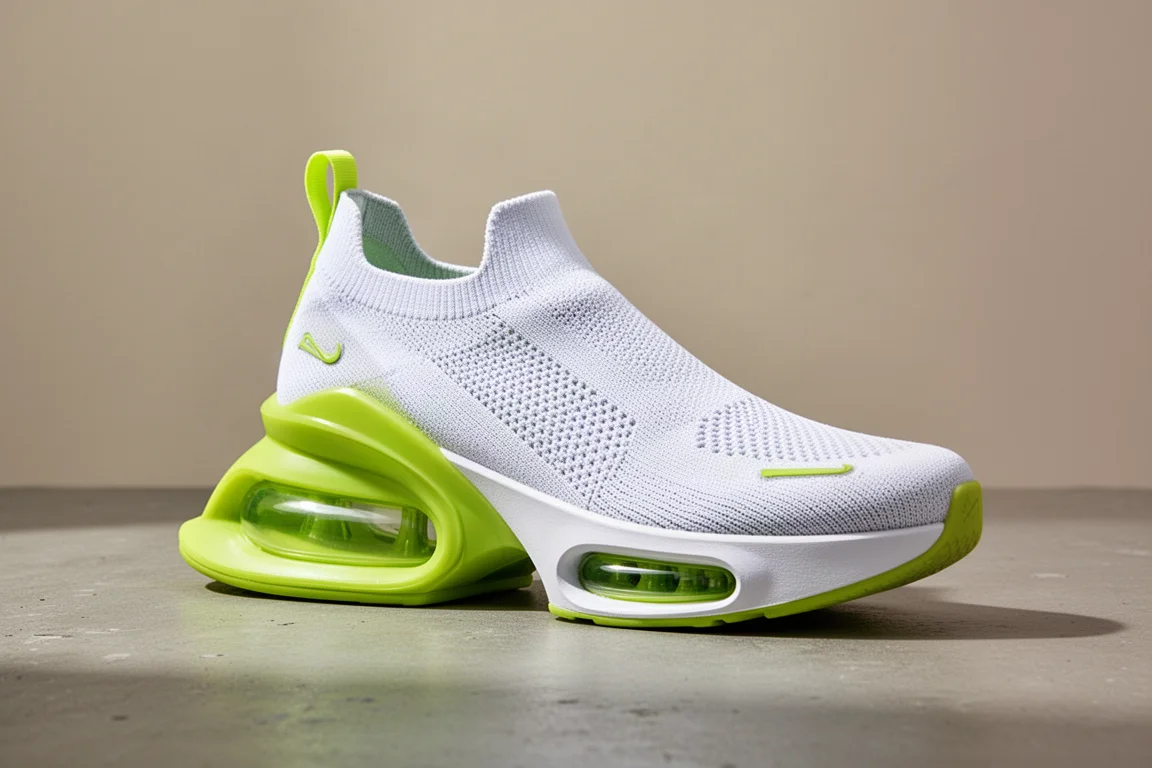
The Alphafly 3 remains one of the most complete all-distance racers on the market, even if some testers still prefer the simpler, bouncier feel of the Alphafly 1.
Nike Vaporfly 3
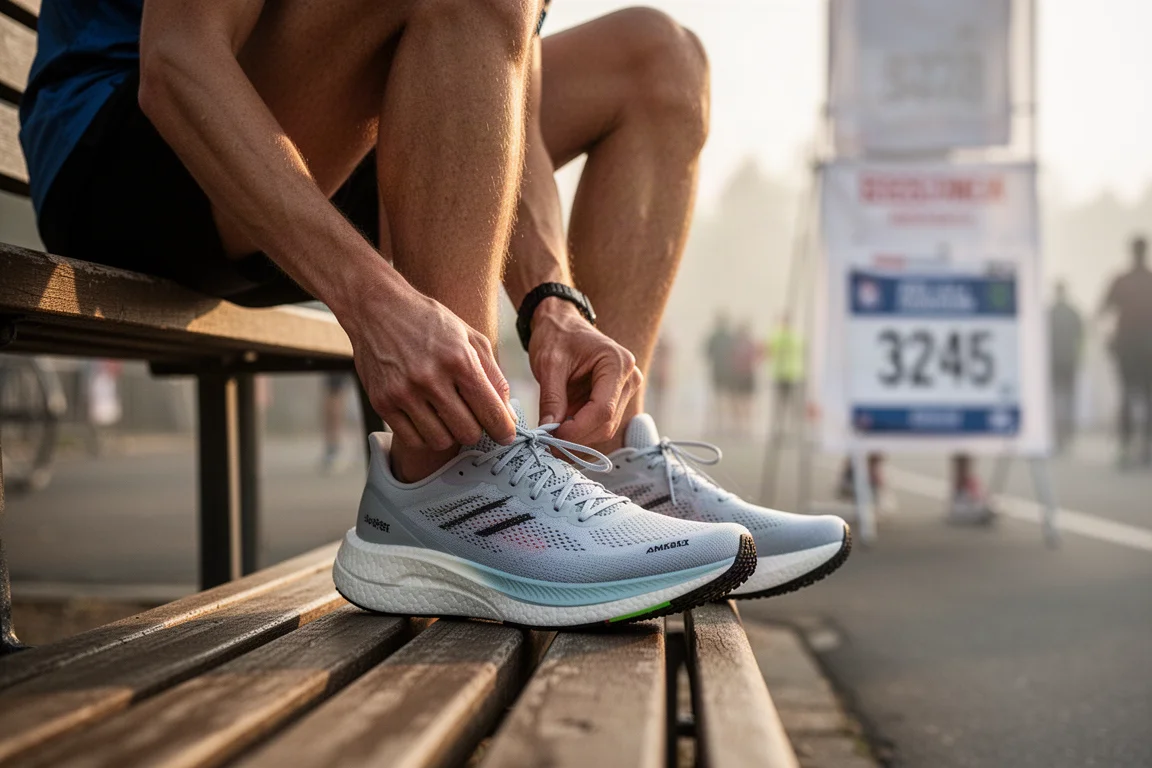
The Vaporfly 3 added a bit more stack and trimmed some outsole rubber compared with the Vaporfly 2, making it a slightly softer and lighter shoe. Around the London Marathon it proved itself as a strong marathon option, and it has real range, with one tester running a relay leg close to a 5K PB in it.
The main caveat is the outsole. It is very minimal and degrades quickly, with one tester wearing it off within the first 9K of a 10K race. Treat it as a race-day shoe rather than a training shoe, and note that it often appears in sales, which can make it a relative bargain in the carbon racing world. Even so, it is the shoe you will see on most people’s feet at races, and that tells you something.
Asics
Asics Metaspeed Sky Paris
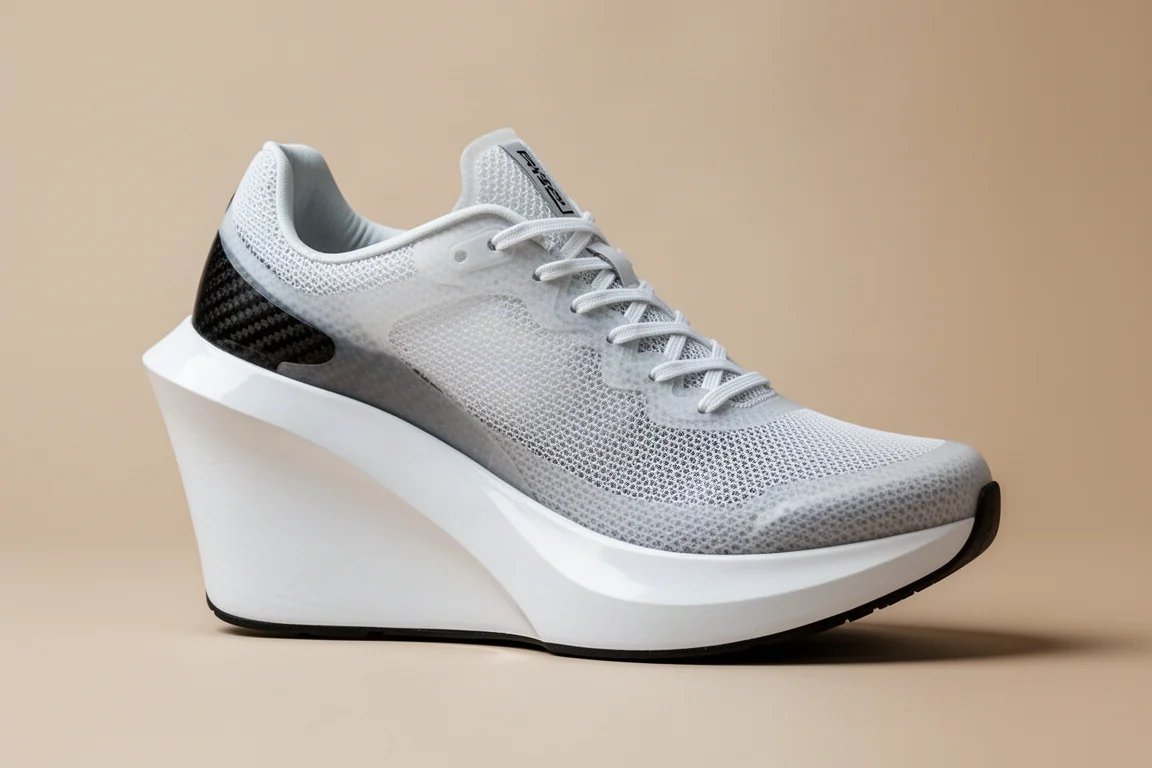
The Metaspeed Sky Paris was the favourite new carbon shoe of the year for our testers, and both marathon PBs were run in it, including a 2:27 at the London Marathon. Asics reworked the midsole with FF Turbo Plus foam, which is lighter, bouncier and softer than before, and the result is one of the lightest carbon shoes available while still feeling protective and snappy.
The shoe delivers a snug race fit, a stiff, propulsive ride with real precision, and it comfortably covers everything from 5K to the marathon. Testers found it easy to engage the plate even when tired, with no notable foot fatigue in the closing miles. The main downsides are the colorways and inconsistent stock.
Asics Metaspeed Edge Paris
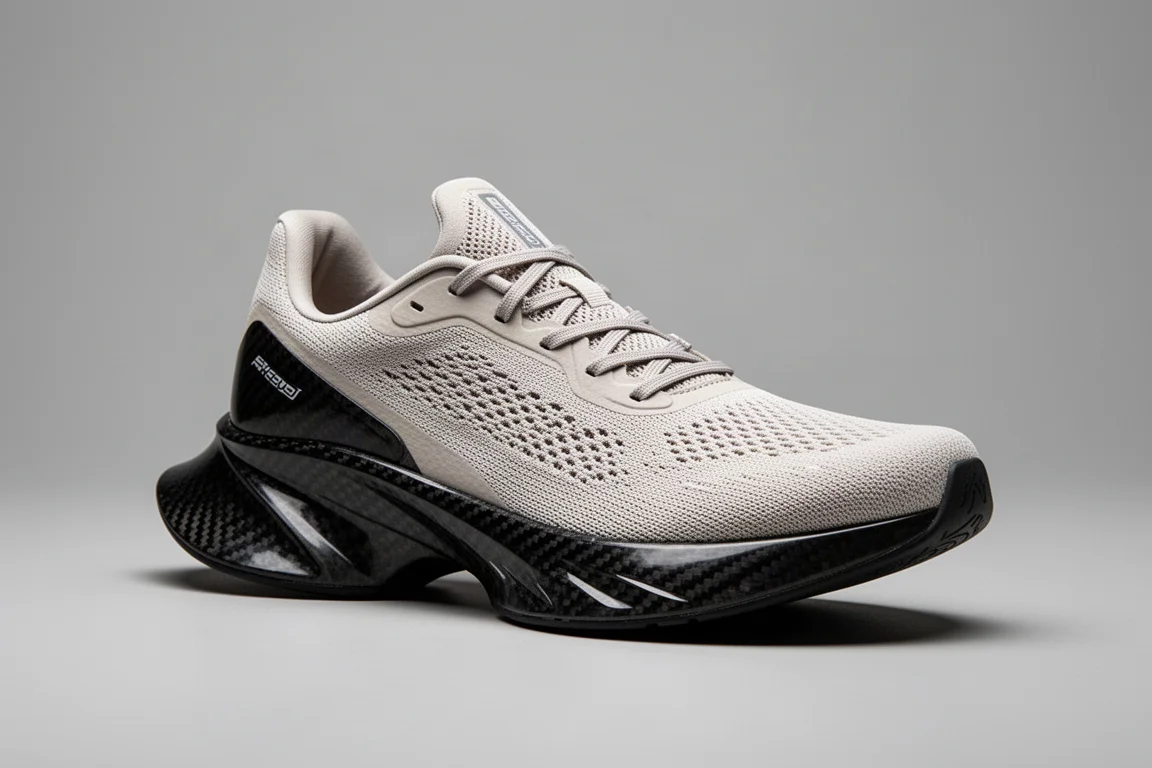
The Edge Paris shares the same stack and drop as the Sky Paris but with a more scooped plate that softens the forefoot, aimed at cadence runners who turn over quickly rather than using a long stride. In practice the two shoes are much closer than previous generations, and both are superbly light.
Some testers found the Edge slightly firmer, while others preferred the Sky on longer runs. Our instinct is to try both if you can and go with whichever feels better; if you can only buy one, the Sky Paris is the safer first choice. The Cadence-versus-stride marketing is possibly overblown, but both are excellent lightweight racers with decent durability for the category.
Hoka
Hoka Cielo X1
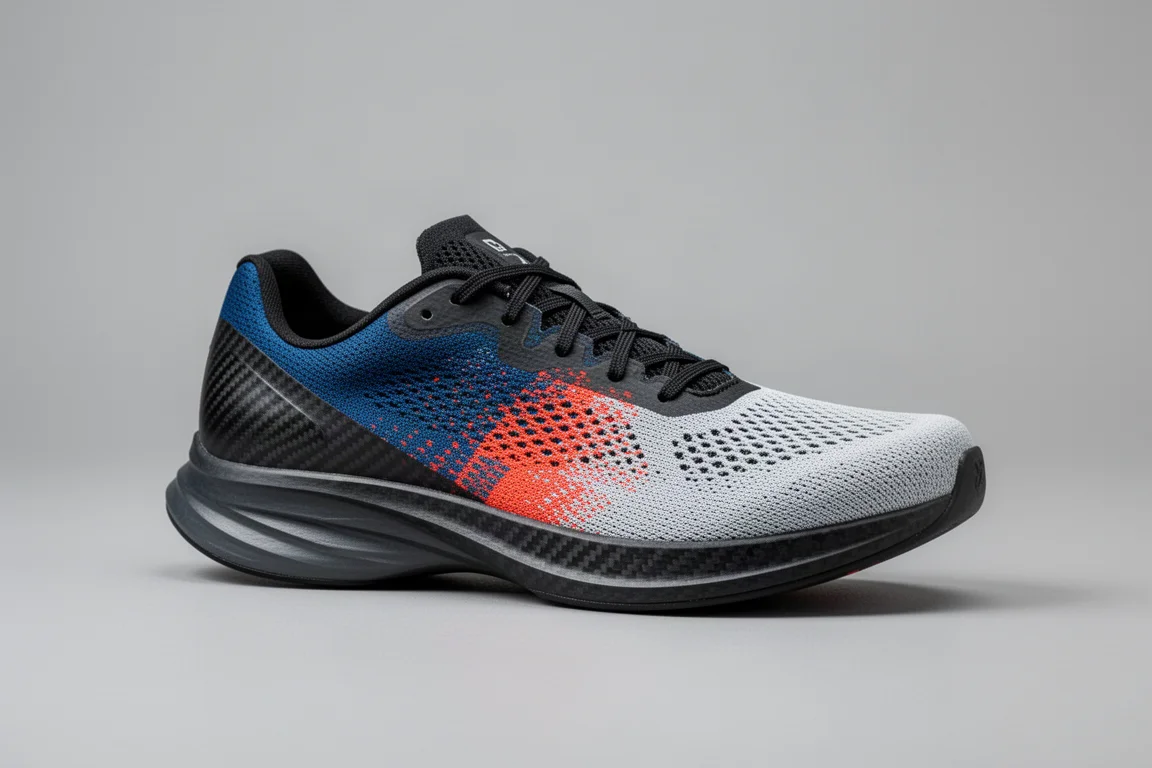
The Cielo X1 is Hoka’s big, bold racer with a two-layer PEBA midsole, a full carbon plate and an exaggerated rocker design. It is unbelievably bouncy, arguably as bouncy as any carbon shoe out there, and it was the shoe one tester logged the most miles in this year, including a hard 24-mile training run and a brutal track session.
The trade-off is weight. On the scales it gives up 50 to 70 grams to the Metaspeed and Nike options, which puts a question mark beside it for shorter races. There is also a lace issue: on one tester the laces came undone twice, both times in races. It remains a great marathon option and one of the most fun carbon shoes to run fast in.
Hoka Rocket X2
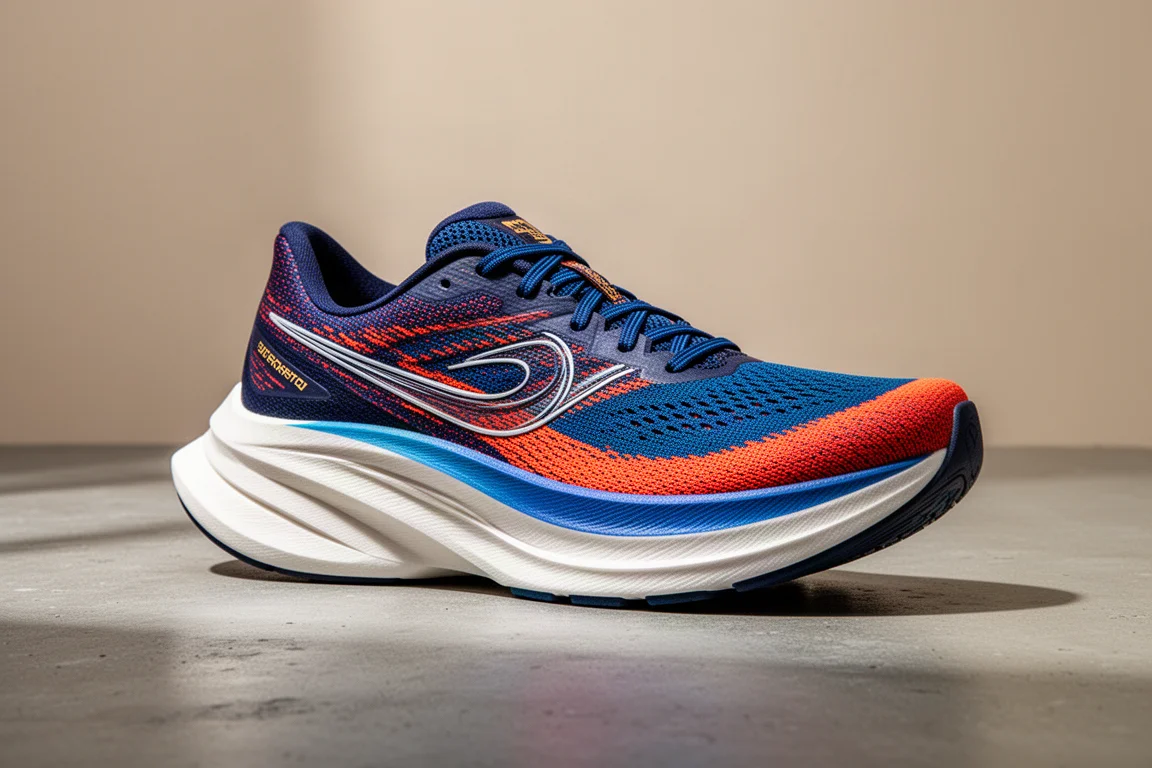
The Rocket X2 is Hoka’s more traditional, more aggressive racing option, with a PEBA midsole and carbon plate in a conventional design rather than the Cielo’s two-layer stack. It is a nice short-distance racer with a pleasant rocked feel, and it has grown capable of going longer too.
It has a genuinely low-drop feel with a soft heel, which will suit or deter you depending on preference. Alongside the Cielo X1, it marks Hoka’s first pair of truly competitive carbon racers, and both are strong enough to race in today while pointing toward even better future versions.
Puma
Puma Deviate Nitro Elite 3
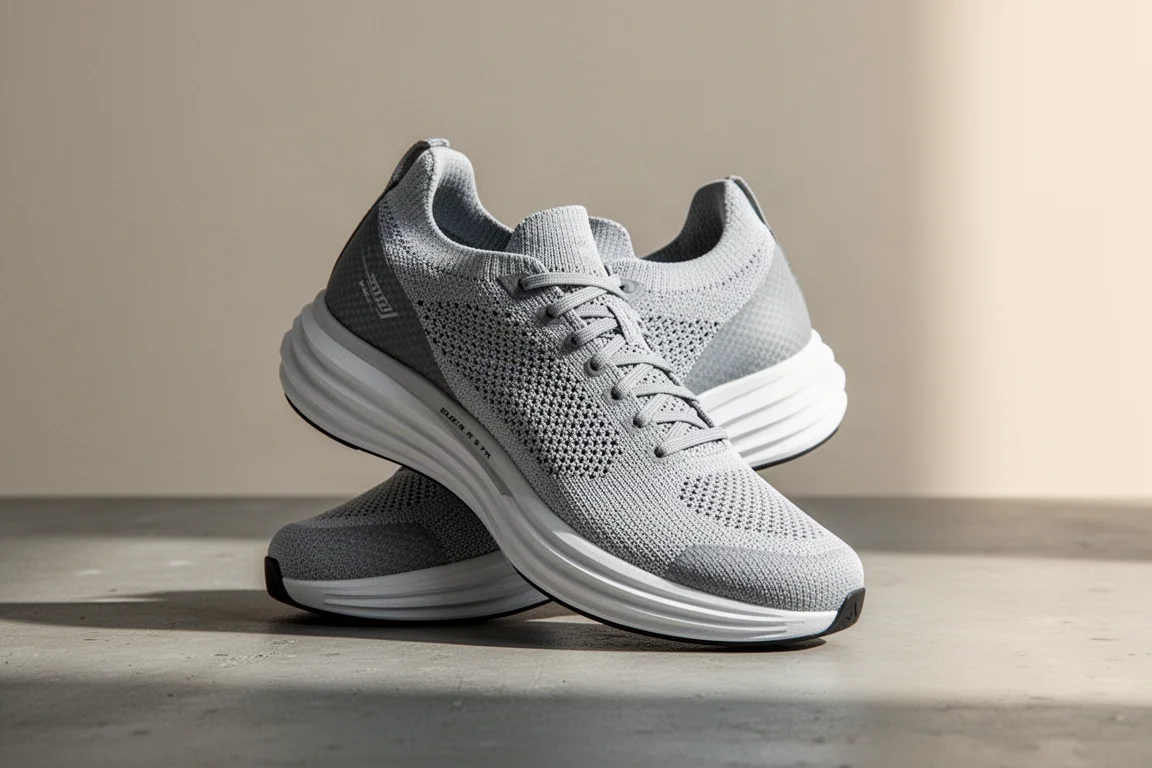
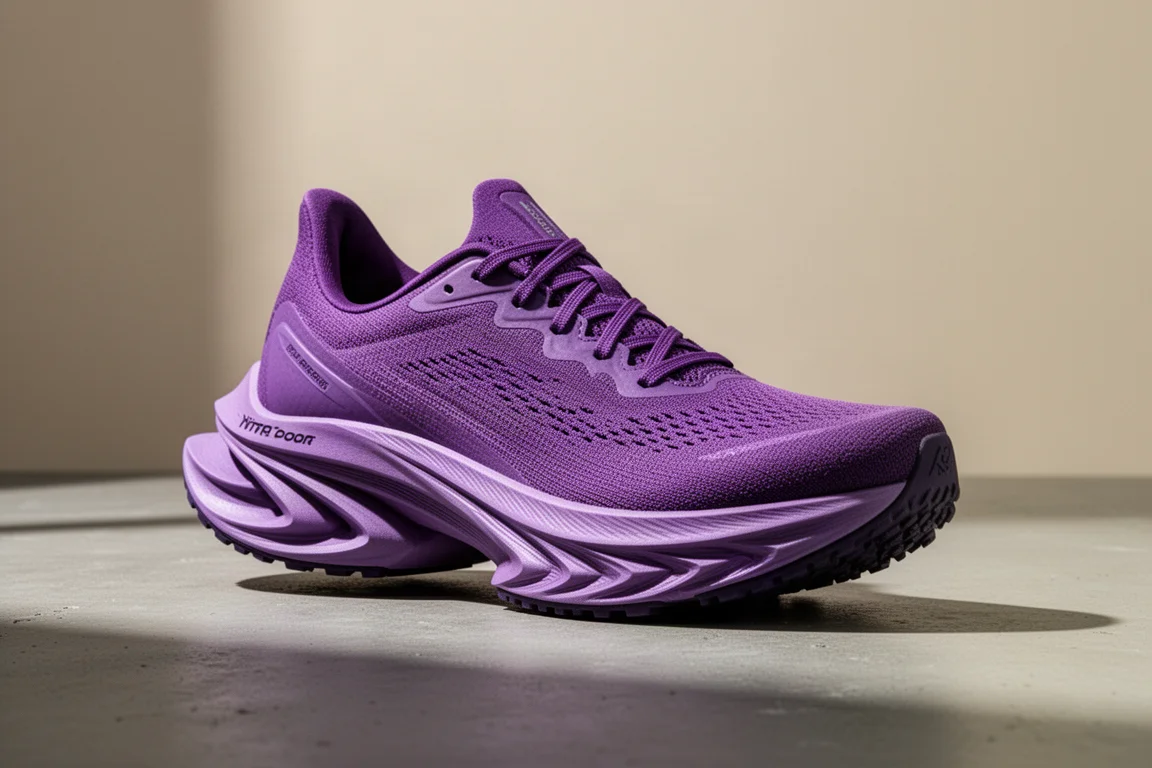
The Deviate Nitro Elite 3 is a genuine standout of the year and the first Puma racer to clearly compete with the best. It uses a new aliphatic TPU foam in a fairly traditional high-stack design with a continuous carbon plate, and the ride feels normal and workable rather than outlandish: propulsive, resilient and just firm enough to feel quick.
The grip is arguably the best rubber on any racing shoe, good enough that one tester raced a mixed woodland-and-road event in it. With the increased stack it now has the chops for the marathon as well as shorter races, and in the UK it comes in under £200, with Puma being notorious for sales that include shoes. If it gets discounted, expect to see a lot of these on start lines.
Puma Fast-R Nitro Elite 2
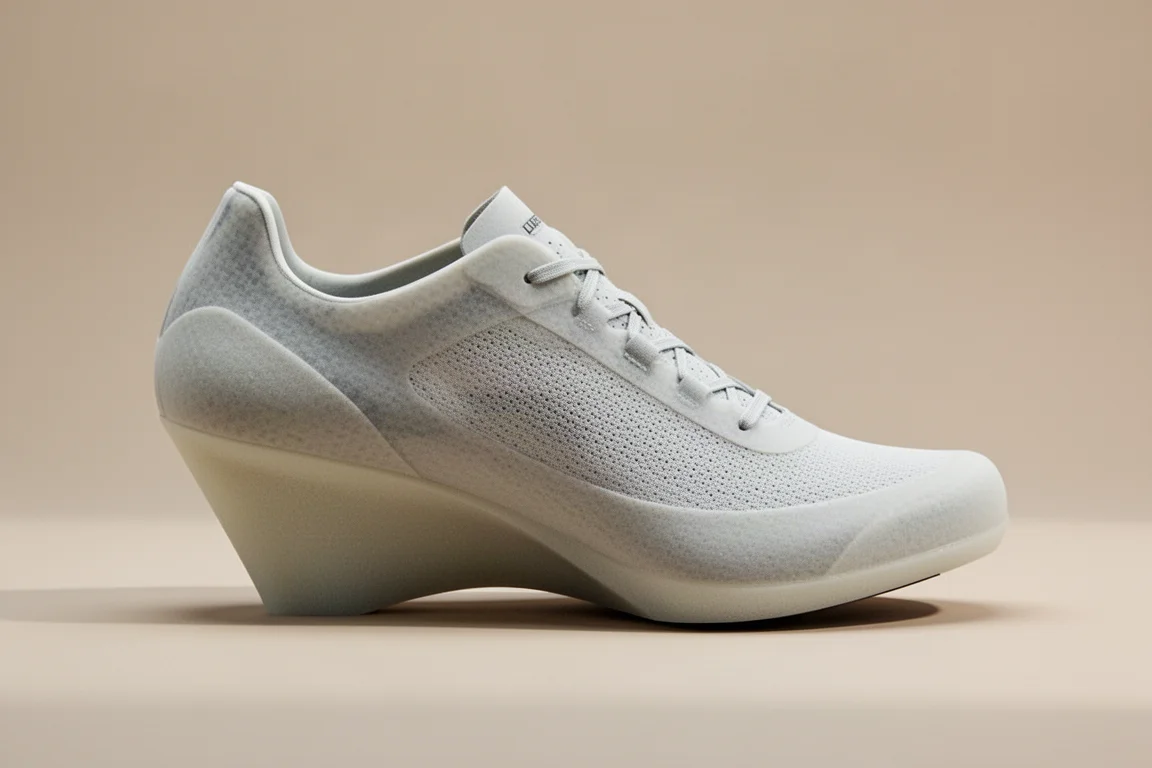
The Fast-R Nitro Elite 2 keeps the distinctive decoupled midsole with the carbon plate visible between two chunks of aliphatic TPU foam, and gains stack and comfort over the original. It is a more propulsive, slightly heavier ride that rewards powerful, bounding runners who can sink into the foam and get energy back.
Several Puma athletes set PBs in it, and it has clearly improved on the first version. For most people, though, the Deviate Nitro Elite 3 is the better and cheaper recommendation; the Fast-R is more expensive and heavier, and suits a narrower type of runner. If you want something a bit outlandish but still raceable, it is worth a look.
Adidas
Adidas Adizero Adios Pro 3
The Adios Pro 3 is now a slightly older shoe, but it still stands up as a very good carbon racer, which is why you see so many on start lines at marathons, halves and ultras. The big wedge of Lightstrike Pro foam with carbon energy rods gives a quick, punchy return with a welcome sense of firmness and immediacy, and the design is notably durable for a carbon shoe.
It works best for longer races and straight-line city marathons, and it rewards runners who can consistently engage the foam and rods; when form drops there is a bit of instability and wobble. The upper is the weak point for some testers. The good news is that being an older model, it is now available at genuinely discounted prices, making it a smart value pick.
Adidas Prime X Strung 2
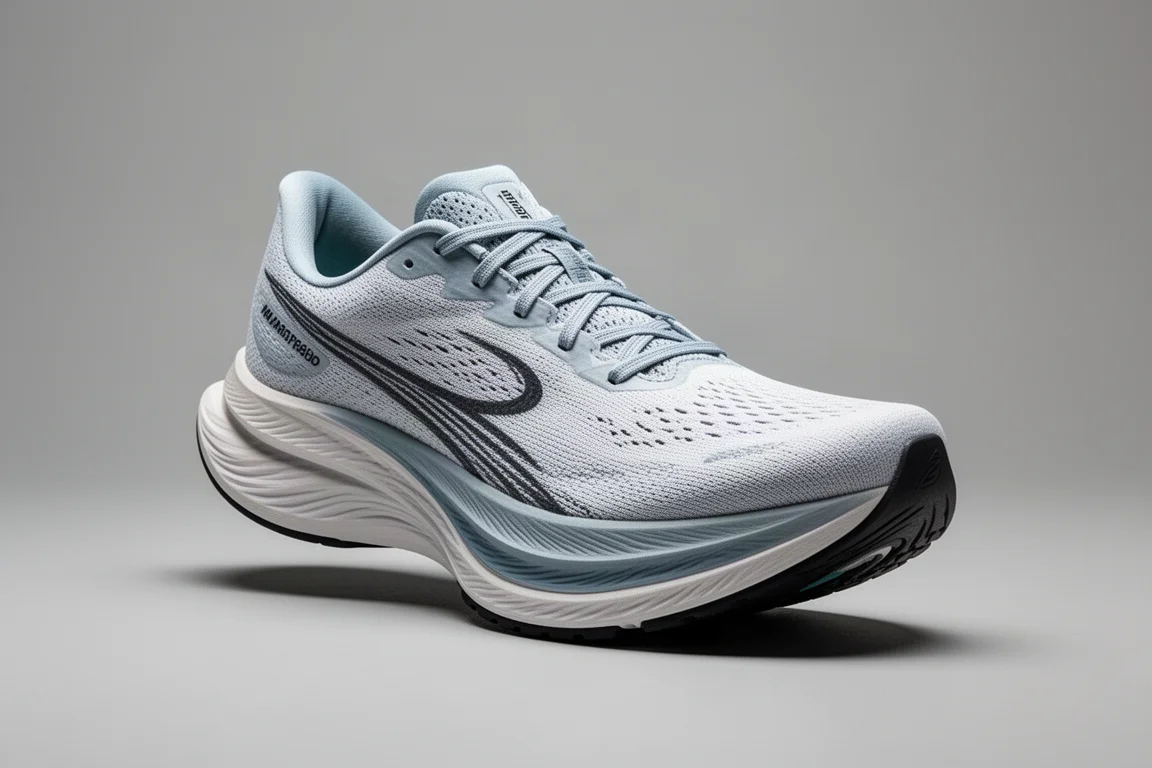
The Prime X Strung 2 carries a huge 50mm stack of Lightstrike Pro foam with rods and plates, which makes it too high for elite competition but legal for everyone else. This version is slightly tamer than the original and has drifted toward super-trainer territory, working well for long runs and fast progression sessions.
The problem is weight. It is markedly heavier than nearly every other carbon shoe, and that shows, particularly over shorter distances. It still feels fast for a shoe this big, but most testers would rather race in the Adios Pro 3 and save the Prime X 2 for training. It is a fun, exaggerated shoe, just not the one to pick first for a race.
New Balance
New Balance SC Elite v4
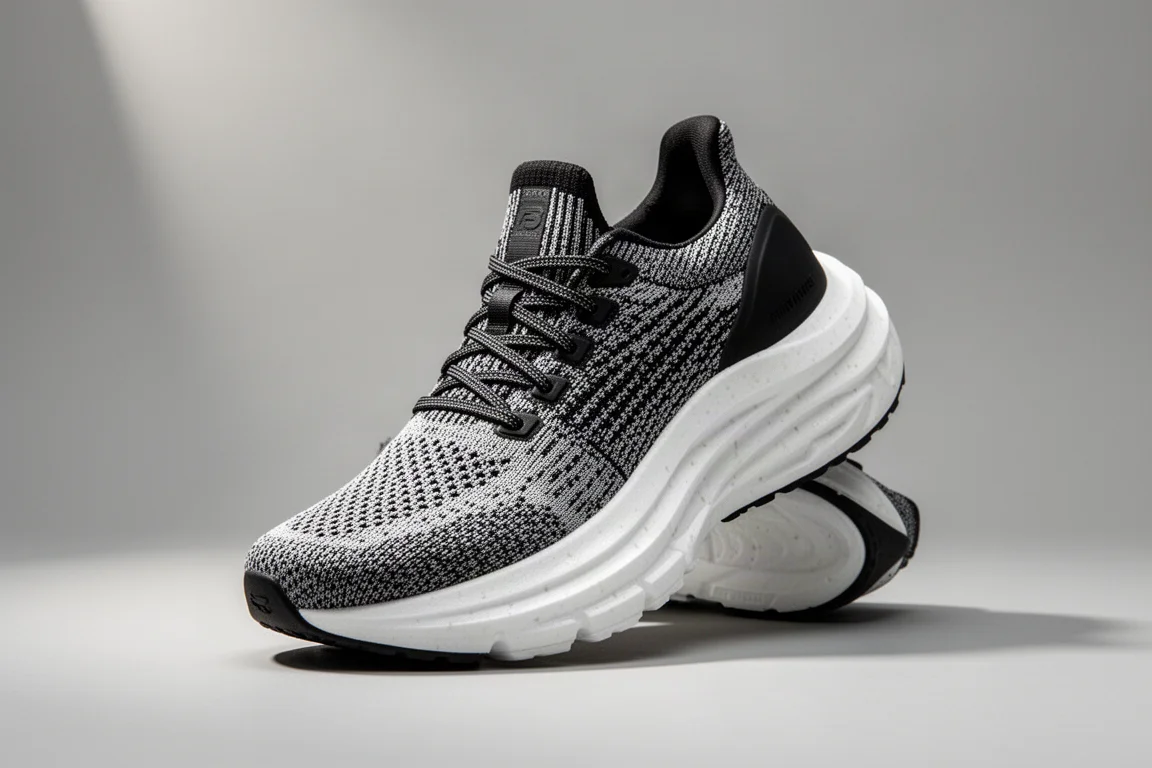
The SC Elite v4 is a full overhaul: a full PEBA midsole, lots of foam and a smooth rocker that makes it bouncy, cruisy and genuinely marathon-friendly. One tester ran the London Marathon in it along with many long training runs and found it very controlled, stable and comfortable, if not the most aggressive shoe on the list.
It leans clearly toward long distances and marathon-pace work rather than faster than race-pace sessions. The heel design has caused problems for some runners, chafing heels, so check that fit carefully. As an accessible, polished marathon shoe, it is easy to recommend, it just lacks a bit of top-end punch.
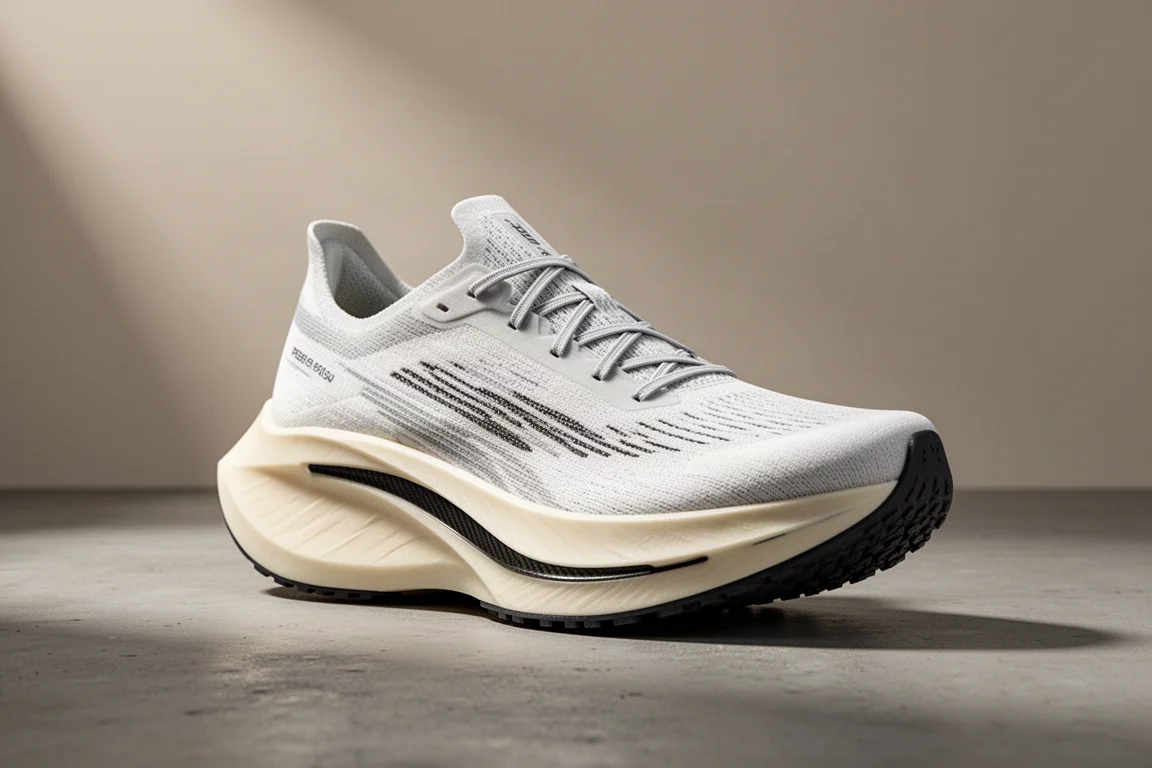
New Balance SC Pacer v2
The SC Pacer v2 uses the same FuelCell foam as before with a lower stack and higher drop, in a more aggressive package developed with input from an American marathoner. It has a more direct, grounded feel than the SC Elite v4 while still offering real bounce, and it can comfortably go beyond 5K and 10K if you like a firmer, faster ride.
The downsides are the same problematic heel collar, which chafed on an 11-mile progression run, and a weight that is surprisingly high for a lower-stacked shoe, heavier than the Metaspeed Paris pair or the On Cloudboom Strike LS. If you want a nimble short racer, that weight matters. It is still an impressive, dialed-in shoe overall.
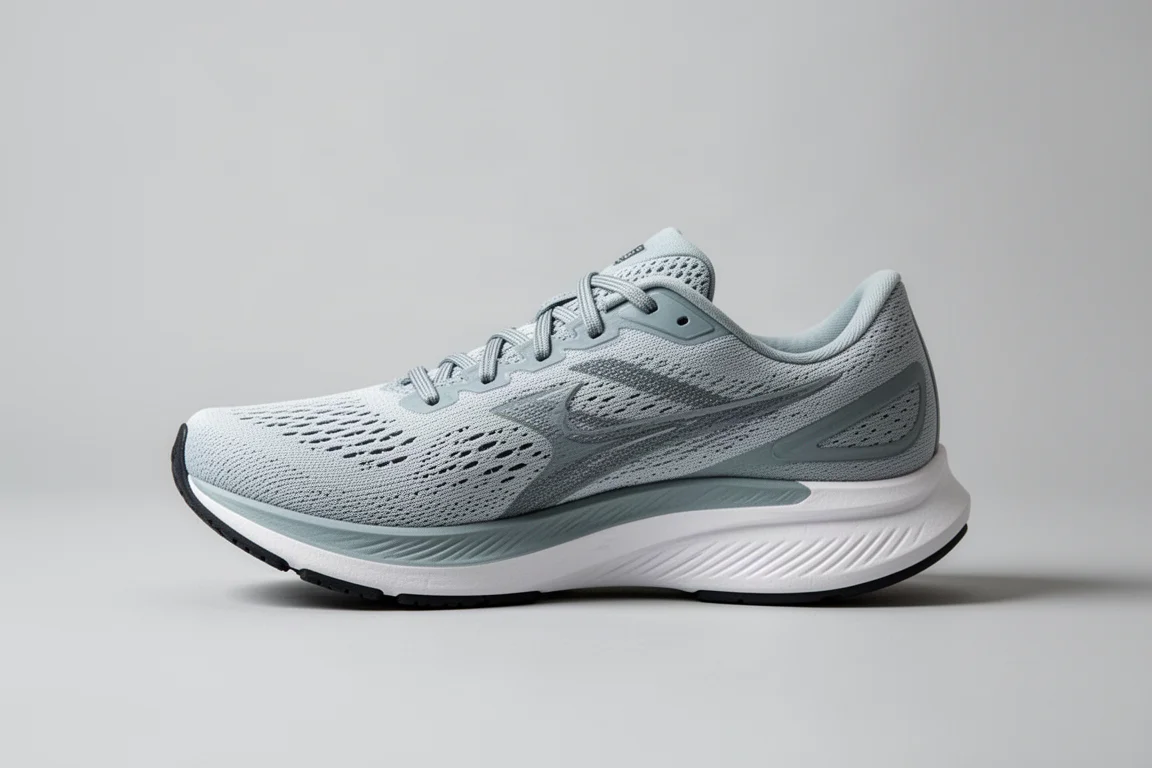
On
On Cloudboom Strike LS
The Cloudboom Strike LS is On’s sprayed-upper version of its new flagship racer, with a one-piece, lace-free upper made by a robot in a very short time. It comes in around 193 grams in a UK size 9, with only the Asics Metaspeed shoes lighter, and the upper held narrow feet securely with no stretch over 100K of testing.
The bigger story is underfoot: On has finally figured out its midsole. Layers of helium-based Hypergrip-class foam deliver a bouncy, comfortable, much faster ride than previous On carbon shoes, with better geometry. The LS is the more expensive and fit-risky option since there is no adjustability, and the standard Cloudboom Strike is the safer bet if the sprayed fit does not work for you. Either way, it is one of the best lightweight racers available, at a premium price.
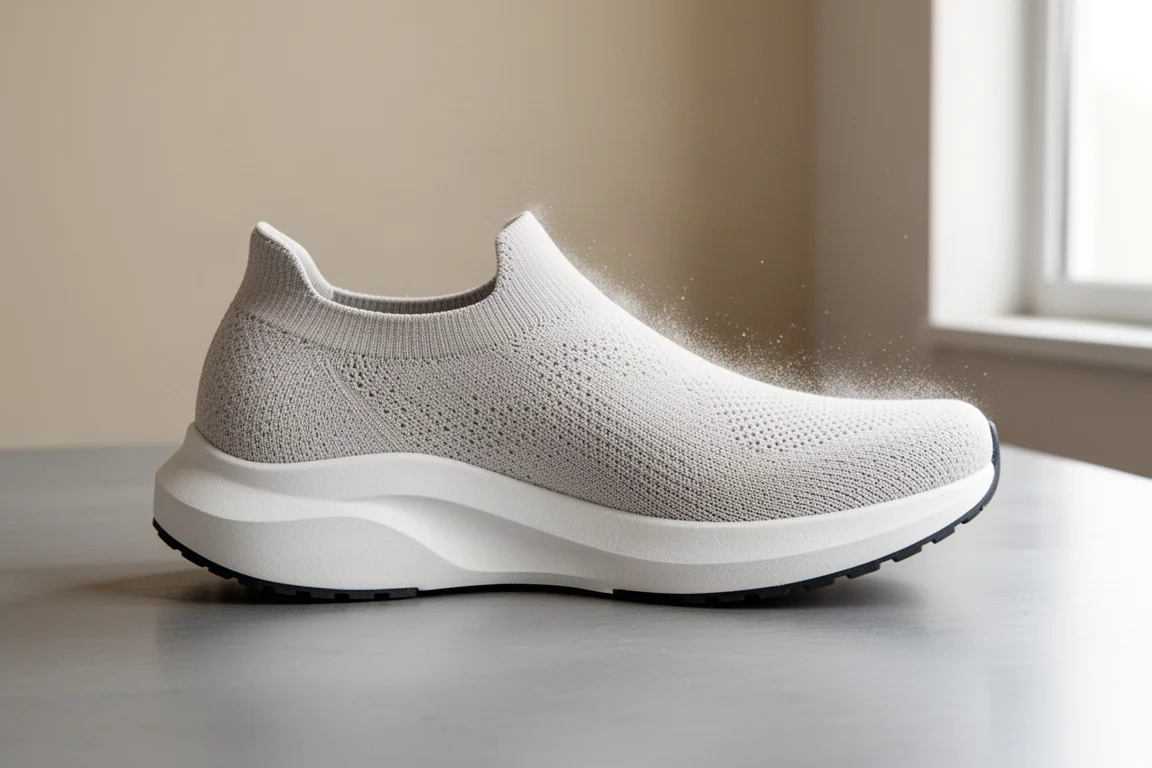
Saucony
Saucony Endorphin Elite
The Endorphin Elite is one of the fastest-feeling shoes in this roundup, but also one of the strangest to wear. It has a very firm, high-energy foam and an extremely aggressive rocker that pushes you forward hard; one tester set a half marathon PB in it that still stands, but described the experience as excruciatingly difficult by the end.
Foot fatigue showed up after just a 10K for another tester, and nobody would run a marathon in it. This is a shoe for short, fast efforts when you are feeling good, not an all-rounder. The Elite 2 has since launched on a limited release and is reportedly softer, which should address some of these issues. At this point the original often appears in sales.
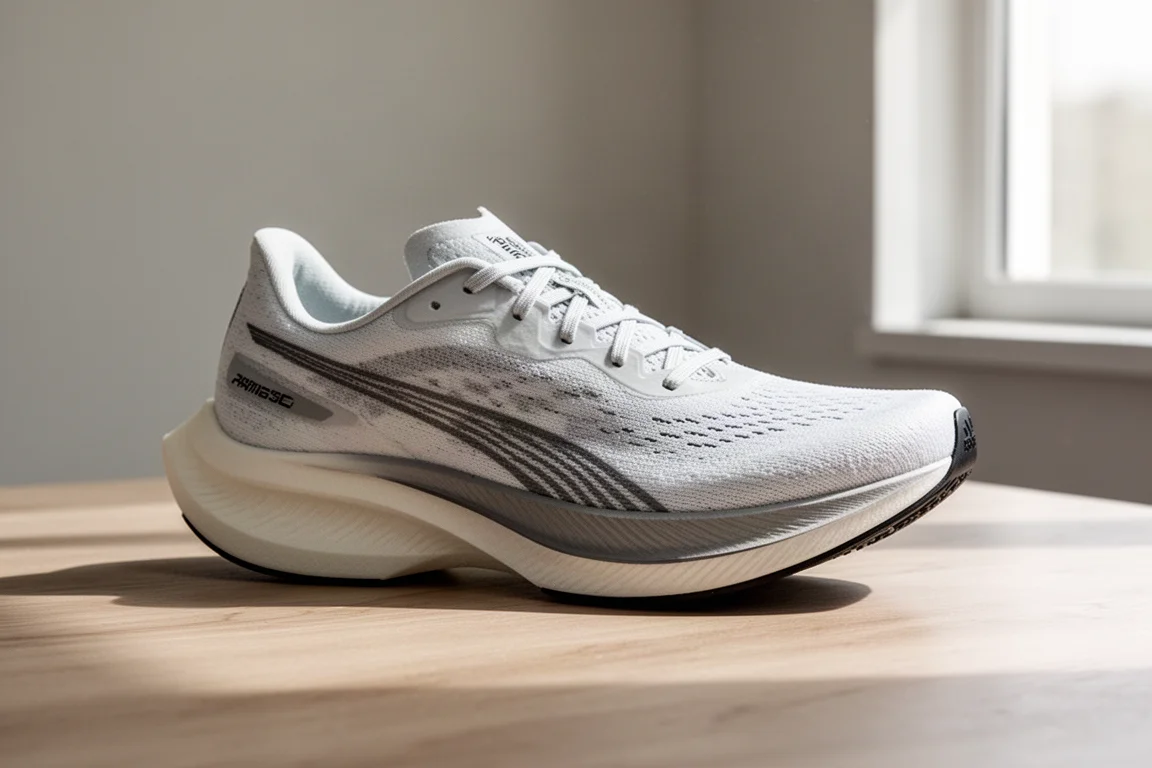
Saucony Endorphin Pro 4
The Endorphin Pro 4 pairs a top layer of the Elite’s foam with a bottom layer of the softer PowerRun PB foam from earlier models, which makes it noticeably less aggressive and easier to live with than its sibling. The rocker still feels natural, and it is more stable and more accessible than the Endorphin Elite.
It performed impressively in long marathon training sessions, helping maintain hard paces for extended periods, and handled a 10K race well. Opinions differ on whether the Pro 3 or Pro 4 is the better all-rounder, but the Pro 4 is the stronger pure racer of the two. If you are new to carbon shoes, this is one of the friendliest entry points, and it often appears in sales.
Brooks
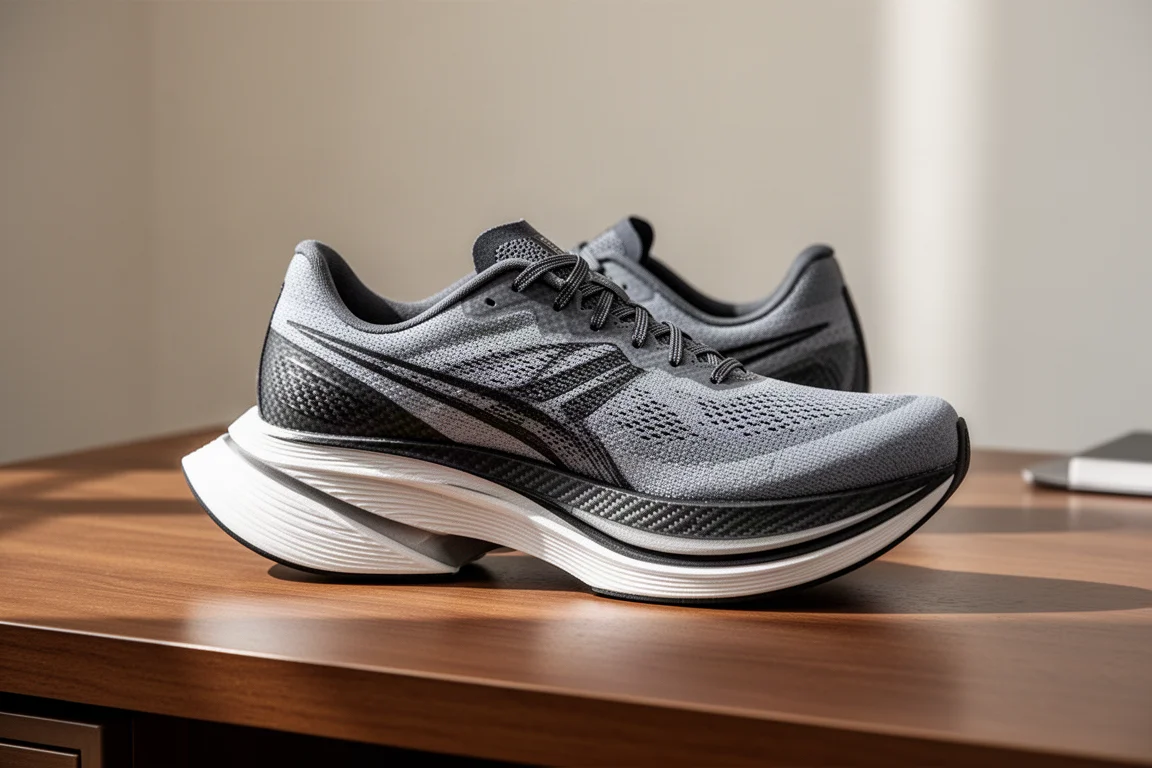
Brooks Hyperion Elite 4
The Hyperion Elite 4 uses a new version of DNA Flash foam and retains a slightly firmer feel than most of the market, which makes it a bit different but also a bit less lively than the best carbon shoes. It does not drive you forward the way the Alphafly or Metaspeed Sky Paris do; you have to work harder for the speed, though it pays you back.
There is a silver lining: it is accommodating when you are not running at your best and the pace drops, looking after you where some racers would not. Raced well at the Barcelona half marathon, it is best seen as a fast super trainer with race capability. Given the launch price and the competition, Brooks still has a couple of levels to make up here.
Decathlon and Diadora
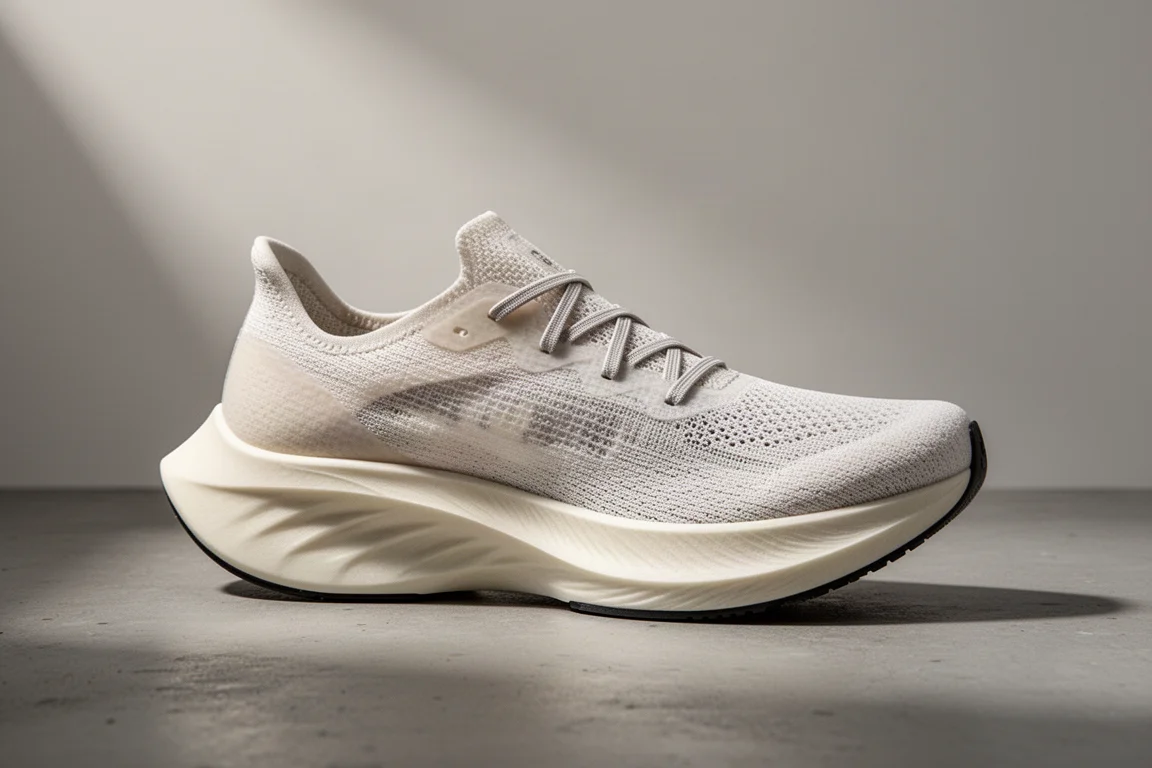
Kalenji Kiprun KD900X LD
The Kiprun KD900X LD is a huge step up from the original Kiprun carbon shoe, with a new version of the V-foam PEBA midsole, more stack and a softer, marathon-friendly feel that fixes the stiffness complaints of the first shoe. It is light, snappy and precise, with a geometry and fit that feel familiar alongside the Metaspeed Sky Paris.
The catch is the upper: on marathon tests it cut under the ankle bone and caused blistering at the base of the Achilles, drawing blood on one occasion, so check the fit carefully before committing to long distances. At its price point it is genuinely good value, though note that discounted vaporfly-class shoes can land at similar prices in sales, so it is a good shoe rather than a must-have cheap one.
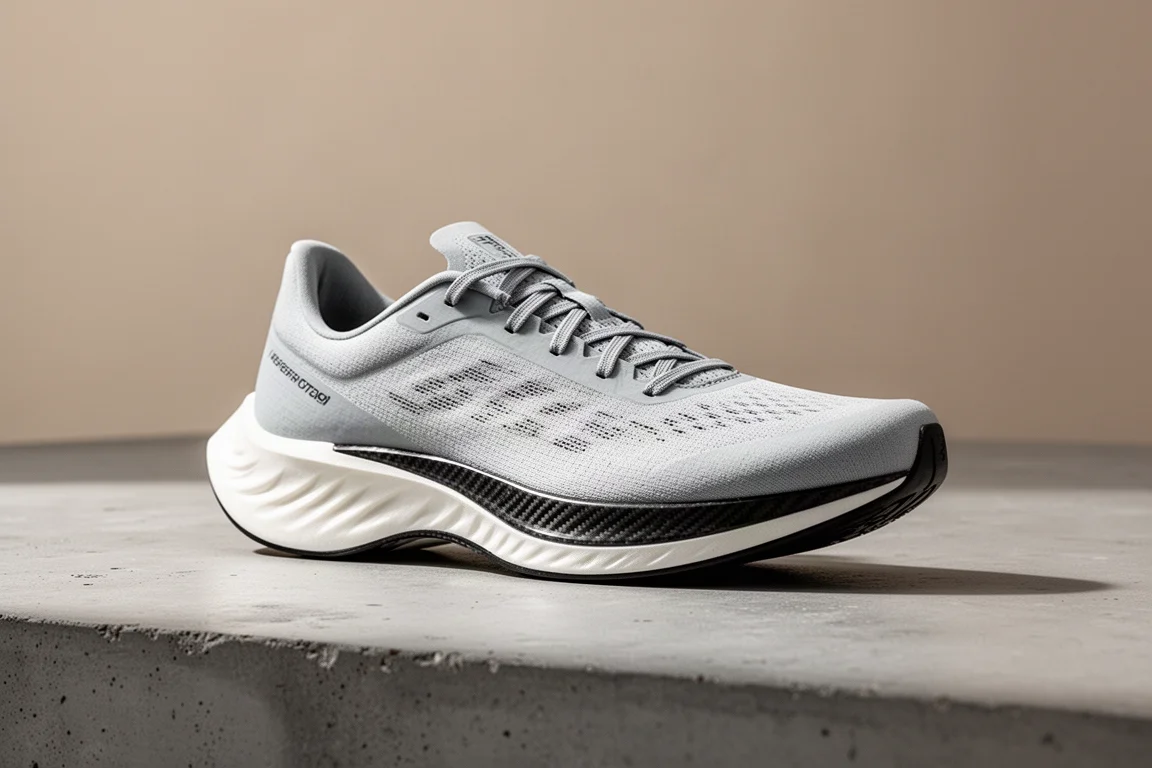
Diadora Gara Carbon
The Gara Carbon is Diadora’s first carbon racing shoe and a surprisingly impressive debut. Its stack sits close to the Asics Metaspeed Sky Paris class, it weighs just over 210 grams in a UK size 8, and it delivers an aggressive, bouncy, just-enough-cushion ride that worked well in short races and long marathon-pace runs alike.
At around £250 it is priced at the very top of the market, and against the established top-tier shoes it is probably not quite worth the premium yet. The outsole durability and some upper details could be better. Still, Diadora has made a genuinely good shoe here, and it is a brand worth watching.
View more details for Diadora Gara Carbon
Mizuno
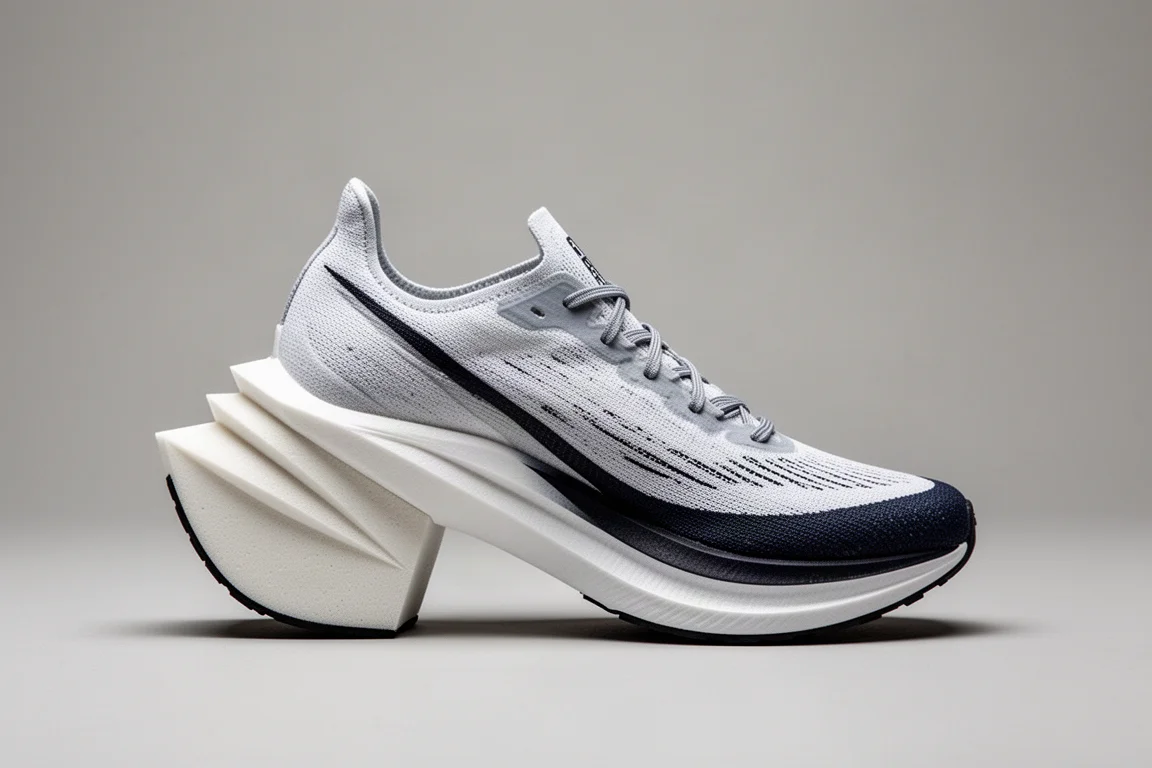
Mizuno Wave Rebellion Pro 2
The Wave Rebellion Pro 2 is the most outlandish shoe in this roundup, with a very aggressive rocker, a huge heel cutout and a midfoot stack that is clearly over 40mm yet measures legal. It is unbelievably bouncy, arguably bouncier than any other carbon shoe, and one tester loved it for Boston Marathon interval sessions and just bouncing along.
It is a shoe you have to run in exactly the right way. Landing on the midfoot sweet spot feels great and fast, but as you tire it becomes hard to hold the position the shoe forces on you, and neither tester would choose it for a marathon or half marathon that mattered. It is fun, relatively affordable and already seen at half price, but treat it as a novelty second racer rather than your main shoe.
Under Armour
Under Armour Velociti Elite 2
The Velociti Elite 2 is a distinctly low-drop carbon shoe with a pronounced rocker that works best on a forefoot strike at speed. It has more PEBA in the midsole than the original, and it feels faster, but it is still a weighty shoe with a dual-density design that mutes the bounce of that PEBA foam.
Testers liked it for intervals and short, fast efforts, and the upper is genuinely excellent: breathable, airy and secure, arguably the opposite experience of the Adios Pro 3’s fit. Over longer hard runs it gives back less than the competition. At discounted prices, which it has already hit in some places, it could be a bargain fast trainer and occasional racer, but Under Armour needs a bigger redesign, ideally a full-PEBA midsole, to be truly competitive.
Buying Advice
If you want the safest all-round choice, the Asics Metaspeed Sky Paris and Nike Alphafly 3 sit at the top of the field, with the On Cloudboom Strike LS right there for lightweight racing if the fit suits you. If value matters, the Puma Deviate Nitro Elite 3, the discounted Adidas Adios Pro 3 and the Nike Vaporfly 3 in sales offer most of the performance for less money.
For marathon specialists, the Hoka Cielo X1 and New Balance SC Elite v4 prioritise comfort and protection over raw top speed. For short-distance speed, the Saucony Endorphin Elite and SC Pacer v2 are aggressive options with real caveats on comfort. And if you simply want something fun and different, the Mizuno Wave Rebellion Pro 2 is unlike anything else here, as long as you treat it as a side dish rather than your main racer.
Conclusion
There has never been a better time to buy a carbon racing shoe, and rarely a better time to buy one at a discount. The Asics Metaspeed Sky Paris is our standout pick of the generation, but almost every brand in this list now makes at least one shoe that could genuinely help you run your best race. Match the shoe to your stride and your distance, check the fit, and do not be afraid to look at last year’s model on sale.
Further reading
Related Reviews

Running Shoes
Best Road-to-Trail Running Shoes: Three Versatile Options for Mixed Terrain
A practical guide to three road-to-trail running shoes that handle both pavement and mild trails, with clear strengths and trade-offs for different runner types.

Running Shoes
Best Running Shoes for Achilles Tendonitis: Three Options Explained
Three running shoes with different heel drops and support features designed to help reduce Achilles tendon pain during walking and running.

Running Shoes
Best Running Shoes for Women: Five Top Choices Ranked
A ranked guide to five women's running shoes, from versatile daily trainers to high-performance racing options, with real strengths and trade-offs for each.