Kitchen Tools
Best Can Openers: OXO Good Grips vs Fissler Magic
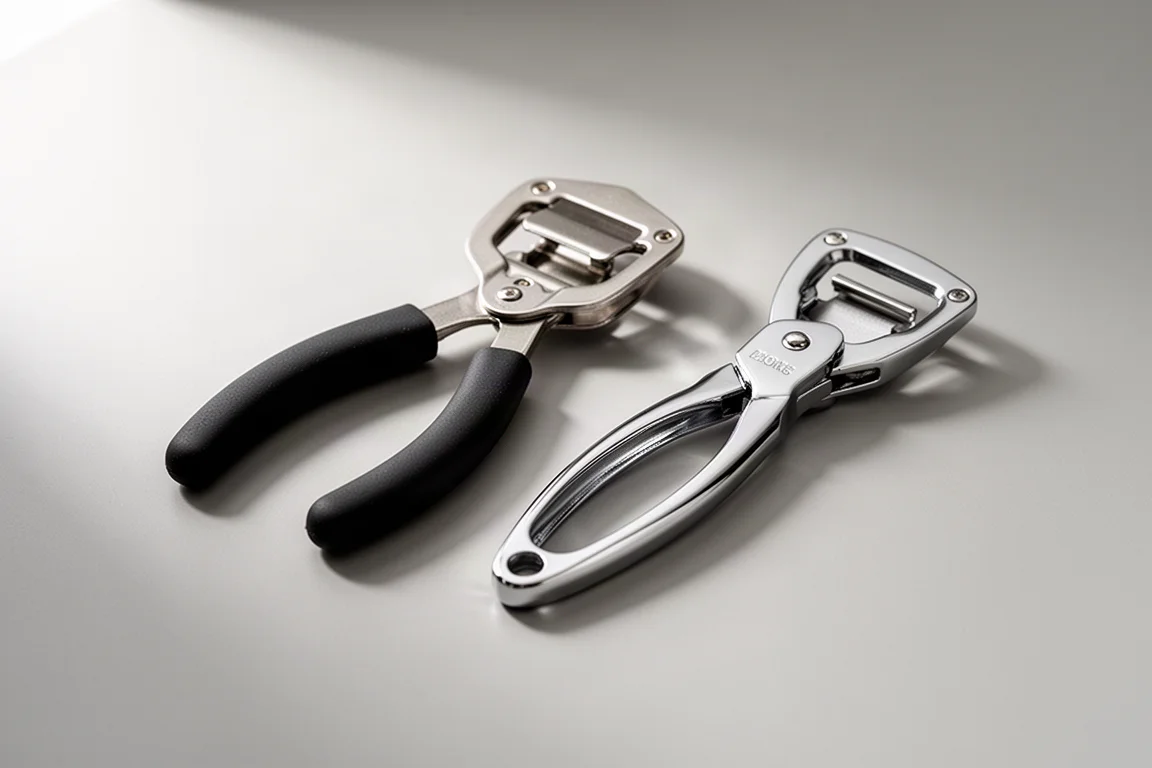
Two standouts from an 11-opener comparison test: a familiar traditional pick and a safety opener that leaves no sharp edges.
Introduction
A can opener is a small, single-use gadget, yet it is easy to have surprisingly strong opinions about them. In a comparison of 11 can openers priced between $8 and $55, two picks stood out: one traditional model for people who want simplicity and familiarity, and one safety model for anyone tired of sharp lids. This guide breaks down both styles and the two products worth considering.
How the Test Worked
The openers were evaluated on real cans rather than a single test case. Tiny six-ounce cans of tomato paste presented the hardest challenge, with tight curves inside the lid that the opener has to follow. A 28-ounce can of tomatoes offered wider, softer curves, and cans of black beans and tuna served as in-between points.
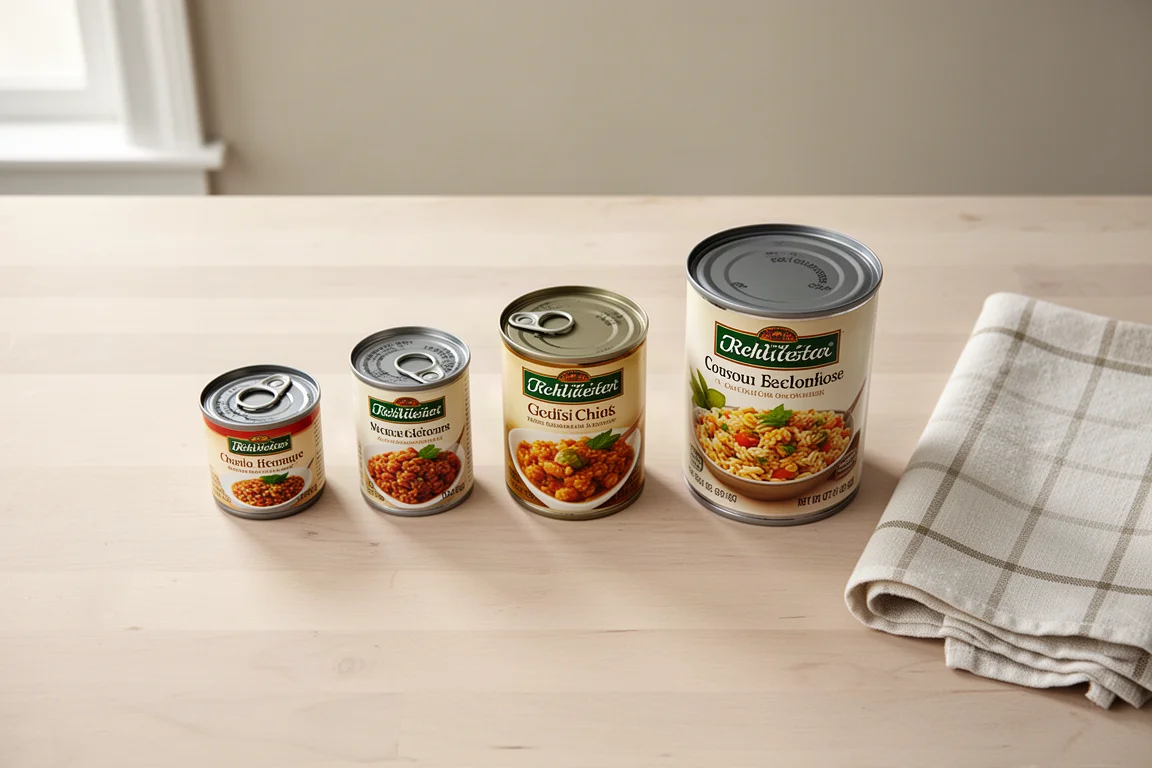
That range makes the results practical for everyday kitchens, since most households open exactly this mix of small and large cans.
The Traditional Style: Familiar and Simple
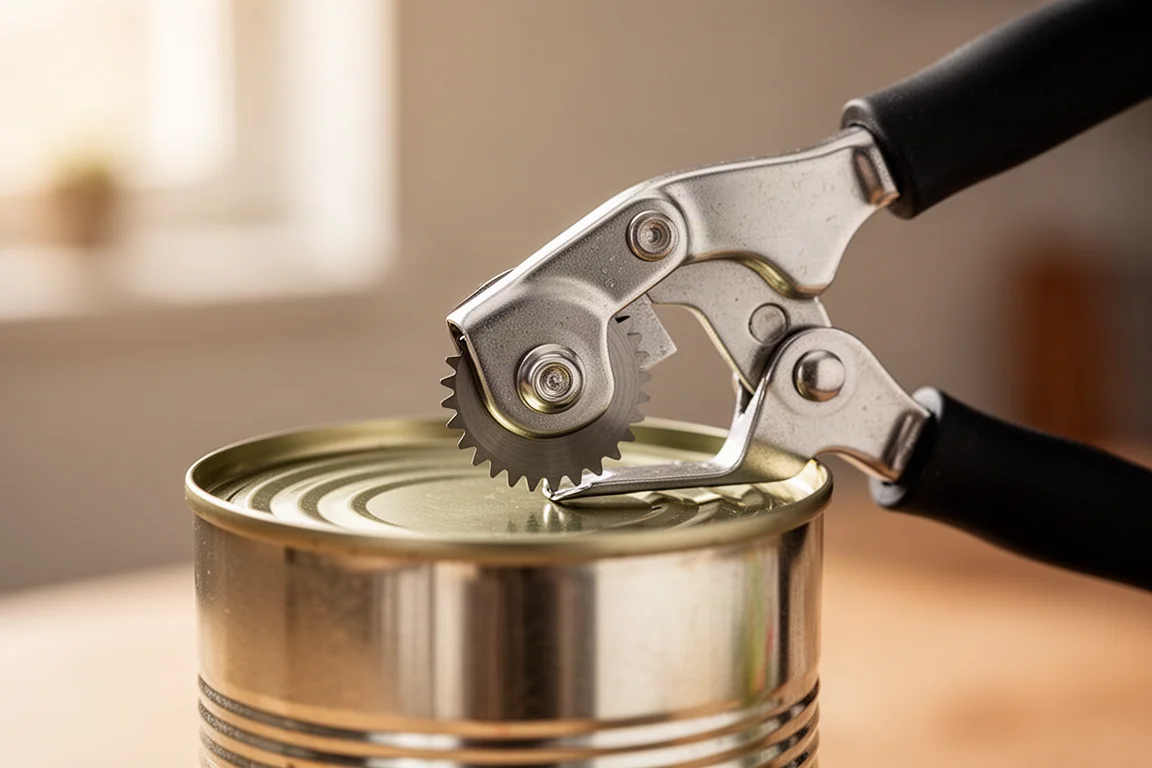
Traditional can openers are the type nearly everyone already knows. You attach the opener to the top of the can, press down, and feel a distinct click as the blade punctures. Then you crank all the way around, and you know you are done because the lid sinks slightly or flips up.
The advantages are clear: it is intuitive, easy to use, and gives constant sensory feedback so you always know where you are. The trade-offs are a sharp-edged lid, a cutting wheel that can dip into the can’s contents and get messy, and the fact that you have to keep pressing firmly all the way around to keep the opener engaged.
If you want something really simple and really intuitive, the OXO Good Grips Soft-Handled Can Opener is the standout traditional pick, priced at $17.
The Safety Style: No Sharp Edges
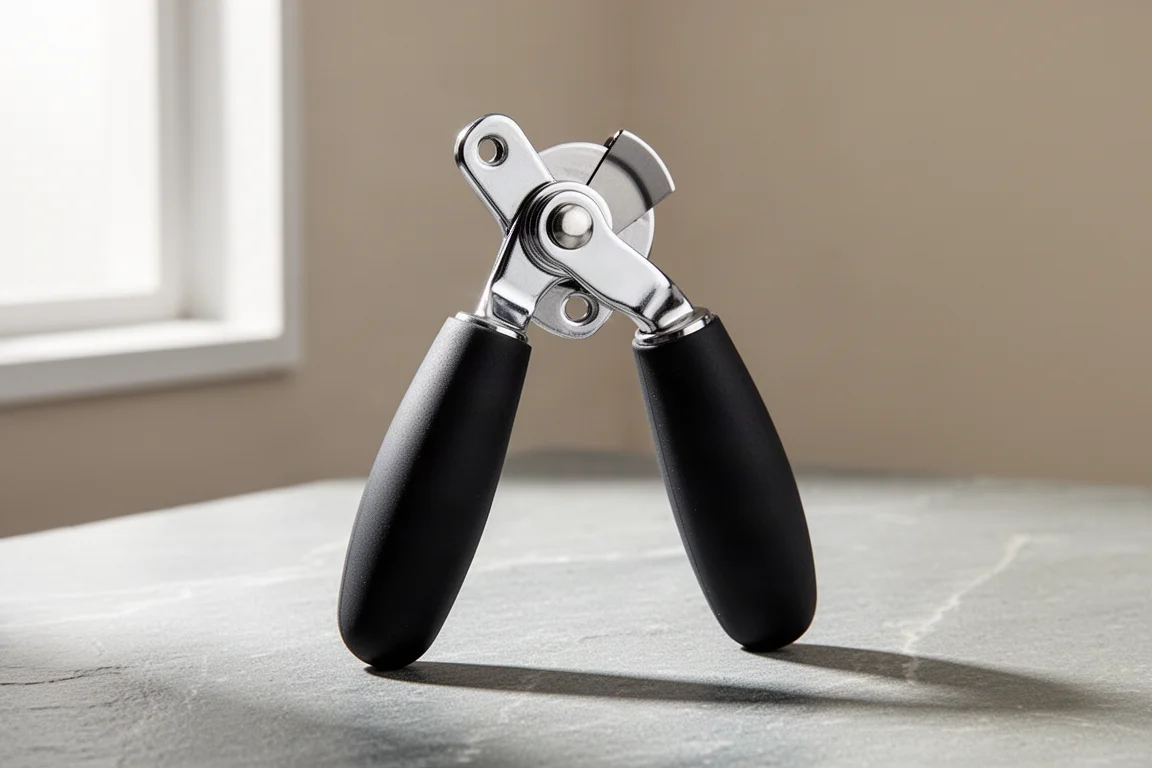
Safety can openers work differently. The opener attaches to the side of the can, angled down, with the cutting edge positioned underneath the rim. There is no click and no escape of air to signal that the blade has engaged, and there is no clear indication when you have finished the full circle. You simply work your way around, then lift and hope.
The reward for that learning curve is significant. The lid comes away with no sharp edges, and because the lid stays intact, you can pop it right back onto the can to store leftovers in the fridge.
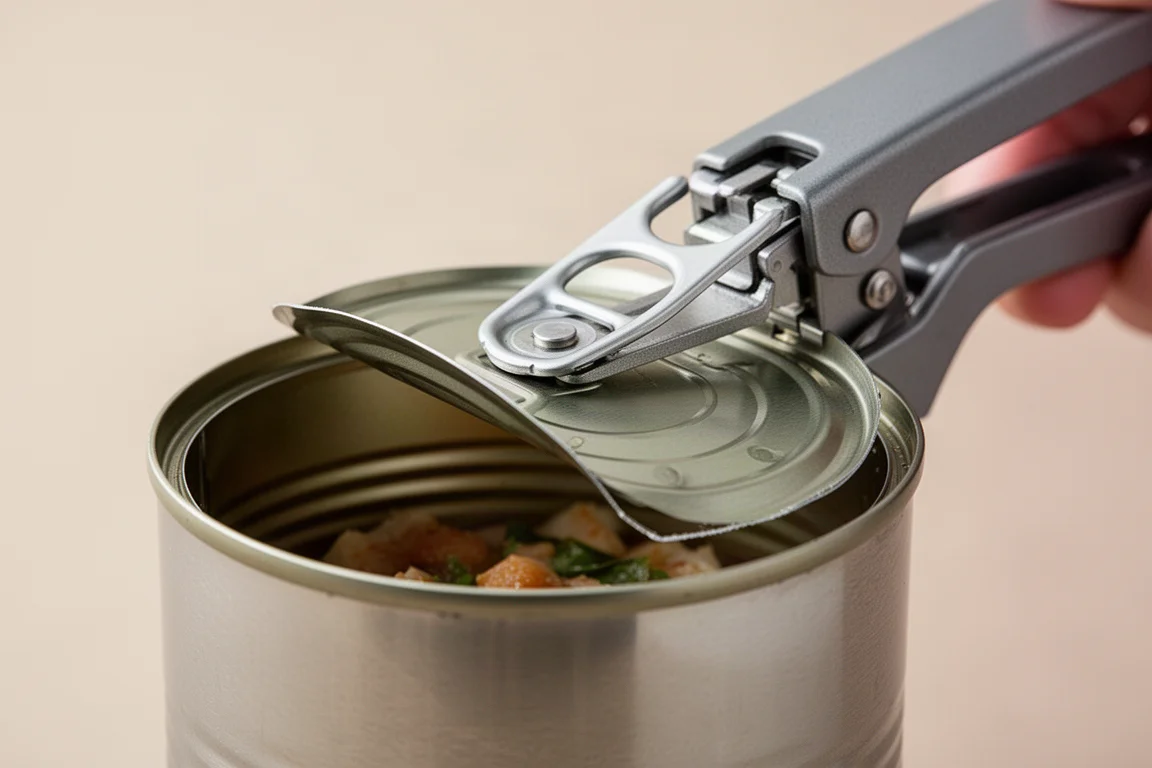
If you want to avoid sharp edges entirely, the Fissler Magic Can Opener is the recommended safety option at $30. It does take a bit of practice, especially if you are used to the traditional style, but there is something genuinely appealing about it once you get the hang of it.
What Makes a Good Can Opener Either Way
Regardless of which style you choose, testers identified two factors that matter. First, look for the longest driving handle you can get. Many openers had handles around three inches, while the best reached three and a half inches.
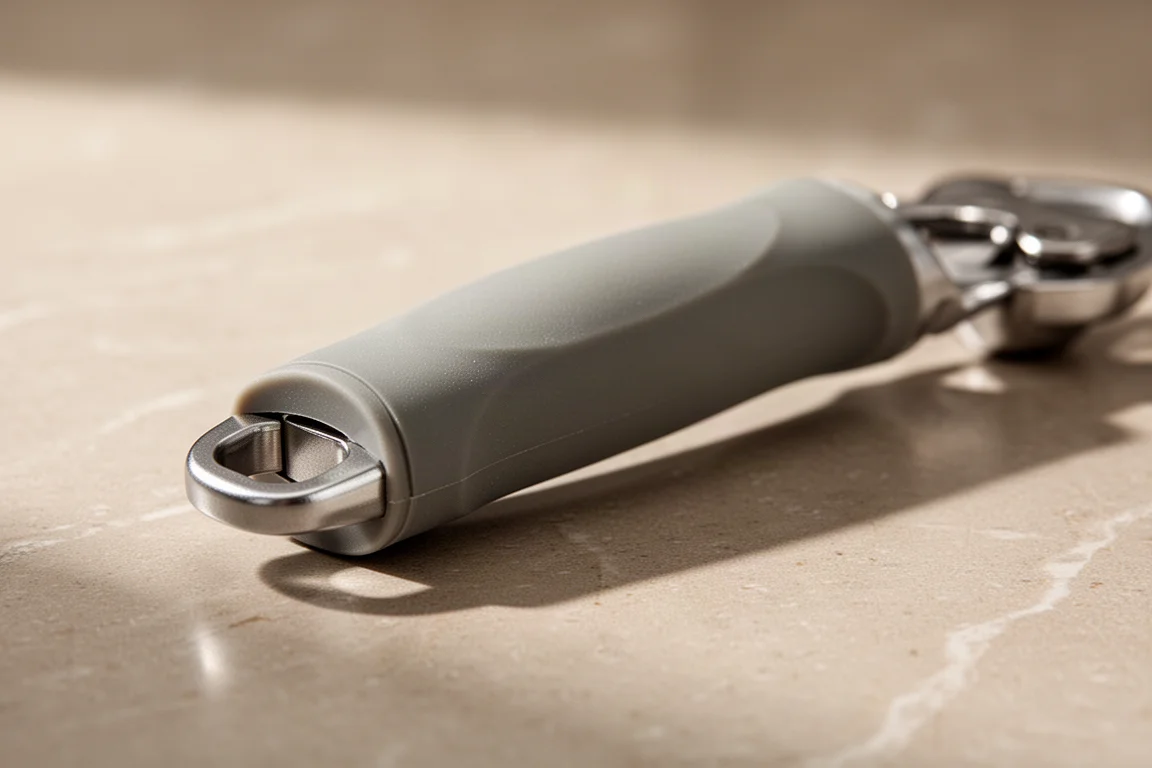
Second, prioritize good, soft, easy-to-grip handles. You need to hold the opener down firmly while working around the entire can, and comfortable grips make the whole job more secure and pleasant.
Buying Advice
If simplicity is the goal, stick with a traditional opener such as the OXO Good Grips Soft-Handled Can Opener at $17. If sharp lids are the deal-breaker, the Fissler Magic Can Opener at $30 is the safety-style pick to buy.
Conclusion
Both styles work well when they match the buyer’s priorities: familiar, tactile operation from the traditional type, and smooth-edged, resealable lids from the safety type. Either way, a long handle and soft grips are the details that separate a good can opener from a frustrating one.
Further reading
Related Reviews
Kitchen Tools
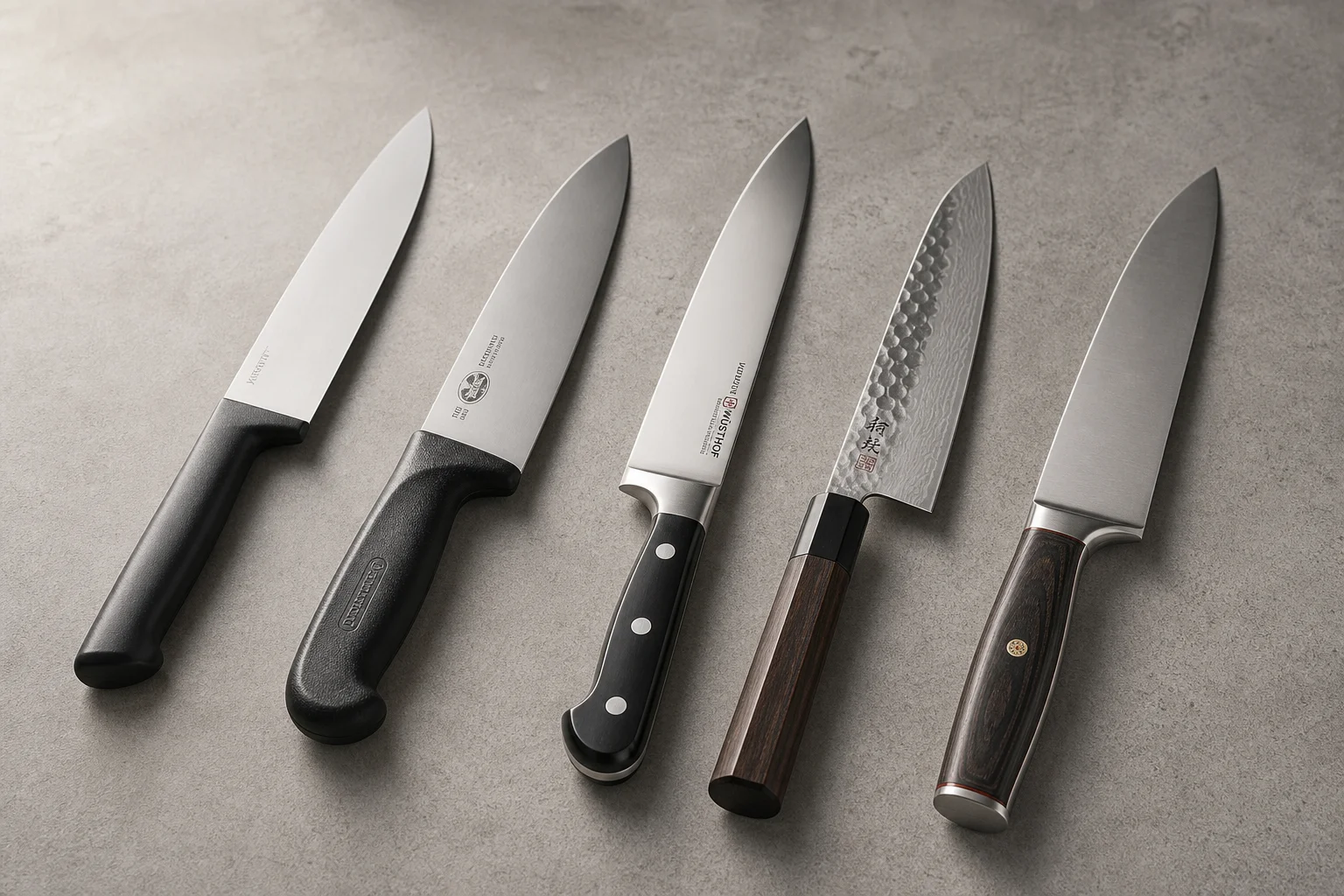
Amazon's Top-Rated Chef Knives Tested: Five Models from £11.50 to £200
We tested five of Amazon's highest-rated chef knives across sharpness, comfort, and versatility to see which delivers the best value and real-world performance.
Kitchen Tools
Benriner Japanese Mandoline Review: A Sharp Tool for Precise Vegetable Slicing
A practical guide to using a Japanese mandoline safely and effectively, with tips for achieving consistent, crisp results in the kitchen.
Kitchen Tools
Best Cheese Slicers: Five Practical Options for Consistent Slicing
Five cheese slicers with different designs and features, from multi-blade versatility to wire-based precision, each suited to different kitchen needs and cheese types.