Camping Gear
Best Camping Pillows 2026: Five Backpacking Pillows Ranked for Better Sleep
Five camping pillows compared on weight, price, ease of use, and comfort, with clear guidance on which one suits the way you sleep outdoors.
Introduction
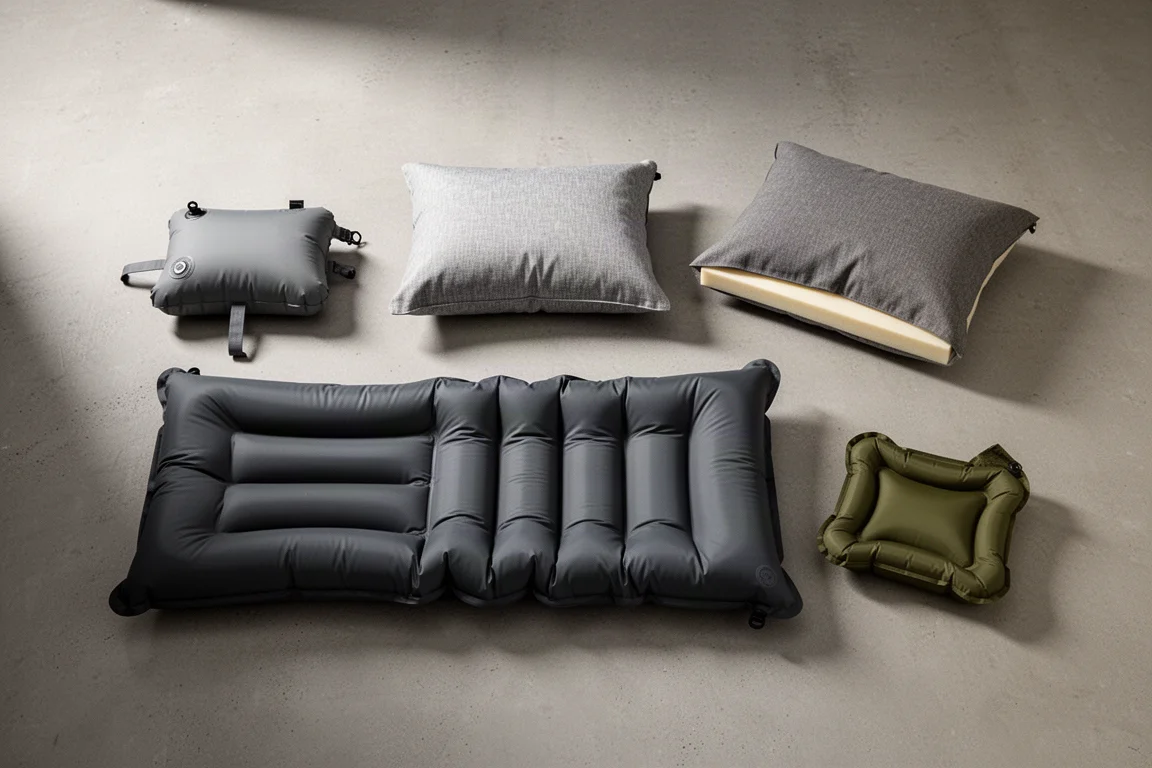
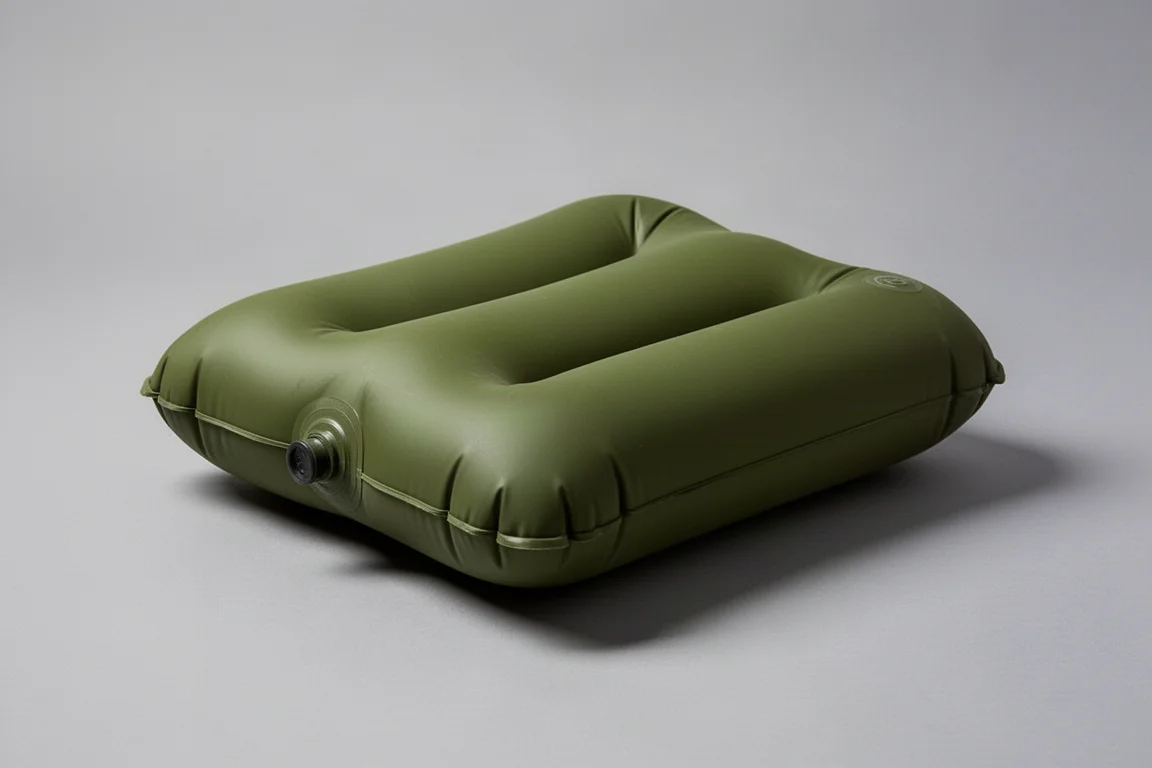
A pillow is one of the most underrated pieces of camping gear. It is also one of the easiest places to save weight or money, provided the one you choose matches the way you sleep. The five pillows here cover the full spread of what is available: an ultralight bladder that weighs almost nothing, a cushioned hybrid with a foam topper, and a large supportive option for campers who want maximum comfort at the end of a long day.
Every pillow on this list also attaches to a sleeping pad in some way, whether through a built-in strap, a separate accessory strip, or a small do-it-yourself modification. That detail matters more than most shoppers expect. A pillow that stays where you put it is a pillow you are not chasing around the tent in the middle of the night.
What Matters Most in a Camping Pillow
Weight and packed size set the first practical limit. The lightest pillow here is 50 g, the heaviest is 254 g, and that difference is easy to feel on a long approach. Price follows a similar spread, from $20 at the entry point up to $60 for the largest and most comfortable option. Neither number tells you much on its own, but together they frame the trade-off most backpackers are actually making.
Ease of use comes down to two things: the valve and the pad attachment. Valve designs range from a simple push-button system that inflates and deflates with a press, to a two-way valve that vents air very quickly. Pad attachment ranges from a strap built into the pillow itself, to accessory velcro strips sold for a specific pad, to a pillow that requires you to thread your own cord through loops before it will stay put.
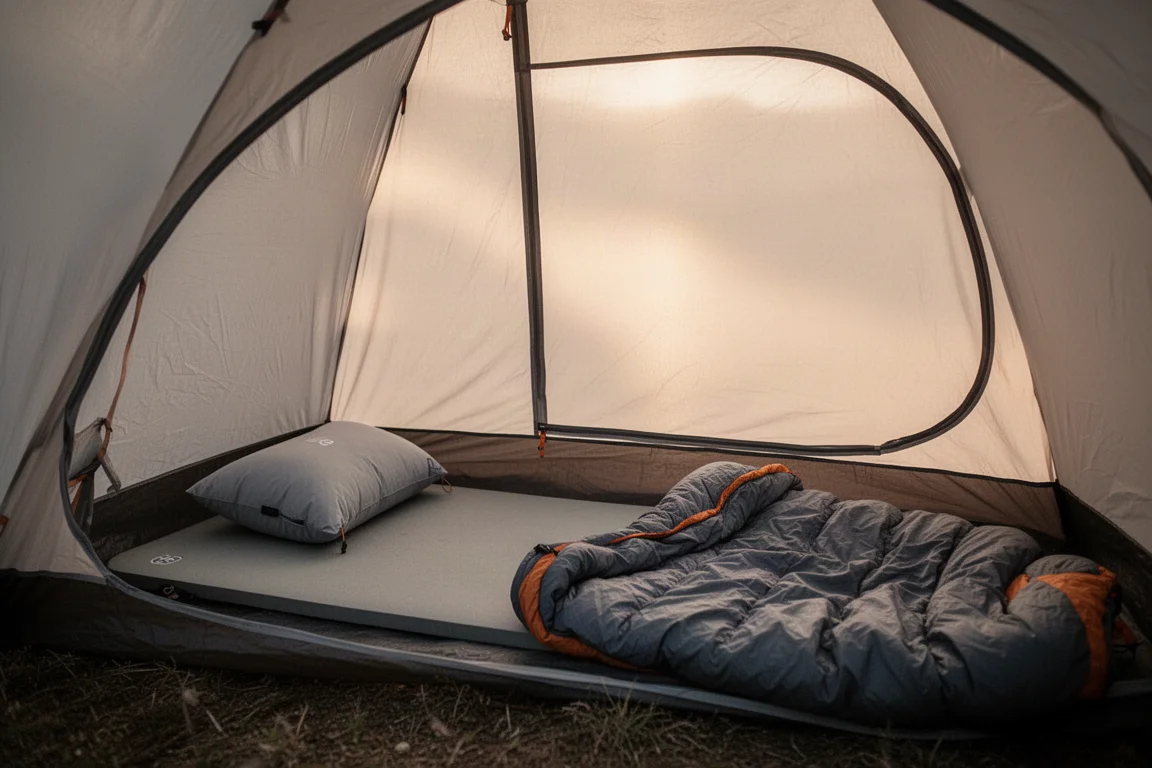
Comfort is where the differences get subtle, because all five of these pillows are comfortable enough to sleep on. Stack height does a lot of the work. A pillow around 3.5 in tall suits sleepers with average shoulders, while broader shoulders generally want 4 in or more, since the extra height is what relieves pressure on the shoulder and arm. Surface material matters too, as does baffling. A well-baffled pillow stays supportive when you shift position, while a weaker design tends to bulge on one side and push your head off centre.
Trekology 2.0 Pillow: The Best All-Around Pick
The Trekology 2.0 is the easiest pillow on this list to live with. It weighs 90 g and costs $20, making it the least expensive option here, and it is the only pillow in this group with a pad strap built in. That strap uses small silicone beads to grip the sleeping pad, so the pillow locks in place without any extra parts or modifications.
The valve is a push-button design: press once to deflate, press again to inflate. The fabric is soft and slightly stretchy, and the pillow stays supportive even when it is a little underinflated, so it never feels like you are resting on a balloon. A curved bottom edge slots neatly into the shoulder, a detail that adds more comfort than it looks like it should. At 3.5 in tall it suits average shoulders well, though sleepers with very broad shoulders will want something taller. It scores best of the group for both ease of use and price.
Sea to Summit Aeros Premium Pillow: Best for Broader Shoulders
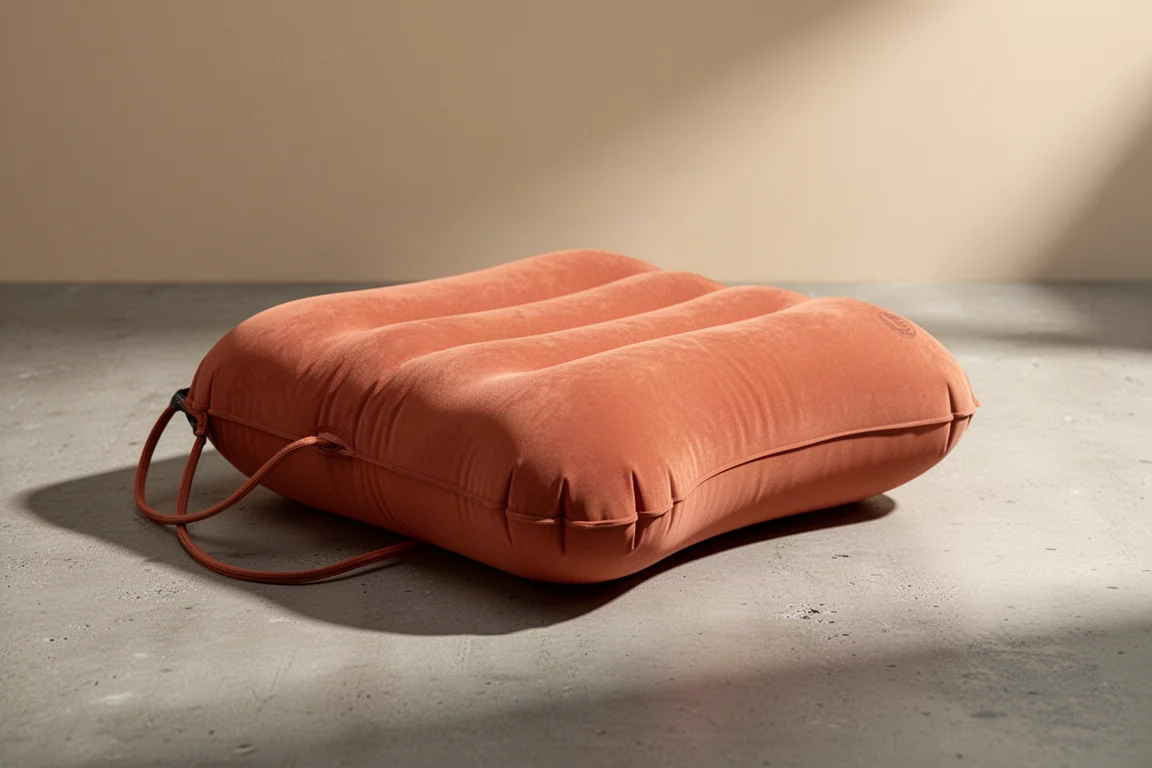
The Aeros Premium weighs 72 g and is second only to the Trekology for ease of use. It has an ergonomic shoulder slot cut into the edge and a genuinely soft pillowcase surface across the top, which feels pleasant against the face. The two-way valve is the best of the group: one flap opens for inflation, and the second flap dumps the air out very quickly when you are packing up.
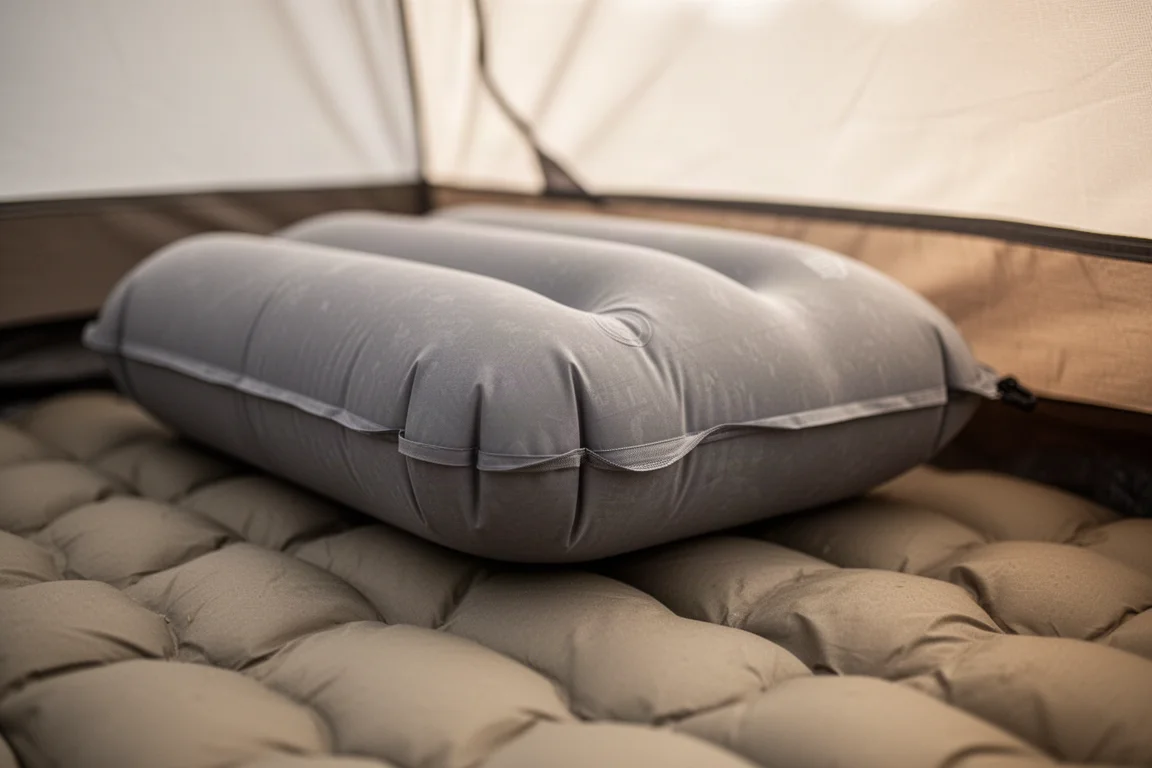
There is no built-in pad strap here, but Sea to Summit sells velcro strips that adhere to their sleeping pads and pair with the pillowcase to hold the pillow in place. At 4 in tall it is the second tallest pillow in this group, which makes it the strongest choice for sleepers with broader shoulders. The trade-off is support: it feels balloon-like until it is fully inflated, and once fully inflated it can feel firmer than some sleepers prefer. It is the least comfortable of the five overall, but for the right shoulder width that height does real work.
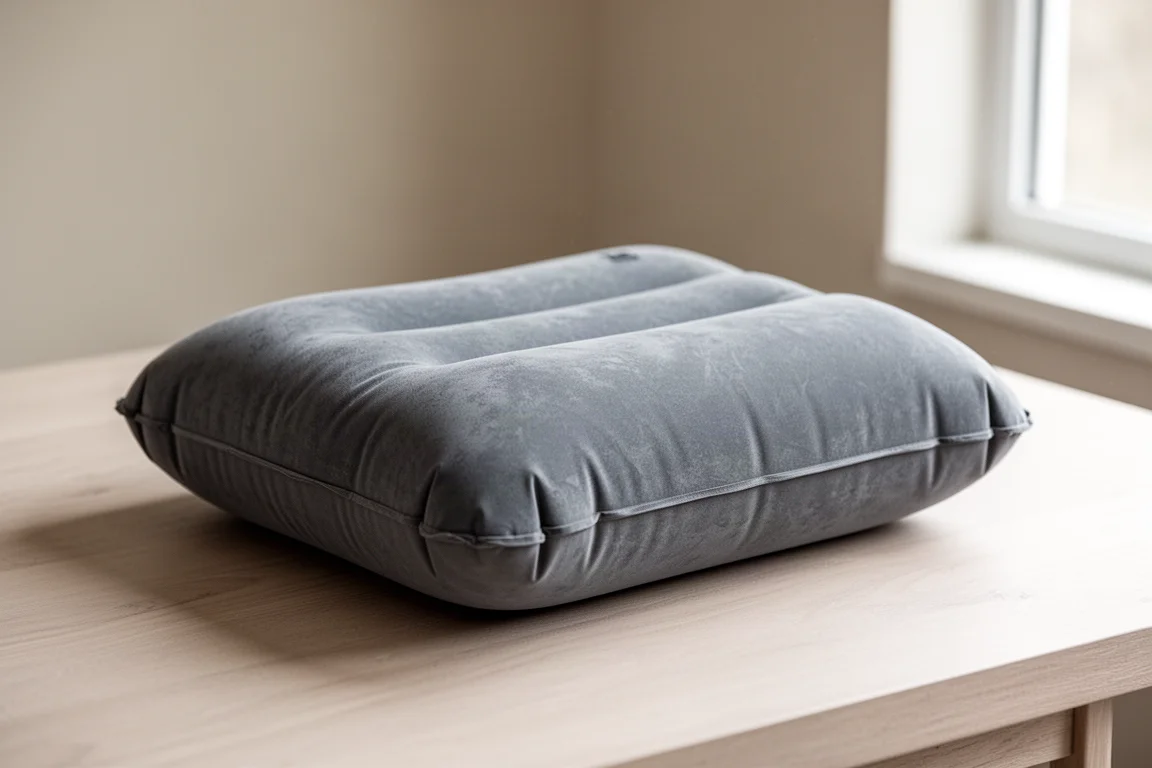
Nemo Fillo Pillow: The Softest Cushioned Feel
The Nemo Fillo is the plushest pillow here and the second most comfortable overall. A soft pillowcase covers roughly 1 in of foam topper sitting above the inflatable bladder, which gives it a cushioned feel that no plain bladder can match. That comfort comes at a cost: at 254 g it is the heaviest pillow in the group by a wide margin.
It stands 3.75 in tall, which will feel short for sleepers with broad shoulders. When fully inflated it also curves away from the middle rather than cradling your head, creating a small mound in the centre. No pad strap is included, but there is a loop on one side and a tag on the other, so a length of shock cord can be threaded through and tied off to create your own attachment.
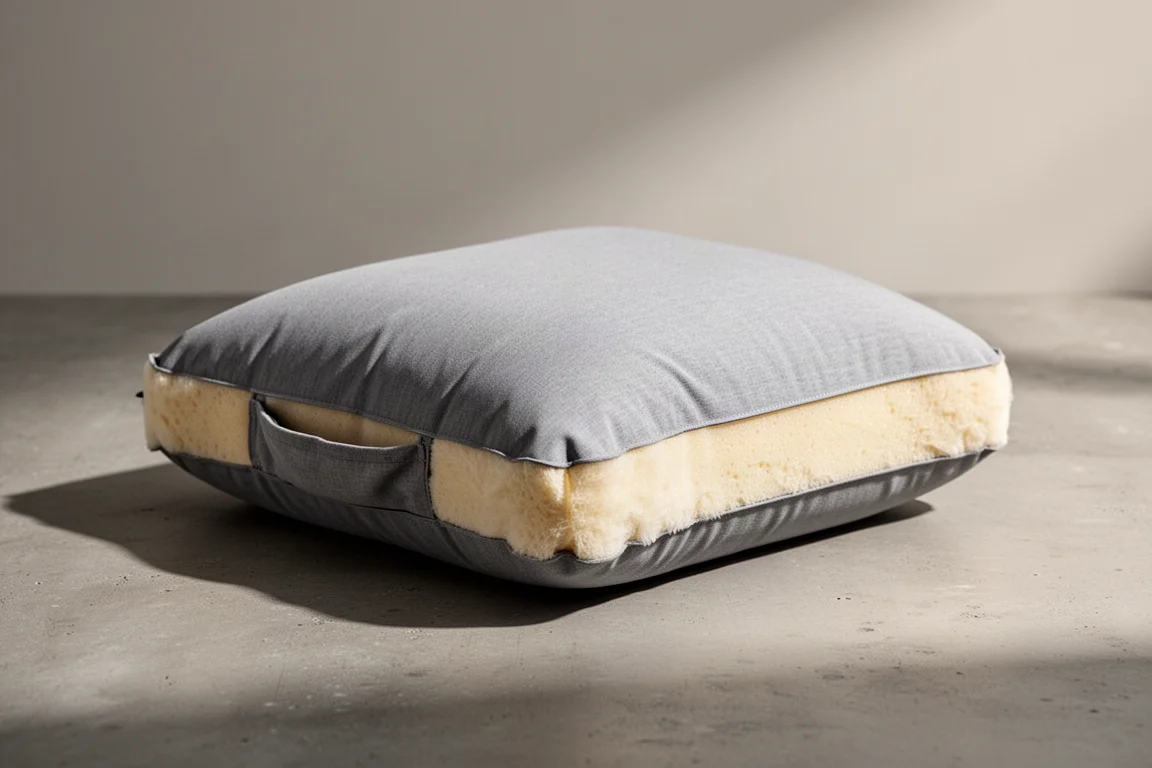
Exped Mega Pillow: The Most Comfortable Option
The Exped Mega Pillow is the most comfortable pillow on this list and also the priciest at $60. It has the highest stack height here at 4.5 in, which gives broad-shouldered sleepers the height they need to take pressure off the shoulder and arm. If your shoulders are narrower, you can simply let some air out and it still cradles your head in the middle. At 170 g it is not heavy for its size, but it does take up close to the full width of a 25 in wide sleeping pad.
The baffling is the standout feature. For such a large pillow it never feels like a balloon, and it does not bulge on one side when you roll from one position to the other, so your head stays centred through the night. Two loops on either side make it easy to tie on a shock cord, and a pad strap can be added as well. It is the pillow to reach for when comfort is the priority and packed size is not.
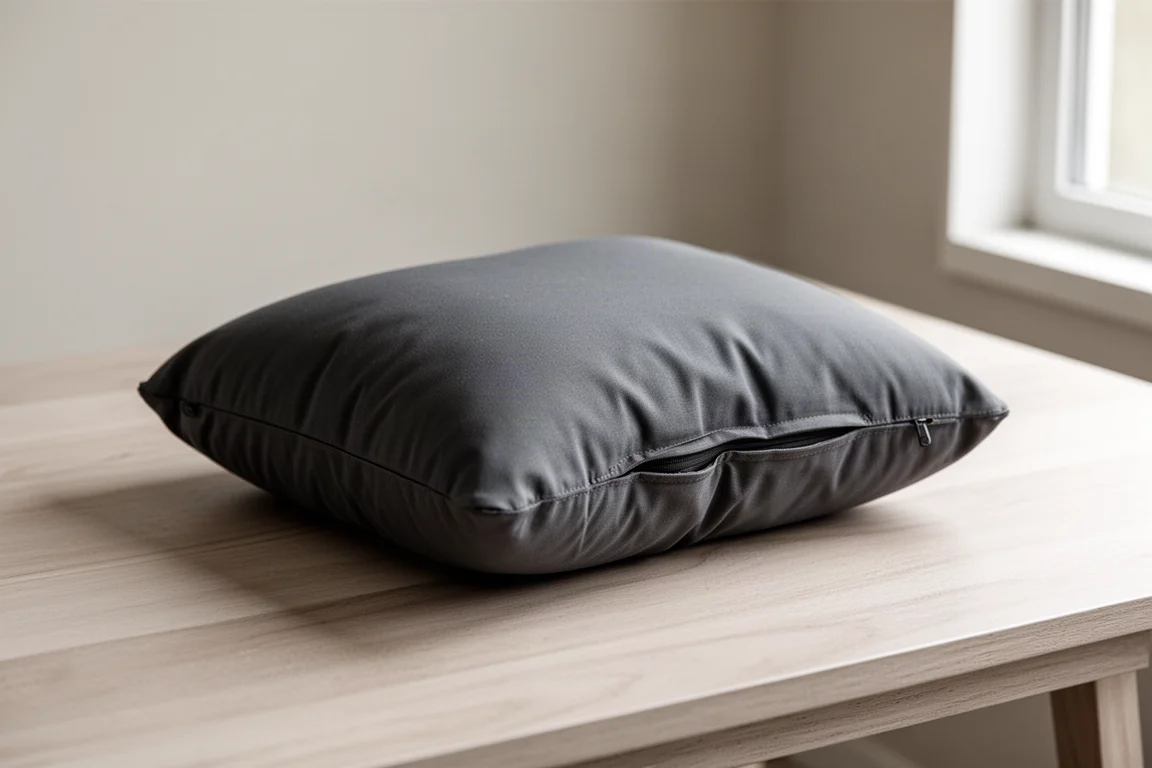
Big Sky Dream Sleeper Pillow: The Lightest Comfortable Option
The Big Sky Dream Sleeper is the lightest pillow here that still sleeps comfortably, at just 50 g. It stands 3.75 in tall and uses raised sides to keep your head cradled in the middle rather than letting it slide off. The material over the TPU bladder has a squishy feel, so despite being a simple air bladder it does not feel harsh to lie on.
The valve is the weakest part of the design and takes some work to reach a usable state. Pad attachment is also a project rather than a feature: loops need to be added yourself, using lightweight straps with loops on either side, and a shock cord threaded through them adds only 2 to 3 g. If you sleep in a warm hat the bare surface is fine, but otherwise sliding a buff onto the shock cord works as a washable pillowcase. This is a pillow for someone who is happy to spend a few minutes setting it up.
Buying Advice
Scoring each pillow across comfort, ease of use, price, and weight gives a useful overview. The Trekology 2.0 came out on top with 16 points, while the others landed in the 10 to 12 point range. That gap is worth treating with some caution, because comfort scores across this group are close and small differences can swing the totals. Use the ranking as a starting point rather than a verdict.
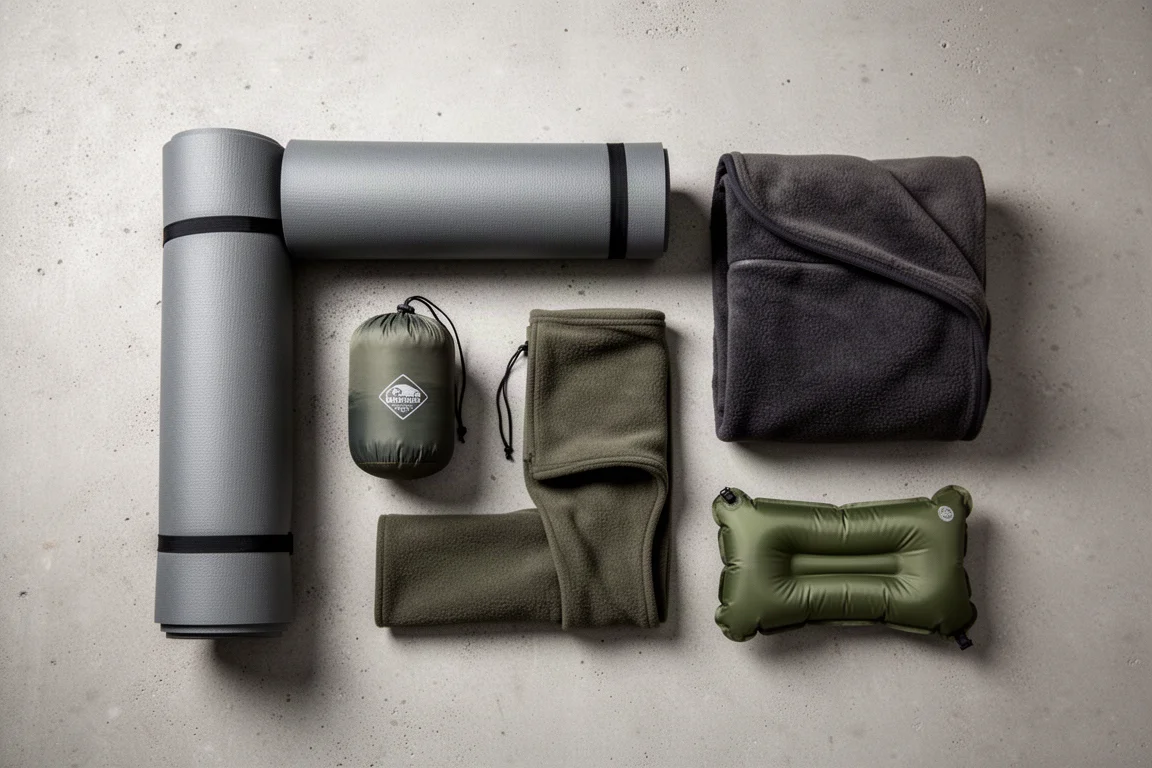
The clearer way to choose is to decide which single priority matters most. If weight is everything, the Big Sky Dream Sleeper at 50 g is the obvious pick, provided you are willing to modify it. If you want the lowest price and the least fuss, the Trekology 2.0 is hard to argue with. If cushioning against your face is what keeps you asleep, the Nemo Fillo delivers it. If you have broad shoulders, the Sea to Summit Aeros Premium offers the height and the fastest valve. And if you simply want the most comfortable night out and do not mind the price or the packed size, the Exped Mega Pillow is the one to take.
Conclusion
The best camping pillow is the one that matches your shoulders, your budget, and how much weight you are willing to carry. All five of these options are comfortable enough to sleep on, and each one solves a slightly different problem. Pick the priority that matters on your next trip, and a good night’s sleep outdoors stops being a compromise.
Further reading
Related Reviews
Camping Gear
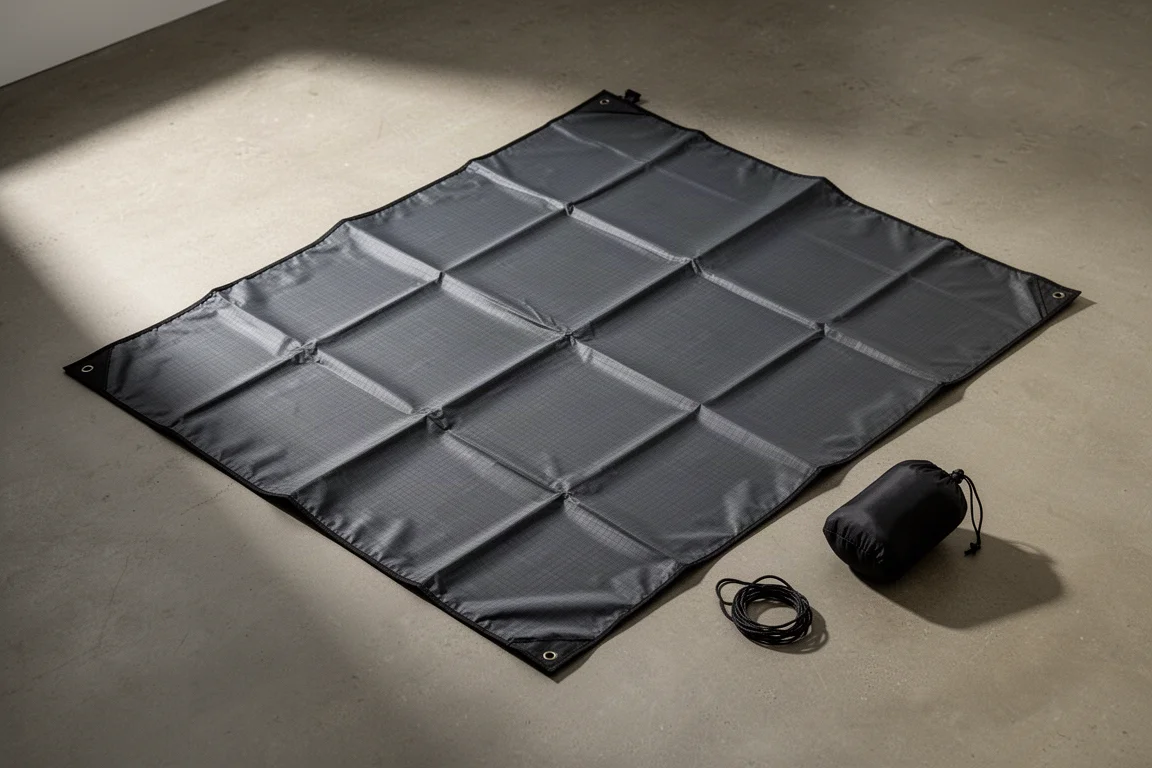
3FUL Ultralight Ground Sheet Review: A Two-Person Footprint Worth Packing
A 6.7 oz two-person ground sheet in ripstop silnylon, priced around $30. Here is what it protects, what it does not do, and who should pack it.
Camping Gear
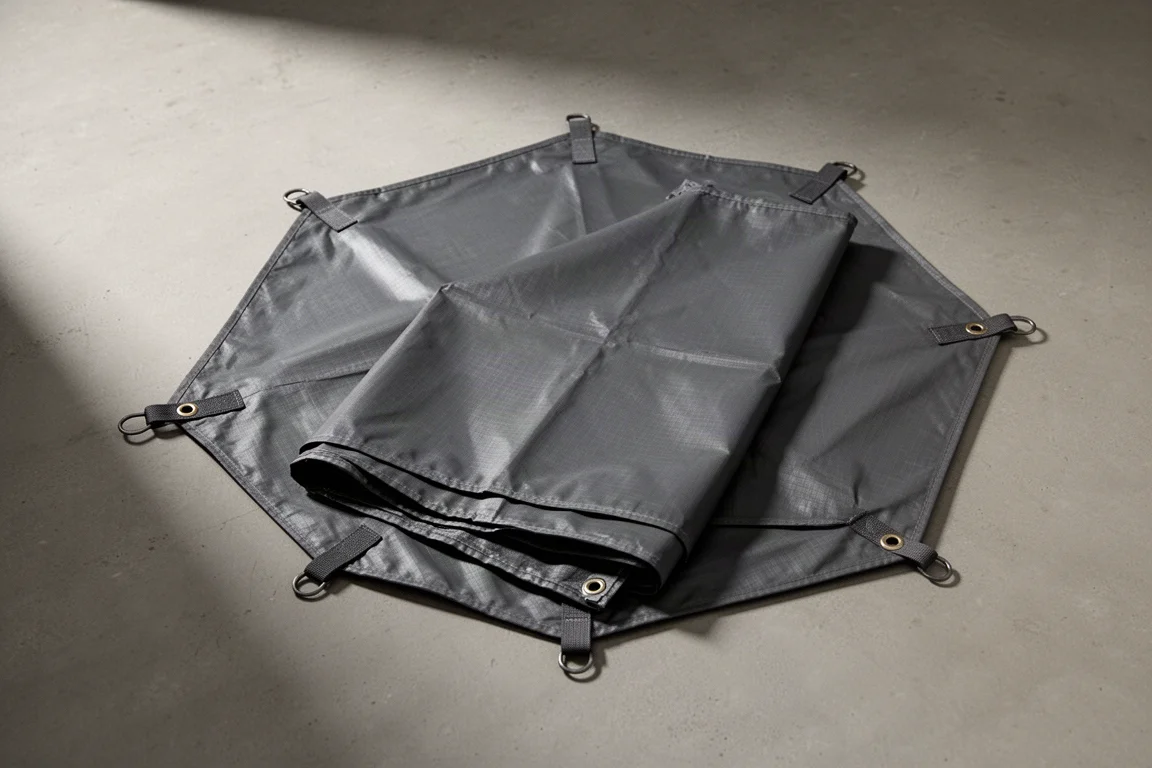
Backcountry Light Dual-Function Tarp and Floor Review: A Footprint First
A dual-purpose tent floor and tarp that keeps falling rain off you, but cannot block wind. Here is where it works and where it does not.
Camping Gear
Best 2-Person Camping Mattresses for Couples: 10 Options Compared
A practical comparison of ten two-person camping mattresses, covering self-inflating pads, air pads and air mattresses for couples.