Camping Gear
Best Camping Gear for Wet Weather: Five Field-Tested Picks
Five camping and backpacking picks used through a night of heavy rain, from a premium tarp and an $80 tent to a titanium wood stove and two freeze-dried meals.
Introduction
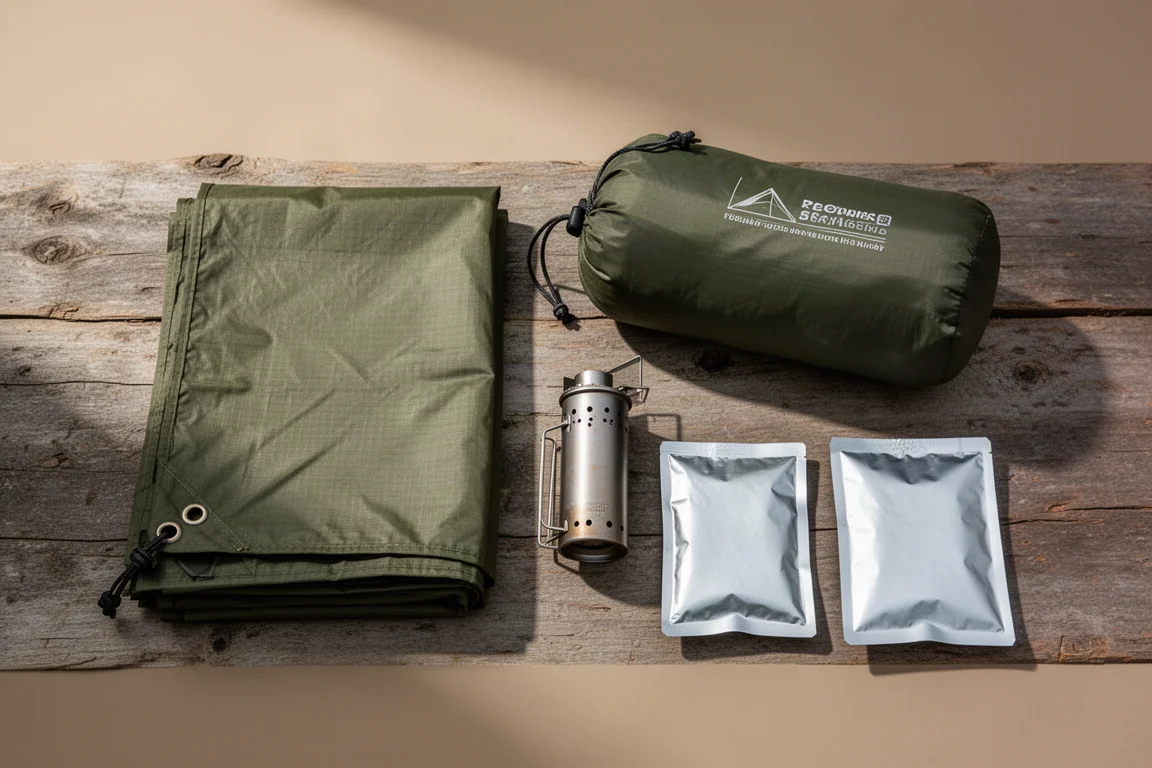
Some gear only proves itself when the weather turns. This roundup comes from one overnight trip in a green forest at roughly 5,359 feet, where a forecast of strong storms turned into a full night of heavy rain. Everything below was used in those conditions: a tarp pitched over a rock, a budget tent left out in the open on purpose, a titanium wood stove, and two freeze-dried meals eaten around the showers.
The goal is not to crown a single winner. It is to show which items earned a permanent place in the pack, and which ones come with a caveat worth knowing before you spend.
What to Look For in Wet-Weather Camp Gear
Shelter performance comes first when rain arrives at night. A tarp or tent that keeps the sleeping area dry through hours of steady rain is doing its job, but the details decide how well it works: how the shelter tensions on uneven ground, where water runs once it leaves the fabric, and whether airflow can be tuned with guy lines.
Weight and packed size come next. A shelter that is easy to carry is more likely to make the trip, and a stove that disappears into a pack leaves room for the food and layers that keep you comfortable.
Meals complete the picture. Freeze-dried food is judged on flavor, portion size, and how much of the budget it consumes once shipping is factored in. A meal that tastes excellent but costs double to ship is a different proposition from one that is simply affordable.
RAB Siltarp 3: Premium Shelter That Earns Its Price
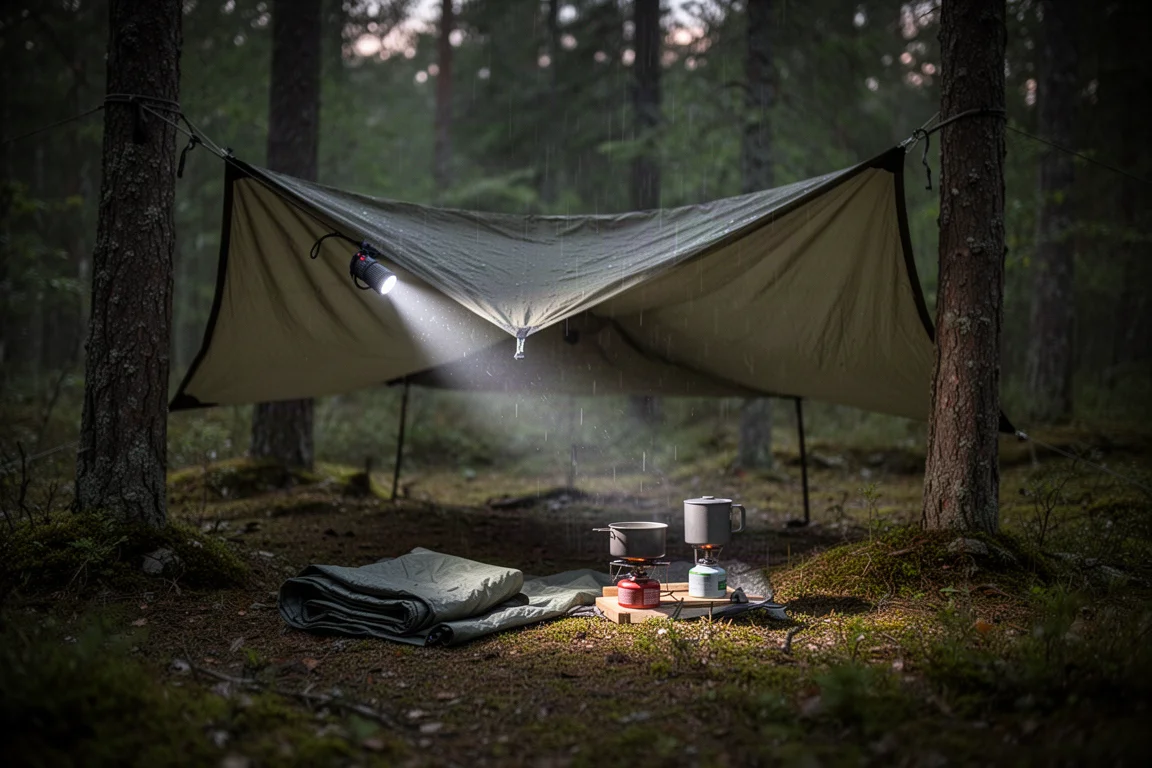
The RAB Siltarp 3 is the most expensive item in this roundup at around $180, and it was also the most valuable. Pitched over a large rock at camp, it stayed up through wind and through rain that began late in the evening, turned heavy around one in the morning, and continued until roughly five.
When the storm passed, everything stored underneath it was bone dry. That dryness is what allowed a fire to be lit the next morning without hunting for dry wood, and it is the whole argument for spending more on a tarp. A simple sheet over your head is not the same as a shelter that sheds driven rain and gives you a dry working area for cooking, sitting, and storing gear.
Naturehike Cycling Camping Tent: Light on the Wallet, Mixed in the Rain
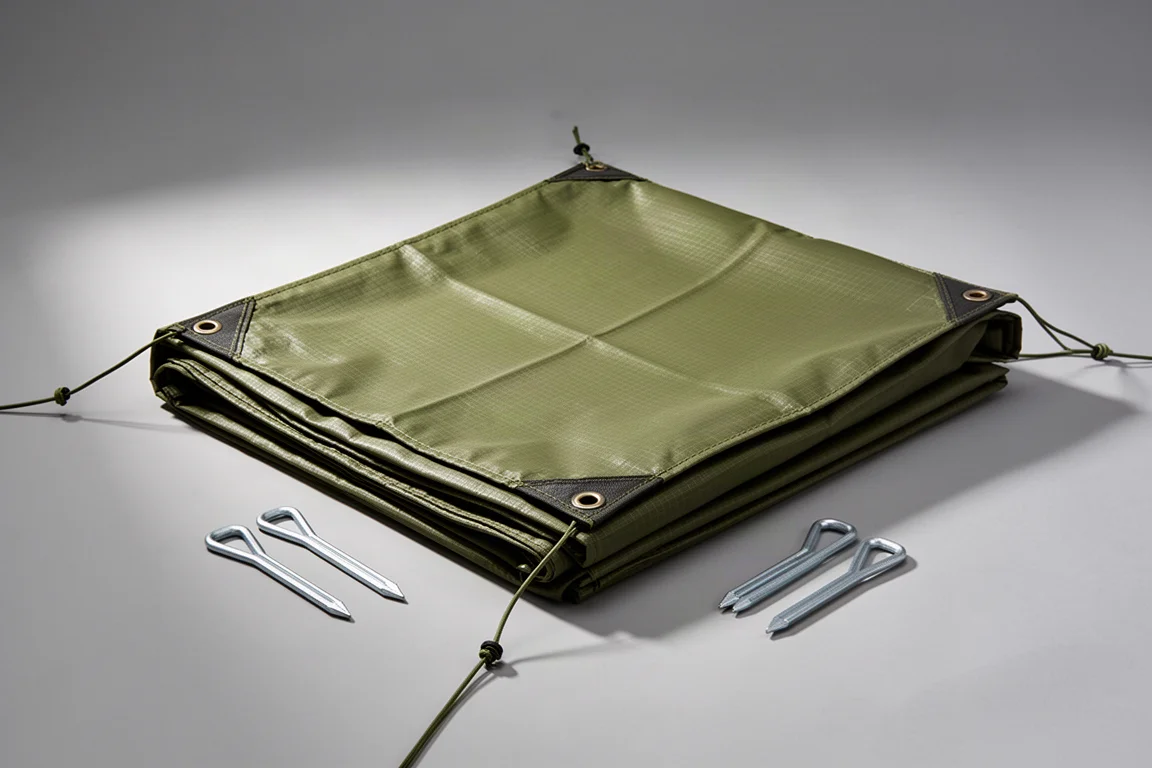
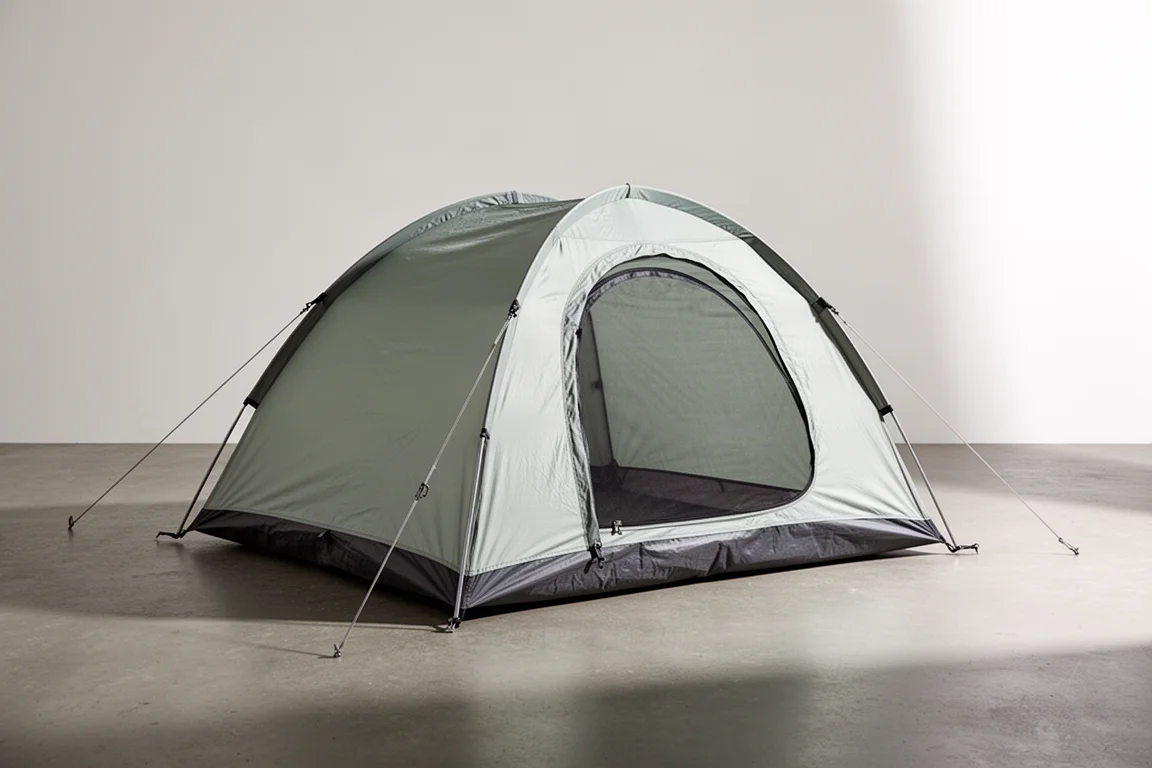
At around $80, the Naturehike Cycling Camping Tent is the budget option here, and it was deliberately left out in the open rather than pitched under the tarp so that it could take the full force of the storm.
It came through the water test better than expected. The floor is waterproof, and the interior stayed dry through a night of heavy rain. With guy lines attached to the door and the rear and tensioned high, airflow was good enough that condensation never became an issue.
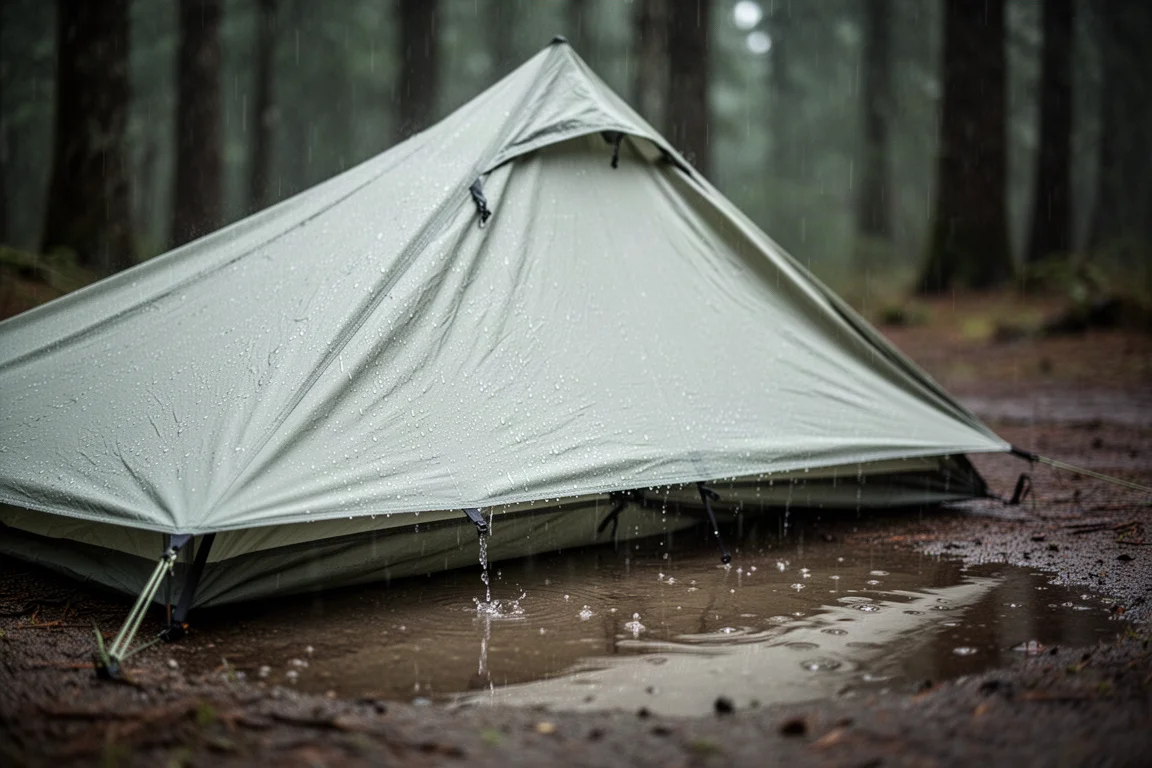
The design has real weaknesses, though. The stakeout points at the door and the back of the tent are not adjustable, so the pitch looks sloppy on anything other than perfectly flat ground. More importantly, there is no way to pull the bottom and the top of the shelter outward, which means rain runs down the sides, lands on the ground sheet, and works its way underneath. After the storm there was a pool of water beneath the sleeping area, and lying on it felt like lying on a waterbed.
That combination is worth weighing before you buy. If you camp on flat ground and want an inexpensive shelter that keeps the rain off you, this tent handles the core job. If your campsites are uneven or you expect long, heavy rain, plan on a careful pitch and an extra ground sheet underneath.
Naturehike Titanium Stove: A Featherweight Cooker and Fire Pit
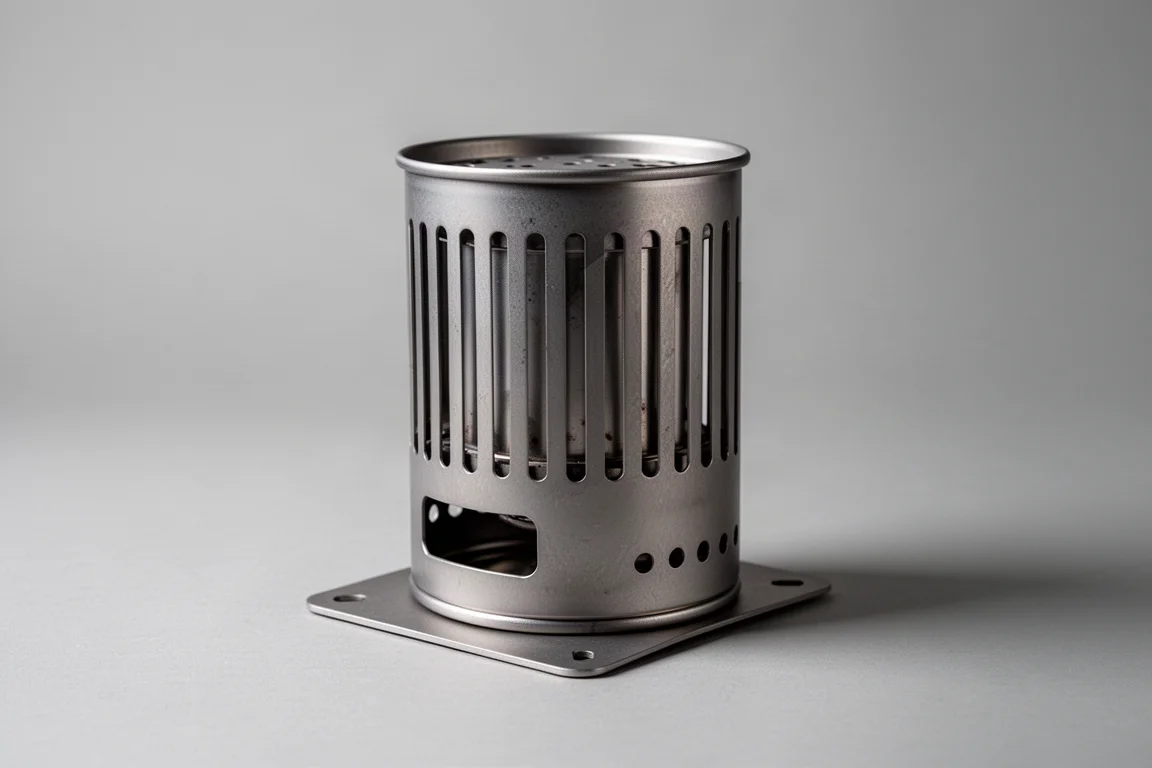
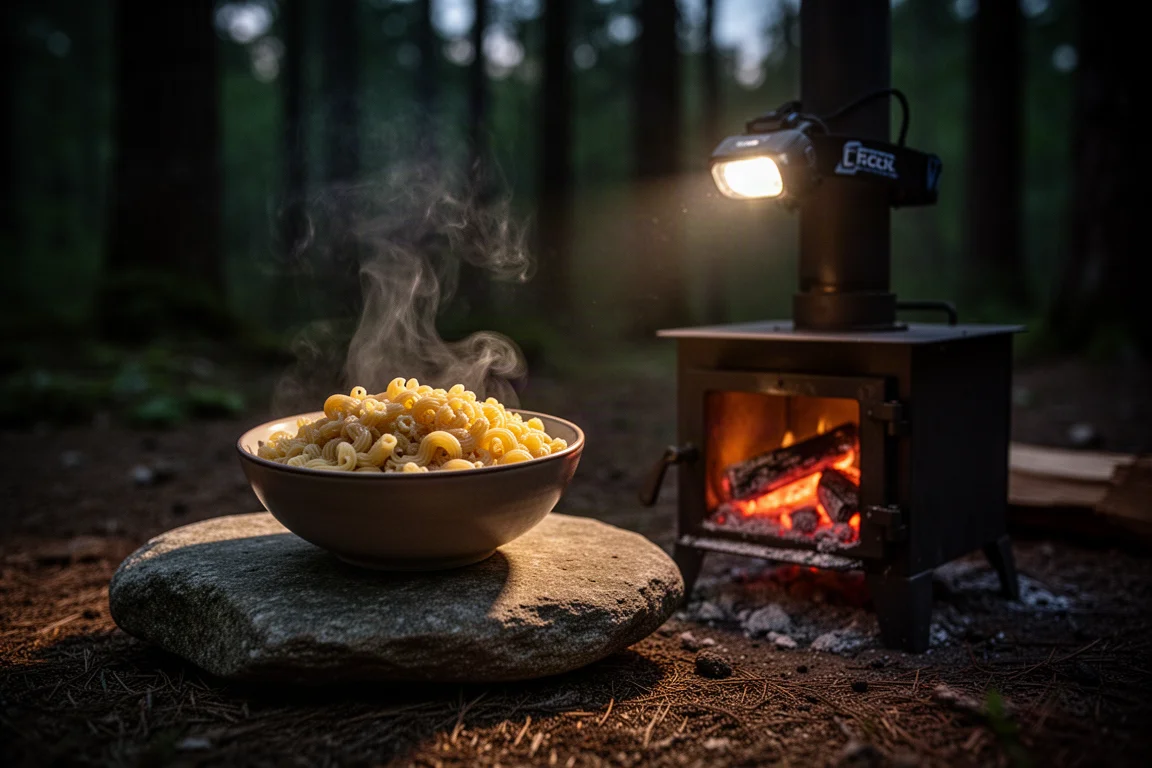
Titanium is what makes this stove interesting. It is extremely light, which matters when every item in the pack competes for the same weight budget, and it does more than one job. It boiled water for coffee, heated a dinner, and then, with fuel still burning inside, doubled as a small fire pit for the evening.
It also handles the ground responsibly. A base plate sits under the firebox, and a layer of foil went down first to protect the mossy forest floor. That combination kept the site clean and made it easy to keep a small fire going into the night.
The stove does leave a little room for refinement in its design, but the core idea works well in practice, and it is a genuinely pleasant piece of kit to use on a cold evening.
Backpackers Pantry Chicken Lasagna: A Hot Dinner That Delivers
Dinner on the second evening was a Backpackers Pantry Chicken Lasagna, rehydrated in the pot over the wood stove. It smelled good, looked good, and tasted good, which is not a given for a freeze-dried meal eaten after dark.
The one honest caveat is the flavor. The sauce and pasta come through clearly, but the chicken itself is hard to identify, so if the package said beef instead, it would be easy to believe. That is a minor complaint for a meal that delivers a warm, filling dinner with almost no effort.
For anyone building a lightweight food plan, this is the kind of pouch that earns its space: quick to prepare, satisfying after a long day of climbing, and straightforward to eat once it has rehydrated.
Real Turmat Blueberry Vanilla Oatmeal: A Breakfast Worth the Math
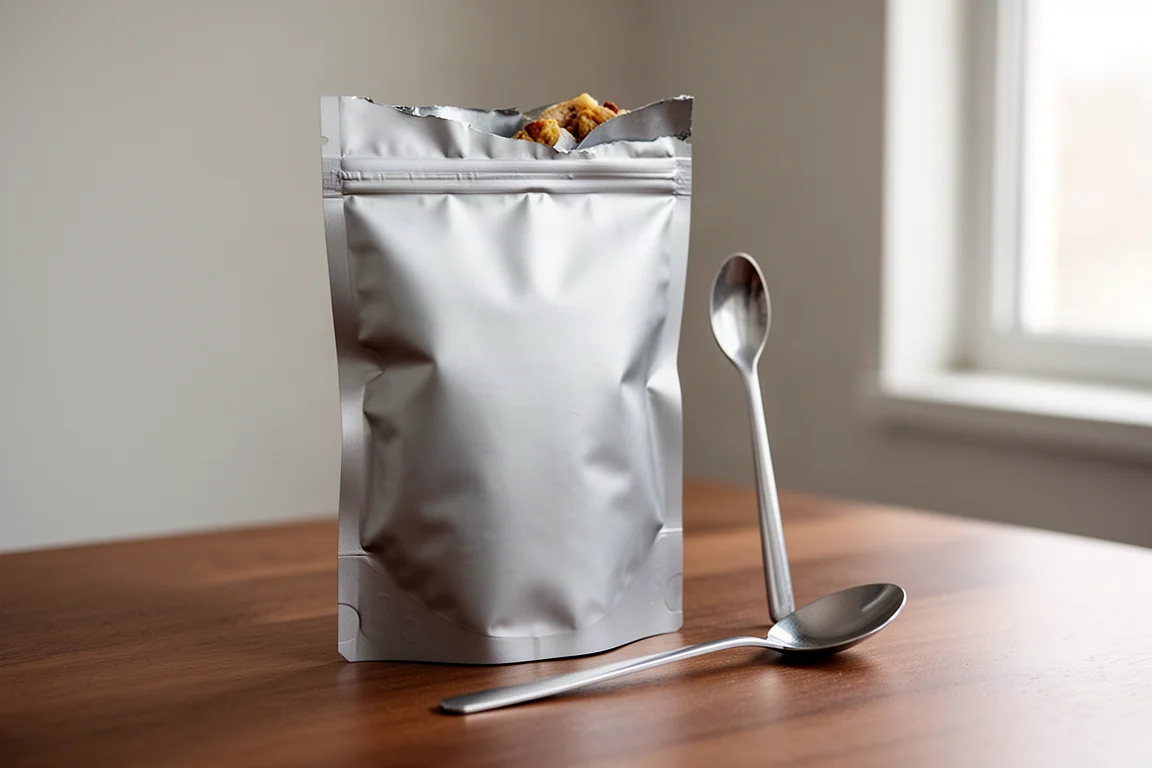
Breakfast was a Real Turmat Blueberry Vanilla Oatmeal, and it set a high bar. These meals have a reputation for quality, and the blueberry and vanilla oatmeal lives up to it: a warm, genuinely good breakfast that feels like real food rather than rationed calories.
The catch is the cost of getting them. Real Turmat meals can be ordered directly from the brand, and the shipping can effectively double the price, which is a lot to pay for a single breakfast. Whether that math works depends on how much you value a meal you will actually look forward to on a cold, foggy morning.

How to Choose What to Pack
The right mix depends on where you camp and what you are willing to carry. A tarp that pitches well and sheds rain is the item most likely to change your night for the better, and it is also the item where a higher price is easiest to justify. A budget tent can cover the same ground if you pitch it carefully and add a ground sheet, though you should expect to manage water around the floor rather than ignore it.
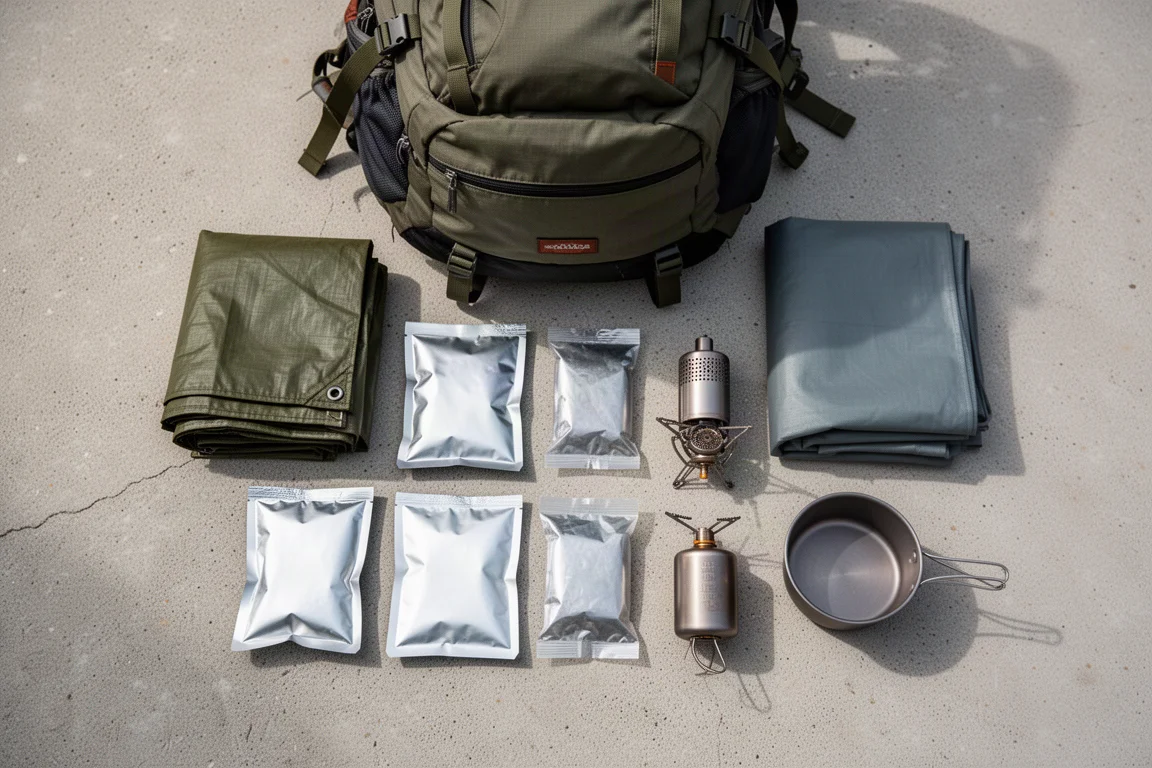
Cooking and food choices come down to weight and habit. A titanium wood stove keeps the pack light and gives you a cooking surface plus a small fire, as long as you are willing to feed it. Freeze-dried meals remove almost all of the effort, and the only real question is whether you want the straightforward pouch or the one you will genuinely enjoy eating.
Conclusion
This trip made the trade-offs clear. The RAB Siltarp 3 justified its price by keeping camp dry through a night of hard rain. The Naturehike Cycling Camping Tent stayed waterproof where it mattered, but it needs a careful pitch and an extra ground sheet on uneven ground. The Naturehike Titanium Stove showed that a very light stove can boil, cook, and warm a camp. And the two meals, one simple and one costly to ship, both did their job: they turned a wet evening and a foggy morning into proper meals.
Further reading
Related Reviews
Camping Gear
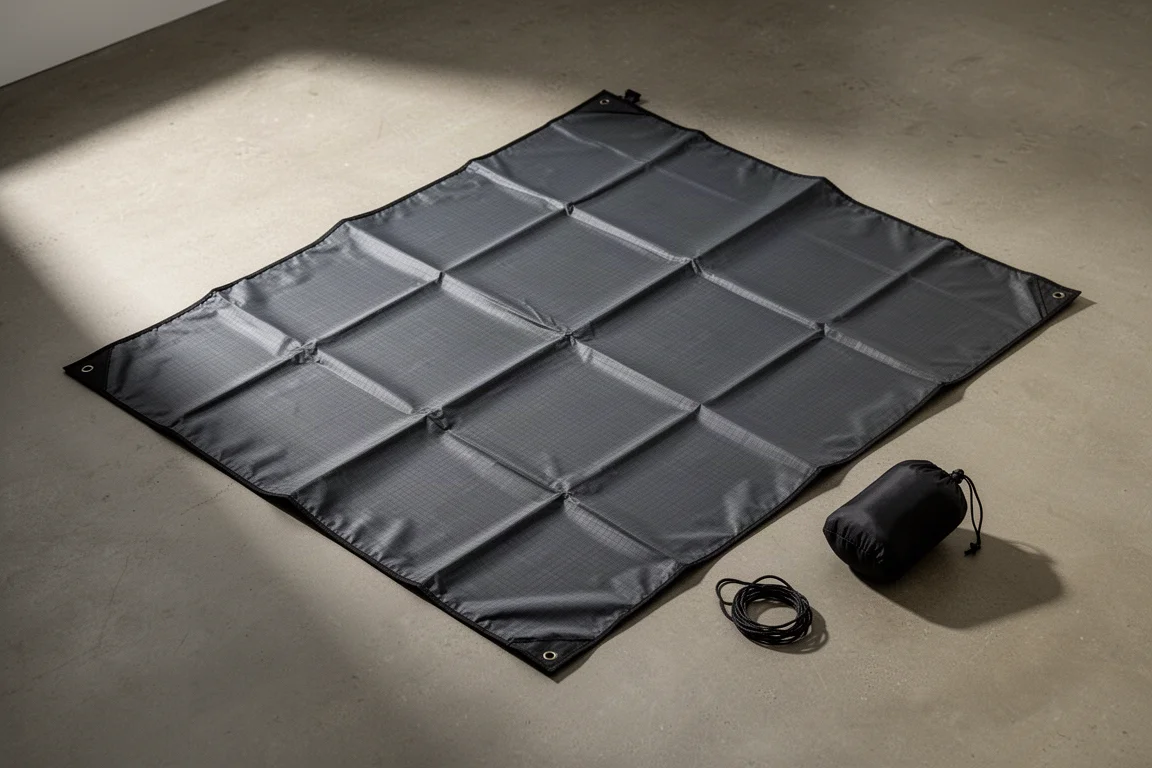
3FUL Ultralight Ground Sheet Review: A Two-Person Footprint Worth Packing
A 6.7 oz two-person ground sheet in ripstop silnylon, priced around $30. Here is what it protects, what it does not do, and who should pack it.
Camping Gear
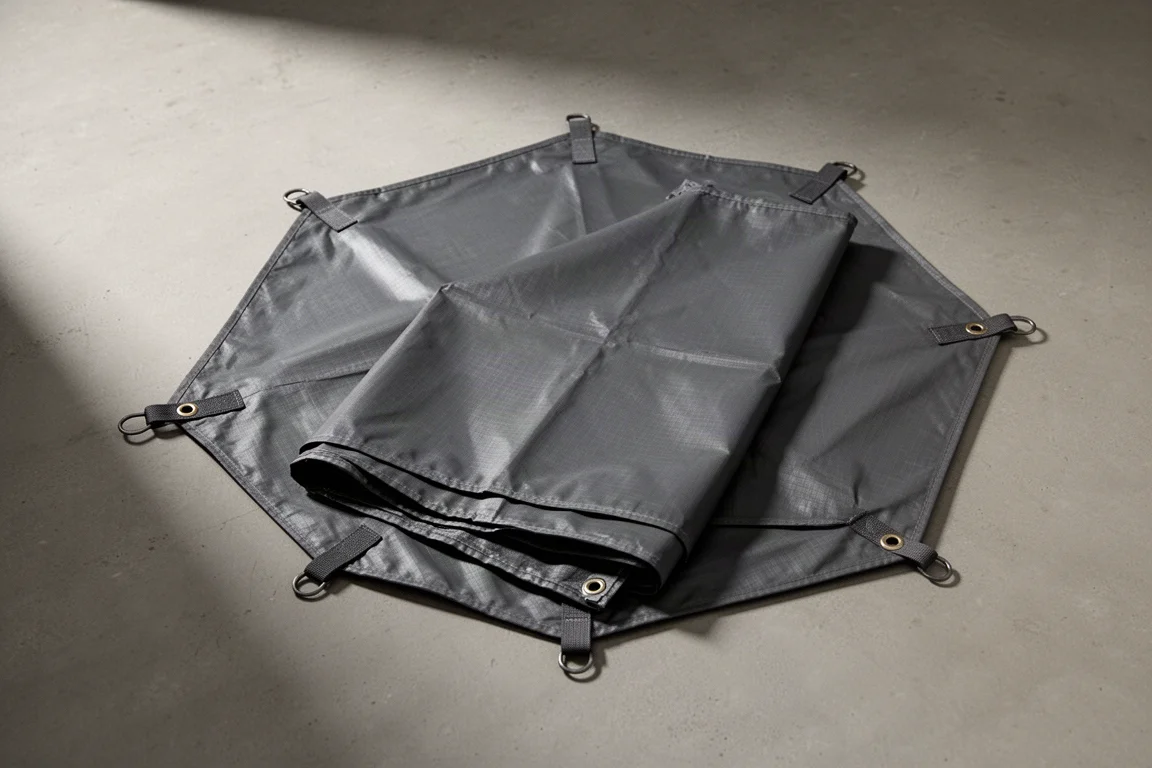
Backcountry Light Dual-Function Tarp and Floor Review: A Footprint First
A dual-purpose tent floor and tarp that keeps falling rain off you, but cannot block wind. Here is where it works and where it does not.
Camping Gear
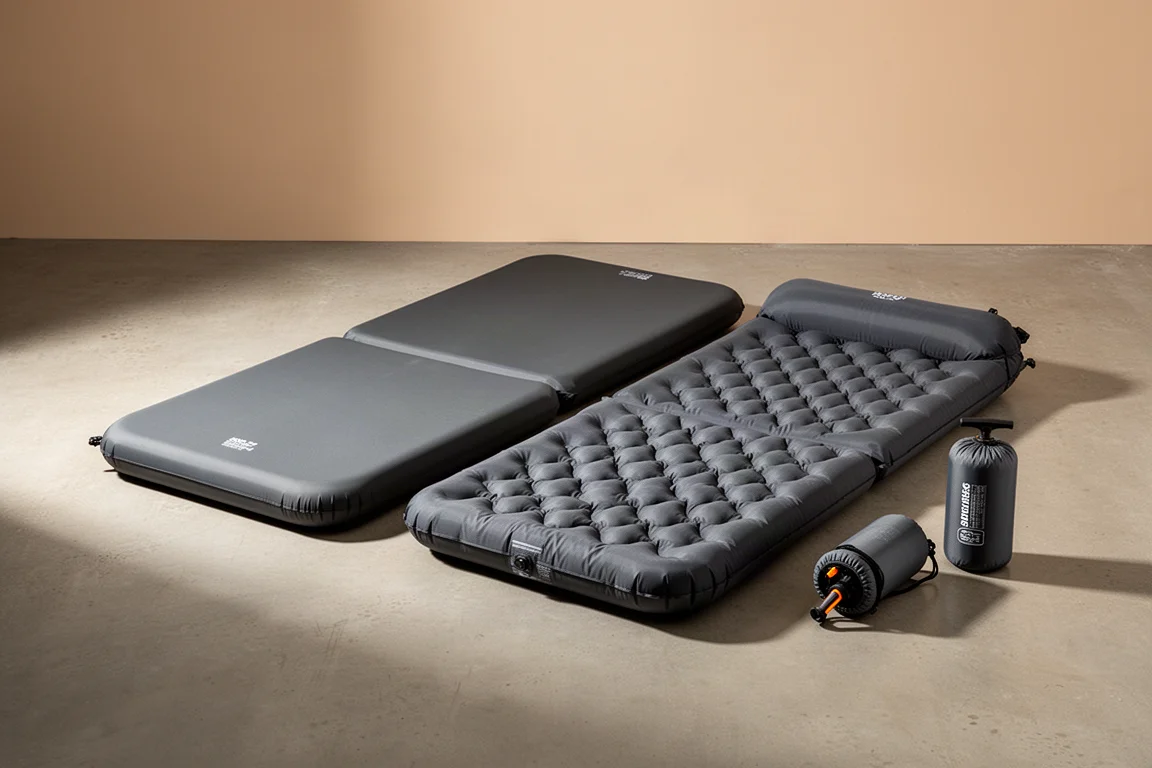
Best 2-Person Camping Mattresses for Couples: 10 Options Compared
A practical comparison of ten two-person camping mattresses, covering self-inflating pads, air pads and air mattresses for couples.