Camping Gear
Best Camping Gear Picks: 7 Items Worth Packing for Family and Solo Trips
Seven camping pieces that earn their space, from a 35-litre 12-volt fridge and a two-burner stove to modular crates and a double sleep system, with the practical trade-offs to weigh first.
Introduction
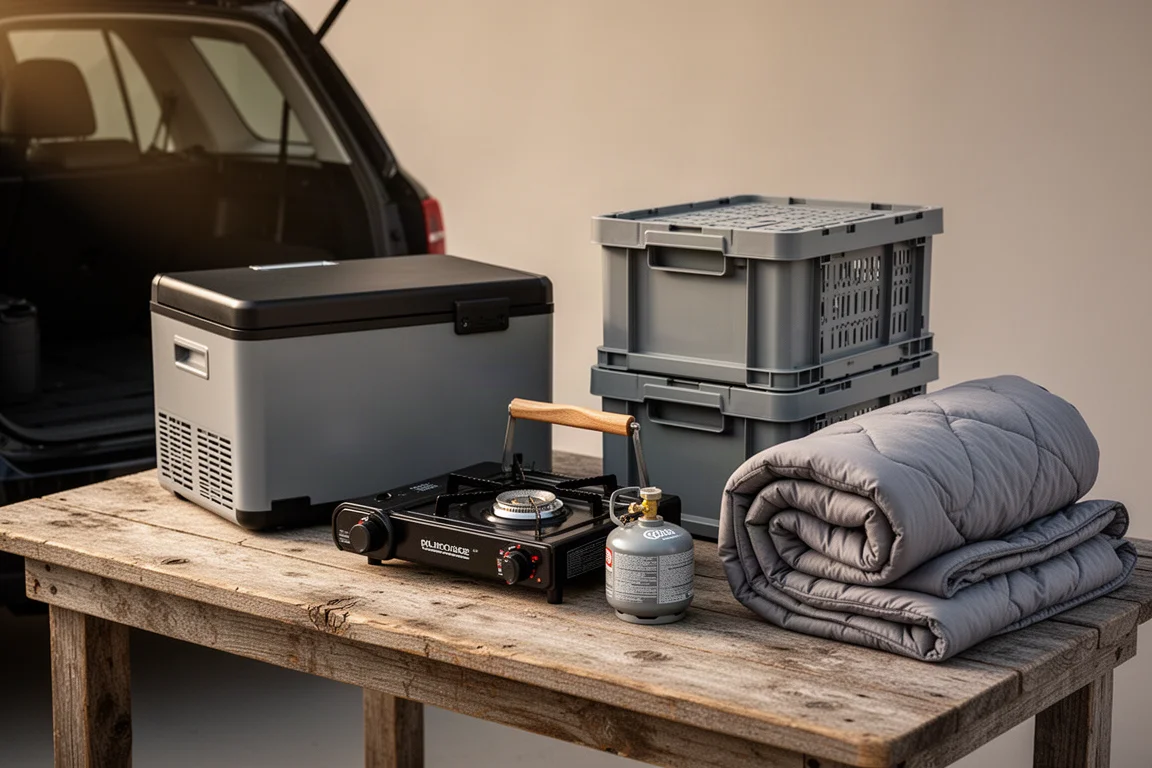
Packing for a camping trip is a balance between gear that earns its space and gear that just adds weight. The seven items below are the pieces that stood out most across a season of family car camping trips and solo overnights, covering the three areas where good gear changes a trip the most: cooking, sleeping, and keeping everything organized.
Every pick here has a clear job. A 12-volt fridge replaces the cooler and the constant ice runs, a two-burner stove and a refillable propane tank make real meals possible at the campsite, ceramic cookware handles those meals without fuss, modular crates keep the kitchen and small items in one place, a double sleep system makes backcountry nights genuinely comfortable, and a well-chosen tent rounds out the setup for the whole family.
Iceco VL35 Pro S 12-Volt Fridge
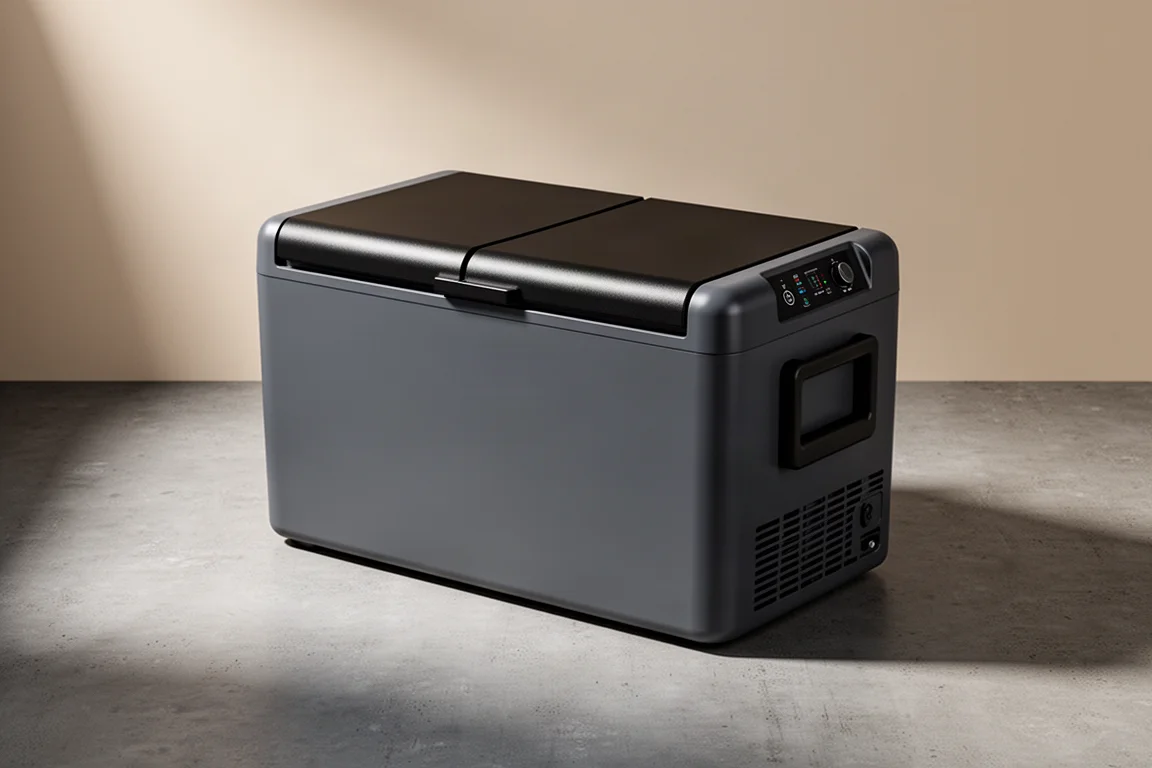
For families who cook at the campsite, a 12-volt fridge is the single biggest upgrade available. The VL35 Pro S offers 35 litres of internal capacity and runs as a proper fridge in the car, so food stays cold without ice. That removes the two worst parts of cooler life: hunting for ice and watching meltwater soak everything in the box. It also takes up less room than a cooler of similar capacity, because none of the interior volume is given up to ice, so more actual food fits in the same footprint.
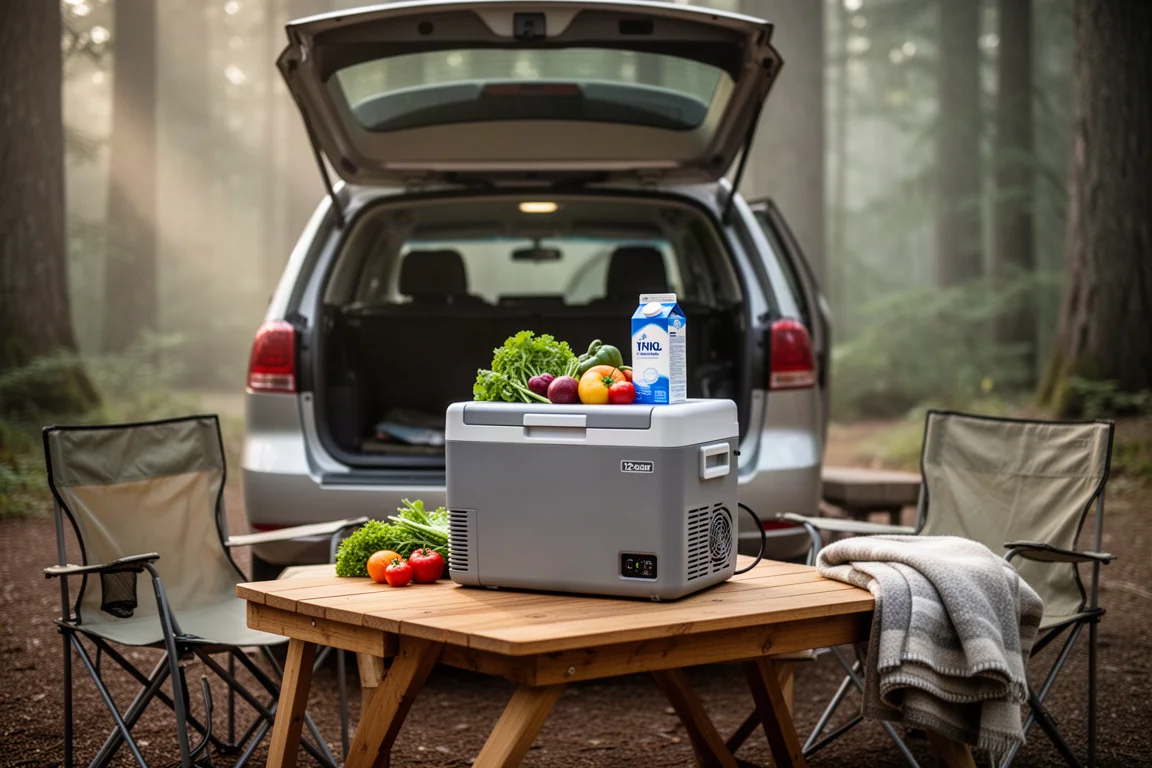
Power consumption is modest, insulation is effective, and the build quality feels solid. The lid is fully removable and can be opened from either direction, which makes loading and reaching in easy from different sides of the vehicle. The trade-off is that the lid has no fixed hinge, so it can shift and rattle in the back of a car on rough dirt roads. That is a small annoyance rather than a reason to skip it. Expect to pay around $500 for a unit like this, which is the main barrier.
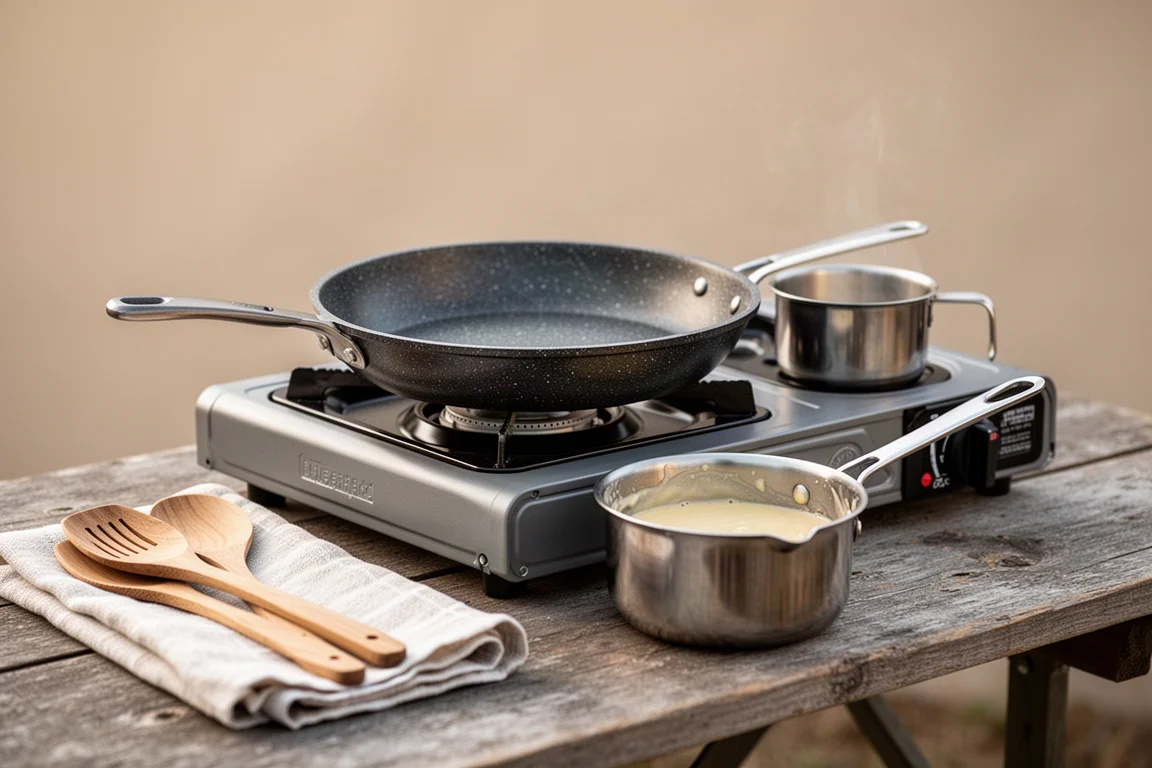
Primus Kinjia Two-Burner Propane Stove
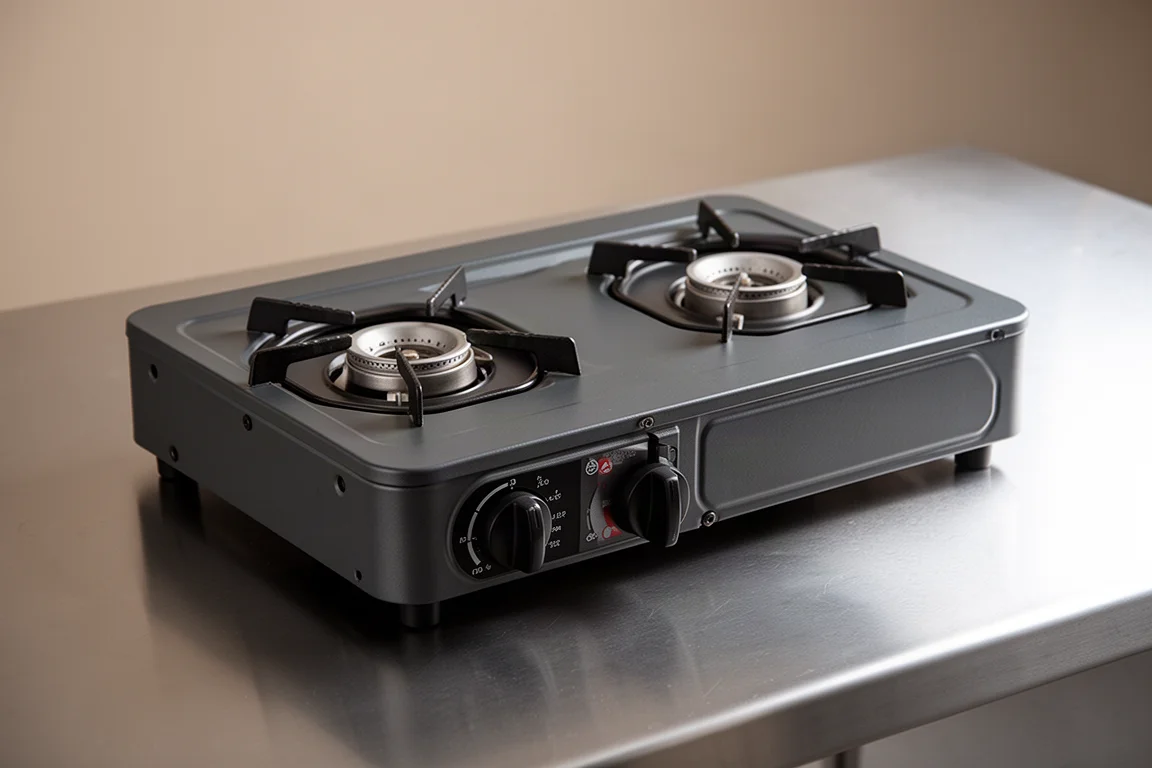
The Kinjia is a two-burner propane stove built for people who actually cook. The lid sits back on its own without the side wings that many stoves need, so the body feels stable and the cooking area stays open. That openness matters: a larger griddle or pan fits without being limited by the width or length of the stove, and the wide heat distribution is enough to cook breakfast for a whole family in one pass rather than in shifts.
Cleaning is unusually easy. The burner plate lifts off and the catch pan comes out as a single piece, so a wipe down or a wash in a basin takes a minute. The burners are large enough for a fast boil yet reduce far enough for a proper simmer, and each burner has its own control. A wooden handle makes it comfortable to carry, and it opens without any fuss. The one omission is a piezo igniter, so a lighter is needed to light the burners. That is a minor inconvenience on an otherwise excellent stove.
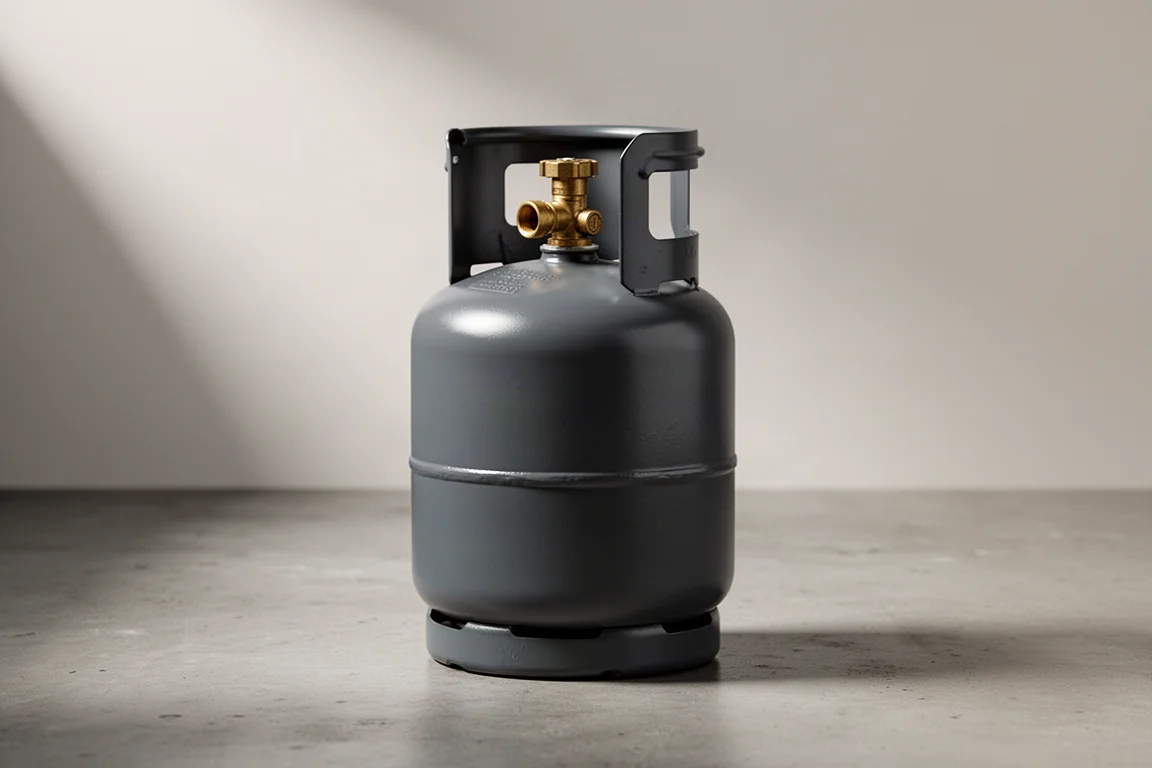
Ignik Gas Growler 5-lb Propane Tank
A 5-pound refillable propane tank pairs naturally with a two-burner stove. It carries noticeably more fuel than disposable 1-pound canisters while staying compact enough to pack easily, and refills are inexpensive, often under $5 to top off. The environmental angle is just as practical as the cost angle: nothing ends up in a landfill after a weekend trip.
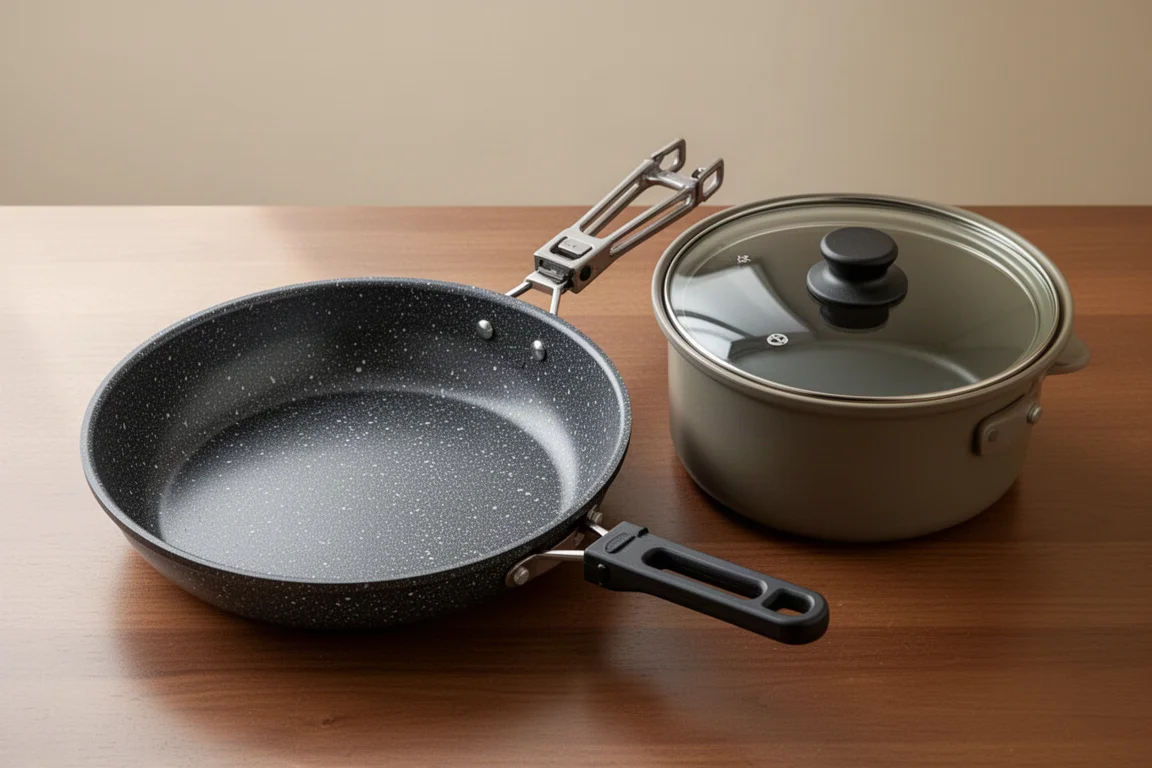
MSR Ceramic Pot and Skillet
Ceramic-coated camp cookware usually has a short life. This set is the exception. After years of family use, the ceramic coating inside both the skillet and the pot has held up well, still providing a genuinely nonstick surface that is easy to clean. The handles detach and the pieces nest together, so the set packs down small.
The solo pot is 1.3 litres, a useful size for mixing pancake batter or heating a meal for one or two. Taken together, the set is simple, reasonably priced, and built to last a long time, which is exactly what camp cookware should be.
Sudio Crates
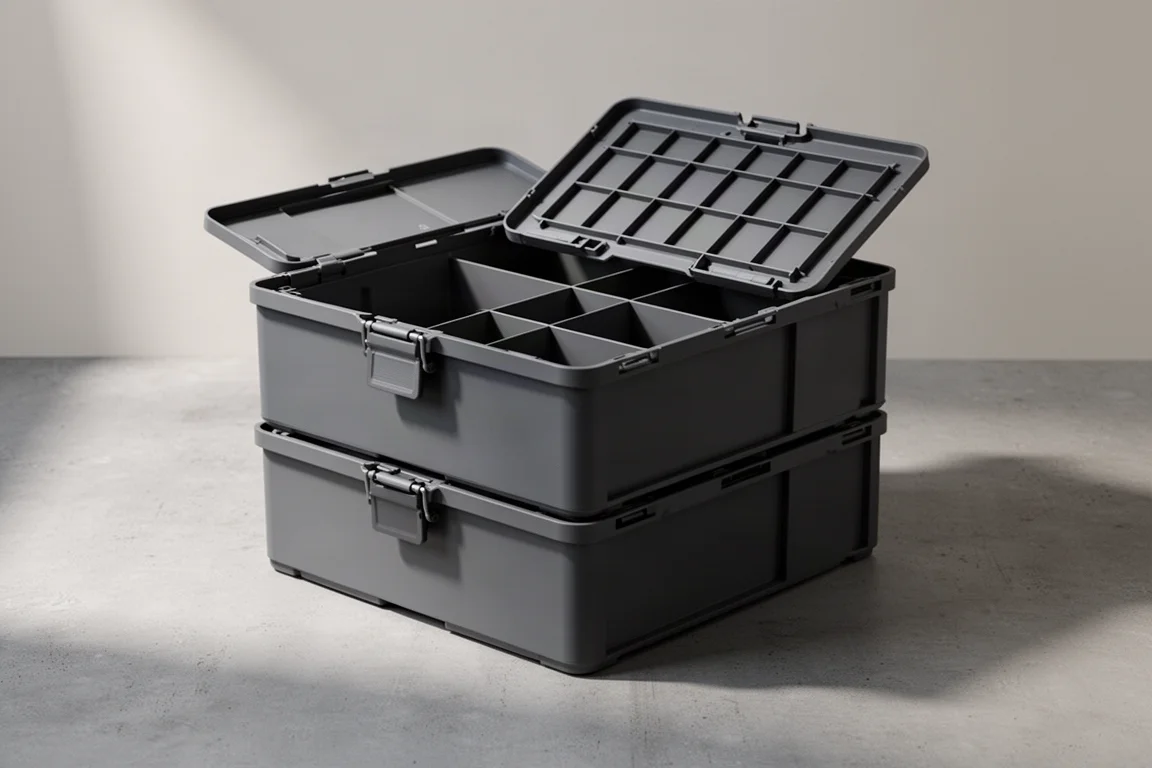
Organization gear rarely gets attention, but these modular crates change how a packed car feels. Each crate has a removable lid and internal dividers offering 43 slots, so small items get individual homes instead of disappearing into one deep bin.
The kitchen crate holds a full camp kitchen: collapsible bowls, mugs, utensils, seasonings, a cutting board, plates, eating utensils, and even the pot and skillet. A second crate handles the odds and ends that normally end up loose, including fire-starting supplies, battery banks, lanterns, headlamps, bug repellent, sunscreen, a hygiene kit, a tent hammer, and towels. The crates stack, so they stay put instead of shifting and rattling during a drive, and the construction feels very solid.
Zenbivy LightBed DoubleBed
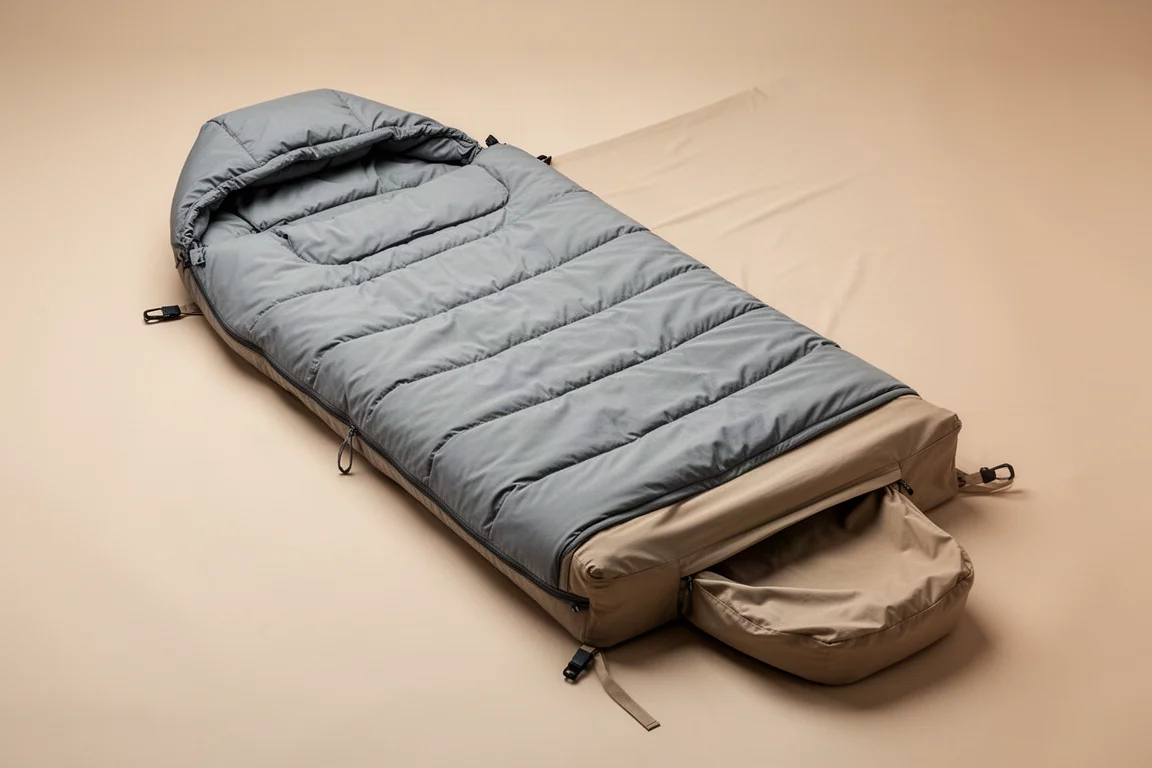
Sleeping well in the backcountry usually means compromising. The LightBed DoubleBed is a double-size version of a sleep system that already works well for one person, and pairing it with a double-size self-inflating mattress produces a setup that is warm, comfortable, and close to the feel of a bed at home. The fabrics are soft against the skin, which matters more than it sounds on a cold night.
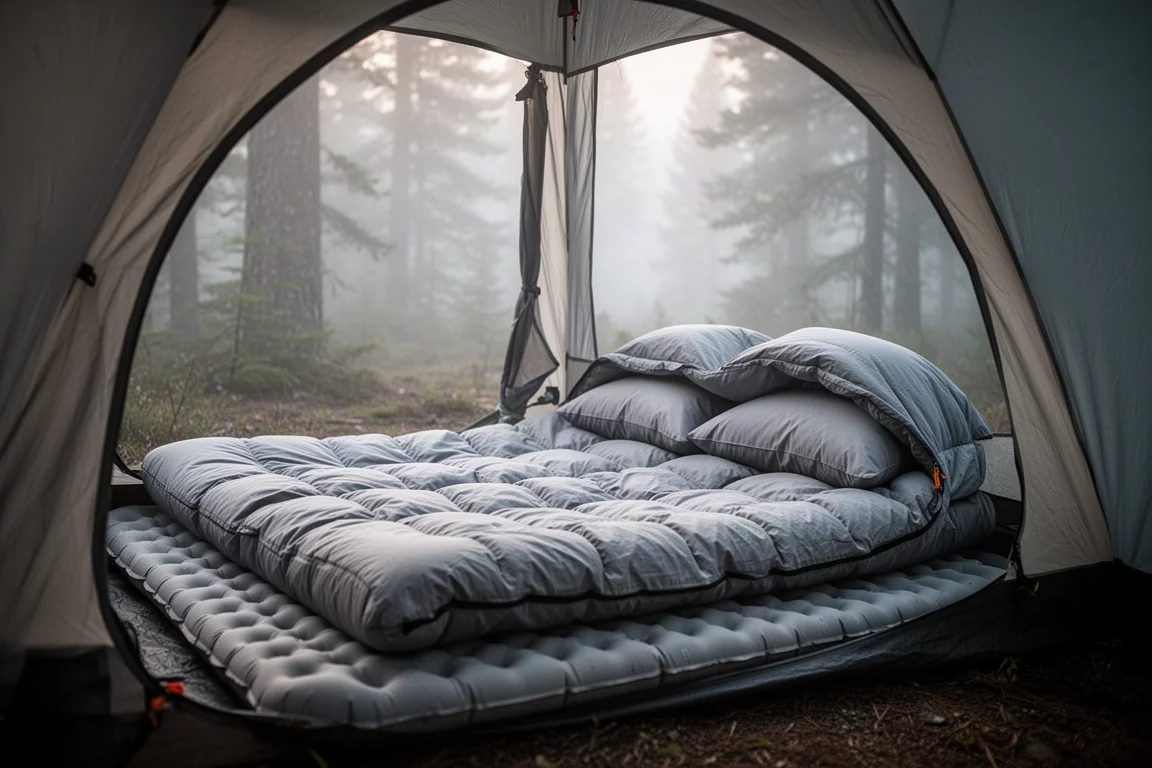
The sheet has a large hood that attaches to the pad, and it holds two standard pillows in place so they stay put through the night. Getting in and out is straightforward. The side clips on the sheet are easy to release if you need to get up in the dark, and there is enough room to slide in and out without unclipping them at all. The bottom is left open, which creates a foot pocket for warmth while still letting you push a leg out to regulate temperature. For couples camping together, it is a genuine upgrade over two separate bags.
Nemo Equipment Aurora Highrise
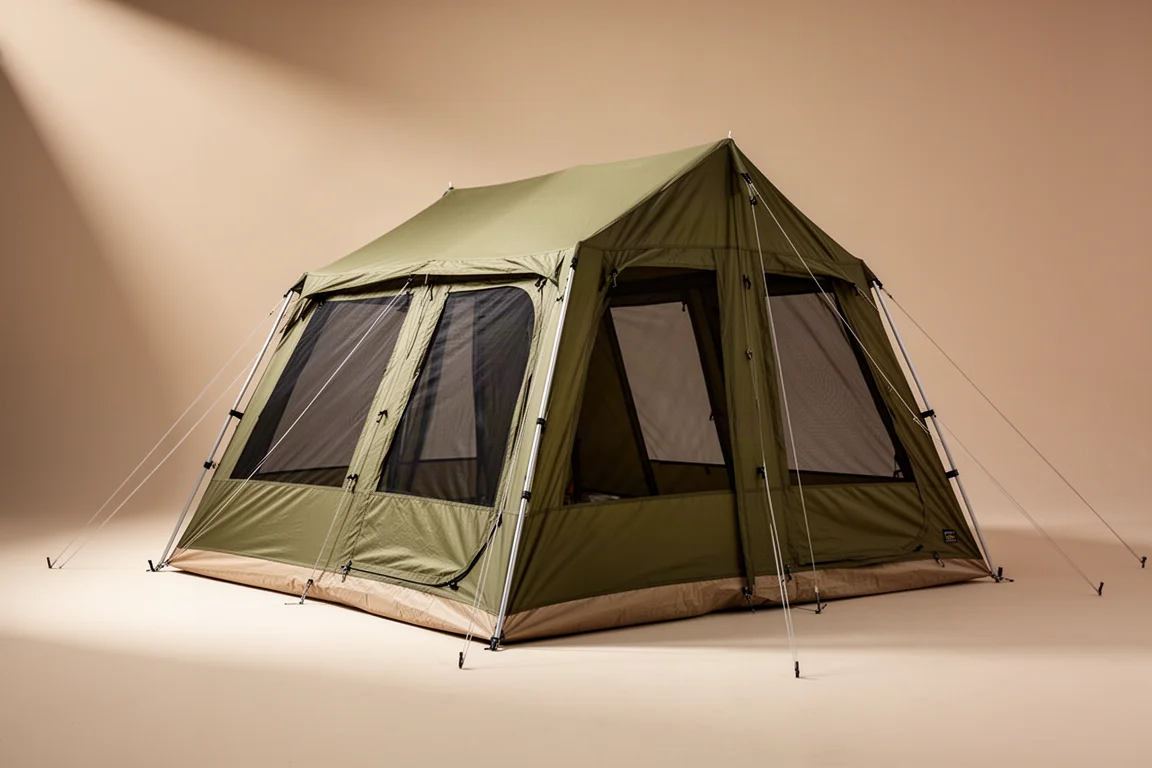
Rounding out the list is the tent that stood out most for family trips. The Aurora Highrise earned its place as the tent of choice for the season, and it is the natural companion to the rest of this kit when the whole family is camping together rather than sleeping in separate setups.
Buying Advice
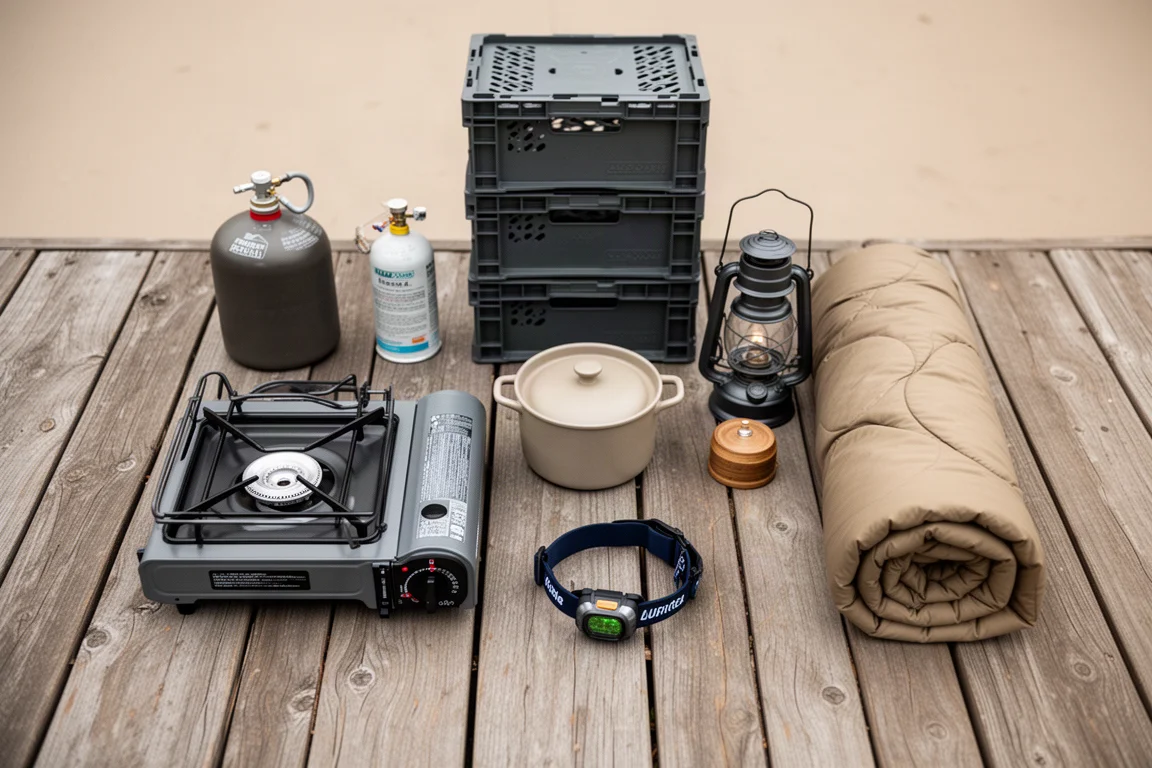
If you are building a kit from scratch, start where the daily friction is highest. Cooking usually comes first: a two-burner stove with individual burner control and a refillable propane tank handles almost any campsite meal, and ceramic cookware that cleans easily keeps the routine pleasant rather than tedious.
A 12-volt fridge is the biggest single jump in comfort for car campers, but it is also the biggest single expense at around $500, so it makes the most sense for families who camp regularly and cook real meals rather than heating water for freeze-dried food. If you camp only once or twice a year, a cooler remains the more sensible starting point.
Organization crates are worth adding early, because a packed car that stays tidy makes every other piece of gear easier to use and protects small items from getting lost. Sleeping gear deserves a large share of a solo or couples budget: a double sleep system with a pad attachment and a pillow hood delivers better nights than almost any other upgrade, and the tent you choose sets the tone for the whole trip.
Conclusion
Good camping gear is less about owning more and more about removing small frustrations. A fridge that eliminates ice, a stove that cooks a family breakfast in one pass, cookware that cleans up quickly, crates that keep everything findable, a double sleep system that feels like home, and a tent that works for the whole family all point in the same direction: fewer chores at camp and more time enjoying it. Any one of these picks can improve a trip, and together they make a strong foundation for a season of camping.
Further reading
Related Reviews
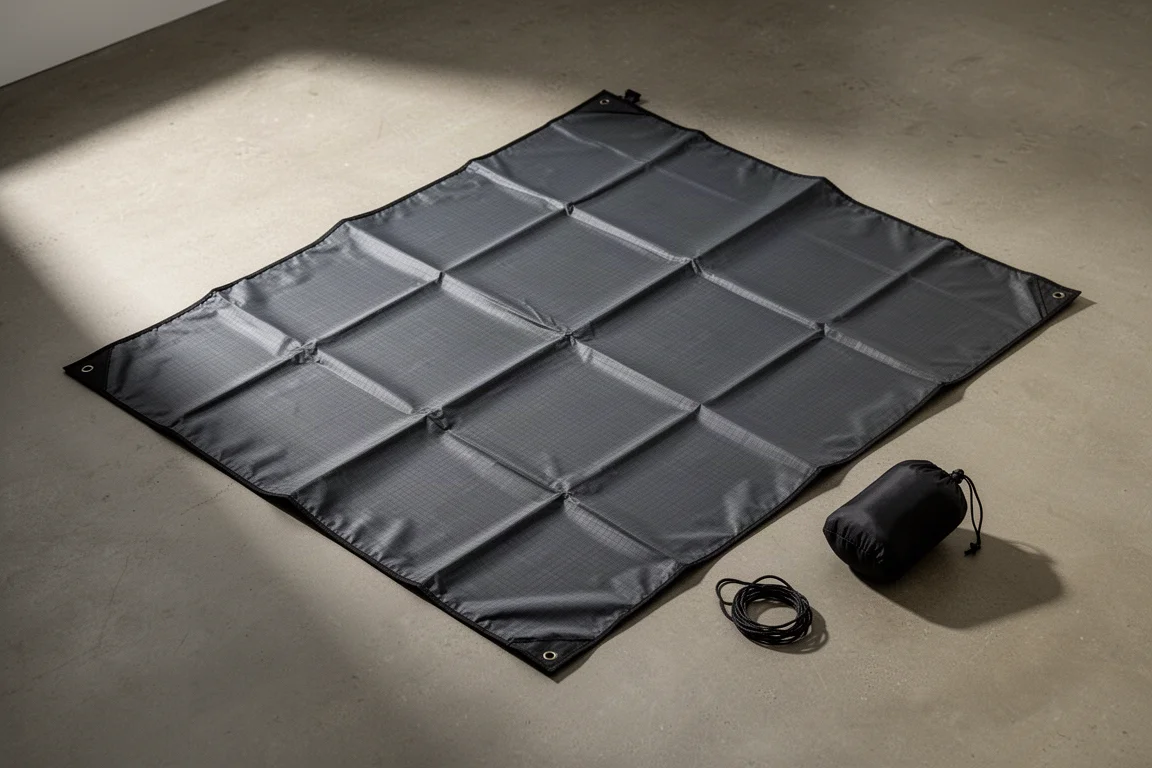
Camping Gear
3FUL Ultralight Ground Sheet Review: A Two-Person Footprint Worth Packing
A 6.7 oz two-person ground sheet in ripstop silnylon, priced around $30. Here is what it protects, what it does not do, and who should pack it.
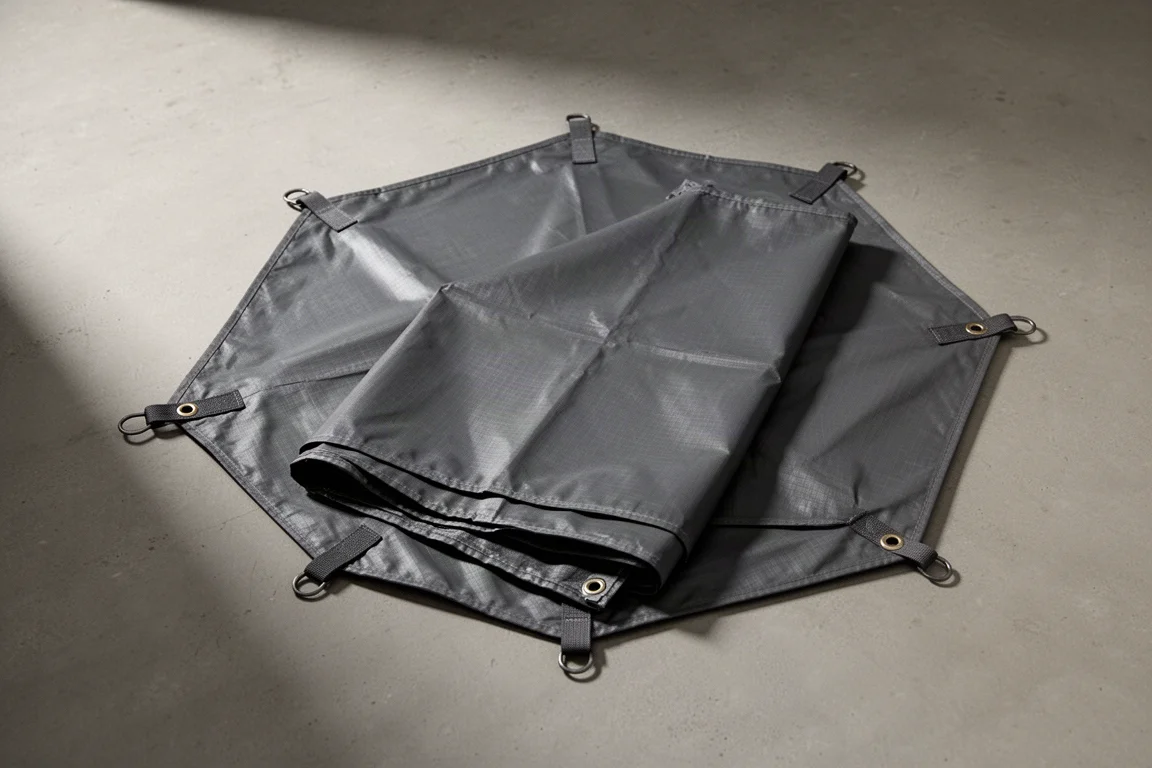
Camping Gear
Backcountry Light Dual-Function Tarp and Floor Review: A Footprint First
A dual-purpose tent floor and tarp that keeps falling rain off you, but cannot block wind. Here is where it works and where it does not.
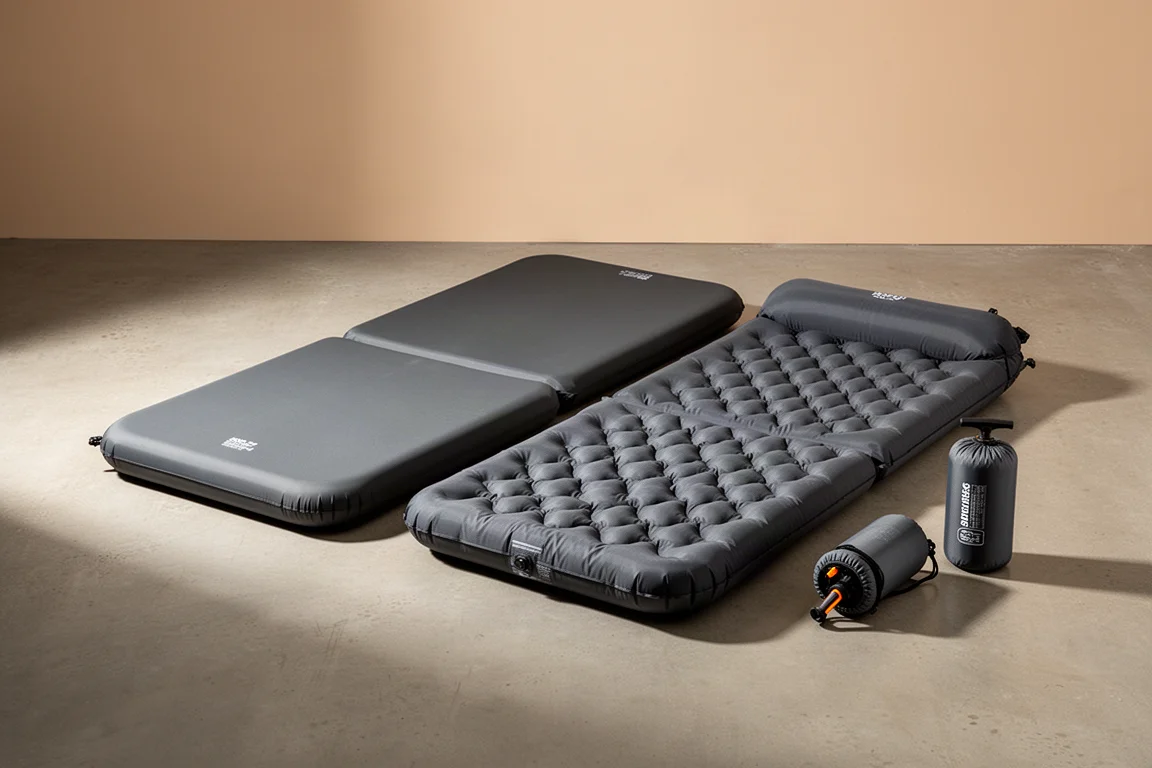
Camping Gear
Best 2-Person Camping Mattresses for Couples: 10 Options Compared
A practical comparison of ten two-person camping mattresses, covering self-inflating pads, air pads and air mattresses for couples.