Camping Gear
Best Camping Gear for Wet Weather: Five Pieces Worth Packing
Five camping essentials put through an overnight storm, from a tarp that kept camp dry to a budget tent, a titanium stove, and two dehydrated meals.
Introduction
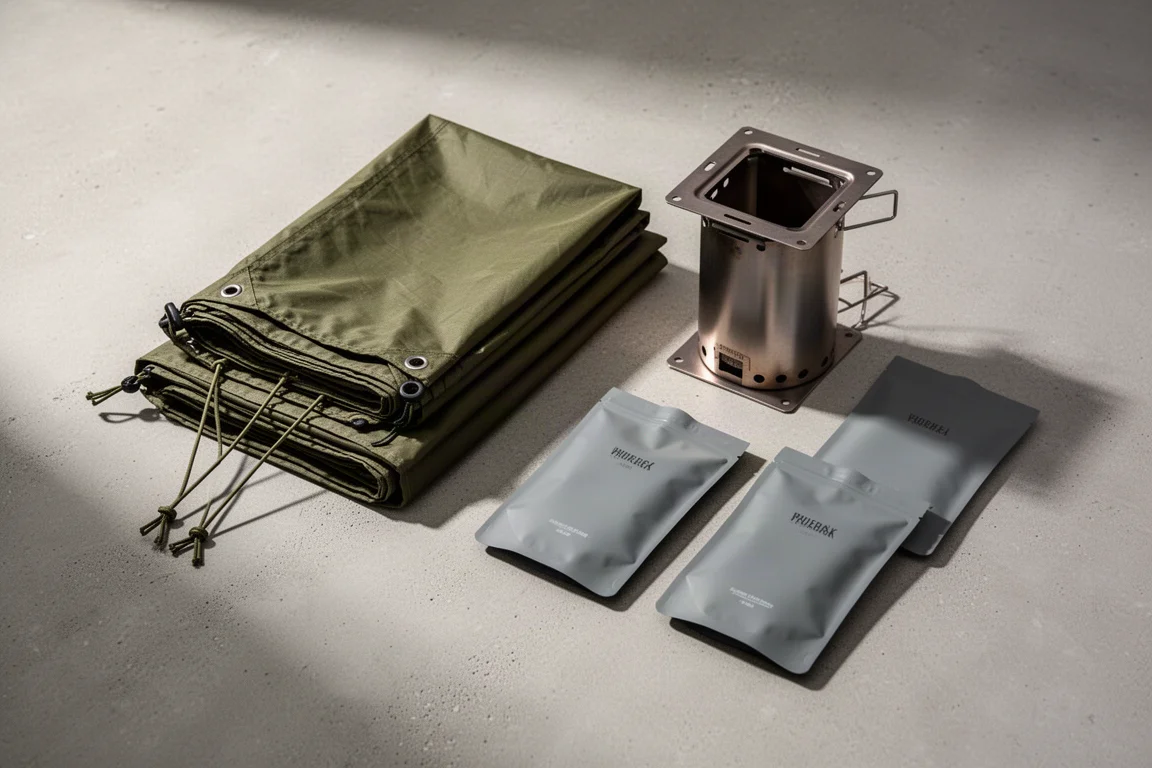
A night in a green forest at around 5,359 feet is a fair test of any camping kit, and this trip came with strong storms in the forecast. The plan was straightforward: pitch a tarp over a mossy rock, leave a small tent out in the open to see how it handled real rain, cook on a lightweight wood stove, and eat properly. The rain started late in the evening and fell hard for hours, which turned the trip into a genuinely useful wet-weather trial.
Five pieces of gear stood out for better or worse. Here is what each one does well, where it struggles, and the kind of camper it suits.
What These Picks Have in Common
Each item here earned its place by doing something useful in real conditions rather than on a spec sheet. The shelter pieces are light enough to carry in on foot, the stove handles both a quick coffee and a longer meal, and the food only needs hot water and time. The differences come down to price, how much weather protection you actually get, and how much fiddling each item asks for when conditions turn.
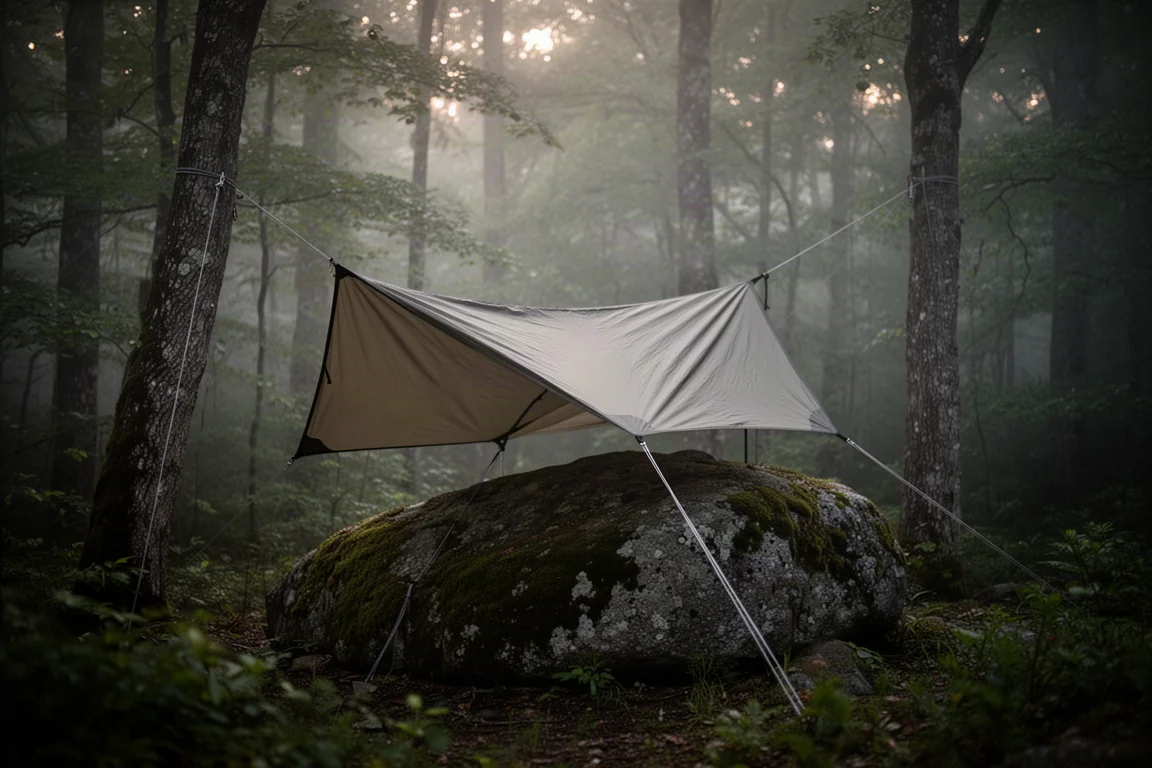
One lesson from the overnight rain applies to all of it. The details you notice while pitching in daylight are the same details that decide how comfortable you are at two in the morning. Adjustable tensioning, drainage around the floor, and a stove that stays stable on soft ground matter more than any single headline feature.
Rab Siltarp 3: Shelter That Kept Camp Dry
The tarp was pitched low over a large rock, and it became the most valuable item in camp. At around $180 it is the most expensive piece of gear on this list, but the payoff was immediate. Everything underneath it stayed bone dry through a night of heavy rain, and that dry patch of ground made it possible to light a fire the next morning.
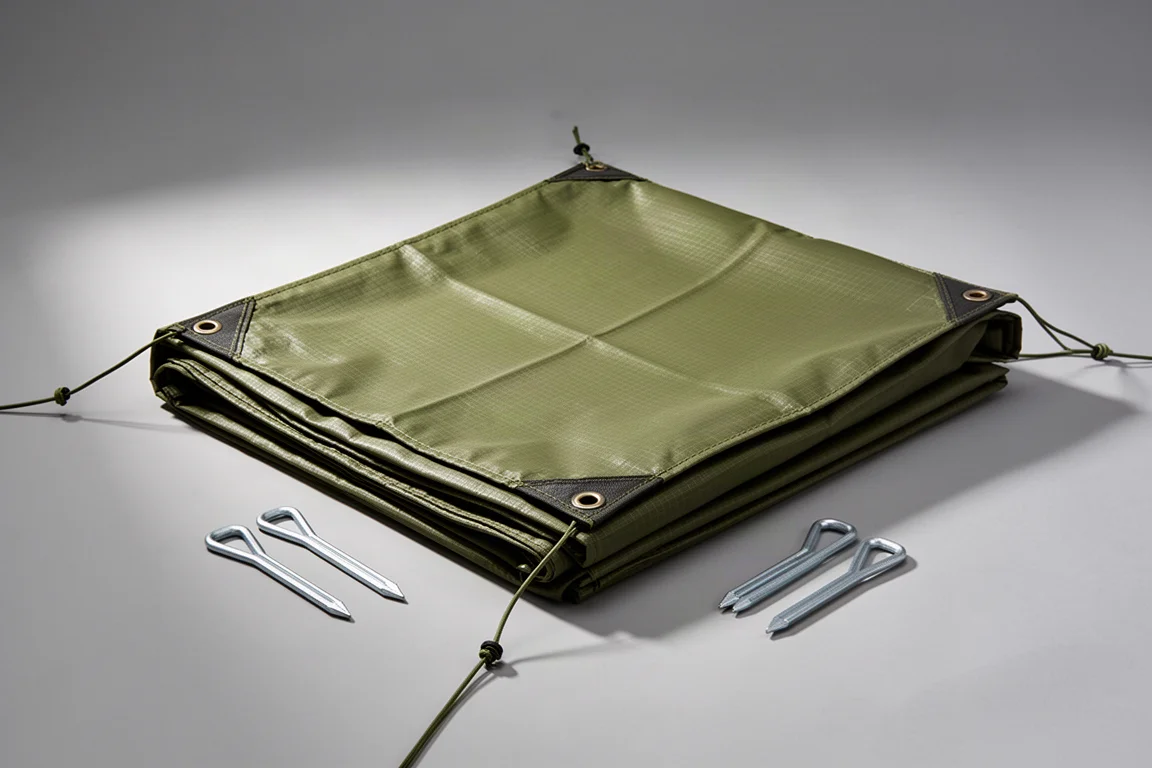
It is also more adaptable than its simple shape suggests. Extra ground sheets, the kind many hikers already carry, can be strung up as walls on the windward side to cut wind and keep the corners of the pitch dry. The same sheets double as a kneeling pad, a seat, or a way to carry firewood.
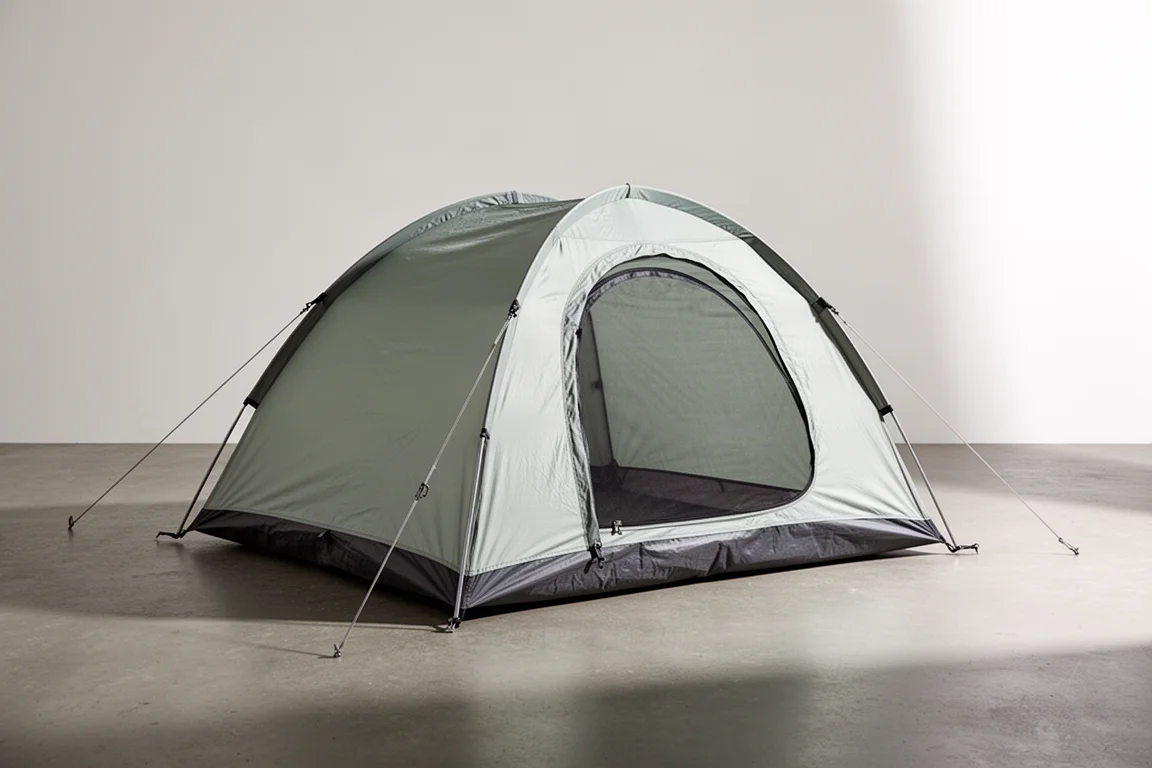
Naturehike Cycling Camping Tent: Waterproof, With Setup Caveats
At roughly $80, this lightweight tent is one of the least expensive ways to get a proper enclosed shelter. It was pitched in the open on purpose, with no tarp above it, so the overnight rain hit the flysheet directly.
The fabric and floor handled that well. The interior stayed dry all night, and the waterproof floor never let water through, even with a pool of water collecting underneath the sleeping area. That said, the design has two clear weaknesses. The stakeout points at the door and the back are not adjustable, so on uneven ground the pitch looks sloppy and cannot be tensioned neatly. Because the bottom and top of the tent cannot be pulled apart, rain running down the sides lands on the ground sheet and then travels under the tent. Guy lines attached at the door and the back and tied high solved the condensation problem and improved airflow, but they do not fix the drainage.
One more thing to check before ordering: the footprint that came with this tent carried a different model name, and the cycling tent and that other model are not the same design, so it is worth confirming exactly which tent you are buying.
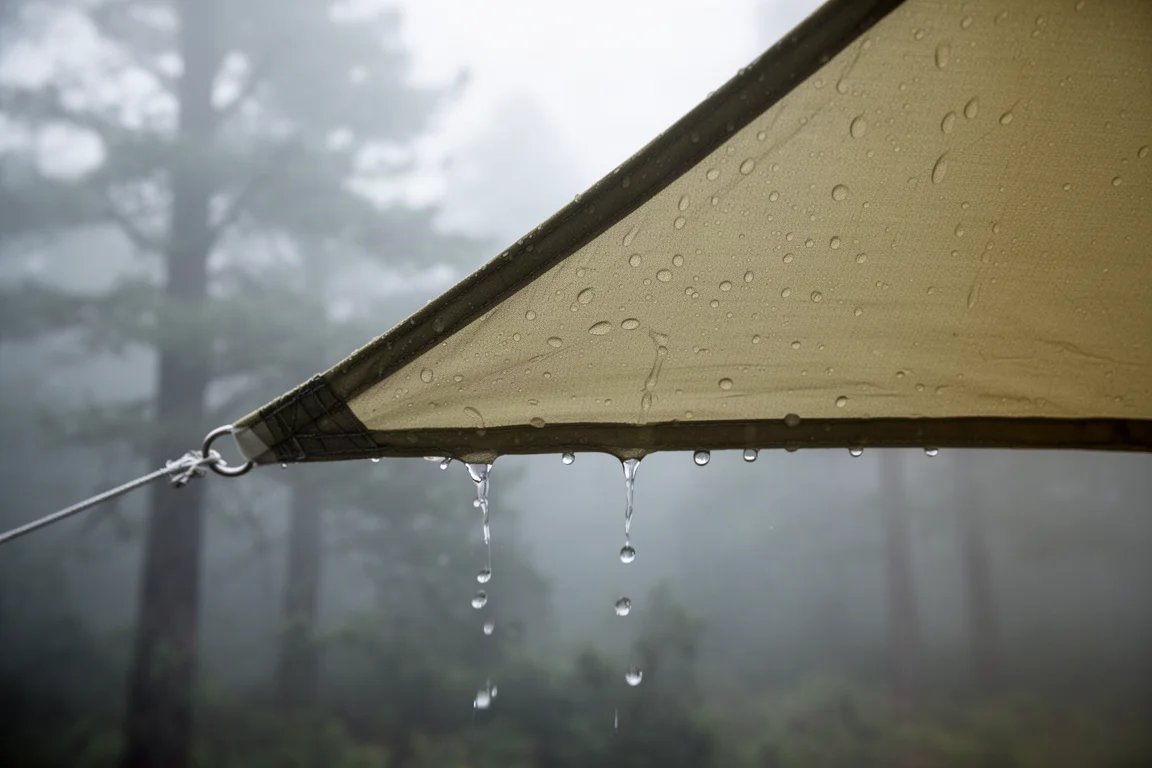
A tent that keeps you dry through a hard night still earns its place, and this one did. The catch is that it rewards careful site selection. Look for level ground where water can drain away, and plan on using the guy lines from the start rather than as a backup.
Naturehike Titanium Stove: Light, Large, and Nearly Ideal
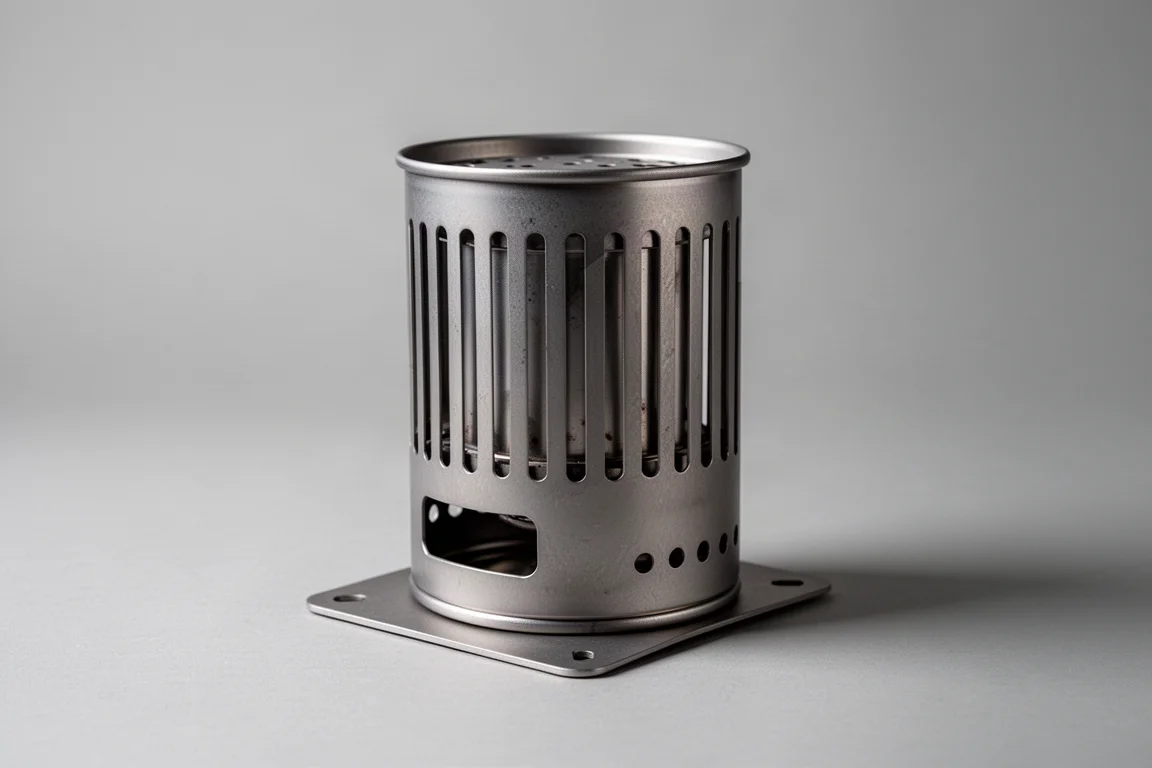
The titanium stove is the piece of kit that covers the most jobs in the smallest package. It is very light, and its size is the real advantage. It is large enough to boil water for coffee, heat a meal, or hold a proper cooking pot, and open enough to work as a small fire pit once dinner is done. That last point matters on a wet trip, because wood can be processed the day before so the morning fire takes no effort in the rain.
The included base plate does its job well, protecting soft ground cover such as moss from scorch marks. There is room for small design improvements, but nothing that stops it from working.
Backpacker’s Pantry Chicken Lasagna: A Hot Dinner That Delivers
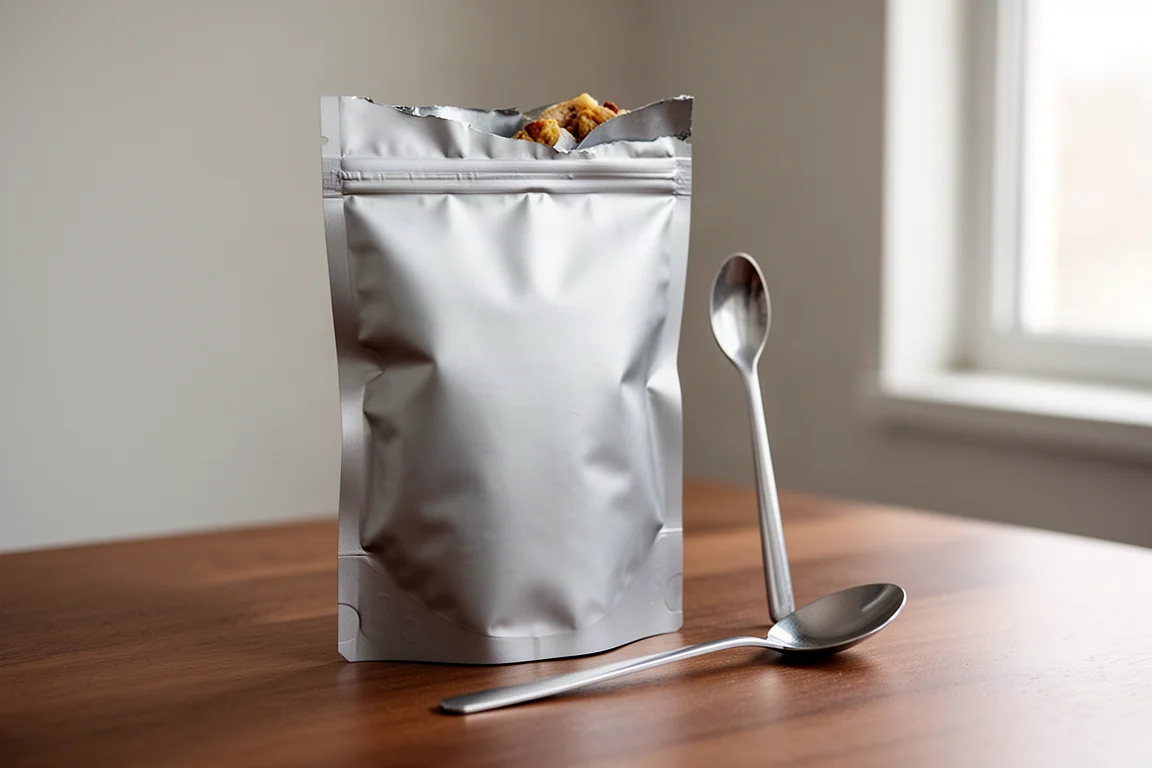
Dehydrated meals live or die on flavor, and this chicken lasagna was genuinely good. It rehydrates into a hot, filling dinner with almost no effort, which is exactly what you want after a long day of climbing and setting up camp in poor weather.
The one quirk is the chicken itself. The flavor is subtle enough that it would be hard to tell apart from a beef version if the packaging said so. That is a minor point for anyone who simply wants a reliable hot meal at the end of the day.
Real Turmat Blueberry Vanilla Oatmeal: Great Breakfast, Costly Shipping
Breakfast was blueberry and vanilla oatmeal, and it was excellent. It prepares quickly with hot water and makes a cold, foggy morning far more pleasant.
The complication is cost and logistics. These meals can be ordered directly from the brand, but shipping can roughly double the price, which is a lot to pay for a single breakfast. If you love the flavor and do not mind the shipping, it is a strong choice. If you are watching the budget, it is the kind of item to save for trips where a good breakfast really matters.

Buying Advice: Where to Spend and Where to Save
If there is a single theme to this list, it is that the shelter is where money and attention pay off first. A tarp that keeps the ground under it dry changes how the whole trip feels, and it makes cooking, sitting, and packing up in the morning far easier.
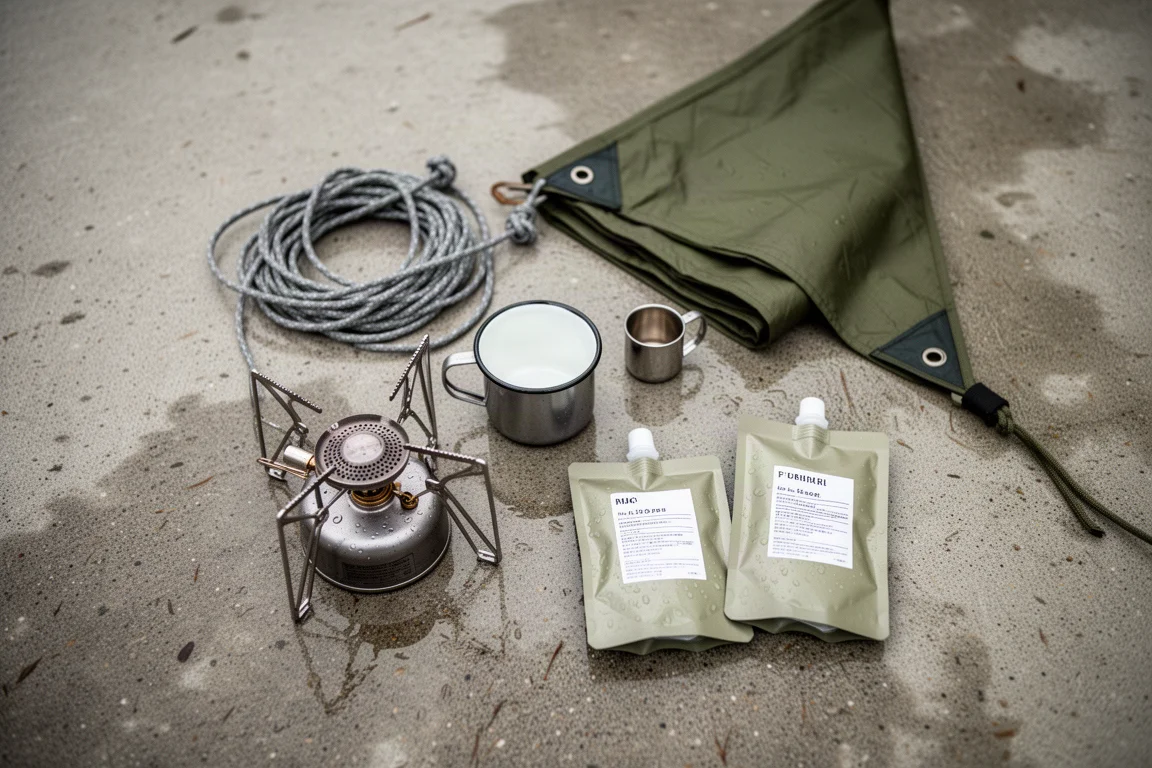
From there, the decisions get easier. A budget tent can be perfectly serviceable in rain as long as you pick a level pitch and use the guy lines, though you should expect to manage drainage yourself. A titanium wood stove replaces a fuel canister, a pot stand, and an evening fire pit in one light package. And dehydrated meals are worth the pack space when they taste good, with shipping costs being the main reason to buy selectively rather than in bulk.
Match the gear to the weather you expect, and test the setup at home before you rely on it in a storm.
Conclusion
Five pieces of gear, one long night of rain, and a clear set of conclusions. The tarp was the standout, the budget tent stayed dry but needs a better pitch and drainage plan, the titanium stove covered cooking and the evening fire, and both dehydrated meals delivered on flavor, with shipping the main drawback on the oatmeal. Pack accordingly, and a wet forecast becomes far less of a problem.
Further reading
Related Reviews
Camping Gear
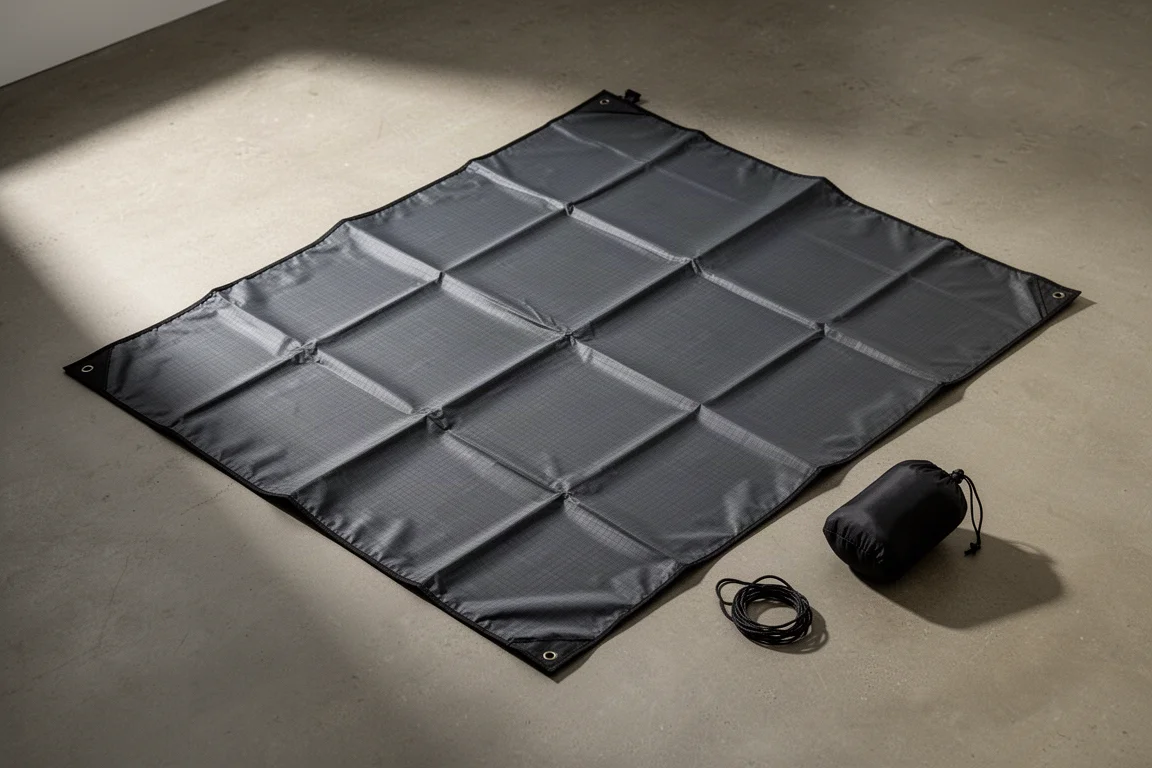
3FUL Ultralight Ground Sheet Review: A Two-Person Footprint Worth Packing
A 6.7 oz two-person ground sheet in ripstop silnylon, priced around $30. Here is what it protects, what it does not do, and who should pack it.
Camping Gear
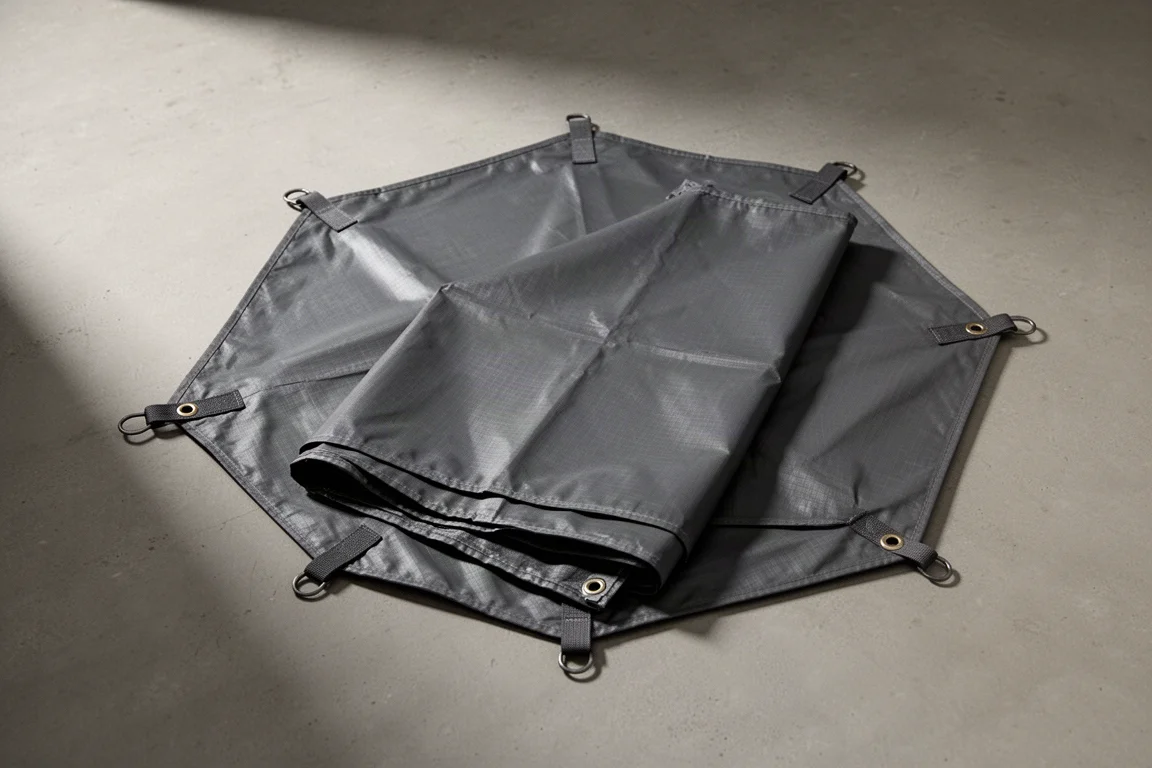
Backcountry Light Dual-Function Tarp and Floor Review: A Footprint First
A dual-purpose tent floor and tarp that keeps falling rain off you, but cannot block wind. Here is where it works and where it does not.
Camping Gear
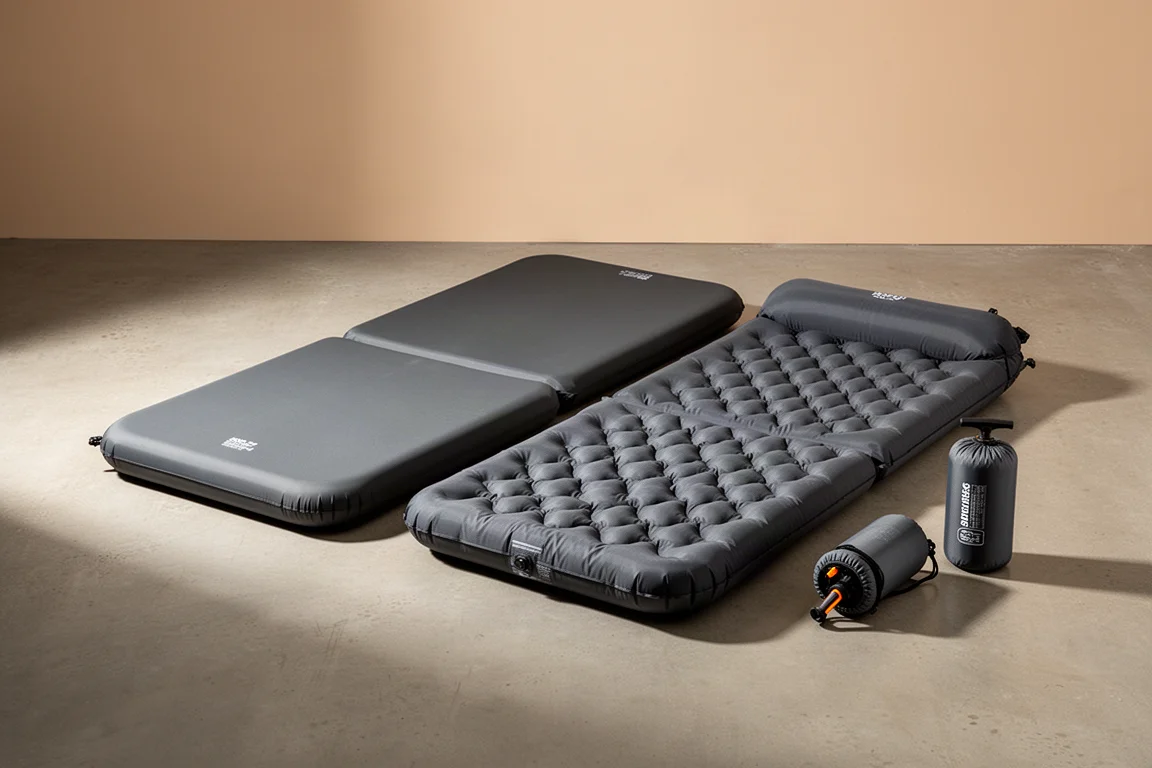
Best 2-Person Camping Mattresses for Couples: 10 Options Compared
A practical comparison of ten two-person camping mattresses, covering self-inflating pads, air pads and air mattresses for couples.