Camping Gear
Best Camping Gear for Families: 8 Pieces Worth Packing
Eight camping gear picks for families, covering camp tables, packable grilling, satellite messaging, filtered water, gear storage, and kids' sleep systems.
Introduction
Some camping gear earns its place by fixing a small annoyance, and some earns it by changing how a whole trip feels. The eight items in this guide lean toward the second group. Together they cover the details that decide whether a weekend outdoors runs smoothly: a clean place to set down s’mores ingredients, a grill that can cook a real dinner, a way to reach help when there is no cell signal, water that stays where it belongs, storage that does not turn into a mess, and sleep systems that keep kids warm and on their pads.
Each pick here is a piece of gear that holds up to repeated trips rather than a novelty, and every one of them has a clear job to do at camp. Nothing on the list is complicated to use, and nothing requires a specialist setup to enjoy on an ordinary weekend at a campground.
If you are building a family camping kit from scratch, the order matters less than the fit. Start with the items that solve your biggest recurring problem, whether that is cooking, water, organization, or sleep, and add the rest as your trips get longer.
What Makes Camping Gear Worth Packing
The gear that stays in the rotation tends to share a few traits:
- Packability: it fits in the car without a fight and does not consume the space you need for everything else.
- Durability: it survives repeated trips, weather, and the way kids actually treat things.
- Versatility: it does more than one job, or works for both adults and children.
- Ease of use: it sets up quickly, cleans up easily, and does not require a manual every time.
- Real problem solving: it answers a specific need at camp instead of adding weight for its own sake.
Those criteria are why the picks below cover such different jobs. A table, a grill, a communicator, a water can, and a set of sleep pieces all solve something specific, and each one earns its space in the vehicle.
Big Agnes Woodchuck Side Table: Small Table, Big Convenience
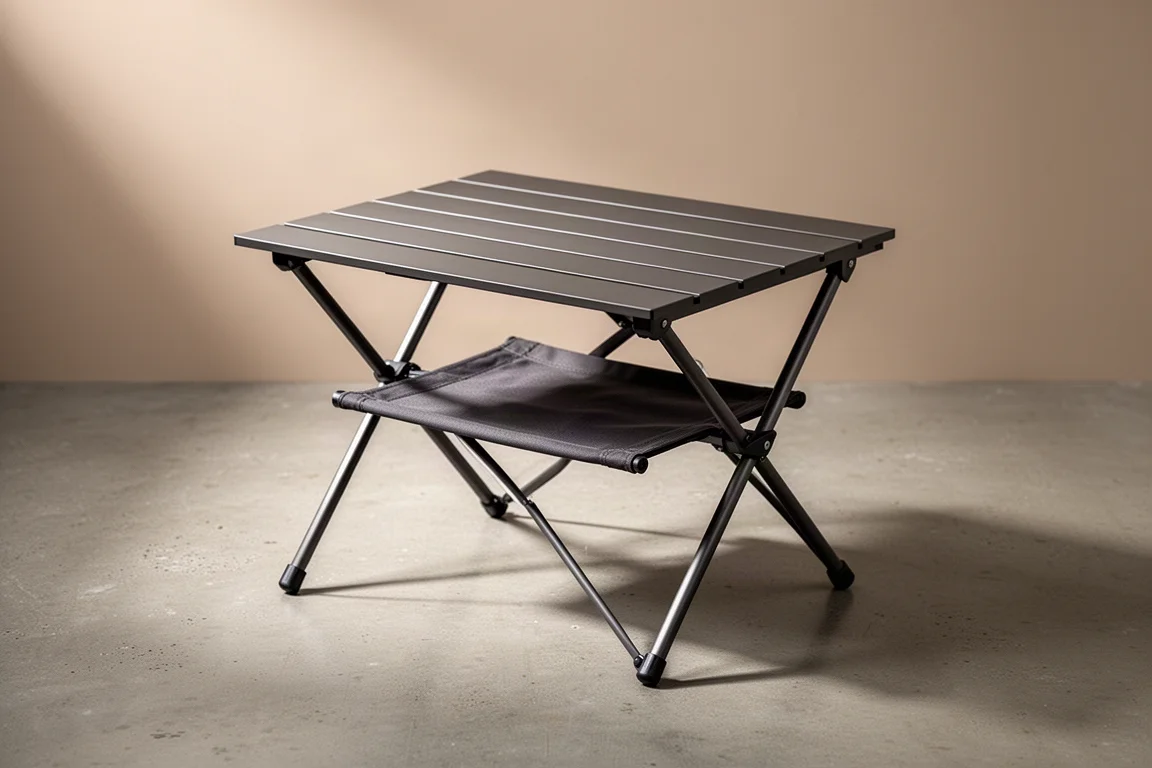
The Woodchuck is a folding side table that sits right beside a camp chair, which makes it the natural home for s’mores ingredients, a mug, or a plate that would otherwise end up in the dirt. It is smaller than a full-size camp table, and that is part of the appeal: it tucks into the car, sets up in seconds, and keeps a small area genuinely tidy.
Build quality is the other reason it stands out. This is a table that has been through years of regular trips and still looks and works the way it should, which is a meaningful difference from lightweight folding tables that wobble after a season of use.
Height is where the design gets clever for families. It lines up well with a child’s folding chair, so younger kids can eat at a proper table, work on a puzzle, or play a game at their own level instead of balancing a plate on a bench that sits too high and is not very stable.
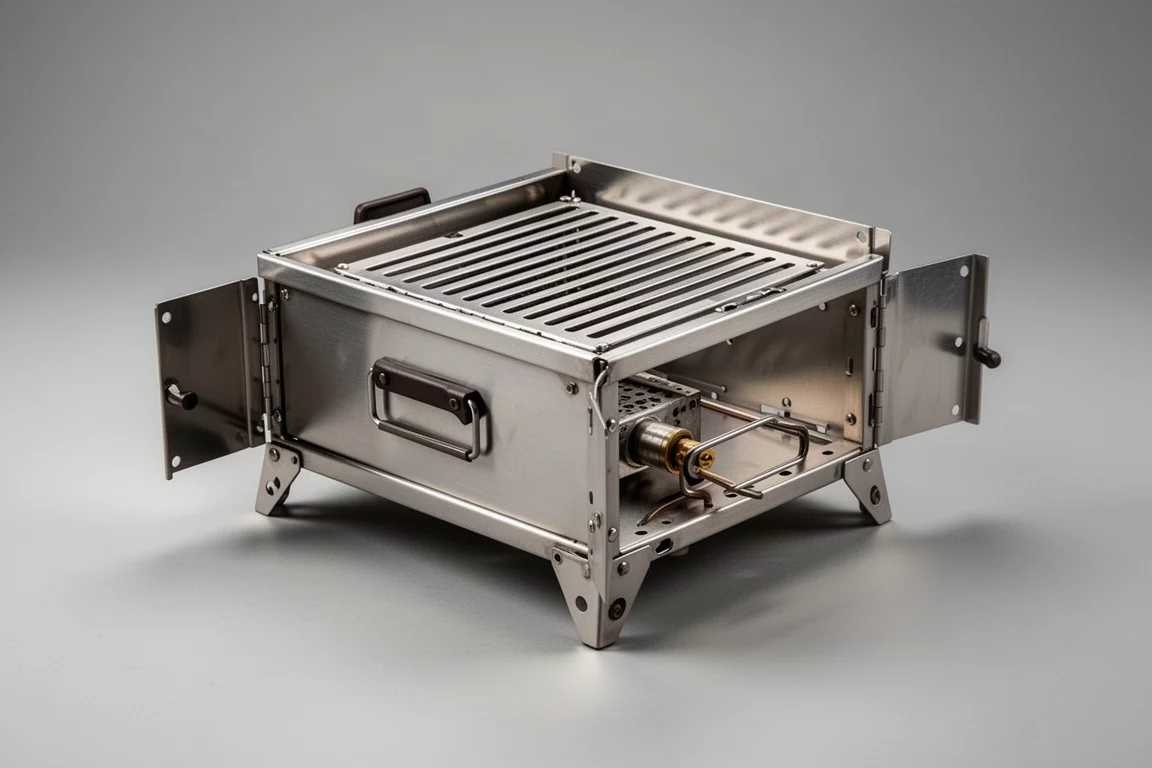
Skotti Grill: Packable Grilling for Real Camp Meals
The Skotti Grill is a stainless steel packable grill that takes up little room in the car and still makes a proper meal possible at camp. It is genuinely versatile in how it runs: a standard isobutane canister, a propane adapter paired with a one pound propane tank, or charcoal placed in the base once the gas tube and burner are removed. With charcoal or a small wood fire in the bottom, it can even stand in as a makeshift fire pit.
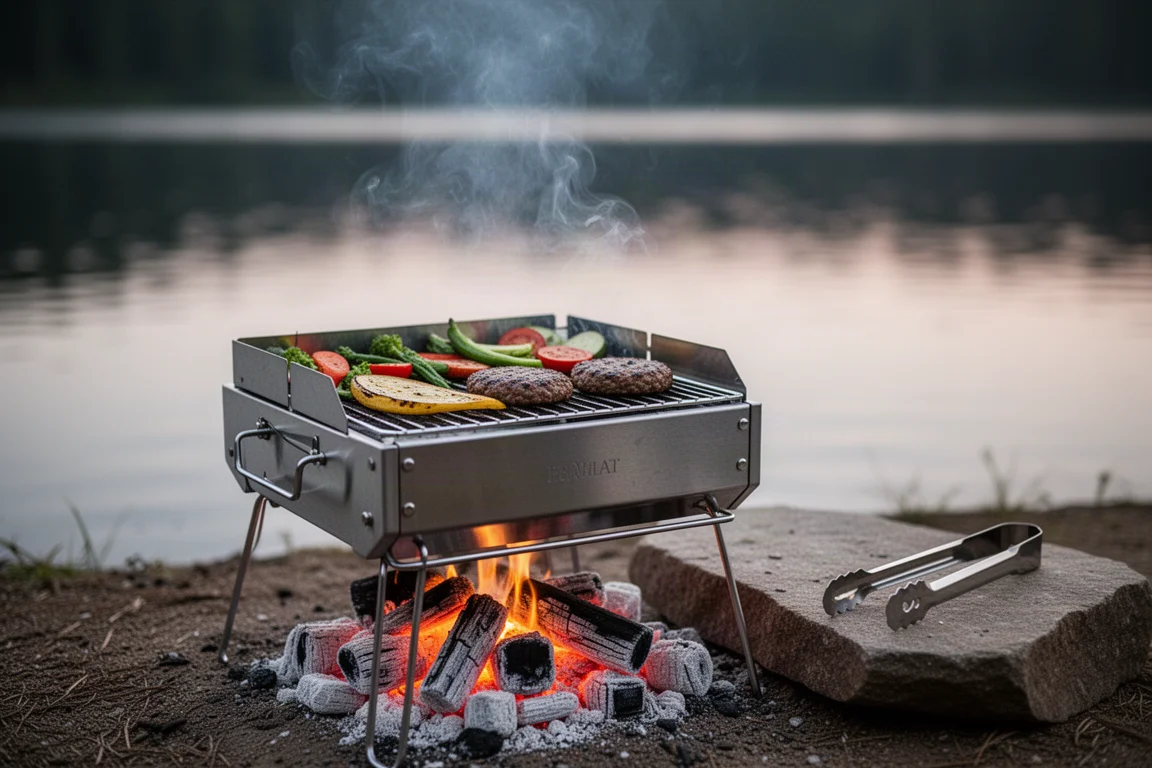
Cooking capacity is larger than the folded size suggests. The grate handles three or four steaks, four or five burger patties, or a generous pile of hot dogs and vegetables, and it gets hot enough to give meat a real sear. An optional cap accessory helps hold heat in for a more effective cook, and other add-ons extend what the grill can do beyond meat and vegetables. The one learning curve is assembly, which takes a bit of practice the first couple of times before it becomes quick.
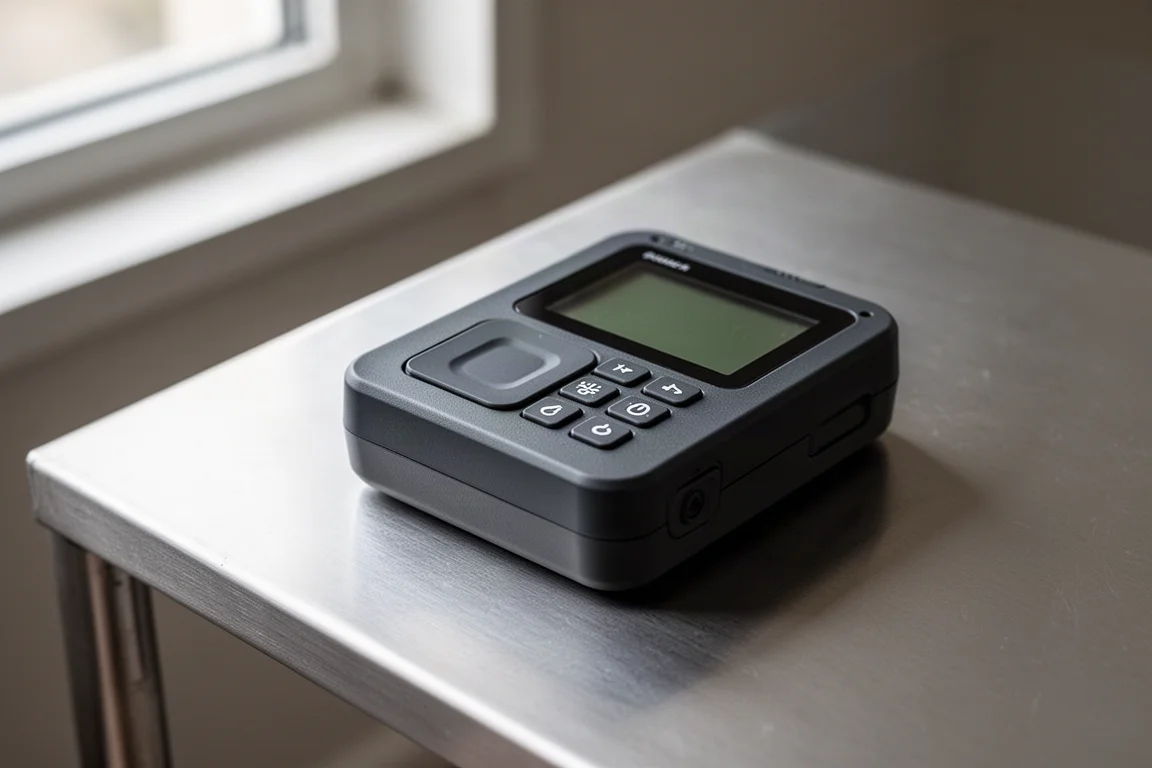
ZOLEO Satellite Communicator: Two-Way Contact Off the Grid
The ZOLEO is a satellite communicator, and it solves a problem that many camping trips share with backpacking trips: no cell coverage. Two-way messaging means you can check in with family at home, send a message to let people know everyone is fine, or coordinate help if something goes wrong, whether that is a flat tire on a remote road or a situation that needs a tow.
Beyond messaging, it can pull weather reports, trigger an SOS to request search and rescue, and connect you with medical professionals by text through a medical advice feature. That last option matters for families: a burn or a minor medical issue can often be handled with guidance rather than a full emergency response. Service runs on a choice of plans, and the ongoing cost is modest enough to keep it active for regular trips.
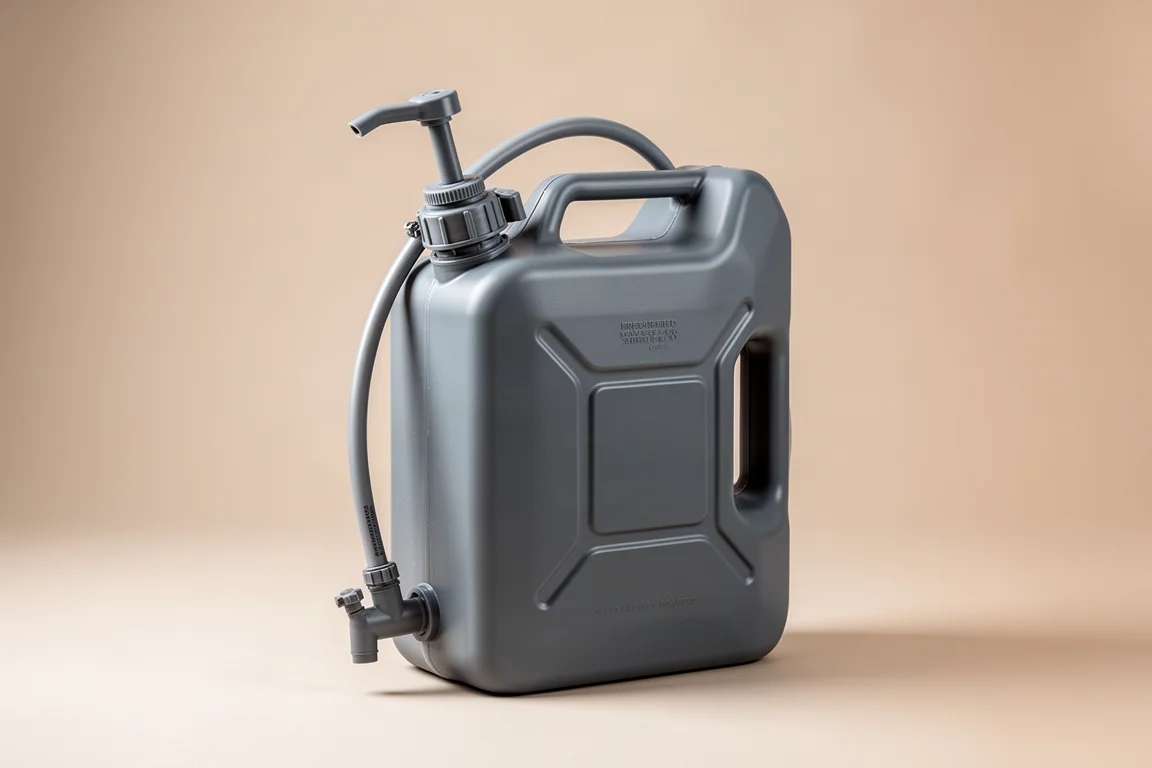
HydroBlu Jerry Can: Filtered Water Without the Mess
The HydroBlu Jerry Can is a pressurized water container with a hollow fiber filter and an activated carbon stage that improves taste. Capacity covers a weekend for a family of five, so running out of drinking water stops being a background worry.
The bigger advantage is what the filter makes possible. Fill the can with clean water at home before you leave, and if you run low on an extended trip, refill from a lake or river and filter it on the spot. That combination delivers a large volume of drinking water without hauling a large volume of drinking water, and it avoids the leaking, tipping, and puddles that come with cheap containers designed to lie on their side.
Cuyo Crate: Storage That Stays Organized
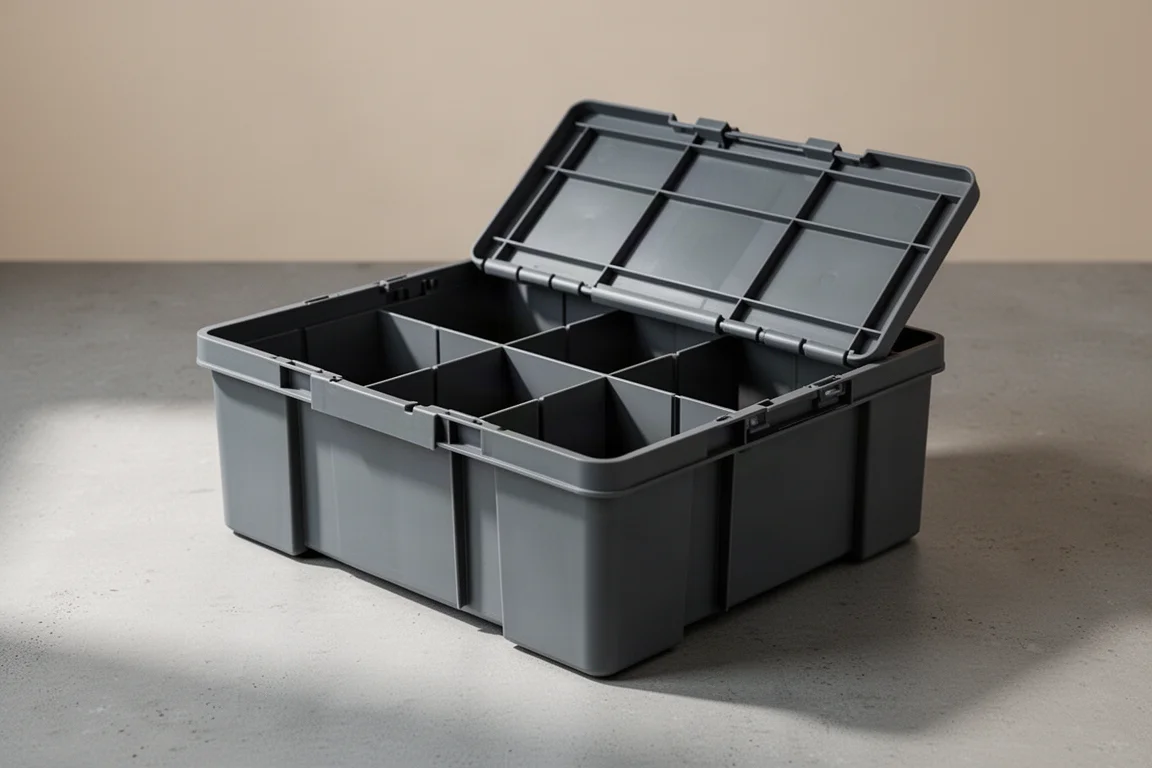
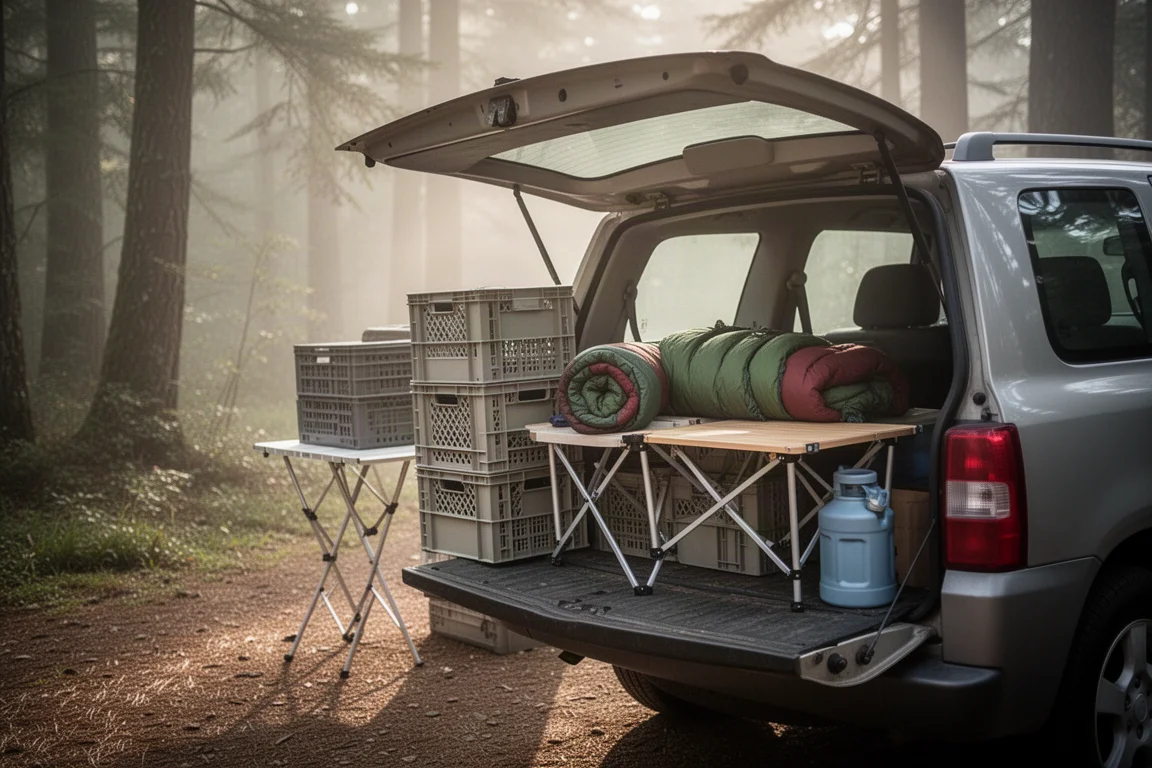
Cuyo Crates are modular storage crates with dividers, and they turn packing from a guessing game into a system. One crate can hold small gear: bug repellent, camp tools, headlamps, battery banks, charging cables, a flashlight, and the pump for sleeping pads. A second crate becomes the camp kitchen, holding utensils, cups, bowls, cooking pots, a skillet, and a cutting board.
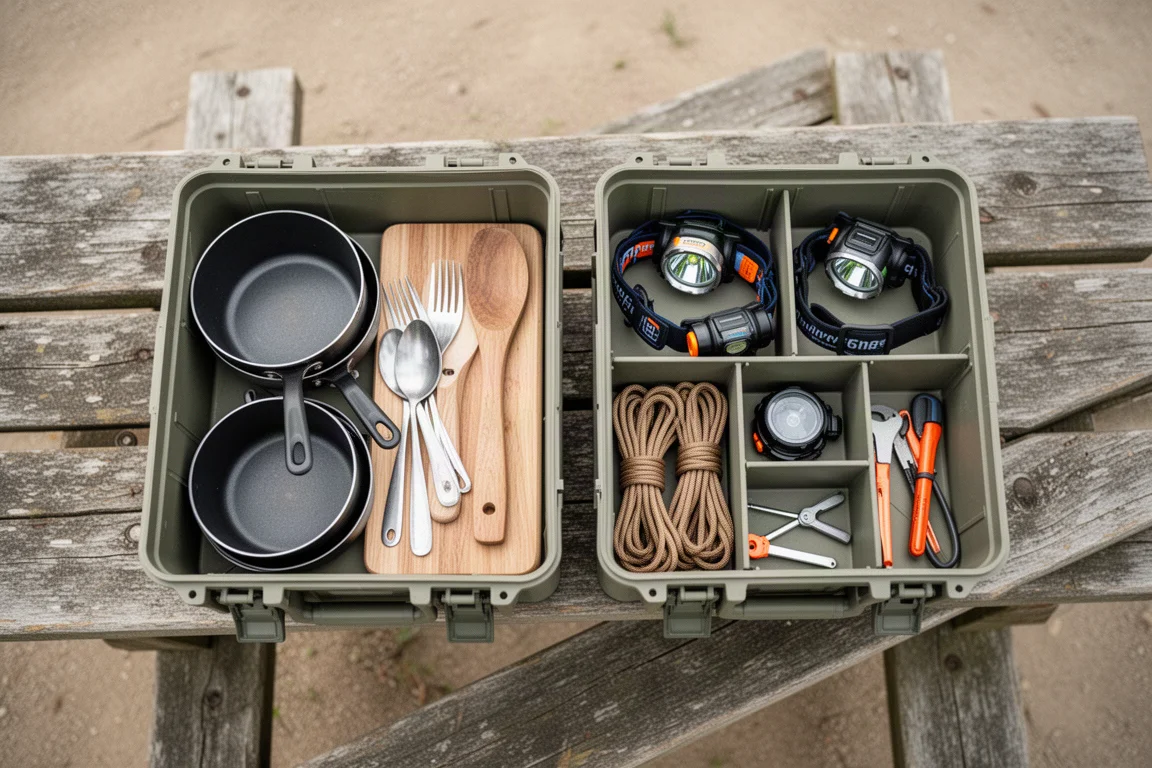
The dividers are what make the crates work, since you can split each one into compartments sized to what you actually carry instead of letting everything settle into a pile. Having a dedicated box for the kitchen also means you are not digging through one oversized bin that collapses into disorder the moment you start unloading it.
Stacking is the final piece of the appeal. The crates sit on top of each other and fit neatly in the back of a vehicle, so camp can be unloaded in one trip from the car rather than several.
Big Agnes Little Red Sleeping Bag: A Kids’ Bag That Stays Put
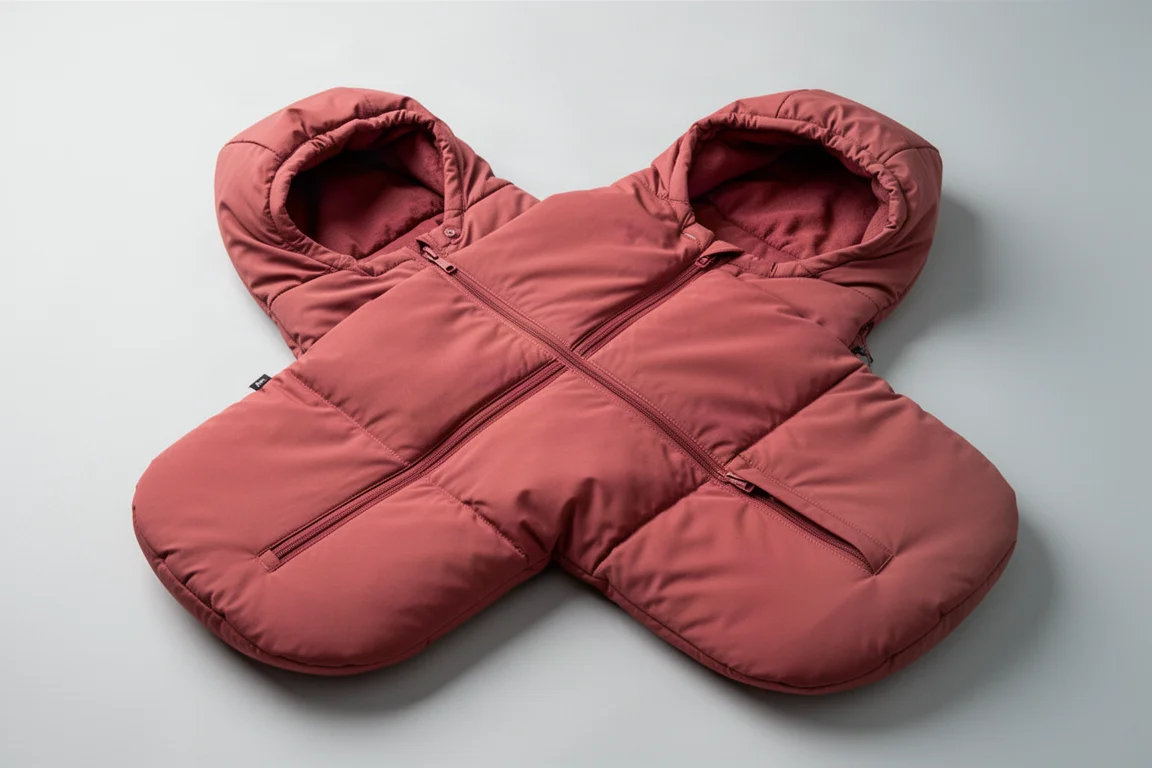
Finding a warm, comfortable sleeping bag for a child is harder than it should be, and the Little Red is the answer for camping trips. It is a 20°F rated synthetic bag built for kids, and the feature that matters most is a full-length pad sleeve. A child sleeping in a bag on a loose pad tends to slide off during the night; the sleeve keeps the bag and pad together as one system.
The rest of the details are equally practical. The fabric is soft inside and out, the half-length zipper is easy for a child to operate and resists catching on fabric, and a full draft tube runs along the zipper to keep cold air out. The hood is generously sized, and the taper near the feet is gentle enough that kids have room to move without feeling closed in.
One thing to plan for: the back panel has no insulation of its own, so an insulated pad with an R-value of 3 or higher is essential underneath. Pairing it with a torso-length pad keeps the setup affordable, and the sleeve is designed around that pairing. Because the synthetic insulation does not pack down small, this is a camping bag rather than a backpacking bag.
Peregrine Recharge Sleeping Pad: The Right Base Under a Kids’ Bag
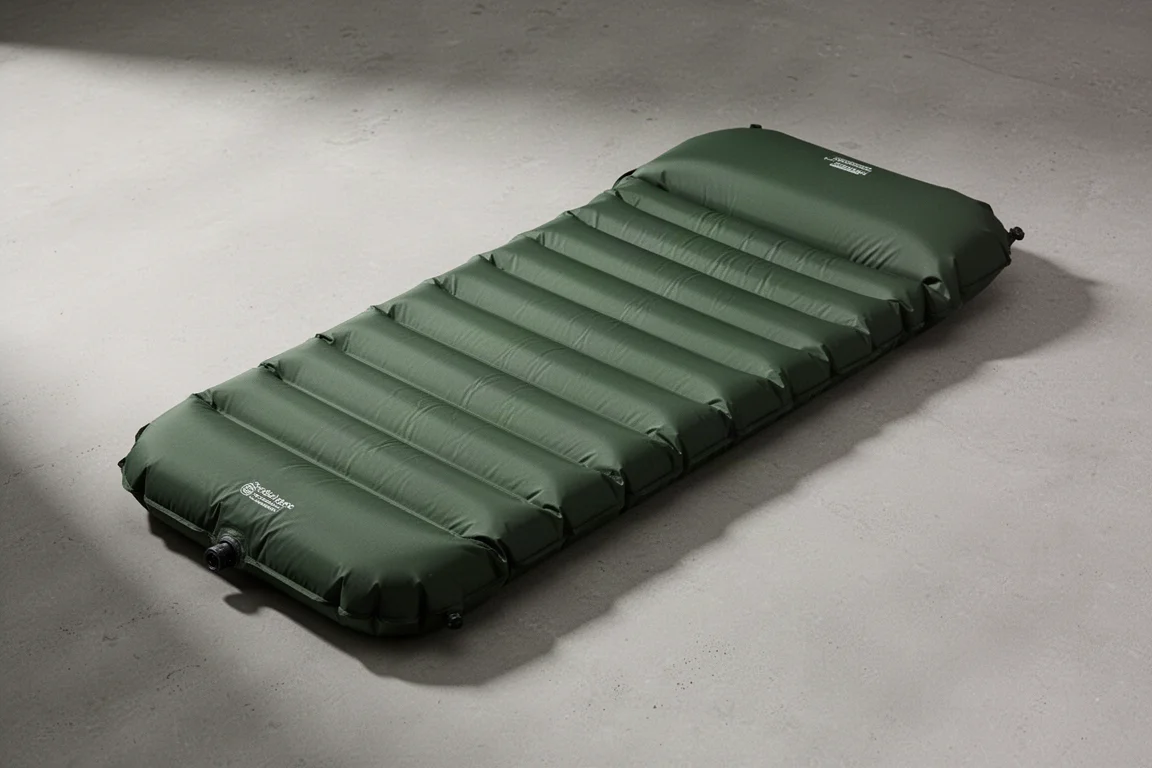
The Peregrine Recharge is the insulated pad that makes the Little Red system work. It is available in a short torso length, which matches the pad sleeve, costs less than a full-length pad, and still delivers the insulation a child needs underneath.
Insulation is the part parents most often overlook. With an R-value of 3 or higher, this pad keeps warmth from draining away through the ground, which is exactly what a bag with an uninsulated back panel requires. Pair the two and a kid sleeps warm through the night instead of waking up cold.
UGQ Outdoor Youth Bandit Quilt: Backpacking-Friendly Kids’ Sleep
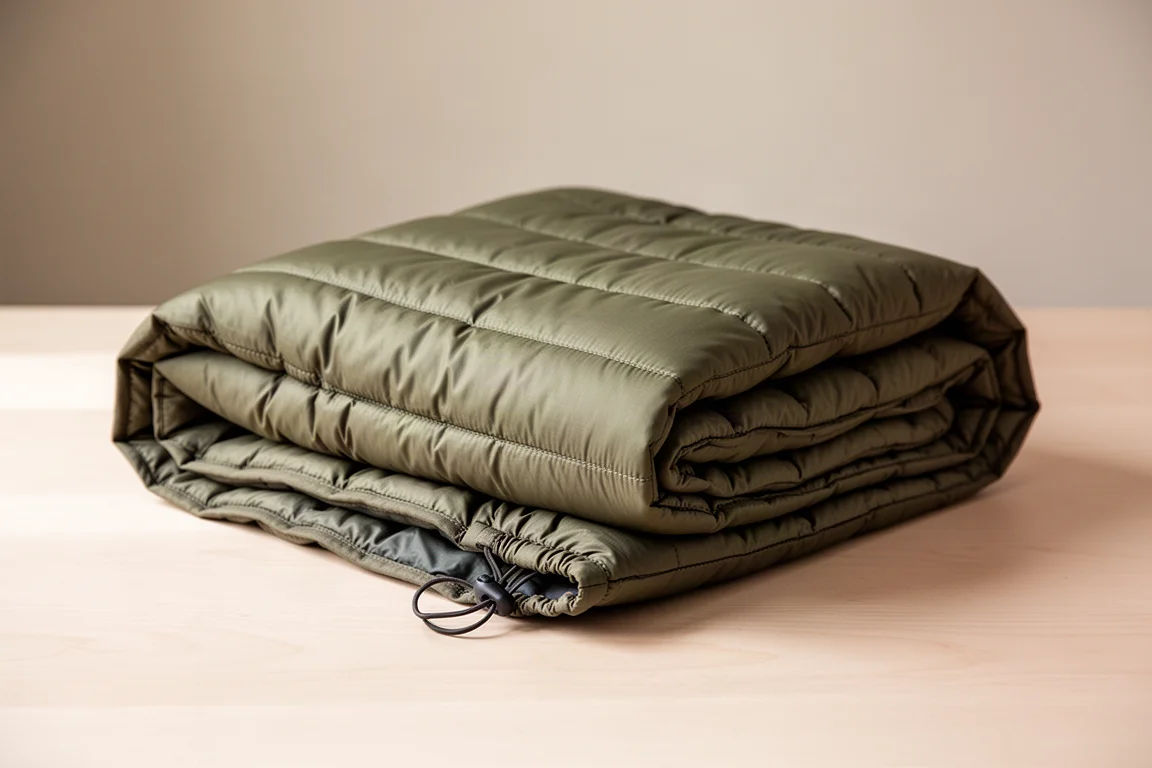
When the trip involves walking in rather than parking, the Youth Bandit quilt is the better choice. It packs into a noticeably smaller package than a synthetic kids’ bag, so it fits a backpack without consuming the space meant for everything else.
Quilts also work well for kids on camping trips, not just backpacking trips, as long as they are used over a properly insulated pad. If your family does both, this is the piece that covers both kinds of trips.
Buying Advice: Matching Gear to Your Camping Style
The right starting point depends on how you camp. If you drive to a campground and set up a base for the weekend, the priorities are comfort and organization: a side table for the fire circle, crates that keep gear sorted, and a water can that does not leak across the site. If your trips mix car camping with the occasional hike in, add the quilt and keep the heavier synthetic bag for drive-up trips.
Sleep is worth spending on first, especially with children. A warm kid sleeps through the night, and a sleep system that stays in place prevents the middle-of-the-night rearranging that ruins the next morning. After sleep, think about cooking and water, since those two decide how much of the trip is spent managing logistics instead of enjoying it.
A satellite communicator belongs in the kit as soon as your trips take you beyond reliable cell coverage, regardless of whether you are hiking or camping. Weather reports, two-way messaging, and the option to call for help are the kind of features you hope never to need and are very glad to have when you do.
Conclusion
These eight pieces of gear cover the parts of a camping trip that are easiest to get wrong: staying organized, cooking well, drinking clean water, sleeping warm, and staying reachable. None of them are gimmicks, and each one earns its place through repeated use rather than clever marketing. Pick the two or three that solve your biggest recurring frustrations first, then build the rest of the kit from there. A well-chosen setup makes a weekend outdoors noticeably easier, and that is what keeps families coming back to it.
Further reading
Related Reviews
Camping Gear
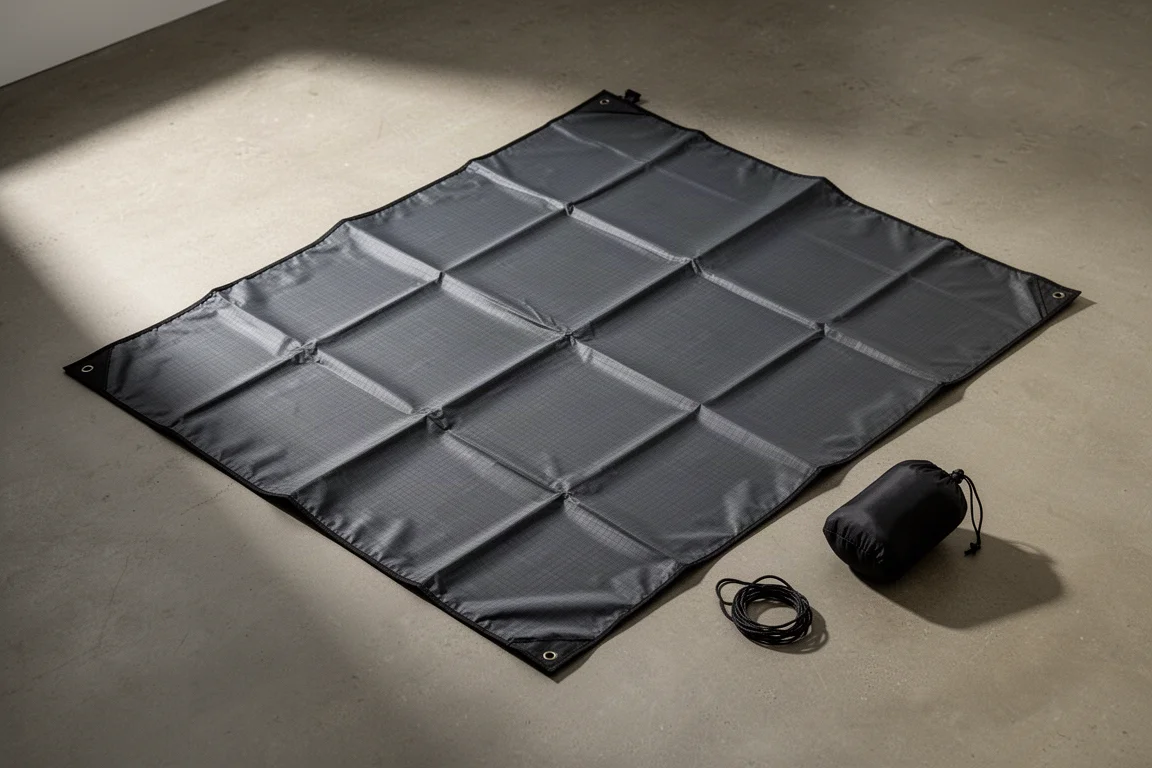
3FUL Ultralight Ground Sheet Review: A Two-Person Footprint Worth Packing
A 6.7 oz two-person ground sheet in ripstop silnylon, priced around $30. Here is what it protects, what it does not do, and who should pack it.
Camping Gear
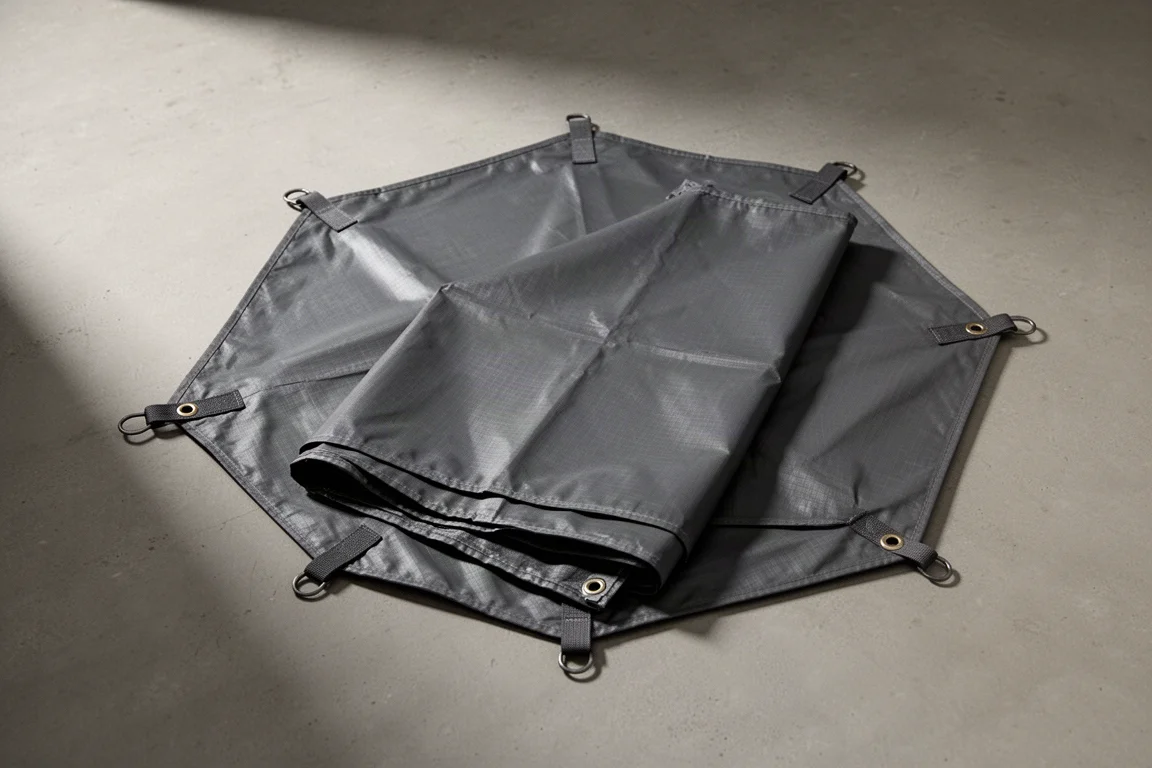
Backcountry Light Dual-Function Tarp and Floor Review: A Footprint First
A dual-purpose tent floor and tarp that keeps falling rain off you, but cannot block wind. Here is where it works and where it does not.
Camping Gear
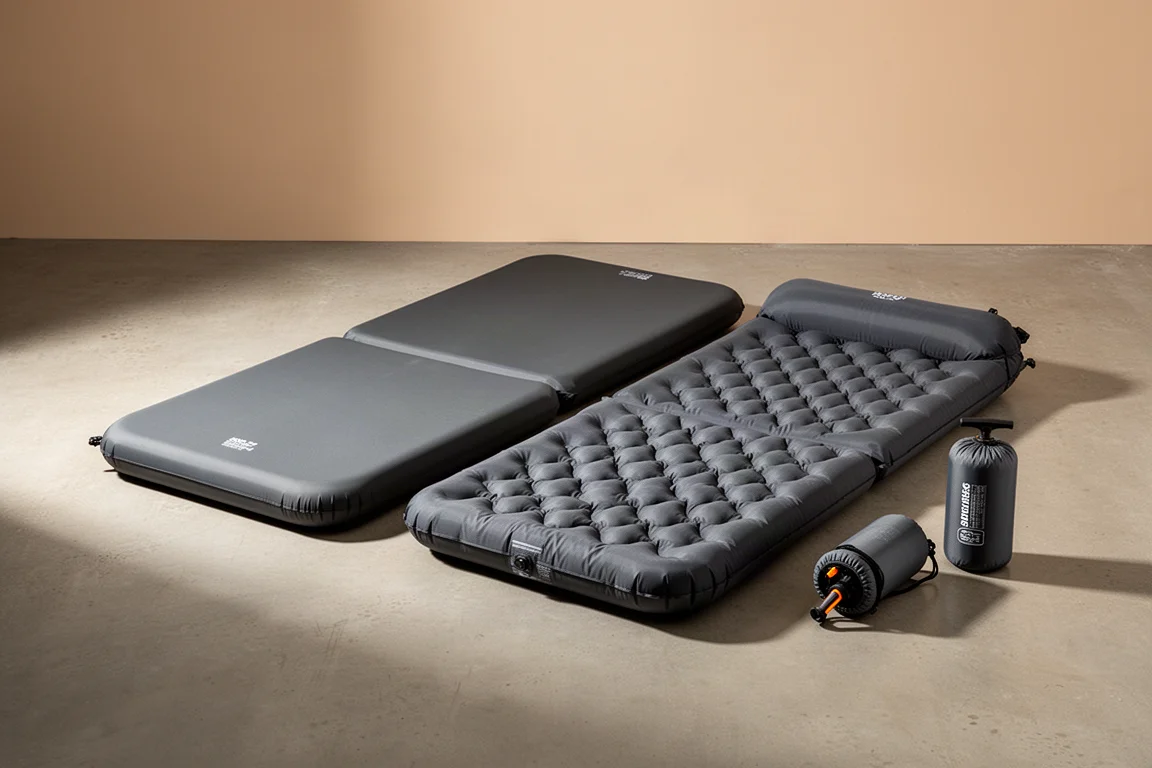
Best 2-Person Camping Mattresses for Couples: 10 Options Compared
A practical comparison of ten two-person camping mattresses, covering self-inflating pads, air pads and air mattresses for couples.