Camping Gear
Best Camping Gear for Family Trips: 7 Standout Picks for Power, Sleep, and Camp Comfort
Seven camping items that earn their space on family trips, from compact power stations and a standing-height tent to a tabletop fire pit and stackable gear crates.
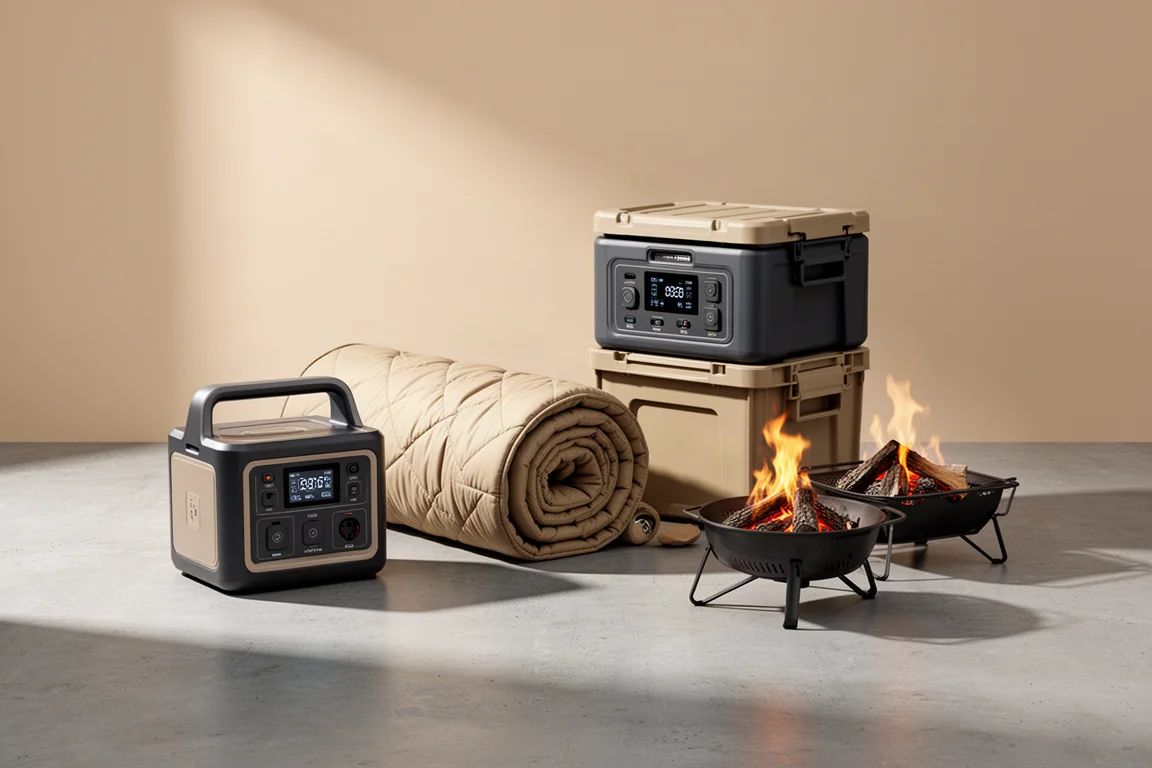
Introduction
Some camping gear earns a permanent spot in the vehicle because it solves a problem that comes up on nearly every trip. The seven items below cover the practical side of family camping: keeping phones and food powered, sleeping comfortably, standing up to get changed, and stopping the camp kitchen from turning into a pile of loose equipment.
Each pick here has a clear job. A compact power station lives inside the tent, a larger one stays in the back of the car and runs a 12 volt fridge, and a small tabletop fire pit makes an evening ritual possible without building a full fire.
None of it is universally perfect, and the buying advice section at the end explains where each item makes the most sense.
What Makes These Camping Gear Picks Worth Packing
The common thread is repeated use. Every item here has been packed for more than one trip, and each one earns its space by doing something the rest of the kit cannot.
Capacity and portability matter most for power gear. A battery that is easy to carry into a tent serves a different purpose from one that stays in the car and runs a fridge. Shelter is judged on livable space rather than packed size alone, and camp organization is judged on how quickly it disappears into the car at the end of a weekend.
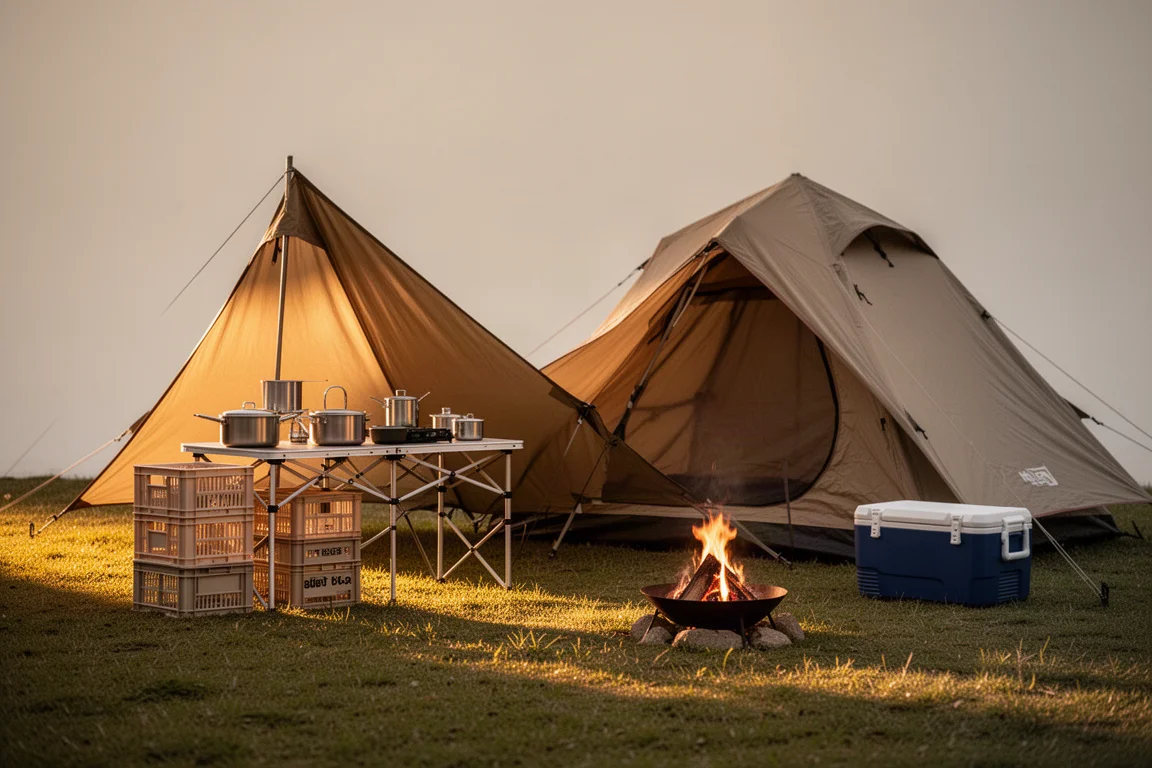
Practical details separate gear that gets used from gear that stays in the garage: a wireless charging pad on top of a power station, a tent door that drops flat to the ground, a quilt that stays put overnight. Those small features are what this list rewards.
Bluetti EB3A: Compact Power for Inside the Tent
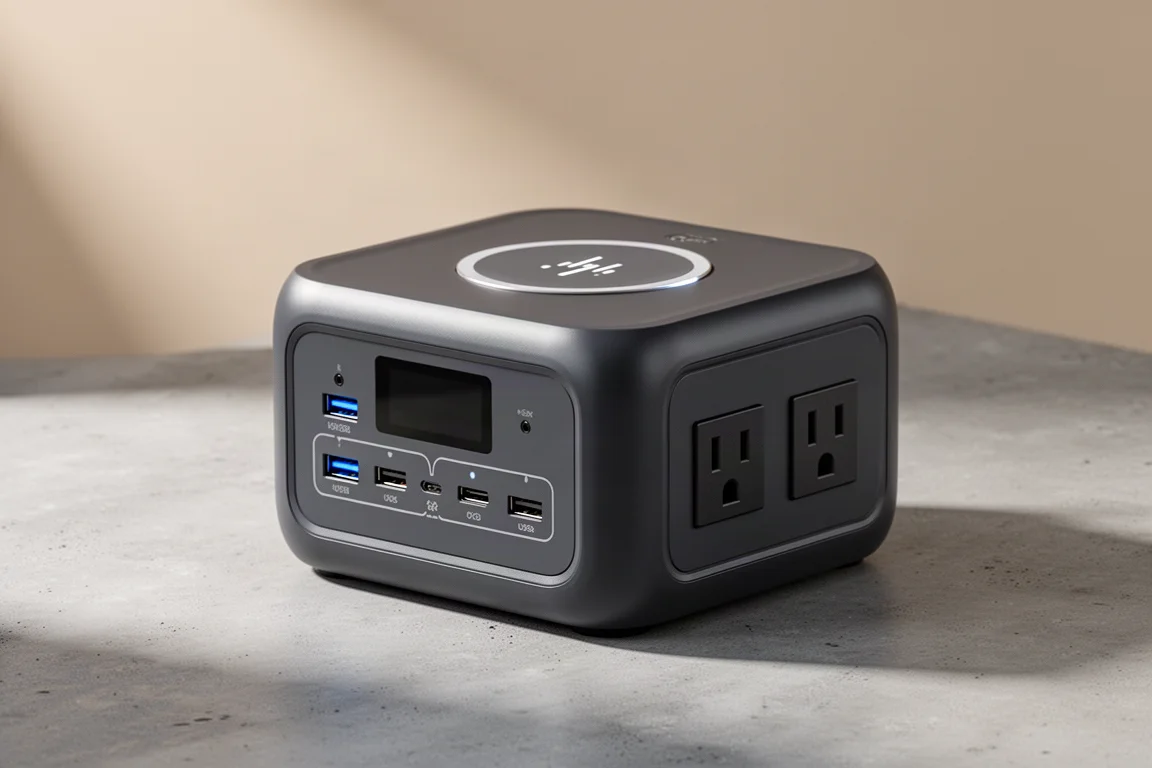
The Bluetti EB3A is a small watt-hour power station designed to sit close at hand. Its footprint is modest enough to place beside a sleeping pad like a nightstand, and a wireless charging pad on the top surface means a phone can be topped up simply by setting it down.
That matters on family trips where phones are used constantly for photos and video throughout the day. The same unit can charge a tablet, which makes an evening film before bedtime part of the routine rather than a compromise.
BioLite BaseCharge 600: Weekend Power for the Car
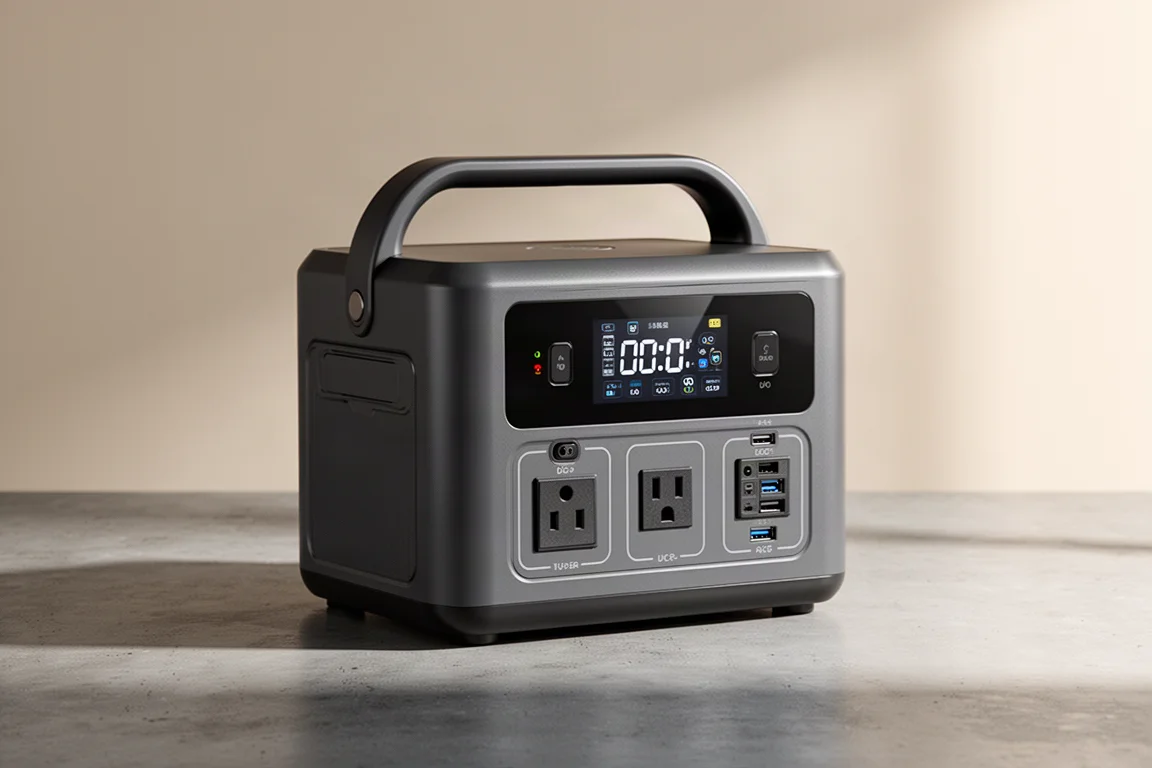
The BioLite BaseCharge 600 is a 600 watt-hour power station, rated at 622 watt-hours, and it is built to stay in the back of the car. A DC port on the front is the natural home for a 12 volt refrigerator, which keeps cold food cold for the length of a trip.
The front display is the standout feature. Alongside the usual port and charge information, it tracks how much energy has been drawn over a trip, working almost like an odometer for watt-hours. That turns guesswork into a real answer: either the unit covers everything planned for the weekend, or a second battery or a larger model is needed.
Charging from a 12 volt car socket has proven quick, and the unit has stayed well above 50 percent on trips so far. It is a newer entry to the market and a credible option alongside other established power station brands.
Nemo Aurora Highrise 6-Person Tent: Standing Room for the Whole Family
The Nemo Aurora Highrise 6-Person Tent changes how a family trip feels. Standing height is the headline: at five foot nine, an adult can stand upright to get changed and move around, which is rare in a six-person tent.
The pole structure creates near-vertical side walls, and that geometry adds noticeable living space compared with a traditional dome. A large opening at the front doubles as a generous vestibule, and with extra cordage and guy lines the top panel can be propped out as an awning. A four-zipper door drops all the way to the ground for easy loading.
The sides use a hybrid double-wall and single-wall construction with big windows and flaps, and a second door at the rear gives a separate entry point. Corner pockets and attachment points for a lantern round out the interior.
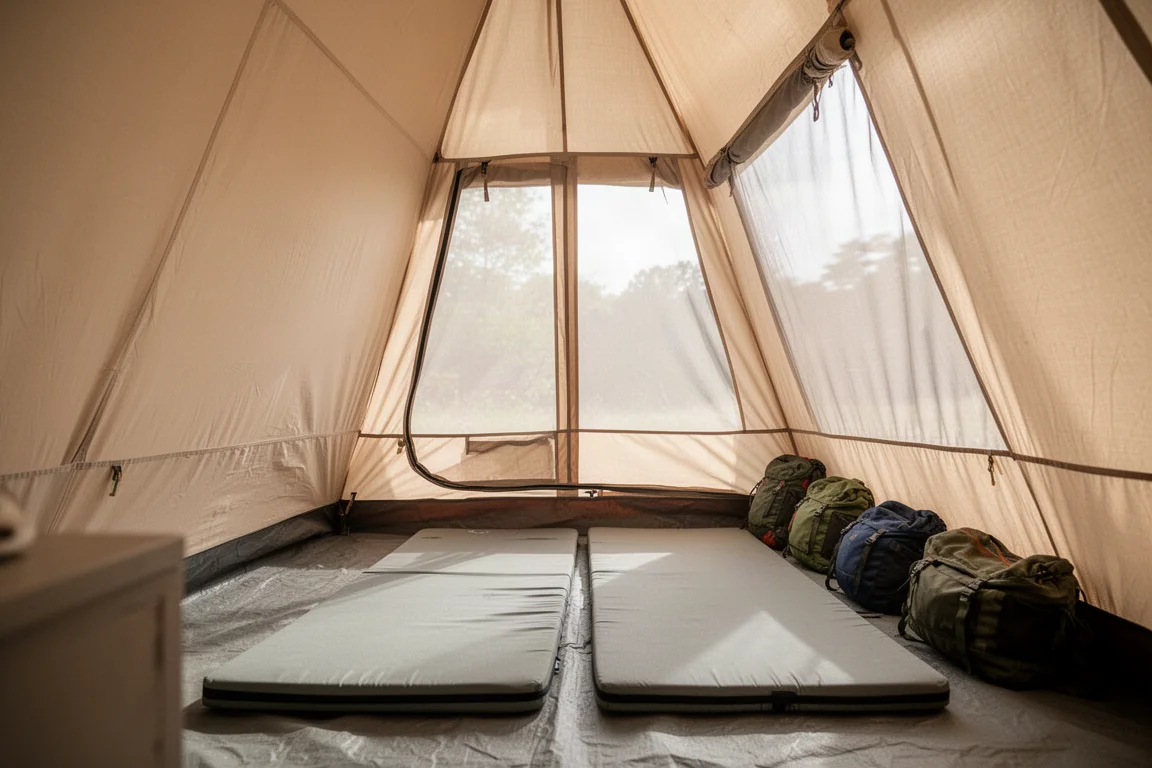
For a family of five, that combination of height, vertical walls and open windows makes the tent feel far larger than its floor plan suggests, and it leaves room for bags alongside the sleeping pads.
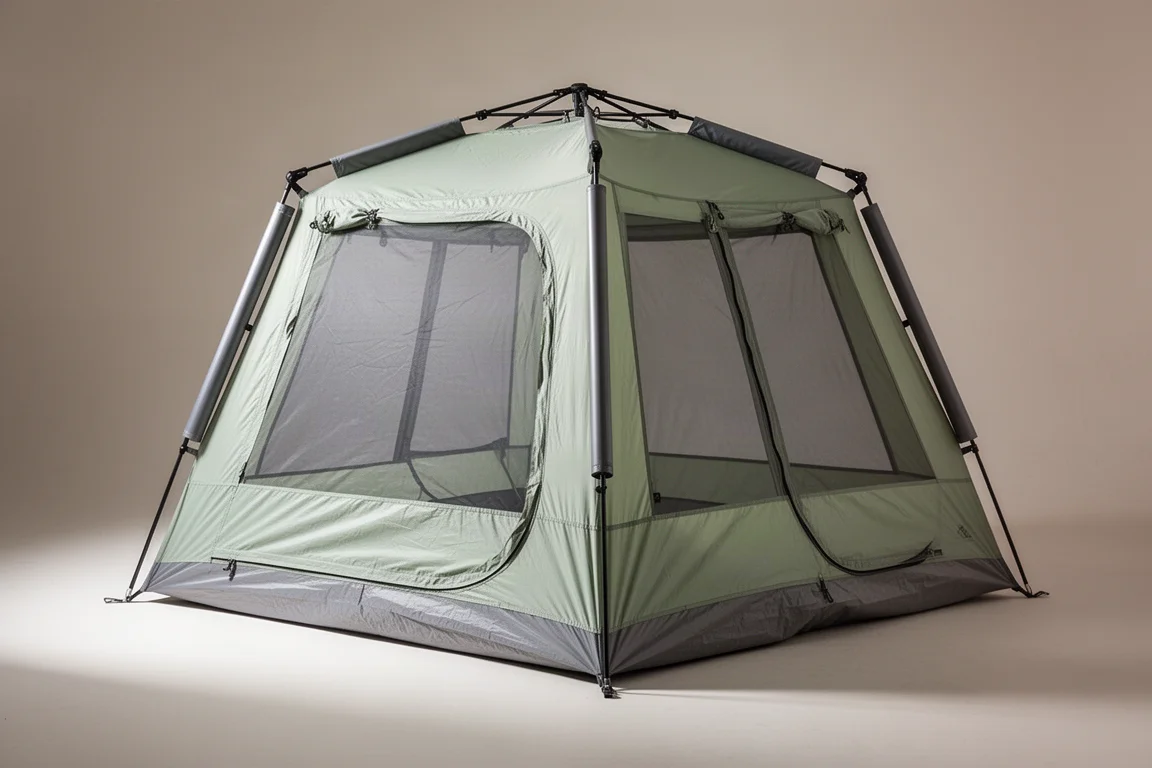
Big Agnes Spicer Peak 6-Person Tent: A Familiar Dome Layout
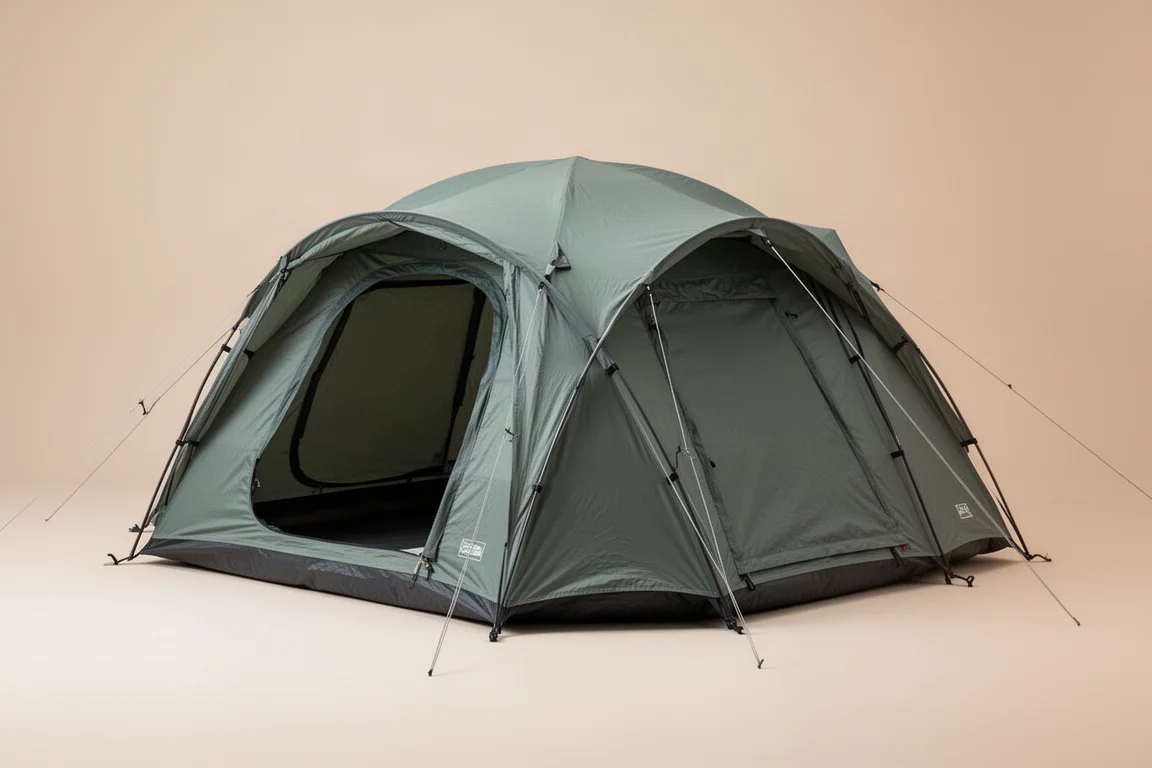
The Big Agnes Spicer Peak 6-Person Tent is a useful comparison point. It is a large dome, and it lacks the vertical side walls that make the Aurora Highrise feel so open.
The result is a more enclosed interior. For campers who prefer a conventional dome shape, or who do not need standing height, it remains a straightforward six-person option.
Zen Bivy Double Bed: A Bed-Like Sleep Setup for Two
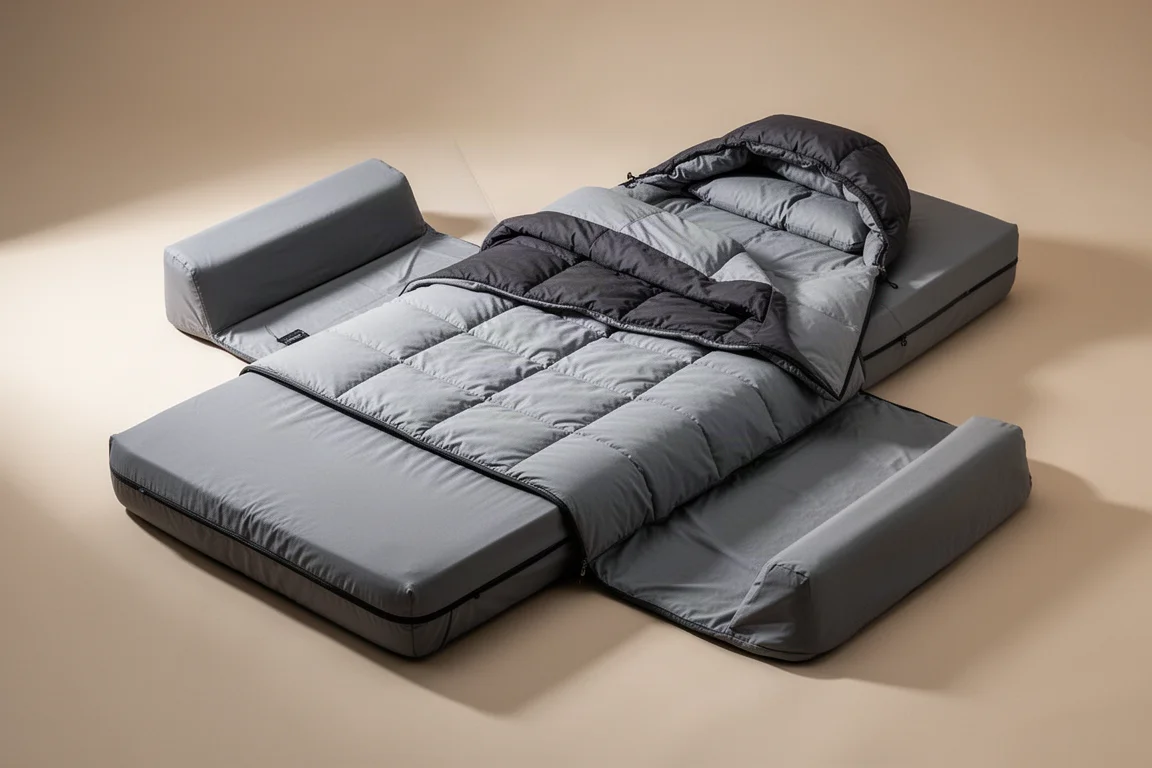
The Zen Bivy Double Bed pairs a fitted sheet with a wide quilt that attaches directly to it. The sheet uses a wing design along the sides that helps close off draft points, so cold air does not creep in along the edges overnight.
The quilt is wide enough for two people, so nobody ends up tugging it back across the mattress in the middle of the night. The fitted sheet fabric is soft and does not feel sticky, and a hood at the head end holds a full-size pillow from home, which is a large part of why the setup feels like a real bed.
The same system works over two sleeping pads side by side for backpacking, or on top of a large self-inflating double mattress for car camping. Being able to open the quilt and put your feet out when it warms up is a small detail that makes a big difference.
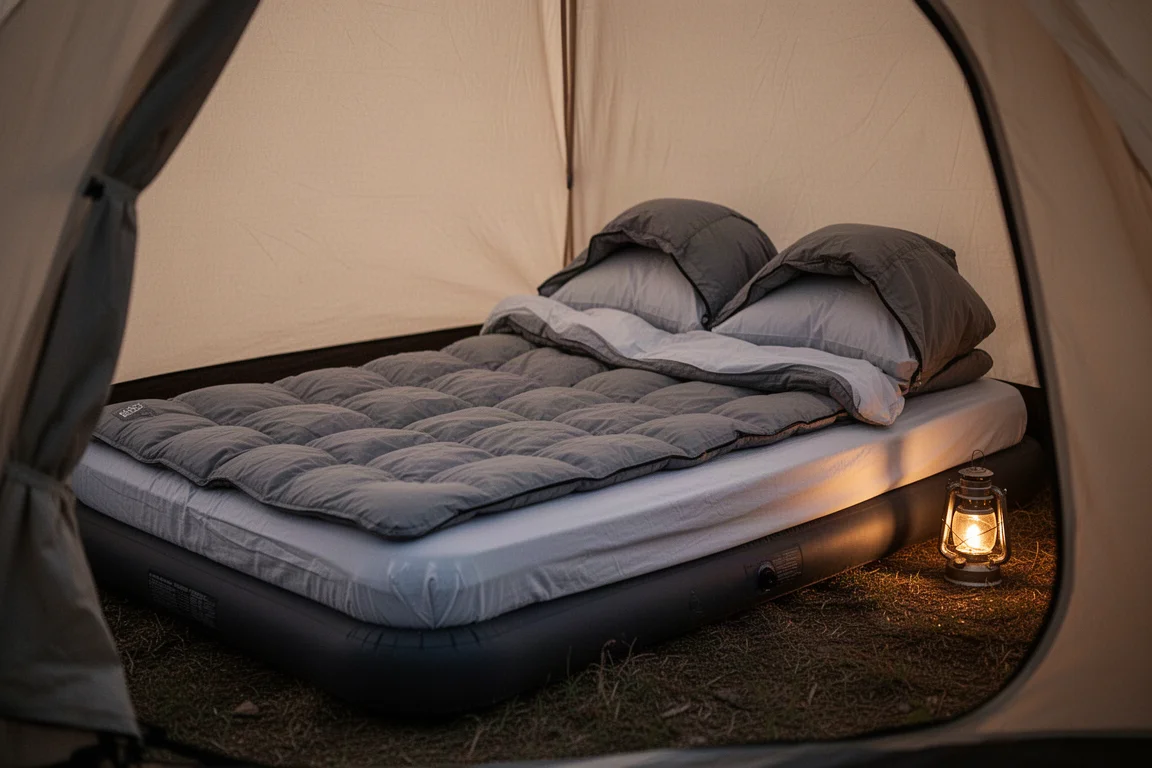
Set up on a thick double mattress, it turns the tent into the most comfortable part of the trip rather than the part everyone tolerates.
SidioCrate: Camp Kitchen Organization That Stacks
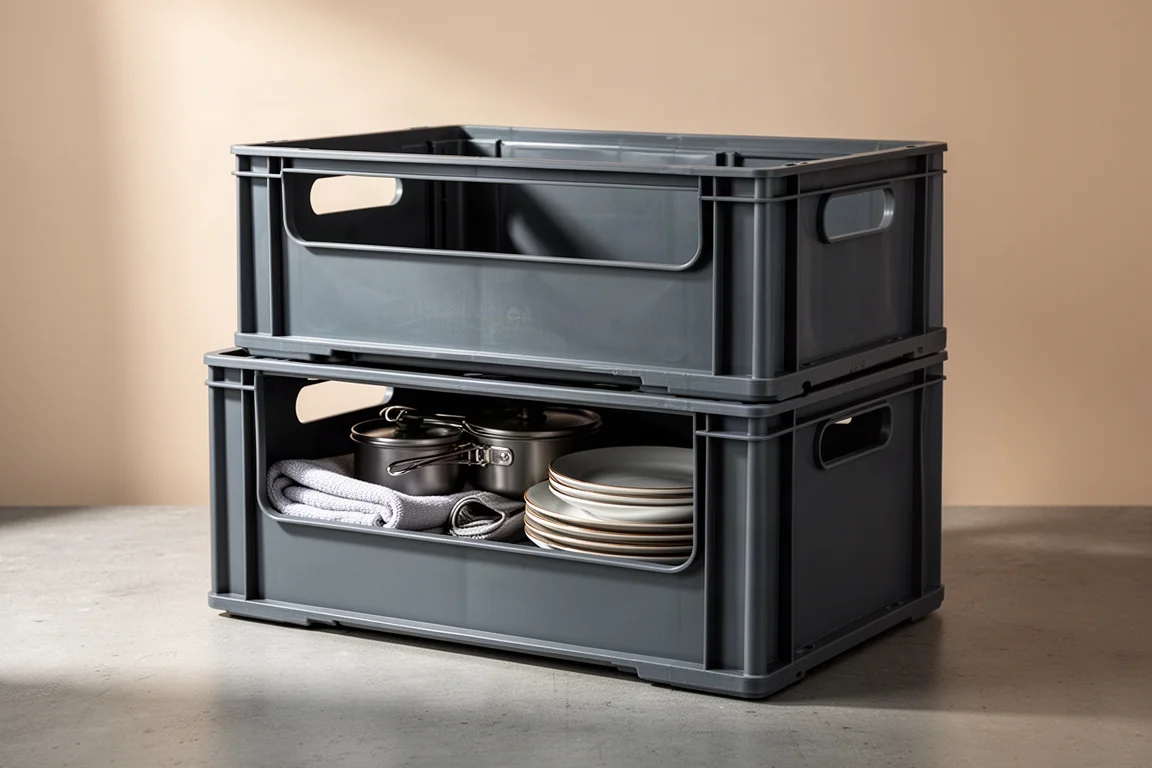
The SidioCrate system is built around sturdy, well-made crates that keep camp gear grouped by job. One crate holds tools, and a second is dedicated to cooking equipment: pots and pans, plates, silverware, utensils, a gas stove and a towel.
That separation is the point. Everything has a known home, so nothing has to be hunted for at dinner time, and the camp kitchen stays clean and organized through the whole trip.
The crates stack, which matters when packing the car. Instead of several loose containers competing for space, they form a single block that is easy to load and easy to reach on arrival.
Solo Stove Mesa: A Tabletop Fire Pit for Quick S’mores
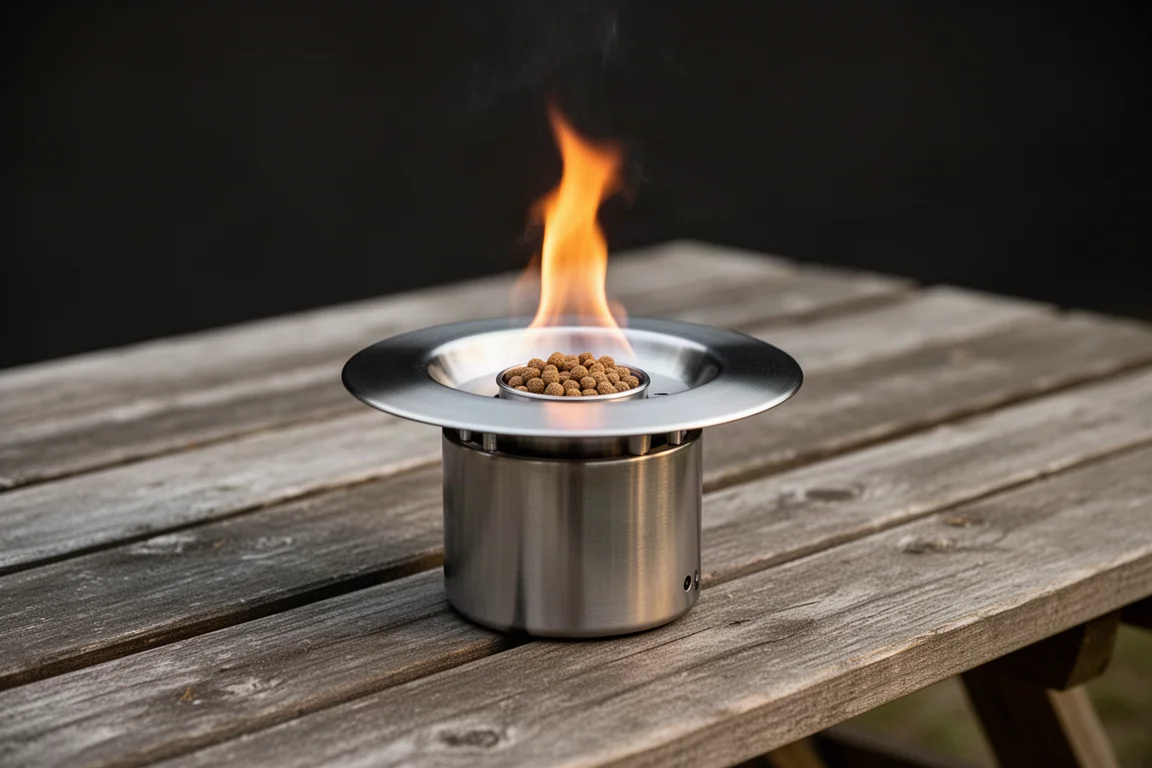
The Solo Stove Mesa is a very small fire pit designed for a tabletop, and it changes the evening routine at camp. It is virtually smokeless, so a group can gather around it on a picnic table for s’mores without building a full fire in a fire ring.
It runs on standard camp wood, or on hardwood pellets held in a dedicated insert. That means a small fire is possible with very little fuel and no firewood pile, and the unit takes up almost no space in the vehicle.
It creates a quick, easy focal point for the evening, and it has already become a regular part of family trips.
Buying Advice: Matching Gear to the Trip You Actually Take
Every item on this list has limits, and knowing them is what keeps a purchase from becoming clutter. Battery power stations are at their best on weekend trips with access to a car socket or solar. On longer trips where a lot of devices need power and there is no way to recharge, a single battery may not be enough, and a second unit or a larger capacity model is the better answer.
Tents follow the same logic in reverse. A tall six-person shelter with vertical walls is a genuine upgrade for a family that stands up inside it, but it is bulky. If the vehicle is already tight, or the tent only needs to sleep two, that much packed volume becomes a real cost.
The most reliable approach is to start with the problem you keep running into. If phones die by evening, a compact power station fixes it. If mornings feel cramped, standing height is worth the bulk. If the camp kitchen is chaos, crates solve it faster than any single gadget. Buy for the trips you actually take, not the trips you imagine.
Conclusion
The strongest camping gear is the gear that gets used every time. A compact power station for the tent, a larger one for the fridge in the car, a tent you can stand up in, a sleep system that feels like a bed, stackable crates for the kitchen and a small tabletop fire pit for the evening all answer a specific, repeatable need.
Pick the two or three that match the way your family camps, and the rest of the list becomes a shortlist for next season.
Further reading
Related Reviews
Camping Gear
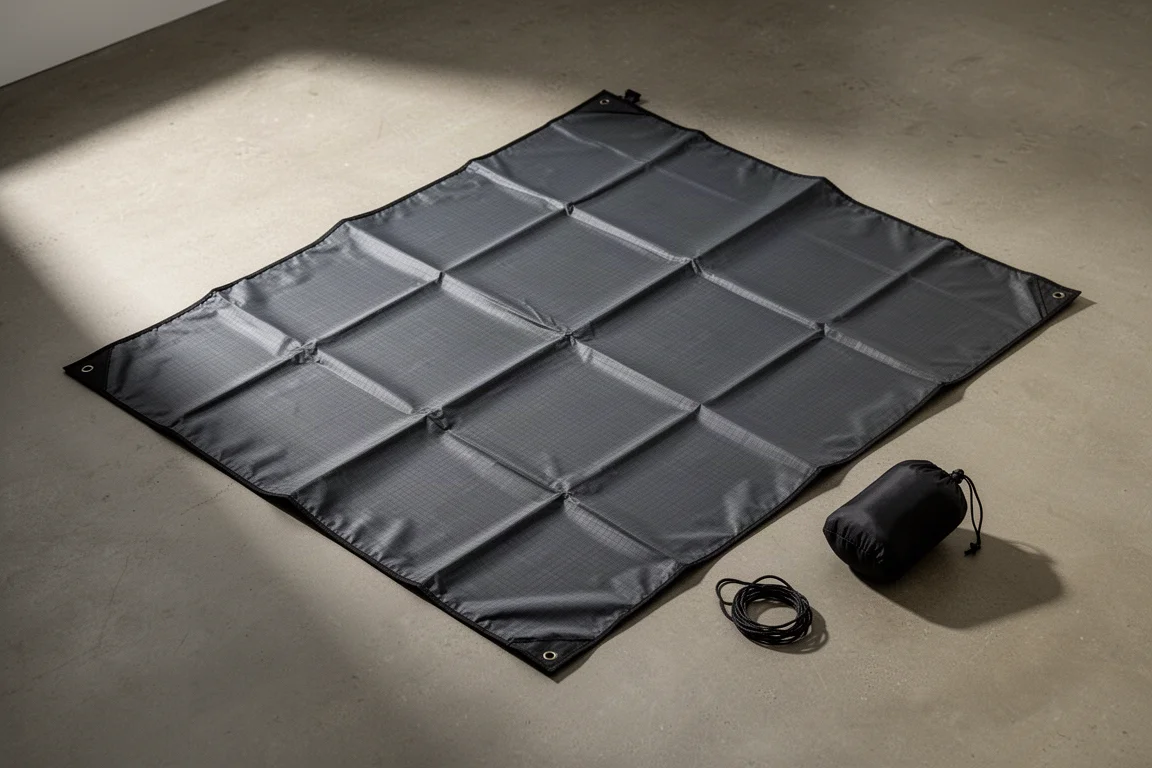
3FUL Ultralight Ground Sheet Review: A Two-Person Footprint Worth Packing
A 6.7 oz two-person ground sheet in ripstop silnylon, priced around $30. Here is what it protects, what it does not do, and who should pack it.
Camping Gear
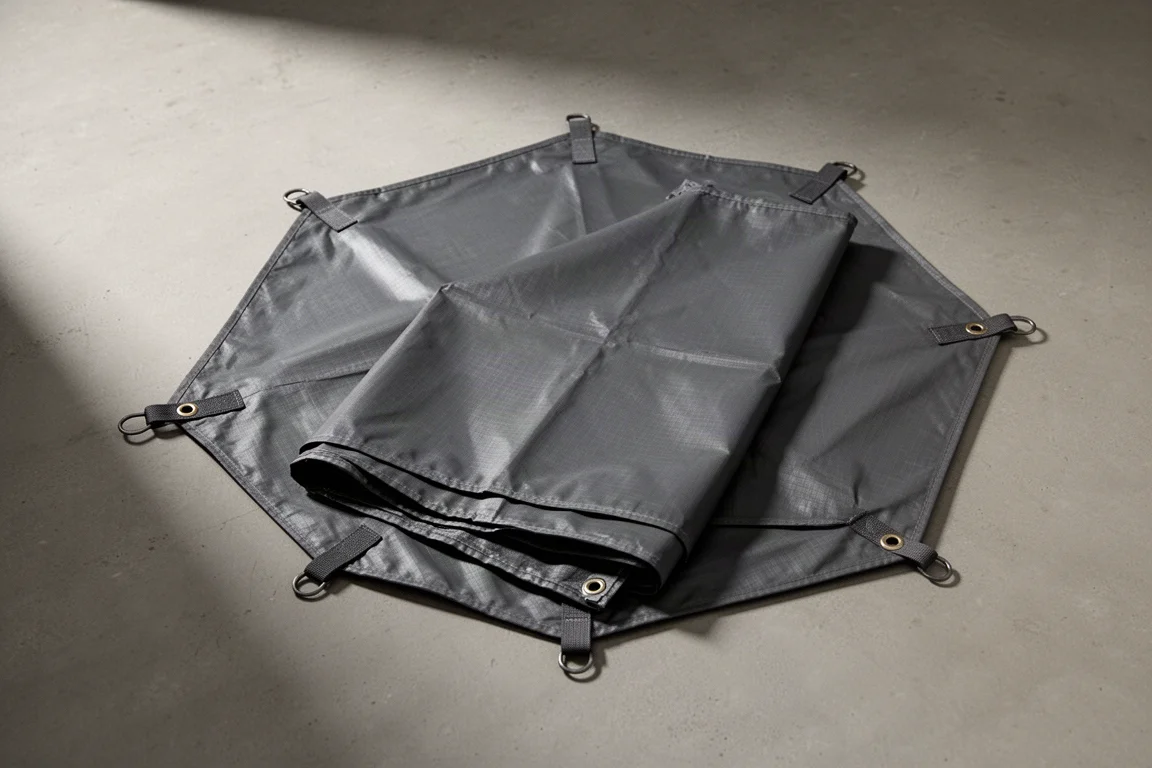
Backcountry Light Dual-Function Tarp and Floor Review: A Footprint First
A dual-purpose tent floor and tarp that keeps falling rain off you, but cannot block wind. Here is where it works and where it does not.
Camping Gear
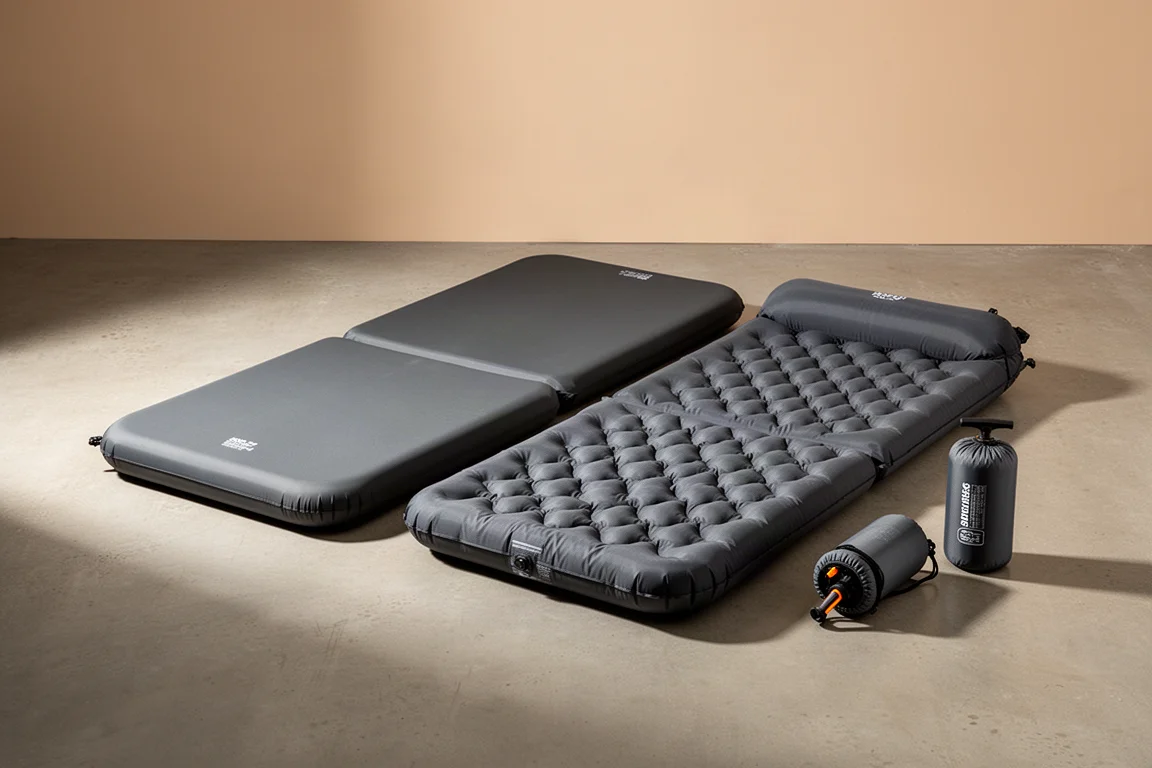
Best 2-Person Camping Mattresses for Couples: 10 Options Compared
A practical comparison of ten two-person camping mattresses, covering self-inflating pads, air pads and air mattresses for couples.