Camping Gear
Best Camping Gear: 10 Standout Picks for Comfort and Cooking
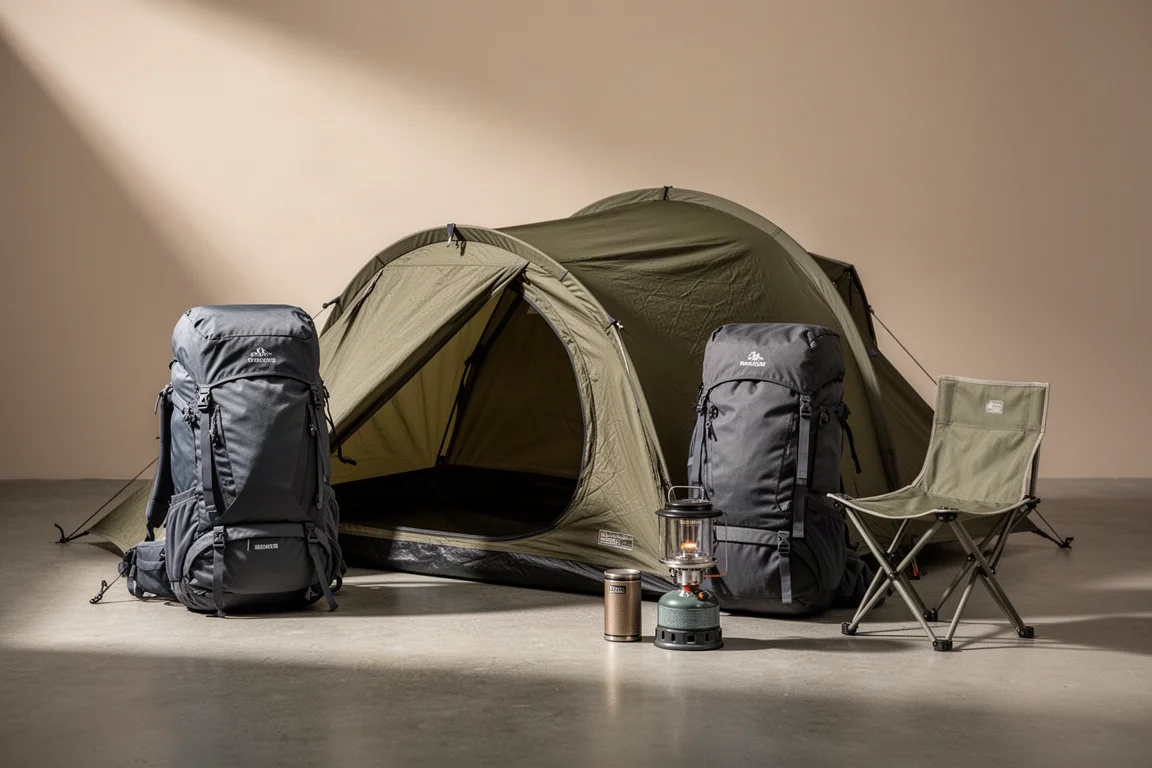
Ten camping pieces that earned their place through real use, from a roomy four-season tent and a load-carrying backpack to a quiet sleeping pad, an all-season stove and a lantern that lives in the tent.
Introduction
Camping gear earns its place slowly. A tent that pitches neatly in a garden tells you almost nothing, and a sleeping pad only proves itself after a dozen nights on cold, uneven ground. The ten pieces below are the ones that kept coming back out of the cupboard this year, picked for how they behave in real conditions rather than for what looks good on a specification sheet.
A few of them are heavy. A few are expensive. One or two cost almost nothing. Each one is here because it solved a specific problem well, and because it kept being worth the space in the pack.
How These Picks Were Chosen
Every item here has been used outdoors, not just unboxed. The emphasis is on how a piece of kit carries, pitches, sleeps and packs rather than on claimed figures, and on whether it earns its weight on a real trip.
That means some familiar categories are missing. Ultralight backpacking gear is only represented where it genuinely competes on comfort, and anything that works only in fair weather has been left out. Where a product is expensive or heavy, that is stated plainly, because a recommendation is only useful if it tells you what you are trading away.
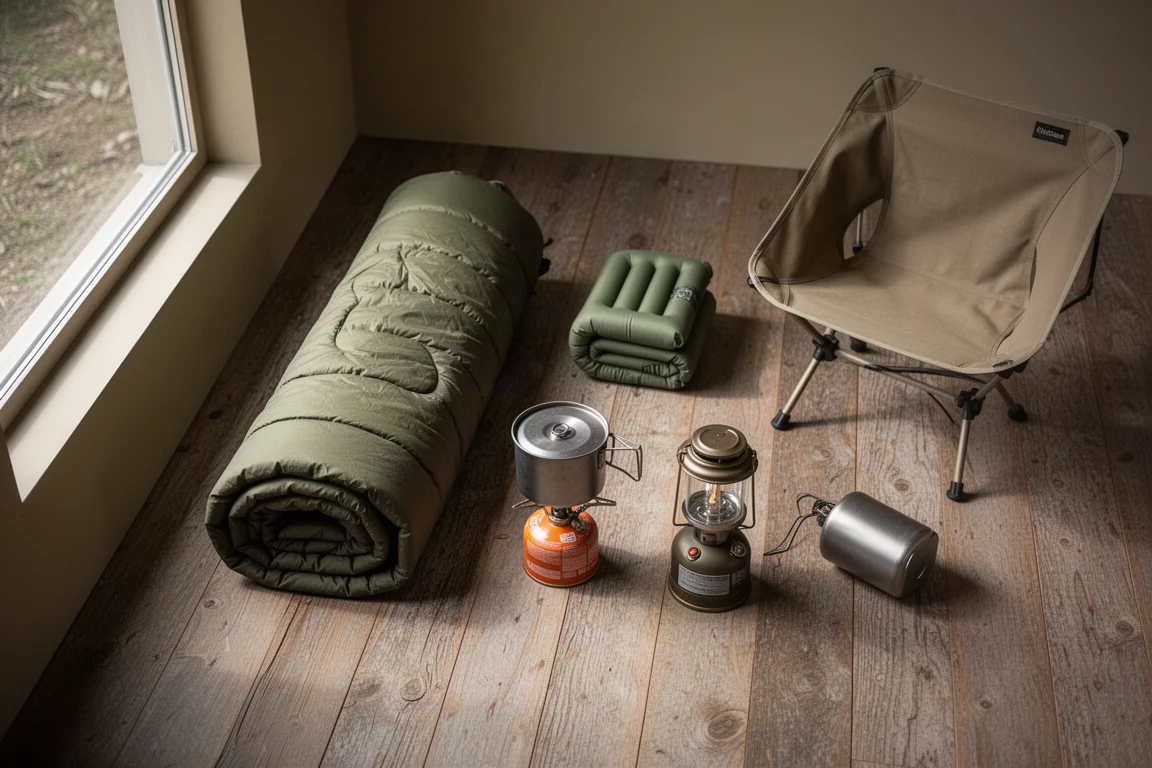
Two further notes on the list. Value matters as much as performance, which is why an inexpensive cutlery set sits alongside a four-season tent and a handmade knife. And this is a personal shortlist rather than a definitive ranking: the best kit for a summer overnight is rarely the best kit for a winter summit.
Best Tent: Nortent Vern 1
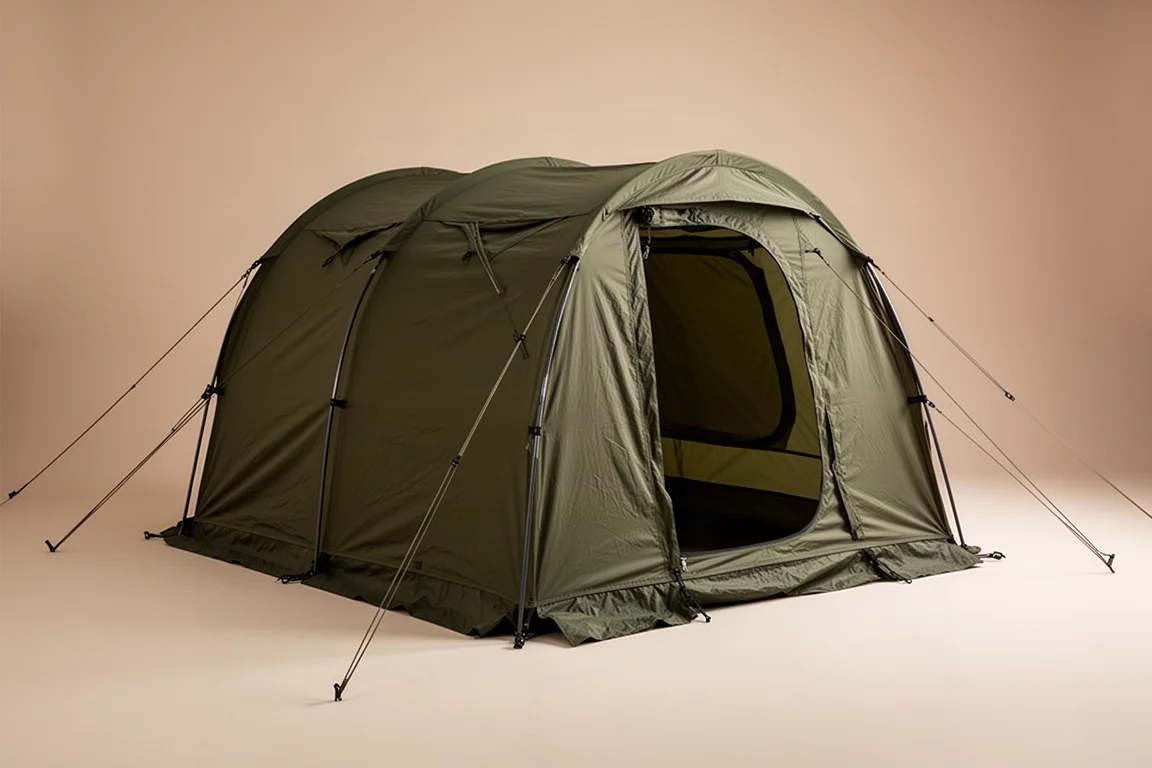
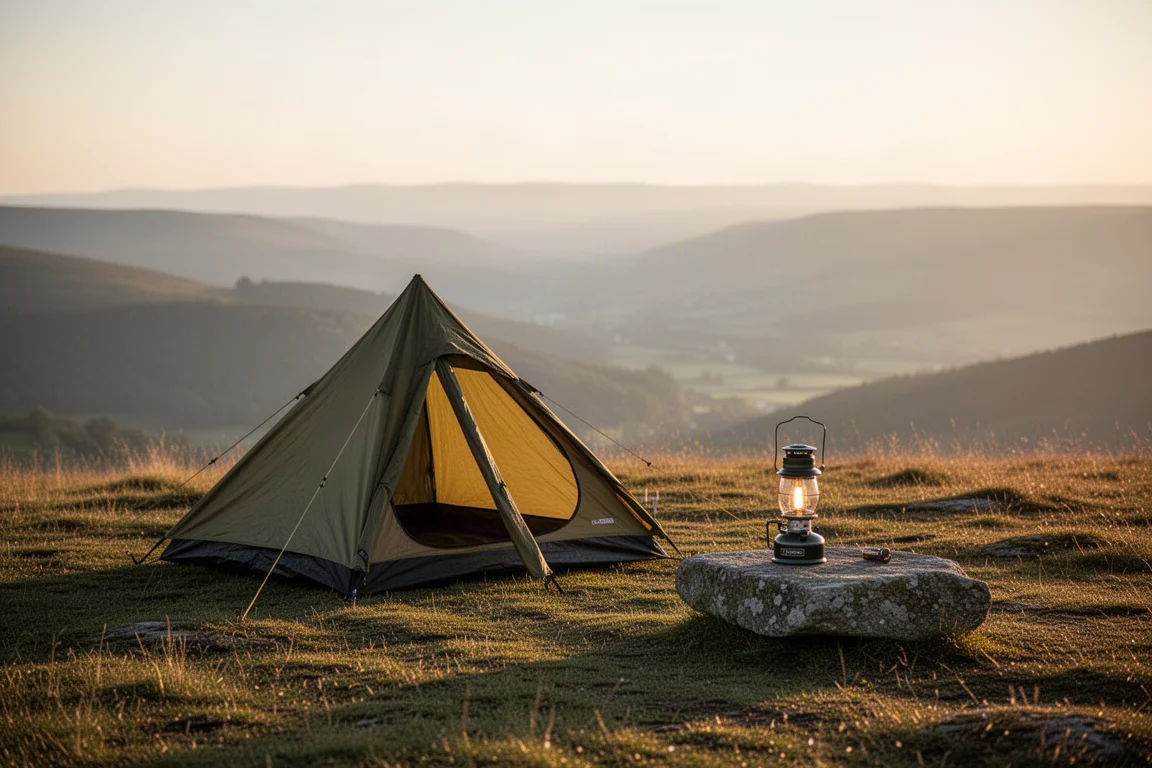
The Nortent Vern 1 is a four-season tunnel tent that behaves like a one-and-a-half-person shelter. There is room for a wide sleeping pad, space for gear beside it, a little extra length at the head end, and a vestibule large enough to sit in or even lie down in. For a solo camper who has grown tired of squeezing into a one-person tent, that extra volume changes the whole experience of a wet evening.
The structure is the other half of the story. Four poles of around 9.6 mm, with DAC Featherlight poles adopted as a significant upgrade, give the tent a stiffness that inspires confidence on exposed ground. It is robust in the way that matters when the weather turns.
That robustness costs weight. At around 2.8 kg it is not a tent for multi-day hikes. It suits summit camps and mountain trips where you pitch once and stay put, and it lands at roughly half the price of the premium benchmark tents in this class.
Best Backpack: Fjällräven Keb 72
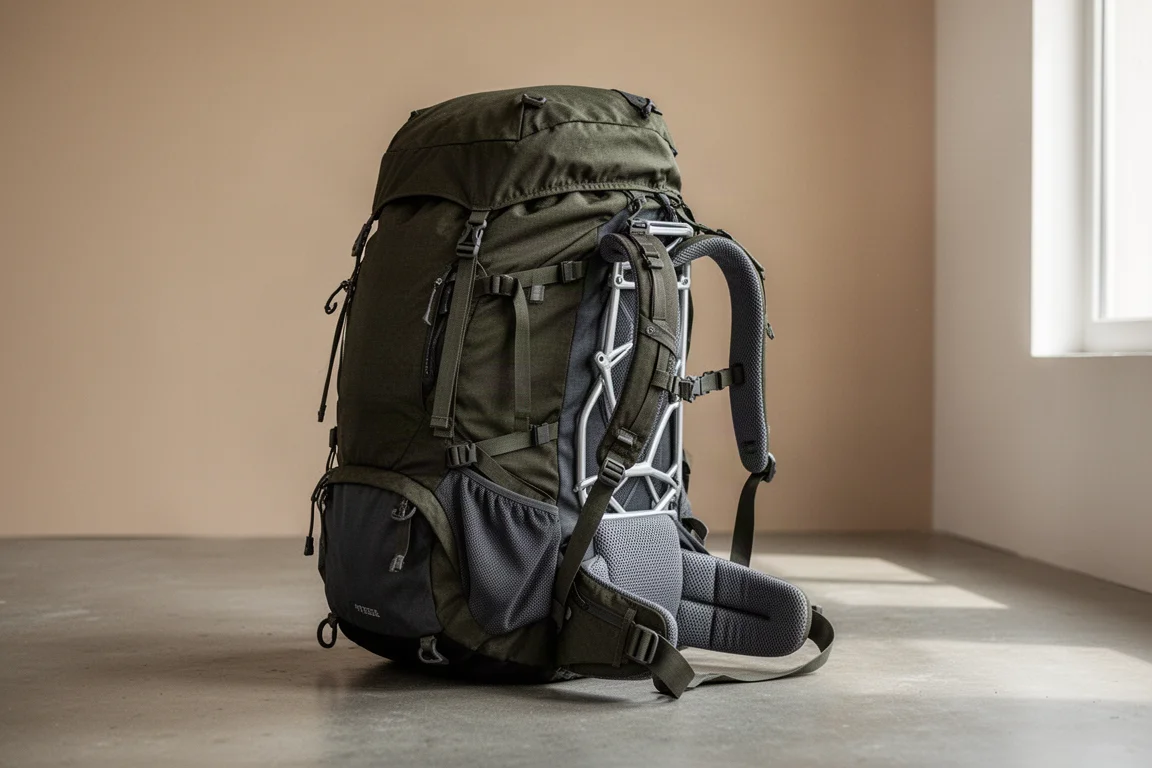
The Fjällräven Keb 72 is built around load carrying rather than low weight. At around 2.5 kg it is a heavy pack, and the suspension system, fully adjustable and supported by a frame, is what makes that trade worthwhile. Weight transfers to the hips, the fit dials in properly, and a fully loaded pack feels lighter than its own number suggests.
The 72-litre volume suits a cold-weather kit list, where a bulkier sleep system, more layers and a bigger stove all add up. A 52-litre version exists for warmer trips and lighter loads.
One honest caveat: this pack has only been out on a handful of trips so far, so the long-term verdict is still open. The early signs, though, are exactly what you want from a load carrier.
Best Sleeping Pad: Zenbivy Ultralight Flex Air
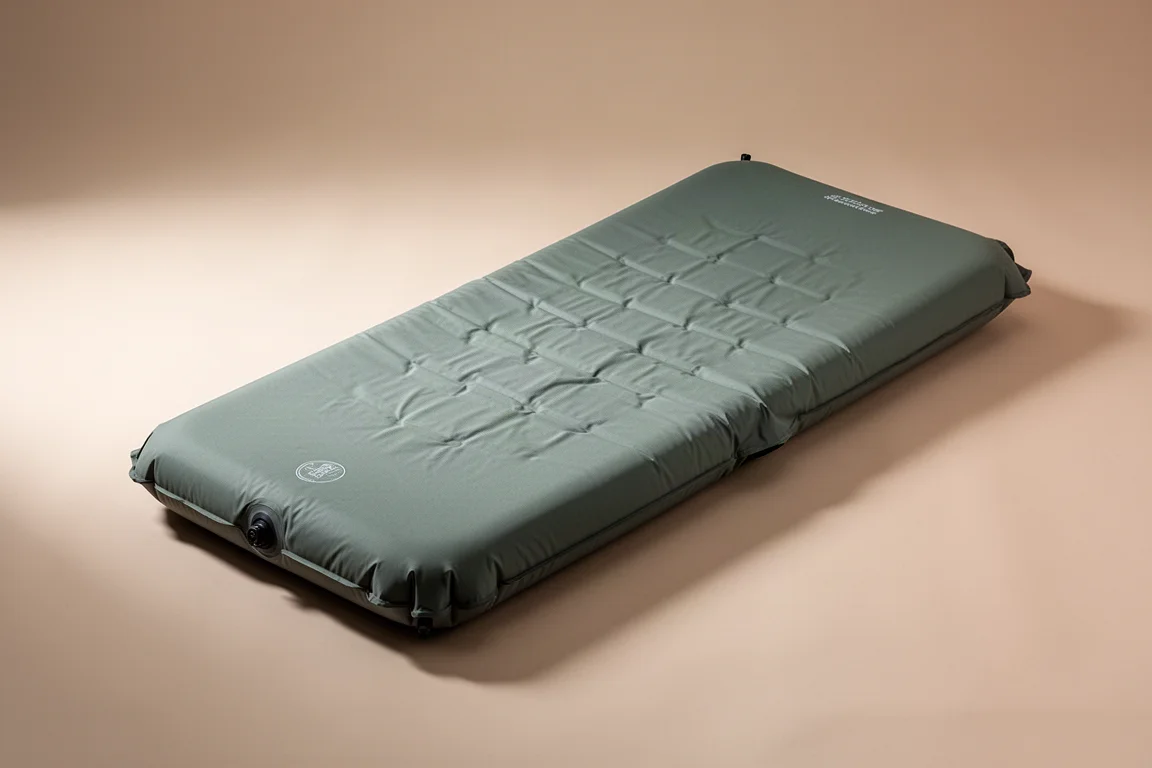
Pressure points are the reason many inflatable pads fail in the small hours. The Zenbivy Ultralight Flex Air uses a stretch fabric over air-sprung pockets, so the surface gives slightly under a shoulder or a hip instead of pushing back. It is also notably quiet when you turn over, which matters more than most people expect in a small tent.
It packs down small for the comfort it offers, and it forms part of the wider Zenbivy Bed sleep system. In practice it works just as well on its own with a separate quilt, which is the simpler option in a compact tent where the full system takes longer to set up.
Best Quilt: Enlightened Equipment Revelation
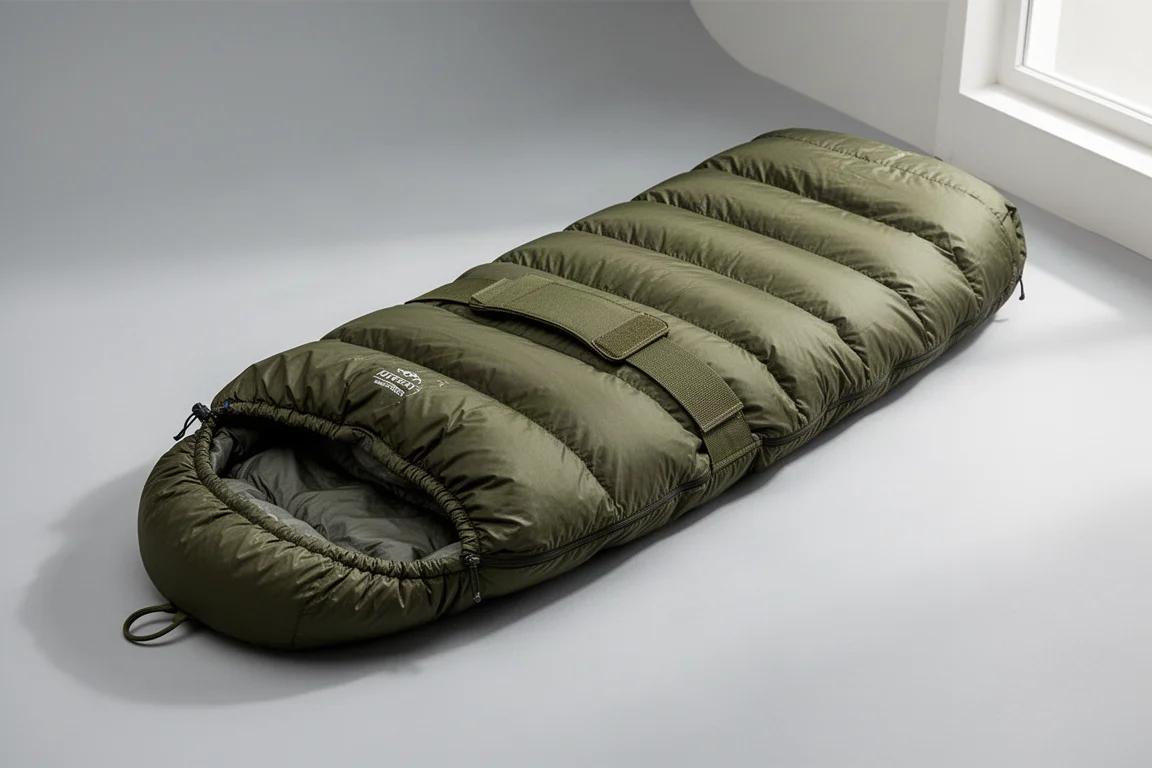
The Enlightened Equipment Revelation is a quilt, which means no hood, no full-length zip and far less material to get tangled in. The footbox can be opened to vent heat on a mild night, and the whole quilt unzips flat to work as a blanket. After more than a year of use, the fabric still feels comfortable against the skin and compresses down to almost nothing in a pack.
The catch is price. A quilt uses less material than a sleeping bag and looks simpler to make, yet it usually costs more. What you are paying for is the lower weight and the freedom of movement, and for anyone who finds a bag restrictive, that is a fair trade.
Best Pillow: Otimos Camping Pillow
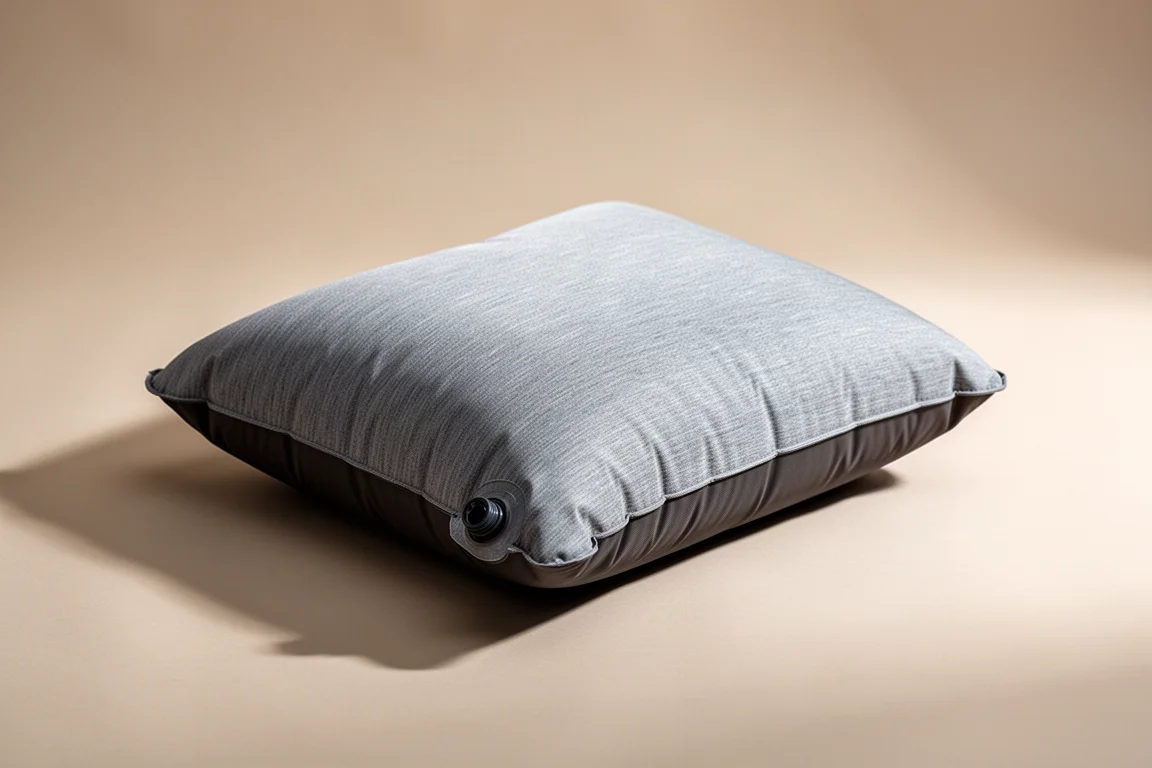
Camping pillows are the least glamorous part of a sleep system, and most inflatables are a compromise you tolerate rather than enjoy. The Otimos pillow pairs an air cell with a cushioned top layer, which softens the hard edge that a bare air chamber leaves under your head. The air cell can be taken out or left folded inside, though there is rarely a reason to remove it.
It packs small and weighs very little, which is the whole brief. It is not a pillow at home, and no camping pillow is, but it is the closest thing to one that still disappears into a pack.
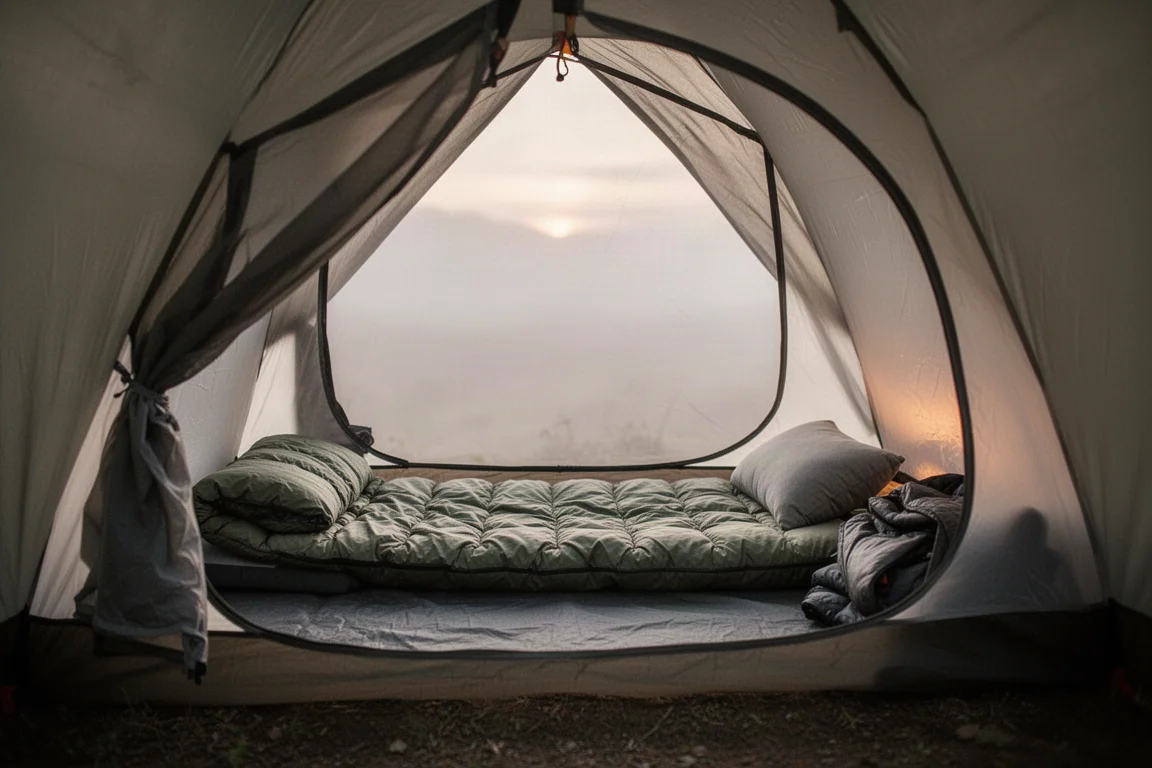
For anyone building a sleep system, the pillow is the cheapest upgrade with the largest effect on how well you sleep. A quilt and a pad do the heavy lifting on warmth and support, but a bad pillow will still wake you up in the middle of the night.
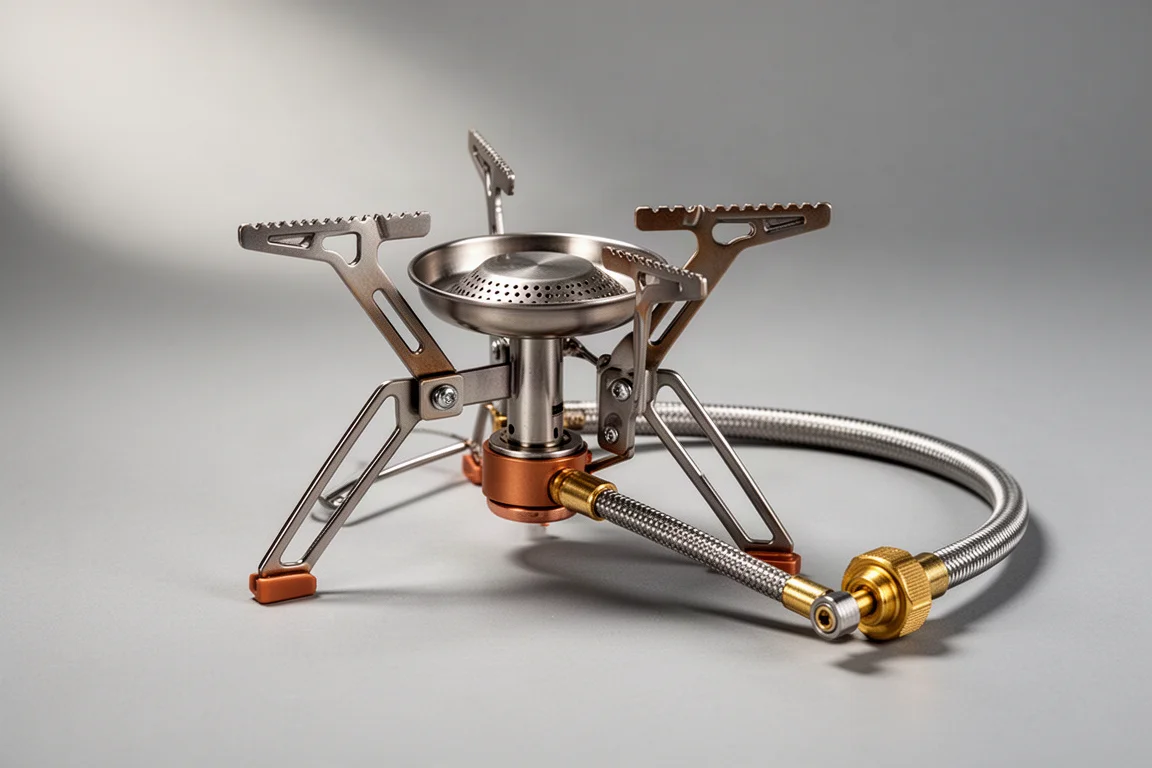
Best All-Season Stove: Kovea Spider
The Kovea Spider is the stove to reach for when the temperature drops. A brass preheat tube allows the gas canister to be inverted so the stove runs on liquid fuel, which vaporises as it passes through the heated tube. That extends the working range well beyond mild weather, and it also rescues a canister whose pressure is fading towards the end of its life.
The technique takes a little practice. Let the stove warm up for 20 to 30 seconds before inverting the canister, and let it burn out for a few seconds when you are finished so no liquid fuel is left in the line. Once that routine is second nature, the Spider delivers both a fine simmer and a strong, fast boil.
Best Fast-Boil Stove: Jetboil Flash
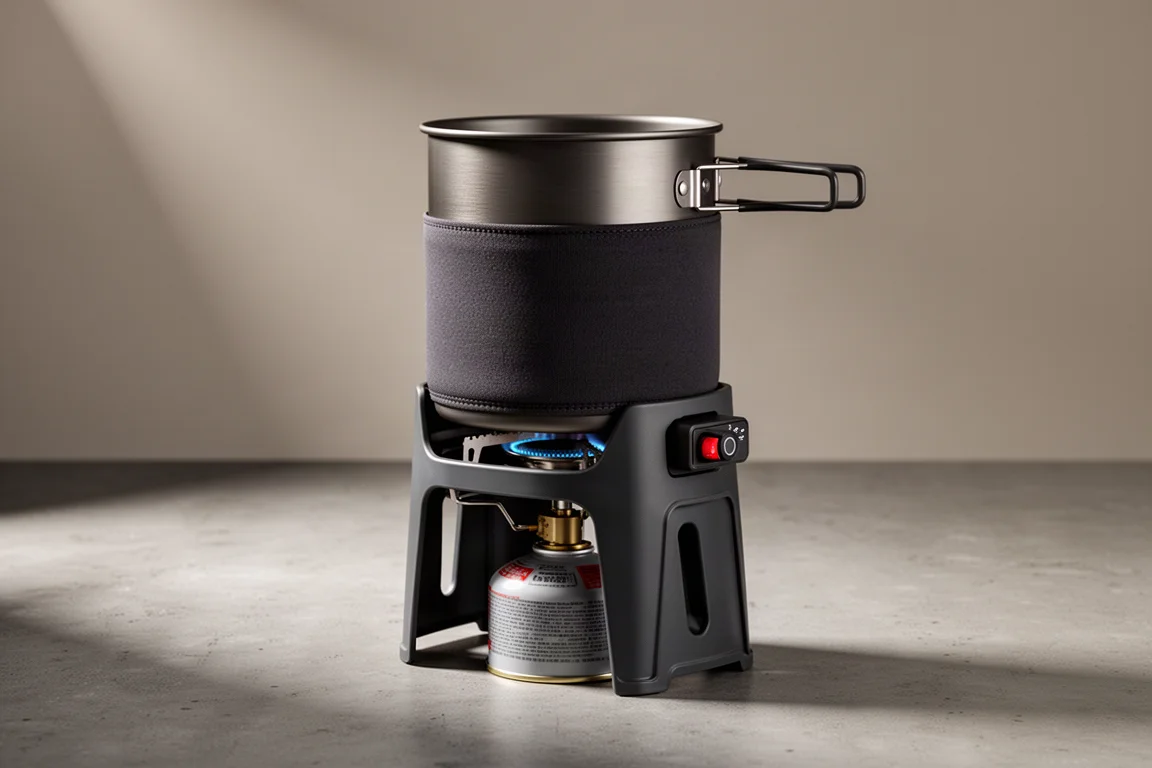
The Jetboil Flash looks like a one-trick pony and turns out to be more than that. It boils water quickly for brews and rehydrated meals, and it handles light cooking as well. Everything packs down into the pot, and a gas canister fits inside, which makes it an easy choice when pack space is tight.
If your camp cooking rarely goes beyond boiling water, this is the simplest system to live with.
Best Camp Chair: Crazy Creek Hex 2.0
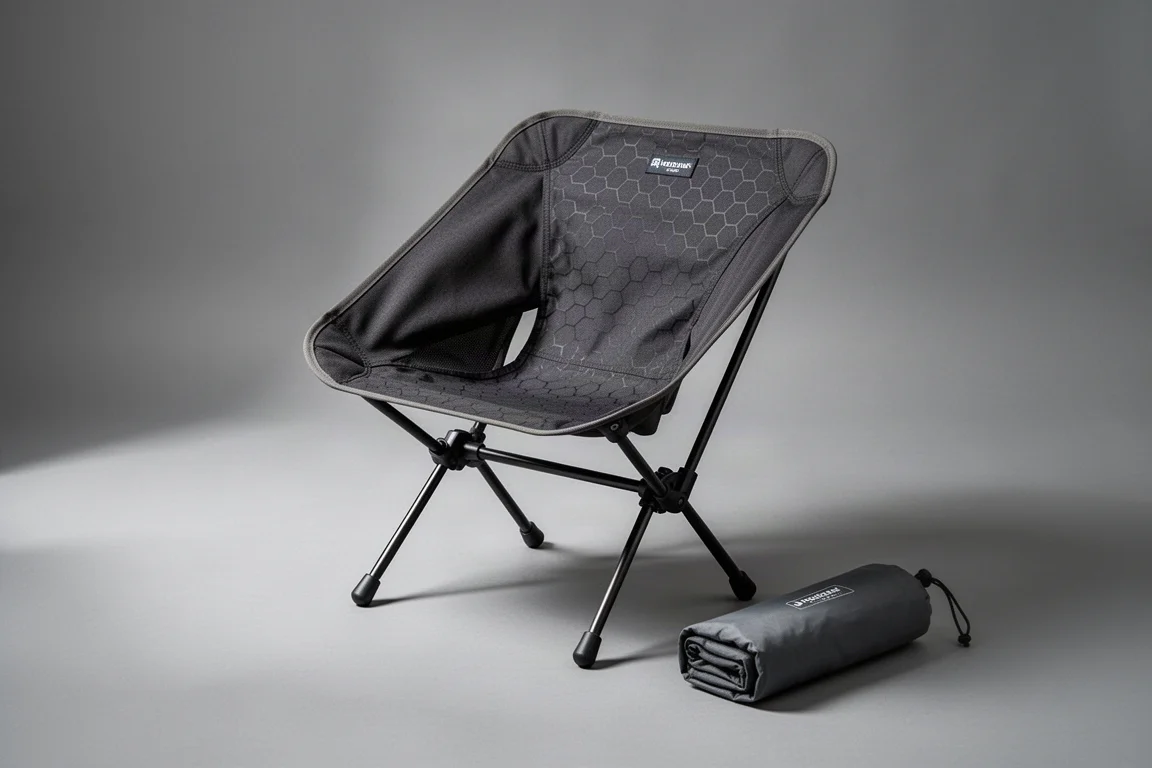
The Crazy Creek Hex 2.0 stays on the list because it does one job well: it gives you a backrest on the ground, packs flat and weighs little. At the end of a long day, that is worth more than it sounds.
The trade-off is mud. On a boggy pitch the fabric soaks up whatever is underfoot, and once it is wet and dirty it is not something you want to carry into the tent.
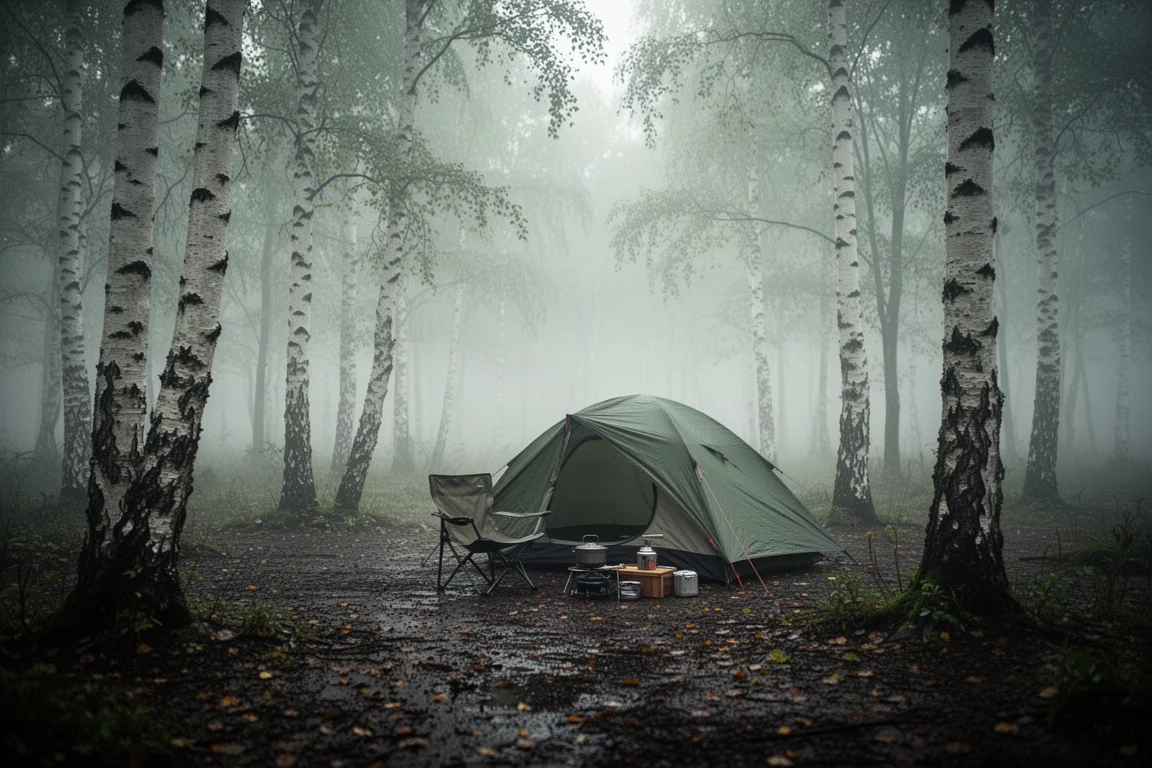
It makes most sense on drier ground, at lunch stops and on trips where the ground under you is not a swamp. Keep it away from the sleeping area and it earns its place.
Best Cutlery Set: UCO One
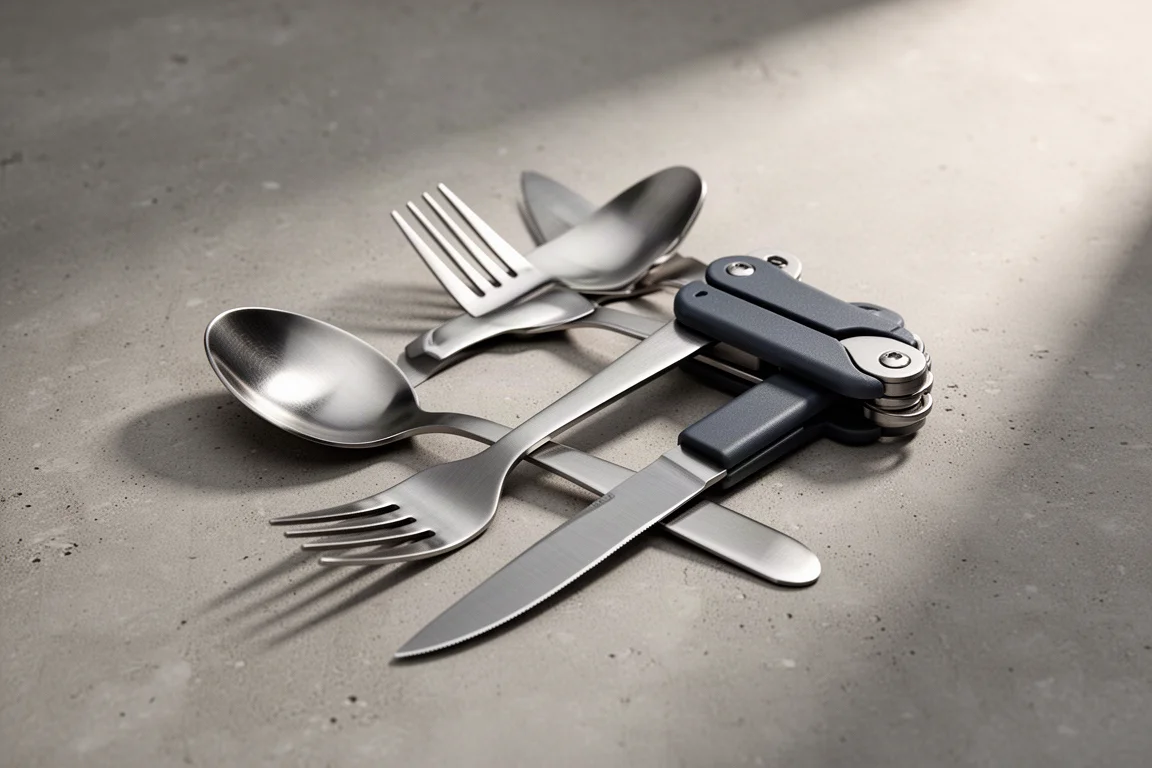
The UCO One is a knife, fork and spoon that clip together, so the same set becomes a long-handled spoon for reaching into a rehydrated meal or a long-handled fork for a bag. The knife is sharp enough for a steak, which is more than most camping cutlery manages.
It is a small pleasure, but eating with proper tools instead of a stubby spork makes camp feel less like a compromise.
Best Camp Lantern: BioLite Lantern
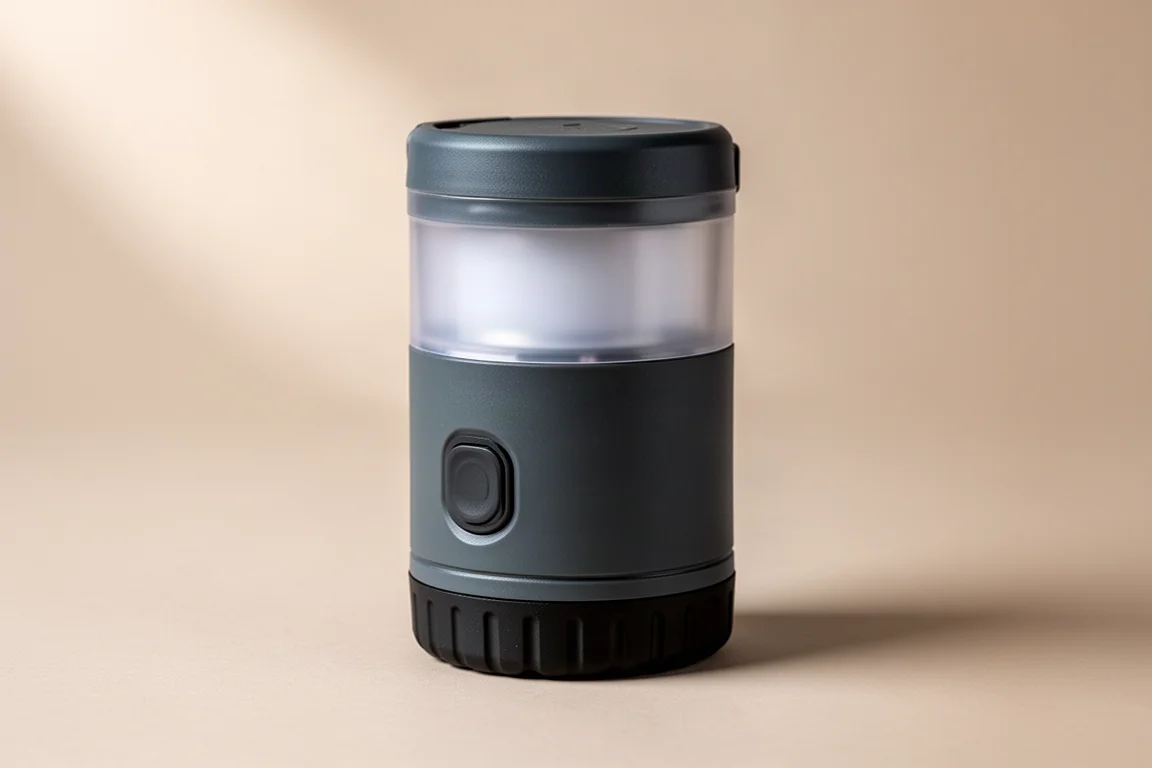
The BioLite Lantern is the light that lives in the tent. It has a lock function that requires holding the button for several seconds, which stops it switching on inside a pack and draining itself before you arrive. A shake gesture turns on a single side to save battery, and there are brightness levels plus colour modes, including a disco setting that most people will try once.
The one real annoyance is the micro-USB charging port. On a current product that feels dated, and it means carrying a second cable alongside everything else. Look past that and it is a genuinely useful tent light.
Overall Buying Advice
Spend the money where you will feel it. A tent, a pack and a sleep system decide how a trip goes, and they are worth getting right before you upgrade anything else. If you camp in exposed places and pitch once, a heavier, sturdier tent such as the Vern 1 is money well spent. If you walk far with bulky kit, a load-carrying pack like the Keb 72 saves your shoulders, and the extra kilogram is the price of that comfort.
For sleep, prioritise the pad and the pillow before the bag or quilt. A stretch surface that removes pressure points and a pillow that feels like a pillow will do more for a night of rest than a few degrees of temperature rating. Stoves are a simpler decision: choose a remote-canister stove with a preheat tube if you cook and camp in the cold, and an integrated boiling system if you mostly want hot water fast.
Finally, the inexpensive items are not filler. A decent cutlery set, a lantern that packs small and a handful of small accessories cost very little and improve every trip. Buy the big pieces carefully, then spend a modest amount on the small ones.
Conclusion
Good camping gear is not the lightest or the most expensive by default. It is the kit that matches the trips you actually take: a tent with room to live in, a pack that carries weight properly, a sleep system that lets you rest, and a stove that works in the conditions you camp in.
The ten pieces here earned their place over a season of real use, and the honest caveats are part of the recommendation. Match them to your own trips, and the kit will do its job quietly in the background.
Further reading
Related Reviews
Camping Gear
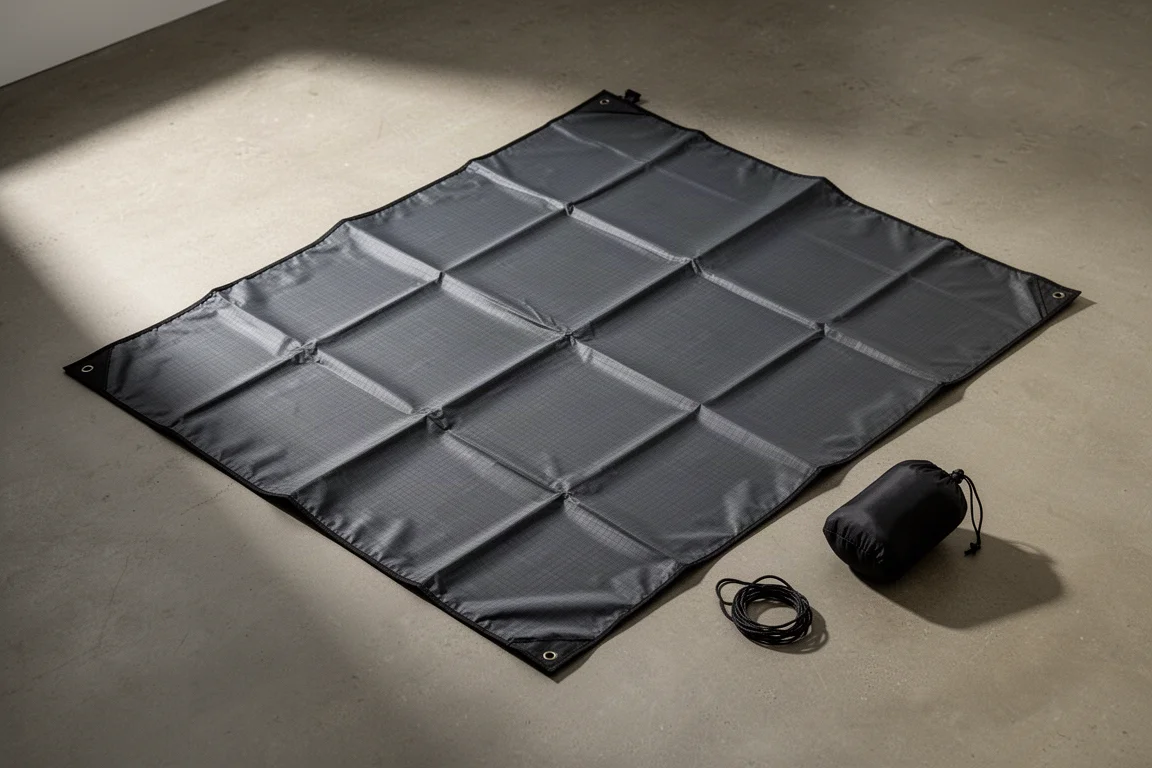
3FUL Ultralight Ground Sheet Review: A Two-Person Footprint Worth Packing
A 6.7 oz two-person ground sheet in ripstop silnylon, priced around $30. Here is what it protects, what it does not do, and who should pack it.
Camping Gear
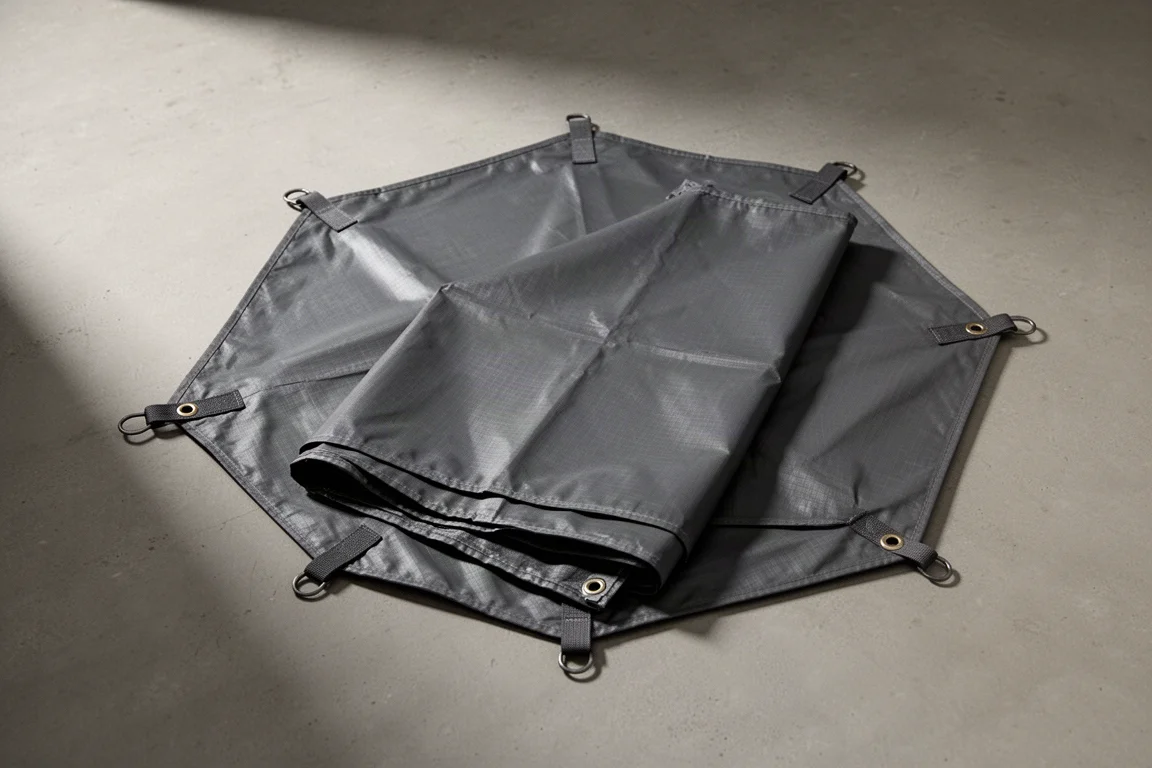
Backcountry Light Dual-Function Tarp and Floor Review: A Footprint First
A dual-purpose tent floor and tarp that keeps falling rain off you, but cannot block wind. Here is where it works and where it does not.
Camping Gear
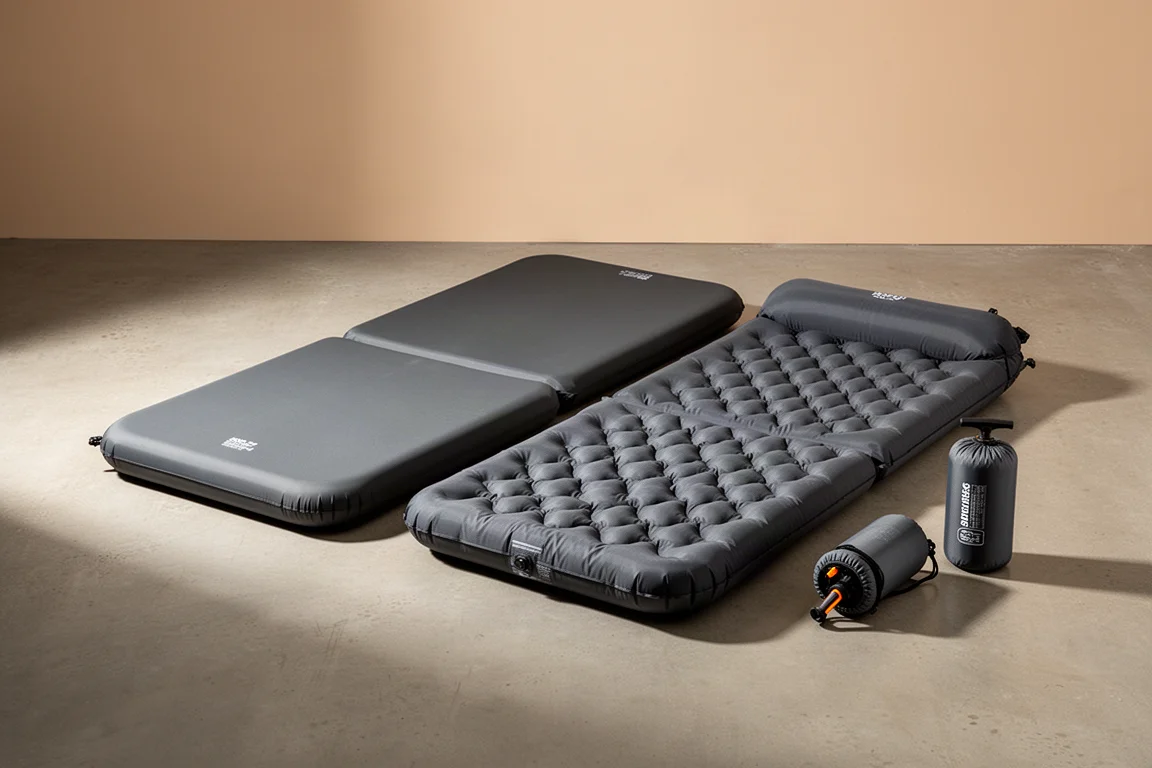
Best 2-Person Camping Mattresses for Couples: 10 Options Compared
A practical comparison of ten two-person camping mattresses, covering self-inflating pads, air pads and air mattresses for couples.