Camping Gear
Best Camping Fans 2026: Seven Fans Put Through Six Practical Tests
Seven camping fans tested for wind power, run time, noise, features, durability, and portability, with clear picks for tent campers, RV campers, and tight budgets.
Introduction
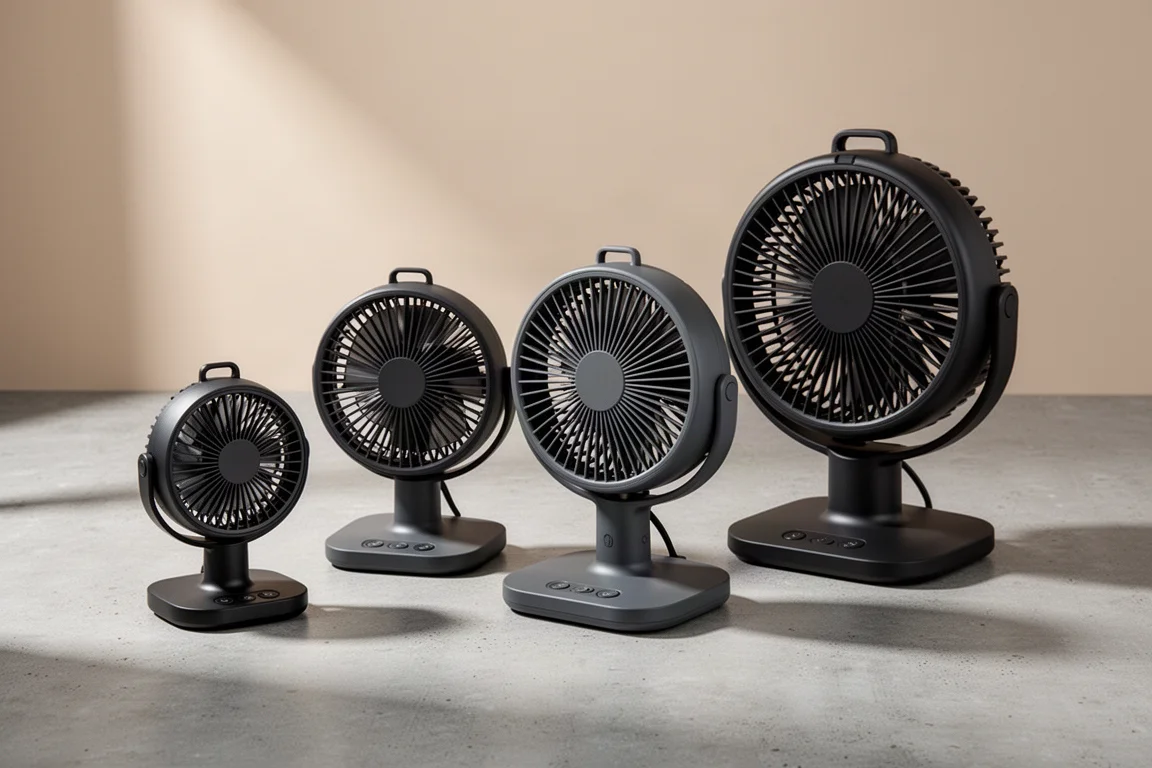
Seven camping fans, six tests, roughly $300 of gear and about two months of testing. Every fan was measured the same way, scored the same way, and then ranked against a simple question: does it actually move air where you sleep?
The short version is that wind power mattered more than anything else, followed by run time, features, and durability. Two fans clearly led the group, one large model is the better choice for sharing a tent, one is a strong fit for RV camping, and one fan is best avoided entirely.
How We Evaluated These Camping Fans
Wind power carried the most weight, and it was broken into three parts. Wind speed was measured with a small anemometer held in front of each fan on every speed setting until the reading stabilized. Maximum speeds across the group ranged from about 4 meters per second at the top down to about 3 meters per second at the bottom. Blade diameter was measured with a tape, because a larger fan can move more air even when its maximum speed is lower. Airflow distance was measured with a small windmill placed in front of each fan and moved slowly away until it stopped spinning.
Run time came next. Each fan was fully charged and timed with a stopwatch, first on its lowest speed and then on its highest. Because the fans have different speed settings, the fairest comparison was at a matched speed of roughly 3 meters per second, with the group spanning 2.6 to 3.1 meters per second.
Noise was recorded with a sound meter against a background level of about 41 dBA. Features covered the practical details: a hanging hook, a stand or legs, a battery indicator, a rotating head, a removable safety cage for cleaning the blades, a sleep timer, built-in lighting, and the ability to charge a phone. Durability involved 30 minutes of moderate rainfall plus a look at materials and warranty length. Portability covered weight with batteries installed, packed size, and whether the fan can be taken apart for storage.
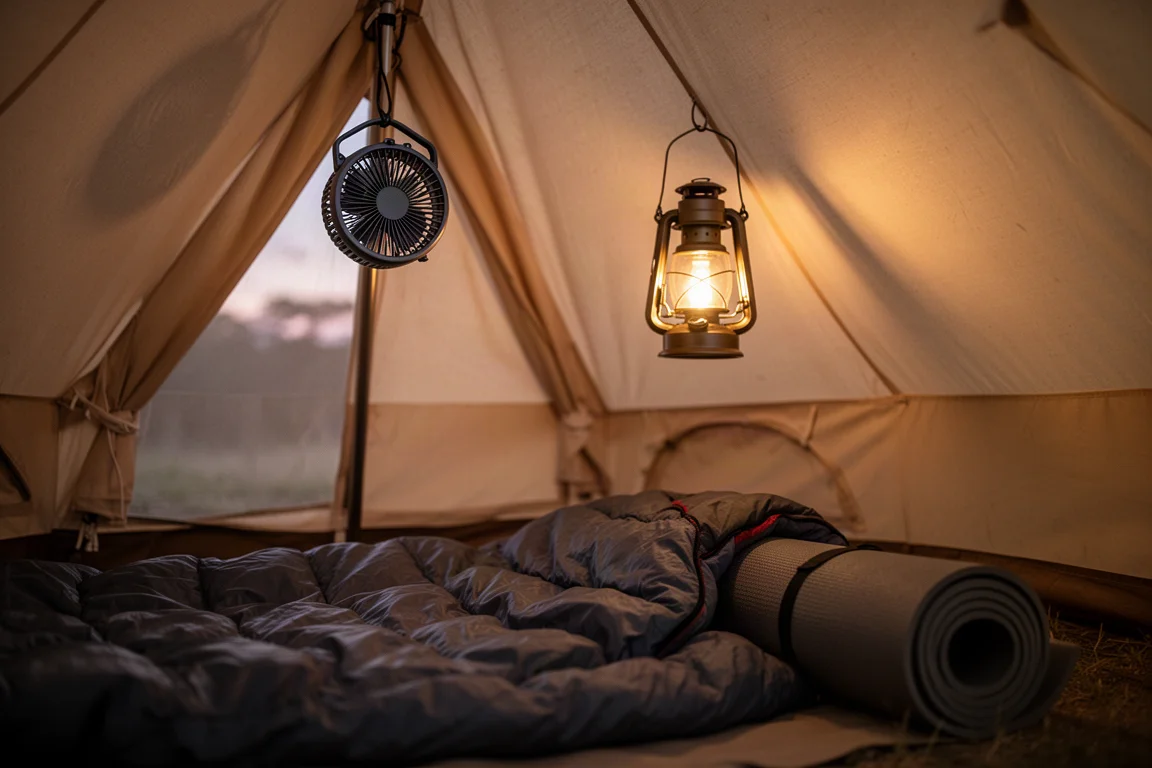
One structural difference runs through the whole group. Three fans run on D batteries, needing anywhere from two to six cells, and they delivered the longest run times at the cost of buying batteries again and again. The other four are rechargeable, which costs less over time and is easier to live with, but their run times are noticeably shorter. That trade-off is the single biggest decision in this category.
Top Pick: Claymore V600+
The Claymore V600+ finished at the top of the overall ranking and was consistently strong across wind power, run time, noise, features, and portability. It has a six-inch blade diameter and four selectable fan speeds, which is finer control than most of the group offers.
Two trade-offs are worth knowing before you commit. It has no built-in lighting at all, so it works best paired with a separate lantern rather than a fan and lantern combo. It also had the longest charge time of any rechargeable fan tested, at around six and a half hours, so it pays to plan ahead and charge it before a trip. During the rainfall test, water reached the input port, but the fan carried on working normally.
Runner-Up: Nitecore NEF10
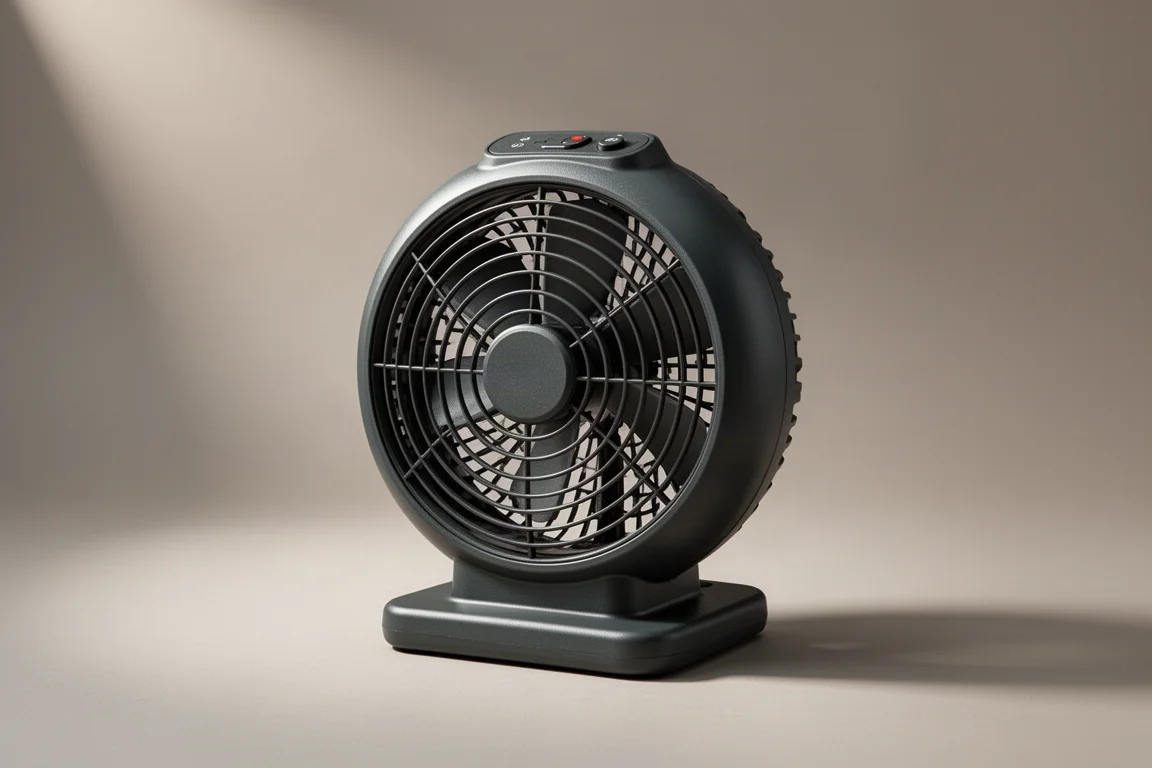
The Nitecore NEF10 finished just 0.1 points behind the top pick, and in several areas it is the better fan. Run time is longer, it runs quieter, and it is the most feature-rich model in the group, with a sleep timer, phone charging, and a removable safety cage for cleaning the blades. Its built-in light is frosted and diffused, which makes it comfortable to use in a tent instead of harsh on the eyes.
The one serious caveat is water resistance. It did not survive the 30-minute moderate rainfall test, and the fan would no longer turn on afterwards. The wiring is exposed to the elements, which is the likely cause. It handled light rain without a problem, so it is a reasonable choice as long as you keep it out of heavy weather. It is also the best value in the group: it performed second best overall while costing less than both the top pick and the third-place fan, and around $50 at full price still looks sensible for a fan and lantern in one.
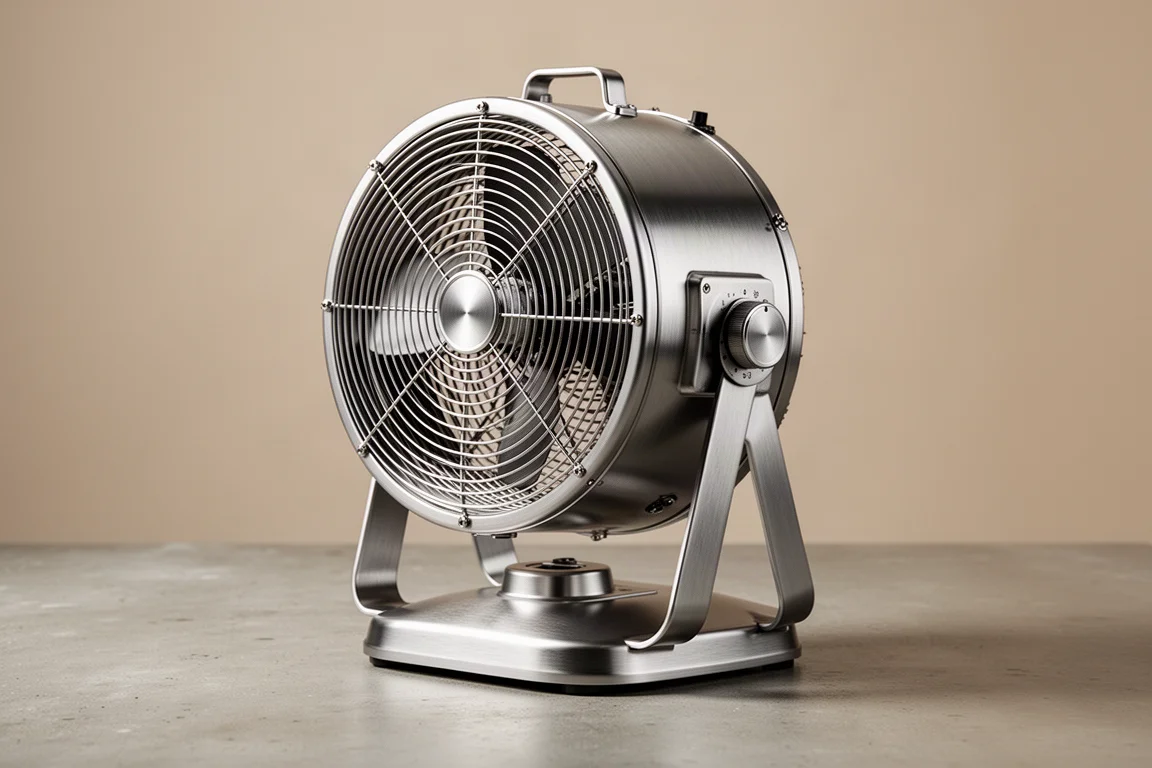
Best for Sharing a Tent: Geek Aire
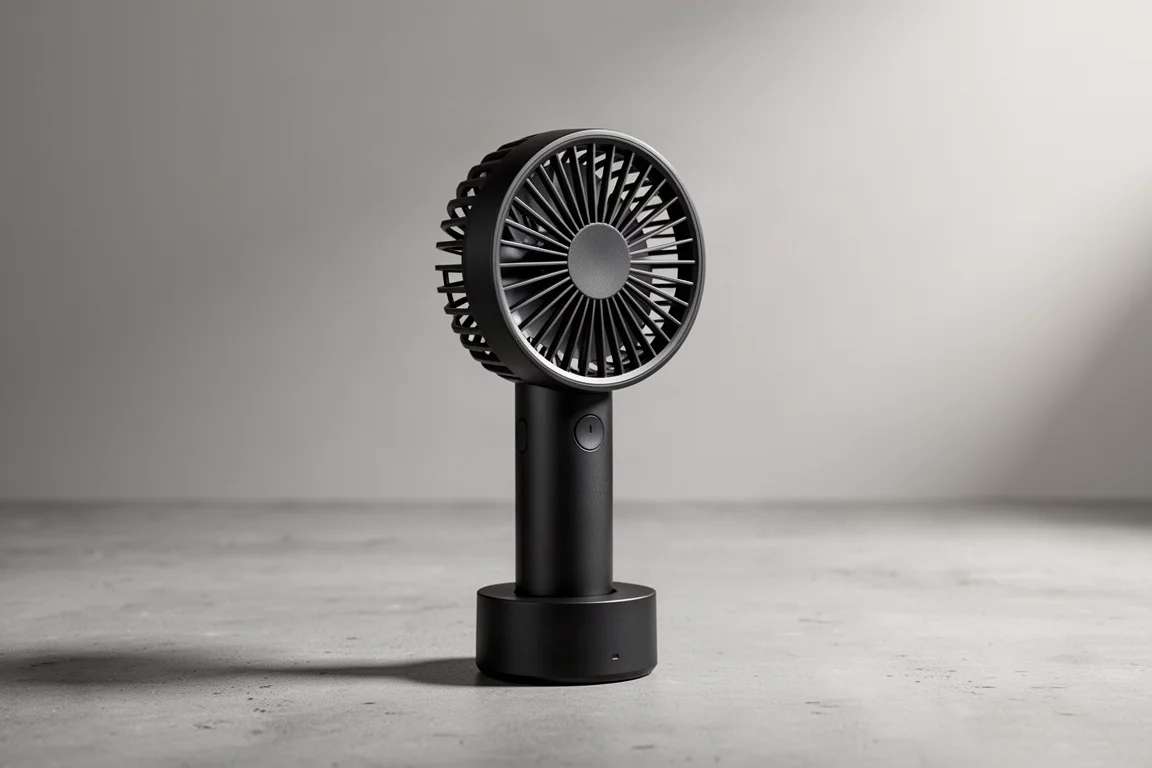
The Geek Aire is the fan to pick when you need to cool more than one person. Its blade diameter is eight and a half inches, well above the six-inch Claymore and the five and a quarter-inch Nitecore, and it delivered the longest airflow distance of anything tested. It is also the only fan in the group built almost entirely from high-quality metal, and the only one with continuous speed adjustment, so you can dial anywhere from 1.6 meters per second up to 3.9 meters per second instead of choosing between a couple of fixed levels.
Water reached the input port during the rainfall test, but the fan kept working. The main drawback is price: it cost around $70 at the time of testing, which is more than double the cheapest large option here.
Budget Alternative: O2Cool Treva
The O2Cool Treva has the largest blade of the group at nine and a quarter inches, and at around $30 it costs less than half of the Geek Aire while scoring only half a point lower overall. Its standout feature is a dual power source: it runs on six D batteries, or on an AC adapter that plugs into any wall outlet. Connecting the adapter automatically disconnects the batteries from the circuit, which saves a lot of money on cells if you have mains power available.
That combination makes it an excellent RV fan and a less reliable tent fan. The base is narrow compared to the Geek Aire, so on uneven ground it can tip over on its own. Water also made its way into the battery compartment during the rainfall test, though the fan kept working afterwards.
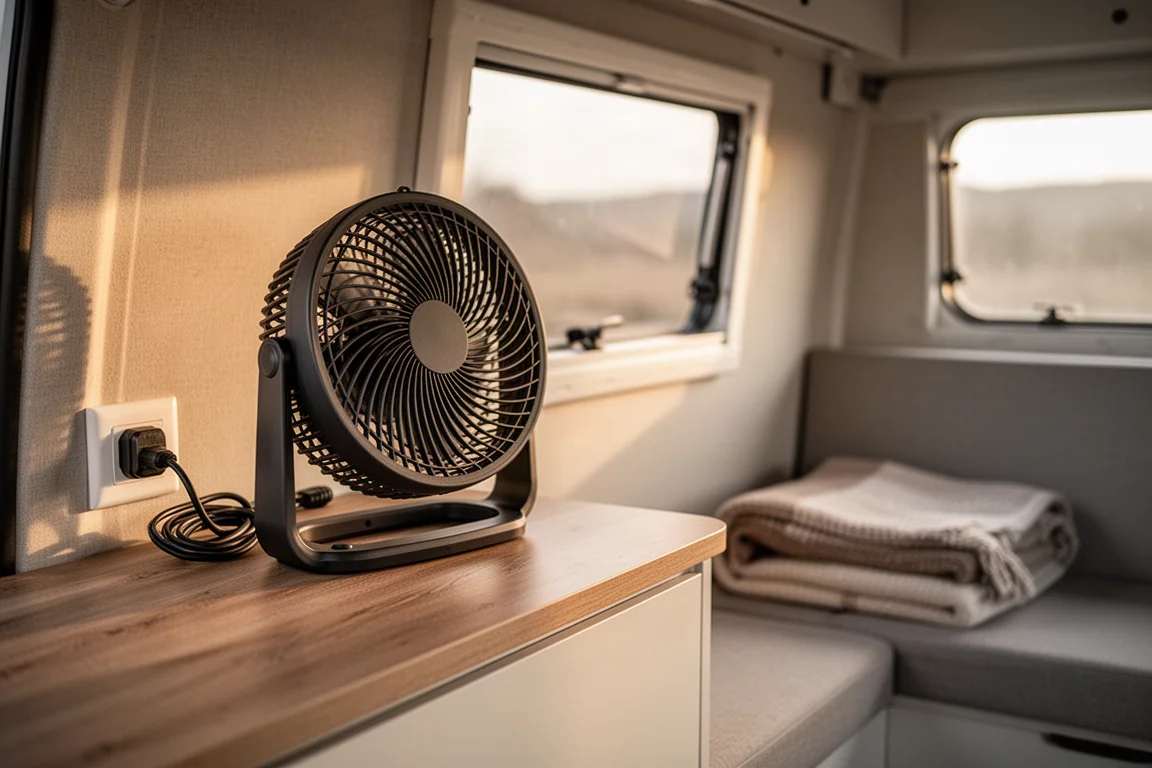
For campers who split their time between a camper and a tent, the dual power source means one fan covers both instead of buying two. For pure tent use on rough ground, the wider, heavier base of the Geek Aire is the safer bet.
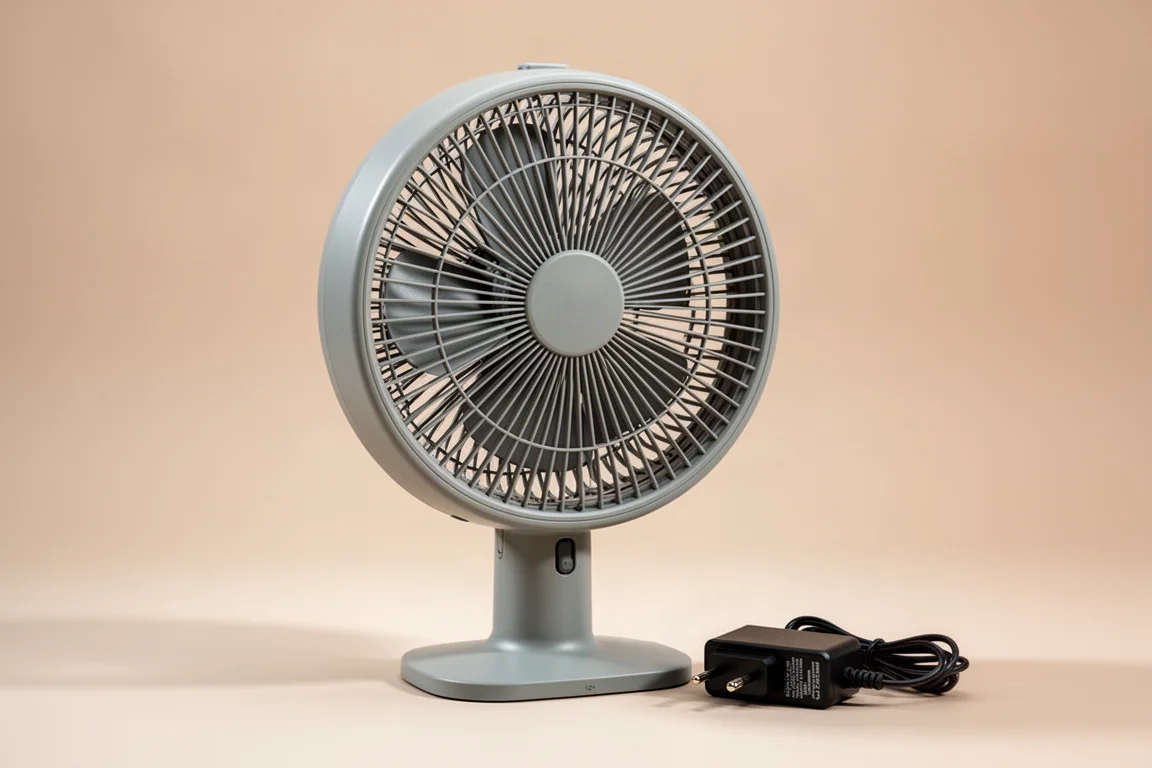
Best for OneSource Owners: Coleman OneSource
The Coleman OneSource was the only fan that came through the 30-minute rainfall test perfectly. Its ports are tightly sealed and sit right at the bottom of the housing, so no water got in. It can also charge a phone from the shared OneSource battery, which is genuinely useful on a longer trip.
The reason it sits in the middle of this list is context rather than performance. Coleman builds a whole OneSource collection of camping gear that runs on the same battery, so this fan makes the most sense if you already own some of it and want to reuse the cells you have. If you are starting from scratch, the Claymore, Nitecore, and Geek Aire all score higher overall and are the better first purchase.
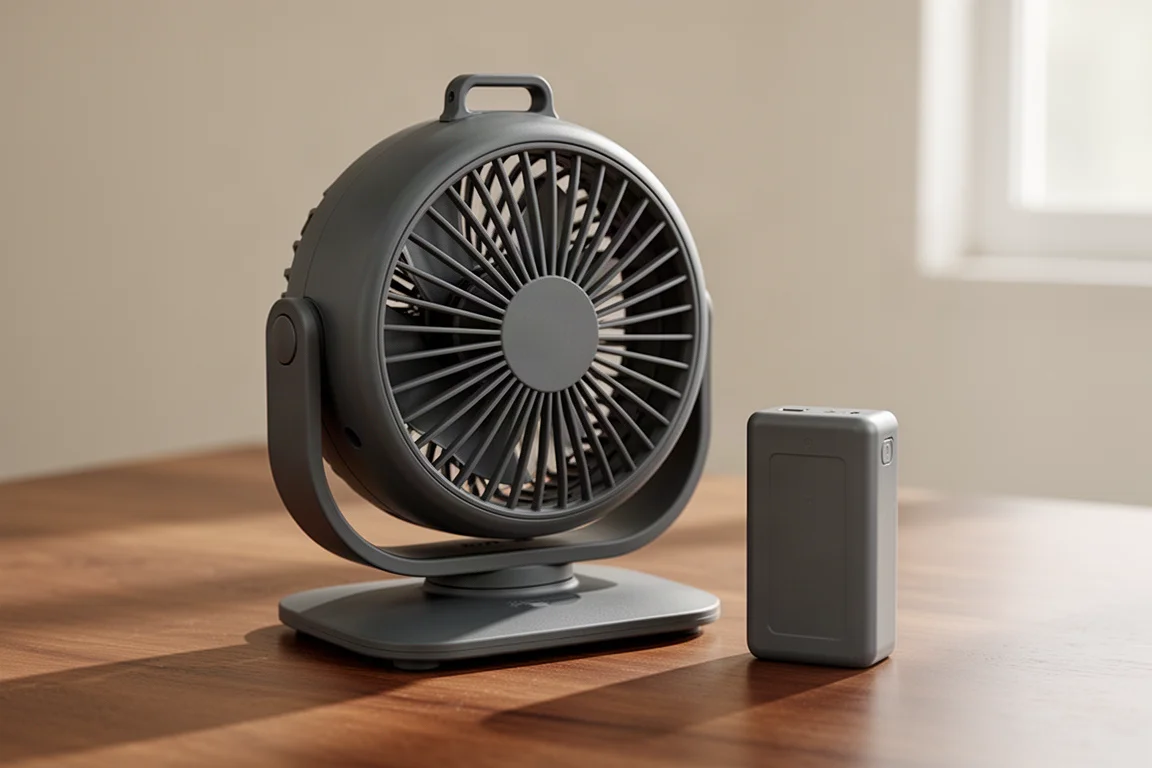
Cheapest Option: Odoland
The Odoland is the cheapest fan tested at $17, and also the smallest, with a blade diameter of just four inches. That is enough airflow for one person and not much more, and the build quality and durability reflect the price.
Running costs are the real catch. It takes two D batteries every time you use it, which works out to roughly $2 to $4 per trip, so after about ten camping trips the fan has effectively cost $35 to $40. Its lantern is very bright and glaring, and the light function stopped working after the rainfall test. If your budget can stretch a little, the Nitecore is the more sensible long-term buy.
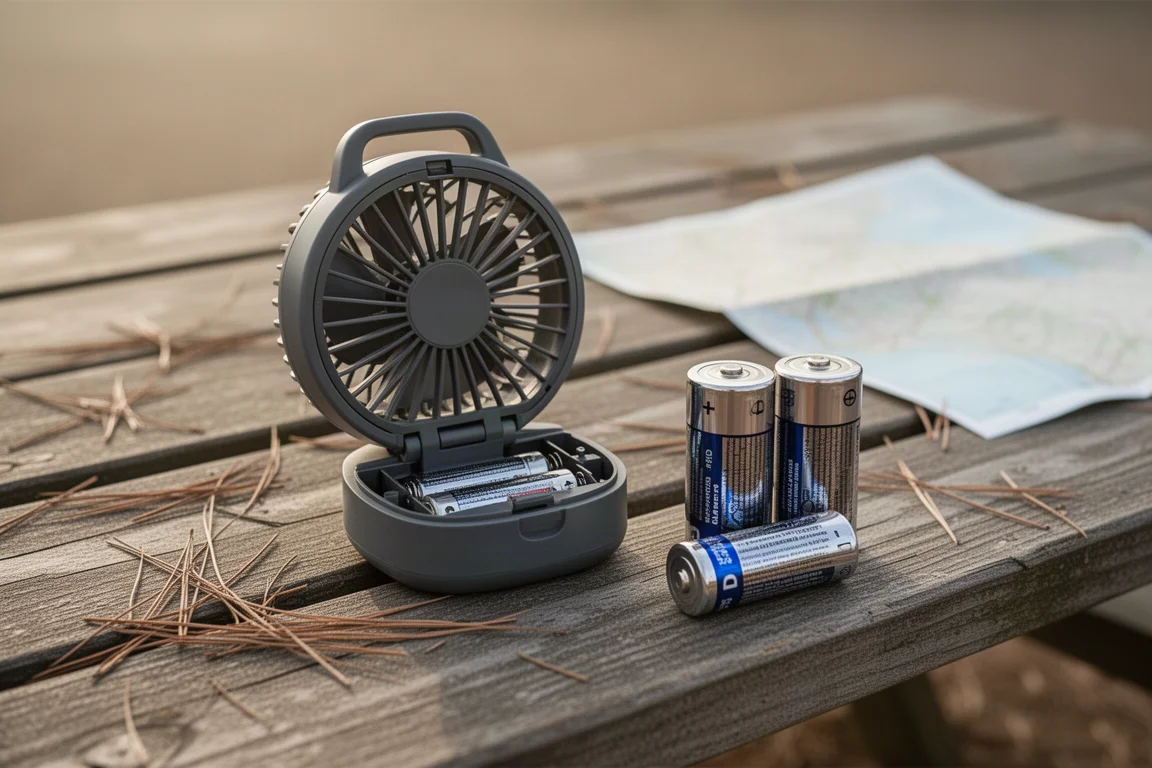
Battery-hungry gear is easy to underestimate. A fan that needs fresh cells on every trip is only cheap on the day you buy it, and the ongoing spend is worth factoring into the decision before you commit.
Fan to Avoid: Coleman CPX6
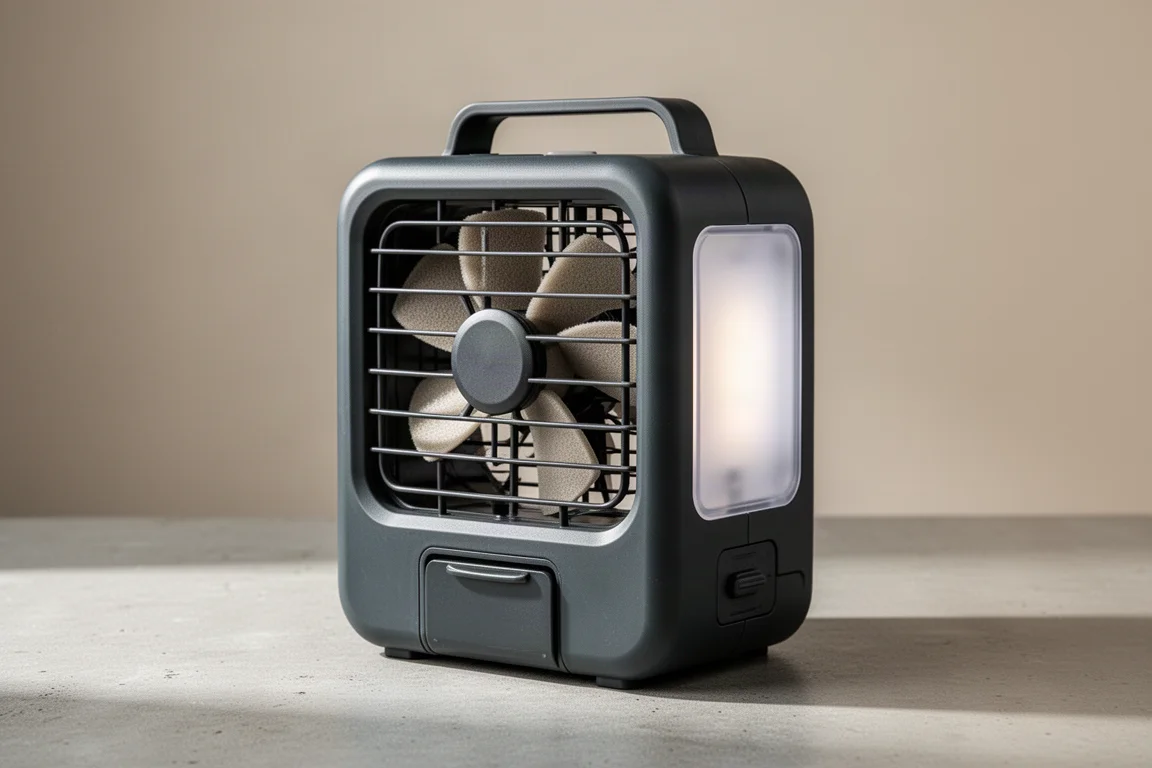
The Coleman CPX6 is the one fan in this group that is not worth buying. It seriously lacks wind power, and the cause is a design decision: the blades are made of foam, presumably to be safer around children. The result is a fan that barely pushes air at all. A windmill placed 10 to 20 inches in front of it never moved, and only started turning when it was held about five inches from the front of the fan.
Water also entered the battery compartment during the rainfall test. A fan that you cannot feel unless you are sitting directly in front of it does not solve the problem a camping fan exists to solve.
Overall Buying Advice
The scoring weighted wind power first, then run time, features, and durability, which matches how these fans are actually used. A fan that moves air across a tent is worth more than one with extra features and weak airflow.
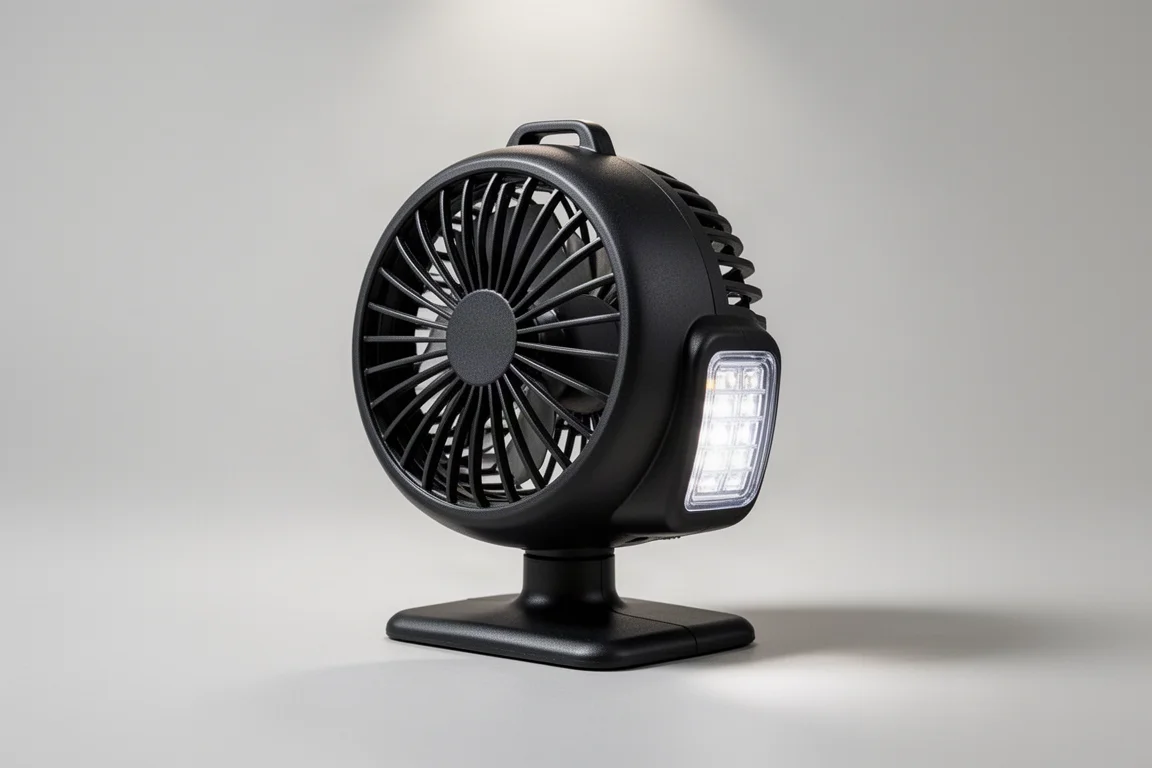
On power, decide early between rechargeable and D batteries. Battery fans run longer but get expensive fast, as the Odoland shows. Rechargeable fans cost less over time and are easier to manage, provided you accept shorter run times and remember to charge them. A sleep timer is a genuinely useful feature for conserving battery overnight, and only two fans in this group had one. Phone charging is rarer still, limited to the Nitecore and the Coleman OneSource, with the Nitecore offering far more capacity. If you want lighting in the same unit, four of the seven fans include it, and light quality varies widely, from the soft frosted output of the Nitecore to the harsh glare of the Odoland and Coleman units.
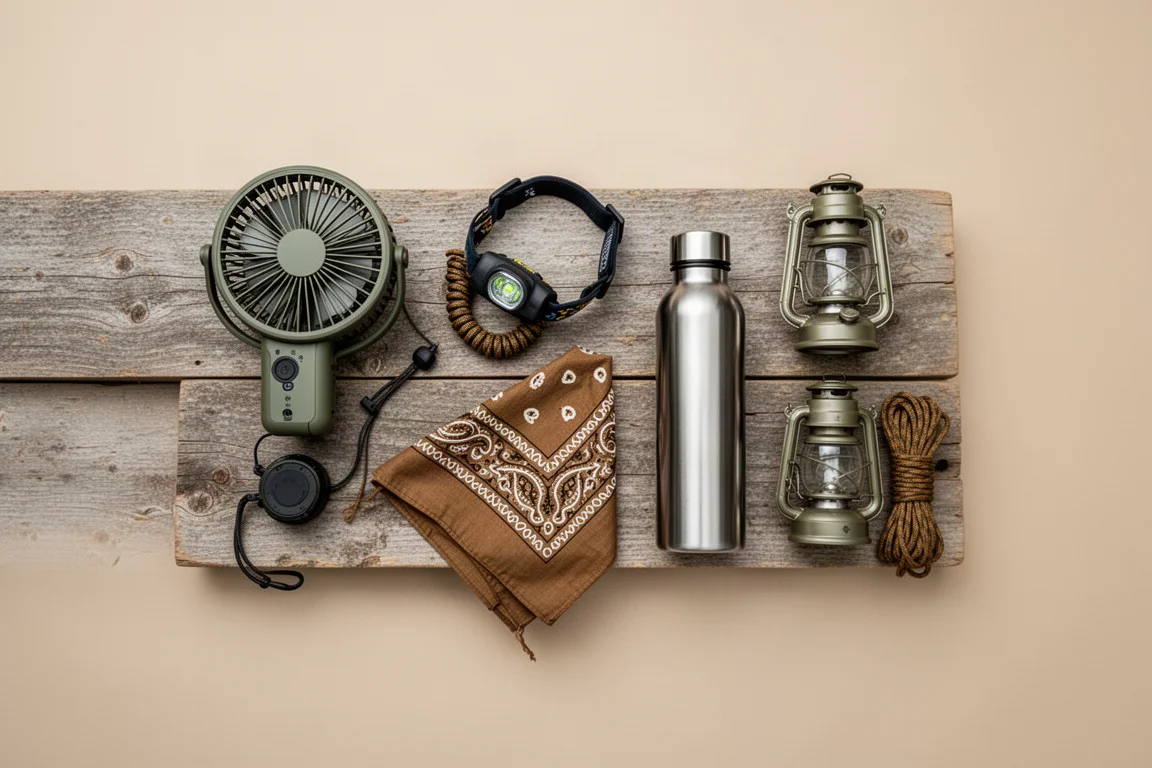
Blade diameter deserves more attention than it usually gets. A larger fan can outperform a faster one, which is why the eight and a half-inch Geek Aire moved air further than smaller fans with higher maximum speeds. If you regularly share a tent, size matters more than a spec sheet number.
Conclusion
The Claymore V600+ is the strongest all-round camping fan here, provided you bring a separate lantern and allow enough time for its long charge. The Nitecore NEF10 is the better value and the better fan-and-lantern combination, as long as you keep it out of heavy rain. The Geek Aire is the pick for sharing a tent, the O2Cool Treva is the practical choice for RV camping, and the Coleman OneSource makes sense only if you already own other OneSource gear. The Odoland is cheap but costly to run, and the Coleman CPX6 is best left on the shelf.
Further reading
Related Reviews
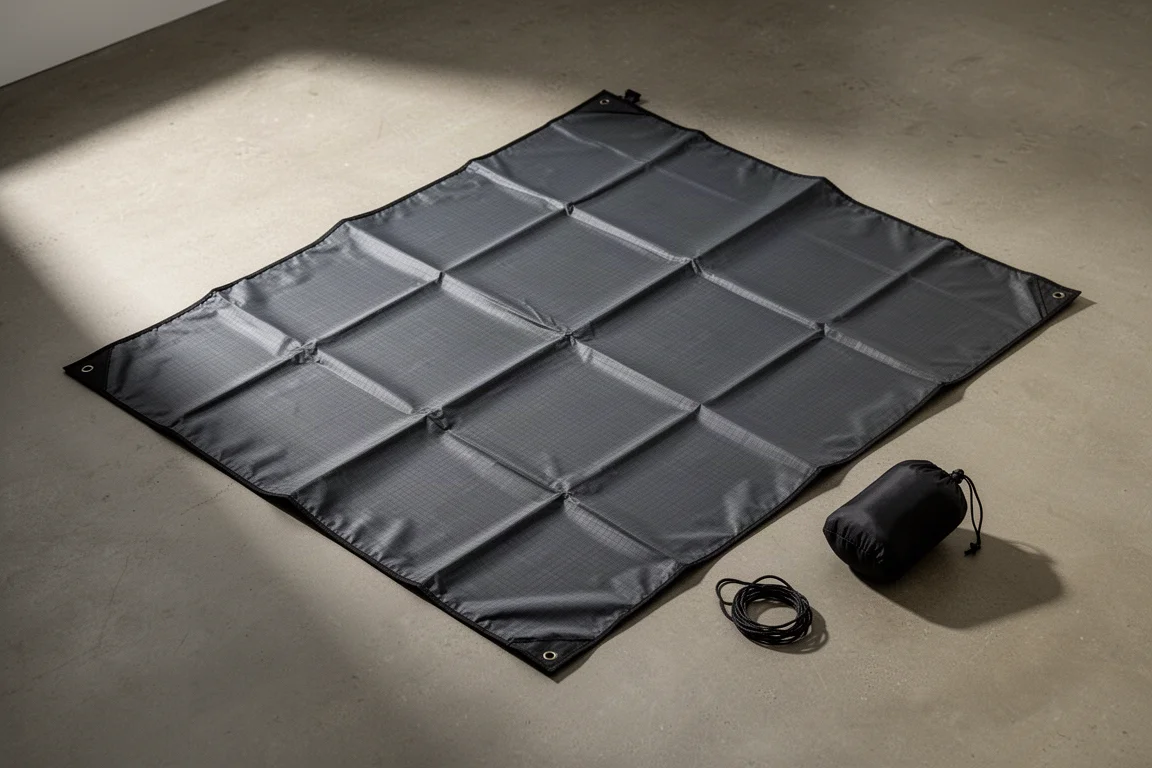
Camping Gear
3FUL Ultralight Ground Sheet Review: A Two-Person Footprint Worth Packing
A 6.7 oz two-person ground sheet in ripstop silnylon, priced around $30. Here is what it protects, what it does not do, and who should pack it.
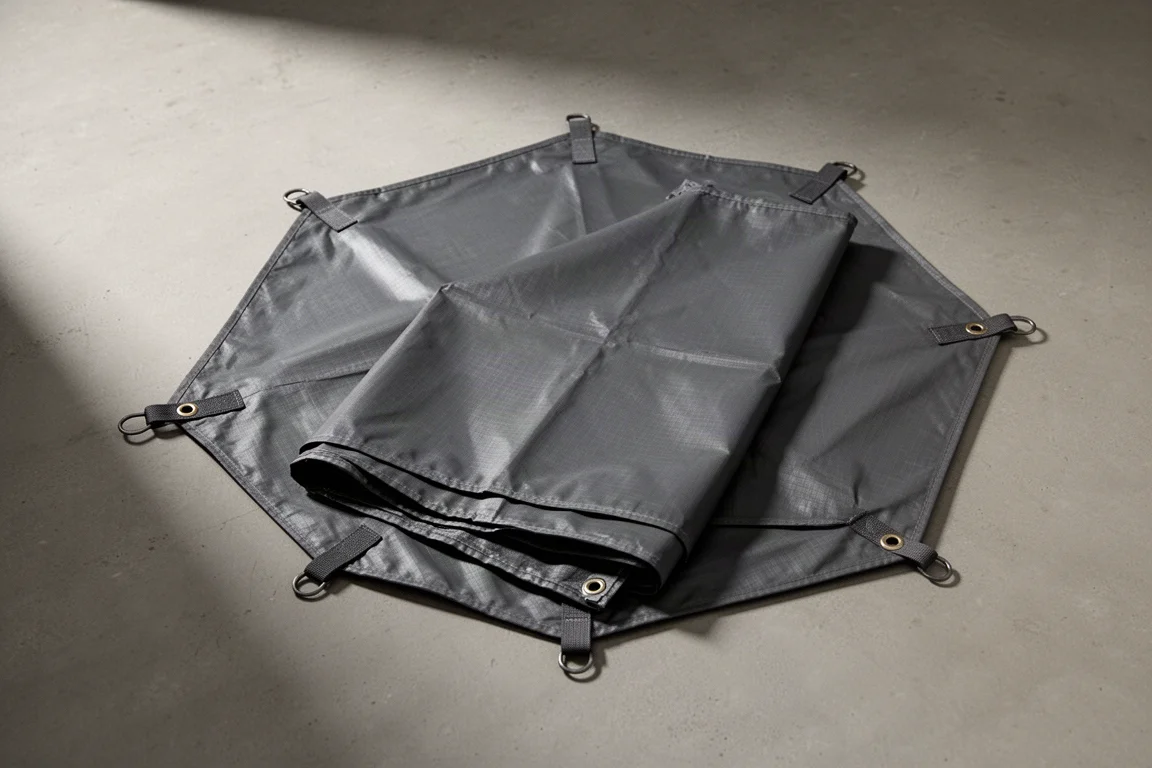
Camping Gear
Backcountry Light Dual-Function Tarp and Floor Review: A Footprint First
A dual-purpose tent floor and tarp that keeps falling rain off you, but cannot block wind. Here is where it works and where it does not.
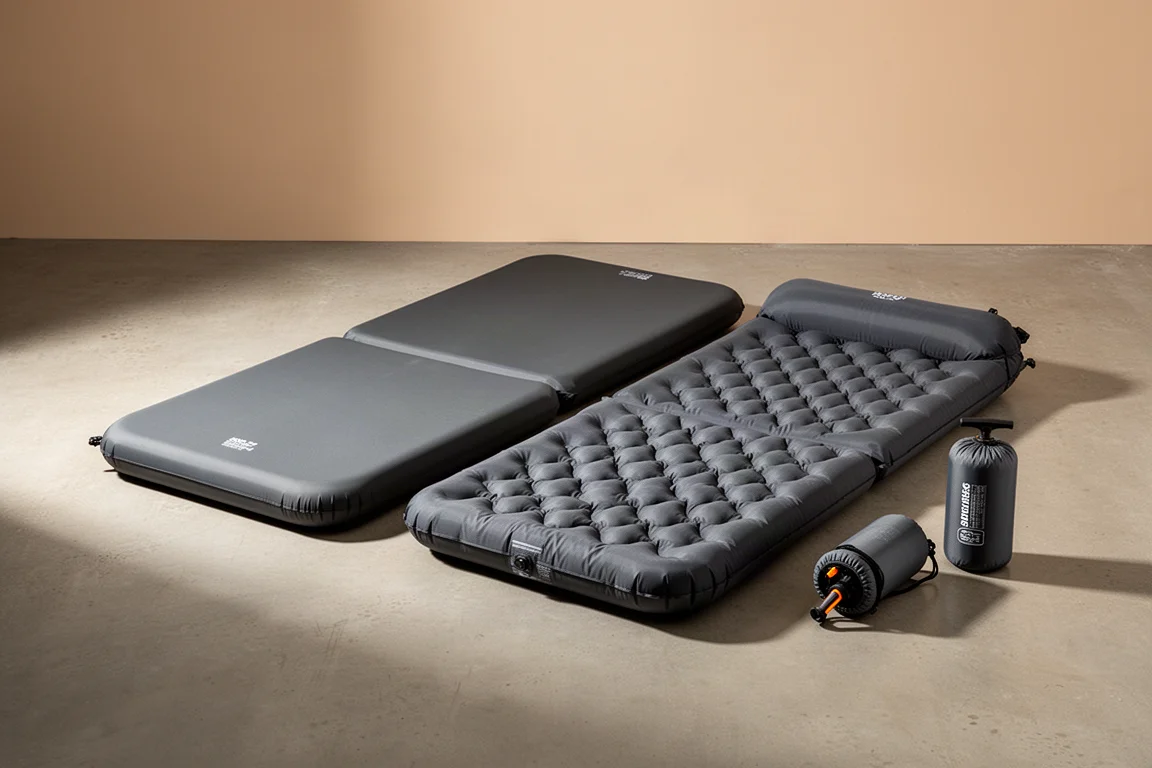
Camping Gear
Best 2-Person Camping Mattresses for Couples: 10 Options Compared
A practical comparison of ten two-person camping mattresses, covering self-inflating pads, air pads and air mattresses for couples.