Camping Gear
Best Camping and Backpacking Gear: 8 Pieces Worth Packing
A practical roundup of eight camping and backpacking essentials, from a 58-liter pack and an ultralight two-person tent to a wide insulated sleeping pad and waterproof hiking boots.
Introduction
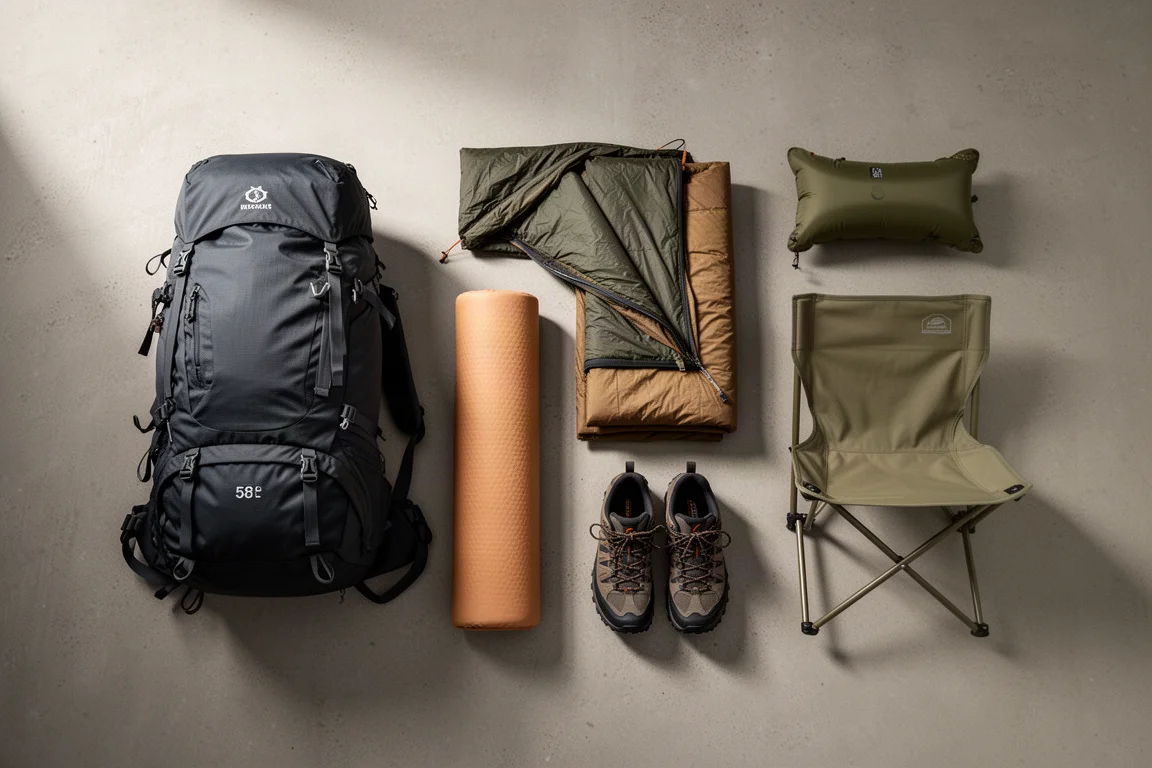
Camping kit changes slowly. A pack that fits well, a shelter that pitches quickly, and a sleep system that stays comfortable when temperatures drop are worth far more than a shelf of untested extras. The eight pieces below are the ones that keep earning a place on real trips, from a 58-liter pack for multi-day routes to a two-person ultralight tent, a wide insulated sleeping pad, and footwear for everything from groomed trails to rough, technical ground.
Each section covers what the item does well and where it asks for a compromise, so you can judge whether it matches the trips you actually take rather than the trips you imagine.
How We Chose This Gear
Selection here is based on repeated use in the field rather than spec sheets alone. Fit and carry comfort come first, since a pack or boot that rubs will ruin a trip no matter how light it is. Packed size and weight matter next, followed by how well each item holds up after seasons of pitching, inflating, folding, and stuffing into a pack.
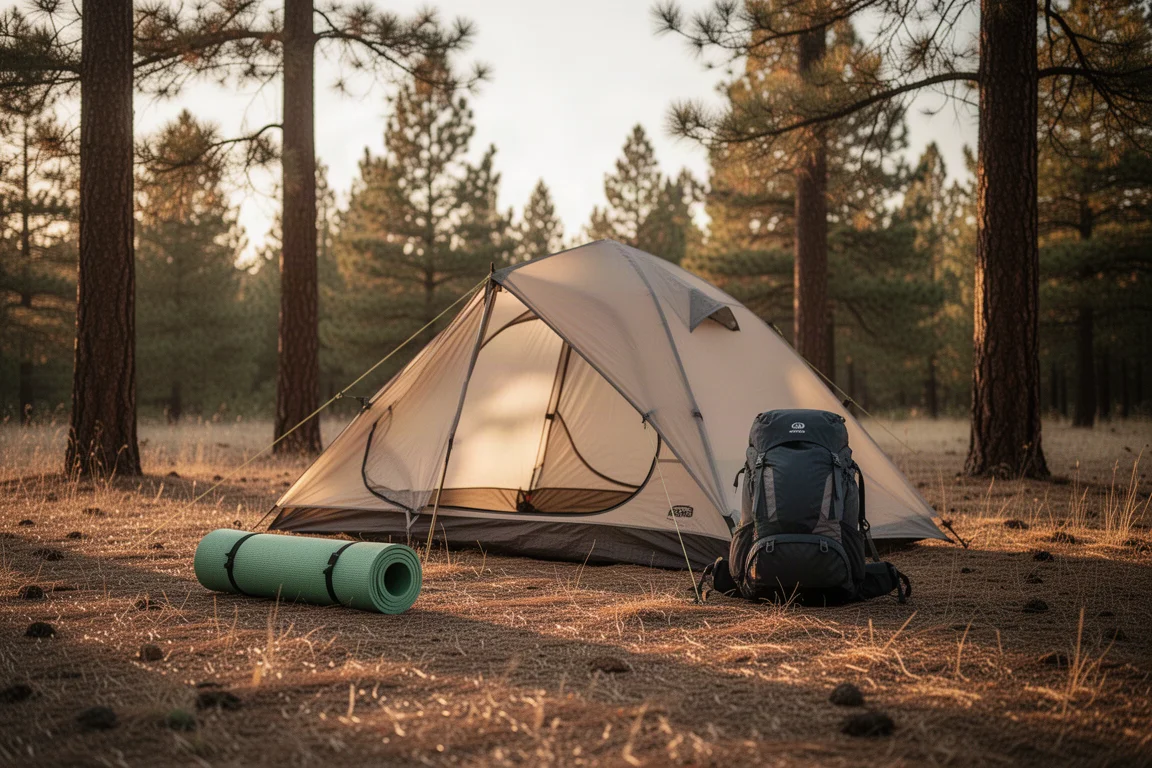
Gear also gets judged on how it adapts. A shelter that works for summer weekends but struggles in shoulder-season wind, or a pad that is comfortable in July but cold in October, earns a place on this list only if the trade-off is clear and acceptable. Durability counts heavily as well: several items here have stayed in service for years precisely because they were maintained rather than replaced.
Best All-Around Backpack: Gregory Paragon 58
The Gregory Paragon 58 is a 58-liter pack that works as a main backpack for multi-day camping trips. A mesh panel inside the pack helps with ventilation against the back, and the overall build stays light while remaining versatile enough to handle trips that call for bulkier winter layers or a more elaborate cook kit. That flexibility makes it a sensible default when the trip plan is not yet fully settled.
It suits campers who want one pack that covers most of the year rather than a different bag for every season.
Best High-Capacity Option: Osprey Atmos AG 65
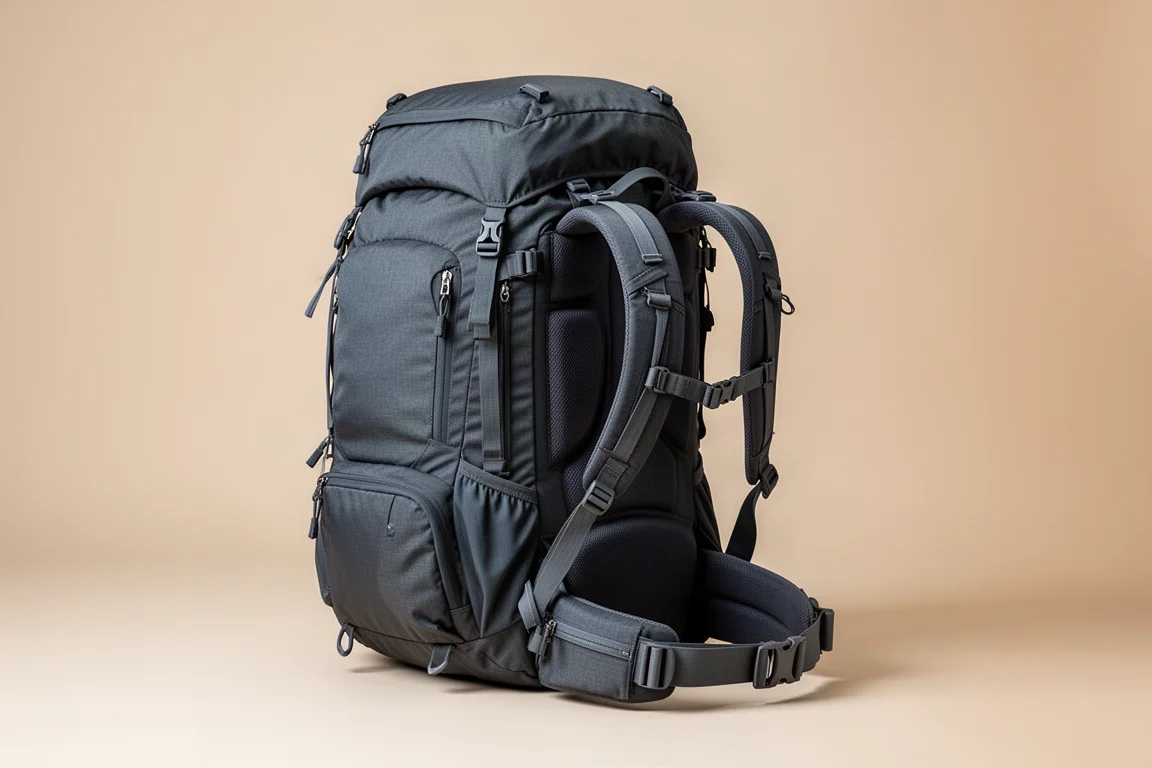
When the load grows, the Osprey Atmos AG 65 steps in with a significant jump in volume. It fits well, swallows an impressive amount of gear, and places pockets exactly where you want them, so layers, snacks, and small essentials stay reachable without stopping to unpack everything. Despite the generous capacity, it does not feel excessively heavy to carry.
This is the pack to consider for longer trips, group gear splits, or cold-weather loads that simply take up more room.
Best Ultralight Shelter: Big Agnes Copper Spur HV UL
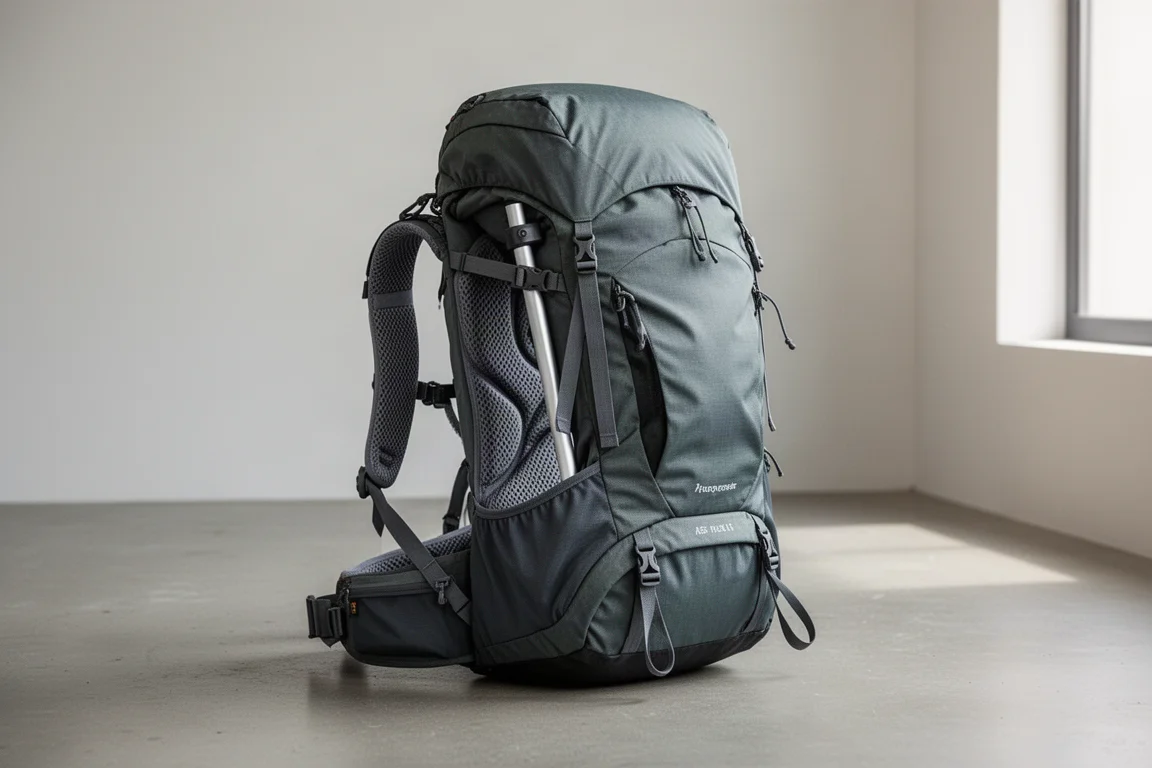
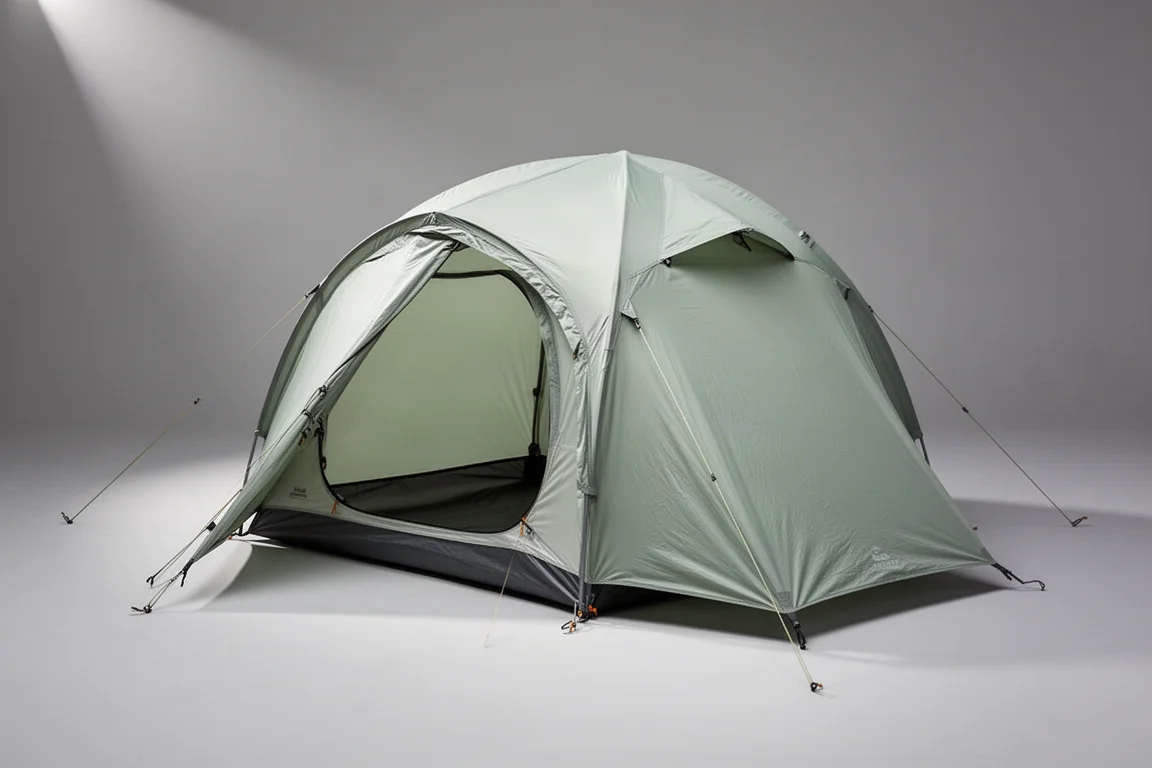
The Big Agnes Copper Spur HV UL is a two-person tent with a claimed weight of just 2.7 pounds, and it feels extremely roomy for its class. The combination of low weight and a comfortable interior makes it a strong choice for backpackers who count every gram but still want space to sit up and sort gear in poor weather.
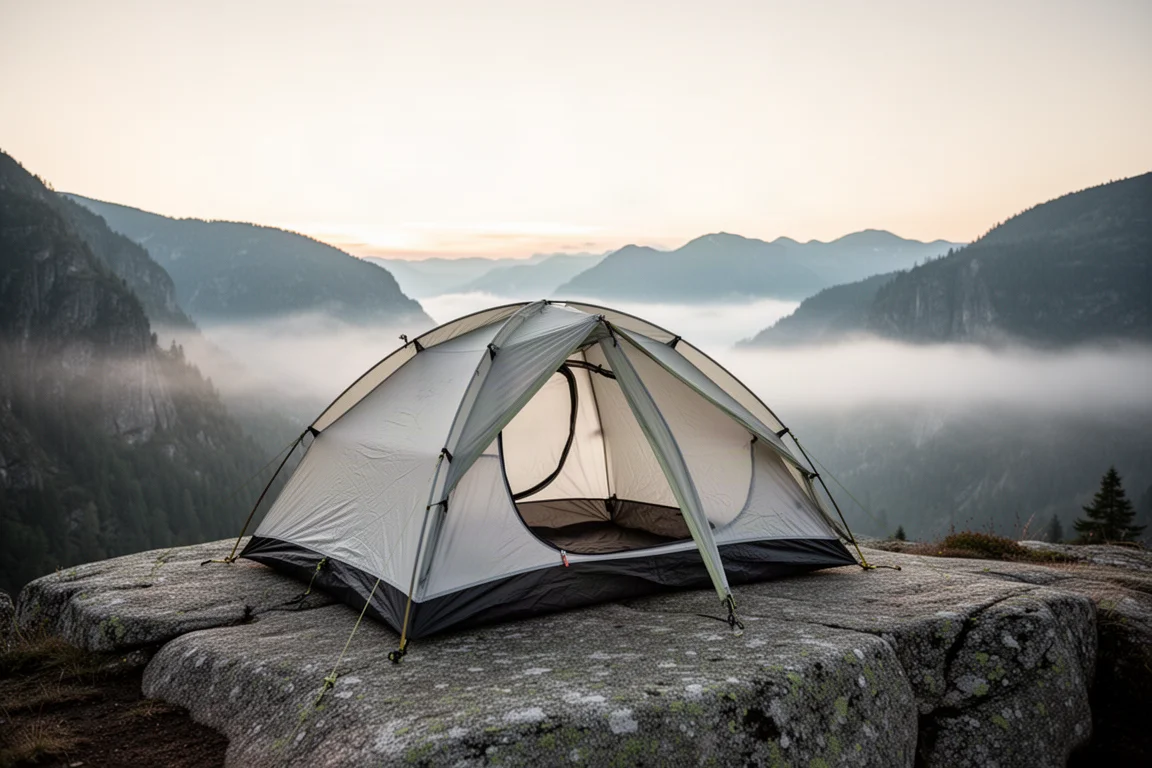
For solo campers it doubles as a spacious one-person shelter with room for a pack inside, and for pairs it keeps the shared load low. The ultralight construction rewards careful handling and considered packing, which is a fair trade for the weight saved on long approaches.
Best Sleeping Pad: Nemo Tensor 5R
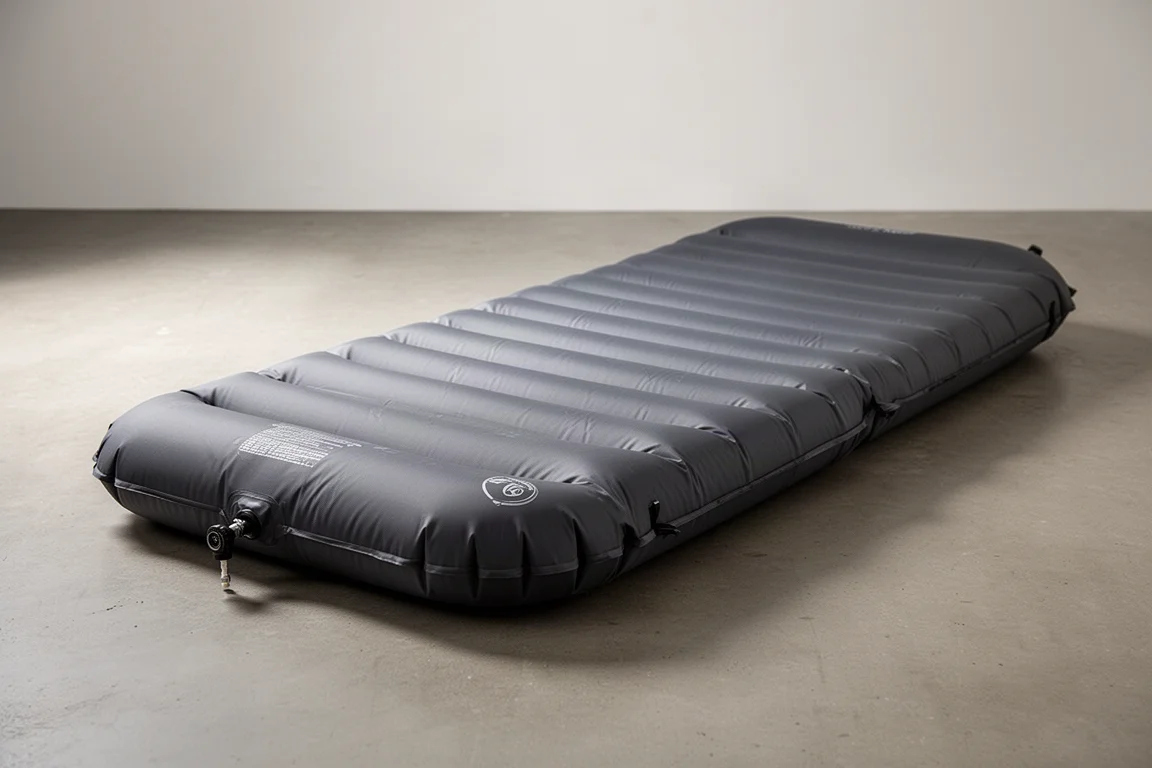
The Nemo Tensor 5R insulated pad is available in a wide version, and the difference is immediately obvious next to narrower mats. It is three inches thick, which adds real comfort for side sleepers and anyone who shifts position through the night. A quick-release valve makes deflation fast when it is time to pack up.
Packed down, it runs a little longer than some other mats but noticeably narrower, so it slides into a pack efficiently. Campers who want more sleeping area without a bulky roll should look at the wide option first.
Best Camp Pillow: Nemo Fillo
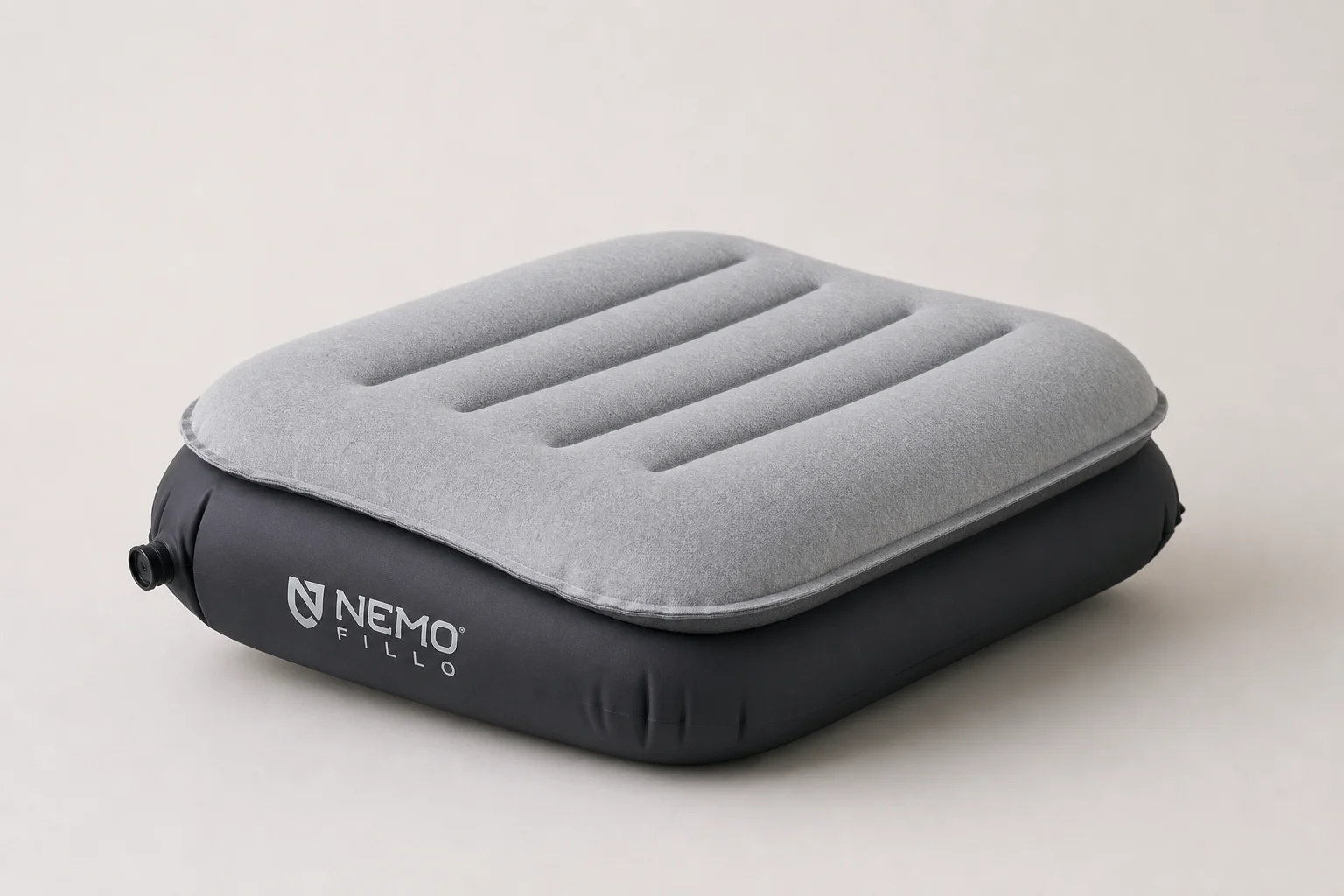
The Nemo Fillo is an inflatable pillow with a soft foam cushion layer on top, which makes it feel much closer to a real pillow than an air-only design. That foam surface is what separates it from the thin, slippery pillows that tend to slide out from under your head at 2 a.m.
It is a small addition to a sleep system that noticeably improves how a night at camp feels, especially on longer trips where rest matters as much as mileage.
Best Camp Chair: REI Co-op Flexlite Low
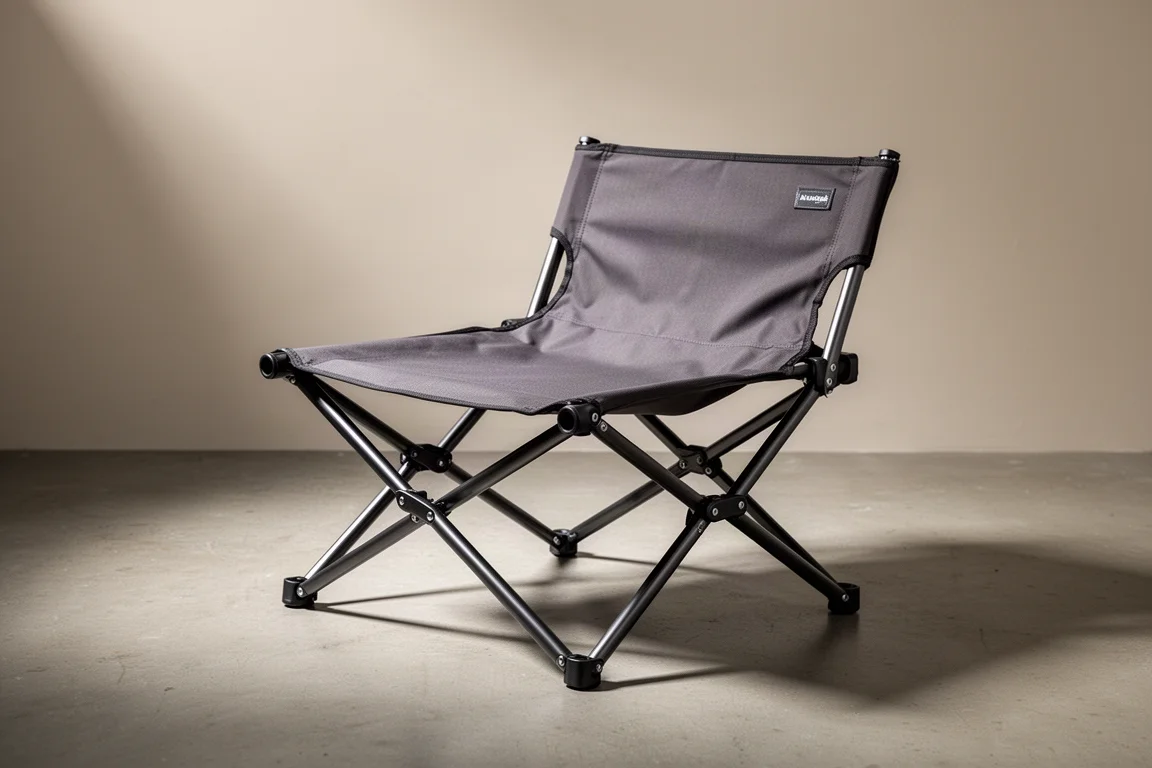
The REI Co-op Flexlite Low is a low camp chair that is fairly easy to assemble and take apart, packs down small, and weighs one pound nine ounces. That combination makes it easy to justify carrying for evenings around camp, when sitting on the ground stops being appealing.
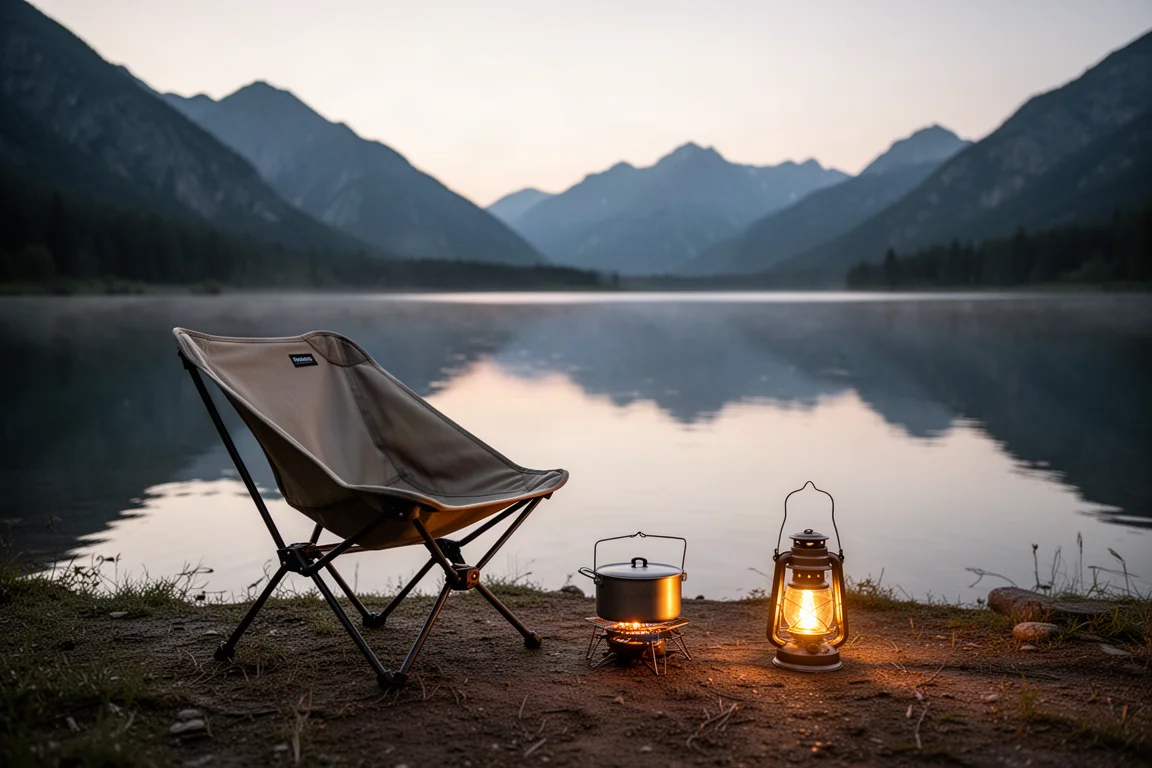
The low seating position works well for cooking, sorting gear, or simply leaning back with a hot drink while dinner rehydrates. Because it breaks down compactly, it fits into a pack without forcing you to leave something else behind.
Best Rugged Footwear: Hoka Kaha 2 Gore-Tex
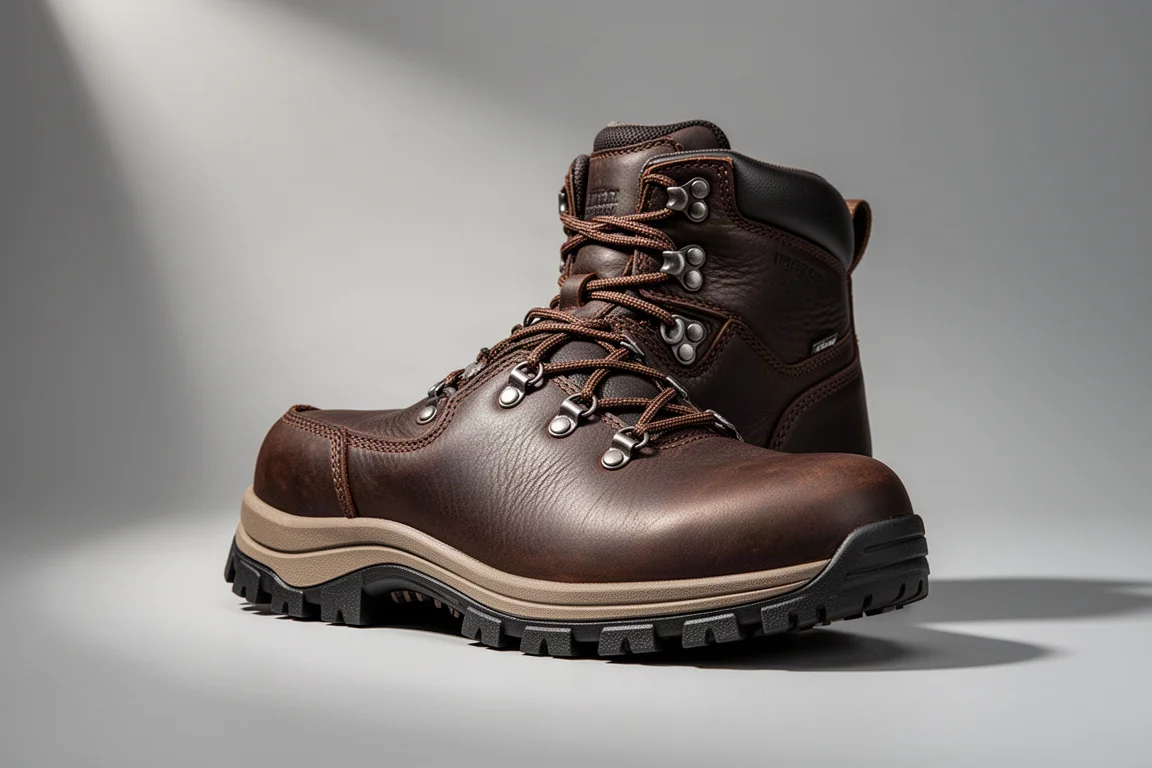
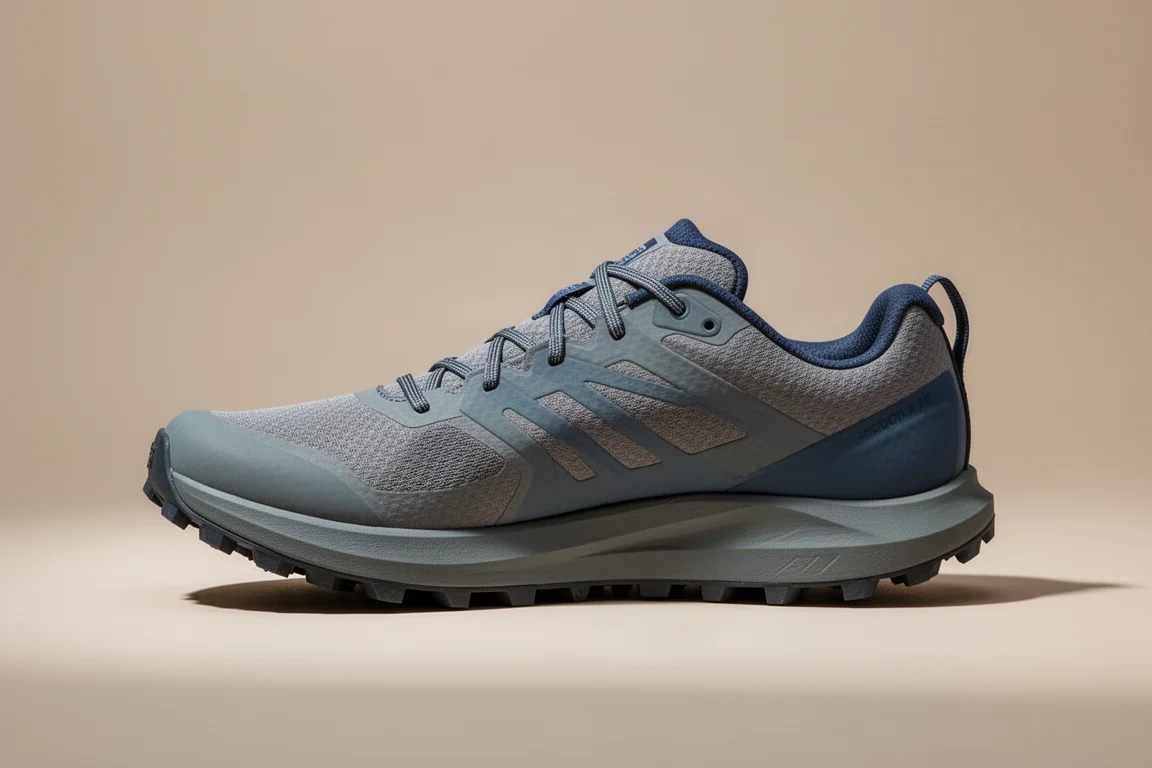
The Hoka Kaha 2 Gore-Tex boots are the choice for hiking on rough or technical terrain and for trips that call for a more rugged boot or waterproof shoes. The Gore-Tex construction keeps feet dry through wet grass, mud, and shallow stream crossings, while the taller, more supportive build handles uneven ground that would punish a low-cut shoe.
They are the heavier end of the footwear options here, so they make most sense on trips where protection and waterproofing outweigh the weight penalty.
Best Lightweight Trail Shoes: Altra Lone Peak 5
On lighter trips, the Altra Lone Peak 5 trail runners are the faster, more comfortable option. They are lighter than boots but not waterproof, which makes them best suited to dry conditions and well-drained trails. The yellow and black colorway is easy to spot, and the low, flexible platform keeps feet feeling fresh over long days.
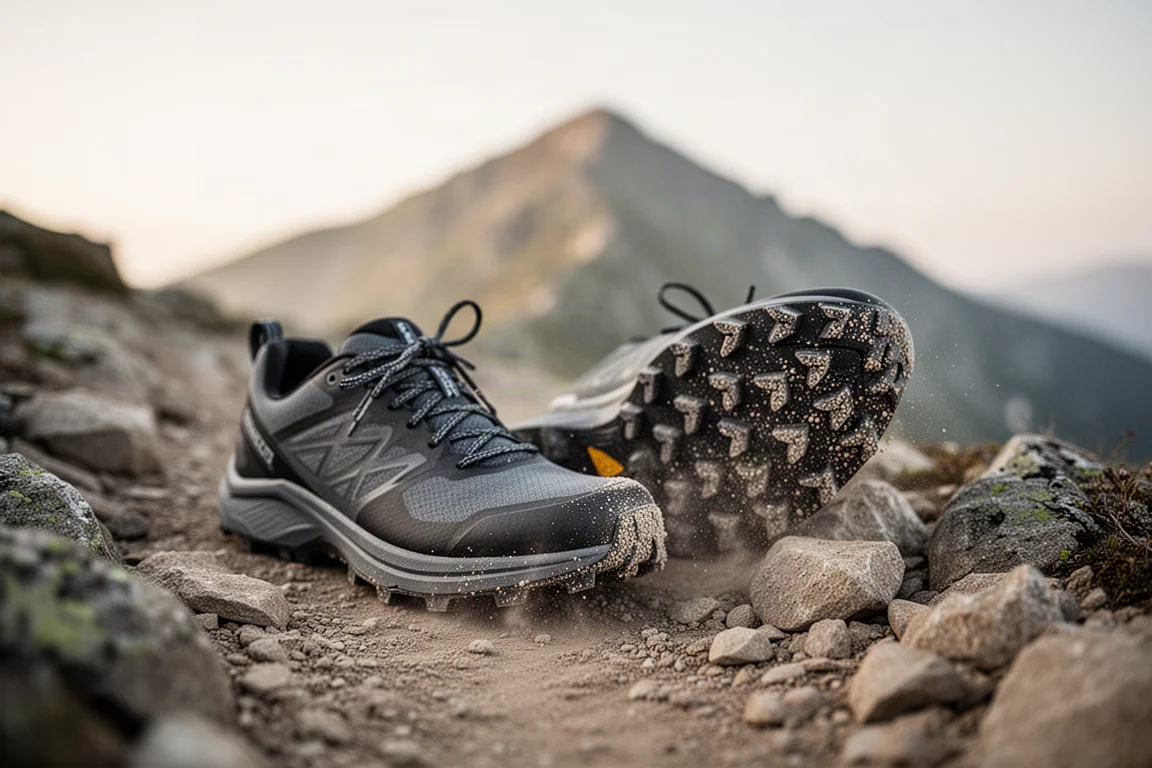
Choosing between these and a boot comes down to conditions rather than preference. For dry summer routes and fast, light loads, trail runners reduce fatigue. For wet weather, rocky descents, or cold trips, the added protection of a waterproof boot is worth the extra weight.
Buying Advice
Start with the shelter and the sleep system, since those two decisions determine whether a trip is comfortable regardless of everything else. Match the sleeping pad and bag or quilt to the lowest temperatures you realistically expect, and size the pack last, once you know how much volume your gear actually occupies. A 58-liter pack covers most three-season trips, while a 65-liter option gives more room for winter layers, group gear, or longer food carries.
Footwear deserves the same honesty about conditions. Waterproof boots earn their weight on wet, rough, and technical ground, while lighter trail runners are the better call for dry trails and reduced loads. Weight savings only help if the gear still performs in the conditions you meet, so choose based on the trips you take most often rather than the most extreme trip you can imagine.
Conclusion
This kit covers the essentials without overcomplicating them: a versatile 58-liter pack for most trips, a high-capacity 65-liter option for heavier loads, an ultralight two-person shelter, a wide and thick insulated pad, a pillow that actually feels like one, a compact camp chair, and footwear that ranges from waterproof boots to light trail runners. Buy for the conditions you camp in, keep the gear maintained, and each of these pieces will keep earning its place in the pack for years.
Further reading
Related Reviews
Camping Gear
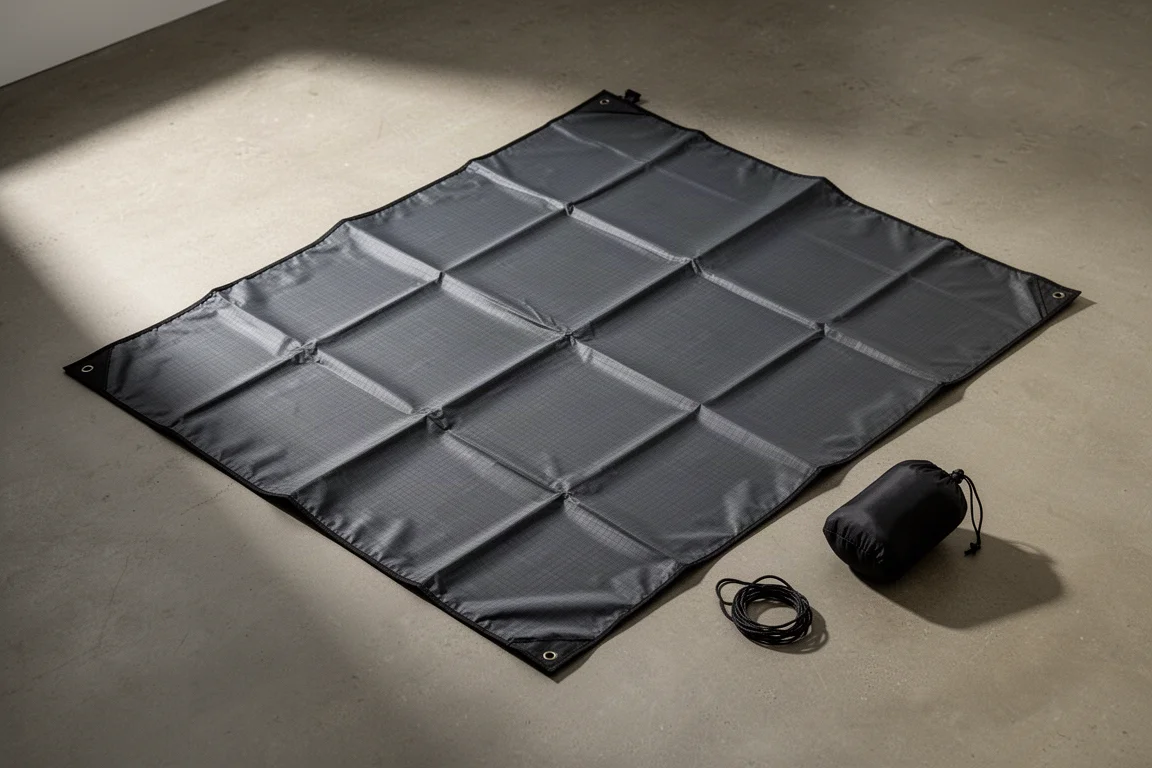
3FUL Ultralight Ground Sheet Review: A Two-Person Footprint Worth Packing
A 6.7 oz two-person ground sheet in ripstop silnylon, priced around $30. Here is what it protects, what it does not do, and who should pack it.
Camping Gear
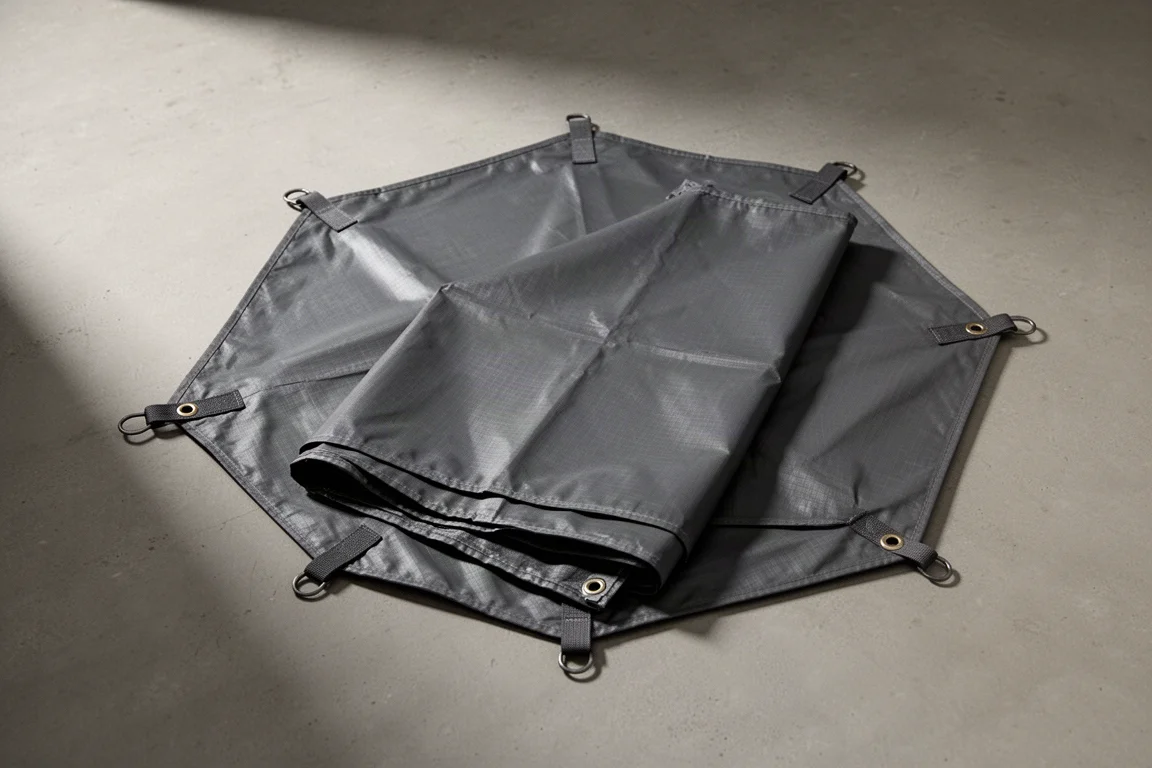
Backcountry Light Dual-Function Tarp and Floor Review: A Footprint First
A dual-purpose tent floor and tarp that keeps falling rain off you, but cannot block wind. Here is where it works and where it does not.
Camping Gear
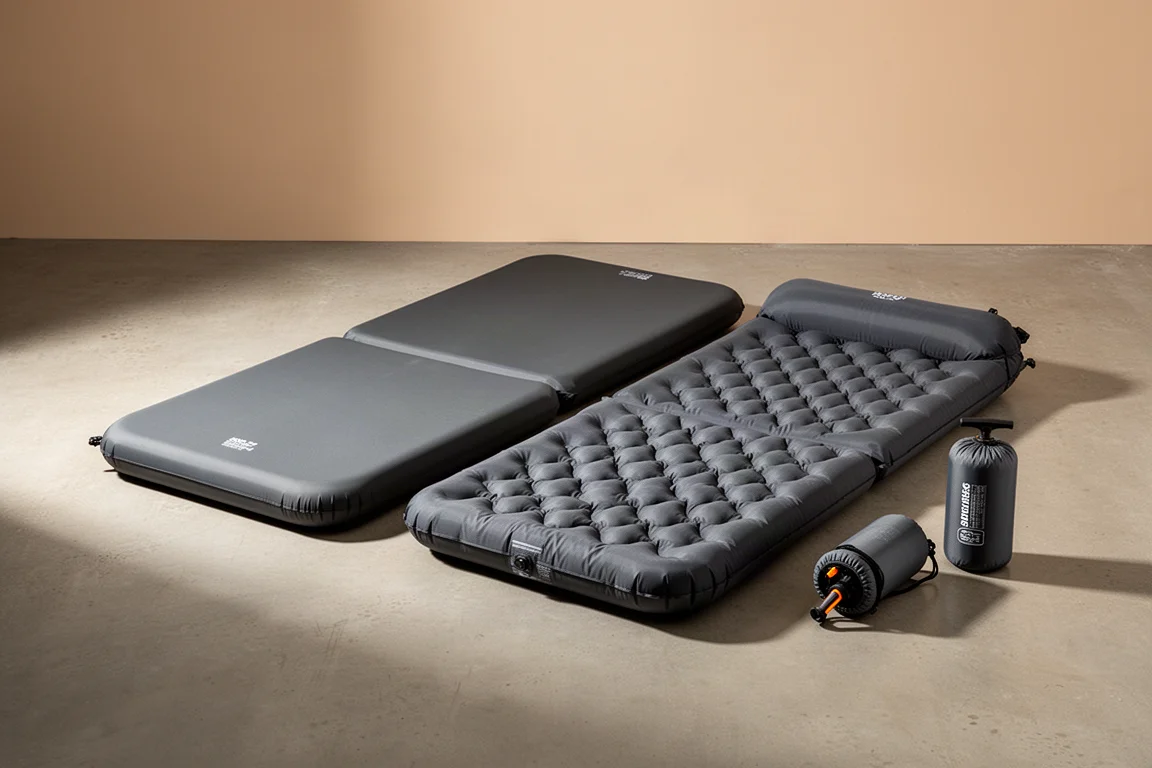
Best 2-Person Camping Mattresses for Couples: 10 Options Compared
A practical comparison of ten two-person camping mattresses, covering self-inflating pads, air pads and air mattresses for couples.