Camping Gear
Best Camp Pillows 2026: Four Worth Buying and Three to Avoid
A practical look at camp pillow design, with four options that keep your head where you put it and three popular models that fall short.
Introduction
A camp pillow is easy to treat as an afterthought, right up to the moment it slides off your sleeping pad in the middle of the night or flattens into a thin square under your head. The gap between a pillow you forget about and one that keeps waking you up comes down to a handful of design decisions, not brand names or price tags.
This guide covers seven popular camp pillows. Four of them get the fundamentals right and are worth the money. Three of them fall short, and the reasons are worth understanding before you spend anything.
What Separates a Good Camp Pillow From a Bad One
Four factors explain most of the difference between a pillow you forget about and one you fight all night: how the air behaves inside it, whether it stays attached to your pad, how tall it is, and what is inside it.
Air stability comes down to baffling. On a well-built pillow, internal walls and seams keep the air from migrating, so the surface stays level and supportive when you roll over. On a poorly built one, the air shifts toward whichever side your head is not on, and the pillow feels like a partly inflated balloon. This single trait accounts for more restless nights than any other.
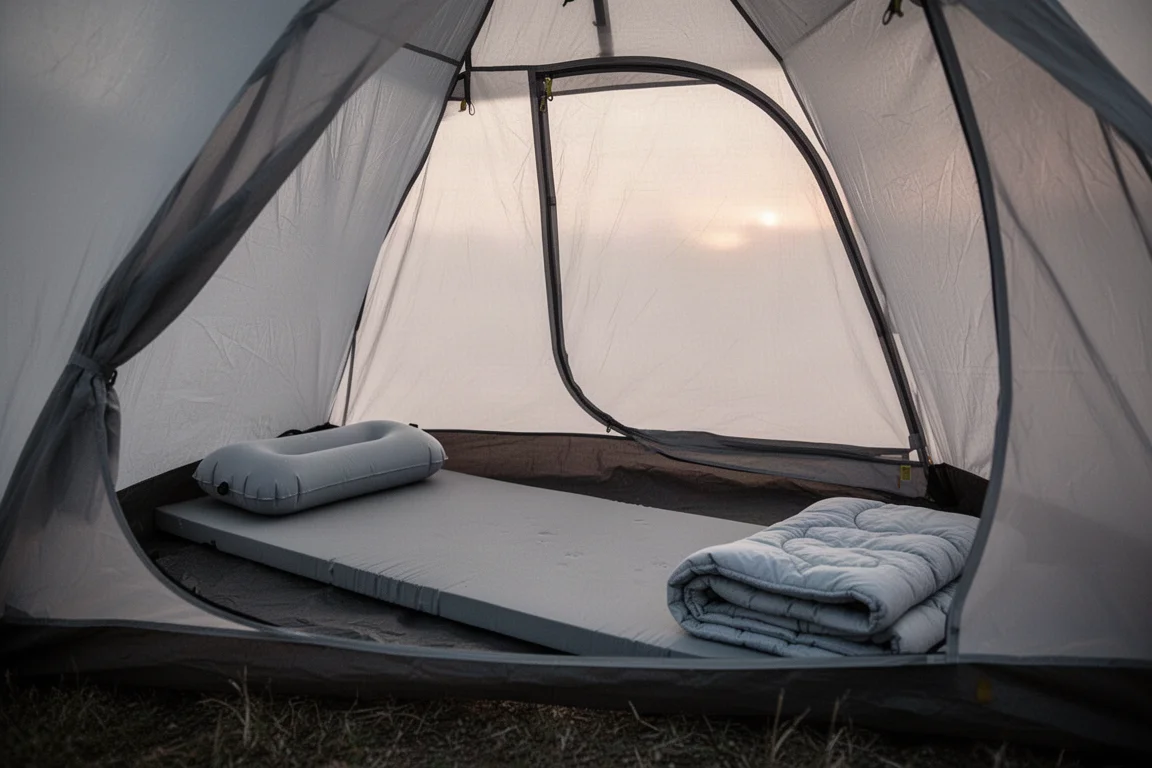
Pad attachment is the second factor. A pillow with no connection to your sleeping pad will drift away as you move, and you will spend the night chasing it. Manufacturers solve this in different ways: a strap that wraps around the pad, grip beads or a textured underside, or a hook-and-loop system bonded to the pad itself. Any of these is better than nothing.
Height matters most for side sleepers. If the pillow sits too low, your neck bends toward the pad and stays there. Campers with broader shoulders usually need a taller pillow to keep the head and spine aligned, and the difference is often only an inch or so.
Fill and packed size round out the list. Down and shredded foam both feel pleasant at first, but both compress under the weight of your head, so the cushioning fades as the night goes on. Foam also adds bulk and weight to your pack, and it cannot be compressed back into shape once it has flattened. Inflatable pillows avoid that trade-off, but only when the baffling is good enough to keep them stable.
Camp Pillows to Avoid: Klymit X Pillow
The Klymit X Pillow is an inflatable pillow built around an X-shaped weld pattern in the centre of its face. That shape creates odd pressure points against the ears and the side of the face, and the pillow as a whole has a distinctly balloon-like feel under your head. It also offers no way to attach it to a sleeping pad, so it tends to move around during the night.
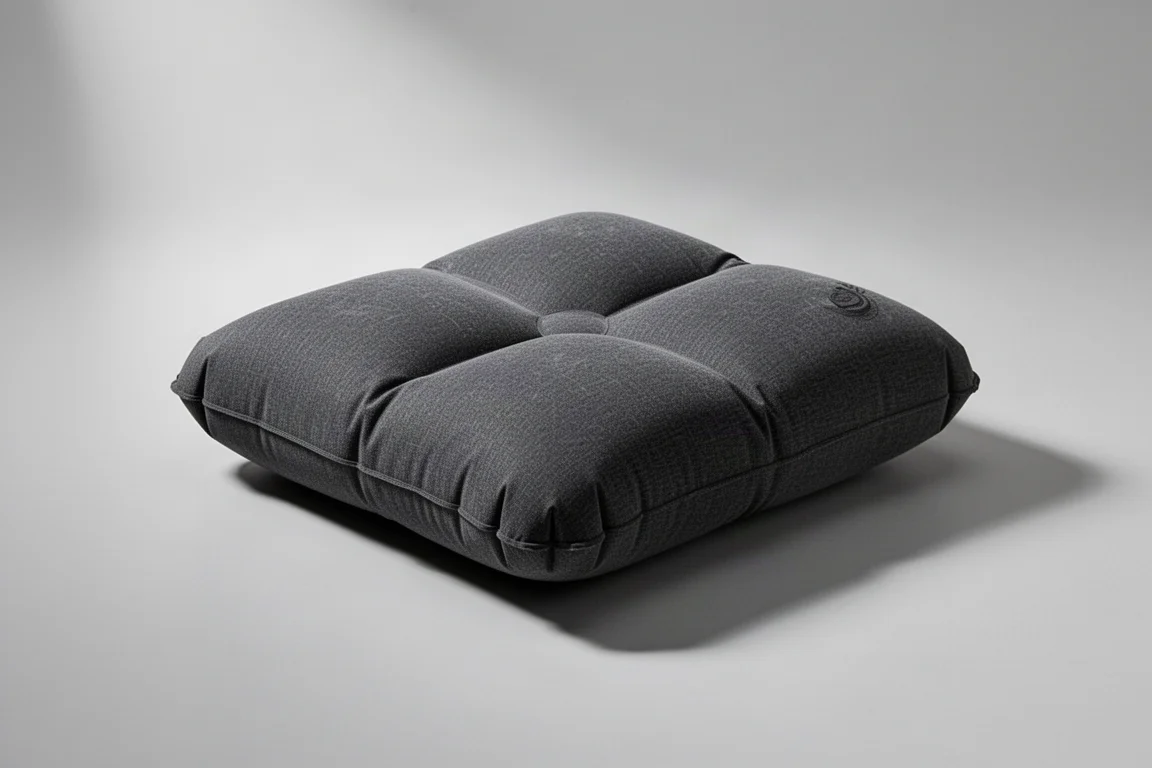
It may suit a hammock camper, where the hammock fabric itself cradles the head and the pillow is doing less work. For ground sleeping on a pad, it is difficult to recommend.
Camp Pillows to Avoid: Therm-a-Rest Down Pillow
Down camp pillows, including the Therm-a-Rest Down Pillow, promise the softness of a down pillow at home. Two issues work against them, and both are structural rather than cosmetic.
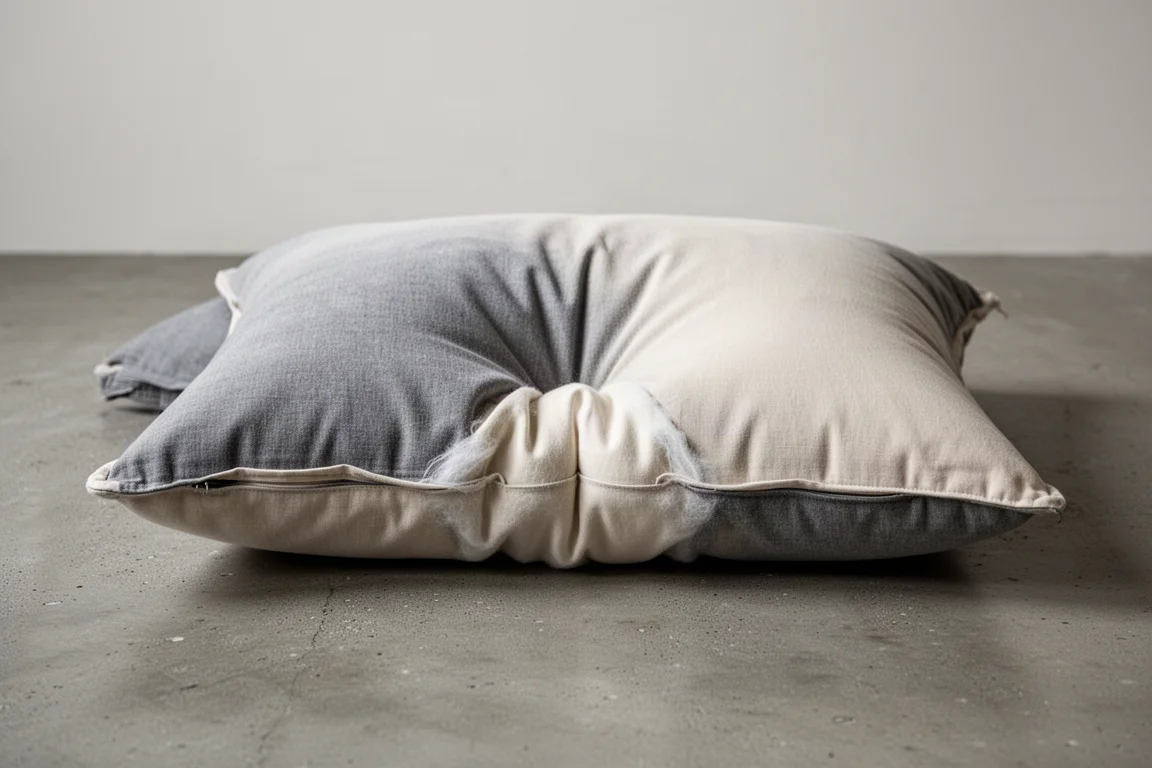
The first is cost. These pillows sell for considerably more than camp pillows that do not use down, and the premium buys you the fill rather than the performance. The second is loft. Down is designed to compress, and under the weight of your head it loses volume steadily through the night, so the cushioning and warmth you paid for are reduced by morning.
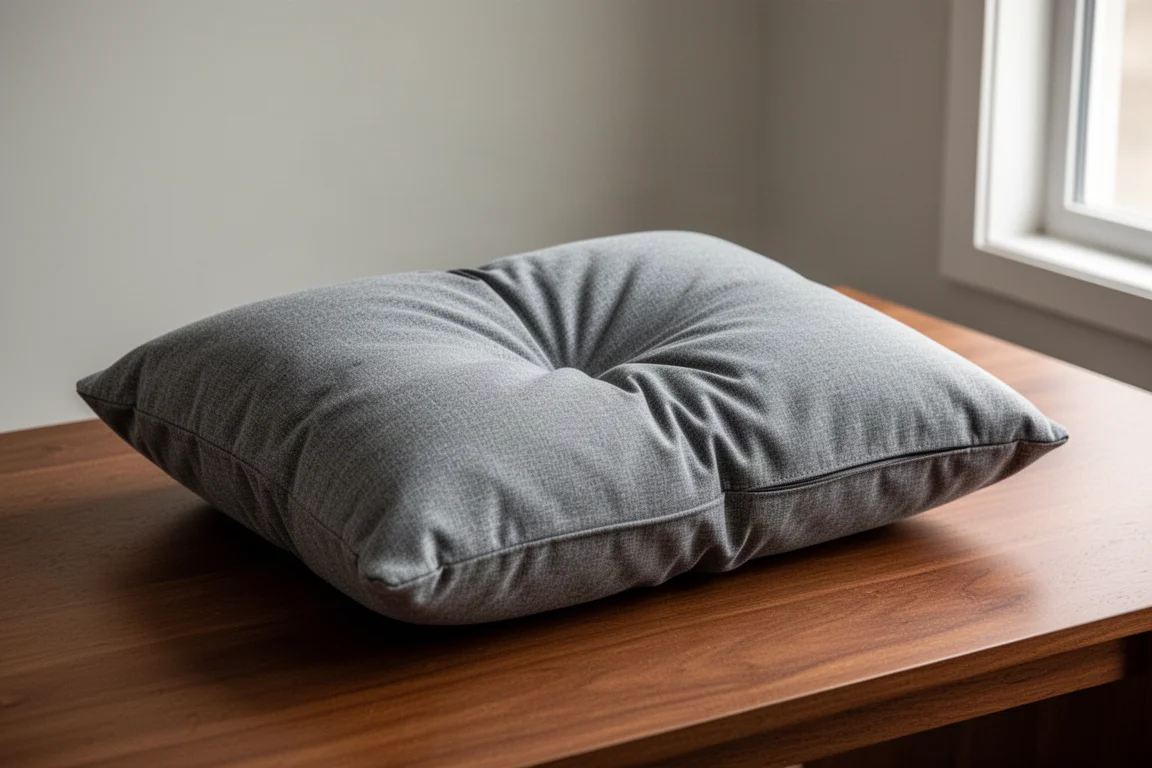
Camp Pillows to Avoid: Therm-a-Rest AirHead Pillow
The Therm-a-Rest AirHead Pillow was once part of a well-regarded pillow line, but a redesign a few years ago moved it in the wrong direction. It hits three of the most common complaints about camp pillows at once.
First, it feels like lying on a balloon. As you move your head, the air inside shifts and the surface rolls beneath you instead of holding its shape. Second, there is no way to attach it to a sleeping pad, which means it will try to escape as you toss and turn. Third, it uses the classic twist valve found on the brand’s sleeping pads, and that valve does not hold air while you close it, so you have to keep blowing into the pillow as you seal it. That is an awkward inflation method that should no longer be necessary.
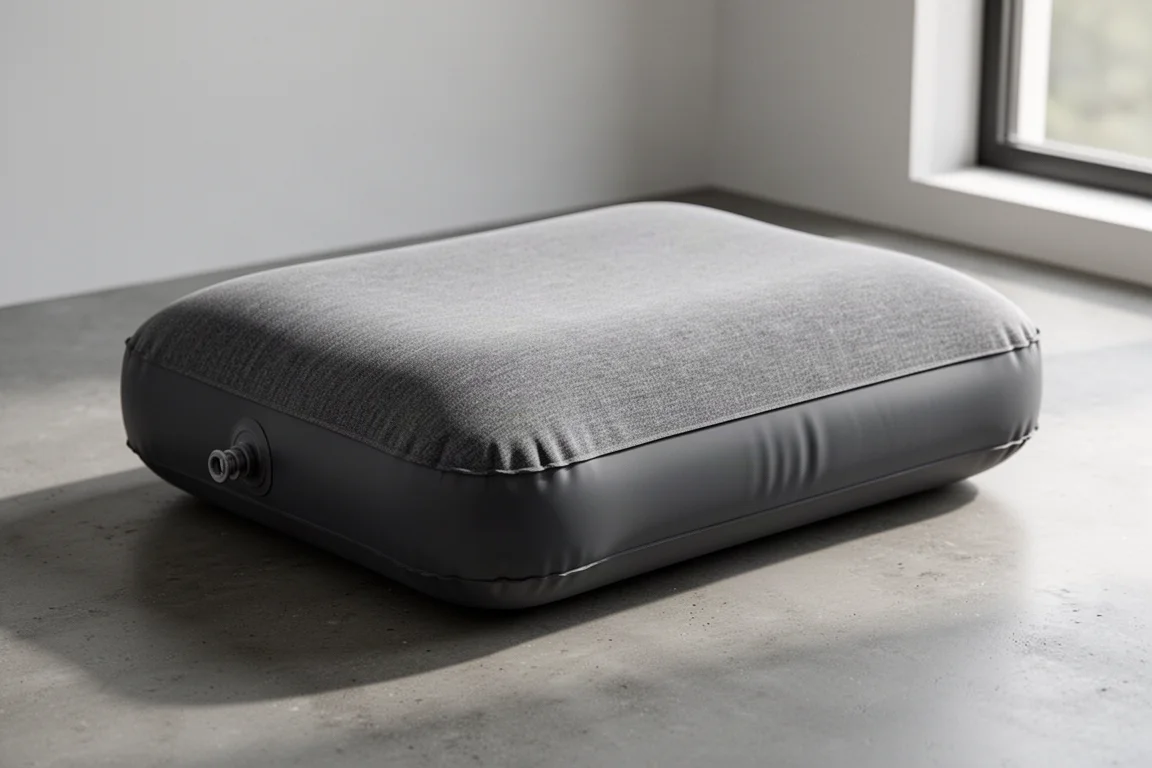
Camp Pillows Worth Buying: Trekology 2.0 Pillow
The Trekology 2.0 Pillow gets the fundamentals right. It attaches to a sleeping pad with a strap that wraps around the pad, and the small beads on the back of the pillow reduce the light sliding that a strap alone can leave behind. Its internal baffling is excellent, so the air stays where it should as you shift position rather than pooling to one side.
The fabric is soft and slightly stretchy, which makes the surface pleasant to lie on, and the pillow has enough height to work for most sleepers. It weighs under 100 grams and costs around $20, which makes it one of the lightest and least expensive options in this group.
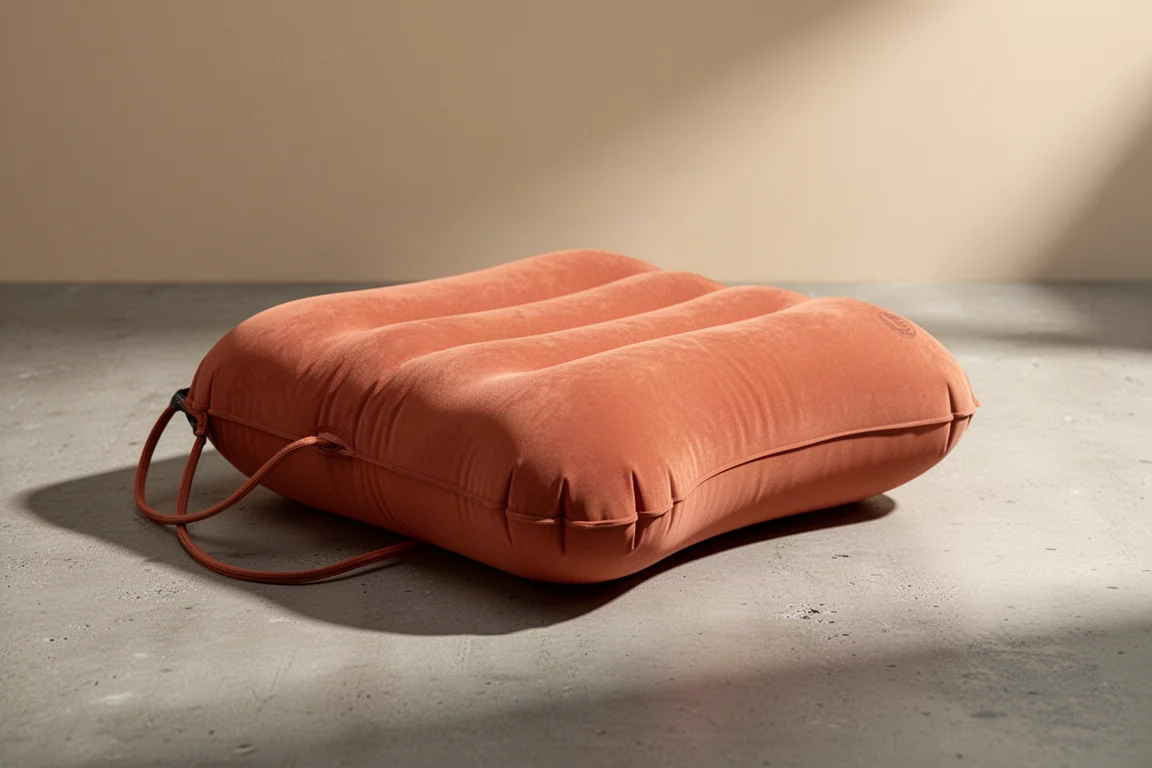
Camp Pillows Worth Buying: Sea to Summit Aeros Premium Pillow
If you need more height, whether because you have broader shoulders or simply prefer to be propped up, the Sea to Summit Aeros Premium Pillow is the tallest option here at four inches. The surface is soft, and a thin layer of foam insulation on top adds a little comfort and warmth.
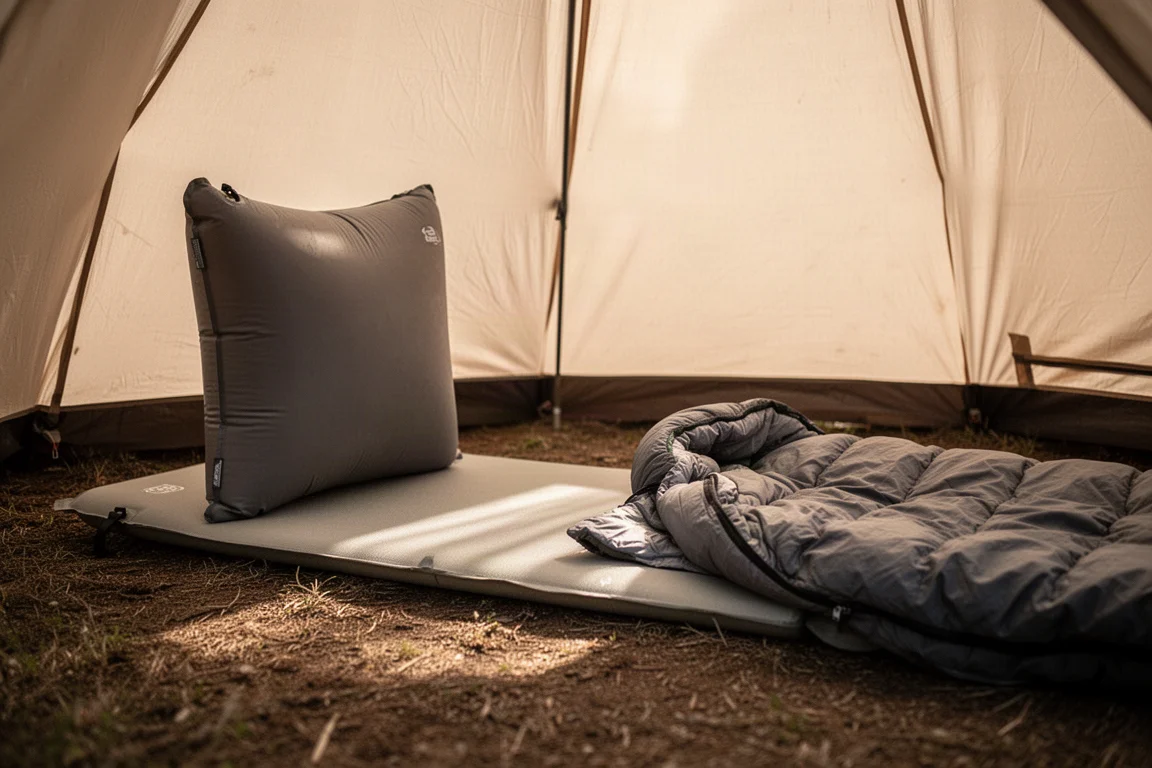
The important caveat is attachment. This pillow only stays put if you use the Sea to Summit pad strap system, which consists of hook-and-loop strips that you stick to a Sea to Summit sleeping pad, with the underside of the pillow then gripping those strips. That system comes with Sea to Summit pads such as the Ether Light XT, so the pillow makes most sense as part of that pairing rather than on its own. At 72 grams it is very light, and at $43 it is not the cheapest pillow in this guide.
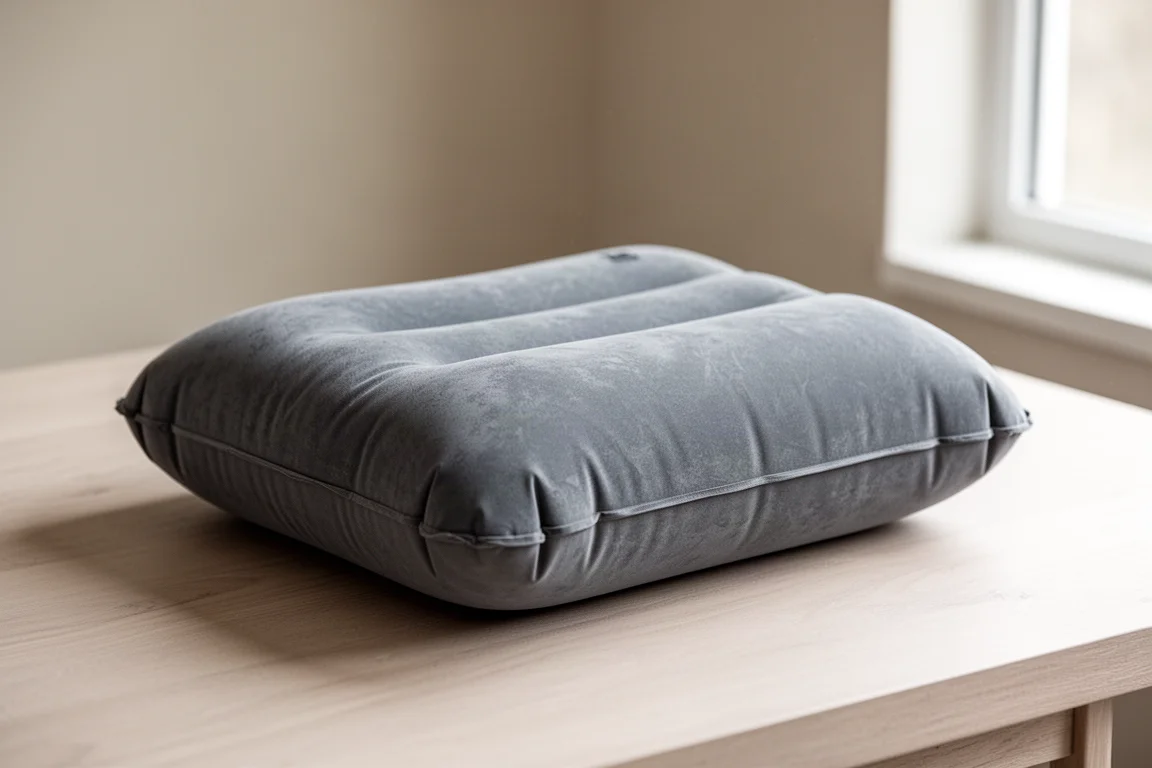
Camp Pillows Worth Buying: NEMO Fillo Pillow
The NEMO Fillo Pillow is the most comfortable pillow to lie on of the group, and the reason is straightforward: a memory foam topper roughly one and a half to two inches thick sits on top of the inflatable base. The trade-off is equally straightforward. It is heavy and bulky, weighing over 250 grams, and it takes up far more room in a pack than an inflatable-only design.
It stands 3.75 inches tall, so height is not a concern. It does not come with a pad strap, but it has loops on one side and a label on the other that allow you to thread a piece of shock cord and build a homemade strap. That makes it genuinely usable on a sleeping pad rather than a pillow that wanders.
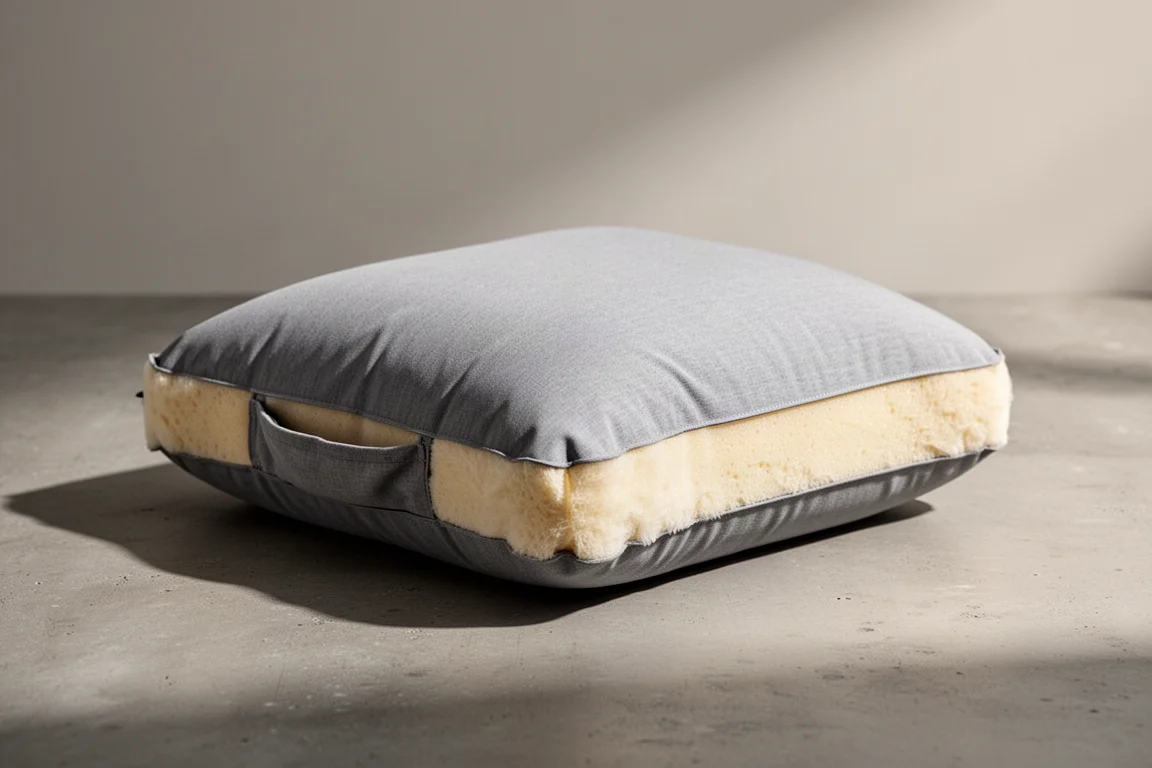
Camp Pillows Worth Buying: Hikenture Camping Pillow
The Hikenture Camping Pillow costs around $20 and borrows several ideas that work well elsewhere. It has good baffling, though it is not quite as supportive as the Trekology 2.0, and it includes a pad strap. Instead of a bare rubbery surface, it uses a pillowcase you can wash, and a little foam insulation sits on top for warmth and comfort.
It is slightly taller than the Trekology, which makes it a sensible next step if that pillow feels too low for you. The pillowcase does add weight, pushing the total to 147 grams.
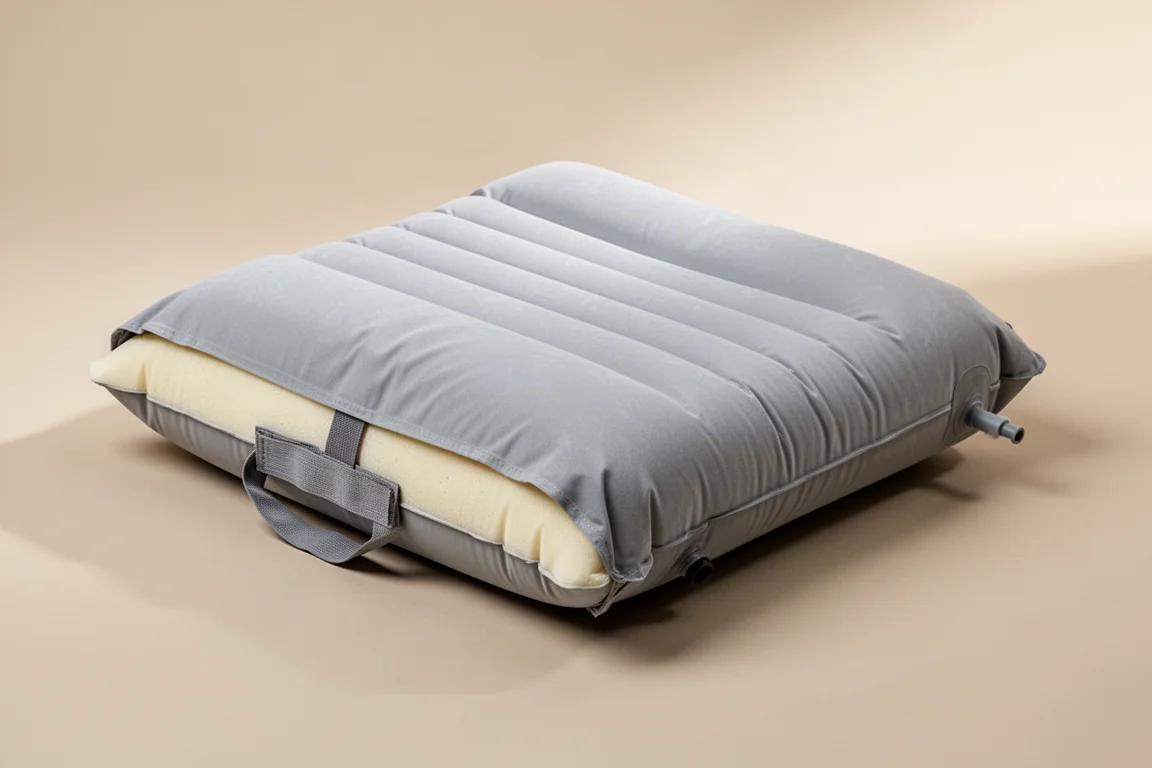
Overall Buying Advice
Buy for the way you actually sleep rather than for the specification list. Side sleepers and campers with broader shoulders should start with height and work down from there, because a tall pillow that stays in place will do more for your sleep than a lighter one that does not. Anyone who moves around at night should treat baffling and pad attachment as non-negotiable, since those two traits decide whether the pillow is still under your head in the morning.
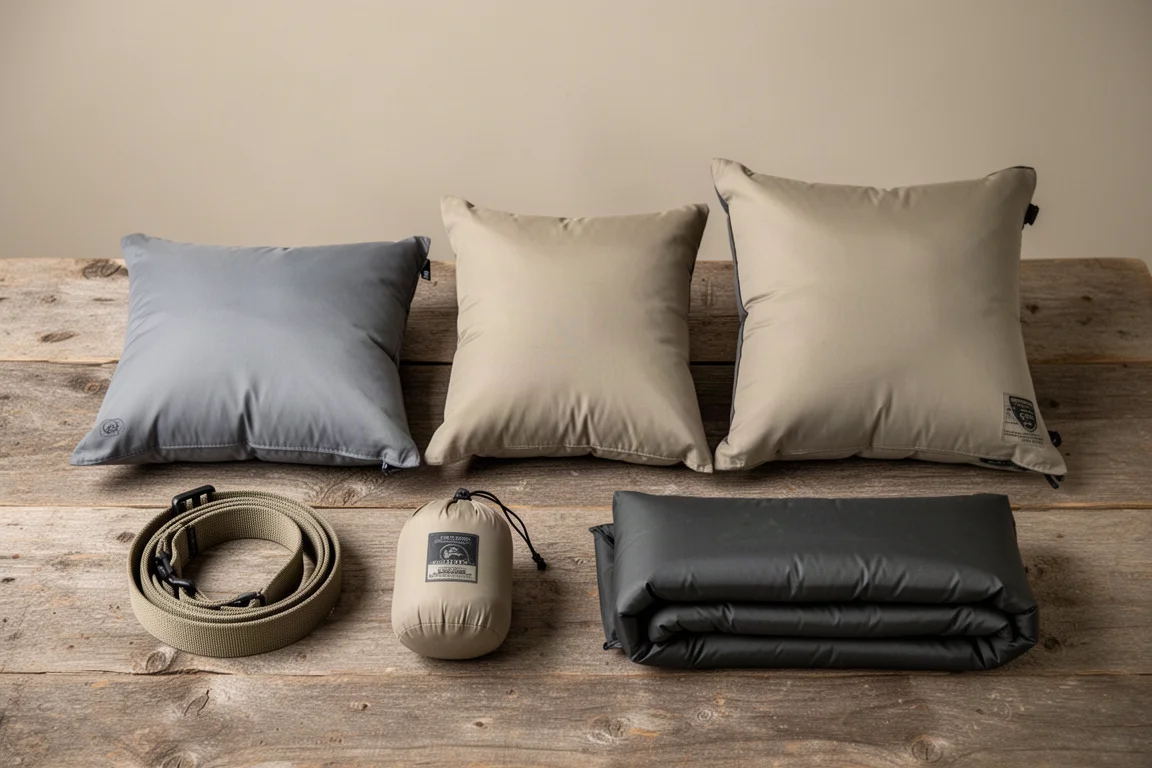
Backpackers counting grams will find the lightest stable options among the inflatable pillows with straps. Campers who care more about comfort than packed size should accept the bulk of a foam-topped design and enjoy the surface it provides.
On price, two of the recommended pillows here cost around $20, while the more specialised options sit at $43 and above. The cheapest pillow is not the right one if it keeps you awake, and the most expensive one is not automatically the best. Match the pillow to your sleeping position and your tolerance for weight, and the choice becomes fairly simple.
Conclusion
The camp pillows worth buying here share the same traits: stable air, a real way to stay attached to your pad, and honest height. The Trekology 2.0 and the Hikenture cover that ground for around $20, the Sea to Summit Aeros Premium adds height for side sleepers who already use a compatible pad, and the NEMO Fillo trades weight and bulk for the most comfortable surface of the group. The three pillows to avoid fail on the basics, and no amount of packing convenience makes up for a pillow that rolls, shifts or flattens before morning.
Further reading
Related Reviews
Camping Gear
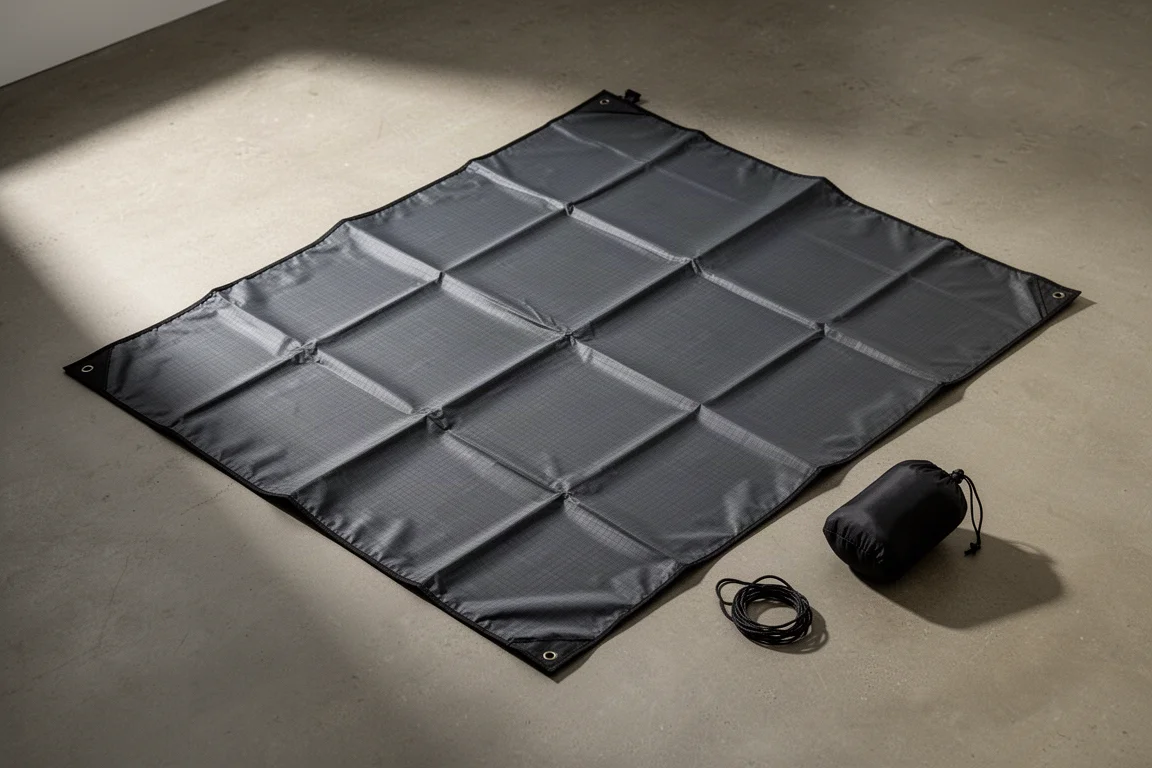
3FUL Ultralight Ground Sheet Review: A Two-Person Footprint Worth Packing
A 6.7 oz two-person ground sheet in ripstop silnylon, priced around $30. Here is what it protects, what it does not do, and who should pack it.
Camping Gear
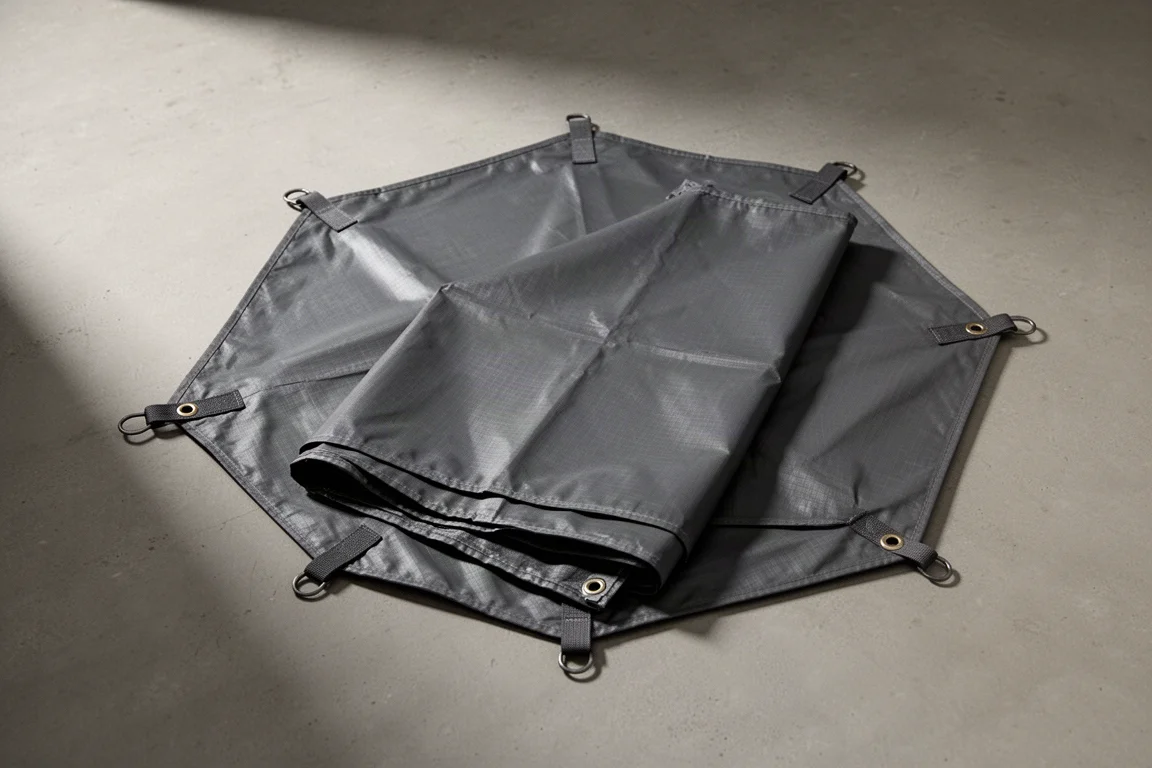
Backcountry Light Dual-Function Tarp and Floor Review: A Footprint First
A dual-purpose tent floor and tarp that keeps falling rain off you, but cannot block wind. Here is where it works and where it does not.
Camping Gear
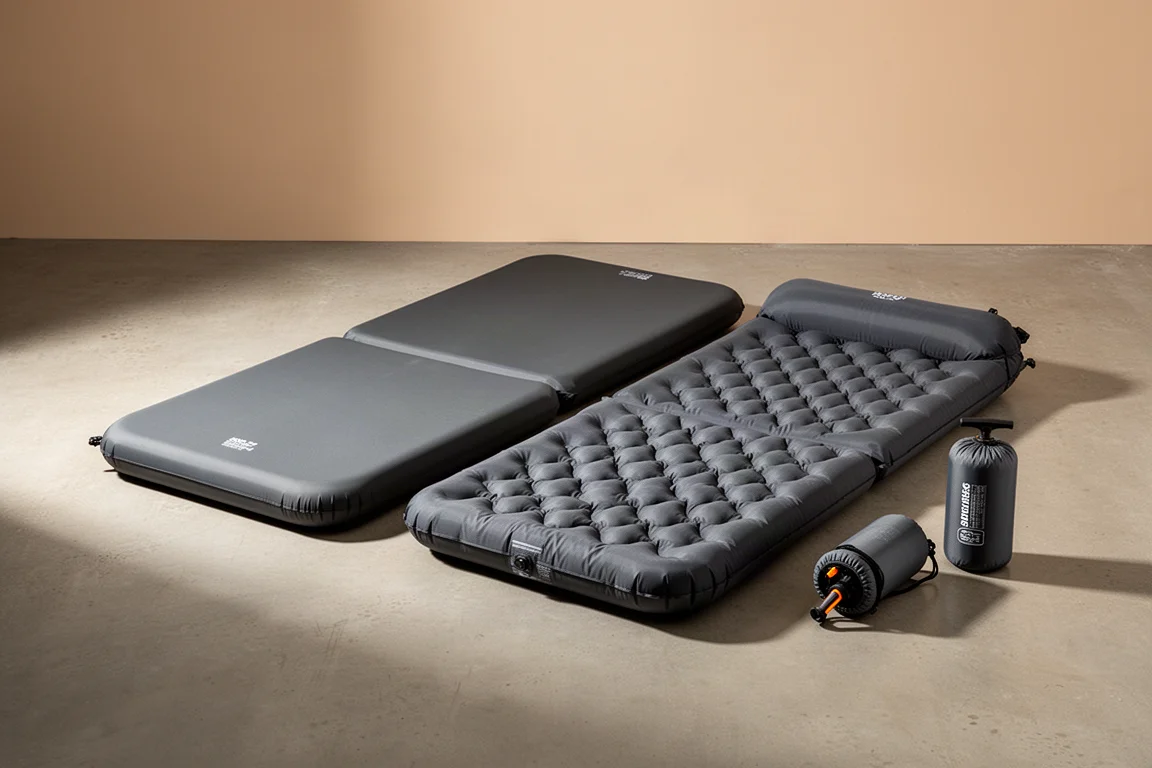
Best 2-Person Camping Mattresses for Couples: 10 Options Compared
A practical comparison of ten two-person camping mattresses, covering self-inflating pads, air pads and air mattresses for couples.