Camping Gear
Best Camp Kitchen Gear: Stoves, Cookware, and Tools for Better Camp Meals
A practical guide to building a camp kitchen, from compact stoves and collapsible cookware to fuel, water storage, and organization that make outdoor cooking easier.
Introduction
Cooking outdoors is part of the experience, not just a chore that comes with it. A meal made at a campsite tends to stay in the memory longer than the meal itself, which is why it is worth putting a little thought into the kit that makes it possible.
This guide keeps things simple. It focuses only on stoves, cookware, and the tools that turn a loose pile of gear into a working camp kitchen, so you can cook genuinely good food away from home.
How to Choose a Camp Kitchen Setup
The first decision is how simple or elaborate you want your cooking to be. At the simple end, a small gas canister stove and a single pot are enough to boil water for a freeze-dried meal, a coffee, or a hot chocolate, with almost no cleanup. At the elaborate end, fresh ingredients and real meals call for more burner surface, larger cookware, and a bit more patience in the planning.
Fuel choice matters just as much. Propane and isobutane stoves are the most efficient and tidy option for most trips. Cooking over a fire pit or charcoal briquettes takes longer, creates more mess, and is harder to control.
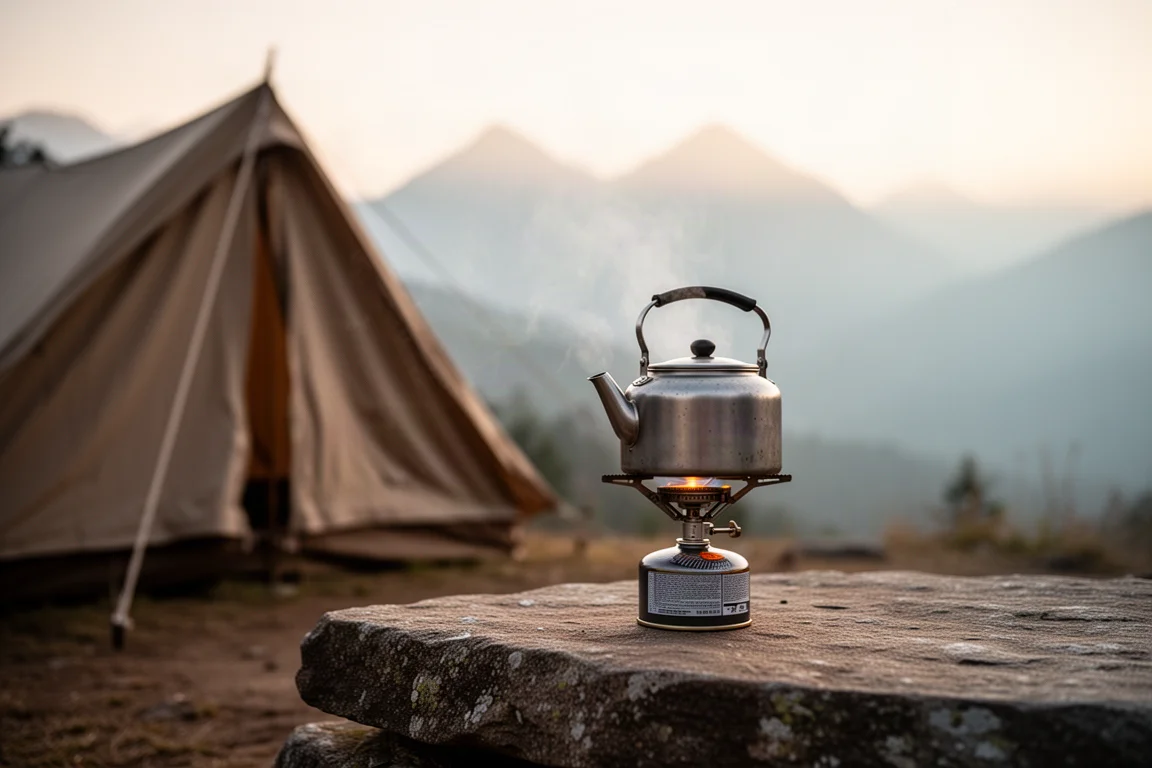
The rest of this guide follows that order of thinking. Choose the stove first, match the cookware to it, then add the fuel, water storage, and organization that keep the whole setup working on longer trips.
Best Ultralight Cook Set: Sea to Summit Frontier Collapsible Kettle Cook Set
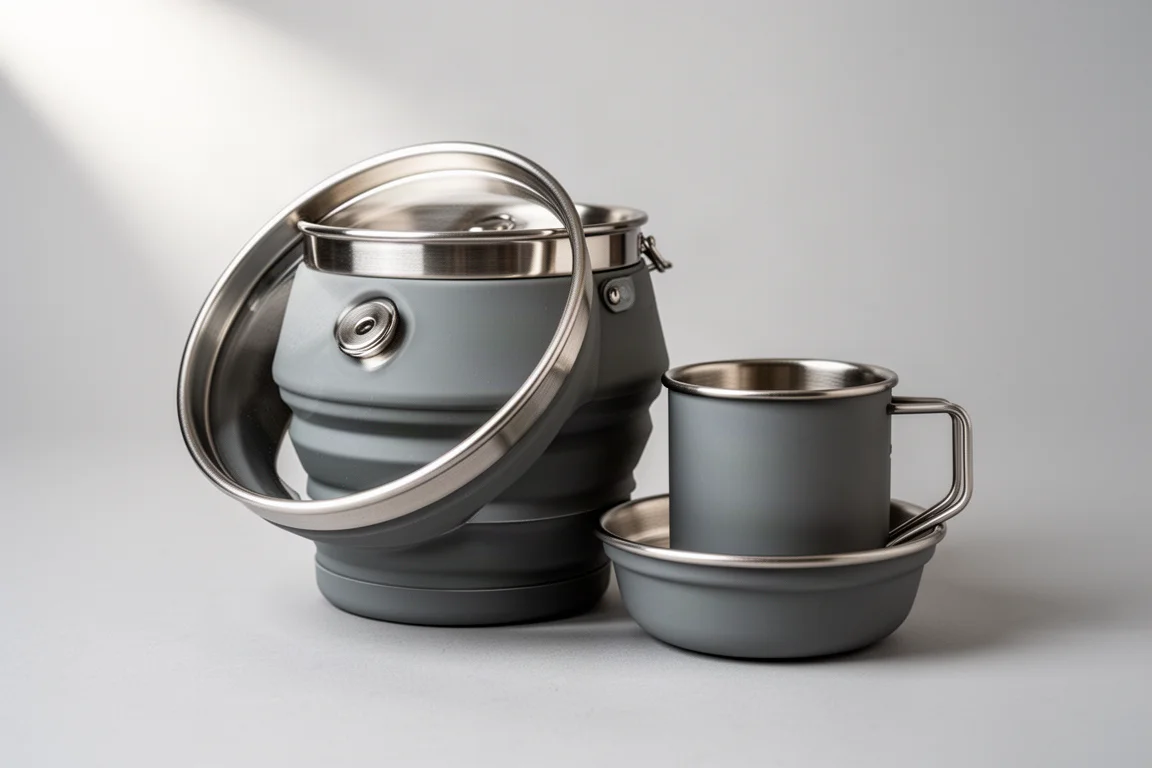
This set collapses down to a genuinely tiny package. The kettle holds 1.1 L and comes with a 400 ml collapsible mug and a 680 ml bowl, and all three pieces nest together. At roughly $90 to $100, it is a well-made option for boiling water for a hot drink or a rehydrated meal, and the mug and bowl give you something easier to eat and drink from than a meal pouch.
The kettle is light, holds enough for one person, and pairs naturally with a small canister stove. One caution worth noting: with a wide burner, flames can creep up the sides of a narrow pot, so match the base of the kettle to the size of the burner to avoid overheating the collapsible silicone walls.
Best One-Pot Cookware: Sea to Summit Frontier 2L Pot
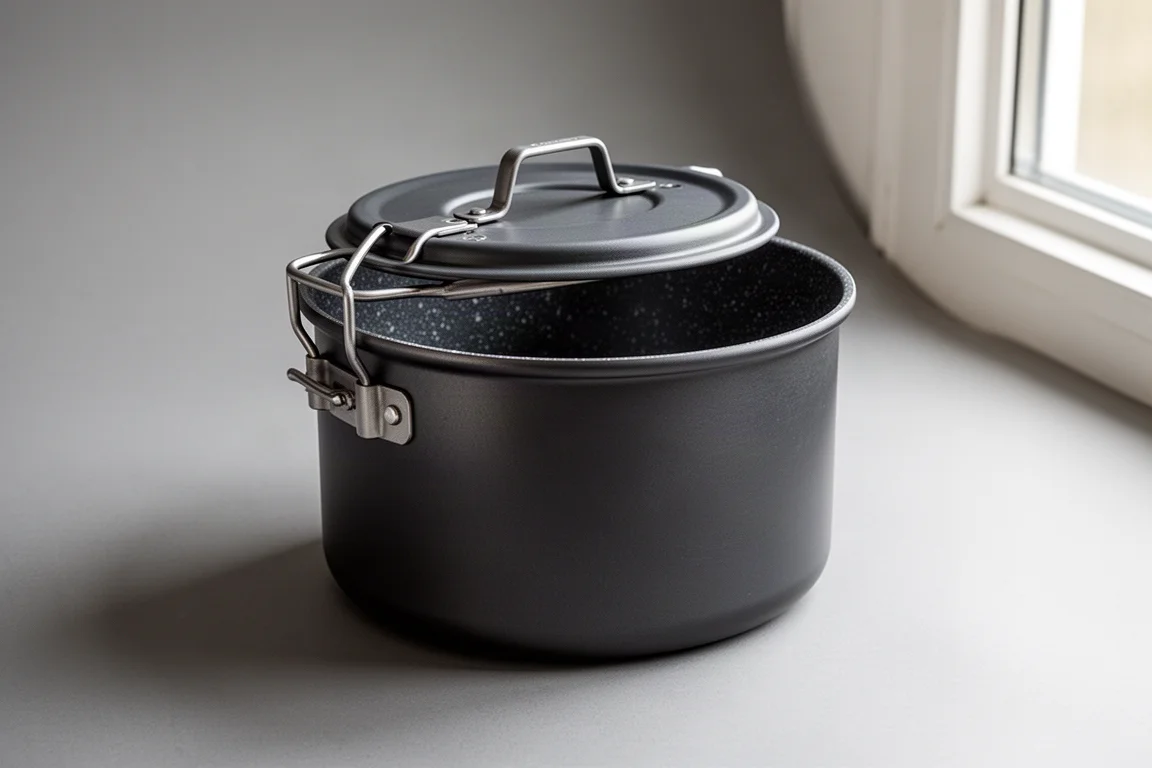
If you want to cook inside the pot rather than just boil water, a proper pot is the better choice. This 2 L pot from the same series has a ceramic coating on the inside, which gives it non-stick behavior and makes cleanup considerably easier after a sticky rice or noodle dish.
The capacity is enough for a full one-pot meal, and the set also includes a bowl and a mug. That combination lets you cook for two and serve into separate bowls rather than eating straight from the pot.
Best Large Pot for Group Meals: Sea to Summit Detour Pot
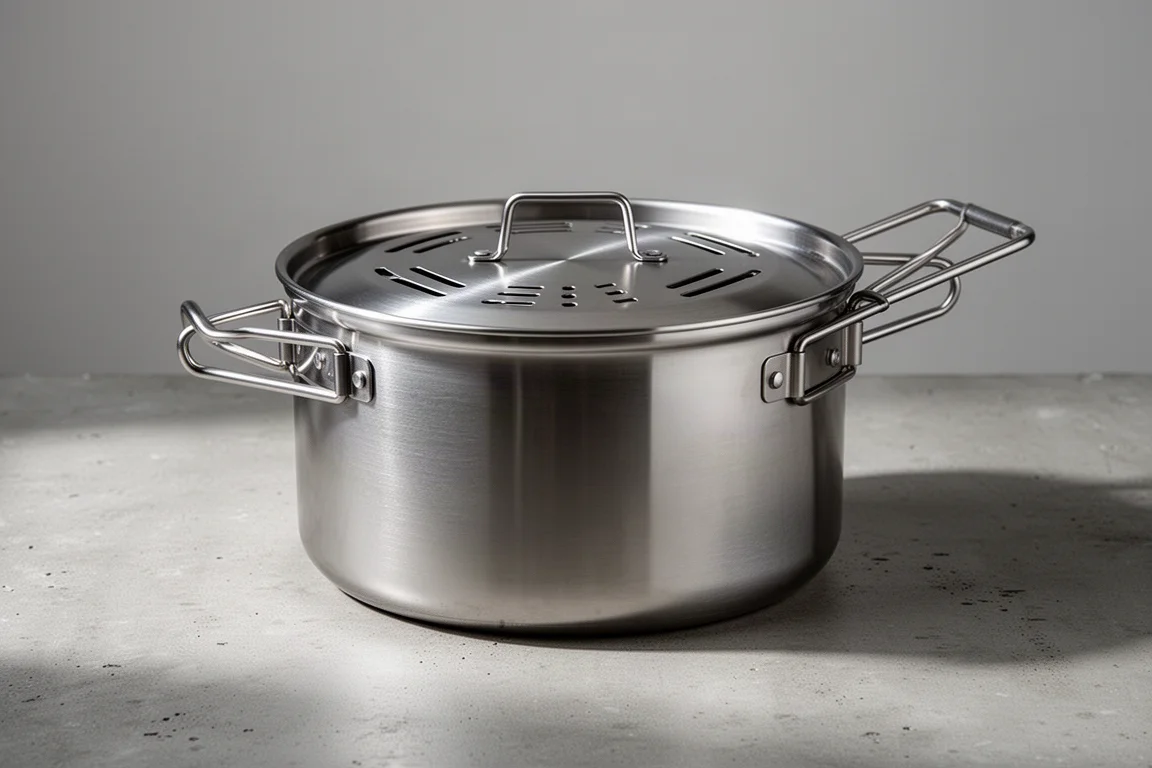
When the trip calls for a stew on a cold evening, or simply more boiling water than a one litre kettle can manage, a larger pot earns its place. The Detour pot offers a bigger cooking volume than the smaller kettle and pot options, and it sits stably on stoves with a wide base.
It is a sensible pairing for campers who cook for several people, or for solo trips where a bigger batch of food means fewer cooking sessions.
Best Compact Single-Burner Stove: Fire Maple Saturn X Stove
The Saturn X is small enough to disappear into a pack, yet it is versatile enough to handle far more than boiling water. A large burner head and a broad, stable platform let it support small round griddles and larger pots, which makes it a strong match for solo trips or cooking for one other person.
Because it is a single burner, meals that need two pans at once have to be cooked in sequence. The trade-off for that limitation is a very small packed size and a stable cooking surface.
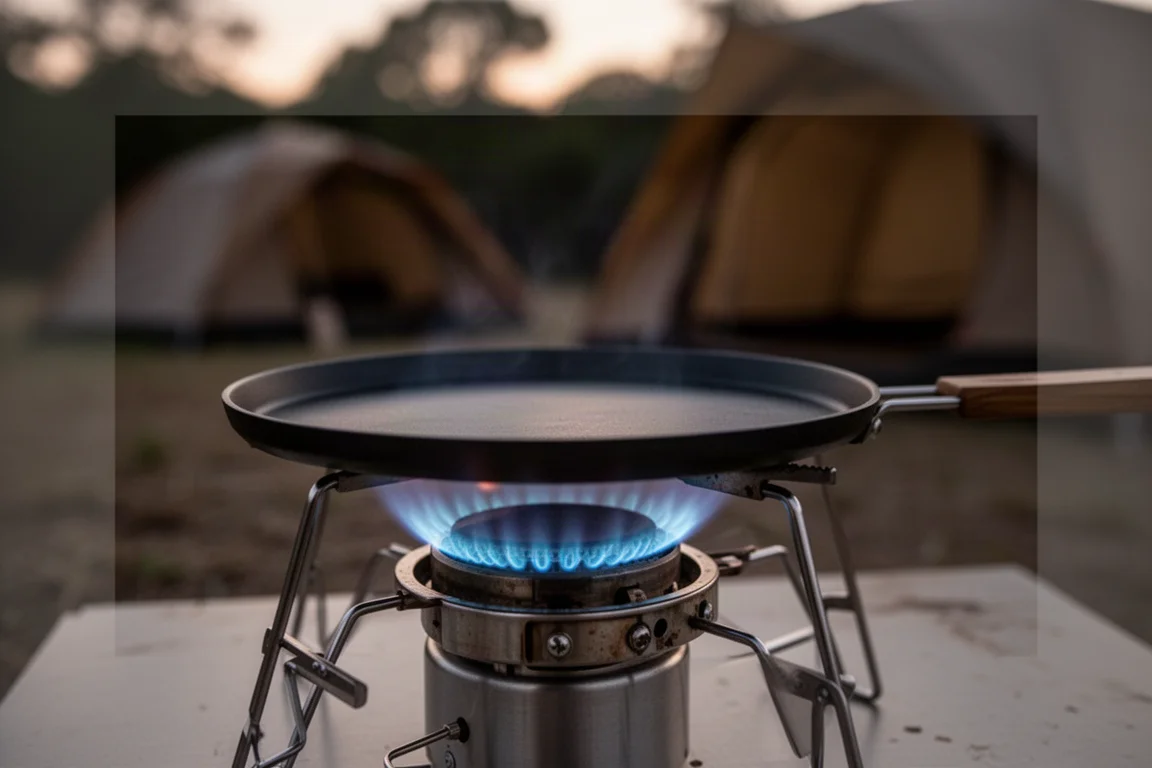
For anyone who wants one stove that covers both a quick boil and a properly cooked meal, this is the size class to look at.
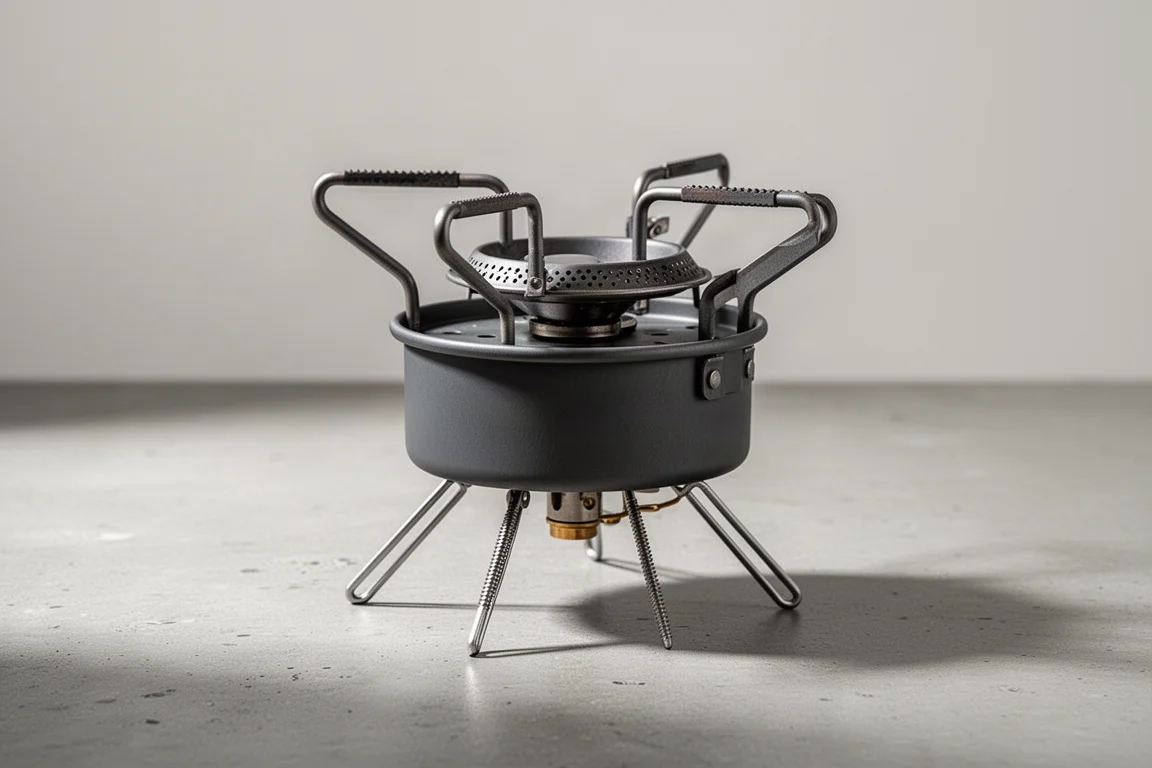
Best Small Stove with a Wide Cooking Platform: Jetboil HalfGen Stove
The HalfGen is tiny, but it opens into a generous cooking space. Its large burner head and wide platform mean small round griddles and big pots can sit on it comfortably, which is unusual for a stove this compact. The open layout also leaves room for larger items that would not fit on a narrow stove.
That combination suits solo trips or two-person meals particularly well.
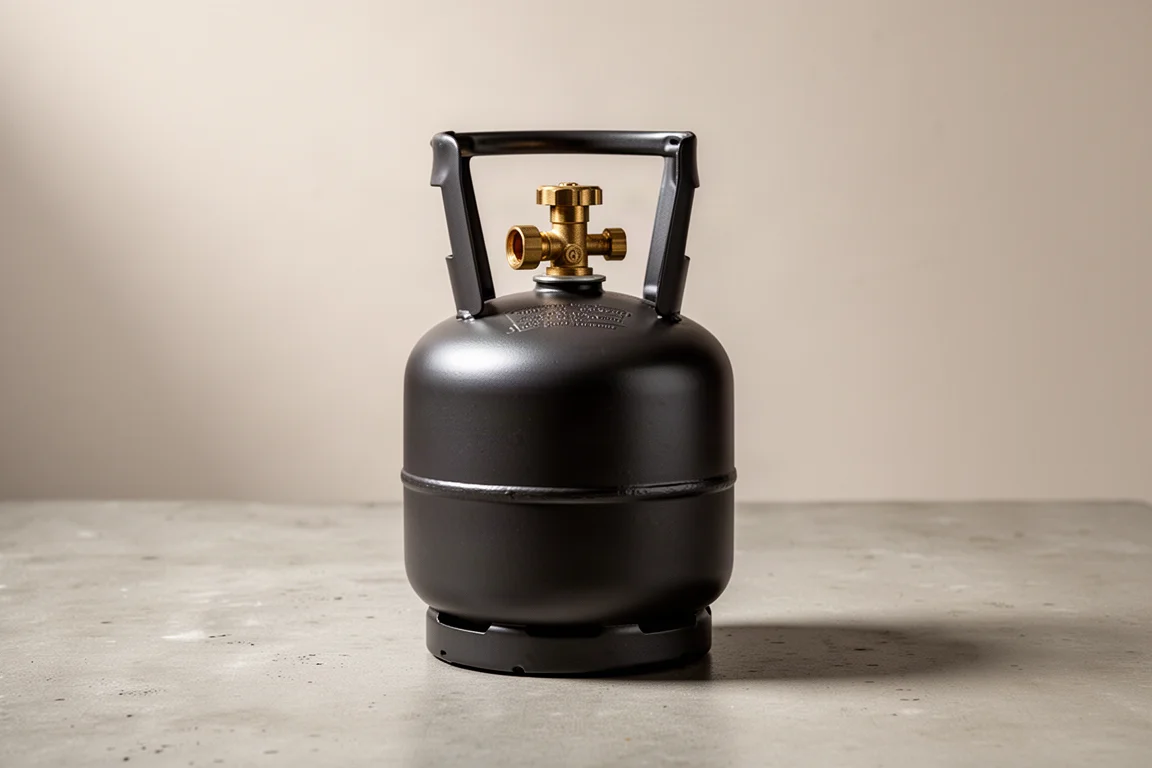
Best Refillable Fuel Option: Ignik Growler 5 lb Propane Tank
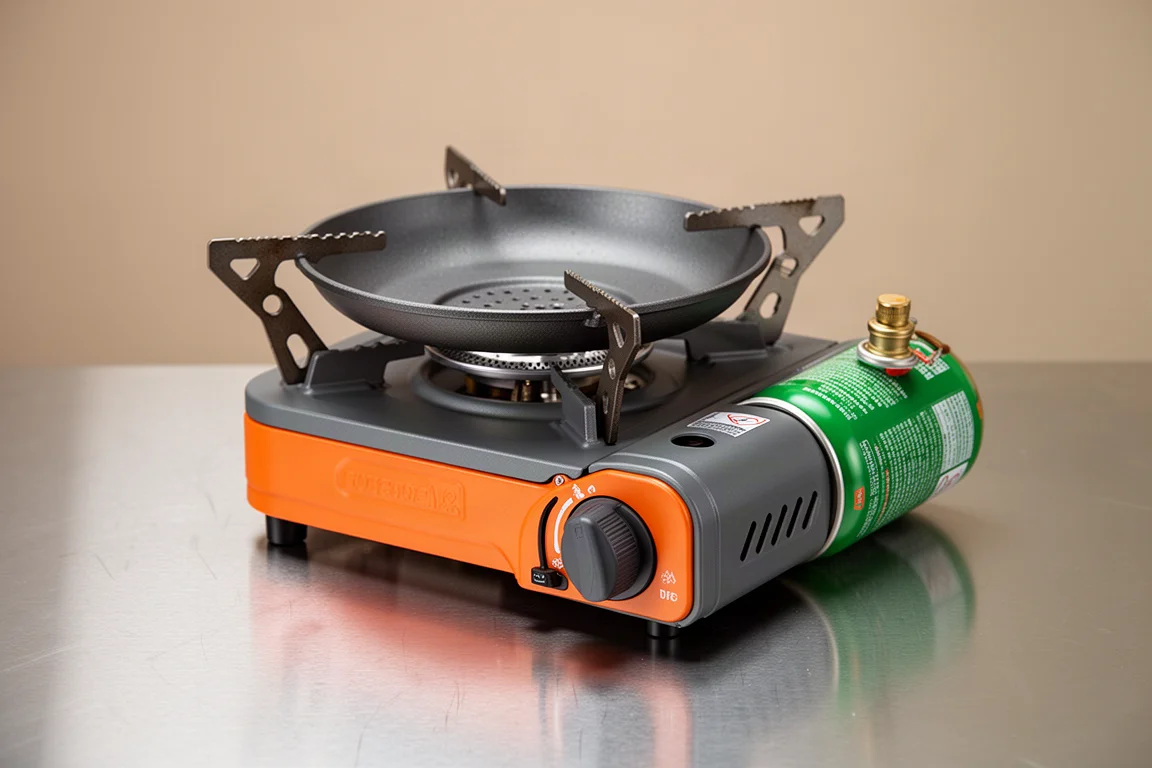
Propane is inexpensive to refill and effectively gives you an unlimited fuel supply across a long trip. The Growler is a 5 lb refillable tank that works with a two-burner stove and can also feed a propane fire pit, so a single fuel source covers both cooking and evening warmth.
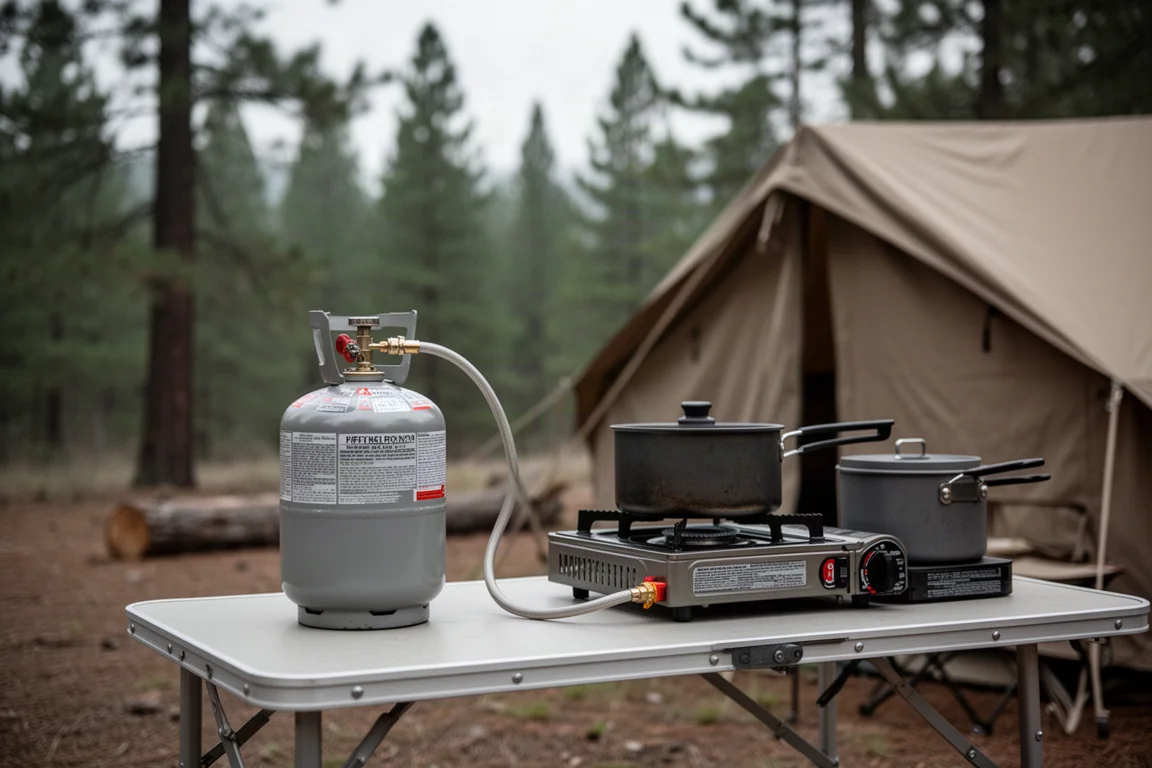
The trade-off is size and weight compared with a small isobutane canister. That matters most when everything is carried on your back, and much less when the gear travels in a vehicle.
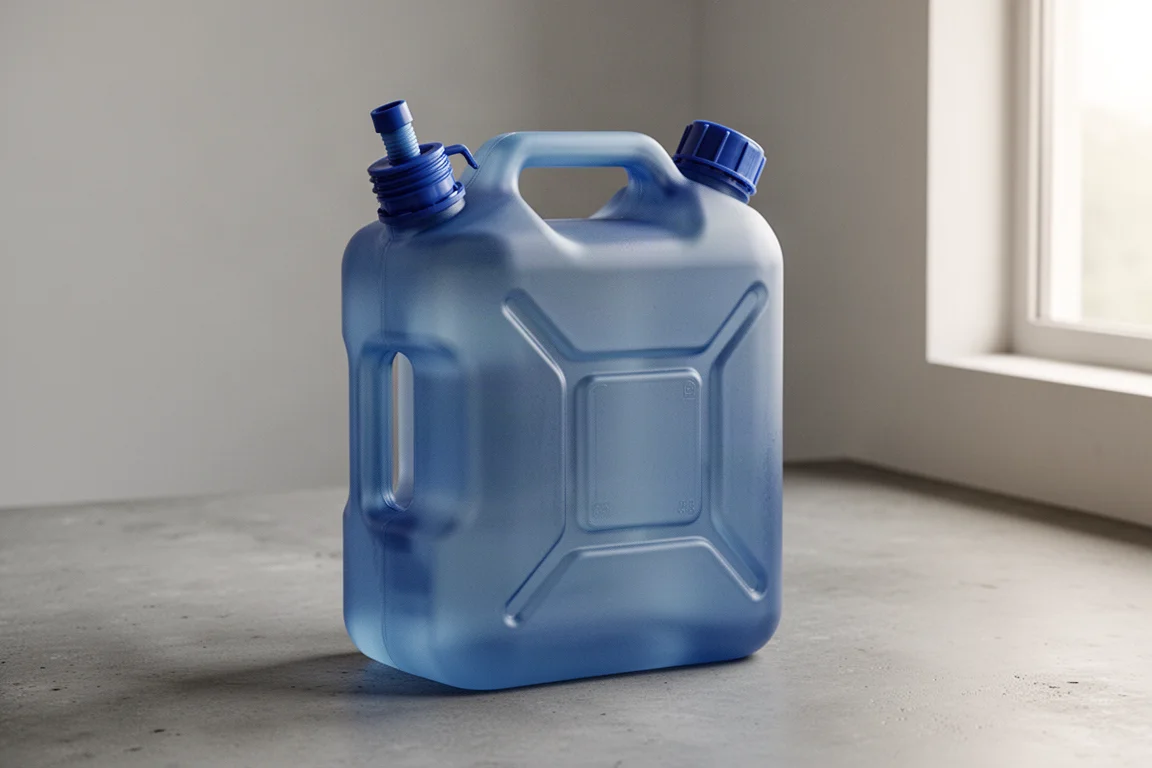
Best Pressurized Water Storage: HydroBlu Pressurized Jerry Can
Water is easy to overlook until you run out halfway through a meal. A pressurized jerry can holds a useful volume and can filter water as it dispenses, so you can refill from a stream or a lake instead of carrying every litre in with you. Cooking and cleanup both need water, which makes a container that covers both jobs worth the space.
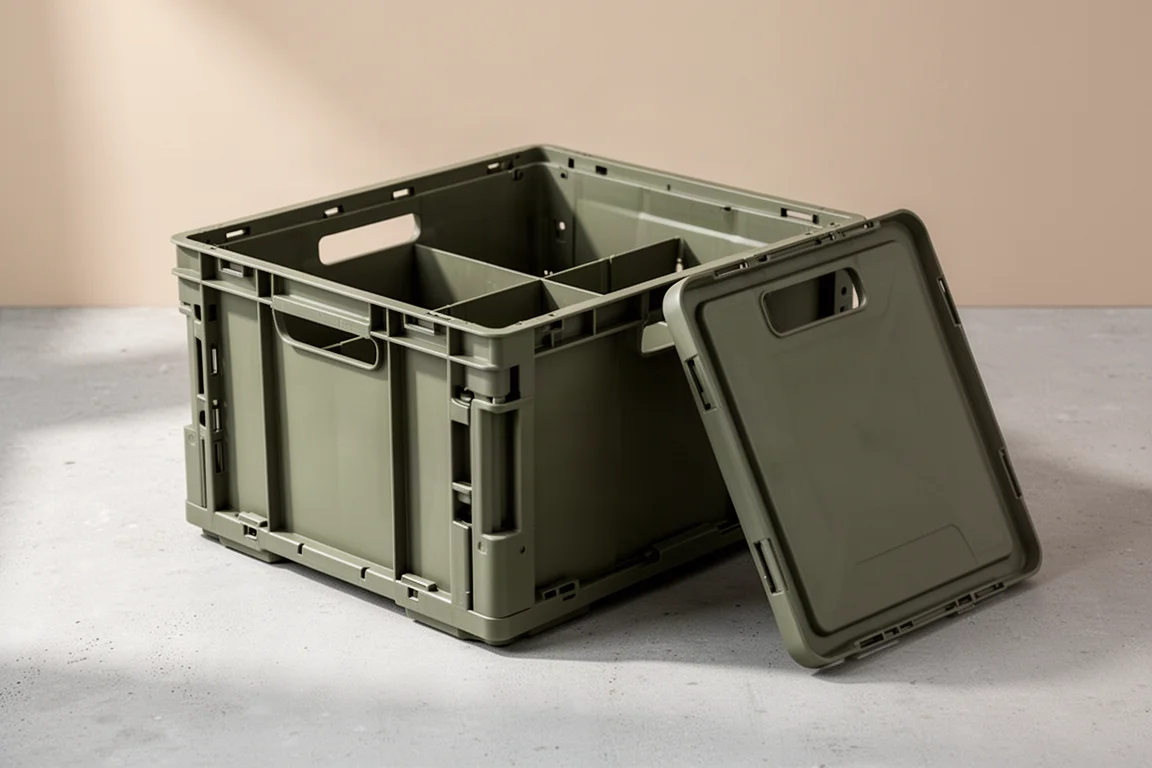
Best Camp Kitchen Organization: CIO Crates
Organization is what makes a camp setup feel like a kitchen rather than a pile of gear. These crates stack well, include a divider for separating items, and are built heavily enough to take real abuse. A lid fits on top, so the entire cooking kit travels as a single unit.
They cost noticeably more than a plain clear plastic tote, and a basic tote will still get the job done if budget is the priority.
Buying Advice: Matching Gear to Your Cooking Style
If you mostly boil water, a small canister stove and a collapsible kettle cover almost everything you need. If you cook real meals, a stove with a larger burner and a wider base opens up bigger pots, frying pans, and griddles.
For vehicle-based trips, a two-burner stove is the most flexible option. Independent burners let you simmer a sauce and boil noodles at the same time, which is difficult on a single burner, and the extra surface lets large pots and pans sit side by side. Check the layout before buying: side wings can reduce usable space and create uneven heating with wide cookware, while a stove with cut-out or no wings accommodates a large griddle more evenly. A griddle that overhangs the stove can also cook unevenly.
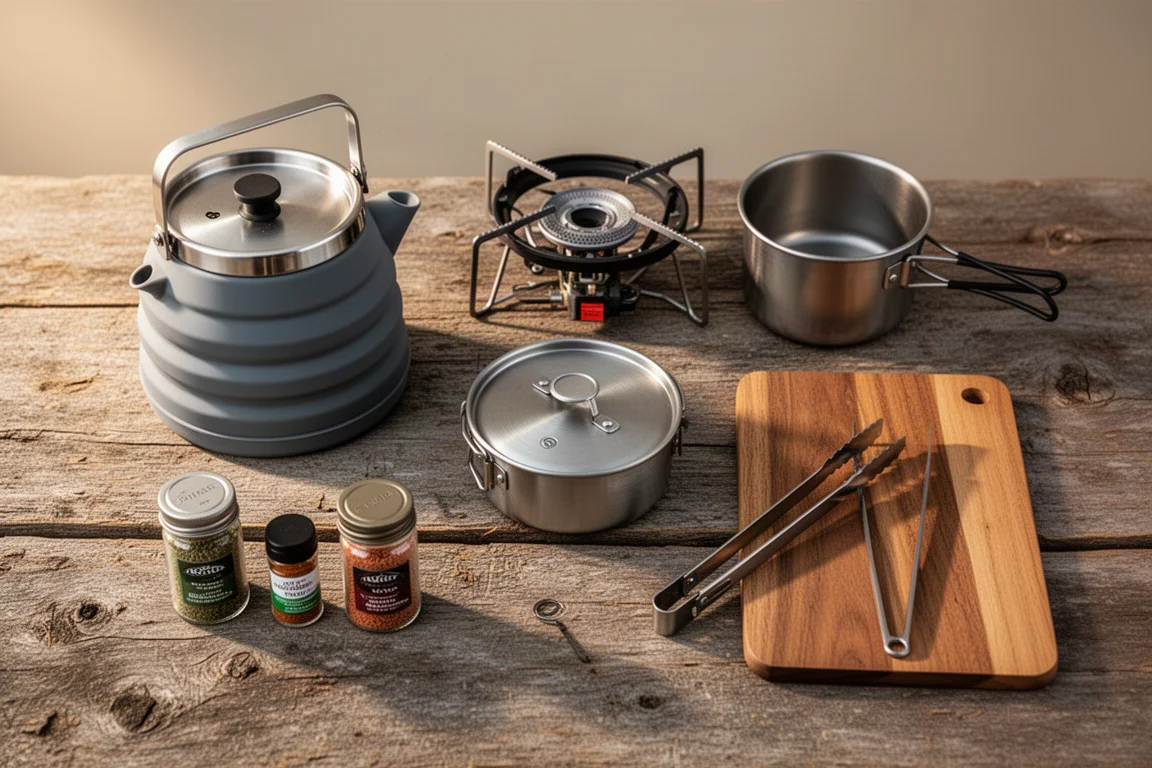
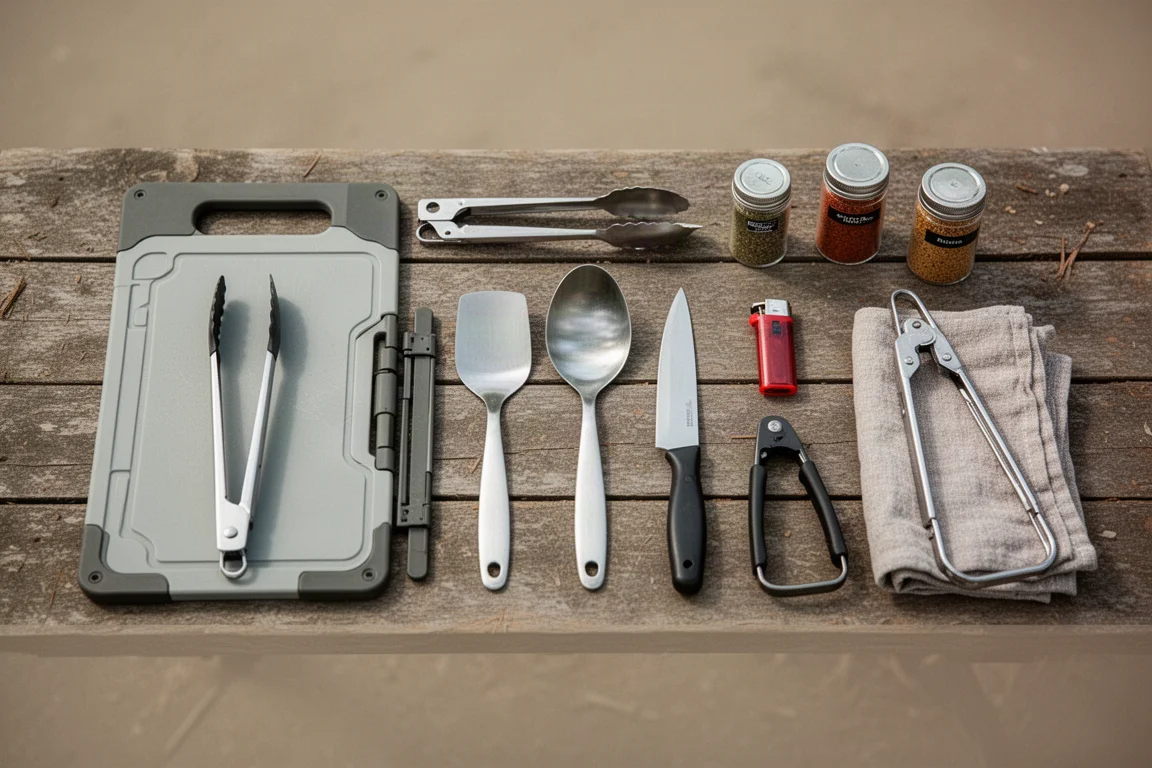
Keep the tool kit simple. A cutting board, tongs, a serving spoon, a spatula, a knife, a pot grabber, a lighter, a small towel, and a few spice containers cover most cooking tasks. For eating, either bring reusable plates, bowls, cups, and utensils that can be washed, or go with paper plates and plastic utensils when you would rather skip cleanup. A table at counter height makes the whole setup more comfortable to work at, and many campers bring two: one for gear and one for prep and serving.
Conclusion
A good camp kitchen is not about owning everything on this list. It is about matching a handful of pieces to the way you actually cook. Start with the stove, choose cookware that fits its burner and your meals, then add fuel, water, and organization as your trips get longer. Get that combination right and cooking outdoors stops feeling like a compromise and becomes part of the reason to go.
Further reading
Related Reviews
Camping Gear
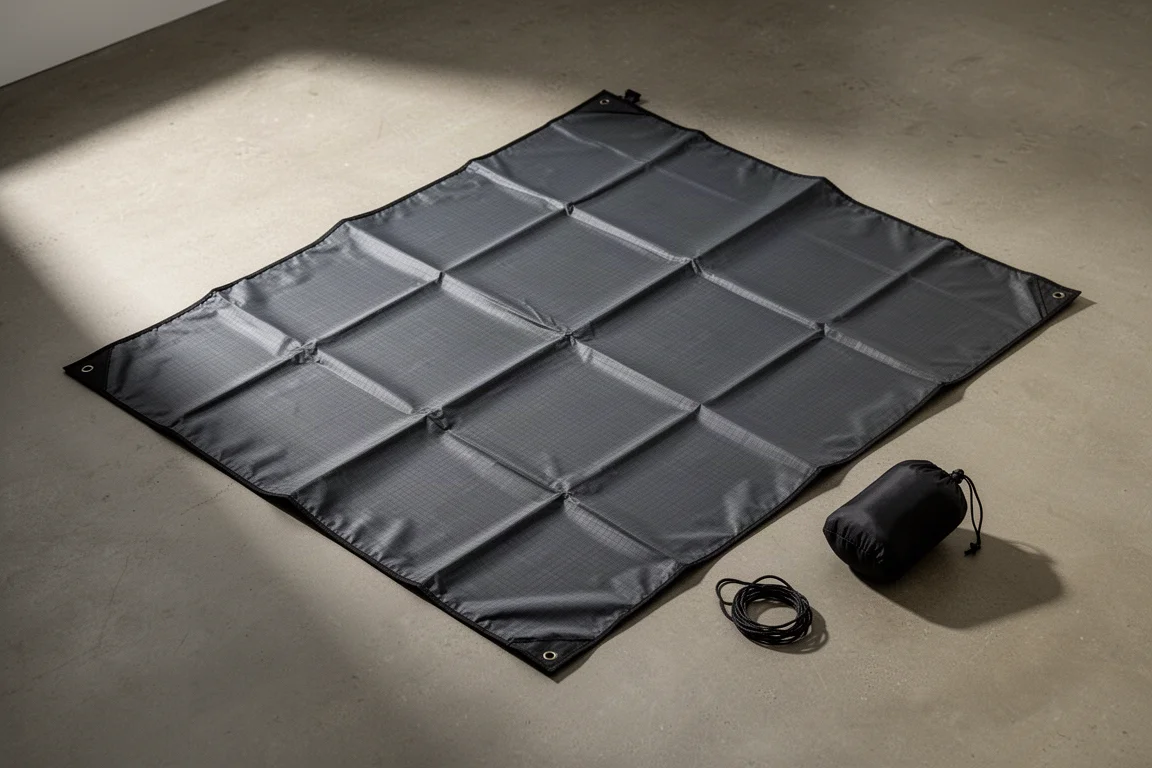
3FUL Ultralight Ground Sheet Review: A Two-Person Footprint Worth Packing
A 6.7 oz two-person ground sheet in ripstop silnylon, priced around $30. Here is what it protects, what it does not do, and who should pack it.
Camping Gear
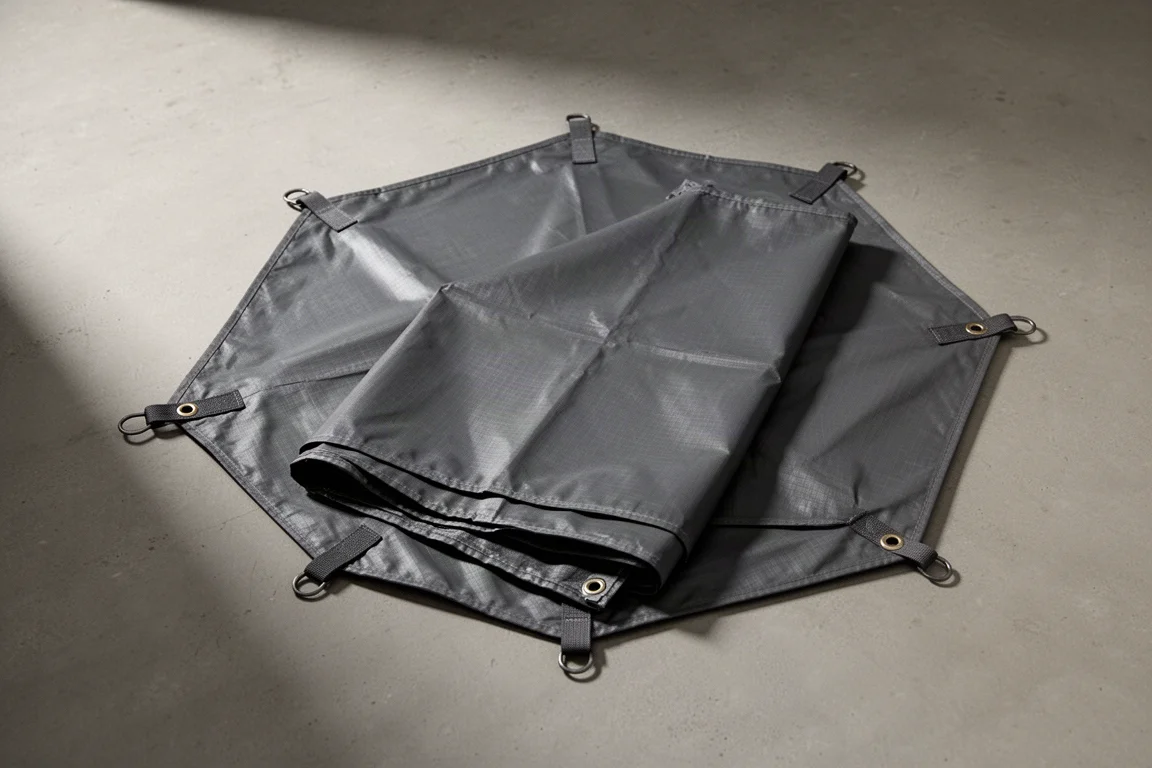
Backcountry Light Dual-Function Tarp and Floor Review: A Footprint First
A dual-purpose tent floor and tarp that keeps falling rain off you, but cannot block wind. Here is where it works and where it does not.
Camping Gear
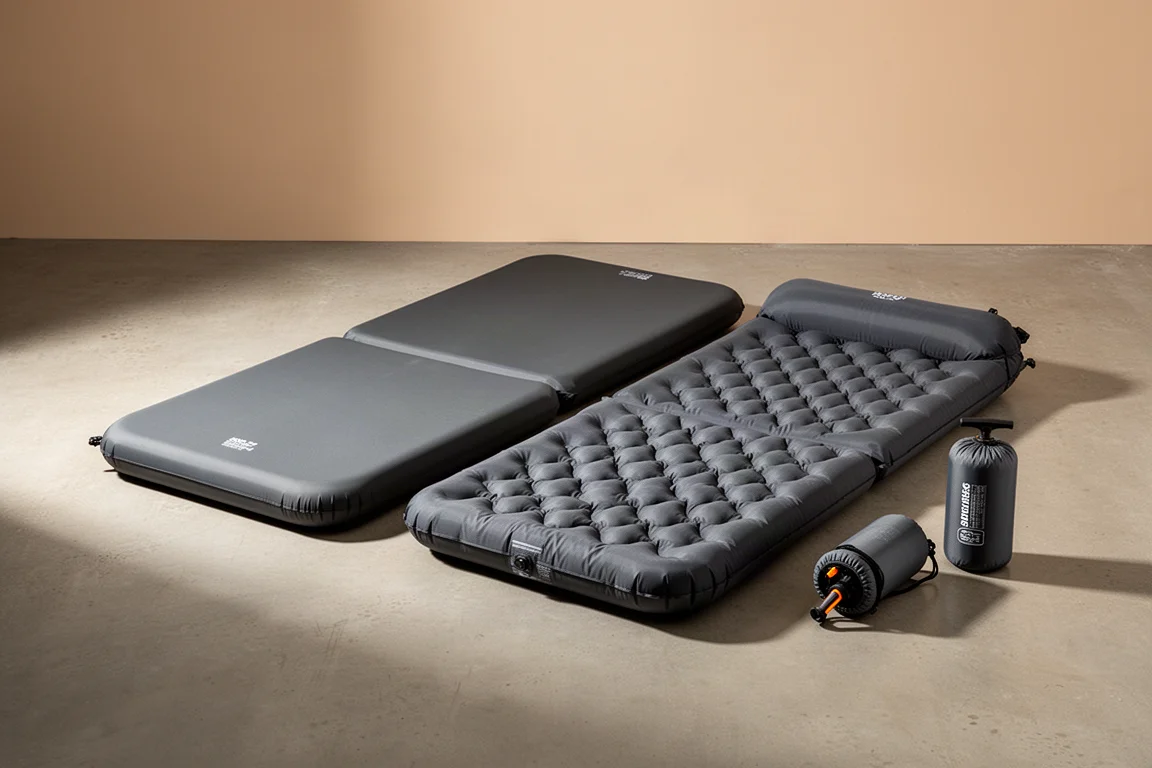
Best 2-Person Camping Mattresses for Couples: 10 Options Compared
A practical comparison of ten two-person camping mattresses, covering self-inflating pads, air pads and air mattresses for couples.