Camping Gear
Camp Gadgets Worth Packing: Seven Ultralight Essentials for Backpacking
Seven camp gadgets that solve real problems on the trail, from a ditty bag that opens into a flat bowl to 2 g carbon tent stakes and a 30 g repair kit.
Introduction
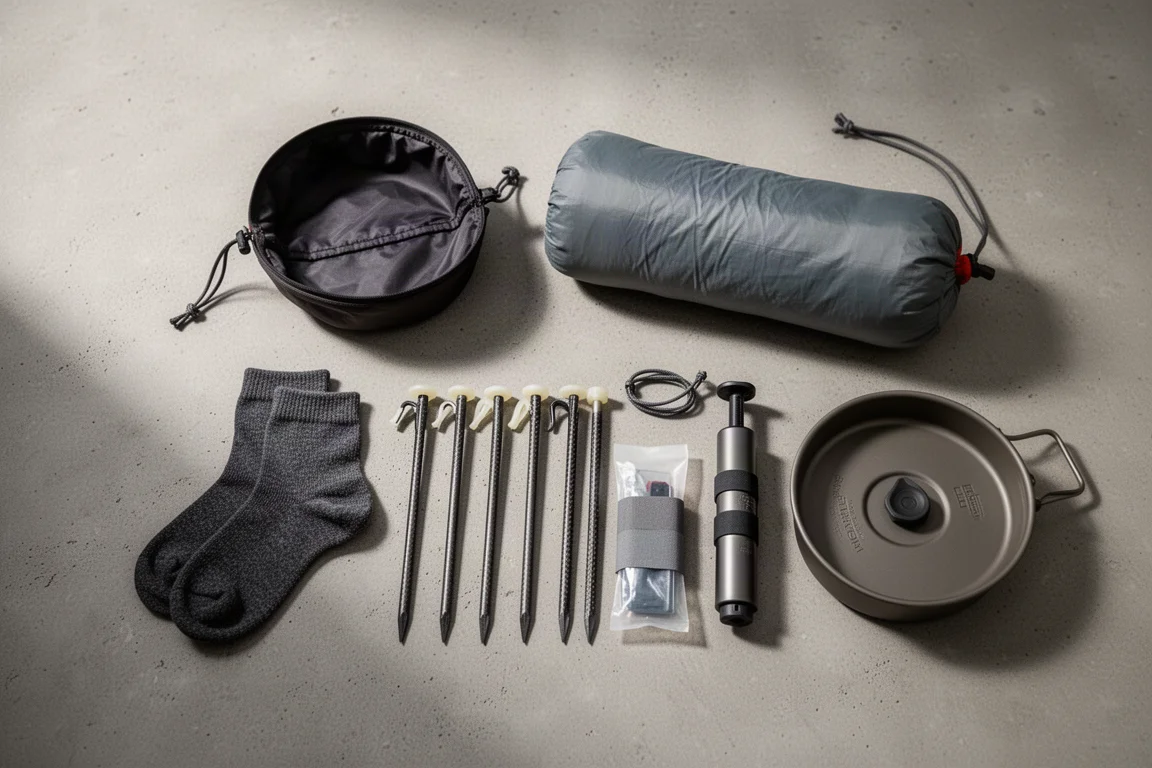
Most camp gadgets fall into one of two groups: the ones you reach for on every single trip, and the ones that spend their life at the bottom of the gear bin. The seven items in this roundup belong firmly to the first group.
They are a mixed set by design. Some are tiny, like a set of carbon tent stakes that weigh about 2 g each. Others, like a shaped pack liner, are heavier and earn their place on winter trips where bulk and weather protection matter more than shaving grams. What they share is a clear job: each one fixes a specific annoyance that shows up again and again in the backcountry.
Below, every gadget gets an honest look at what it does well and where it asks you to compromise.
Space Bear Bags Magic Bag: A Ditty Bag That Opens Into a Bowl
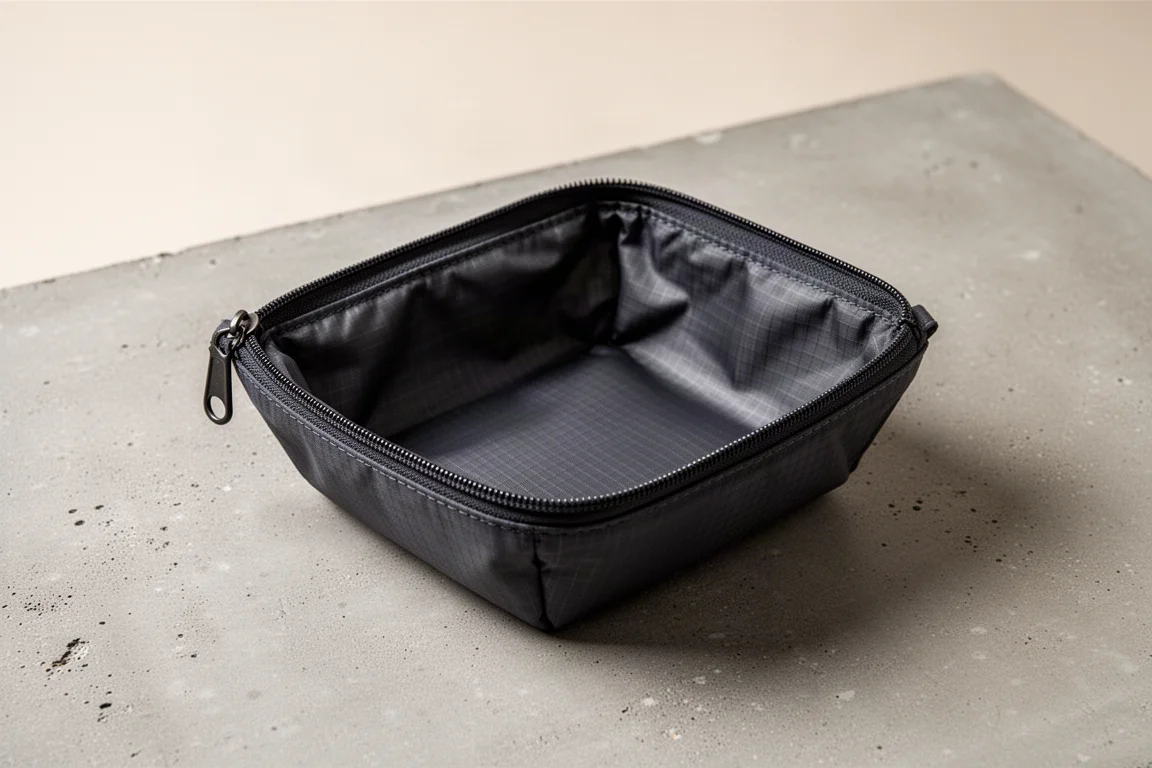
A ditty bag is one of those items you barely think about until you cannot find anything inside it. The Magic Bag keeps the familiar format but changes how it opens. Partially unzipped, it behaves exactly like a normal stuff sack for small items. Fully unzipped, the clamshell design folds down into a shallow bowl that lies flat on the ground.
That single change makes a real difference at night. Set in the corner of a tent, the open bowl keeps earplugs, lip balm, and anything else you might want in the dark visible and within reach, rather than buried at the bottom of a sack you have to dig through.
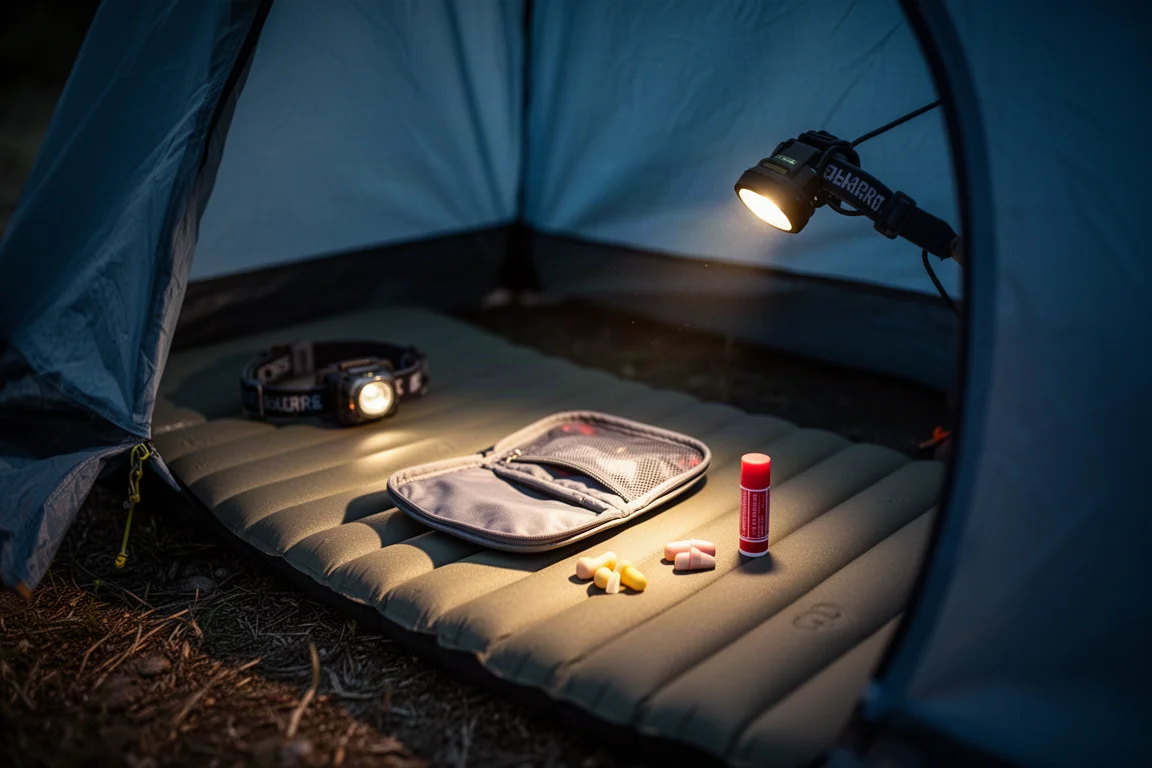
The compromise is weight. At 27 g, the Magic Bag is heavier than a resealable plastic bag or a stripped-down ultralight ditty bag, so it is not the pick for someone counting every gram. For many backpackers, though, those 27 g buy enough everyday convenience to justify carrying it even on trips where everything else has been trimmed back.
Farpoint Duo Alpha Direct Socks: Warmth for Cold Sleepers
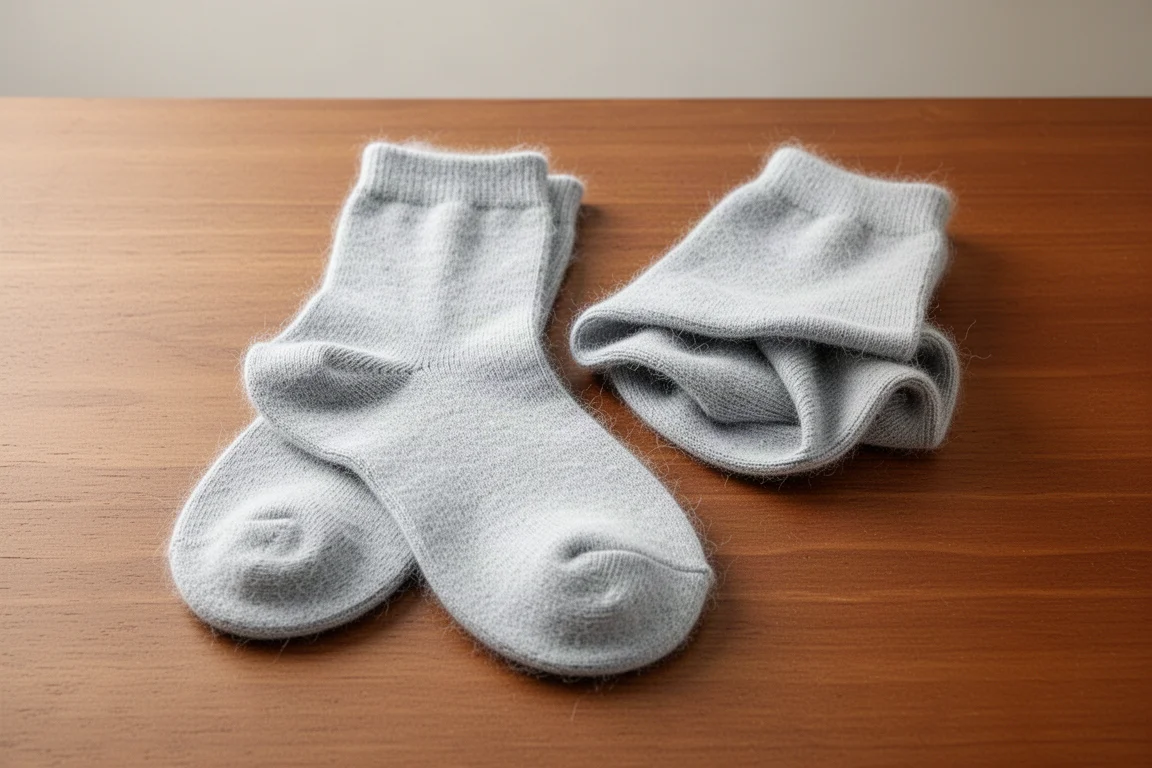
Alpha Direct socks have become a common choice for sleeping because they balance warmth, durability, and breathability well. The catch is that the widely used 90 gsm version is not always warm enough, particularly in colder regions where overnight temperatures drop further than a three-season sleep system expects.
The Duo takes a different route to warmth. Instead of a single heavier layer, it uses two layers of 60 gsm Alpha Direct fabric stacked on top of each other and sewn together at several points. Air is trapped inside the fuzzy structure of the material and between the two layers, which produces a sock that is warmer than a single 90 gsm layer and warmer than a single 120 gsm layer as well.
Both socks together weigh just under 30 g, which keeps the warmth-to-weight ratio strong. For cold sleepers and shoulder-season trips, that combination is the whole appeal.
ZenBivy Pack Liner: Compress Bulk and Keep Gear Dry
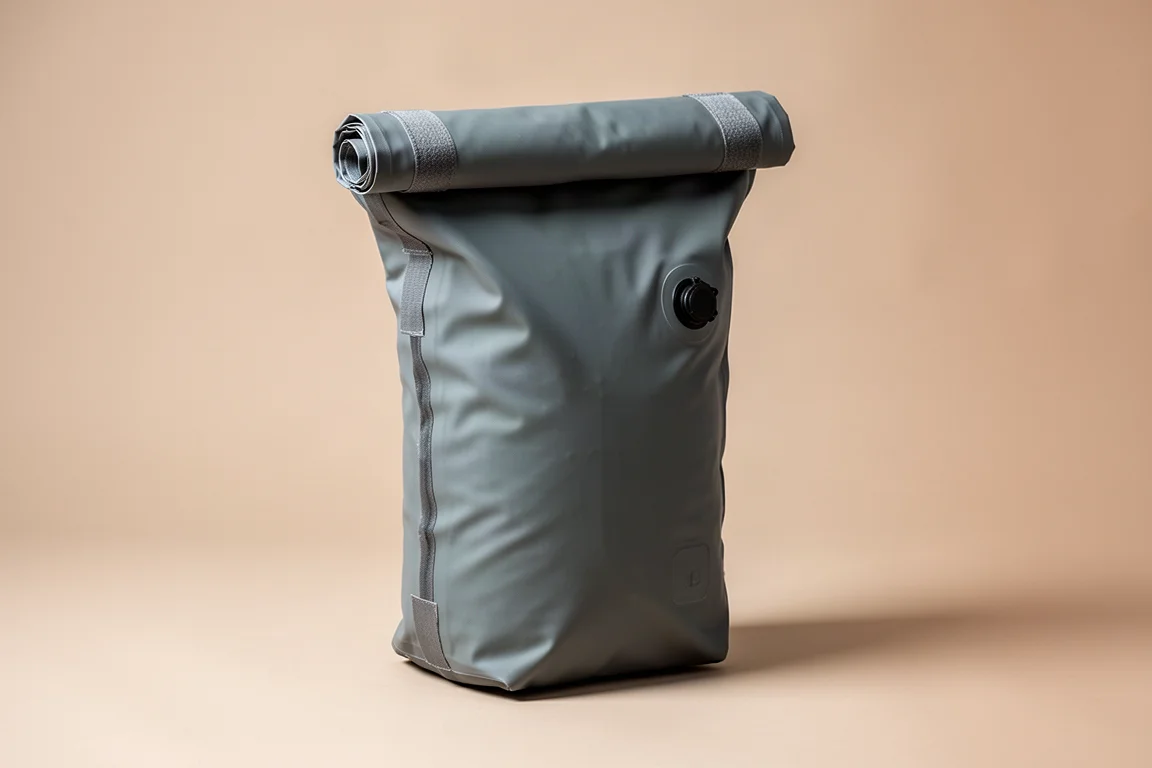
The Pack Liner is a roll-top bag shaped to sit neatly inside a backpack rather than as a generic cylinder. It comes in two sizes, medium and large, and matching the size to the pack makes a noticeable difference: large suits bigger winter packs, while medium works well in mid-size three-season packs used in shoulder-season conditions.
What separates it from an ordinary roll-top is the valve. Air can escape through it but cannot get back in. Load your gear, give the roll top three to five twists, cinch it down, then push the remaining air out and the bag stays compressed. Bulky items such as a winter sleeping bag then take up noticeably less space, leaving room for food and extra warm layers.
The liner is also waterproof, with taped seams and a waterproof material, so rain stays out. It can be set directly on snow, which makes it useful on winter trips, and it works just as well on canoe and water trips where keeping a pack’s contents dry is the main concern. A two-liner setup, one for the sleep system and one for clothing, is a practical approach for winter travel.
Pachulama 2 g Tent Stakes: Ultralight Holding Power
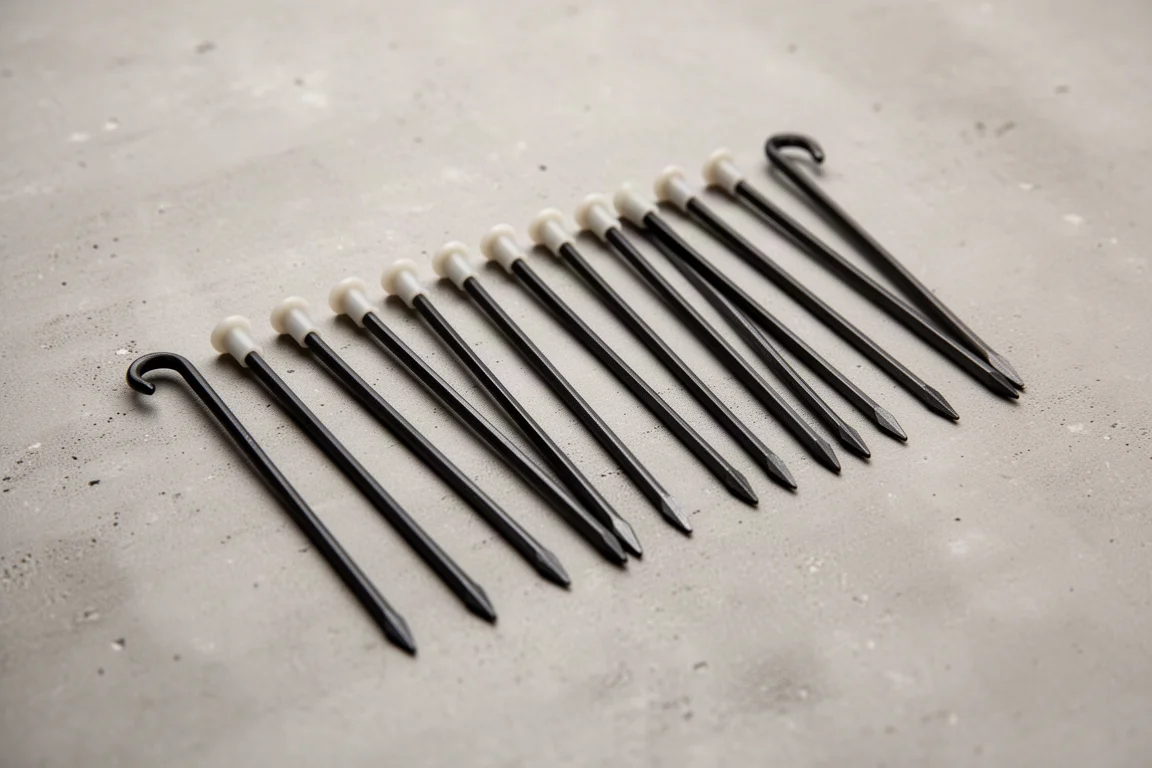
At roughly 2 g each, these are among the lightest tent stakes available. Each one pairs a solid carbon fiber shaft with a plastic topper, and the narrow profile is what makes them work so well: they slide into the ground easily, including in rocky terrain where bulkier stakes sometimes have to be hammered in.
Holding power has been strong across a range of soil conditions, and durability has held up too. The ends have not broken, and light taps on the plastic top to seat a stake have not split or cracked it.
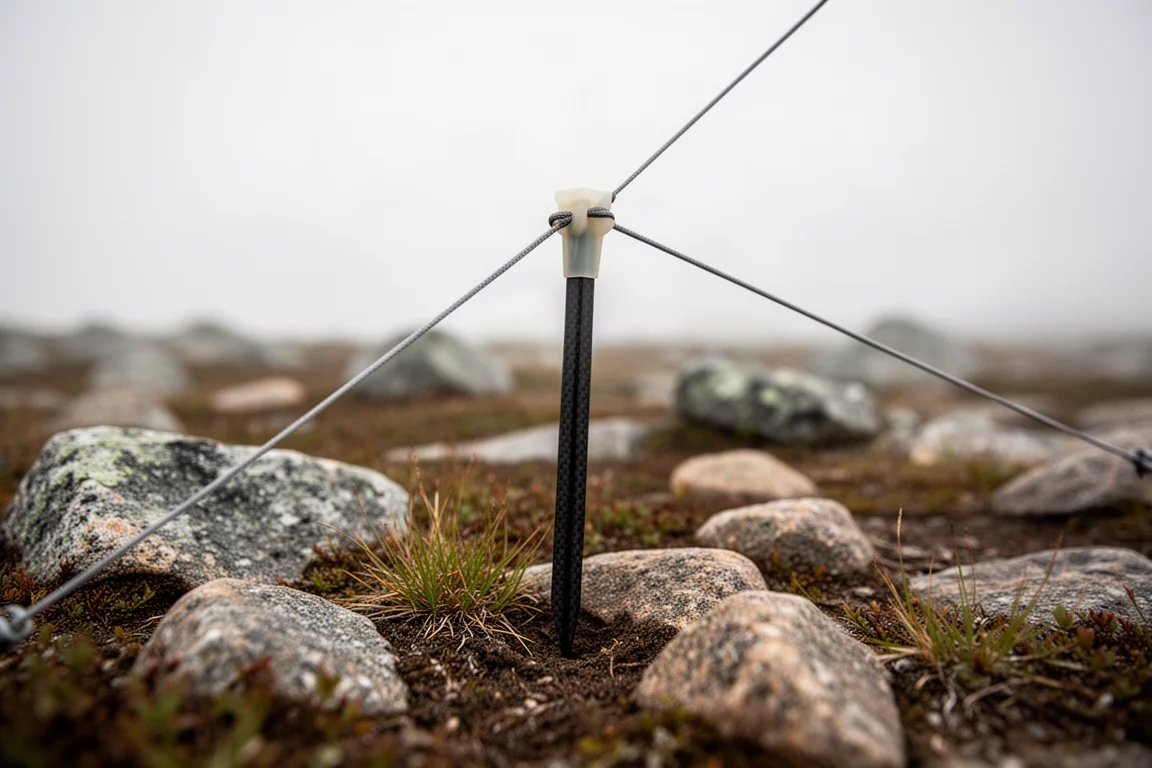
The more they get used, the more they move from optional extras to a core part of the stakeout. A workable setup is to use them for the four main corners of a trekking-pole tent and reserve heavier stakes for guy-out points where extra storm-worthiness matters most. A set of ten covers most pitching configurations.
Outzac Pico Pump: Fast Inflation Without a Built-In Battery
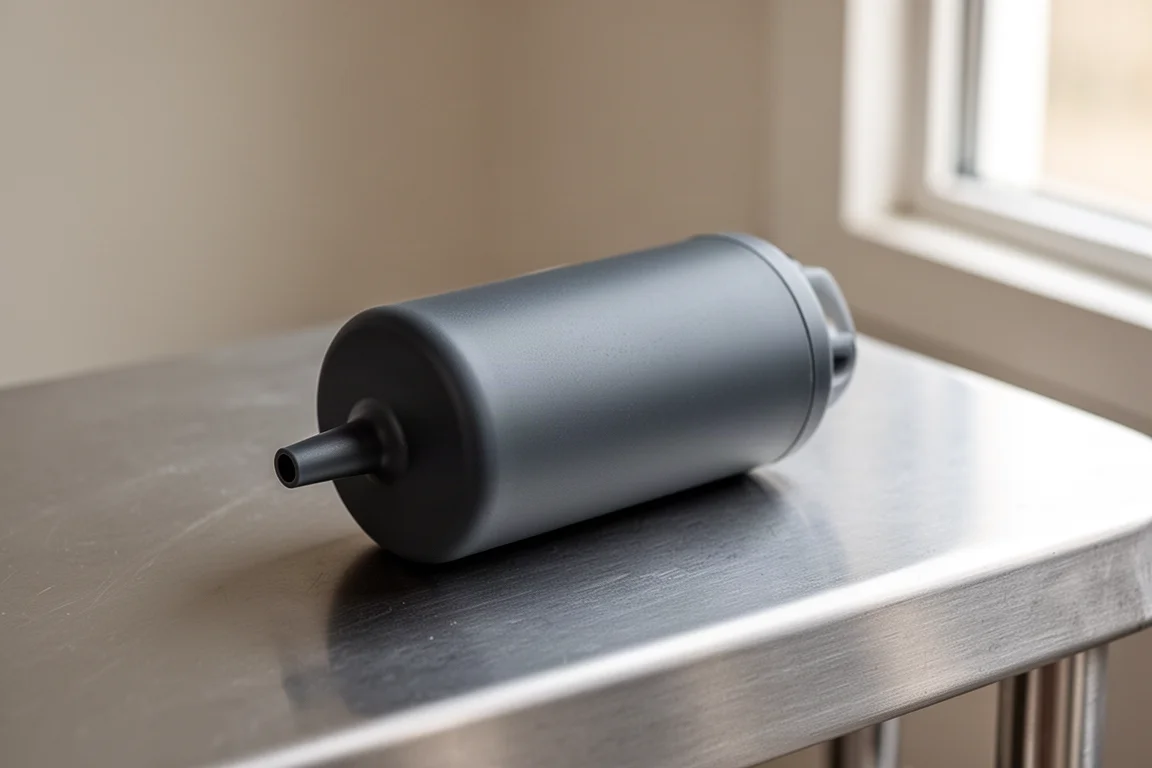
Ultralight sleeping pad pumps have improved quickly, and the Pico sits at a useful point on that curve. It weighs 26.2 g, largely because it has no internal battery, yet it is powerful enough to inflate a sleeping pad to essentially full firmness. It does that quickly and stays relatively quiet for the amount of air it moves.
The comparison that matters is with the sub-10 g pumps. Those are lighter, but they usually leave you adding a breath or two of air by mouth to get a pad firm enough to sleep on comfortably. The Pico removes that step at a modest weight penalty, which is the trade-off to weigh up.
Ignous Gear Repair Kit: Field Repairs in 30 Grams
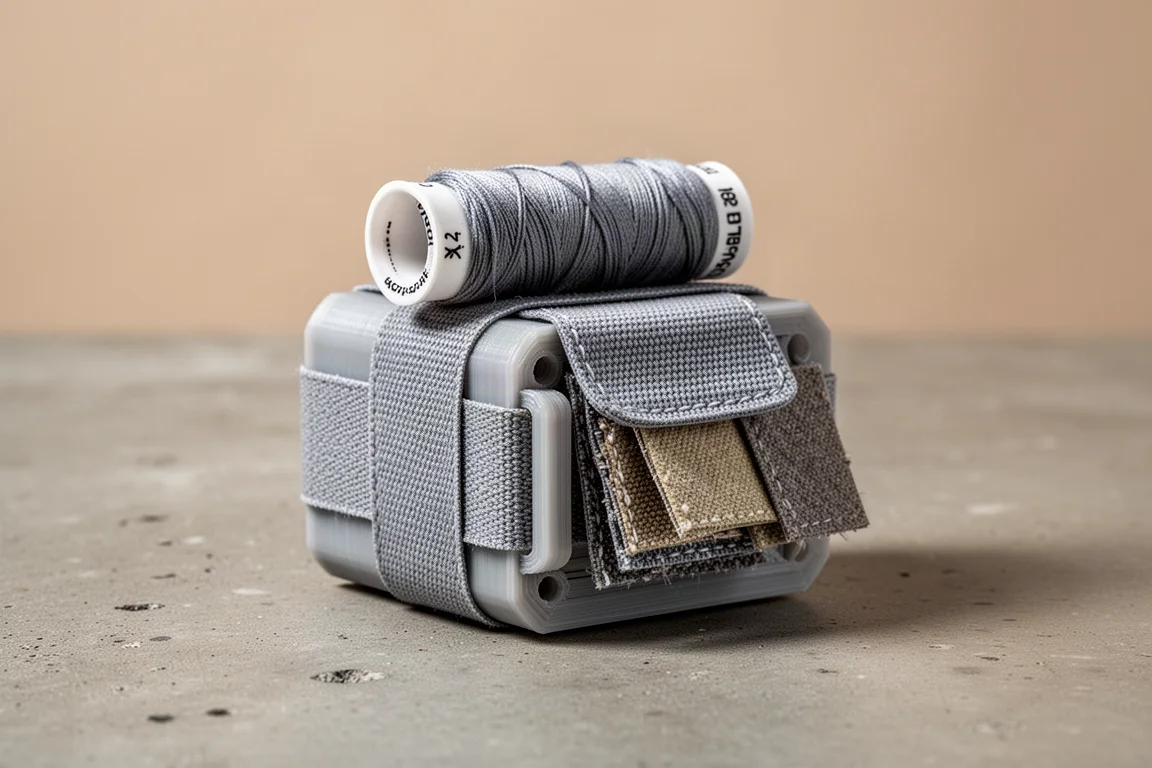
Gear failures tend to happen at the least convenient moment, and the Ignous kit is built around that reality. At 30 g it packs several kinds of repair into a very small form factor.
The core is a 3D printed plastic piece wrapped with Gorilla tape, which is strong enough to fix a broken trekking pole. A flap at the bottom holds repair patches, the kind used to seal a rip in a quilt and restore it to being downproof; the same patches can be applied to a tent. At the top, thread is wound around the body, and another flap stores needles for sewing jobs such as a torn pair of pants or a pack that needs stitching back together.
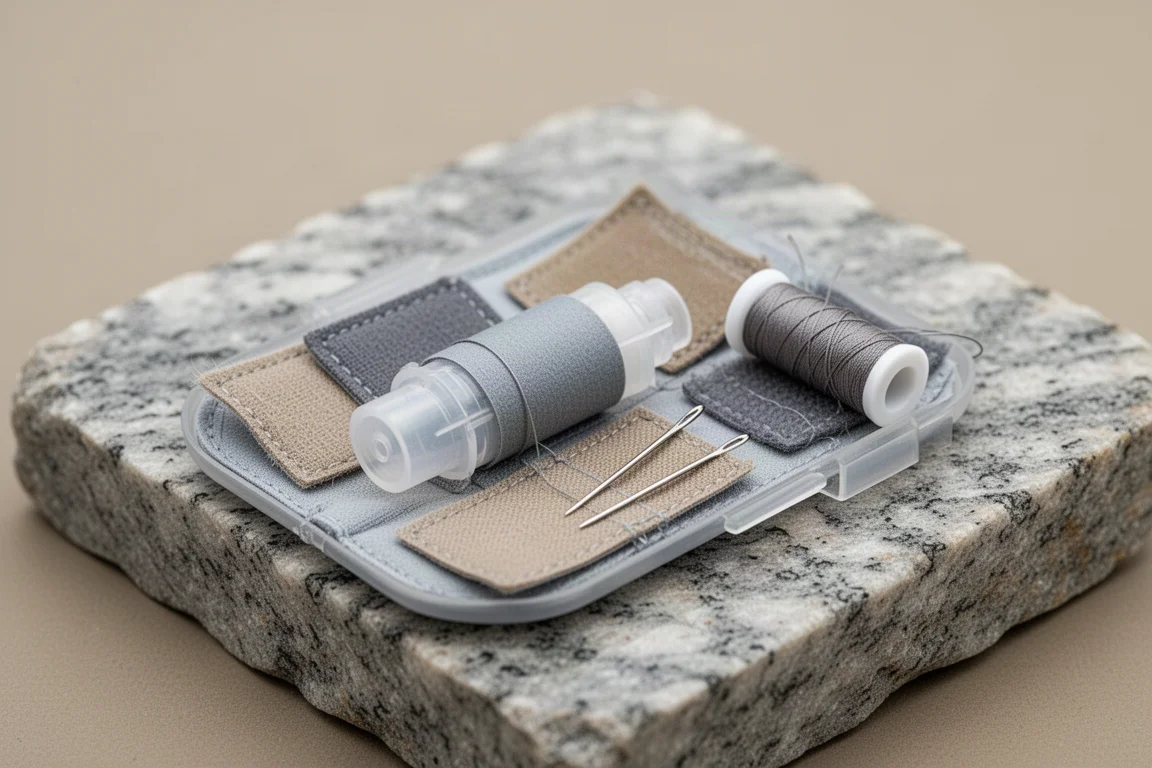
Taken together, that covers the large majority of common backcountry repairs in a package small enough to forget you are carrying it.
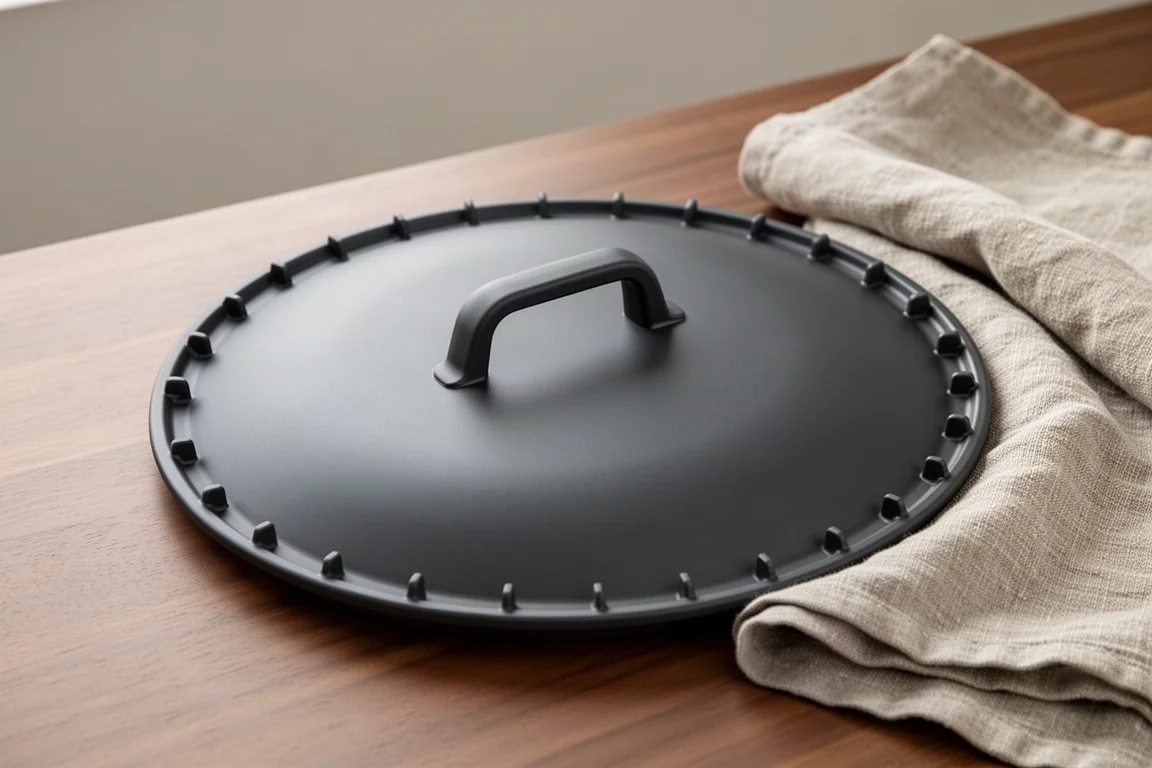
Peak Outdoors Pai d: A Lighter Lid for Ultralight Pots
The Pai d is a lid made for ultralight cook pots, and it is back in stock in a second version that is slightly lighter and more heat resistant than the first. If you own a pot with a thick outer rim, there is a technique worth knowing before you force anything.
Squeeze the lid slightly in line with its tabs, lift one tab, and once that tab is clear give the lid a small twist to work it off the pot. That approach keeps pressure off the tabs that hold the lid in place, which is what prevents breakage. The key is not to push through resistance: if the lid fights back, change the angle rather than pulling harder. Thicker pots also tend to get easier after 20 or 30 uses, and some owners file the teeth down slightly to speed that up.
Overall Buying Advice
The right gadget depends on the problem you actually run into. If small items disappear into the depths of your pack or tent, the Magic Bag solves that for 27 g. If you sleep cold, the Duo socks add meaningful warmth for under 30 g a pair. If your winter loads are bulky and you want them compressed and dry, the Pack Liner handles both jobs at once.
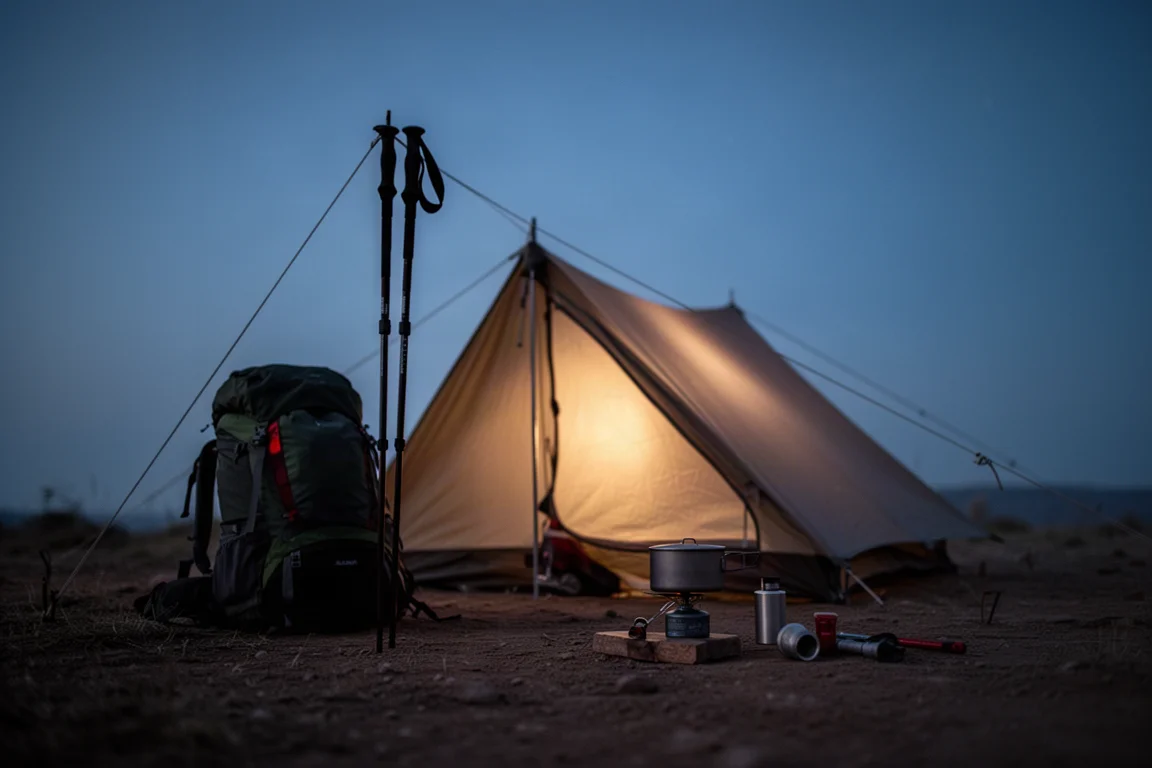
For pitching, the 2 g stakes are the lightest option here and hold well in a wide range of ground, though heavier stakes still make sense for the guy lines that take the most load. The Pico pump suits anyone who would rather not finish inflating a pad by mouth, and the repair kit is the one item on this list that earns its place in almost any pack because it covers so many failure points. The Pai d is a straightforward upgrade for anyone cooking with an ultralight pot.
Conclusion
None of these items is essential in isolation, and none of them is a gimmick. Each one targets a specific friction point: visibility in a crowded tent, warmth on a cold night, bulk in a winter pack, holding power on hard ground, effort at bedtime, repairs in the field, and a lid that comes off without a fight. Buy the ones that match the trips you actually take, and they will earn their space in the pack rather than sinking to the bottom of it.
Further reading
Related Reviews
Camping Gear
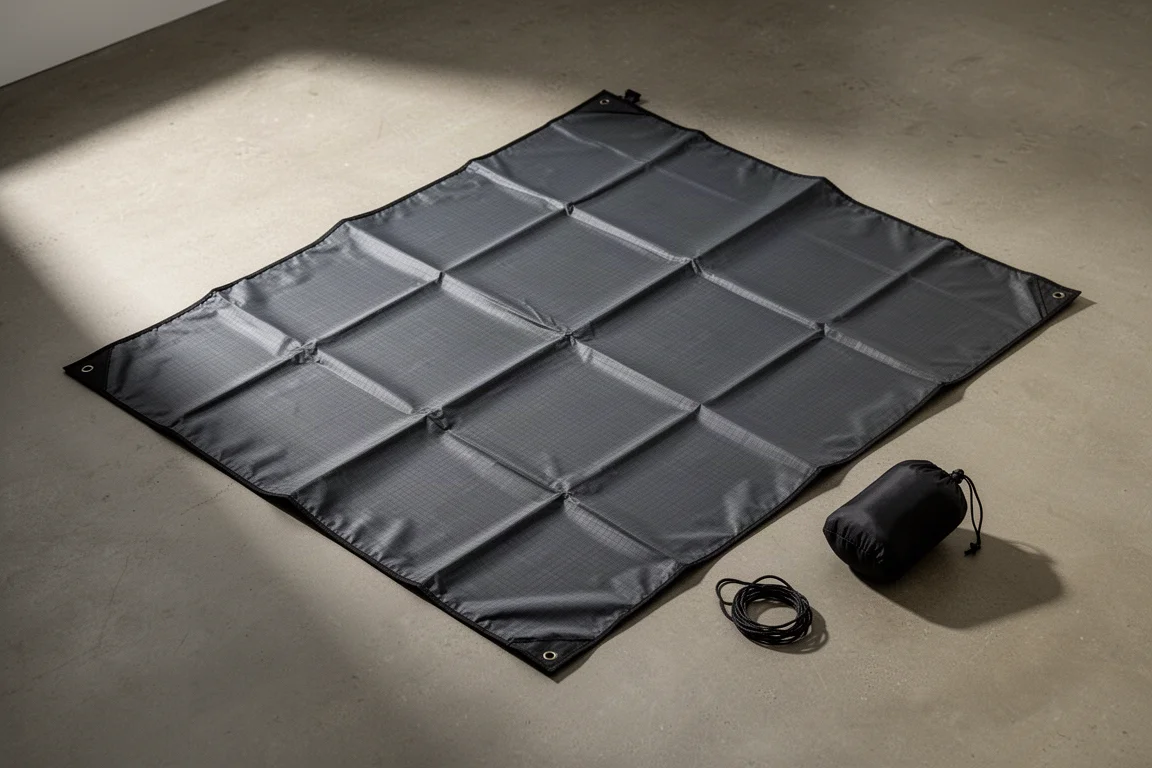
3FUL Ultralight Ground Sheet Review: A Two-Person Footprint Worth Packing
A 6.7 oz two-person ground sheet in ripstop silnylon, priced around $30. Here is what it protects, what it does not do, and who should pack it.
Camping Gear
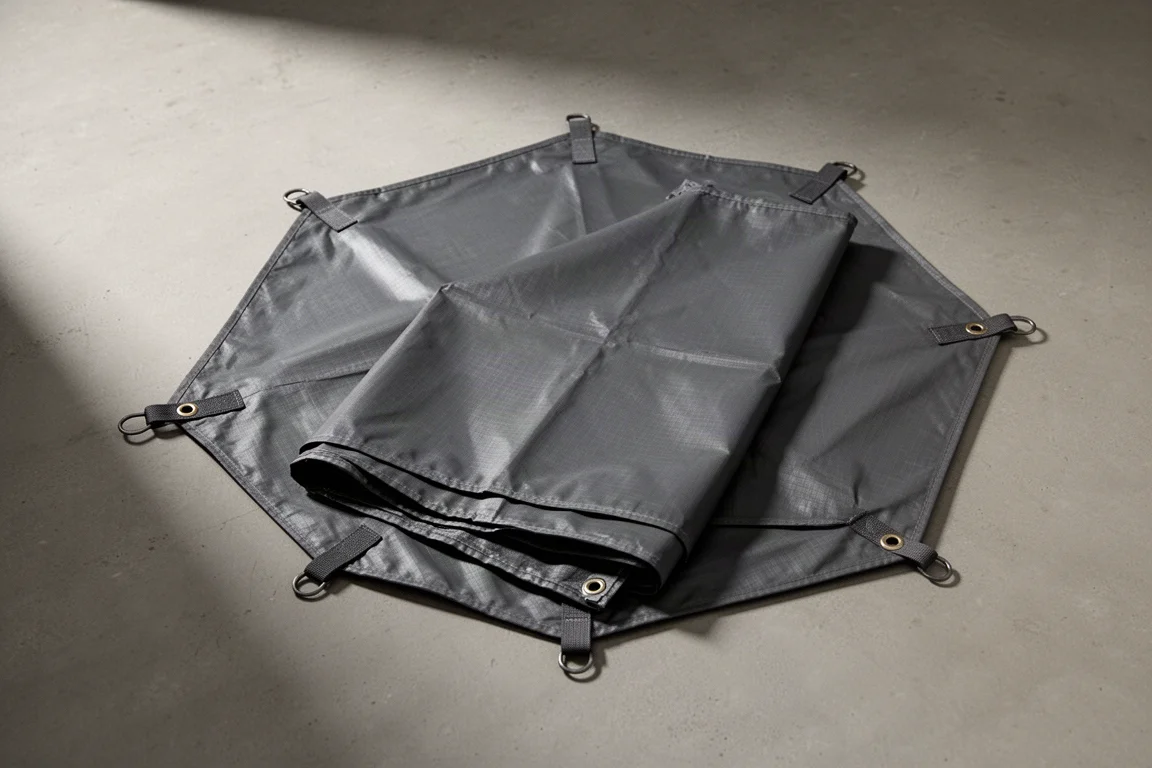
Backcountry Light Dual-Function Tarp and Floor Review: A Footprint First
A dual-purpose tent floor and tarp that keeps falling rain off you, but cannot block wind. Here is where it works and where it does not.
Camping Gear
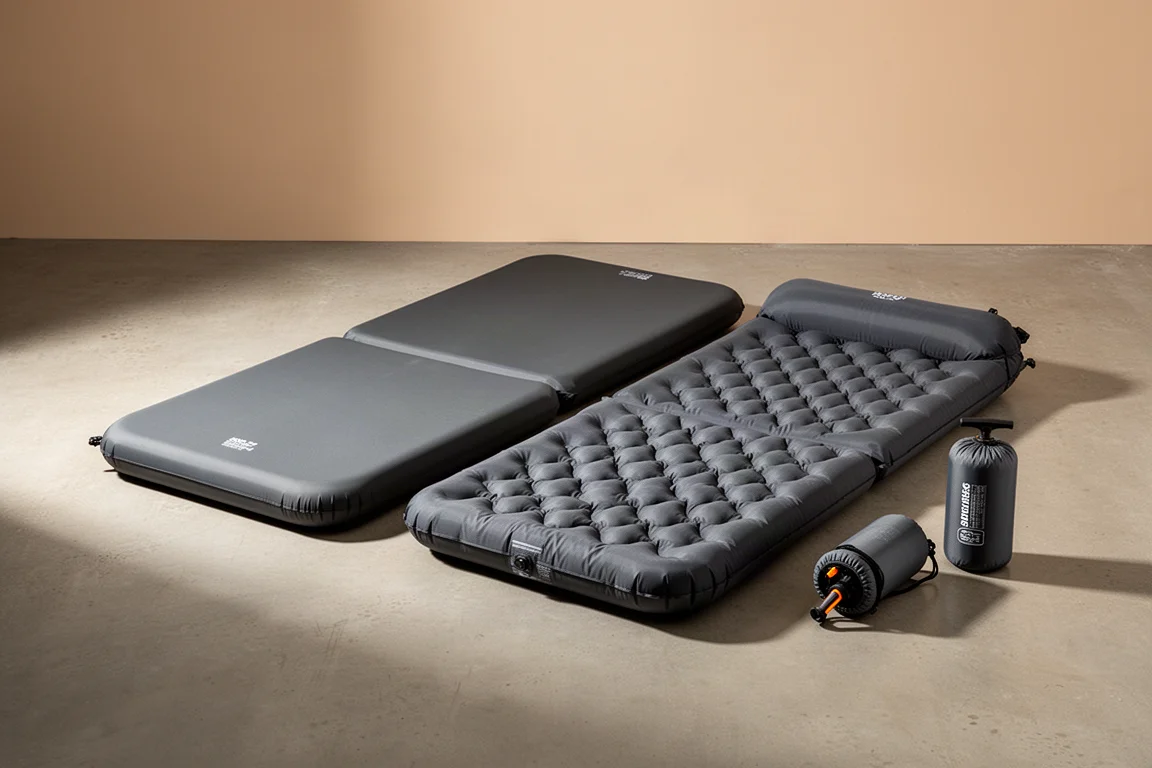
Best 2-Person Camping Mattresses for Couples: 10 Options Compared
A practical comparison of ten two-person camping mattresses, covering self-inflating pads, air pads and air mattresses for couples.