Trail Running
Best Budget Trail Running Kit: Six Items Tested Over a Month
We set a £275 budget to outfit a trail runner from head to torch, then spent a month testing everything. Here is what held up and what did not.
Introduction
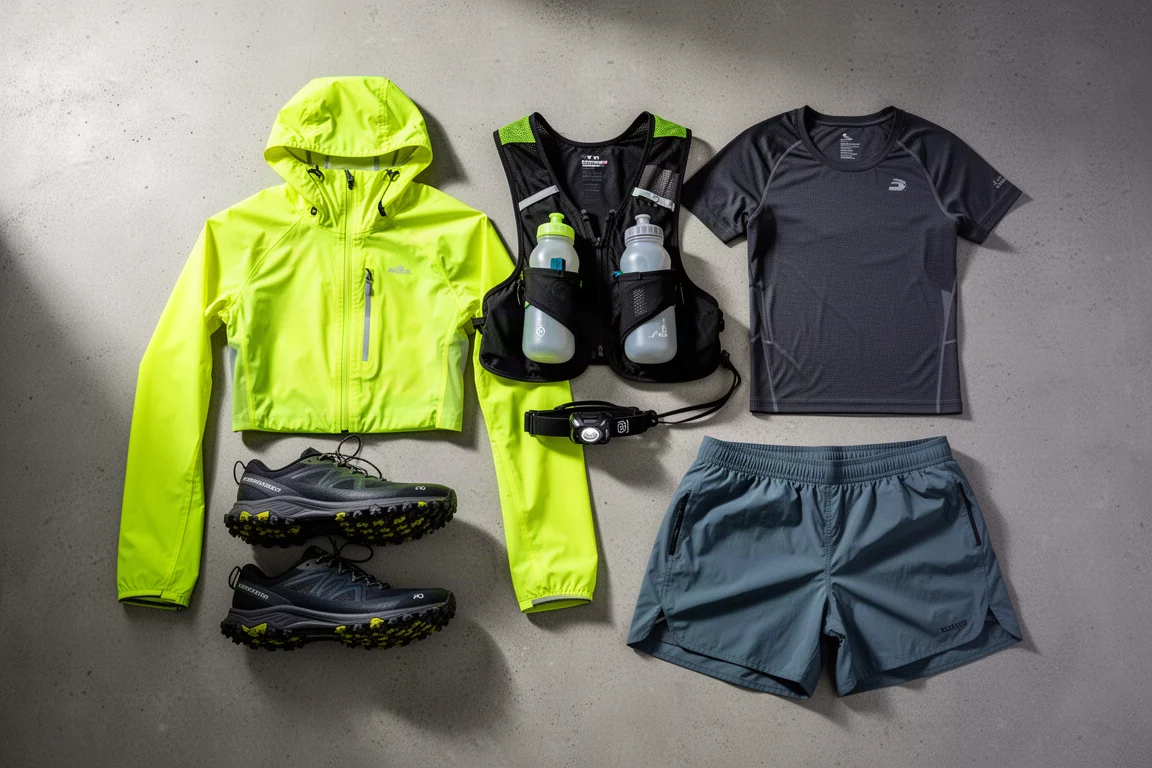
The premise was simple: buy every piece of kit an aspiring trail runner could need, all in, including postage, for £275. That figure was chosen deliberately, because it matches the price of a single pair of premium trail running shoes. The goal was to find out whether budget gear can genuinely do the job, or whether certain items always deserve a bigger slice of the budget.
After a month of thorough testing across steady training runs, a weekly mountain bike ride, and some genuinely horrible weather, the results were mixed in a very useful way. A few items turned out to be brilliant surprises, one was borderline dangerous, and the overall lesson about where to spend and where to save became very clear.
The Misses: Where the Budget Fell Short
Two items accounted for almost all of the disappointment, and conveniently they are also the two categories where this experiment showed investing more is worth it: waterproof jackets and running shoes.

Mac in a Sac Waterproof Jacket
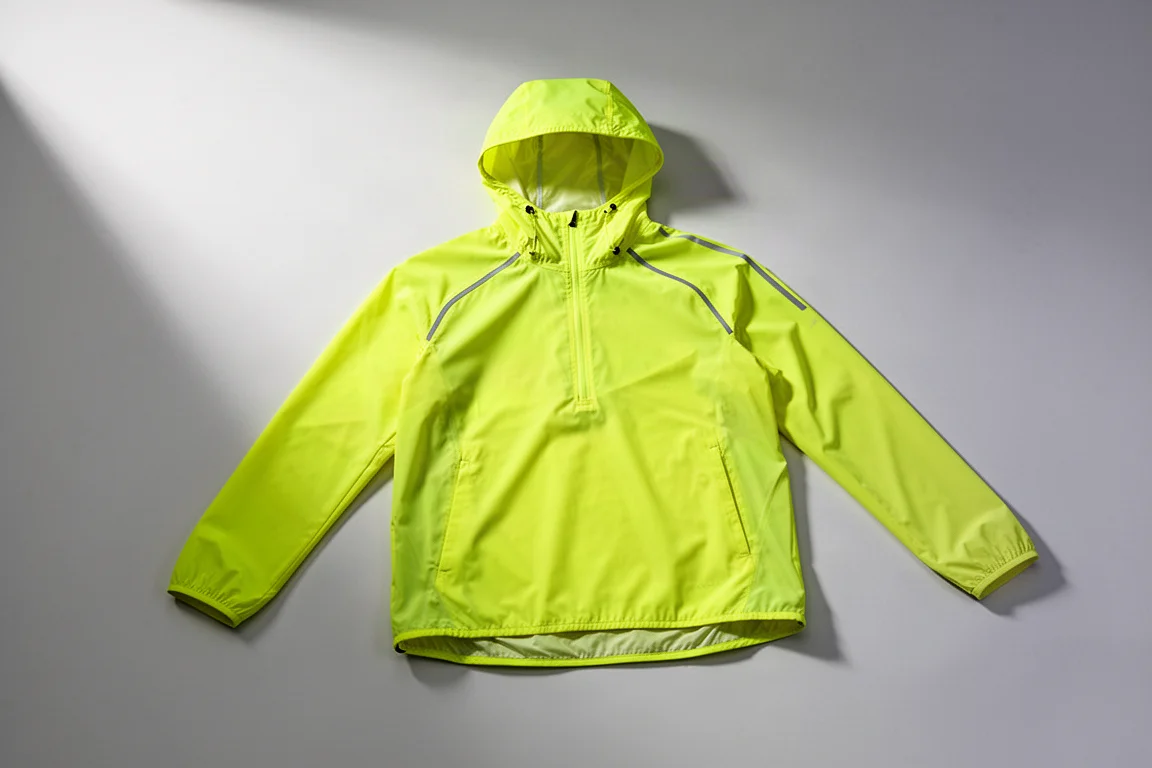
At £31, expectations were modest, but the jacket is sold as a taped-seam waterproof, so a certain baseline was still expected. In dry, windy conditions it did a decent job of blocking wind. Breathability was a different story: despite back vents and underarm ventilation, it felt like running in a plastic bag, overheating almost immediately on every test run.
The real test came in driving rain and heavy wind. Within 10 minutes the tester was soaked through, with water coming through the fabric and seams. The adjustable hood would not stay up in the wind and could only be held in place by pulling it right down over the face, which blocked forward vision. For short 5K runs in light showers it might pass as a wind layer, but for long training runs, mountain routes, or mandatory ultra race kit, it is not a safe choice. A quality waterproof is one item worth investing in properly.
Soil Shaker 2 Trail Running Shoe
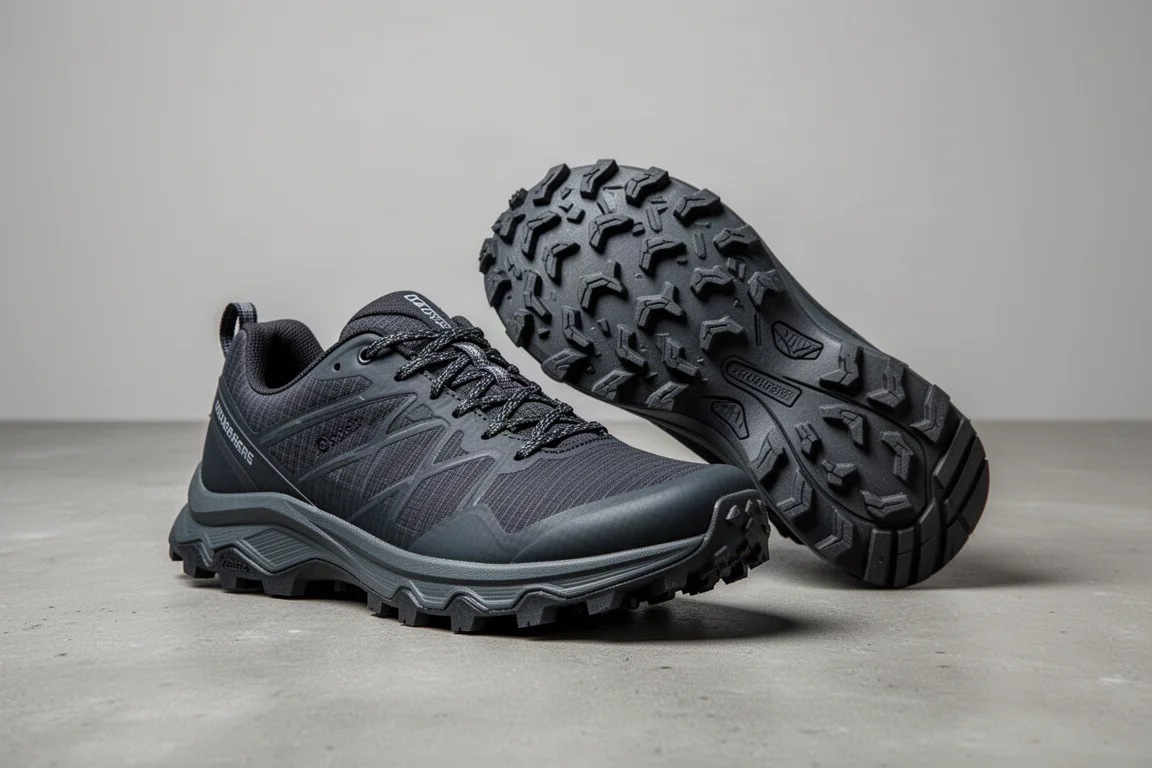
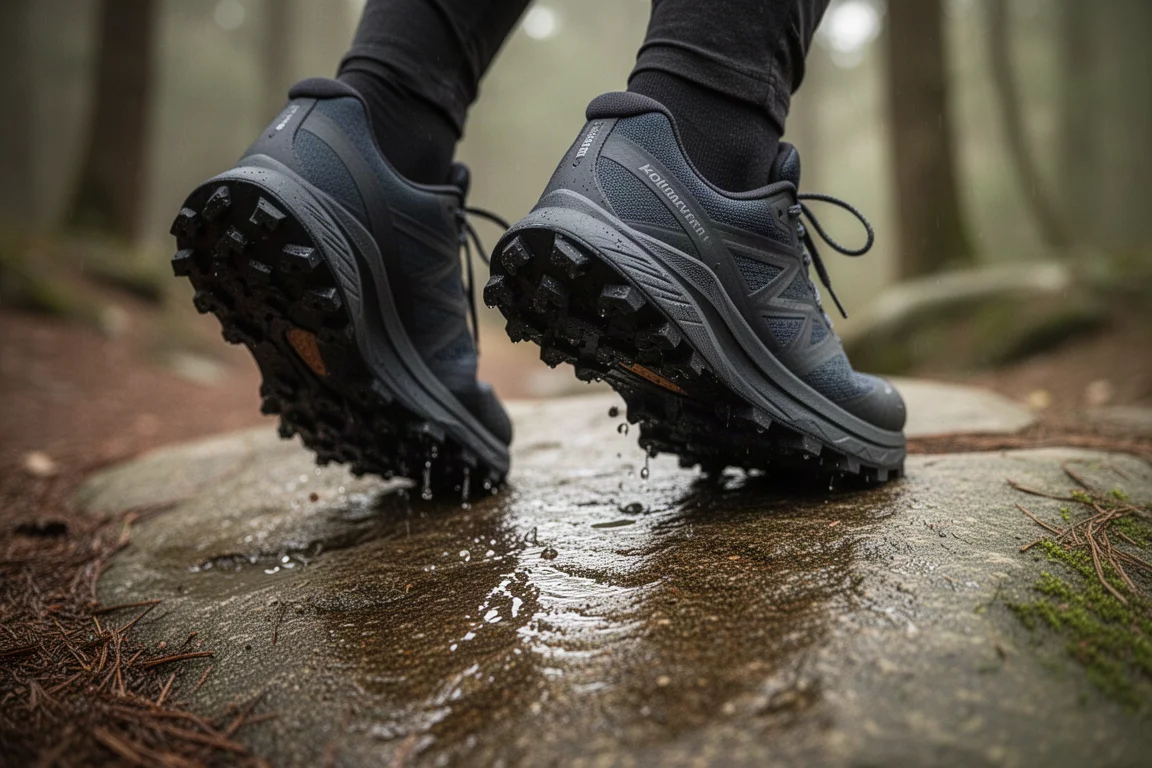
This shoe, from Higher State, the budget house brand of Sportsshoes.com, cost £39.99 brand new. Despite marketing copy promising rip-stop toughness and maximum cushioning, the reality is a generic trainer with little visible development behind it. The fit is unconvincing, heel lockdown is poor, and the heel lifted and slipped during testing.
The chunky outsole lugs do work in thick mud, but on wet rock the grip feels like running on ice. The midsole offers almost no cushioning or energy return, the midfoot has no real structure, and after long mileage durability would be a genuine concern. The advice from this test: buy from an established technical running brand, shop last season’s models and colourways for savings, and treat the shoe as a category where a bit more money is a false economy to ignore.
The Hits: Budget Apparel That Earned Its Place
Having let the Higher State shoes down gently, it is only fair to note the brand redeemed itself comprehensively in apparel. A fluorescent yellow beanie was comfortable enough to get worn constantly. The running gloves kept hands warm, and the touchscreen fingertips actually worked, though they size up small, so consider going up half a size. The running tights used nice, soft fabric, added lower-leg zips and a small rear zip pocket, and the £2 running socks were soft, comfortable and washed well.
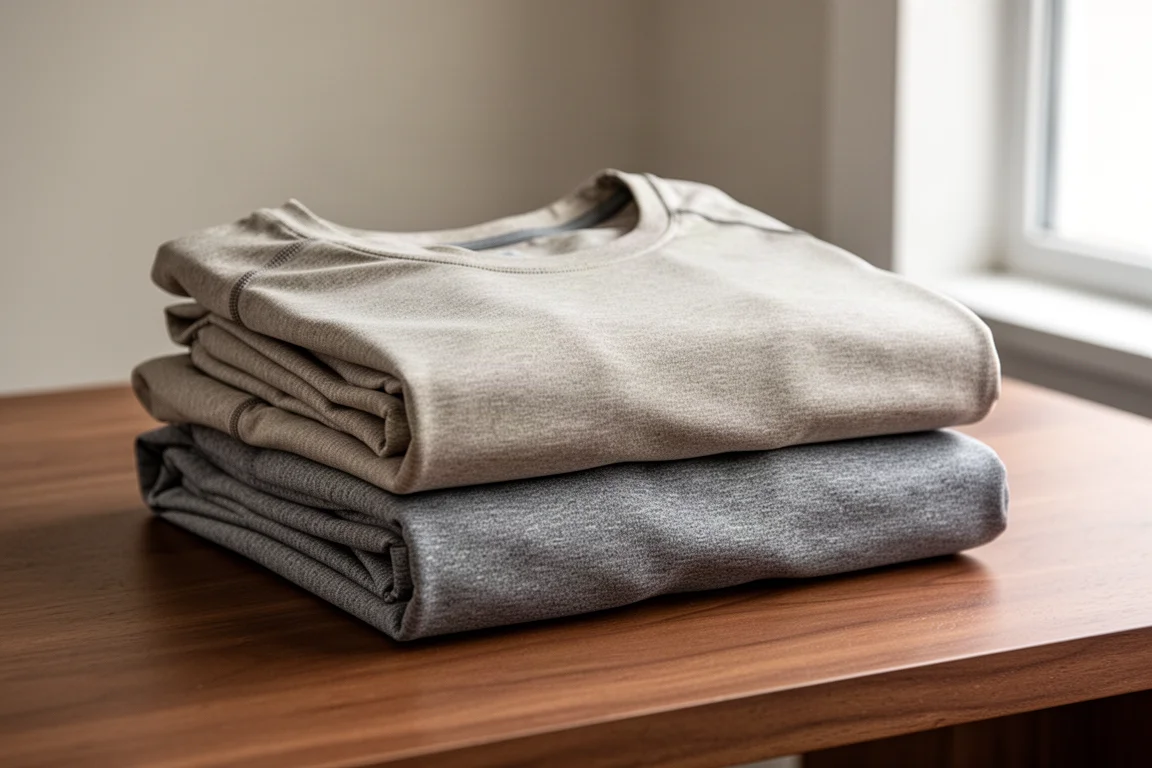
Higher State Seamless Tees
These were two of the standout items of the entire experiment. The fabric is remarkably soft, the fit is nicely tailored without being restrictive, and the short sleeve comes in at just £6.99 with the long sleeve at £9.99. One quirk: despite the name, there are seams throughout, so the “seamless” label should not be taken literally.
The fabric is not super technical at this price, so they will likely perform best in cooler months rather than in the heat of summer. For runners on a tight budget looking for short or long sleeve running tees, these are very hard to beat for the money.
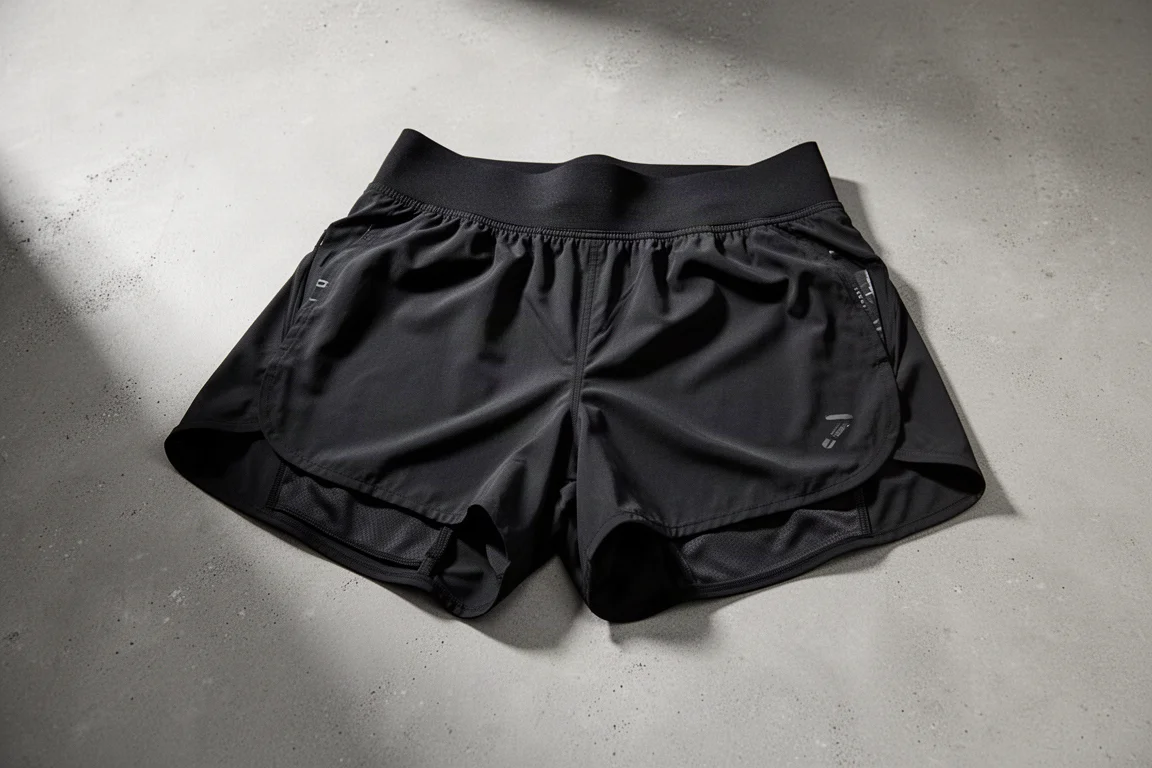
Higher State Trail Twin Shorts
Fitting well with a wide, comfortable waistband, these £16 shorts offer plenty of storage pockets plus a secure zip pocket at the back. The fabric is lightweight and breathable, though the rear zip itself feels cheap and tends to snag.
The internal liner is not the most technical, so for longer distances wearing a quality running brief underneath would be sensible to avoid chafing. Within those limits, they did the job well at the price.
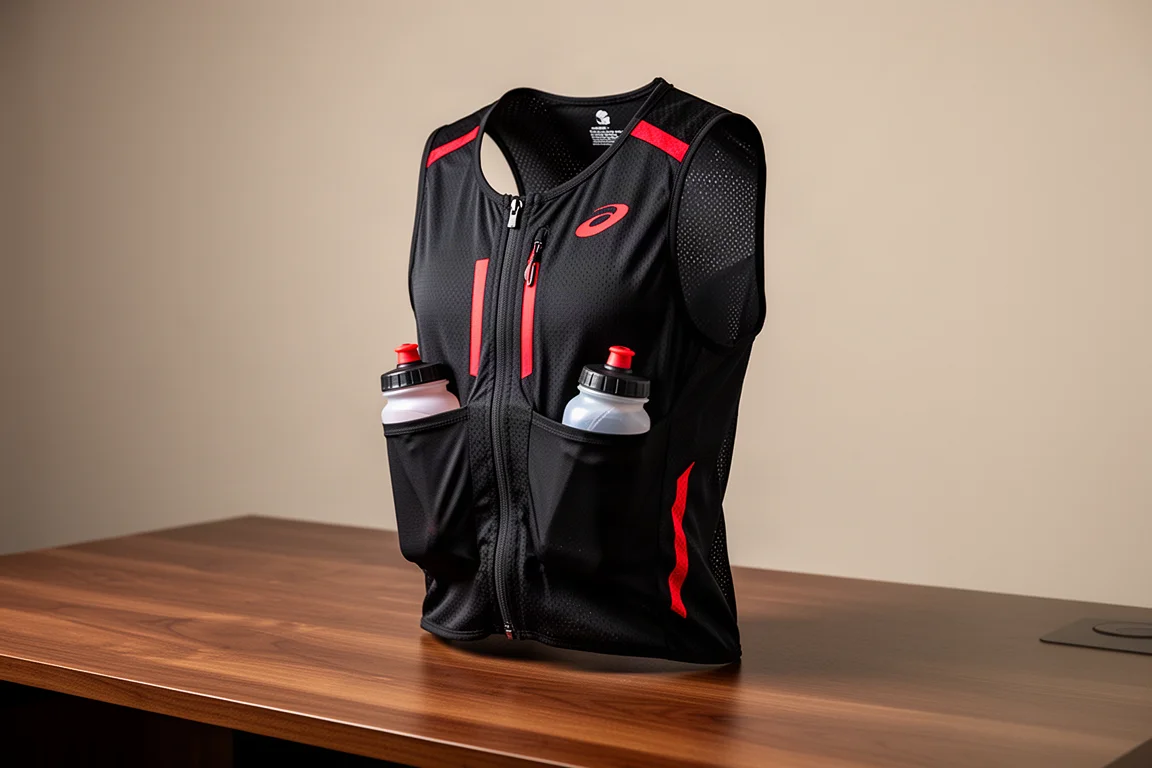
Harrier Kinder 10L Race Vest Bundle
Harrier is a small British startup specialising in quality, affordable trail running products, and it has built a loyal following. To maximise savings on a tight budget, the beginner’s bundle route makes sense: buying in a bundle saves up to £15. The bundle tested included the new Kinder 10L race vest, two 500ml soft flasks, a collapsible cup, a tube scarf, a proper survival bag with an emergency whistle, and a well-stocked compact runner’s first aid kit. Bundles start at just £95.
Two details stand out. The survival bag is a genuine bivvy bag rather than a flimsy finishing-line foil blanket, meaning you can actually climb into it if you are stuck on a hillside with an injury, which could genuinely matter. And the first aid kit contains everything a runner would need if things go wrong on the trails. The Kinder 10L itself looks smart in the black and red colourway, has been very comfortable to run in, and its version 2 updates make an already good-value vest even better.

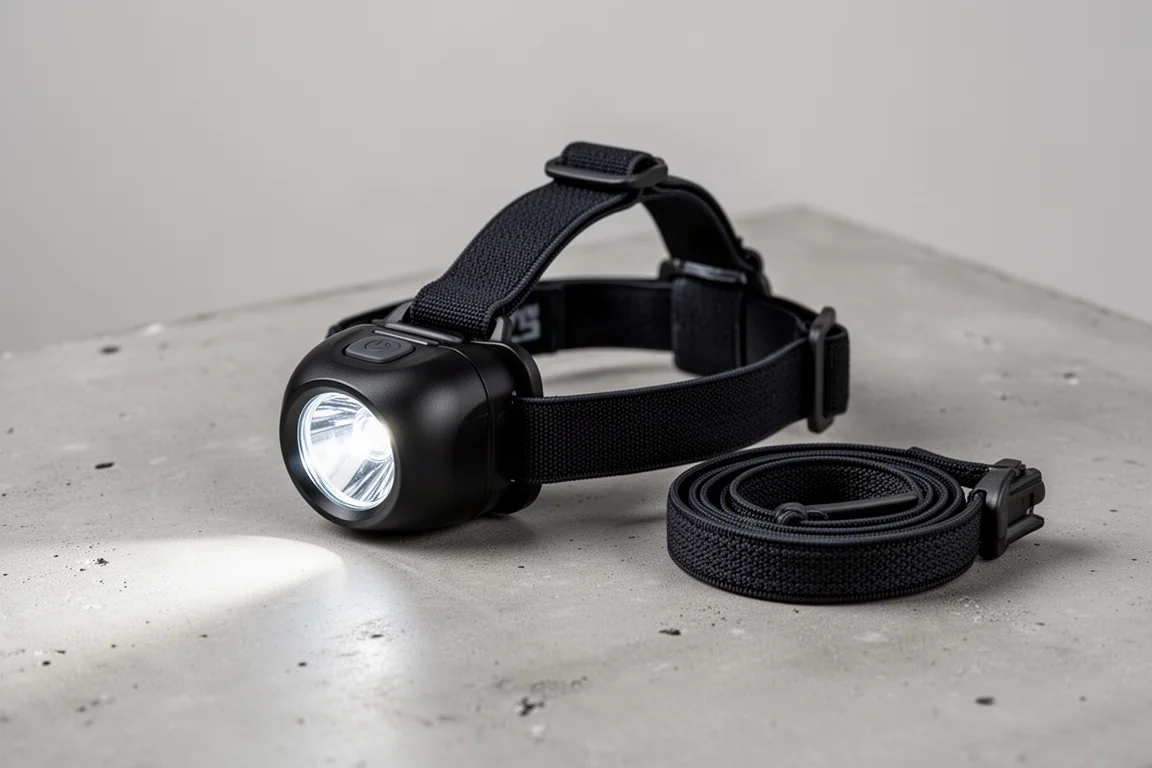
Planet X Head Torch
The brief here was strict: at least 300 lumens for moving at speed on trails, and fully rechargeable, since a non-rechargeable running head torch is neither practical nor cost-effective. After a long search, the answer came from Planet X, a brand better known for road and mountain bikes. At £9.99, expectations were low.
They should not have been. For a penny under £10 you get a fully rechargeable torch with a 300 lumen maximum output, weighing just 80 grams, with four modes: full power, a 100 lumen low setting, a red light, and a flashing red light, all controlled by a single top button. The fully elasticated head strap adjusts easily, and the bezel has a solid, clicking angle adjustment. Nearly four hours of burn time was achieved on maximum mode, which is brighter runtime than some headlamps costing five times as much.

The only real limitation is that it is a sealed unit, so once the rechargeable battery finally wears out there is no AAA fallback; you simply recharge it. As a first running head torch, or a compact backup to carry on longer runs, it is outstanding value.
Buying Advice: Where to Spend, Where to Save
The month-long test produced one clear pattern. Two categories punished the budget hard: waterproof jackets and running shoes. In both cases, cheap options failed at exactly the moments they mattered most, in bad weather and on technical ground. These are the items to invest in, and buying last year’s models from established technical brands is the easiest way to do it affordably.
Everything else rewarded the budget approach. Apparel such as tees, shorts, gloves, tights and socks is comparatively easy to get right at low prices, and the Harrier bundle approach delivers race-vest essentials, safety equipment and hydration for £95. The head torch proved that the occasional outlier can dramatically outperform its price bracket.
Conclusion
The £275 experiment mostly panned out as expected, with one genuine shock: a £9.99 head torch that embarrassed far more expensive lights. For anyone starting trail running, the practical takeaway is to budget carefully for shoes and a real waterproof, lean on bundles and budget brands for apparel and accessories, and keep an open mind, because the best-value item in your kit bag might come from a brand you never expected to make one.
Further reading
Related Reviews
Trail Running
How to Choose Trail Running Shoes: A Guide to Shoe Type, Cushioning, and Drop
Learn the three most important factors when selecting trail running shoes: shoe type, cushioning level, and heel-to-toe drop.
Trail Running
Trail Running Poles: A Complete Guide to Technique, Fit, and Use
Learn why trail running poles redistribute workload, how to choose the right length and strap system, and master three essential climbing techniques for longer races.
Trail Running
Arc of Attrition Kit List: The Gear Worth Packing for a Winter Ultra
A practical look at the shoes, waterproofs, lighting, race vest and poles lined up for a brutal 100-mile winter coastal ultra, and why each piece earned its place.