Running Shoes
Best Budget Running Shoes Under 80: Five Entry-Level Trainers Tested
Five of the cheapest running shoes from Nike, Adidas, Asics, New Balance, and Reebok put through real miles to see which ones are actually worth your money.
Introduction
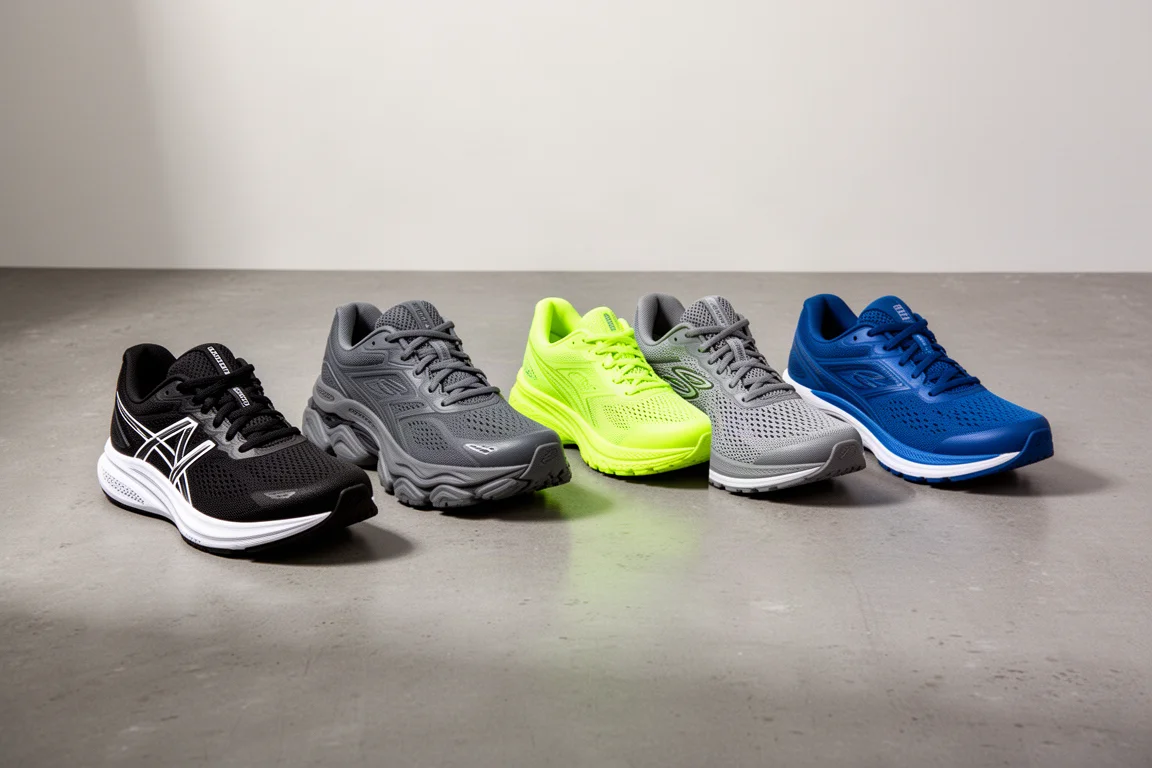
Does a cheap running shoe actually get the job done, or are you paying for pain? To find out, five entry-level trainers were bought at full retail price, one each from Reebok, Adidas, New Balance, Nike, and Asics, with one rule: each had to be the cheapest shoe that brand classifies in its running line. No sale prices, no discounts, just standard retail costing somewhere between 35 and 80 pounds.
The conclusion up front: a couple of these are genuinely decent trainers for short and medium-distance running, while others are better left as casual or gym shoes. Here is how they compare.
How These Shoes Were Chosen
Only the cheapest current running shoe from each brand made the cut, at regular price. Hoka, Saucony, and Brooks were also considered but had nothing under the 100 pound mark, so they dropped out. All weights quoted are in one tester’s size, so your size may vary slightly.
Reebok Energy Lux 2
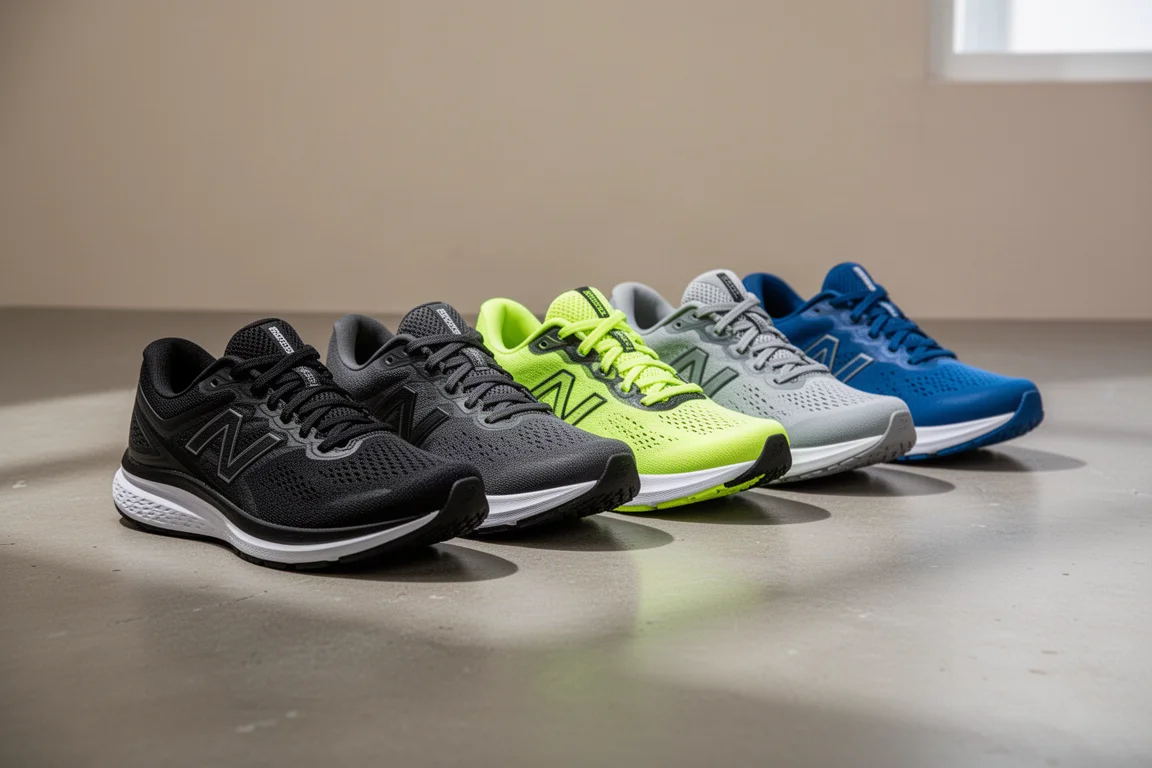
At 35 pounds, the Reebok Energy Lux 2 is the cheapest of the bunch. It is lightweight at 289 grams, but the fit is narrow, it needed some breaking in, and there was a little rubbing at the back of the heel. The foam feels somewhat dead and not very responsive, and it runs about half a size small, so consider going up half a size.
It is best thought of as a 5K and 10K shoe for parkruns and short runs, and it arguably works better for walking and light gym work thanks to decent stability. Not a bad effort for the money, but better options exist on this list.
Adidas Galaxy 6
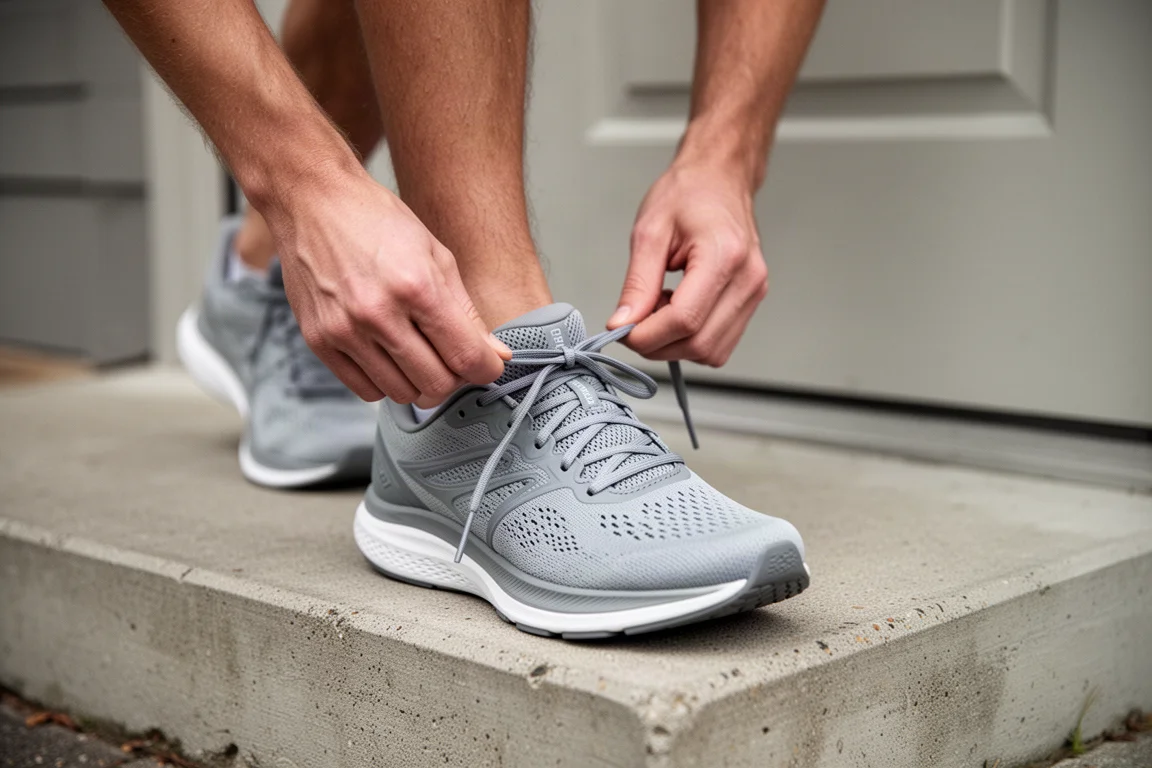
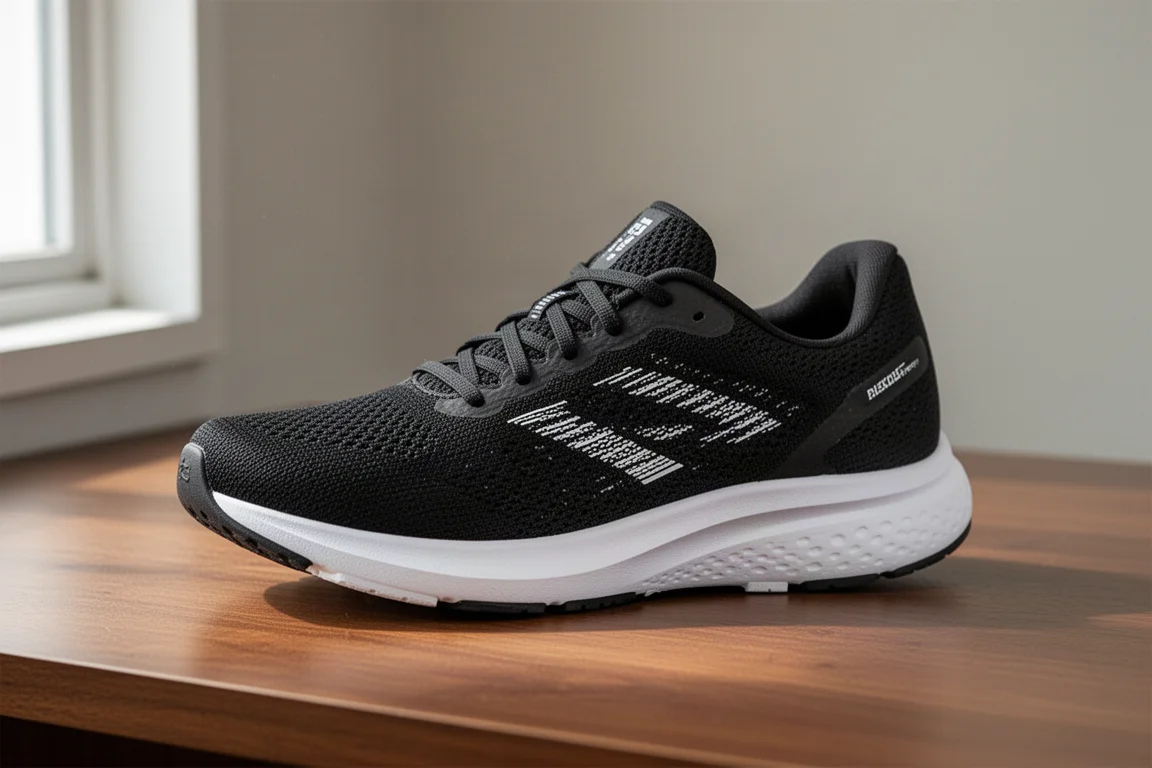
The Adidas Galaxy 6 costs 45 pounds and is, frankly, the heaviest running shoe ever laced up for this kind of test: 425 grams. It is a big, clunky unit with a stiff heel counter that caused minor rubbing. The foam is completely unresponsive, feeling like running with a lead weight on each foot.
As a running shoe, it does not work. As a casual shoe for walks or the gym, it is perfectly fine. For actual running, look elsewhere.
New Balance 411 v3
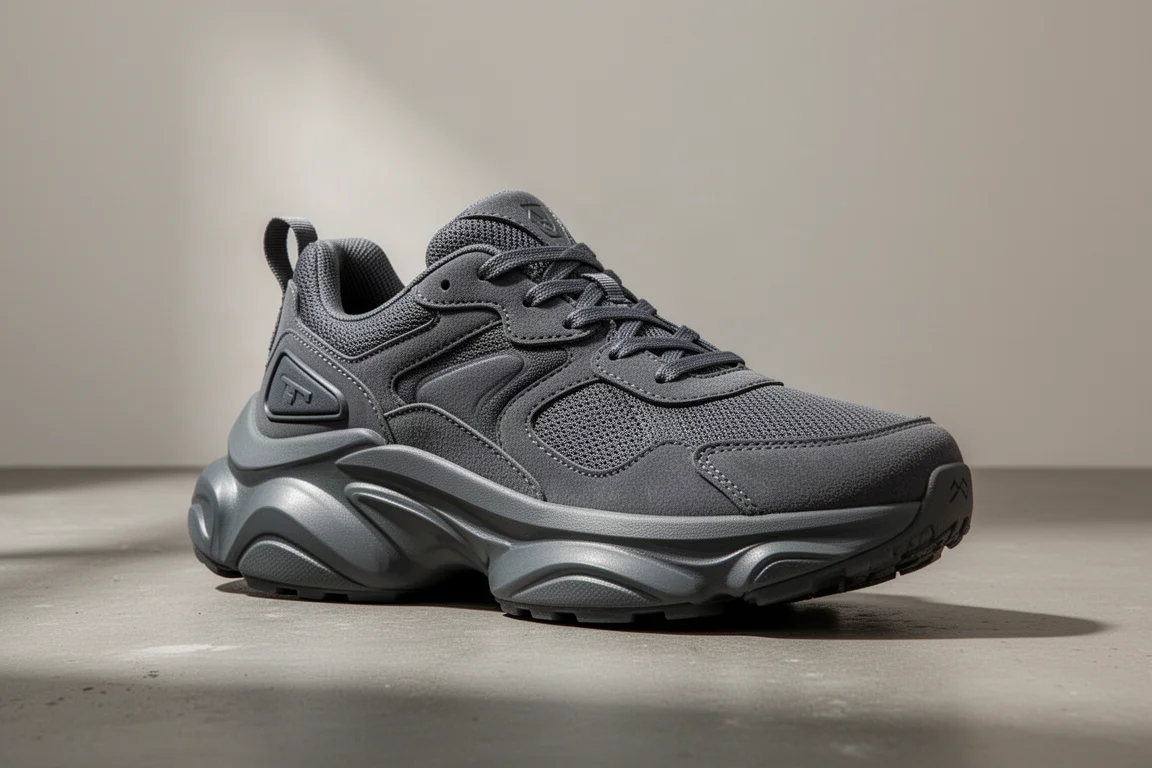
The New Balance 411 v3 flips the script with 227 grams at 55 pounds, and this is where things start looking like a real running shoe. It is genuinely lightweight, has good padding around the ankle, solid lockdown, and fits true to size. It suits 5K and 10K running well, and even short speed sessions if you want a super-light shoe.
It is a touch narrow, so wider feet may want to look elsewhere, though New Balance offers an extra-wide fitting. Durability at this price point is a fair question, but the shoes have held up well so far. A good entry-level option, and third place in the final ranking.
Nike Revolution 6
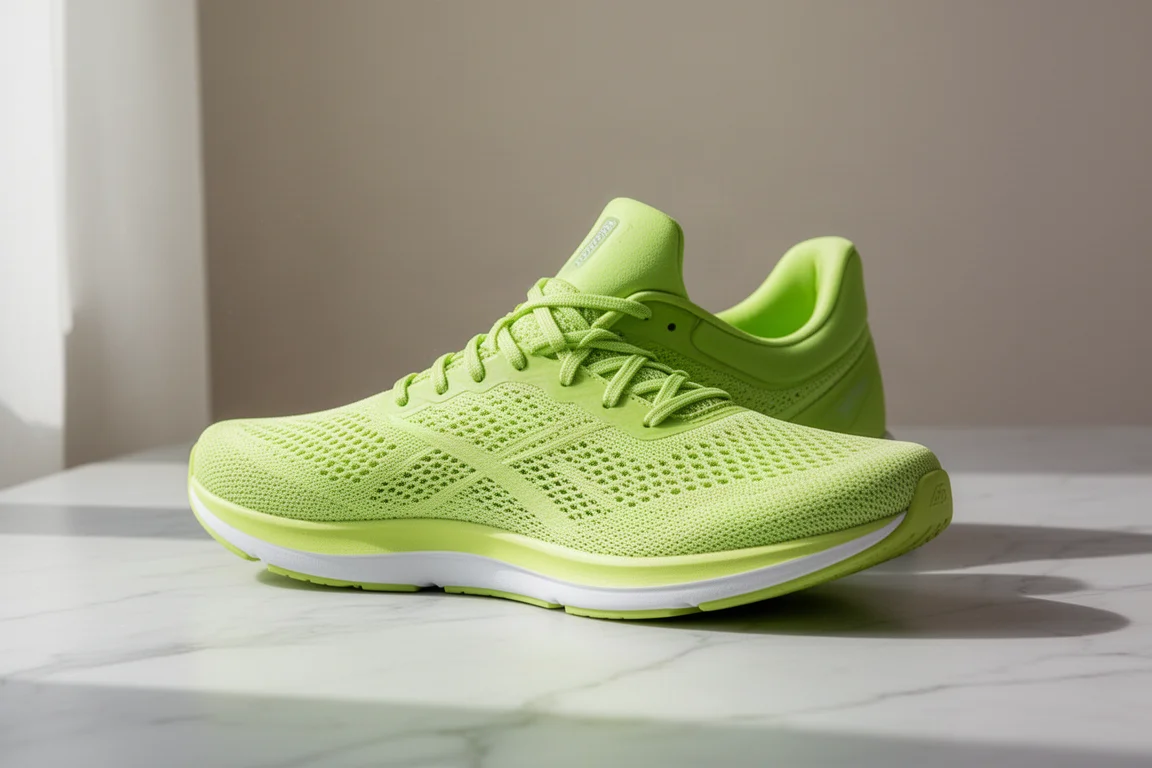
The Nike Revolution 6 comes in at 59 pounds in its Nike “nature” version, meaning around 20 percent of the shoe is made from recycled content. It is on the heavy side at 353 grams, runs a little small, sits on the narrow side, and the foam can get squeaky in wet conditions.
The upside: it is comfortable, not too stiff around the heel, and has good lockdown. Along with the Asics below, it is the only shoe here recommended up to half marathon distance, thanks to a bit more support and a bit more from the foam. Just do not plan a marathon in any of these shoes.
Asics Gel Excite 9
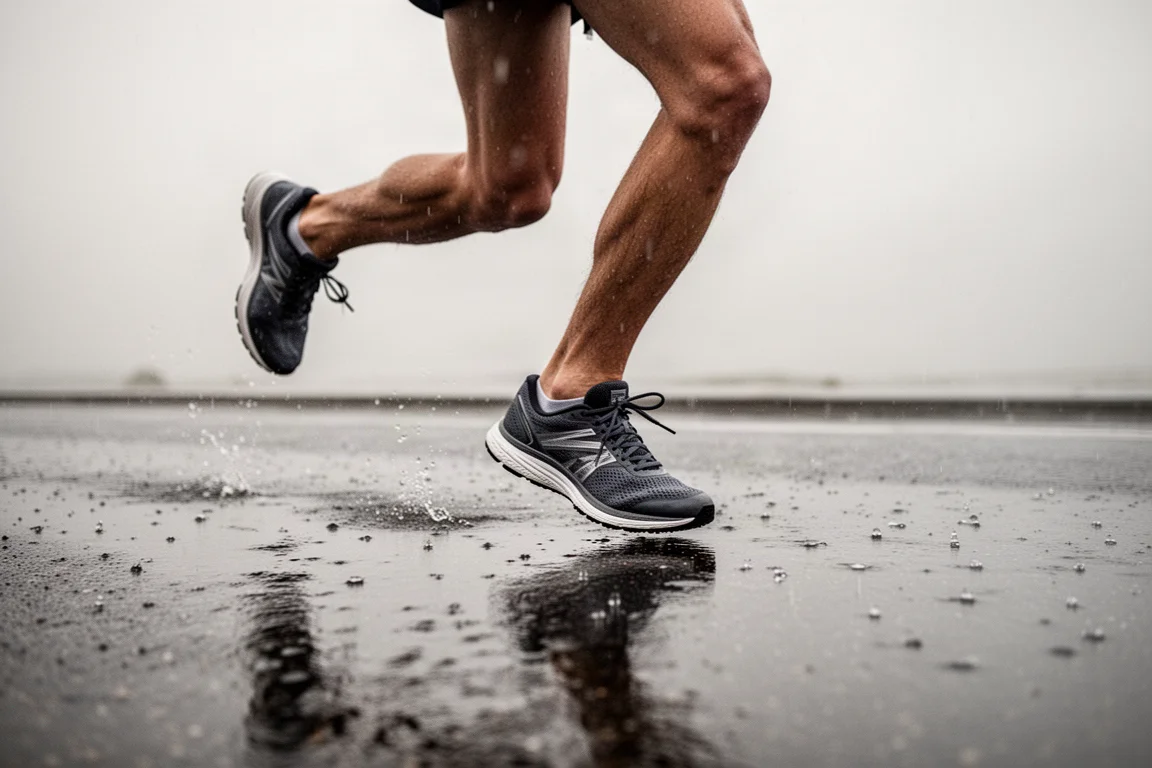
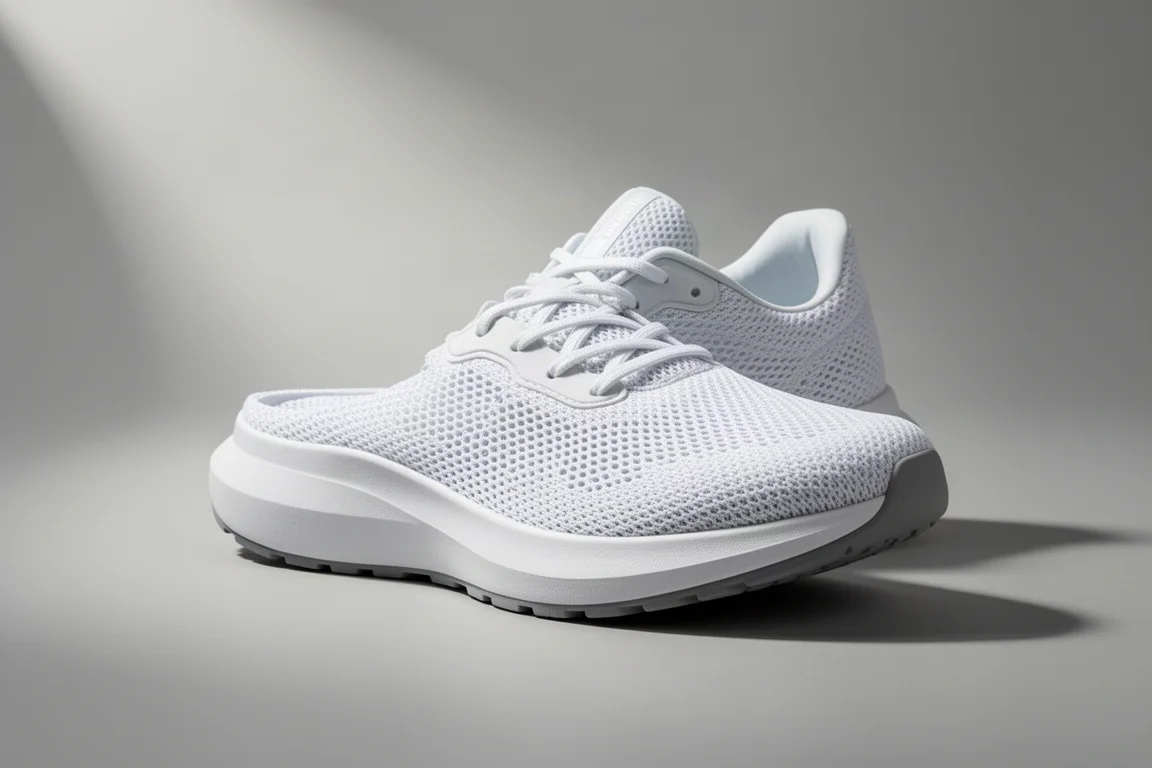
The most expensive at 80 pounds, the Asics Gel Excite 9 is the closest to what most people would call a proper all-out running shoe. It has more structure, better support hugging the foot, a good overall width with no rubbing, solid lockdown, and squishy supportive padding around the ankle. Grip is excellent too.
At 349 grams it is still a touch heavy, but the Amplifoam midsole starts delivering real responsiveness. It is the strongest all-rounder here and shares first place in the ranking.
What Spending More Actually Gets You
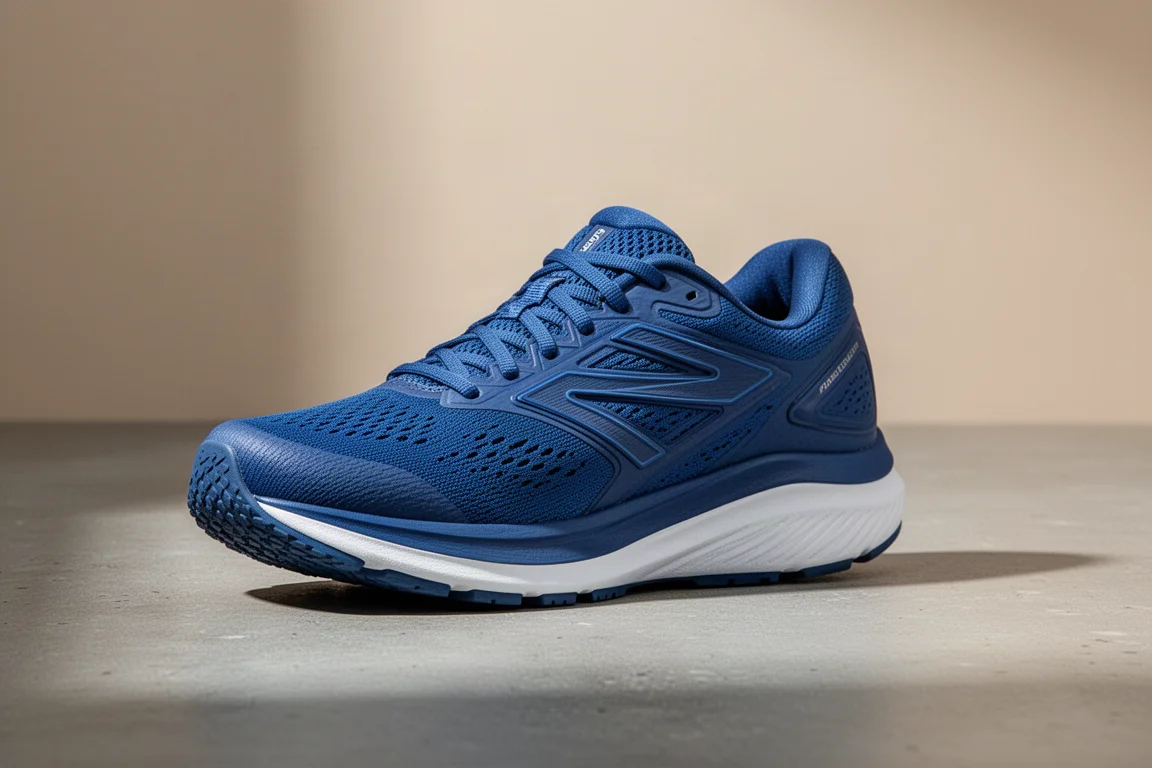
Step up to a premium trainer like the Asics Gel Nimbus 25 and you get softer, more supportive, more responsive foams, better upper materials, more breathability, and generally more durability and comfort, which is kinder to your joints and muscles over big mileage.
At around the 200 to 250 pound bracket, shoes with high-end foams and carbon plates, like a Nike Vaporfly-style racer, genuinely make you faster on race day. But the figures also say you still reach the finish line in a cheaper shoe. The premium stuff is about performance and comfort gains, not a binary good or bad.
The Final Ranking
Fifth place goes to the Adidas Galaxy 6, a hilariously heavy chunky shoe that is not much fun to run in. Fourth is the Reebok Energy Lux 2, all-around okay but beaten by better options. Third is the New Balance 411 v3, loved for its lightness, comfort, and colorways.
Joint first are the Nike Revolution 6 and Asics Gel Excite 9, both comfortable, easy to run in, with good lockdown and hard to fault at their prices. The Asics costs more but is a perfectly good, decent trainer all around.
Buying Advice: The Smarter Way to Spend 50 to 80 Pounds
If that is your budget, the single best move is shopping last year’s models online rather than buying the cheapest current shoe. Examples found at the time of writing: the New Balance 1080 for about 79 pounds, the Hoka Clifton 8 for around 65, the Nike Pegasus 39 in the mid 80s, the Reebok Floatride for about 48, and the Asics Novablast 2 for around 74. Stock and sizes vary, but availability was good across multiple retailers, and each is a far better shoe than anything in this lineup.
Factory stores are also worth a visit for bargains. The lesson: your money goes further buying a better shoe from last season than the lowest-priced current model.
Conclusion
Cheap does not automatically mean bad. The Asics Gel Excite 9 and Nike Revolution 6 are genuinely usable trainers for 5K up to half marathon, the New Balance 411 v3 is a great lightweight pick for shorter runs, and the Reebok is passable. The Adidas Galaxy 6 is best left as a casual shoe. But if you can be flexible on model year, last season’s mid-tier shoes at the same price will beat every shoe here.
Further reading
Related Reviews

Running Shoes
Best Road-to-Trail Running Shoes: Three Versatile Options for Mixed Terrain
A practical guide to three road-to-trail running shoes that handle both pavement and mild trails, with clear strengths and trade-offs for different runner types.

Running Shoes
Best Running Shoes for Achilles Tendonitis: Three Options Explained
Three running shoes with different heel drops and support features designed to help reduce Achilles tendon pain during walking and running.

Running Shoes
Best Running Shoes for Women: Five Top Choices Ranked
A ranked guide to five women's running shoes, from versatile daily trainers to high-performance racing options, with real strengths and trade-offs for each.