Running Shoes
3 Budget Running Shoes That Actually Deliver in 2025
The Puma Velocity Nitro 4, Adidas SL2 and Decathlon Kiprun KD900X.2 prove you do not need to spend £200 for a genuinely good running shoe.
Introduction
Running has a reputation for being a cheap sport, but that has not been true for a while. Between pricey tech, recovery gadgets and nutrition, and plenty of running shoes tipping well over £200 a pair, the bill adds up quickly.
Most big brands do sell cheap entry-level shoes in the £50 to £80 bracket, but they tend to be uncomfortable, poorly made, and built with rock-solid foams that are fine for casual wear but not for actual running.
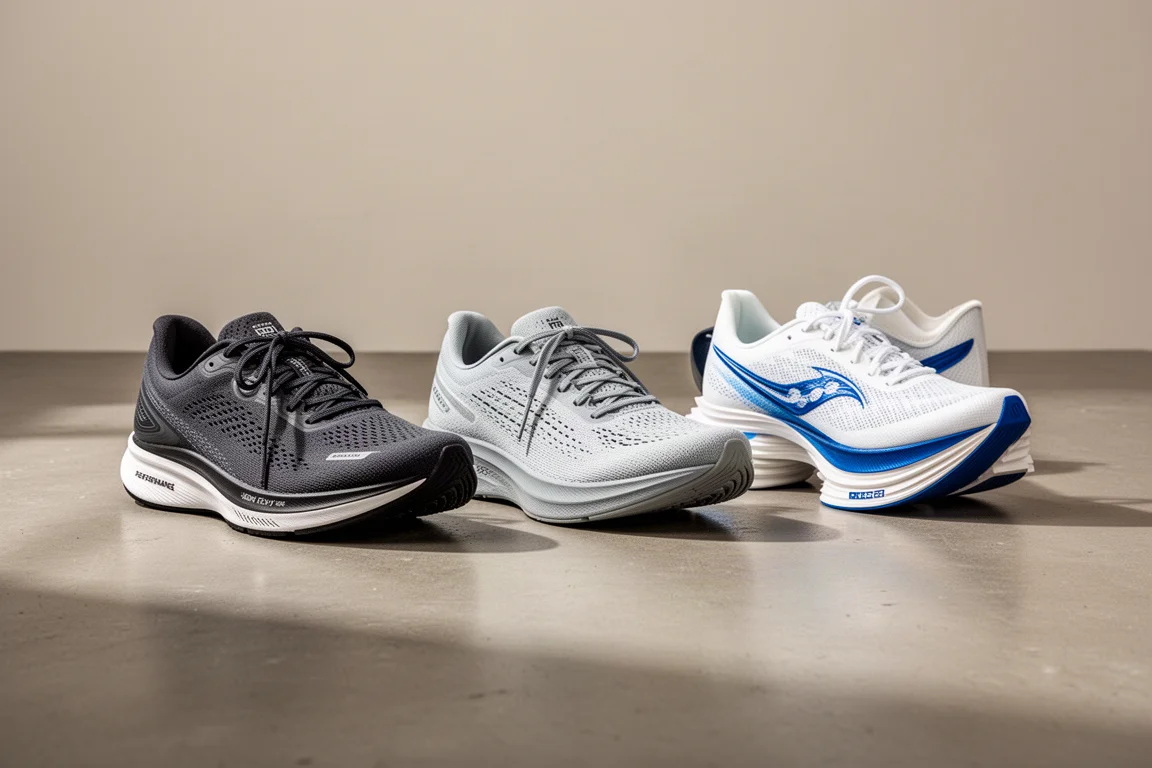
The good news: there are genuinely great budget options out there. These three shoes, all bought and tested at full retail price, prove you can spend well under £150 and still get a shoe that performs like something far more expensive.
Puma Velocity Nitro 4: The Everyday All-Rounder
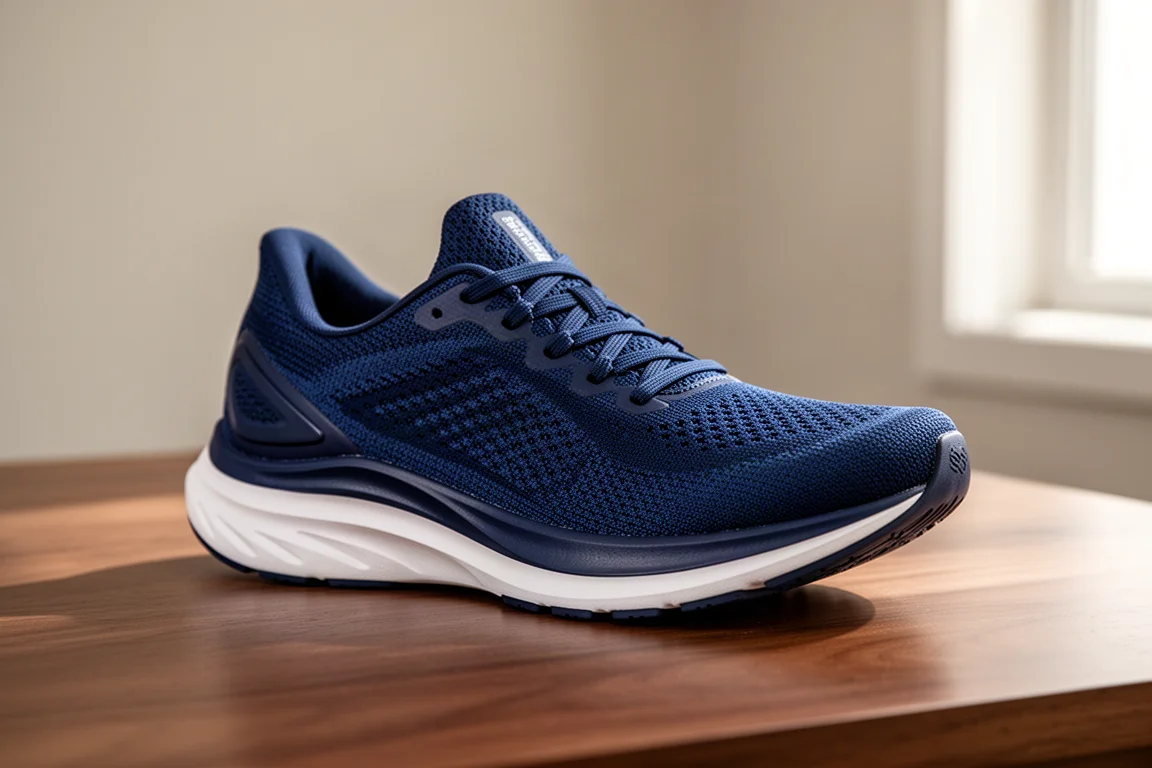
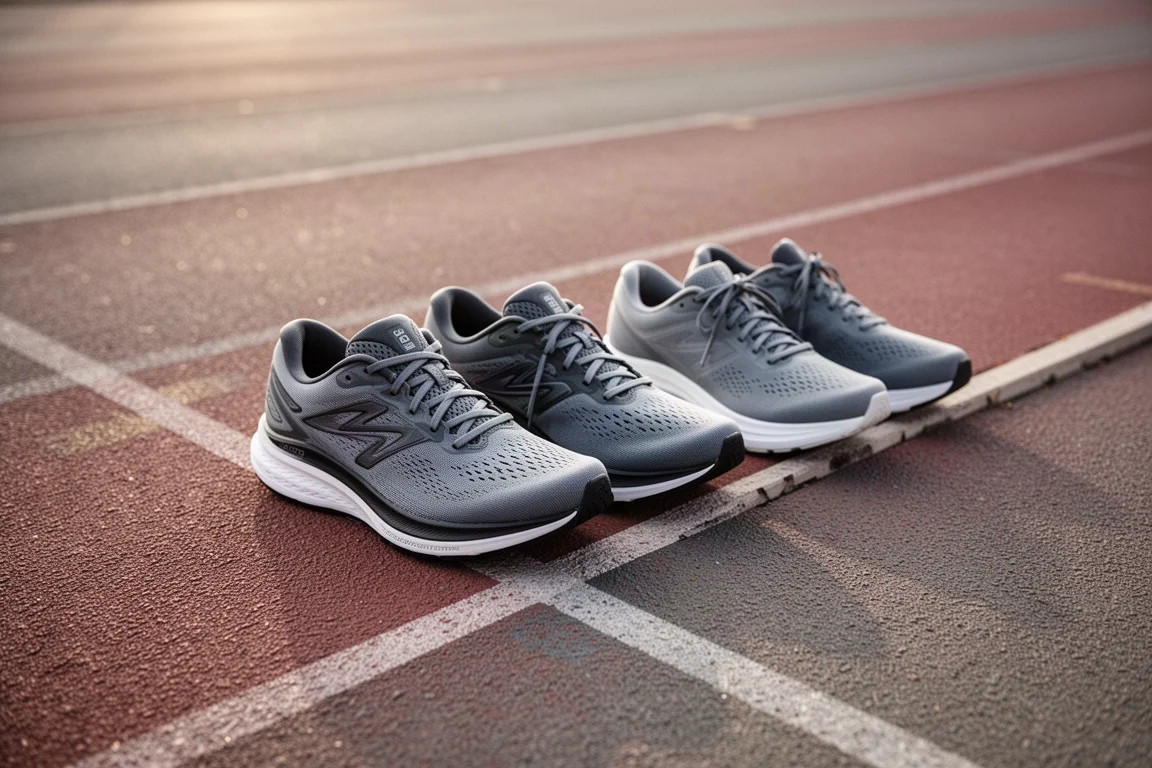
The Velocity Nitro 4 is a daily do-it-all shoe, designed to handle every type of run reasonably well. The RRP is £110, but almost nobody pays that: it regularly sells for around £90, and £93 got this pair. The rear stack measures 36mm with a 10mm drop, and the shoe is nicely light at 282g in a UK size 12. The midsole is a full layer of Puma’s Nitro foam with no plate, and sizing is true to size.
There is a lot to like here. Puma’s outsole grip is excellent, which matters a great deal heading into autumn and winter: it is genuinely tacky and inspires confidence through corners and direction changes. The ride is fairly traditional, smooth and flexible, and the foam is surprisingly bouncy for the stack height, delivering good energy return. It is also versatile across paces and distances, so the odd impromptu 5K, 10K or half marathon is well within its comfort zone. Perhaps most impressively, the build quality simply feels a tier above the price point.
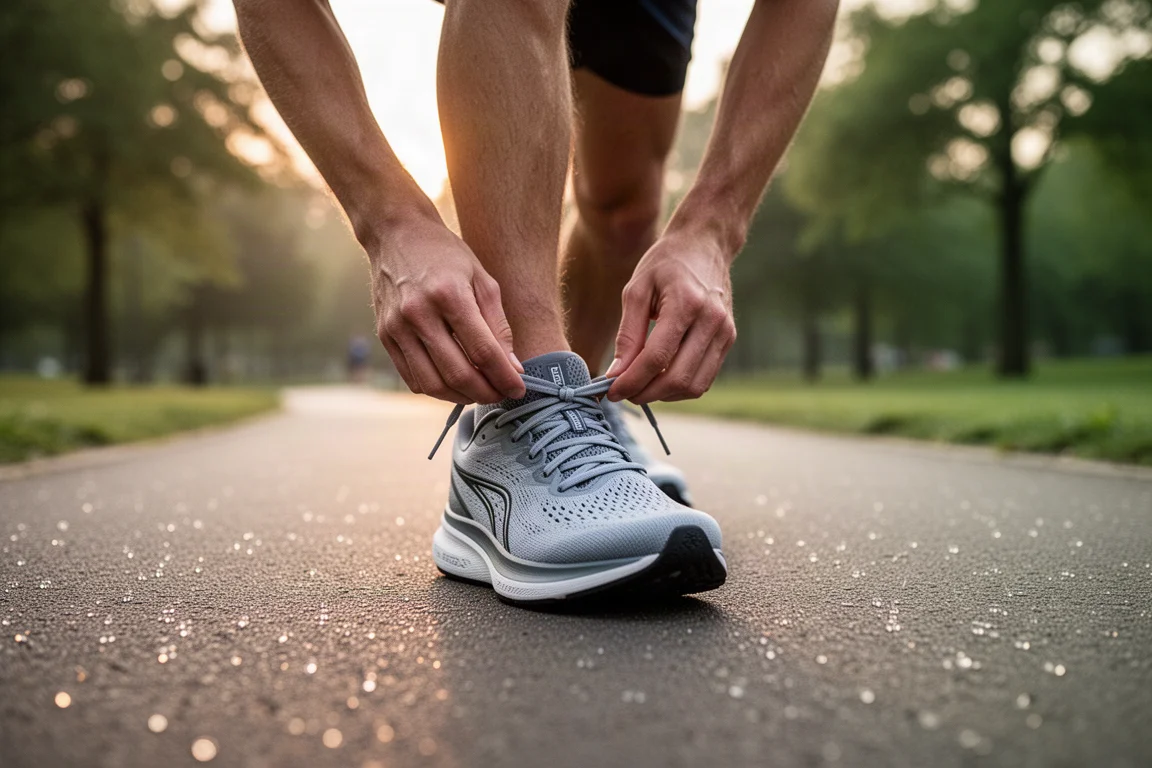
On the downside, the shoe runs slightly narrow through the midfoot and toe box, so wider-footed runners may feel pinching at the front. Sizing up is not a great fix because it makes the shoe feel too long, so trying it in store is worthwhile. The tongue also tends to slide down, and a lace clip to hold it in place would help. Still, as a fun, poppy and truly versatile daily shoe at this price, Puma could honestly charge more for it.
Adidas SL2: The Speedy Daily Trainer
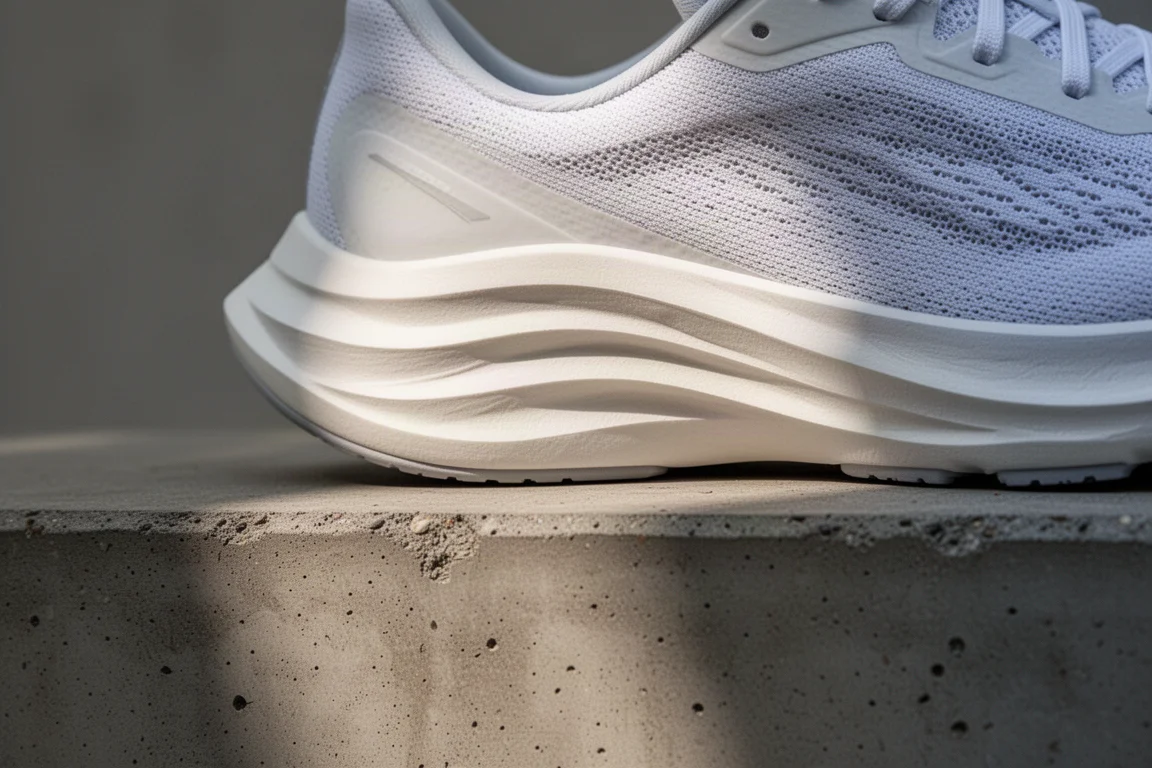
The Adidas SL2 has been out for a while, but it remains widely available and is a classic daily trainer for all sorts of runs. List price sits around £110, though it can currently be found on sale for roughly £77 to £80. The rear stack is 36mm with a 9mm drop, and it weighs 287g in a UK size 12. The midsole is where this shoe comes alive: a three-layer setup with Lightstrike 2.0 on top for durability, Adidas’ superb Lightstrike Pro foam in the middle for bounce and responsiveness, and more Lightstrike 2.0 below. There is no plate, and it is worth going half a size up.
The SL2 is lightweight, snappy and fun, with an engaging, responsive ride and a real turn of speed. Faster shoes exist for more money, but what you get here is outstanding for the price. The upper is highly breathable with a solid lockdown, and it feels like a well-made premium shoe. Durability is good too, with a quality, tacky, grippy outsole. And it is versatile enough that it could even serve as a race day option: if you want one shoe that truly does it all, this is the strongest candidate here, largely thanks to that Lightstrike Pro foam.
Two caveats. Like the Puma, it runs a little narrow, and if you have particularly wide feet it is probably one to avoid; in that case the Puma is the safer bet. It can also feel a touch too soft for some, and it is not the most stable shoe. But as a lightweight, speedy daily trainer, it is an absolute bargain at around £80.
Decathlon Kiprun KD900X.2: The £99 Carbon Race Shoe
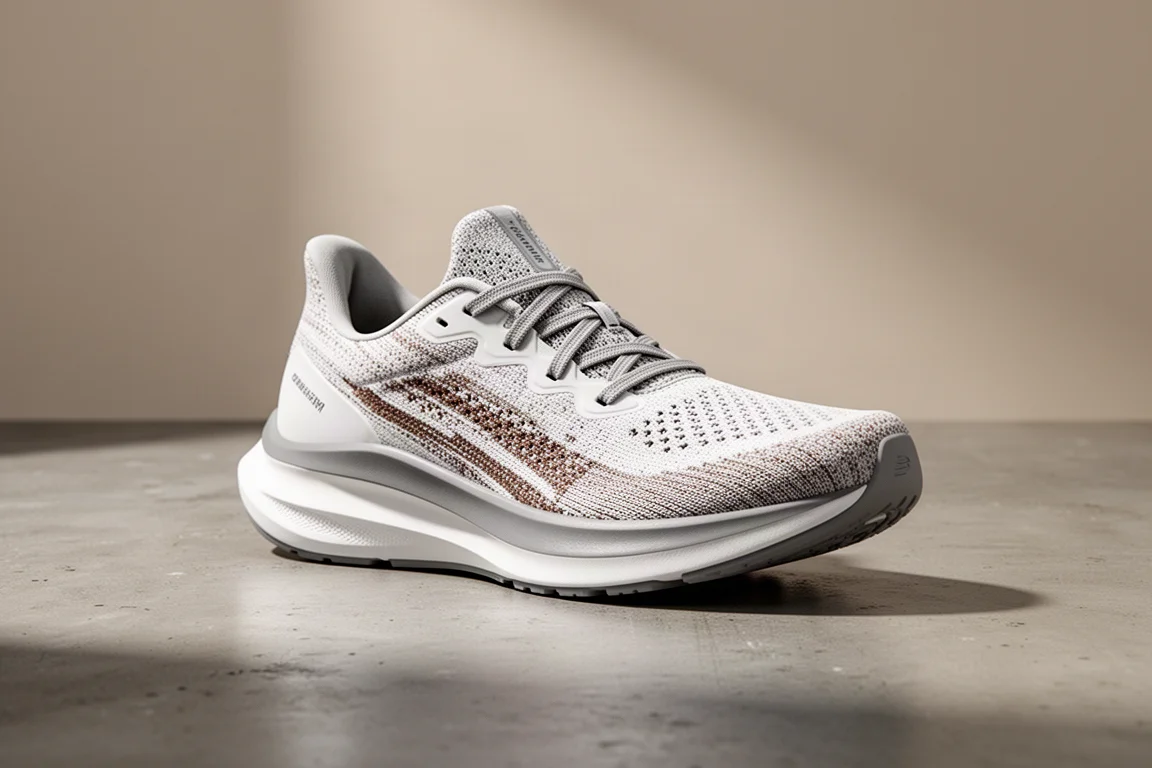
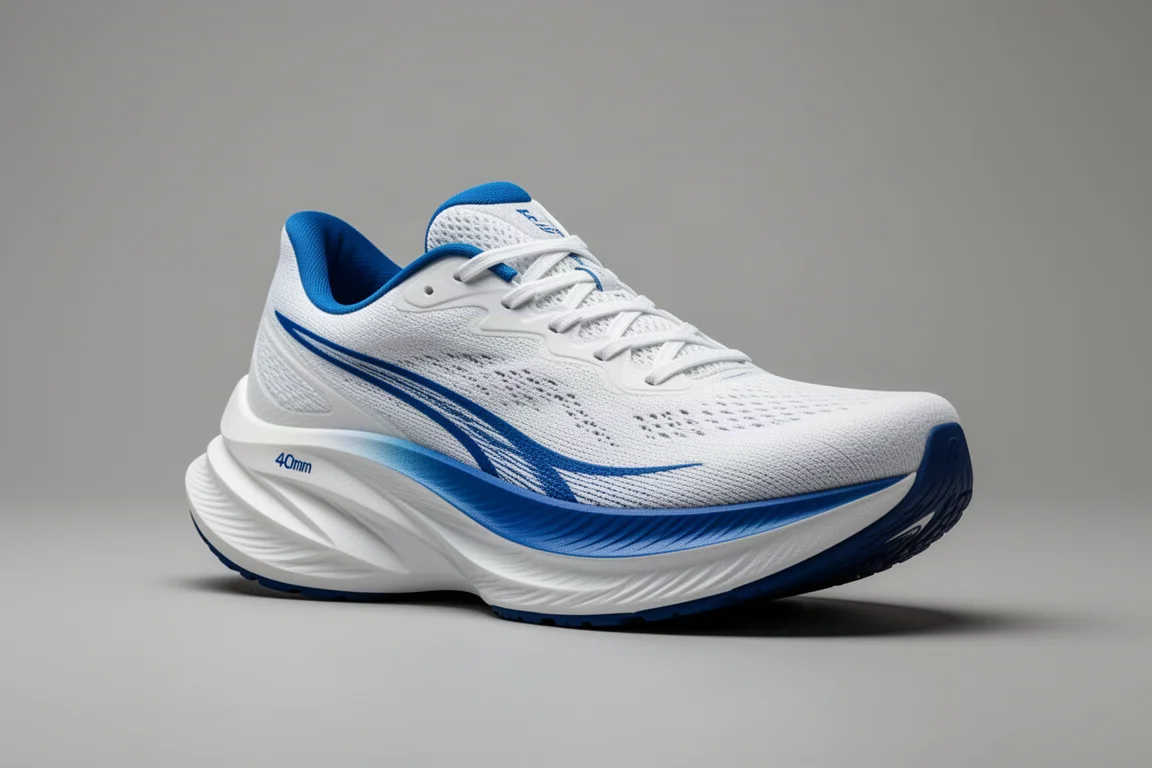
Here is the shoe that honestly should not exist in 2025: a carbon-plated race shoe for £99. Decathlon’s in-house running brand Kiprun has pulled it off with the KD900X.2. Its purpose is clear: tempo runs, speed sessions and race days, anywhere from 5K up to half marathon distance. The rear stack is 40mm with an 8mm drop, and it is astonishingly light at 238g in a UK size 12. The midsole uses two layers of Decathlon’s Voam, an ATPU foam similar to the compounds big brands use in their £200-plus super shoes, plus a carbon plate. Sizing runs slightly long, so go half a size down and check the sizing chart on Decathlon’s website.

The lightweight design is the headline act, helped by a simple single-layer mesh upper that offers excellent airflow while keeping comfort intact. The ride is soft and smooth, with a carbon plate that has a good amount of flex rather than the super-stiff aggression of some high-end racers, making it a great first carbon shoe for newcomers. The geometry is well judged too: a gentle rocker that tips you forward nicely as the pace picks up. It is versatile enough to feel good when running fast or just jogging along, though you will not want to use it for every daily run; a non-carbon shoe like the two above is better for that. The quality of the materials at this price is remarkable, and the shoe feels genuinely premium in the hand.
A few practical notes. The soft foam means it is not the most stable ride, though running in a straight line is no problem at all. It is also a Decathlon exclusive, sold only through their stores and website; in the UK it appears to be online-only, but delivery was next-day and the service was excellent. Marathon racing is probably a stretch, as it is not stiff enough for that job, but for 5K, 10K and half marathon racing and speed work, it is superb value.
Which One Should You Buy?
All three land at or under the £100 mark in real-world pricing, and each earns its place. If you want a grippy, fun, traditional daily trainer, the Puma Velocity Nitro 4 is the pick. If you want the most engaging ride and a possible race day option in one shoe, the Adidas SL2 at around £80 is hard to beat. And if you want a proper carbon race shoe for speed sessions and shorter races, the Decathlon Kiprun KD900X.2 is remarkable for £99.
Conclusion
Budget no longer means compromise in running shoes. A well-priced daily trainer, a snappy lightweight trainer and a genuine carbon race shoe all sit here at or below £100, and each one performs like a far more expensive shoe. Pick based on whether you need one do-everything shoe or a dedicated race day option, and you will not be disappointed.
Further reading
Related Reviews

Running Shoes
Best Road-to-Trail Running Shoes: Three Versatile Options for Mixed Terrain
A practical guide to three road-to-trail running shoes that handle both pavement and mild trails, with clear strengths and trade-offs for different runner types.

Running Shoes
Best Running Shoes for Achilles Tendonitis: Three Options Explained
Three running shoes with different heel drops and support features designed to help reduce Achilles tendon pain during walking and running.

Running Shoes
Best Running Shoes for Women: Five Top Choices Ranked
A ranked guide to five women's running shoes, from versatile daily trainers to high-performance racing options, with real strengths and trade-offs for each.