Kitchen Appliances
Best Budget Cold-Press Juicers: Four Tested Options Without the Amazon Gamble
Four trusted cold-press juicers made in South Korea, tested side-by-side for yield, cleanup, and real-world convenience. Skip the Amazon knockoffs and choose a machine that will last.
Introduction
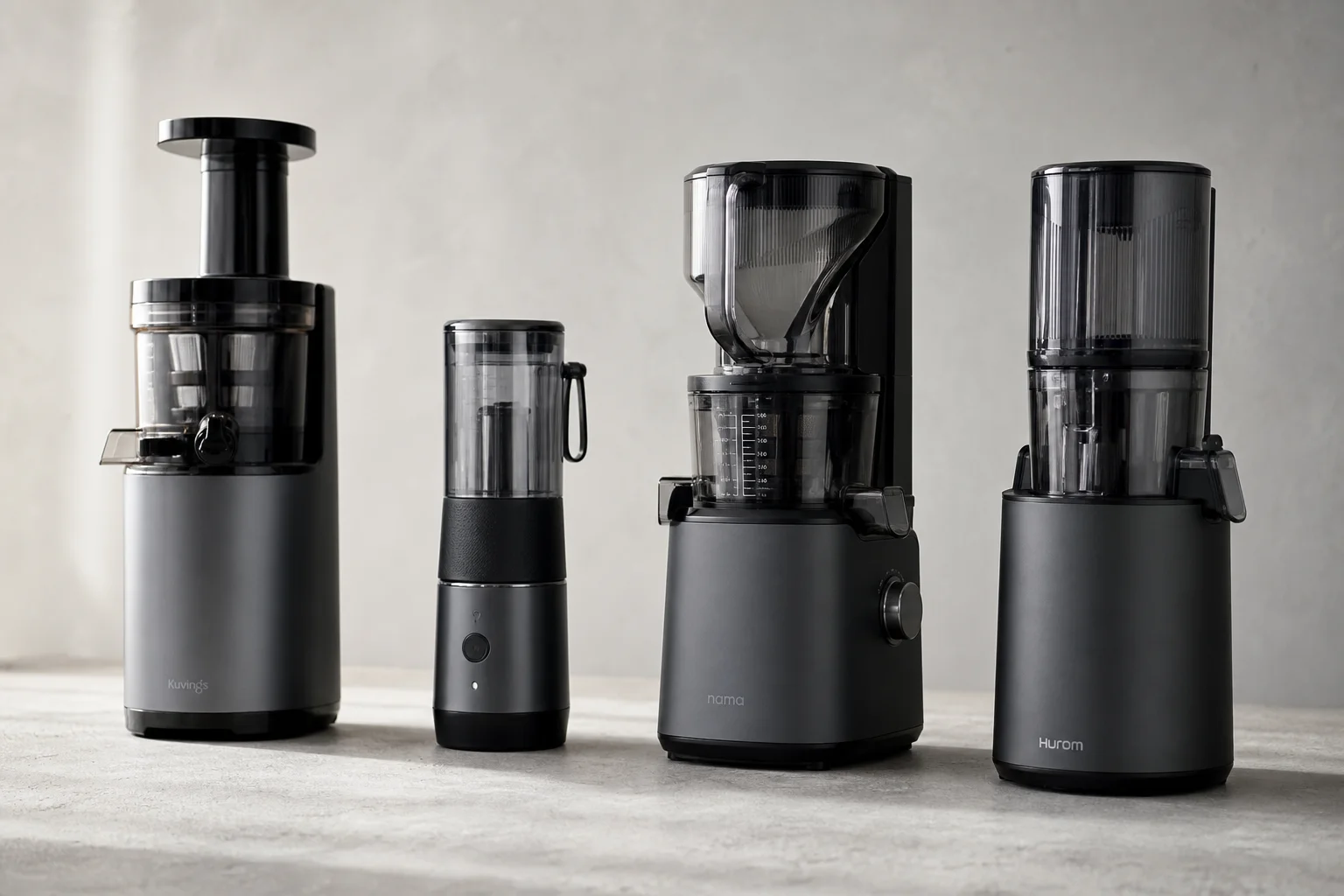
Cheap juicers on Amazon often hide behind obscure brand names and questionable safety claims. A 2020 study found that 44% of Amazon reviews are fake, and many sellers use deceptive tactics to boost ratings. Some brands claim BPA-free status while being registered as automobile maintenance companies, raising serious questions about product safety and material integrity. Rather than gamble with your health, consider trusted cold-press juicers made in South Korea, where safety standards are higher and brands have proven track records spanning decades.
Why Cold-Press Matters
Cold-press juicers work by slowly squeezing fruits and vegetables at low speeds, preserving nutrients and enzymes that heat-based machines destroy. Centrifugal juicers like Breville spin at 5,000 rotations per minute, generating heat that breaks down nutrients and turns juice into sugar water. Cold-press machines operate at 43 rotations per minute or slower, keeping juice cold and nutrient-dense. This slow extraction also produces less oxidation, meaning your juice stays fresher longer and tastes better.
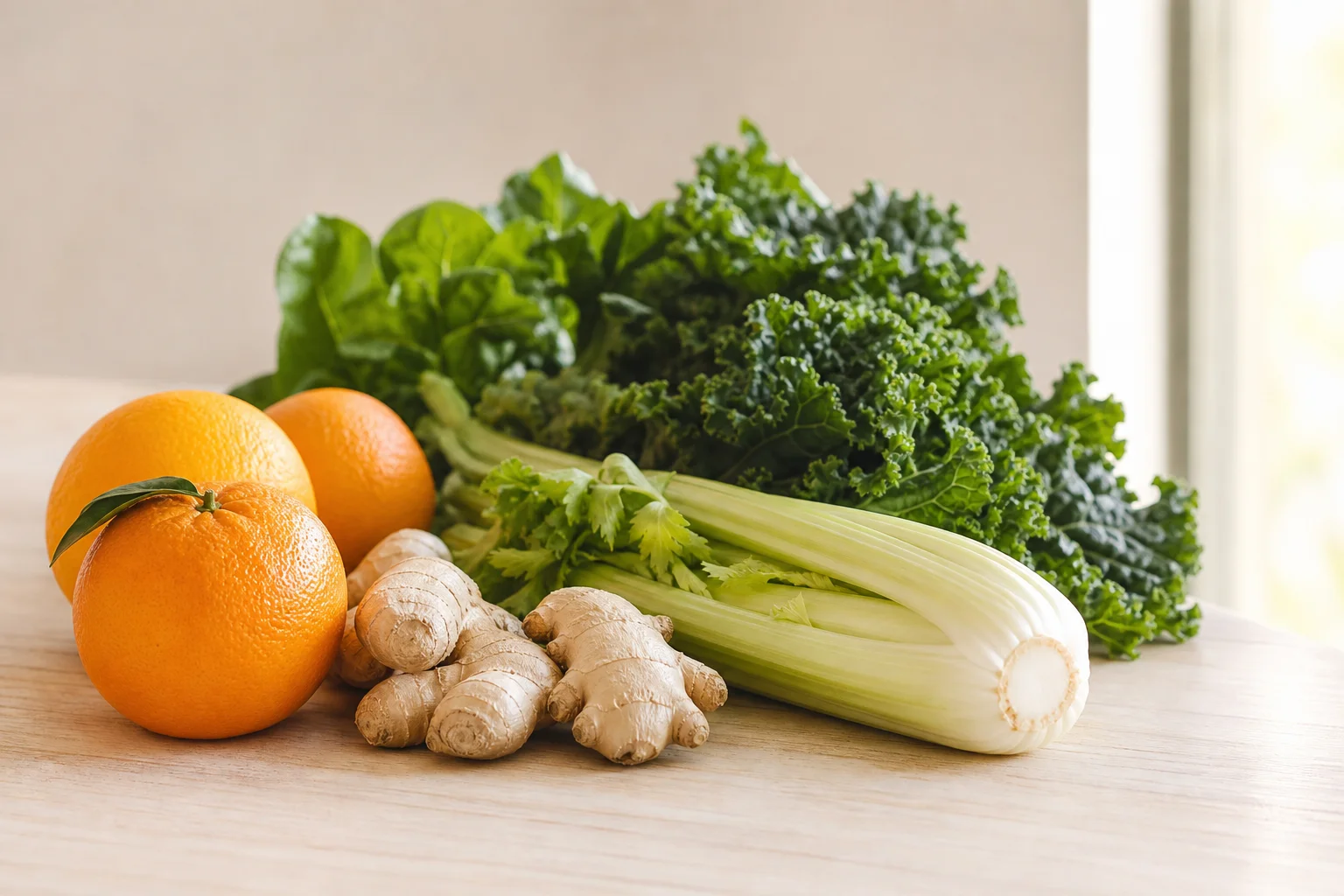
The difference is noticeable: cold-press juice has a richer flavour, higher nutrient content, and better colour retention compared to centrifugal alternatives.
Nama J3: The Portable Powerhouse
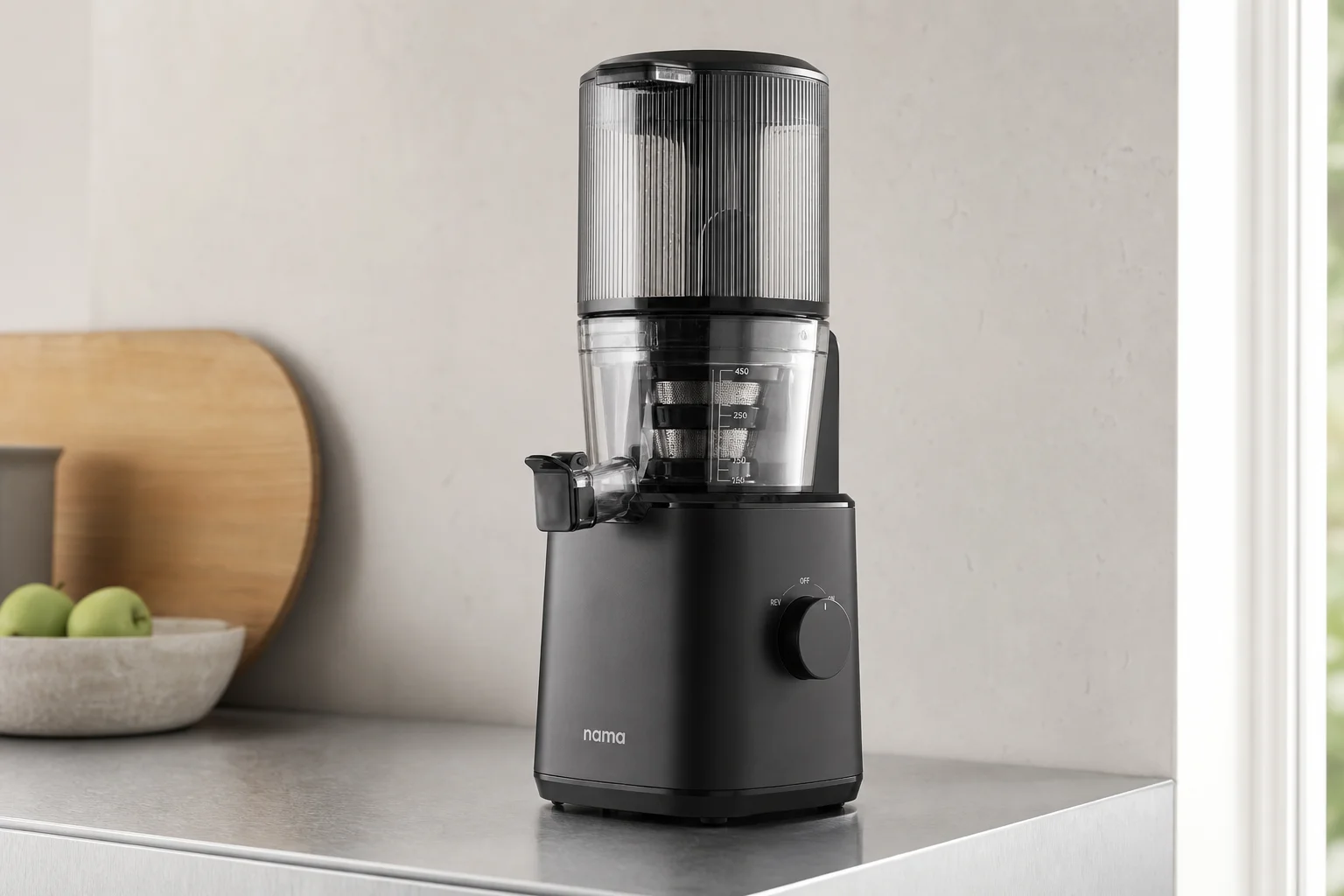
The Nama J3 is a compact vertical masticating juicer that delivers performance at a fraction of premium prices. It features a large hopper that accepts whole fruits and vegetables, letting you batch 1 to 2 cups of juice at a time without pre-cutting. In side-by-side testing against the Nama J2, the J3 matched the larger model in yield, making it an exceptional value for the price.
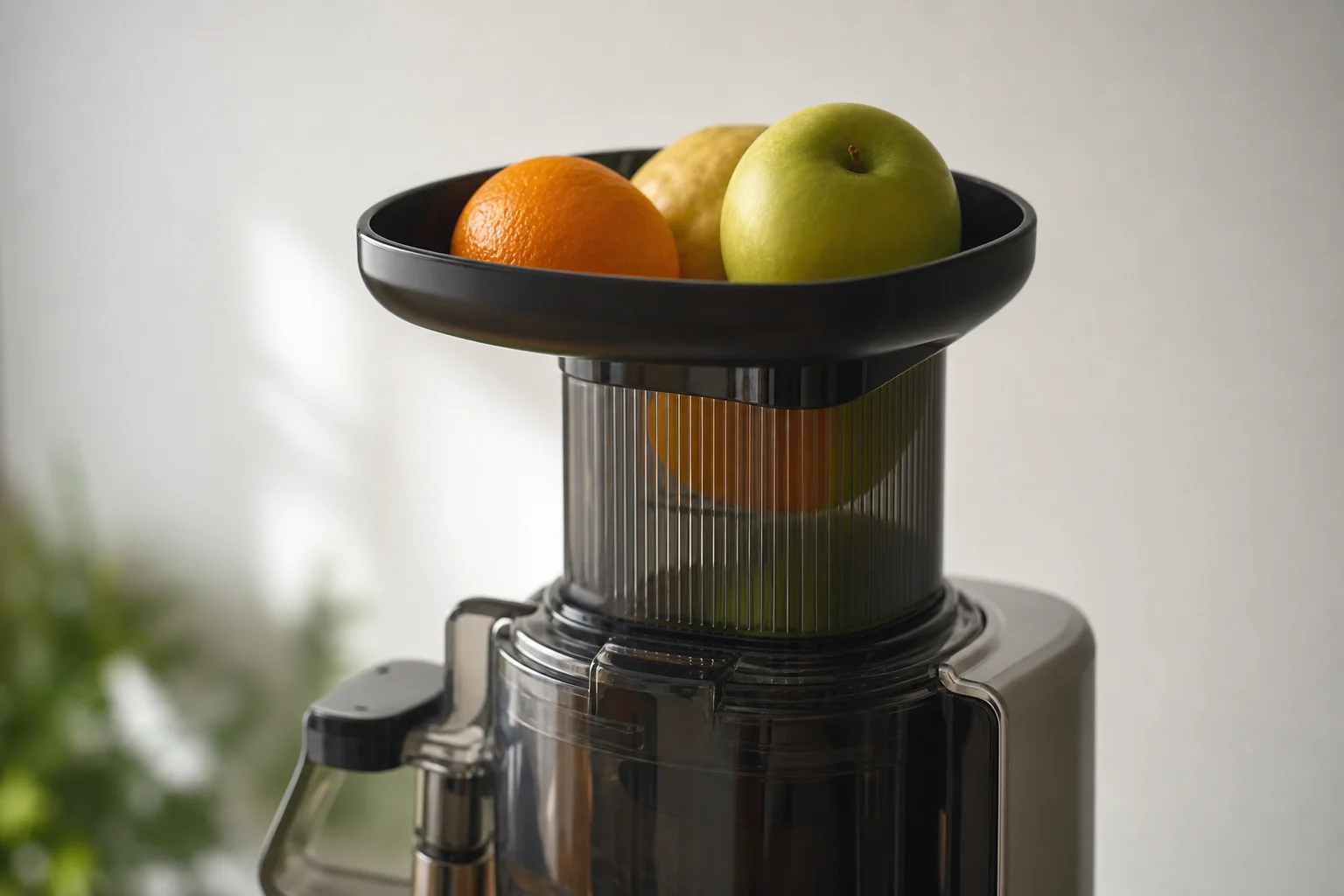
The J3 comes with a 15-year warranty, suggesting it may be the last juicer you ever need to buy. At around 450 dollars, it costs almost half as much as premium machines priced near 700 dollars. The main trade-offs are that it is not the lightest juicer on this list and cannot make sorbet without additional attachments. For most users seeking a reliable, high-yield cold-press juicer without premium pricing, the J3 is a compelling choice.
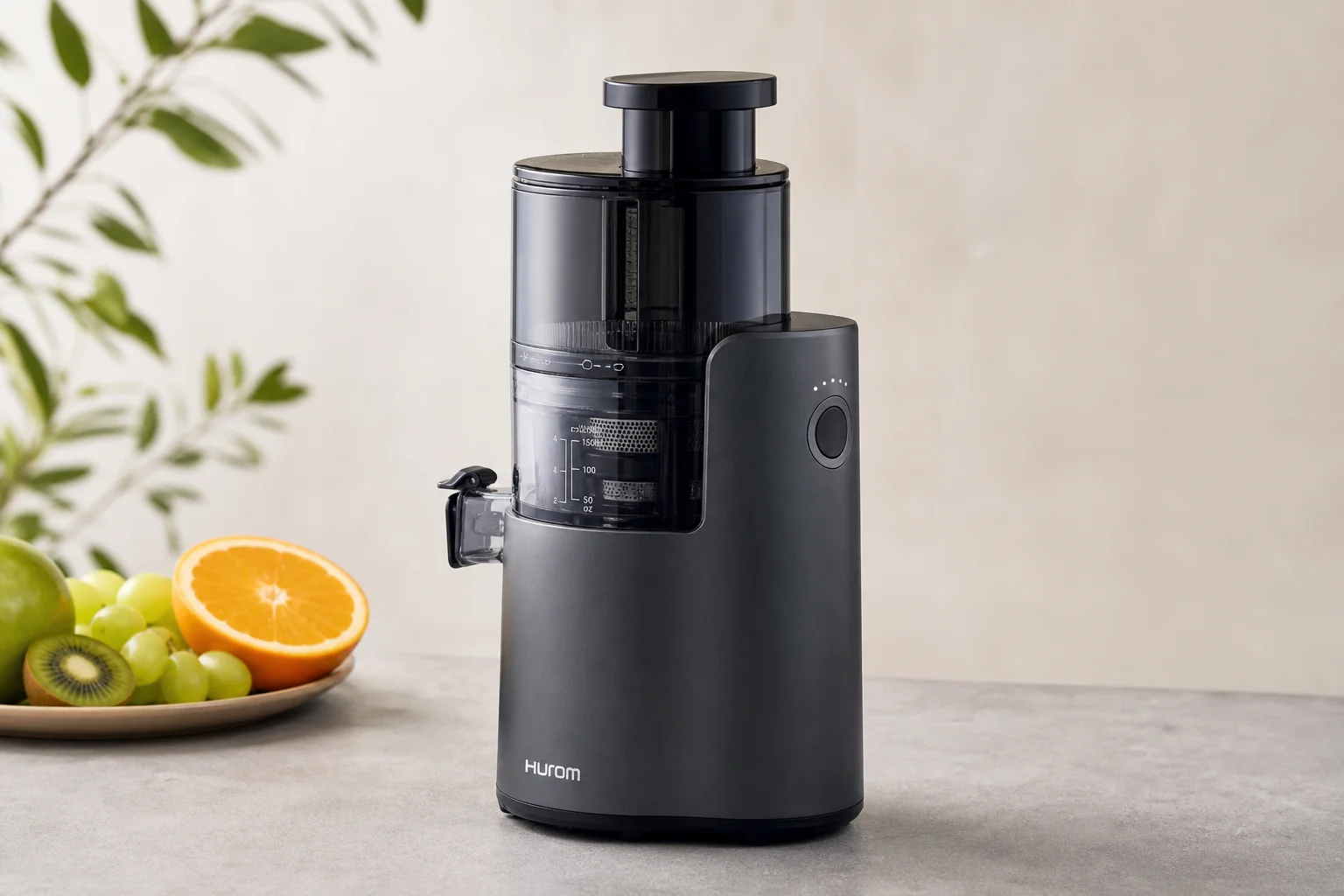
Hurom HAA: The Most Affordable Option
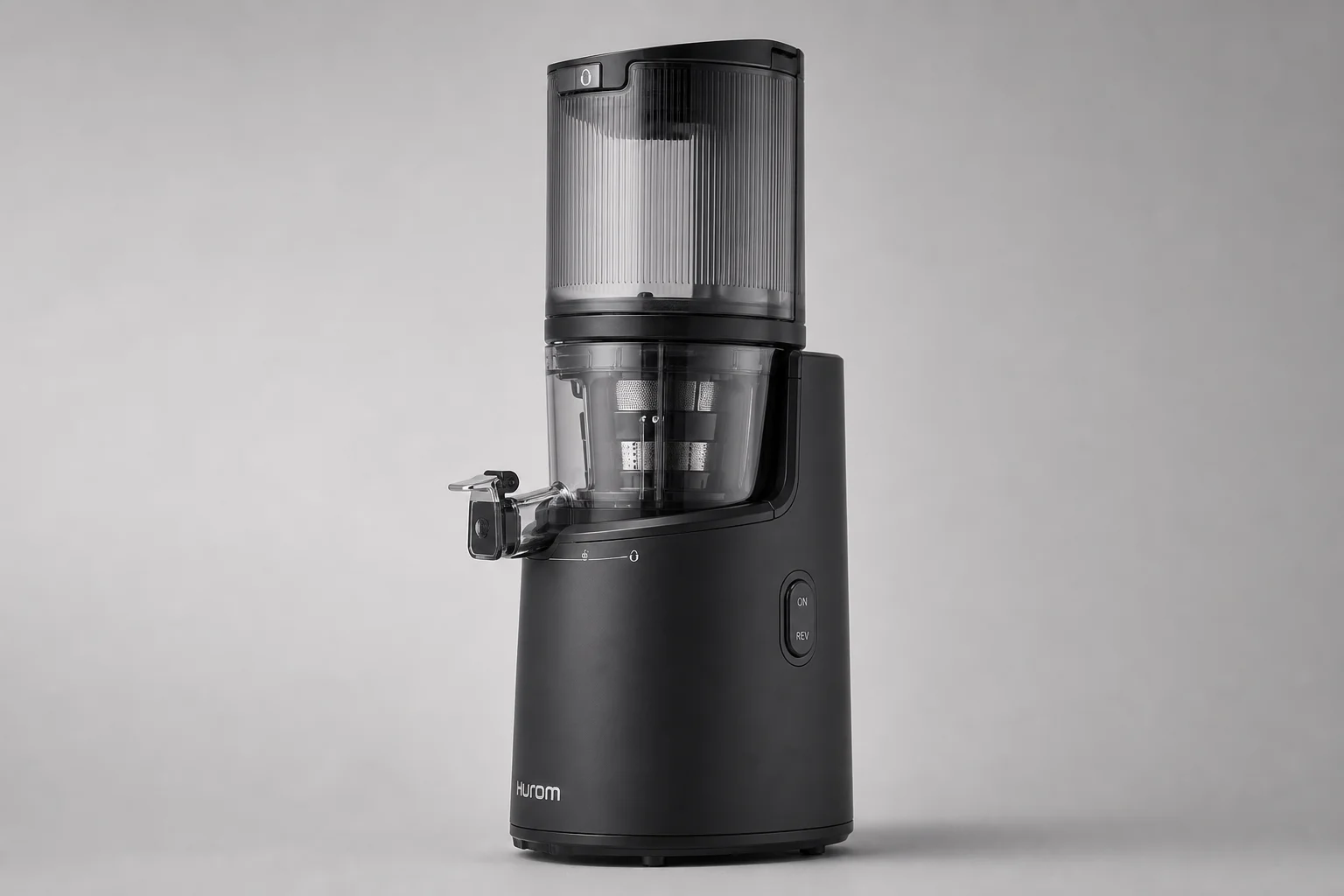
The Hurom HAA is a vertical masticating juicer that strikes the best balance between price and performance for budget-conscious buyers. It spins at 43 rotations per minute, making it significantly quieter than centrifugal alternatives. The slow squeeze preserves nutrients and produces high-quality juice consistently. Many users report returning cheaper centrifugal juicers in favour of the HAA after experiencing the difference in juice quality.
The HAA can make healthy sorbets with a special attachment, a feature the J3 lacks. The main drawback is the small feed shoot at the top, requiring you to feed fruits and vegetables one at a time rather than using a hopper. This is not a deal-breaker but less convenient than loading everything at once. The HAA typically retails for about 400 dollars but often sells around 360 dollars. With a coupon code, you can find it in the low 300-dollar range, making it an excellent value for cold-press quality.
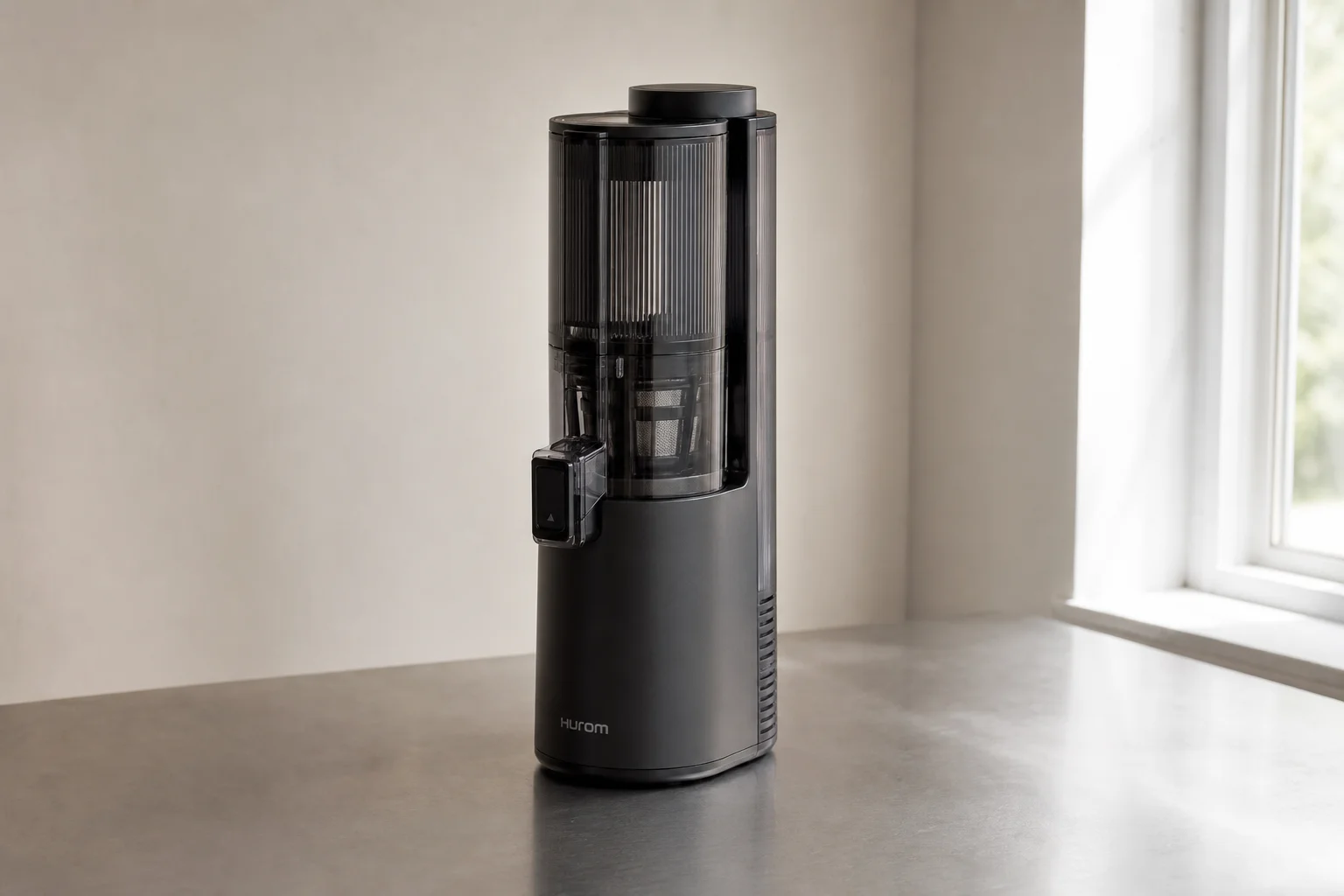
Hurom H310: Lightweight and Easy to Clean
The Hurom H310 weighs only 7.9 pounds, making it lighter than the J3 and portable enough to pack into a backpack for camping trips or travel. Its standout feature is Easy Clean technology: the juicer disassembles into two pieces and rinses completely without scrubbing. This single feature transforms the ownership experience, as cleaning is typically the worst part of owning a juicer. After using Easy Clean, most users find themselves using the juicer far more frequently.
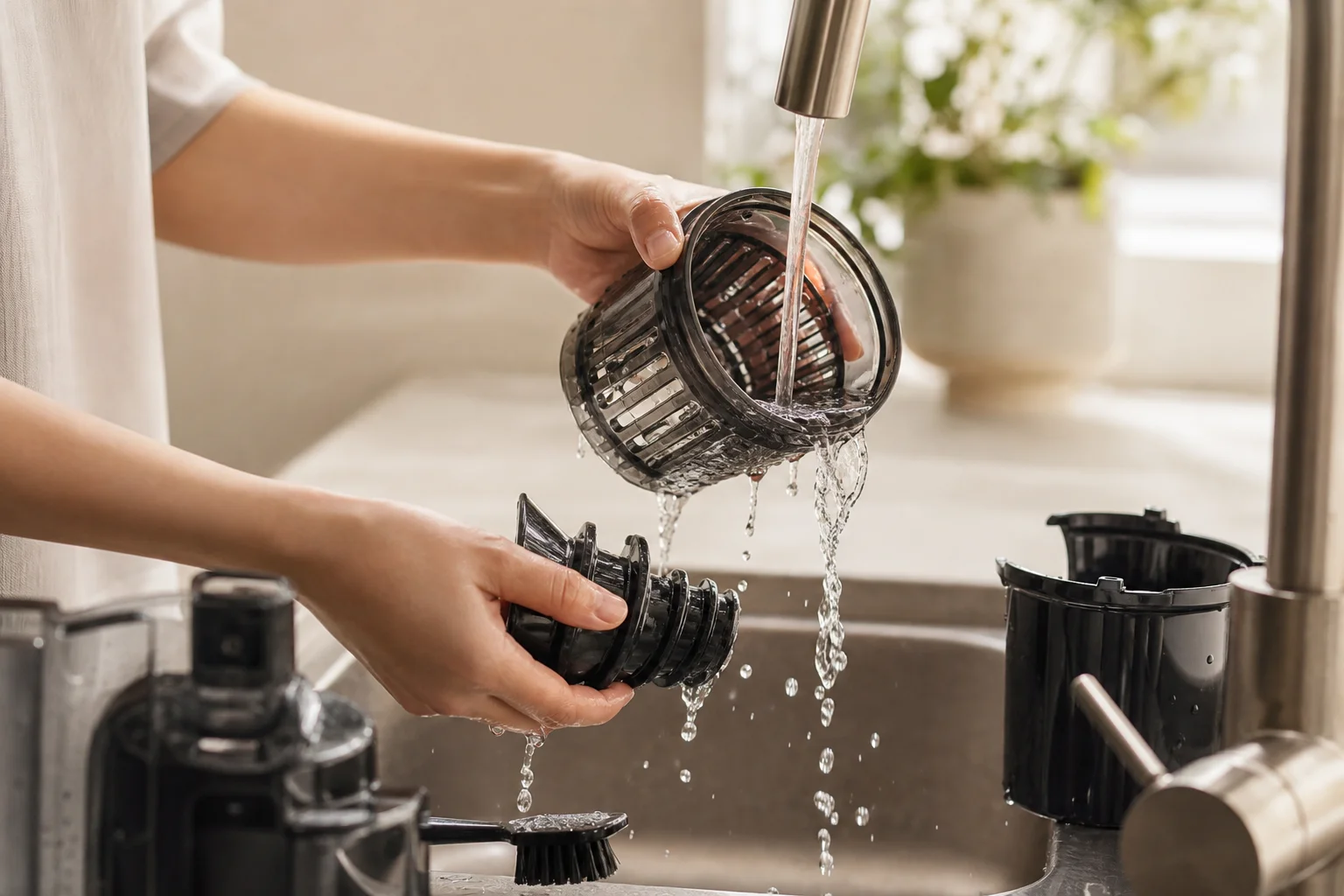
The H310 produces slightly more pulpy juice than the HAA or J3, so if you prefer pulp-free juice, the HAA or J3 may be better choices. Pulp does add fibre, which supports digestive health and weight management. The H310 also takes 1 to 2 minutes longer to process juice compared to the J3, though this is a minor inconvenience. At around 400 dollars, or mid-300s with a coupon code, it offers premium cold-press performance at a mid-range price.
Nama J2: The High-Yield Workhorse
The Nama J2 sits at the upper end of this budget-friendly range, priced around 550 dollars but available for approximately 500 dollars with a coupon code. It features a larger hopper than the J3, allowing you to batch 2 to 3 cups of juice at once. A cutout hole in the top lets you add more produce while the machine runs, enabling continuous operation without stopping. This makes the J2 ideal if you want to make large batches without breaking the bank on a premium machine.
Testing shows the J2 produces high yield with less pulp than other models. The trade-off is larger parts that take longer to clean than the H310, though cleanup remains faster than the HAA. For most high-end machines starting at 700 dollars, the J2 at 500 dollars represents strong value. It walks the line between budget territory and premium performance, making it suitable for serious juice enthusiasts who want batch capacity without premium pricing.
Comparing Yield and Cleanup
Testing across multiple produce types reveals clear performance patterns. The Hurom HAA performs as well as or better than some high-end machines when juicing ginger, oranges, and leafy greens. The H310 excels at cleanup speed and assembly, making it the most convenient option despite slightly lower yield. The J3 and J2 are nearly neck-and-neck in yield, with the J2 winning overall due to its larger hopper and batch capacity. The J2 produces the highest total juice output, as expected from a more expensive machine.
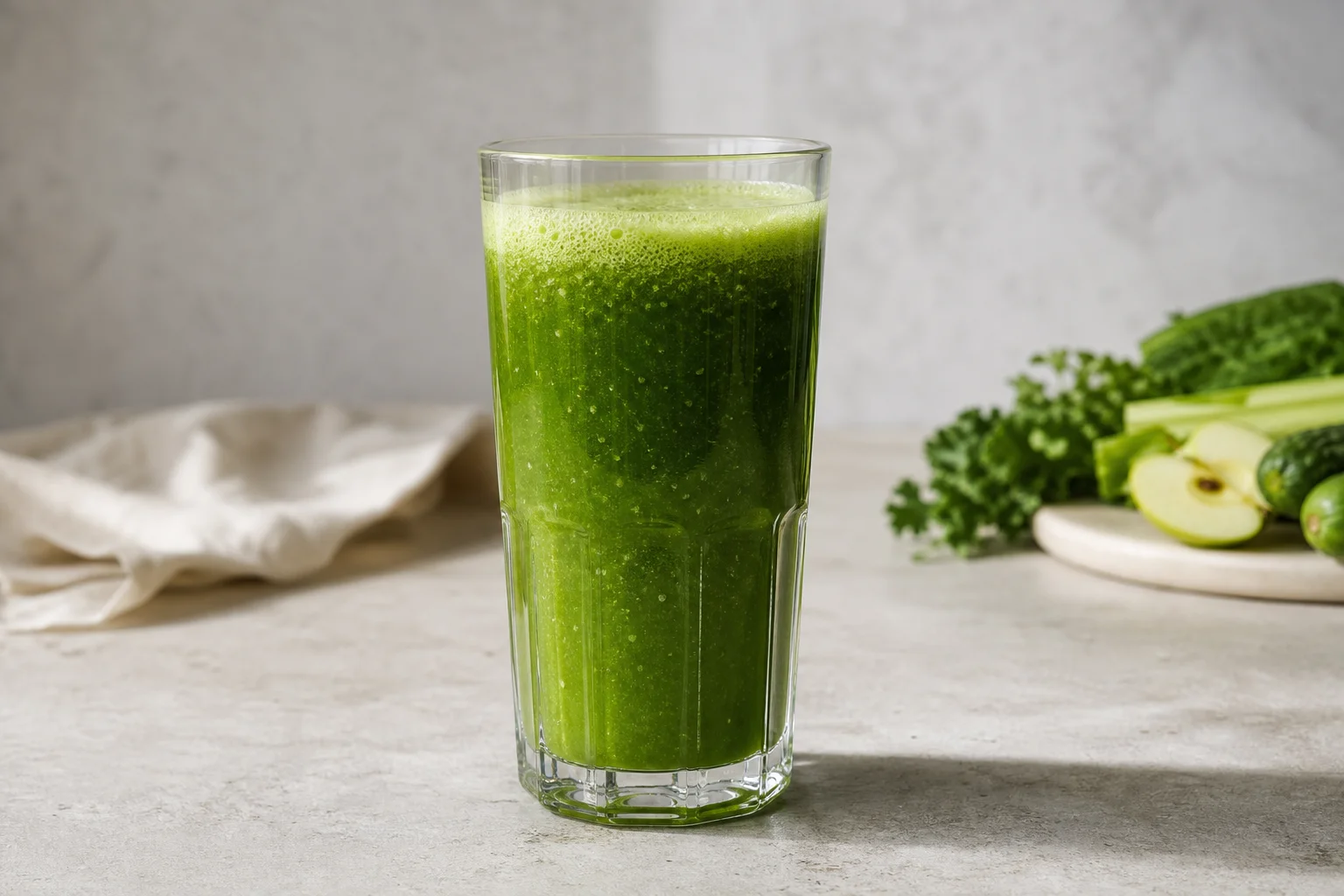
If you want to spend the least money, the Hurom HAA is the best option. If you have a slightly larger budget, choose between the H310 and J3 based on your priorities: pick the H310 if you value fast cleanup and do not mind extra pulp; pick the J3 if you prefer pulp-free juice and higher yield. If budget allows, the J2 offers the best overall performance and batch capacity.
Conclusion
The best juicer is the one you will actually use. Buying a machine that sits on the shelf wastes money regardless of price. All four options here are made in South Korea with proven safety standards and long-term reliability. Skip the Amazon gambles and choose a trusted brand that will deliver consistent results for years to come.
Further reading
Related Reviews
Kitchen Appliances
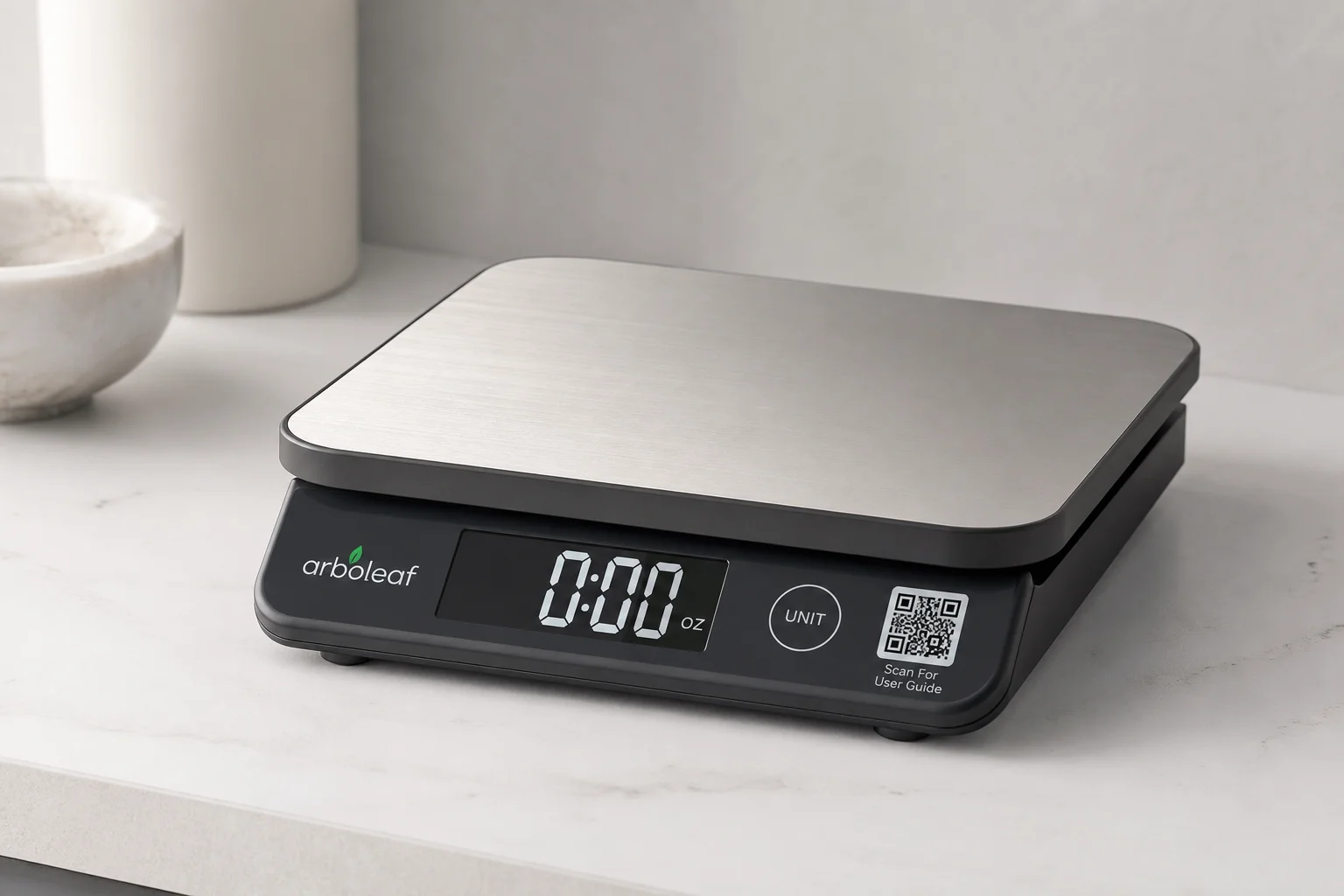
Arboleaf Smart Kitchen Scale Review: Connected Cooking Made Simple
A Bluetooth-enabled kitchen scale that syncs with a nutrition-tracking app, offering real-time weight monitoring and recipe guidance for home cooks.
Kitchen Appliances
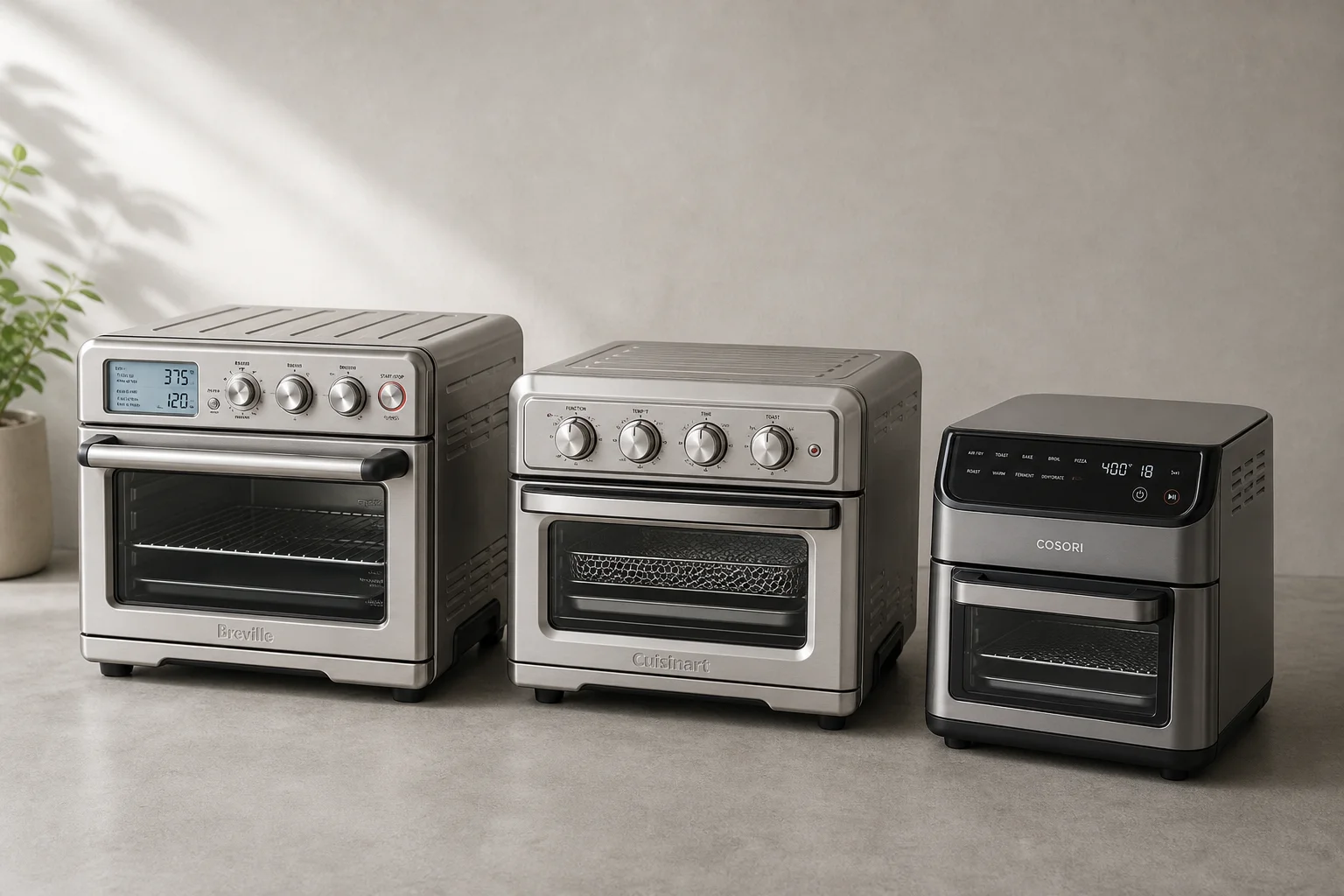
Best Air Fryer Toaster Ovens: Three Top Picks for Multi-Function Cooking
Three high-performing air fryer toaster ovens tested for versatility, ease of use, and real-world cooking results. Find the right fit for your kitchen.
Kitchen Appliances
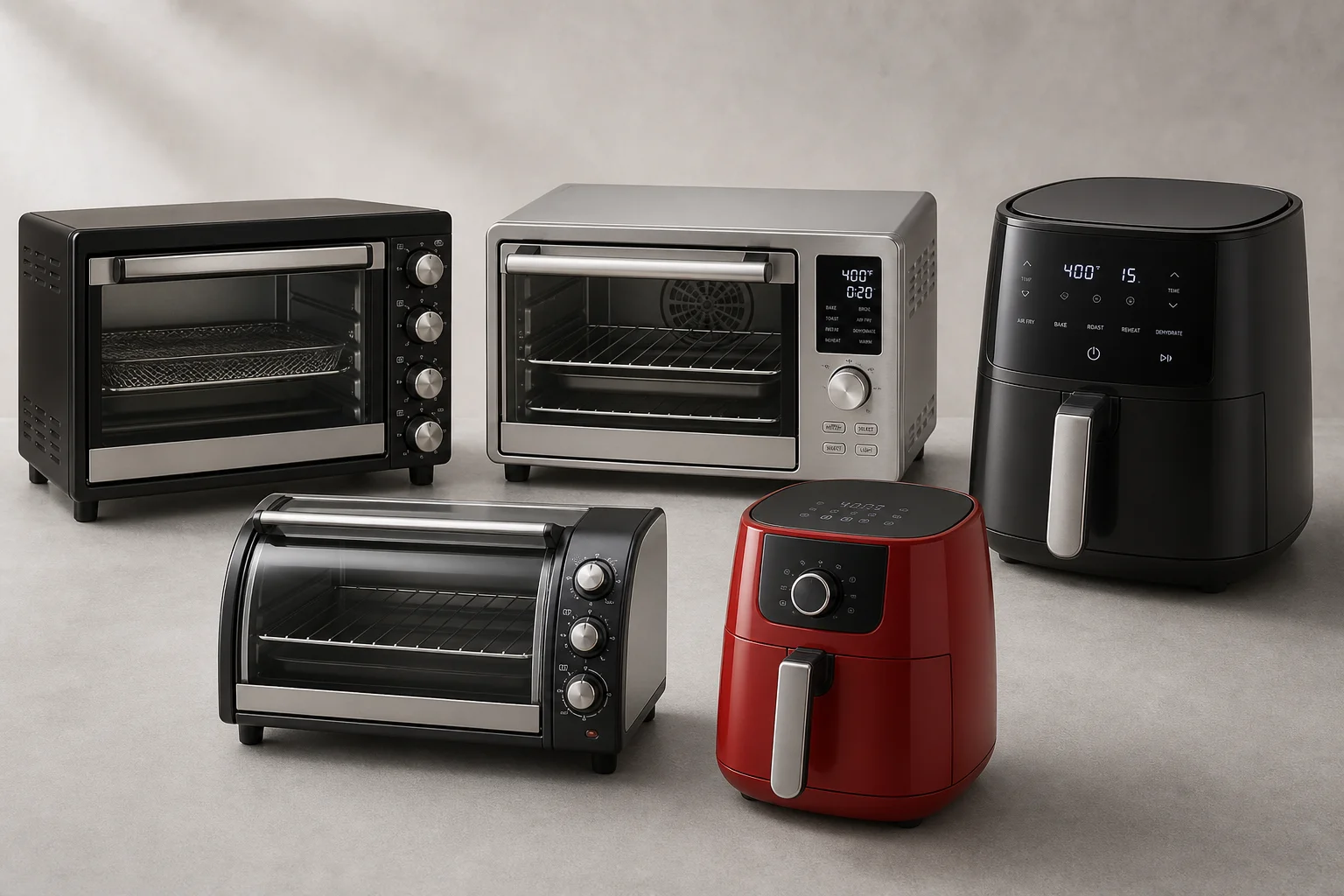
Best Air Fryer Toaster Ovens Under 100: Five Practical Options for Budget-Conscious Kitchens
Five air fryer and toaster oven combinations that deliver real cooking performance without breaking the bank, each with distinct strengths for different kitchen needs.