Camping Gear
Best Budget Camping Gear 2026: Four Pieces That Stood Up to a Thunderstorm
A four-piece budget camping kit that stayed dry through an overnight storm, with honest notes on what each item does well and what to check before you buy.
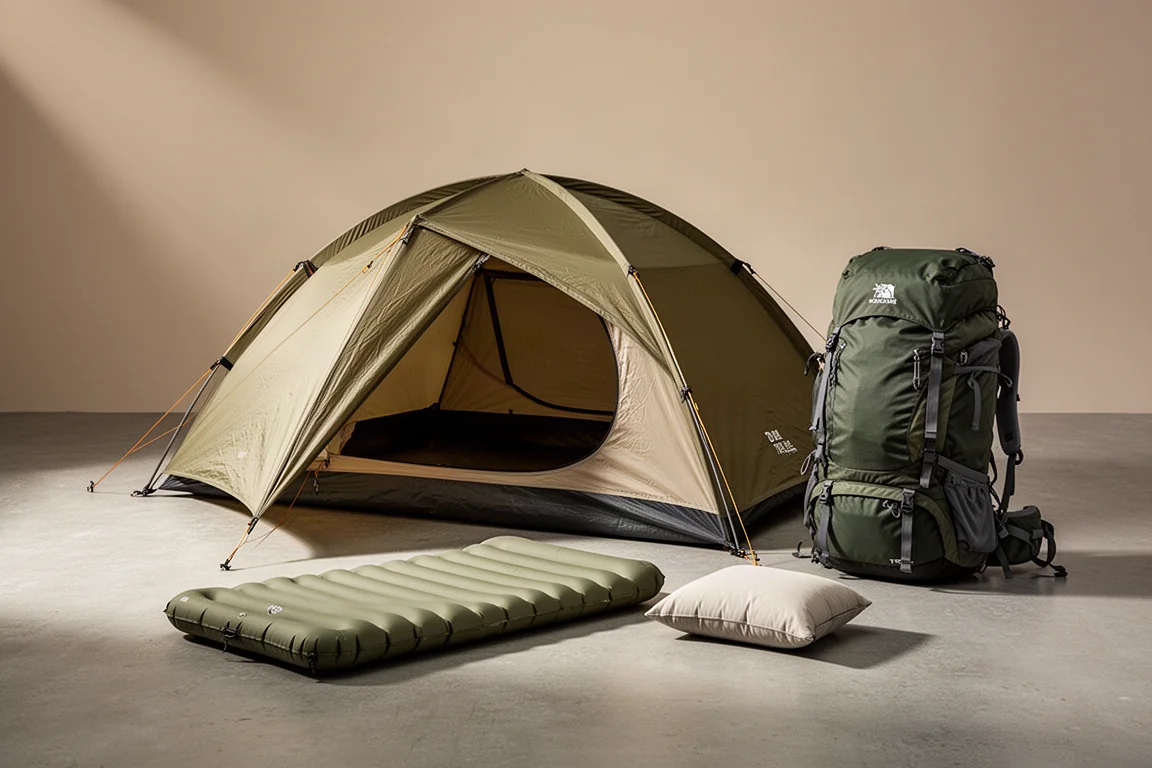
Introduction
Budget camping gear is often treated as a compromise. This four-piece kit was assembled to test that assumption on a single overnight trip in a familiar stretch of forest, with camp pitched close to the vehicle on an old trail that has long since faded into little more than an animal path.
The forecast called for a low chance of rain. What arrived instead was a severe thunderstorm watch, lightning close enough to send anyone sensible running back under cover, and rain that continued through the night and well into the following morning. Every piece in the kit came through it, and the whole setup landed at roughly $500.
That is the useful lesson here. Low cost and dependable gear are not mutually exclusive, but the difference comes from choosing carefully rather than choosing cheaply.
How This Budget Camping Kit Was Tested
The trip was a straightforward overnight camp with the vehicle parked nearby, which allowed a slightly heavier load than a long backpacking route would. A spring-fed seep right at camp was a reminder of just how wet the season had been, so the shelter went up first and a tarp followed as insurance.
Each item was judged on four things: whether it kept working once the weather turned, how much it cost relative to comparable gear, how simple it was to set up in the rain, and how much comfort it delivered overnight. Nothing here is the cheapest option available anywhere. The goal was the best value at a low price, which is a different target entirely.
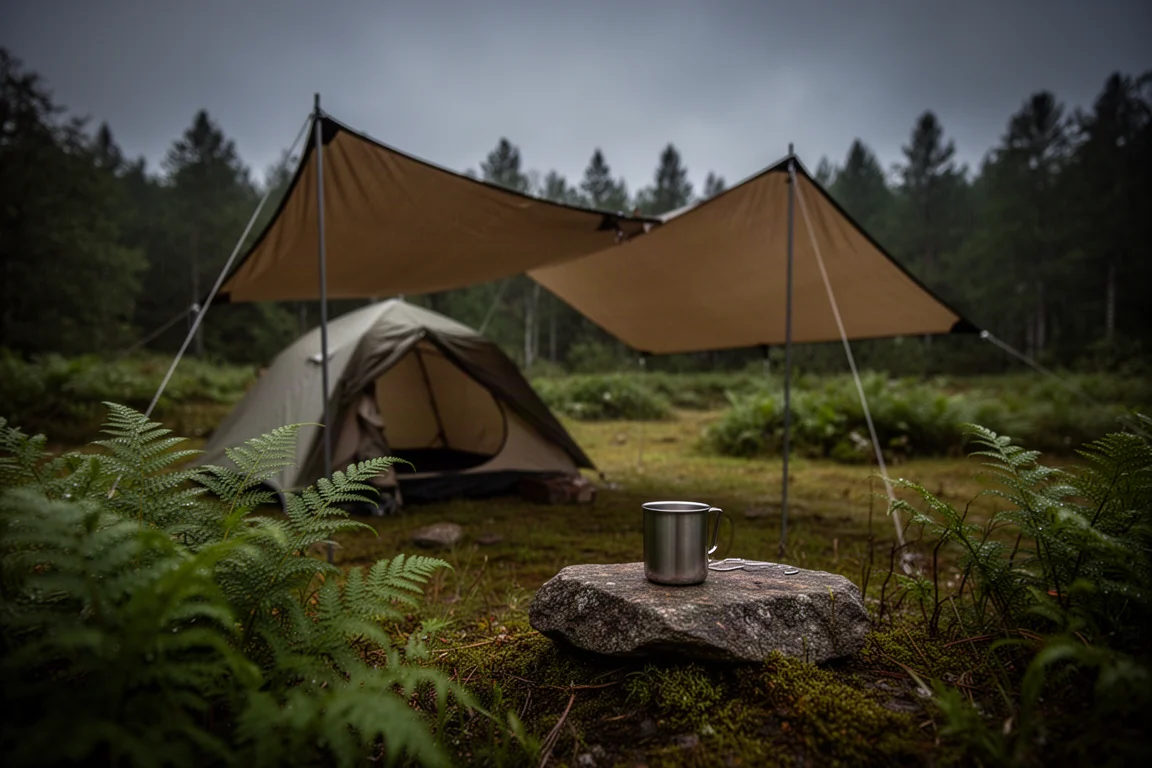
The rain that arrived after dark was heavy enough to test seams, ventilation, and ground protection at the same time. Gear that only performs in fair weather is not really budget gear at all, and that distinction shaped every pick below.
Teton Sports Mountain Ultra Tent: Budget Shelter That Stayed Dry
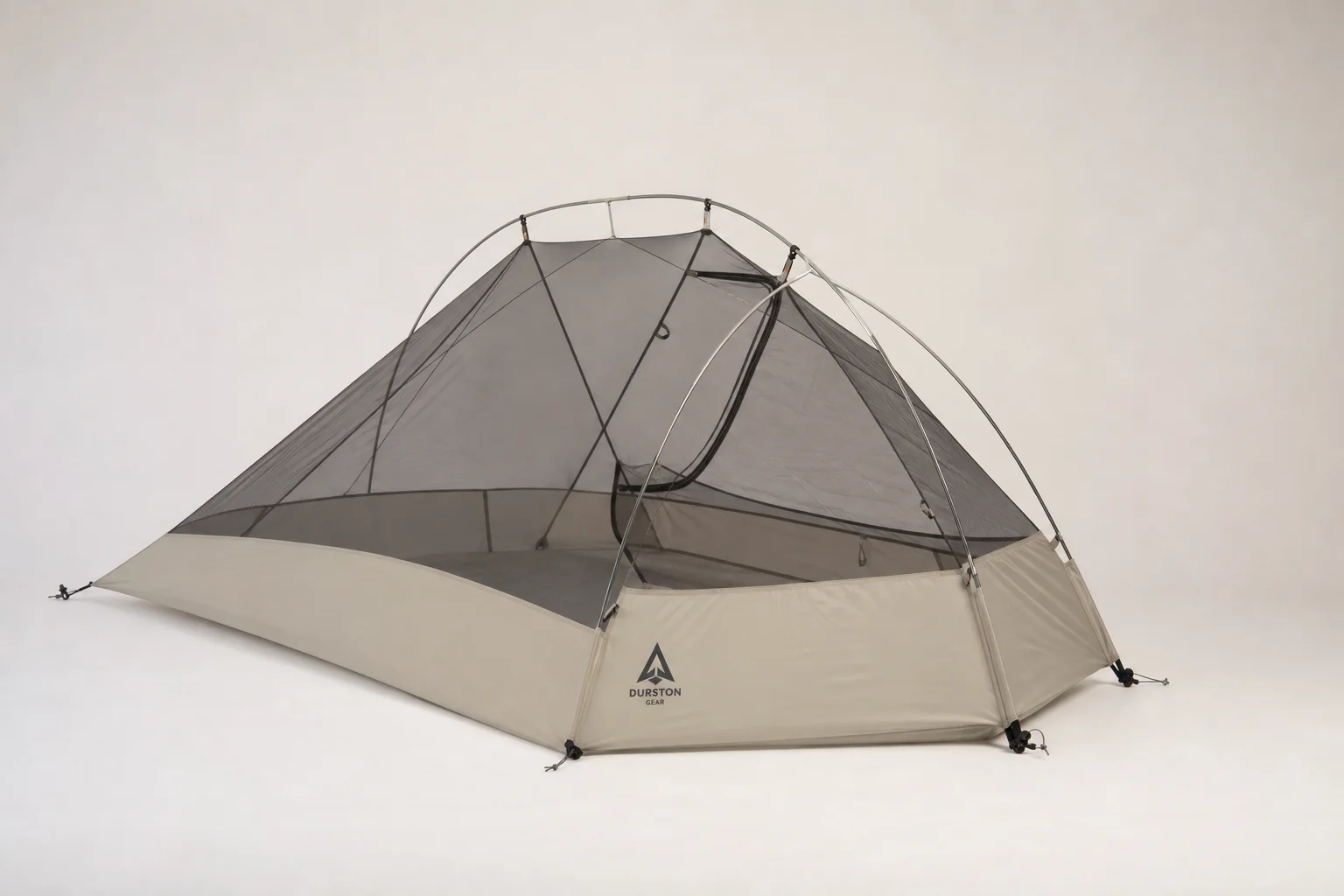
The Mountain Ultra was the first thing out of the pack, pitched while the sky was still merely threatening. It carries a list price of around $110, though it can often be found on sale for closer to $60, which puts it firmly in budget territory.
The real test came later, when the storm arrived in earnest and settled in for hours. Inside the tent, the overnight was completely dry, and ventilation held up well through a humid, rainy night. That combination of weather protection and airflow is what separates a genuinely usable budget tent from a false economy.
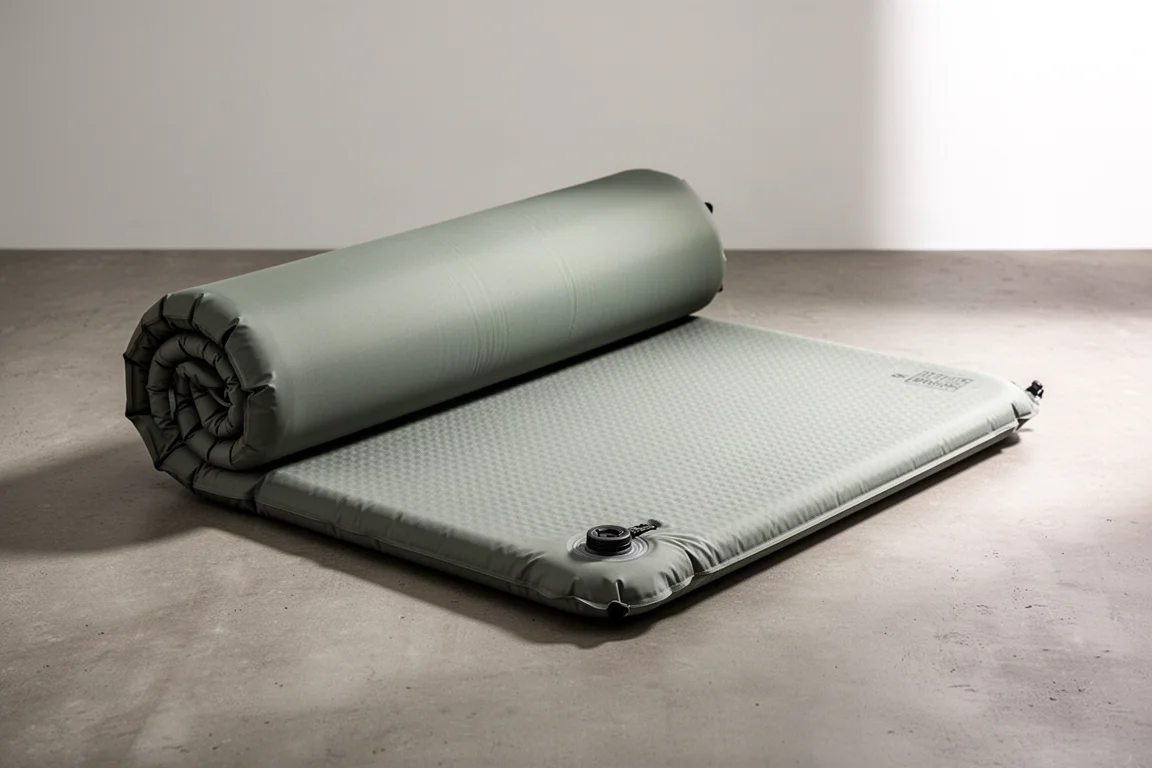
Teton Sports Altos Sleeping Pad: Simple Comfort for About $40
The sleeping pad came from the same brand as the tent and cost around $40, making it the least expensive major component of the sleep system. It inflated for the night and stayed comfortable through an evening that dropped into the 50s.
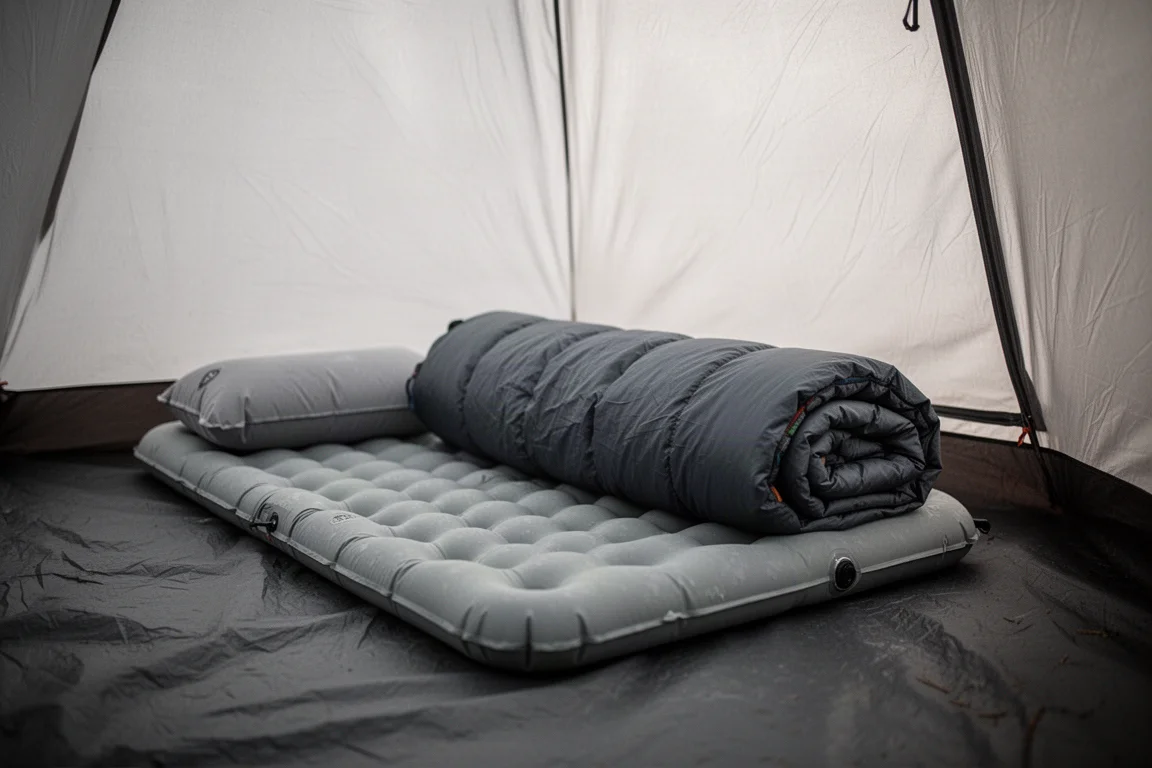
For a first kit, this is the kind of purchase that matters more than it looks. A pad that keeps you off cold ground is what turns a night outdoors into a night of actual sleep, and at this price it leaves budget for the bag and pillow above it.
Sea to Summit Aeros Down Pillow: Finishing the Sleep System
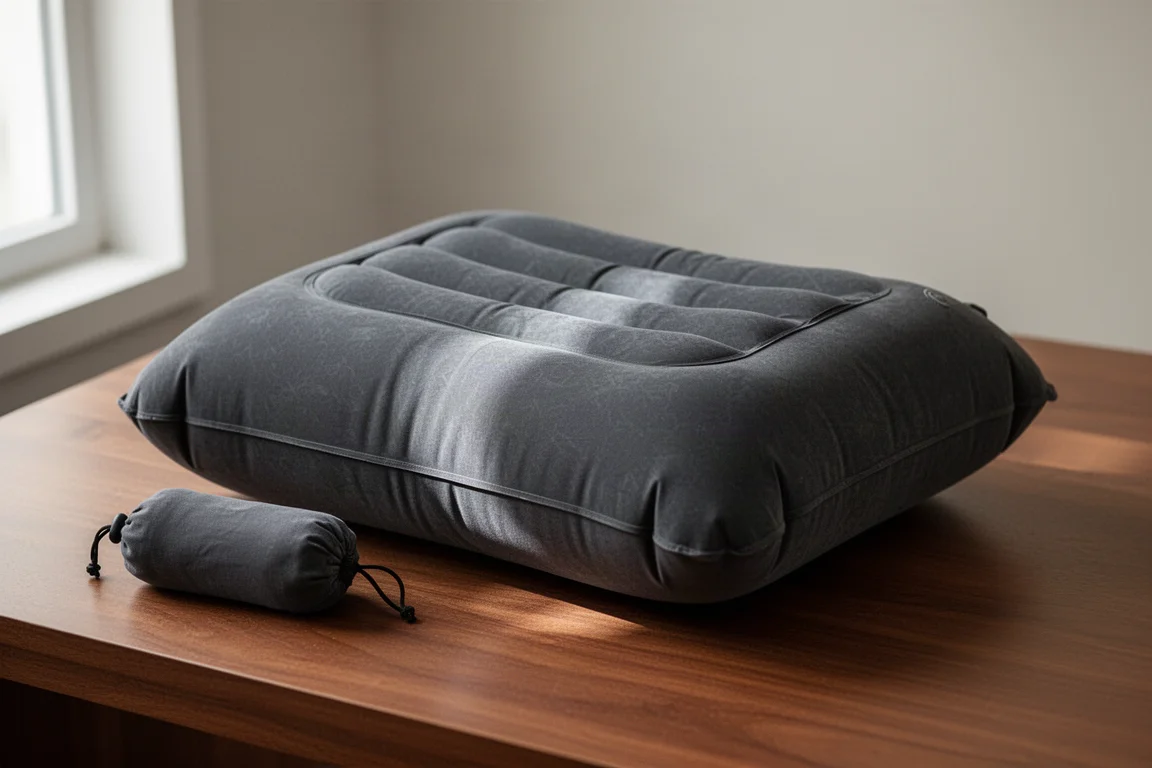
The pillow chosen for this trip was the Sea to Summit Aeros Down Pillow, the last piece of the sleep setup alongside the pad and a 40-degree sleeping bag. It is a small addition to a loadout, but it is the piece that makes the difference between sleeping and simply lying down.
A closer look at this pillow is planned, and the details are worth waiting for rather than guessing at here. For now, the takeaway from the trip is simple: the sleep system as a whole worked, and the pillow was part of the reason.
Decathlon Trek 100 70L Backpack: The Adjustable Harness Standout
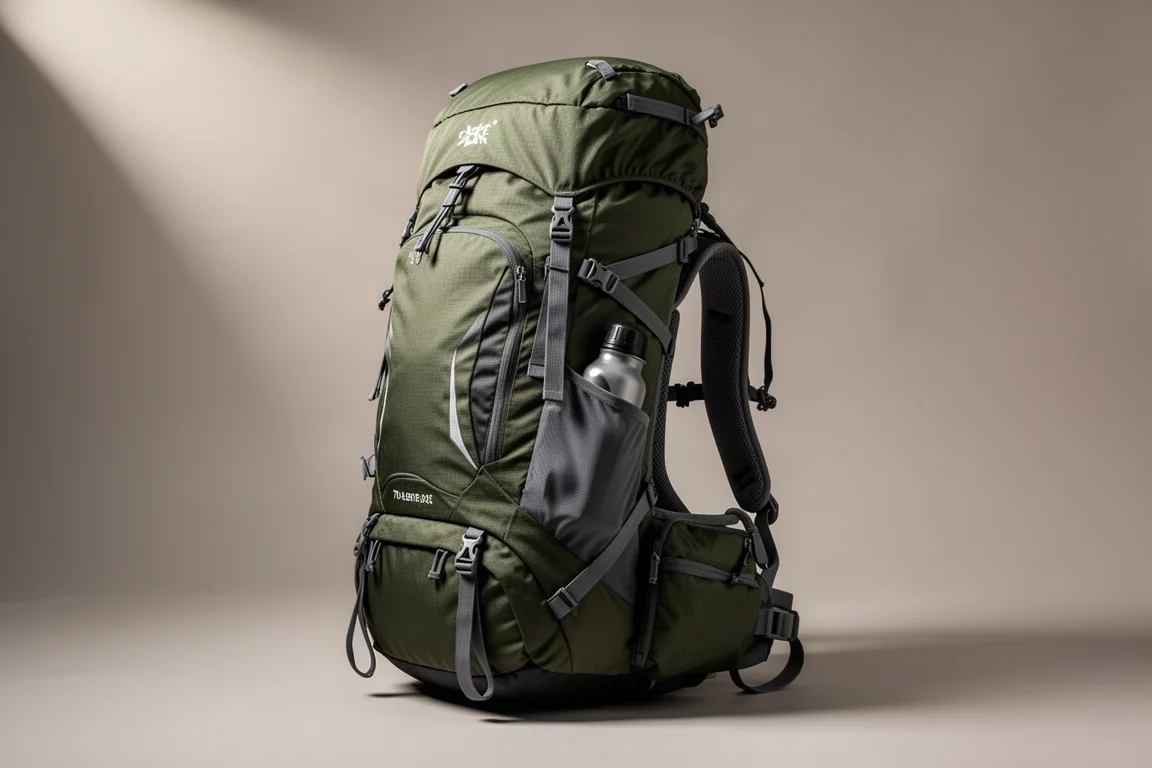
The pack that carried all of this was the Decathlon Trek 100 in the 70-liter size, priced at around $129. It has a strong claim to being the best budget-friendly backpack on the market, and the harness is the reason.
The harness system is remarkably adjustable, to the point where it is the feature other companies should be copying. That adjustability is what makes a large pack comfortable to carry rather than merely capable of holding a lot, and it is unusual to find at this price.
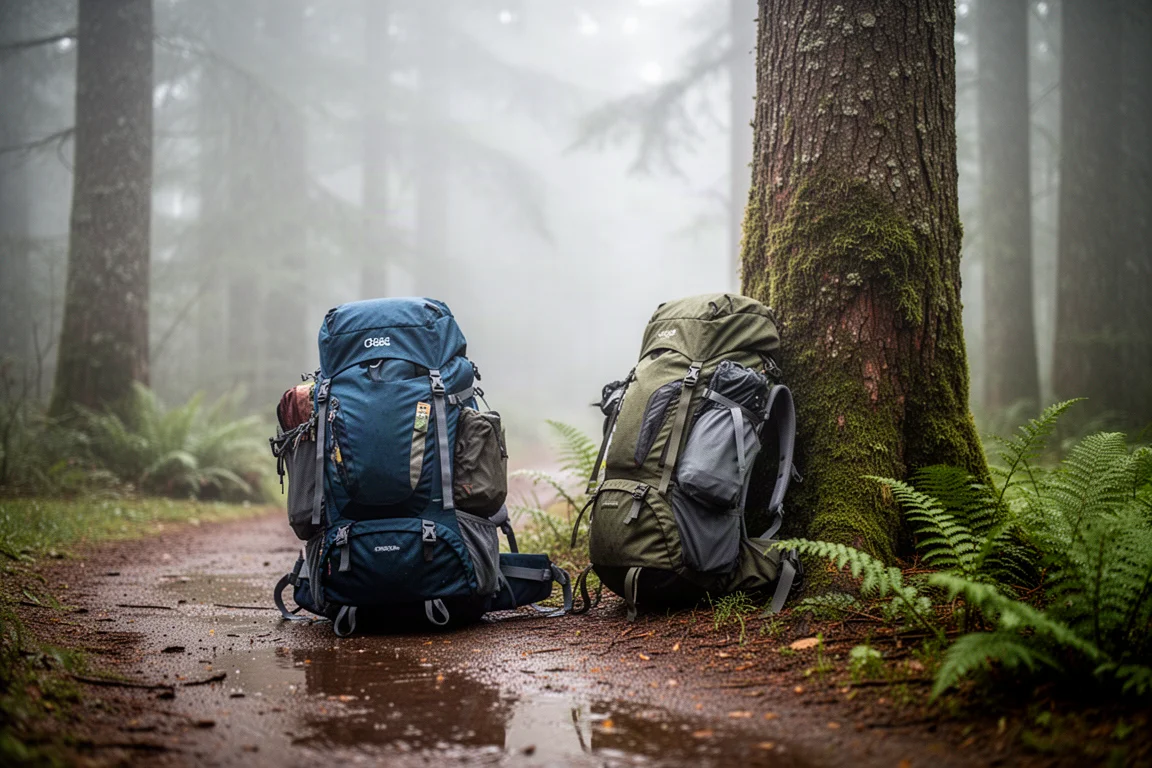
Load carrying is where budget packs usually fall apart, and it is the first thing to check on any low-cost option: strap it on, adjust it properly, and see whether the weight sits on your hips instead of your shoulders.
What to Avoid When Buying Budget Gear
The most expensive mistake in budget gear is buying the same item over and over. Cheap tents with unfamiliar names often leak, and replacing one after another across a season costs far more than a single dependable tent would have.
Two habits help. First, look for gear with a warranty and a track record rather than a low sticker price alone. Second, treat the decision as long term: the point of budget gear is to spend less overall, not to spend less today and then again next month.
One practical caution worth repeating: do not drink water that has run off a tarp or a tent. Fabrics like these are treated with a durable water repellent finish, and runoff carries those chemicals with it.
Overall Buying Advice
Nobody needs the full kit on day one. A tent and a sleeping bag are enough to start camping next to a vehicle, where a backpack is unnecessary and cooking over a fire replaces a stove. Blankets from home work fine while you save.
From there, build the kit piece by piece. The sleeping pad and pillow come next, then a pack once trips get longer. Buying this way spreads the cost and lets you judge each item on its own merits before adding the next.
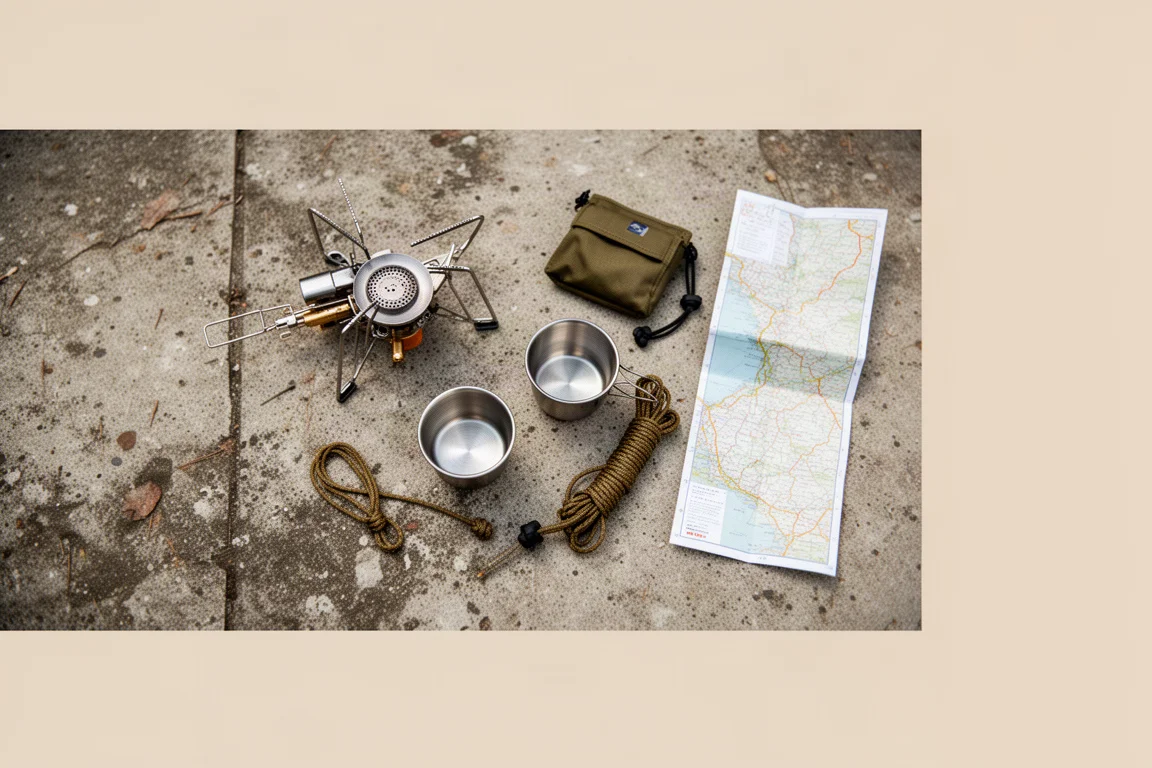
It also helps to think in terms of value rather than price. This entire setup came in around $500, and each component is inexpensive next to comparable higher-end gear without behaving like it. It is entirely possible to spend more than that on a single tent, or on a single backpack.
Conclusion
The weather on this trip did everything possible to expose weak gear: a severe thunderstorm watch, lightning close enough to change plans fast, and rain that lasted all night. The kit stayed dry, the sleep system worked, and the pack carried it all comfortably.
That is the case for buying budget gear thoughtfully. Not the cheapest items on the shelf, but the right ones at a low price, chosen for quality and backed by a warranty. Done that way, a modest budget goes a long way in the outdoors.
Further reading
Related Reviews
Camping Gear
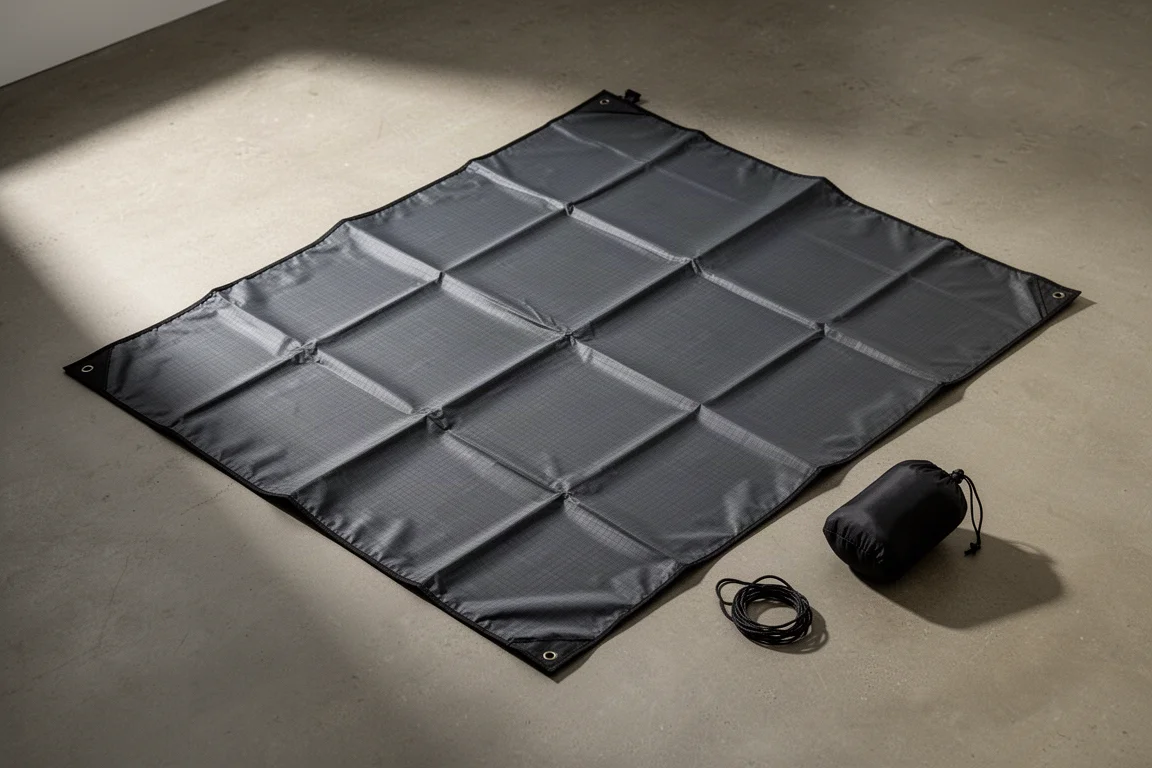
3FUL Ultralight Ground Sheet Review: A Two-Person Footprint Worth Packing
A 6.7 oz two-person ground sheet in ripstop silnylon, priced around $30. Here is what it protects, what it does not do, and who should pack it.
Camping Gear
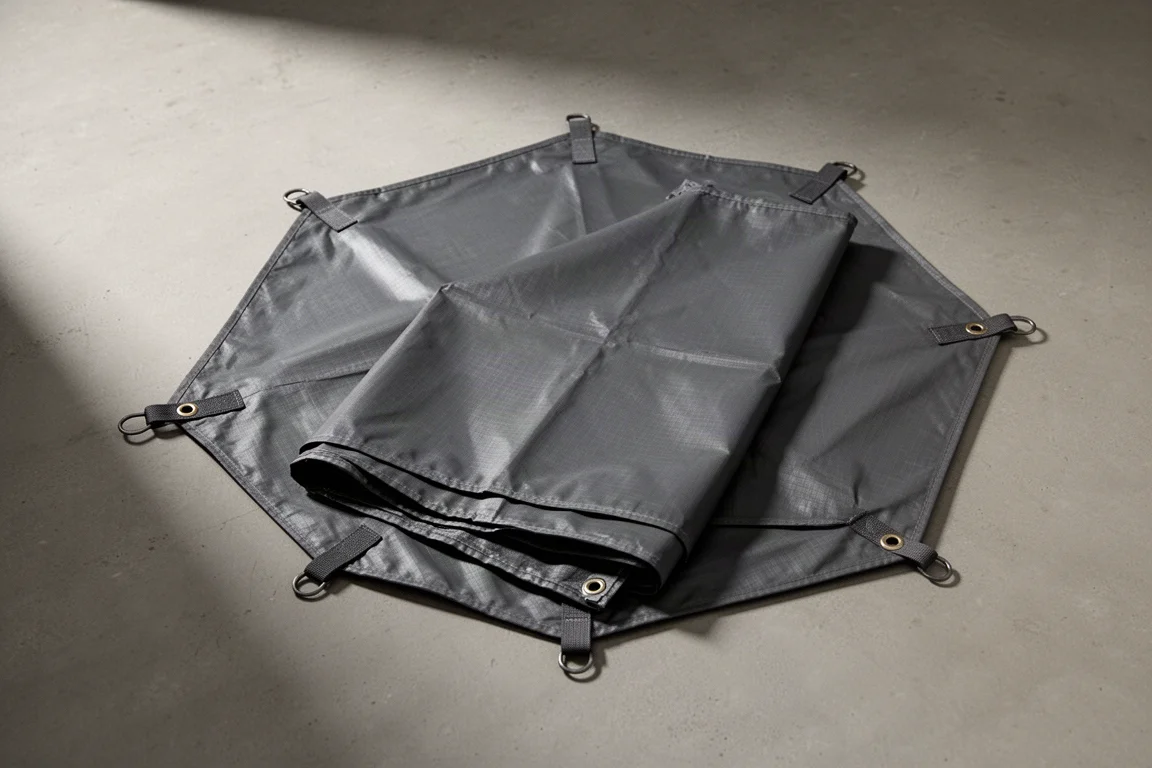
Backcountry Light Dual-Function Tarp and Floor Review: A Footprint First
A dual-purpose tent floor and tarp that keeps falling rain off you, but cannot block wind. Here is where it works and where it does not.
Camping Gear
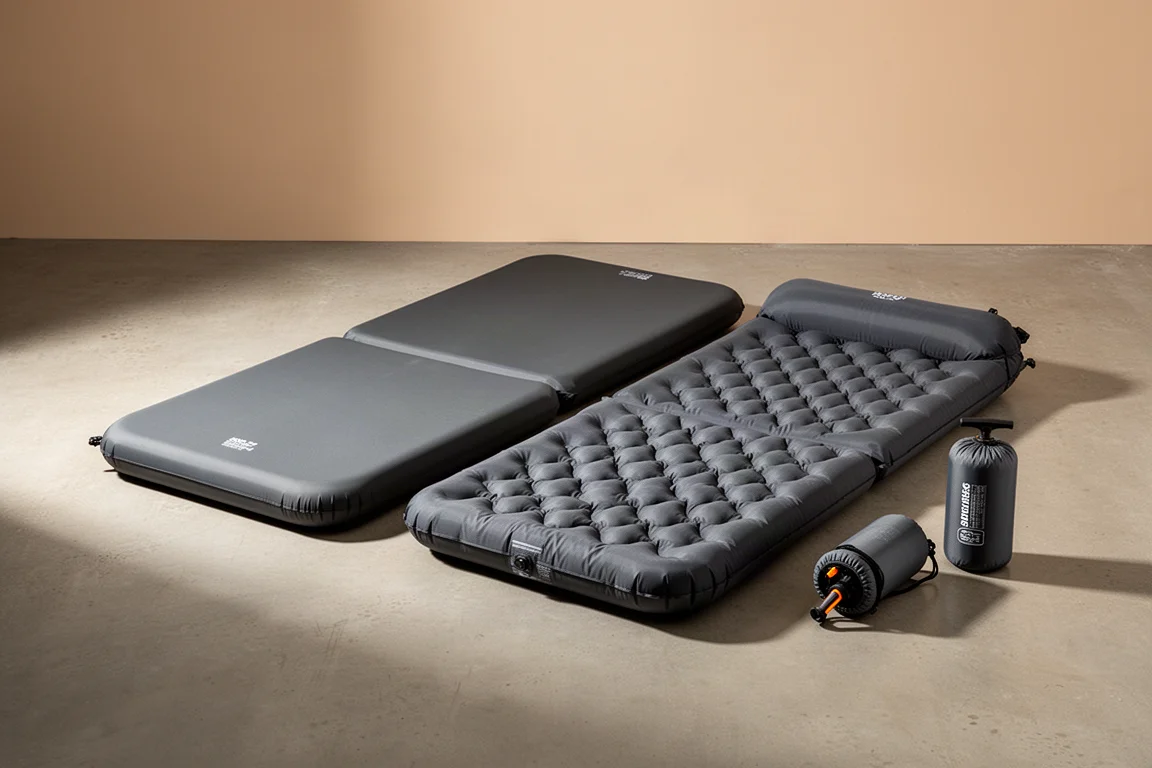
Best 2-Person Camping Mattresses for Couples: 10 Options Compared
A practical comparison of ten two-person camping mattresses, covering self-inflating pads, air pads and air mattresses for couples.