Backpacking Tents
Two Budget Backpacking Tents Under $200: Peregrine Zion vs Featherstone Backbone
A solo freestanding tent at $159 and a roomy two-person trekking pole shelter for under $200, compared on space, weight, ventilation, and wind behaviour.
Introduction
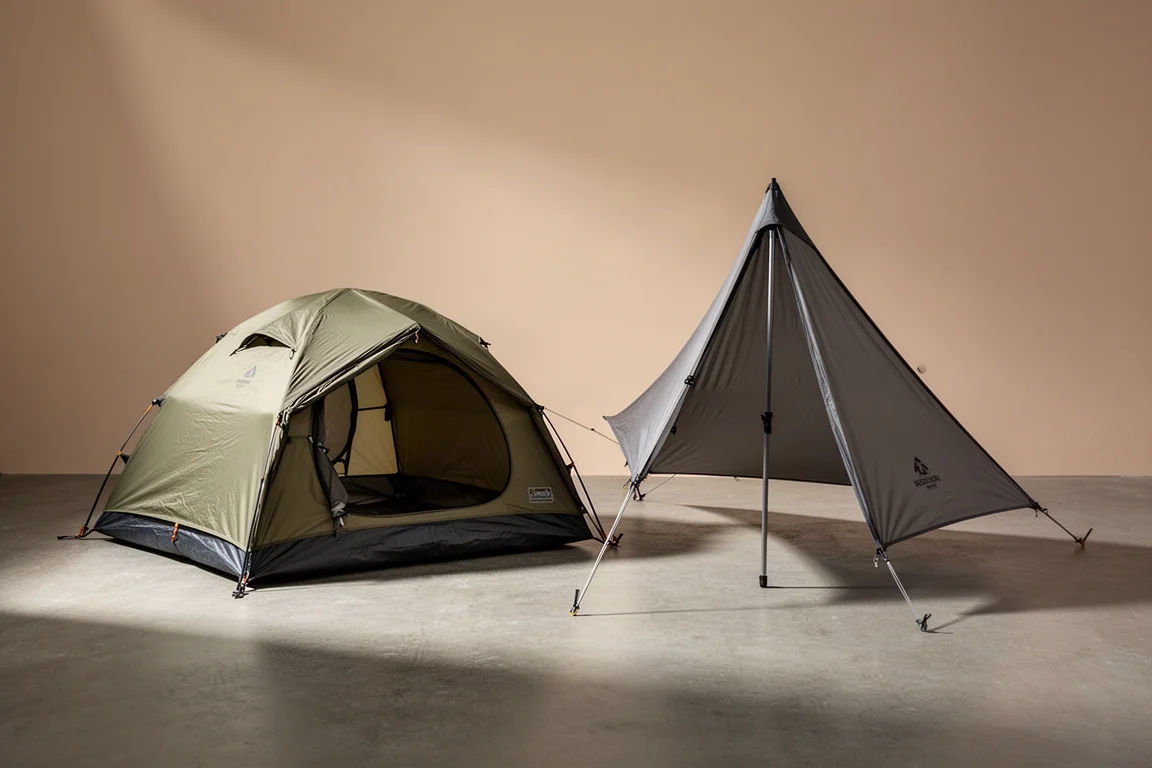
Backpacking shelters under $200 usually ask for a compromise somewhere. Sometimes it is weight, sometimes interior space, and sometimes it is the sense that the tent will still be worth carrying three seasons from now. Two tents handle that balance well enough to deserve a closer look: the Peregrine Outdoor Products Zion 1-Person Tent and the Featherstone Backbone 2-Person Trekking Pole Tent.
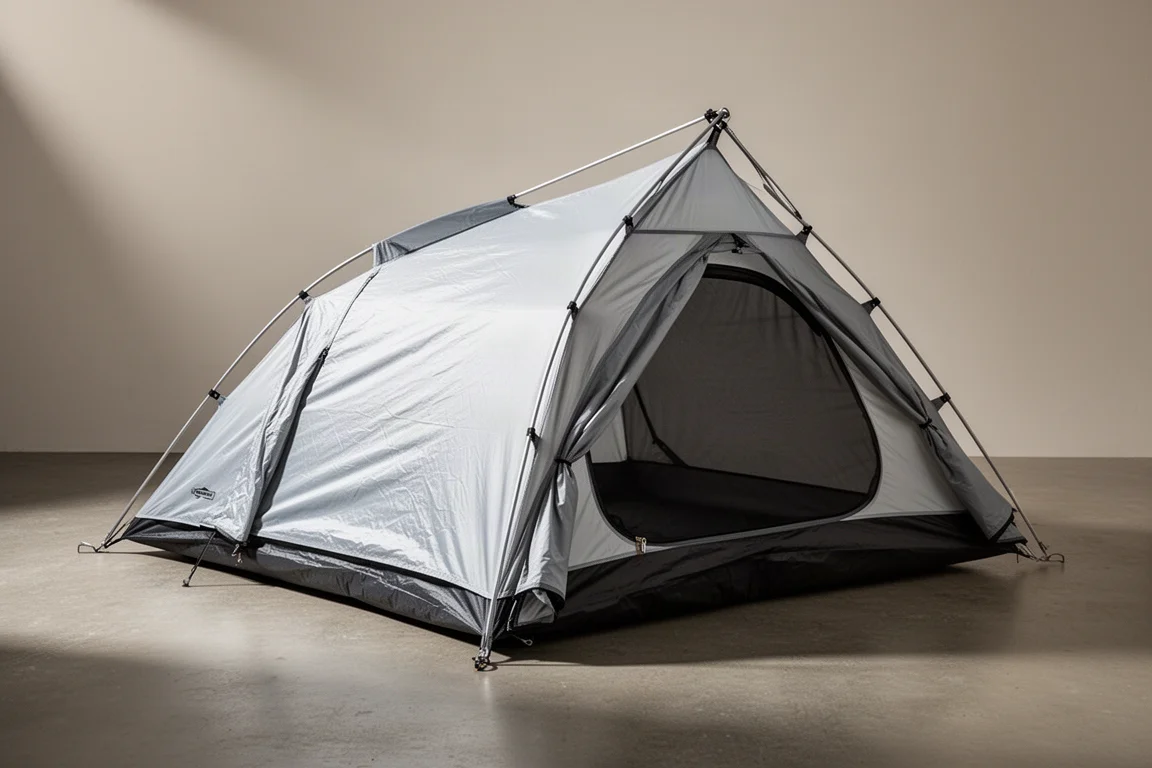
The Zion takes the familiar route. It is a fully freestanding, double-wall solo tent with two doors and two vestibules, and it sells for $159.
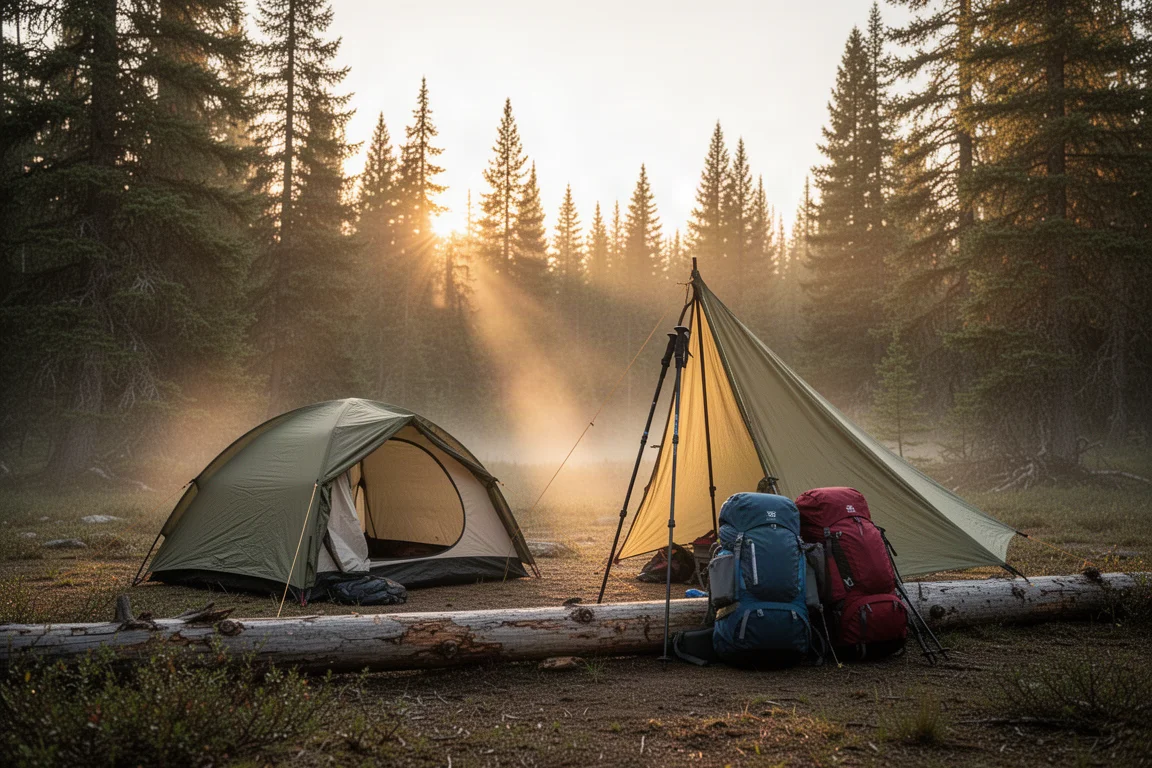
The Backbone takes the other route. It is a single-wall trekking pole shelter that sleeps two for under $200, and its offset pole geometry produces a peak height that most solo tents never approach.
Both were pitched and slept in overnight for this comparison, and both left a similar impression: neither is the lightest shelter on the market, but each is comfortable, well equipped, and priced where most backpackers can realistically buy it.
What Matters in a Sub-$200 Backpacking Tent
A budget shelter is only a good buy if it holds up on the details that decide whether a night out is comfortable. The first is floor size and shape. A rectangular floor with real width makes a wide or long sleeping pad usable, while a tapered floor can leave shoulders or elbows pressed against damp fabric.
The second is doors and vestibules. Two doors on a solo tent are a genuine luxury, and vestibule depth determines whether a pack stays dry or ends up inside with you.
The third is ventilation. Mesh-backed vents that barely open still help, but they rarely move much air, so condensation management becomes a matter of campsite selection and knowing how the shelter behaves when the temperature drops.
The fourth is weather protection: fabric denier, hydrostatic head on the fly, floor durability, and whether seams are taped.
Finally, support matters. A brand that stands behind its product makes a budget purchase far less of a gamble.
Peregrine Outdoor Products Zion 1-Person Tent: Freestanding Solo Comfort
The Zion has been part of the market for years, and its layout explains why it keeps coming up in budget conversations. The floor is fully rectangular at 37 in wide and 83 in long, which is generous for a one-person shelter and means wide pads and long pads both fit without fighting the walls. Peak height is 36 in, so it is not the tallest solo tent available, but the freestanding structure gives the interior a usable, roomy feel rather than a cramped one.
Materials lean toward durability. The fly uses 20-denier ripstop nylon with a 3,000 mm hydrostatic head, while the floor steps up to a burlier 40-denier nylon. A footprint is included, which is uncommon at this price and adds meaningful protection under the floor.
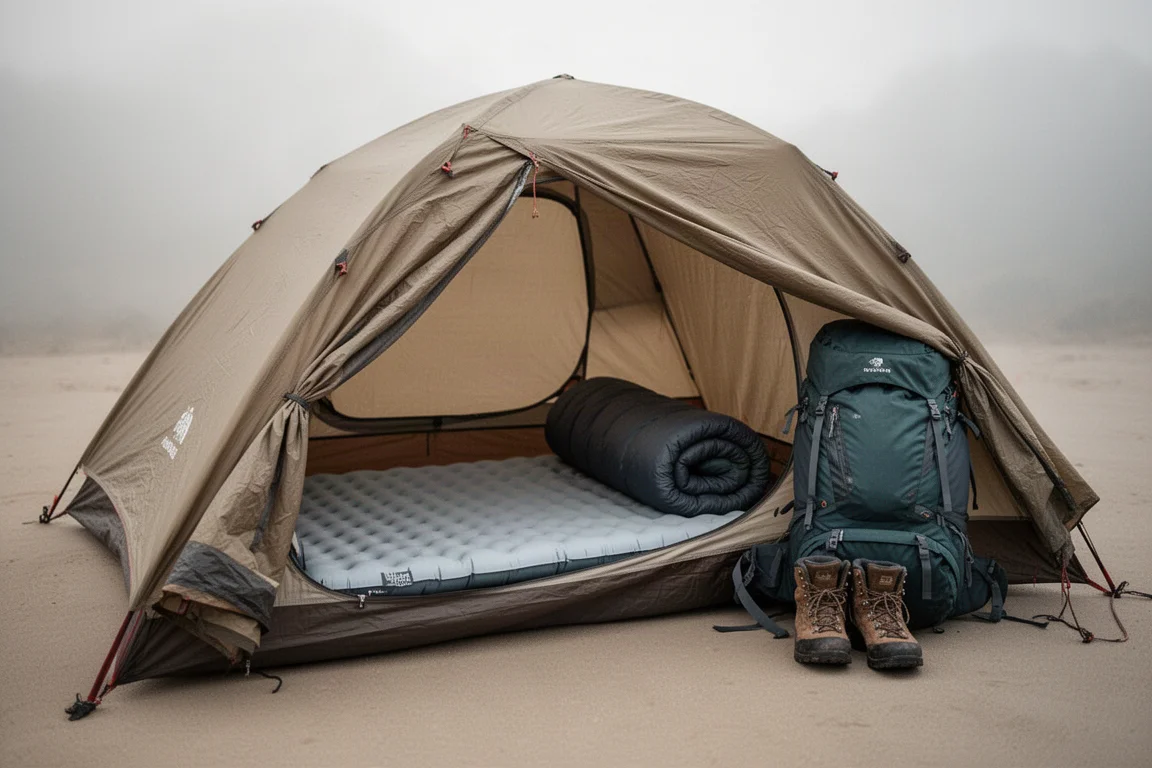
Two doors and two vestibules give the Zion a level of liveability that most $159 tents skip. The vestibules are not the roomiest in the category, but with a door on each side there is enough covered space to keep a pack and boots out of the weather. Mesh-backed vents sit at both ends of the tent to encourage airflow, and because the Zion is double walled, condensation is less of a concern than it is in a single-wall shelter.
Weight is the trade-off. The complete package measured 68 oz, just over 4 lbs, with every stake, the pole repair sleeves, and the included footprint on the scale. Leaving the footprint behind and carrying fewer stakes trims that figure, though even stripped down the Zion stays above 3 lbs for a one-person tent. Anyone counting grams will notice. Anyone who wants a shelter that pitches almost anywhere and lasts for years will not mind.
The warranty is worth knowing about. Peregrine Outdoor Products covers manufacturing defects with a limited lifetime warranty, and the brand is based in the United States.
Featherstone Backbone 2-Person Trekking Pole Tent: Tall, Roomy, and Wind Aware
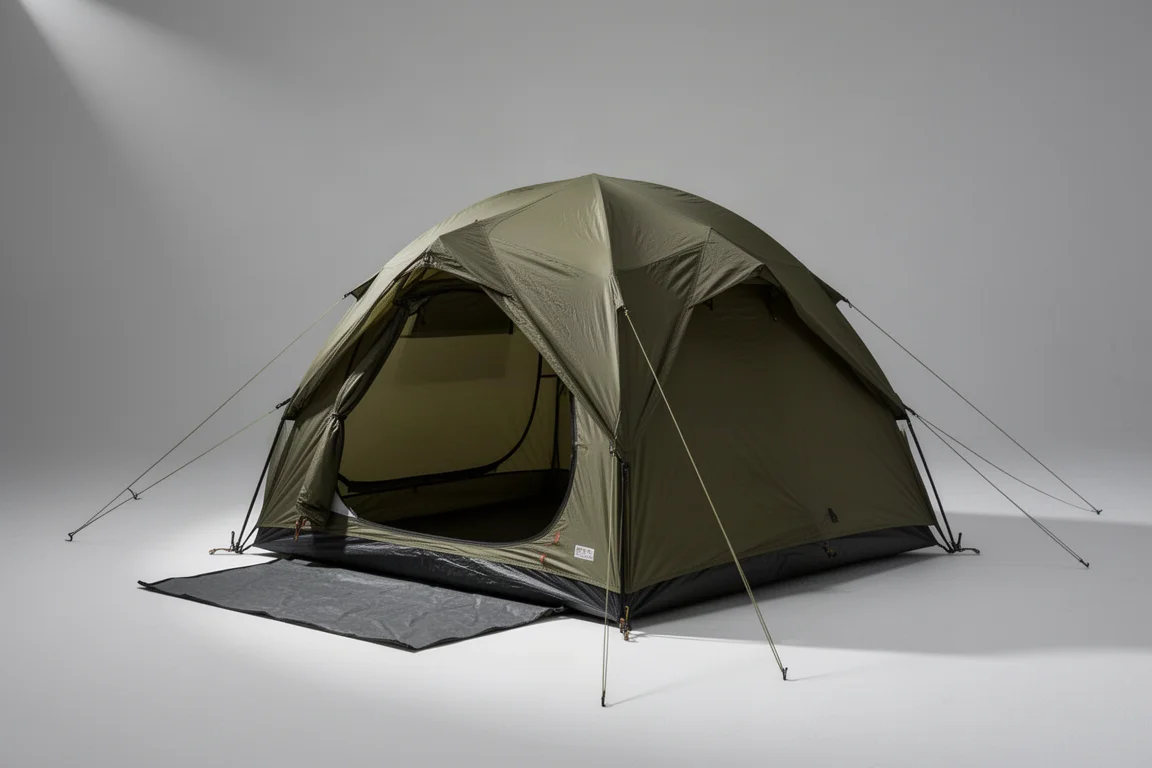
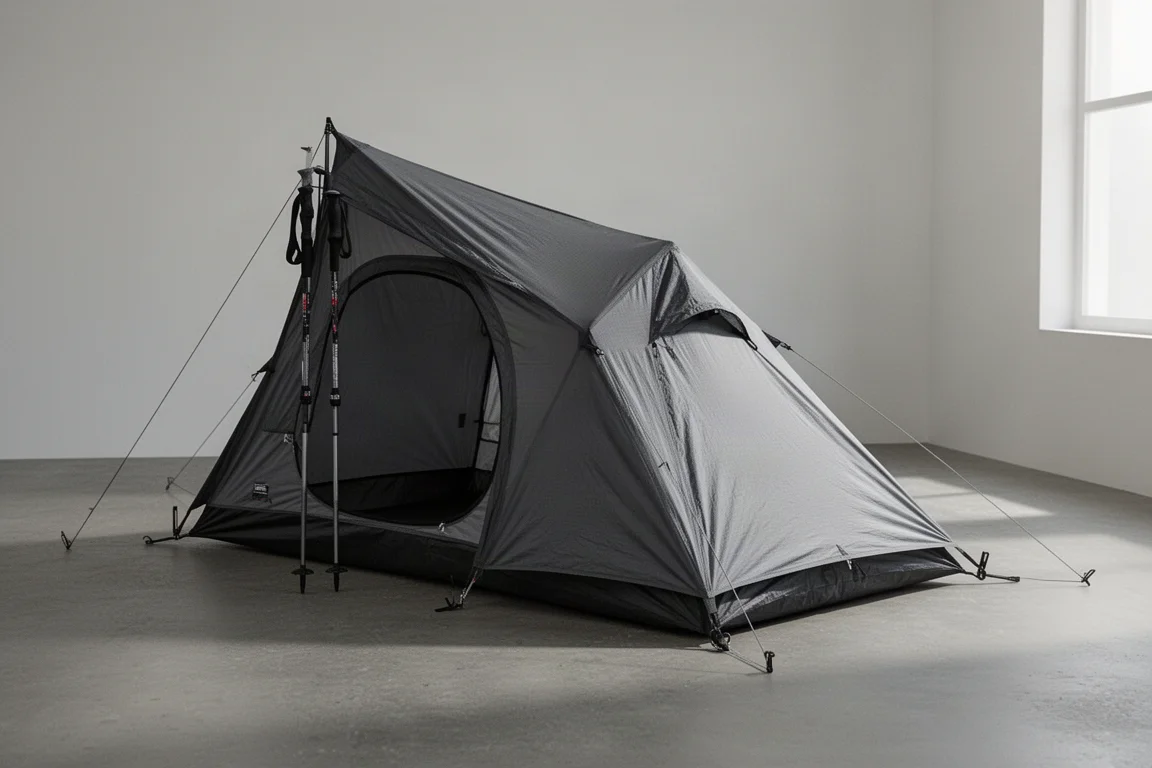
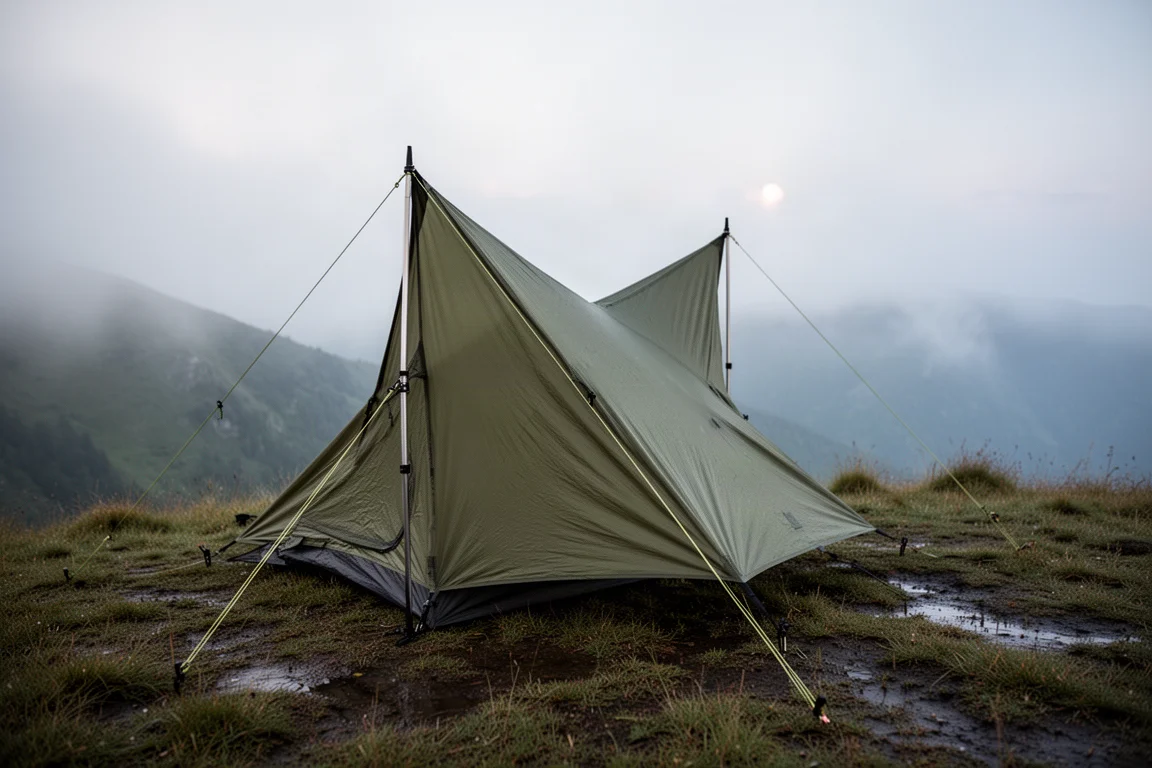
The Backbone is a single-wall trekking pole tent that comes in under $200, and its shape is the most interesting thing about it. Instead of the symmetrical A-frame profile common to trekking pole shelters, the poles sit closer to the head end. That offset creates a dedicated head end and foot end, keeps the peak high where you actually sit up, and holds fabric away from your face instead of draping it there.
The numbers back that up. Length is 84 in, width is 50 in at the head end and 43 in at the foot end, and peak height is 47 in, which is very tall for a trekking pole tent. Two 25 in pads will not fit side by side, but two 20 in pads fit without trouble, and a single occupant gets what amounts to a one-person palace. The taller foot end also leaves enough volume for condensation to gather without transferring onto a sleeping bag as readily.
The body and the floor both use 20-denier nylon, and every seam is taped. Inside, there are large mesh door panels, a mesh panel at the head end, big pockets on either side, and hang loops for a clothesline, lantern, or flashlight. Two doors and two vestibules round out the layout, and those vestibules are noticeably larger than the Zion’s, which matters when two people need somewhere to stash packs.
Ventilation is the area that demands attention. The dual peak vents do not open very far, and the mesh panels behind them do not move a great deal of air, so campsite selection and conditions matter more here than on a double-wall design. On the plus side, the fly lifts away from the ground at an angle, and the rear of the tent is steeper still, so air can enter at the head end and work its way out through the top.
Wind behaviour is the other thing to plan for. The Backbone has large wall panels, particularly at the foot end, and those can behave like sails in a strong breeze. Pitching with the low end facing into the wind is the sensible approach. The guyline arrangement, tensioned over a stick and down to the ground, lifts the body of the tent while leaving a little give, so the shelter absorbs gusts rather than fighting them, and the looser tension buys back some living space in the process.
At 3 lb 2 oz, the Backbone carries more weight than many trekking pole tents. For a two-person shelter this roomy at this price, though, that is a reasonable trade.
Ventilation, Condensation, and Wind
The two tents handle moisture differently, and that difference is worth understanding before you buy. The Zion is double walled, so the inner tent and the fly are separate layers. Moisture that condenses on the fly stays away from the sleeping area, and the mesh-backed vents at each end help move air through the space between the layers.
The Backbone is single walled, so the fabric above you is also the fabric that collects condensation. The mesh panels and the angled fly edge at the head end encourage airflow, but the peak vents open only a little, and the mesh behind them does not pass a lot of air. In practice, this means choosing a site carefully: avoid hollows and low ground where cold air pools, keep away from the immediate edge of water, and leave a door cracked when conditions allow.
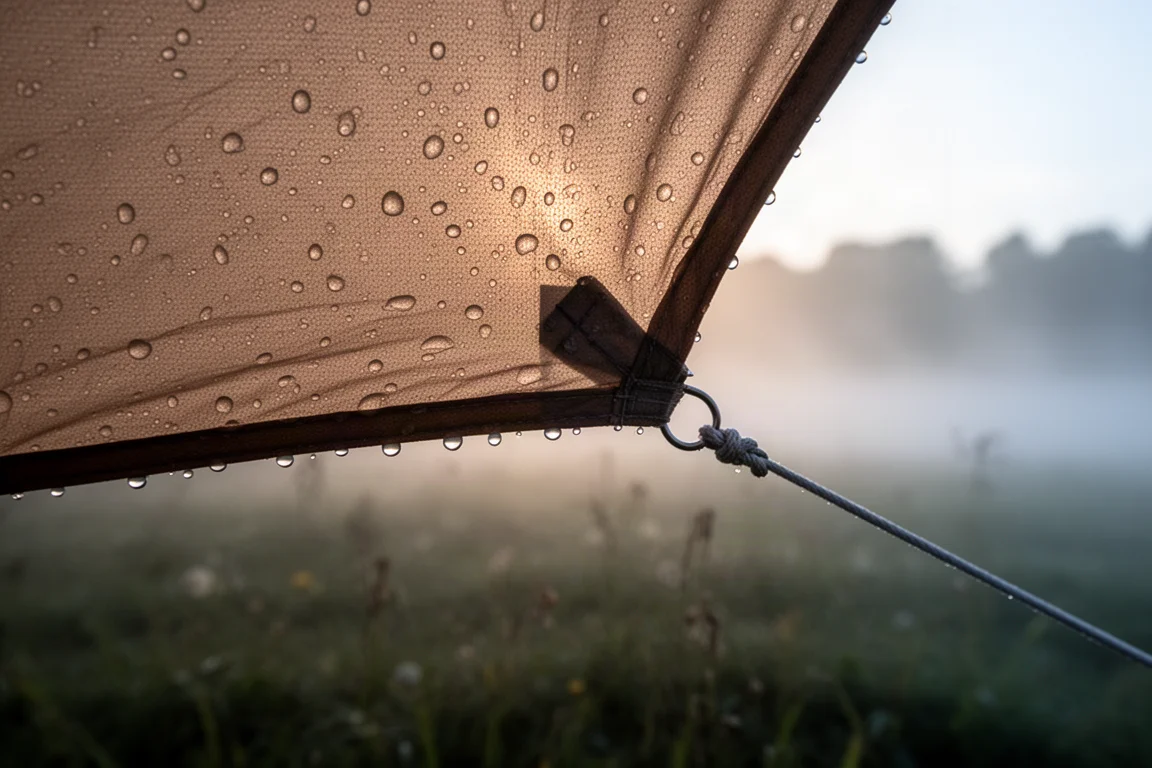
Wind is a separate calculation. The Backbone’s large panels need a deliberate pitch angle and well-tensioned guylines, while the Zion’s freestanding frame holds its shape without that same attention. Neither tent is a four-season shelter, and neither is designed for exposed alpine ridgelines. For sheltered valley sites and typical three-season trips, both are predictable once you know how they behave.
Weight and Packability Compared
Weight is where the two designs separate most clearly. The Zion’s full package came in at 68 oz, just over 4 lbs, and even after leaving the footprint and spare stakes behind it remains above 3 lbs. The Backbone weighs 3 lb 2 oz while sleeping two people.
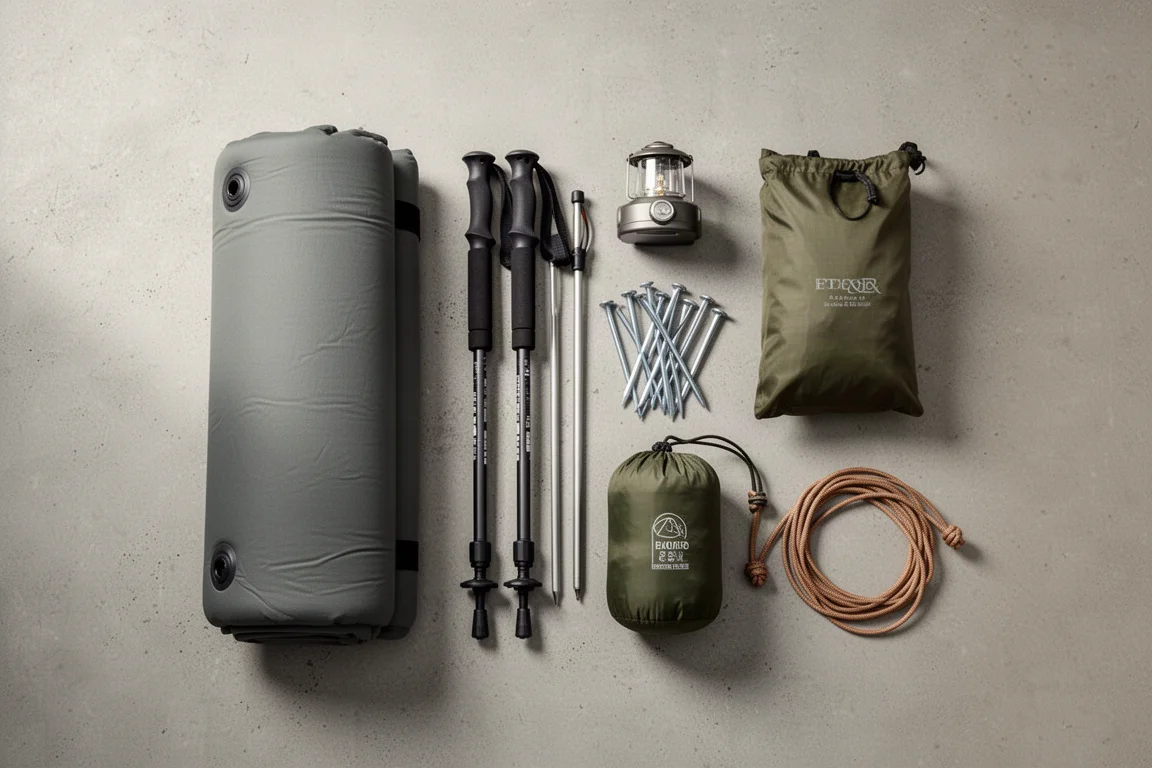
Part of that difference comes from the structure. A trekking pole tent uses the poles you are already carrying, so it does not need a dedicated frame in the bag. A freestanding tent carries its own poles, which is exactly why the Zion can be pitched on a wooden platform, hard-packed ground, or rocky ground where stakes are difficult to place.
If absolute pack weight is the priority, the trekking pole shelter wins on paper. If pitching flexibility and interior volume for one person matter more, the freestanding design earns its extra grams.
Buying Advice: Matching the Tent to the Trip
Choose the Peregrine Outdoor Products Zion 1-Person Tent if you mostly travel solo, sleep on a wide or long pad, and want a shelter that goes up quickly without depending on trekking poles or perfect staking ground. The two doors and two vestibules, the included footprint, the 40-denier floor, and the limited lifetime warranty all point toward long-term durability rather than minimum weight. It suits occasional weekend trips and longer trips where a pound of extra weight is acceptable in exchange for convenience.
Choose the Featherstone Backbone 2-Person Trekking Pole Tent if you hike with trekking poles, want a two-person shelter under $200, or want the interior space of a much larger tent for one person. The 47 in peak height, the two 20 in pad capacity, the large vestibules, and the fully taped seams make it a comfortable place to spend a night. Be prepared to manage condensation through site selection and to pitch it thoughtfully when wind is in the forecast.
If you already own trekking poles and rarely camp on platforms, the Backbone offers more space for less weight. If you want a tent that sets up the same way in every situation and will still be serviceable years from now, the Zion is the safer long-term purchase at $159.
Conclusion
Both tents clear the bar that matters most in this price range: they are comfortable enough to sleep well in, built well enough to trust, and priced low enough to make backpacking accessible. The Peregrine Zion is the better fit for solo trips, freestanding convenience, and buyers who value a durable floor and a lifetime warranty over grams. The Featherstone Backbone is the better fit for two-person trips, tall interior space, and hikers who already carry trekking poles and want to leave the frame at home.
Pick based on how you actually camp, not on the spec sheet alone, and either shelter will serve you well under $200.
Further reading
Related Reviews
Backpacking Tents
3F UL Lanchan Pro 1 Review: A 1 lb 8 oz Single-Wall Trekking Pole Tent
A practical look at the 3F UL Lanchan Pro 1, a single-wall trekking pole shelter with a 1 lb 8 oz weight, 20D silnylon fabrics, and a roomy 90 x 31 x 49 inch interior.
Backpacking Tents
3F UL Taiji 2-Person Tent: A Convertible Backpacking Shelter Worth a Closer Look
A practical look at the 3F UL Taiji two-person tent, covering its materials, true two-person interior, fly-first pitching, and the seasonal inner swap that lets one shelter cover more of the year.
Backpacking Tents
3FUL Lanshan Twoerson Pro Review: A Light Trekking Pole Shelter That Struggled in Rain
A two-person trekking pole shelter with a 2026 redesign, pitched with sticks and put through a night of steady rain. Here is what worked, what did not, and what to check before buying.