Backpacking Food
Best Budget Backpacking Meals From the Grocery Store
A practical guide to building two days of non-perishable backpacking meals on a grocery budget, with the instant coffee, oatmeal, bars, peanut butter, ramen and fruit pouches that earn a place in the pack.
Introduction
Two days of backpacking food for under $50 works out to roughly $25 a day, or about $8.33 per meal. That is a tight number in any grocery store, and it forces a real decision between food that is cheap and food that is actually worth carrying up a hill.
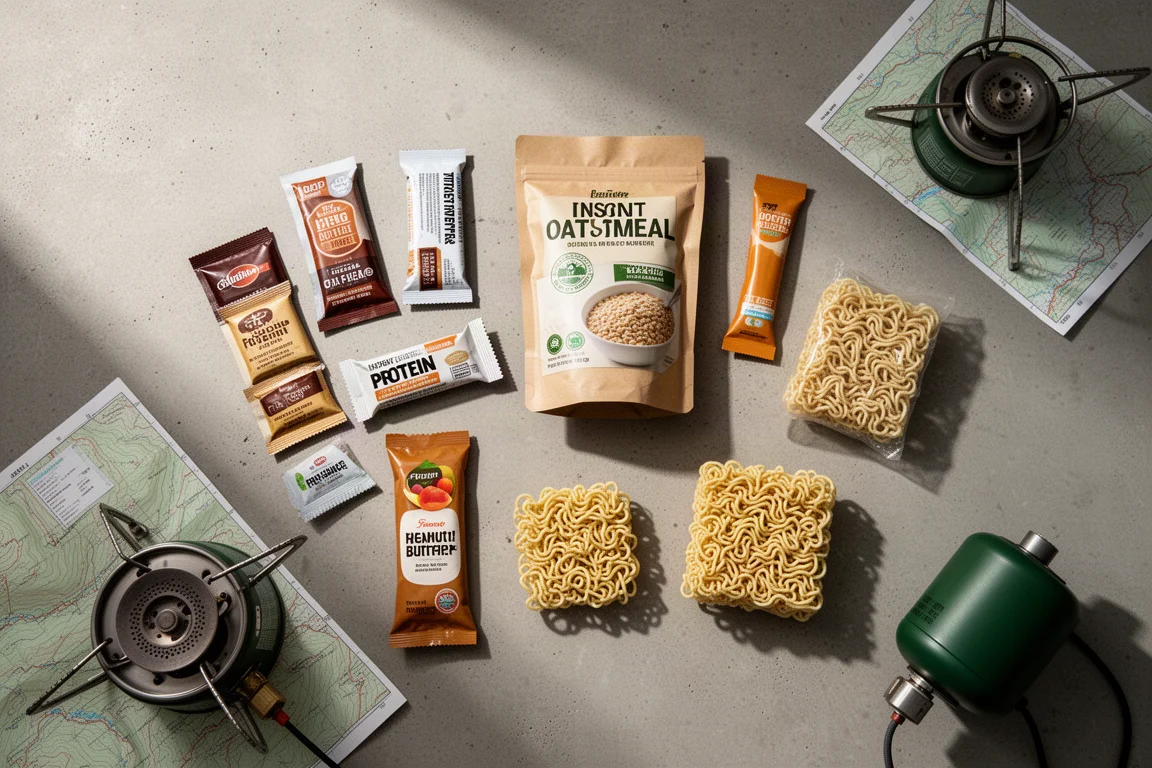
The items below are the ones that held up in a direct grocery store comparison, where value, shopping ease, and how good the food tastes all counted equally. Everything here is non-perishable, packable, and either ready to eat or close to it. Nothing needs a cooler, and most of it needs nothing more than hot water or a tortilla.
What to Look For in Backpacking Food
Three things matter when you are assembling trail meals from a supermarket.
Calories per dollar. The whole exercise comes down to packing enough energy into a fixed budget. Oatmeal, ramen, peanut butter, and instant coffee are the workhorses because they deliver calories without a premium price.
Calories per gram. Anything that is not dehydrated is heavy. Partially cooked rice, cans, and food with water weight will cost you on the climb even when it is cheap at the register.
Flavor you will actually look forward to. A meal you dread on day two is dead weight. Smaller, varied items tend to work better than one large portion, and a single flavor element such as soy sauce or a marinated vegetable can change an entire dinner for very little money.
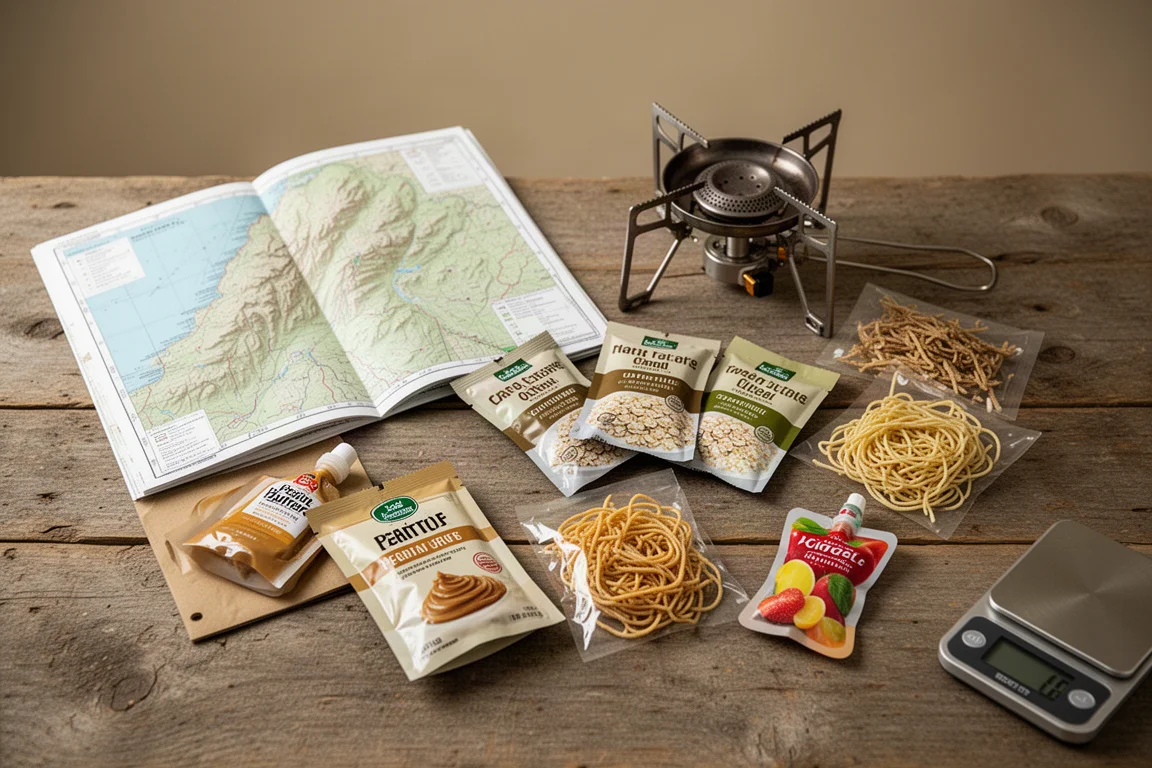
A useful way to think about it is a three-part system: a base, a calorie and protein source, and a flavor element. That structure is what keeps a budget meal from feeling like a punishment, and it works with almost any combination of the products below.
Starbucks VIA Instant Coffee
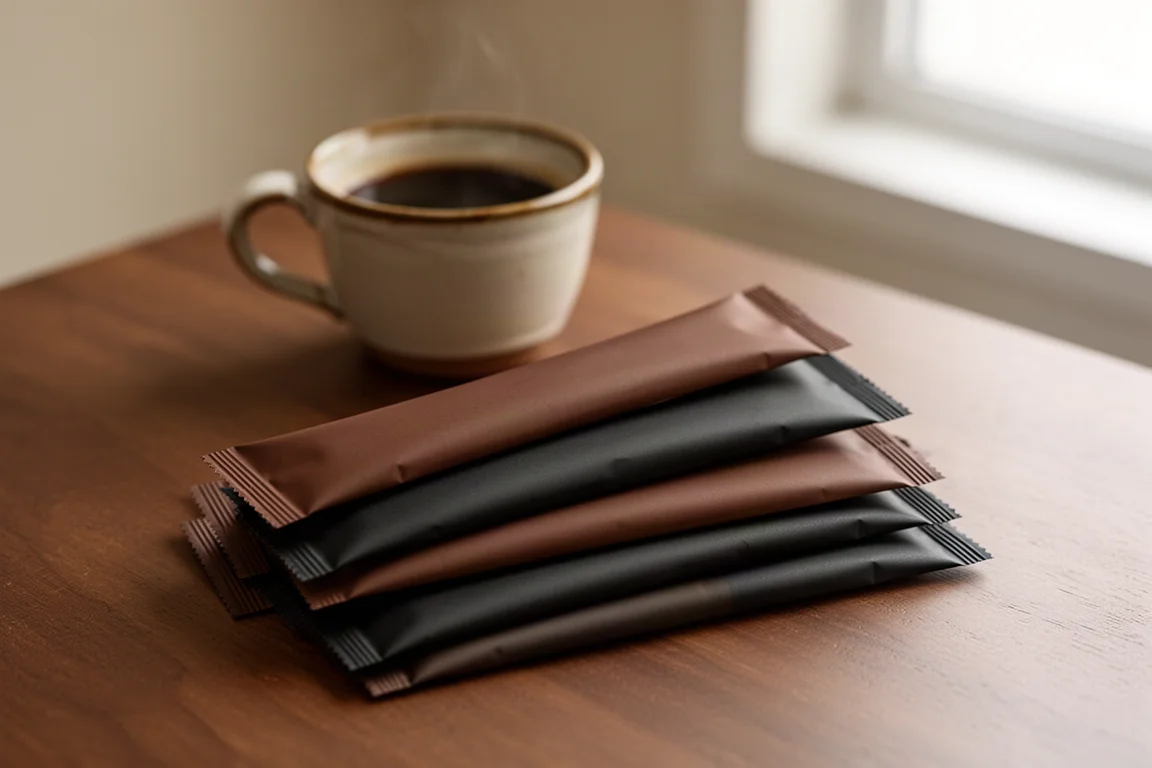
Caffeine is the one item that is easy to forget and hard to replace on the trail. Instant coffee packets solve it without a brewing setup: add hot water, stir, done.
On price, eight packets of Starbucks VIA came in at about $6, against roughly $16 for six servings of a premium alternative brand. The packet format is the value play here, and it also happens to be the most packable. No jar, no scoop, no cleanup, and almost no weight.
One practical warning: some stores run out of instant coffee entirely, so it is worth confirming availability before you build a shopping list around it.
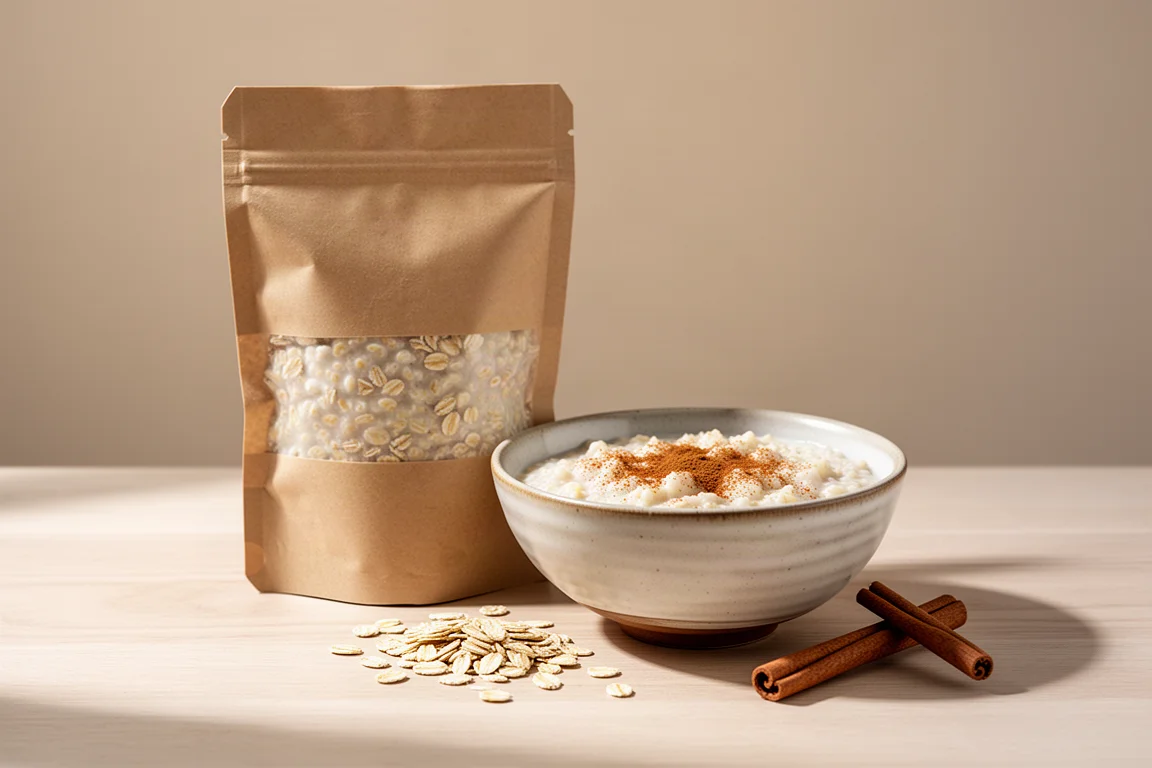
Trader Joe’s Protein Cinnamon Instant Oatmeal
Oatmeal is the cheapest breakfast on this list, but the cheapest box is not automatically the right one. A basic store-brand box can land around $1.79 for ten pouches, which is hard to beat on price alone.
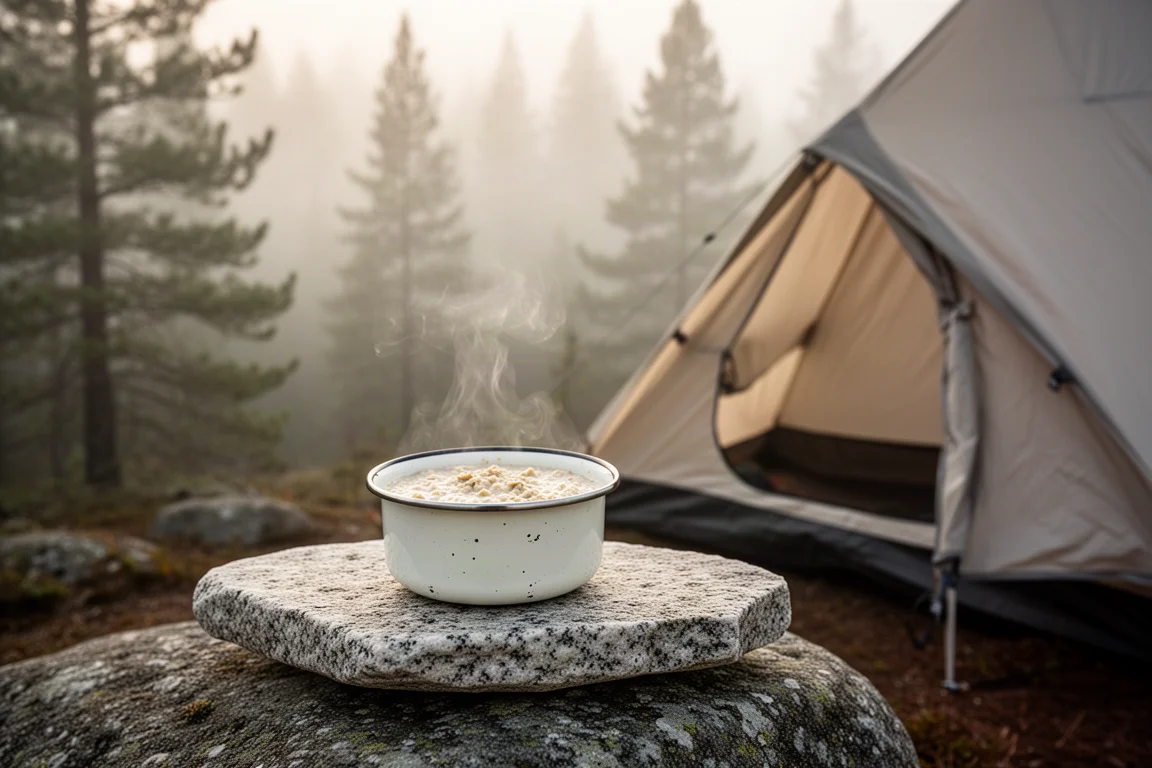
The Trader Joe’s protein cinnamon version costs more and earns it back on nutrition. It carries noticeably more protein, less sugar than a standard maple brown sugar oatmeal, and a cinnamon flavor that makes it something to look forward to at 6 a.m. in a cold tent. That combination is what separates a breakfast you eat from a breakfast you enjoy.
If you want to stretch breakfast further, a handful of apple chips adds texture and a little extra energy for very little weight. They also keep for a long time, which matters when you are buying food weeks before a trip.
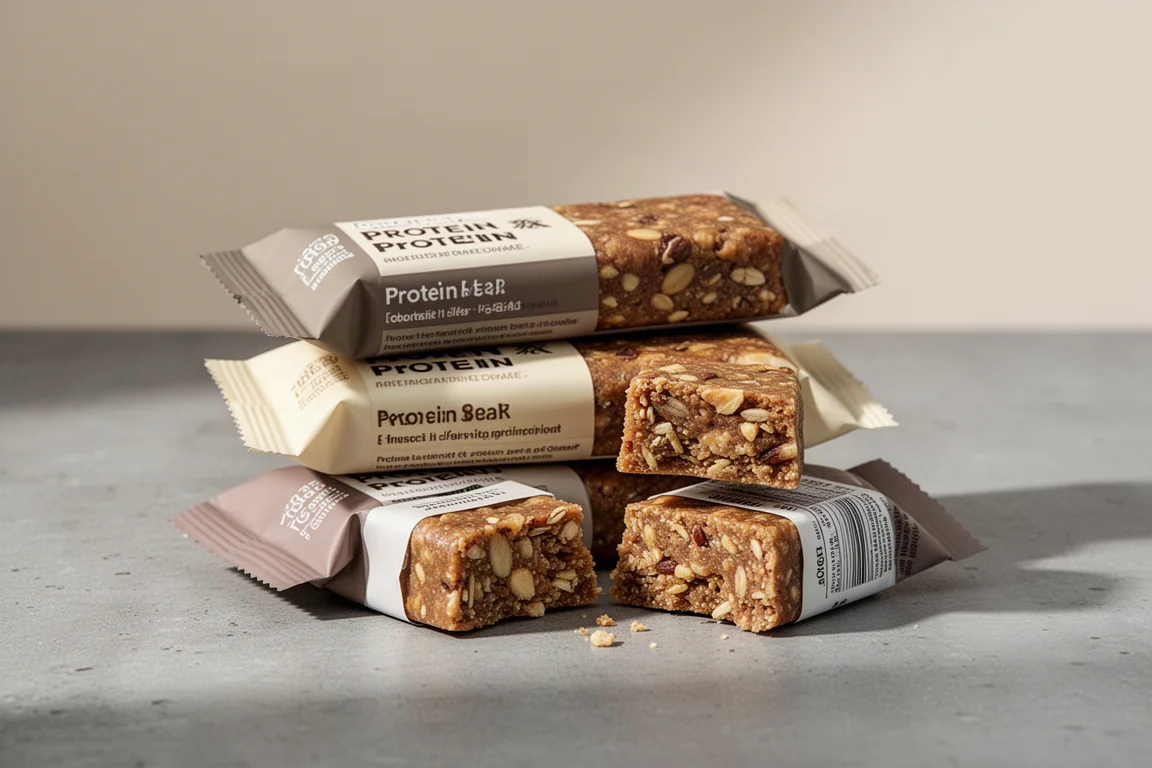
GoMacro Bars
Bars are the easiest lunch or snack to carry because there is nothing to prepare. GoMacro bars sit among the better protein bars you can pick up in a regular grocery store, and the flavor range is wide enough that you can rotate through a few instead of eating the same one every day.
A box of bars also works as a backup. If a resupply stop falls through or a day runs longer than planned, a bar in the top pocket solves the problem without cooking, water, or a stove.
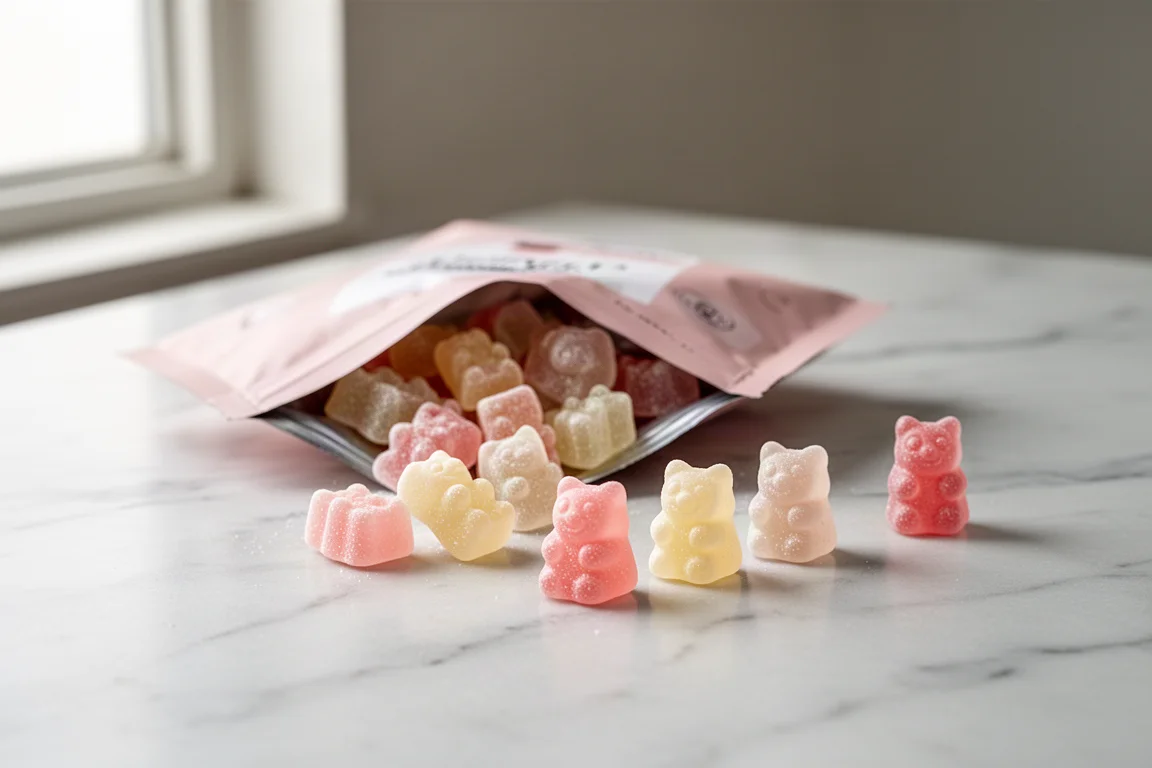
Smart Sweets
Gummy candy is not nutrition and does not pretend to be. What makes Smart Sweets worth packing is the numbers: roughly three to four grams of sugar per bag, plus enough dietary fiber to matter.
That combination makes them a genuine morale item rather than pure sugar. They are light, they do not melt into a mess the way chocolate can, and they break up the monotony of oats and noodles on a long day. Treat them as a small luxury that costs almost nothing in pack weight.
Justin’s Peanut Butter
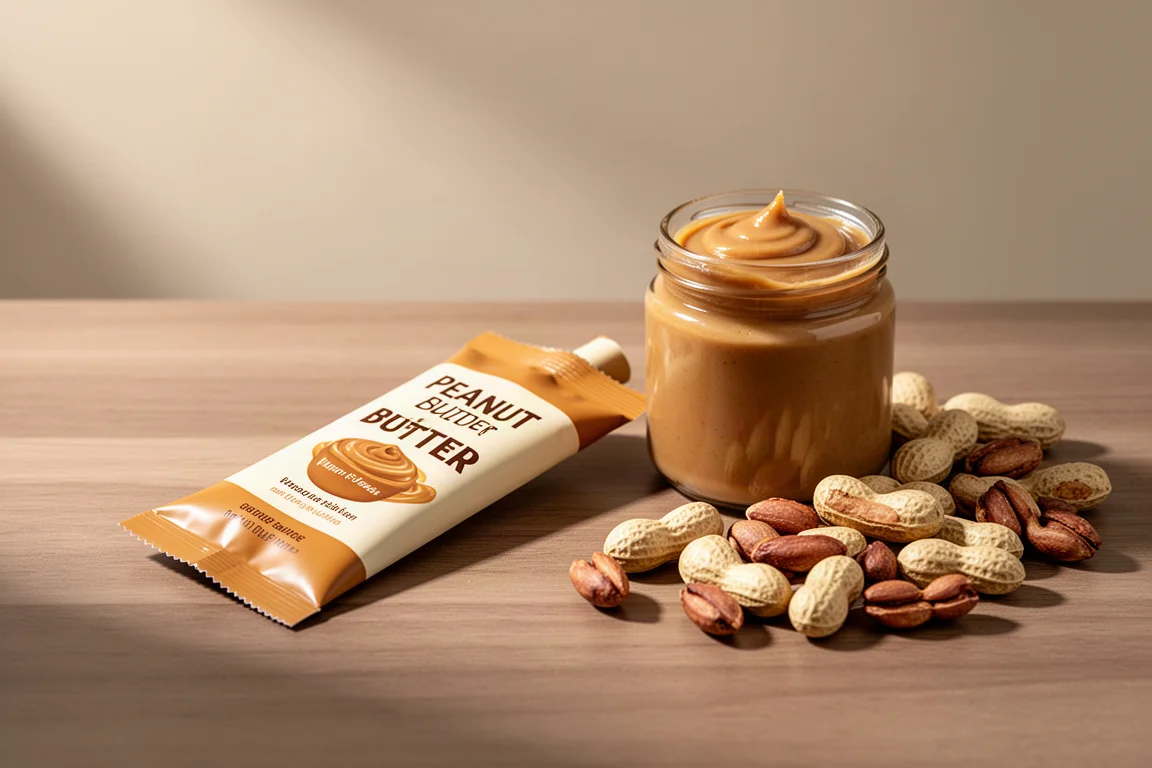
Peanut butter is the single most efficient calorie source on this whole list, and the packet format is what makes it trail-friendly. Squeeze packets mean no jar, no knife, and no cleanup.
Justin’s is a familiar name in the category, and the packets were priced at roughly the same level, sometimes slightly cheaper, at the higher-end store compared with the standard supermarket. That kind of price parity is unusual and worth knowing if peanut butter is already on your list.
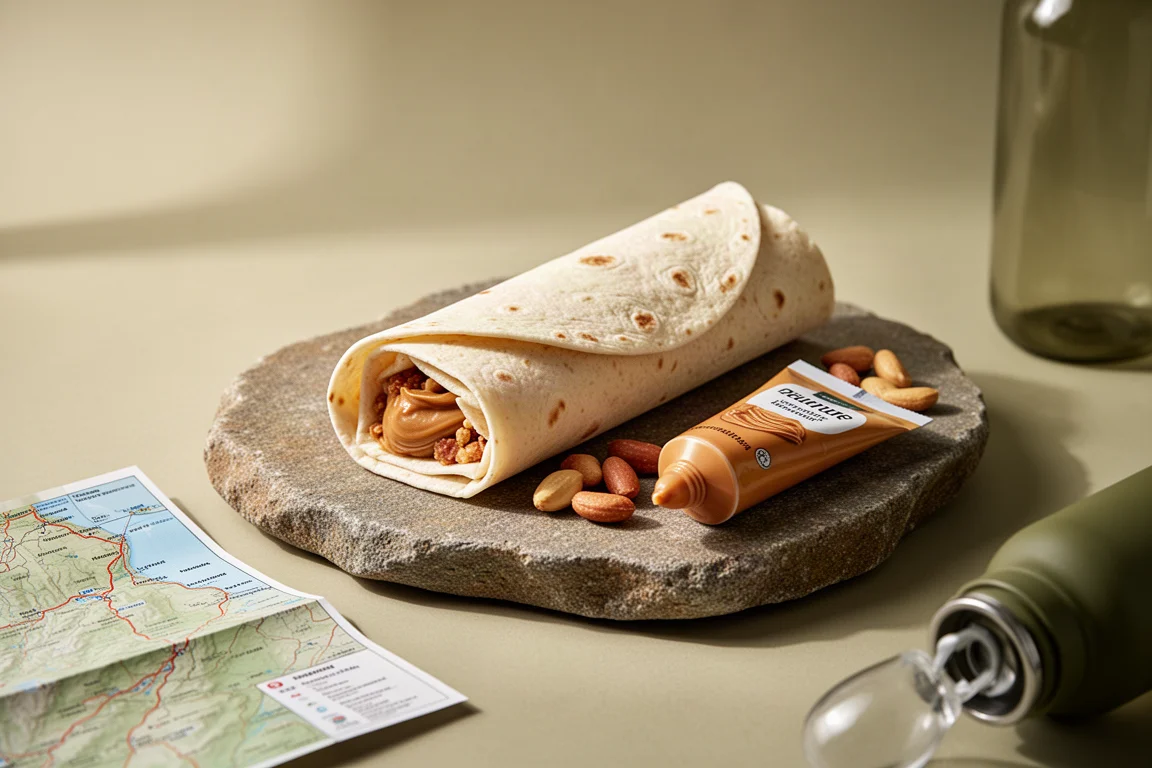
Peanut butter pairs with almost everything: oatmeal, tortillas, ramen, and flatbread. That flexibility is the reason it belongs in the pack no matter which store you shop at.
Maruchan Ramen Super Six Pack, Soy Flavor
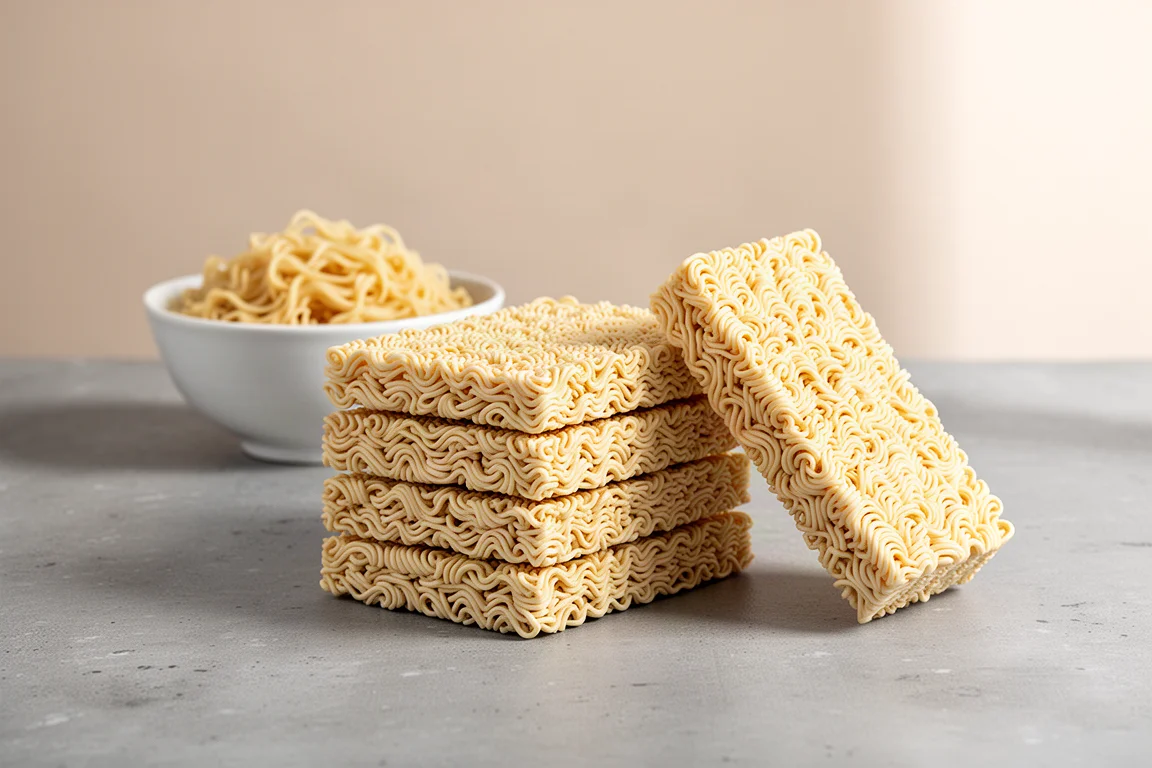
Dinner is where budgets usually break. Pre-packaged noodle dishes are convenient but expensive, while a multi-pack of ramen is the classic cheap base.
The soy flavor six pack is the practical pick because the seasoning packet doubles as your flavor element. Combine it with a squeeze packet of peanut butter and you get a peanut noodle bowl for very little money, which is a standard backpacking dinner for good reason.
It is not an exciting meal, and that is the honest trade-off. The ramen is cheap, filling, and boring, and the peanut butter is what rescues it.
Trader Joe’s Fruit Crushers Apple Mango Fruit Sauce
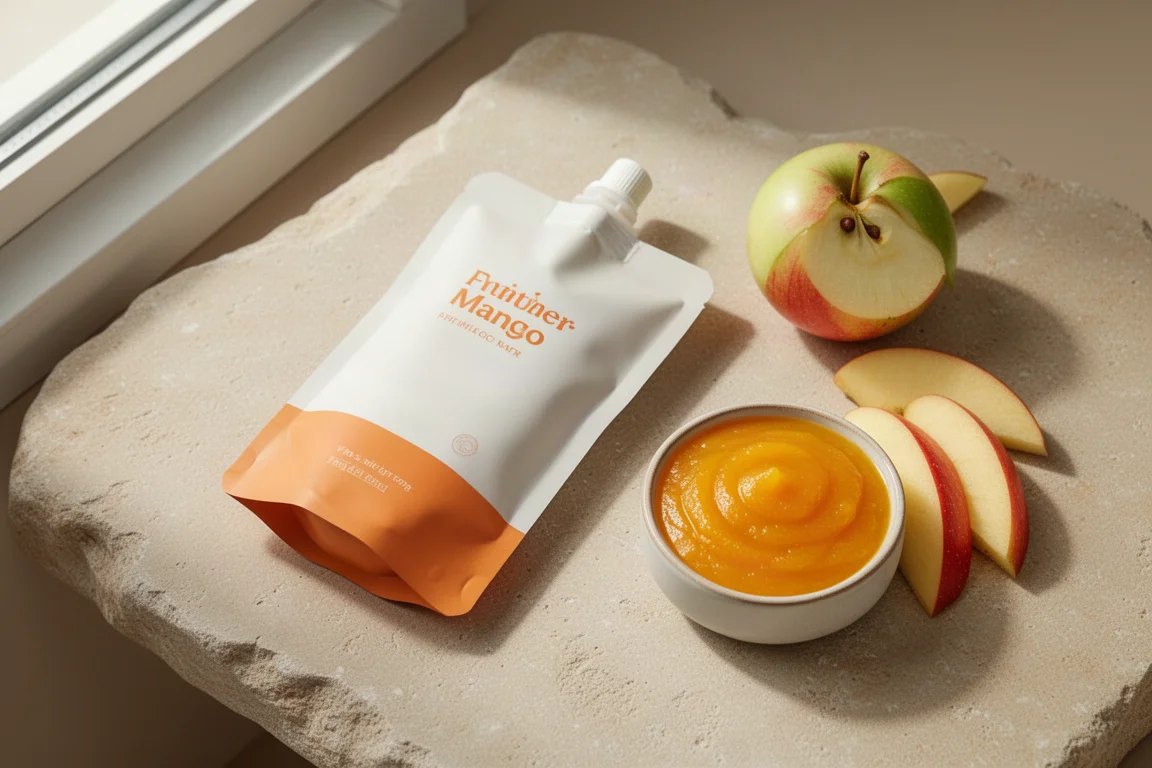
Fresh fruit is heavy and often squashed by the time you reach camp. Fruit sauce pouches solve both problems: they need no refrigeration, they survive a stuffed pack, and they taste genuinely fresh.
The apple mango pouches are one of the better trail snacks for exactly that reason. They are also a good way to get something bright and cold-tasting into a day of dry, salty food.
Be realistic about what they are, though. Fruit pouches are not calorie-dense, so treat them as flavor and morale rather than fuel.
Bellatrix Go One E-Bike
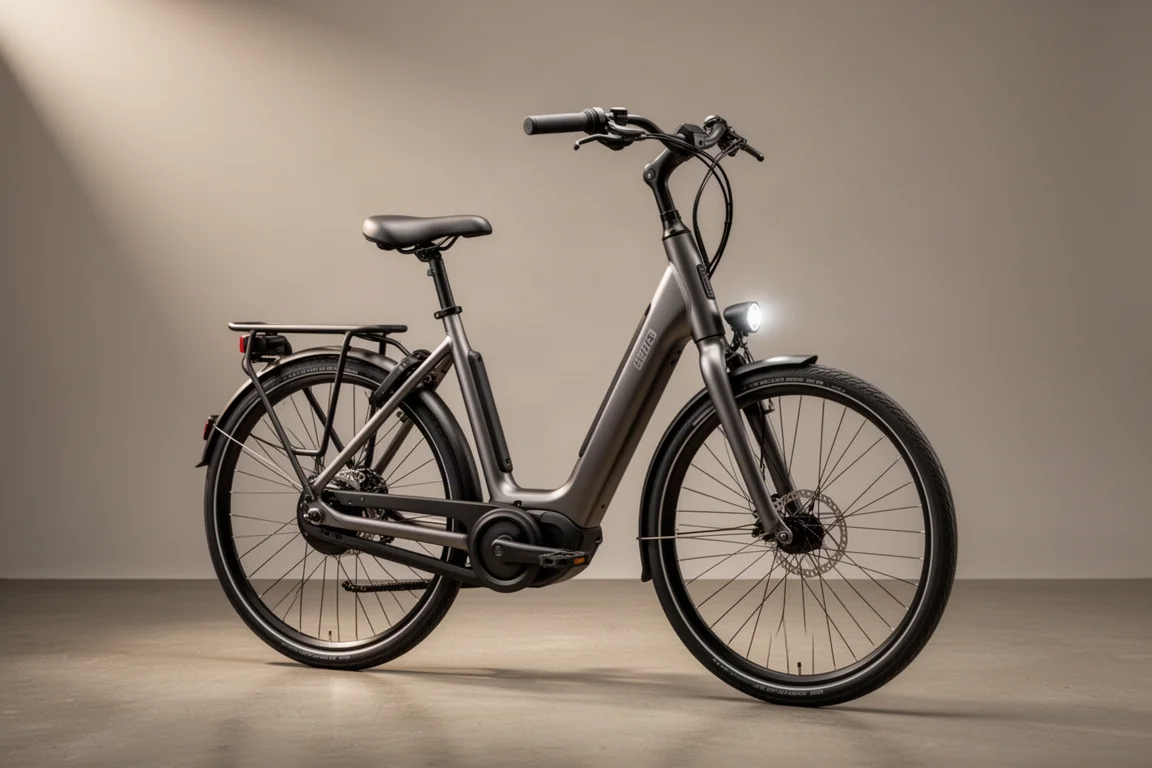
Grocery runs are part of the picture, and this is the bike that made a multi-store shopping day practical. The Go One is a Class 2 e-bike, which means it has both pedal assist and a throttle. In practice the pedal assist is strong enough that the throttle is rarely needed.
Battery life is the standout. Rides of around 20 miles barely deplete the battery halfway. The riding position is fully upright, which makes it easy to see ahead and comfortable over distance, and an integrated headlight plus a red rear light run off the main battery so there is nothing to charge separately.
Storage is the other reason it works. Two full bags of groceries ride on the back with room for another stop, and the bike has effectively replaced a car for most daily trips. For a rider who feels tentative in traffic, the upright stance and always-on lighting add real confidence.
Buying Advice: The Three-Part Backpacking Meal
Shop your own pantry first. Much of what ends up in a backpacking food haul, including peanut butter, soy sauce, and instant rice, is probably already at home. Using what you already own is cheaper, and you are far more likely to enjoy meals built around food you already eat.
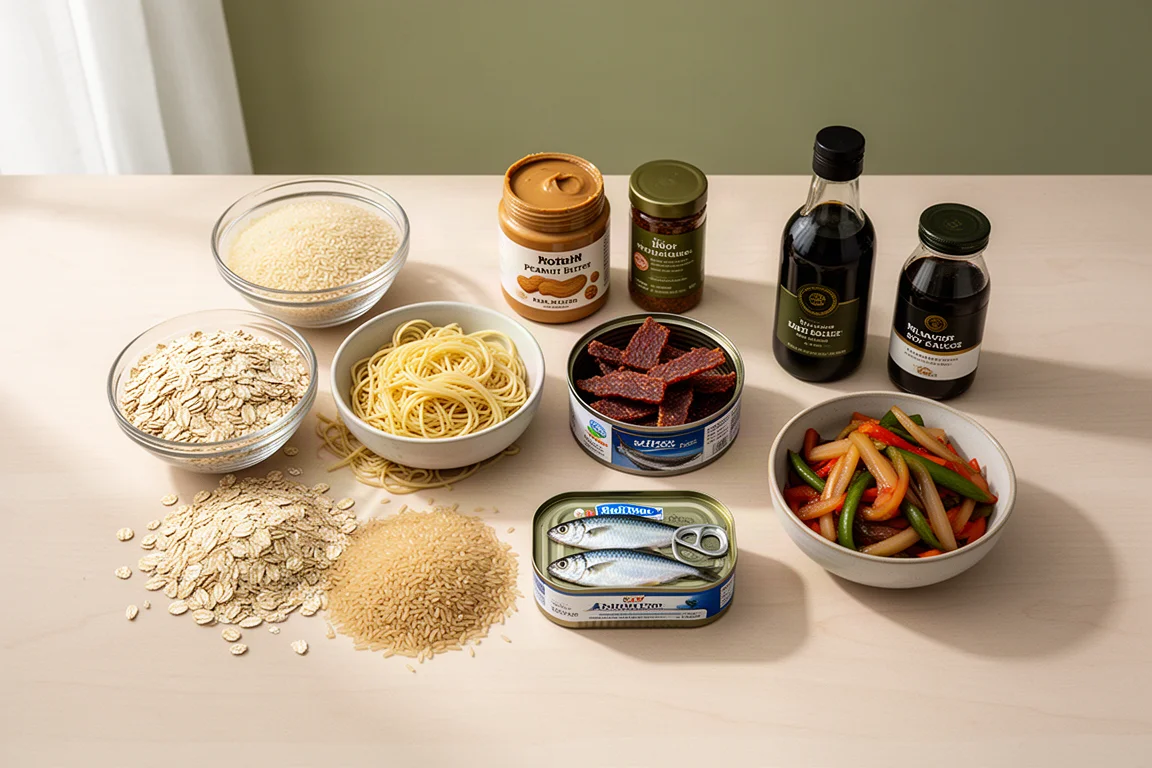
When you do shop, think in three parts. Start with a base: oatmeal, polenta, rice, or noodles. Add a calorie and protein source: peanut butter, beef jerky, fish, tofu, or tempeh. Then finish with a flavor element: soy sauce, a marinated vegetable, or a seasoning packet. The base and the protein do the heavy lifting, and the flavor element is what turns it into a meal you want to eat.
Two more practical notes. Check the bulk section for free condiment packets and loose peanuts instead of buying a whole bottle, and watch the weight of anything that is not dehydrated. A partially cooked rice pouch or a can of beans may look cheap, but it costs you on every climb.
On store choice, the pattern was clear. Trader Joe’s combined the lowest total, the fastest shop, and the most food worth looking forward to, while the store with the widest selection was also the most expensive and the hardest to stay under budget in. The cheapest staples, meanwhile, came from the standard supermarket chain.
Conclusion
Building backpacking meals from a grocery store is entirely doable, and the best results come from mixing categories rather than committing to a single store. Instant coffee, protein-forward oatmeal, peanut butter packets, ramen, and a fruit pouch cover breakfast, lunch, dinner, and morale for a couple of days without a cooler or a dehydrator.
Pick a base you like, add a serious calorie source, and finish with something that tastes like a treat. That is the whole system, and it works at almost any budget.
Further reading
Related Reviews
Backpacking Food
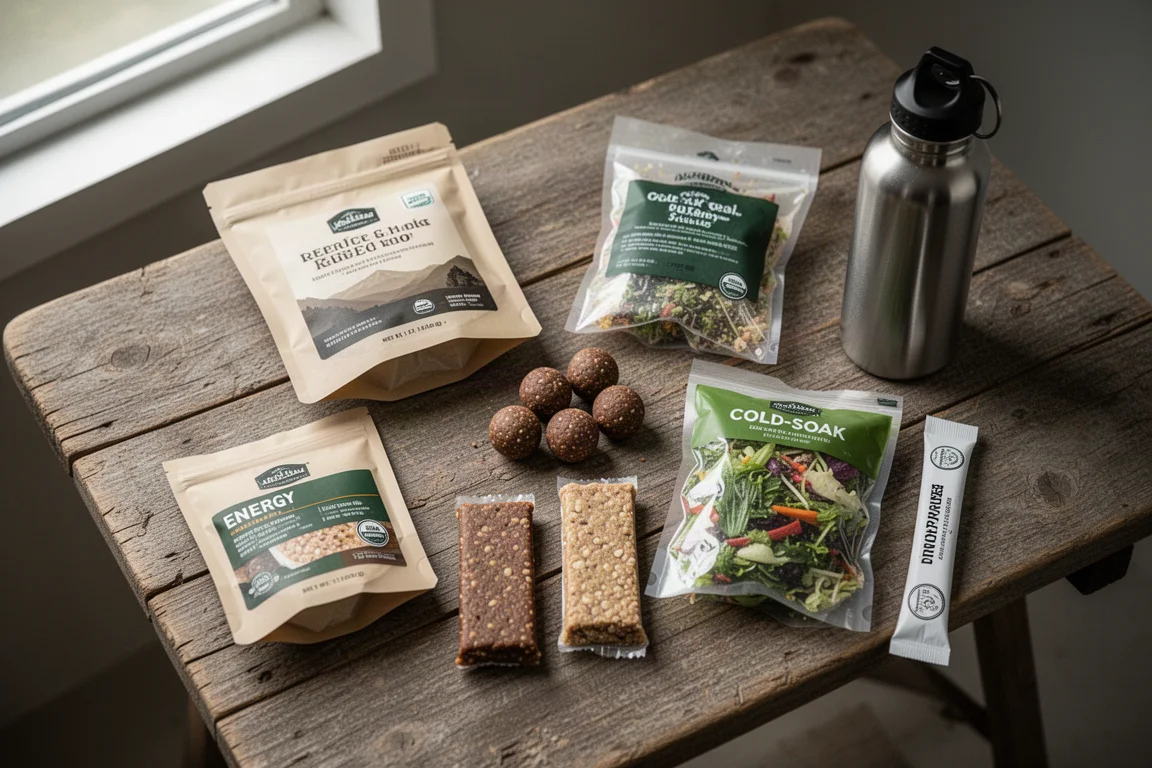
Best Backpacking Food for Thru-Hikes: 7 Options That Stay Appetizing
Seven trail-tested foods that hold their appeal over a long thru-hike, from calorie-dense breakfasts and easy snacks to cold-soak lunches and electrolyte drink mixes.
Backpacking Food
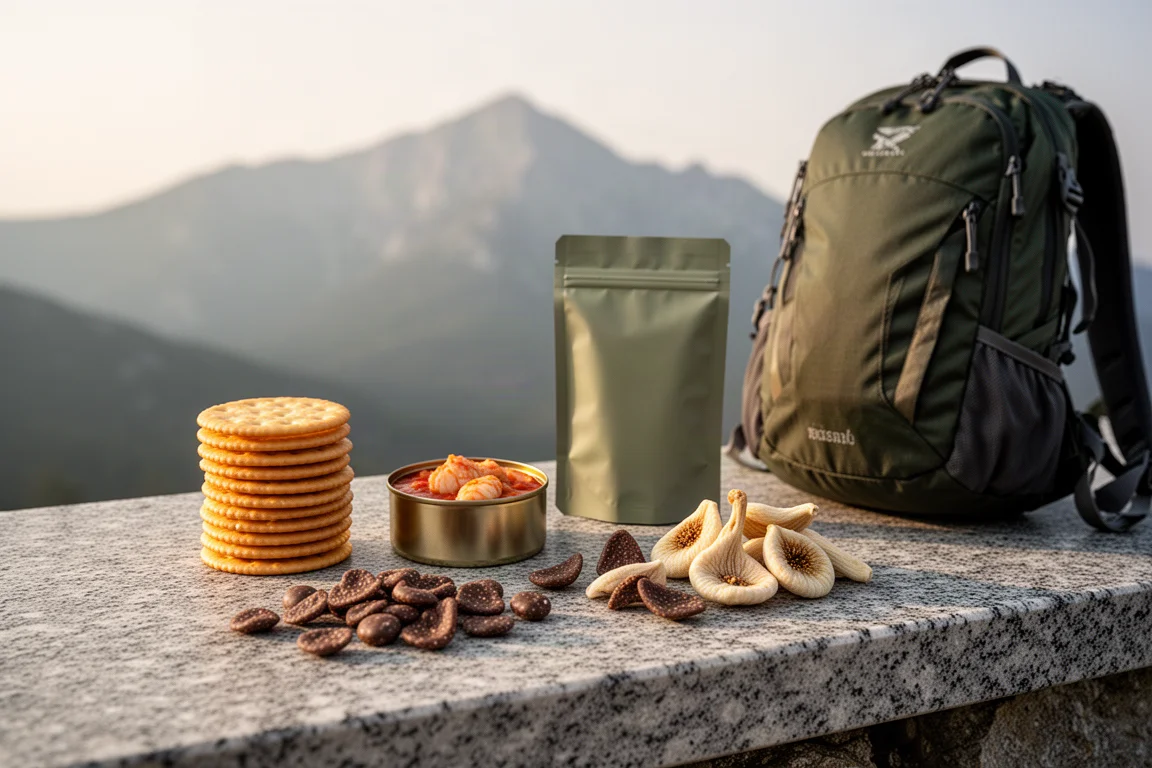
Weird Backpacking Food Worth Trying: 11 Trail Snacks and Meals That Earn Their Weight
Eleven unusual backpacking foods, from tinned spicy mussels and fermented crackers to chocolate-covered banana chips, judged on weight, calories, prep time and flavor.
Backpacking Food
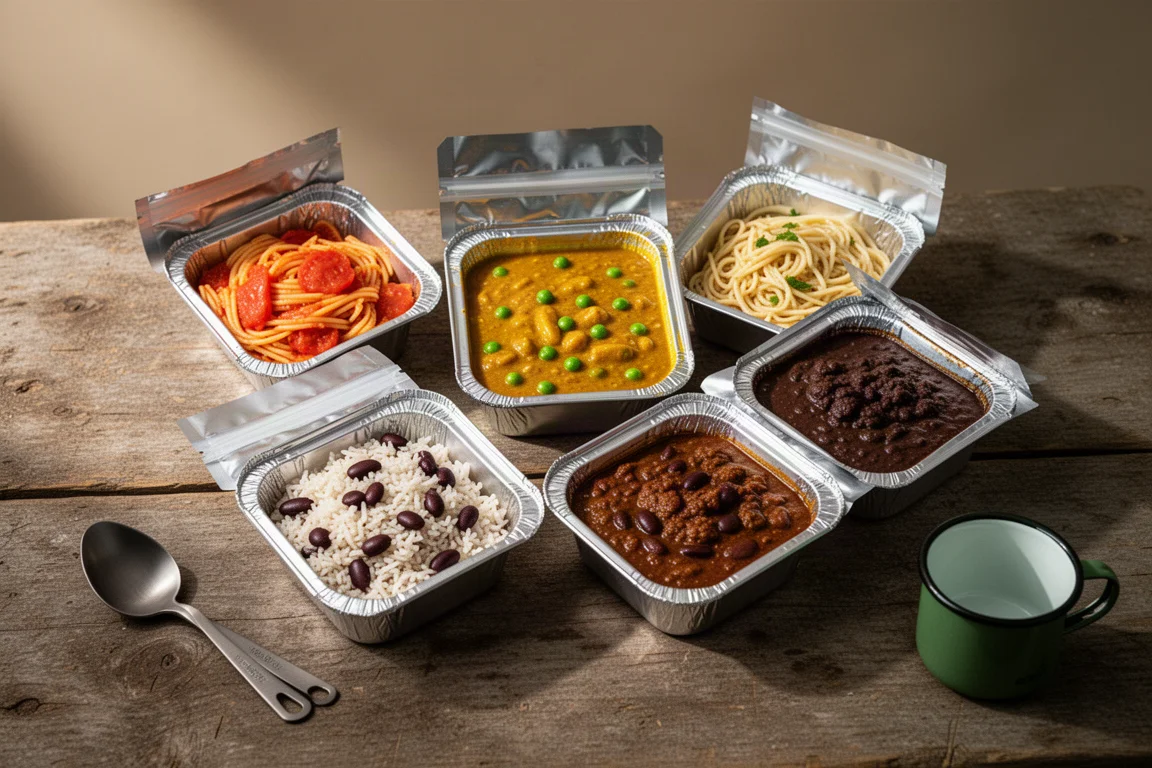
Backpacker's Pantry Dehydrated Meals: 13 Backpacking Dinners Compared
Thirteen Backpacker's Pantry dehydrated meals compared on flavor, texture, portion size, and variety, with clear picks for different trip styles.