Trail Running Shoes
Best Brooks Trail Running Shoes: Three Distinct Options for Different Running Styles
A breakdown of three Brooks trail running shoes with different cushioning profiles, stability features, and ideal use cases for various terrain and distance preferences.
Introduction
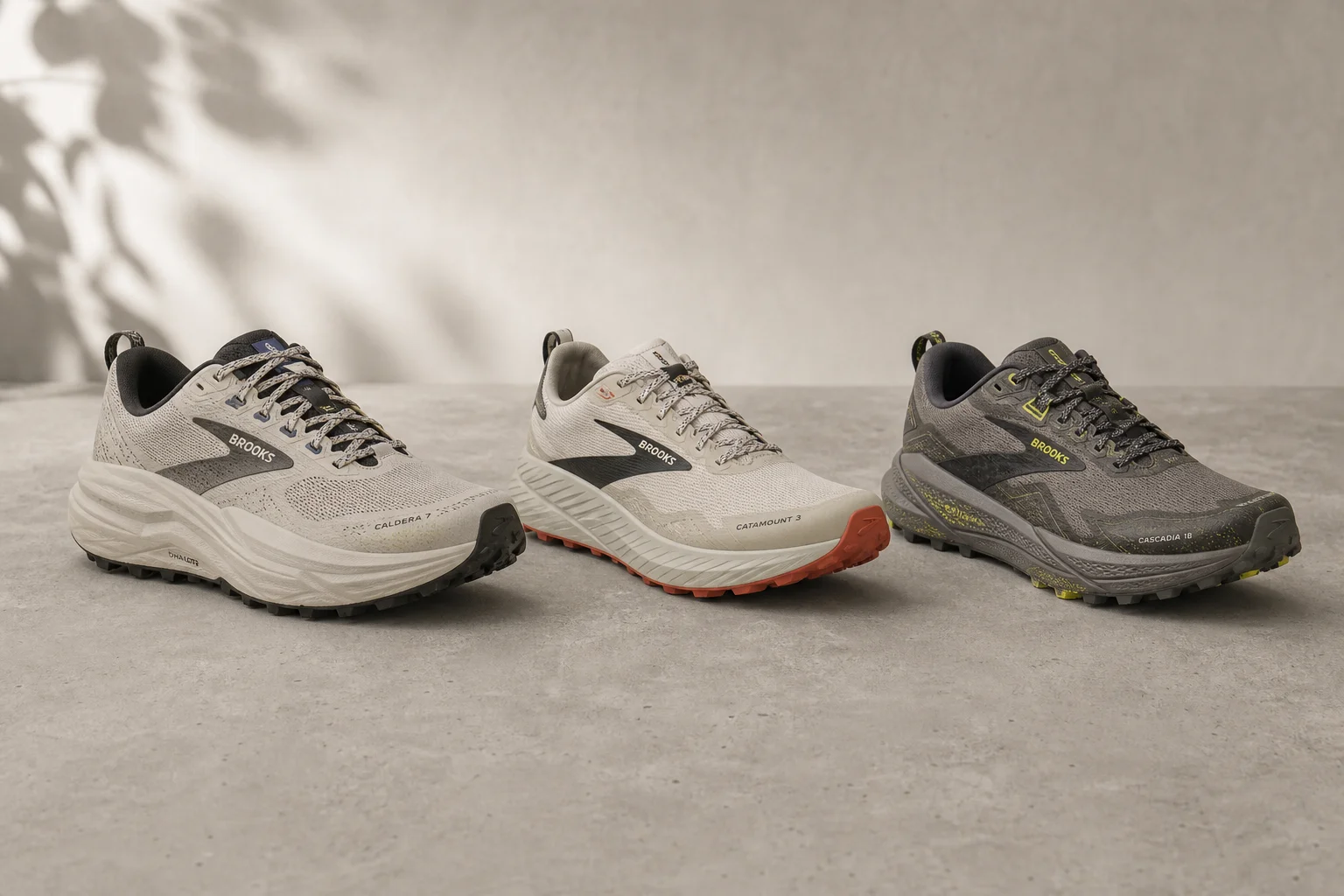
Brooks offers three distinct trail running shoes that cater to different running styles, terrain preferences, and distance goals. Each shoe balances cushioning, responsiveness, stability, and fit in different ways, making the choice depend on what type of running you prioritize and the terrain you encounter most often.
Cushioning and Responsiveness
The three shoes represent different points on the cushioning spectrum, each with distinct performance characteristics.
The Brooks Caldera 7 is a maximum cushioning shoe with 39 mm of cushion in the rearfoot and 33 mm in the forefoot, creating a 6 mm drop. This generous stack comes at a weight cost of approximately 300g for a men’s US size 9. The cushioning is compliant, meaning it absorbs impact by allowing your foot to sink into the foam with less energy return. This approach prioritizes comfort over responsiveness, making it ideal for longer distances where impact absorption matters more than speed.
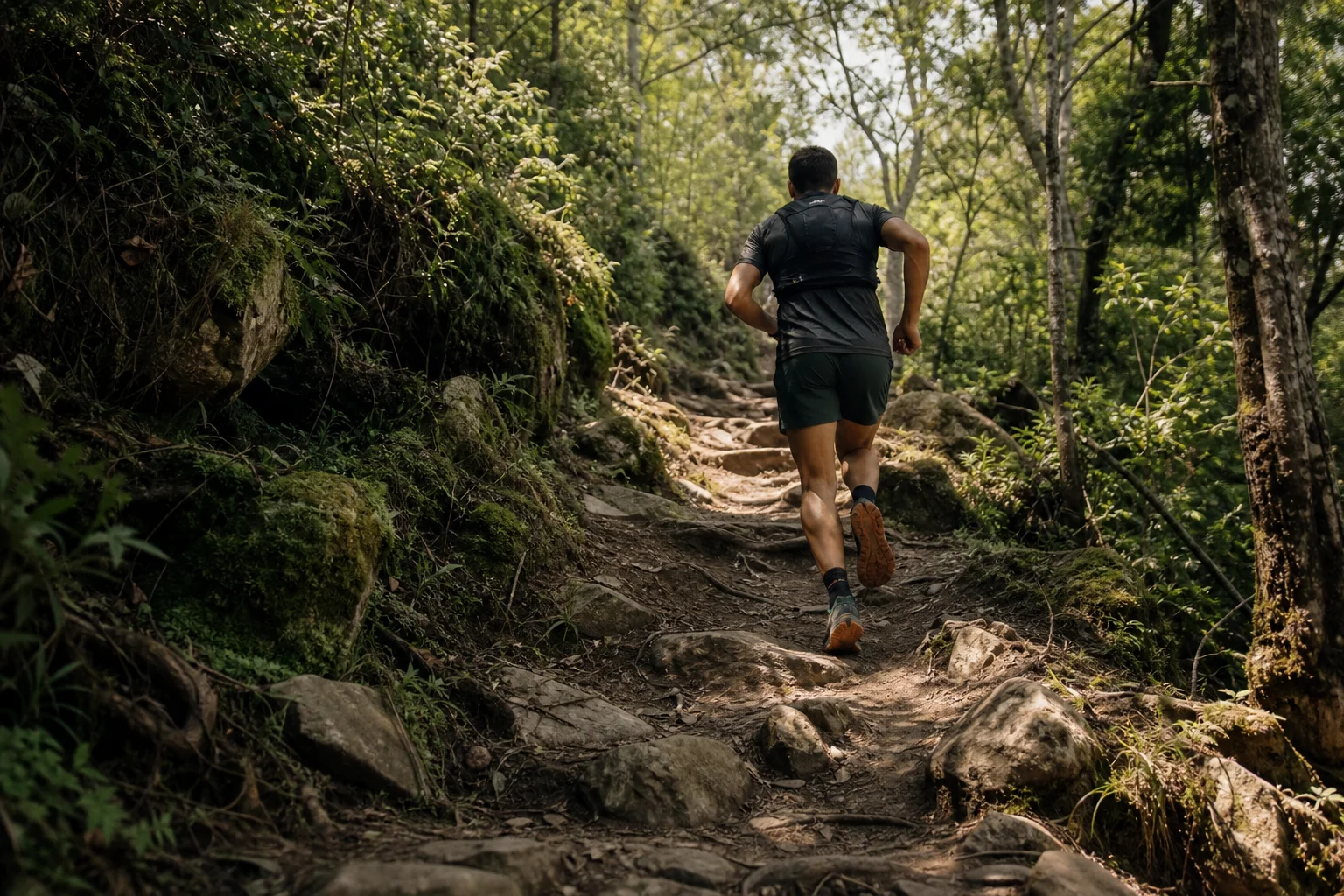
The Brooks Catamount 3 takes the opposite approach with Brooks DNA Flash Foam, a responsive cushioning system that springs back quickly when you apply pressure. This lighter shoe is designed for faster, more uptempo running on both road and trail surfaces. The responsive sole returns energy to your stride, making it feel more lively and quick underfoot.
The Brooks Cascadia 18 sits in the middle with 33 mm of rearfoot cushioning and 25 mm of forefoot cushioning, creating an 8 mm drop. It weighs approximately 312g for a men’s US size 9, making it the heaviest of the three. The cushioning provides some energy return and pushback without matching the responsiveness of the Catamount 3, offering a balanced approach suitable for varied terrain and longer distances.
Traction and Outsole Design
Outsole construction directly affects how each shoe performs on different trail conditions.
The Cascadia 18 and Caldera 7 both feature Brooks Trail Tack Green outsoles made with 25 percent recycled material. The Cascadia 18 has 4.5 mm lugs with multi-directional patterns that provide excellent grip on moderate technical terrain, including wet rocks, though extra caution is needed on very slippery surfaces. The Caldera 7 uses the same outsole material but with slightly shallower 4 mm lugs, offering similar stability to the Cascadia 18 but with a different lug depth profile.
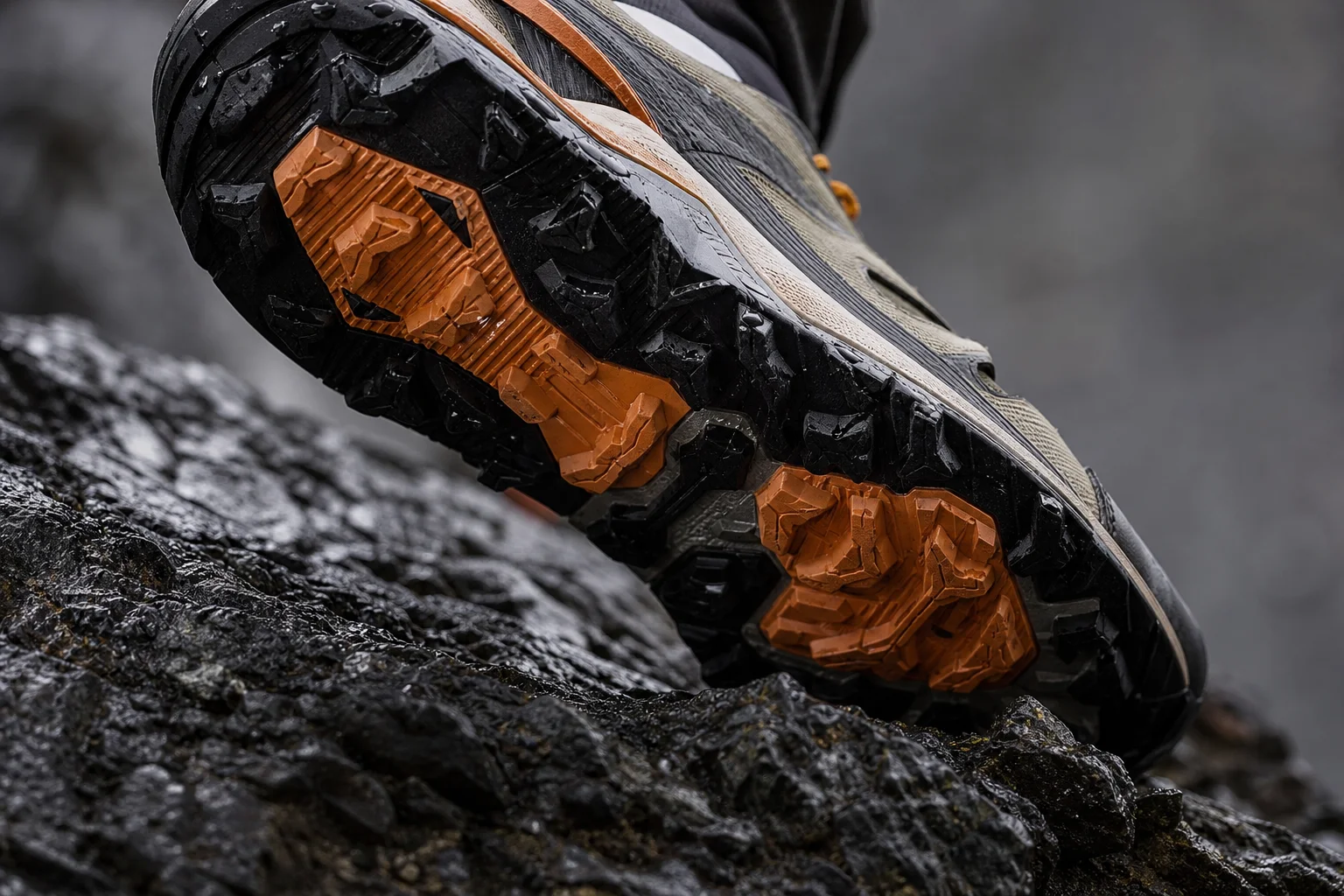
The Catamount 3 features shallower 3.5 mm outsole lugs, which makes it more transitional for road running since the lugs are less noticeable underfoot. It still provides traction on easy to moderate technical trails, but does not offer the same level of stability as the Cascadia 18 on more demanding terrain.
Stability and Heel Support
Each shoe addresses stability differently through sidewall construction and heel counter design.
The Caldera 7 compensates for its extra cushioning and softer stack with reinforced sidewalls that extend from the heel through the midfoot and into the forefoot on both the inside and outside of the shoe. These sidewalls cradle your foot to keep it centered during direction changes and downhill running.
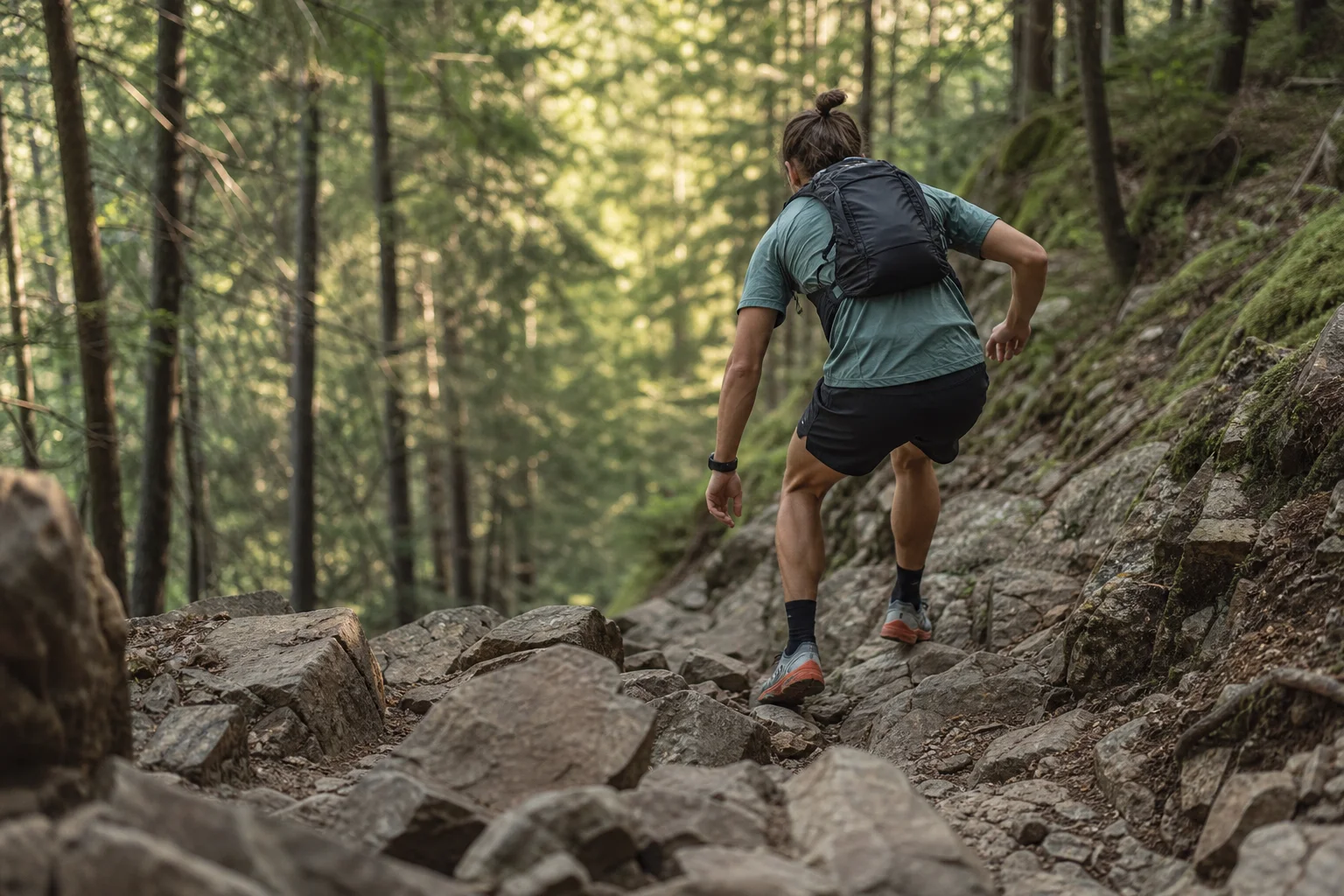
The Catamount 3 features milder sidewalls in the rearfoot designed to cradle the heel and maintain a centered position, but with less overall rigidity. The Cascadia 18 has very mild sidewalls in the rearfoot only, relying more on its balanced cushioning to provide stability.
Heel counter padding also varies across the three shoes. The Caldera 7 has the maximum amount of cushioning and padding around the heel counter with a slightly more rigid construction. The Cascadia 18 offers moderate padding, while the Catamount 3 has less padding around the heel cup but maintains nice flexibility throughout.
Fit and Upper Construction
Toebox shape and upper design differ significantly between the shoes.
The Caldera 7 features a wide, broad toebox that provides extra space for your toes, making it better suited for runners who experience Morton neuroma, metatarsalgia, or bunion issues. The padding in the forefoot stack and the generous toebox space offer comfort for wider feet.
The Catamount 3 and Cascadia 18 both have more tapered toeboxes designed for a snug, racing-oriented fit. All three shoes include engineered mesh uppers, thin laces for secure lockdown, and gusseted tongues to prevent side-to-side movement. All three also feature a small overlay around the toebox for protection without adding excessive rigidity.
The Cascadia 18 and Caldera 7 both include a gator edition feature, while the Catamount 3 does not.
Choosing the Right Shoe for Your Running
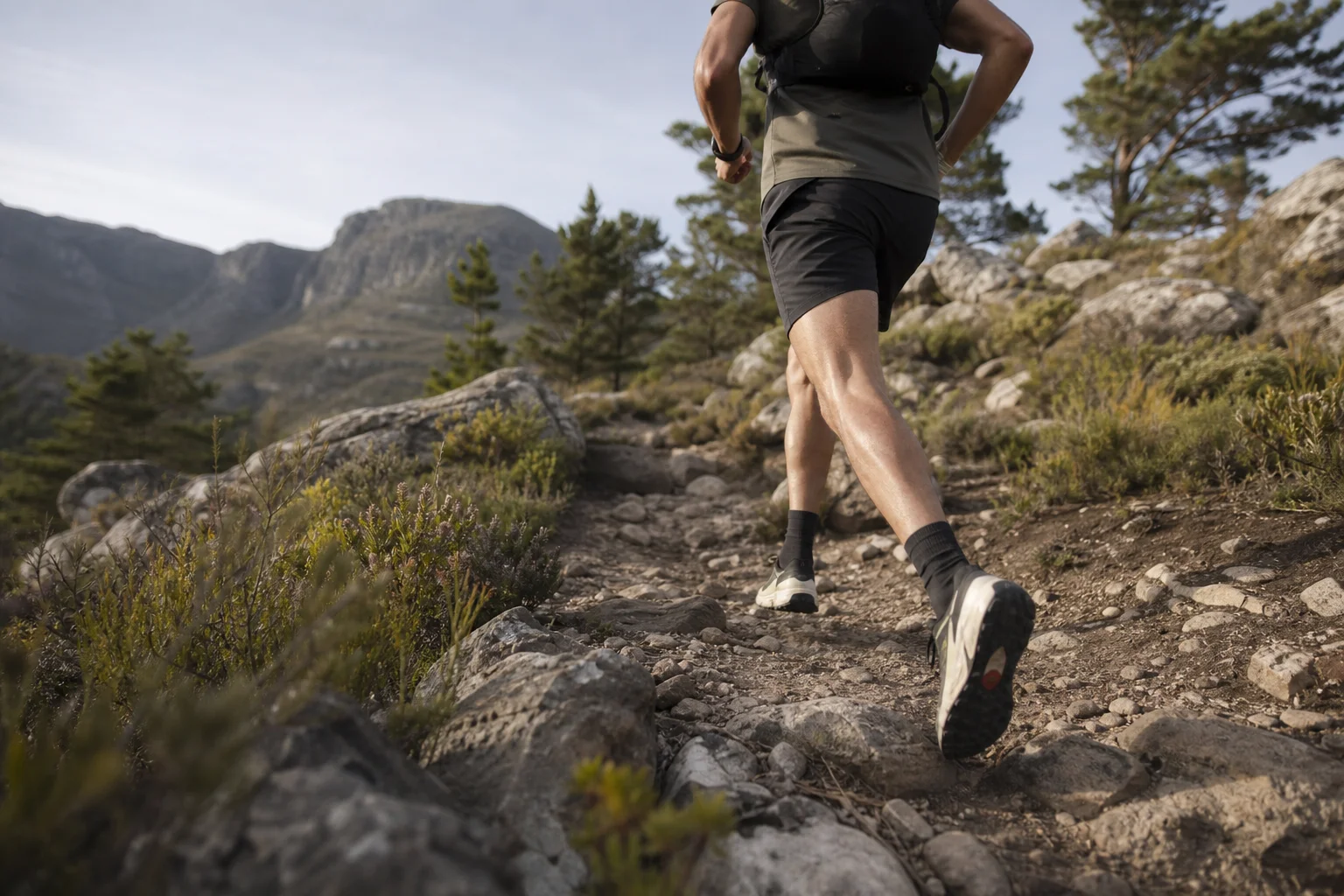
The Caldera 7 is the best choice if you prioritize maximum cushioning for long-distance trail running and want ultra comfort without completely sacrificing stability. Its wide toebox and generous padding make it suitable for runners with forefoot sensitivities.
The Catamount 3 works best for road-to-trail running where responsiveness and speed matter. It excels for uptempo runs covering 20 to 30 kilometers, offering a quick, lively feel that transitions well between road and moderate trail surfaces.
The Cascadia 18 is the all-rounder option, balancing cushioning and stability for varied terrain. It handles distances of 100 to 150 kilometers and beyond, making it suitable for longer trail running adventures where you need reliable performance across different trail types without extreme specialization in any single area.
Conclusion
Each Brooks trail running shoe serves a distinct purpose. Your choice depends on whether you prioritize maximum comfort for long distances, responsive speed for faster runs, or balanced performance across varied terrain and distances.
Product link
View more details for Brooks Caldera 7
This product is mentioned in the review. Check the specifications, options, and compatibility before buying.
View more details for Brooks Caldera 7Further reading
Related Reviews
Trail Running Shoes
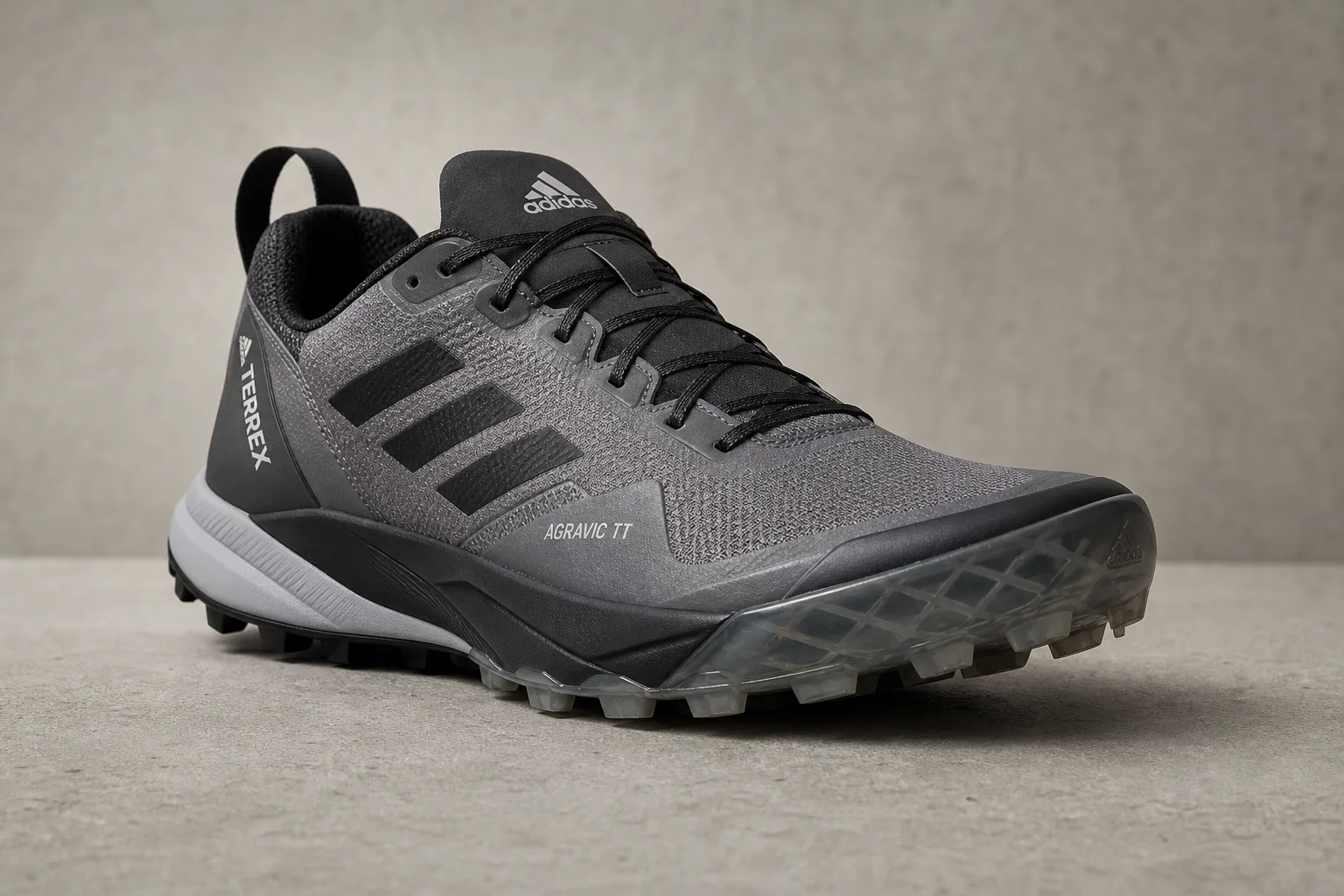
Adidas Terrex Agravic TT Review: A Technical Trail Shoe Built for Rocky Terrain
The Adidas Terrex Agravic TT combines a full-coverage rock plate with a firmer midsole to deliver protection and stability on technical, rocky trails. A capable choice for runners who prioritize underfoot defense over lightweight cushioning.
Trail Running Shoes
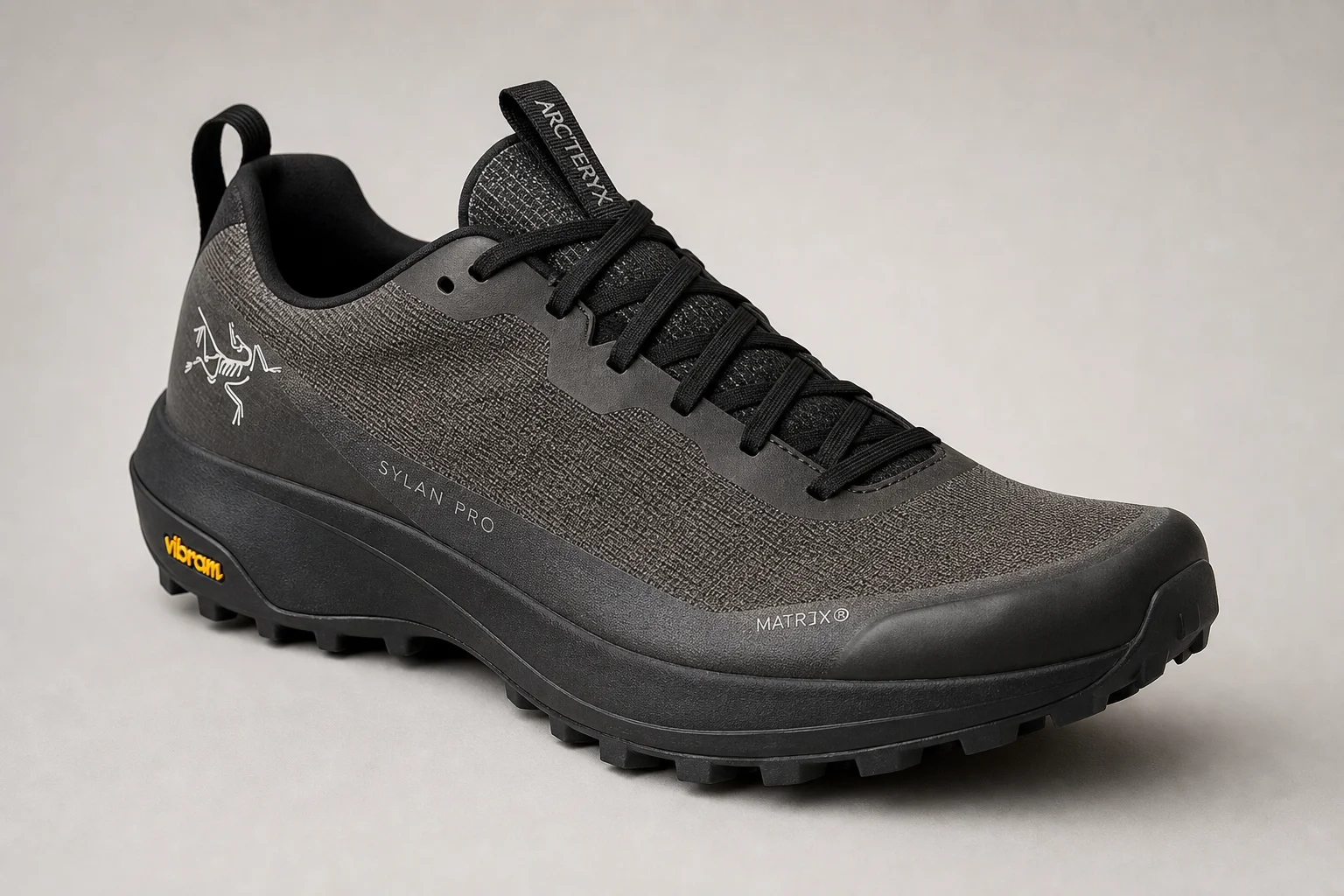
Arc'teryx Sylan Pro Review: A Rocker-Focused Mountain Running Shoe Tested on 20 Miles
The Arc'teryx Sylan Pro brings a pronounced rocker geometry and secure fit to mountain terrain. We tested it on a 20-mile Sawtooth loop to evaluate its climbing efficiency, protection, and handling of technical descents.
Trail Running Shoes
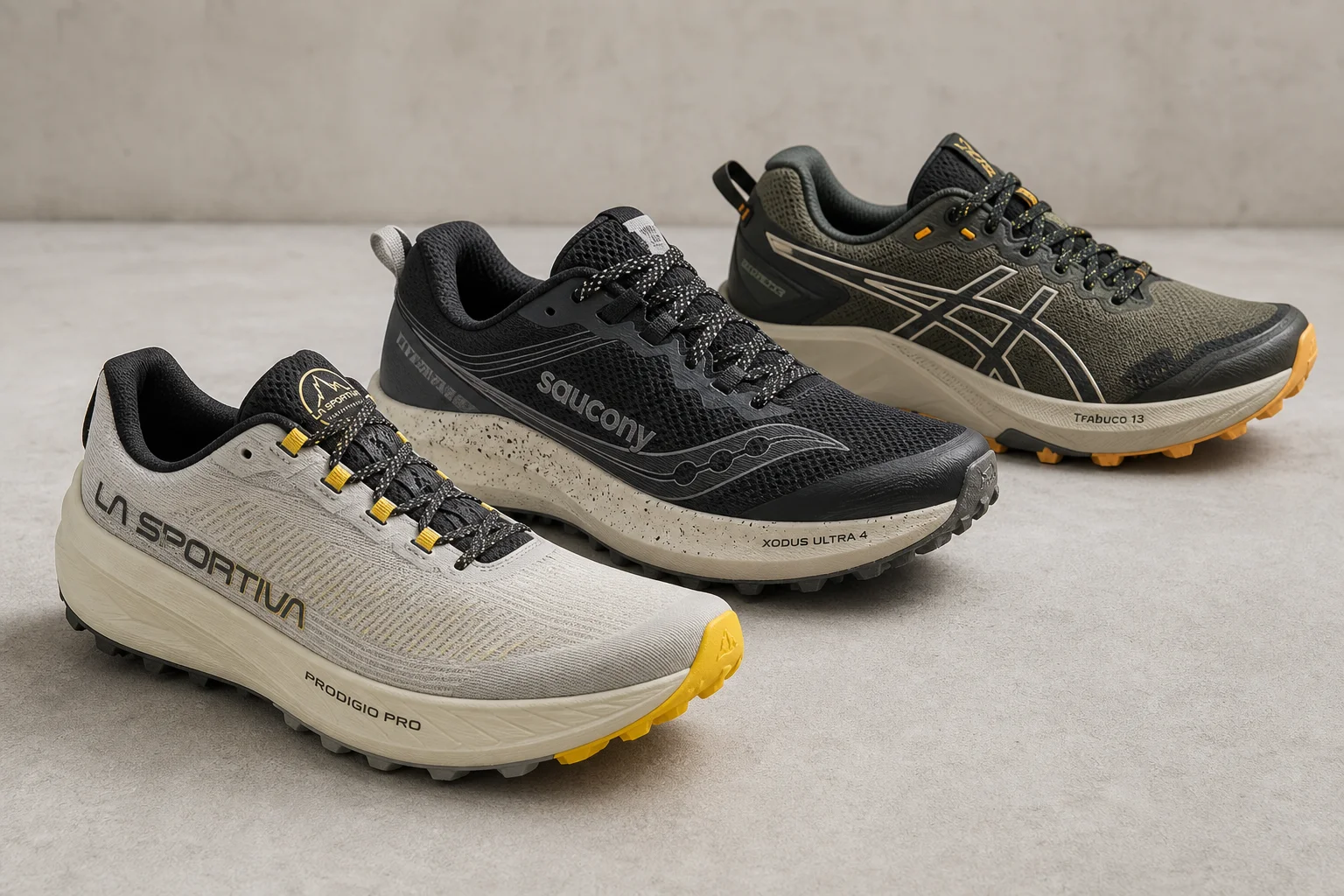
Best All-Mountain Trail Running Shoes: Three Versatile Options for Any Trail
A focused roundup of three all-mountain trail running shoes that handle technical terrain, long distances, and variable conditions with real strengths and practical trade-offs.