Kitchen Tools
Best Coarse Graters: Two Tested Winners for Every Kitchen Style
We compare two standout coarse graters from a field of eight models: a flexible paddle grater and a stable box grater, with clear guidance on which suits your cooking style.
Introduction
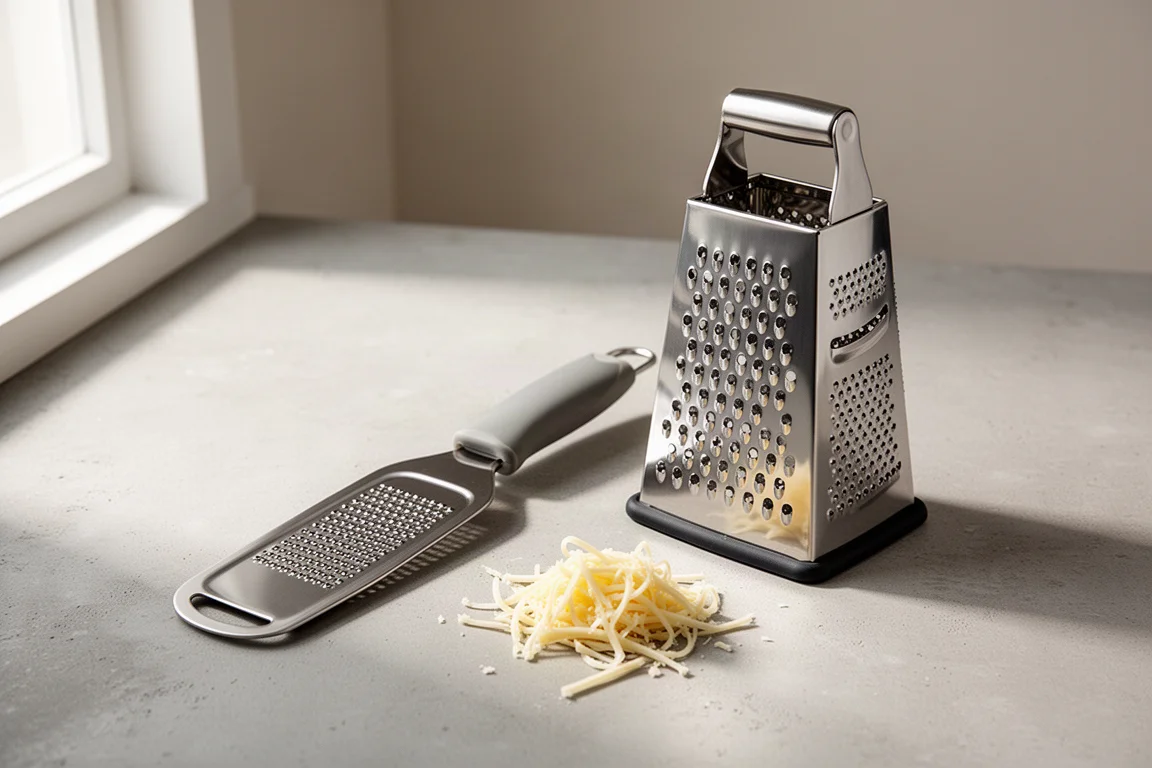
At some point, every cook meets their grater, and choosing the right one matters more than most people expect. In a comparison of eight models priced from $9.50 to $36, testers grated soft cheese, hard cheese, carrots, and potatoes on the large coarse holes of each grater. Two clear winners emerged: the Rösle Coarse Grater for paddle-style fans, and the Cuisinart Box Grater for those who prefer the familiar box form. Both deliver sharp, efficient grating with stable handling, and both earn their place on a busy counter.
How We Tested
Every grater was evaluated the same way: coarse grating only, using soft cheese, hard cheese, carrots, and potatoes. Testers paid attention to how smoothly food moved across the teeth, how comfortably the handle sat in the hand, and how securely each grater held its position on the work surface.
The field covered several form factors. Paddle graters can rest directly over a bowl, one model offered two sides with coarse on one face and fine on the other, and the remainder were the classic box graters most kitchens already know.
Stamped vs Etched Teeth
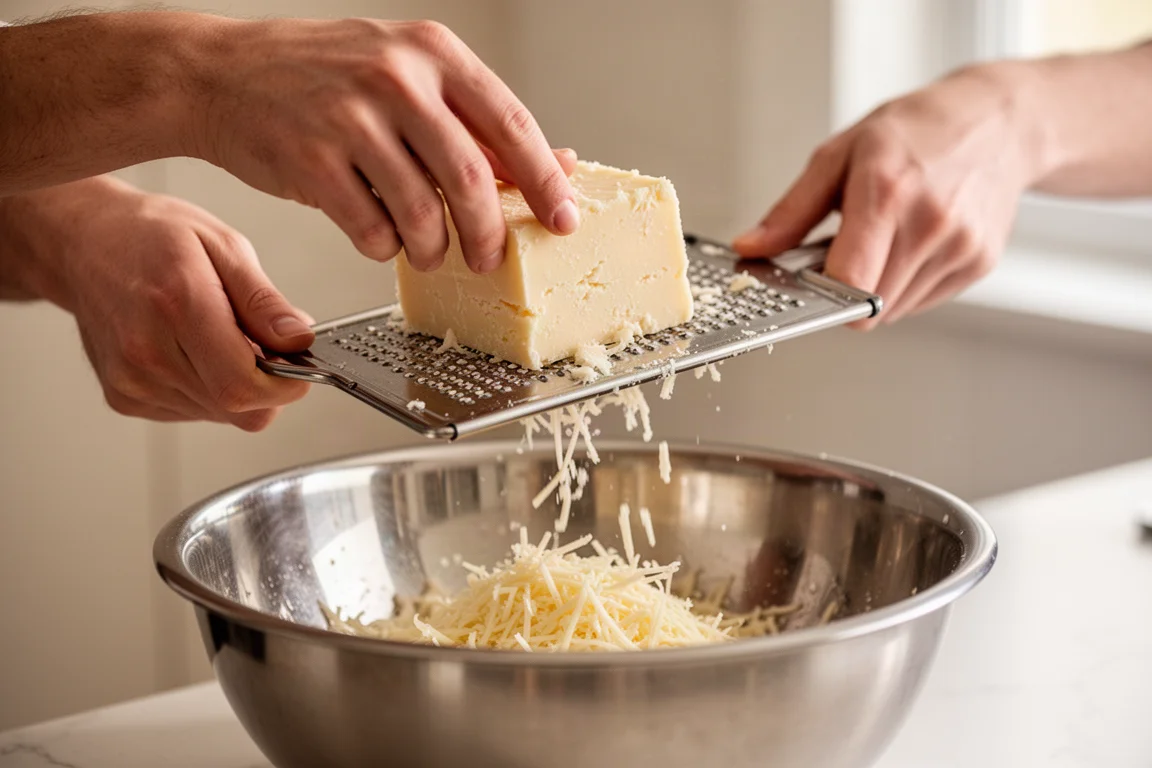
One manufacturing difference turned out to matter a great deal. Grater teeth are formed in one of two ways: etched into the metal through a chemical process, or stamped in through a physical process. Across testing, testers consistently gravitated toward stamped teeth for two reasons.
First, stamped teeth are a little more prominent, which helps them bite into food. Second, they leave more clearance for the food shreds to fall through, so the grating surface clears itself as you work instead of clogging. Both of our winners use sharp stamped teeth.
Grating Surface Size Matters
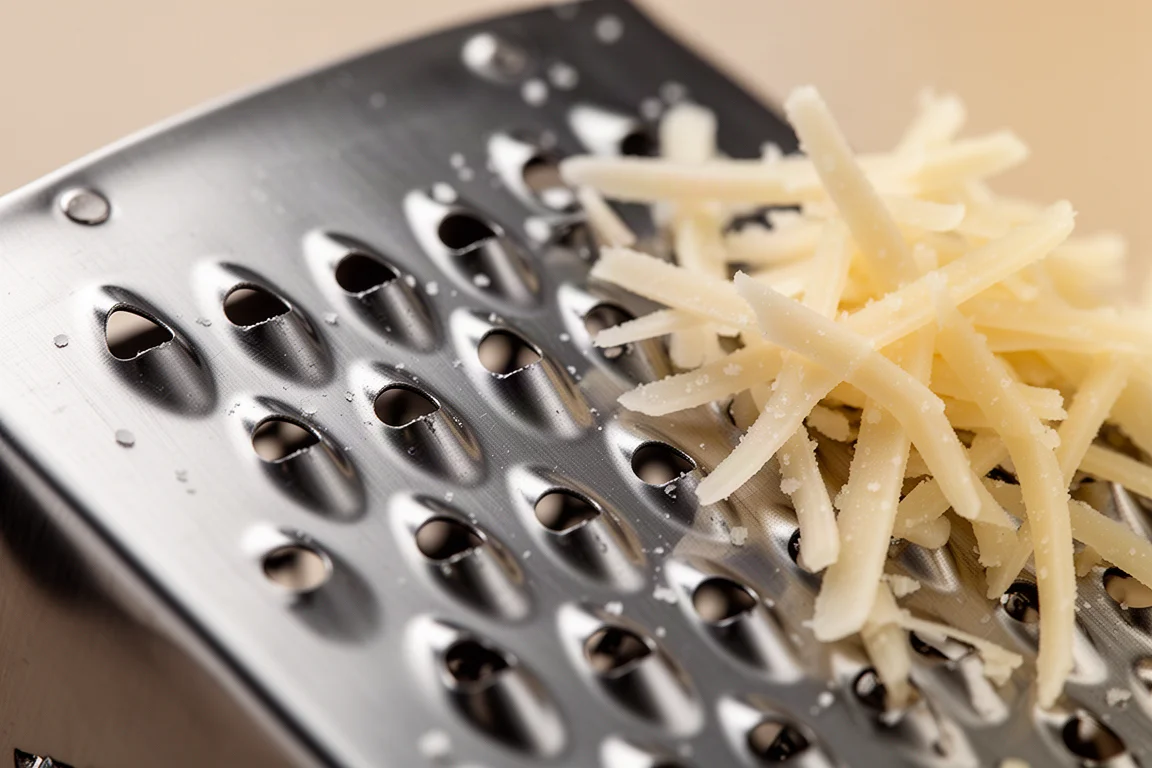
The size of the grating surface shapes how each stroke feels. A larger plane, around six and a half inches in one model, gives you plenty of space to complete full strokes and produce neat, efficient shreds.
A shorter plane, just three and three quarter inches on one grater, left testers struggling to finish their strokes. That frustration shows up in the result too: incomplete strokes leave shreds of food hanging off whatever you are grating. When comparing models, longer coarse surfaces are worth paying attention to.
Why Box Graters Won Testers Over
A number of testers favored box-style graters for one practical reason: they are stable on the work surface. Part of that comes down to the form factor itself, and part comes from rubberized bases that help the grater sit securely while you lean into your strokes.
Handles played a role as well. Testers preferred chunkier handles wrapped in rubberized material, which are simply easier to hold onto when your hands are damp or oily. Even one of the paddle-style graters won points for rubber tips over its feet, keeping it steady during use.
Our Pick: Rösle Coarse Grater
If you like a paddle-style grater because it is easier to clean and more flexible in how you position it, the Rösle Coarse Grater is the winner in this category. It carries sharp stamped teeth and performs well across soft cheese, hard cheese, and vegetables, all while offering the positioning freedom that paddle designs are known for.
At $36, it is the pricier of the two picks, but it suits cooks who value easy cleanup and flexible use over containment of the shreds.
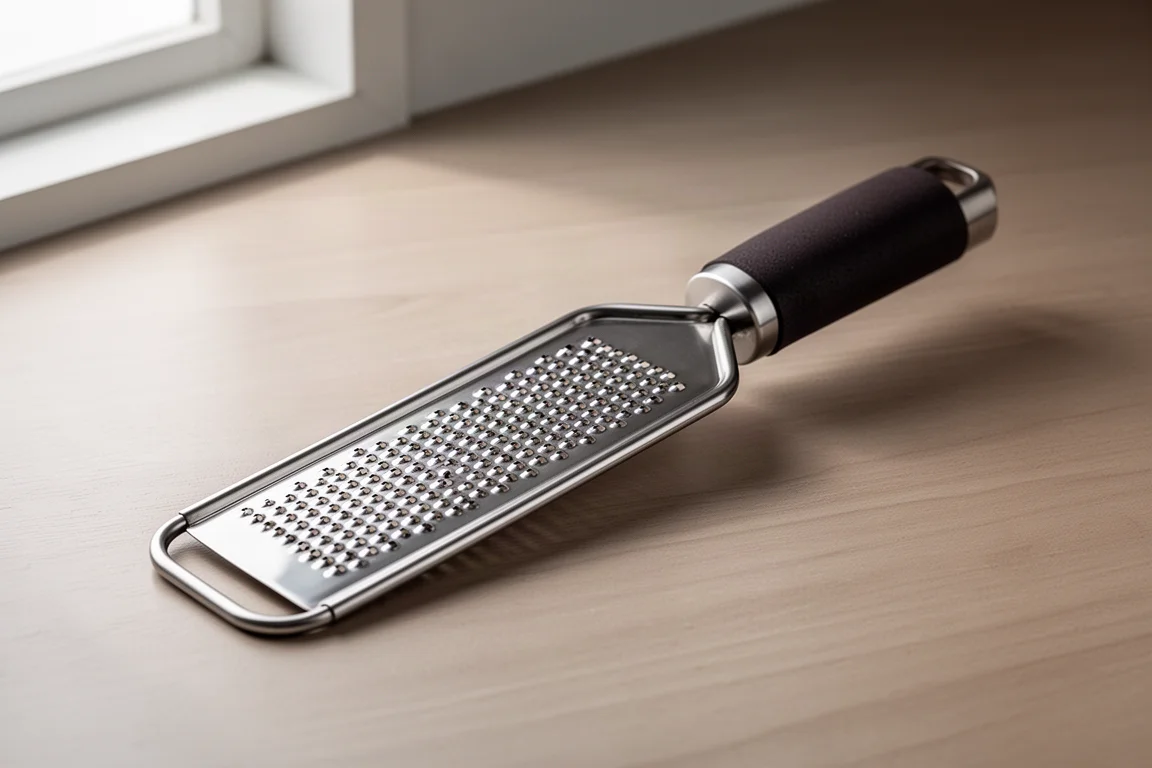
Our Pick: Cuisinart Box Grater
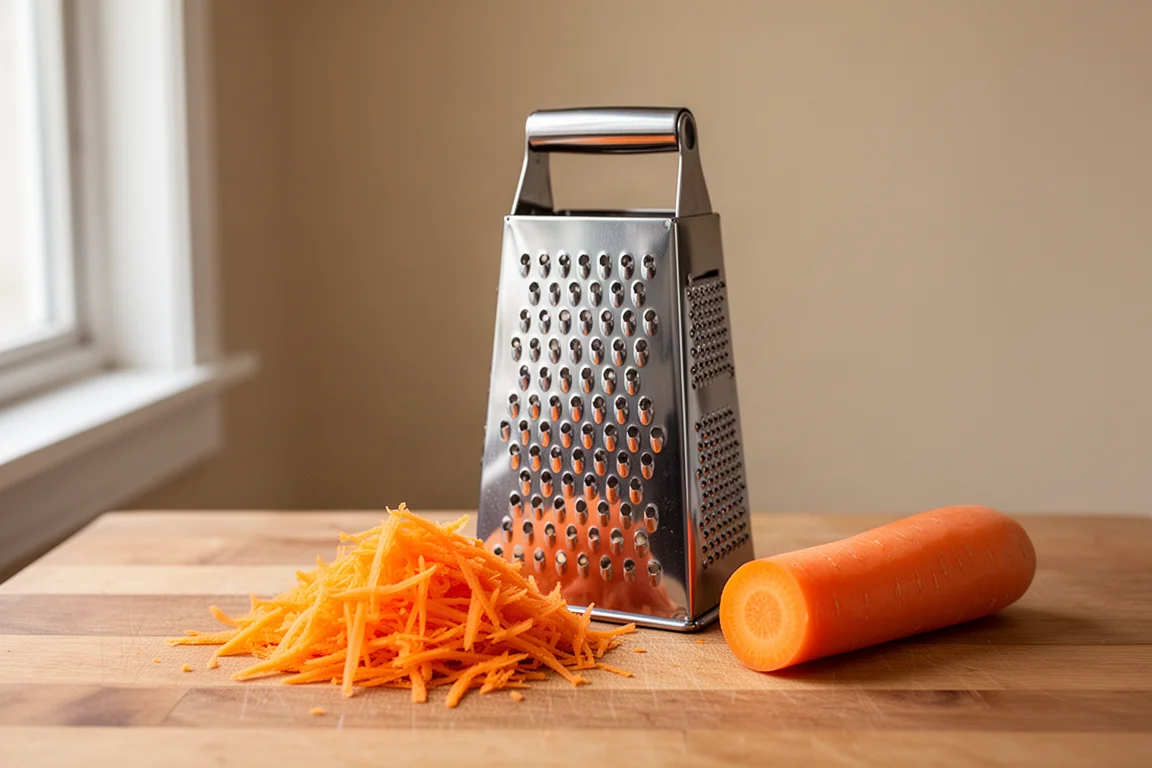
If you prefer a box-style grater because it contains the shreds and sits super stable on the work surface, the Cuisinart Box Grater is the pick, at just $12. It has the same qualities that made box graters popular with testers: a rubberized base for security and a familiar, dependable form factor.
Like the Rösle, it uses sharp stamped teeth, and it is easy to hold and stable during use. For the price, it is a strong value pick for everyday kitchens.
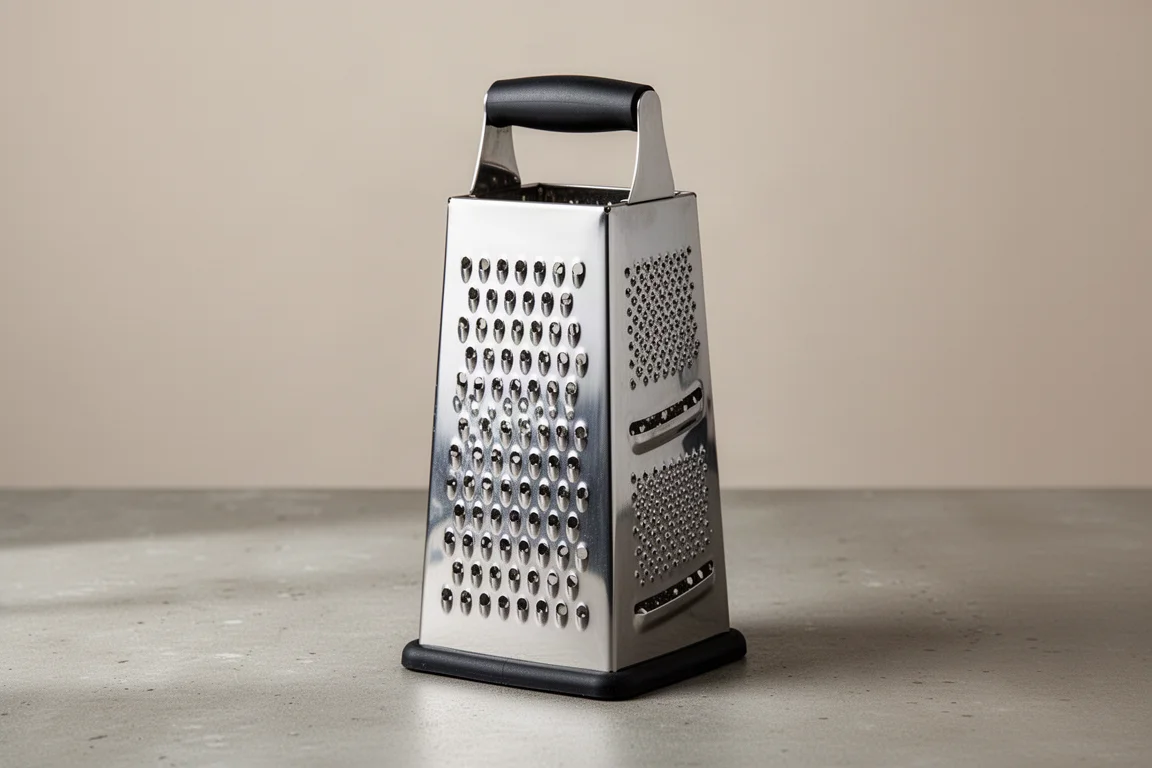
Which Grater Should You Buy
Both winners share the qualities that mattered most in testing: great sharp stamped teeth, stability on the work surface, and comfortable handling. The choice comes down to style. Paddle graters are easier to clean and more flexible in positioning, while box graters contain the shreds and anchor themselves firmly to the counter.
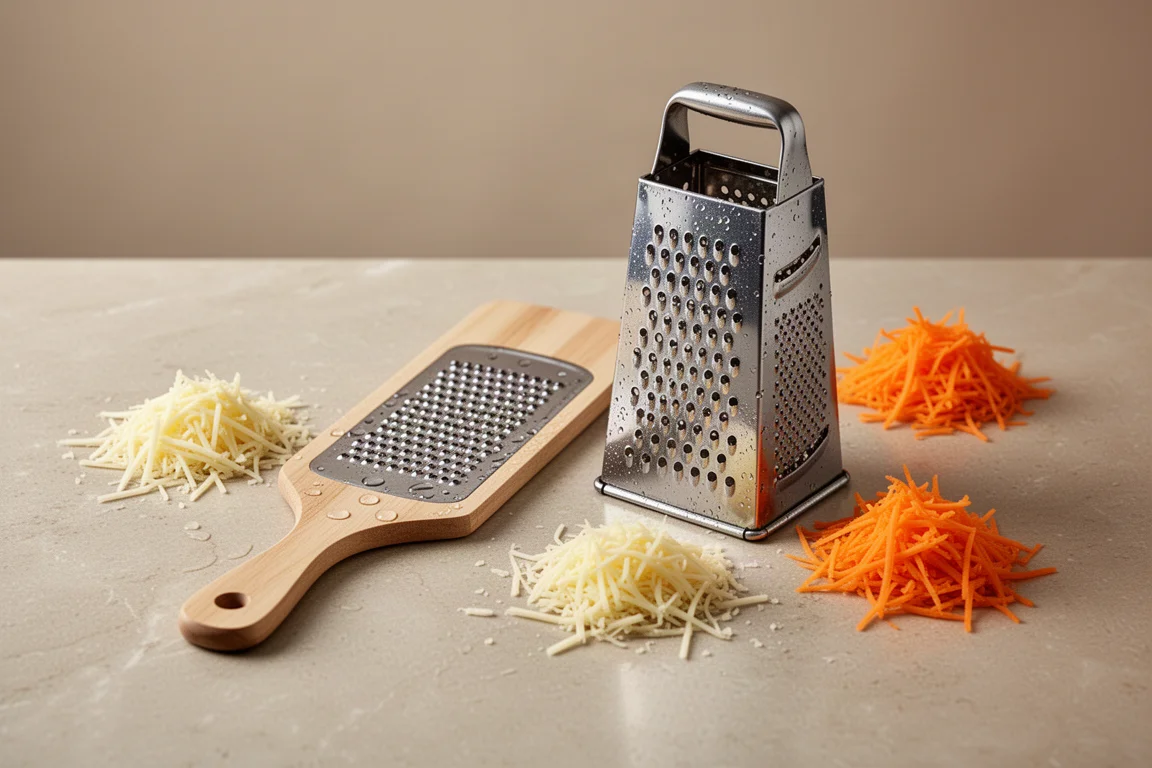
If you mostly grate over bowls and hate cleanup, lean toward the paddle. If you grate large volumes of cheese or vegetables and want everything contained, the box grater is the more practical tool. Both do a great job, so you can confidently pick the form factor that fits your cooking habits.
Conclusion
From a field of eight graters, the Rösle Coarse Grater and the Cuisinart Box Grater stood out for their sharp stamped teeth, stability, and comfortable handling. Whether you prefer the flexibility of a paddle or the containment of a box, one of these two will make quick, tidy work of cheese, carrots, and potatoes.
Further reading
Related Reviews
Kitchen Tools
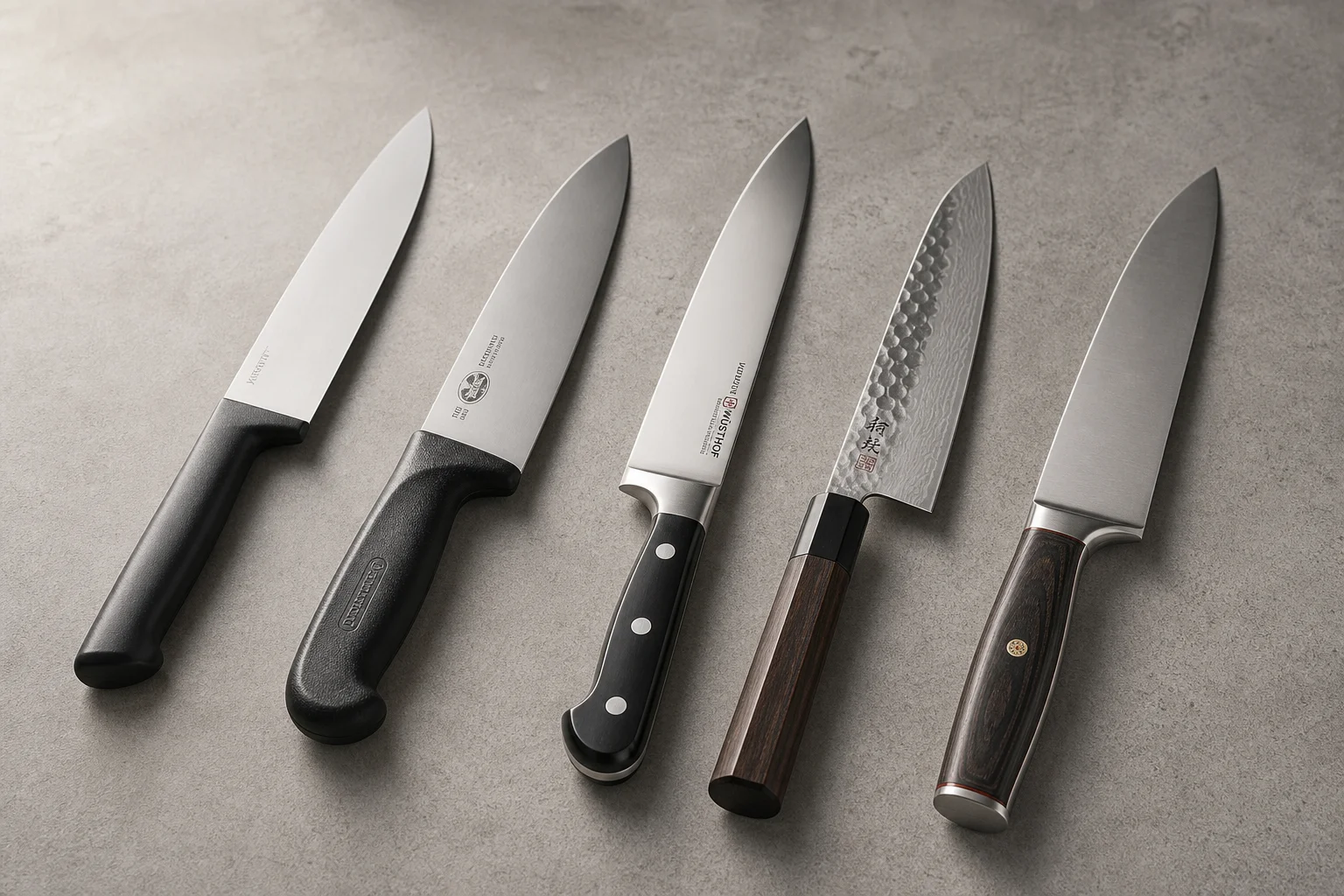
Amazon's Top-Rated Chef Knives Tested: Five Models from £11.50 to £200
We tested five of Amazon's highest-rated chef knives across sharpness, comfort, and versatility to see which delivers the best value and real-world performance.
Kitchen Tools
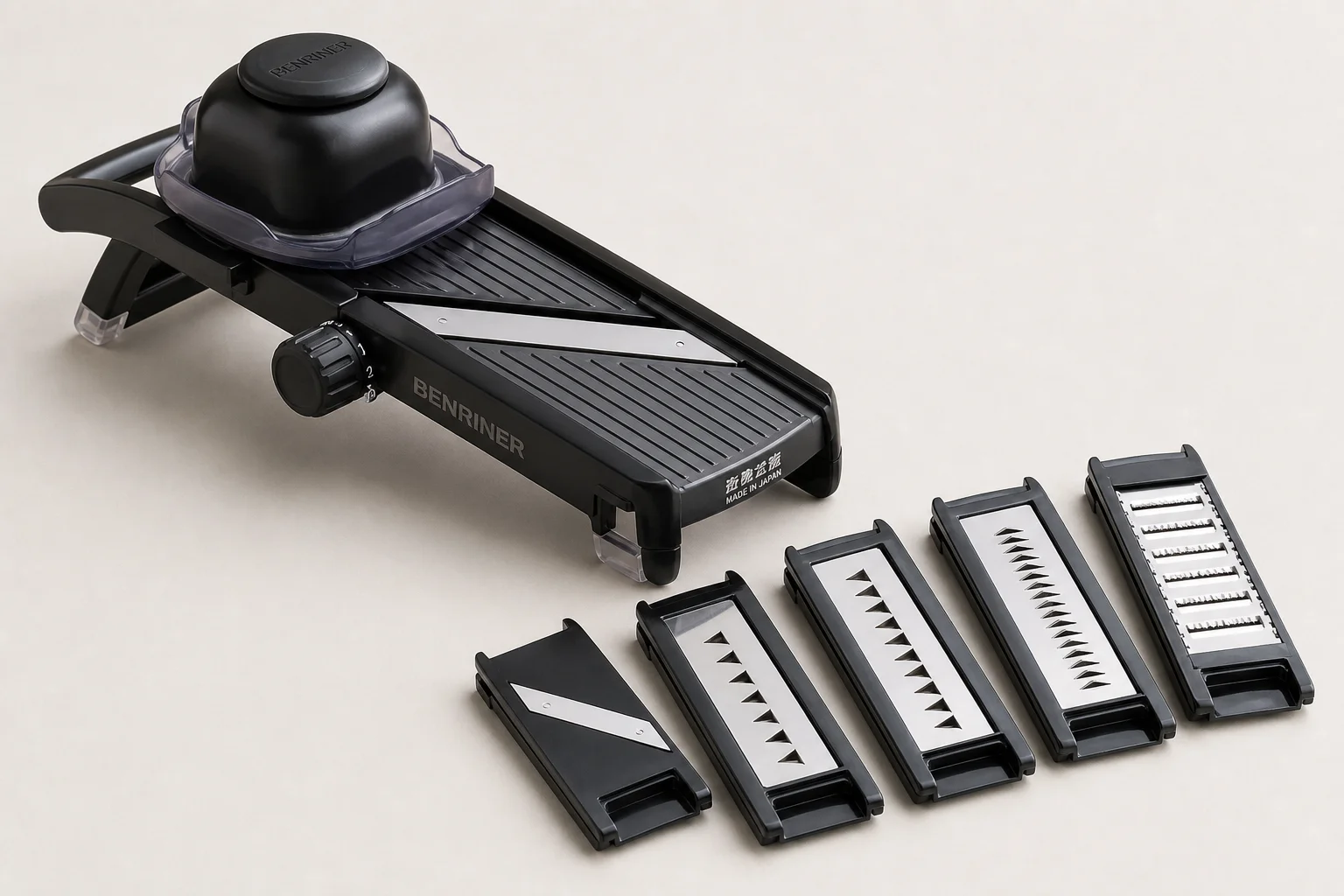
Benriner Japanese Mandoline Review: A Sharp Tool for Precise Vegetable Slicing
A practical guide to using a Japanese mandoline safely and effectively, with tips for achieving consistent, crisp results in the kitchen.
Kitchen Tools
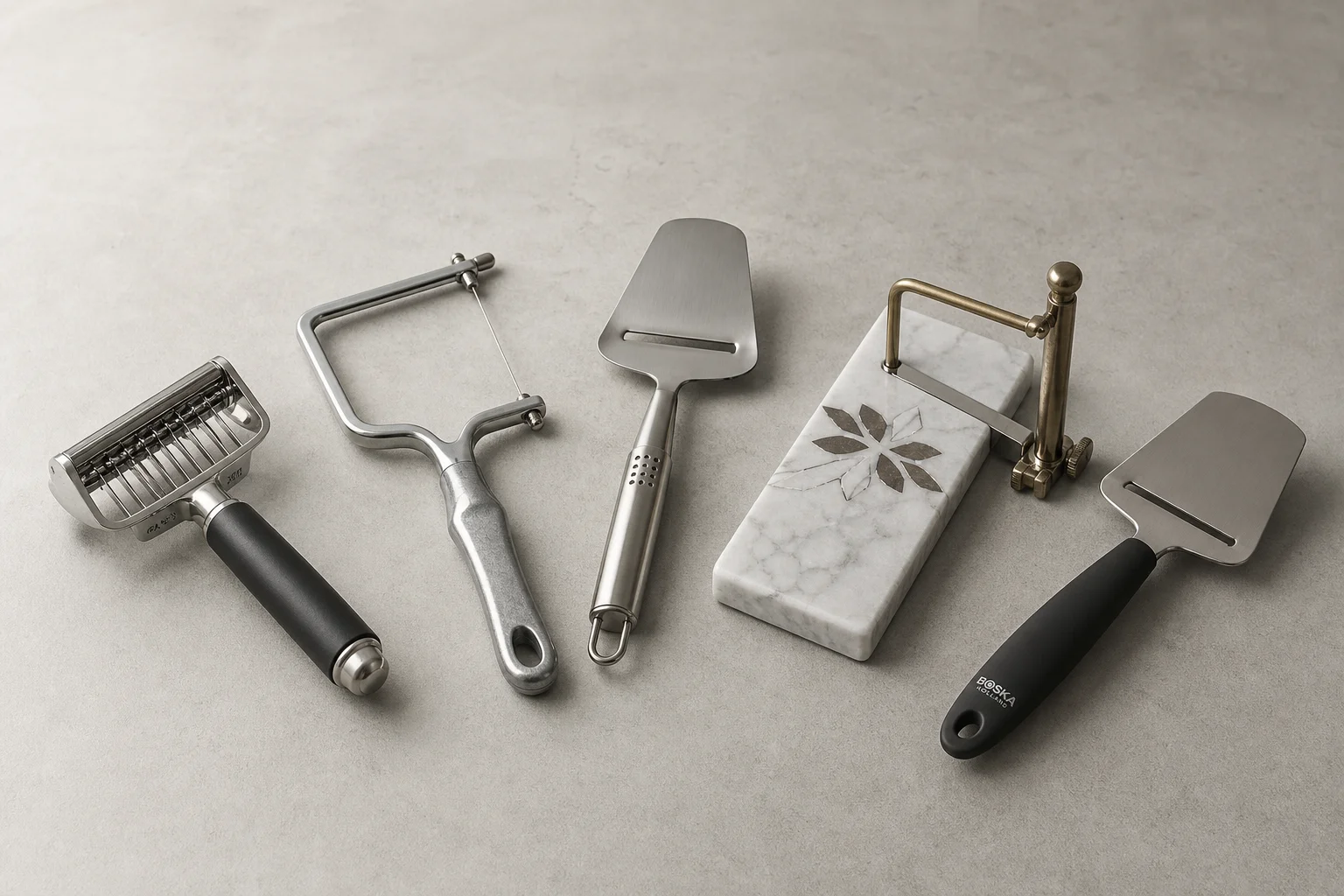
Best Cheese Slicers: Five Practical Options for Consistent Slicing
Five cheese slicers with different designs and features, from multi-blade versatility to wire-based precision, each suited to different kitchen needs and cheese types.