Ski Gear
Best Beginner Ski Packages: Nine Affordable Ski Setups for New Skiers
A practical guide to nine complete ski packages across three price tiers, plus how to use price, ski width, boot size, and ski length to pick the right setup.
Introduction
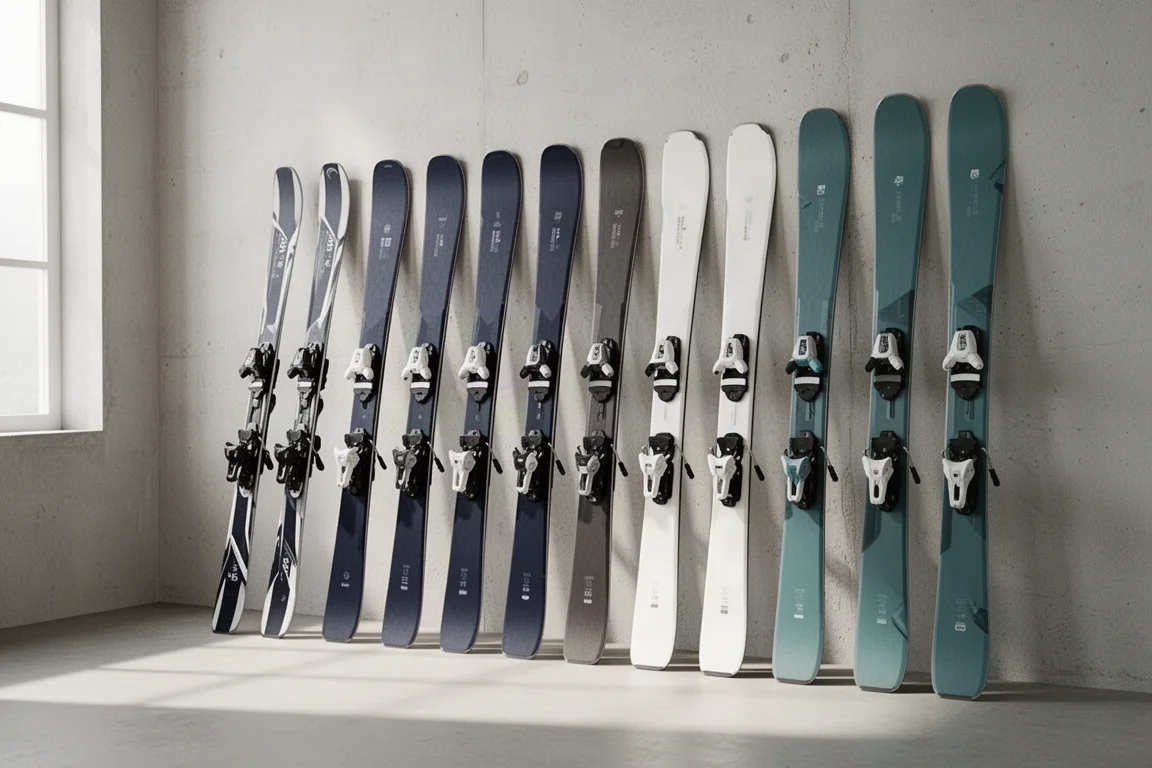
Buying a first pair of skis is a bigger decision than it looks, and the number of options on the market can be genuinely overwhelming. The reassuring part is that beginner-friendly gear is also the least expensive gear. Complete packages bundle skis, boots, bindings, and poles, which are the four main pieces of equipment you would otherwise rent.
This guide covers nine complete ski setups organized into three price tiers. Each one works as a practical example rather than a rule, and together they show how price and ski width can quickly tell you whether a ski is likely to suit you.
How to Choose Beginner Skis Without Overthinking It
Ski performance works differently from most purchases. With cars, phones, or kitchen appliances, spending more usually buys a better experience. With skis, the opposite is often true at the entry level. Cheaper beginner skis tend to be softer and lighter, which makes them easier to control, while more expensive skis get stiffer and heavier and demand better technique to get anything out of them.
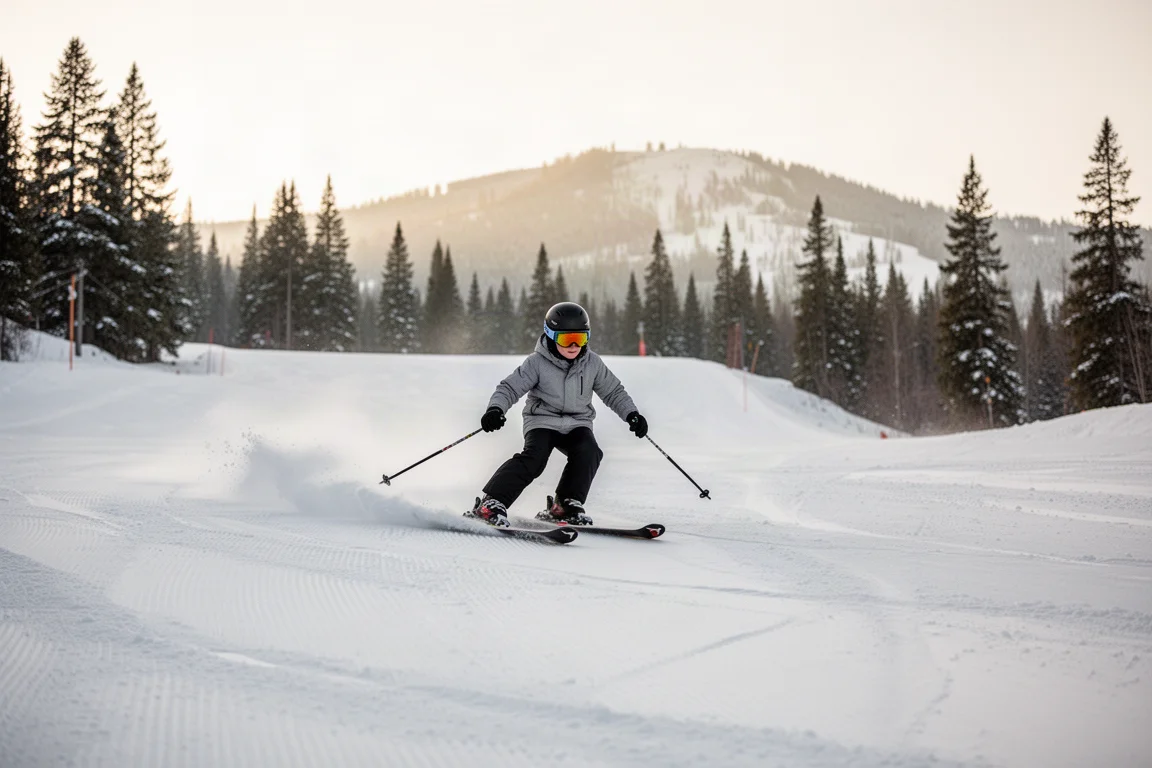
Two indicators do most of the work when you scan a list of options: price and ski width. Both are easy to read, and both point at the same question, which is whether a ski matches the terrain you actually ski today rather than the terrain you hope to ski in three seasons.
Price Is a Match, Not a Ranking
Think of price as a way to match a ski to your current ability rather than a ranking of quality. If you are brand new to the sport, or returning after years away, the least expensive skis in a range are usually the right ones. If you have been renting and feel limited by the skis rather than by your own technique, that is the signal to step up a tier.
Ski Width Tells You Where a Ski Works Best
Most skis carry a number in the model name, and that number is almost always the width underfoot in millimetres. The Blizzard Thunderbird 7.2 measures 72 mm underfoot, while the Salomon Stance 80 measures 80 mm. Narrower skis are physically easier to tip up on edge, which helps newer skiers progress faster on groomed runs. Wider skis float better in softer snow but ask more of the person riding them.
Boot Size and Ski Length: Two Things to Settle First
Boot size is the detail new skiers most often get wrong. If you convert from a casual shoe size and you normally wear two different sizes, go with the smaller one. Ski boots also feel strange the first time you put them on, and that is normal rather than a sign that something is wrong.
For ski length, most adults land somewhere between eyebrow and chin height. New skiers should lean shorter, heavier skiers can go slightly longer, and lighter skiers can go shorter. A 177 cm length, for instance, is about the maximum a new skier should consider on a ski like the Salomon Stance 80.
Budget Ski Packages Under $450
The first tier is where most new skiers should start. These complete packages come in at $450 or less including bindings, and the skis are narrow enough to be genuinely easy on groomed slopes. They also make a strong case against renting: at roughly $100 per day for rental skis, four days on the hill can cost about as much as owning your own setup. The packages pair these skis with comfort-oriented boots such as the Tecnica Mach Sport HV and the Nordica Cruise S, which prioritize ease of use over maximum performance, and that is exactly the right priority at this stage.
Blizzard Thunderbird 7.2
At 72 mm underfoot, the Blizzard Thunderbird 7.2 is the narrowest ski here and the most straightforward introduction to the sport. Narrow skis are easy to tip on edge, which makes them predictable and confidence-building on the groomed runs where nearly every new skier spends their time.
It is a sensible choice if you are coming straight off rental skis or buying gear for the first time, and there is no real reason to overthink it. Nothing about the setup is designed to impress an expert, and that is the point.
Rossignol Experience 76
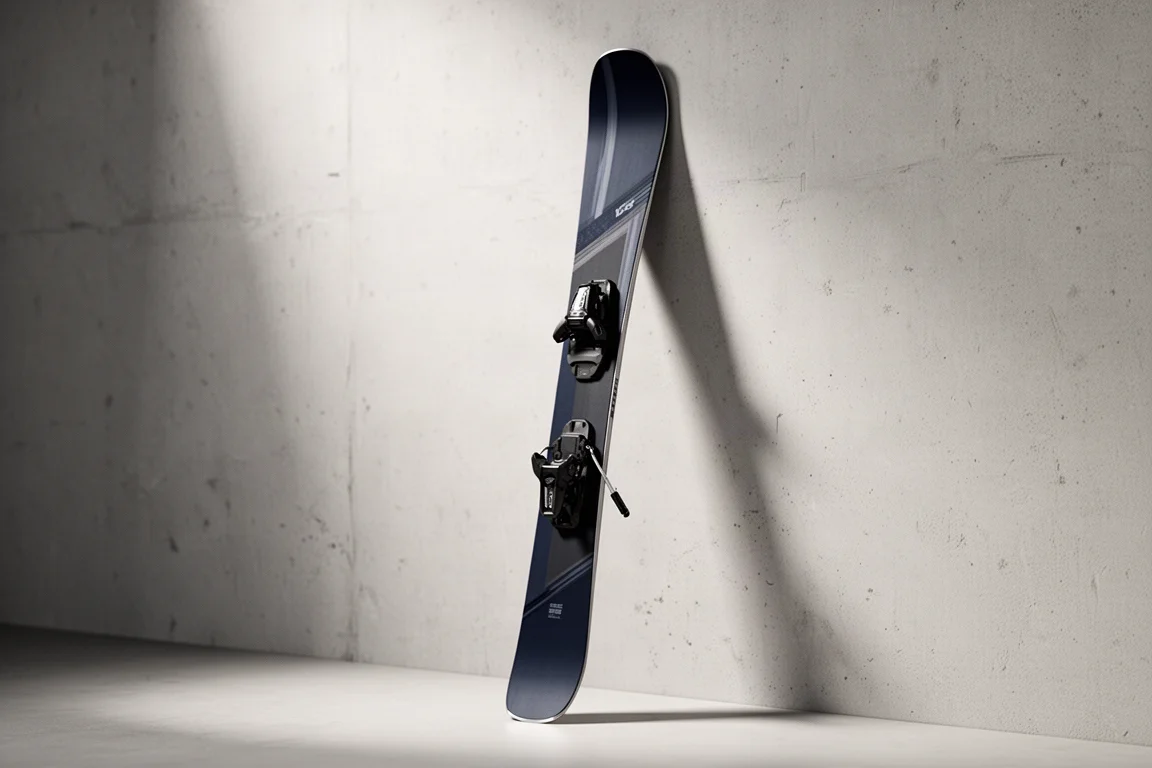
The Rossignol Experience 76 sits slightly wider at 76 mm underfoot with the same groomer-focused intent. It shares the easy handling of the Thunderbird and adds a little more surface area underfoot, which keeps it stable without making it demanding.
If your days are mostly green and blue groomers and you still need a helmet and goggles, this is the kind of package that keeps the total cost of getting started reasonable.
Völkl Blaze 82
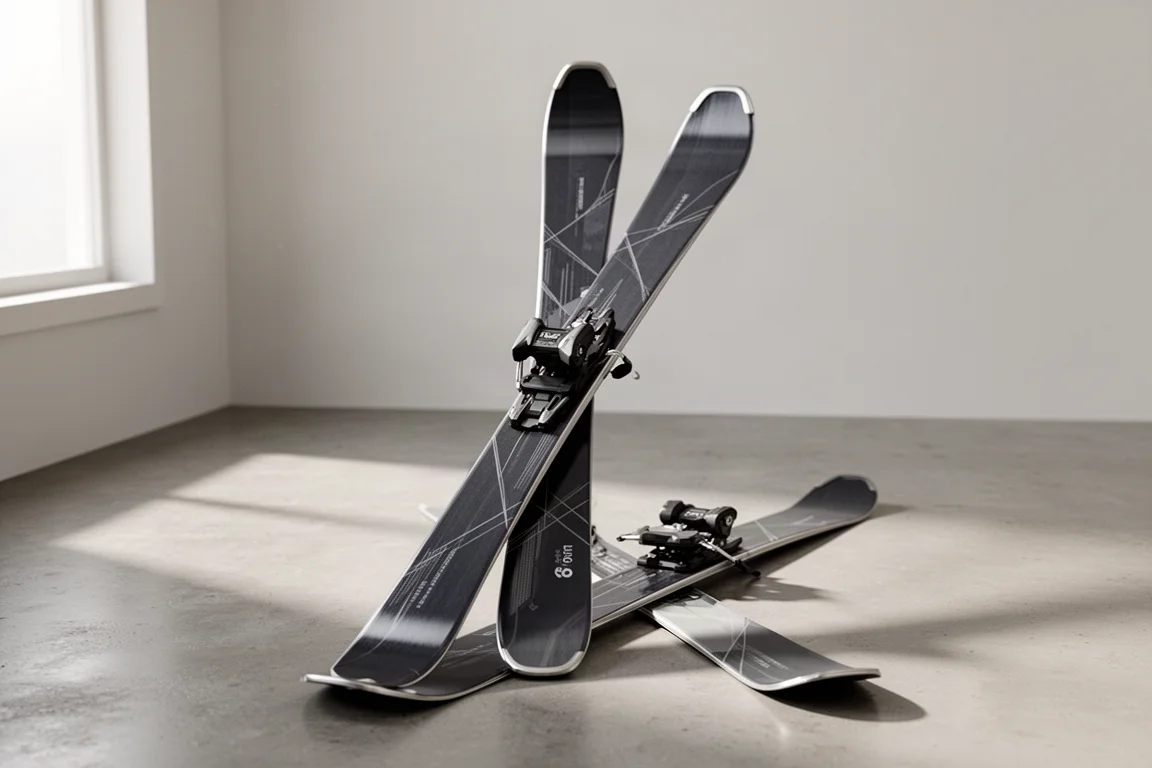
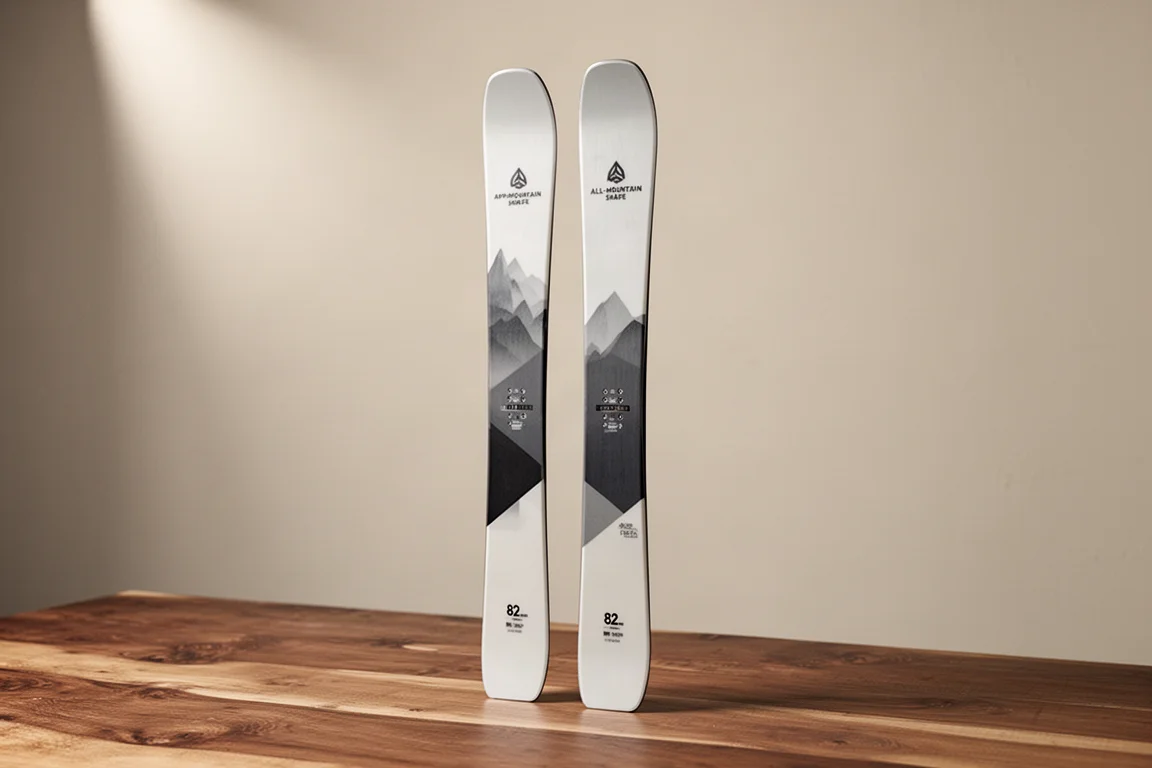
The Völkl Blaze 82 is the most interesting ski in the budget tier. At 82 mm underfoot it is noticeably wider than the other two, and it adds early rise at the tip, which helps it stay afloat in softer snow. It is still available as a complete package at $450.
That does not make it automatically better. If you are brand new or moving straight off rentals, you will spend nearly all your time on groomed slopes, where narrower skis are arguably the better tool. The Blaze 82 makes sense if you have been renting for a while, know how those skis feel, and want to start exploring softer snow and more varied terrain.
Mid-Range Ski Packages From $600 to $700
The middle tier runs roughly $600 to $700, which is $150 to $200 more than the budget options. Two different reasons justify the step up: denser wood cores that hold up better at speed, and wider, more versatile shapes that open up terrain beyond groomed runs.
Fischer RC Fire
The Fischer RC Fire keeps the narrow, groomer-friendly shape of the budget skis, with a width in the low 70s, and puts the difference into construction. It uses a denser mix of beech and poplar, the same woods found in considerably more expensive skis, which produces a slightly stiffer flex that performs better as speed increases.
This is the right upgrade if you are already comfortable on rental skis and your limit is speed rather than terrain. If you are still finding your balance, the budget tier remains the smarter buy.
Nordica Wild Bell 74
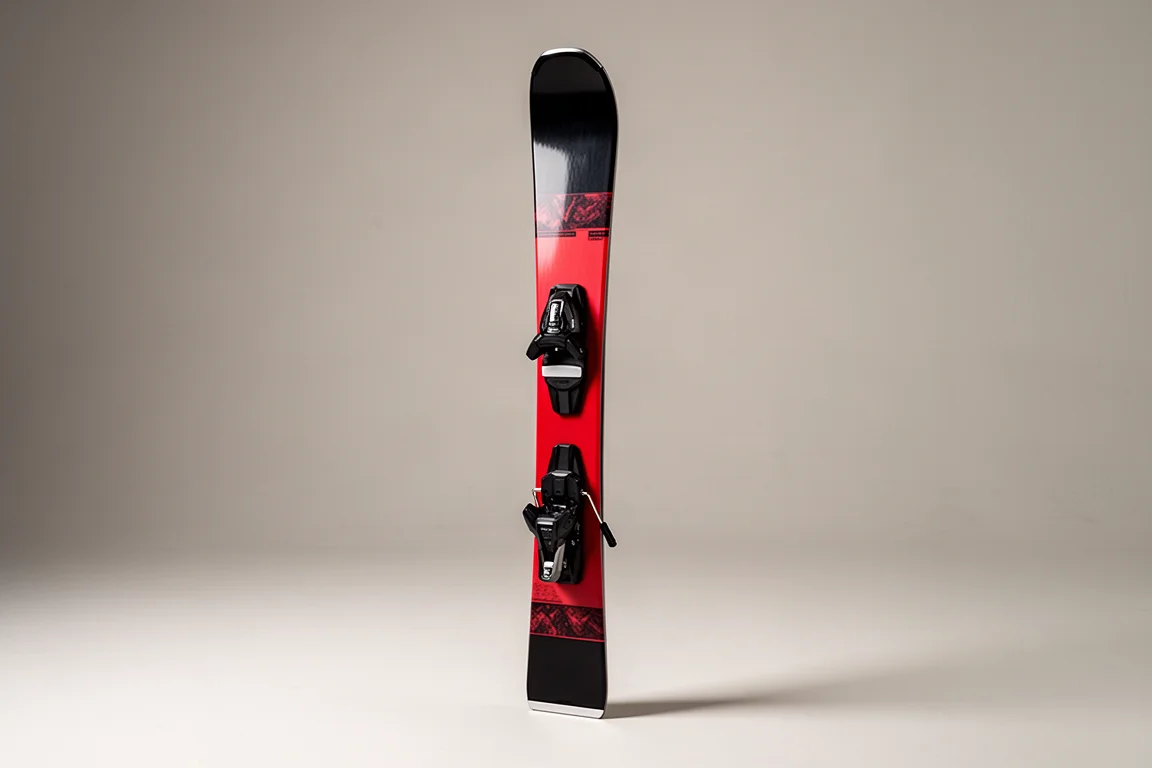
The Nordica Wild Bell 74 follows a similar formula: a narrow shape aimed at groomed runs, paired with a beech and poplar core that adds stiffness and composure at speed. It is the kind of ski that rewards a skier who is starting to push the pace on piste rather than one who is still working on the basics.
Armada ARV 84
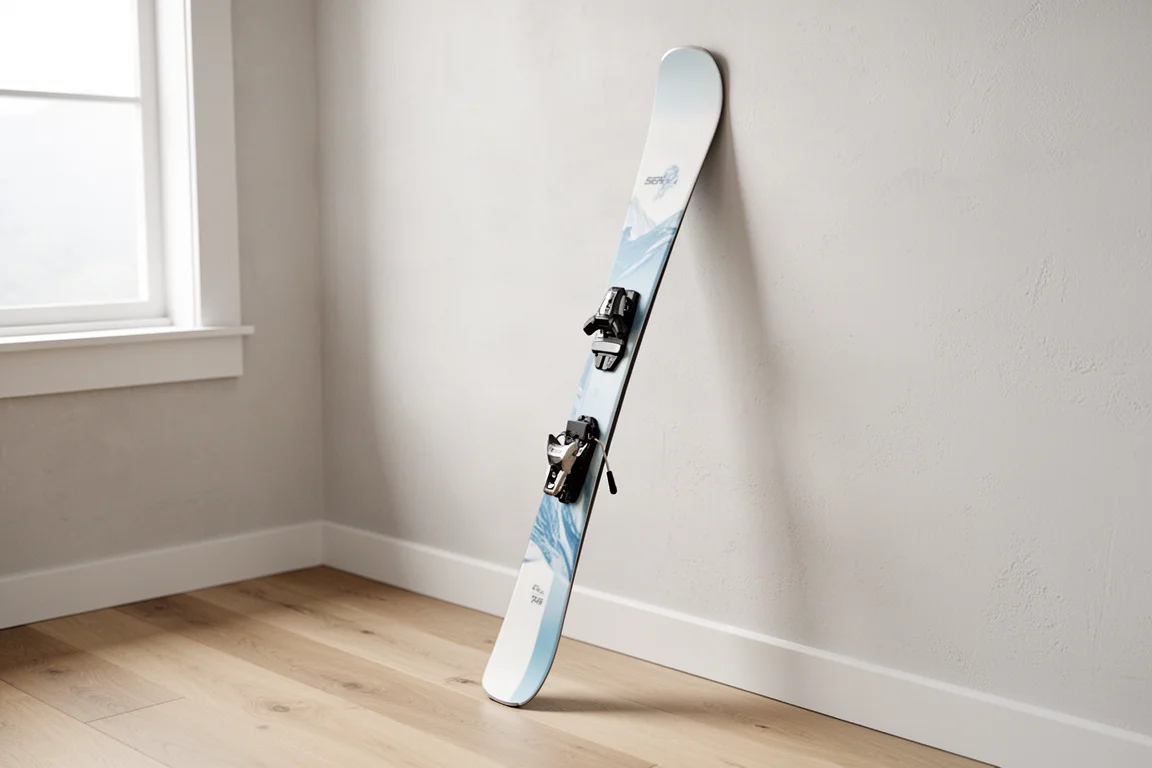
The Armada ARV 84 is the first true twin tip in this guide. At 84 mm underfoot it is the widest ski in the middle tier, and the twin tip shape makes it a natural entry point into terrain park skiing. It is a popular choice among younger skiers who have seen twin tips in park footage and want to start in that direction.
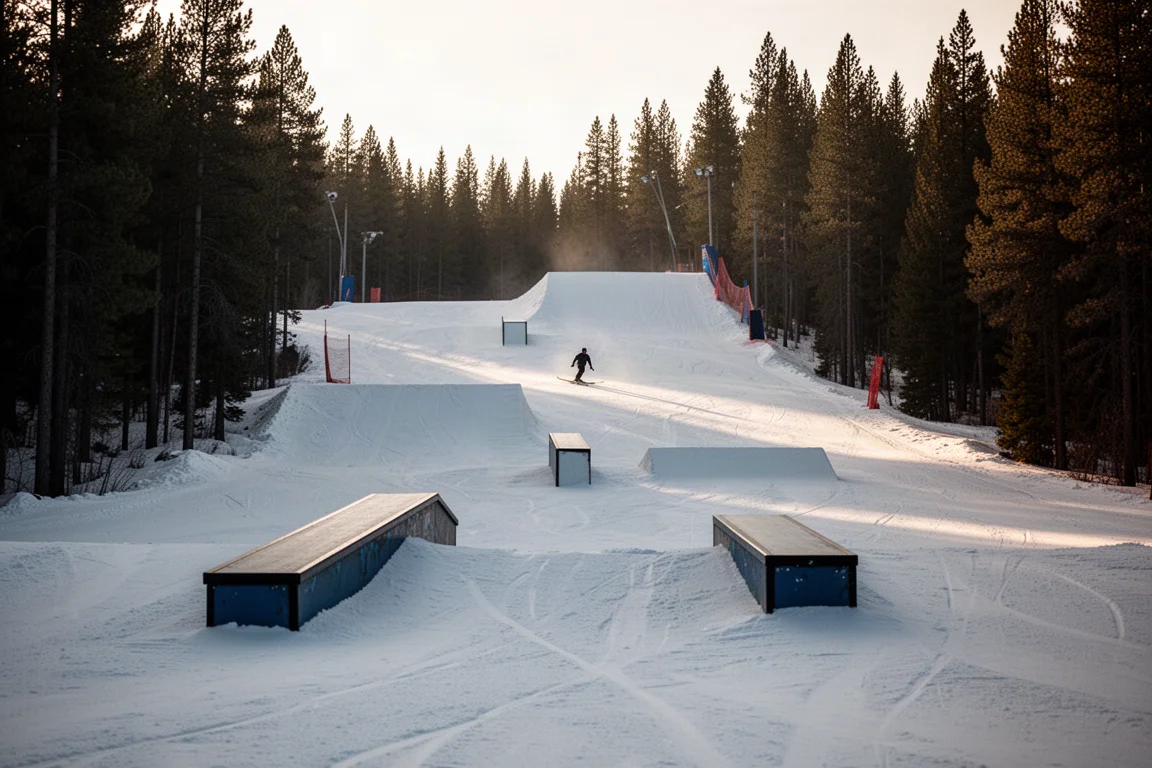
It stays genuinely fun as an all-mountain ski, although it will not be as easy to control on a groomer as the narrower options. If cruising groomed runs is the goal, that trade-off is not worth making. If you want to start jumping and riding switch, it is.
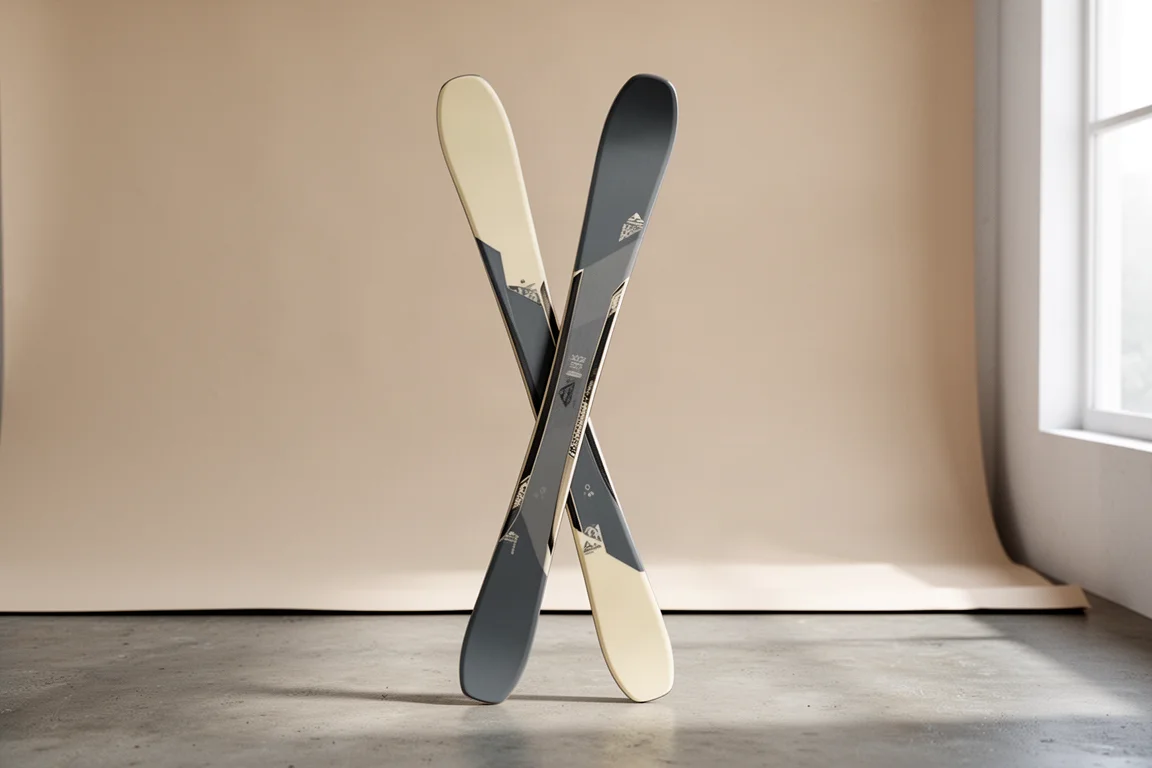
Atomic Maven 84
The Atomic Maven 84 is a women’s model at 84 mm underfoot, and its shape and design lean further into all-mountain versatility than anything else in this tier. That makes it a good match for skiers who want to start exploring trees, moguls, and ungroomed terrain while keeping one setup that still works on groomers.
The mid-80s width is a comfortable place to land if you are ready to leave groomed runs behind but do not want a ski that feels like a handful.
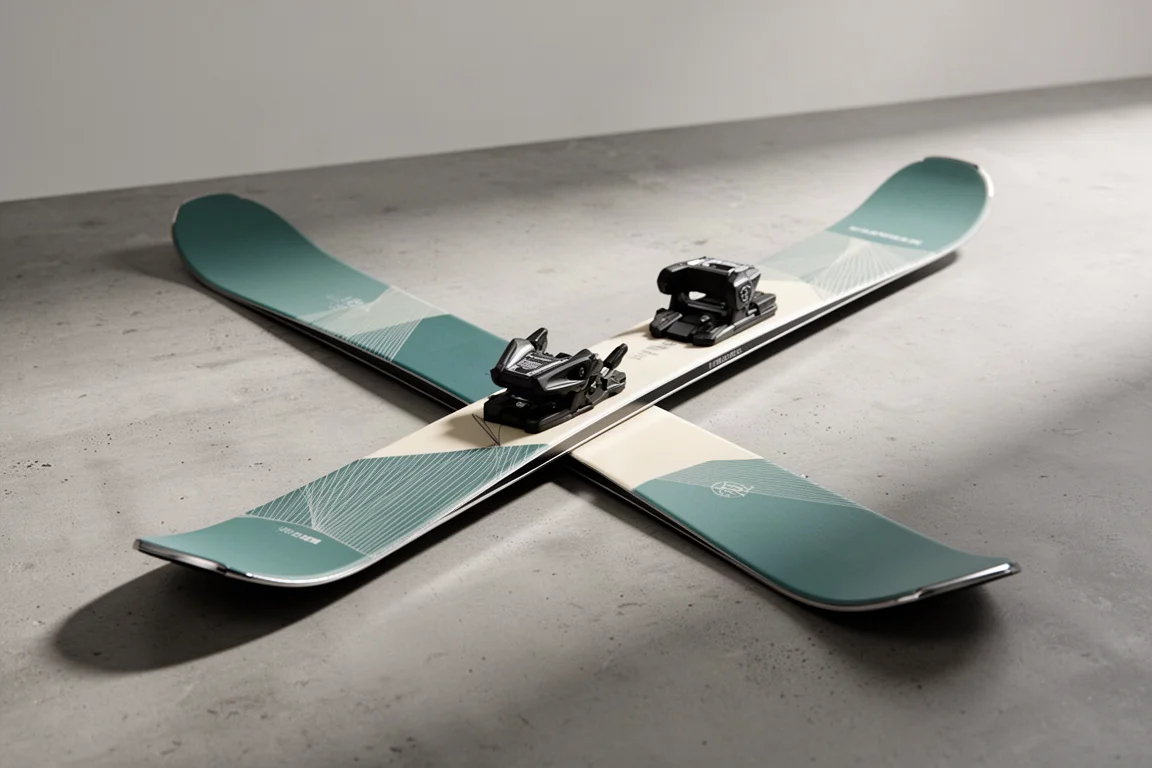
Upper Mid-Range Ski Packages Around $750
The top tier here sits in the mid-$700 range, roughly $300 more than the budget packages. These skis carry real performance, and the packages step up boot quality and support as well. That only helps if you are at the stage where you can use it.
Atomic Bent 85
The Atomic Bent 85 is closely related to the Armada ARV 84 in intent, and it edges up the performance slightly while being built to last. It is a fun all-mountain ski and a capable option for skiers who want to spend time in the terrain park as well.
View more details for Atomic Bent 85
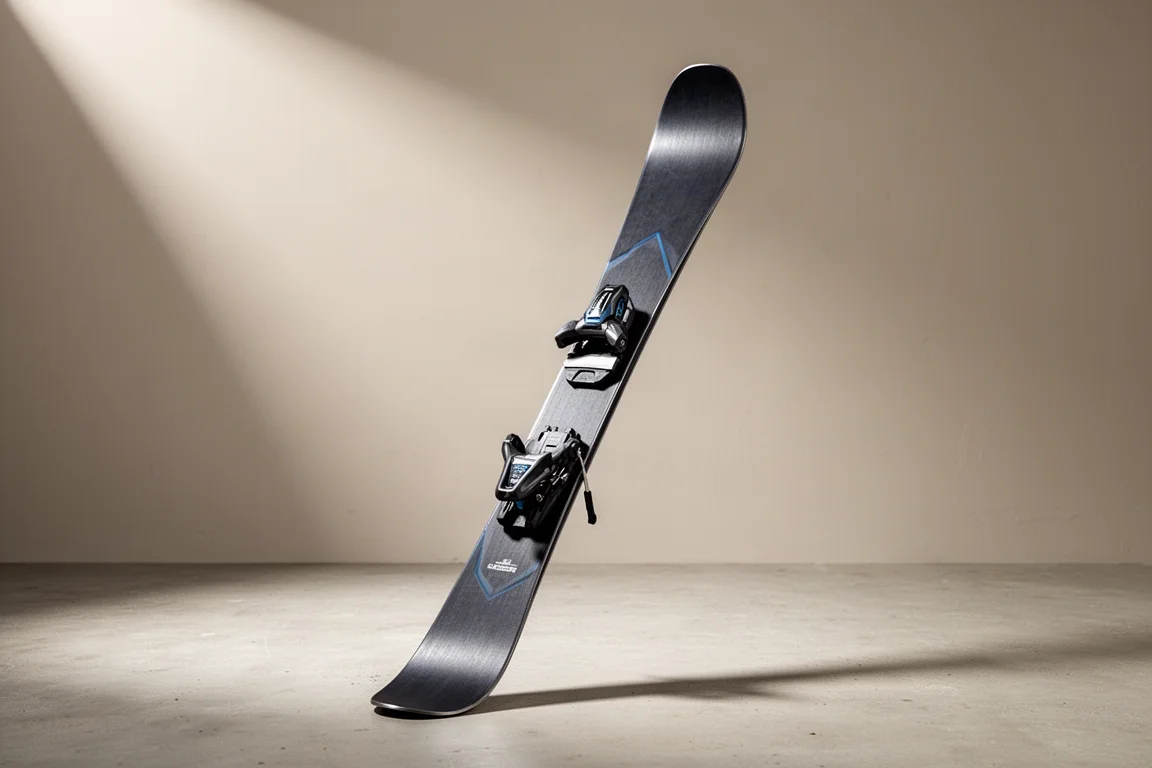
Salomon Stance 80
The Salomon Stance 80 is a different proposition from everything else here. At 80 mm underfoot it borrows shaping and construction ideas from the wider, more advanced Stance models, including a single sheet of titanal and carbon in the build. The result is a ski with more backbone that holds up better at speed and off trail.
There is a real argument that the Stance 80 can outperform narrower budget skis on a groomer, but only for a skier who is already comfortable with edge angle and higher speeds. The packages also step up the boot quality, with a stiffer, more supportive fit for both men and women.
Buying Advice: Matching the Package to Your Season
The tiers are not a ladder you have to climb. They are three answers to three different situations, and the right one depends entirely on where you are now.
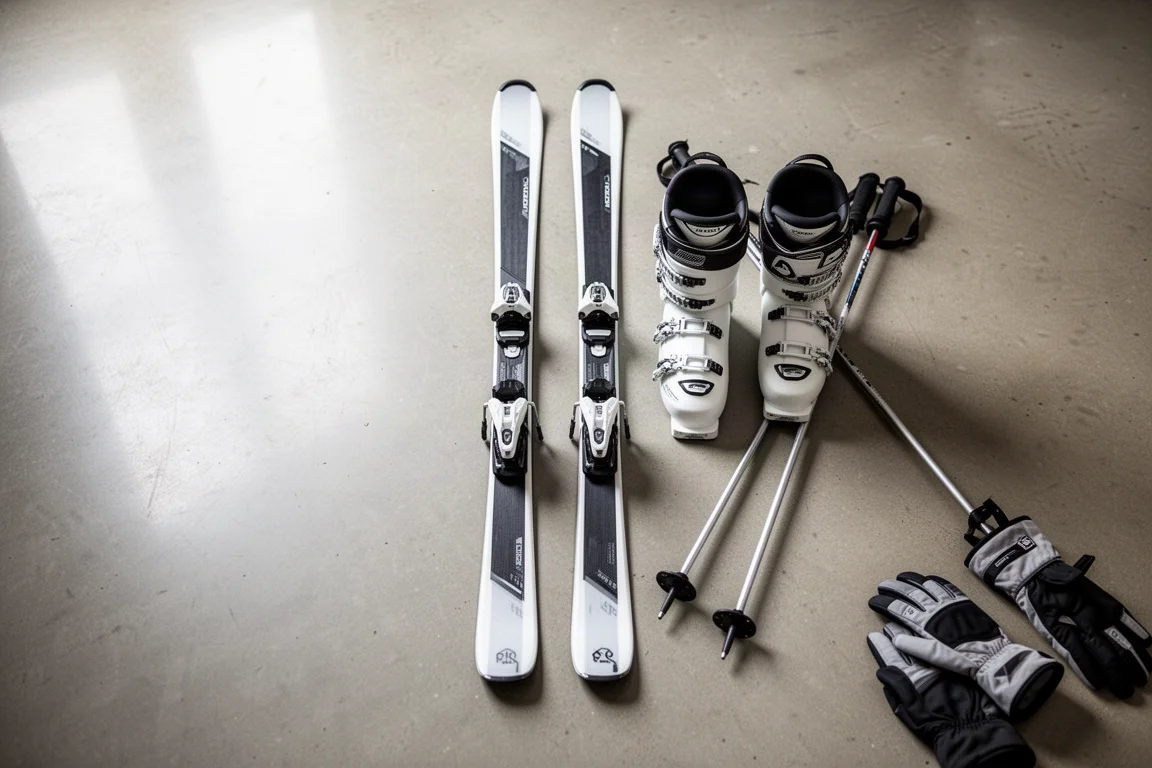
If you are new to the sport or returning after a long break, stay in the budget tier. Softer, narrower skis are easier to control, and the money you save is better spent on a helmet, goggles, and gloves. If you have been renting and feel you have outgrown rental skis on speed, the mid-tier wood-core skis are the logical step. If you ski regularly, are comfortable at speed, and are starting to explore beyond groomed runs, the upper mid-range packages deliver noticeably more performance while staying well below the cost of high-end skis, which can run to $750 or more on their own before boots, bindings, and poles push a setup well into the thousands.
Conclusion
There is no need to overthink a first ski purchase. Use price and width as your filters, settle your boot size and ski length before you shop, and match the ski to the terrain you ski right now. These nine packages cover a wide span of budgets, and each one will get a new skier down the mountain for less money and less hassle than another season of rentals.
Further reading
Related Reviews
Ski Gear
2023 Blizzard Hustle vs Rustler: Six Freeride Skis Compared
Blizzard's 2023 Hustle collection rebuilds the Rustler shape with a lighter core and no metal. Here is how all six skis differ, and which one suits your riding.
Ski Gear
2023 Skis of the Year: Atomic Maverick 88 TI, Salomon QST 106, and Look SPX 12 Pro
Three standout ski picks for all-mountain carving, powder days, and reliable binding performance, with practical buying notes for 2023 models.
Ski Gear
2025 Nordica Enforcer 104 Review: A Directional Charger Replaces the 104 Free
The 2025 Nordica Enforcer 104 drops the Free name and the twin-tip personality, gaining weight, stiffness and composure in rough snow. Here is what changed and who it suits.