Running Watches
Best Beginner Running Watches: Four Solid Starting Points
Four watches that suit new runners, balancing price, accuracy, comfort, and features that grow with you.
Introduction
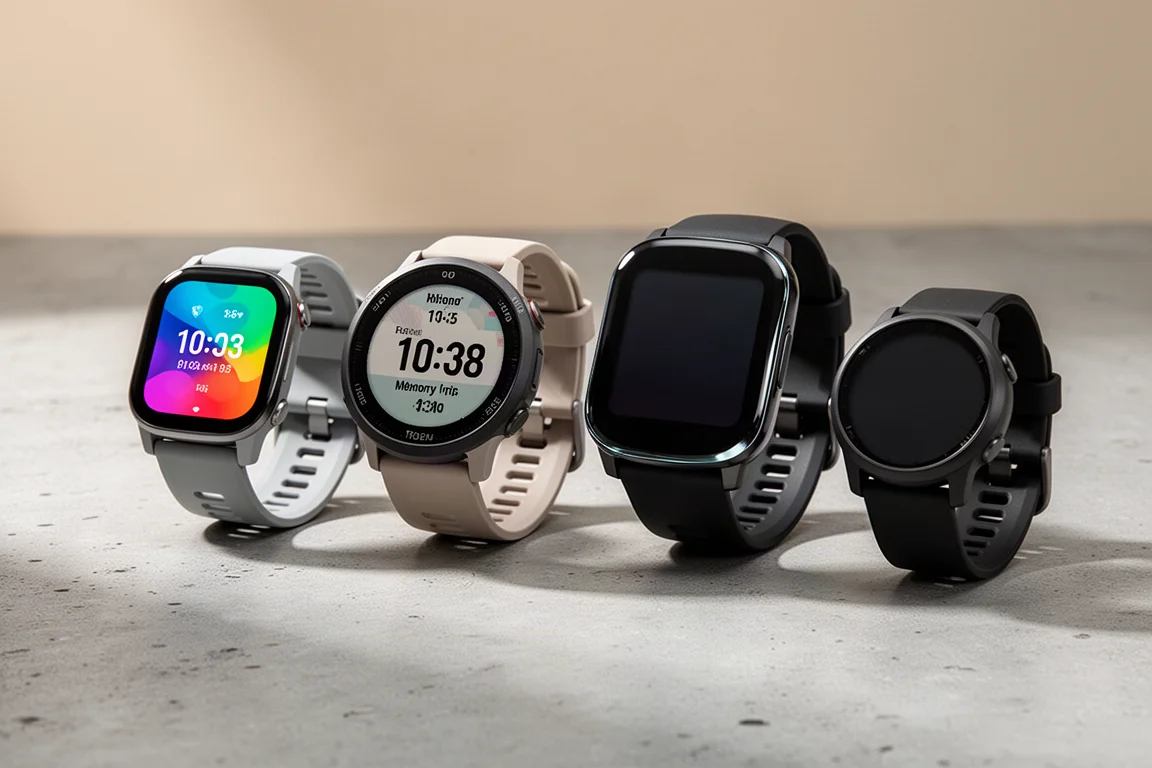
Not every first running watch needs to be a flagship. The point of a beginner pick is that it costs a sensible amount, tracks reliably, and offers some support while you figure out whether running sticks. We picked out four watches that fit that brief, including a couple you would happily keep wearing even if the running never quite takes off.
What Makes a Good Beginner Running Watch
A few things matter most here. Value comes first: you should not have to spend a fortune on your first watch. Accuracy and reliability are essential at any price, as are a light, comfortable build and reasonable battery life. Ideally, the watch also includes features that genuinely help newer runners, such as suggested workouts and downloadable training plans. And for some, it helps if the watch is simply nice enough to wear regardless of how the running goes.
A final consideration is headroom. Some people try running and move on quickly; many others get hooked and want a watch that can keep up as training gets more serious. The best beginner options walk that line without forcing you to upgrade straight away.
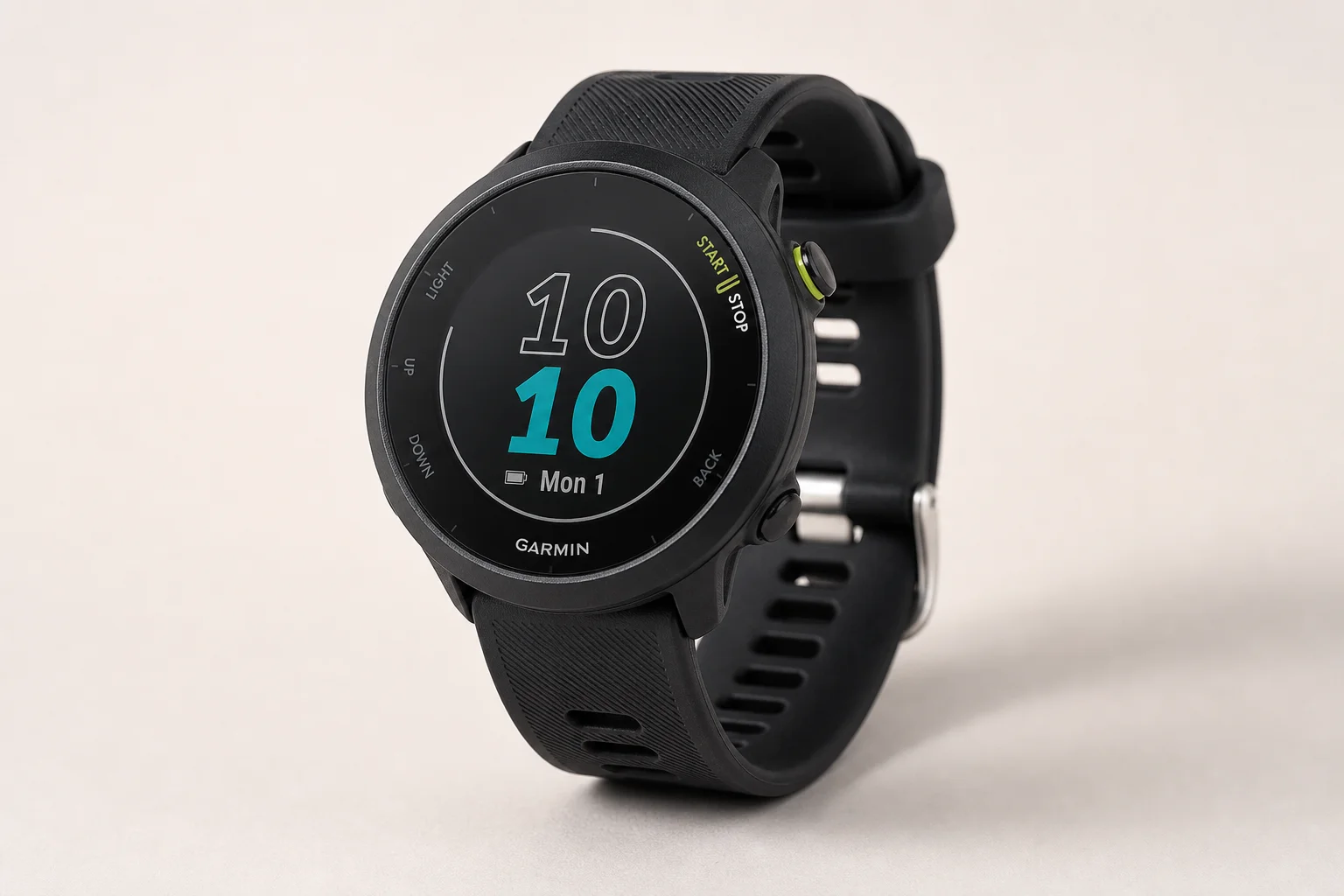
Garmin Forerunner 165
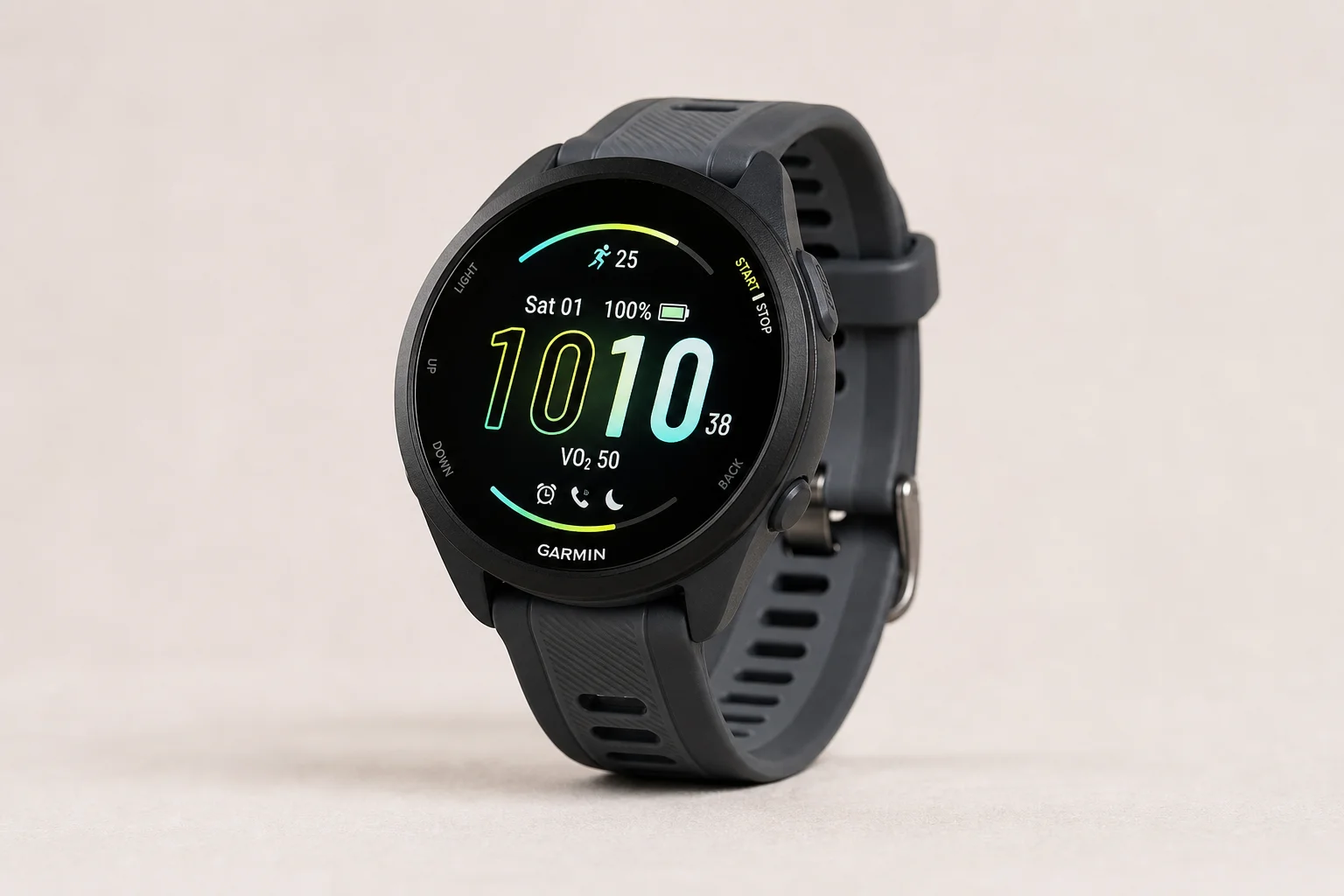
The Forerunner 165 is effectively Garmin’s most affordable AMOLED Forerunner, a cheaper route into the brand’s running-focused range with a color display. It covers all the key running features you expect from Garmin, and several of them are particularly useful for beginners: suggested workouts, downloadable training plans, and a little training load analysis, without drowning you in data.
What makes it a strong beginner pick is that it has enough substance to grow with you. If running clicks and you become more regular over the next couple of years, the 165 should still cater for your training before you eventually invest in something more fully featured. The basics are well covered too, with dependable heart rate and GPS tracking and a light, comfortable build. Battery life is not the longest, but it should suit someone running two or three times a week. It also looks good on the wrist, which gives it staying power as an everyday watch. One note: it is not a triathlon watch, so beginners keen on multisport should look elsewhere.
Coros Pace 3
The Pace 3 is the other strong entry-level option within its brand’s range, and one of the most compelling running watches to buy from scratch. It is a tiny, lightweight watch with genuinely accurate tracking thanks to dual-band GPS, something the Forerunner 165 does not offer, and it delivers excellent battery life with its slightly duller memory-in-pixel display.
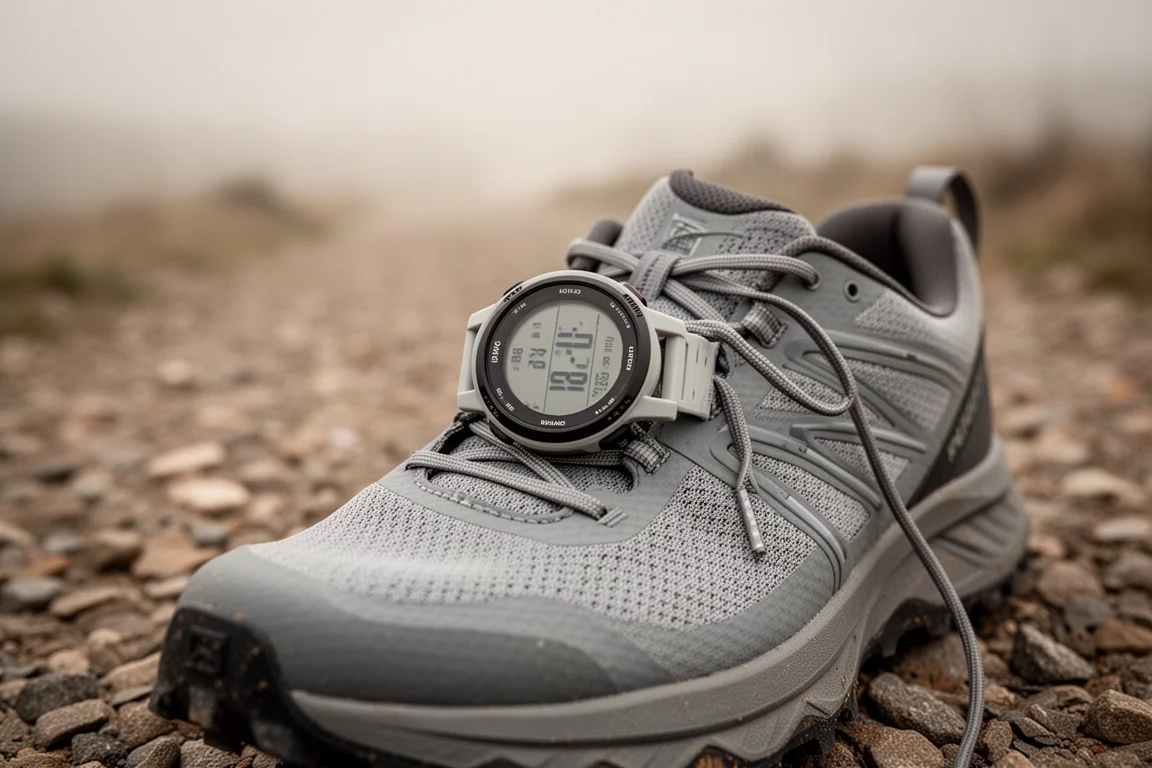
It hits a real sweet spot of price, value, and feature level. Navigation support, a music player, notifications, and more are here at a price few established brands match, and most of what you get by moving up the Coros range is already on the Pace 3. The trade-off is build quality: it is functional rather than fancy, with plasticky materials and nicer-looking watches available. The flip side is that it is very easy to wear around the clock, which matters if you are new to wearing a watch all day. It appeals to hardened runners as much as beginners, though if you stop doing a lot of sport it may end up in a drawer, where the 165 has a bit more everyday stickability.
Apple Watch Series 10
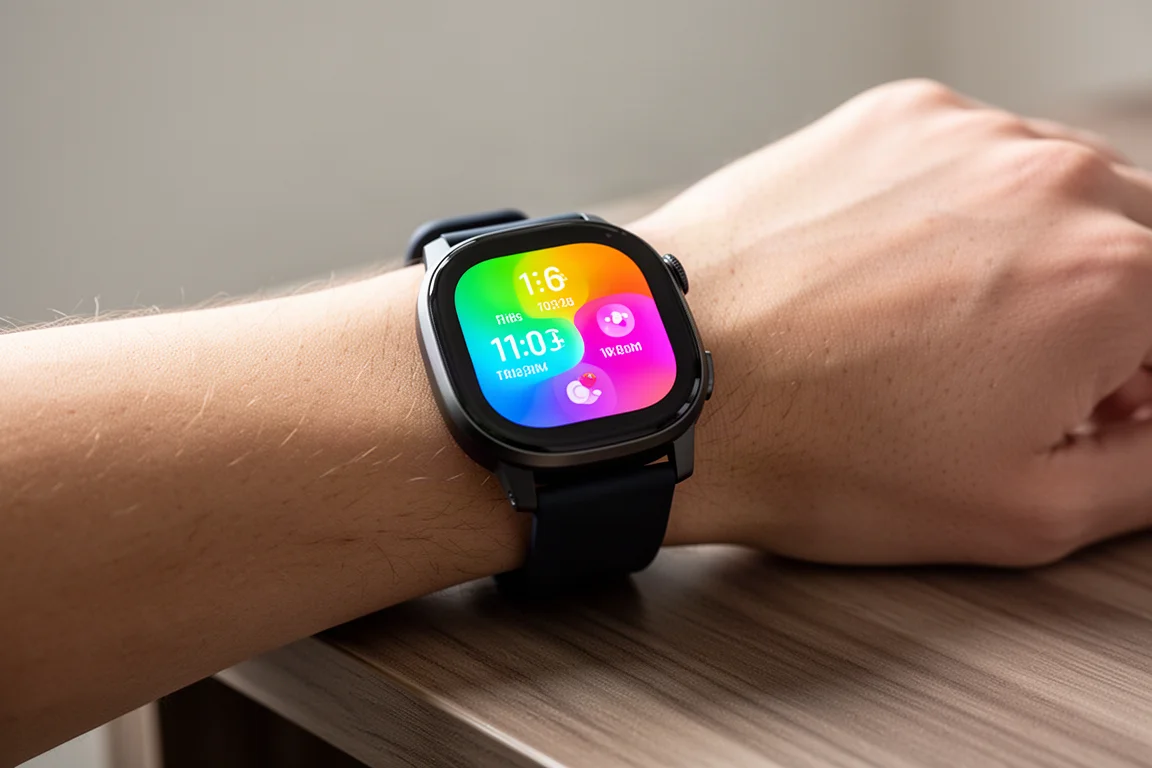
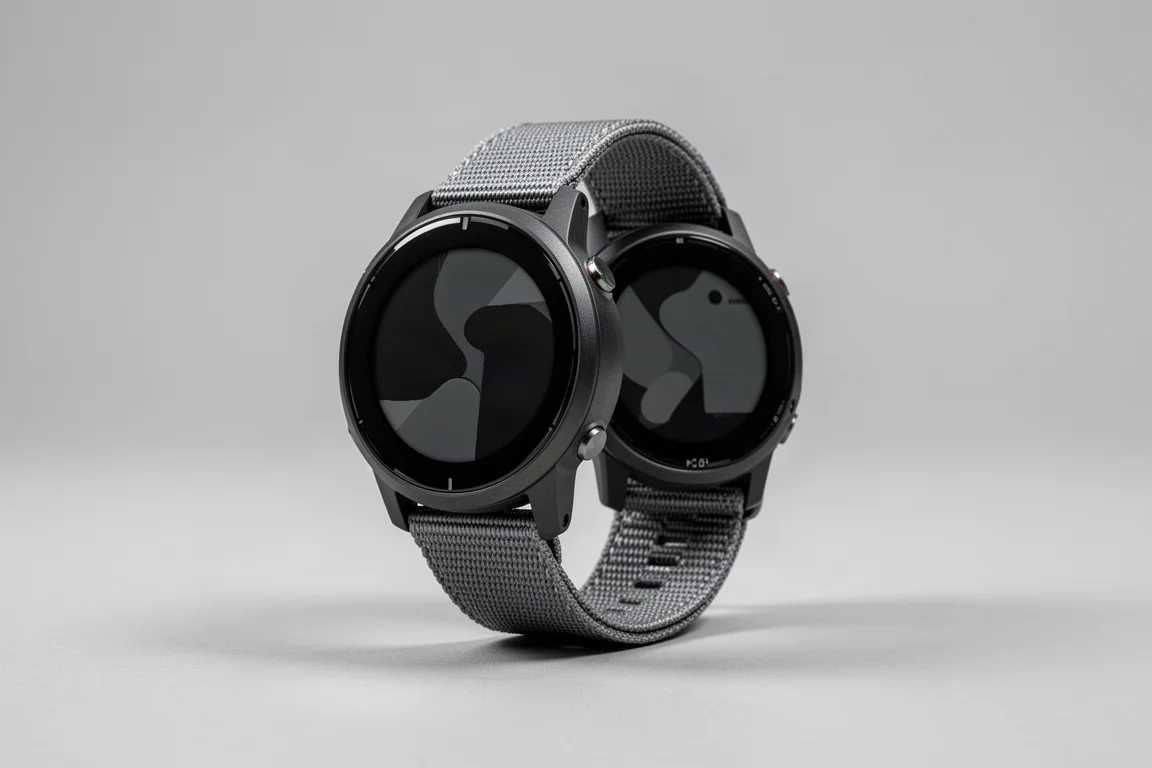
The Series 10 is the watch most often seen on the wrists of new runners, and its appeal is obvious: it is a full smartwatch first, with a proper App Store, easy music, and Apple Wallet, so its value has little to do with whether you keep running. The latest version grew its screen estate without feeling bulky like the Ultra, while retaining the familiar Apple Watch experience.
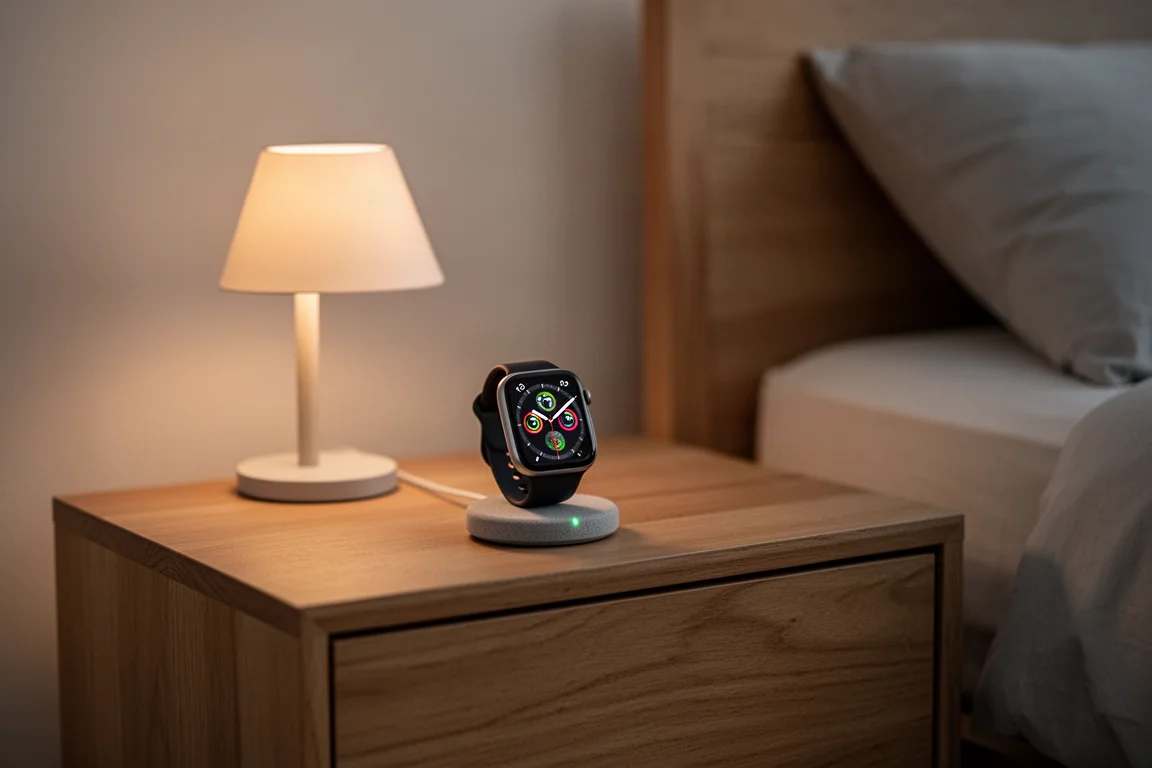
For beginners, the App Store is the real draw. Apps such as Runna, Coach to 5K, and Couch to 10K build training plans around your current fitness, ability, and background, and they genuinely guide you through your first steps in the sport. Native tracking is improving and intuitive, and even without dual-band GPS it performs well in race-style tests. Battery life is the main compromise, though the rapid charging helps a lot: five to ten minutes on the charger fills a meaningful gap, and most beginners will not need hours of continuous GPS anyway. Apple is also good at layering in metrics in a way that is easy to understand, and closing the Activity rings remains one of the best motivational activity features out there. Cheaper options exist, such as the Series 9 with the same apps, or the SE 2, though you give up a little on design or heart rate accuracy respectively. One annoyance for runners at any level: there is no proper lap button, so guided workouts from an app, which handle laps for you, are often the better route.
Garmin Forerunner 55
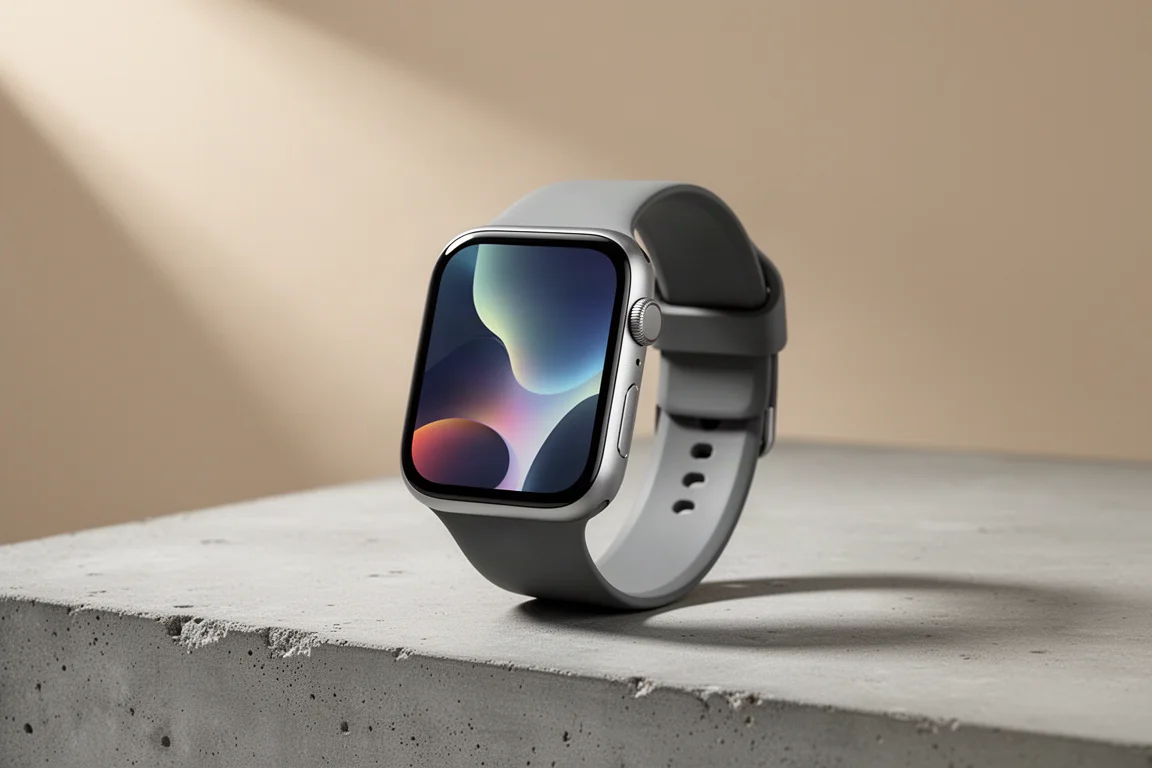
The Forerunner 55 is probably the cheapest watch here that is still genuinely good. It is now quite old, Garmin has not updated it in a while, and it is unlikely to receive much in the way of future software updates, but everything you need is already there. It tracks runs reliably, includes plenty of information, and offers suggested workouts and other training support.
You give up some things versus the 165, aside from the AMOLED screen: there is less navigation support and less storage for software. The smartwatch experience is fairly primitive, though still generally good for the price. GPS and heart rate tracking are reliable, if not infallible. It typically shows up in sales around the mid-£150 mark, sometimes slightly below if you get lucky, though it has not yet dropped as far as some hoped. As a gift for someone just starting out, it is a watch that will comfortably carry them through their first year or two of running without disappointment.
Buying Advice
These four watches will also appear in other categories, because all of them are good watches for runners generally; they simply carry extra appeal for beginners. If you want a color display and room to grow, the Forerunner 165 is the safest all-rounder. If you want the best value and battery life, the Coros Pace 3 is hard to beat. If a smartwatch life beyond running matters, the Apple Watch Series 10 does everything else you need. And if budget rules, the Forerunner 55 remains a solid pick, especially in a sale.
Conclusion
A beginner watch should make running easier, not complicate it, and should not cost more than the habit is worth yet. Any of these four fits that description; the right one comes down to whether you value display, battery, smart features, or price most.
Further reading
Related Reviews
Running Watches
Coros Pace 3 Running Watch Review: Why Software Matters More Than Specs
The Coros Pace 3 prioritizes runner-focused design and intelligent software over expensive hardware. Here's why it outperforms watches that cost twice as much.
Running Watches
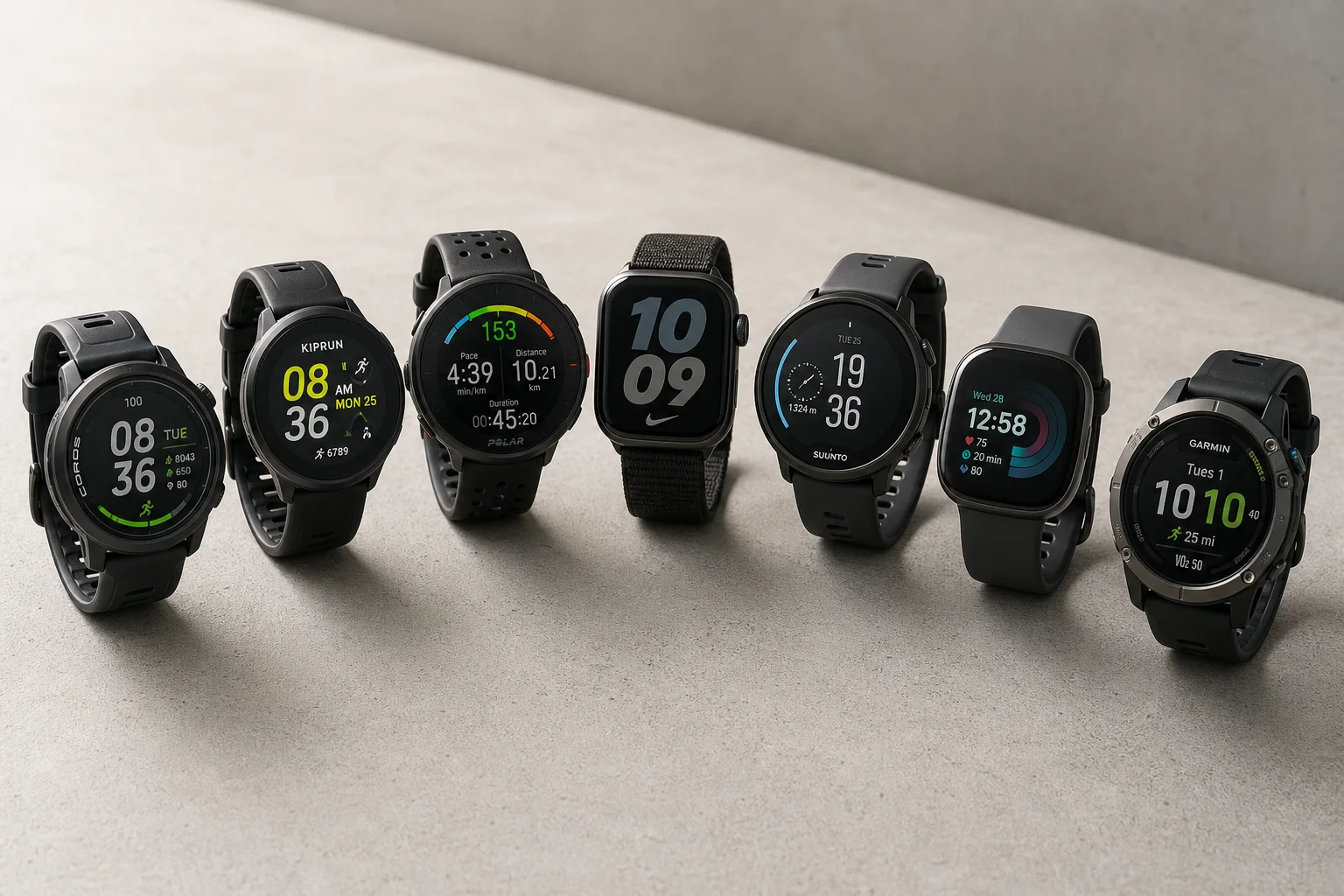
GPS Running Watch Accuracy Test: Seven Watches Compared Across Urban, Trail, and Race Conditions
We tested seven popular running watches from major brands in three different environments to find out which delivers the most accurate GPS tracking for distance and pace.
Running Watches
Garmin Forerunner 70 Review: Garmin's Cheapest Forerunner Is More Capable Than You'd Expect
The new entry-level Forerunner 70 brings an AMOLED screen, a fresh interface, and real training analysis for £219/$249, with a few trade-offs to weigh before buying.