Running Shoes
Best Running Shoes for Beginners: 10 Balanced Picks Worth Considering
Ten comfortable, stable, and versatile running shoes that make sense as a first pair, plus practical advice on price, gait analysis, and buying older models.
Introduction
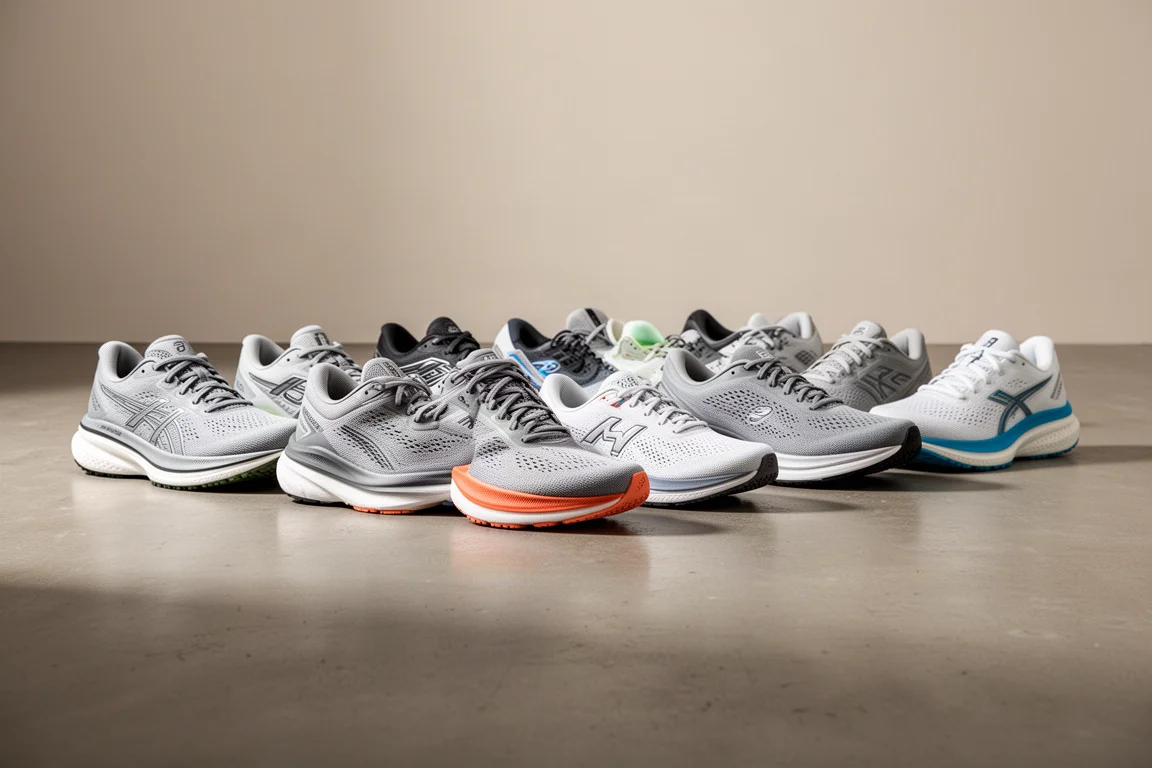
Buying your first pair of running shoes is harder than it should be. Every brand claims its latest release is the most comfortable and most cushioned shoe on the market, prices keep climbing, and the temptation is to grab whatever the store recommends or whatever looks fast. The reality is simpler: beginners need a comfortable, well-cushioned, reasonably stable everyday trainer, and there are plenty of excellent options that do not require premium spending.
This guide walks through what actually matters in a first pair, how to think about price and older models, whether gait analysis is worth it, and ten balanced picks that work for new runners.
What Beginners Should Look For
Comfort comes first. Research consistently suggests that one of the biggest factors in whether a shoe causes problems is simply whether it feels good on your foot. If a shoe feels like it is not there, that is usually the one to trust. Because running is a high-impact sport and new runners are building up tolerance, a fair amount of cushioning matters too, along with inherent stability rather than a super-soft, wobbly ride.
The sweet spot for a first pair is a neutral, versatile, mass-appeal trainer: something protective enough for easy miles but balanced enough that you can learn your preferences in it. Durability is largely built into this category, and a good outsole will hold up through your early months. Do not be pressured into buying something that does not feel right.
Price and Value: New, Older Models, and Sales
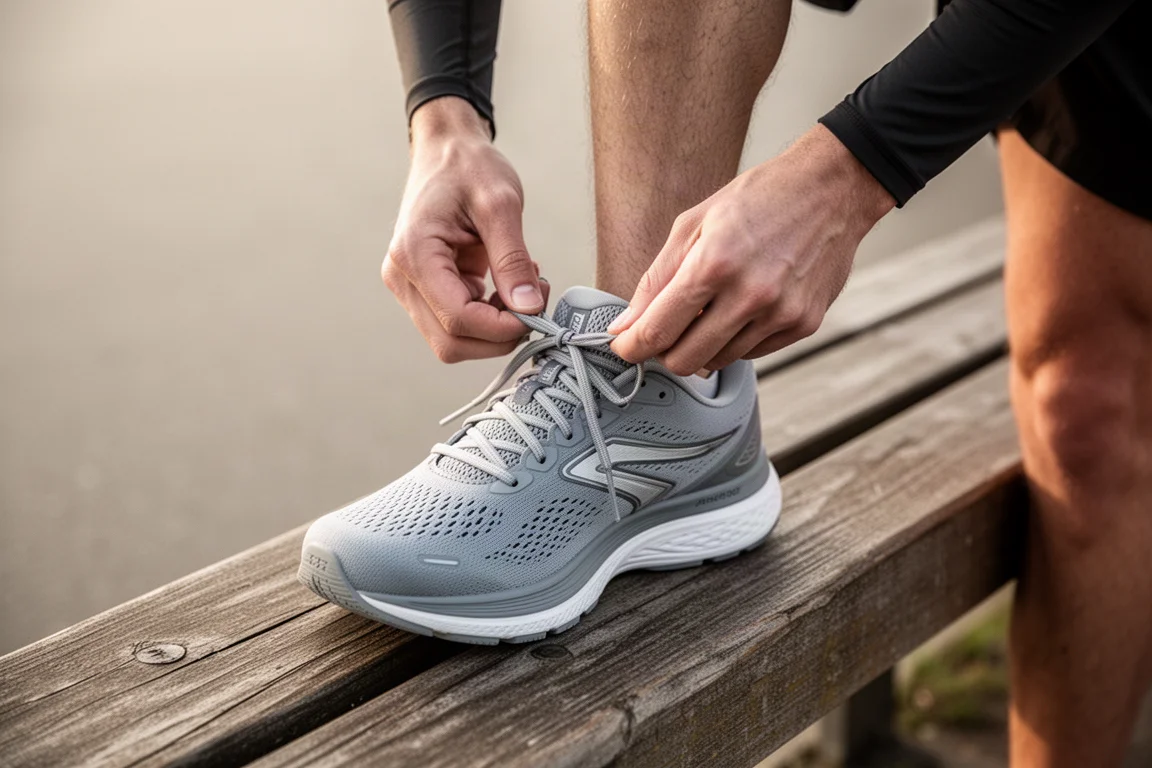
You do not need to spend premium money on a first pair. One or two generations back, most popular trainers perform very well, and the differences between generations are smaller than marketing suggests. Going back two generations often gets you a cheaper shoe that does everything you need.
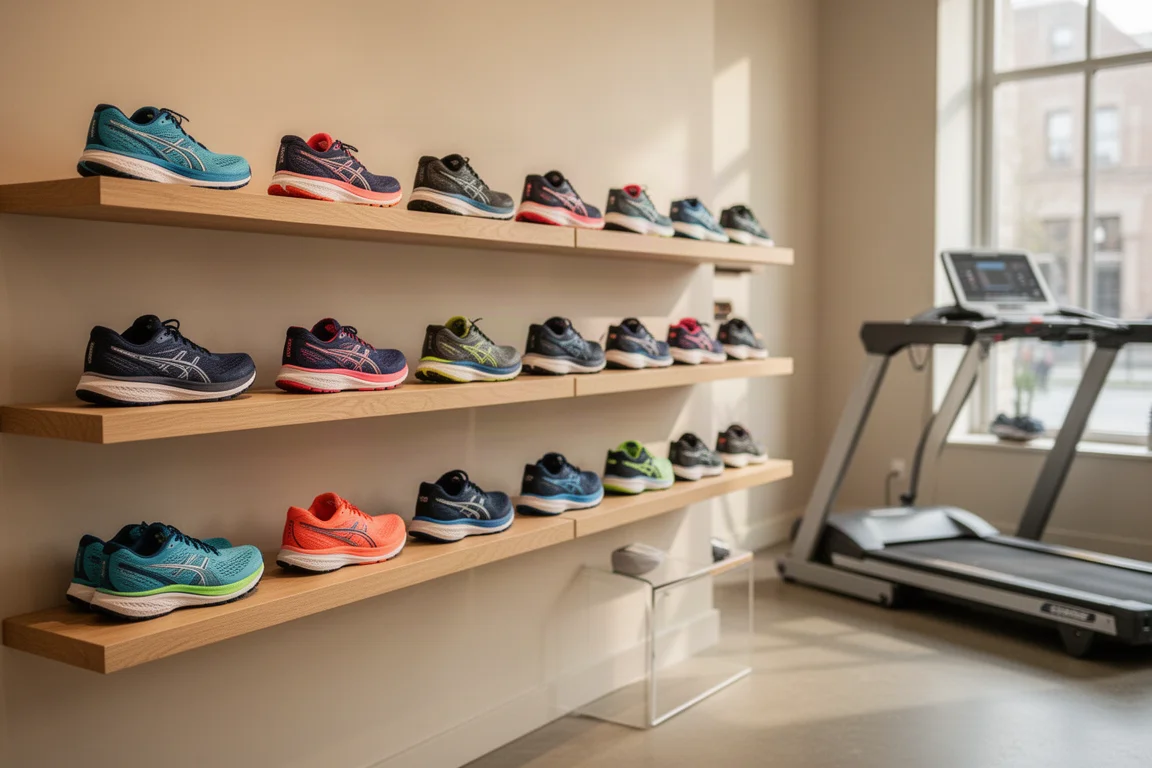
One warning: do not simply browse a website’s sale section and buy the cheapest shoe you like the look of. Shoes end up deeply discounted for a reason, and often that reason is that they were not very good. If you know exactly which model you want, try it on in store first, then hunt for the previous version or a discount, including at larger retailers where popular brands are frequently well priced.
Do You Need Gait Analysis?
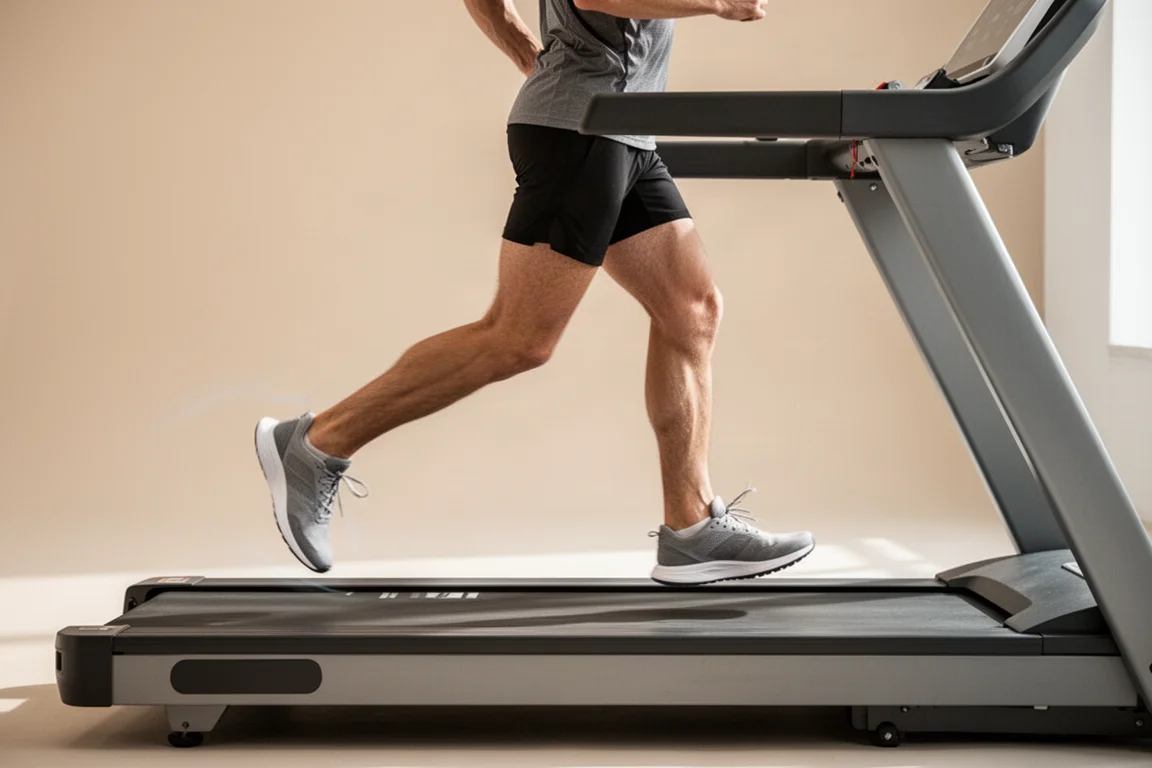
Gait analysis, usually a treadmill recording of your running form, is often pitched as essential. It can flag significant overpronation or high arches, and for a beginner with an obvious issue that information is useful. But for most people the findings are marginal, and store recommendations do not always match the evidence.
Running injury rates have not changed since stability shoes were introduced decades ago, and the best evidence-based general recommendation is simple: choose a lightweight, comfortable shoe with minimal motion-control technology. Trust how shoes feel when you try several on, vary the drops and cushioning levels, and take any gait results with a pinch of salt. Your form will develop naturally as you run more.
Our Top Picks for Beginners
These are the shoes that keep coming up as the best starting points, all from the “standard performance trainer” band that every major brand offers: not their cheapest shoe, not their most expensive, just well-balanced and accommodating.
Nike Pegasus 41
The Nike Pegasus 41 is a dependable utility shoe with just-about-right cushioning. It is not too heavy, it is fairly balanced, and it offers good stability, making it a genuine all-rounder for a first pair even if it sits slightly above the cheapest options.
Saucony Ride 17
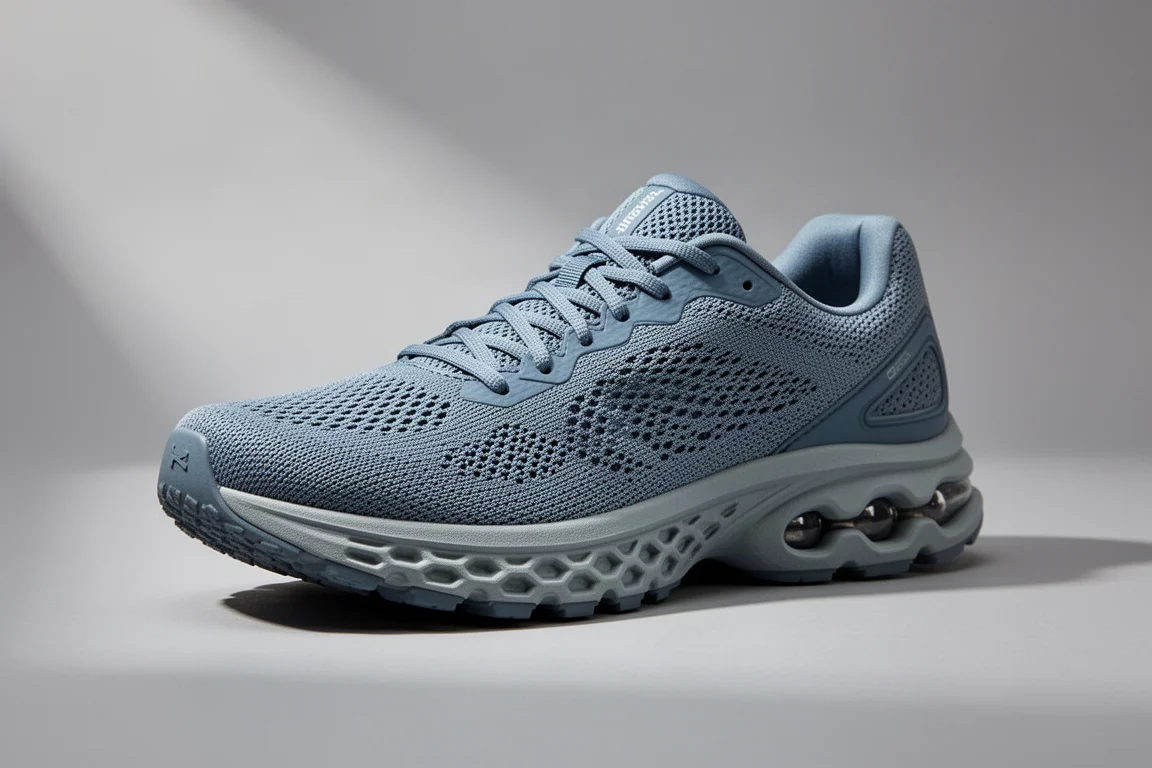
The Saucony Ride 17 offers excellent balance: well protected without being over-cushioned, a really nice upper fit, medium weight, and strong value, with a UK price of £140 making it an approachable entry-level option.
Asics Novablast
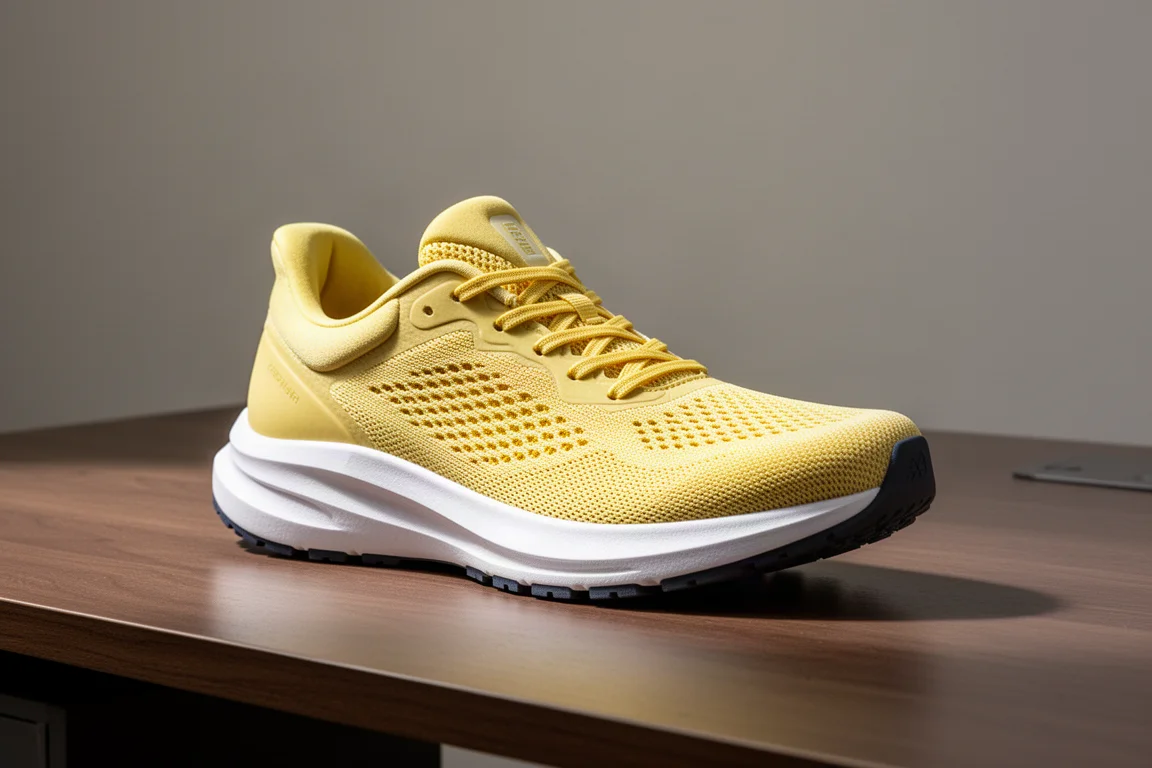
The Asics Novablast sits in the same dependable band as the Ride and Pegasus. Its recent versions are well suited to beginners, providing bouncy yet stable cushioning for general running. Older generations are less suited to new runners, so look for the current version or a discounted recent one.
Brooks Ghost
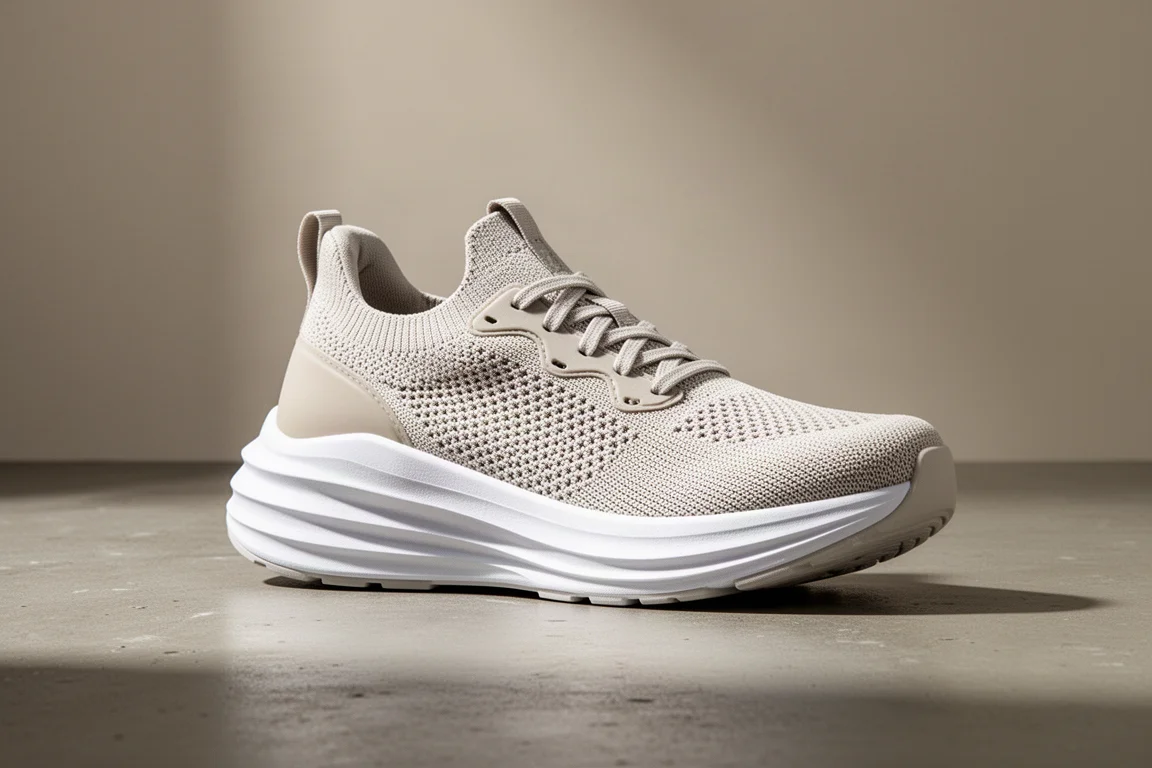
The Brooks Ghost has been a beginner staple for decades, with around twenty versions behind it. That long history means previous generations are widely available at good prices and remain very similar shoes, ideal if you want Brooks comfort without the premium price.
Puma Velocity Nitro
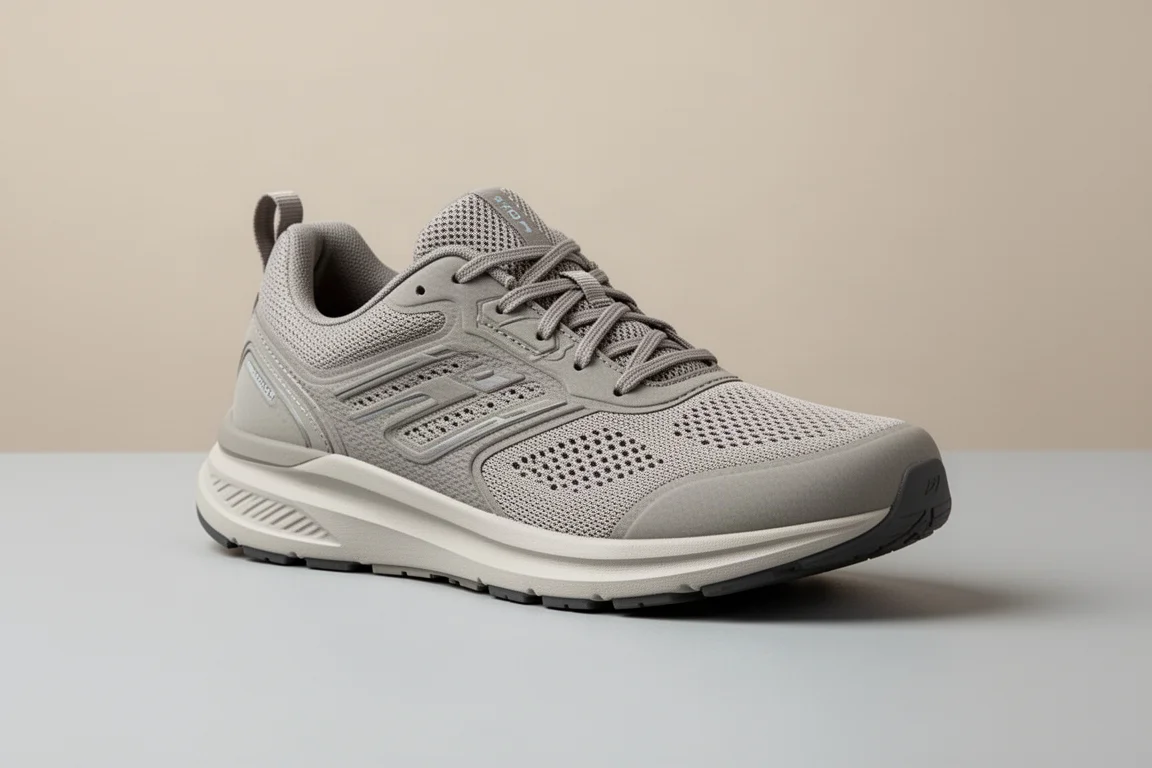
The Puma Velocity Nitro range is a favorite recommendation that consistently earns positive feedback from newer runners. It delivers cushioned, versatile performance at a price that undercuts many rivals, making it one of the easiest picks to justify.
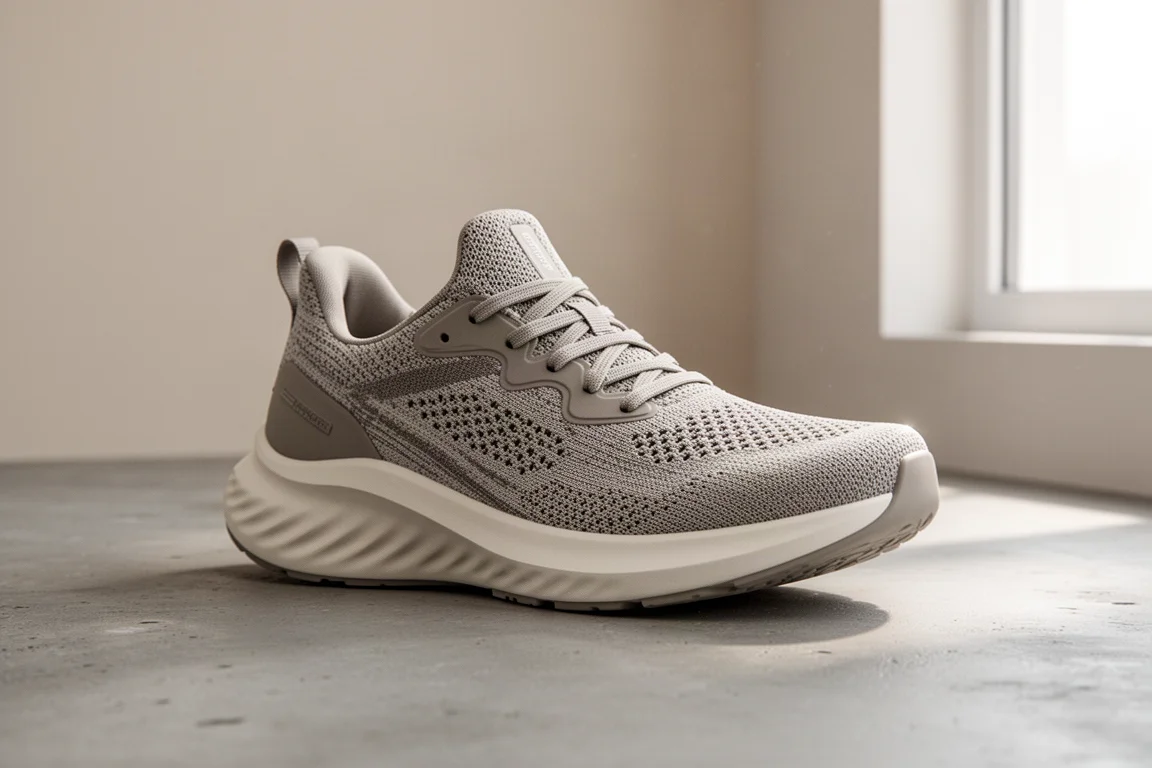
Hoka Clifton
The Hoka Clifton is another long-running classic in this band. Its accommodative fit and moderate cushioning suit a wide range of runners, so it is a safe choice when you are still working out what you like.
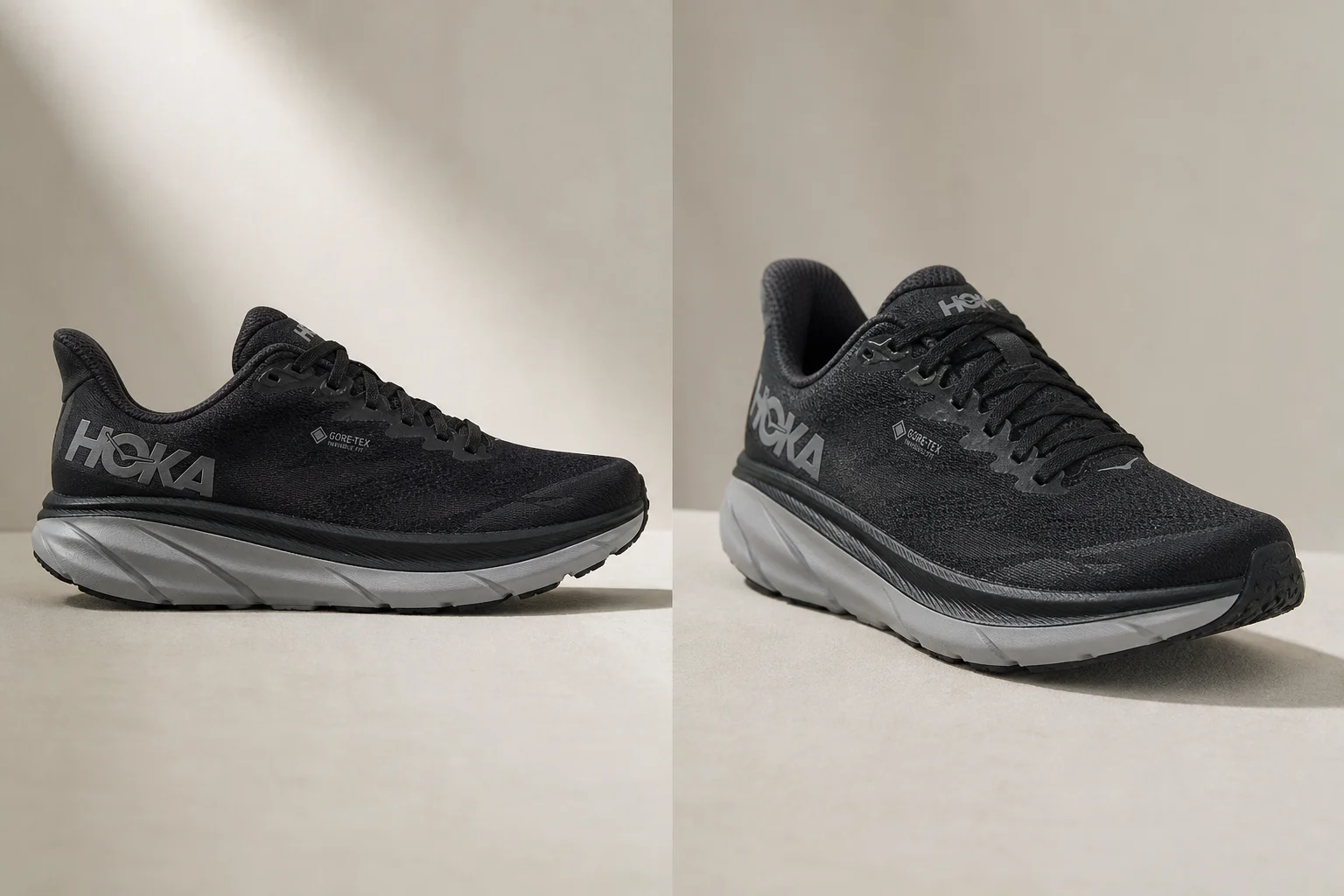
Brooks Glycerin
Step up one level and the Brooks Glycerin offers a more premium cushioning experience. It is a shoe people remain pleased with long after they buy it, and older versions are a smart way to get that extra comfort for less.
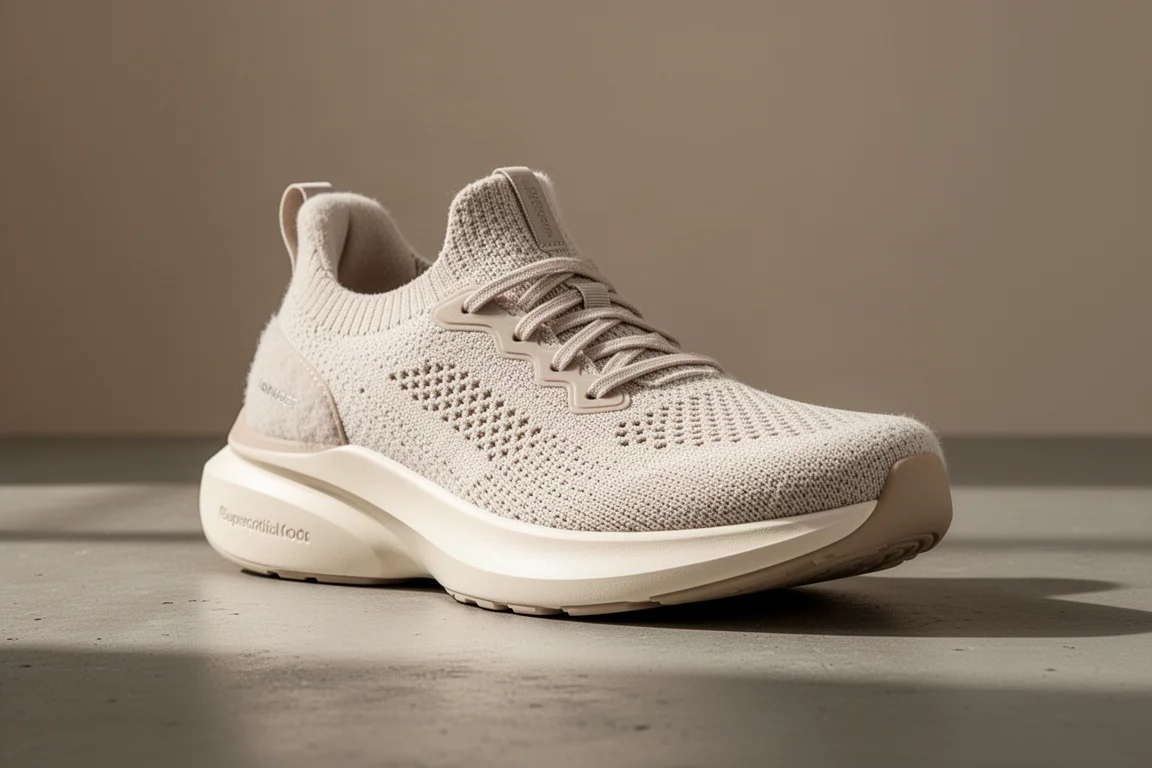
Saucony Hurricane
If price is no object and you want the ultimate stable, comfortable shoe, the Saucony Hurricane is hard to go wrong with. It is expensive, but it delivers a stable, supportive, genuinely comfortable ride that suits heavier cushioning needs.
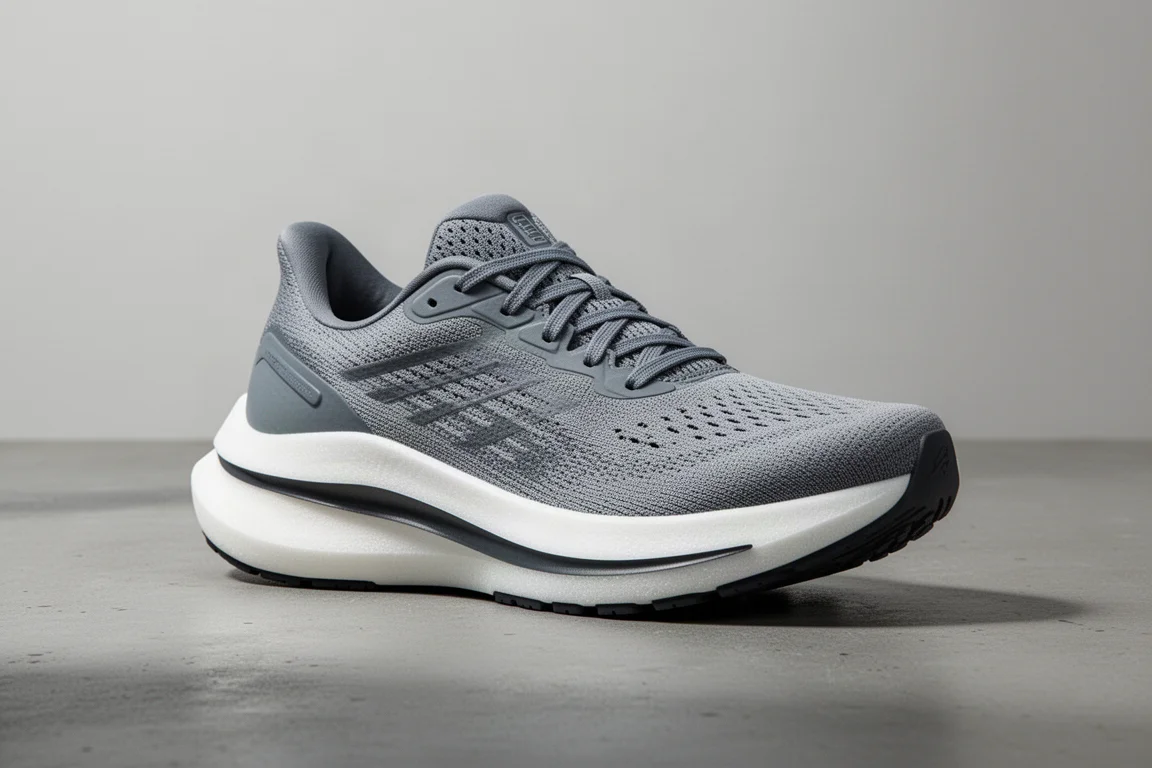
New Balance 1080 v14
The New Balance 1080 v14 dials back some of the extreme softness of the v13 to restore stability, striking a balance between older and newer versions of the line. It is a one-shoe-does-everything daily trainer, though it is priced towards the premium end and gained some weight over earlier models.
Brooks Glycerin Max
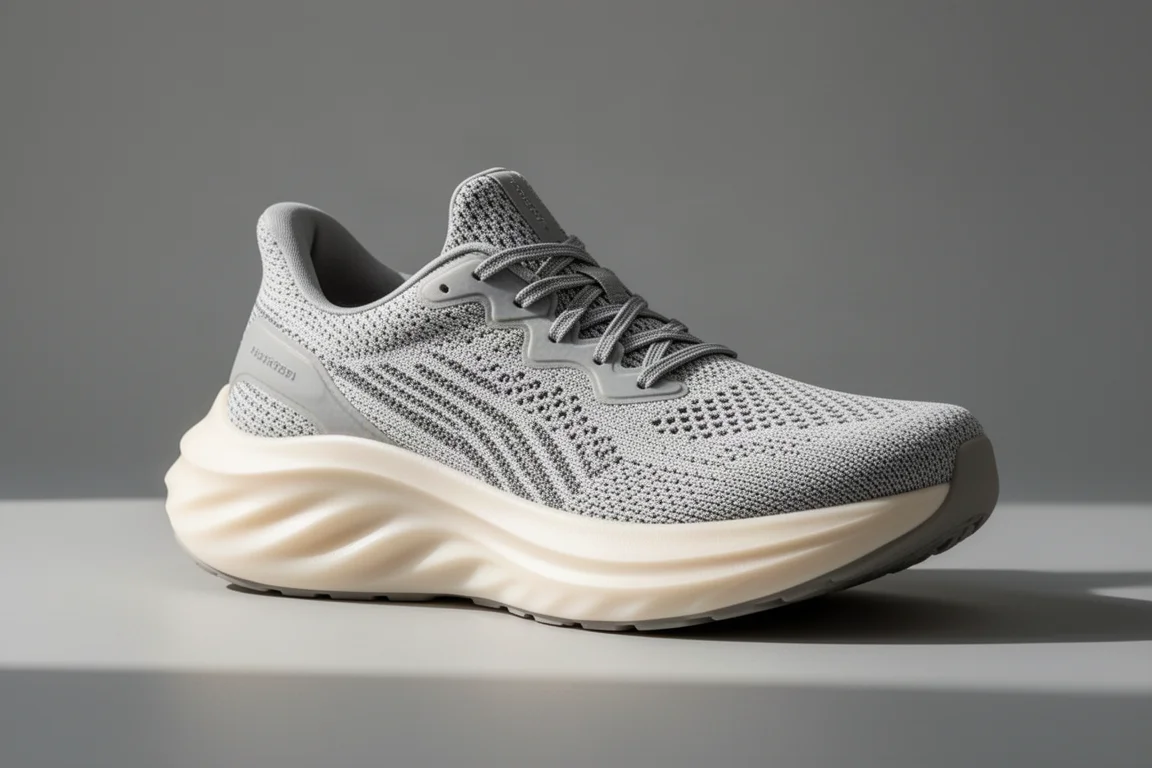
The Brooks Glycerin Max is a big-cushion shoe that feels remarkably light on foot despite its size, with improved upper styling and a supportive, comfortable feel for long runs. It is an excellent choice for beginners if budget allows, and it will remain useful in your rotation as you progress.
Practical Buying Advice
Start with one pair. Choose a versatile cushioned trainer and you can cover nearly every type of run you will do in your first months, especially since most early mileage should be at an easier pace anyway. You are probably not running every day at the start, so one shoe used every other day is completely fine, and there is plenty of time to add more later.
Whatever you buy, the good news is that shoes like the Ghost, Pegasus, Clifton, and Glycerin stay useful as you improve. You will keep using them for easy miles even after you add faster or racier options, so a first pair is never wasted money.
Conclusion
The best beginner running shoe is the one that feels right: light enough, comfortable, and not overbuilt with motion control. Shop in person, try multiple brands and cushioning levels, and consider the previous version of a proven model to get real value. Any of the ten shoes above is a confident starting point, and each will keep earning its place in your rotation long after your first 5K.
Further reading
Related Reviews

Running Shoes
Best Road-to-Trail Running Shoes: Three Versatile Options for Mixed Terrain
A practical guide to three road-to-trail running shoes that handle both pavement and mild trails, with clear strengths and trade-offs for different runner types.

Running Shoes
Best Running Shoes for Achilles Tendonitis: Three Options Explained
Three running shoes with different heel drops and support features designed to help reduce Achilles tendon pain during walking and running.

Running Shoes
Best Running Shoes for Women: Five Top Choices Ranked
A ranked guide to five women's running shoes, from versatile daily trainers to high-performance racing options, with real strengths and trade-offs for each.