Running Shoes
Best Beginner Running Shoes: 8 Reliable Options for Your First Pair
Eight running shoes for new runners, from budget daily trainers to a stability classic and a trail-ready option, with honest strengths and trade-offs for each.
Introduction
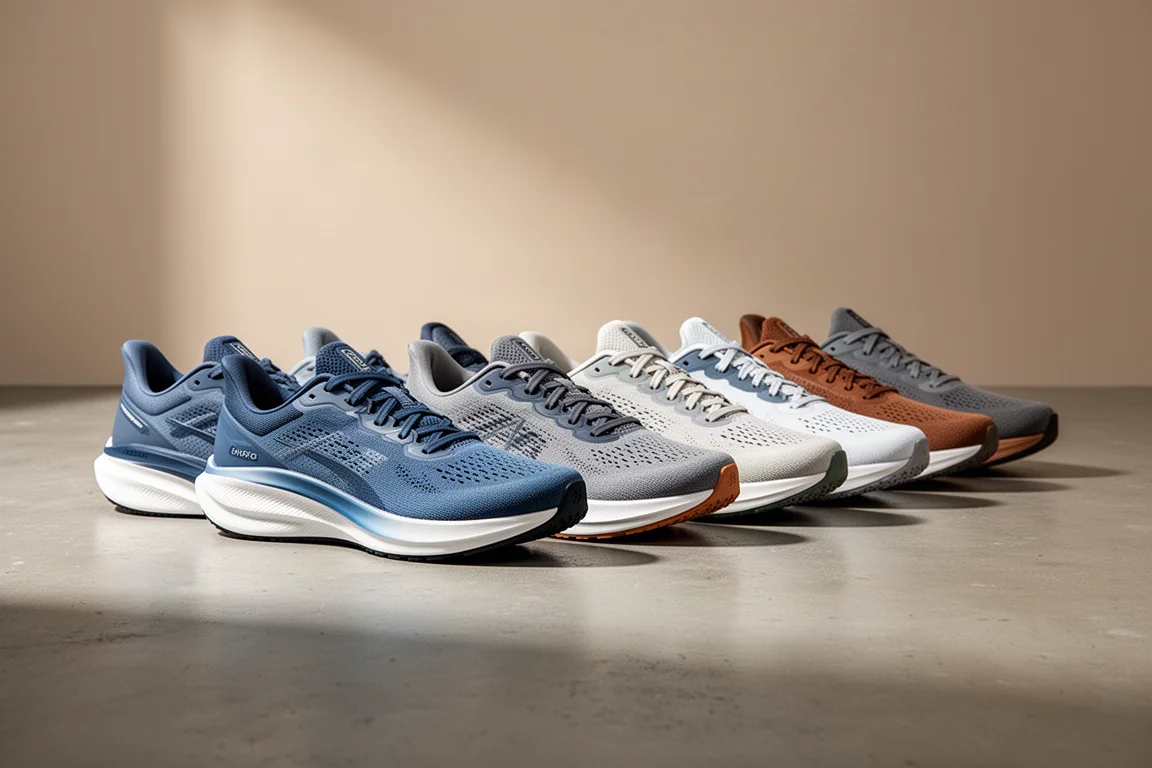
Buying your first pair of running shoes can feel overwhelming. Is a more expensive shoe automatically better? What do stack height, drop, neutral and stability actually mean? This guide breaks down eight beginner-friendly options, ordered from the lowest price point to the highest, plus a stability pick and a trail pick, so you can narrow down your search with confidence.
What to Look for in Your First Pair
For a first shoe, prioritize versatility: something that works on roads and the treadmill, feels comfortable out of the box, lasts a long time, and offers good value for money.
Most running shoes fall into two camps. Around 80 to 85 percent of runners are neutral runners, while roughly 15 to 20 percent benefit from a stability shoe. The best way to find out which you are is to visit a local running shop for a gait analysis on a treadmill. As a rough guide, flat arches may point toward a stability shoe, while normal or high arches usually suit a regular neutral shoe.
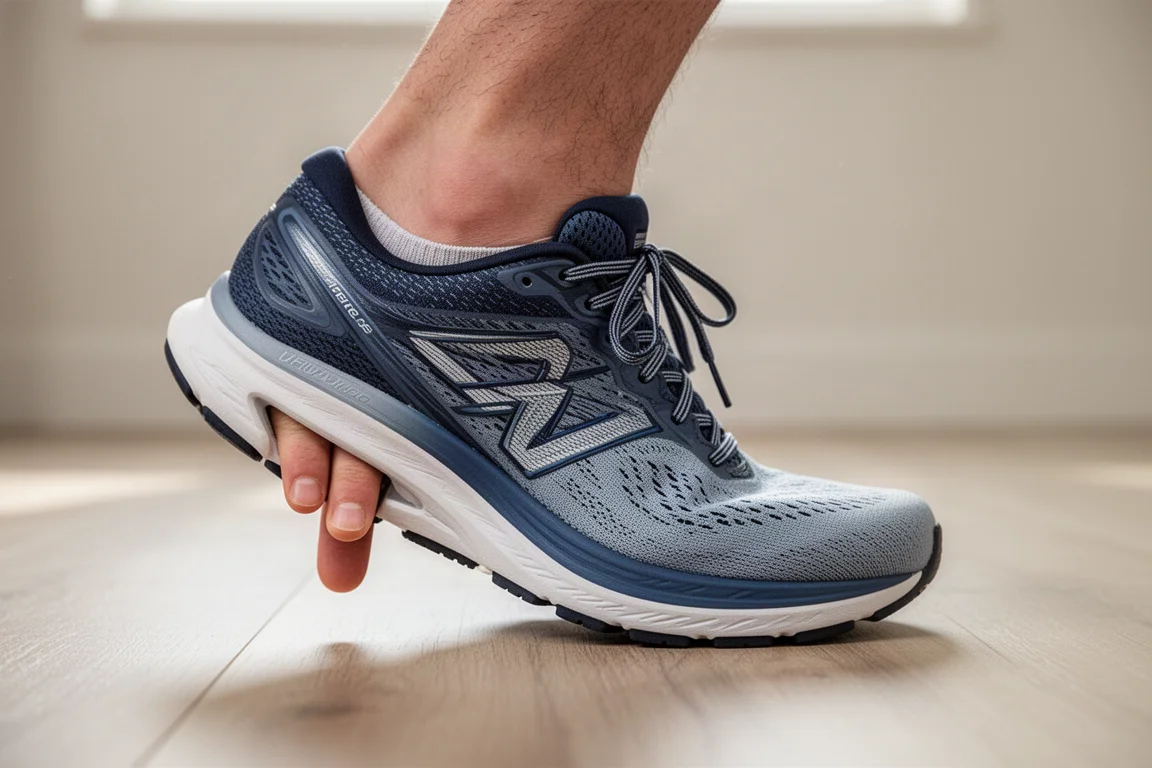
Fit matters too. A good rule of thumb: leave about a thumb’s width between the top of your big toe and the end of the shoe, because your feet expand a little while running. If you buy online, check the retailer’s return terms so you can test the shoes and send them back if the fit is off.
Two terms worth knowing. Stack height is the distance from where your heel sits inside the shoe down to the ground; a higher number means more foam and more cushioning. Drop is the difference in stack height between the heel and the forefoot. Most running shoes sit somewhere between 4 mm and 12 mm of drop, which tilts the foot slightly forward and helps the feet move nicely under the body.
Reebok Floatride Energy 5
The cheapest shoe here at around £85 (often found for less), the Reebok Floatride Energy 5 has a 27 mm stack height, 8 mm drop, and fits true to size with no width options. Recent updates have made it more comfortable and stable, it is versatile at all sorts of distances, and the highly durable outsole makes it genuinely long lasting. It also has a nice lightweight feel without unnecessary extra weight.
On the downside, the foam takes about 20 miles to break in and soften up, so the ride is a little firm at first. The stack height is also lower than many alternatives, but if you like a bit more ground contact feel, that can be a real plus.
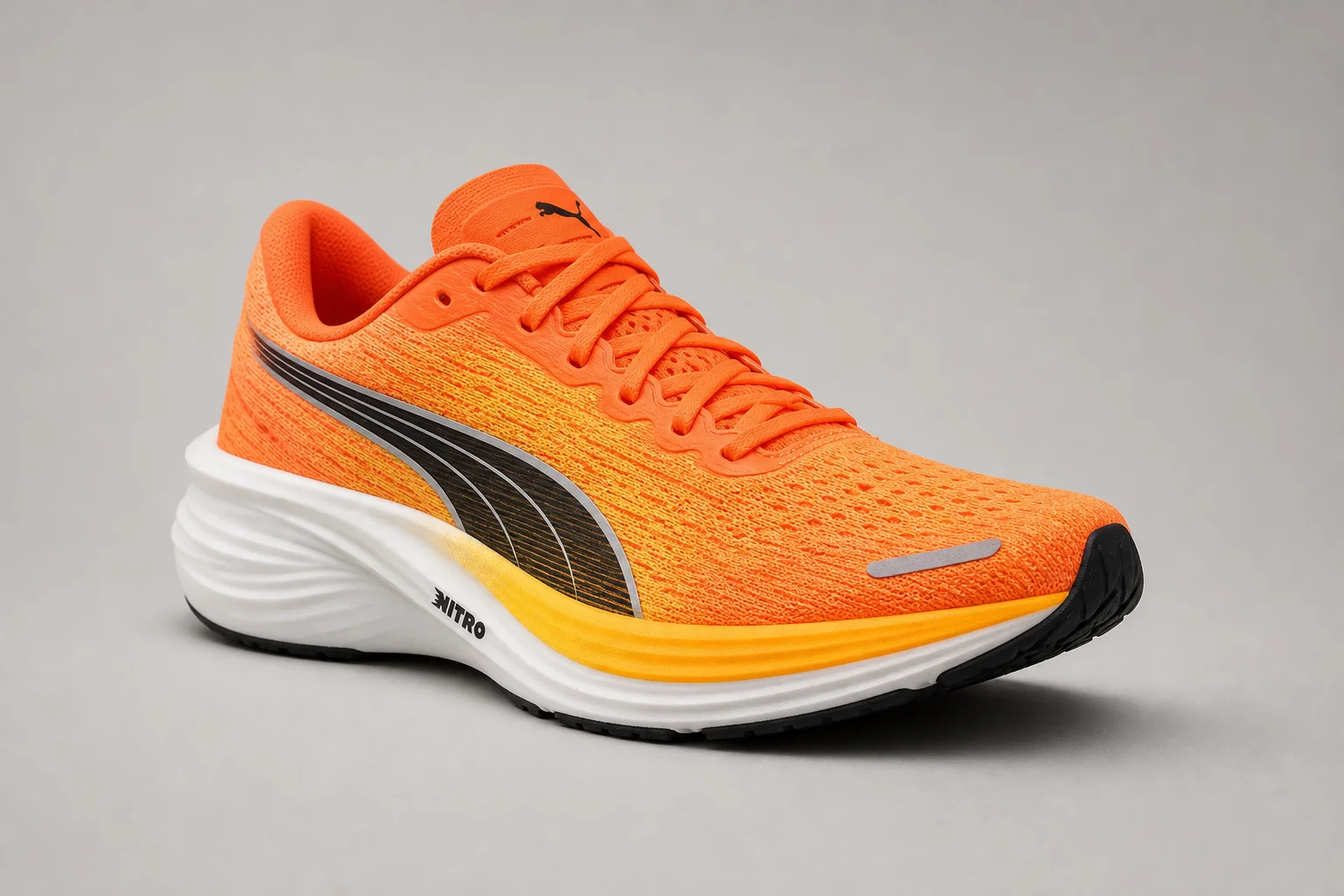
Puma Velocity Nitro 3
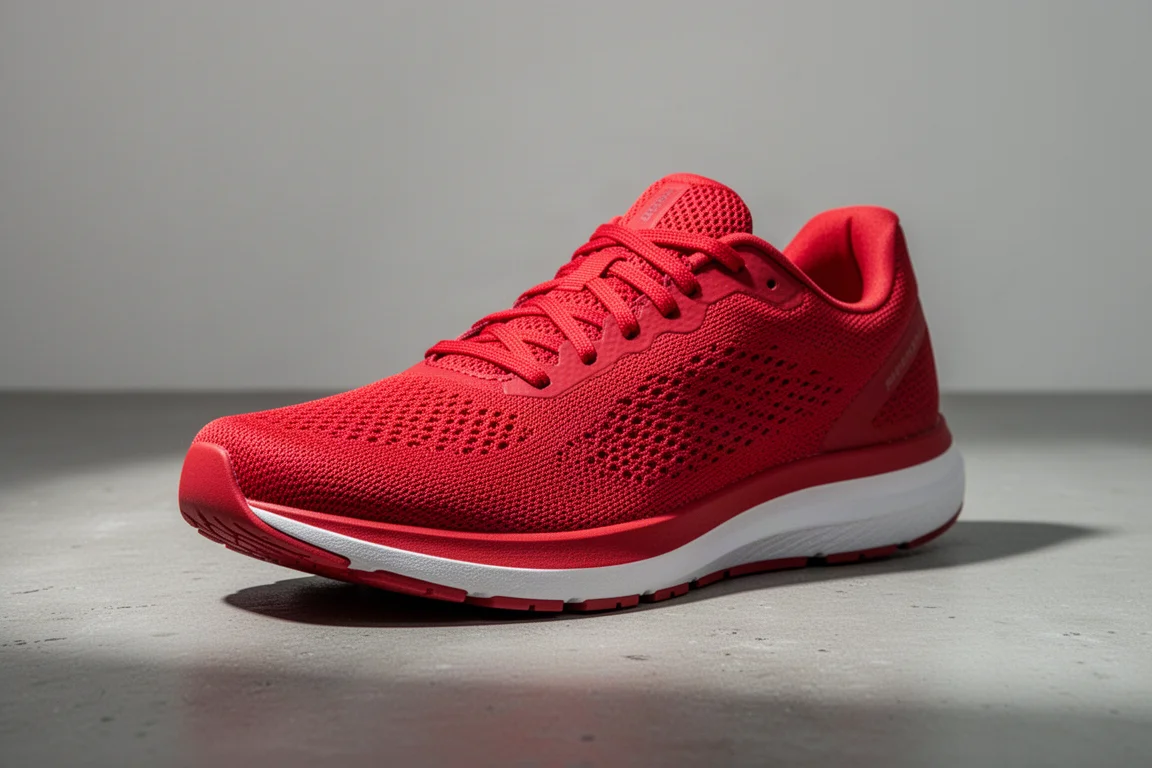
At around £110 (around £85 in some sales), the Puma Velocity Nitro 3 offers a 36 mm heel stack and 10 mm drop, fits true to size, and comes in a wide version through Puma’s own website. The Nitro foam is fun and bouncy, the shoe is super comfortable, and it is versatile at all sorts of distances.
Its standout trait is grip: the Puma rubber outsole is fantastic in the wet, making it one of the best wet-weather running shoes at any price. Durability is excellent too. The main complaint is a slightly narrow fit, so wider feet should check out the wide version.
Hoka Clifton 9
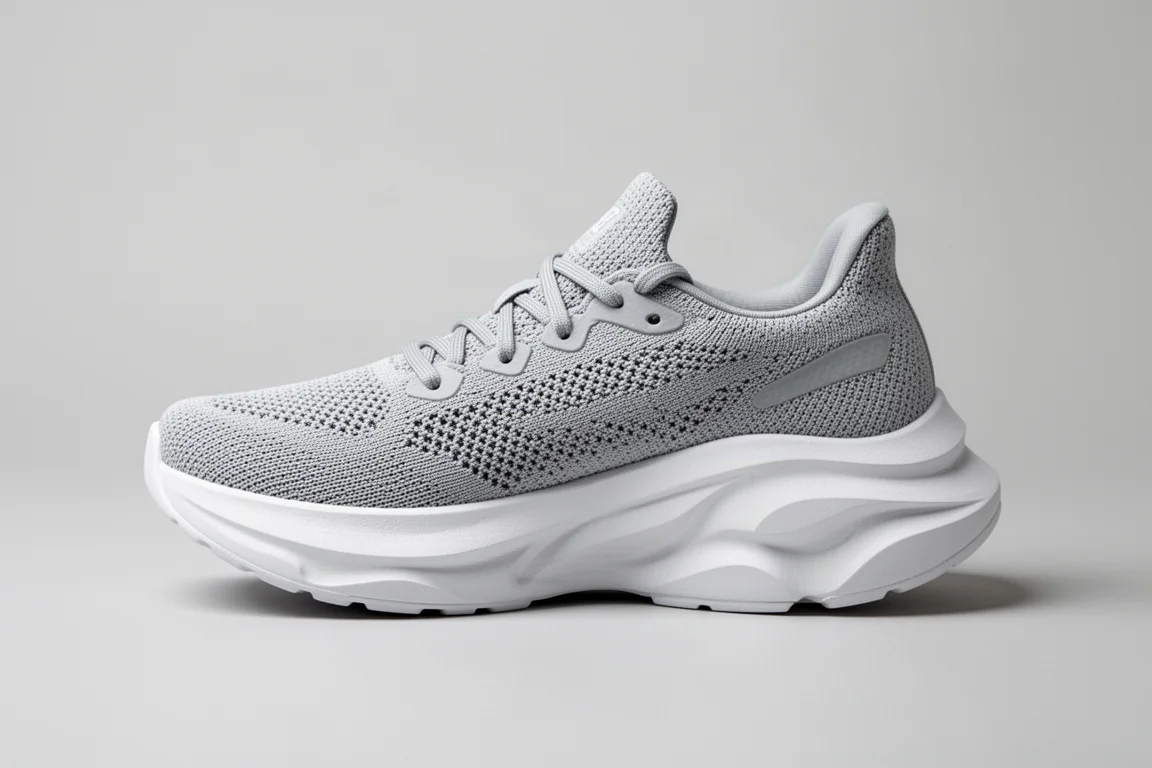
A classic of the running world, now in its ninth version, the Hoka Clifton 9 costs around £130, has a 32 mm stack, 5 mm drop, and fits true to size with standard and wide widths in a wide variety of colorways. It is lightweight while still offering good cushioning, super comfortable, very breathable, and secures the foot with no blisters or hot spots. It is also Hoka’s bestselling shoe and a favourite for casual wear thanks to its styling.
The criticism: the foam feels slightly dated and not especially squishy, though some runners will actually prefer that firmer ride. If you like the look but want a better foam, the Hoka Mach 6 runs better but is not quite as durable.
Asics Novablast 4
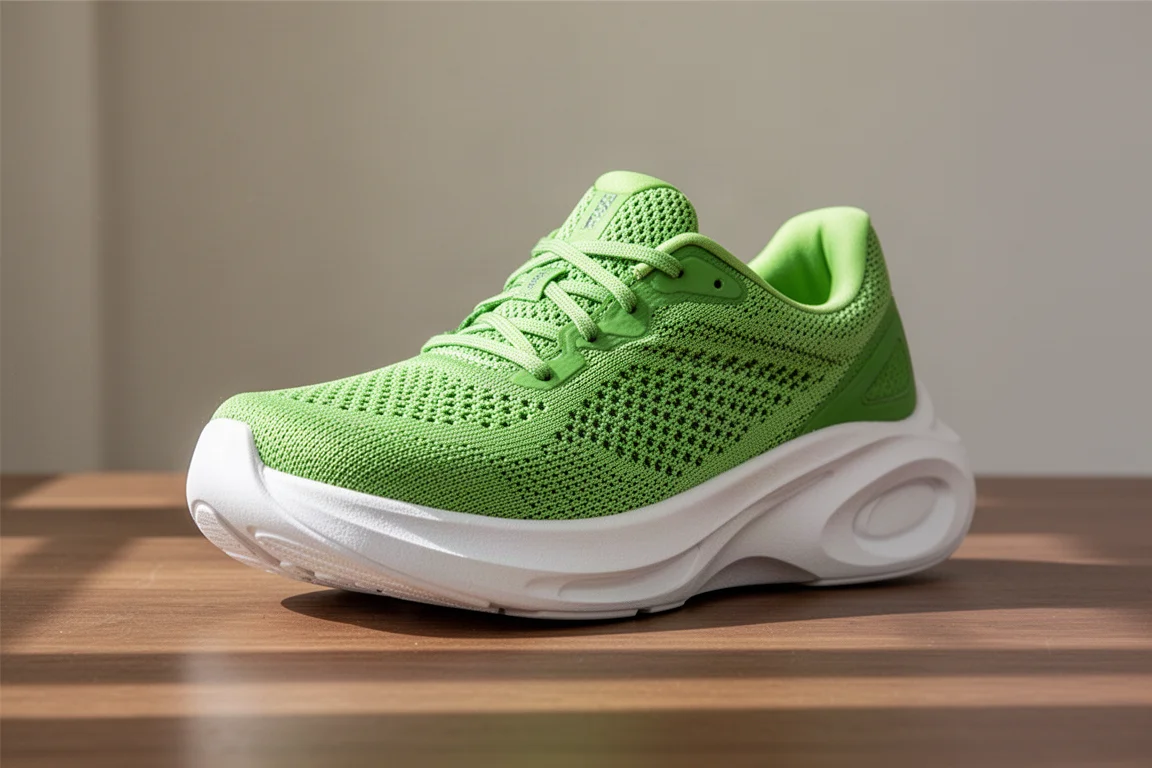
One of the standout picks here, the Asics Novablast 4 was picked up for $140 (around £135), with a 41 mm stack and 8 mm drop. Note the fit: it is not true to size, so go half a size down. The lightweight, cushioned FF Blast Eco foam is fun, engaging and responsive, with plenty of padding around the ankle and no hot spots or blisters. For the material quality, it is fantastic value.
Its weakness is wet weather: the outsole works brilliantly in the dry but can feel a little slippy when wet, so it suits fair-weather running best.
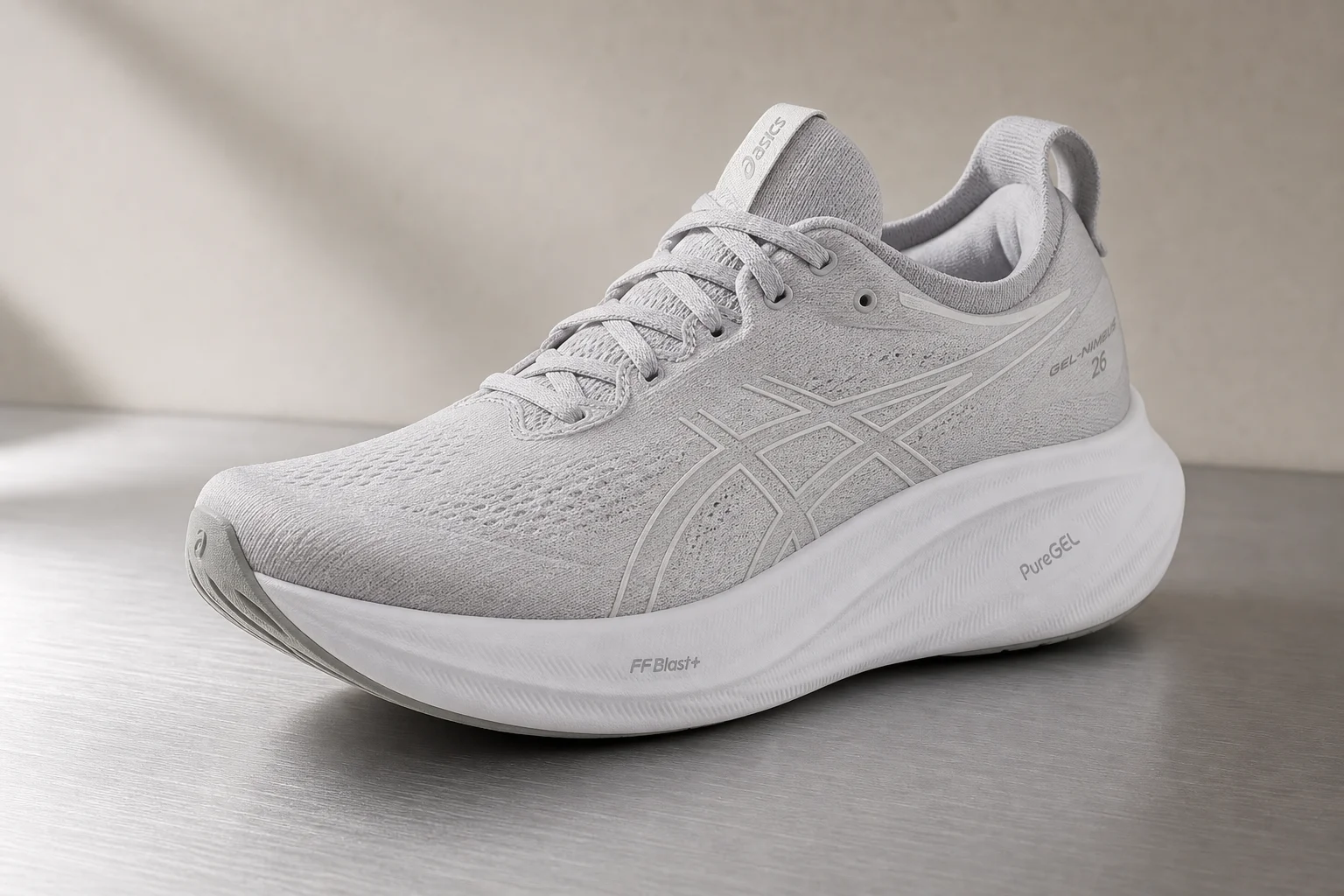
Asics Gel Nimbus 26
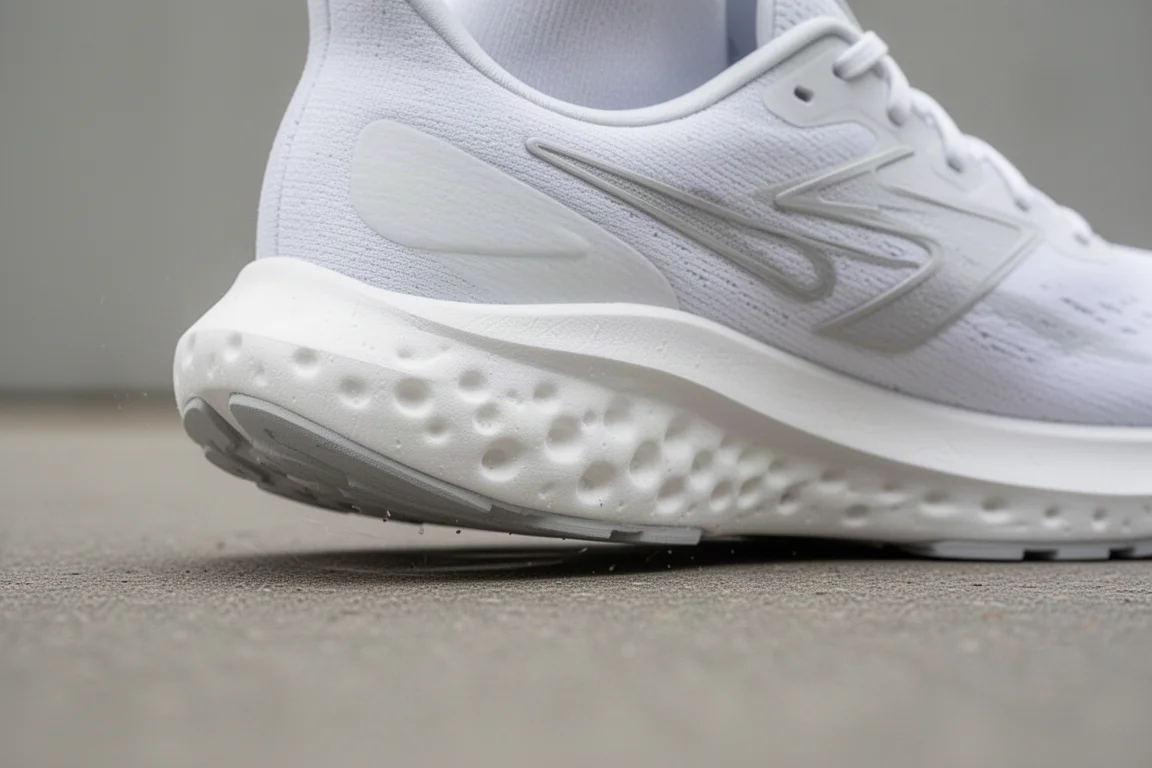
At around £180 ($160 or €200), the Asics Gel Nimbus 26 delivers 42 mm of stack and 8 mm drop, fits true to size, and comes in standard, wide and extra wide widths. It is simply one of the most comfortable running shoes available: very soft foam underfoot, a stretchy upper, supportive heel padding, and no rubbing, blisters or hot spots. For easy jogs, it is a joy to run in and easy to forget you are wearing it.
Because it is so soft and squishy, picking up the pace for faster running is harder, and it is on the expensive side. But if maximum comfort is the priority for your running journey, this is the one to check.
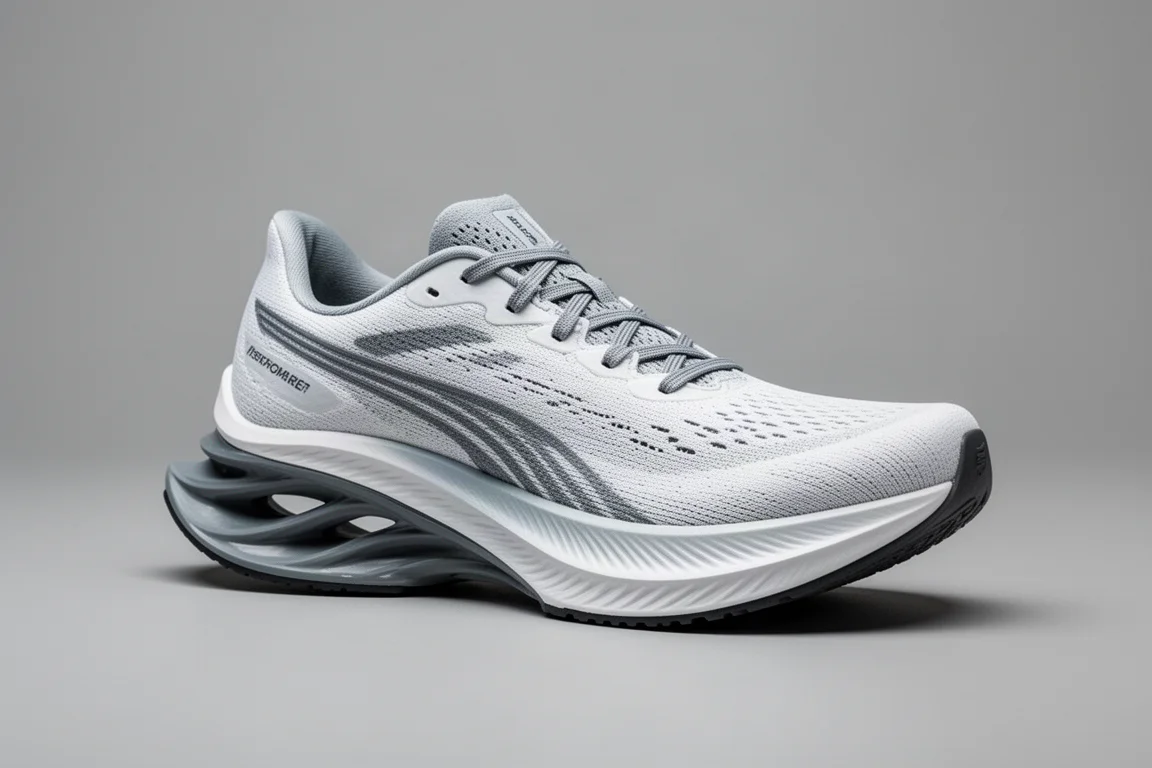
New Balance FuelCell SuperComp Trainer v2
The most expensive shoe here at £210, the New Balance FuelCell SuperComp Trainer v2 has a 40 mm stack, 6 mm drop, fits true to size, and has no width options. A carbon plate runs through the midsole to assist your running, making it a great entry point into carbon-plated shoes for beginners. It is supremely comfortable, very stable, and the FuelCell foam is bouncy, fun and makes you want to run fast. The upper is breathable with no overheating, and it eats up miles on long training runs, making it a strong option for a first marathon or future races.
It is slightly on the heavy side and, at over £200, definitely a big investment. If you have the budget, though, it will not let you down.
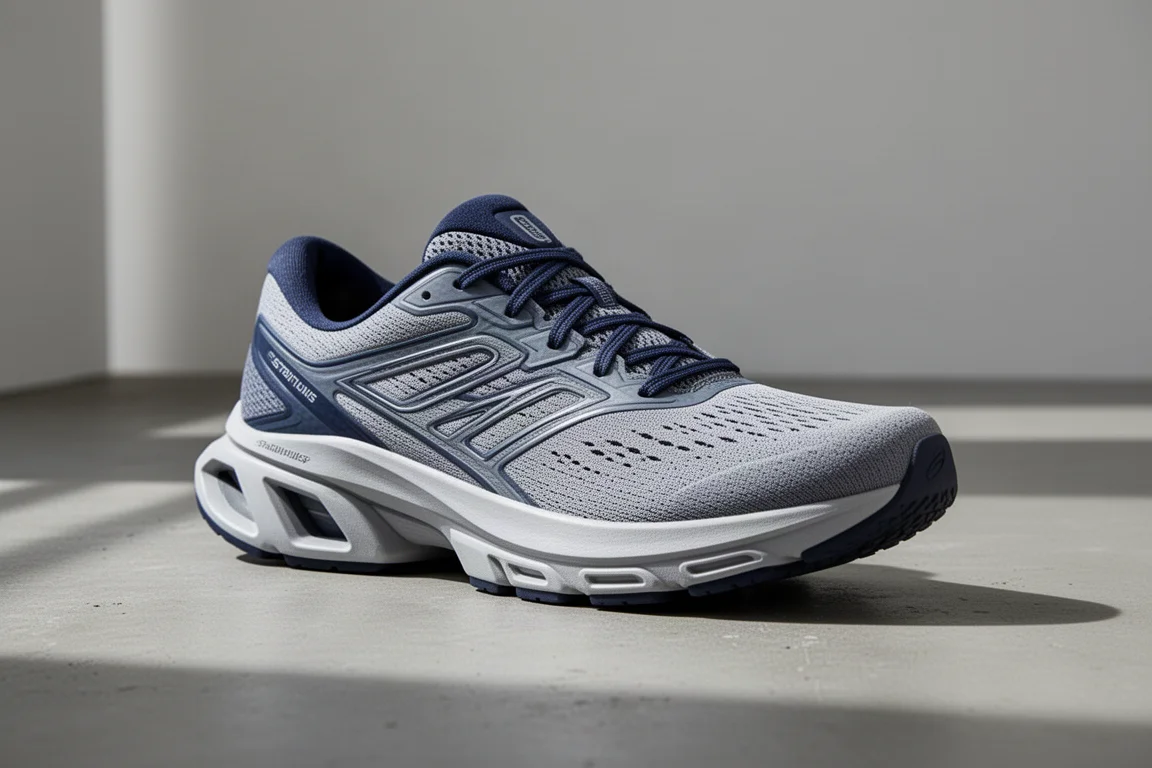
Brooks Adrenaline GTS 23
For beginners who need a stability shoe, the Brooks Adrenaline GTS 23 (GTS stands for Go-To-Support) costs around £135, with a 35 mm heel stack and 12 mm drop. It fits true to size and comes in four widths. It is super durable, and the stability elements support the arch on the inside without feeling intrusive; you barely notice them. It is a classic daily option at a good price for how long it lasts.
The foam feels a little hard at first but softens up over time, so do not let the initial firmness put you off.
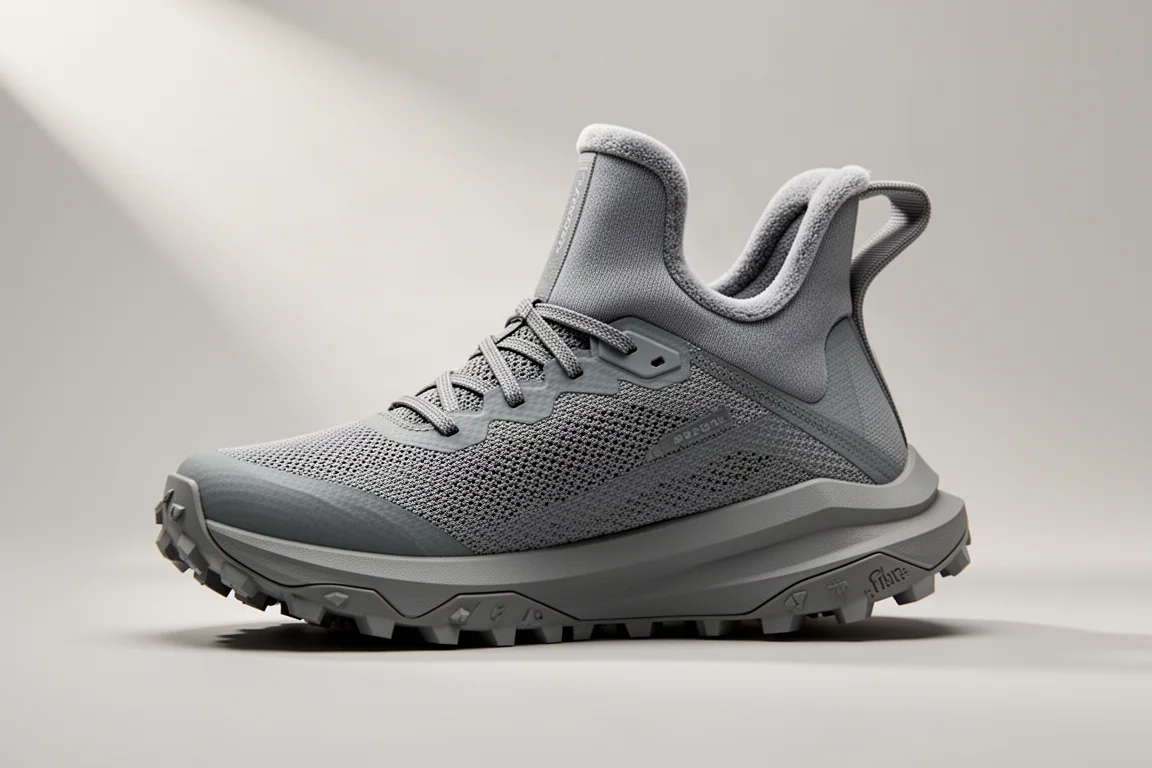
Hoka Speedgoat 5
For beginners heading off-road, the Hoka Speedgoat 5 is the trail pick, at around £140, with a 38 mm stack and 4 mm drop. True to size for the runner who tested it here, with many widths and a Gore-Tex waterproof version available through Hoka’s website for winter running. The Vibram outsole, made by the specialist outsole company Vibram, delivers excellent grip in all sorts of weather conditions. It is super comfortable for very long periods: the same pair was run in an ultra through the mountains for around 40 continuous hours of running and hiking with zero issues. It is also lightweight and very breathable.
The downsides: durability is not fantastic, with some reports of upper wear and toes poking through the side, and the regular version runs narrow, so wider feet should check the wider options.

Overall Buying Advice
If one shoe had to be recommended above all the others here, the Asics Novablast 4 is the pick. If money is tighter, the Puma Velocity Nitro 3 is the value champion with outstanding wet-weather grip. Beginners who need stability should look at the Brooks Adrenaline GTS 23, and trail-curious runners should start with the Hoka Speedgoat 5. Above all, get the fit right and choose the shoe that matches where and how you actually plan to run.
Conclusion
A first pair of running shoes does not need to be the most expensive one on the shelf. Match the shoe to your arch type, fit and terrain, break the foam in patiently, and any of these eight options will give your running journey a solid head start.
Further reading
Related Reviews

Running Shoes
Best Road-to-Trail Running Shoes: Three Versatile Options for Mixed Terrain
A practical guide to three road-to-trail running shoes that handle both pavement and mild trails, with clear strengths and trade-offs for different runner types.

Running Shoes
Best Running Shoes for Achilles Tendonitis: Three Options Explained
Three running shoes with different heel drops and support features designed to help reduce Achilles tendon pain during walking and running.

Running Shoes
Best Running Shoes for Women: Five Top Choices Ranked
A ranked guide to five women's running shoes, from versatile daily trainers to high-performance racing options, with real strengths and trade-offs for each.