Art Supplies
Best Beginner Art Supplies: Sketchbooks, a Water Brush, and Watercolor Pencils Worth Starting With
Six affordable supplies that follow the traditional learning path for new artists, from everyday sketchbooks to watercolor pencils and a water brush.
Introduction
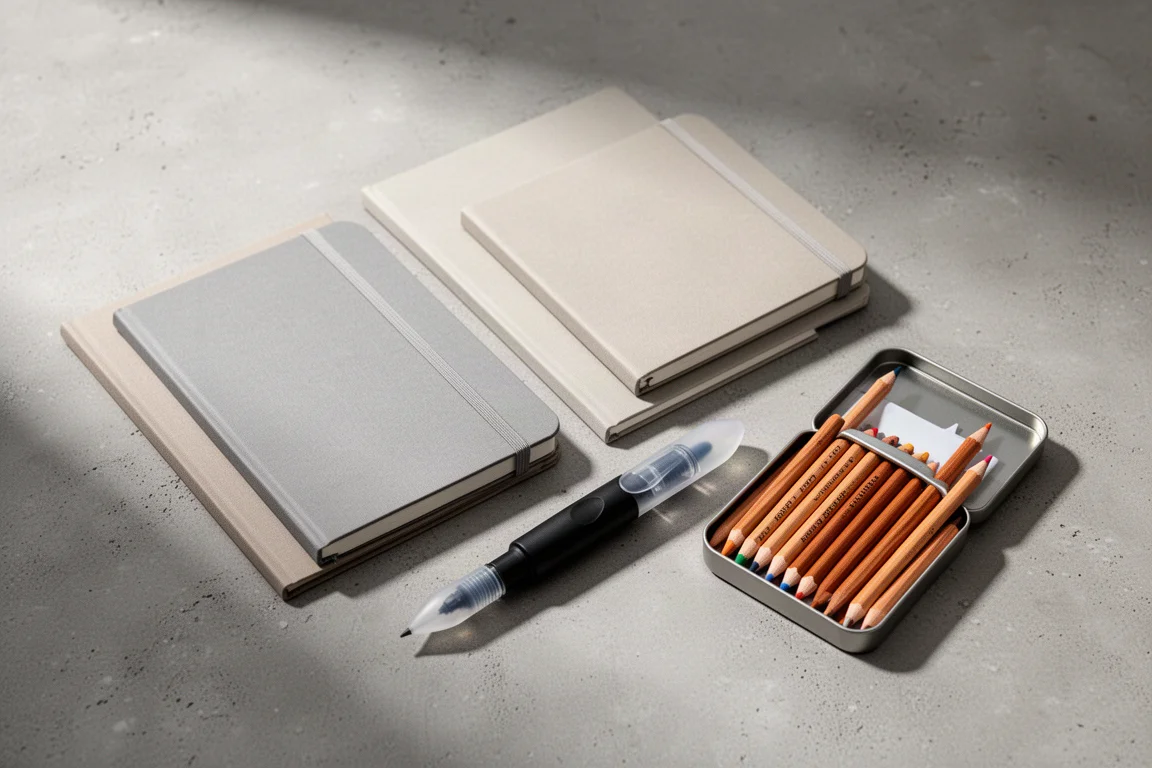
Starting out in art does not require an expensive haul. The traditional learning path begins with drawing, moves into light, shadow, and tonal values, and only then progresses toward water-based media and eventually oil painting. The supplies below follow that same progression, so you can buy one or two pieces at a time as your skills grow. A simple pencil and any piece of paper are genuinely enough to start; everything here simply makes the journey more comfortable once you are ready.
Hahnemühle Sketchbook
Hahnemühle has been making paper in Germany for 500 years, and that experience shows. This compact cellulose sketchbook (the company also makes 100% cotton versions) carries really good paper that takes watercolor, gouache, and casein well. It is small and portable, fitting easily into a jacket pocket, purse, or backpack, so all you need to carry with it is a pencil, pen, or marker, and maybe a small watercolor kit.
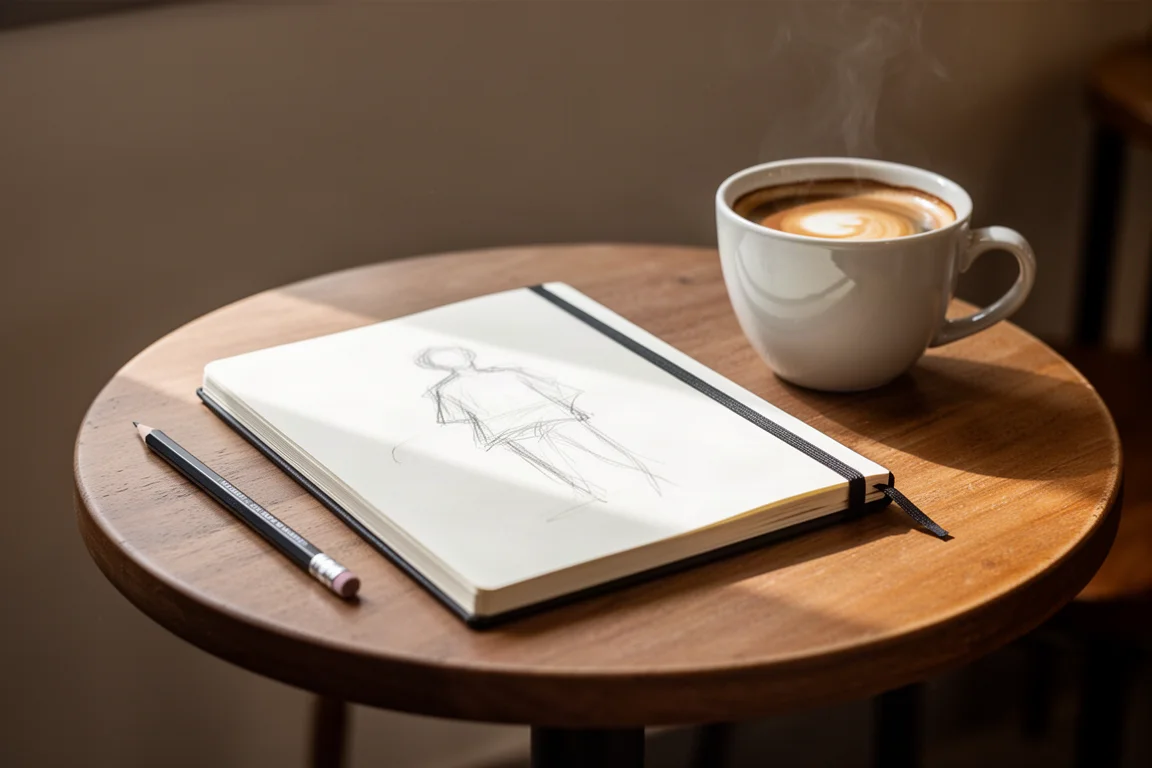
It is the pick for artists who want a travel-friendly sketchbook with genuinely high-quality paper that handles water-based media without complaint.
Pentalic Aqua Journal Sketchbook
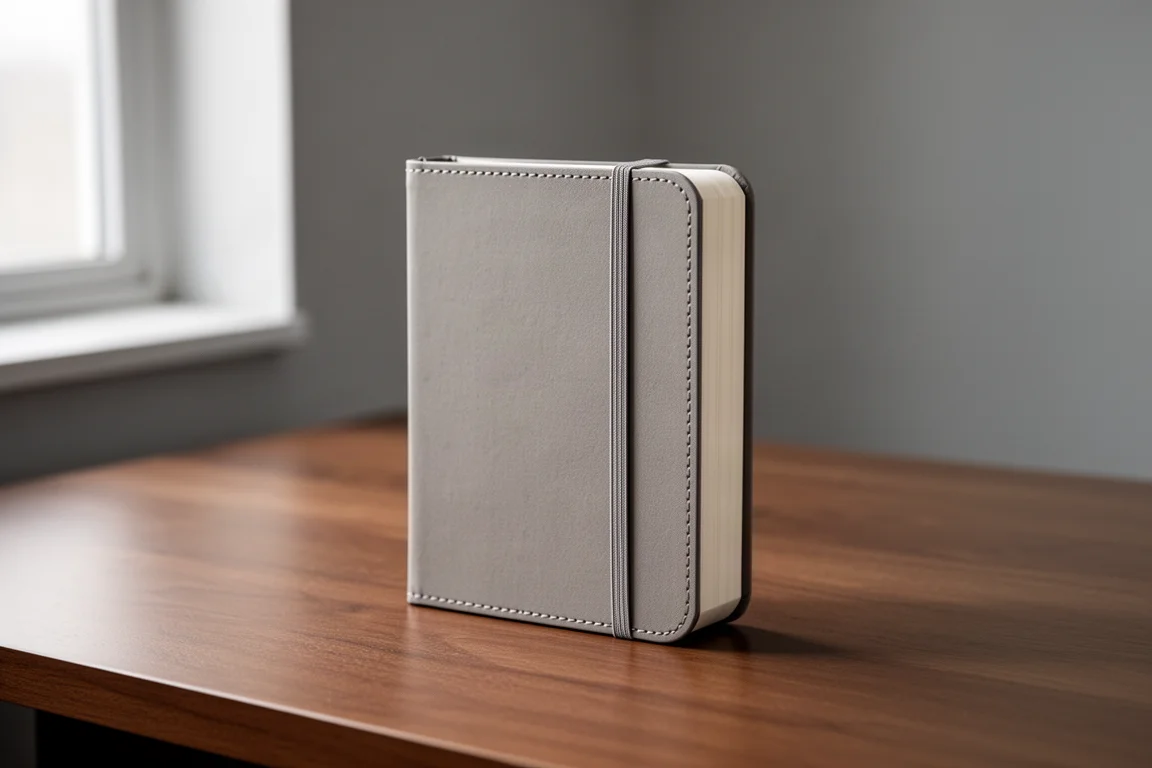
The Pentalic Aqua Journal has earned plenty of repeat buyers, and its paper quality is strong even if it sits just behind the Hahnemühle in refinement. Where it shines is versatility: it handles mixed media very well, meaning graphite with watercolor, gouache, acrylics, ink pens, alcohol-based or water-based markers, and even oil paints.
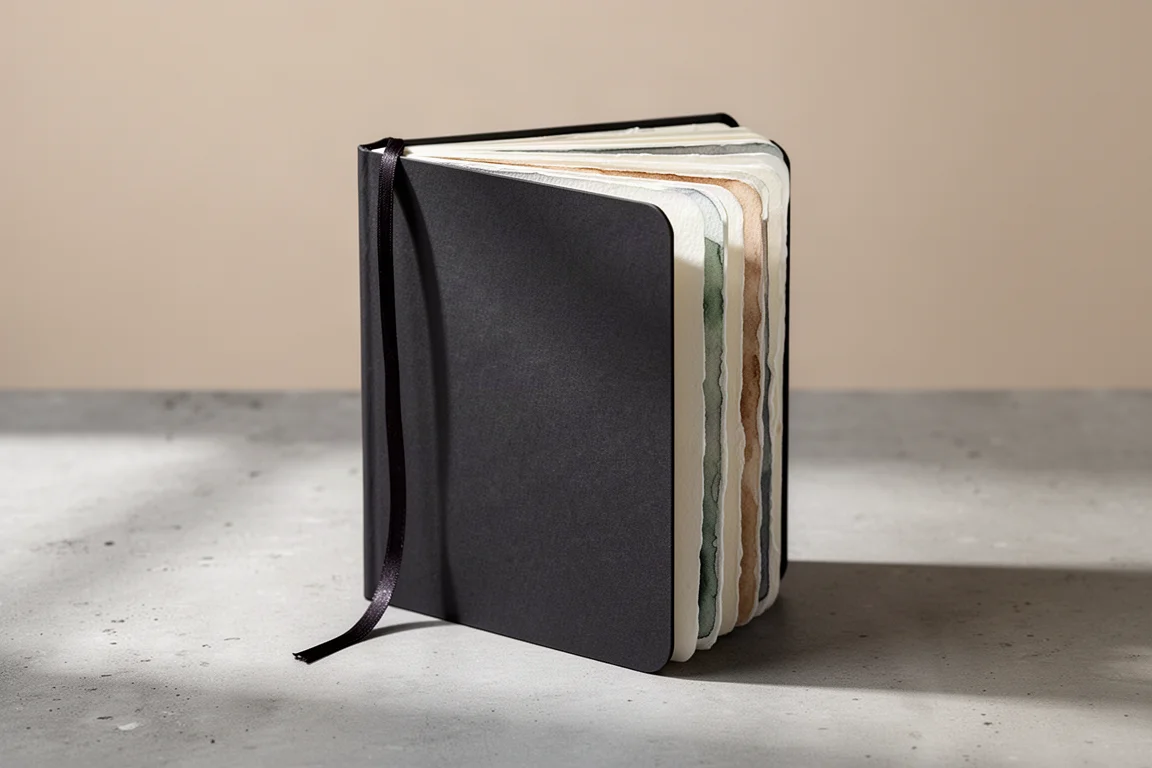
It is not expensive, which makes it a low-risk way to experiment with different media in one book. Big landscape sketches and small studies both work well on its pages.
Bee Paper Super Deluxe Sketchbook
Bee Paper’s Super Deluxe sketchbook has been a dependable option since around 2012, and it remains a solid, serviceable choice. The paper is acid-free and made in the United States, and the format is a bit larger than the two sketchbooks above, giving you more room per page.
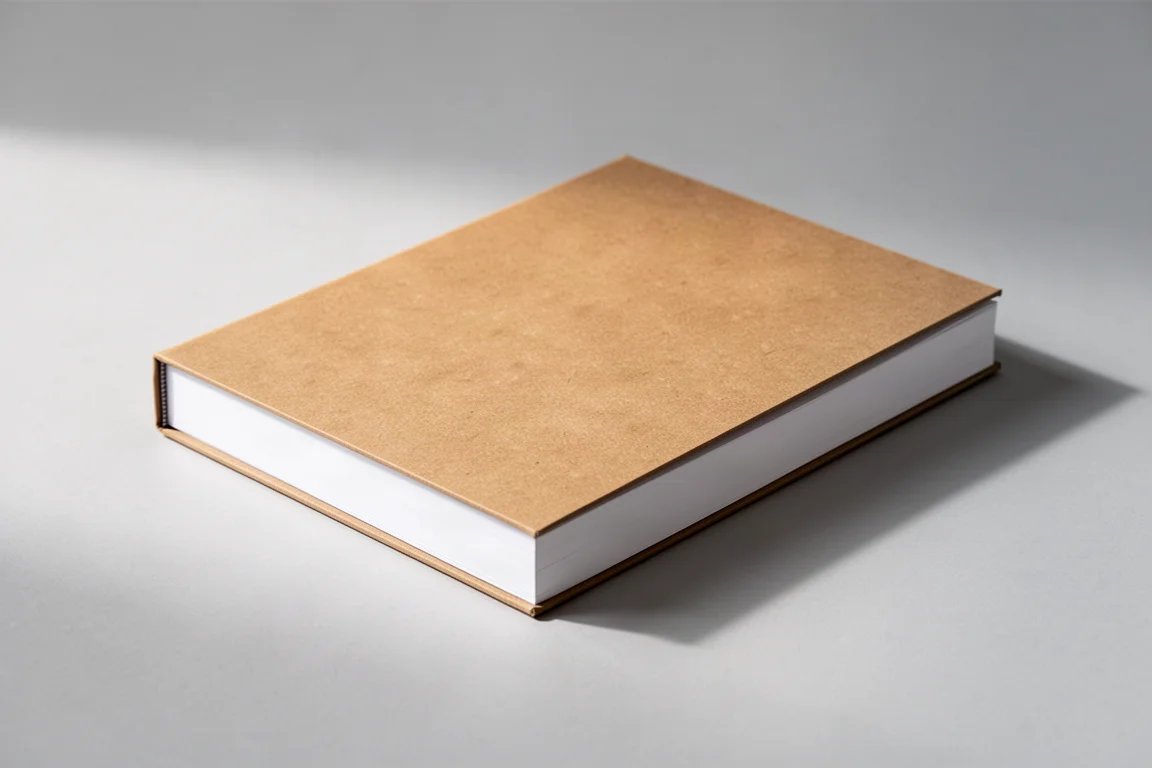
If you simply want a trustworthy everyday sketchbook with good paper and no fuss, this one delivers exactly that.
Canson XL Mixed Media Sketchbook
The Canson XL is the classic art student sketchbook, available almost everywhere. This version is mixed media, so it accommodates more than just graphite; there is no real need to buy a sketchbook dedicated only to pencil work when a mixed media book covers it all. The 9x12 format is larger still, letting you sketch multiple drawings on a single sheet, which is genuinely fun during practice sessions.
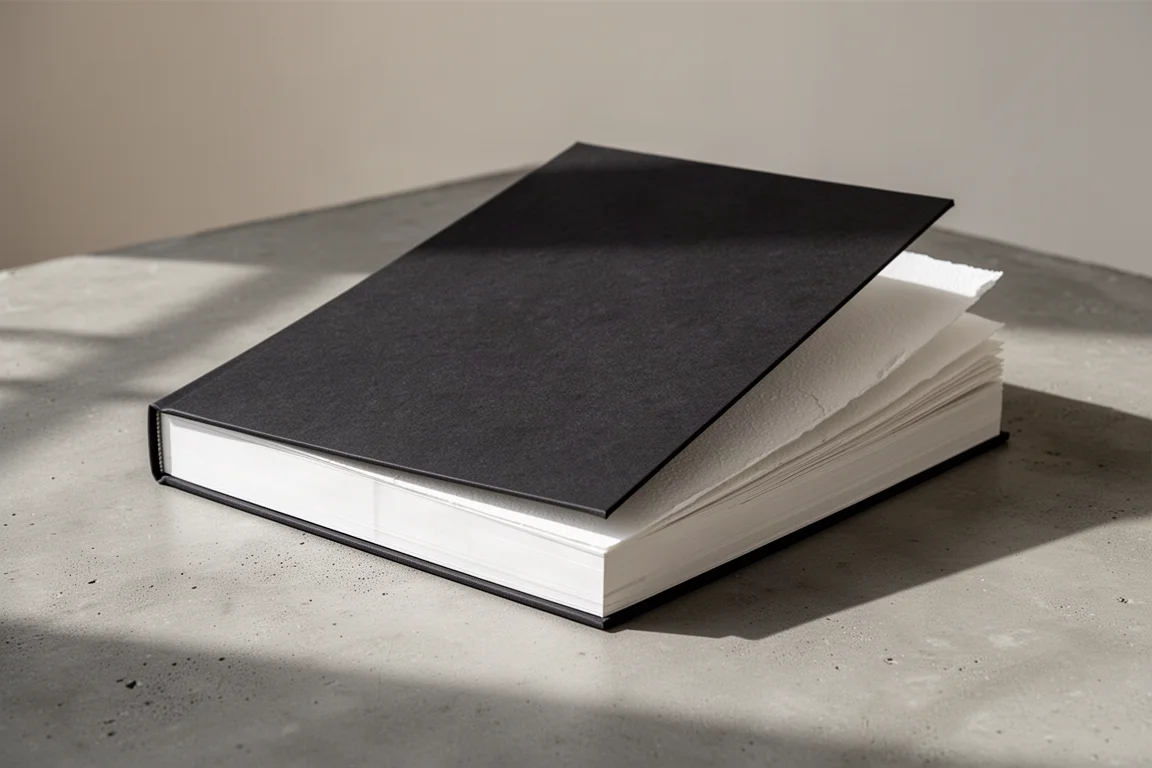
For absolute beginners on a budget, this is an easy, widely available starting point.
Pentel Aquash Water Brush
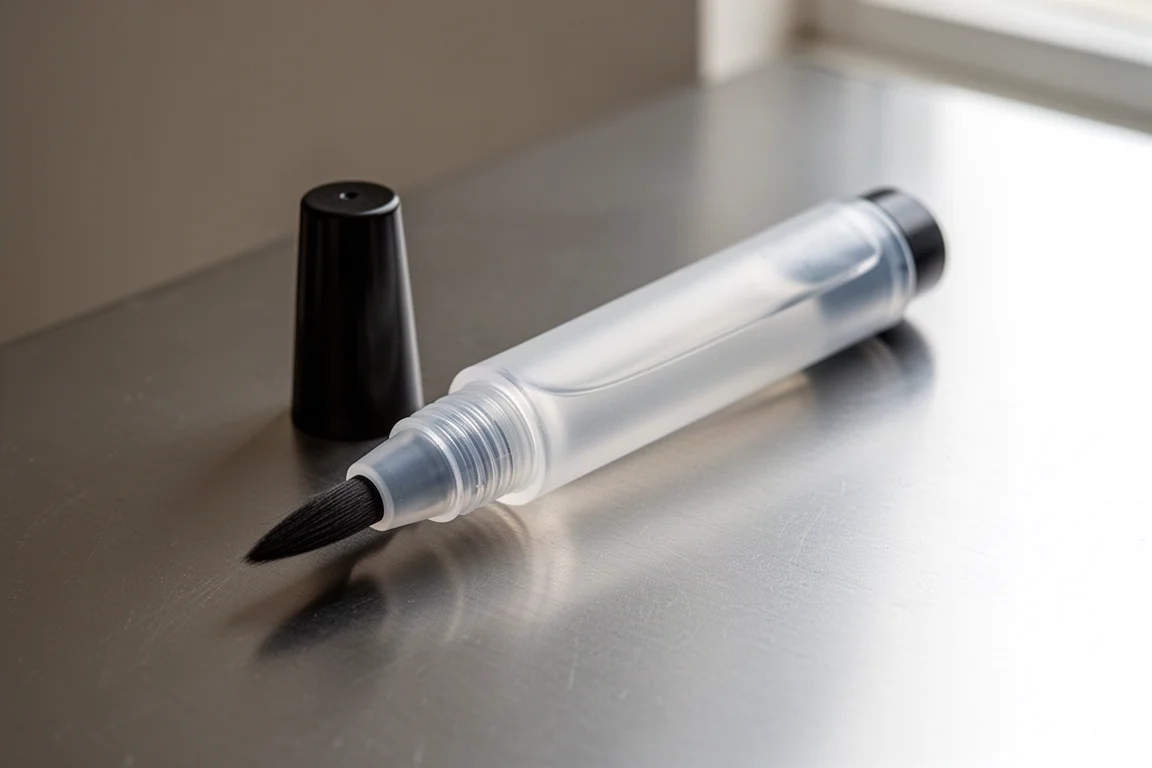
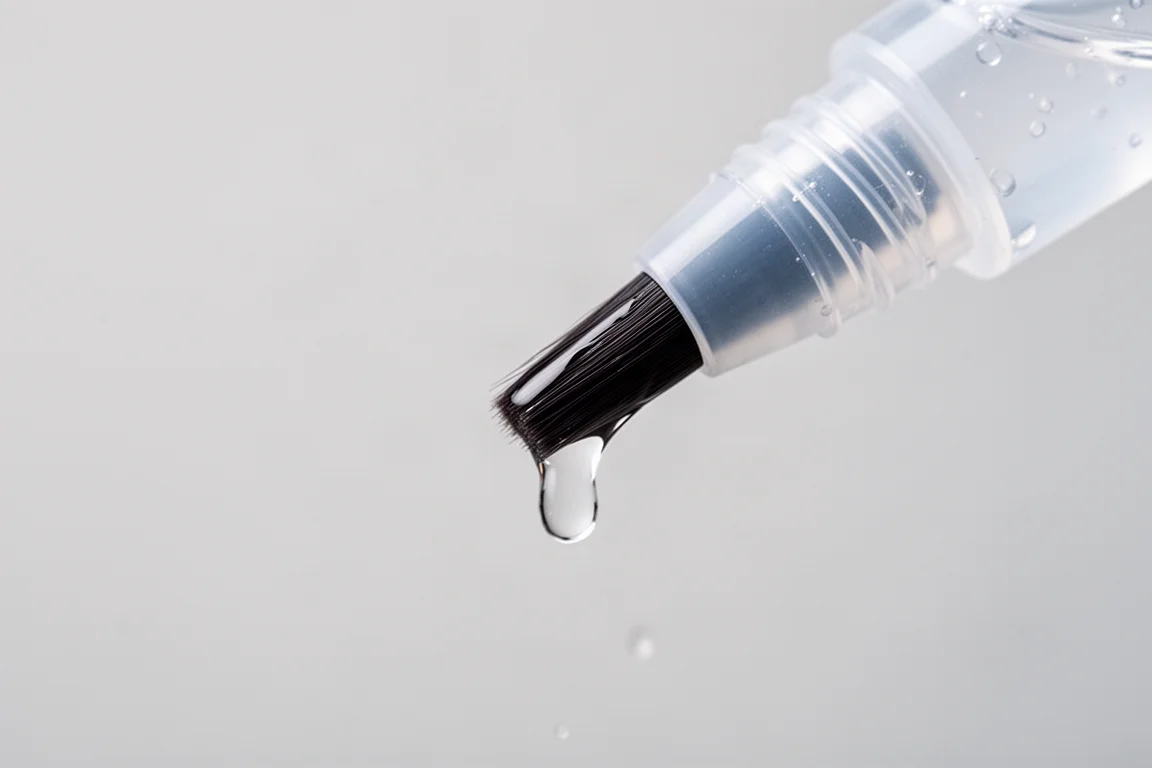
A graphite wash is exactly what it sounds like: you draw with water-soluble graphite, then add water over the line to create a wash. It is one of the best ways to learn tonal values, light, and shadow before jumping into full watercolor. To make a wash, you need a brush, and the Pentel Aquash solves the water problem elegantly.
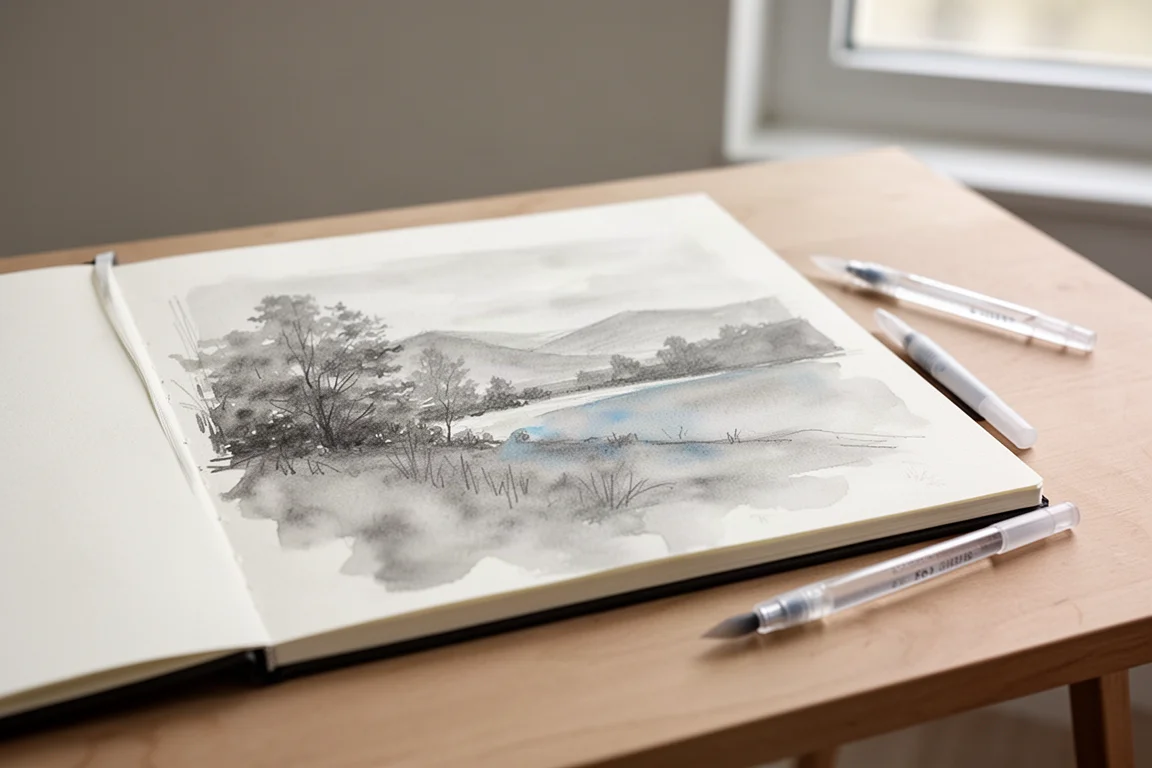
You fill the handle’s reservoir with water, screw on the brush tip, and squeeze the reservoir so water flows into the bristles, then simply paint over your lines. A conventional brush works too, but then you have to carry a separate bottle of water. The Aquash keeps everything self-contained for field sketching.
Caran d’Ache Supracolor Watercolor Pencils
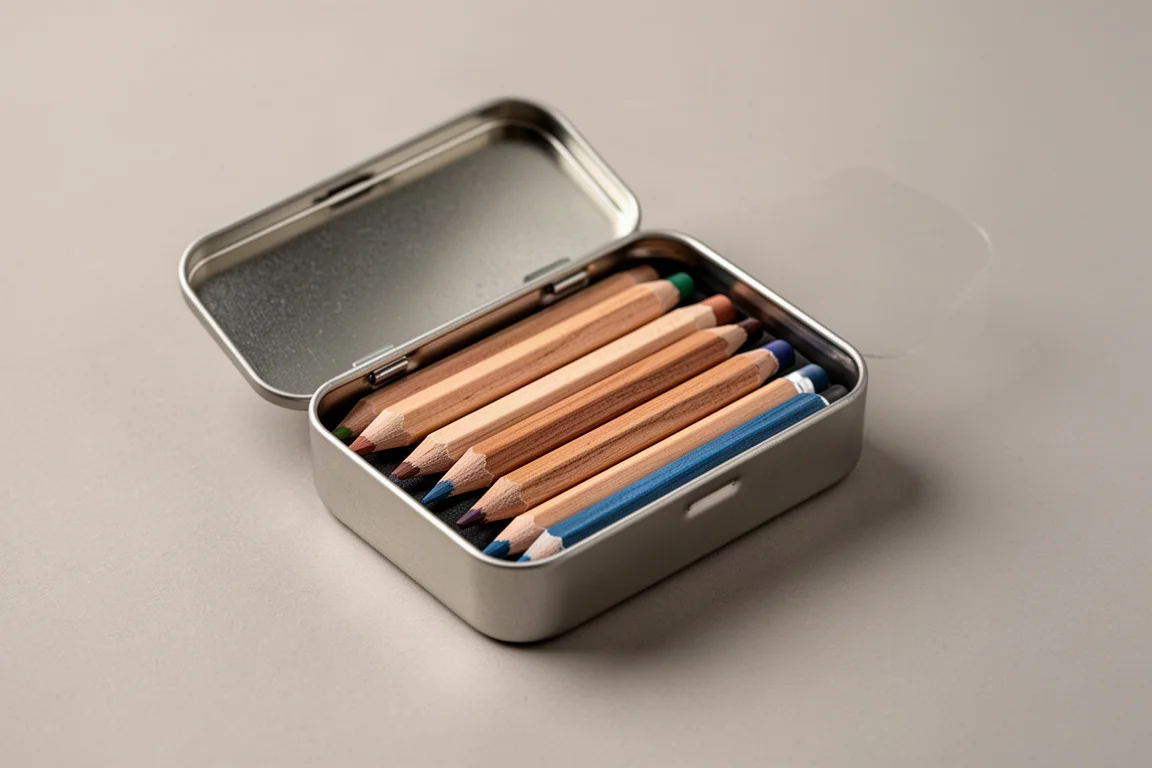
Watercolor pencils differ from graphite wash pencils in one big way: they come in an enormous range of colors, from yellows and blues to greens, browns, and blacks, so you can draw directly in color and then dissolve the strokes with water. Caran d’Ache, a Swiss company, makes the Supracolor line, which sits at the more expensive end of the market.
If you are still learning tonal control, graphite wash pencils from brands like Faber-Castell are an easier and cheaper first step. Once you understand how washes behave, the Supracolor pencils are a rewarding way to bring color into the same technique.
How to Think About the Progression
There is a reason the traditional process starts with a pencil. Drawing fundamentals inform every other material you pick up later. After basic drawing comes light and shadow: value scales, tonal studies, understanding where light hits a tree and why the other side is darker. Graphite washes teach this efficiently, and watercolor pencils extend the same idea into color.
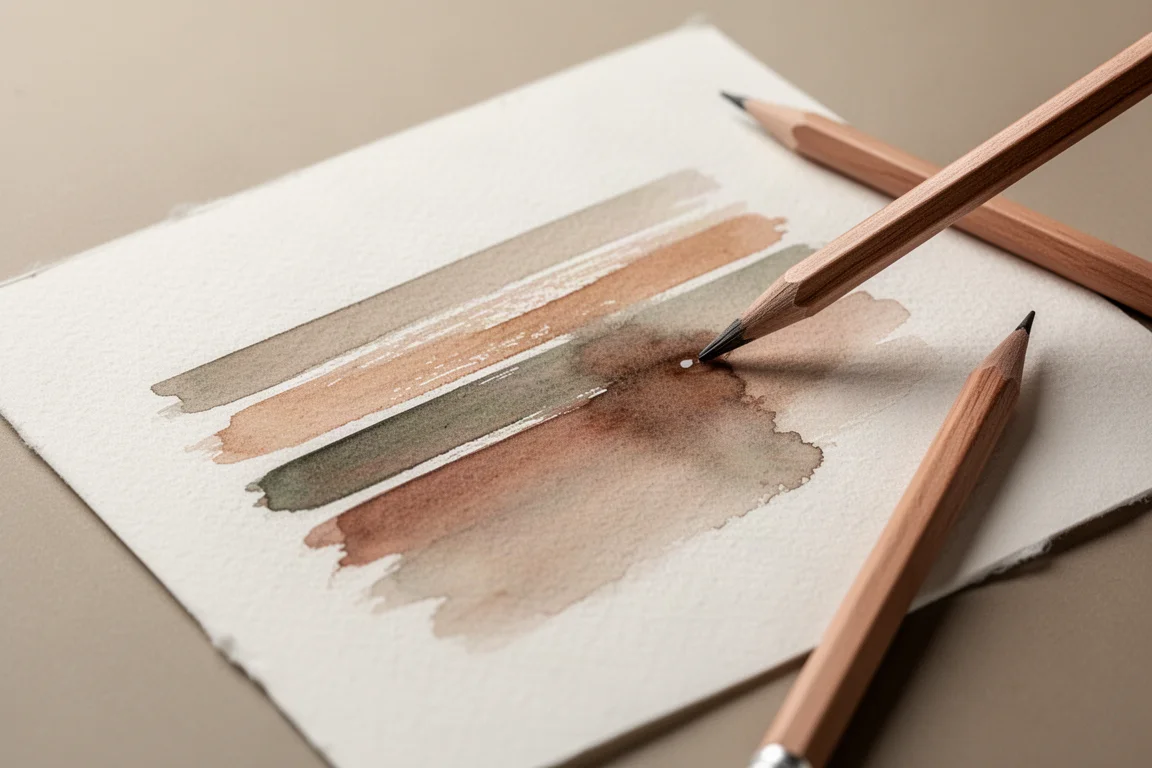
From there, the traditional path moves to watercolor studies, which historically informed final oil paintings. Small watercolor kits, available with just six or twelve half pans or full pans, are enough to begin. Many artists also squeeze tube watercolor into empty pans and let it dry. Gouache and casein work better straight from the tube, since they behave differently when dried in pans. If you want something different rather than a level up, acrylics and oils are the next branch, but for sketching and learning the basics, a pencil and a decent sketchbook are truly all you need.
Conclusion
The biggest thing that holds beginning artists back is spending too much time shopping for gear and not enough time with a pencil in hand. Start with whatever paper you have, add a sketchbook that suits how and where you draw, then grow into water brushes and watercolor pencils as your understanding of tone and color develops. Every one of the picks above supports that natural progression without demanding a large investment upfront.
Further reading
Related Reviews
Art Supplies
Art Pop Watercolor Pencils 48-Color Set: A Thoughtfully Designed Student-Grade Option
The Art Pop 48-color watercolor pencil set blends well, dissolves smoothly, and includes artist-friendly details like barrel-printed color names, all at an affordable price.
Art Supplies
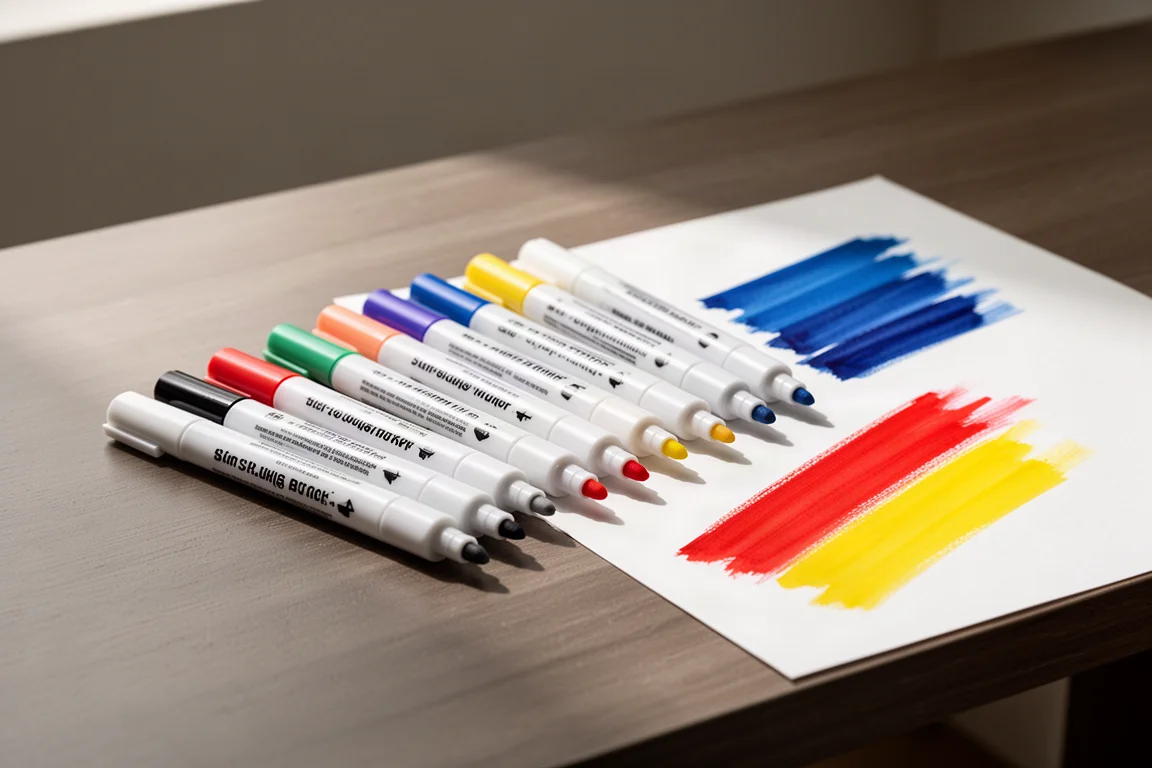
Artics Acrylic Markers 3mm Review: Versatile Paint Markers With a Few Caveats
A 48-color set of water-based acrylic paint markers that blend while wet, dry permanent, and keep the price low, though safety transparency remains a question.
Art Supplies
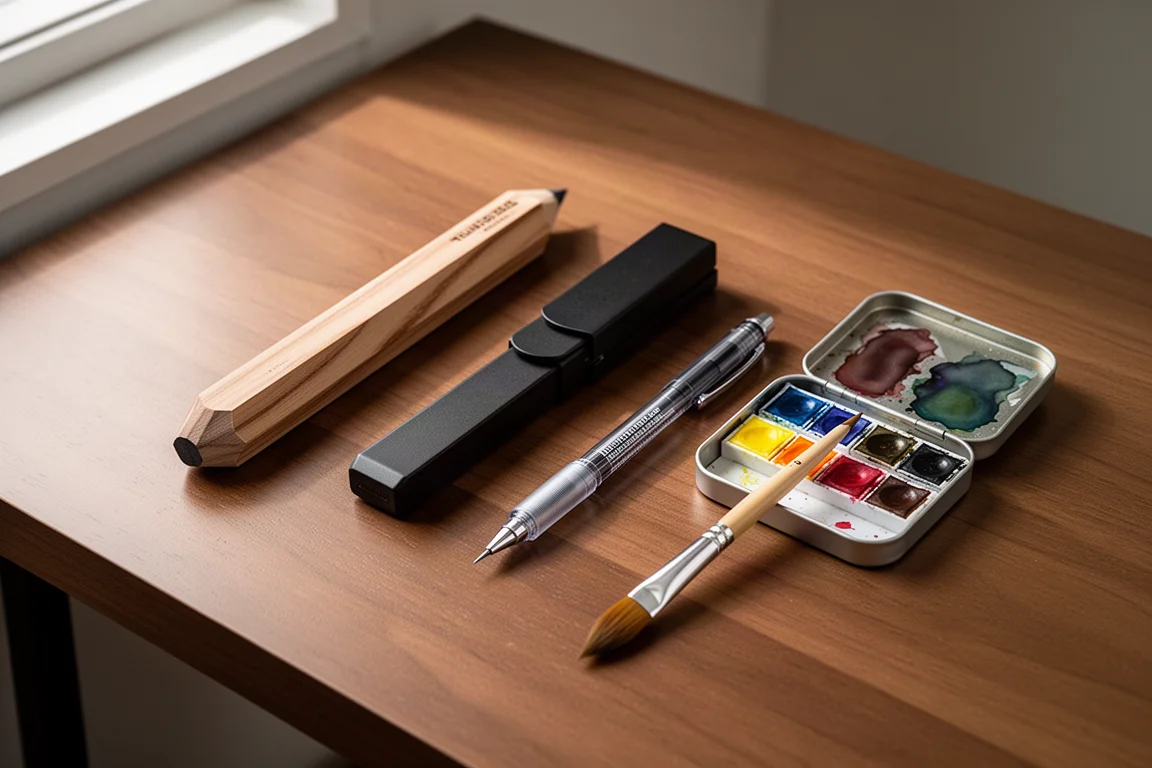
Best Art Supplies Worth Your Money: Pencils, Pens, Paints, and Paper That Earned Their Spot
After years of daily use and testing, these are the pencils, pens, watercolors, gouache, brushes, sketchbooks, and erasers that stand above the rest.