Yard & Garden Tools
Best Homeowner Battery Hedge Trimmers: Makita, DeWalt and Milwaukee Compared
Three homeowner-grade battery hedge trimmers put to the test on hedges and thick vines, with clear strengths and trade-offs for each.
Introduction
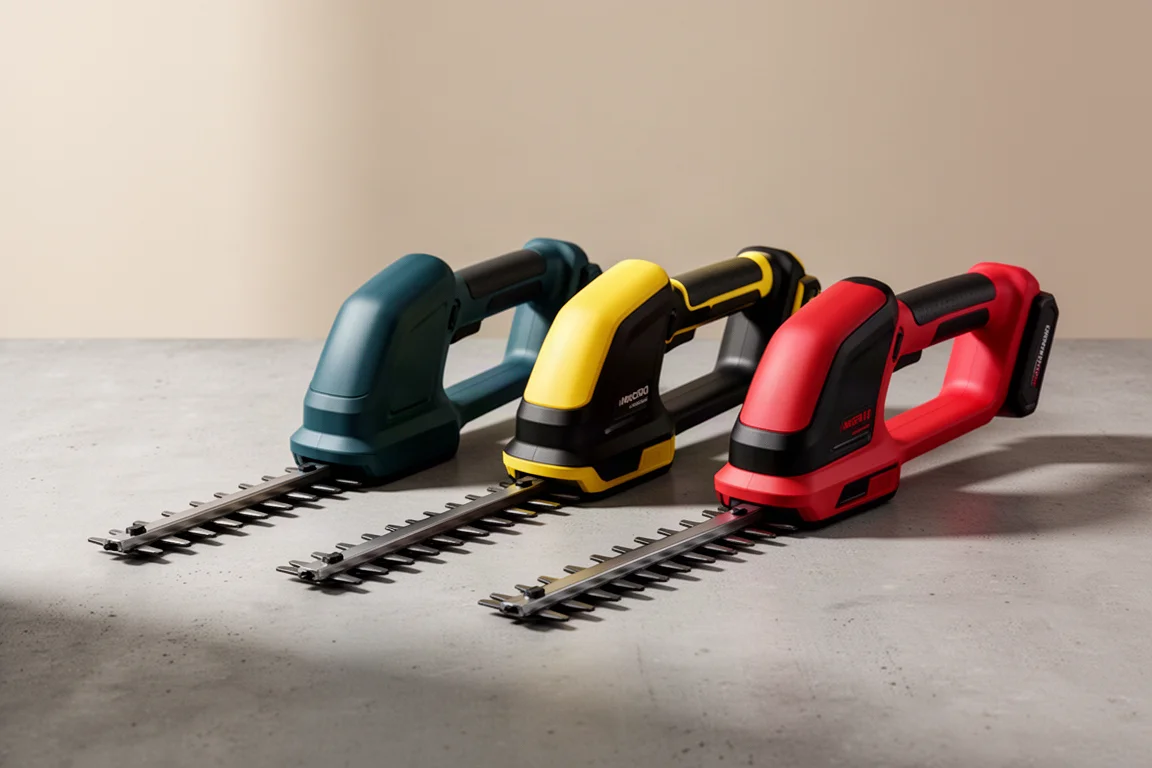
Homeowner-grade battery hedge trimmers have reached the point where you no longer need gas to keep a yard tidy. Three brands dominate this space at Home Depot and Tractor Supply Co: Makita, DeWalt and Milwaukee. We have used all three on real hedges and heavy vines, and each has a distinct personality.
Makita XHU2: The Precision Trimmer
The Makita XHU2 is the refined option of the group. Its blade gap sits around 0.6 inches (about 1.6 cm), and the blades feel noticeably sharp, producing a cleaner and smoother cut overall. On thinner brushes and shaping work, it is the standout.
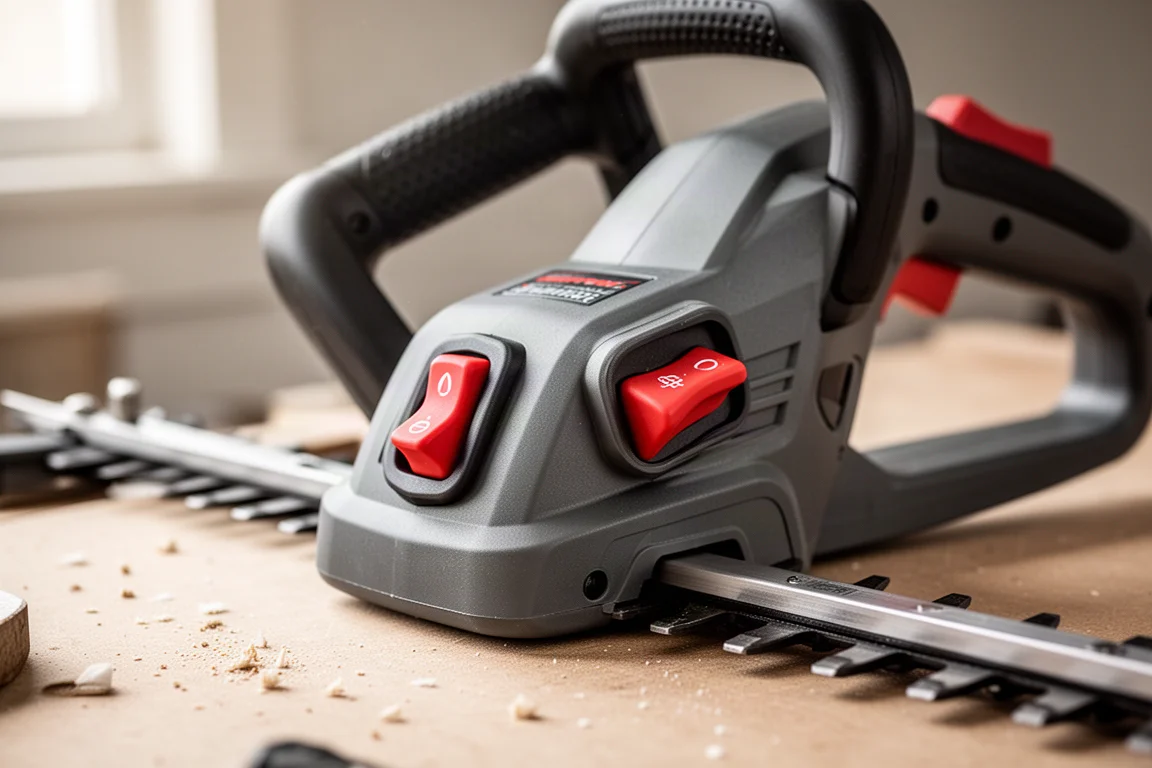
One detail worth highlighting: the Makita requires two hands to operate, with two safety switches that must be pressed, and it stops the blades quickly when released thanks to a built-in brake.
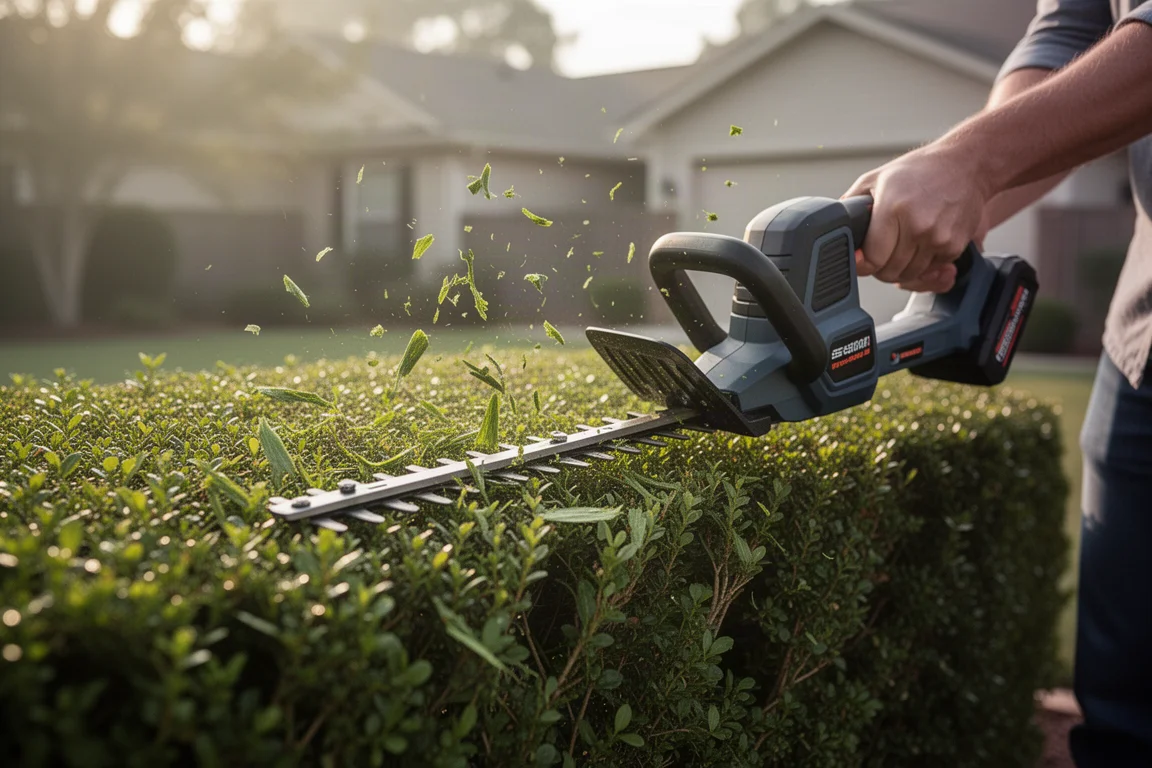
If most of your trimming is visible, front-of-house shaping, this is the trimmer that makes it look best.
DeWalt DCHT820: The Power Option
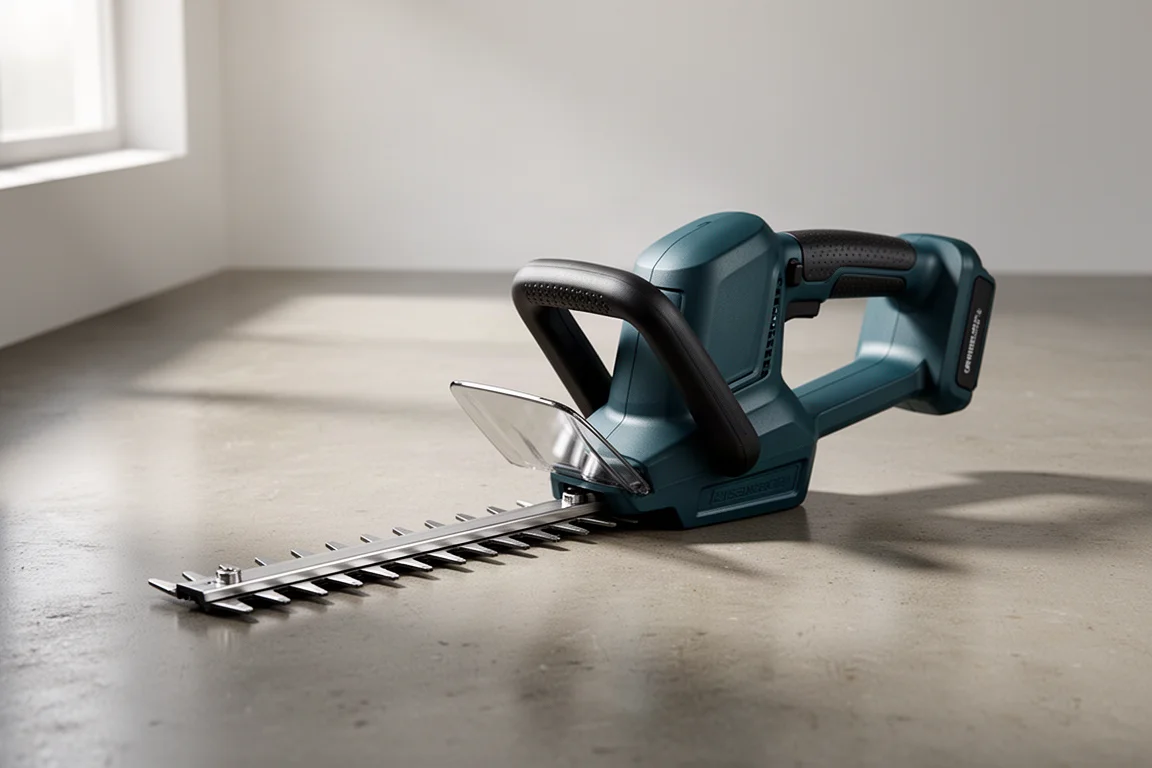
The DeWalt DCHT820 trades refinement for raw capability. Its blade gap is a wider 0.7 inches, and it cuts noticeably better through thick, rough brush and heavy vines where the Makita needs multiple passes.
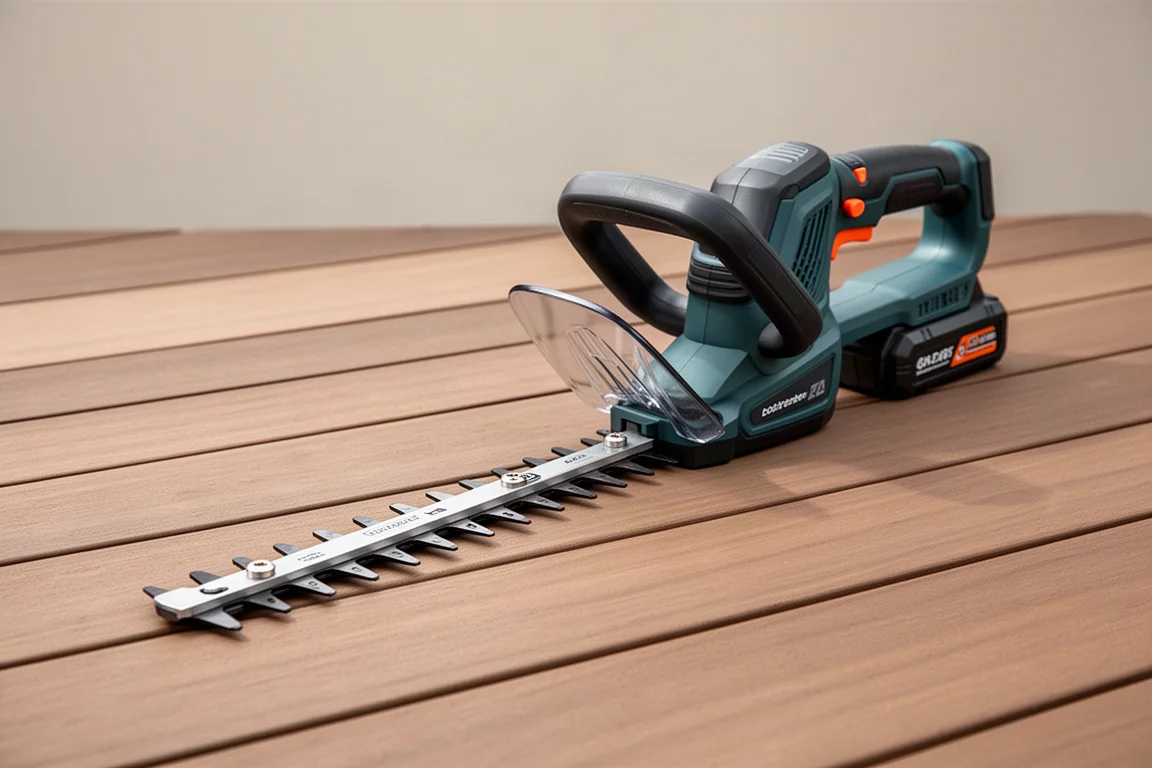
The trade-offs are real, though. The motor runs louder and rougher, sometimes sounding like an old steam engine. There is only a single sliding trigger switch with no additional safety, no blade brake, and strangely, no blade cover included in the box.

At around $75 in a clearance kit deal, it can be a remarkable value, and the extra power is genuinely noticeable.
Milwaukee M18 Fuel: The Heavy Hitter
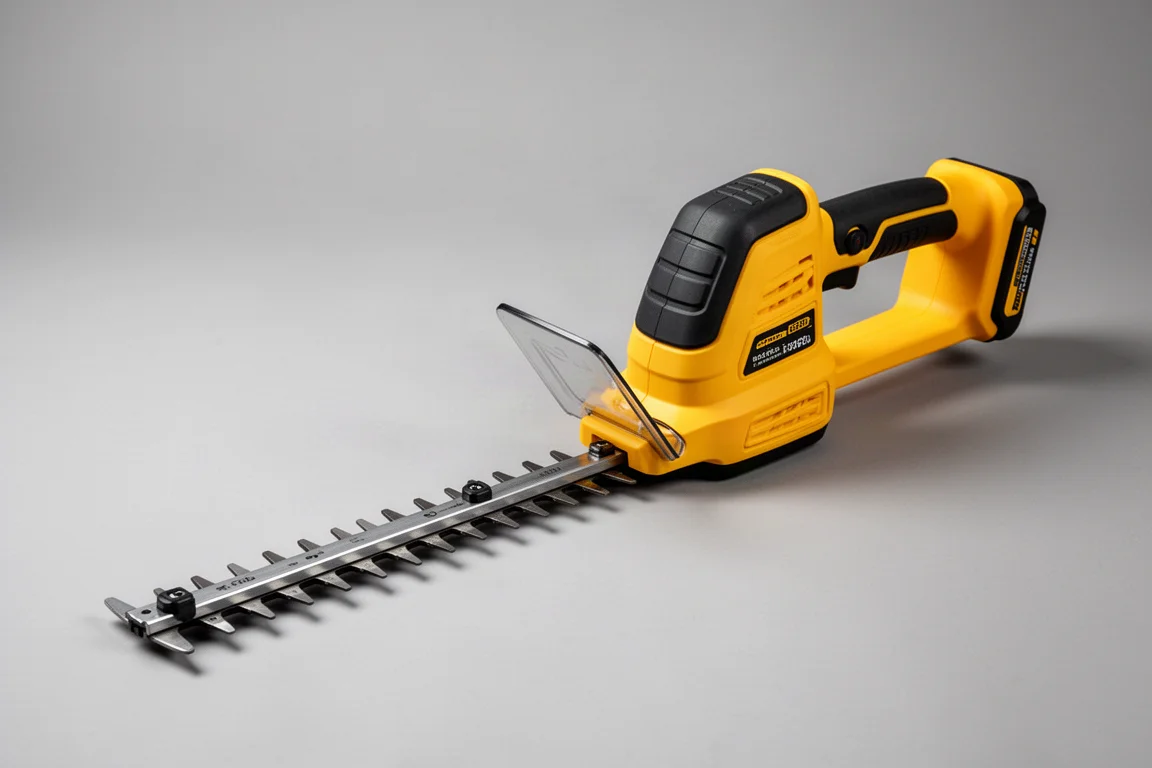
The Milwaukee M18 Fuel hedge trimmer sits above both in power, out-muscling the Makita and DeWalt. It is also brushless, whereas the Makita and DeWalt here are brushed motors.
The main caveat is weight. It is really heavy, and that translated into noticeable arm strain over a trimming session, even on a modestly sized property. It shares the more refined feel of the Makita, including a blade brake.
If you want the most power and a premium build and do not mind the heft, it remains a strong choice.
Safety and Build Quality Differences
Between the two homeowner models tested side by side, the differences go beyond cutting. The Makita’s dual-switch two-hand requirement and fast blade stop make it feel more considered, while the DeWalt’s single trigger and lack of a brake or included blade cover put it a step behind on finish. Both the Makita and Milwaukee feel better made and more refined overall, with the DeWalt being the roughest of the three.
Which One Should You Buy?
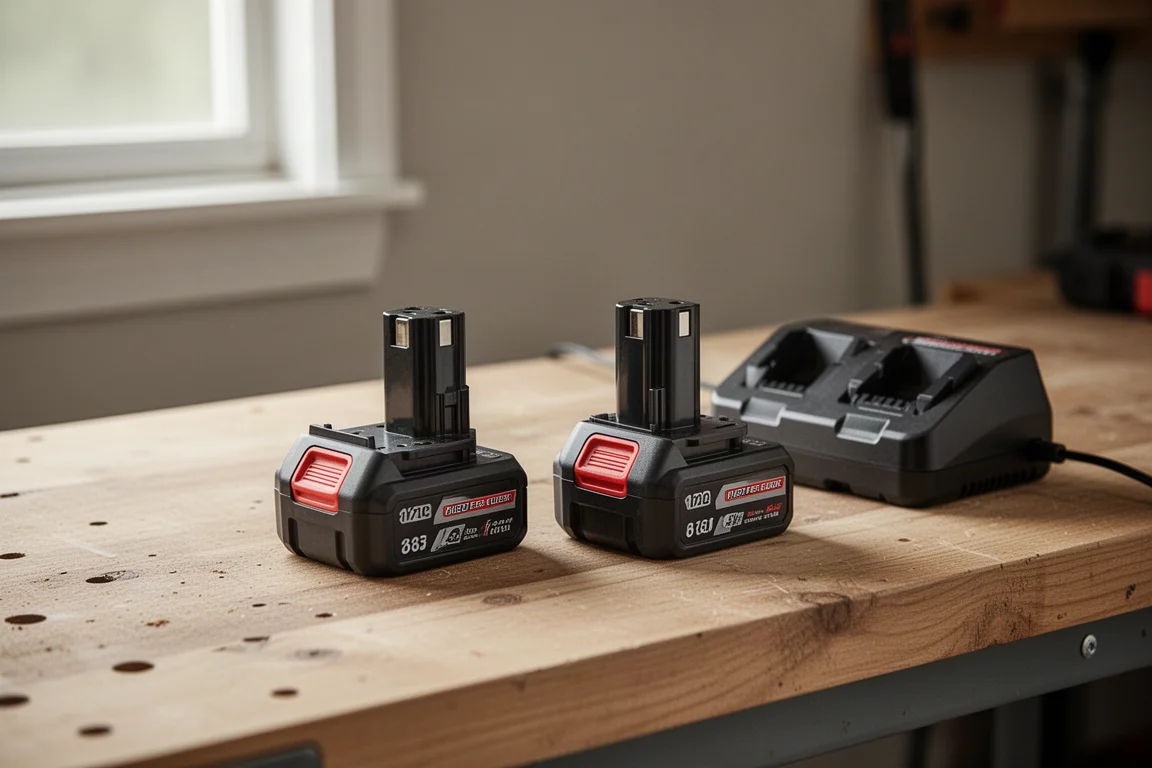
Runtime is not a big worry with any of these. On 2 Ah batteries, expect roughly 30 to 40 minutes of trimming, usually burning only one bar of charge, which is plenty unless your property is massive.
A practical way to choose: if you need precise, clean shaping cuts, go Makita. If thick vines and heavy clearing work dominate your yard, go DeWalt. If you want maximum power and a brushless motor and can live with the weight, go Milwaukee. Otherwise, simply pick whichever brand offers the best deal at your local retailer; none of the three is a bad option.
Conclusion
All three battery hedge trimmers earn their place. The Makita XHU2 wins on cut quality and safety design, the DeWalt DCHT820 on raw cutting power and value, and the Milwaukee M18 Fuel on overall performance, at the cost of weight. Match the tool to your hedges and you will not go wrong.
Further reading
Related Reviews
Yard & Garden Tools
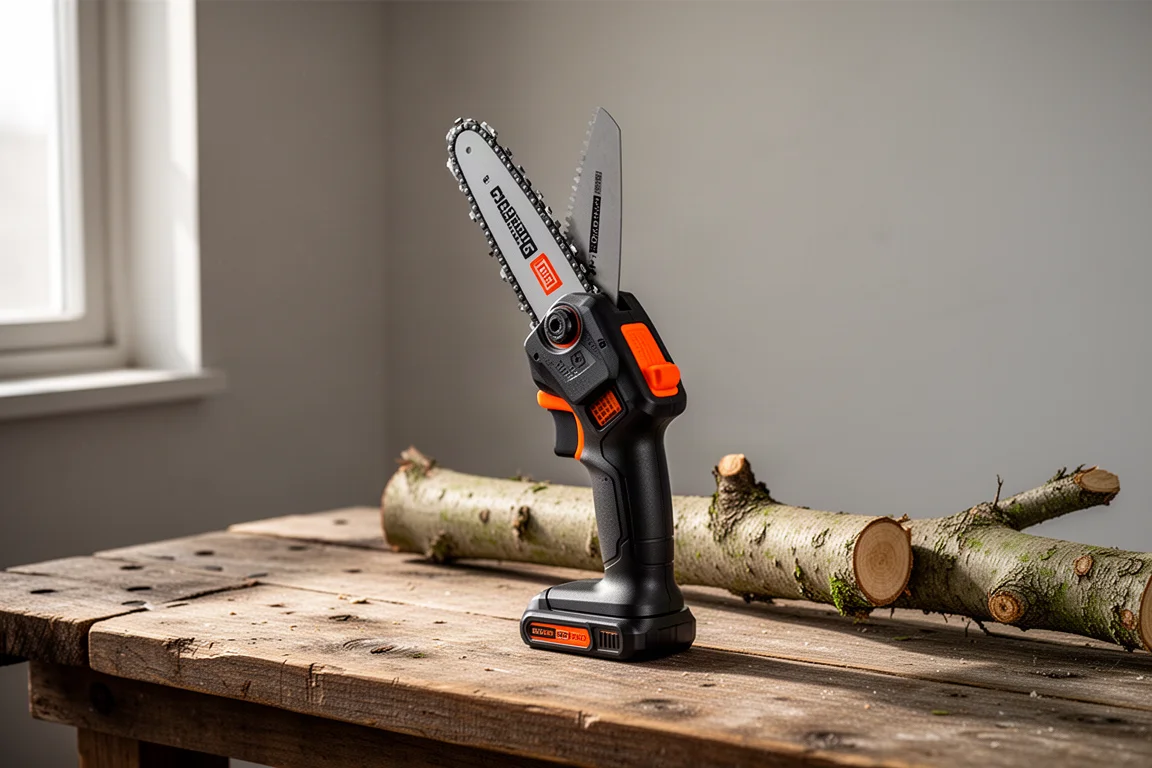
WORX WG324.9 20V 5-Inch Pruning Saw Review: A Compact Cutter That Earns Its Spot
After clearing overgrown branches from two trees on a three-acre property, this lightweight pruning saw proved far more capable than its size suggests.
Yard & Garden Tools
Best Battery Pole Saw: 10 Brands Tested for Speed, Torque, and Reach
Ten battery-powered pole saws from Sun Joe to Milwaukee go head to head in cutting speed, hardwood torque, noise, and balance tests.
Yard & Garden Tools
CC Cordless Leaf Blower Review: A Makita-Style Value Pick With a Surprise Feature
A lightweight cordless leaf blower with two batteries and chargers in the box, Makita LXT battery compatibility, turbo mode, cruise control, and an unusual electronic brake.