Snowboards
Best Bang for the Buck Snowboards Under $500: Eight Value Picks Worth Riding
Eight snowboards that deliver real performance under 500 US dollars, with clear notes on who each one suits and where the trade-offs sit.
Introduction
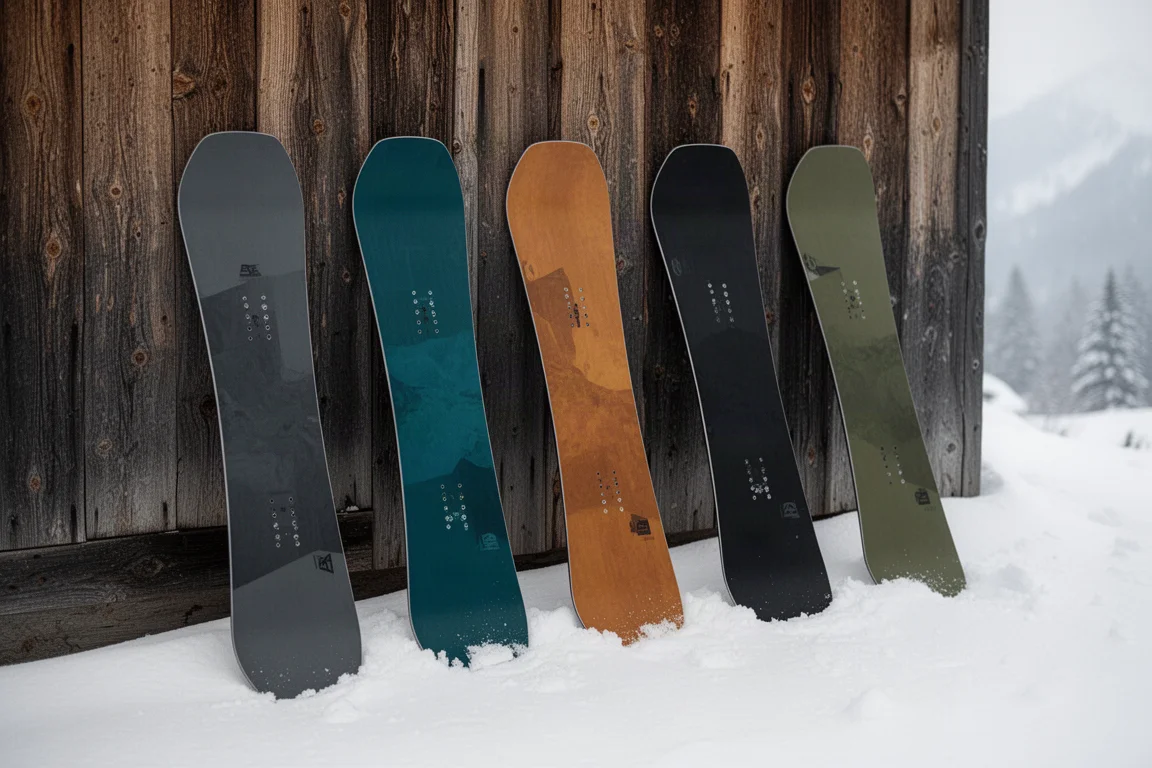
Snowboarding has never been a cheap pursuit, and board prices have crept upward along with everything else. The encouraging part is that a genuinely capable snowboard still does not have to cost a fortune. Every board in this roundup comes in under 500 US dollars, and each one is built around a clear performance idea rather than a marketing slogan.
This list covers five boards that earned a place in the main ranking, followed by three honorable mentions that came close. The common thread is value: predictable flex, a sidecut that grips when you commit, and enough pop to keep progression fun.
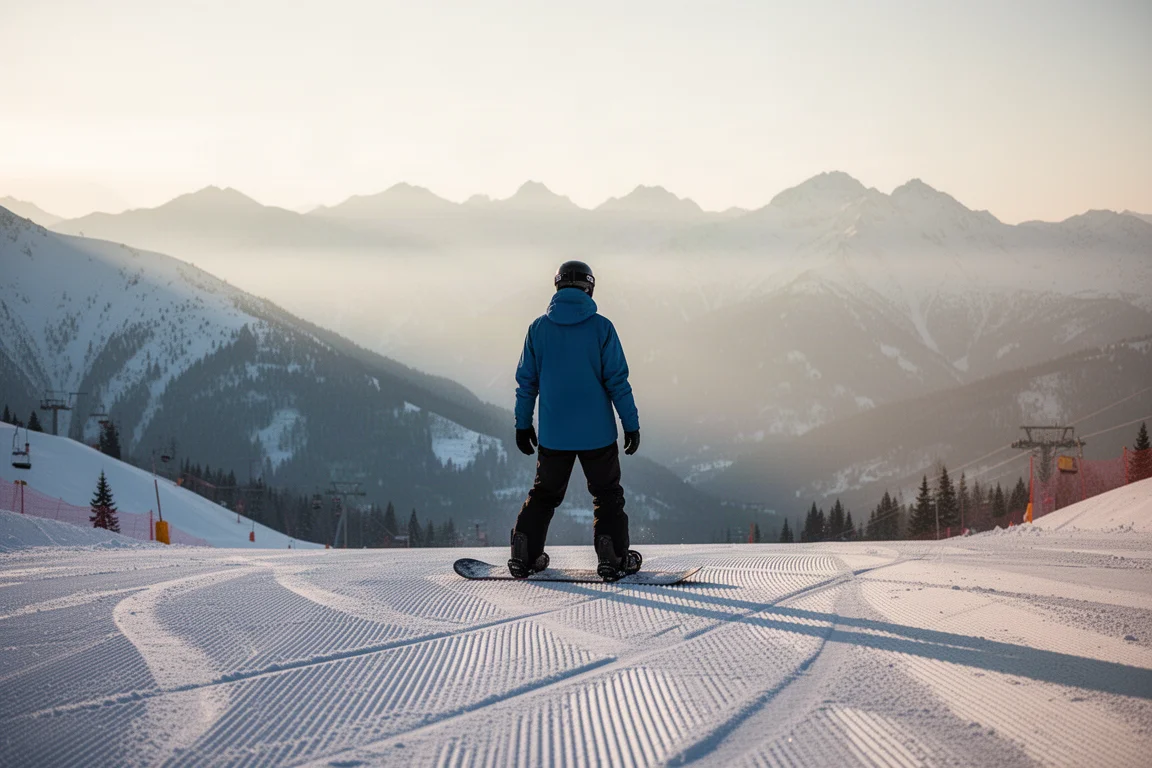
If you are moving past your first season, replacing a hand-me-down, or adding a second board for park laps and softer days, there is something here that fits.
How to Judge a Value Snowboard
Three things separate a board that feels cheap from a board that feels like a bargain.
Flex and camber profile decide how the board behaves underfoot. Camber gives you energy out of a turn and pop off a lip, but it asks you to load the board properly. Rocker and reverse camber profiles are more forgiving and easier to pivot, which helps riders who are still building confidence.
Sidecut quality matters more than any number on a spec sheet. A dialed sidecut initiates without a fight and holds when you commit to a carve.
Construction and materials decide how long a board stays lively. Core wood, laminates and edge grip all contribute to whether a deck feels like a toy or a tool.
Capita Outer Space Living: An Approachable All-Mountain Freestyle Board
Capita Outer Space Living sits below the Mercury and Mega Merc in the range, and it carries a lot of that family character at a friendlier price. It is an all-mountain freestyle deck: solid pop and snap off anything you load up, easy to press and butter, and a sidecut with smooth, fluid transmission from edge to edge. When you want to lay a carve, it will hold.
The real strength is the progression curve. A low-level intermediate can start here and keep riding the same board as skills build, without feeling held back.
Salomon Sight: A Ground-Up Redesign
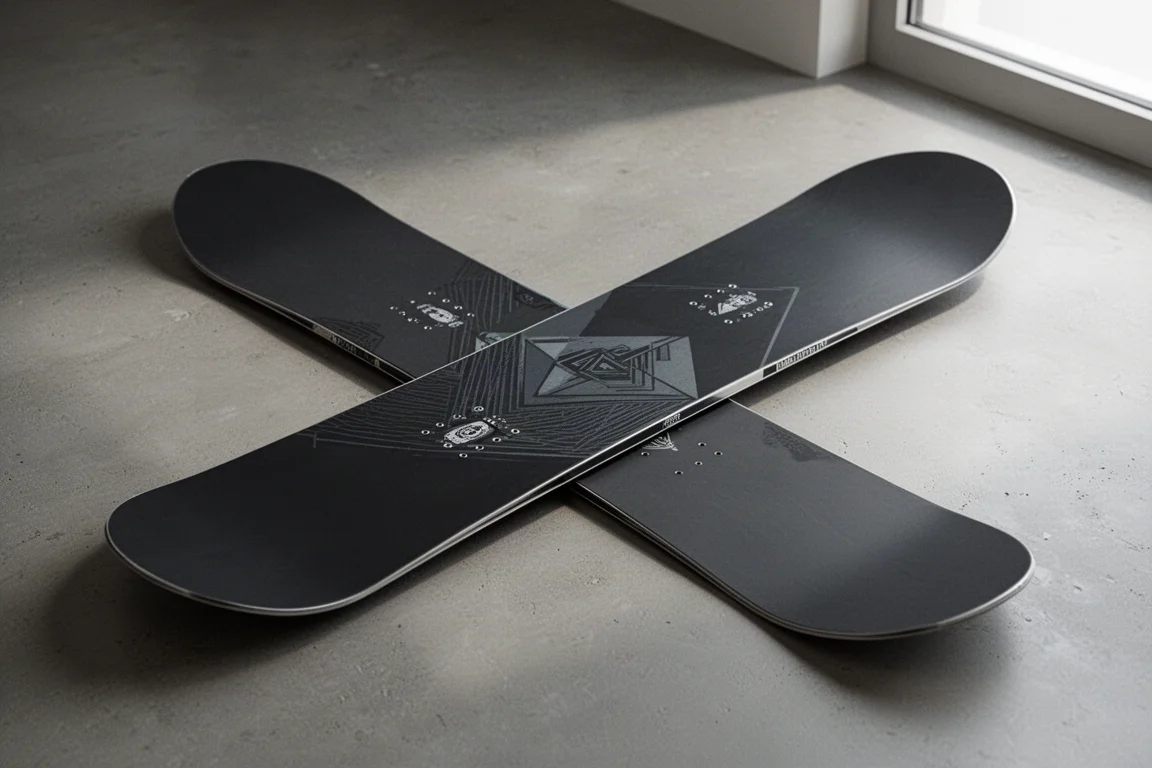
Salomon rebuilt the Sight from the ground up, and the result is a better balanced board. It carves better than before and carries a little more power, yet it still butters where it counts. Popping off a roller or a jump comes easily, and turn initiation happens without much of a fight.
That combination makes it noticeably more versatile than its predecessor and a solid value at its price point.
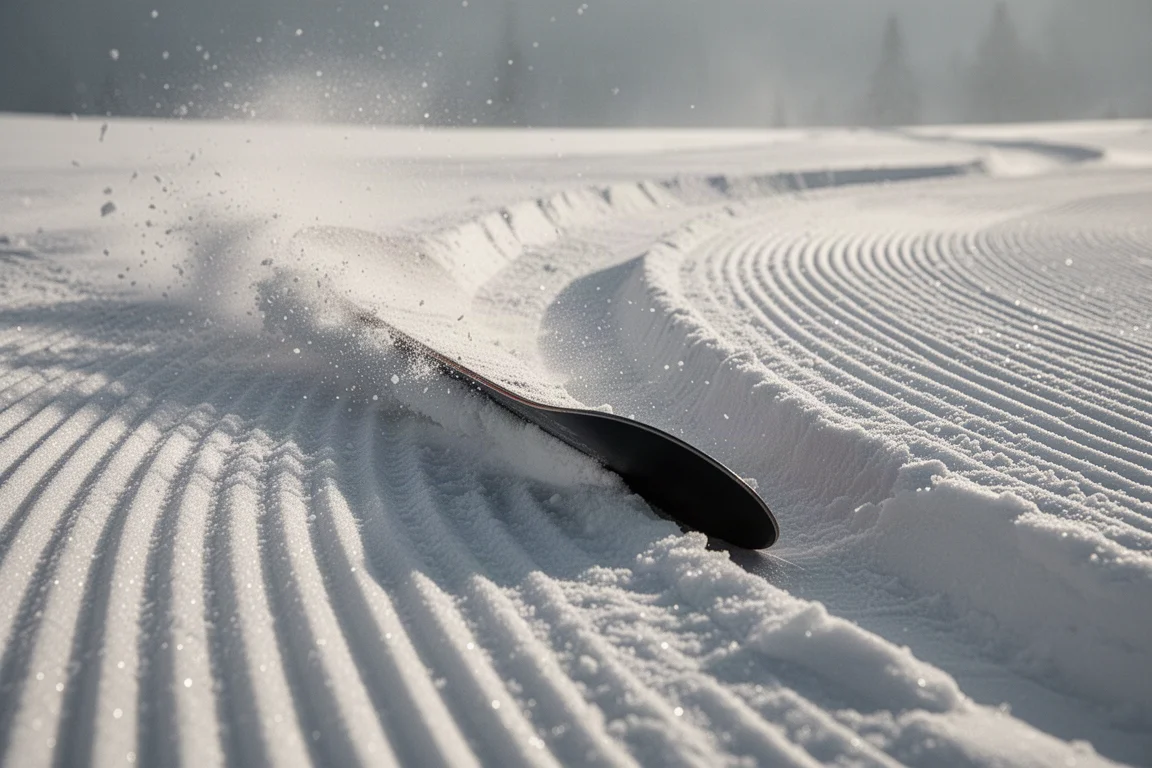
If you want one board that handles groomers, side hits and softer freestyle laps without specialising too hard in any direction, the Sight is a strong candidate.
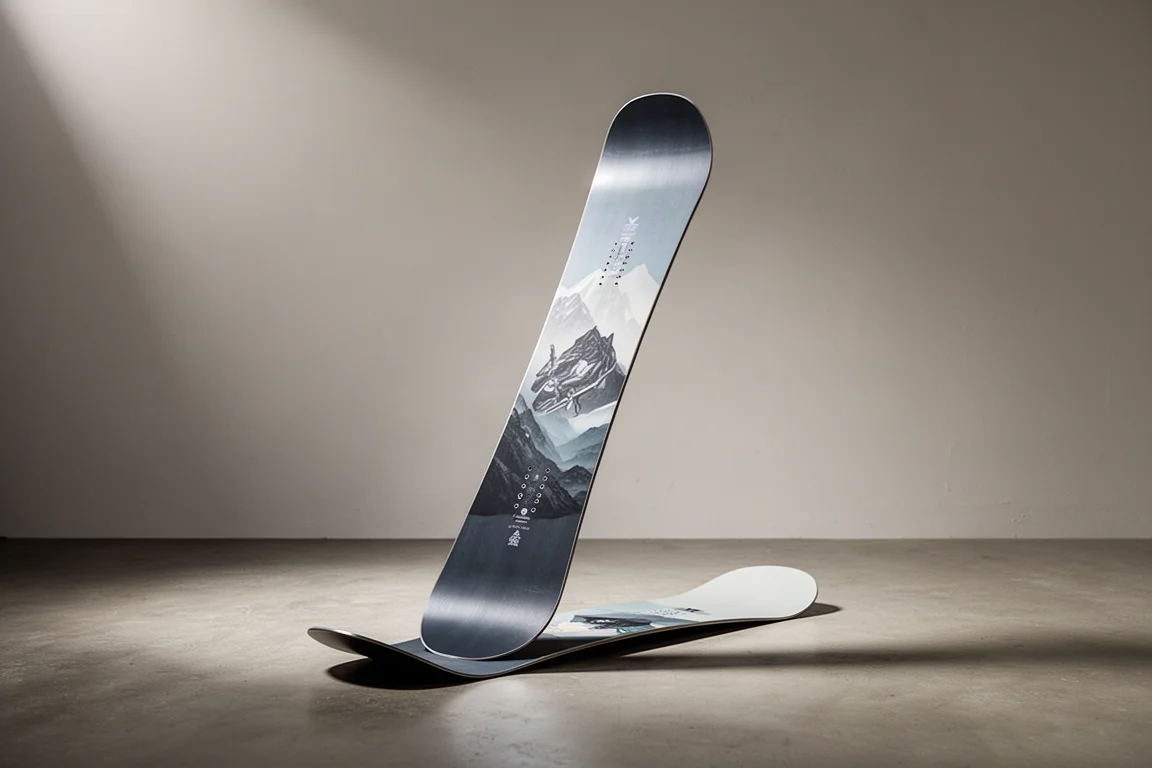
K2 Raygun Pop: The Case for Camber
The Raygun Pop is the cambered version of the Raygun, and that distinction matters. The standard Raygun is a solid choice for intermediates who are advancing, but plenty of riders at that stage skid their turns rather than driving the board through a carve. Camber teaches you to load the board through a turn and release that energy on the way out.
The Raygun Pop delivers exactly that lesson. It has a solid sidecut, power where it counts, and a very well balanced overall feel.
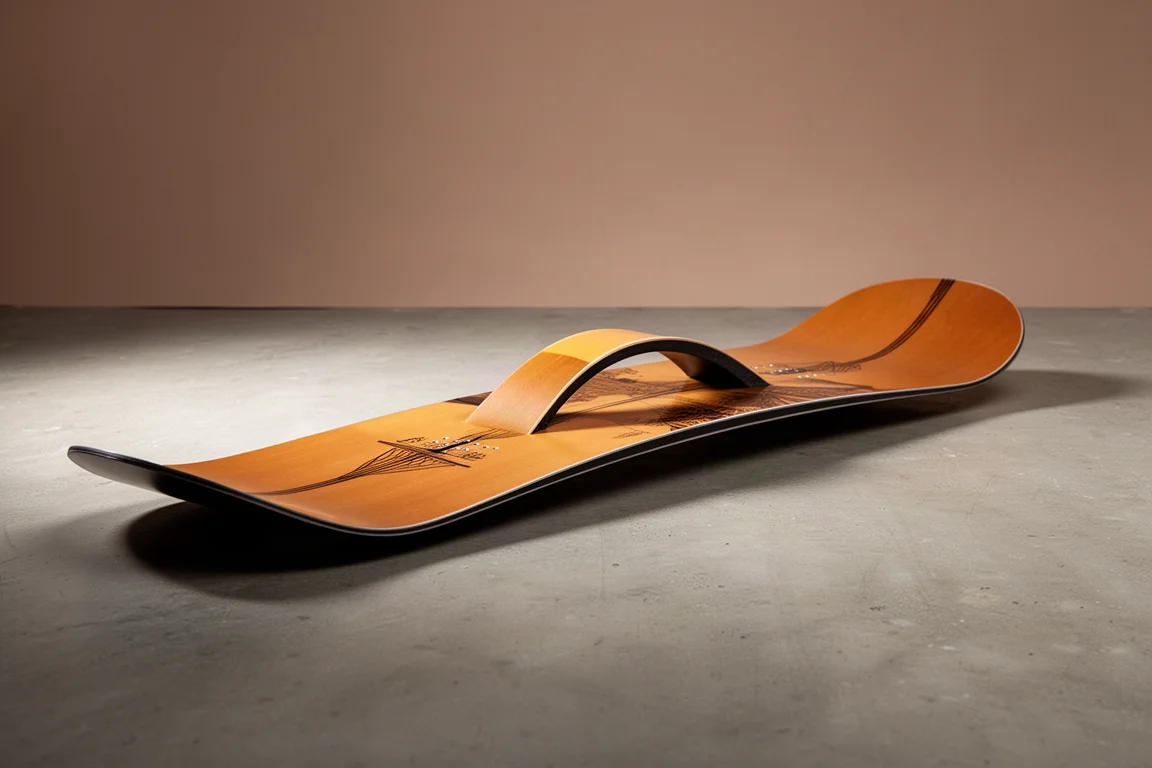
Rome Warden: A Directional Twin With Added Spring
The Warden is a directional twin, which nudges it toward all-mountain versatility while keeping its freestyle manners. Its cam rocker profile works with rods in the core to add pop when you load the board, so it springs out of turns and boosts off features.
The sidecut engages easily and will lay a trench when you ask it to, within reason. It has limits when pushed hard, but as a balanced package for a progressing intermediate it does a great deal right.
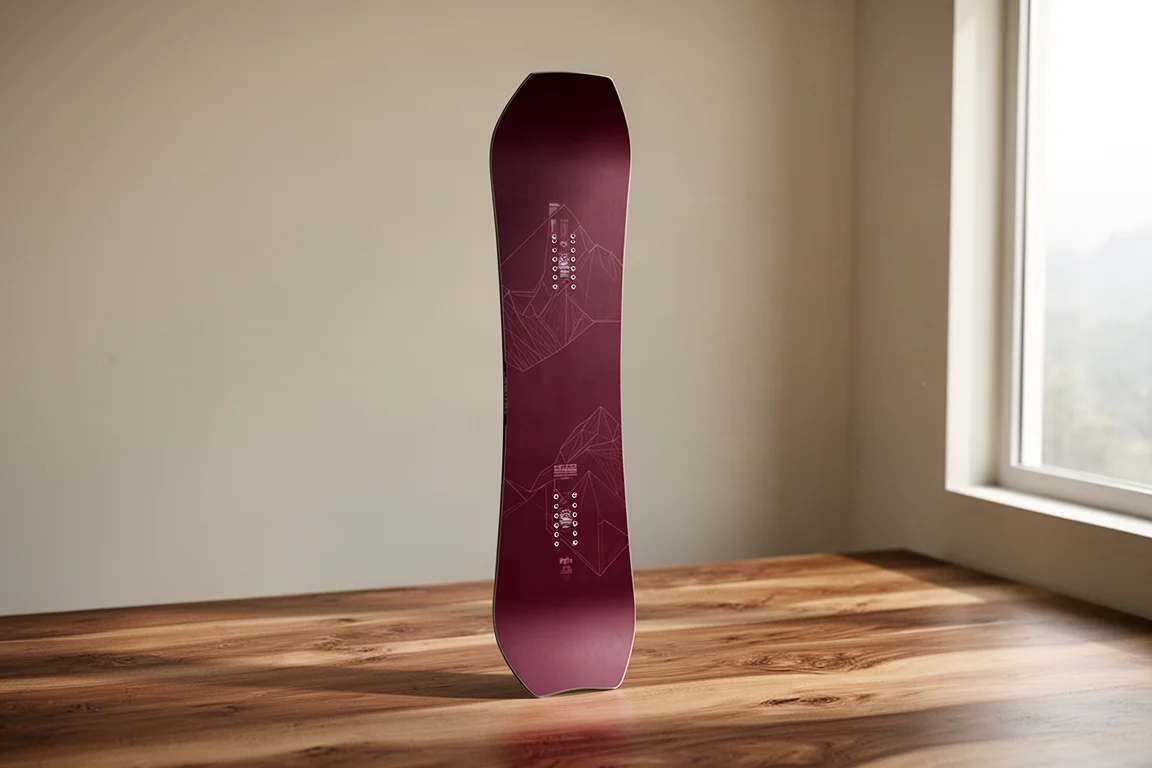
Amplid Ticket: The Most Capable Board on the List
The Amplid Ticket takes the top spot. It is the stiffest and most damp board here, and also the most expensive of the five, though it still lands under the 500 US dollar mark. That extra stiffness pays off in stability: it cuts through crust and chunder with ease and stays smooth and composed at speed.
Pop is solid, though it takes a bit more effort to extract than on softer decks. The sidecut is so dialed that you can lay carves all over the mountain. It suits a solid intermediate, an ambitious low-level intermediate, or a more expert rider on a budget.
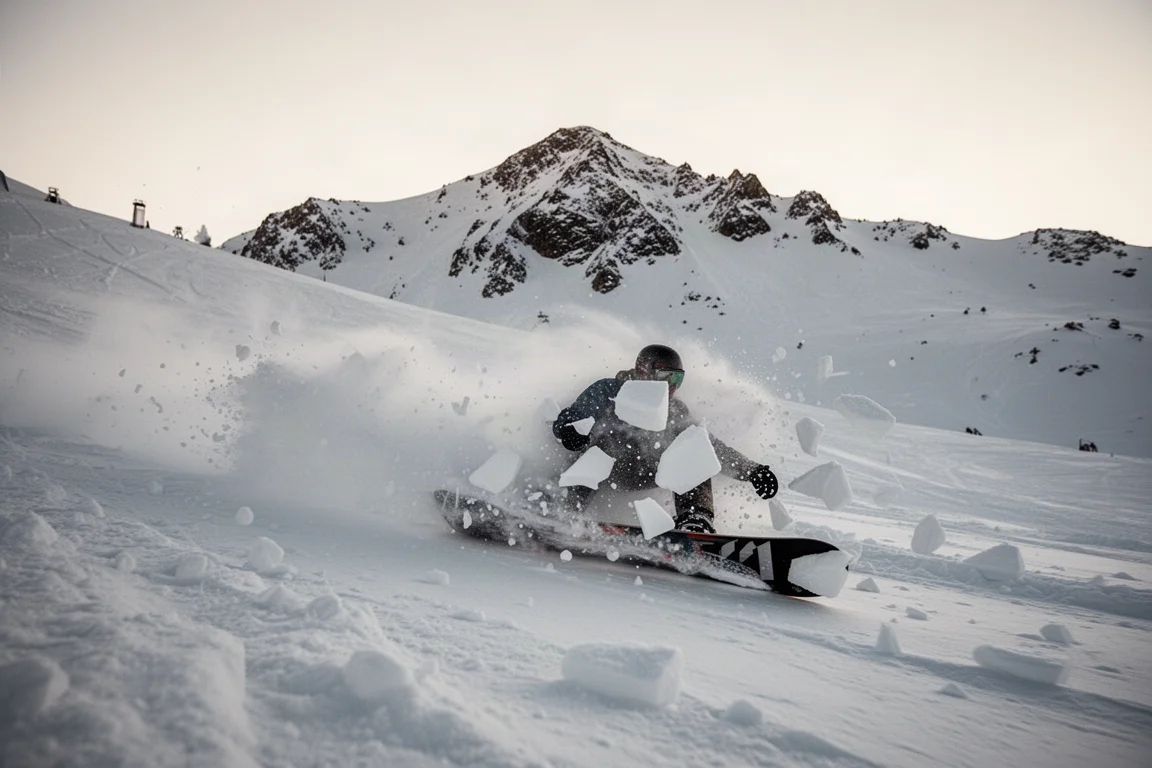
For anyone who values damp, stable performance over a playful, pressable flex, this is the standout of the group.
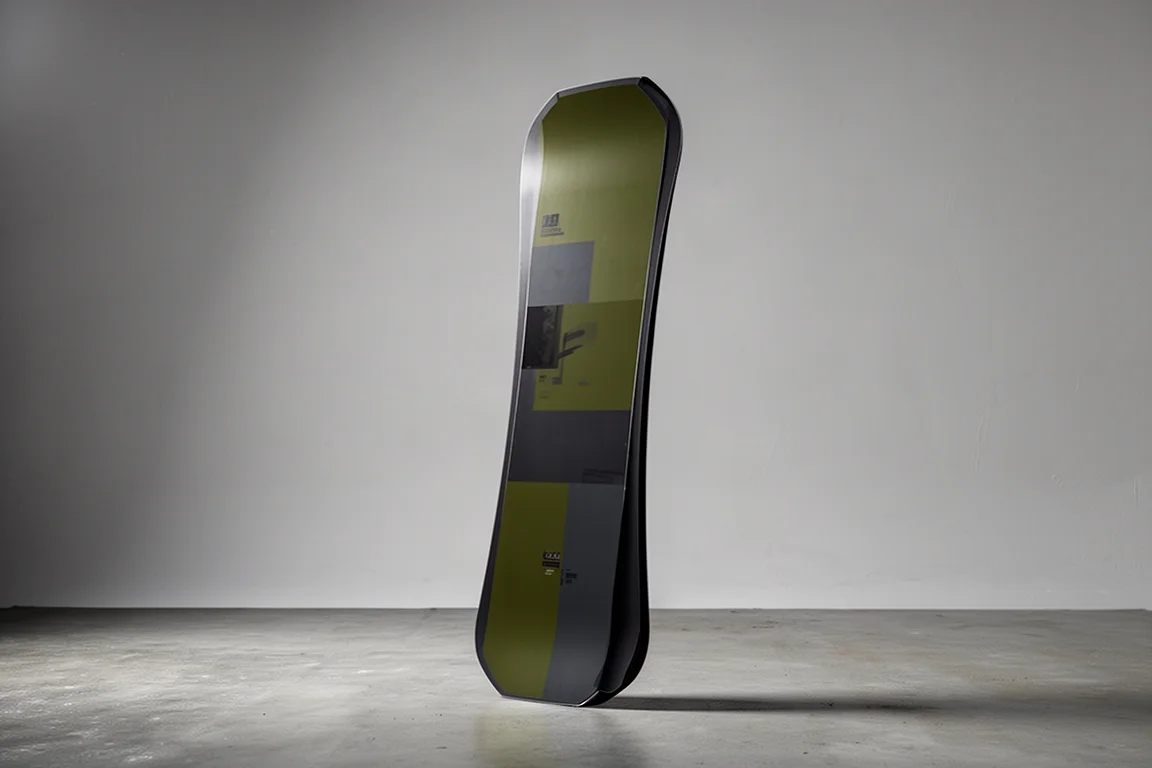
Yes Basic: Middle-of-the-Road Versatility
The Yes Basic is a middle-of-the-road snowboard in the best sense of the phrase. Its cam rocker profile and dependable sidecut grip well enough to handle a bit of everything, and it will not hold you back while you work out what kind of rider you want to become.
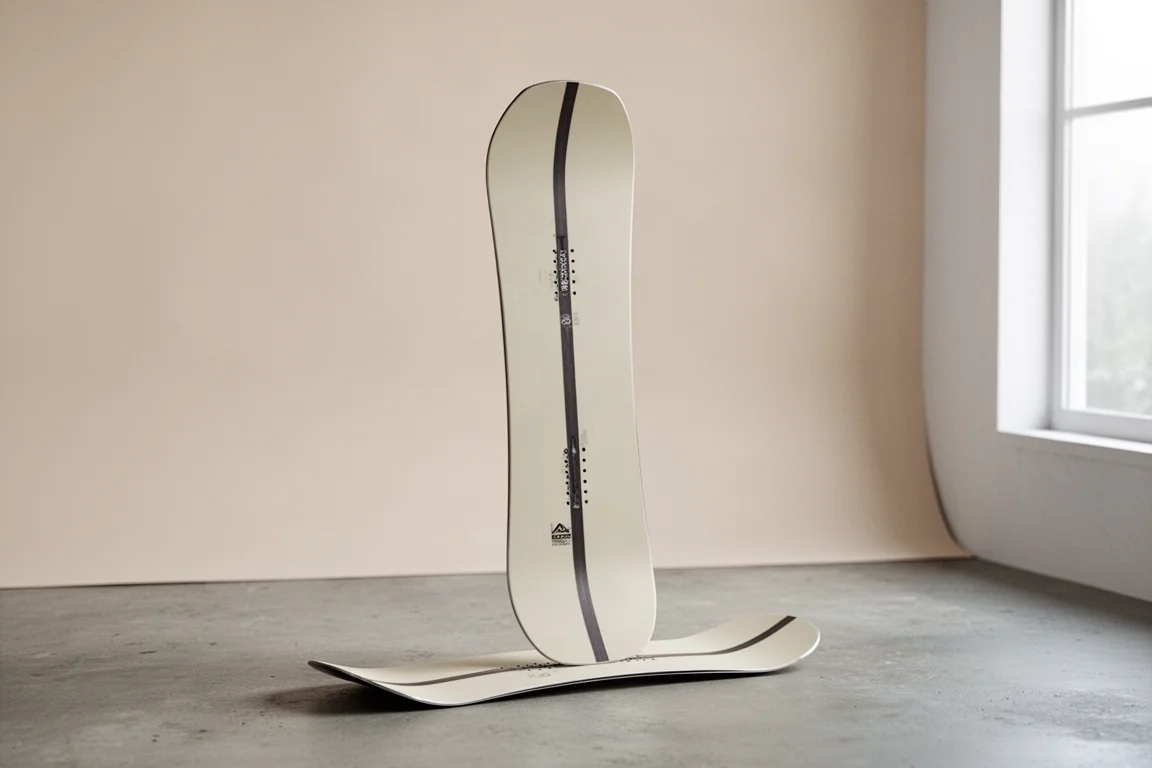
Ride Agenda: Trickle-Down Tech at a Value Price
The Ride Agenda brings technology from higher up the Ride range into a package that does not feel compromised. There is solid camber in the profile to give it snap, and the sidecut grips and rips. The overall impression is of a board that feels more expensive than it actually is.
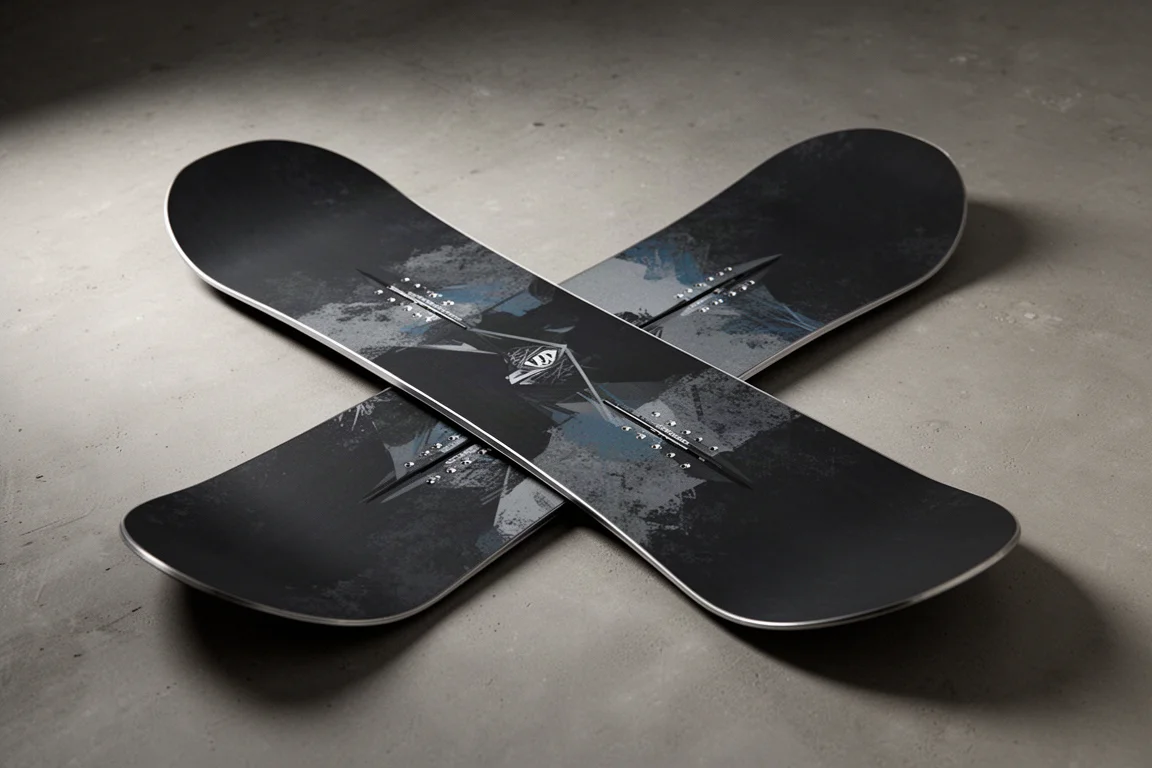
GNU Money: Reverse Camber Made Approachable
Some riders genuinely need reverse camber, and the GNU Money is a good example of the profile done well. Magna traction gives it grip on firmer snow, and the ride is soft and playful. It is a board that will carry you to a certain point, after which you will likely want camber, but it makes that early progression noticeably easier. If the basics of snowboarding have been a struggle, this is the board to look at.
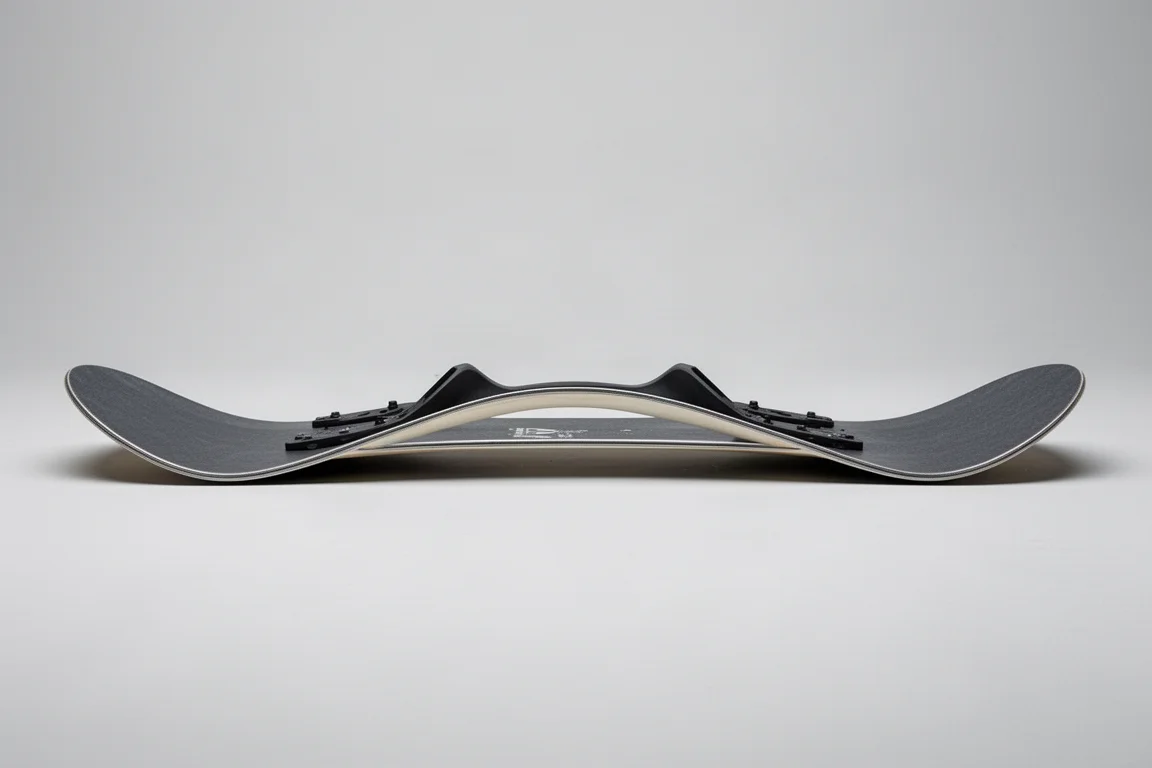
Buying Advice: Matching the Board to Your Riding
Start with how you actually ride rather than with the spec sheet. If you are still building confidence, a forgiving profile such as the GNU Money or the Yes Basic will make the early days easier and keep frustration low.
If your goal is to develop real edge control, the K2 Raygun Pop is the most deliberate teaching tool here, because camber rewards loading the board through a turn. Riders who want one board for groomers, side hits and soft freestyle laps should look at the Capita Outer Space Living or the Salomon Sight, both of which stay composed without demanding much in return.
For maximum performance inside the under 500 US dollar bracket, the Amplid Ticket is the pick. It is the stiffest and most damp board on the list, and it rewards riders who value stability at speed over a playful flex. The Rome Warden sits between those two camps: a directional twin with added spring that suits a progressing intermediate who wants all-mountain range. The Ride Agenda rounds things out for anyone who wants trickle-down technology in a straightforward package.
Conclusion
Value in snowboarding comes down to whether a board matches your riding and your budget. Every board here lands under 500 US dollars, and each one has a clear purpose: the Capita Outer Space Living and Salomon Sight for versatile all-mountain freestyle riding, the K2 Raygun Pop for learning to load camber, the Rome Warden for a directional twin with extra spring, and the Amplid Ticket for the most stable, damp ride of the group. The Yes Basic, Ride Agenda and GNU Money are worth a serious look if your priorities lean toward simplicity, trickle-down technology or maximum forgiveness.
Further reading
Related Reviews
Snowboards
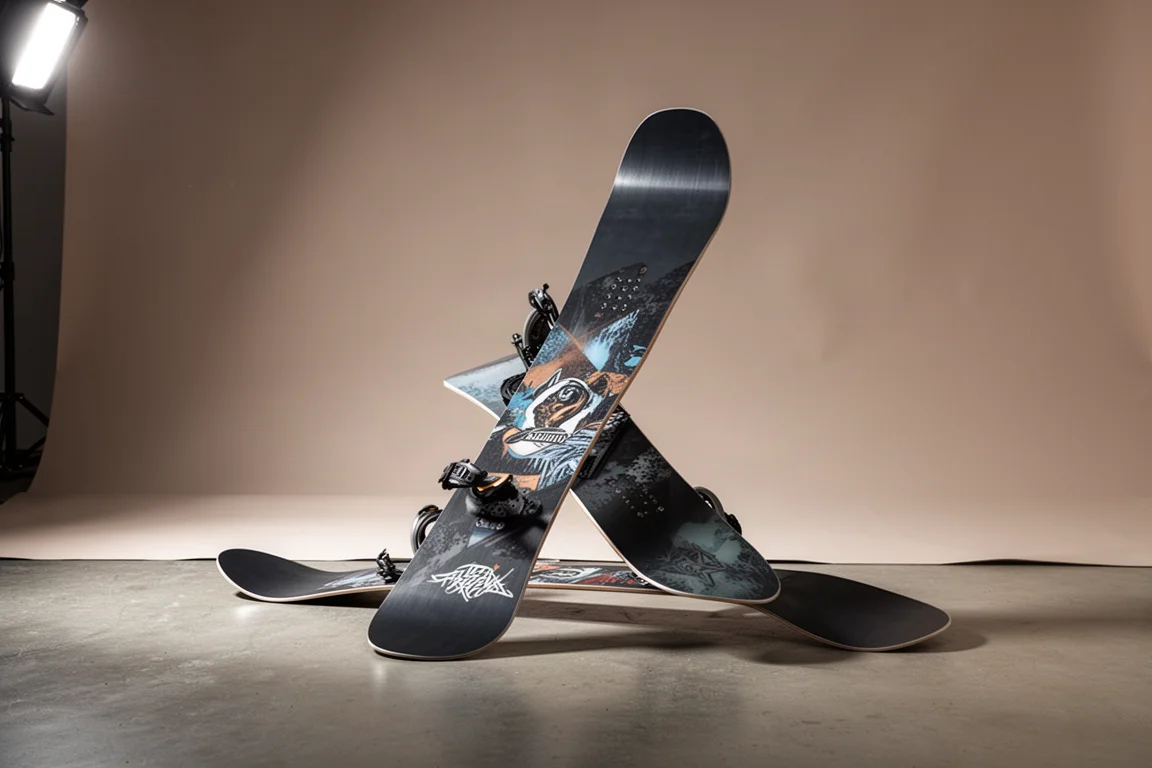
32 Middle Earth Scott Stevens Pro Model Snowboard Review: A Park Board With a Reversed Flex
A medium traditional camber park board with carbon V reinforcement that is stiffer in the tips and more playful between the feet. Here is how it rides and who it suits.
Snowboards
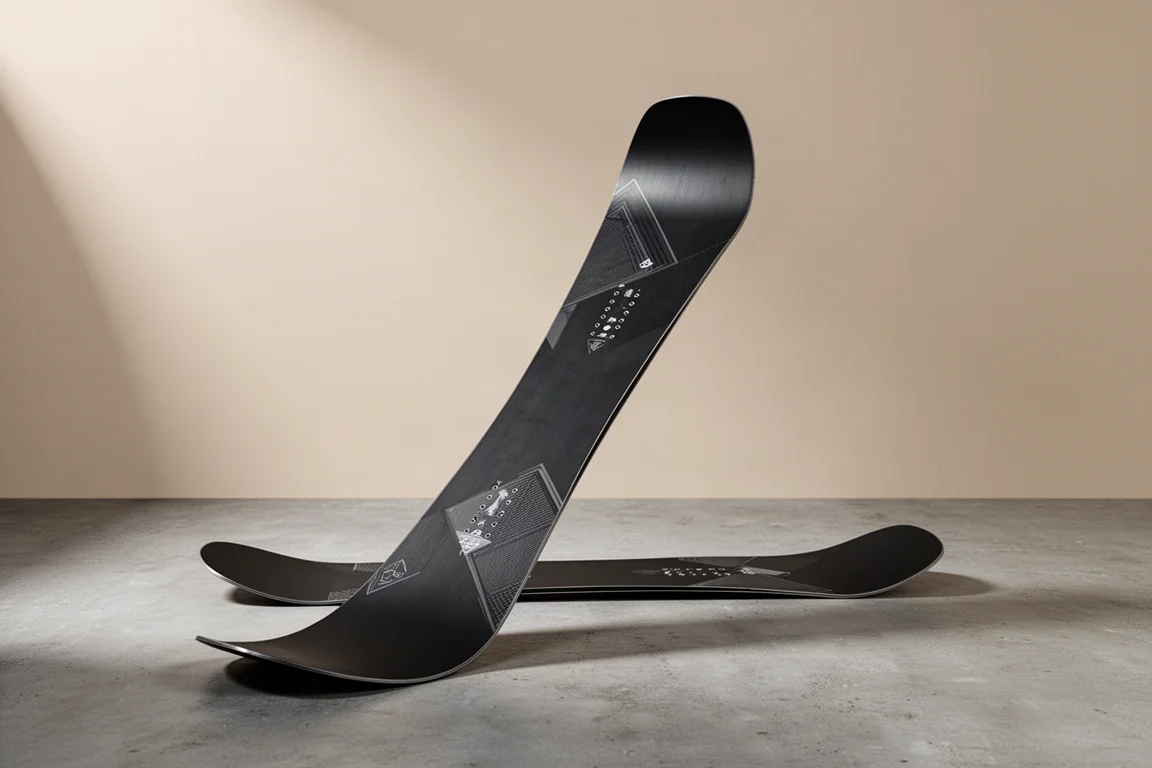
32 Snafu Review: A Directional All-Mountain Freestyle Board with Serious Pop
The 32 Snafu pairs a directional camber-rocker profile with a stiffening tail for powerful carves, big ollies, and a surprisingly damp ride.
Snowboards
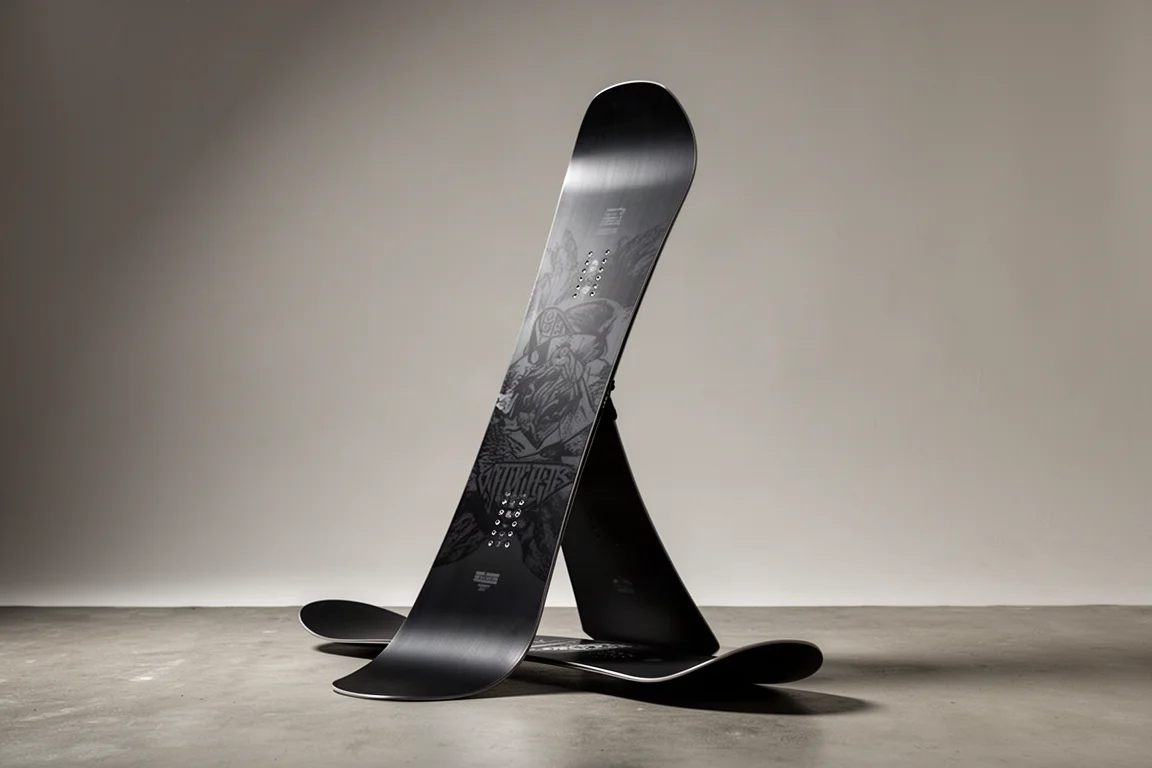
32 XXX Pat Fava Pro Snowboard Review: A Stiff Camber Beast for Hard-Charging Riders
A full-width traditional camber deck that rewards aggression with stability and edge power, but demands effort everywhere else.