Camping Tents
Best Backpacking Tents: 10 Lightweight Shelters Worth Considering
A community-voted shortlist of ten backpacking tents, from budget tunnel designs to ultralight trekking-pole shelters, with the trade-offs that matter.
Introduction
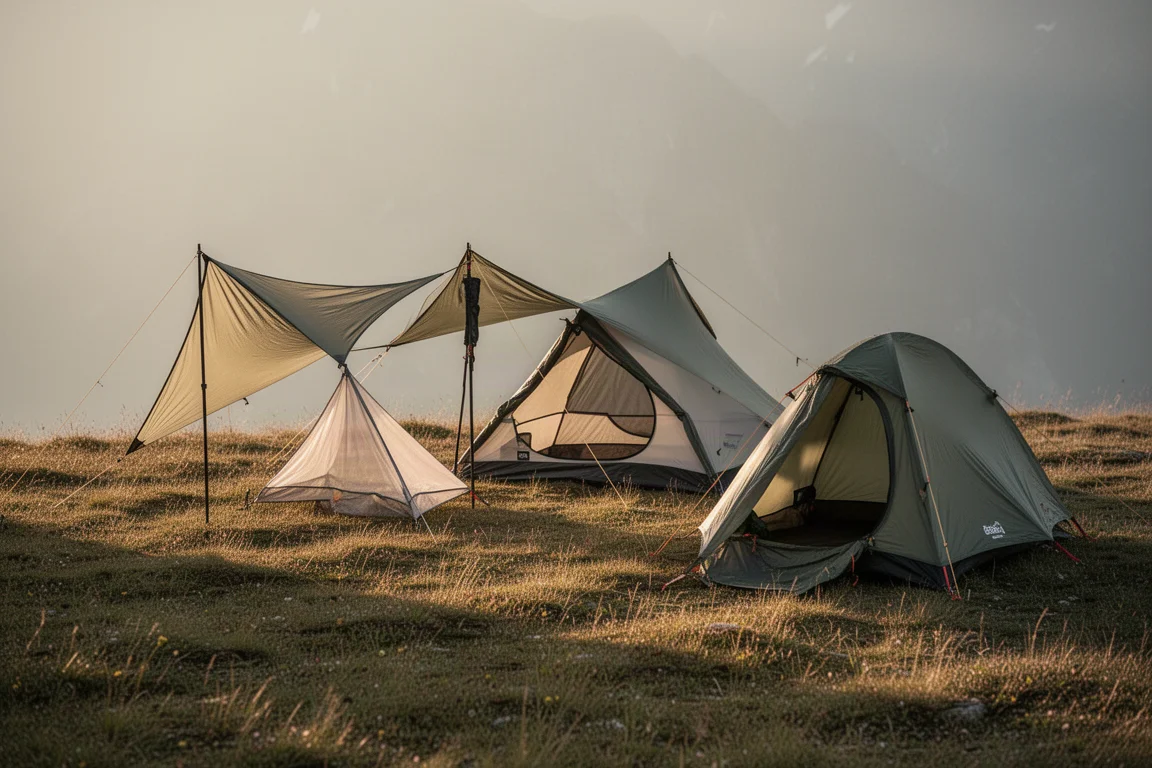
Tent shopping is a set of trade-offs: weight, weather resistance, living space, and how quickly the shelter goes up when the weather turns. This roundup covers ten backpacking tents that earned their place in a community-voted ranking, from a 1.09 kg single-skin summer shelter to a four-season geodesic dome and a sub-500 g tarp setup. Each entry sets out what the tent does well, where it compromises, and who it suits. Prices are included where they were available at the time.
How We Evaluate Backpacking Tents
The number quoted most often in tent shopping is the hydrostatic head. It is measured by placing a cylinder of water on the tent fabric and recording how many millimetres the column reaches before water begins to seep through, so a higher figure means greater resistance to rain. A 1,000 mm fly and a 5,000 mm fly will both keep you dry in most conditions, but the higher figure gives more margin in sustained or driving rain.
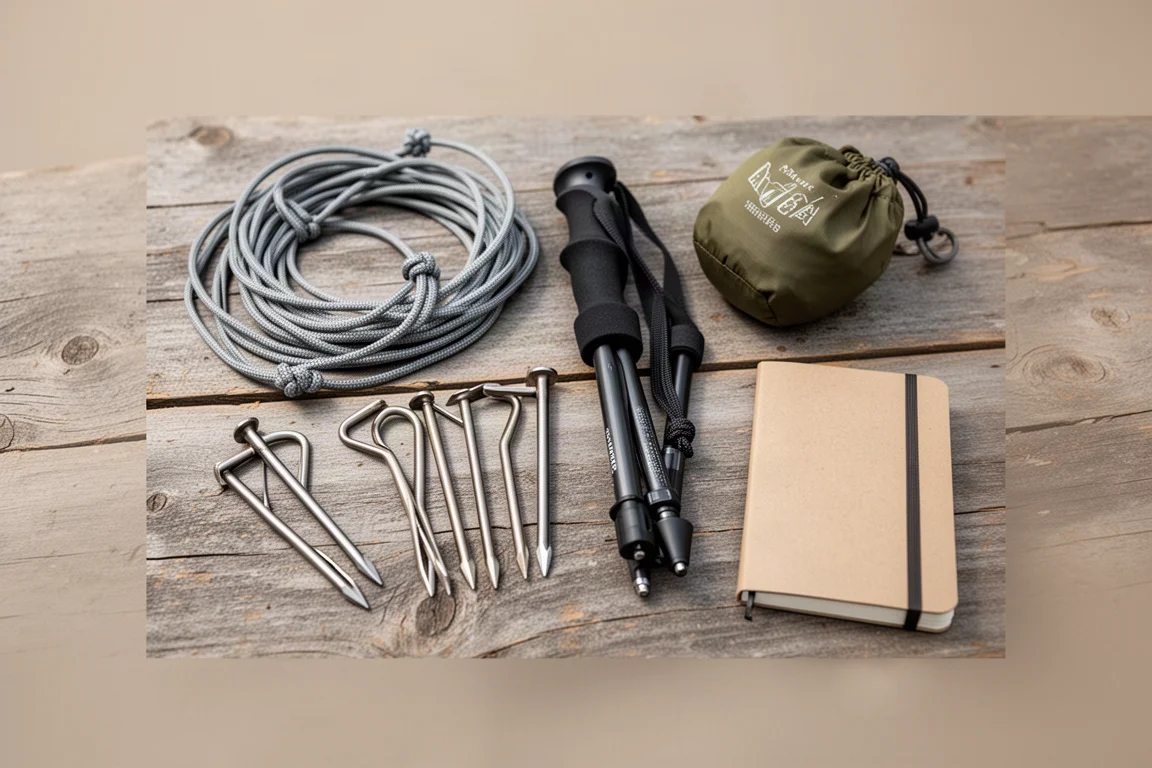
Three practical details shape daily use just as much. The first is packed weight, where many backpackers draw a line at two kilograms. The second is whether the tent is freestanding or needs to be positioned carefully before it will stand. The third is pitching order: a tent whose fly can go up before the inner keeps the sleeping area dry in rain, while an inner-first design risks a soaked inner. Door count matters too, because two side entrances make a shared tent far easier to live with.
10. Naturehike VIK 1: A Lightweight Summer Shelter
The Naturehike VIK 1 is a single-skin summer tent and one of the quickest shelters to pitch, going up in minutes. It is self-supporting and freestanding, so it can be lifted and repositioned once it is standing, and it weighs around 1.09 kg without the groundsheet. The nylon waterproof coating is rated at a 2,000 mm hydrostatic head, and there is a side-opening door with a small slit on the opposite side for passing items through.
It handled cold wind and rain better than expected and stayed dry, but it is genuinely a fair-weather tent. Condensation is the main drawback, it is available only in grey, and it is not a shelter to rely on through winter.
9. MSR Hubba Hubba: A Lightweight Three-Season Two-Person Tent
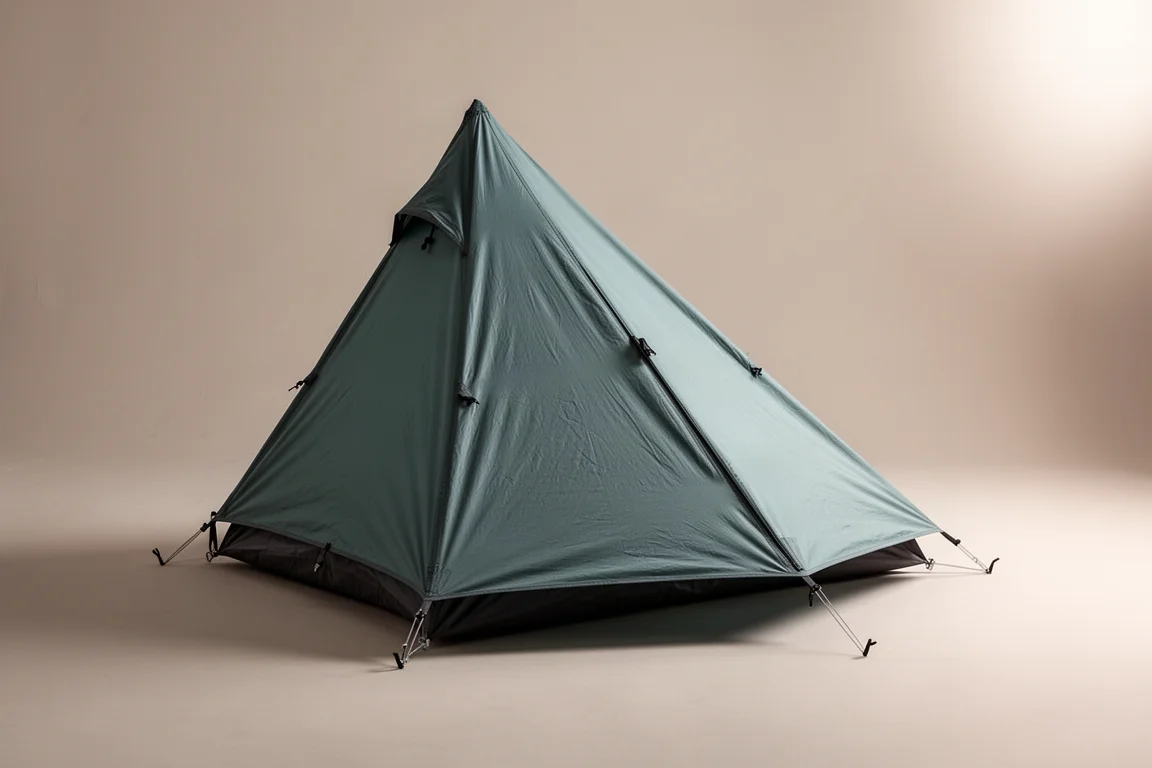
The MSR Hubba Hubba is a three-season two-person tent with two large side-entry doors and a minimum weight of 1.54 kg. It is freestanding, which makes positioning straightforward, and the 20D ripstop nylon fly has a hydrostatic head of 1,000 to 1,500 mm. That is modest next to several tents in this group, but it remains water resistant in practice. It comes in light grey and dark green, and the darker option suits anyone who prefers a lower-profile pitch.
One detail worth confirming before buying is whether the fly can be pitched first in wet weather, since that is not clear from the specification.
8. OEX Phoxx 2: Strong Value for New Campers
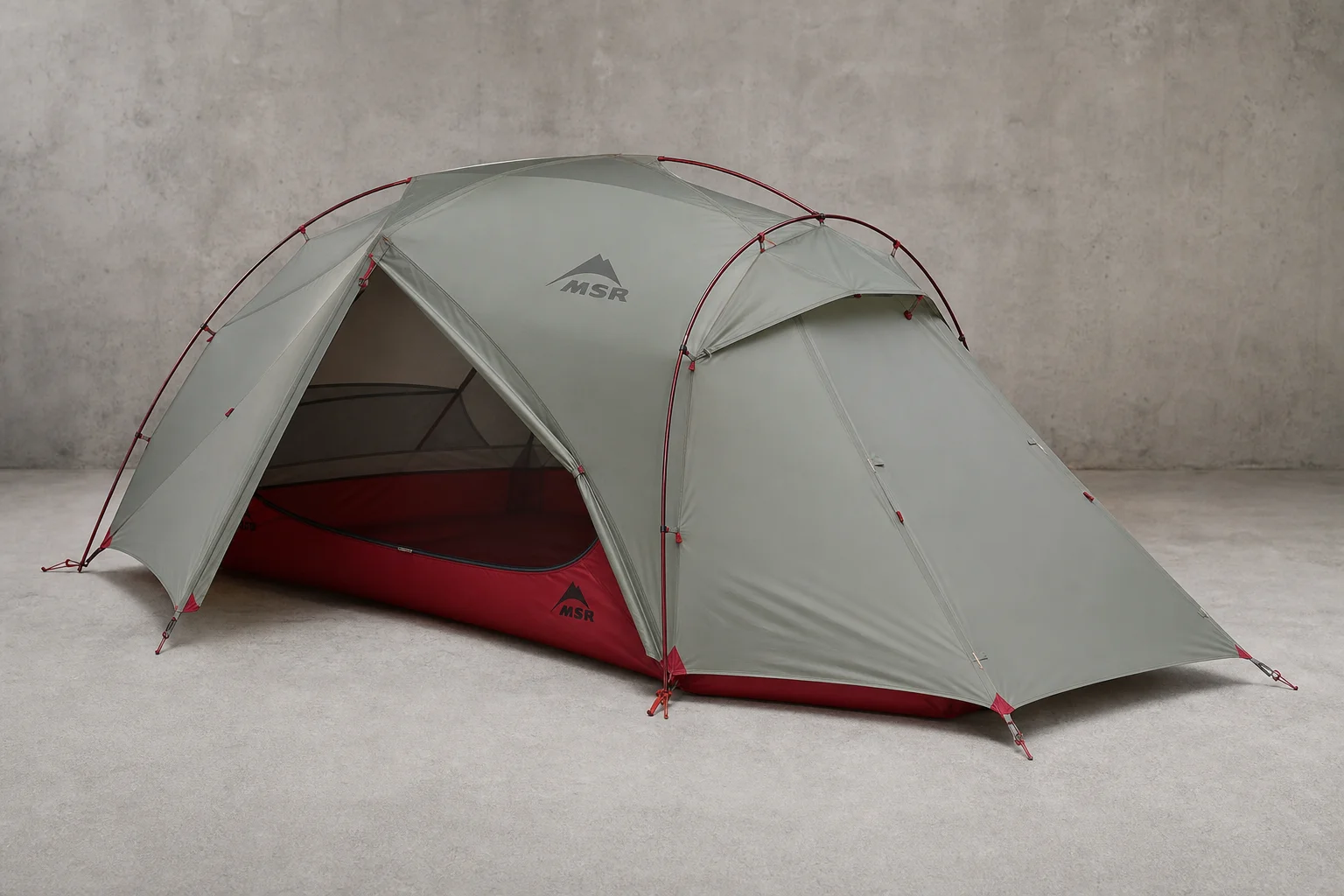
At around £90, the OEX Phoxx 2 is a strong value starter tent and a good introduction to camping. It is a tunnel design, so it is not freestanding and needs to be positioned before it is pegged out, but tunnel tents sit low to the ground and hold their own in adverse weather. The flysheet is among the best in this group, with a 5,000 mm hydrostatic head.
The compromise is pitching order: the inner has to go up first, so in heavy rain the inner can get wet before the fly covers it. At just over two kilograms it is also on the heavier side, though much of that comes from the substantial flysheet.
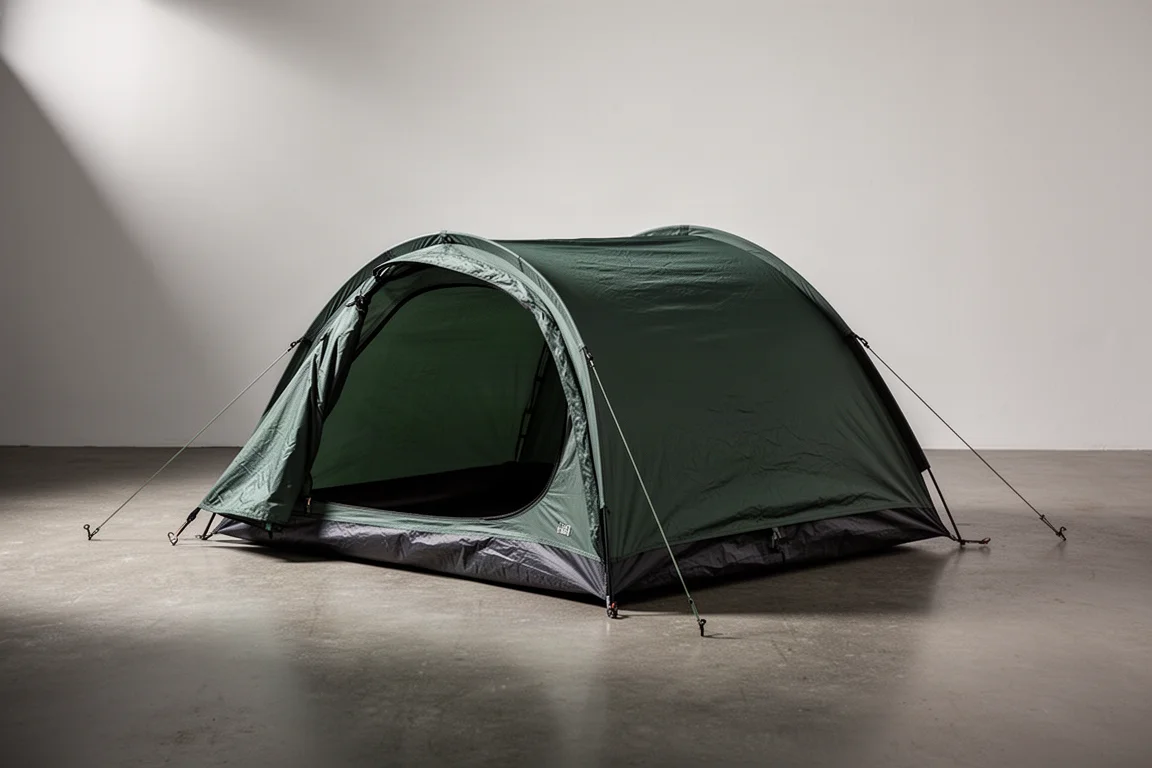
7. MSR Elixir: A Sturdy Wind-Resistant Option
Priced around £290, the MSR Elixir is the more affordable alternative to the Hubba Hubba. Its geodesic pole structure helps it stand up to wind, and it has two side entrance doors. It is heavier than the Hubba Hubba at 2.7 kg fully packed, or 2.24 kg minimum weight once packaging is stripped away. The 68D ripstop nylon fly is rated at a 1,500 mm hydrostatic head.
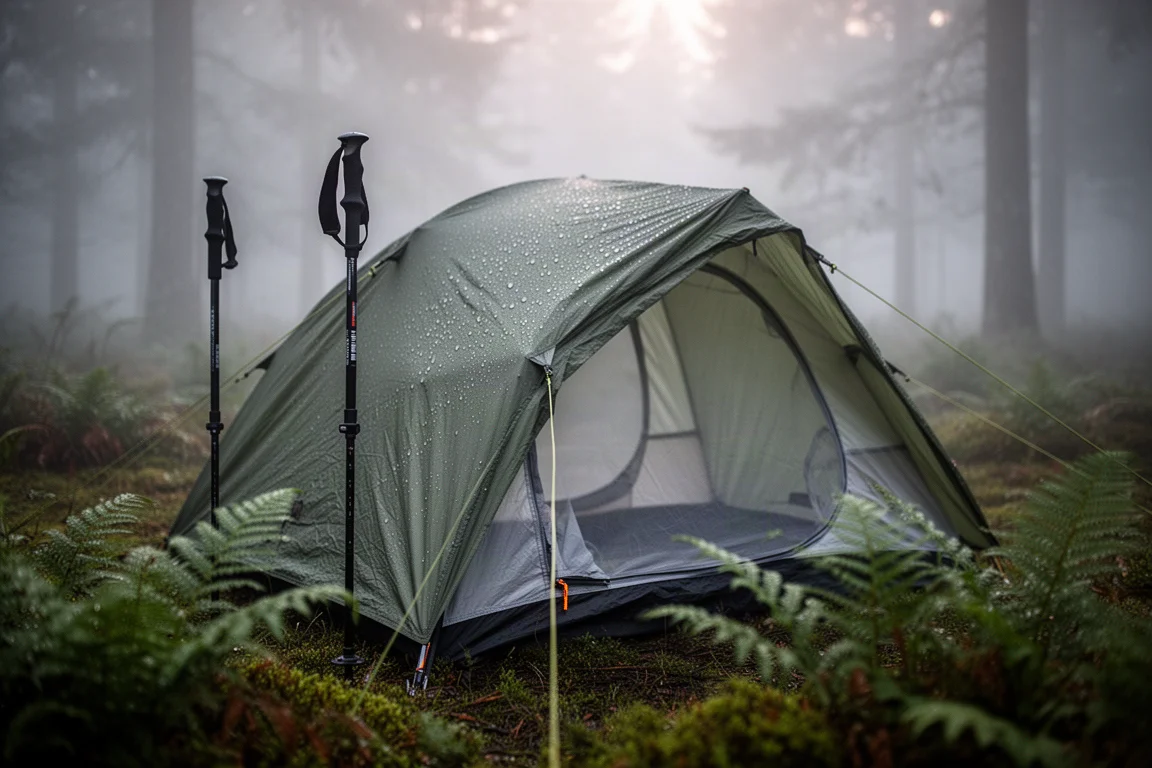
Poles have been known to bend in strong wind, although replacements were handled quickly, so it is worth watching the frame on very exposed pitches. For campers who value stability and door access over minimum weight, it is a sensible pick.
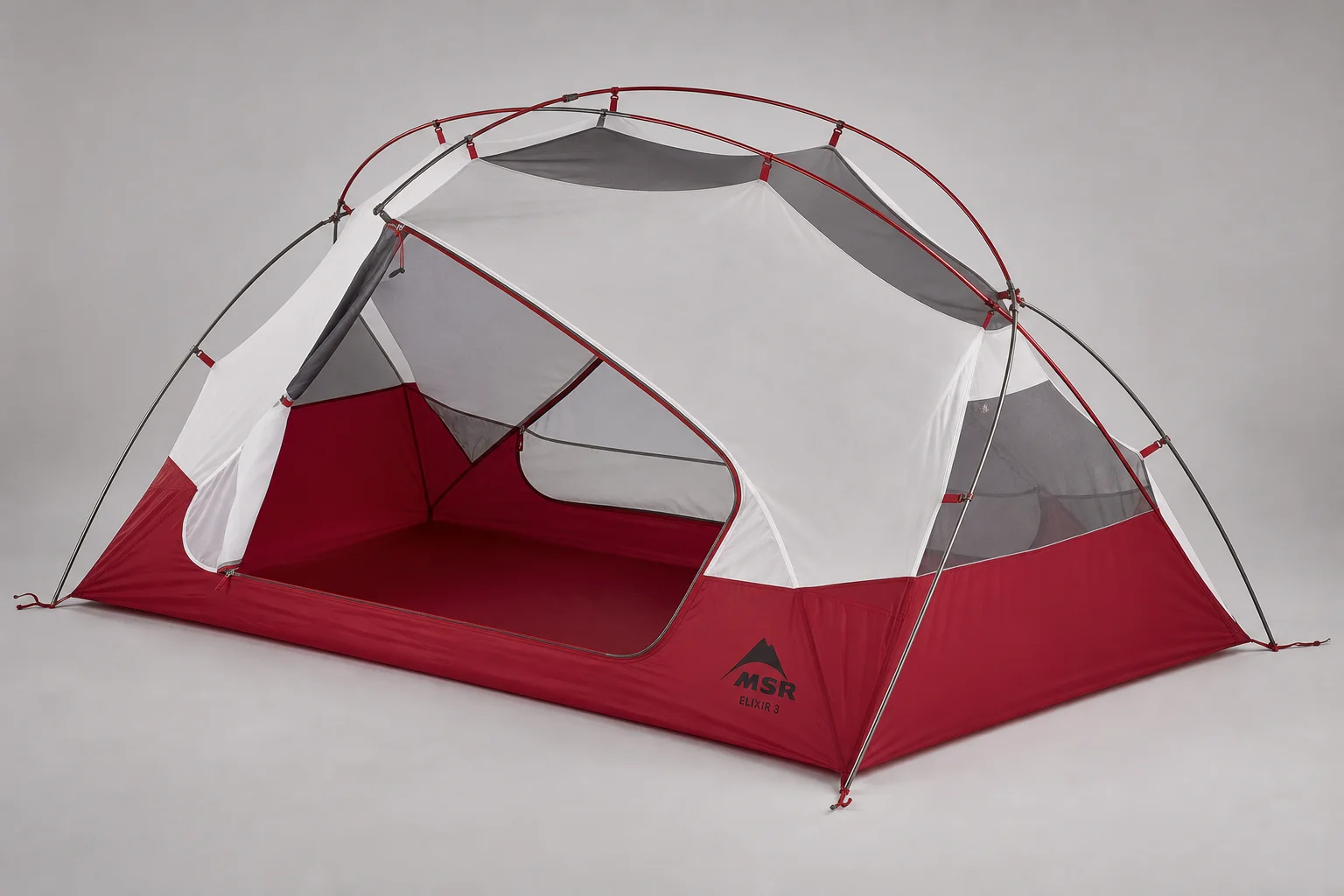
6. Wild Country Helm: Award-Winning Value
The Wild Country Helm is a mid-range four-season dome tent at around £260, and it holds a Trail magazine best value award. Two poles cross over in a simple dome arrangement rather than a geodesic layout, and it weighs 2.35 kg. The 68D ripstop nylon fly is rated at a 4,000 mm hydrostatic head, a notable step up from the Elixir despite the similar fabric. Superflex alloy poles and pegs are included, and the fly comes in a stealthy green.
It is freestanding and easy to pitch, which makes it a friendly option for less experienced campers. The main limitation is a single entrance.
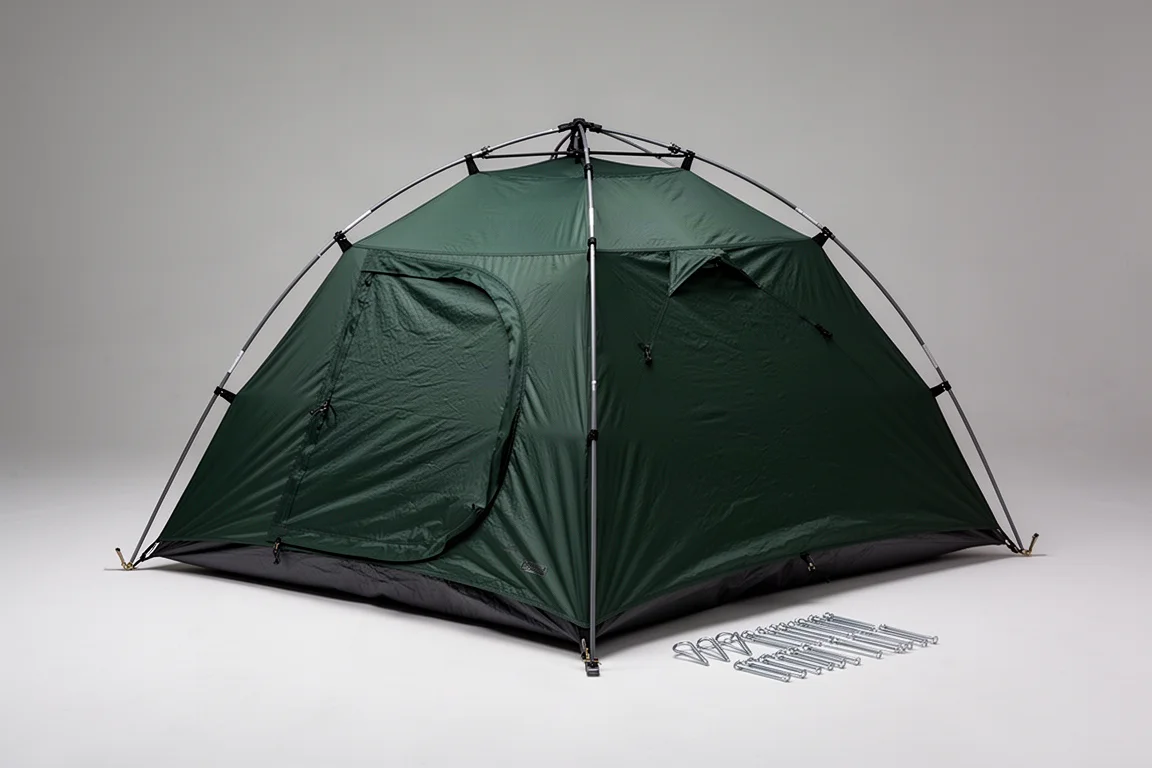
5. Vango Banshee: A Proven Tunnel Tent
The Vango Banshee is a tunnel tent weighing 2.39 kg, with two side entrances and a 5,000 mm hydrostatic head for strong water resistance. Unlike the OEX Phoxx 2, it can be pitched with the inner and outer together, which is a real advantage when the weather is against you. It is neither the lightest nor the heaviest tent here.
Because it is a tunnel design it sits low to the ground, and the vestibule is limited, so there is not much covered space for gear or cooking.
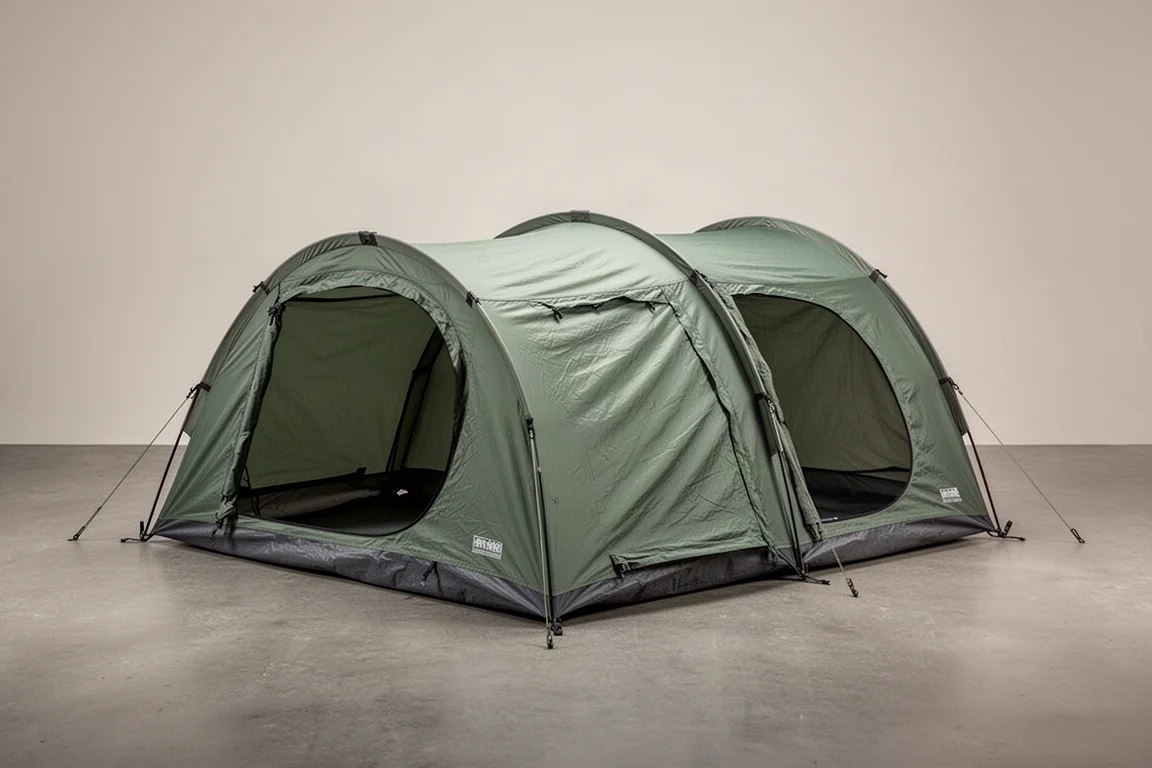
4. DD Hammocks Super Light Tarp: Versatile Tarp Camping
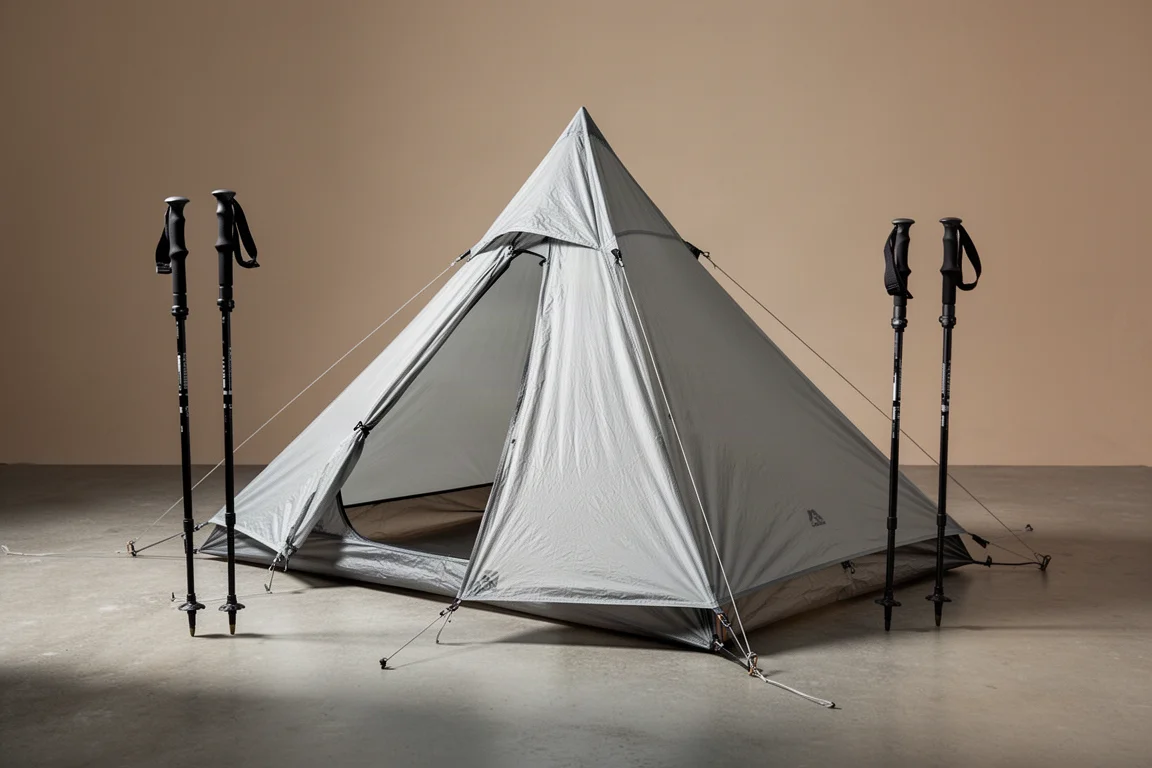
Tarp camping is a different proposition: more open to the elements, but much lighter and more flexible. The DD Hammocks Super Light Tarp is a 3 m by 3 m ripstop nylon tarp with a 3,000 mm hydrostatic head, priced around £70 to £80. It comes with four pegs and plenty of guy lines, though adding extra pegs is worthwhile. Packed weight is around 500 g.
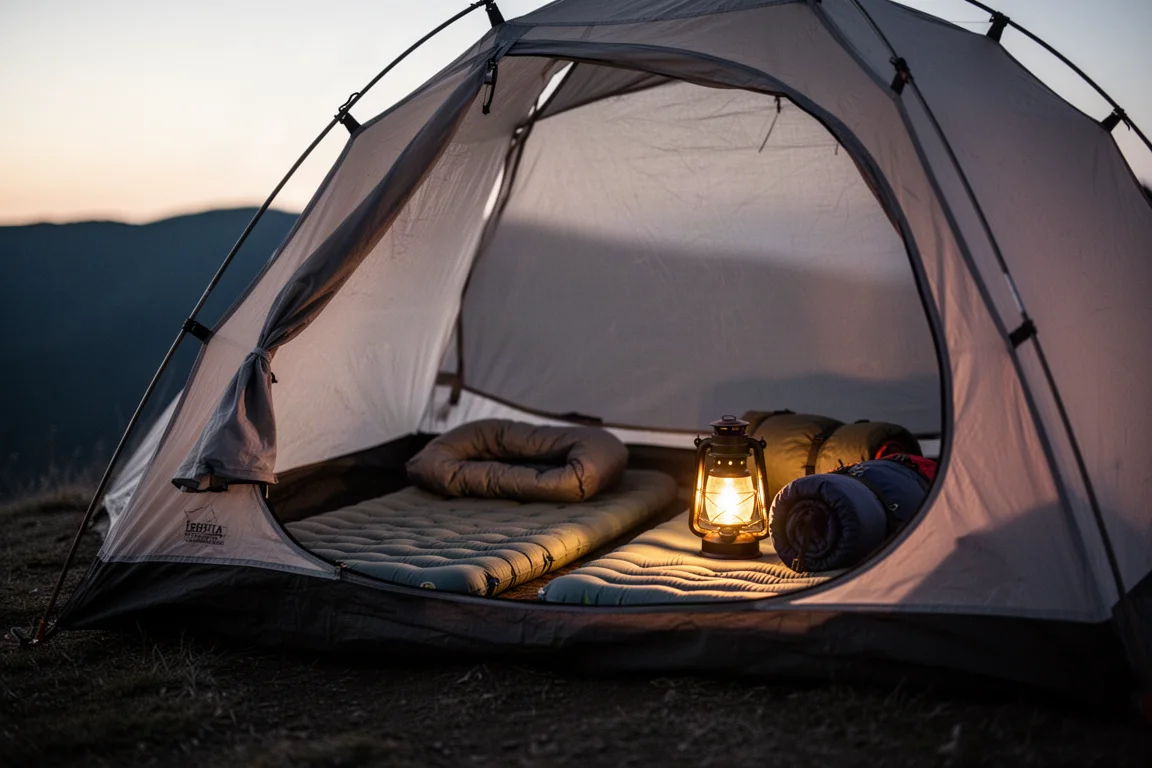
It can be pitched with hiking poles and used as a hammock cover, or combined with a bivvy bag and sleeping bag for a very light setup. It has been used comfortably in both winter and early summer conditions, and the openness is part of the appeal rather than a drawback.
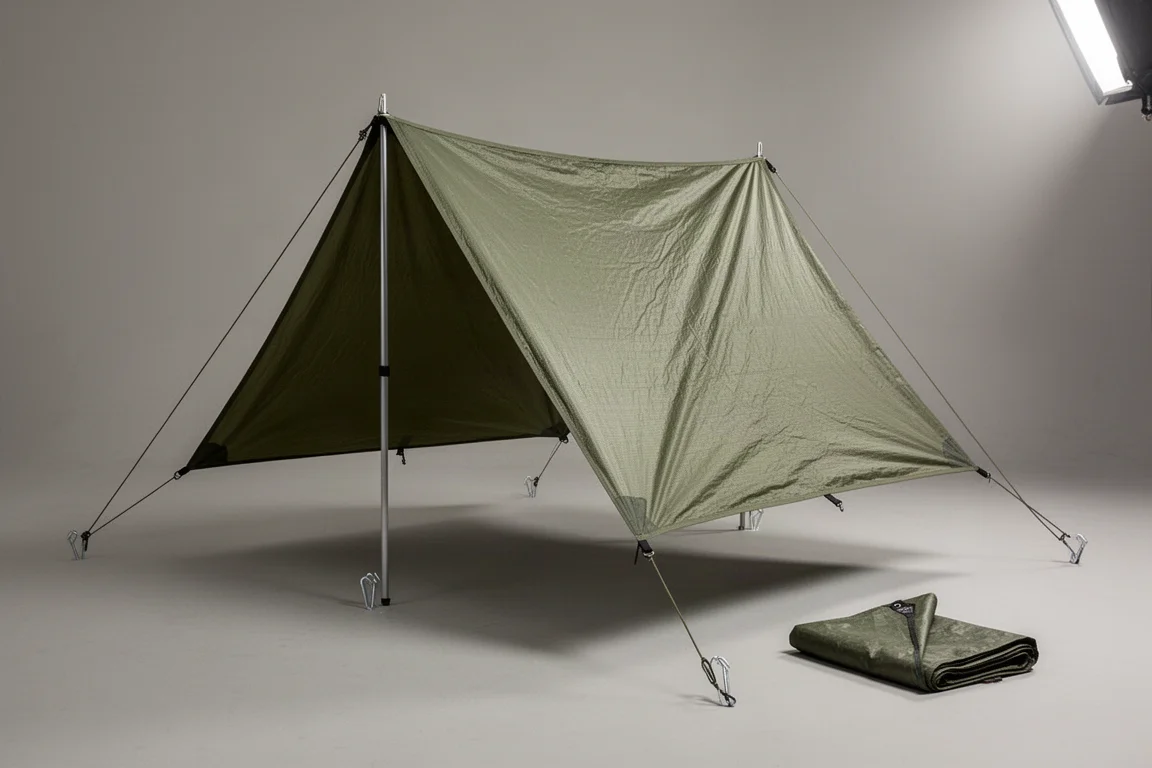
3. Naturehike Cloud Up 2: Freestanding and Four-Season
The Naturehike Cloud Up 2 is a lightweight freestanding four-season tent with plenty of colour options. It is designed to pitch inner first, but the mat and poles can be used to drape the fly first and then hang the inner inside it when conditions are more extreme. The design has been refined over time with extra guy lines and additional windows to reduce condensation.
Two things to check: the tent is on the short side, so taller campers may want more length, and there is only a single entrance at the front rather than side access.
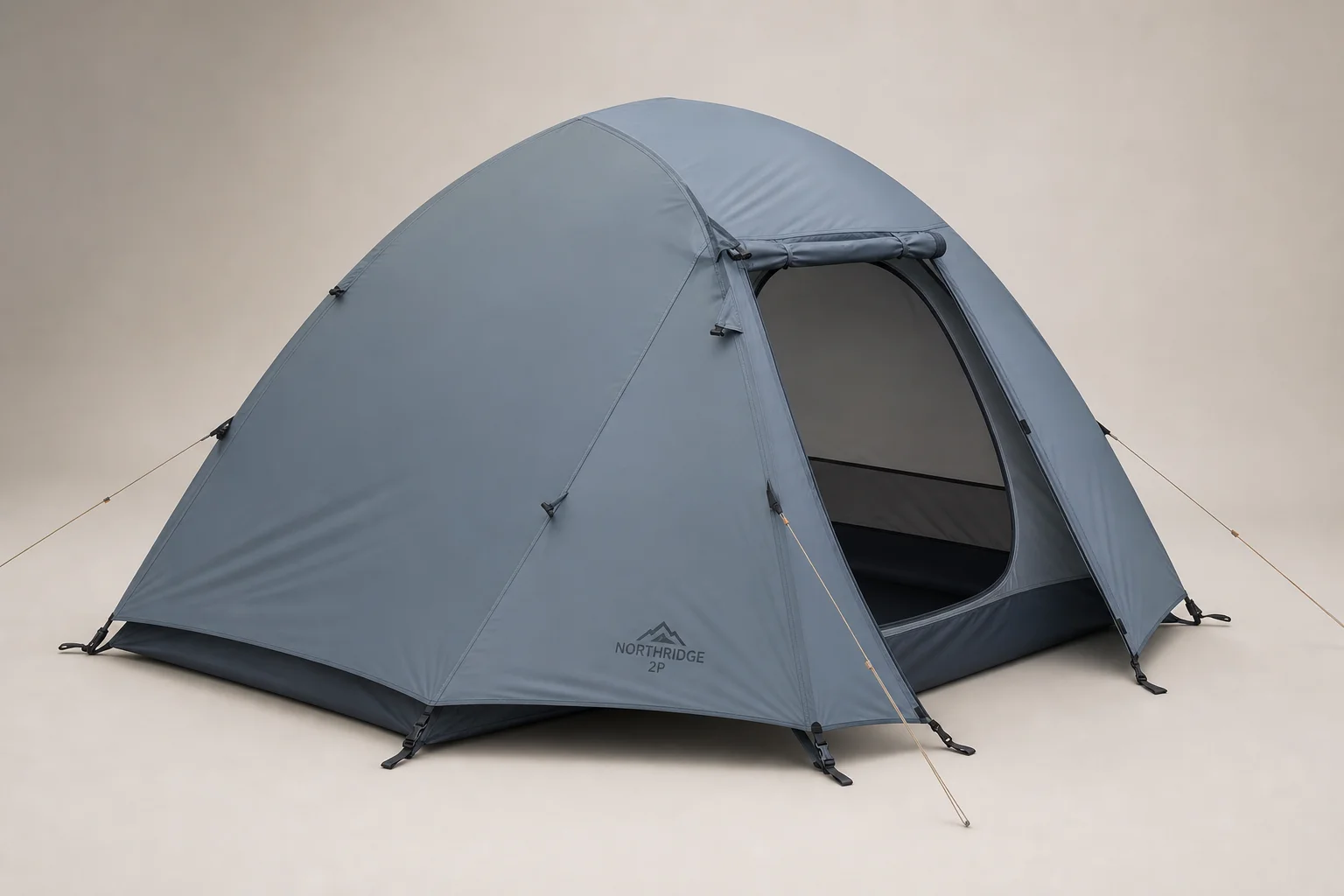
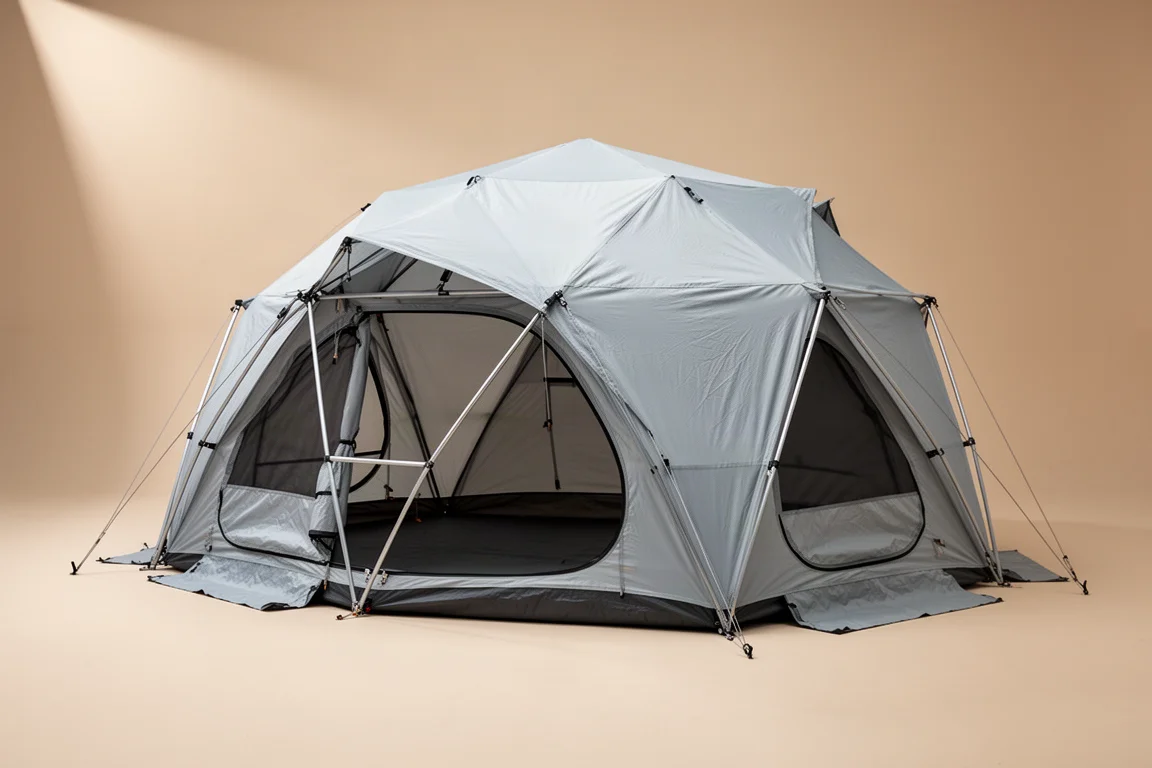
2. Naturehike Cloud Peak 2: A Sturdy Geodesic Dome
The Naturehike Cloud Peak 2 is a four-season geodesic dome with four poles that bend over each other, which gives it a sturdy, resilient frame. It is roomy inside, sits quite high, and the vestibules are a good size for cooking once it is pitched. The inner and outer go up together, which is always beneficial. The 15D nylon fly is rated at a 2,000 mm hydrostatic head.
Two drawbacks stand out. The ventilation cap that clips onto the roof is easy to lose, and a lost cap leaves an unwaterproofed opening at the top. The zips also snag more than on most tents. At 2.5 kg it is one of the heavier options here.
1. 3F UL Gear Lanshan: The Ultralight Winner
The 3F UL Gear Lanshan takes the top spot. It is an ultralight backpacking tent weighing between 1.2 and 1.4 kg, and there are several versions to choose from, including single-skin and winter options. The inner and outer pitch together, and the fabric carries a high hydrostatic head rating. Because it uses trekking poles for structure, the packed weight stays very low.
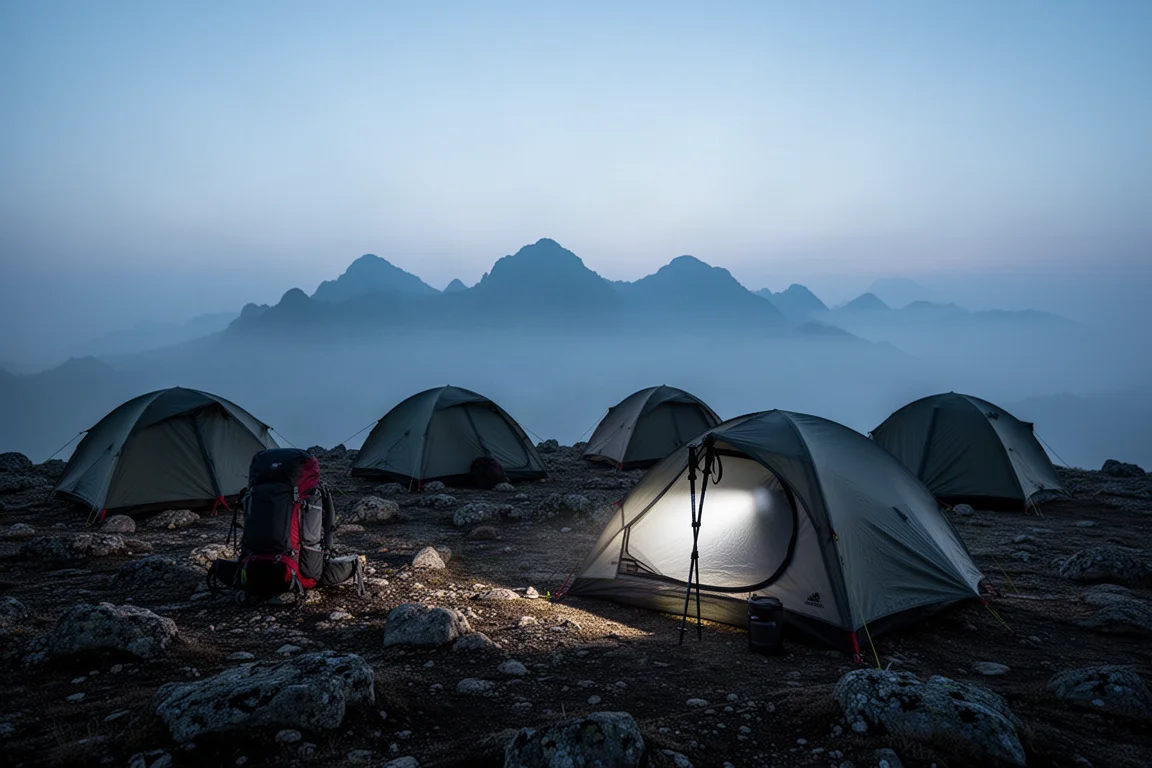
Two things to weigh up before buying. Seam sealing is a job you have to do yourself, which is enough to put some campers off, and pitching is fiddly, with the shape easy to get wrong on the first few attempts. For backpackers who want minimum weight and are willing to spend a little time on setup and sealing, it is the standout shelter in this group.
Overall Buying Advice
Start with how you camp. If minimum weight is the priority and you are comfortable using trekking poles, the 3F UL Gear Lanshan and the DD Hammocks Super Light Tarp are the two lightest routes here, and both reward a little practice. If you want a first tent with strong rain protection for very little money, the OEX Phoxx 2 is hard to argue with, as long as you accept an inner-first pitch and just over two kilograms.
For a freestanding tent that is easy to live with, the MSR Hubba Hubba is the lightest two-door option in this group, while the MSR Elixir trades some weight for a sturdier frame and a lower price. If you camp in exposed places or through colder months, the Wild Country Helm and the Naturehike Cloud Peak 2 offer four-season shapes and higher hydrostatic head ratings, with the Helm easier to pitch and the Cloud Peak 2 roomier.
Two details are worth checking on any shortlist: whether the fly can be pitched first, and whether the packed weight is measured with or without the groundsheet and packaging, since those figures can differ by several hundred grams.
Conclusion
The ten tents here cover the full range of backpacking priorities: single-skin summer shelters, budget tunnel tents, freestanding two-door designs, four-season domes, and ultralight trekking-pole and tarp setups. Match the shelter to the conditions you actually camp in, check the pitching order and the packed weight, and the choice becomes much simpler.
Further reading
Related Reviews
Camping Tents
3F UL Gear Taiji Two-Person Tent Review: Field Waterproofing Results and Buying Advice
The Taiji pairs an attached fly with a removable inner, but sustained rain exposed untaped vent seams that need sealing before this shelter can be trusted.
Camping Tents
3FUL Gear Lanshan 2 Pro 4-Season Review: A Sub-$200 Single-Wall Trekking Pole Tent
An early look at the 3FUL Gear Lanshan 2 Pro 4-Season, covering its straightforward pitch, generous interior space, and the condensation and seam-sealing questions that come with any single-wall shelter.
Camping Tents
Alps Mountaineering Lynx 1-Person Tent Review: Big Value in a Small Budget Tent
A close look at the Alps Mountaineering Lynx 1-Person Tent, covering real interior dimensions, materials, setup time, ventilation limits, and who should buy it.