Backpacking Tents
Best Backpacking Tents: Seven Field-Tested Shelters Compared
Seven backpacking tents compared on weight, weather performance, livability, and value, with clear guidance on which shelter suits which kind of trip.
Introduction
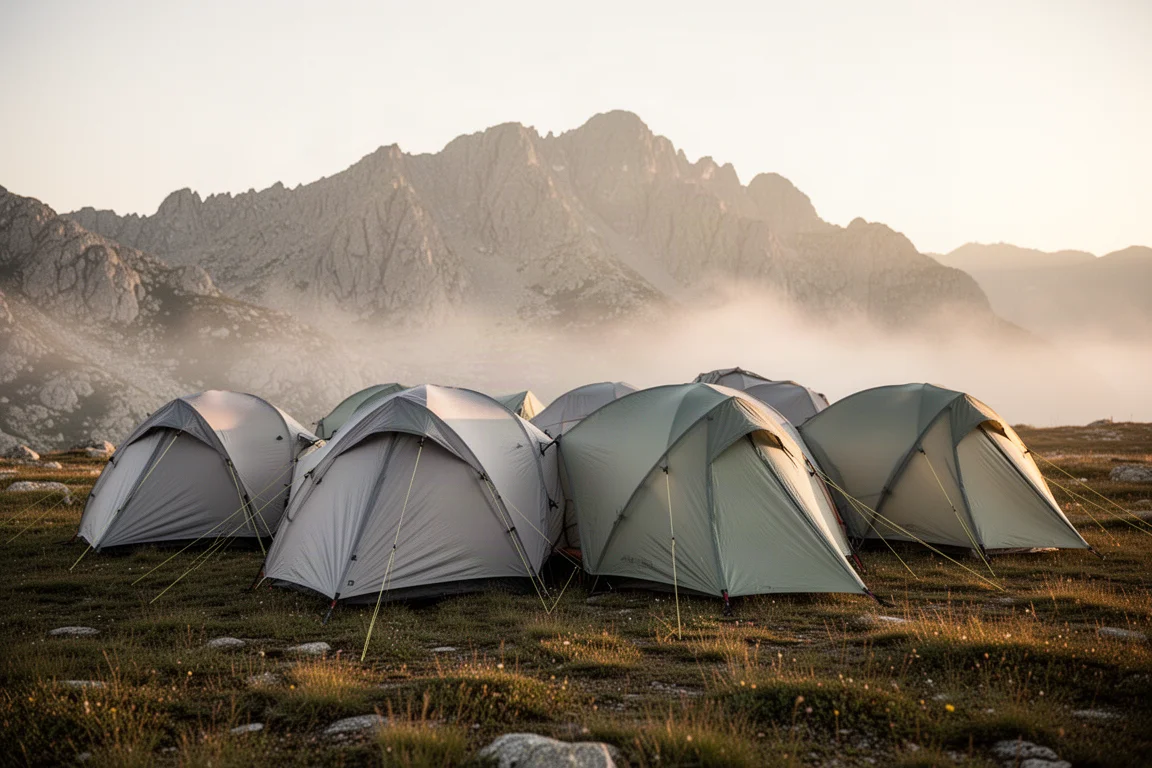
Backpacking shelters are the gear decision that shapes everything else: how much weight you carry, how quickly camp comes together, and how well you sleep when the weather turns. Over a season of trips, seven tents saw real use across alpine ridges, desert canyons, and car camping weekends, and each one earned a clear place in a personal ranking.
This list is not a claim about the entire market. It is a set of field notes on the shelters that were actually available for testing, arranged from least enjoyable to most enjoyable to carry and live in. Some were used on a single overnight, others on repeated trips, and that difference matters when weighing the conclusions.
Two themes run through the whole group. The first is the trade between weight and livability, since the lightest shelters ask you to give up space, freestanding convenience, or both. The second is value, because a tent that performs well can still be hard to recommend when a comparable option costs significantly less.
How These Tents Were Chosen
Each shelter was judged on the same practical questions. How much does it weigh once poles and stakes are included? How long does it take to pitch, and does that process still make sense in bad weather? Does the structure hold up in wind and rain? How livable is the interior, and does the design help you organize gear? Finally, does the performance justify what the tent costs?
Testing time was not equal. A couple of the shelters arrived late in the season and have only seen two or three trips, so those impressions are provisional and will firm up with more use. Longer-term shelters were used across a wider range of conditions, from calm summer nights to exposed desert wind.
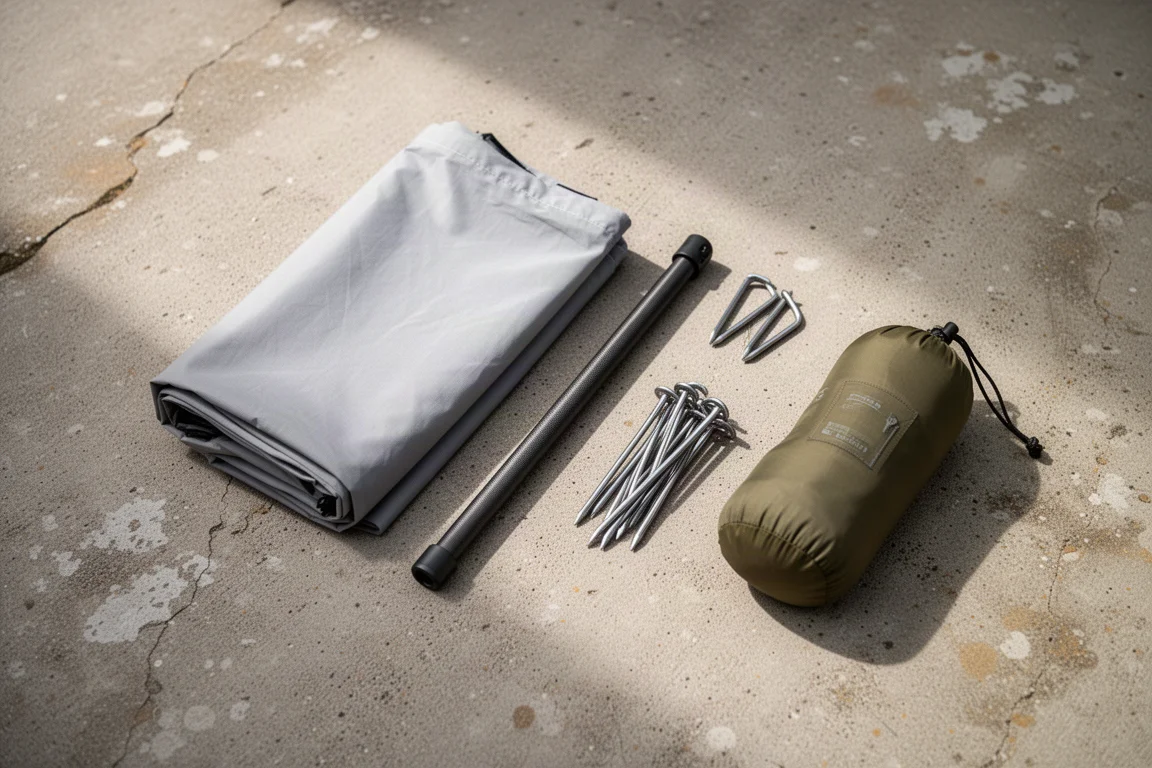
That uneven experience is worth stating plainly, because the difference between a tent that has been through twenty nights and one that has been through three shows up in the details. Weight, packed size, and price are fixed numbers, but weather performance and long-term durability only reveal themselves over time.
Mountain Hardwear Aspect 2
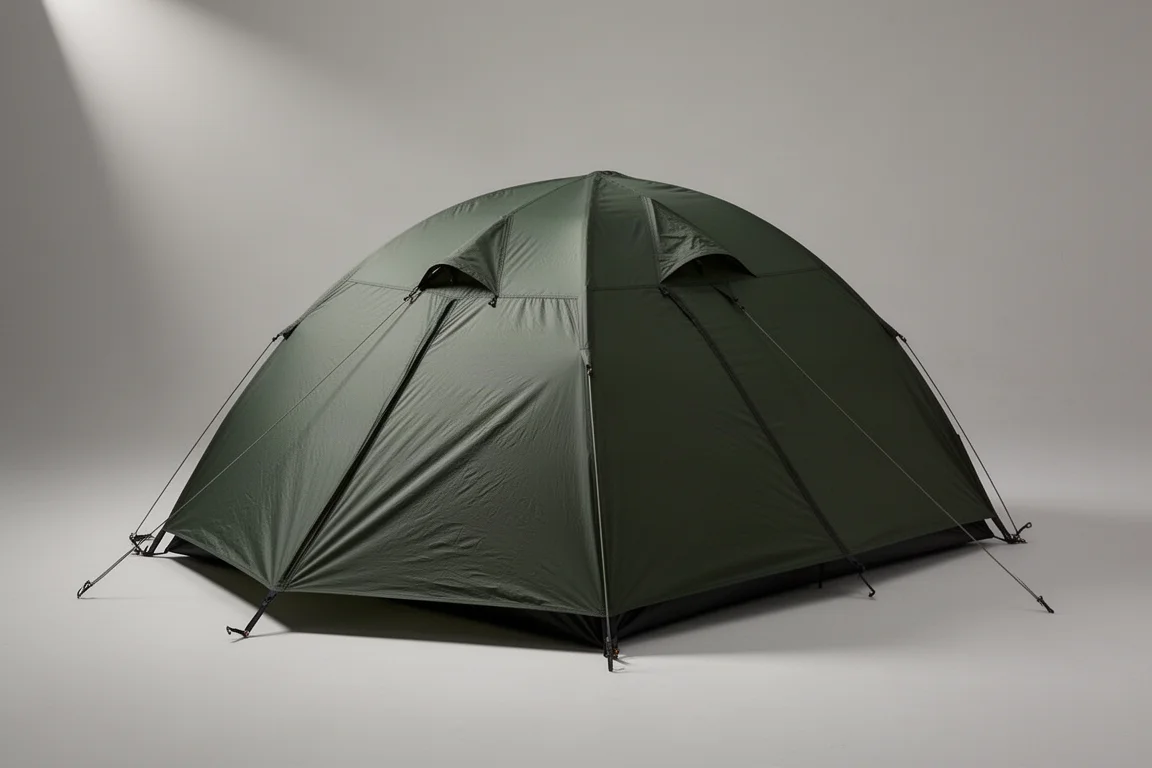
The Aspect 2 is a freestanding two-person tent with a deliberately minimal design, and it does the core job well. It protects in weather and works across a wide range of conditions, which makes it a reasonable choice for anyone who wants a simple, self-supporting shelter that does not depend on trekking poles.
The issue is not quality, it is value and enjoyment. For the amount of money this tent asks, comparable weight, performance, and design can be found for a significantly lower price. That gap is why it lands at the bottom of this particular list, rather than because of any serious failure in the field.
If a freestanding two-person shelter is the priority and the price is not a concern, the Aspect 2 remains a capable option. Anyone shopping primarily on value should compare carefully before committing.
Big Agnes Tiger Wall UL1
The Tiger Wall UL1 lands in the middle for a simple reason: it is genuinely enjoyable on the trips it has been on, but it does not handle everything well. In heavy wind it does not perform the way a stiffer shelter would, and the full nylon fabric sags noticeably in rain, especially compared with shelters built from Dyneema-based fabrics.
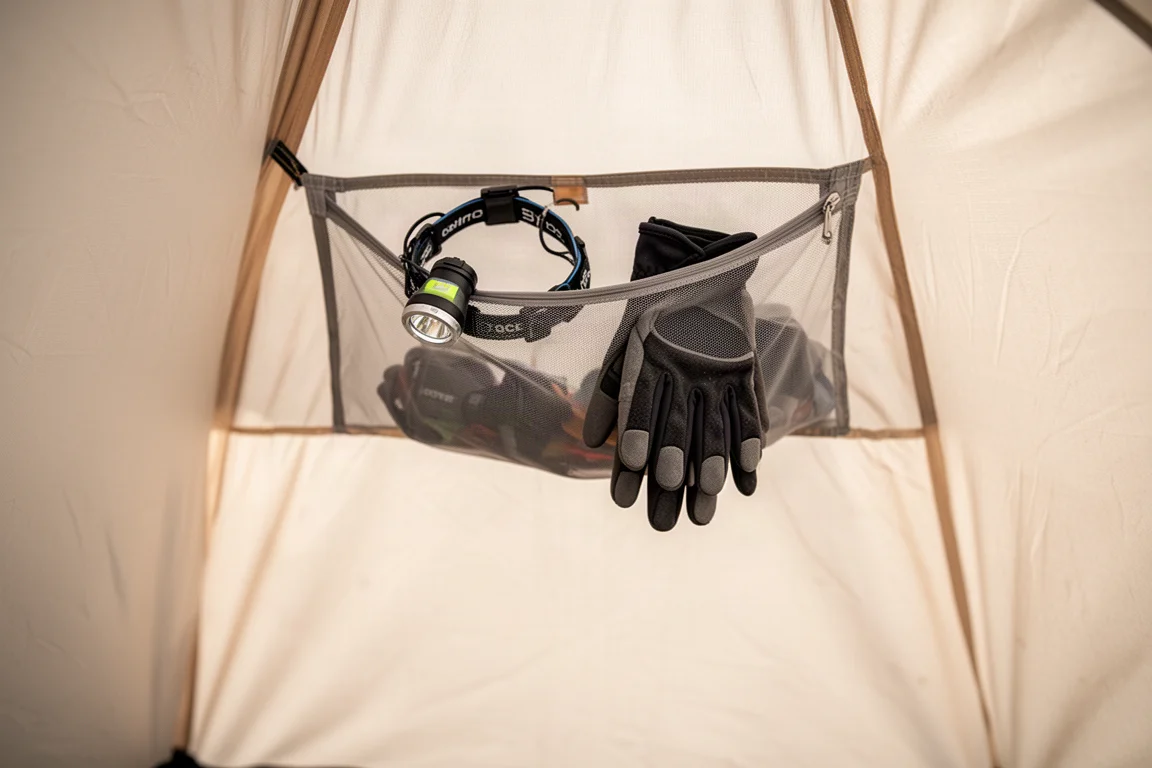
What it does well is interior organization. The standout detail is a 3D pocket positioned at the top of the tent, which gives you a place to get small items off the floor. In a one-person shelter where every item competes for the same few square feet, that kind of thoughtful storage matters more than it sounds.
For solo backpackers who value a tidy, organized interior and mostly travel in moderate conditions, this is a pleasant tent to spend nights in. Anyone whose trips regularly include sustained wind and heavy rain should weigh those limitations against the comfort of the interior design.
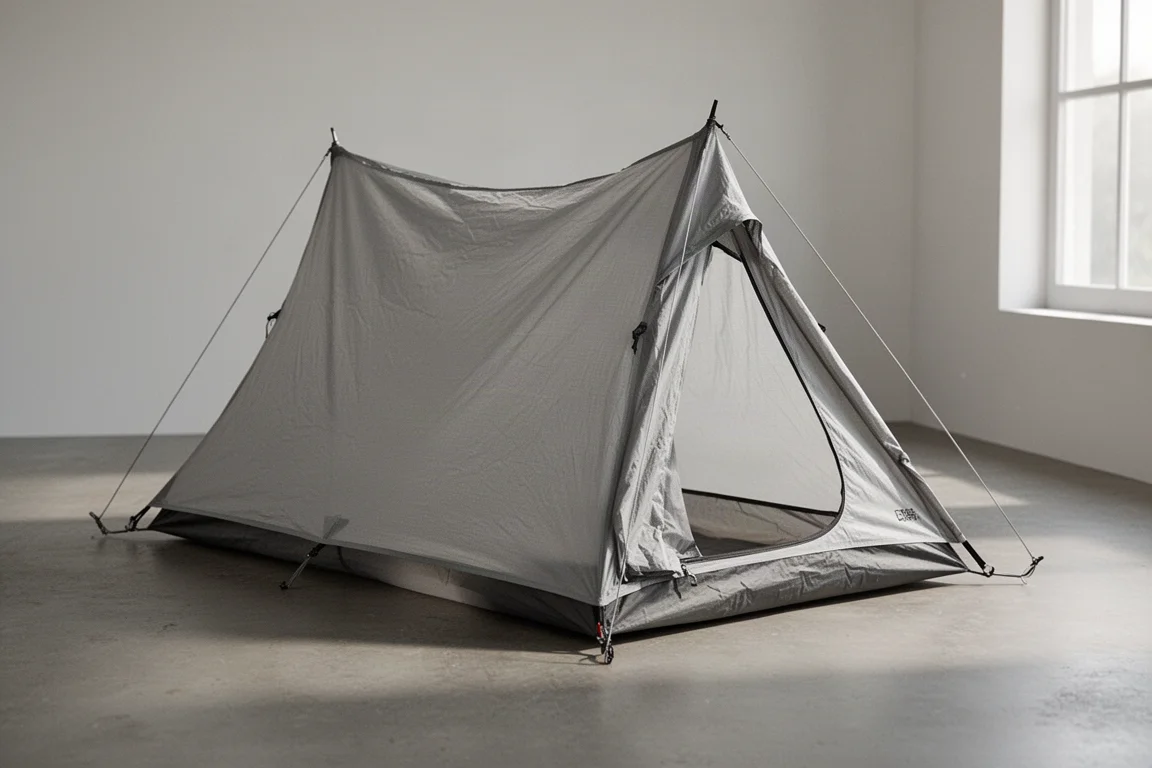
Outdoor Vitals 40th One-Person Tent
The Outdoor Vitals 40th is newer to the market and has seen less field time than most of the group, so the impressions here are shorter-term. Across two trips it has performed well, with quick setup for a non-freestanding shelter and plenty of room for a one-person tent.
There are a few design details worth revisiting, and a fuller assessment will make more sense after a longer season of use. What is already clear is the niche it fills: backpackers who want to cut weight in their sleep system without paying Dyneema-level prices, and who are willing to carry a little more weight than a Dyneema one-person, non-freestanding shelter would require.
Setup does require two poles, which is worth factoring in if the goal is to reduce the number of components in your pack. Even so, the weight savings and the roominess make it a sensible option for the bracket it targets.
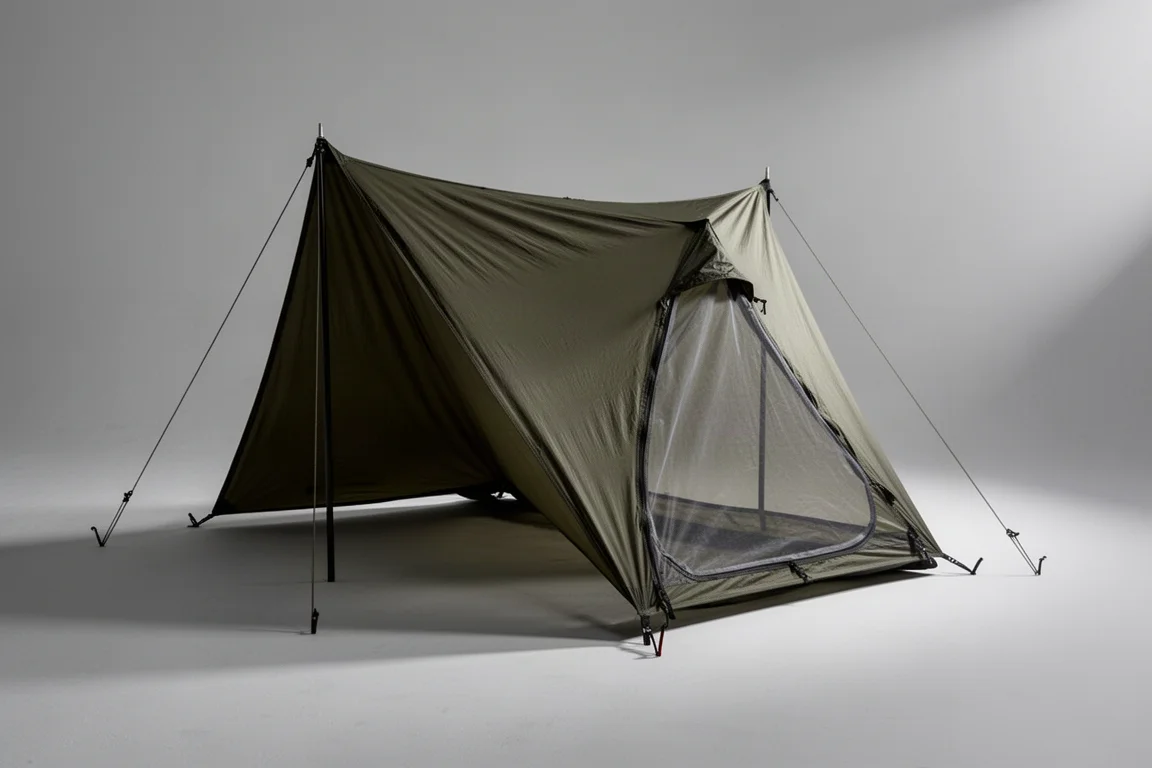
Zpacks Plex Solo
The Plex Solo also arrived later in the season, so testing has been shorter, but the first impressions are strong. It pitches easily, feels simple to use, and is notably livable for a shelter this light, with enough space to move around inside.
The headline number is weight: under one pound without the stakes or the pole. Part of how it gets there is a single-pole design, which is a real advantage over shelters that need two poles for setup. Stakes are not included, which can be read either way, since it leaves you free to choose the stakes that suit your terrain.
For anyone trying to save as much weight as possible, this shelter checks the important boxes: one pole, Dyneema fabric, and a design that stays usable rather than turning into a cramped bivy.
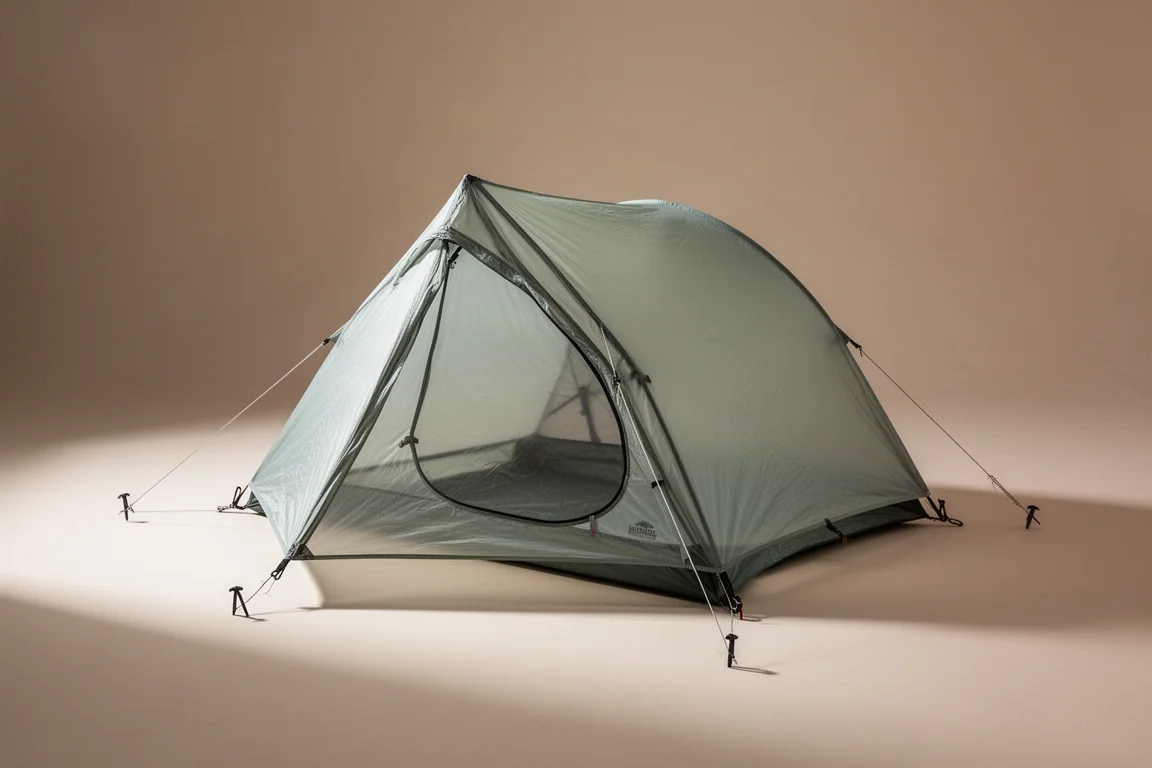
Sea to Summit Telos TR2
The Telos TR2 is the tent to take when the trip is meant to be comfortable. It is not the lightest option here, and it may be the second heaviest in the group, but the performance and design details are excellent, and it handles genuinely extreme weather.
In a desert wind storm it held up through sustained gusts. The one weak point showed up in loose sand: the wind pushed the tent hard enough to pull the stakes out, and sand ended up inside. That is a stake and ground problem more than a tent problem, but it is a useful reminder to match stakes to the surface you expect.
As a freestanding shelter for exposed conditions and relaxed basecamp-style trips, this is a very enjoyable tent. Anyone counting grams will want to look elsewhere.
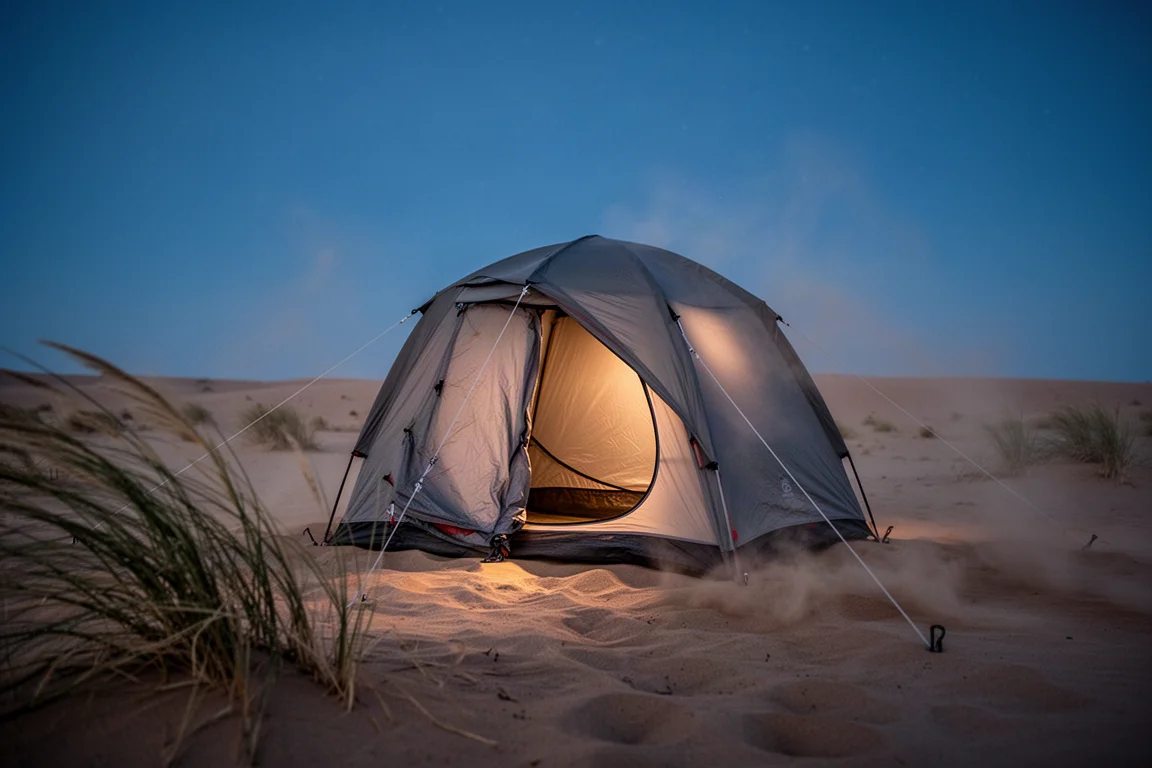
NEMO Dagger Osmo
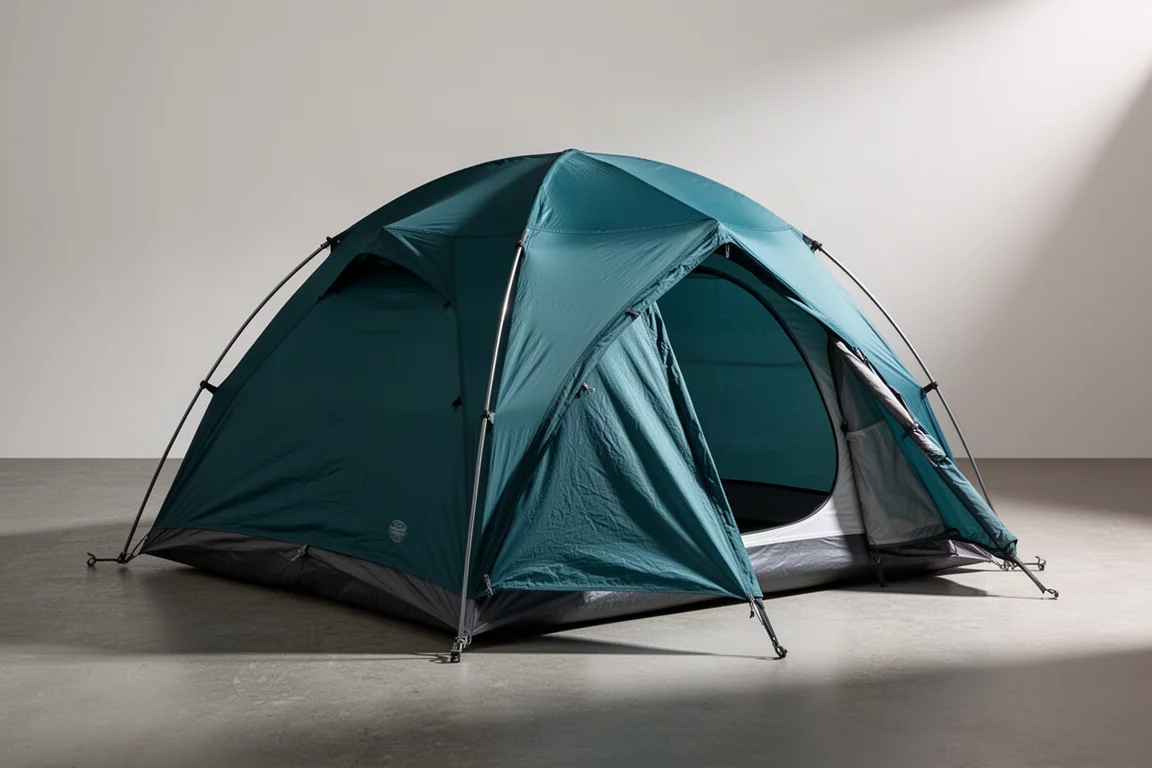
The Dagger Osmo is the heaviest tent in this group, and it is also one of the most pleasant to spend time in. It has been used solo, shared on a trip to Zion National Park, and taken out on car camping trips, and it handled all three roles without complaint.
Space is the main argument. The tent measures 50 inches of width at both the head end and the foot end, and the vestibule area is generous, helped by a sidecar design that keeps gear organized outside the sleeping area. The Osmo fabric is a strong part of the story as well.
For two people, the weight becomes far less of an issue once it is split, and the livability is hard to argue with. Considering the price against what the tent delivers, it is an easy recommendation for anyone who will usually share it.
Tarptent Double Rainbow Lithium
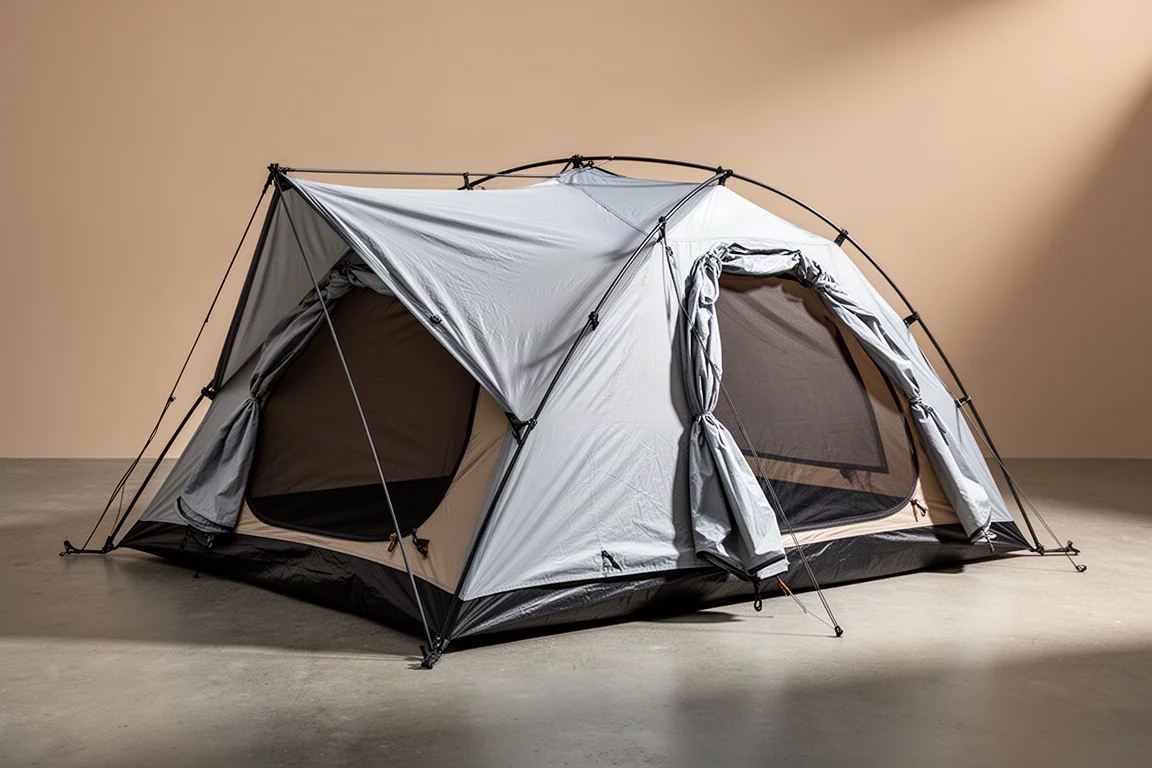
The Double Rainbow Lithium is the shelter that gets reached for most often. It comes in under two pounds total with poles and stakes, which is remarkable for a shelter this comfortable, and it sets up quickly with a design that feels genuinely well thought out.
Livability is where it separates itself. For one person it is close to a palace, with room to spread out and organize, and it can be converted into a fully freestanding mode using trekking poles when the ground will not take stakes. That flexibility covers situations a single-mode shelter cannot.
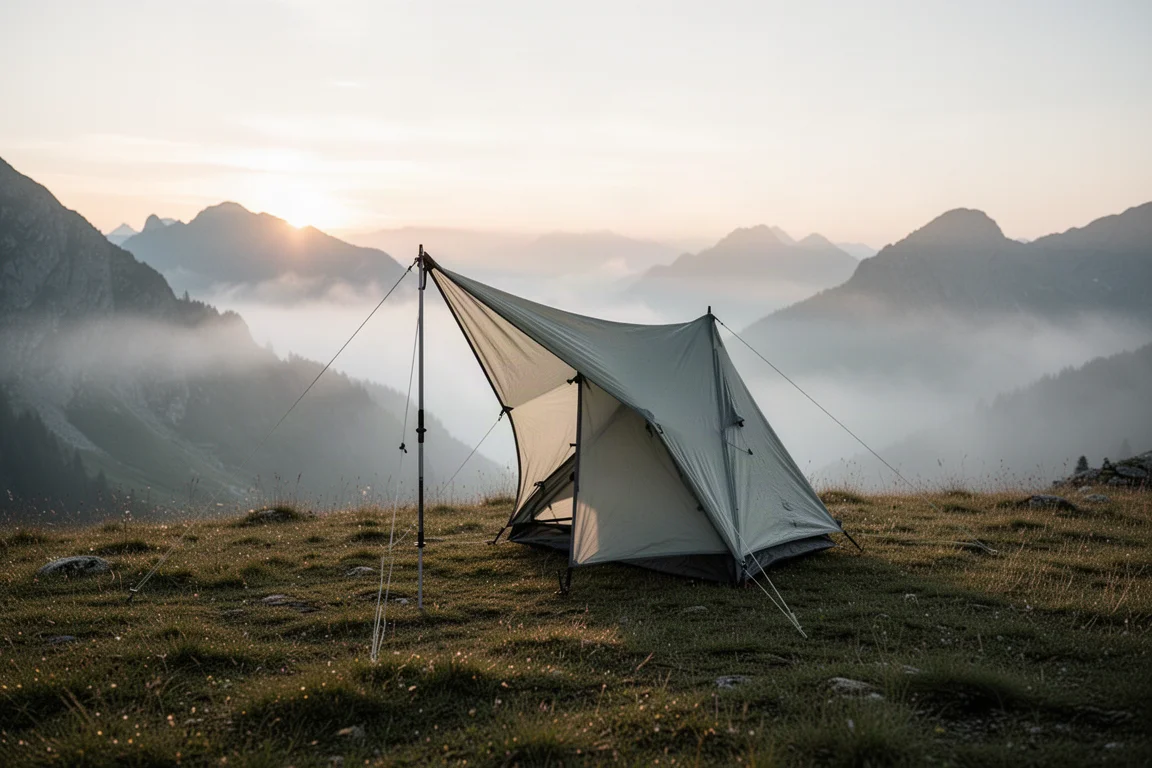
Nothing here is a compromise that shows up night after night, which is the real test of a shelter. Weight, ease of setup, interior space, and adaptability all land in the same place, and that combination is why it sits at the top of this list.
Overall Buying Advice
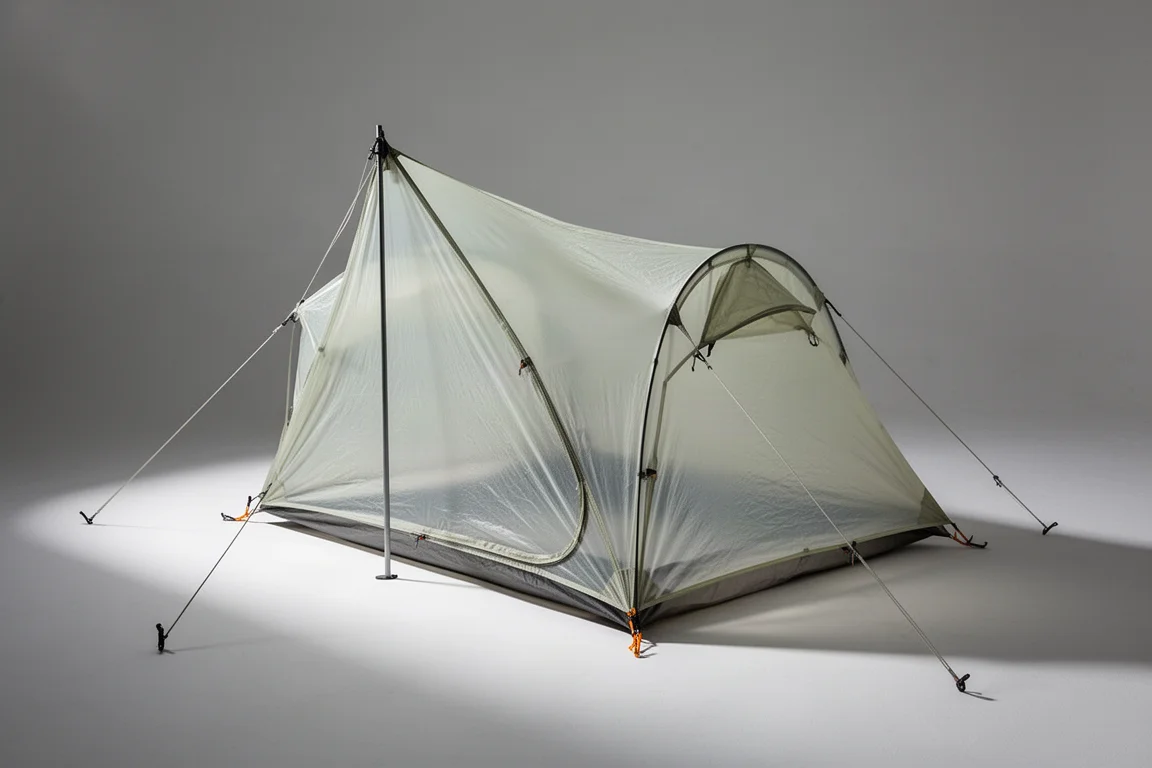
Start with the trips you actually take. If you mostly hike alone and count every gram, a single-pole Dyneema shelter such as the Plex Solo or the Double Rainbow Lithium makes the most sense. If you want a shelter that stands up without trekking poles and you camp in exposed places, a freestanding design earns its extra weight.
Then think about who is sleeping in it. A two-person tent that gets shared saves weight per person and adds livability, while a one-person shelter keeps the pack light for solo trips. Finally, compare value rather than headline specs, since the Aspect 2 shows that a well-designed tent can still be hard to justify when similar performance is available for less.
One caveat worth repeating: this list covers the shelters that were available for testing, not the entire market. There are plenty of other options, and the right tent is the one that matches your conditions, your budget, and how you like to sleep.
Conclusion
Seven tents, seven different answers to the same question about weight, weather protection, and comfort. The Double Rainbow Lithium wins on overall enjoyment, the Dagger Osmo wins on shared space and value, and the Telos TR2 wins when the forecast looks ugly. The Plex Solo and the Outdoor Vitals 40th show how far lightweight design has come, while the Tiger Wall UL1 and the Aspect 2 remain solid shelters with specific trade-offs to weigh.
Match the shelter to the trip and the decision gets much easier. Buy for the nights you will actually spend outside, and the tent you choose will earn its place in the pack.
Further reading
Related Reviews
Backpacking Tents
3F UL Lanchan Pro 1 Review: A 1 lb 8 oz Single-Wall Trekking Pole Tent
A practical look at the 3F UL Lanchan Pro 1, a single-wall trekking pole shelter with a 1 lb 8 oz weight, 20D silnylon fabrics, and a roomy 90 x 31 x 49 inch interior.
Backpacking Tents
3F UL Taiji 2-Person Tent: A Convertible Backpacking Shelter Worth a Closer Look
A practical look at the 3F UL Taiji two-person tent, covering its materials, true two-person interior, fly-first pitching, and the seasonal inner swap that lets one shelter cover more of the year.
Backpacking Tents
3FUL Lanshan Twoerson Pro Review: A Light Trekking Pole Shelter That Struggled in Rain
A two-person trekking pole shelter with a 2026 redesign, pitched with sticks and put through a night of steady rain. Here is what worked, what did not, and what to check before buying.