Backpacking Tents
Best Backpacking Tents: Seven Shelters Compared for Weight, Weather, and Livability
Seven backpacking tents compared on weight, weather performance, pitching ease, and interior livability, from freestanding two-person shelters to sub-one-pound Dyneema designs.
Introduction
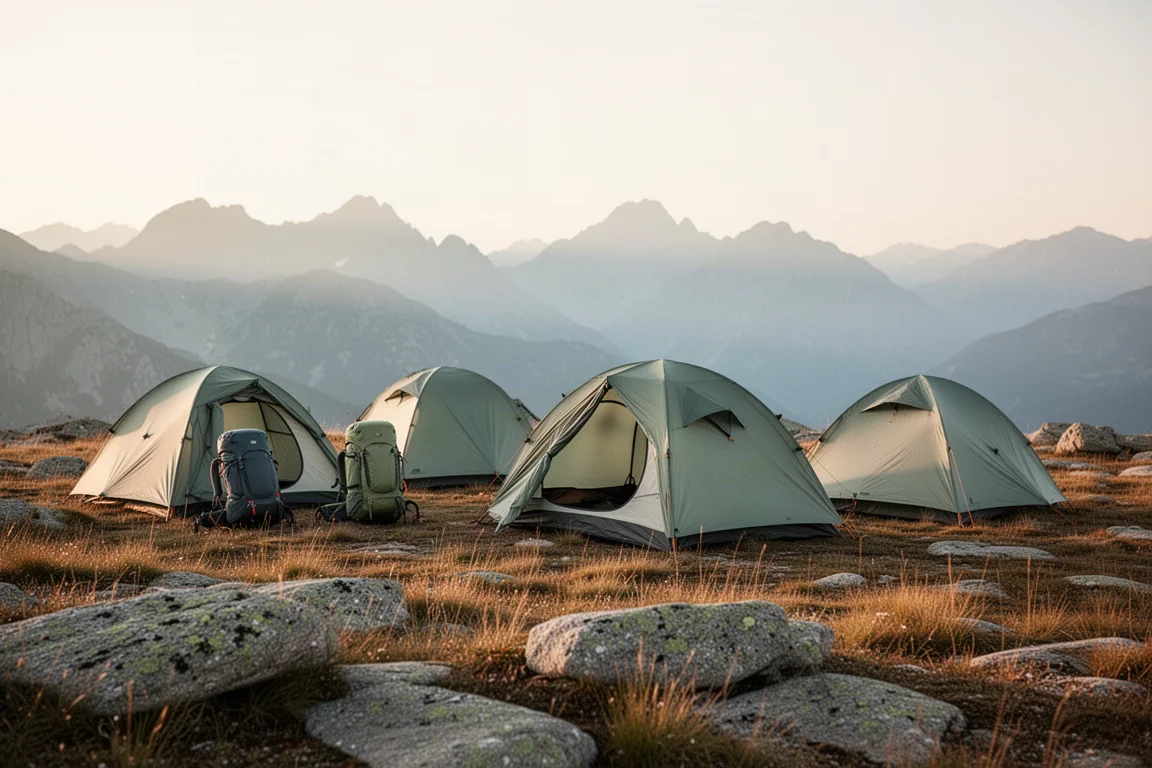
Choosing a backpacking tent is a balance of four things: how much it weighs, how it behaves in bad weather, how quickly it pitches, and how livable it feels after a long day on the trail. No single shelter wins on all four, and the right answer depends on whether you carry the load alone or split it with a partner.
This roundup covers seven shelters we have used across a full season of trips, ordered from the least rewarding to the most. They range from freestanding two-person designs built for rough conditions to minimalist Dyneema shelters that almost disappear into a pack. Each one has a clear strength and an equally clear trade-off.
Mountain Hardwear Aspect 2: A Capable Freestanding Two-Person Tent
The Aspect 2 is a freestanding two-person tent with a deliberately minimal design. It protects you in weather and it works across a wide range of conditions, which makes it a genuinely dependable shelter rather than a compromised one.
The catch is value. For the money this tent asks, comparable weight, performance, and design can be found for a significantly lower outlay. That does not make the Aspect 2 a bad tent. It makes it the least rewarding shelter in this group to actually use, particularly for solo backpacking where a two-person freestanding design is more tent than the trip requires.
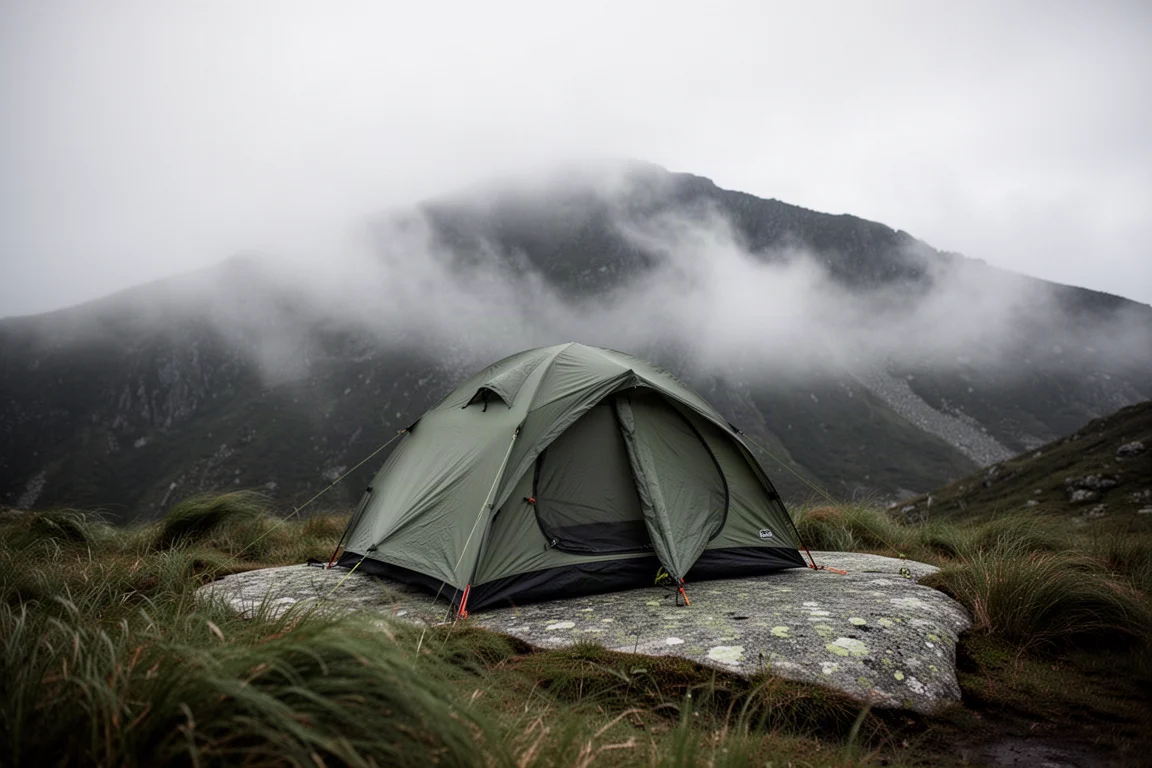
If you want a freestanding two-person tent and you are comfortable paying for the design and the name behind it, the Aspect 2 will serve you well in mixed conditions. If value per gram is your priority, the same budget goes further elsewhere.
Big Agnes Tiger Wall UL1: Lightweight With Some Trade-Offs
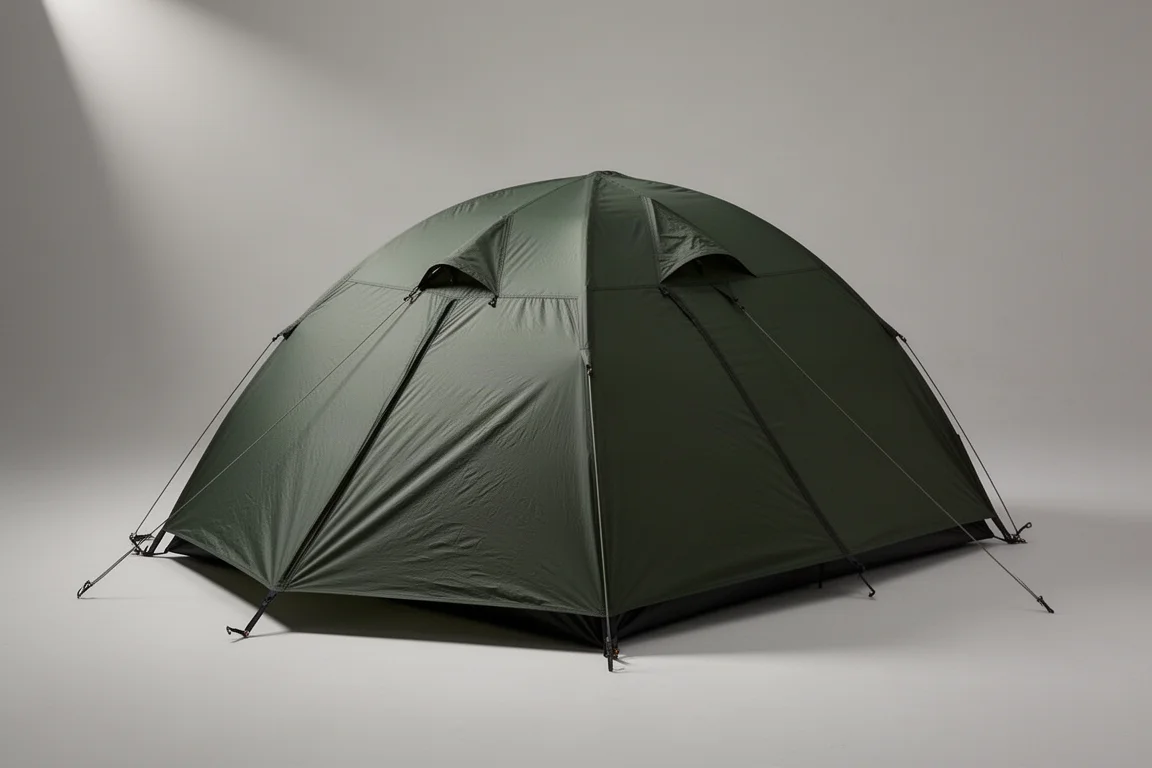
The Tiger Wall UL1 sits in the middle of this group. It is light and easy to live with on shorter trips, but it has two behaviours worth knowing before you buy. In heavy wind it does not hold its shape the way we would like, and the full nylon fabric sags noticeably in sustained rain, especially next to Dyneema shelters.
What it does exceptionally well is interior organisation. The 3D pocket at the top of the tent gives you a dedicated place for small items, which matters far more in a one-person shelter than it sounds. With limited floor space, being able to lift gear off the ground and keep it tidy makes the tent feel calmer and better organised at the end of a long day.
Outdoor Vitals 40T 1-Person Tent: A Lightweight Value Option
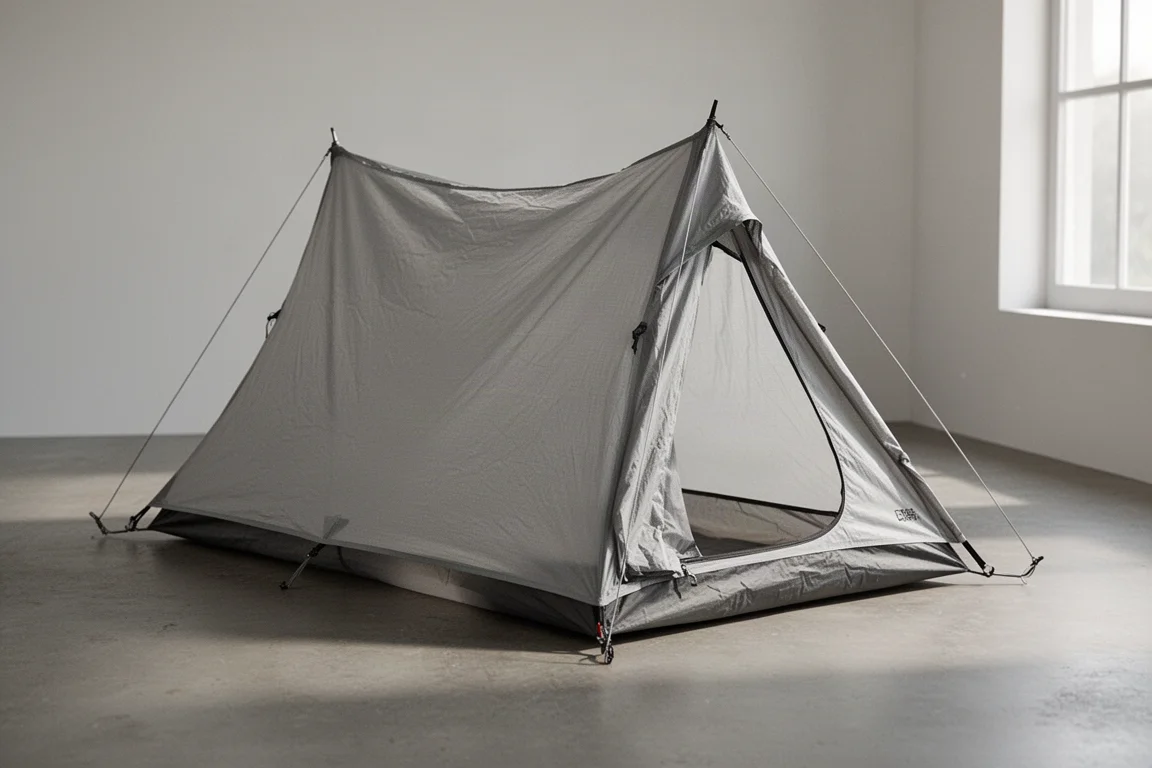
The 40T is newer to the market, so our time in it is shorter than with the other shelters here. Across the trips we have taken it on, it has performed well and been genuinely enjoyable to use.
Setup is quick for a non-freestanding tent, and there is plenty of room inside for a one-person shelter. It does require two poles to pitch, and there are a few design details we would change, which we will cover once we have logged more nights in it. Where it fits is clear: it offers a way to cut pack weight with a minimal shelter without paying Dyneema prices, as long as you accept carrying a little more weight than a Dyneema one-person non-freestanding tent would add.
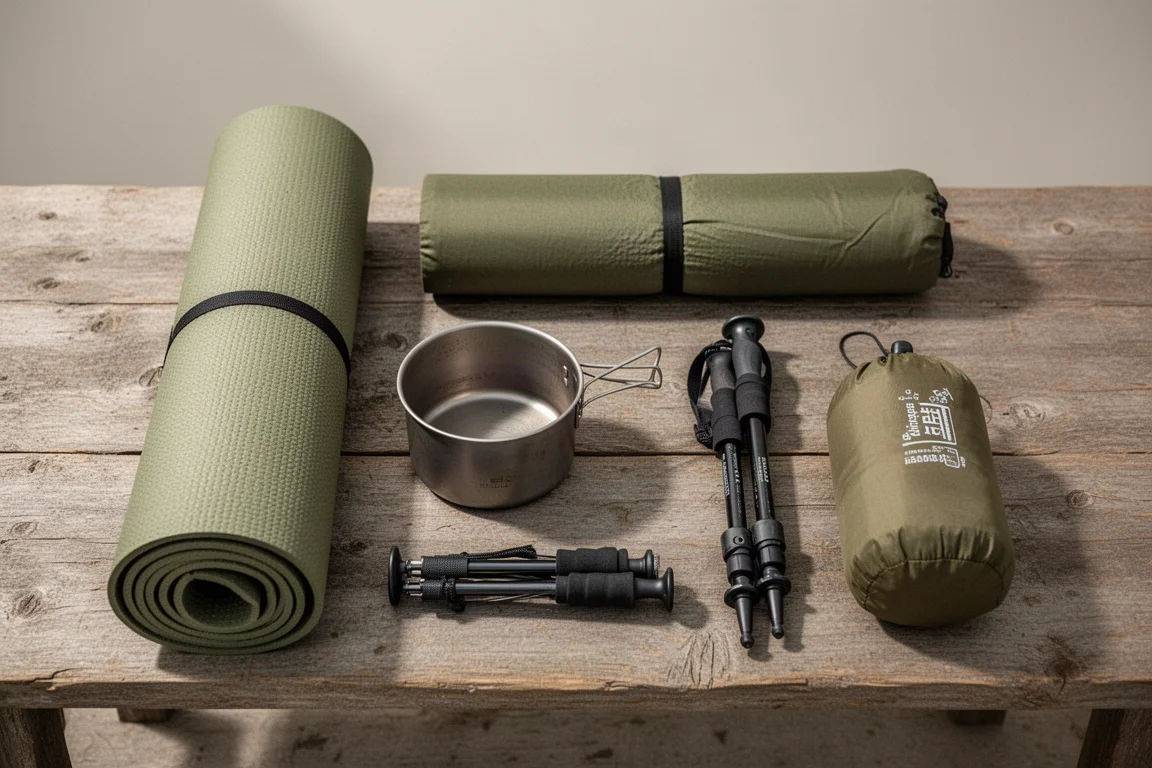
For backpackers moving toward a lighter setup who are not ready to spend at the very top of the market, the 40T is a sensible middle step.
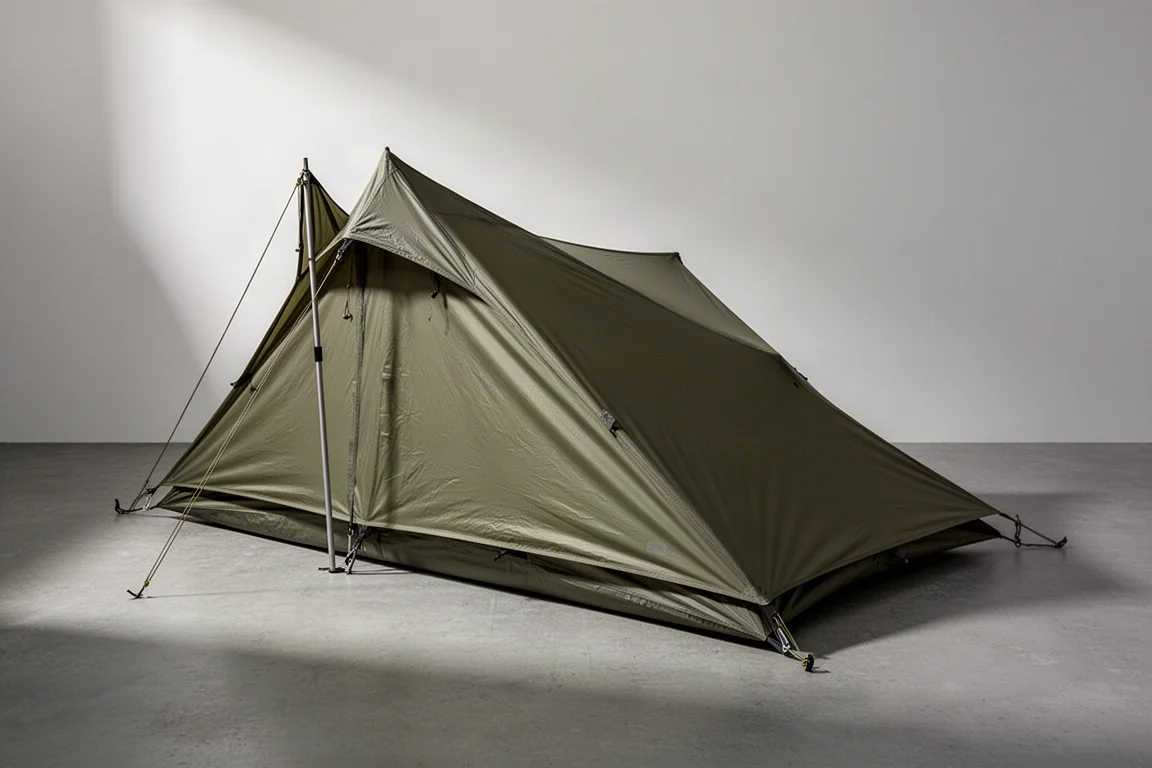
Zpacks Plex Solo: Minimal Weight, Minimal Setup
The Plex Solo is a Dyneema shelter built around saving weight, and it does that job extremely well. It uses a single pole, which is a meaningful advantage over one-person tents that need two poles to stand. Without the stakes or the pole, it weighs less than a pound.
It does not ship with stakes. Whether that is a pro or a con depends on how you pack: choosing your own lets you match them to the ground you actually camp on, but it is an extra purchase to plan for. Pitching is easy, the interior is surprisingly livable with room to move around, and the whole package stays simple.
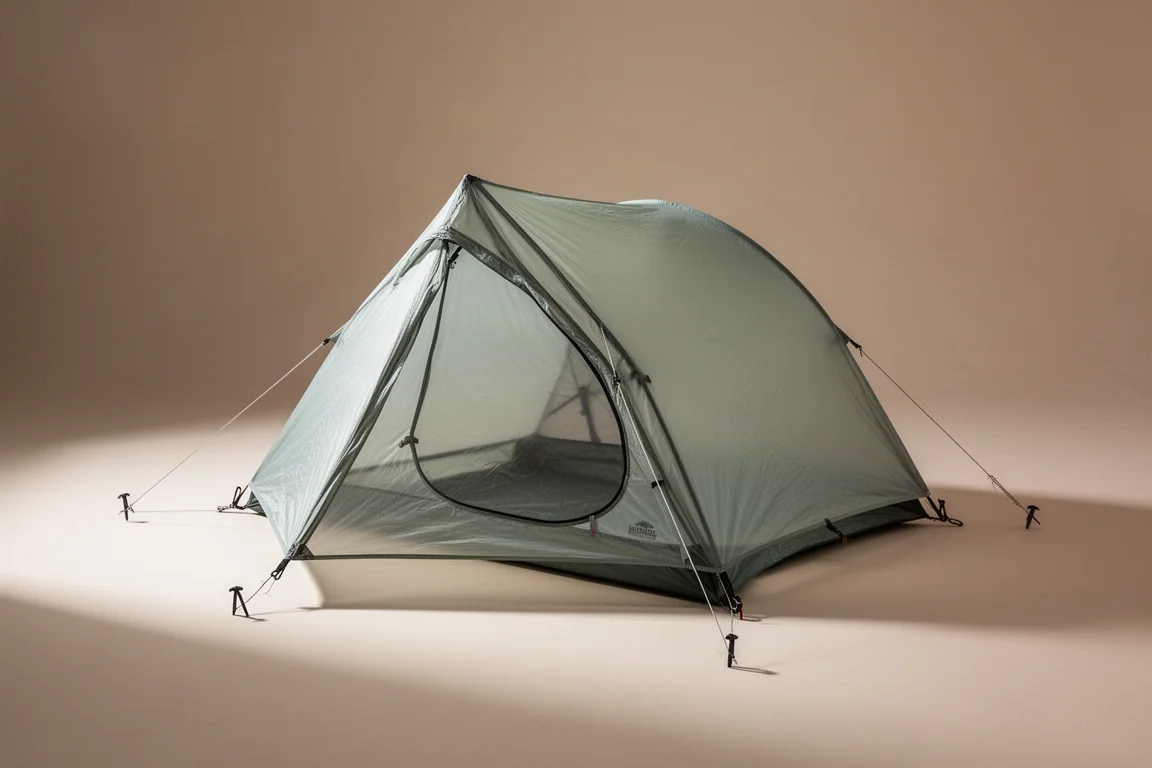
Sea to Summit Telos TR2: Weather Protection First
The Telos TR2 is the shelter to reach for when comfort at camp matters more than shaving grams. It is not the lightest option here and may be the second heaviest of the group, but it is a genuinely pleasant freestanding tent to spend an evening in.
Its real strength is weather. We have had it out in serious desert wind storms and it handled them well. The one limitation is staking in very loose sand: in one storm the wind pushed the tent hard enough to pull the stakes free, which let sand inside. On firmer ground that is a non-issue, but it is worth planning for if your trips regularly end on soft, exposed terrain.
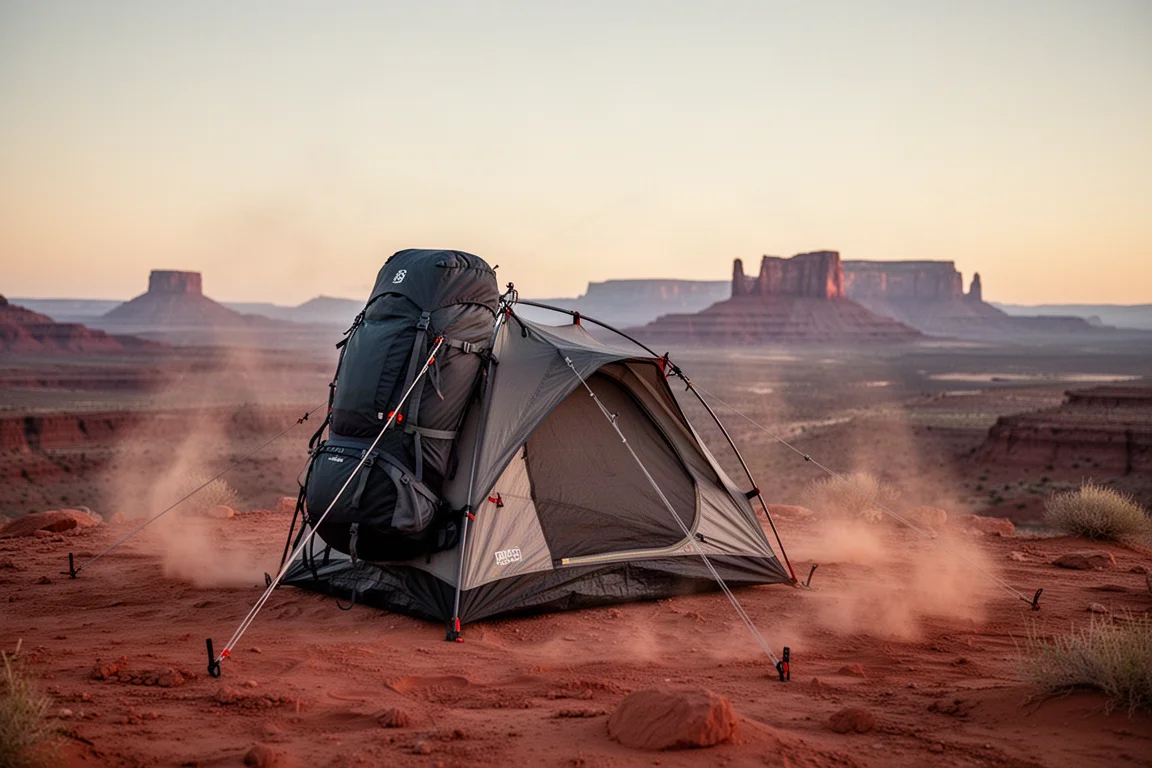
If you camp in exposed places and want a freestanding two-person shelter that shrugs off rough weather, the Telos TR2 is the most reassuring option in this group.
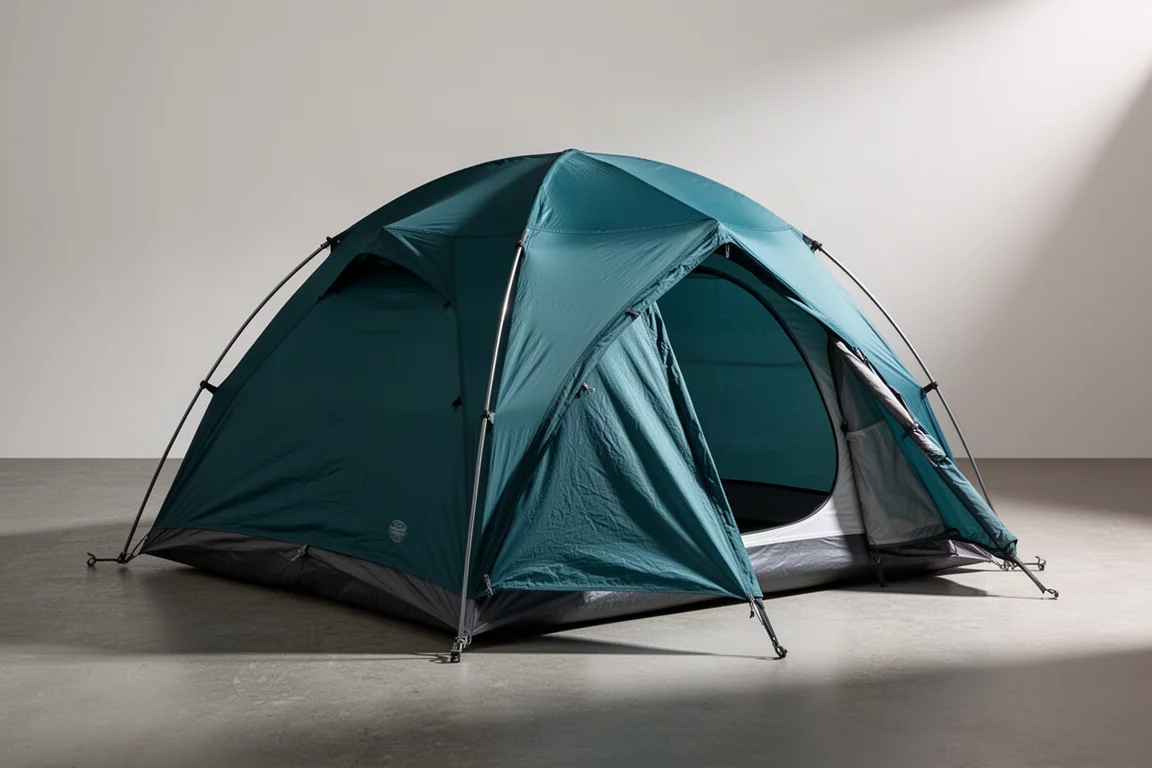
Nemo Dagger Osmo 2P: Room to Share
The Dagger Osmo 2P is the heaviest tent we carried this season, and it earns that weight with space. There is 50 inches of width at both the head and the foot end, generous vestibule room, and a sidecar feature that adds useful covered storage.
The Osmo fabric is a standout, and the interior layout makes the tent feel far larger than its packed weight suggests. We have used it solo, shared it with a brother on a national park trip, and taken it car camping with a daughter. For the price and what you get, it is excellent value, and because it is built to be shared, splitting the weight between two people makes it genuinely competitive.
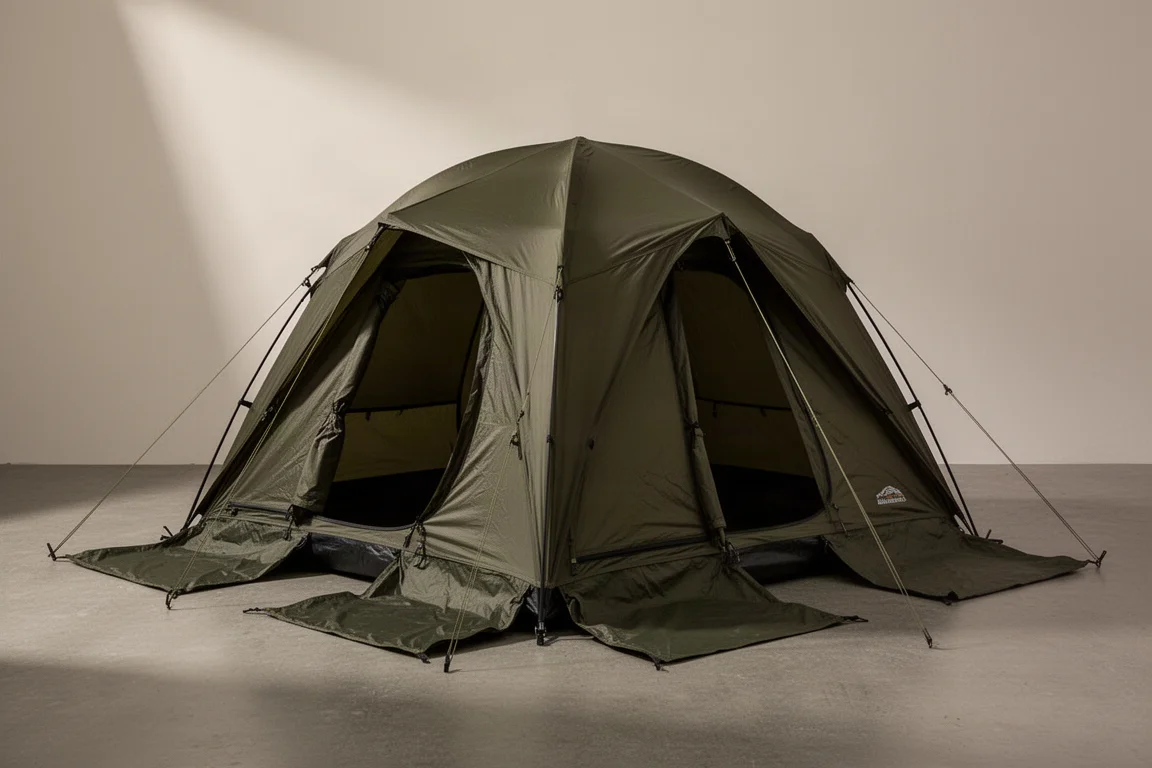
Tarptent Double Rainbow Li: The Standout Shelter
The Double Rainbow Li is the shelter we look forward to using most. It comes in under two pounds in total, including the poles and stakes, and it manages to be both light and unusually comfortable.
Setup is quick and straightforward, the layout is very livable for one person, and it can be converted to a fully freestanding pitch using trekking poles when the ground will not take stakes. Every element, from the weight to the ease of pitching to the interior design, works together rather than fighting itself.
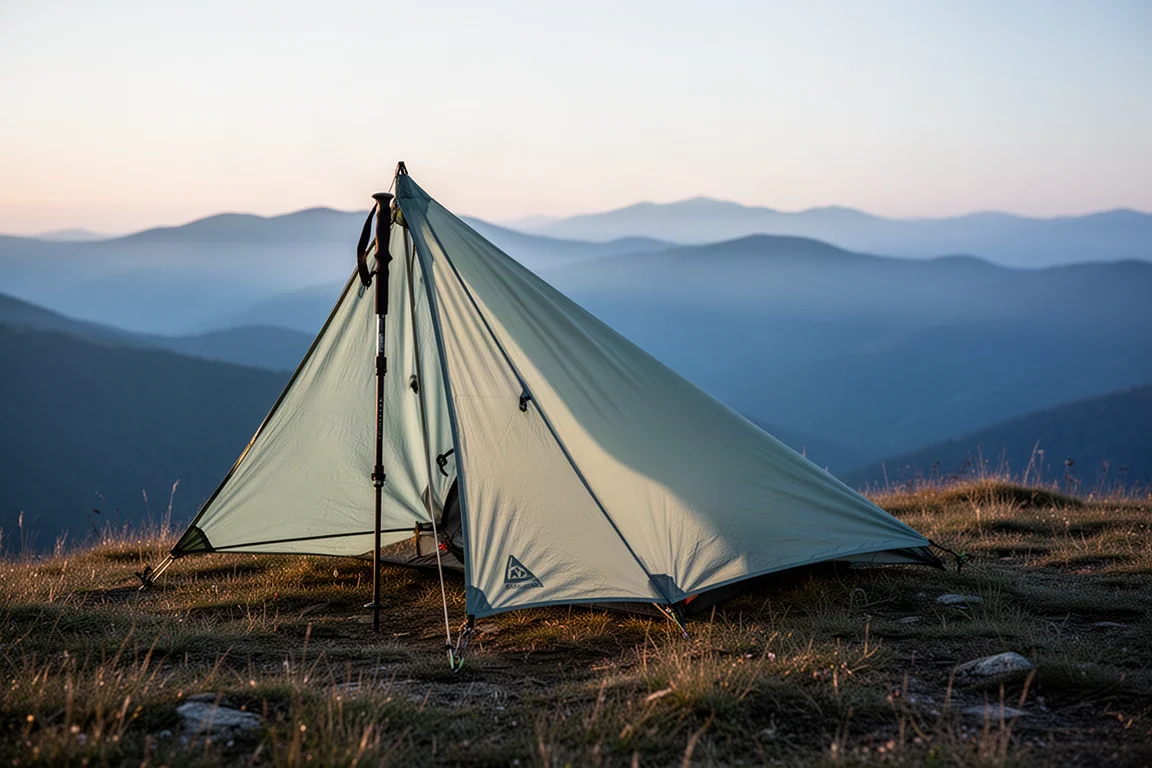
If you want one tent that covers the widest range of trips without a serious penalty in weight or comfort, this is the one we would point you toward.
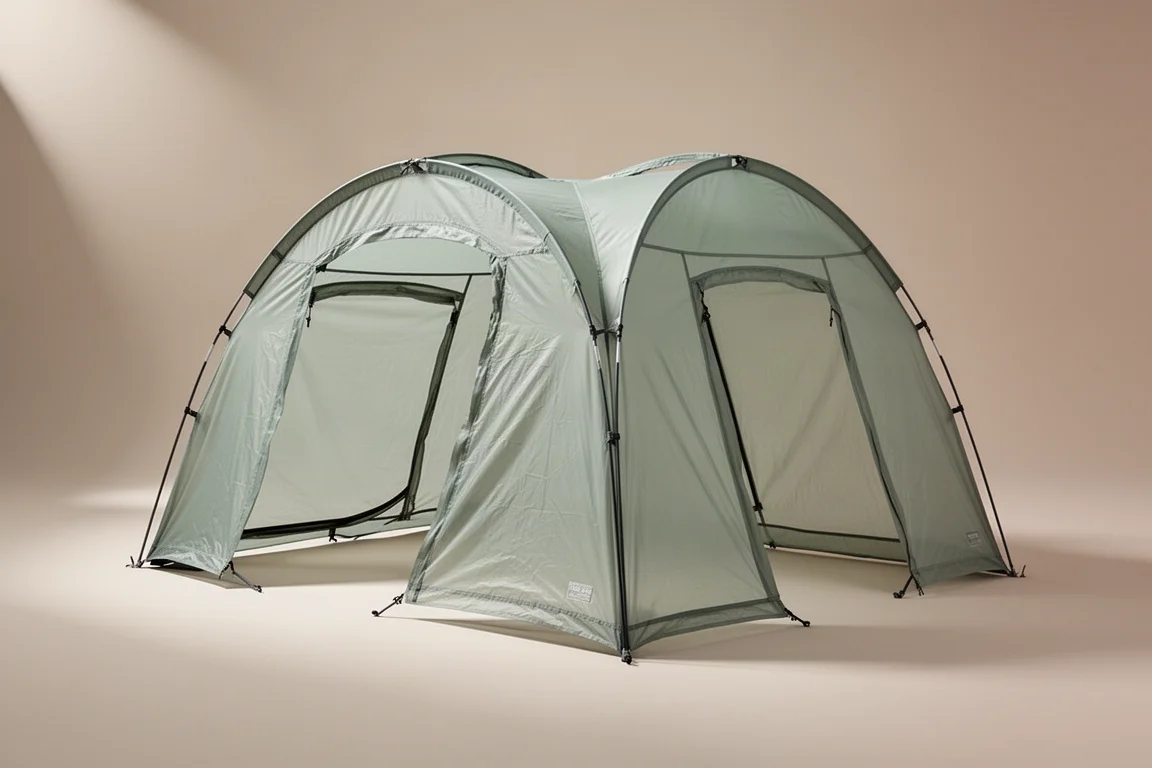
Buying Advice
Start with how you carry the load. If you hike solo and every gram counts, a single-pole Dyneema shelter such as the Plex Solo or the Double Rainbow Li saves the most weight. If you usually camp with a partner, a two-person tent that splits between two packs, like the Dagger Osmo 2P, often works out lighter per person than a solo shelter.
Then decide how much weather protection you need. Freestanding designs such as the Aspect 2 and the Telos TR2 are easier to pitch on hard or rocky ground and hold up well in wind. Non-freestanding shelters such as the 40T save weight but ask for more careful pitching.
Finally, think about what you will do inside the tent. Interior pockets, vestibule space, and headroom matter more on longer trips than the spec sheet suggests, which is why the Tiger Wall UL1’s overhead pocket and the Dagger Osmo 2P’s interior volume are worth more than they look on paper.
Conclusion
There is no single best backpacking tent, only the shelter that matches how you travel. The Aspect 2 is a dependable freestanding two-person design that asks a premium for its polish. The Tiger Wall UL1 is light and well organised but soft in wind and rain. The 40T offers a lower-cost route into lightweight backpacking. The Plex Solo strips weight to the minimum. The Telos TR2 prioritises weather protection and camp comfort. The Dagger Osmo 2P trades weight for space you can share. And the Double Rainbow Li combines low weight, easy pitching, and livability better than anything else in this group.
Further reading
Related Reviews
Backpacking Tents
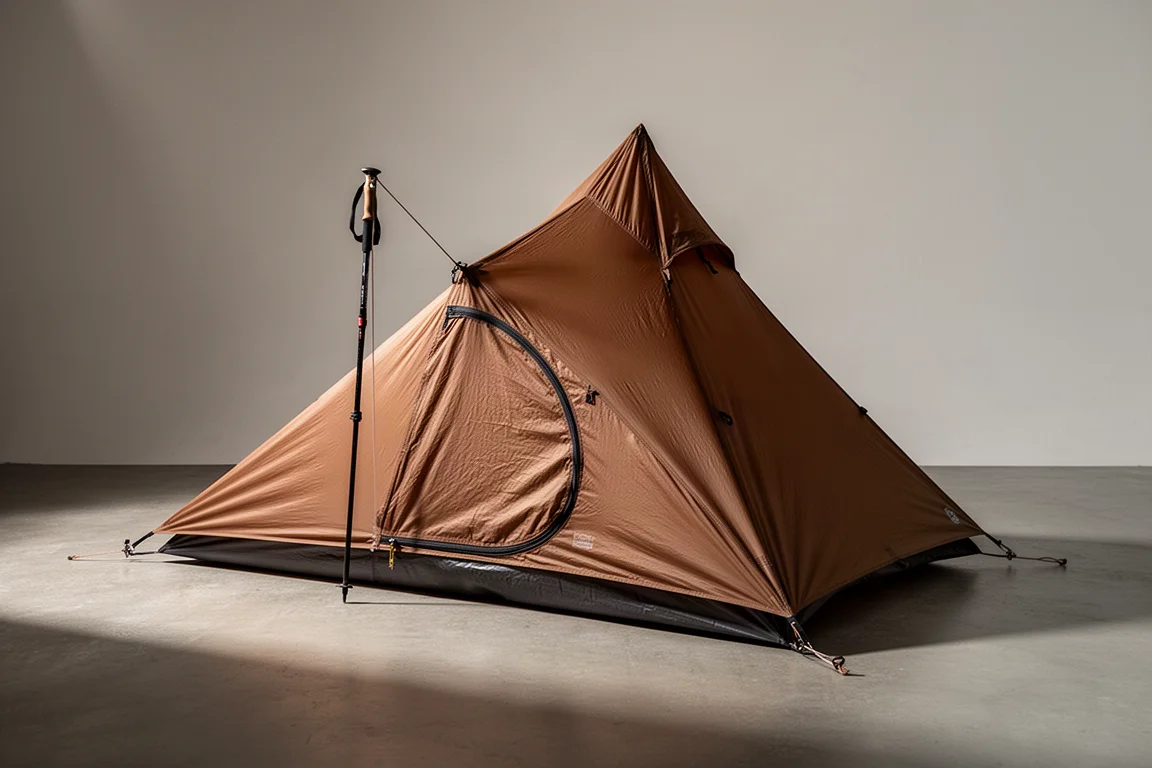
3F UL Lanchan Pro 1 Review: A 1 lb 8 oz Single-Wall Trekking Pole Tent
A practical look at the 3F UL Lanchan Pro 1, a single-wall trekking pole shelter with a 1 lb 8 oz weight, 20D silnylon fabrics, and a roomy 90 x 31 x 49 inch interior.
Backpacking Tents
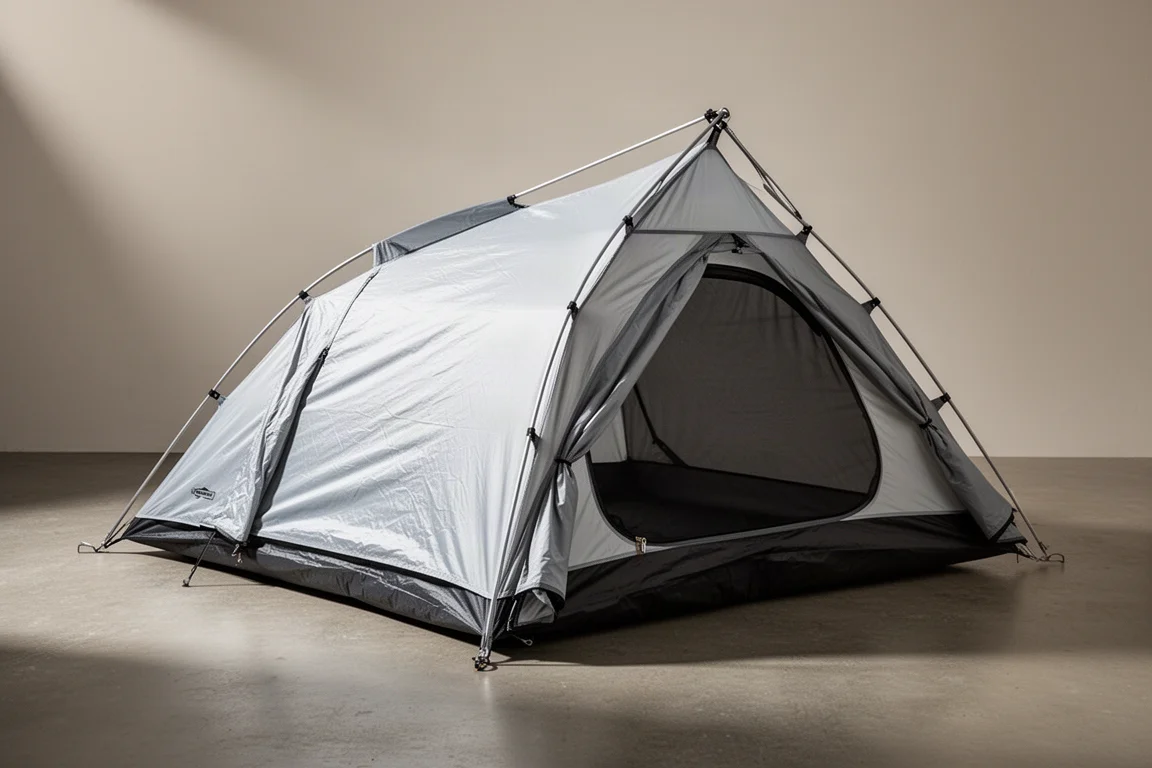
3F UL Taiji 2-Person Tent: A Convertible Backpacking Shelter Worth a Closer Look
A practical look at the 3F UL Taiji two-person tent, covering its materials, true two-person interior, fly-first pitching, and the seasonal inner swap that lets one shelter cover more of the year.
Backpacking Tents
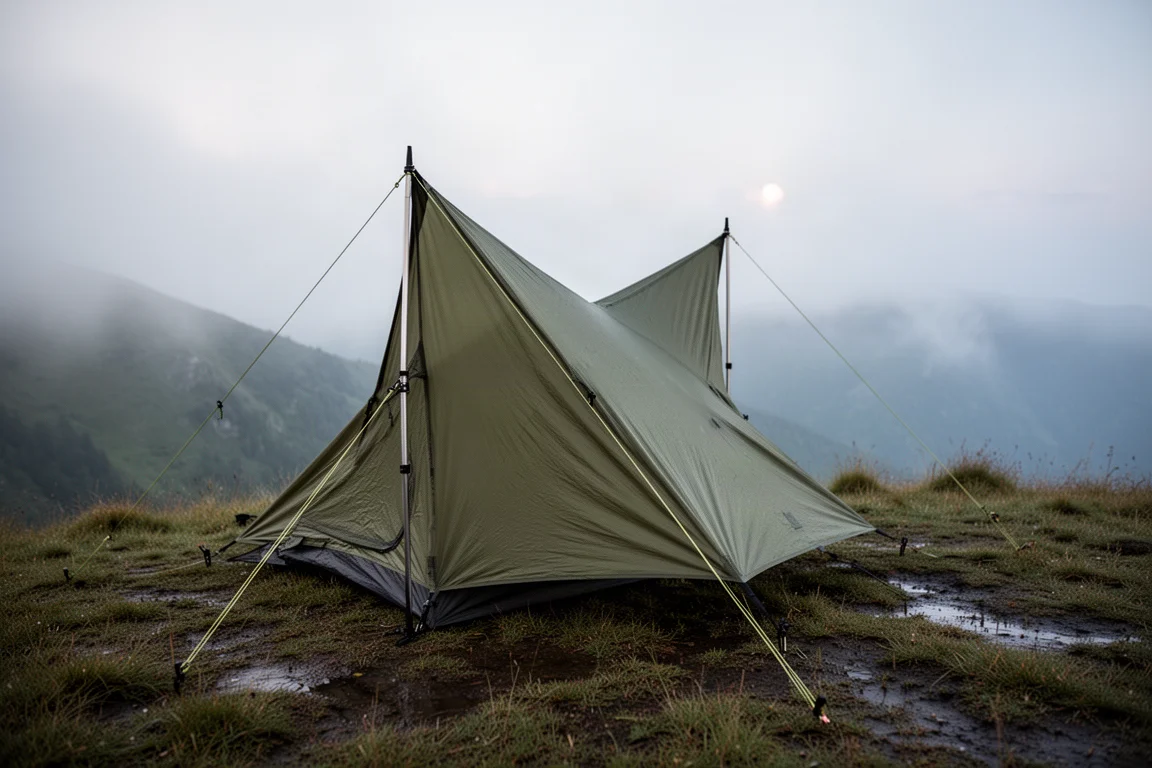
3FUL Lanshan Twoerson Pro Review: A Light Trekking Pole Shelter That Struggled in Rain
A two-person trekking pole shelter with a 2026 redesign, pitched with sticks and put through a night of steady rain. Here is what worked, what did not, and what to check before buying.