Backpacking Tents
Best Backpacking Tents Compared: Seven Shelters Ranked by Livability and Setup
Seven backpacking shelters compared on interior space, ventilation, setup ease, packed weight, and value, with clear notes on which models are still available.
Introduction
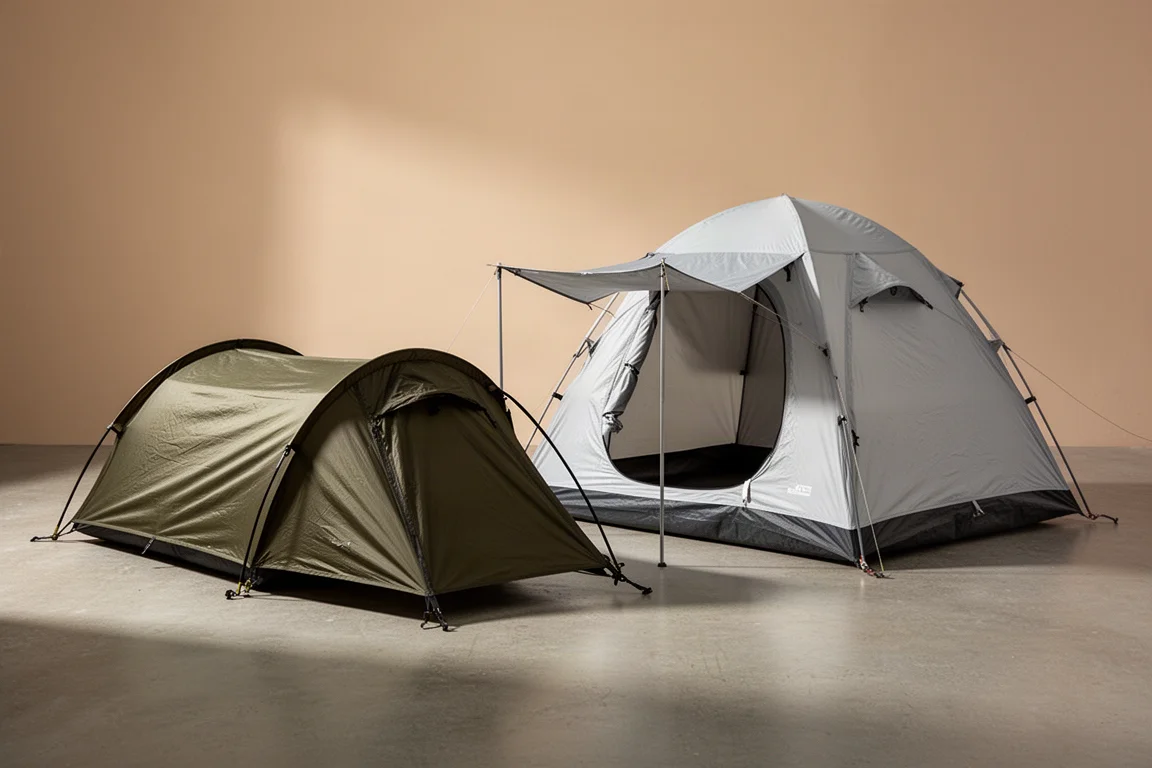
Choosing a backpacking shelter is mostly a negotiation between three things: how much it weighs, how much room it gives you, and how quickly it goes up when the weather turns. A tent that reads brilliantly on a spec sheet can still be a poor match on trail if it feels cramped at night or fights you during setup.
The seven shelters below cover the full range of that trade-off, from a tunnel-style single-person tent that packs down small but leaves almost no shoulder room, to a full freestanding two-person tent that combines generous interior organization with a weight around three pounds. Some of these models are still in production, and a few are discontinued designs that now change hands on the secondhand market.
This comparison focuses on what actually matters once you are on trail: livable space, ventilation and condensation control, setup ease, packed weight, and value for the money.
How These Shelters Were Compared
Each shelter was judged on the same handful of practical points. The first is interior volume: how much shoulder room it offers, whether two occupants can sit up at the same time, and whether the foot of a sleeping bag ends up pressed against a wall.
Ventilation is the second measure, and it matters as much as weight. A double-wall tent with limited venting will still leave you damp by morning, especially when the outer wall sits close to the ground. Condensation control is one of the most common reasons a roomy shelter ends up staying at home.
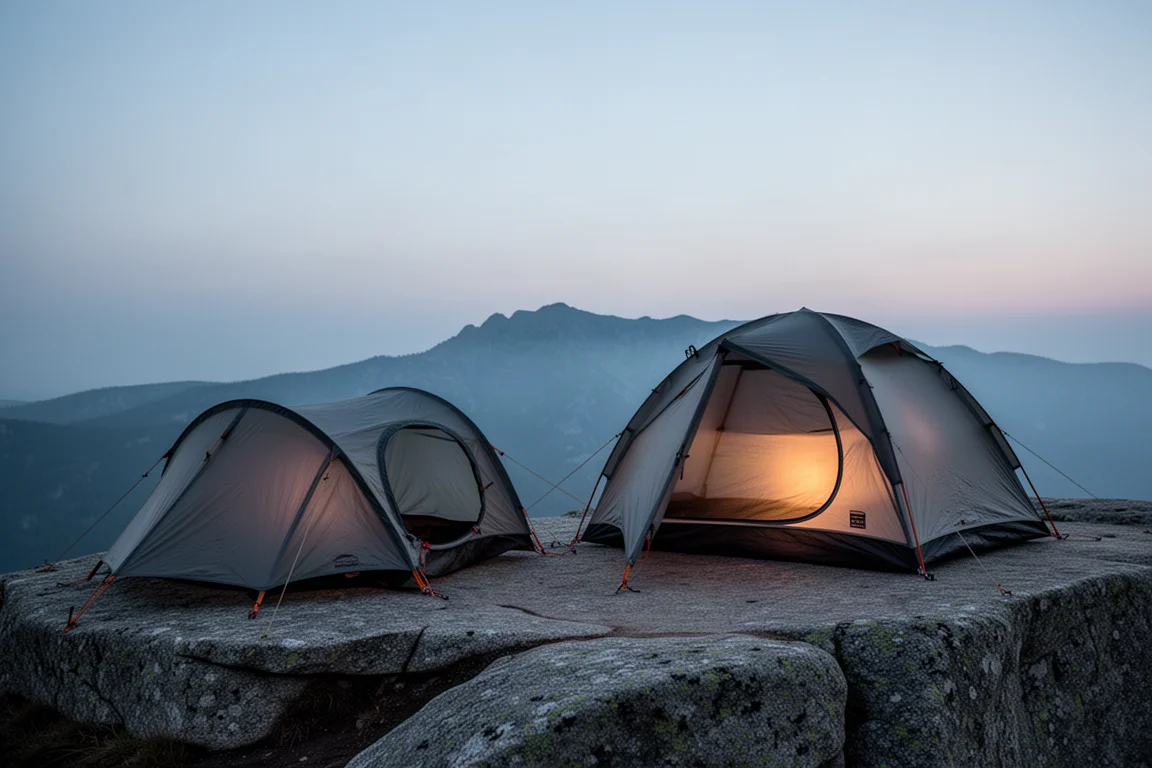
Setup ease is the third point. A pitch that requires precise pole placement, or that forces you to seat a pole into a grommet while everything else is already tensioned, becomes a real problem with cold hands. The fourth is packed weight and the ability to split the load, followed by price and whether the model can still be bought new.
NEMO Dragonfly 1P: Light, Packable, and Tight Inside
The Dragonfly 1P is the lightest and most compact shelter in this group. Its tunnel-style shape uses a single arc pole over the top, which gives it a genuinely weather-shedding silhouette, and it rolls down into a very small package. In use it handled wind and weather without any problems at all.
The issue is interior volume. This is a narrow tent, and the livable space inside falls well short of other single-person shelters at a similar weight. For a solo camper who wants to spread out a little, that difference shows up immediately.
Setup is the other sticking point. Once everything is seated, working the pole into the grommet takes real effort, and with cold hands it turns into an unpleasant chore rather than a two-minute job.
Zerogram Hiker One: Roomy, But Condensation Is a Real Issue
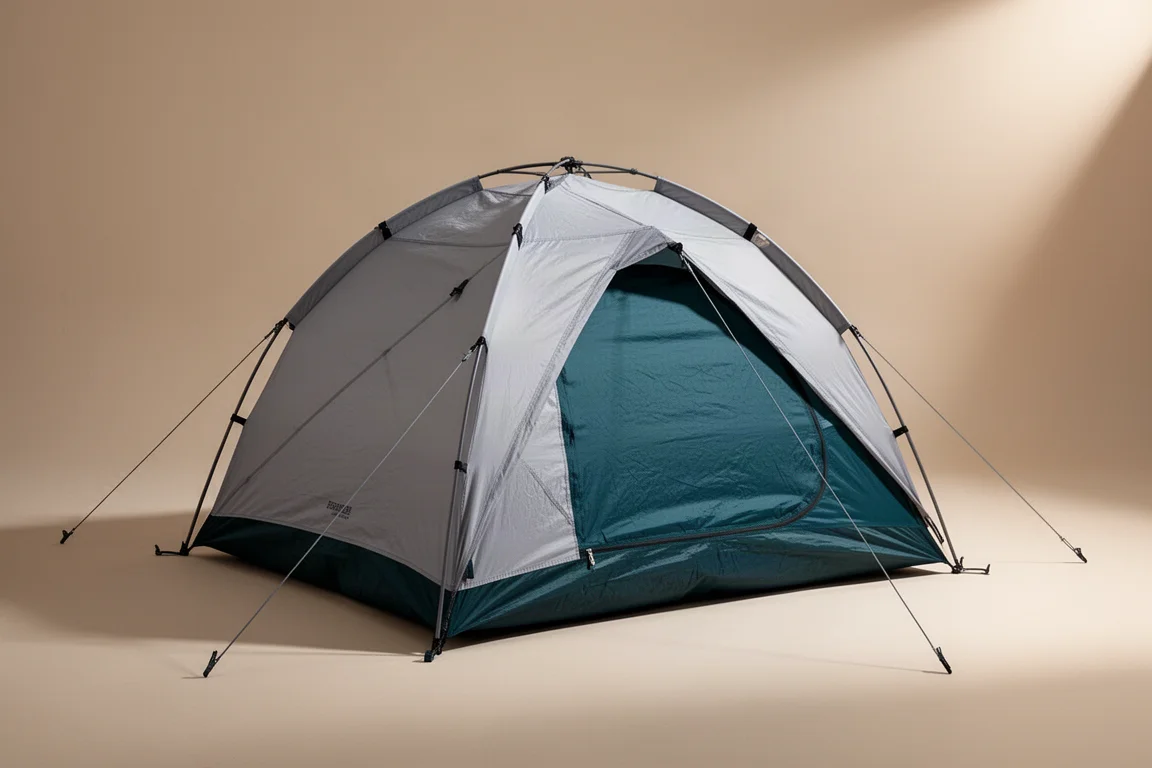
The Hiker One has plenty going for it on paper. There is a small vestibule at the head end, the interior is genuinely livable, and the foot end rises on a near-vertical wall so the end of a sleeping bag stays clear of the fly and away from the worst of the condensation.
In practice, condensation inside this double-wall shelter built up heavily. The cause sits in the design: the outer sidewall drops essentially all the way to the ground, and there is only one small vent at the top, so moist air has very few routes out of the tent.
It is also heavier than the Dragonfly 1P, and it offers fewer ventilation features than you would hope for from a shelter of this type. The extra room is real and the tent still earns a place on trips, but it is rarely the first shelter reached for.
Sierra Designs Sweet Suite 2: Excellent Livability, Now Discontinued
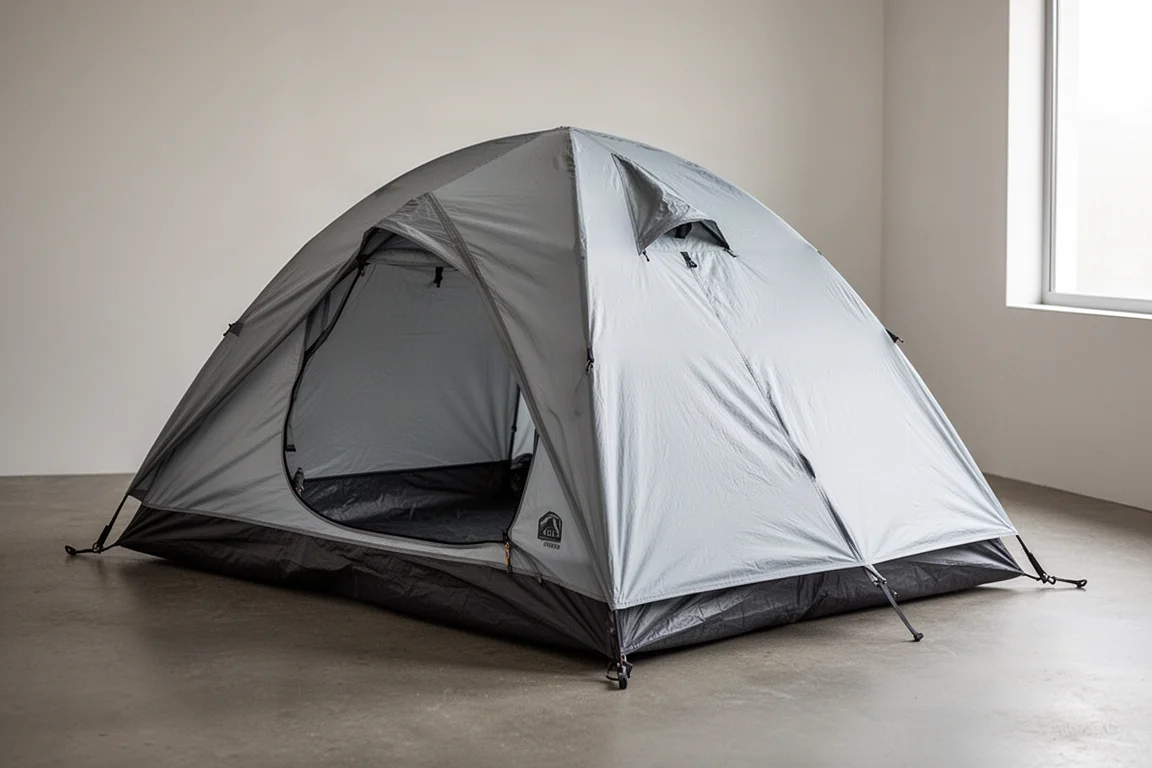
The Sweet Suite 2 is a semi-freestanding two-person tent with genuinely good livable space, an easy setup for a semi-freestanding design, and solid ventilation. It was the shelter used on a solo winter trip, and it handled that role comfortably.
Two things pushed it down the ranking. It is not as light as many other two-person shelters on the market, and its price point was steeper than several comparable options. Sierra Designs has since discontinued it, so secondhand marketplaces are now the realistic route to buying one.
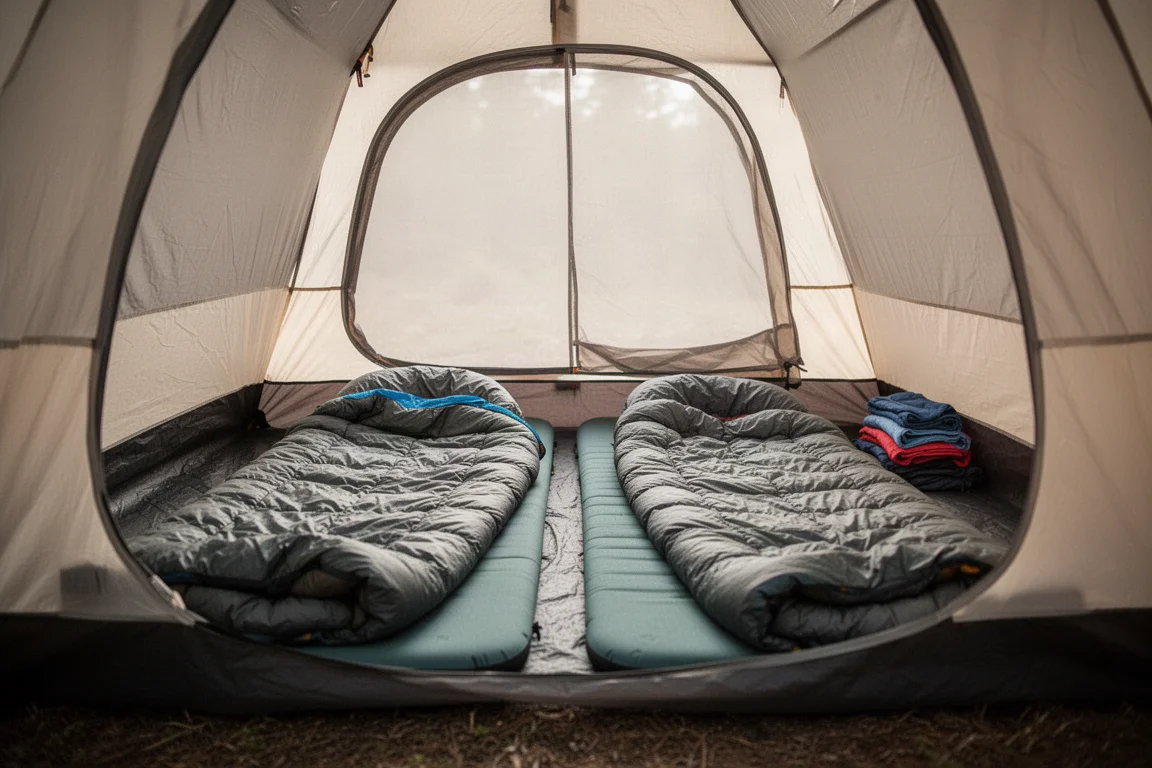
For a buyer who values interior room and straightforward pitching over the lowest possible weight, a used Sweet Suite 2 remains a sensible find, as long as the asking price reflects its age and discontinued status.
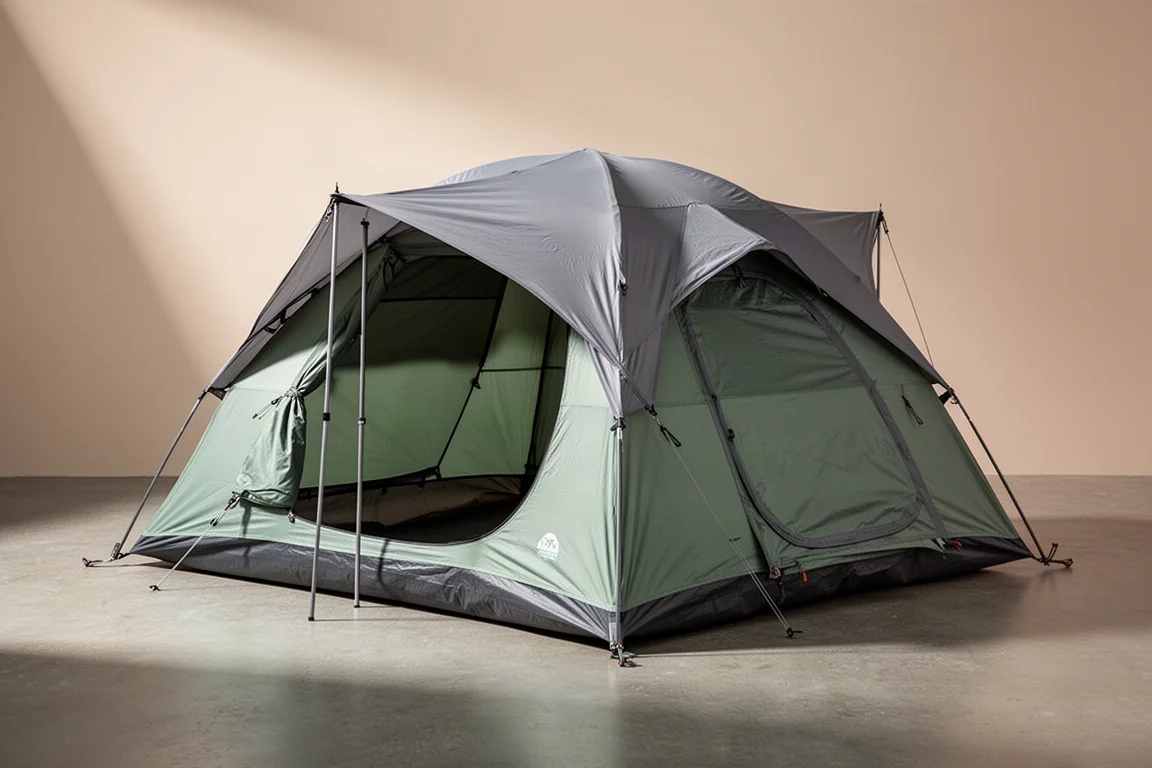
Sierra Designs Flashlight 2 FL: A Discontinued Design Worth Knowing
The Flashlight 2 FL is a non-freestanding two-person shelter that ships with the poles it needs, so trekking poles are optional rather than required. That makes it approachable for campers who do not hike with poles.
Livable space is where it shines. Two people plus gear fit comfortably inside, and instead of conventional vestibules it uses an awning that extends over the top of the entry along with small gear closets. It is not a sub-two-pound shelter, and setup can be a little finicky compared with other non-freestanding tents.
Sierra Designs discontinued this model some time ago, so availability depends entirely on the secondhand market. Campers who prioritize interior comfort over minimum weight should keep an eye out for one.
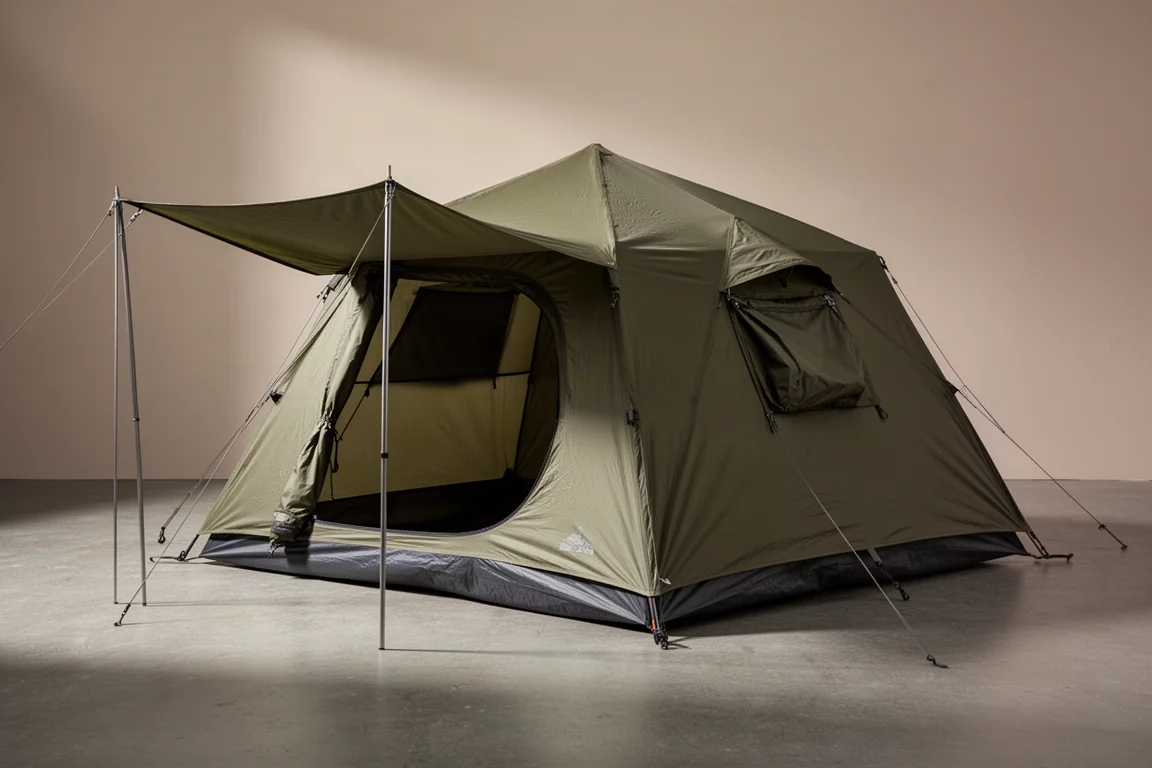
Sierra Designs Studio 2: Built for Waiting Out Weather
The Studio 2 is a semi-freestanding two-person tent with a total weight just over three pounds and a front-entry layout. The pole structure is the standout feature: it bows outward in a way that creates a large, comfortable interior relative to the tent’s footprint.
That makes it a strong choice for trips where saving every gram is not the priority, and where you might spend a long stretch inside waiting out a storm. The trade-off is the single front entry, which is less convenient for two people than a two-door, twin-vestibule design.
Sierra Designs has discontinued the Studio 2, and the original purchase was made at a deep sale price that suggested the line was being liquidated. If one turns up cheaply on the used market, the design is well worth considering.
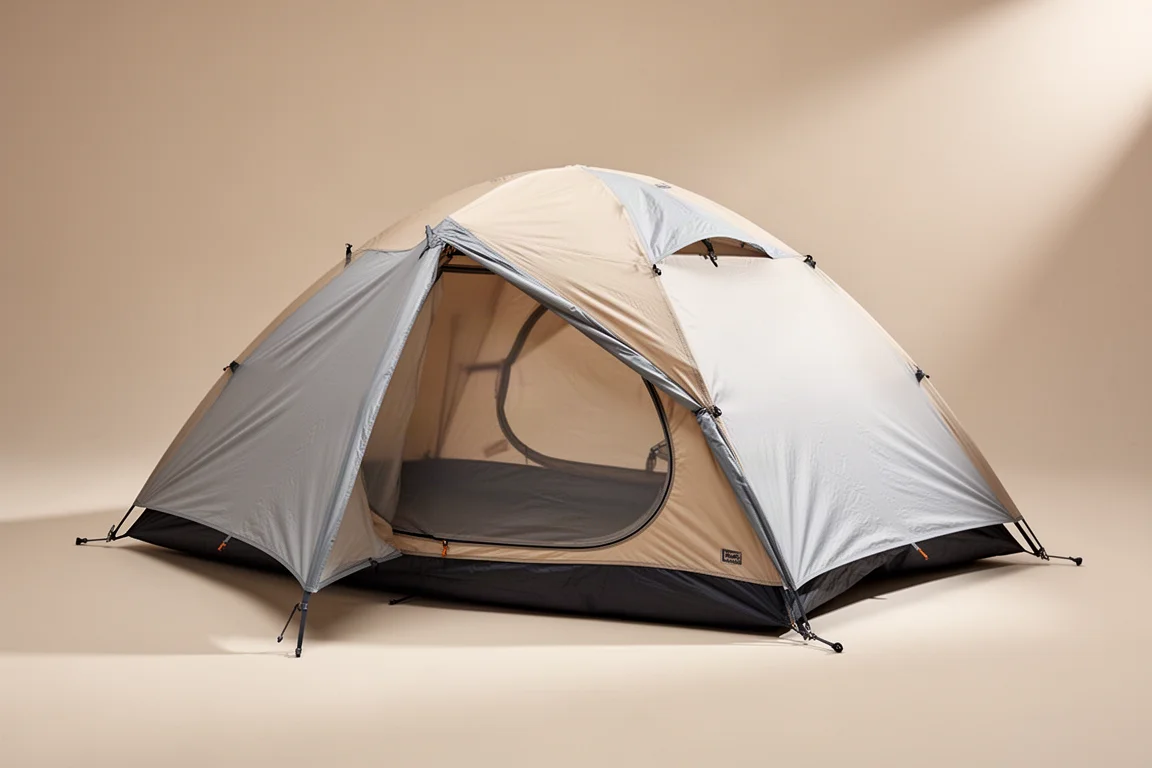
Gossamer Gear The One: Light, Simple, and Surprisingly Spacious
The One is a true non-freestanding shelter, pitched with the poles carried for it, and it weighs in at 29 ounces. That places it among the lightest options in this comparison.
The surprise is how much room is inside. It pitches easily and holds a tight pitch consistently, including in loose desert sand where stakes normally pull free once real tension goes into the lines. Combining that low weight with a reliable pitch is unusual, and it is why this shelter has been such a pleasant one to keep using.
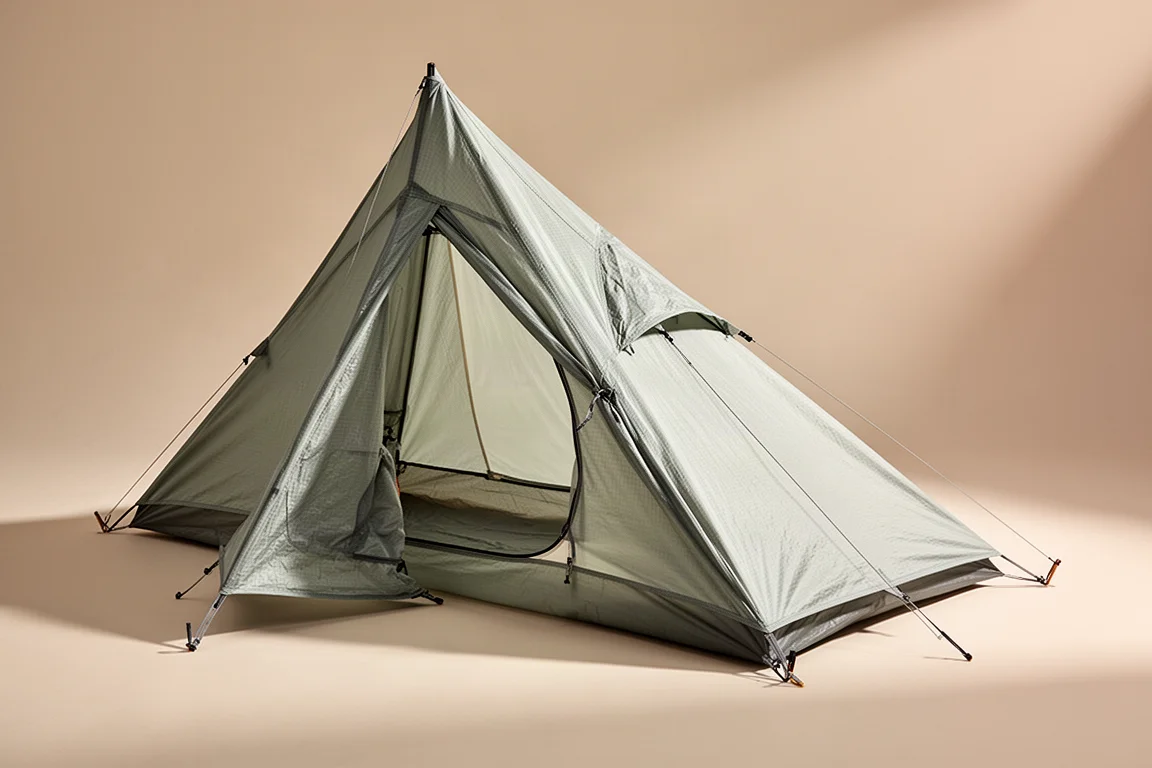
Big Agnes Copper Spur HV UL2: The Most Complete Freestanding Package
The Copper Spur HV UL2 is a full freestanding two-person tent that pitches easily and lands right around the three-pound mark, which means the load can be split between two people. The fabrics are thin, yet the tent still feels burly and like it will take a reasonable amount of abuse.
Interior organization is the real differentiator. An elevated 3D pocket at the foot end swallows jackets and clothing and keeps them off the floor, head-end pockets add more storage, and the rainfly’s awning feature extends the covered space outside the door. It was pitched on a slickrock bench before a canyon descent without any trouble at all.
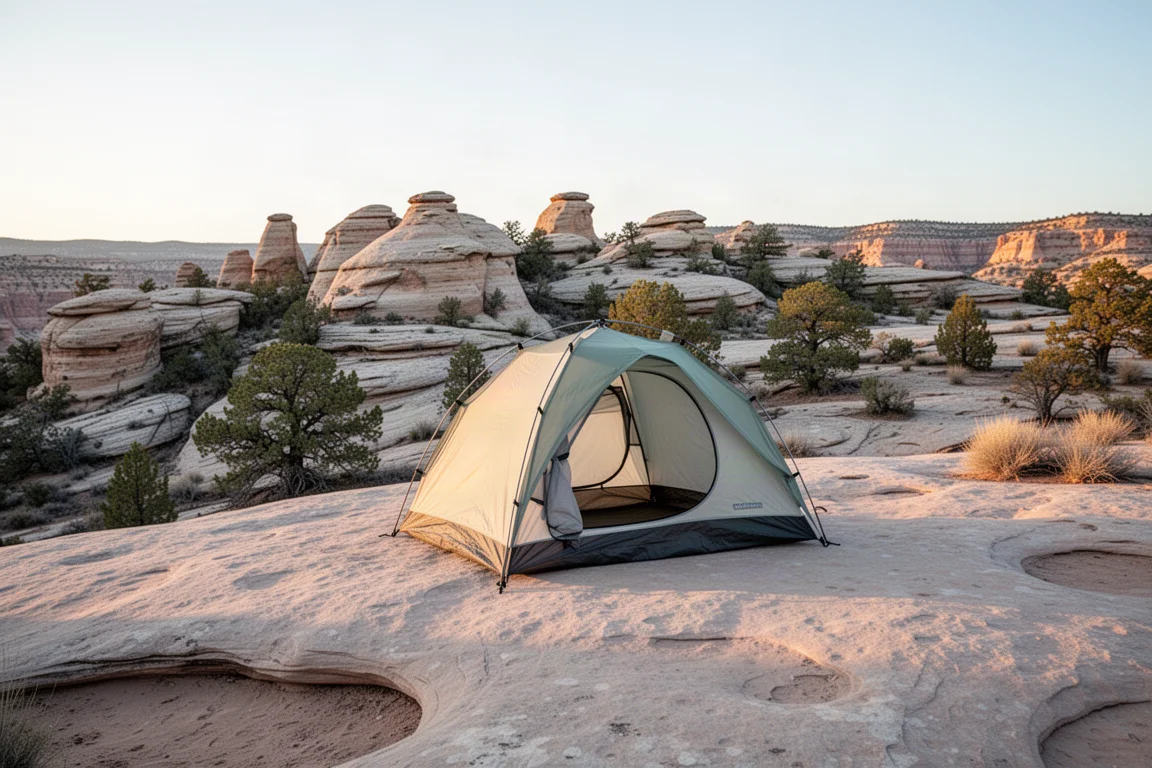
Weather performance in severe conditions was not tested, so treat that as an open question rather than a confirmed strength. At around $450 it is the most expensive shelter here, but for anyone who wants a freestanding two-person tent, this is the one to buy.
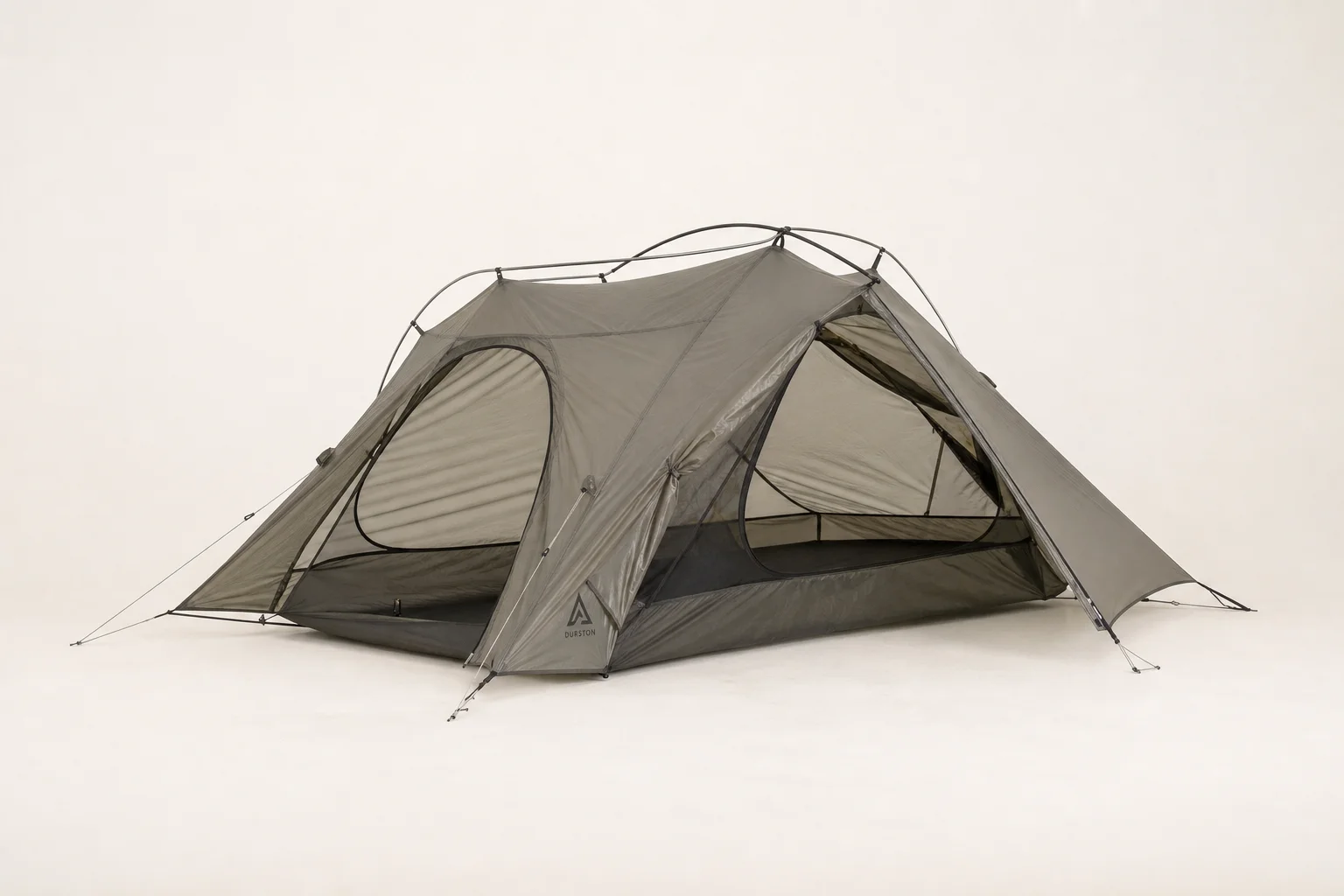
Buying Advice: Matching a Shelter to the Trip
Start with how you hike. If you walk with trekking poles and weight is the priority, a non-freestanding shelter like Gossamer Gear The One delivers an unusual amount of interior space for 29 ounces, provided you are comfortable with a pole-supported pitch.
If you would rather not depend on poles at all, the Copper Spur HV UL2 is the most complete freestanding package here: easy to pitch, close to three pounds, and unusually well organized inside. It is also the priciest, so it makes the most sense for backpackers who will use it often.
Ventilation deserves as much attention as weight. A roomy double-wall shelter with limited venting, like the Hiker One, will still leave you damp by morning. Setup ease matters too, especially on cold trips when fingers lose dexterity quickly, and that is the main reason the Dragonfly 1P falls short despite its low weight. Finally, discontinued Sierra Designs models can be excellent value on the secondhand market if you accept that replacement parts and warranty support may be limited.
Conclusion
There is no single best shelter here, only the best match for how you camp. The Copper Spur HV UL2 is the strongest all-round freestanding choice, with the organization and interior space to justify its price for regular backpackers. Gossamer Gear The One is the standout for weight-conscious hikers who want a simple pitch and more room than the number on the scale suggests.
At the other end, the Dragonfly 1P trades nearly all of its interior comfort for low weight and a compact pack size, and the Hiker One gives back room in exchange for persistent condensation. The discontinued Sierra Designs shelters sit in the middle: genuinely comfortable designs that are now secondhand purchases. Weigh livable space, ventilation, and setup ease against packed weight, and the right shelter becomes fairly easy to identify.
Further reading
Related Reviews
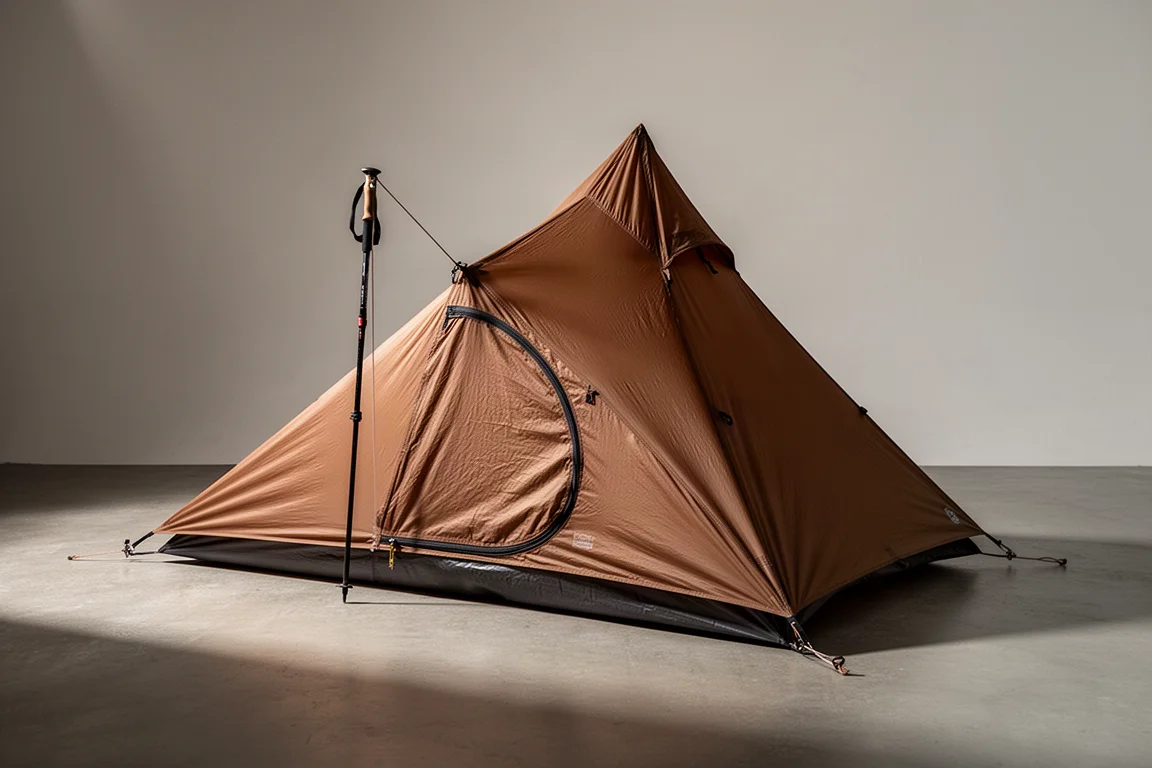
Backpacking Tents
3F UL Lanchan Pro 1 Review: A 1 lb 8 oz Single-Wall Trekking Pole Tent
A practical look at the 3F UL Lanchan Pro 1, a single-wall trekking pole shelter with a 1 lb 8 oz weight, 20D silnylon fabrics, and a roomy 90 x 31 x 49 inch interior.
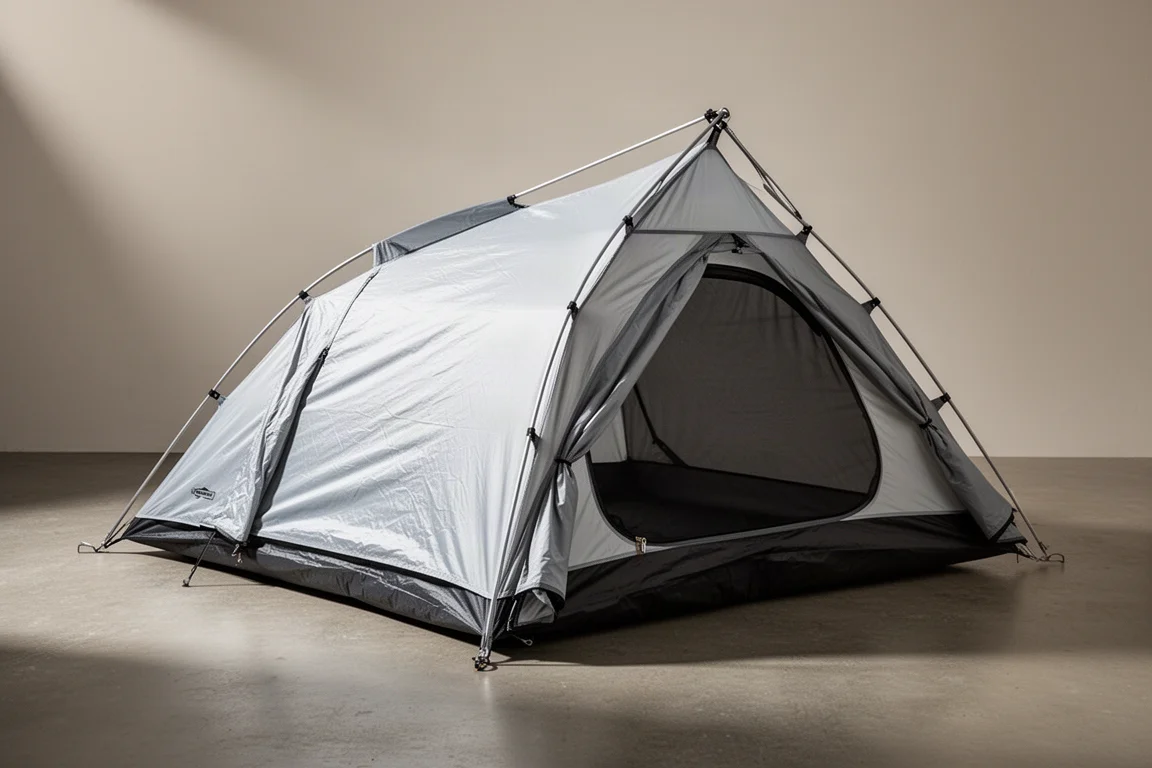
Backpacking Tents
3F UL Taiji 2-Person Tent: A Convertible Backpacking Shelter Worth a Closer Look
A practical look at the 3F UL Taiji two-person tent, covering its materials, true two-person interior, fly-first pitching, and the seasonal inner swap that lets one shelter cover more of the year.
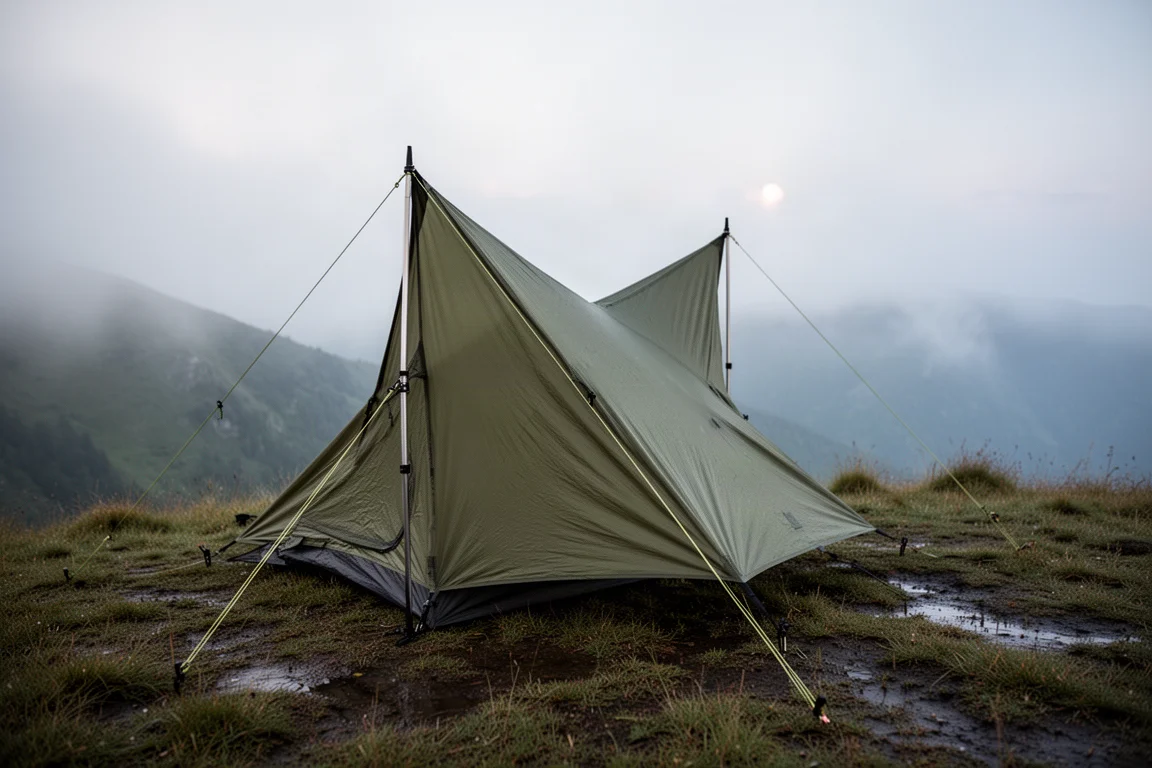
Backpacking Tents
3FUL Lanshan Twoerson Pro Review: A Light Trekking Pole Shelter That Struggled in Rain
A two-person trekking pole shelter with a 2026 redesign, pitched with sticks and put through a night of steady rain. Here is what worked, what did not, and what to check before buying.