Backpacking Tents
Best Backpacking Tents 2026: 11 Picks for New Backpackers, Couples, and Thru-Hikers
A practical guide to eleven backpacking tents, from affordable all-rounders to composite-fabric ultralight shelters, with the trade-offs that matter before you buy.
Introduction
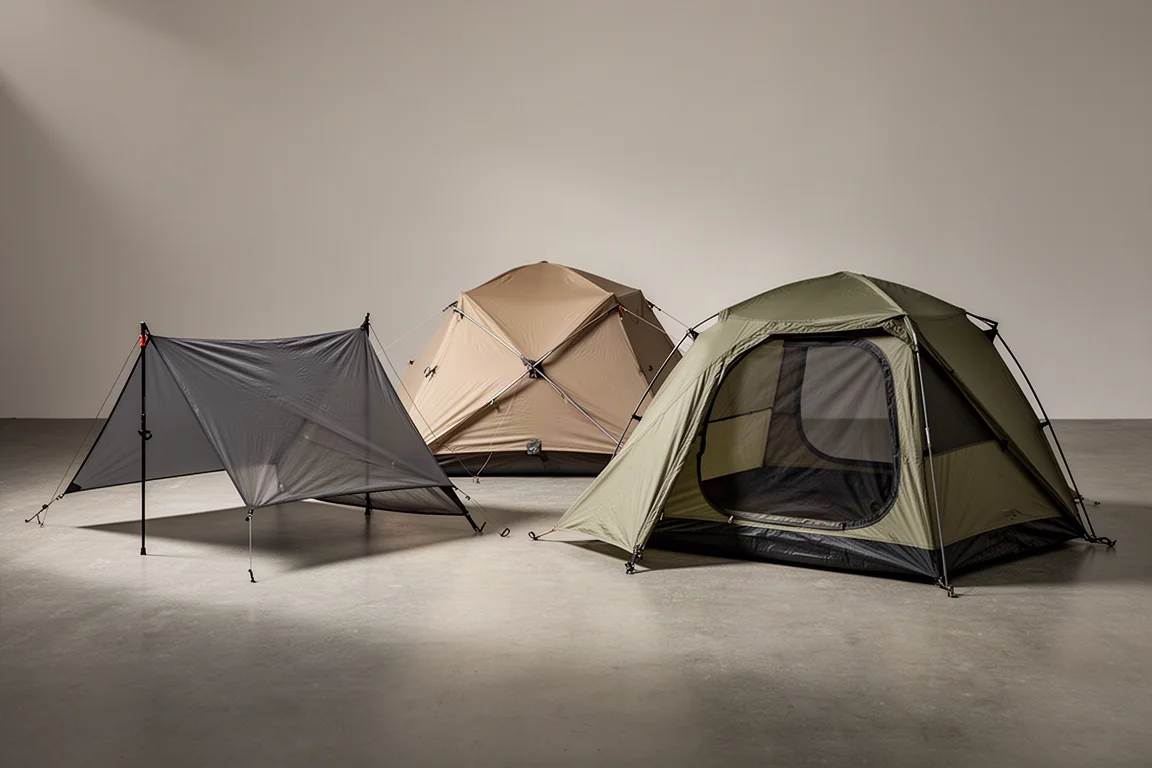
Choosing a backpacking tent comes down to a handful of trade-offs: weight, price, interior space, and how quickly you can pitch it when the weather turns. The eleven tents below cover the full range, from approachable all-rounders for a first trip to composite-fabric shelters built for long-distance trails. These selections draw on extensive field use across dozens of tents, and prices and weights are listed wherever they are available so you can compare like for like.
Best Tents for New Backpackers
If you are just getting started, prioritize price, ease of use, and availability over cutting grams. Both tents here are simple to buy, simple to pitch, and light enough to carry comfortably on a weekend trip.
Naturehike Mongar 2
The Naturehike Mongar 2 is a two-person double-wall tent that costs around $220 and weighs roughly 4 lb. It is widely available through major online retailers, which makes it one of the easiest tents to buy almost anywhere in the world. It is not the lightest tent in this guide and it does not carry the most advanced feature set, but as an all-round shelter for one or two people it is a dependable starting point.
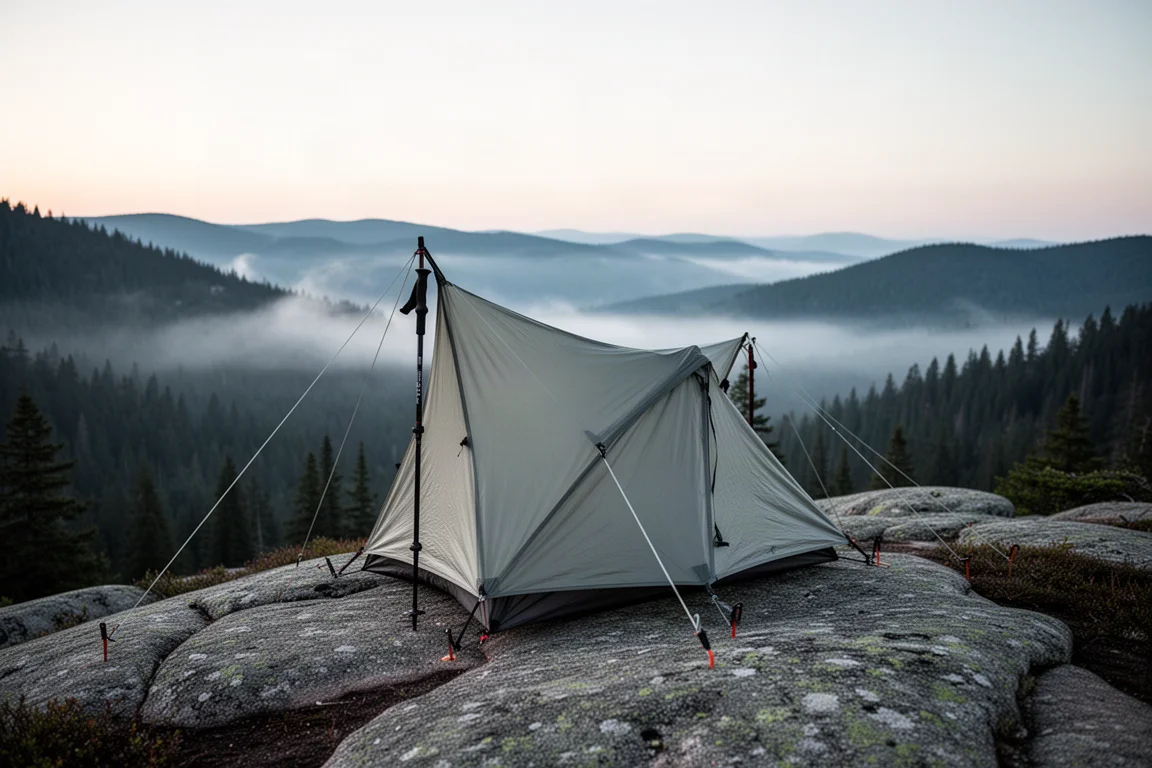
Its layout borrows heavily from the well-known MSR Hubba Hubba design, and that resemblance is pronounced enough that some buyers will want to weigh it up before deciding. What you get in return is a familiar, forgiving structure at a budget price, which is exactly what most new backpackers need.
REI Trailmade
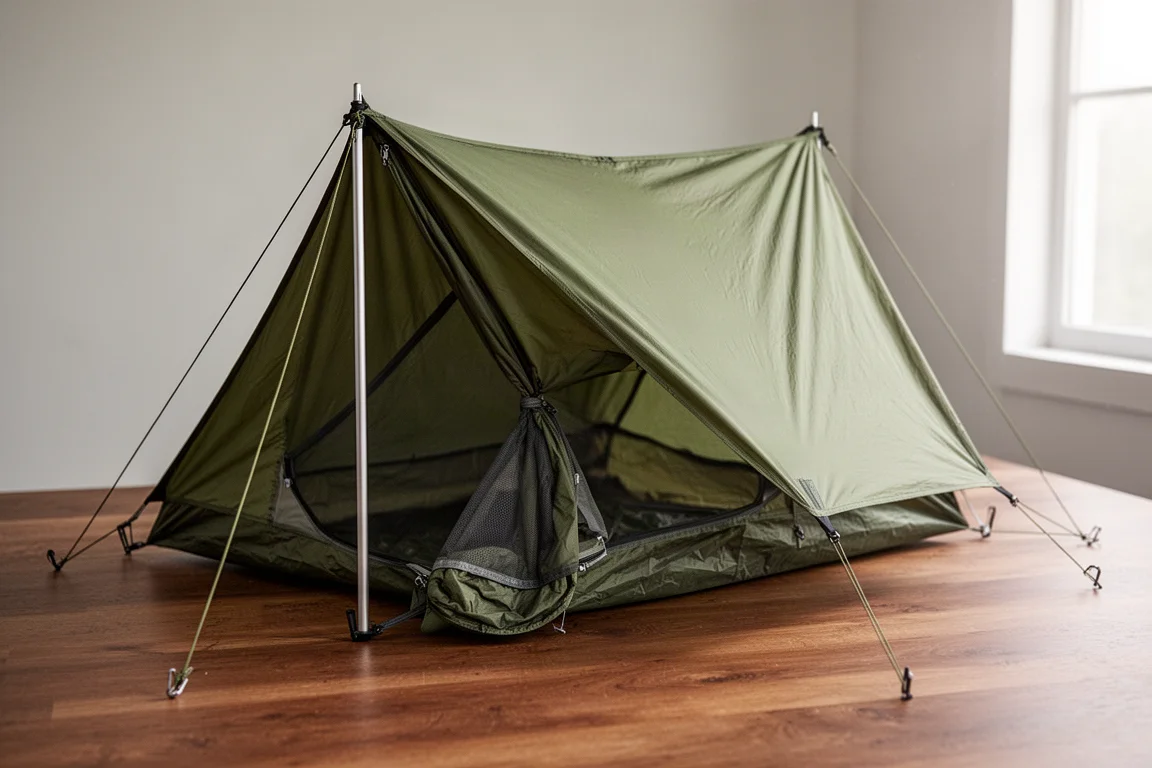
The REI Trailmade is the more affordable option at roughly $180, though it weighs a little more at about 4.25 lb. Like the Mongar 2, it trades low weight and premium features for a well-rounded, easy-to-live-with design that works for one or two people. If your priority is a dependable first tent that is easy to source and easy to use, this is a sensible place to start.
Best Tents for Solo Backpackers
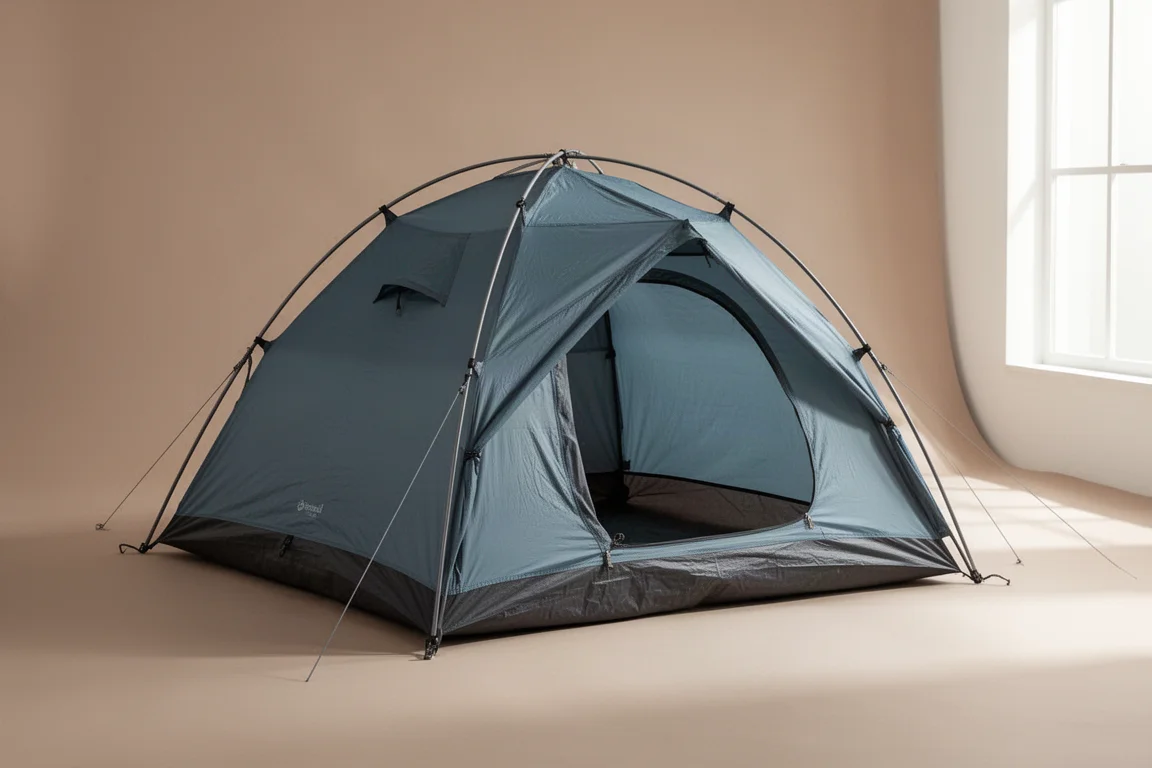
Solo backpackers usually care about weight and setup speed above everything else. All three of these options are light for their class, and two of them are freestanding, which matters if you often camp on ground where stakes are difficult to place.
Six Moon Designs Lunar Solo
The Lunar Solo is a trekking-pole shelter that weighs just 740 g and costs around $260, making it one of the best all-around solo tents available. Using a trekking pole instead of dedicated poles saves a meaningful amount of weight compared with conventional designs. Its real advantage is interior space: the floor is very deep, so a wide sleeping pad fits easily with room left over for a pack.
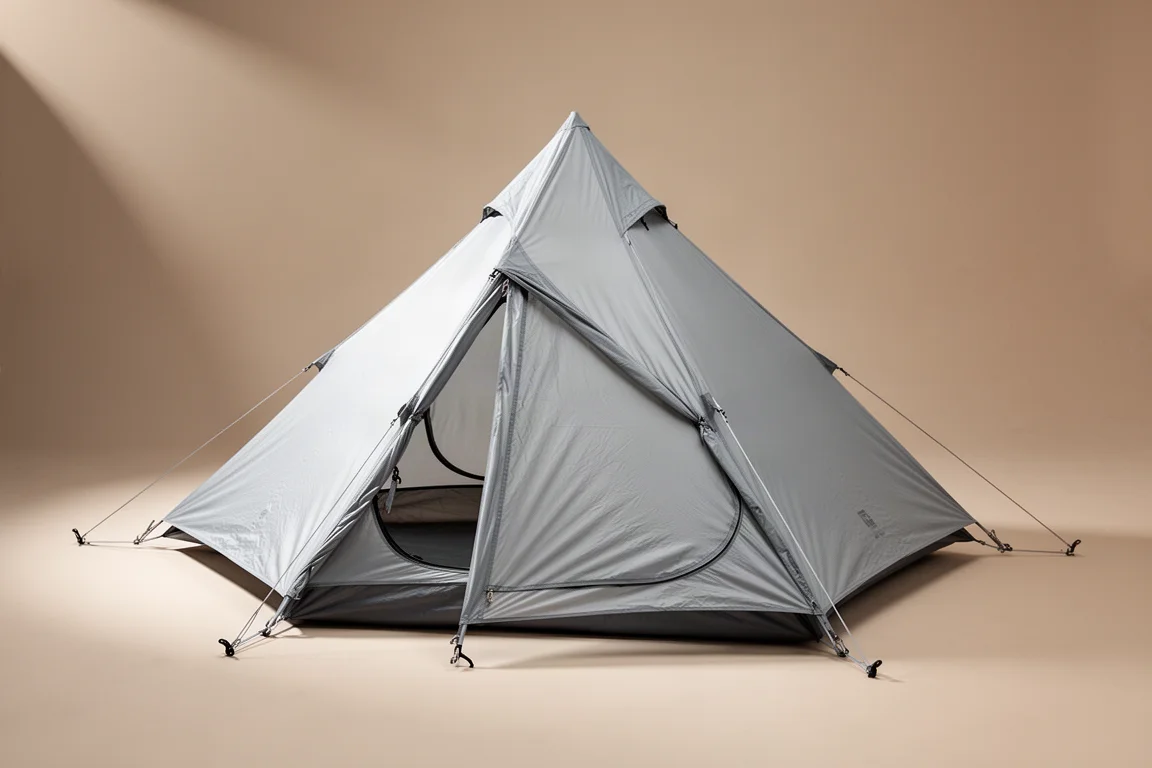
Mountain Equipment Company Spark 2.0
The Spark 2.0 is a double-wall, freestanding tent built around a conventional pole structure. That makes it heavier than a trekking-pole shelter, but it also makes it easier to pitch on platforms, rocky ground, or anywhere you cannot reliably drive stakes. If you want the security of a freestanding, double-wall design in a solo-friendly package, this is the one to look at.
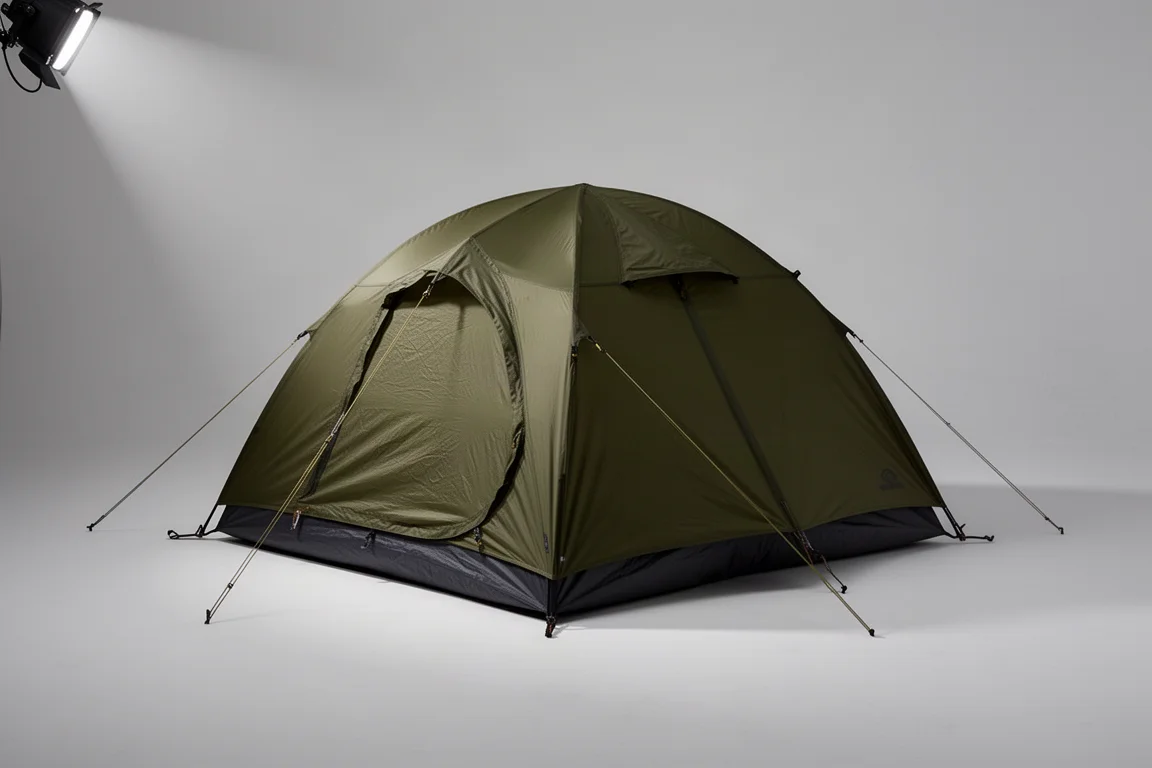
Marmot Tungsten UL
The Tungsten UL follows the same logic: a standard pole structure, a double-wall build, and the freestanding stability that comes with it. It gives up some of the weight savings of the Lunar Solo, but it rewards you with a more conventional pitch and better performance on difficult ground.
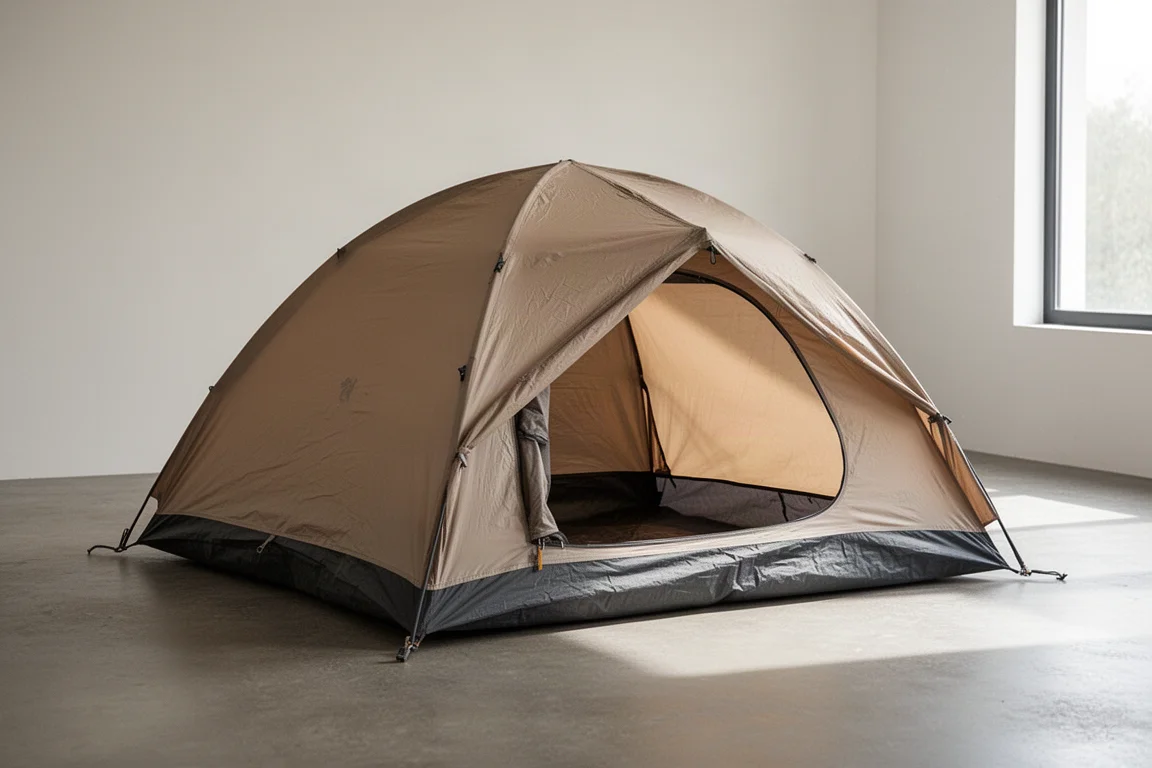
Best Tents for Couples
Backpacking as a pair puts three priorities at the top of the list: modularity, space, and an easy setup. Both of these tents deliver on space, and they approach weight and packing in very different ways.
Sea to Summit Telos 3
The Telos 3 is a three-person tent that works as a genuine shared shelter. It fits two 25-inch wide sleeping pads with room left over for gear, and it keeps generous headroom and width even higher up in the tent, so you are not bumping shoulders or heads as you move around inside. All of that space still comes in under 2 kg, which is remarkable for the size.
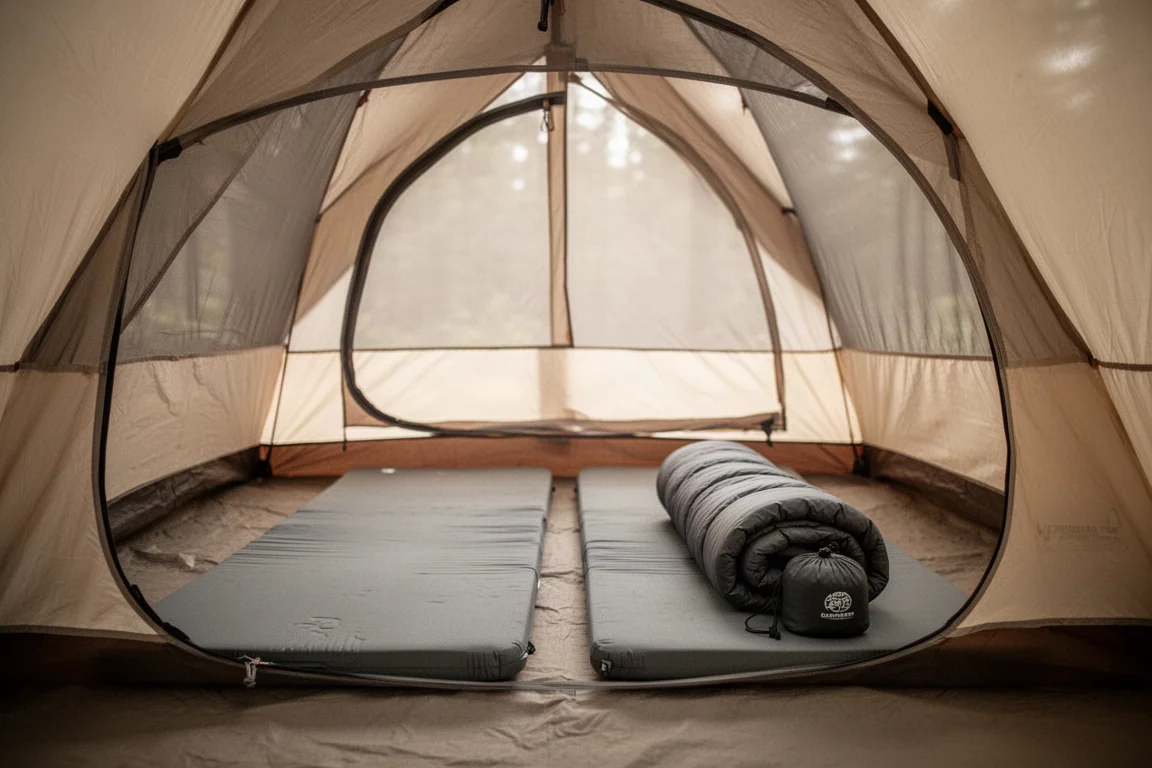
Two separate stuff sacks make it easy to split the load between two people. Setup is where it really stands out: color-coded poles and fly attachment points combine with one of the simplest fly attachment systems around, and the fly can be pitched first so the inner stays dry when you are setting up in rain.
Durston X-Mid
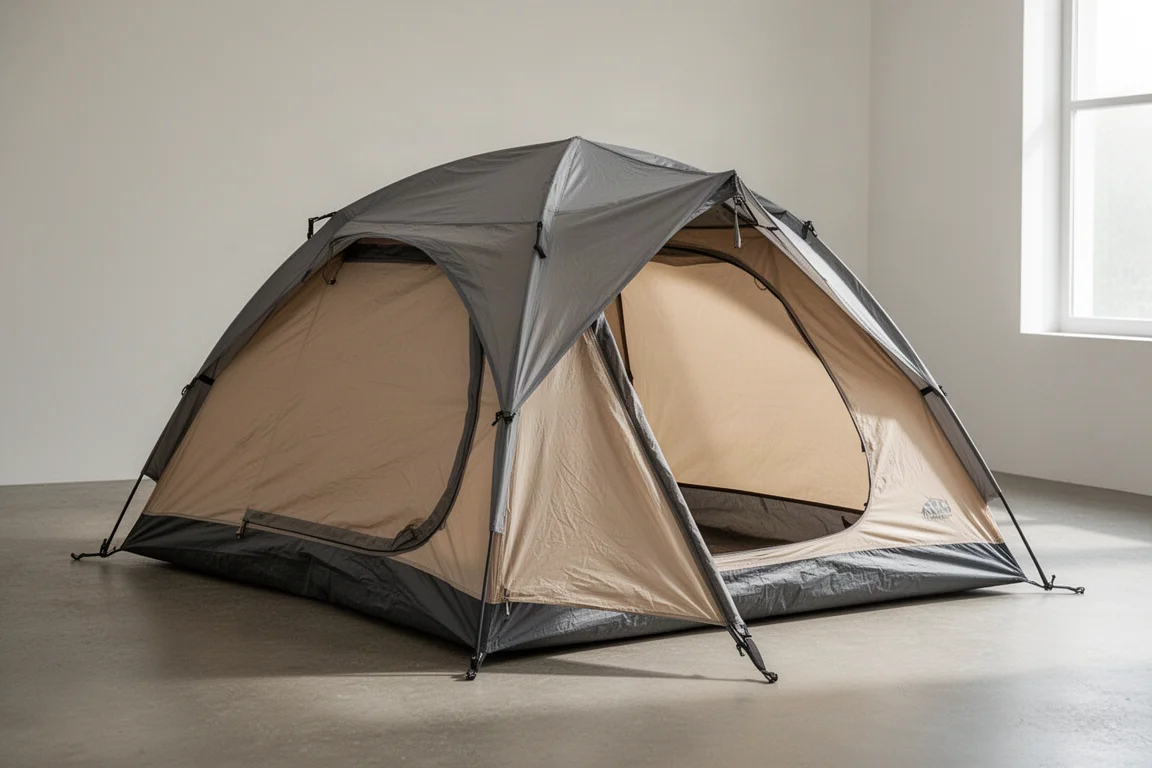
If you want something lighter, the X-Mid comes in at just over a kilogram. It is still roomy enough for two 25-inch wide pads, and it pitches in a simple, fast sequence, which is genuinely valuable when you reach camp hungry and racing the light. Because it is an all-in-one pitch, the weight is harder to split between two people, but the overall weight saving compared with larger tents more than compensates.
Best Budget Tents
Budget tents should keep costs down without giving up too much performance. The Naturehike Mongar 2 above is one strong option, and the LanShan series is the other.
3F UL Gear LanShan 2 Pro
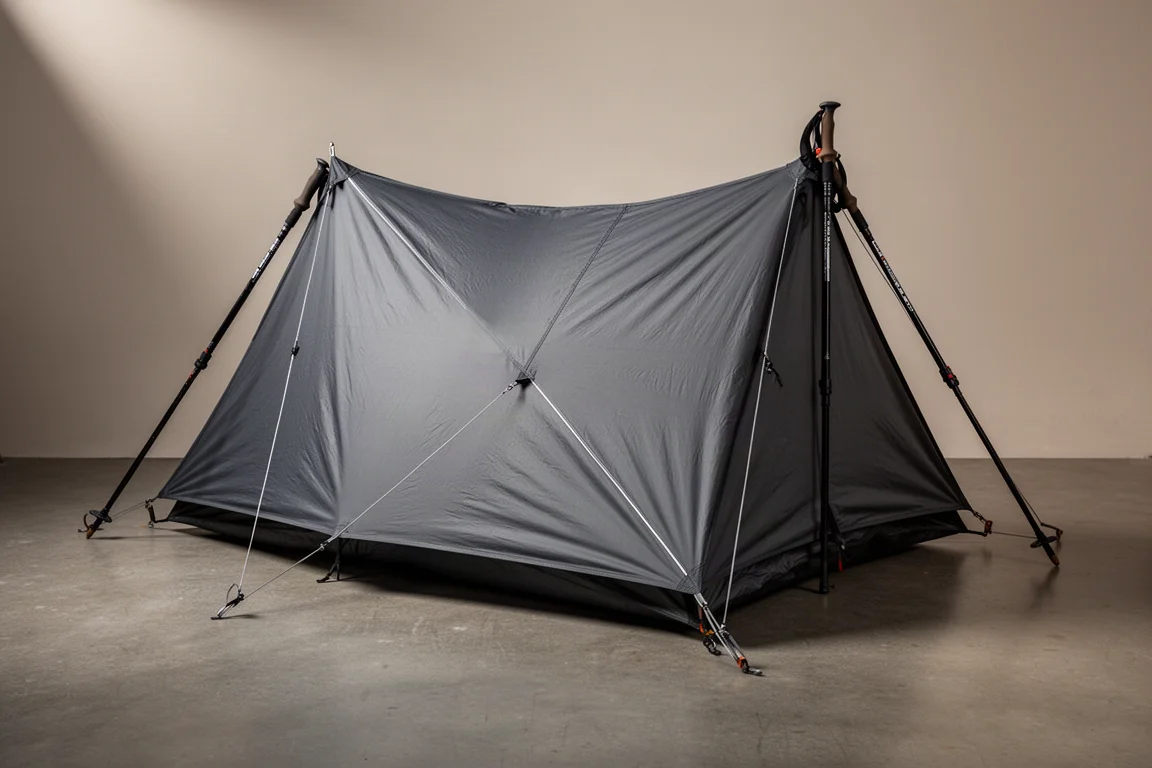
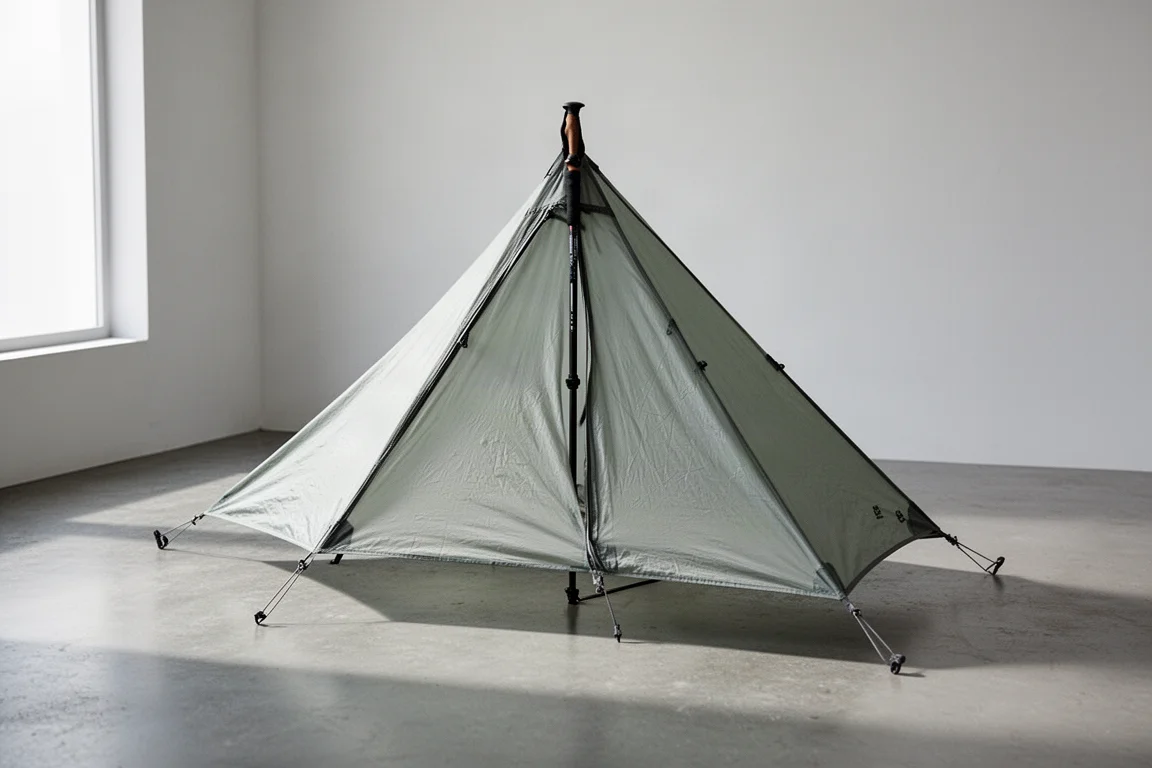
The LanShan 2 Pro weighs roughly half as much as the Mongar 2 while costing noticeably less. It is a trekking-pole tent, so it relies on your poles rather than dedicated ones, which can feel unfamiliar at first. After a few pitches it becomes second nature, and many hikers find trekking-pole shelters quicker to set up than conventional pole tents. The series covers one-person and two-person sizes in both single-wall and double-wall versions, so you can choose based on what you prioritize.
Best Crossover Tents
A crossover tent has to do two jobs: roomy enough for car camping air mattresses, light enough to carry on a backpacking trip. The Marmot Limelight is one option in this space, and the Half Dome SL line is the stronger all-rounder of the two, which is why it is the one worth focusing on here.
REI Half Dome SL 3 Plus
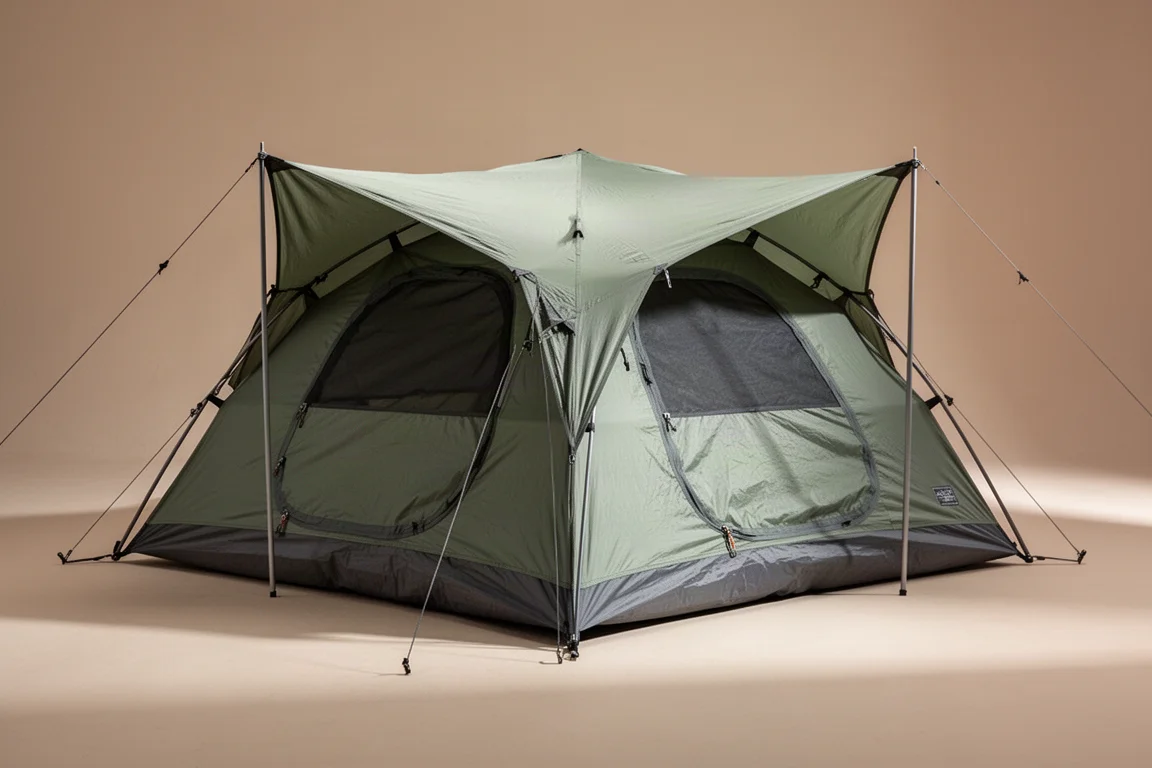
The Half Dome SL 3 Plus has a 90 by 78 inch floor, which is enough for two adults and two children or three adults, and generous enough to fit a queen-size air mattress inside. It does not look especially large from the outside, but the interior feels genuinely roomy once you are in it. All of that comes in under 5 lb.
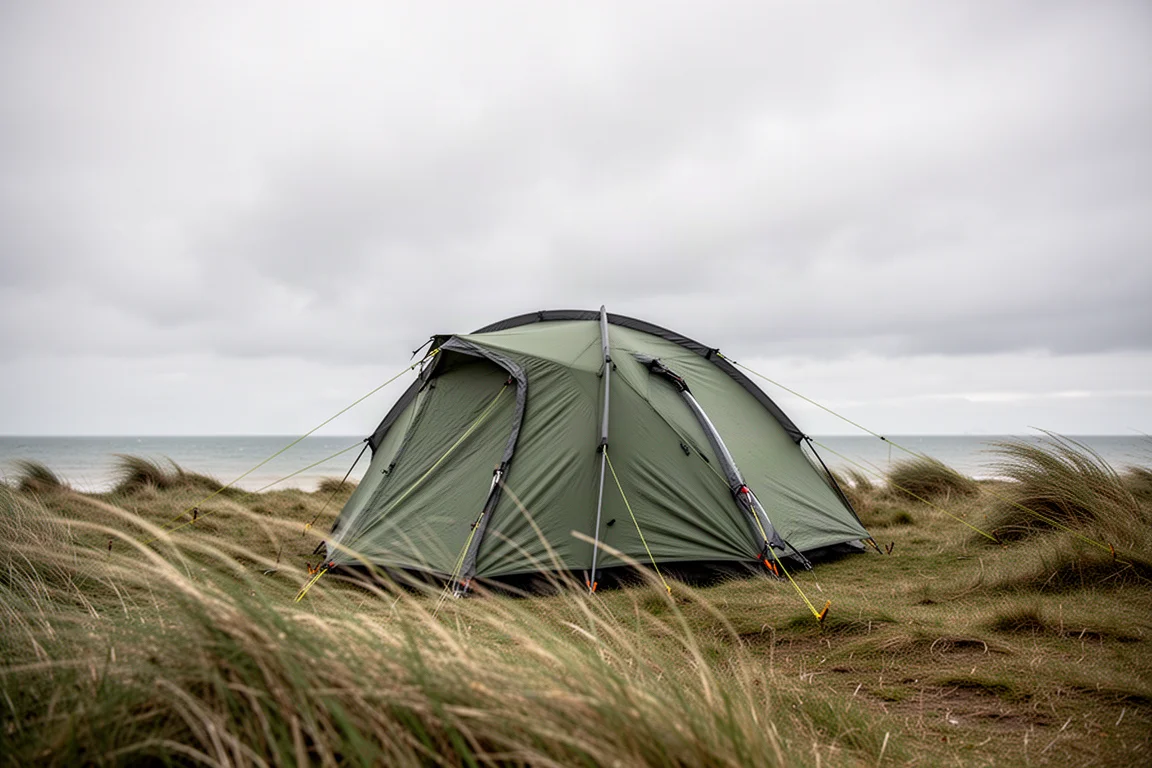
Split three ways, that is roughly 1.5 lb per person. Even carried by just two people it stays manageable, which is unusual for a tent this size. At around $380 it represents strong value for a shelter that works for both backpacking and car camping, and it is one of the more underrated tents on the market.
Best Ultralight Tents
Ultralight tents prioritize weight without sacrificing too much durability, and the most compelling options use composite fabrics. That is where the weight savings come from, and the trade-off is price.
Zpacks Plex Solo
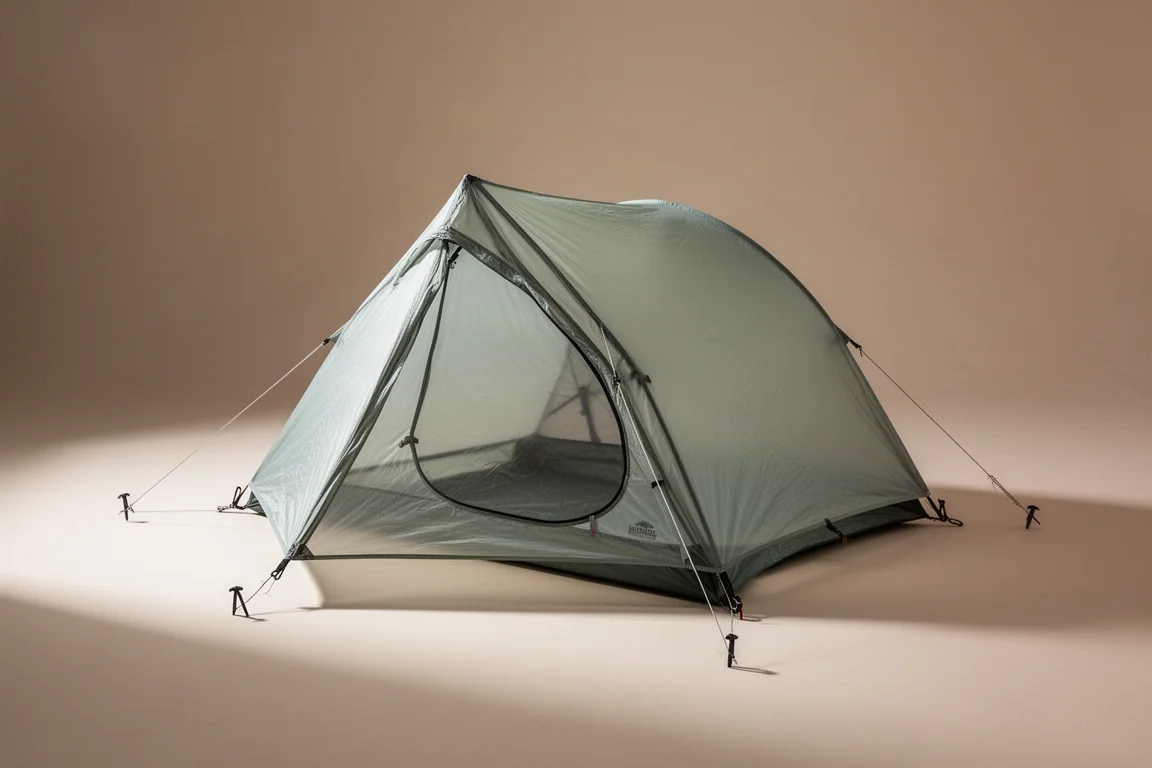
The Plex Solo weighs just 395 g, making it the lightest fully enclosed tent you can buy. It has been a go-to ultralight shelter through more than 50 nights of use and has held up well, still looking close to new. Its larger sibling has also proven durable across a 36-day thru-hike and many shorter trips, which says a lot about how these single-person shelters stand up over time.
Durston X-Mid 2 Pro
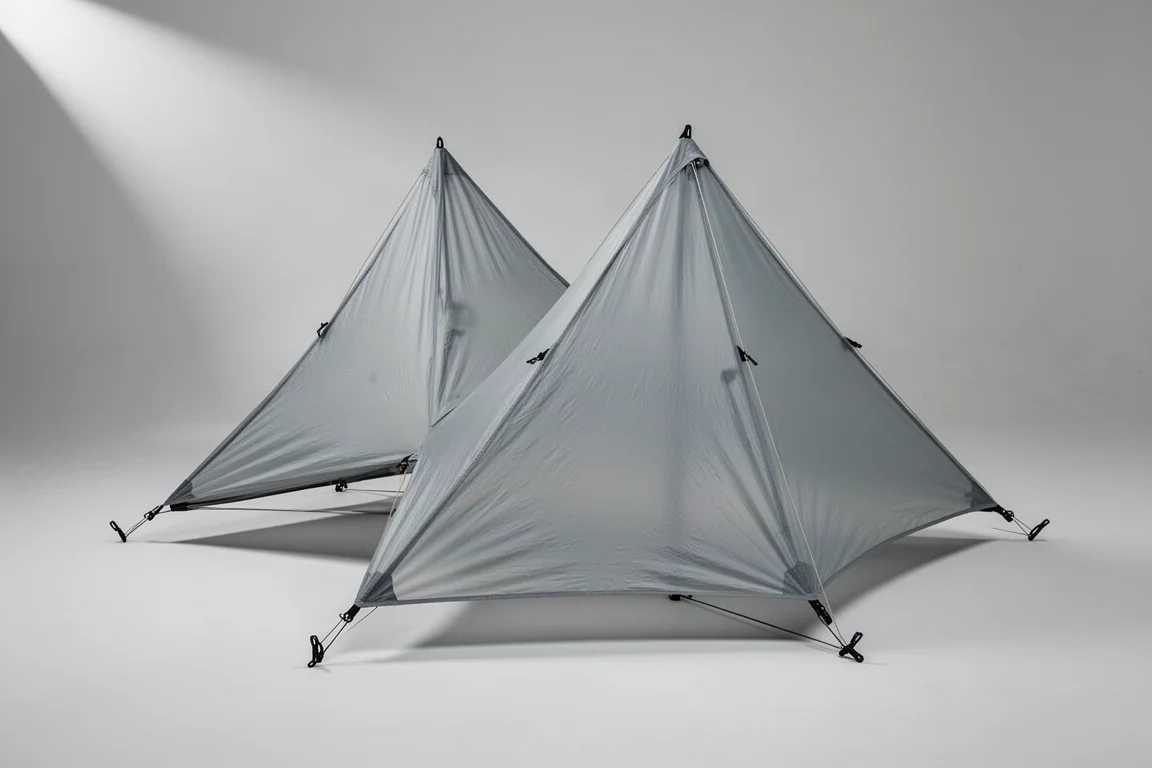
If you want more interior room in an ultralight package, the X-Mid 2 Pro weighs 555 g and offers a 40-inch wide floor. Two 25-inch wide sleeping pads fit, though both need to be tapered and one has to be shifted down the floor slightly. What stands out is that it reaches that weight without stripping features: zippered outer doors, robust inner zippers, magnetic fly closures, and peak vents are all present, where most tents at this weight give up at least one or two of them.
The Duplex has been the most popular tent among long-distance hikers on trails like the Appalachian Trail and the Pacific Crest Trail for years. The X-Mid 2 Pro looks set to challenge that position thanks to its extra features and extra space at a comparable weight, and it would not be surprising to see it appear far more often on trail in the seasons ahead.
Buying Advice
Start with how you will actually use the tent. New backpackers are usually best served by an affordable all-rounder such as the Mongar 2 or the Trailmade, both of which are easy to buy and forgiving to pitch. Solo hikers who want minimum weight should look at the Lunar Solo, while those who need a freestanding, double-wall shelter will be happier with the Spark 2.0 or the Tungsten UL.
Couples should decide between space and weight. The Telos 3 delivers a genuinely roomy shared shelter with a fast, rain-friendly pitch for under 2 kg, while the X-Mid keeps things lighter and simpler. Budget-conscious buyers who are comfortable with trekking-pole shelters will find the LanShan 2 Pro hard to beat on price per gram. For car camping and backpacking in one tent, the Half Dome SL 3 Plus covers both.
Ultralight buyers should expect to pay for composite fabrics. The Plex Solo is the lightest fully enclosed option at around $600, and the X-Mid 2 Pro adds space and a fuller feature set for around $680.
Conclusion
There is no single best backpacking tent, only the one that matches your priorities. Buy for price and simplicity as a new backpacker, for weight and pitch speed as a solo hiker, for space and modularity as a couple, and for composite fabrics if you are chasing the lowest possible pack weight. Get that match right and the tent stops being something you think about on the trail.
Further reading
Related Reviews
Backpacking Tents
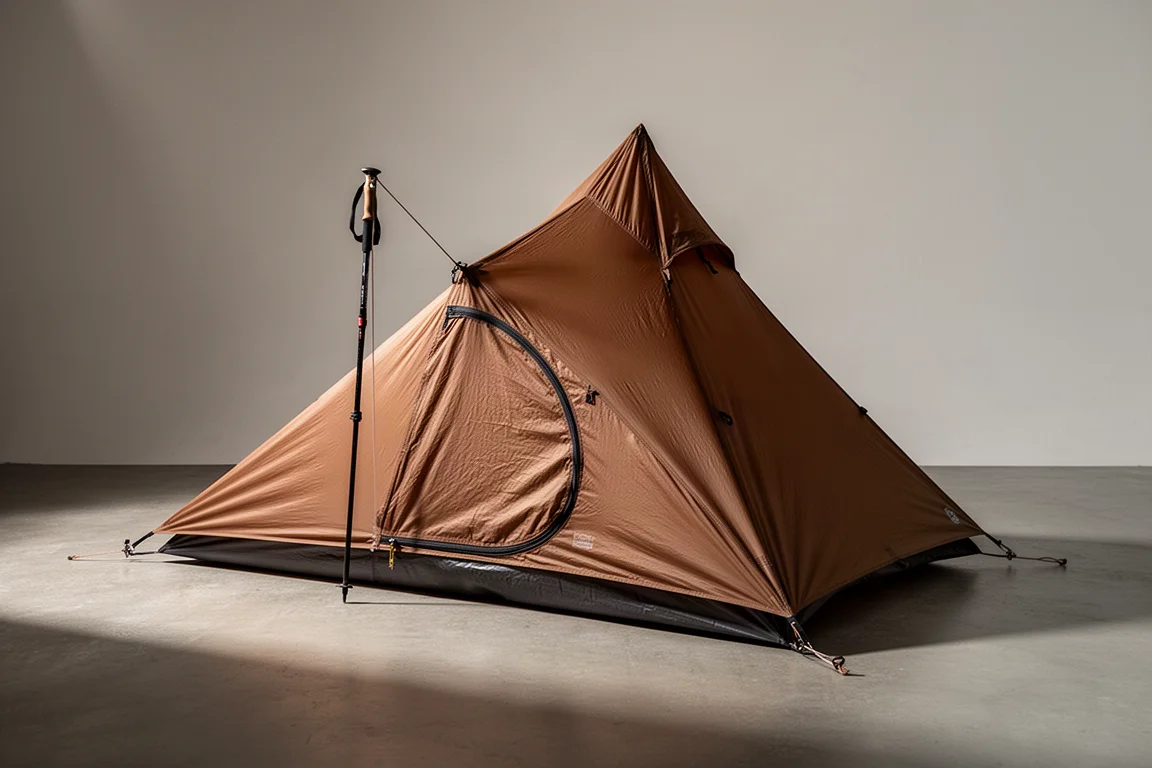
3F UL Lanchan Pro 1 Review: A 1 lb 8 oz Single-Wall Trekking Pole Tent
A practical look at the 3F UL Lanchan Pro 1, a single-wall trekking pole shelter with a 1 lb 8 oz weight, 20D silnylon fabrics, and a roomy 90 x 31 x 49 inch interior.
Backpacking Tents
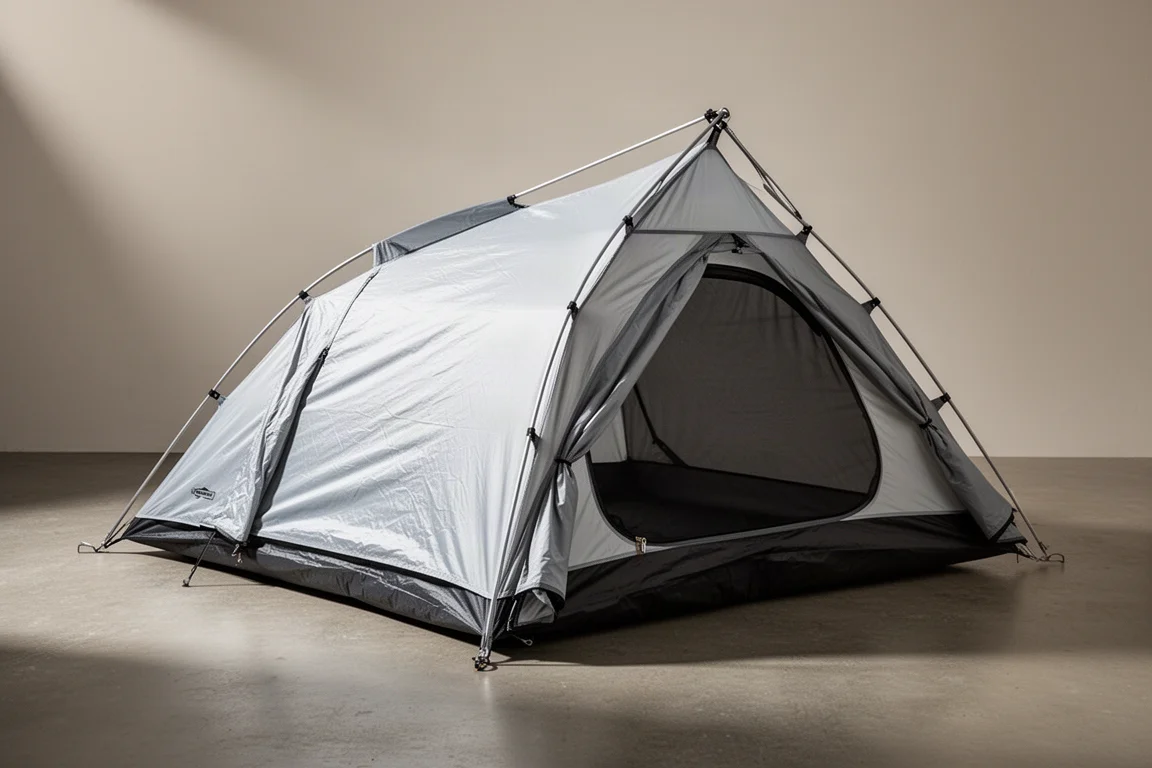
3F UL Taiji 2-Person Tent: A Convertible Backpacking Shelter Worth a Closer Look
A practical look at the 3F UL Taiji two-person tent, covering its materials, true two-person interior, fly-first pitching, and the seasonal inner swap that lets one shelter cover more of the year.
Backpacking Tents
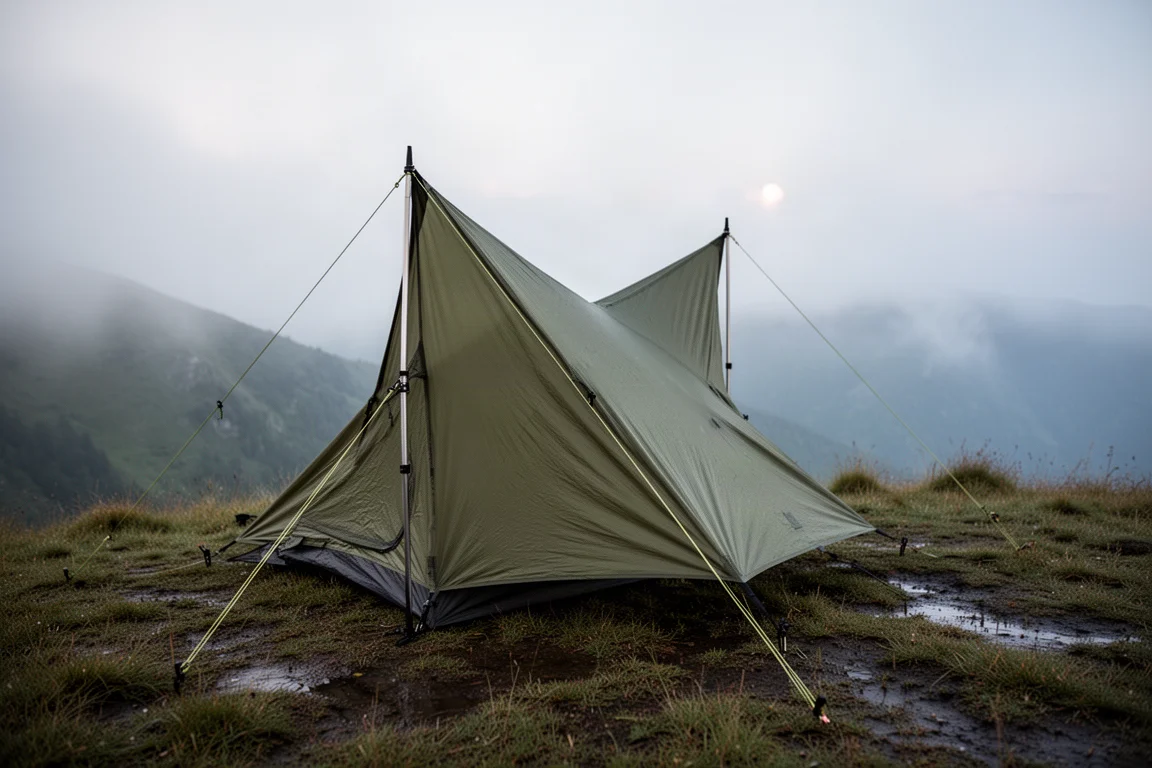
3FUL Lanshan Twoerson Pro Review: A Light Trekking Pole Shelter That Struggled in Rain
A two-person trekking pole shelter with a 2026 redesign, pitched with sticks and put through a night of steady rain. Here is what worked, what did not, and what to check before buying.