Backpacking Gear
Best Backpacking Pillows 2026: Comfort, Ultralight, Budget, and Cushioned Picks
Ten backpacking pillows compared across four categories, with the weights, heights, attachment systems, and trade-offs that decide which one earns a place in your pack.
Introduction
Ask most backpackers about a bad night in a tent and the pillow rarely comes up first, yet it is often the piece of gear doing the most work. A pillow supports your neck and head so you do not wake up with a kink, spreads some of your body weight so your shoulder and arm are not carrying the full load, and gives your ear and face a softer surface if you sleep on your side. Get it wrong and the rest of the sleep system cannot make up for it.
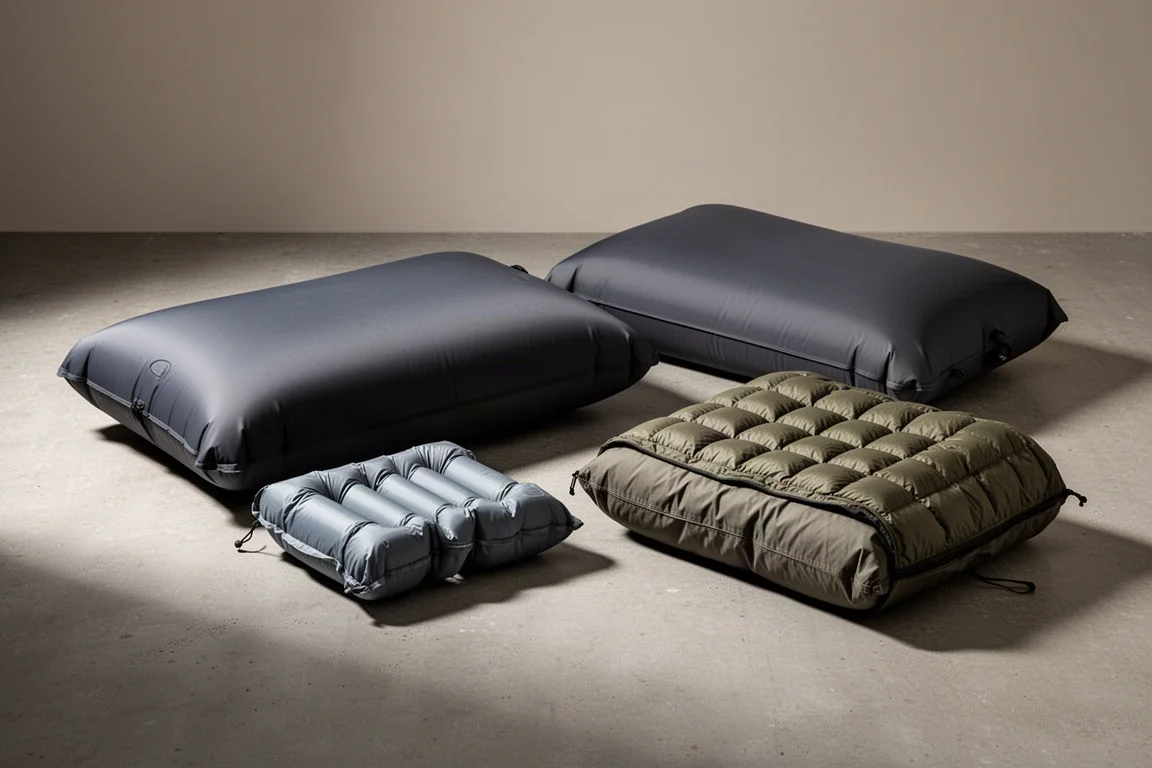
The pillows below were compared head to head in four groups: maximum comfort, ultralight, budget, and heavily cushioned. Every one of them is an inflatable, because inflatables strike the best balance between weight, support, and usable size. A pillow that used foam or another solid structure to hold its shape would weigh four or five times as much, which is a hard trade to justify on a backpacking trip.
How These Pillows Were Compared
Six things decide whether a camp pillow works for you: packed weight, price, inflated dimensions, baffling and stability, the comfort of the sleeping surface, and how the pillow attaches to your sleeping pad.
Height deserves its own note. Once a pillow reaches roughly 100 mm of inflated thickness, it can take meaningful pressure off a shoulder and keep the neck in a neutral line. Below that mark, those benefits start to fade. Back sleepers are less affected and may even prefer a thinner pillow so the head is not tilted forward, and it is always easier to let air out of a pillow than to add height to one.
Attachment matters more than it sounds. Without a connection to the pad, a pillow ends up somewhere on the tent floor by morning. Most designs use a strap that runs under the sleeping pad, while the Sea to Summit models use adhesive strips fixed to the pad that the pillow base grips.
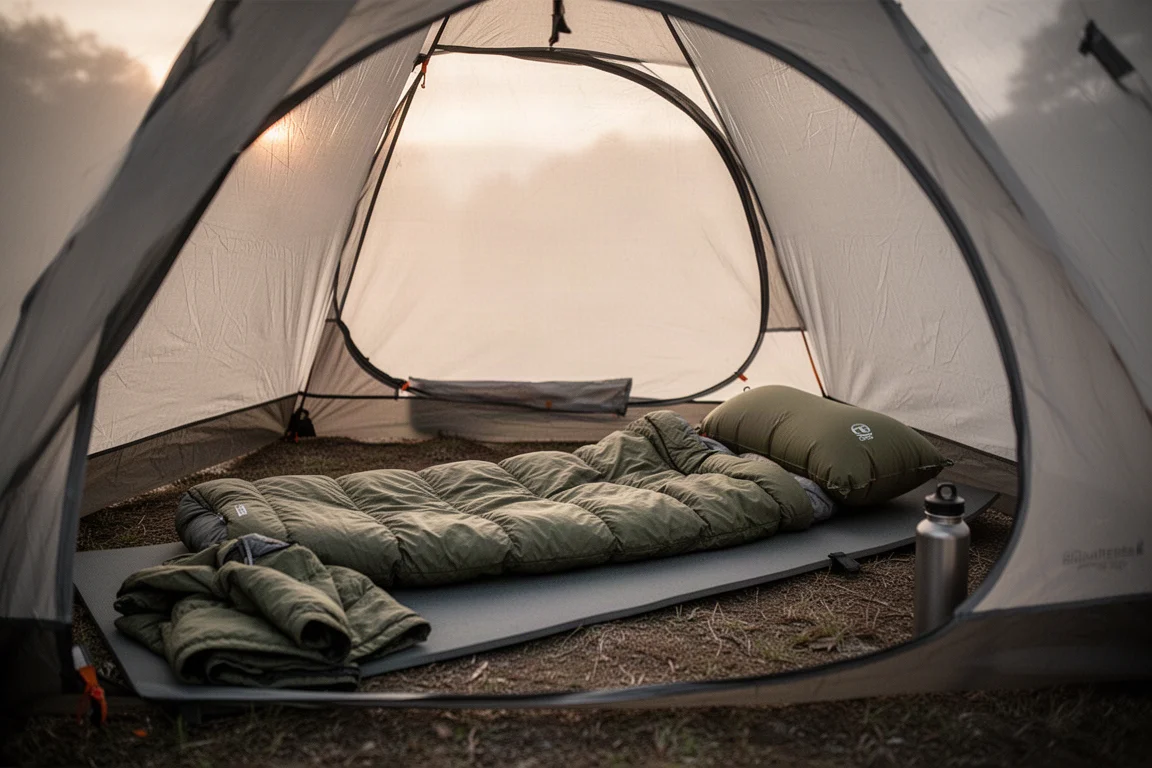
A pillow only earns its place in a pack if it still feels supportive after a few position changes in the middle of the night, so stability and surface comfort were weighed as heavily as raw specifications.
Best for Maximum Comfort: Exped Mega Pillow
The Exped Mega Pillow is the lighter of the two large comfort pillows at 184 g, and it inflates to 102 mm. The top surface is flat rather than cradled, which means the whole pillow stays usable no matter where you put your head. The baffling is solid, the platform is stable, and it does not feel like a balloon under the ear.
The top fabric is soft and has a little cushioning, though less than a foam-topped design. It attaches with a pad strap, which is the more versatile system if you switch between sleeping pads. The main thing missing is a curved bottom that would let a shoulder slot underneath.
Best Overall Comfort Pick: Sea to Summit Aeros Premium XL
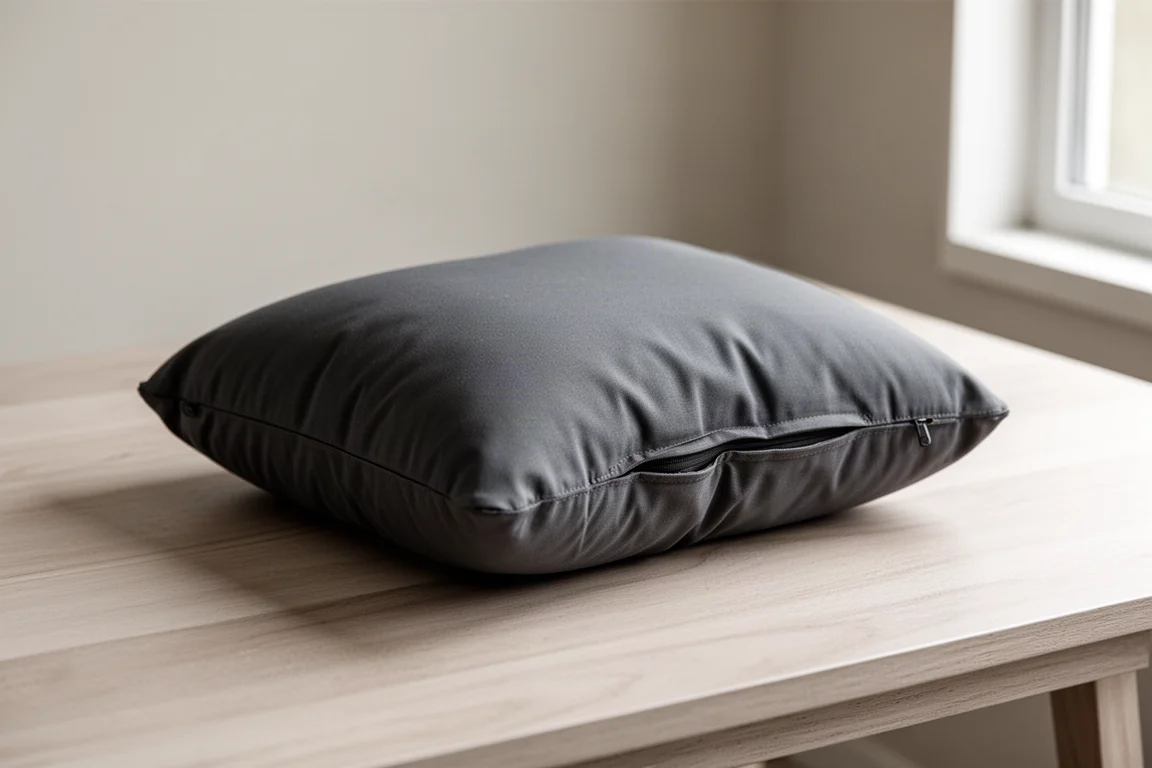
At $70, the Aeros Premium XL costs the same as the Mega Pillow, but it takes a different approach. It is noticeably larger, taller, and wider, close to the footprint of a pillow you would use at home, and it measures 107 mm thick. That extra size matters most on a 25 inch or 30 inch sleeping pad, where a smaller pillow can feel like an afterthought.
The foam topper is the headline feature. It puts a genuinely cushioned layer under your ear and the side of your head, and it keeps the pillow comfortable through the night. The flat top and solid baffling mean you can shift position without feeling like you are sliding off. The trade-offs are the 252 g packed weight and the pillow lock attachment, which uses strips fixed to a sleeping pad and is less convenient if you rotate between several pads. The pillow could also be narrower without losing much, and like the Mega Pillow it has a flat rather than curved bottom.
This is the pillow to choose if comfort outranks weight in your sleep system.
Best Ultralight: Big Sky Ultralight Pillow
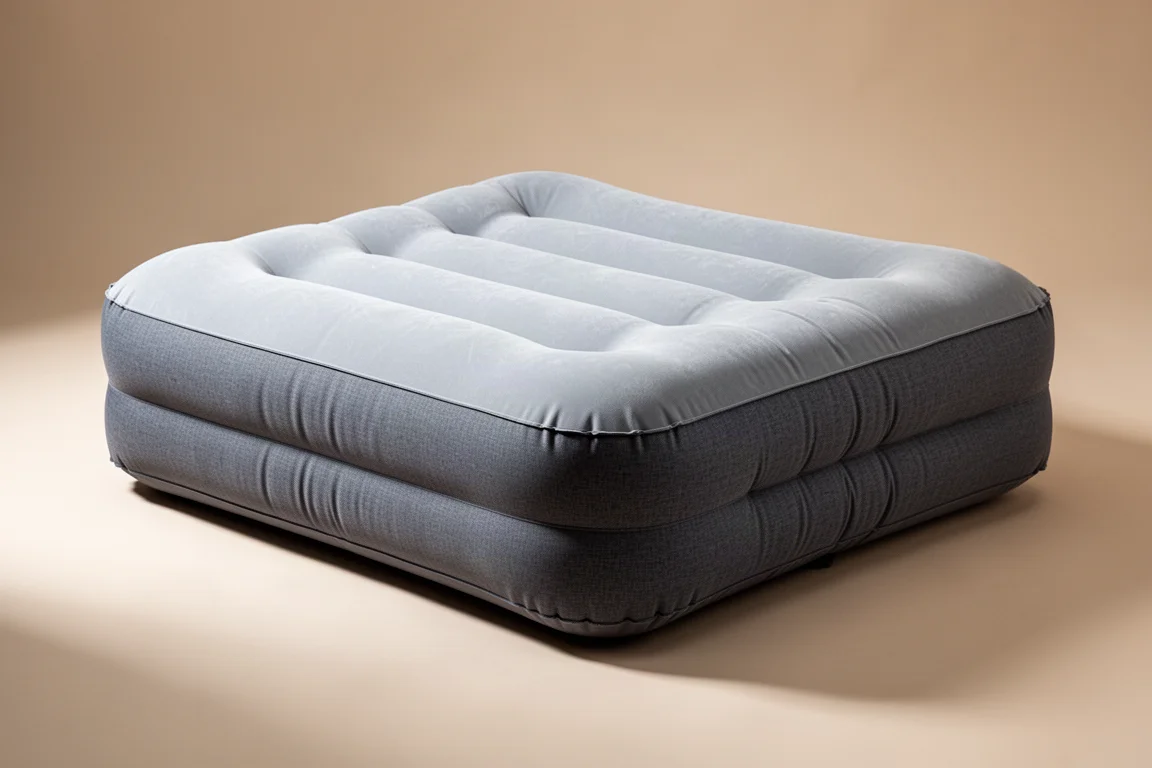
For backpackers counting grams, the Big Sky Ultralight weighs just 50 g and costs $30. It is the wider of the two ultralight contenders at just over 40 cm across, and it inflates to 105 mm at the centre, with outer tubes that stand slightly taller if you want more height under your head.
The trade-off is feel. This is the most balloon-like pillow in the comparison, and it stays comfortable mainly if you keep enough air in it. There is no cushioned top layer, so your skin rests directly on the bladder and can stick to it unless you cover your ear with a buff or a hat, which adds weight back. The flat bottom is simple but does not accept a shoulder the way a curved base does.
If low weight and extra height are your priorities, it is a strong choice.
Best Ultralight Alternative: Sea to Summit Aeros Ultralight Pillow
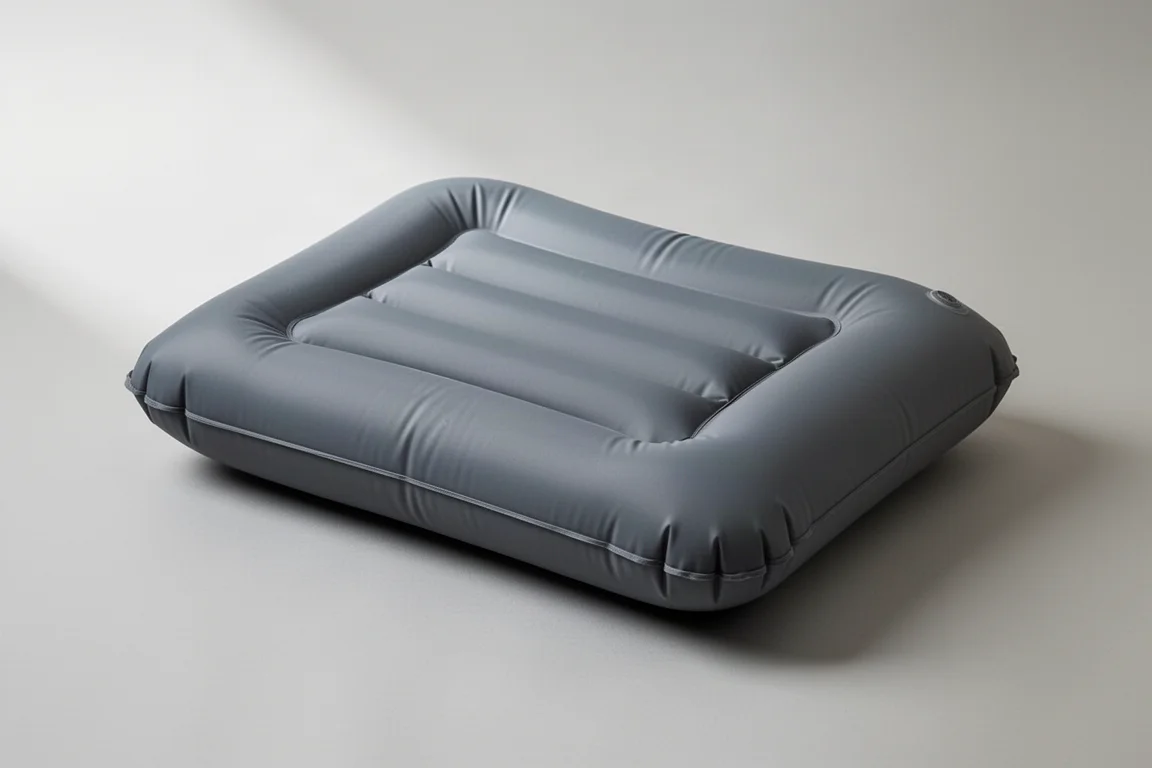
The Aeros Ultralight matches the Big Sky at 50 g and costs $50. It is narrower at about 32 cm and measures 92 mm thick, which sits below the 100 mm mark, so taller sleepers and broad-shouldered side sleepers may find themselves wishing for a little more height.
Where it stands out is construction. The baffling is a clear step up from earlier Sea to Summit pillows and stays supportive even when you let air out, so it never develops that balloon feel. The curved bottom lets a shoulder slot in, and the soft top material adds a comfortable surface without adding weight.
The raised outer tubes keep your head centred on a smaller pillow, which is a sensible design choice at this size. This category finished level, so the choice comes down to whether you want the softer surface and curved base here or the extra height and width of the Big Sky.
Best Budget: Trekology 2.0
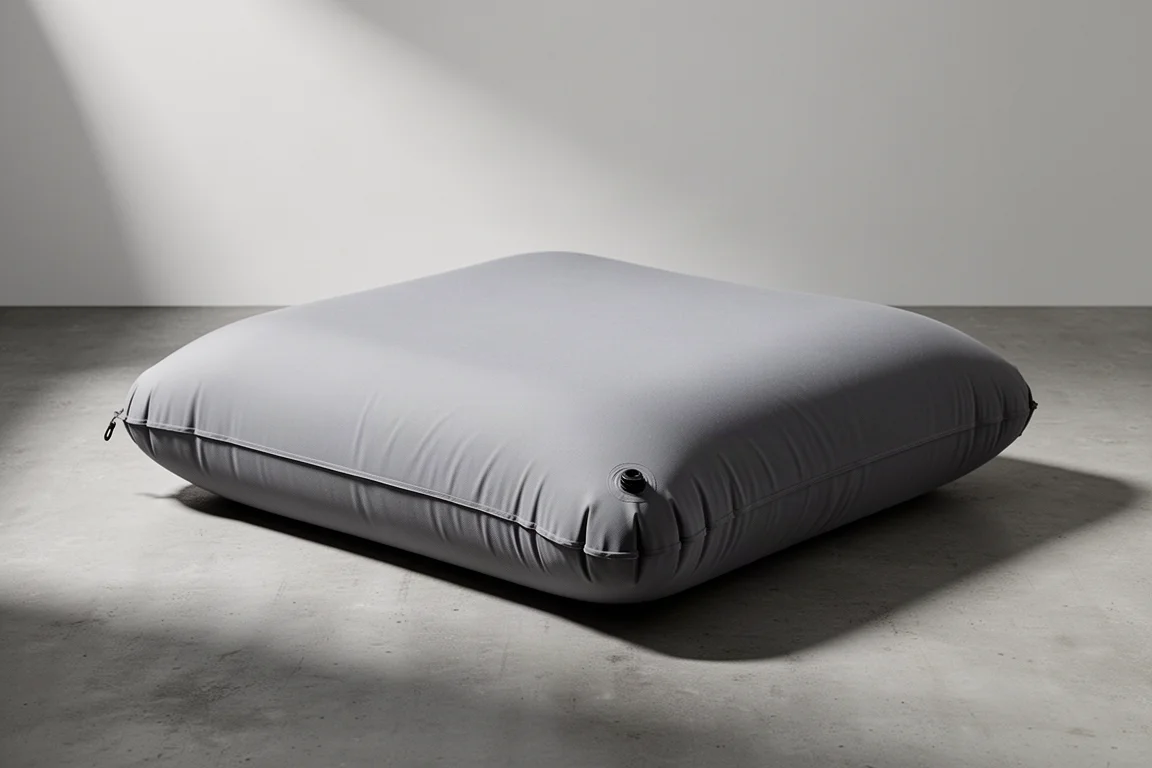
The Trekology 2.0 is the cheapest pillow here at $20 and one of the lightest at 90 g. It measures about 40 by 25 cm, inflates to 92 mm, and uses a curved bottom with a curved outer top and slightly raised tubes.
Despite the price, the baffling is very good and it does not feel balloon-like. There is no cushioned topper, so the top fabric is made stretchy instead to spread pressure, and the shape gives a generous sweet spot for head placement. The underside has grippy dots that work with a pad strap to keep the pillow locked onto the sleeping pad.
The height is the main limitation, and it is easy to work around by tucking a sit pad or spare clothing underneath.
Best Budget Runner-Up: Hike Kicker
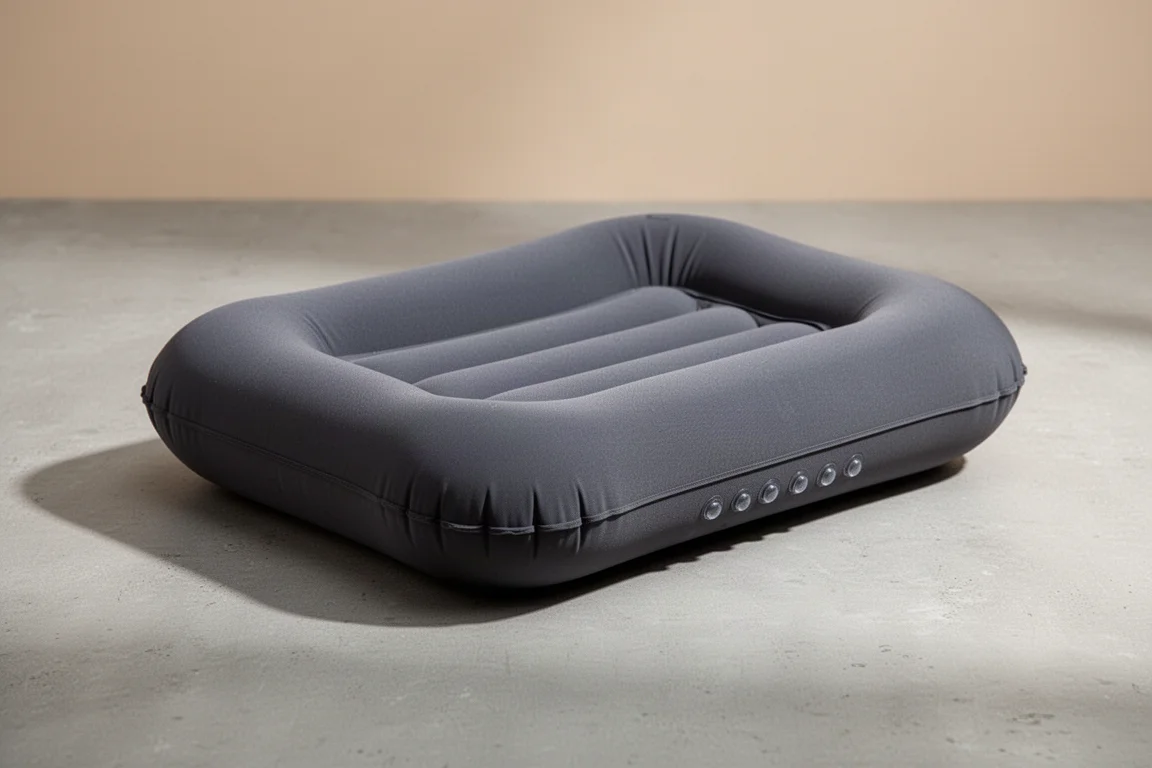
The Hike Kicker costs a little more at $23 and weighs 120 g, which is a meaningful jump from 90 g. It shares the same approximate 40 by 25 cm footprint and a 94 mm inflated height, with a curved bottom and a curved top.
Its distinguishing feature is the included pillowcase, which adds a soft topper and a little insulation. That is a genuine comfort upgrade on cold trips, but it is also what pushes the weight up. The baffling is supportive, though the pillow feels a touch more balloon-like than the Trekology, and the pronounced outer tubes and curved base leave a smaller sweet spot for your head.
Choose it if the pillowcase matters more than the weight.
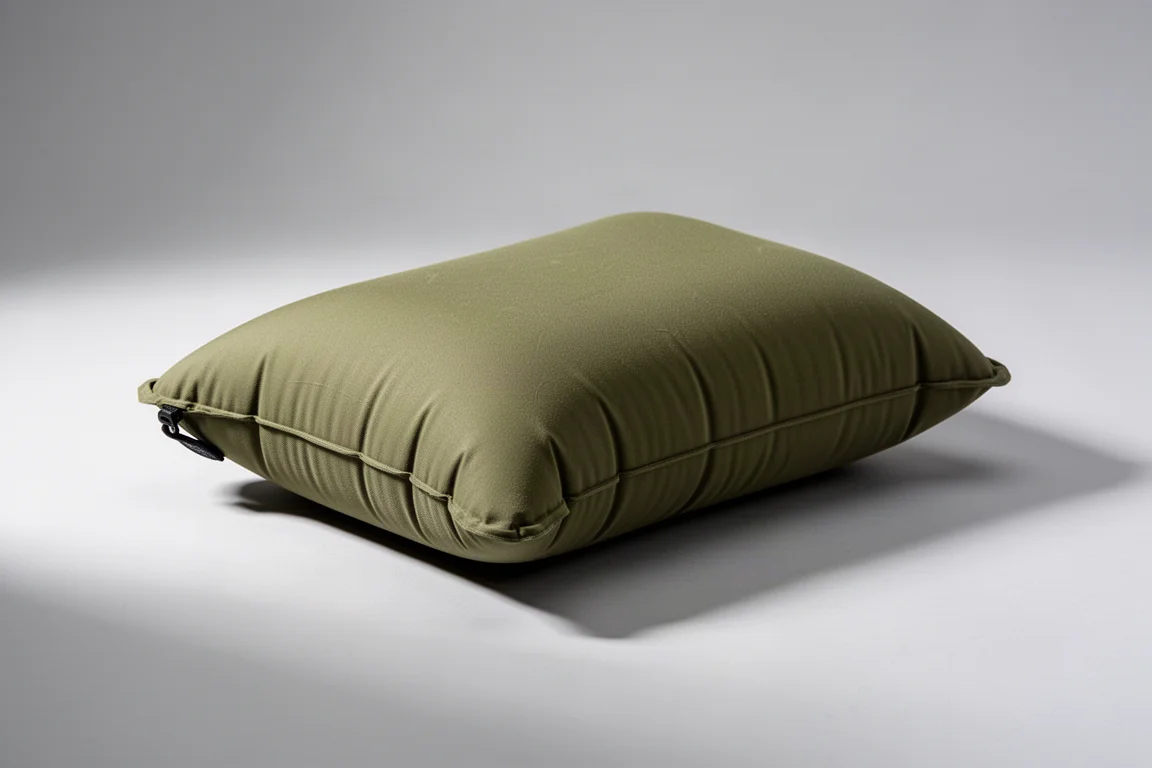
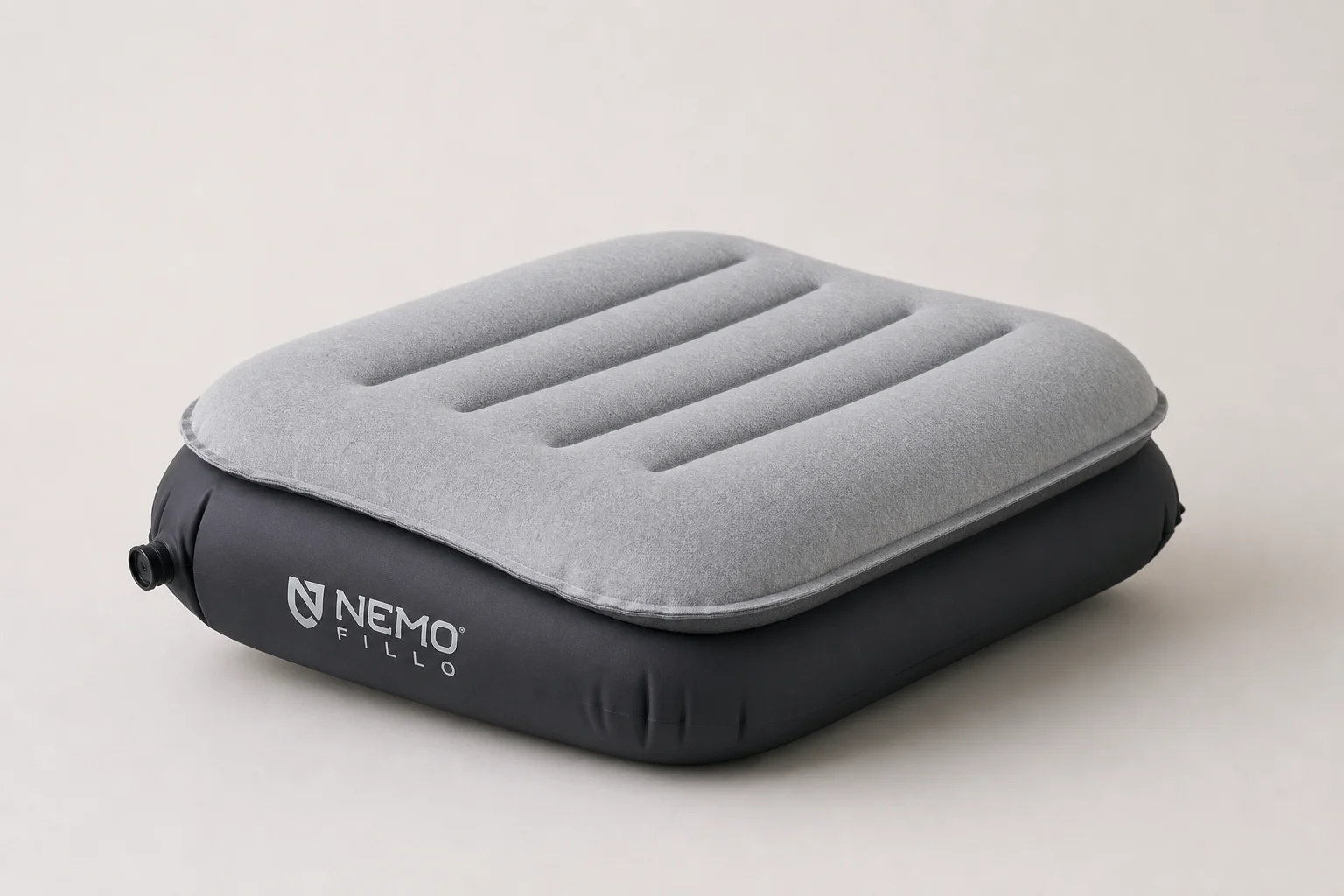
Best Cushioned Foam Topper: NEMO Fillo
The NEMO Fillo is $50, weighs 260 g, and measures 38 by 22 cm with a 100 mm height. Its thick foam topper is the reason to consider it. Foam does not stay compressed the way down does, so the cushioning and pressure relief stay consistent night after night, and the soft cover is pleasant against the ear.
The weak point is the shape. The top curves outward rather than cradling the head, so lying near the edge can feel like you are about to slide off, and a flatter or more cradling surface would suit it better. Attachment is by pad strap, which keeps it versatile across pads.
Best Down-Topped Comfort: Zen Bivy Soft Top Pillow
The Zen Bivy Soft Top Pillow is the most expensive option at $90 and weighs 268 g. It is also the largest at 46 by 26 cm. The design is a three-part system: an air bladder, a down topper, and a pillowcase holding it all together. Fully assembled it stands 128 mm tall, and once the down compresses it settles to about 97 mm.
The air bladder has strong baffling and a flat top, so the support is excellent. The down topper feels lovely when you first lie down, but it compresses under a stationary head and can start pressing on your ear. Down is also a poor choice in serious heat, where the topper can feel far too warm, though it can simply be removed and the bladder used on its own.
Attachment is by two clips designed to work with a Zen Bivy bed, where they clip into the sheet over the sleeping pad. On any other pad you need to tie a cord around the pad and clip into that, which is workable but less tidy. Against the Fillo, the larger flat surface and stronger support give it the edge for most sleepers.
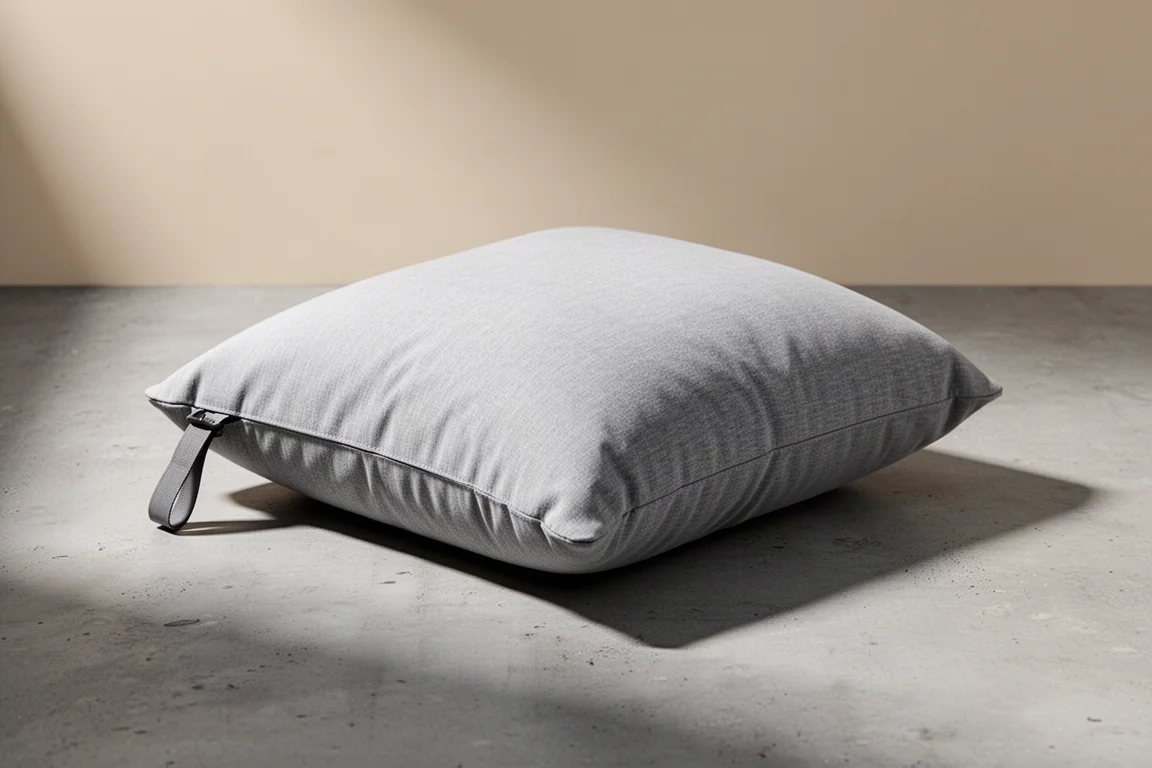
A Hard-to-Find Favorite: Exped Rem Pillow
The Exped Rem Pillow is worth knowing about even though it could not be part of the comparison, because it is genuinely hard to find in stock. It combines a synthetic foam topper, a soft cover material, and a pad strap, and it is likely the most comfortable pillow in the cushioned group.
Because availability is so unpredictable, it is difficult to recommend as a first choice. If supply improves, it would likely lead this category outright.
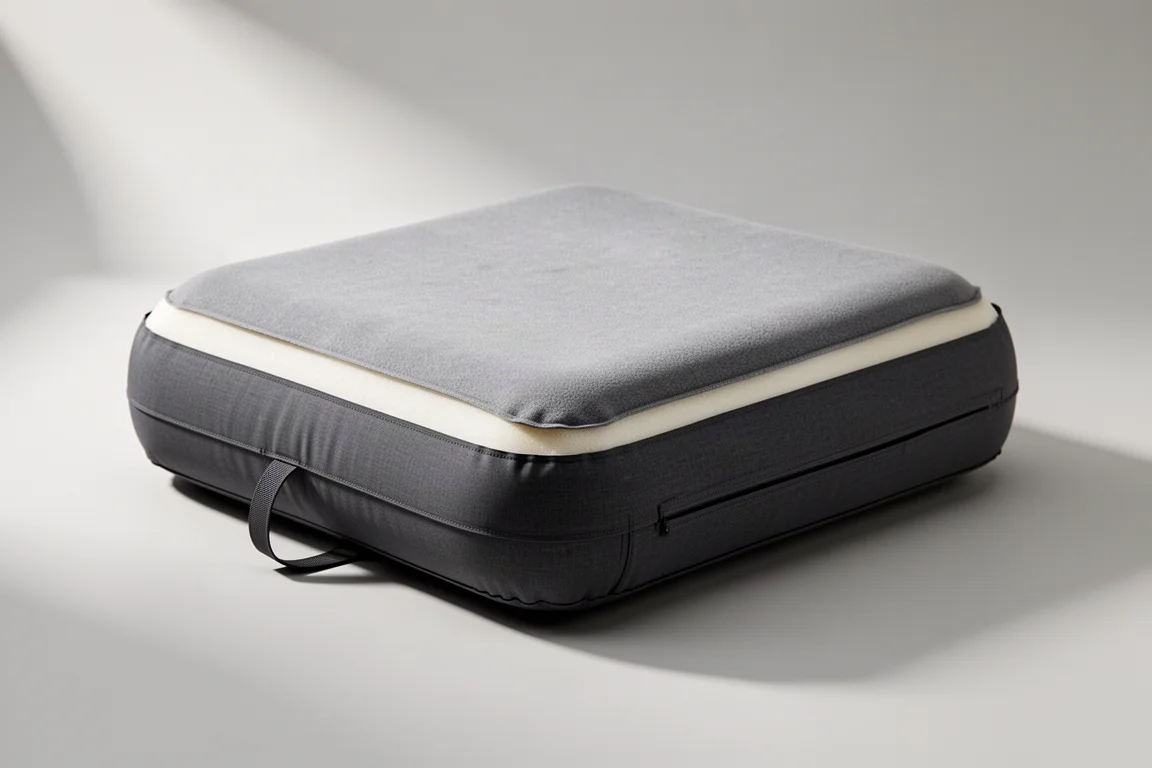
Modular Comfort: Zpacks Pillow Topper
The Zpacks Pillow Topper is a small add-on rather than a pillow. It attaches to a pillow you already own and adds a foam layer on top, essentially turning the Nemo Fillo’s fixed foam topper into a modular piece that can be fitted to almost any inflatable pillow. It is a simple way to add a lot of comfort to a pillow that lacks cushioning.
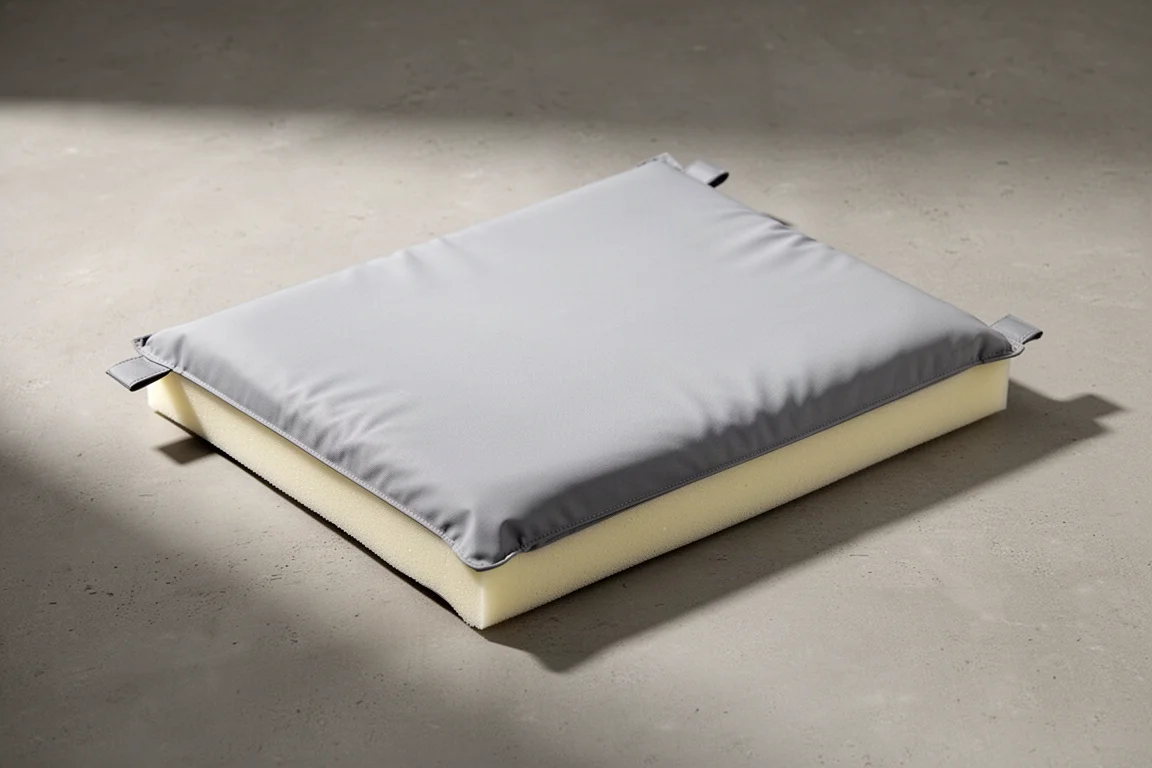
Buying Advice
Start with your sleep position. Side sleepers benefit most from a pillow that reaches roughly 100 mm or more, which points to the Exped Mega Pillow, the Sea to Summit Aeros Premium XL, or the Big Sky Ultralight. Back sleepers can go thinner and may prefer the Sea to Summit Aeros Ultralight or one of the budget options.
Then weigh grams against comfort. The two ultralight pillows at 50 g are as light as this category gets, and that group finished level, so the decision comes down to the Big Sky’s extra height and width versus the Aeros Ultralight’s softer surface and curved base. If you are willing to carry 90 to 120 g, the budget pillows offer surprising stability for $20 to $23. If weight is not a concern at all, the 184 to 268 g comfort pillows deliver the closest thing to a home pillow in a tent.
Attachment should be part of the decision too. Pad straps are the most versatile option, while the Sea to Summit pillow lock system is effective but ties a pillow to specific pads. Each Sea to Summit pillow ships with four adhesive stickers, and using two per sleeping pad lets one pillow serve two different pads without hunting for spares.
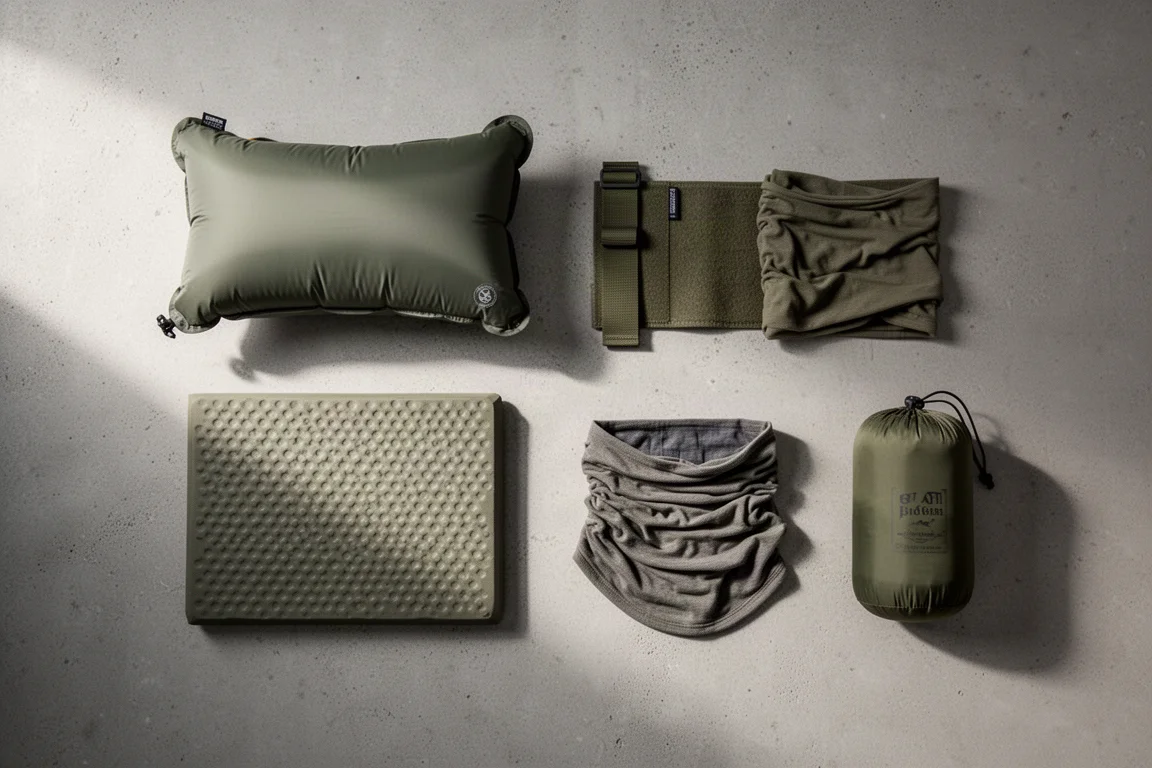
Finally, do not overlook small adjustments. Tucking a sit pad or spare clothing under a shorter pillow is the most effective way to gain height, and a modular foam topper is the simplest way to add cushioning to a pillow that feels too firm. Cheap fixes like these often matter more than the pillow you start with.
Conclusion
There is no single best pillow here, only the best pillow for how you sleep and how much weight you are willing to carry. The Sea to Summit Aeros Premium XL takes the maximum comfort category, the ultralight group is a genuine tie between the Big Sky Ultralight and the Sea to Summit Aeros Ultralight, the Trekology 2.0 is the standout budget pick, and the Zen Bivy Soft Top Pillow wins the cushioned category, with the caveat that its down topper runs warm in hot weather.
Pick the category that matches your trip, then check the height, the attachment system, and the packed weight before you commit. Those three details decide whether a pillow disappears into your pack or earns a permanent place in it.
Further reading
Related Reviews

Backpacking Gear
Building a 10 lb Base Weight: An Ultralight Backpacking Gear List
A practical walkthrough of the ultralight pieces behind a 10 lb base weight, from a 765 g pack and a roomy one-person tent to a full camp chair and a dependable water filter.
Backpacking Gear
A 15-Pound Lightweight Backpacking Gear List for Solo Trips
A beginner-friendly 15-pound backpacking setup built from easy-to-find gear, with notes on what each piece does, how it packs, and where to spend your attention.
Backpacking Gear
8 Ultralight Backpacking Gear Upgrades Worth Carrying
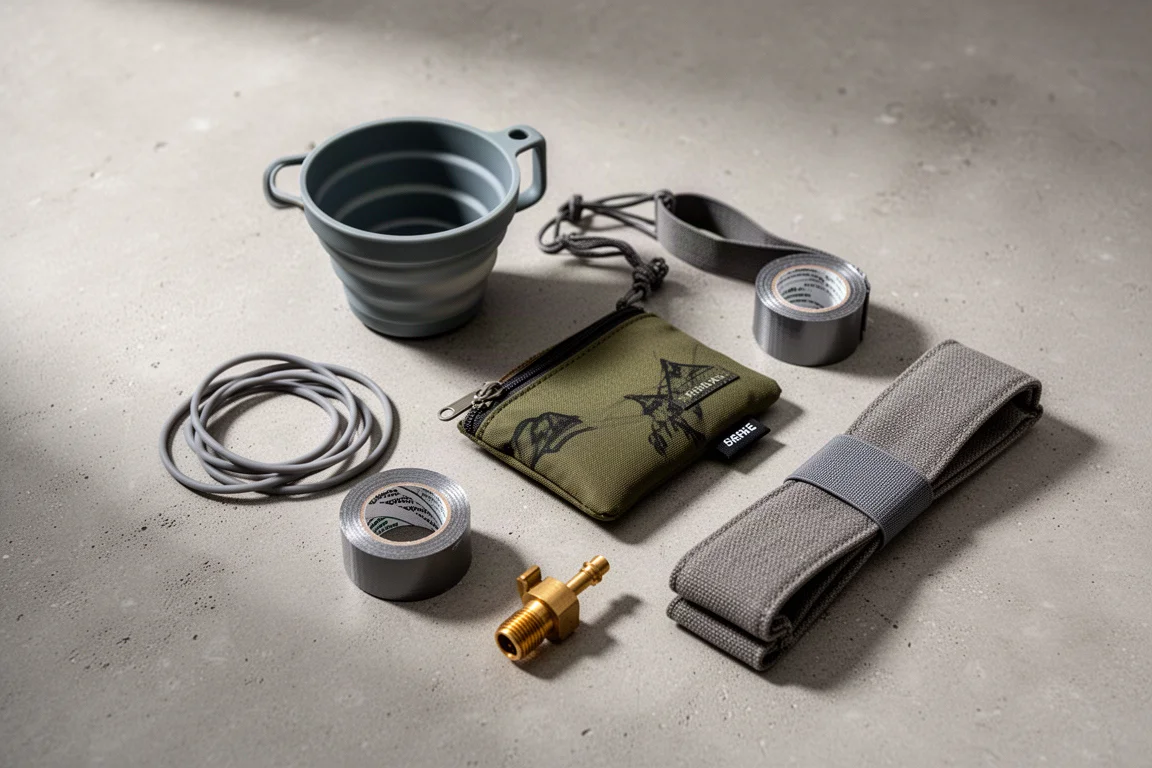
Eight small, affordable backpacking upgrades that solve real trail annoyances, from a pillow that stays put to a fuel valve that rescues leftover canister gas.